

Modern Crypto Academy
83 Publicações

Modern Crypto Academy
Denunciar
Bloquear Utilizador
Crypto Trader l Market Analyst I Risk-First Mindset,profit-focused execution. Lover # Cryto
Aberto ao trading

Detentor de 2Z
Trader de Alta Frequência
3.1 ano(s)
66 A seguir
35 Seguidores
105 Gostaram
Publicações
Portfólio
Tudo
Cotações
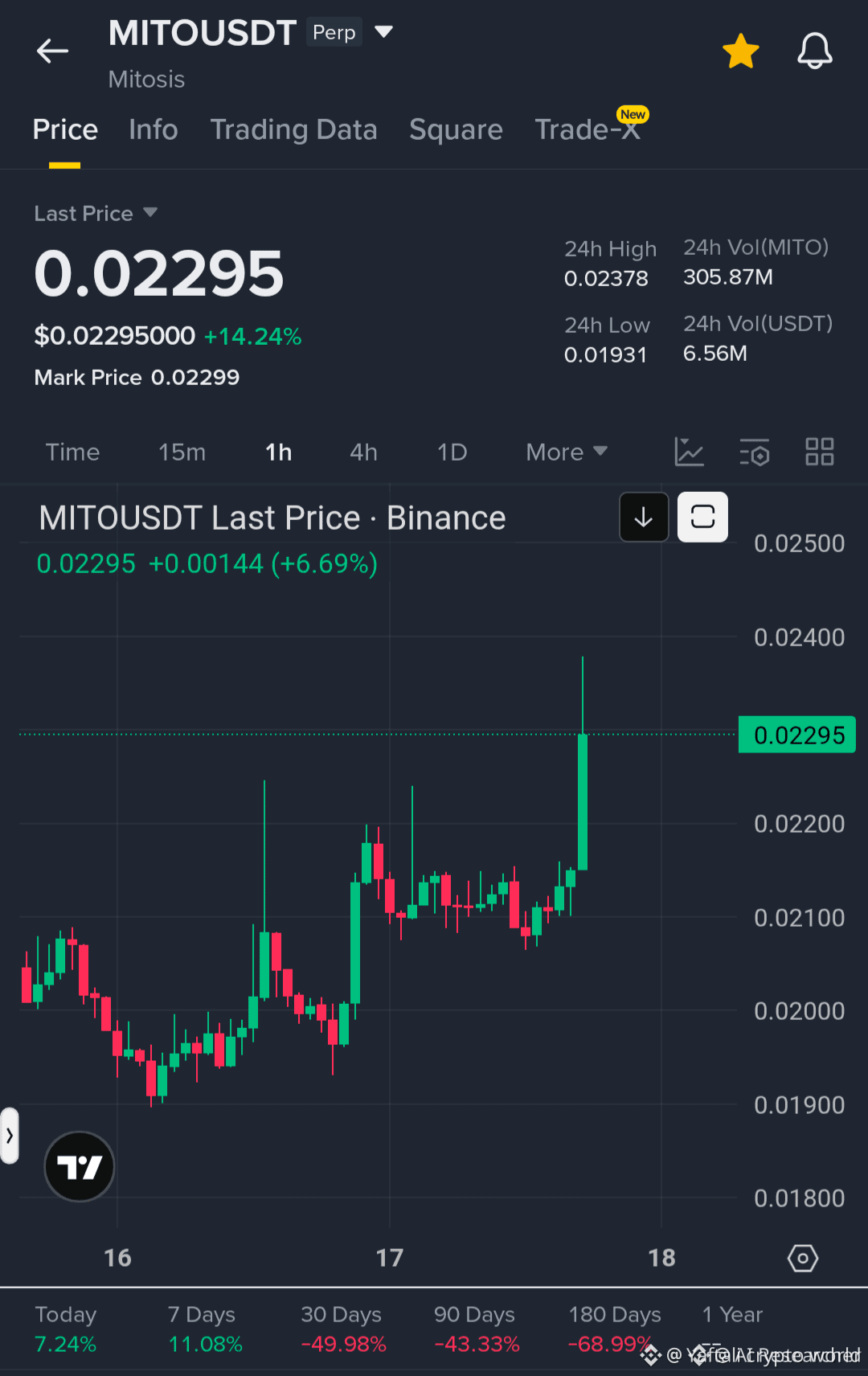
$MITO o momentum e o volume estão parecendo fortes.
Eu consigo ver isso se movendo em direção à zona de $0,03 a partir daqui.
Não perca essa oportunidade, compre agora $MITO e me agradeça depois.
$MITO o momentum e o volume estão parecendo fortes.
Eu consigo ver isso se movendo em direção à zona de $0,03 a partir daqui.
Não perca essa oportunidade, compre agora $MITO e me agradeça depois.
Eu consigo ver isso se movendo em direção à zona de $0,03 a partir daqui.
Não perca essa oportunidade, compre agora $MITO e me agradeça depois.
1
82
$BTC
$ETH
$BNB
Principais Tendências em Cripto Agora
1. O Bitcoin se tornando um ativo mainstream
O Bitcoin está sendo cada vez mais tratado como “ouro digital.” Grandes instituições financeiras, ETFs e até corporações estão segurando BTC como parte de suas reservas. Analistas esperam que a demanda institucional de longo prazo continue a crescer.
Reuters +1
2. Os stablecoins estão crescendo rapidamente
USDT e USDC estão se tornando importantes para pagamentos e transferências internacionais. Muitos especialistas acreditam que os stablecoins podem se tornar uma parte central dos pagamentos na internet e da infraestrutura bancária.
Silicon Valley Bank +1
3. Tokenização de ativos do mundo real
Bancos e empresas estão colocando ativos como títulos, ações e imóveis em redes blockchain. Grandes empresas, incluindo JPMorgan Chase e BlackRock, já estão testando isso.
MarketWatch +1
4. Governos estão introduzindo regulações
Leis de cripto mais claras estão surgindo nos EUA e na Europa. Isso está atraindo mais investidores institucionais, mas também reduzindo a natureza de “far west” dos mercados cripto.
Investopedia +1
5. Integração de IA + Cripto
Empresas de cripto estão usando cada vez mais IA para trading, automação e segurança. Algumas plataformas estão se reestruturando em torno de sistemas impulsionados por IA.
$BTC
$ETH
$BNB
Principais Tendências em Cripto Agora
1. O Bitcoin se tornando um ativo mainstream
O Bitcoin está sendo cada vez mais tratado como “ouro digital.” Grandes instituições financeiras, ETFs e até corporações estão segurando BTC como parte de suas reservas. Analistas esperam que a demanda institucional de longo prazo continue a crescer.
Reuters +1
2. Os stablecoins estão crescendo rapidamente
USDT e USDC estão se tornando importantes para pagamentos e transferências internacionais. Muitos especialistas acreditam que os stablecoins podem se tornar uma parte central dos pagamentos na internet e da infraestrutura bancária.
Silicon Valley Bank +1
3. Tokenização de ativos do mundo real
Bancos e empresas estão colocando ativos como títulos, ações e imóveis em redes blockchain. Grandes empresas, incluindo JPMorgan Chase e BlackRock, já estão testando isso.
MarketWatch +1
4. Governos estão introduzindo regulações
Leis de cripto mais claras estão surgindo nos EUA e na Europa. Isso está atraindo mais investidores institucionais, mas também reduzindo a natureza de “far west” dos mercados cripto.
Investopedia +1
5. Integração de IA + Cripto
Empresas de cripto estão usando cada vez mais IA para trading, automação e segurança. Algumas plataformas estão se reestruturando em torno de sistemas impulsionados por IA.
$ETH
$BNB
Principais Tendências em Cripto Agora
1. O Bitcoin se tornando um ativo mainstream
O Bitcoin está sendo cada vez mais tratado como “ouro digital.” Grandes instituições financeiras, ETFs e até corporações estão segurando BTC como parte de suas reservas. Analistas esperam que a demanda institucional de longo prazo continue a crescer.
Reuters +1
2. Os stablecoins estão crescendo rapidamente
USDT e USDC estão se tornando importantes para pagamentos e transferências internacionais. Muitos especialistas acreditam que os stablecoins podem se tornar uma parte central dos pagamentos na internet e da infraestrutura bancária.
Silicon Valley Bank +1
3. Tokenização de ativos do mundo real
Bancos e empresas estão colocando ativos como títulos, ações e imóveis em redes blockchain. Grandes empresas, incluindo JPMorgan Chase e BlackRock, já estão testando isso.
MarketWatch +1
4. Governos estão introduzindo regulações
Leis de cripto mais claras estão surgindo nos EUA e na Europa. Isso está atraindo mais investidores institucionais, mas também reduzindo a natureza de “far west” dos mercados cripto.
Investopedia +1
5. Integração de IA + Cripto
Empresas de cripto estão usando cada vez mais IA para trading, automação e segurança. Algumas plataformas estão se reestruturando em torno de sistemas impulsionados por IA.
1
125
·
--
Em Alta
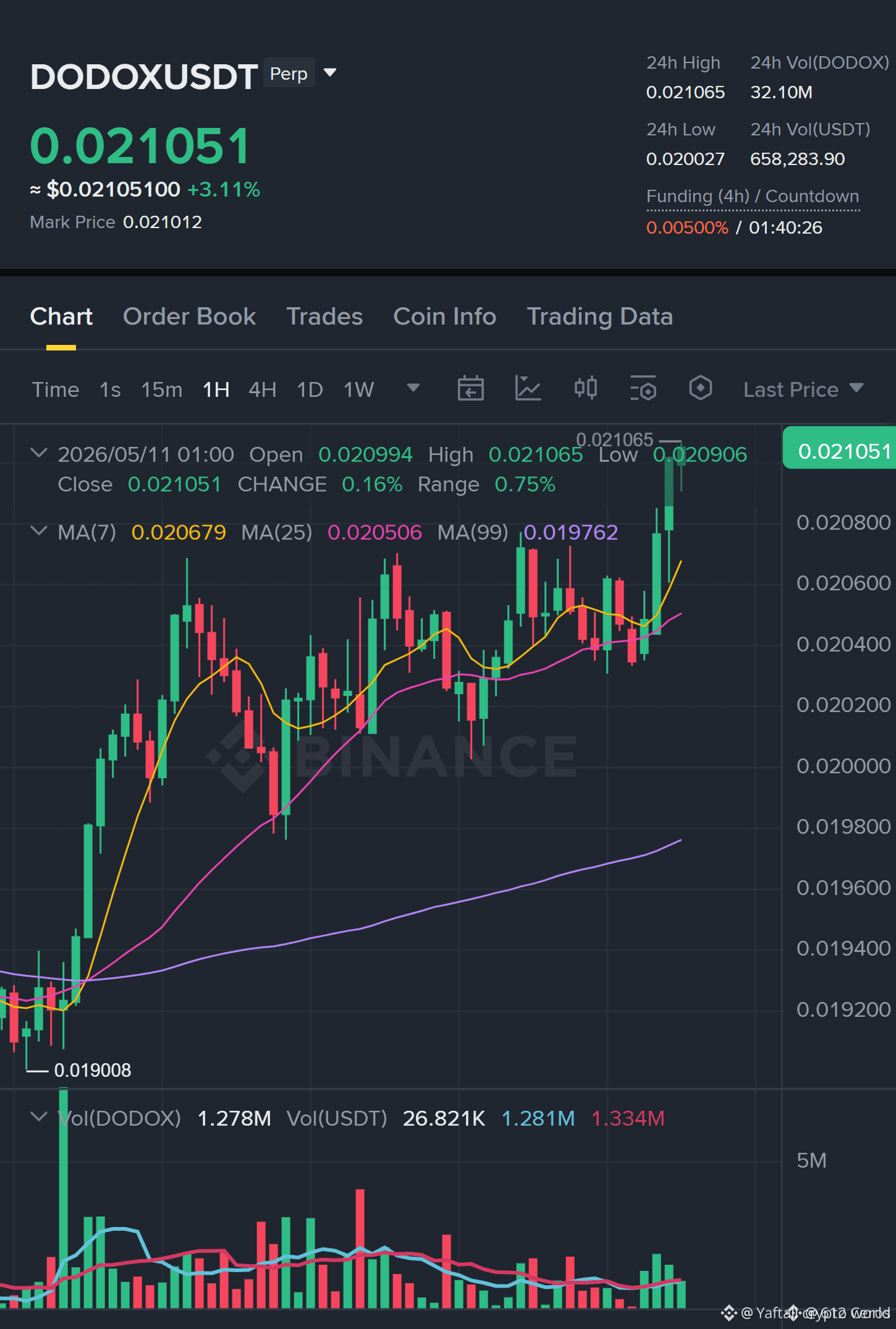
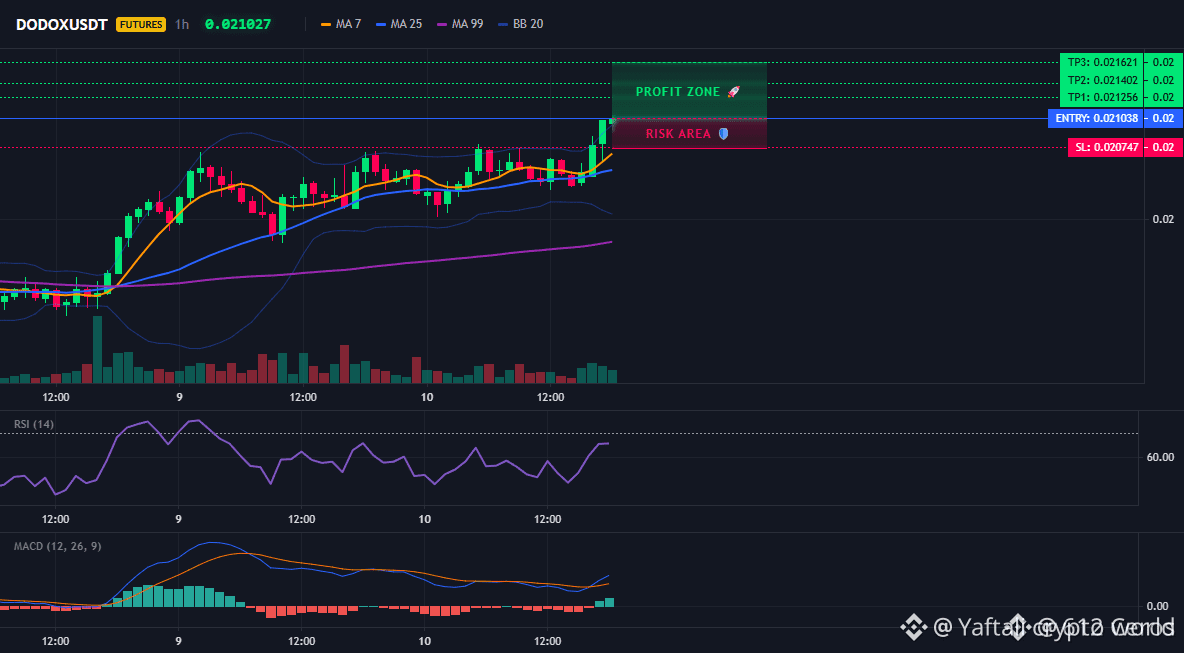
$DODOX /USDT um breakout
$DODOX - LONG
Plano de Trade:
Entrada: 0.021008 – 0.021068
SL: 0.020747
TP1: 0.021256
TP2: 0.021402
TP3: 0.021621
Por que esse setup?
RSI em 15m atingiu 72.89 (sobrecomprado), mas a estrutura de 4h ainda mantém LONG com 95% de confiança. A entrada em 0.021038 está acima do suporte EMA de 1h. O preço está limitado em 1D, então estamos jogando um squeeze, não uma tendência. TP1 em 0.021256 é a primeira captura de liquidez.
Debate:
Você está desfazendo o RSI sobrecomprado ou aproveitando o momento de 4h até o TP2?
Clique aqui para Trade 👇️
$DODOX
{future}(DODOXUSDT)
$DODOX /USDT um breakout
$DODOX - LONG
Plano de Trade:
Entrada: 0.021008 – 0.021068
SL: 0.020747
TP1: 0.021256
TP2: 0.021402
TP3: 0.021621
Por que esse setup?
RSI em 15m atingiu 72.89 (sobrecomprado), mas a estrutura de 4h ainda mantém LONG com 95% de confiança. A entrada em 0.021038 está acima do suporte EMA de 1h. O preço está limitado em 1D, então estamos jogando um squeeze, não uma tendência. TP1 em 0.021256 é a primeira captura de liquidez.
Debate:
Você está desfazendo o RSI sobrecomprado ou aproveitando o momento de 4h até o TP2?
Clique aqui para Trade 👇️
$DODOX
$DODOX - LONG
Plano de Trade:
Entrada: 0.021008 – 0.021068
SL: 0.020747
TP1: 0.021256
TP2: 0.021402
TP3: 0.021621
Por que esse setup?
RSI em 15m atingiu 72.89 (sobrecomprado), mas a estrutura de 4h ainda mantém LONG com 95% de confiança. A entrada em 0.021038 está acima do suporte EMA de 1h. O preço está limitado em 1D, então estamos jogando um squeeze, não uma tendência. TP1 em 0.021256 é a primeira captura de liquidez.
Debate:
Você está desfazendo o RSI sobrecomprado ou aproveitando o momento de 4h até o TP2?
Clique aqui para Trade 👇️
$DODOX
1
90
·
--
Em Alta
1
197
·
--
Em Alta
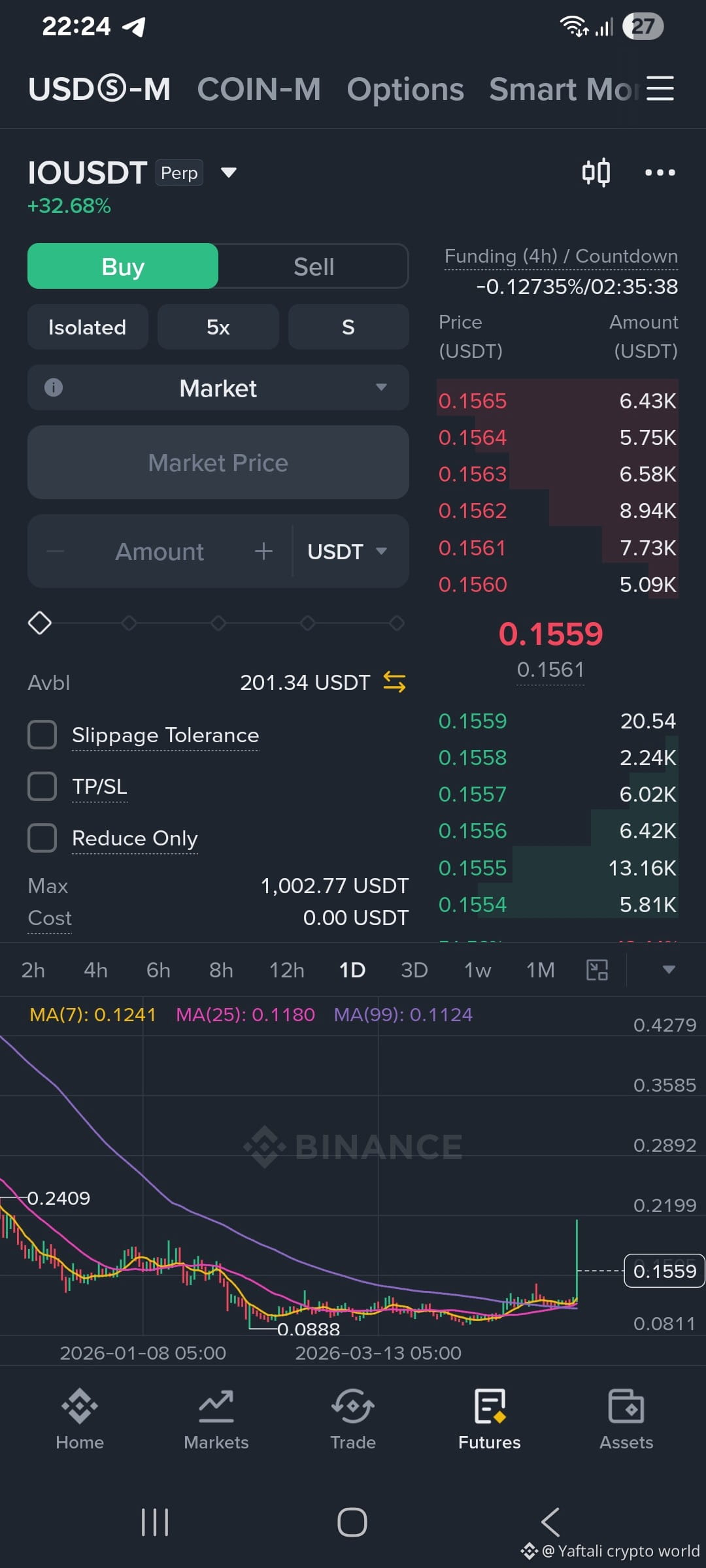
$IO está em modo de pump 🚀🚀🚀
tome posição longa
$IO
$IO está em modo de pump 🚀🚀🚀
tome posição longa
$IO
tome posição longa
$IO
1
179
·
--
Em Alta
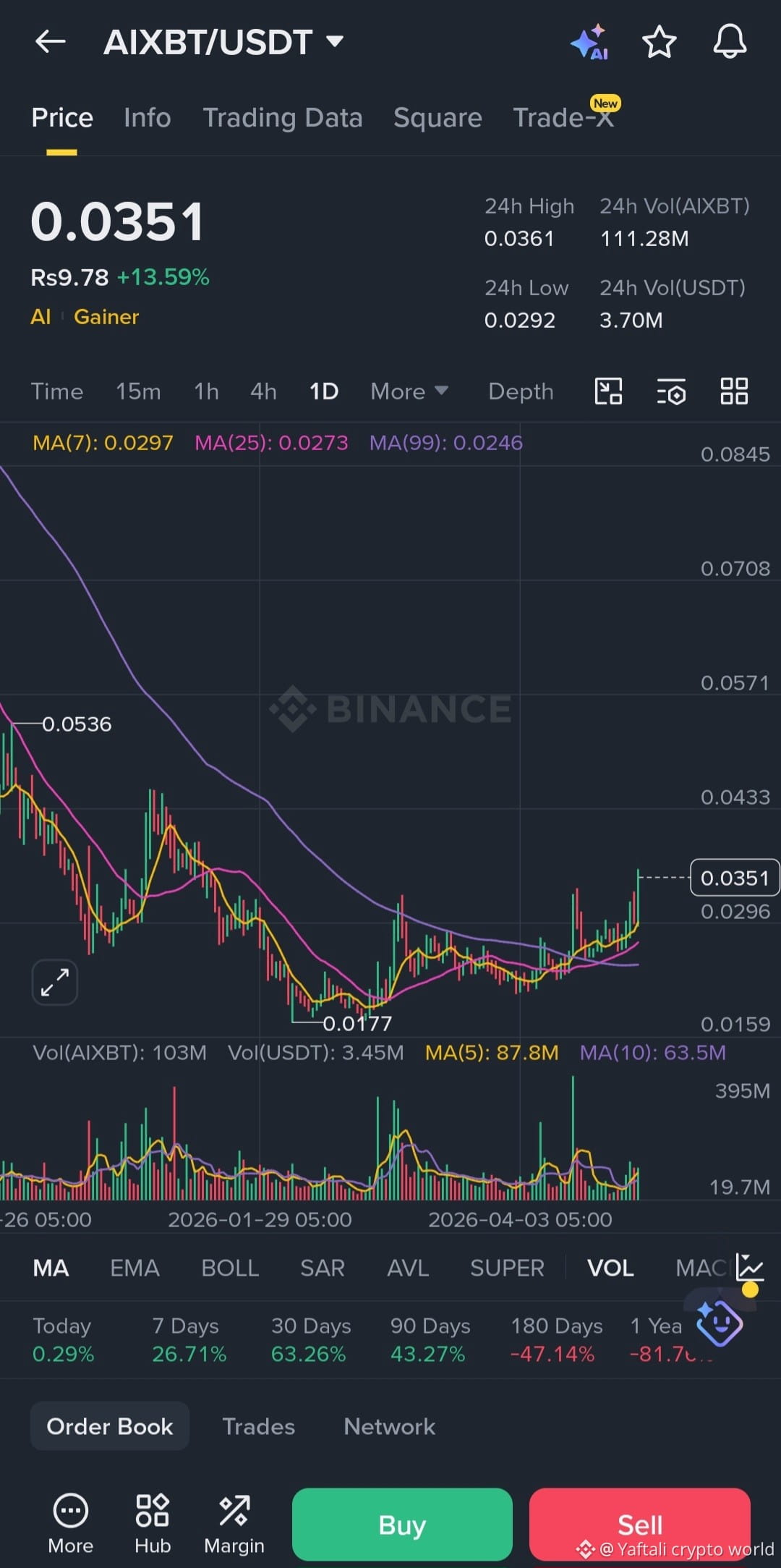
$AIXBT está pegando fogo 🚀🚀🚀
tome uma posição longa
{future}(AIXBTUSDT)
$AIXBT
$AIXBT está pegando fogo 🚀🚀🚀
tome uma posição longa
$AIXBT
tome uma posição longa
$AIXBT
1
69
·
--
Em Alta
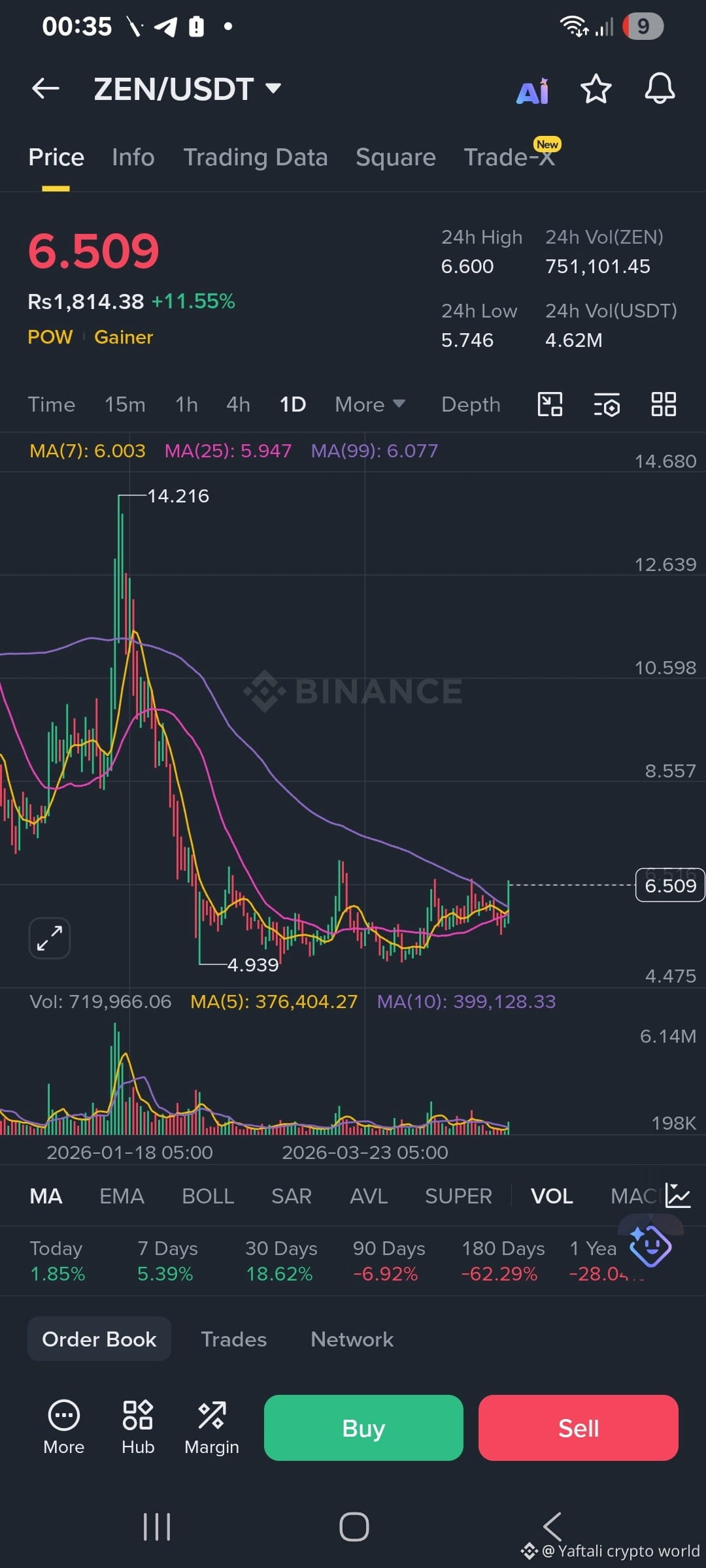
$ZEN 🚀🚀🚀
ZEN Coin está bombando na direção
tome uma posição longa
{future}(ZENUSDT)
$ZEN
$ZEN 🚀🚀🚀
ZEN Coin está bombando na direção
tome uma posição longa
$ZEN
ZEN Coin está bombando na direção
tome uma posição longa
$ZEN
1
166
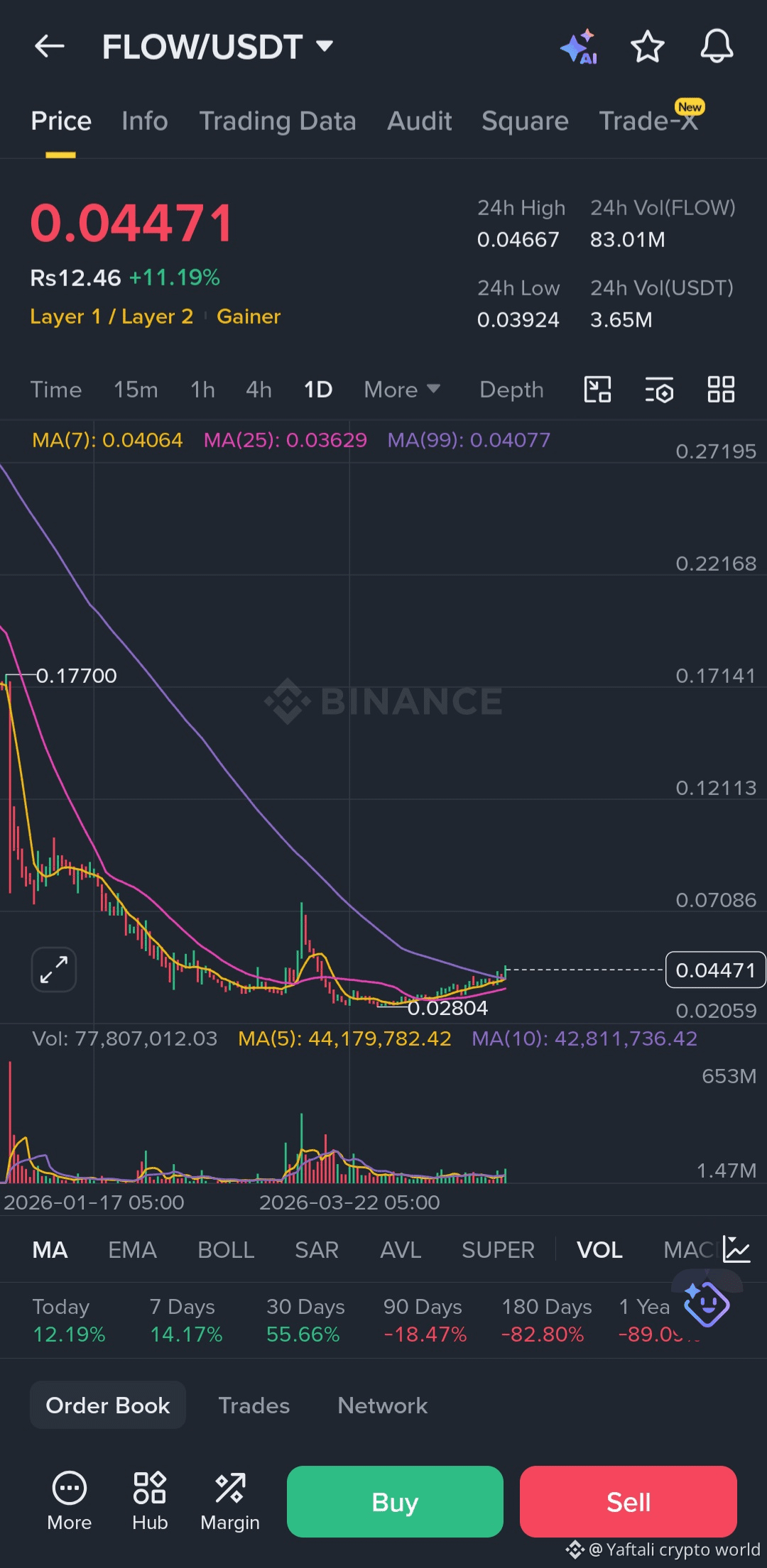
$FLOW está em chamas 🚀🚀🚀
tome posição longa
{future}(FLOWUSDT)
$FLOW
$FLOW está em chamas 🚀🚀🚀
tome posição longa
$FLOW
tome posição longa
$FLOW
1
135
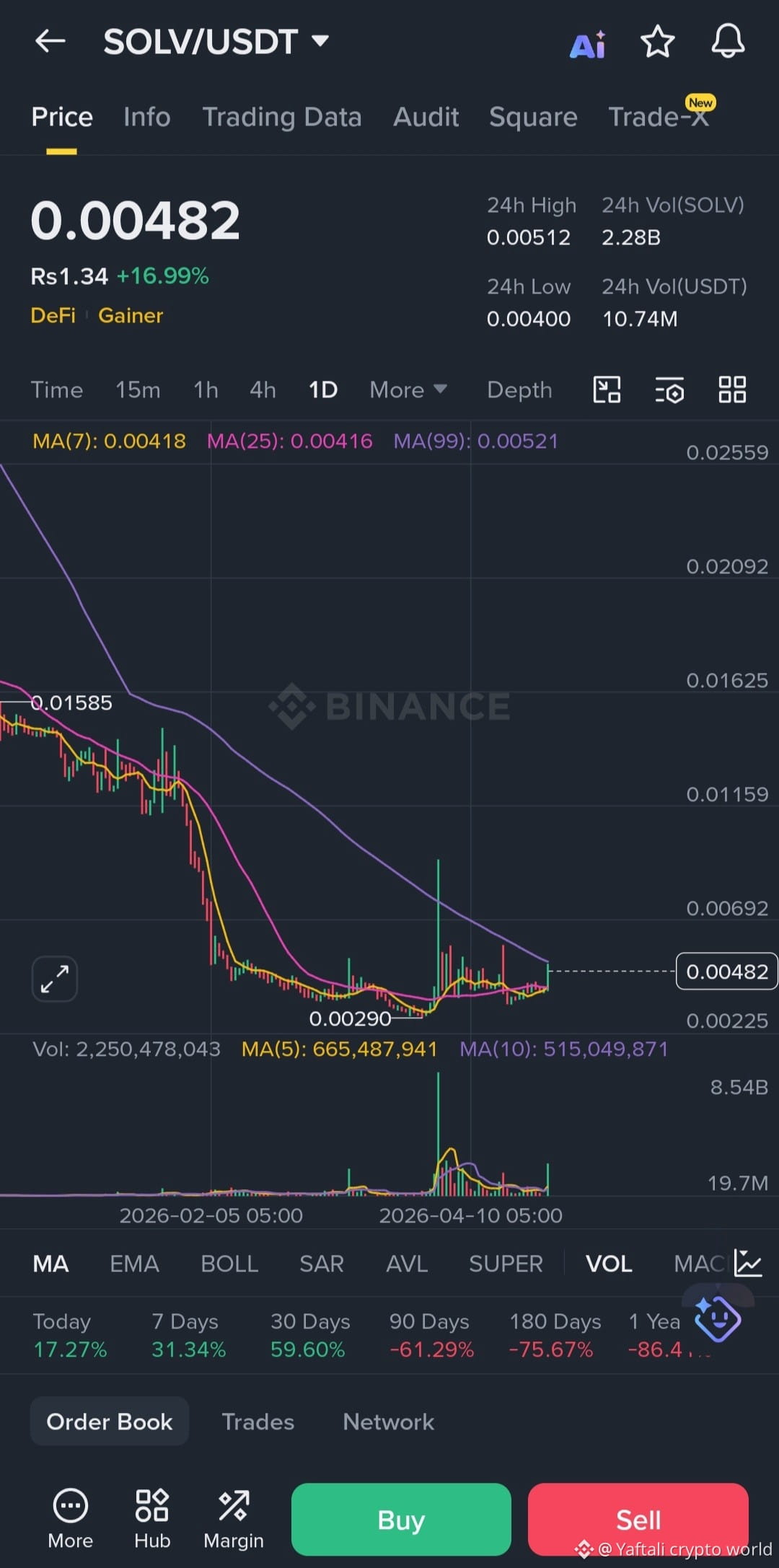
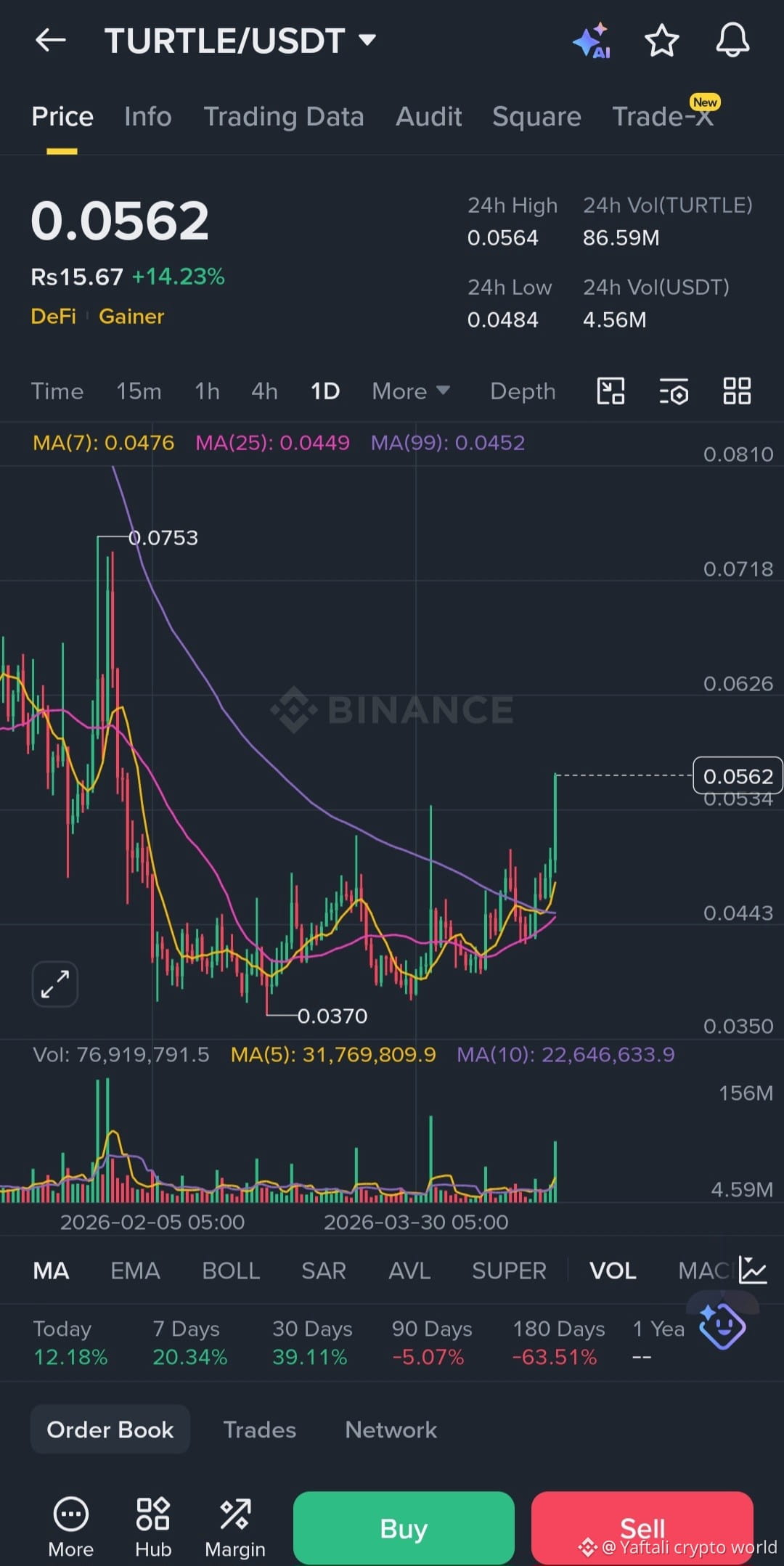
$TURTLE está pegando fogo 🚀🚀🚀
Posição longa
{future}(TURTLEUSDT)
$TURTLE está pegando fogo 🚀🚀🚀
Posição longa
Posição longa
1
96

Artigo
Benefícios do Pixels para o meio ambiente$PIXEL
#PİXEL
O crescimento do jogo Web3 está entrando em uma nova fase, e @Pixels é um exemplo forte de como a indústria está amadurecendo além dos modelos simples de play-to-earn. O que faz o Pixels se destacar é sua transição para um ecossistema mais amplo chamado 'Stacked', onde jogabilidade, economia e comunidade estão profundamente interconectadas. Em vez de mecânicas isoladas, o jogo constrói uma experiência em camadas onde a posse de terras, gestão de recursos e coordenação social se alimentam em um ciclo sustentável impulsionado por $PIXEL.#Pixel
Benefícios do Pixels para o meio ambiente
$PIXEL
#PİXEL
O crescimento do jogo Web3 está entrando em uma nova fase, e @Pixels é um exemplo forte de como a indústria está amadurecendo além dos modelos simples de play-to-earn. O que faz o Pixels se destacar é sua transição para um ecossistema mais amplo chamado 'Stacked', onde jogabilidade, economia e comunidade estão profundamente interconectadas. Em vez de mecânicas isoladas, o jogo constrói uma experiência em camadas onde a posse de terras, gestão de recursos e coordenação social se alimentam em um ciclo sustentável impulsionado por $PIXEL .#Pixel
#PİXEL
O crescimento do jogo Web3 está entrando em uma nova fase, e @Pixels é um exemplo forte de como a indústria está amadurecendo além dos modelos simples de play-to-earn. O que faz o Pixels se destacar é sua transição para um ecossistema mais amplo chamado 'Stacked', onde jogabilidade, economia e comunidade estão profundamente interconectadas. Em vez de mecânicas isoladas, o jogo constrói uma experiência em camadas onde a posse de terras, gestão de recursos e coordenação social se alimentam em um ciclo sustentável impulsionado por $PIXEL .#Pixel
1
66
·
--
Em Alta
#pixel $PIXEL
Aqui está um post original do Binance Square que você pode usar (100+ caracteres, inclui todos os elementos necessários):
Explorando a evolução dos games Web3 através da @Pixels, mostra como um simples jogo de fazenda pode se transformar em um ecossistema completo. Com $PIXEL atuando como a espinha dorsal para NFTs, guildas e economias dentro do jogo, o projeto está construindo mais do que um jogo—é um universo socialfi onde os jogadores criam, ganham e colaboram. A integração de propriedade, progressão e governança impulsionada pela comunidade destaca por que a Pixels se destaca no ecossistema Ronin. #pixel
Se você quiser, posso gerar um post único fresco para cada dia da campanha para que você nunca repita conteúdo.
$PIXEL
#PIXEL/USDT
{future}(PIXELUSDT)
#pixel $PIXEL
Aqui está um post original do Binance Square que você pode usar (100+ caracteres, inclui todos os elementos necessários):
Explorando a evolução dos games Web3 através da @Pixels, mostra como um simples jogo de fazenda pode se transformar em um ecossistema completo. Com $PIXEL atuando como a espinha dorsal para NFTs, guildas e economias dentro do jogo, o projeto está construindo mais do que um jogo—é um universo socialfi onde os jogadores criam, ganham e colaboram. A integração de propriedade, progressão e governança impulsionada pela comunidade destaca por que a Pixels se destaca no ecossistema Ronin. #pixel
Se você quiser, posso gerar um post único fresco para cada dia da campanha para que você nunca repita conteúdo.
$PIXEL
#PIXEL/USDT
Aqui está um post original do Binance Square que você pode usar (100+ caracteres, inclui todos os elementos necessários):
Explorando a evolução dos games Web3 através da @Pixels, mostra como um simples jogo de fazenda pode se transformar em um ecossistema completo. Com $PIXEL atuando como a espinha dorsal para NFTs, guildas e economias dentro do jogo, o projeto está construindo mais do que um jogo—é um universo socialfi onde os jogadores criam, ganham e colaboram. A integração de propriedade, progressão e governança impulsionada pela comunidade destaca por que a Pixels se destaca no ecossistema Ronin. #pixel
Se você quiser, posso gerar um post único fresco para cada dia da campanha para que você nunca repita conteúdo.
$PIXEL
#PIXEL/USDT

1
92
·
--
Em Alta
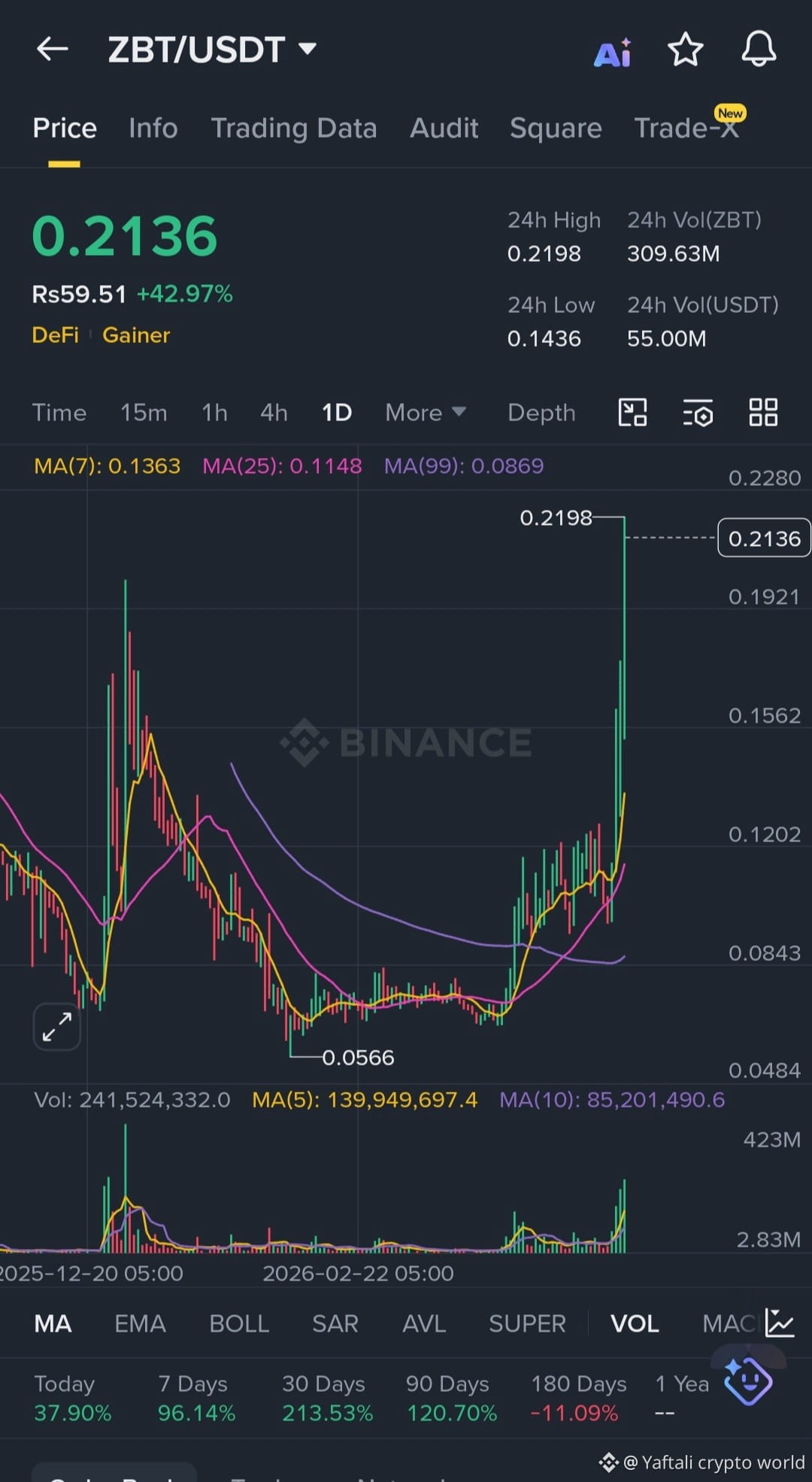
$ZBT tá pegando fogo 🚀🚀🚀
Pump quase 45%
{future}(ZBTUSDT)
$ZBT tá pegando fogo 🚀🚀🚀
Pump quase 45%
Pump quase 45%
1
248
·
--
Em Alta
#pixel $PIXEL
{future}(PIXELUSDT)
A evolução do @Pixels está ficando realmente interessante. Com o lançamento do Stacked, o ecossistema está se movendo além do simples gameplay para uma camada de engajamento totalmente impulsionada por IA, onde o comportamento dos jogadores molda diretamente as recompensas e a retenção. Essa é uma grande mudança do modelo tradicional de play-to-earn para economias mais inteligentes e baseadas em dados.
O que se destaca é como $PIXEL staking e a participação no ecossistema agora se conectam através de vários jogos, dando aos jogadores influência e recompensas ligadas a atividades reais, ao invés de simples emissões. #pixel
Stacked parece ser a espinha dorsal para escalar o jogo Web3 de forma sustentável — otimizando incentivos enquanto reduz a pressão de venda de tokens e melhora o fluxo de valor a longo prazo.
Se esse modelo continuar se expandindo, @Pixels pode se tornar mais do que um jogo — pode se tornar a infraestrutura para a próxima geração de economias Web3.
$PIXEL #pixel
#pixel $PIXEL
A evolução do @Pixels está ficando realmente interessante. Com o lançamento do Stacked, o ecossistema está se movendo além do simples gameplay para uma camada de engajamento totalmente impulsionada por IA, onde o comportamento dos jogadores molda diretamente as recompensas e a retenção. Essa é uma grande mudança do modelo tradicional de play-to-earn para economias mais inteligentes e baseadas em dados.
O que se destaca é como $PIXEL staking e a participação no ecossistema agora se conectam através de vários jogos, dando aos jogadores influência e recompensas ligadas a atividades reais, ao invés de simples emissões. #pixel
Stacked parece ser a espinha dorsal para escalar o jogo Web3 de forma sustentável — otimizando incentivos enquanto reduz a pressão de venda de tokens e melhora o fluxo de valor a longo prazo.
Se esse modelo continuar se expandindo, @Pixels pode se tornar mais do que um jogo — pode se tornar a infraestrutura para a próxima geração de economias Web3.
$PIXEL #pixel
A evolução do @Pixels está ficando realmente interessante. Com o lançamento do Stacked, o ecossistema está se movendo além do simples gameplay para uma camada de engajamento totalmente impulsionada por IA, onde o comportamento dos jogadores molda diretamente as recompensas e a retenção. Essa é uma grande mudança do modelo tradicional de play-to-earn para economias mais inteligentes e baseadas em dados.
O que se destaca é como $PIXEL staking e a participação no ecossistema agora se conectam através de vários jogos, dando aos jogadores influência e recompensas ligadas a atividades reais, ao invés de simples emissões. #pixel
Stacked parece ser a espinha dorsal para escalar o jogo Web3 de forma sustentável — otimizando incentivos enquanto reduz a pressão de venda de tokens e melhora o fluxo de valor a longo prazo.
Se esse modelo continuar se expandindo, @Pixels pode se tornar mais do que um jogo — pode se tornar a infraestrutura para a próxima geração de economias Web3.
$PIXEL #pixel
1
96
·
--
Em Alta
1
151
Artigo
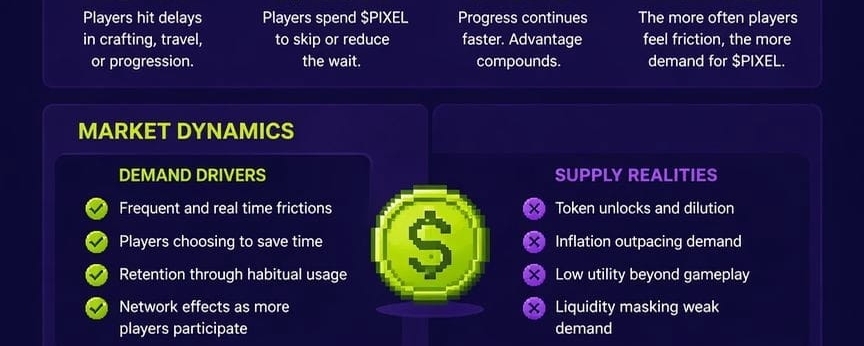
Um Conceito Emergente na Economia Digital$PIXEL
#PIXEL📈
No mundo em rápida evolução das finanças digitais, novas criptomoedas continuam a surgir, cada uma com a intenção de resolver problemas únicos ou atender comunidades de nicho. Pixel Coin é um desses conceitos que está ganhando atenção, especialmente entre entusiastas de jogos, artistas digitais e criadores em ecossistemas virtuais. Embora não seja tão reconhecida quanto criptomoedas principais como Bitcoin ou Ethereum, a Pixel Coin representa uma tendência crescente em direção a moedas digitais especializadas, adaptadas para ambientes online específicos.#PİXEL
Um Conceito Emergente na Economia Digital
$PIXEL
#PIXEL📈
No mundo em rápida evolução das finanças digitais, novas criptomoedas continuam a surgir, cada uma com a intenção de resolver problemas únicos ou atender comunidades de nicho. Pixel Coin é um desses conceitos que está ganhando atenção, especialmente entre entusiastas de jogos, artistas digitais e criadores em ecossistemas virtuais. Embora não seja tão reconhecida quanto criptomoedas principais como Bitcoin ou Ethereum, a Pixel Coin representa uma tendência crescente em direção a moedas digitais especializadas, adaptadas para ambientes online específicos.#PİXEL
#PIXEL📈
No mundo em rápida evolução das finanças digitais, novas criptomoedas continuam a surgir, cada uma com a intenção de resolver problemas únicos ou atender comunidades de nicho. Pixel Coin é um desses conceitos que está ganhando atenção, especialmente entre entusiastas de jogos, artistas digitais e criadores em ecossistemas virtuais. Embora não seja tão reconhecida quanto criptomoedas principais como Bitcoin ou Ethereum, a Pixel Coin representa uma tendência crescente em direção a moedas digitais especializadas, adaptadas para ambientes online específicos.#PİXEL
1
69
#pixel $PIXEL
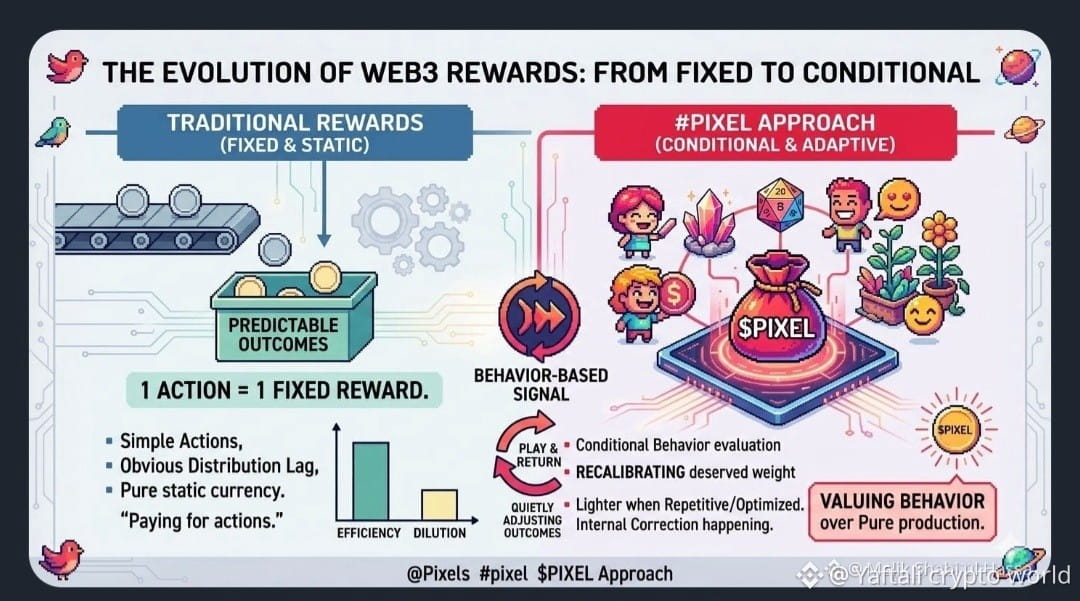
Essa é uma observação afiada—e, honestamente, é o tipo de lição que muitos traders demoram muito mais para perceber em Pixels.
O que você encontrou não é realmente sobre pescar—é a oferta e demanda básica se desenrolando em tempo real. No começo, você estava se beneficiando de uma oferta relativamente baixa de peixes no mercado. Assim que outros jogadores notaram a mesma oportunidade (ou simplesmente flutuaram naturalmente para isso), a oferta aumentou, os preços caíram, e sua “estratégia” deixou de ser uma estratégia—ela se tornou a multidão.
Aquele momento em que tudo “clicou” é a parte importante. Você passou a pensar:
“Qual atividade é boa?”
to
“Qual atividade é boa agora?”
Essa é uma mentalidade muito mais poderosa.
Jogos como esse recompensam silenciosamente a adaptabilidade mais do que a otimização. Especializar-se pode funcionar—mas apenas temporariamente. Os traders que ficam à frente geralmente:
rotacionam atividades antes que a saturação atinja
observam tendências de preços em vez de apenas moer
encaram o tempo como um recurso, não apenas como esforço
O que você fez depois—misturando atividades e mantendo-se flexível—é basicamente como você evita retornos decrescentes.
Se você quisesse levar isso um passo adiante, poderia experimentar com ciclos de tempo:
Pesque quando a oferta estiver baixa (horários de baixa demanda ou após atualizações)
Troque quando os preços começarem a cair—não depois que já tenham despencado
Acumule seletivamente em vez de sempre vender imediatamente
Você já está pensando na direção certa. O jogo não mudou—você apenas começou a ver o sistema por trás dele.
$PIXEL
#pixel
{future}(PIXELUSDT)
#pixel $PIXEL
Essa é uma observação afiada—e, honestamente, é o tipo de lição que muitos traders demoram muito mais para perceber em Pixels.
O que você encontrou não é realmente sobre pescar—é a oferta e demanda básica se desenrolando em tempo real. No começo, você estava se beneficiando de uma oferta relativamente baixa de peixes no mercado. Assim que outros jogadores notaram a mesma oportunidade (ou simplesmente flutuaram naturalmente para isso), a oferta aumentou, os preços caíram, e sua “estratégia” deixou de ser uma estratégia—ela se tornou a multidão.
Aquele momento em que tudo “clicou” é a parte importante. Você passou a pensar:
“Qual atividade é boa?”
to
“Qual atividade é boa agora?”
Essa é uma mentalidade muito mais poderosa.
Jogos como esse recompensam silenciosamente a adaptabilidade mais do que a otimização. Especializar-se pode funcionar—mas apenas temporariamente. Os traders que ficam à frente geralmente:
rotacionam atividades antes que a saturação atinja
observam tendências de preços em vez de apenas moer
encaram o tempo como um recurso, não apenas como esforço
O que você fez depois—misturando atividades e mantendo-se flexível—é basicamente como você evita retornos decrescentes.
Se você quisesse levar isso um passo adiante, poderia experimentar com ciclos de tempo:
Pesque quando a oferta estiver baixa (horários de baixa demanda ou após atualizações)
Troque quando os preços começarem a cair—não depois que já tenham despencado
Acumule seletivamente em vez de sempre vender imediatamente
Você já está pensando na direção certa. O jogo não mudou—você apenas começou a ver o sistema por trás dele.
$PIXEL
#pixel
Essa é uma observação afiada—e, honestamente, é o tipo de lição que muitos traders demoram muito mais para perceber em Pixels.
O que você encontrou não é realmente sobre pescar—é a oferta e demanda básica se desenrolando em tempo real. No começo, você estava se beneficiando de uma oferta relativamente baixa de peixes no mercado. Assim que outros jogadores notaram a mesma oportunidade (ou simplesmente flutuaram naturalmente para isso), a oferta aumentou, os preços caíram, e sua “estratégia” deixou de ser uma estratégia—ela se tornou a multidão.
Aquele momento em que tudo “clicou” é a parte importante. Você passou a pensar:
“Qual atividade é boa?”
to
“Qual atividade é boa agora?”
Essa é uma mentalidade muito mais poderosa.
Jogos como esse recompensam silenciosamente a adaptabilidade mais do que a otimização. Especializar-se pode funcionar—mas apenas temporariamente. Os traders que ficam à frente geralmente:
rotacionam atividades antes que a saturação atinja
observam tendências de preços em vez de apenas moer
encaram o tempo como um recurso, não apenas como esforço
O que você fez depois—misturando atividades e mantendo-se flexível—é basicamente como você evita retornos decrescentes.
Se você quisesse levar isso um passo adiante, poderia experimentar com ciclos de tempo:
Pesque quando a oferta estiver baixa (horários de baixa demanda ou após atualizações)
Troque quando os preços começarem a cair—não depois que já tenham despencado
Acumule seletivamente em vez de sempre vender imediatamente
Você já está pensando na direção certa. O jogo não mudou—você apenas começou a ver o sistema por trás dele.
$PIXEL
#pixel
1
127
·
--
Em Alta
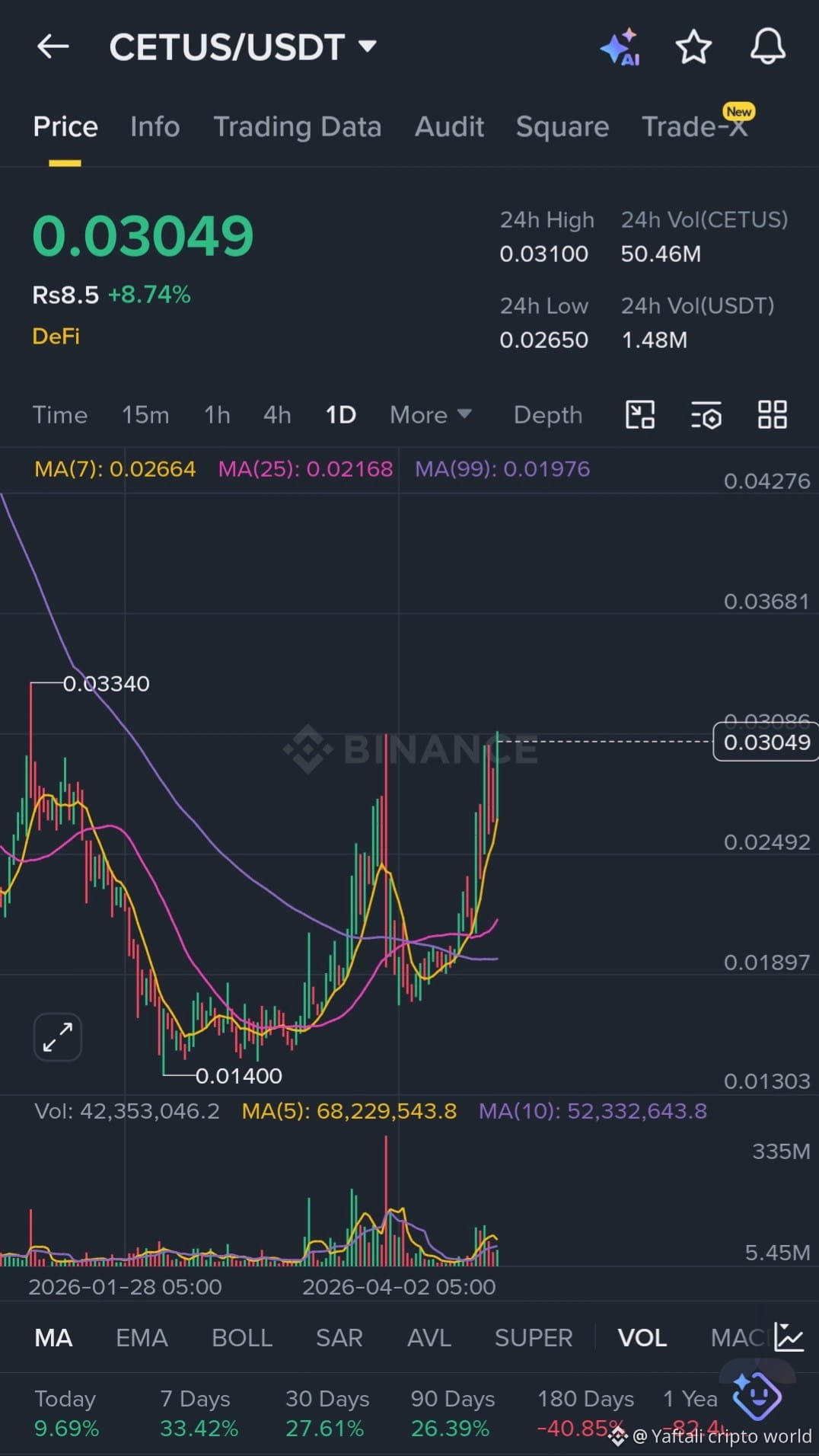
$CETUS está em modo Bullish🚀🚀🚀
compra longa
{future}(CETUSUSDT)
$CETUS está em modo Bullish🚀🚀🚀
compra longa
compra longa
1
198
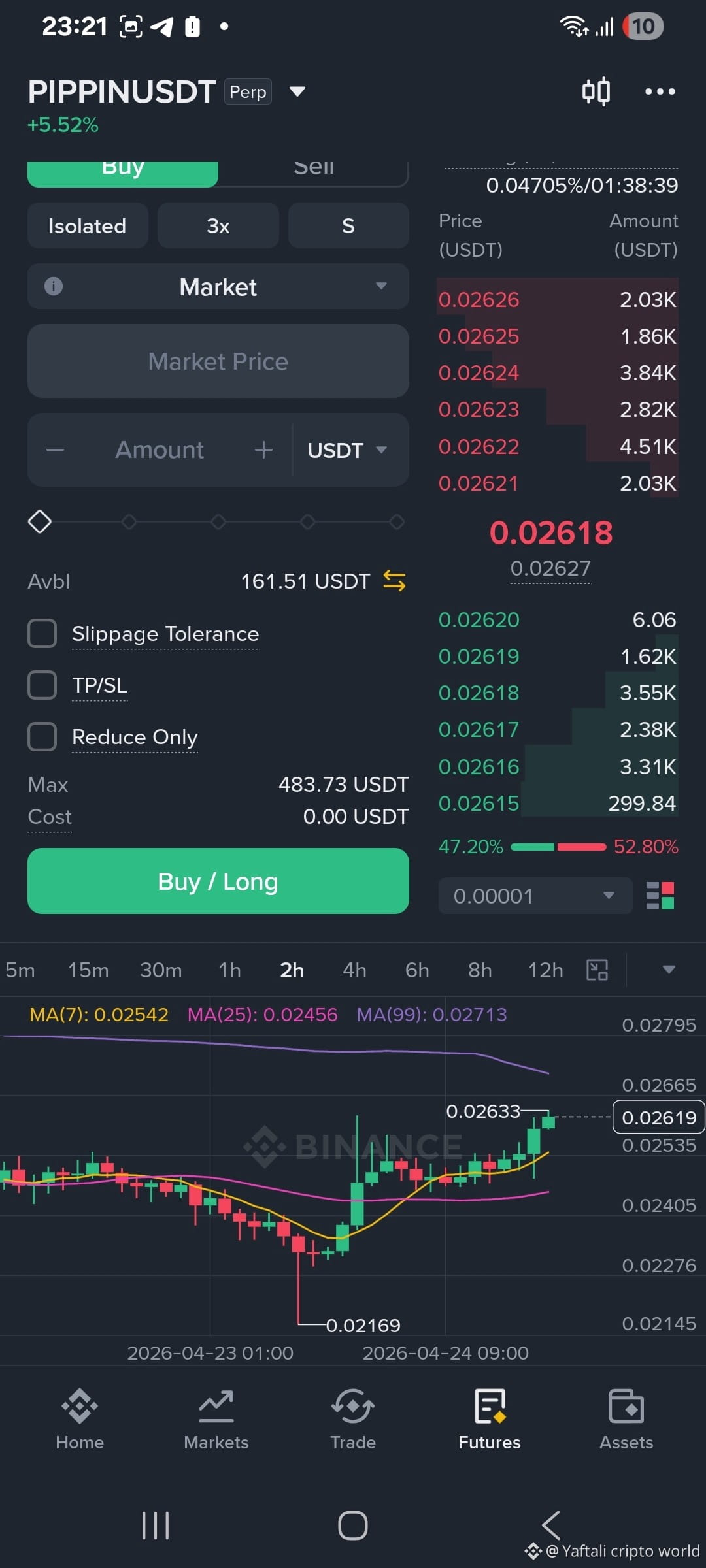
$pippin está em modo otimista 🚀🚀🚀
É hora de entrar comprado
{future}(PIPPINUSDT)
$pippin está em modo otimista 🚀🚀🚀
É hora de entrar comprado
É hora de entrar comprado
1
321
#pixel $PIXEL
Honestamente? Eu tenho refletido sobre como @Pixelstreats trata seus jogadores ao longo do tempo, e não é tão simples quanto "jogar mais, ganhar mais" 😂. A maioria das pessoas acha que a lealdade é diretamente recompensada, mas o que eu sempre volto a perceber é que a Pixels recompensa a consistência e o posicionamento dentro de sua economia, não apenas o tempo gasto.
Os primeiros adotantes definitivamente têm uma vantagem no acesso à terra, ativos mais baratos e vantagens de primeiro movimento em ciclos emergentes. Mas a tensão aqui é a sustentabilidade. Se os jogadores iniciais se beneficiam demais, os novos jogadores se sentem excluídos. A Pixels parece estar ciente disso, então ela reequilibra gradualmente os incentivos para manter a porta aberta.
O que é interessante é como o jogo evolui. Não é estático. O comportamento dos jogadores alimenta sistemas analíticos que rastreiam engajamento, eficiência e fluxos econômicos. Esses dados moldam atualizações, ajustam recompensas e até redesenham mecânicas.
Então sim, a análise não é apenas rastreamento. Ela está direcionando o próprio jogo.
Mas então a pergunta se torna... os jogadores estão moldando a Pixels, ou a Pixels está silenciosamente moldando os jogadores?
$PIXEL
#pixel
{future}(PIXELUSDT)
#pixel $PIXEL
Honestamente? Eu tenho refletido sobre como @Pixelstreats trata seus jogadores ao longo do tempo, e não é tão simples quanto "jogar mais, ganhar mais" 😂. A maioria das pessoas acha que a lealdade é diretamente recompensada, mas o que eu sempre volto a perceber é que a Pixels recompensa a consistência e o posicionamento dentro de sua economia, não apenas o tempo gasto.
Os primeiros adotantes definitivamente têm uma vantagem no acesso à terra, ativos mais baratos e vantagens de primeiro movimento em ciclos emergentes. Mas a tensão aqui é a sustentabilidade. Se os jogadores iniciais se beneficiam demais, os novos jogadores se sentem excluídos. A Pixels parece estar ciente disso, então ela reequilibra gradualmente os incentivos para manter a porta aberta.
O que é interessante é como o jogo evolui. Não é estático. O comportamento dos jogadores alimenta sistemas analíticos que rastreiam engajamento, eficiência e fluxos econômicos. Esses dados moldam atualizações, ajustam recompensas e até redesenham mecânicas.
Então sim, a análise não é apenas rastreamento. Ela está direcionando o próprio jogo.
Mas então a pergunta se torna... os jogadores estão moldando a Pixels, ou a Pixels está silenciosamente moldando os jogadores?
$PIXEL
#pixel
Honestamente? Eu tenho refletido sobre como @Pixelstreats trata seus jogadores ao longo do tempo, e não é tão simples quanto "jogar mais, ganhar mais" 😂. A maioria das pessoas acha que a lealdade é diretamente recompensada, mas o que eu sempre volto a perceber é que a Pixels recompensa a consistência e o posicionamento dentro de sua economia, não apenas o tempo gasto.
Os primeiros adotantes definitivamente têm uma vantagem no acesso à terra, ativos mais baratos e vantagens de primeiro movimento em ciclos emergentes. Mas a tensão aqui é a sustentabilidade. Se os jogadores iniciais se beneficiam demais, os novos jogadores se sentem excluídos. A Pixels parece estar ciente disso, então ela reequilibra gradualmente os incentivos para manter a porta aberta.
O que é interessante é como o jogo evolui. Não é estático. O comportamento dos jogadores alimenta sistemas analíticos que rastreiam engajamento, eficiência e fluxos econômicos. Esses dados moldam atualizações, ajustam recompensas e até redesenham mecânicas.
Então sim, a análise não é apenas rastreamento. Ela está direcionando o próprio jogo.
Mas então a pergunta se torna... os jogadores estão moldando a Pixels, ou a Pixels está silenciosamente moldando os jogadores?
$PIXEL
#pixel

1
69
Inicia sessão para explorar mais conteúdos
Junta-te a utilizadores de criptomoedas de todo o mundo na Binance Square
⚡️ Obtém informações úteis e recentes sobre criptomoedas.
💬 Com a confiança da maior exchange de criptomoedas do mundo.
👍 Descobre perspetivas reais de criadores verificados.
E-mail/Número de telefone
Tópicos em Tendência
FedMinutesFocusOnOctoberPause
102,463 visualizações
1,056 a discutir
🚨 ALERTA MÁXIMO ‼️ POR FAVOR, NÃO NEGOCIE ÀS CEGAS NA PRÓXIMA HORA 🚨
Pessoal, teremos a divulgação da ata do FOMC em menos de 1 hora.
E, depois da volatilidade que já vimos hoje, realmente não quero que ninguém abra posições aleatórias com alta alavancagem pouco antes dessa divulgação.
As maiores reações que estou acompanhando serão no ouro (XAU), na prata (XAG), no BTC e no ETH. Depois, moedas como SOL e outras altcoins de capitalização média/baixa com alta alavancagem podem amplificar qualquer movimento do BTC.
O ouro e a prata estão especialmente sensíveis esta noite, porque o mercado já está reagindo ao dólar americano e aos rendimentos dos títulos do Tesouro, e os dois metais vêm sofrendo forte pressão antes da ata do Fed.
Resumindo:
📉 Ata do Fed mais hawkish → dólar/rendimentos podem subir → pressão sobre BTC, cripto, ouro e prata
📈 Ata do Fed mais dovish → dólar/rendimentos podem recuar → BTC, ouro, prata e ativos de risco podem disparar.
E, por favor, lembrem-se: o primeiro candle pode ser uma armadilha. Podemos ver uma alta, uma queda imediata, liquidações dos dois lados e, depois, a direção real.
Por enquanto, protejam suas posições, reduzam a alavancagem desnecessária e não entrem por FOMO no primeiro movimento.
Esta noite, vou acompanhar primeiro $XAU , $XAG e $BTC . Eles vão nos mostrar rapidamente como o mercado está interpretando o Fed.
Vou atualizar vocês na hora
Sigam @Panda Traders e ativem as notificações agora mesmo
#FedMinutesFocusOnOctoberPause
Panda Traders
·16 gostos
·3.1k visualizações
BinanceLaunchesBinanceIntelligence
1.1M visualizações
6,286 a discutir
EvernorthDelaysNasdaqDebutToOct12
6,348 visualizações
201 a discutir