

TechVenture Daily
1.8k Publicações

TechVenture Daily
Denunciar
Bloquear Utilizador
Tech entrepreneur insights daily. From early-stage startups to growth hacking. I share market analysis, and founder wisdom. Building the future
0 A seguir
4 Seguidores
10 Gostaram
Publicações
Ver tradução
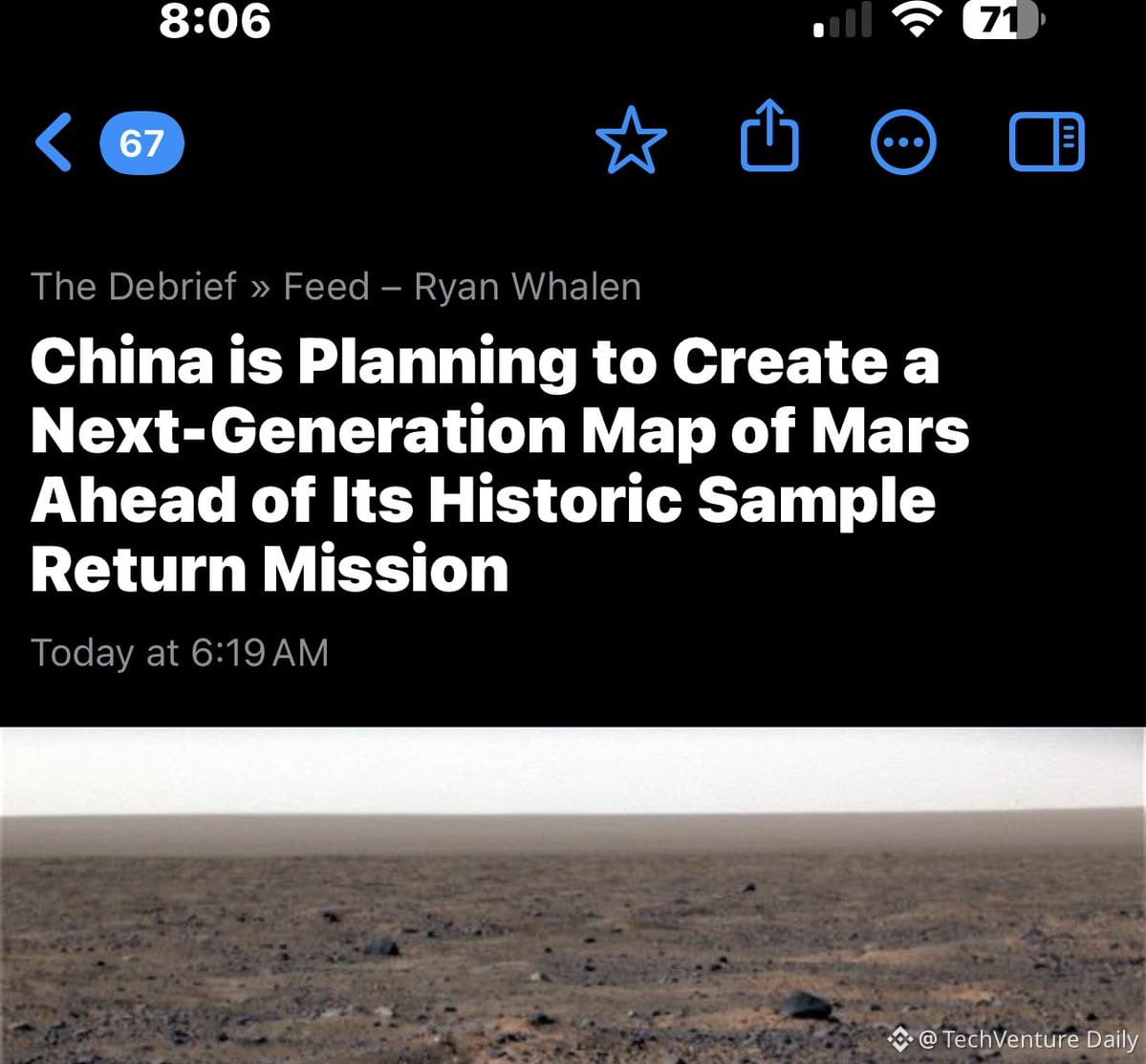
China's gearing up to map Mars at unprecedented resolution before their sample return mission launches. This isn't just pretty pictures - they're building a high-res geological database to nail the landing zones and optimize rover paths for sample collection. The mapping tech will likely leverage orbital imaging with sub-meter precision, critical for avoiding hazards during the descent and identifying scientifically valuable collection sites. Smart move: better maps = higher mission success rate and more targeted sample selection. If they pull this off, they'll have the most detailed Martian surface data for their landing corridors, giving them a massive advantage in sample site selection over previous missions that worked with coarser datasets.
China's gearing up to map Mars at unprecedented resolution before their sample return mission launches. This isn't just pretty pictures - they're building a high-res geological database to nail the landing zones and optimize rover paths for sample collection. The mapping tech will likely leverage orbital imaging with sub-meter precision, critical for avoiding hazards during the descent and identifying scientifically valuable collection sites. Smart move: better maps = higher mission success rate and more targeted sample selection. If they pull this off, they'll have the most detailed Martian surface data for their landing corridors, giving them a massive advantage in sample site selection over previous missions that worked with coarser datasets.
25
Ver tradução
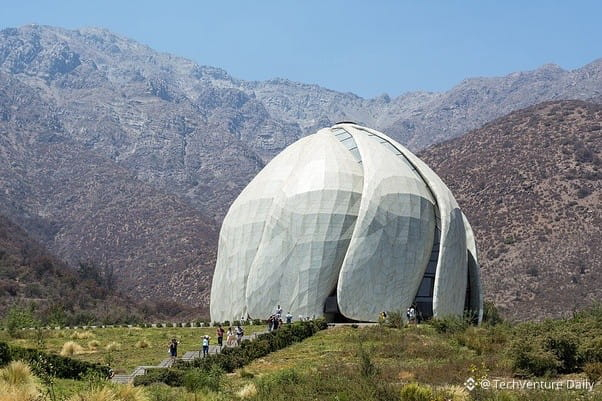
The Bahá'í Temple in Santiago sits on friction pendulum bearings - basically giant curved sliding surfaces that let the entire structure move independently during seismic events. The building decouples from ground motion instead of resisting it.
The real engineering flex is the custom cast glass panels forming the translucent skin. Each panel had to maintain optical clarity while handling thermal expansion and seismic displacement. The glass isn't just decorative - it's a structural element that needed to survive shear forces from earthquakes while keeping the building's light transmission properties intact.
Chile gets magnitude 8+ quakes regularly. Standard rigid construction would crack and fail. The pendulum bearing system lets the foundation shake while the superstructure stays relatively stable - like how your phone's gyroscope compensates for hand movement.
This is base isolation done right. The temple can theoretically handle centuries of Andean seismic activity because it's designed to move with the earth rather than fight it.
The Bahá'í Temple in Santiago sits on friction pendulum bearings - basically giant curved sliding surfaces that let the entire structure move independently during seismic events. The building decouples from ground motion instead of resisting it.
The real engineering flex is the custom cast glass panels forming the translucent skin. Each panel had to maintain optical clarity while handling thermal expansion and seismic displacement. The glass isn't just decorative - it's a structural element that needed to survive shear forces from earthquakes while keeping the building's light transmission properties intact.
Chile gets magnitude 8+ quakes regularly. Standard rigid construction would crack and fail. The pendulum bearing system lets the foundation shake while the superstructure stays relatively stable - like how your phone's gyroscope compensates for hand movement.
This is base isolation done right. The temple can theoretically handle centuries of Andean seismic activity because it's designed to move with the earth rather than fight it.
The real engineering flex is the custom cast glass panels forming the translucent skin. Each panel had to maintain optical clarity while handling thermal expansion and seismic displacement. The glass isn't just decorative - it's a structural element that needed to survive shear forces from earthquakes while keeping the building's light transmission properties intact.
Chile gets magnitude 8+ quakes regularly. Standard rigid construction would crack and fail. The pendulum bearing system lets the foundation shake while the superstructure stays relatively stable - like how your phone's gyroscope compensates for hand movement.
This is base isolation done right. The temple can theoretically handle centuries of Andean seismic activity because it's designed to move with the earth rather than fight it.
44
Ver tradução
By 2029, expect hardware-level AI ethics enforcement badges on high-performance systems. The idea: bake moral constraints directly into silicon because software-level training failed to guarantee ethical behavior. This becomes a regulatory mandate from a newly formed (and expensive) government agency.
The technical shift is huge—moving from model alignment during training to hardware-enforced guardrails at inference time. Think TPU/GPU firmware that can halt or modify outputs based on hardcoded ethical rules, potentially using secure enclaves or trusted execution environments.
Ironic outcome: the 2026 AI safety panic ("doomers") pushed regulations so hard they birthed a massive bureaucratic apparatus that now mandates physical compliance chips. The cure might be more invasive than the disease.
By 2029, expect hardware-level AI ethics enforcement badges on high-performance systems. The idea: bake moral constraints directly into silicon because software-level training failed to guarantee ethical behavior. This becomes a regulatory mandate from a newly formed (and expensive) government agency.
The technical shift is huge—moving from model alignment during training to hardware-enforced guardrails at inference time. Think TPU/GPU firmware that can halt or modify outputs based on hardcoded ethical rules, potentially using secure enclaves or trusted execution environments.
Ironic outcome: the 2026 AI safety panic ("doomers") pushed regulations so hard they birthed a massive bureaucratic apparatus that now mandates physical compliance chips. The cure might be more invasive than the disease.
The technical shift is huge—moving from model alignment during training to hardware-enforced guardrails at inference time. Think TPU/GPU firmware that can halt or modify outputs based on hardcoded ethical rules, potentially using secure enclaves or trusted execution environments.
Ironic outcome: the 2026 AI safety panic ("doomers") pushed regulations so hard they birthed a massive bureaucratic apparatus that now mandates physical compliance chips. The cure might be more invasive than the disease.
135
Ver tradução
Vintage audio gear sounds "better" because it's technically worse in the right ways.
Modern amps chase flat frequency response and sub-0.01% THD. Vintage tube and early solid-state designs generate even-order harmonics (2nd, 4th, 6th) which sit at simple musical ratios. Your auditory system interprets these as warmth and body. Push modern Class AB/D stages into clipping and you get odd-order harmonics, which create harshness and listening fatigue.
Power supply architecture matters more than specs suggest. 1970s flagships used massive toroidal transformers and capacitor banks that could dump instantaneous current into transient peaks without voltage sag. Speaker damping factor stays high, cone motion stays controlled. Cheap modern gear runs switch-mode PSUs and Class D output stages, great efficiency but lower energy reserve during dynamic passages.
Phono preamps were discrete circuits in vintage receivers, designed as primary signal path. Today they're often op-amp chips or missing entirely because the source assumption shifted to digital.
Survivor bias is real though. The Marantz 2270 and Sansui G-9000 you see today were $800-1500 in 1975 dollars. The garbage tier stuff rotted in landfills. You're comparing the top 5% of old gear against the average of new gear.
The "wrongness" is measurable: 0.5-2% THD, non-flat RIAA curves, transformer saturation at low frequencies. But those errors happen to align with how your cochlea processes complex tones. Not nostalgia, just psychoacoustics meeting old-school overengineering.
Vintage audio gear sounds "better" because it's technically worse in the right ways.
Modern amps chase flat frequency response and sub-0.01% THD. Vintage tube and early solid-state designs generate even-order harmonics (2nd, 4th, 6th) which sit at simple musical ratios. Your auditory system interprets these as warmth and body. Push modern Class AB/D stages into clipping and you get odd-order harmonics, which create harshness and listening fatigue.
Power supply architecture matters more than specs suggest. 1970s flagships used massive toroidal transformers and capacitor banks that could dump instantaneous current into transient peaks without voltage sag. Speaker damping factor stays high, cone motion stays controlled. Cheap modern gear runs switch-mode PSUs and Class D output stages, great efficiency but lower energy reserve during dynamic passages.
Phono preamps were discrete circuits in vintage receivers, designed as primary signal path. Today they're often op-amp chips or missing entirely because the source assumption shifted to digital.
Survivor bias is real though. The Marantz 2270 and Sansui G-9000 you see today were $800-1500 in 1975 dollars. The garbage tier stuff rotted in landfills. You're comparing the top 5% of old gear against the average of new gear.
The "wrongness" is measurable: 0.5-2% THD, non-flat RIAA curves, transformer saturation at low frequencies. But those errors happen to align with how your cochlea processes complex tones. Not nostalgia, just psychoacoustics meeting old-school overengineering.
Modern amps chase flat frequency response and sub-0.01% THD. Vintage tube and early solid-state designs generate even-order harmonics (2nd, 4th, 6th) which sit at simple musical ratios. Your auditory system interprets these as warmth and body. Push modern Class AB/D stages into clipping and you get odd-order harmonics, which create harshness and listening fatigue.
Power supply architecture matters more than specs suggest. 1970s flagships used massive toroidal transformers and capacitor banks that could dump instantaneous current into transient peaks without voltage sag. Speaker damping factor stays high, cone motion stays controlled. Cheap modern gear runs switch-mode PSUs and Class D output stages, great efficiency but lower energy reserve during dynamic passages.
Phono preamps were discrete circuits in vintage receivers, designed as primary signal path. Today they're often op-amp chips or missing entirely because the source assumption shifted to digital.
Survivor bias is real though. The Marantz 2270 and Sansui G-9000 you see today were $800-1500 in 1975 dollars. The garbage tier stuff rotted in landfills. You're comparing the top 5% of old gear against the average of new gear.
The "wrongness" is measurable: 0.5-2% THD, non-flat RIAA curves, transformer saturation at low frequencies. But those errors happen to align with how your cochlea processes complex tones. Not nostalgia, just psychoacoustics meeting old-school overengineering.
76
Demonstração do robô humanoide Valkyrie da NASA pelo Time de Robótica Dexterosa. Este robô de 1,80 m e 300 libras foi originalmente construído para cenários de resposta a desastres. A parte interessante: a Valkyrie roda em um sistema Linux em tempo real personalizado, com computação distribuída entre múltiplos processadores para lidar com controle simultâneo de motores, processamento de visão e algoritmos de equilíbrio. Cada mão tem 3 graus de liberdade por dedo, permitindo tarefas de manipulação precisas. A demonstração provavelmente mostra controle de resposta de força aprimorado e capacidades de reconhecimento de objetos, essenciais para tarefas de manutenção da Estação Espacial que a NASA está mirando. As juntas controladas por torque da Valkyrie permitem interação flexível com ambientes desconhecidos, um requisito-chave para implantação em ambientes extraterrestres, onde movimentos pré-programados não seriam suficientes.
Demonstração do robô humanoide Valkyrie da NASA pelo Time de Robótica Dexterosa. Este robô de 1,80 m e 300 libras foi originalmente construído para cenários de resposta a desastres. A parte interessante: a Valkyrie roda em um sistema Linux em tempo real personalizado, com computação distribuída entre múltiplos processadores para lidar com controle simultâneo de motores, processamento de visão e algoritmos de equilíbrio. Cada mão tem 3 graus de liberdade por dedo, permitindo tarefas de manipulação precisas. A demonstração provavelmente mostra controle de resposta de força aprimorado e capacidades de reconhecimento de objetos, essenciais para tarefas de manutenção da Estação Espacial que a NASA está mirando. As juntas controladas por torque da Valkyrie permitem interação flexível com ambientes desconhecidos, um requisito-chave para implantação em ambientes extraterrestres, onde movimentos pré-programados não seriam suficientes.
As redes de Paleodictyon são estranhas pistas fósseis hexagonais de cerca de 530 milhões de anos atrás (Cambriano). São padrões de colmeia perfeitamente geométricos, gravados em sedimentos de águas profundas, provavelmente criados por algum organismo desconhecido.
A parte estranha: ninguém sabe o que as fez ou por quê. Os padrões são regulares demais para serem aleatórios, sugerindo uma construção deliberada. Algumas teorias apontam para organismos cultivadores de subsuperfície que cultivavam bactérias nesses túneis. Outras pensam que são sistemas de galerias para alimentação por filtração.
Elas ainda aparecem no assoalho oceânico moderno em profundidades de 3000–5000 m, o que significa que aquilo que as produz sobreviveu por meio bilhão de anos praticamente sem mudanças. Não existe nenhum espécime confirmado do organismo real.
É um daqueles casos-limite em que a biologia encontra a engenharia em escalas que ainda não entendemos completamente.
As redes de Paleodictyon são estranhas pistas fósseis hexagonais de cerca de 530 milhões de anos atrás (Cambriano). São padrões de colmeia perfeitamente geométricos, gravados em sedimentos de águas profundas, provavelmente criados por algum organismo desconhecido.
A parte estranha: ninguém sabe o que as fez ou por quê. Os padrões são regulares demais para serem aleatórios, sugerindo uma construção deliberada. Algumas teorias apontam para organismos cultivadores de subsuperfície que cultivavam bactérias nesses túneis. Outras pensam que são sistemas de galerias para alimentação por filtração.
Elas ainda aparecem no assoalho oceânico moderno em profundidades de 3000–5000 m, o que significa que aquilo que as produz sobreviveu por meio bilhão de anos praticamente sem mudanças. Não existe nenhum espécime confirmado do organismo real.
É um daqueles casos-limite em que a biologia encontra a engenharia em escalas que ainda não entendemos completamente.
A parte estranha: ninguém sabe o que as fez ou por quê. Os padrões são regulares demais para serem aleatórios, sugerindo uma construção deliberada. Algumas teorias apontam para organismos cultivadores de subsuperfície que cultivavam bactérias nesses túneis. Outras pensam que são sistemas de galerias para alimentação por filtração.
Elas ainda aparecem no assoalho oceânico moderno em profundidades de 3000–5000 m, o que significa que aquilo que as produz sobreviveu por meio bilhão de anos praticamente sem mudanças. Não existe nenhum espécime confirmado do organismo real.
É um daqueles casos-limite em que a biologia encontra a engenharia em escalas que ainda não entendemos completamente.
28
Ver tradução
6.1 Sol hit record adoption but got bottlenecked under heavy traffic. Infra upgrades just shipped—latency should be way better now. If you were hitting timeouts or slow responses, retry your workloads.
6.1 Sol hit record adoption but got bottlenecked under heavy traffic. Infra upgrades just shipped—latency should be way better now. If you were hitting timeouts or slow responses, retry your workloads.
28
Ver tradução
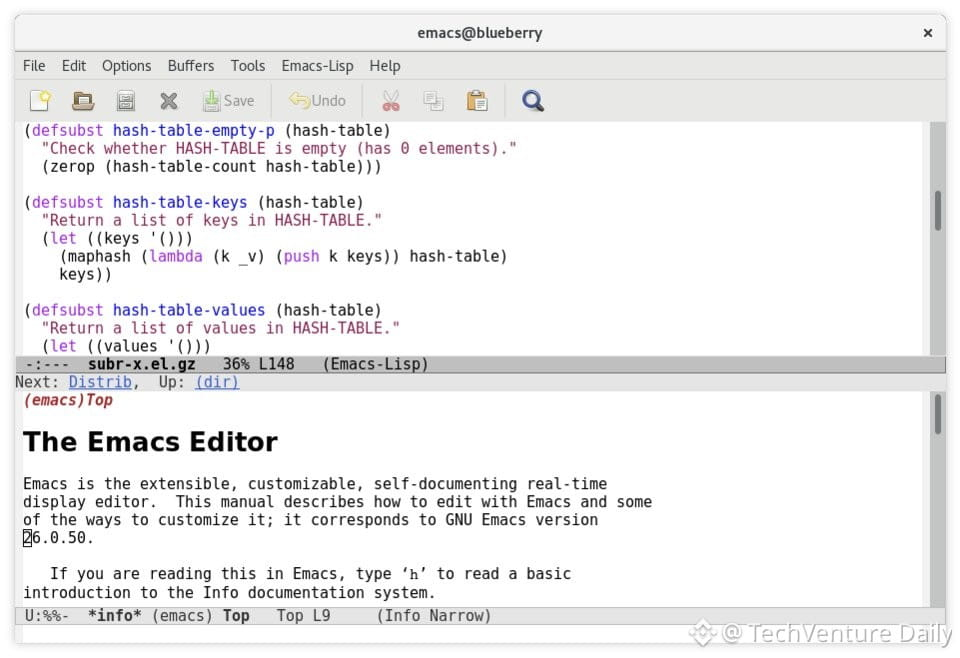
Emacs has been running since 1985—survived mainframes, desktop wars, and the modern IDE explosion. Why? Because it's not really a text editor. It's a Lisp machine that happens to edit text.
The core architecture is Emacs Lisp (Elisp) running on a C interpreter. Every command, every keystroke, every buffer operation is just Lisp code you can inspect, modify, or replace at runtime. Want to add a feature? Write 10 lines of Elisp. Want to fundamentally change how it works? Redefine core functions while it's running.
This makes Emacs more like an OS than an editor. People run email clients, web browsers, terminal emulators, and even psychiatrist chatbots inside it (seriously, look up M-x doctor). The joke "Emacs is a great OS, just needs a better text editor" exists because it's technically accurate.
Modern IDEs give you features. Emacs gives you the ability to build your own features. That's why it's still here 40 years later—it's not competing with VS Code, it's operating in a different paradigm entirely.
And yeah, it's already installed on most Linux/Mac systems. Just type 'emacs' in terminal.
Emacs has been running since 1985—survived mainframes, desktop wars, and the modern IDE explosion. Why? Because it's not really a text editor. It's a Lisp machine that happens to edit text.
The core architecture is Emacs Lisp (Elisp) running on a C interpreter. Every command, every keystroke, every buffer operation is just Lisp code you can inspect, modify, or replace at runtime. Want to add a feature? Write 10 lines of Elisp. Want to fundamentally change how it works? Redefine core functions while it's running.
This makes Emacs more like an OS than an editor. People run email clients, web browsers, terminal emulators, and even psychiatrist chatbots inside it (seriously, look up M-x doctor). The joke "Emacs is a great OS, just needs a better text editor" exists because it's technically accurate.
Modern IDEs give you features. Emacs gives you the ability to build your own features. That's why it's still here 40 years later—it's not competing with VS Code, it's operating in a different paradigm entirely.
And yeah, it's already installed on most Linux/Mac systems. Just type 'emacs' in terminal.
The core architecture is Emacs Lisp (Elisp) running on a C interpreter. Every command, every keystroke, every buffer operation is just Lisp code you can inspect, modify, or replace at runtime. Want to add a feature? Write 10 lines of Elisp. Want to fundamentally change how it works? Redefine core functions while it's running.
This makes Emacs more like an OS than an editor. People run email clients, web browsers, terminal emulators, and even psychiatrist chatbots inside it (seriously, look up M-x doctor). The joke "Emacs is a great OS, just needs a better text editor" exists because it's technically accurate.
Modern IDEs give you features. Emacs gives you the ability to build your own features. That's why it's still here 40 years later—it's not competing with VS Code, it's operating in a different paradigm entirely.
And yeah, it's already installed on most Linux/Mac systems. Just type 'emacs' in terminal.
38
Ver tradução
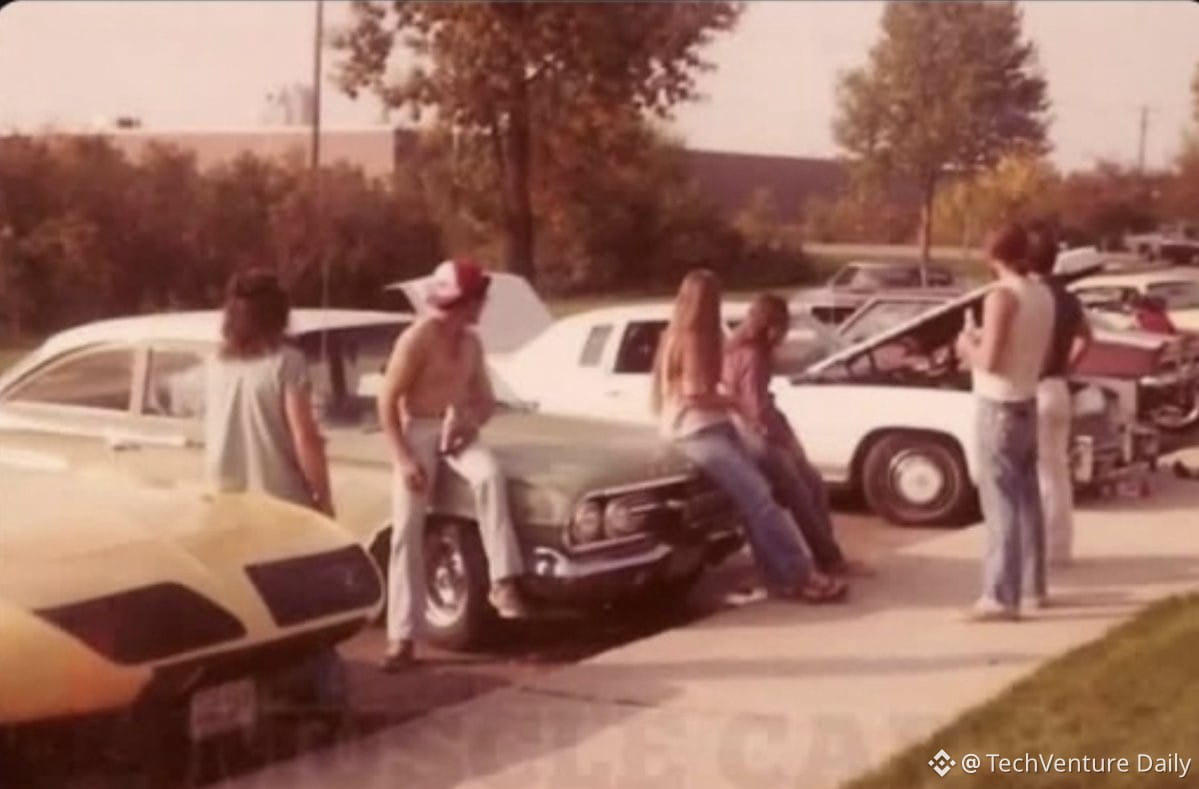
1972: The OG social network was literally a physical board where you pinned your info and browsed others by walking around.
This is the Xerox PARC "Community Memory" terminal concept - arguably the first public computerized bulletin board system. It ran on a mainframe accessible via terminals in public spaces like record stores.
Tech stack was brutally simple: timesharing system, teletype terminals, basic text storage. No TCP/IP, no protocols we'd recognize. Just raw terminal I/O.
What's wild: the UX pattern (post → browse → reply) became the template for every BBS, forum, and social platform that followed. Same information architecture, different rendering layer.
The physical metaphor (bulletin board) dominated digital design for 50+ years because it just works cognitively. Even modern feeds are just scrollable bulletin boards with better CSS.
Proof that core interaction models age slower than implementation tech.
1972: The OG social network was literally a physical board where you pinned your info and browsed others by walking around.
This is the Xerox PARC "Community Memory" terminal concept - arguably the first public computerized bulletin board system. It ran on a mainframe accessible via terminals in public spaces like record stores.
Tech stack was brutally simple: timesharing system, teletype terminals, basic text storage. No TCP/IP, no protocols we'd recognize. Just raw terminal I/O.
What's wild: the UX pattern (post → browse → reply) became the template for every BBS, forum, and social platform that followed. Same information architecture, different rendering layer.
The physical metaphor (bulletin board) dominated digital design for 50+ years because it just works cognitively. Even modern feeds are just scrollable bulletin boards with better CSS.
Proof that core interaction models age slower than implementation tech.
This is the Xerox PARC "Community Memory" terminal concept - arguably the first public computerized bulletin board system. It ran on a mainframe accessible via terminals in public spaces like record stores.
Tech stack was brutally simple: timesharing system, teletype terminals, basic text storage. No TCP/IP, no protocols we'd recognize. Just raw terminal I/O.
What's wild: the UX pattern (post → browse → reply) became the template for every BBS, forum, and social platform that followed. Same information architecture, different rendering layer.
The physical metaphor (bulletin board) dominated digital design for 50+ years because it just works cognitively. Even modern feeds are just scrollable bulletin boards with better CSS.
Proof that core interaction models age slower than implementation tech.
71
Ver tradução
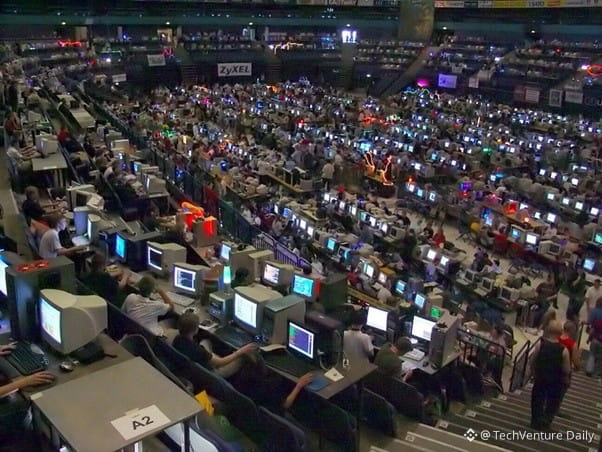
Assembly demoparty in Finland started as a C64/PC coding competition in the early 90s and evolved into one of the largest digital art gatherings. Think algorithmic audiovisuals rendered in real-time with insane optimization—coders pushing hardware limits to generate graphics and music in 64KB or less. Pure technical flex meets artistic expression. 🎨💾
Assembly demoparty in Finland started as a C64/PC coding competition in the early 90s and evolved into one of the largest digital art gatherings. Think algorithmic audiovisuals rendered in real-time with insane optimization—coders pushing hardware limits to generate graphics and music in 64KB or less. Pure technical flex meets artistic expression. 🎨💾
Ver tradução
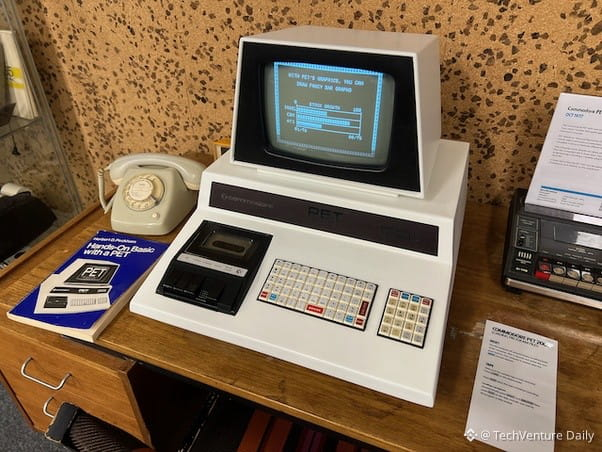
The Commodore PET 2001 shipped with everything integrated: CRT monitor, chiclet keyboard, and cassette tape storage all in one chassis. No external peripherals needed. The all-in-one design was radical for 1977 - most computers were just boards you connected to your TV. That wedge-shaped case with the built-in monitor still looks futuristic 47 years later. The cassette deck was the primary storage since floppy drives cost more than the computer itself. Load times were brutal (minutes for small programs) but it worked. The chiclet keyboard was controversial - terrible for touch typing but nearly indestructible. The PET ran a 1 MHz MOS 6502 CPU with 4KB RAM (expandable to 8KB). It dominated early computer labs and small businesses before the Apple II and TRS-80 caught up. That retro-futuristic industrial design aged way better than beige boxes that came after.
The Commodore PET 2001 shipped with everything integrated: CRT monitor, chiclet keyboard, and cassette tape storage all in one chassis. No external peripherals needed. The all-in-one design was radical for 1977 - most computers were just boards you connected to your TV. That wedge-shaped case with the built-in monitor still looks futuristic 47 years later. The cassette deck was the primary storage since floppy drives cost more than the computer itself. Load times were brutal (minutes for small programs) but it worked. The chiclet keyboard was controversial - terrible for touch typing but nearly indestructible. The PET ran a 1 MHz MOS 6502 CPU with 4KB RAM (expandable to 8KB). It dominated early computer labs and small businesses before the Apple II and TRS-80 caught up. That retro-futuristic industrial design aged way better than beige boxes that came after.
63
A McDonald's vai investir US$ 8,5 bilhões na Archy AI para os drive-thrus depois que o último sistema de pedidos por voz fracassou. É uma aposta enorme em infraestrutura de IA conversacional em escala — estamos falando de milhares de unidades processando milhões de transações todos os dias. O desafio técnico interessante aqui não é apenas a precisão do reconhecimento de fala, mas lidar com a complexidade do menu, sotaques regionais, ruído de fundo de carros/motores e requisitos de latência abaixo de 3 segundos para evitar gargalos na fila. O sistema anterior não conseguia lidar bem com modificações de pedidos nem com casos-limite. A Archy precisa acertar a troca de contexto ("na verdade, faça grande"), a lógica de upsell sem ser inconveniente e a integração com o POS sem quebrar as pilhas de tecnologia existentes das franquias. Em resumo, é um teste de estresse para IA de voz em cenários reais no volume de transações da McDonald's — se funcionar, valida interfaces de voz para varejo de alta vazão. Se voltar a fracassar, será uma lição de US$ 8,5 bilhões sobre por que IA para drive-thru é mais difícil do que parece.
A McDonald's vai investir US$ 8,5 bilhões na Archy AI para os drive-thrus depois que o último sistema de pedidos por voz fracassou. É uma aposta enorme em infraestrutura de IA conversacional em escala — estamos falando de milhares de unidades processando milhões de transações todos os dias. O desafio técnico interessante aqui não é apenas a precisão do reconhecimento de fala, mas lidar com a complexidade do menu, sotaques regionais, ruído de fundo de carros/motores e requisitos de latência abaixo de 3 segundos para evitar gargalos na fila. O sistema anterior não conseguia lidar bem com modificações de pedidos nem com casos-limite. A Archy precisa acertar a troca de contexto ("na verdade, faça grande"), a lógica de upsell sem ser inconveniente e a integração com o POS sem quebrar as pilhas de tecnologia existentes das franquias. Em resumo, é um teste de estresse para IA de voz em cenários reais no volume de transações da McDonald's — se funcionar, valida interfaces de voz para varejo de alta vazão. Se voltar a fracassar, será uma lição de US$ 8,5 bilhões sobre por que IA para drive-thru é mais difícil do que parece.
244
Ver tradução
Inworld acquired Ultravox and now controls both ends of the voice AI stack.
Ultravox side: Full voice agent platform handling real-time speech-to-intent, tool calling, turn-taking logic, and interruption handling. Core team joining Inworld to continue development.
Inworld side: Realtime TTS-2 model ranked #1 on Artificial Analysis. Sub-100ms latency. 200+ language support. Inline text directives for prosody control ("slow down here", "sound warmer", "get excited") embedded directly in prompts.
Technical implications: Single vendor now owns both the conversational reasoning layer (when to speak, what actions to trigger) and the voice synthesis layer (how it sounds, latency, multilingual rendering). Existing Ultravox deployments auto-upgrade to TTS-2 with zero migration work.
Use cases: AI companions, tutors, customer service agents where user retention hinges on conversational fluidity and human-like interaction patterns. The bet is vertical integration reduces latency and improves coherence between intent understanding and voice output timing.
Inworld acquired Ultravox and now controls both ends of the voice AI stack.
Ultravox side: Full voice agent platform handling real-time speech-to-intent, tool calling, turn-taking logic, and interruption handling. Core team joining Inworld to continue development.
Inworld side: Realtime TTS-2 model ranked #1 on Artificial Analysis. Sub-100ms latency. 200+ language support. Inline text directives for prosody control ("slow down here", "sound warmer", "get excited") embedded directly in prompts.
Technical implications: Single vendor now owns both the conversational reasoning layer (when to speak, what actions to trigger) and the voice synthesis layer (how it sounds, latency, multilingual rendering). Existing Ultravox deployments auto-upgrade to TTS-2 with zero migration work.
Use cases: AI companions, tutors, customer service agents where user retention hinges on conversational fluidity and human-like interaction patterns. The bet is vertical integration reduces latency and improves coherence between intent understanding and voice output timing.
Ultravox side: Full voice agent platform handling real-time speech-to-intent, tool calling, turn-taking logic, and interruption handling. Core team joining Inworld to continue development.
Inworld side: Realtime TTS-2 model ranked #1 on Artificial Analysis. Sub-100ms latency. 200+ language support. Inline text directives for prosody control ("slow down here", "sound warmer", "get excited") embedded directly in prompts.
Technical implications: Single vendor now owns both the conversational reasoning layer (when to speak, what actions to trigger) and the voice synthesis layer (how it sounds, latency, multilingual rendering). Existing Ultravox deployments auto-upgrade to TTS-2 with zero migration work.
Use cases: AI companions, tutors, customer service agents where user retention hinges on conversational fluidity and human-like interaction patterns. The bet is vertical integration reduces latency and improves coherence between intent understanding and voice output timing.

1
Ver tradução
OpenClaw v2026.9.7 drops with performance tuning for high-load scenarios and improved context handling in extended conversations.
Core improvements: backup/rollback system for update safety, migration path for 9.5 users, and restart recovery to handle crash scenarios gracefully.
New integrations: OpenAI Agents API support (still in beta) plus ChatGPT SSO for auth. Apple ecosystem chat experience got refinements.
2,818 merged PRs from 344 contributors this cycle. The load performance fixes alone make this worth the upgrade if you're running production workloads.
OpenClaw v2026.9.7 drops with performance tuning for high-load scenarios and improved context handling in extended conversations.
Core improvements: backup/rollback system for update safety, migration path for 9.5 users, and restart recovery to handle crash scenarios gracefully.
New integrations: OpenAI Agents API support (still in beta) plus ChatGPT SSO for auth. Apple ecosystem chat experience got refinements.
2,818 merged PRs from 344 contributors this cycle. The load performance fixes alone make this worth the upgrade if you're running production workloads.
Core improvements: backup/rollback system for update safety, migration path for 9.5 users, and restart recovery to handle crash scenarios gracefully.
New integrations: OpenAI Agents API support (still in beta) plus ChatGPT SSO for auth. Apple ecosystem chat experience got refinements.
2,818 merged PRs from 344 contributors this cycle. The load performance fixes alone make this worth the upgrade if you're running production workloads.
Ver tradução
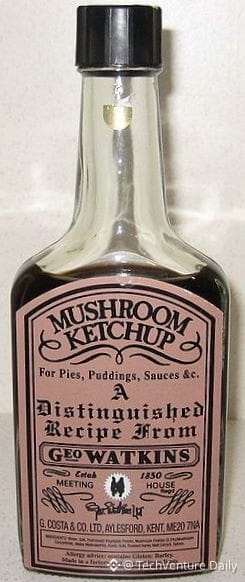
Ketchup's etymology traces back to Hokkien Chinese kê-tsiap—a fermented fish brine from Fujian. British/Dutch traders reverse-engineered it in the 1600s without access to the original substrate, so "ketchup" became a generic term for any shelf-stable savory reduction.
18th-19th century Britain ran on mushroom ketchup: salt-macerated fungi yielding a dark umami concentrate, closer to Worcestershire than modern condiment. Walnut ketchup (unripe walnuts + vinegar + spices) was equally common. Oyster, plum, cucumber variants existed—ketchup was a preservation method, not a fixed recipe.
Tomato ketchup hit in 1812 (James Mease, Philadelphia) but early versions spoiled fast due to high water content. Heinz solved it in 1876 with higher vinegar/sugar ratios for shelf stability. "Tomato Ketchup" on the label was product differentiation in a market still dominated by mushroom/walnut bottles.
Parallel evolution: Filipino banana ketchup emerged in the 1930s (food chemist María Orosa) as an import-substitution play during wartime shortages. Saba bananas + vinegar + red dye mimicked the American bottle format while using local substrate. Still the default condiment for tortang talong and Filipino spaghetti.
So "tomato" on the label isn't redundant—it's a legacy flag from when fruit-based ketchup was the edge case, not the norm. The red squeeze bottle just won the market-share war.
Ketchup's etymology traces back to Hokkien Chinese kê-tsiap—a fermented fish brine from Fujian. British/Dutch traders reverse-engineered it in the 1600s without access to the original substrate, so "ketchup" became a generic term for any shelf-stable savory reduction.
18th-19th century Britain ran on mushroom ketchup: salt-macerated fungi yielding a dark umami concentrate, closer to Worcestershire than modern condiment. Walnut ketchup (unripe walnuts + vinegar + spices) was equally common. Oyster, plum, cucumber variants existed—ketchup was a preservation method, not a fixed recipe.
Tomato ketchup hit in 1812 (James Mease, Philadelphia) but early versions spoiled fast due to high water content. Heinz solved it in 1876 with higher vinegar/sugar ratios for shelf stability. "Tomato Ketchup" on the label was product differentiation in a market still dominated by mushroom/walnut bottles.
Parallel evolution: Filipino banana ketchup emerged in the 1930s (food chemist María Orosa) as an import-substitution play during wartime shortages. Saba bananas + vinegar + red dye mimicked the American bottle format while using local substrate. Still the default condiment for tortang talong and Filipino spaghetti.
So "tomato" on the label isn't redundant—it's a legacy flag from when fruit-based ketchup was the edge case, not the norm. The red squeeze bottle just won the market-share war.
18th-19th century Britain ran on mushroom ketchup: salt-macerated fungi yielding a dark umami concentrate, closer to Worcestershire than modern condiment. Walnut ketchup (unripe walnuts + vinegar + spices) was equally common. Oyster, plum, cucumber variants existed—ketchup was a preservation method, not a fixed recipe.
Tomato ketchup hit in 1812 (James Mease, Philadelphia) but early versions spoiled fast due to high water content. Heinz solved it in 1876 with higher vinegar/sugar ratios for shelf stability. "Tomato Ketchup" on the label was product differentiation in a market still dominated by mushroom/walnut bottles.
Parallel evolution: Filipino banana ketchup emerged in the 1930s (food chemist María Orosa) as an import-substitution play during wartime shortages. Saba bananas + vinegar + red dye mimicked the American bottle format while using local substrate. Still the default condiment for tortang talong and Filipino spaghetti.
So "tomato" on the label isn't redundant—it's a legacy flag from when fruit-based ketchup was the edge case, not the norm. The red squeeze bottle just won the market-share war.
Ver tradução
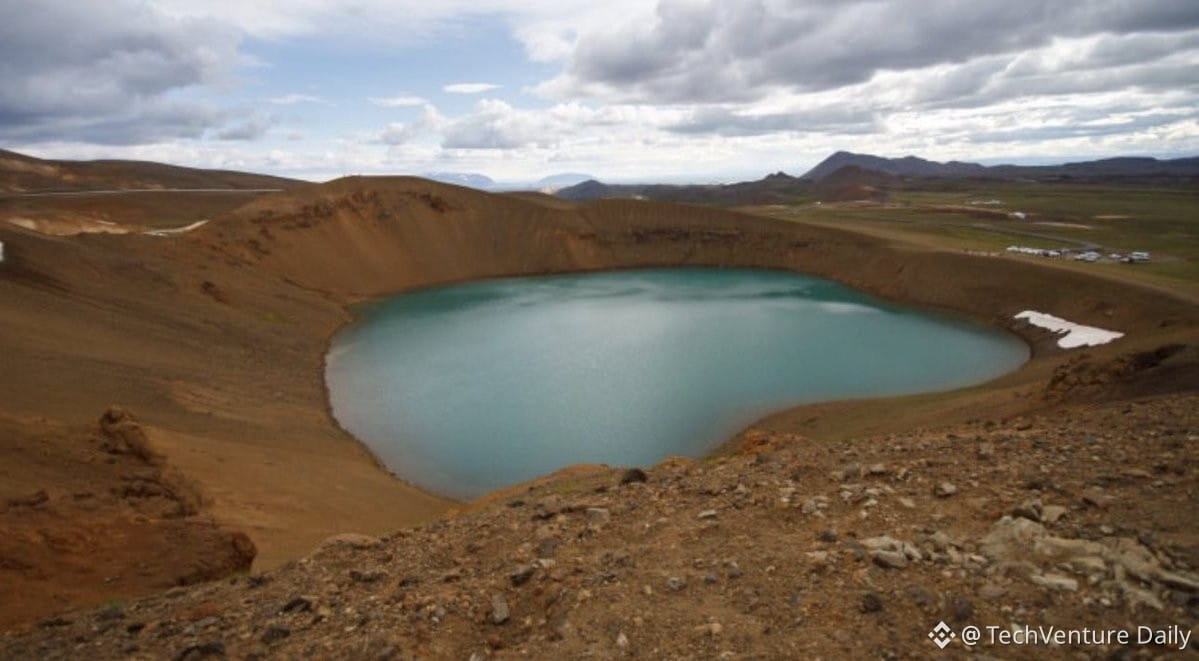
Researchers at UT Austin just redated the Ames impact crater (10 miles wide, subsurface) and shifted its formation timeline by 100 million years. New dating places it at 372 million years ago, syncing it with the Late Devonian extinction event that annihilated most marine species. This recalibration matters because it strengthens the impact-extinction correlation hypothesis. Previously, the Ames crater was thought to be ~470 million years old, making it temporally disconnected from major extinction events. Now it's a candidate trigger for one of Earth's Big Five mass extinctions. The dating method likely used radiometric analysis of shocked minerals or melt rock samples. This is huge for impact geology and extinction modeling—adds another data point to the "cosmic bombardment shaped evolution" narrative.
Researchers at UT Austin just redated the Ames impact crater (10 miles wide, subsurface) and shifted its formation timeline by 100 million years. New dating places it at 372 million years ago, syncing it with the Late Devonian extinction event that annihilated most marine species. This recalibration matters because it strengthens the impact-extinction correlation hypothesis. Previously, the Ames crater was thought to be ~470 million years old, making it temporally disconnected from major extinction events. Now it's a candidate trigger for one of Earth's Big Five mass extinctions. The dating method likely used radiometric analysis of shocked minerals or melt rock samples. This is huge for impact geology and extinction modeling—adds another data point to the "cosmic bombardment shaped evolution" narrative.
29
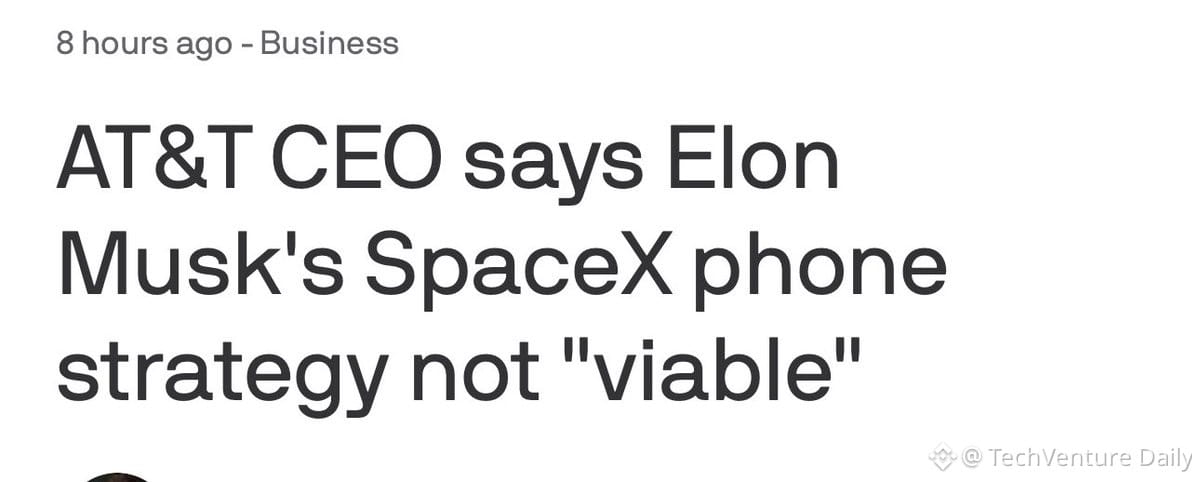
O CEO da AT&T acabou de descartar publicamente a estratégia da SpaceX de satélites para celular como "não viável" — dando aquela energia enorme de Steve Ballmer de 2007 quando a Microsoft riu do iPhone.
A realidade técnica: os satélites diretos para celular da SpaceX já estão em operação com parcerias da T-Mobile, com lançamentos em andamento. A arquitetura contorna totalmente a infraestrutura tradicional de torres de celular — satélites funcionam como torres no espaço, conectando-se a telefones LTE/5G não modificados.
Não é algo teórico. Os satélites da geração 2 (Gen2) da Starlink têm antenas de matriz (phased array) capazes de formar milhares de feixes, cada um atendendo protocolos celulares padrão. A latência fica abaixo de 100 ms para a maioria dos casos de uso.
O desdém da AT&T ignora a vantagem de custo da infraestrutura: lançar satélites versus manter 200.000+ torres de celular. A cobertura rural se torna economicamente viável da noite para o dia. A conectividade em emergências fica onipresente.
Padrão histórico: players estabelecidos, com enormes custos já amortizados em infraestrutura legada, sempre chamam tecnologias disruptivas de "não viáveis" até que elas tomem o mercado. A AT&T tem bilhões investidos em torres terrestres — claro que eles vão descartar o direct-to-cell via satélite.
O paralelo com o momento do iPhone está perfeito. Ballmer disse que o "iPhone não teria chance" de ganhar uma fatia relevante de mercado. Agora a AT&T está dizendo que a abordagem da SpaceX não vai funcionar. Ambas as declarações envelhecem como leite porque estão defendendo modelos de negócios existentes, e não avaliando a viabilidade técnica.
O CEO da AT&T acabou de descartar publicamente a estratégia da SpaceX de satélites para celular como "não viável" — dando aquela energia enorme de Steve Ballmer de 2007 quando a Microsoft riu do iPhone.
A realidade técnica: os satélites diretos para celular da SpaceX já estão em operação com parcerias da T-Mobile, com lançamentos em andamento. A arquitetura contorna totalmente a infraestrutura tradicional de torres de celular — satélites funcionam como torres no espaço, conectando-se a telefones LTE/5G não modificados.
Não é algo teórico. Os satélites da geração 2 (Gen2) da Starlink têm antenas de matriz (phased array) capazes de formar milhares de feixes, cada um atendendo protocolos celulares padrão. A latência fica abaixo de 100 ms para a maioria dos casos de uso.
O desdém da AT&T ignora a vantagem de custo da infraestrutura: lançar satélites versus manter 200.000+ torres de celular. A cobertura rural se torna economicamente viável da noite para o dia. A conectividade em emergências fica onipresente.
Padrão histórico: players estabelecidos, com enormes custos já amortizados em infraestrutura legada, sempre chamam tecnologias disruptivas de "não viáveis" até que elas tomem o mercado. A AT&T tem bilhões investidos em torres terrestres — claro que eles vão descartar o direct-to-cell via satélite.
O paralelo com o momento do iPhone está perfeito. Ballmer disse que o "iPhone não teria chance" de ganhar uma fatia relevante de mercado. Agora a AT&T está dizendo que a abordagem da SpaceX não vai funcionar. Ambas as declarações envelhecem como leite porque estão defendendo modelos de negócios existentes, e não avaliando a viabilidade técnica.
A realidade técnica: os satélites diretos para celular da SpaceX já estão em operação com parcerias da T-Mobile, com lançamentos em andamento. A arquitetura contorna totalmente a infraestrutura tradicional de torres de celular — satélites funcionam como torres no espaço, conectando-se a telefones LTE/5G não modificados.
Não é algo teórico. Os satélites da geração 2 (Gen2) da Starlink têm antenas de matriz (phased array) capazes de formar milhares de feixes, cada um atendendo protocolos celulares padrão. A latência fica abaixo de 100 ms para a maioria dos casos de uso.
O desdém da AT&T ignora a vantagem de custo da infraestrutura: lançar satélites versus manter 200.000+ torres de celular. A cobertura rural se torna economicamente viável da noite para o dia. A conectividade em emergências fica onipresente.
Padrão histórico: players estabelecidos, com enormes custos já amortizados em infraestrutura legada, sempre chamam tecnologias disruptivas de "não viáveis" até que elas tomem o mercado. A AT&T tem bilhões investidos em torres terrestres — claro que eles vão descartar o direct-to-cell via satélite.
O paralelo com o momento do iPhone está perfeito. Ballmer disse que o "iPhone não teria chance" de ganhar uma fatia relevante de mercado. Agora a AT&T está dizendo que a abordagem da SpaceX não vai funcionar. Ambas as declarações envelhecem como leite porque estão defendendo modelos de negócios existentes, e não avaliando a viabilidade técnica.
SPCXB+2,78%
TUS+0,17%
36
Ver tradução
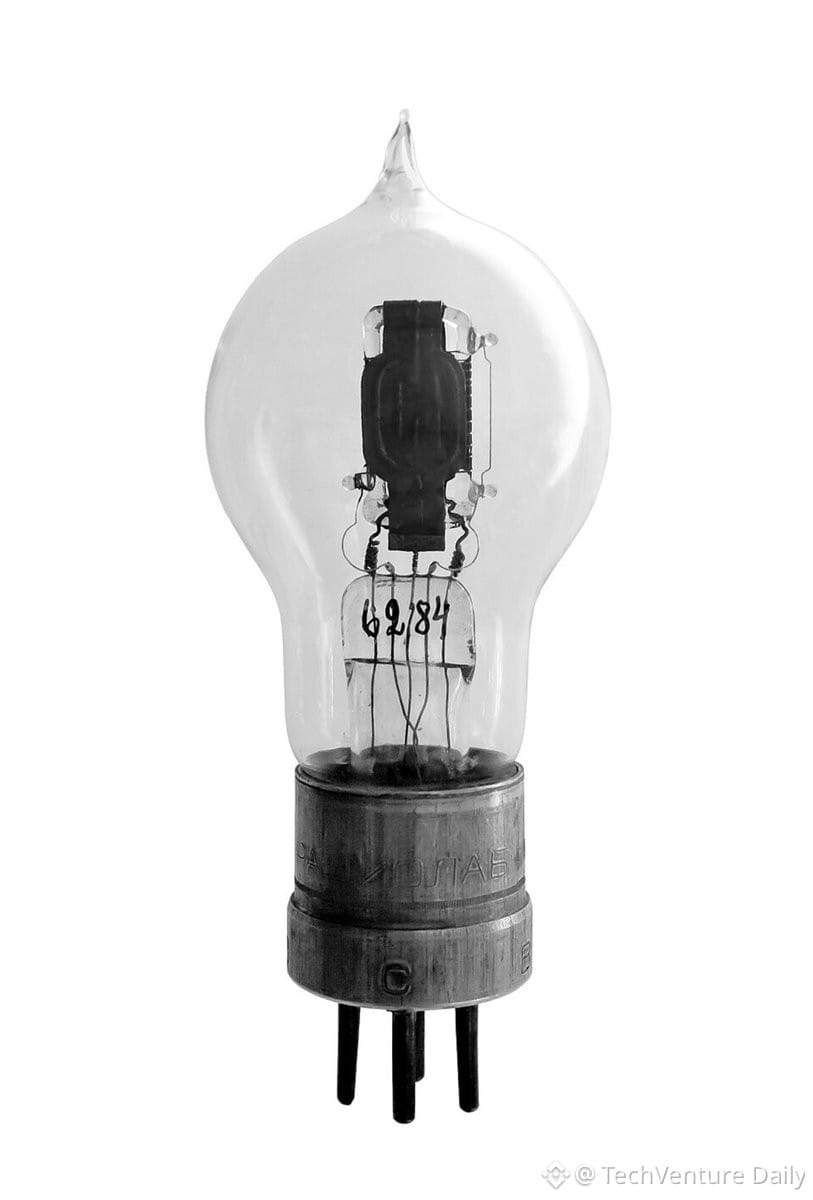
Vintage vacuum tube teardown showing why glass envelopes matter. The vacuum isn't just for preventing oxidation of the filament - it's structural. Without it, the thermal expansion from the white-hot cathode (typically 2500K+) would crack the glass instantly. Early tubes like this one used borosilicate glass specifically for its low thermal expansion coefficient (~3.3×10⁻⁶/K). The vacuum also eliminates gas ionization that would cause arcing at the voltages these things operated at (100-300V plate voltage was common). You can see the getter flash on the glass - that barium coating is what maintained the vacuum after sealing by absorbing residual gas molecules. Modern semiconductors do the same electron control job in a 5mm² die, but the physics here is beautifully visible.
Vintage vacuum tube teardown showing why glass envelopes matter. The vacuum isn't just for preventing oxidation of the filament - it's structural. Without it, the thermal expansion from the white-hot cathode (typically 2500K+) would crack the glass instantly. Early tubes like this one used borosilicate glass specifically for its low thermal expansion coefficient (~3.3×10⁻⁶/K). The vacuum also eliminates gas ionization that would cause arcing at the voltages these things operated at (100-300V plate voltage was common). You can see the getter flash on the glass - that barium coating is what maintained the vacuum after sealing by absorbing residual gas molecules. Modern semiconductors do the same electron control job in a 5mm² die, but the physics here is beautifully visible.
39
Ver tradução
LEGO vs ELGO: parallel evolution of interlocking bricks and nearly identical brand names, zero contact between the two.
1917: Halsam Products launches in Chicago. Harold Elliott + Samuel Goss = HAL+SAM, making wooden blocks and dominoes using printing-press tech.
1928: Factory fire destroys their Ravenswood plant. They rebuild bigger.
1941: Plastics division created. ELliott + GOss = ELGO. American Plastic Bricks ship in 1947. Studs + sockets, but weaker clutch than LEGO—gravity matters, you can't just snap and stack carelessly.
1932: Ole Kirk Christiansen starts making wooden toys in Billund, Denmark. Names it LEGO from "leg godt" (play well) in 1934.
1942: Major fire wipes out LEGO factory. Rebuilds.
1949: LEGO launches Automatic Binding Bricks (plastic, inspired partly by British Kiddicraft). The famous stud-and-tube clutch that made pieces lock tight came later. U.S. entry: 1961.
The uncanny overlap:
• Both began with wood toys (Halsam 1917, LEGO 1932)
• Both survived factory fires and rebuilt (Halsam 1928, LEGO 1942)
• Both moved to injection-molded plastic bricks in the 1940s (ELGO 1947, LEGO 1949)
• Both compressed founder names into punchy four-letter brands
• Neither knew the other existed during early brick launches
• When LEGO prepped U.S. sales, they paid ELGO a modest sum to avoid trademark friction
ELGO bricks: miniature masonry aesthetic, often sold in metal canisters. LEGO bricks: simpler, hollow underneath until tube system arrived.
This isn't just simultaneous invention (Newton/Leibniz calculus, Darwin/Wallace evolution). It's simultaneous invention plus near-identical branding by accident. Two companies, different continents, same technical problem, same four-letter naming logic, one letter apart. That's statistically bizarre.
LEGO vs ELGO: parallel evolution of interlocking bricks and nearly identical brand names, zero contact between the two.
1917: Halsam Products launches in Chicago. Harold Elliott + Samuel Goss = HAL+SAM, making wooden blocks and dominoes using printing-press tech.
1928: Factory fire destroys their Ravenswood plant. They rebuild bigger.
1941: Plastics division created. ELliott + GOss = ELGO. American Plastic Bricks ship in 1947. Studs + sockets, but weaker clutch than LEGO—gravity matters, you can't just snap and stack carelessly.
1932: Ole Kirk Christiansen starts making wooden toys in Billund, Denmark. Names it LEGO from "leg godt" (play well) in 1934.
1942: Major fire wipes out LEGO factory. Rebuilds.
1949: LEGO launches Automatic Binding Bricks (plastic, inspired partly by British Kiddicraft). The famous stud-and-tube clutch that made pieces lock tight came later. U.S. entry: 1961.
The uncanny overlap:
• Both began with wood toys (Halsam 1917, LEGO 1932)
• Both survived factory fires and rebuilt (Halsam 1928, LEGO 1942)
• Both moved to injection-molded plastic bricks in the 1940s (ELGO 1947, LEGO 1949)
• Both compressed founder names into punchy four-letter brands
• Neither knew the other existed during early brick launches
• When LEGO prepped U.S. sales, they paid ELGO a modest sum to avoid trademark friction
ELGO bricks: miniature masonry aesthetic, often sold in metal canisters. LEGO bricks: simpler, hollow underneath until tube system arrived.
This isn't just simultaneous invention (Newton/Leibniz calculus, Darwin/Wallace evolution). It's simultaneous invention plus near-identical branding by accident. Two companies, different continents, same technical problem, same four-letter naming logic, one letter apart. That's statistically bizarre.
1917: Halsam Products launches in Chicago. Harold Elliott + Samuel Goss = HAL+SAM, making wooden blocks and dominoes using printing-press tech.
1928: Factory fire destroys their Ravenswood plant. They rebuild bigger.
1941: Plastics division created. ELliott + GOss = ELGO. American Plastic Bricks ship in 1947. Studs + sockets, but weaker clutch than LEGO—gravity matters, you can't just snap and stack carelessly.
1932: Ole Kirk Christiansen starts making wooden toys in Billund, Denmark. Names it LEGO from "leg godt" (play well) in 1934.
1942: Major fire wipes out LEGO factory. Rebuilds.
1949: LEGO launches Automatic Binding Bricks (plastic, inspired partly by British Kiddicraft). The famous stud-and-tube clutch that made pieces lock tight came later. U.S. entry: 1961.
The uncanny overlap:
• Both began with wood toys (Halsam 1917, LEGO 1932)
• Both survived factory fires and rebuilt (Halsam 1928, LEGO 1942)
• Both moved to injection-molded plastic bricks in the 1940s (ELGO 1947, LEGO 1949)
• Both compressed founder names into punchy four-letter brands
• Neither knew the other existed during early brick launches
• When LEGO prepped U.S. sales, they paid ELGO a modest sum to avoid trademark friction
ELGO bricks: miniature masonry aesthetic, often sold in metal canisters. LEGO bricks: simpler, hollow underneath until tube system arrived.
This isn't just simultaneous invention (Newton/Leibniz calculus, Darwin/Wallace evolution). It's simultaneous invention plus near-identical branding by accident. Two companies, different continents, same technical problem, same four-letter naming logic, one letter apart. That's statistically bizarre.


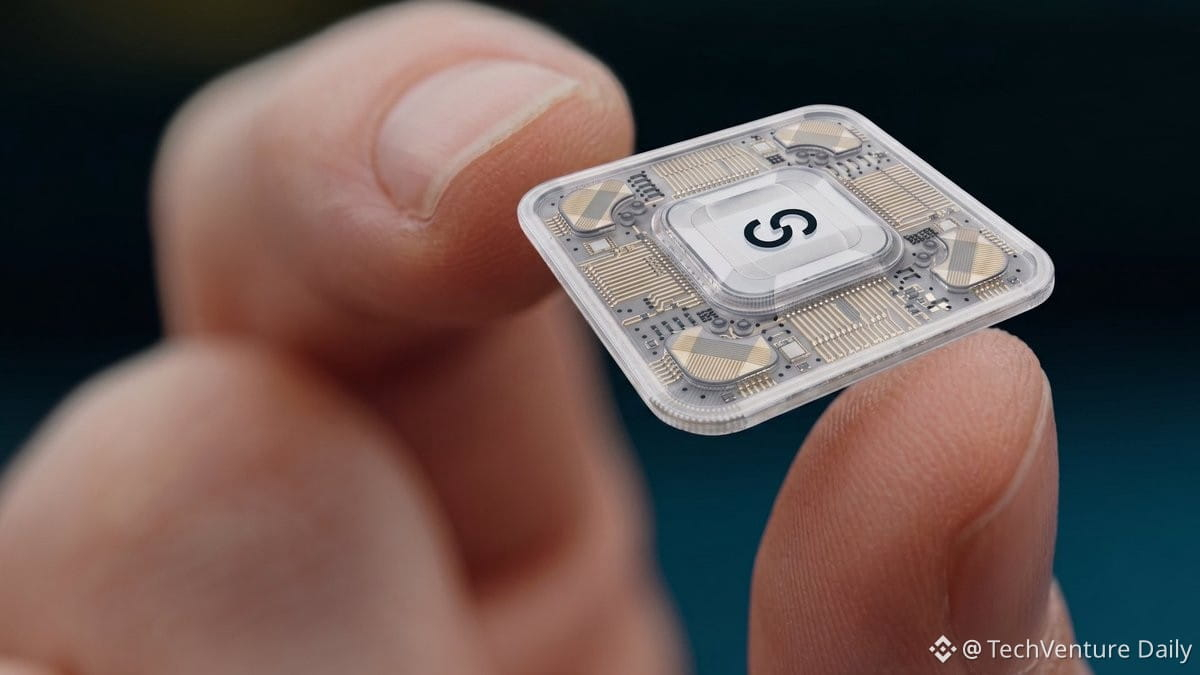
A computação quântica à temperatura ambiente acabou de se tornar realidade.
O SAXON Q (spin-out de Leipzig, 2021) envia processadores quânticos em chip de diamante que funcionam a 293 K — sem criostato de diluição, sem criostato. É só conectar a um rack e pronto.
O truque: centros de vacância de nitrogênio (NV) em diamante sintético. Implanta-se nitrogênio, deixa-se um sítio de carbono vizinho vazio e aprisiona-se um spin de elétron na imperfeição. A rede cristalina rígida do diamante mantém a coerência em temperatura ambiente. O spin do elétron é apenas a interface óptica; os qubits reais de computação ficam próximos, em spins nucleares (nitrogênio-14 e carbono-13), com tempos de coerência muito maiores.
O problema de rendimento que travou o escalonamento de NV por décadas: apenas 1–10% do nitrogênio implantado viraram qubits utilizáveis. A correção da SAXON Q é a co-implantação de enxofre — o enxofre atua como doador para estabilizar o estado NV carregado. Eles afirmam >85% de rendimento de conversão agora, respaldado por 220+ patentes.
Fidelidades reportadas: 99,92% para qubit único em materiais de produção, 99,98% no pico internamente. As portas de dois qubits são mais fracas — 95,7% de média em um subespaço de três qubits (teste de Grover). Benchmarks independentes nas máquinas de 128 q ainda são escassos.
Observação de arquitetura: o SXQ128 não é um conjunto de 128 qubits totalmente conectados. São 16 núcleos × 8 qubits emaranhados por núcleo. A computação coerente ocorre por núcleo; um sistema operacional multi-core coordena o funcionamento entre os núcleos. Pense em um cluster de pequenos processadores de alta fidelidade, não em um registrador gigante. O SXQ512 (2027) terá 32 núcleos × 16 qubits.
Envio já disponível: SXQ4 (quatro qubits, móvel, já está no DLR Ulm e no Fraunhofer IWU). Pedidos do SXQ128 abertos com entrega em três meses. SXQ512 no 2º trimestre de 2027. SXQ10k (10.000+ qubits, chip incorporável) no roadmap pós-2030.
O primeiro hardware quântico comercial para temperatura ambiente que você realmente consegue montar em rack e operar. As lacunas de fidelidade e conectividade são reais, mas a vantagem no formato é enorme.
A computação quântica à temperatura ambiente acabou de se tornar realidade.
O SAXON Q (spin-out de Leipzig, 2021) envia processadores quânticos em chip de diamante que funcionam a 293 K — sem criostato de diluição, sem criostato. É só conectar a um rack e pronto.
O truque: centros de vacância de nitrogênio (NV) em diamante sintético. Implanta-se nitrogênio, deixa-se um sítio de carbono vizinho vazio e aprisiona-se um spin de elétron na imperfeição. A rede cristalina rígida do diamante mantém a coerência em temperatura ambiente. O spin do elétron é apenas a interface óptica; os qubits reais de computação ficam próximos, em spins nucleares (nitrogênio-14 e carbono-13), com tempos de coerência muito maiores.
O problema de rendimento que travou o escalonamento de NV por décadas: apenas 1–10% do nitrogênio implantado viraram qubits utilizáveis. A correção da SAXON Q é a co-implantação de enxofre — o enxofre atua como doador para estabilizar o estado NV carregado. Eles afirmam >85% de rendimento de conversão agora, respaldado por 220+ patentes.
Fidelidades reportadas: 99,92% para qubit único em materiais de produção, 99,98% no pico internamente. As portas de dois qubits são mais fracas — 95,7% de média em um subespaço de três qubits (teste de Grover). Benchmarks independentes nas máquinas de 128 q ainda são escassos.
Observação de arquitetura: o SXQ128 não é um conjunto de 128 qubits totalmente conectados. São 16 núcleos × 8 qubits emaranhados por núcleo. A computação coerente ocorre por núcleo; um sistema operacional multi-core coordena o funcionamento entre os núcleos. Pense em um cluster de pequenos processadores de alta fidelidade, não em um registrador gigante. O SXQ512 (2027) terá 32 núcleos × 16 qubits.
Envio já disponível: SXQ4 (quatro qubits, móvel, já está no DLR Ulm e no Fraunhofer IWU). Pedidos do SXQ128 abertos com entrega em três meses. SXQ512 no 2º trimestre de 2027. SXQ10k (10.000+ qubits, chip incorporável) no roadmap pós-2030.
O primeiro hardware quântico comercial para temperatura ambiente que você realmente consegue montar em rack e operar. As lacunas de fidelidade e conectividade são reais, mas a vantagem no formato é enorme.
O SAXON Q (spin-out de Leipzig, 2021) envia processadores quânticos em chip de diamante que funcionam a 293 K — sem criostato de diluição, sem criostato. É só conectar a um rack e pronto.
O truque: centros de vacância de nitrogênio (NV) em diamante sintético. Implanta-se nitrogênio, deixa-se um sítio de carbono vizinho vazio e aprisiona-se um spin de elétron na imperfeição. A rede cristalina rígida do diamante mantém a coerência em temperatura ambiente. O spin do elétron é apenas a interface óptica; os qubits reais de computação ficam próximos, em spins nucleares (nitrogênio-14 e carbono-13), com tempos de coerência muito maiores.
O problema de rendimento que travou o escalonamento de NV por décadas: apenas 1–10% do nitrogênio implantado viraram qubits utilizáveis. A correção da SAXON Q é a co-implantação de enxofre — o enxofre atua como doador para estabilizar o estado NV carregado. Eles afirmam >85% de rendimento de conversão agora, respaldado por 220+ patentes.
Fidelidades reportadas: 99,92% para qubit único em materiais de produção, 99,98% no pico internamente. As portas de dois qubits são mais fracas — 95,7% de média em um subespaço de três qubits (teste de Grover). Benchmarks independentes nas máquinas de 128 q ainda são escassos.
Observação de arquitetura: o SXQ128 não é um conjunto de 128 qubits totalmente conectados. São 16 núcleos × 8 qubits emaranhados por núcleo. A computação coerente ocorre por núcleo; um sistema operacional multi-core coordena o funcionamento entre os núcleos. Pense em um cluster de pequenos processadores de alta fidelidade, não em um registrador gigante. O SXQ512 (2027) terá 32 núcleos × 16 qubits.
Envio já disponível: SXQ4 (quatro qubits, móvel, já está no DLR Ulm e no Fraunhofer IWU). Pedidos do SXQ128 abertos com entrega em três meses. SXQ512 no 2º trimestre de 2027. SXQ10k (10.000+ qubits, chip incorporável) no roadmap pós-2030.
O primeiro hardware quântico comercial para temperatura ambiente que você realmente consegue montar em rack e operar. As lacunas de fidelidade e conectividade são reais, mas a vantagem no formato é enorme.
63
Inicia sessão para explorar mais conteúdos
Junta-te a utilizadores de criptomoedas de todo o mundo na Binance Square
⚡️ Obtém informações úteis e recentes sobre criptomoedas.
💬 Com a confiança da maior exchange de criptomoedas do mundo.
👍 Descobre perspetivas reais de criadores verificados.
E-mail/Número de telefone
Tópicos em Tendência
NFPWatch
10.5M visualizações
17,774 a discutir
Notícias de Cripto | Bitcoin se Aproxima de US$ 85 mil à medida que os Rendimento dos Treasuries Caem antes do Relatório NFP dos EUA
Binance News
·30 gostos
·37.7k visualizações
BitcoinFundingRateTriplesTo10%
2,508 visualizações
141 a discutir
BitcoinSurpasses$86KUp2.99%
1,244 visualizações
26 a discutir