

urdav3
723 Publicações

urdav3
Denunciar
Bloquear Utilizador
3 A seguir
1 Seguidores
12 Gostaram
Publicações
·
--
A PRÓXIMA ETAPA DO USDD PODE SER MAIS INTELIGENTE NA ALOCAÇÃO DE CAPITAL
A mais recente atualização semanal de rendimento do USDD reflete uma evolução mais ampla no mercado de stablecoins.
As stablecoins foram inicialmente valorizadas principalmente pela sua capacidade de preservar a liquidez denominada em dólares na cadeia (onchain). A próxima etapa passa a ser, cada vez mais, sobre o que essa liquidez pode fazer.
O mapa semanal de estratégia mostra múltiplas rotas entre exchanges, carteiras e protocolos DeFi, criando uma estrutura para que os usuários explorem diferentes fontes de rendimento sem precisar buscar manualmente em todo o ecossistema.
Isso aponta para um futuro em que plataformas de stablecoin se tornam mais do que infraestrutura de emissão e transferência. Elas também podem se tornar camadas de alocação de capital.
As variáveis importantes vão além do APY. Liquidez, acessibilidade, condições de bloqueio, desenho do protocolo e incentivos em mudança influenciam se uma estratégia se ajusta a um determinado usuário.
O foco do USDD em participação flexível e oportunidades de rendimento estável de longo prazo se encaixa nessa transição mais ampla.
O conceito central é simples: quanto mais eficientemente os usuários conseguem descobrir e alocar a liquidez em stablecoins, mais útil essa liquidez se torna para a economia DeFi em geral.
O USDD está sendo apresentado cada vez mais não apenas como uma stablecoin, mas como uma porta de entrada para uma rede mais ampla de estratégias de rendimento onchain.
@JustinSun @usddio #TRONEcoStar
A PRÓXIMA ETAPA DO USDD PODE SER MAIS INTELIGENTE NA ALOCAÇÃO DE CAPITAL
A mais recente atualização semanal de rendimento do USDD reflete uma evolução mais ampla no mercado de stablecoins.
As stablecoins foram inicialmente valorizadas principalmente pela sua capacidade de preservar a liquidez denominada em dólares na cadeia (onchain). A próxima etapa passa a ser, cada vez mais, sobre o que essa liquidez pode fazer.
O mapa semanal de estratégia mostra múltiplas rotas entre exchanges, carteiras e protocolos DeFi, criando uma estrutura para que os usuários explorem diferentes fontes de rendimento sem precisar buscar manualmente em todo o ecossistema.
Isso aponta para um futuro em que plataformas de stablecoin se tornam mais do que infraestrutura de emissão e transferência. Elas também podem se tornar camadas de alocação de capital.
As variáveis importantes vão além do APY. Liquidez, acessibilidade, condições de bloqueio, desenho do protocolo e incentivos em mudança influenciam se uma estratégia se ajusta a um determinado usuário.
O foco do USDD em participação flexível e oportunidades de rendimento estável de longo prazo se encaixa nessa transição mais ampla.
O conceito central é simples: quanto mais eficientemente os usuários conseguem descobrir e alocar a liquidez em stablecoins, mais útil essa liquidez se torna para a economia DeFi em geral.
O USDD está sendo apresentado cada vez mais não apenas como uma stablecoin, mas como uma porta de entrada para uma rede mais ampla de estratégias de rendimento onchain.
@Justin Sun孙宇晨 @USDD - Decentralized USD #TRONEcoStar
A mais recente atualização semanal de rendimento do USDD reflete uma evolução mais ampla no mercado de stablecoins.
As stablecoins foram inicialmente valorizadas principalmente pela sua capacidade de preservar a liquidez denominada em dólares na cadeia (onchain). A próxima etapa passa a ser, cada vez mais, sobre o que essa liquidez pode fazer.
O mapa semanal de estratégia mostra múltiplas rotas entre exchanges, carteiras e protocolos DeFi, criando uma estrutura para que os usuários explorem diferentes fontes de rendimento sem precisar buscar manualmente em todo o ecossistema.
Isso aponta para um futuro em que plataformas de stablecoin se tornam mais do que infraestrutura de emissão e transferência. Elas também podem se tornar camadas de alocação de capital.
As variáveis importantes vão além do APY. Liquidez, acessibilidade, condições de bloqueio, desenho do protocolo e incentivos em mudança influenciam se uma estratégia se ajusta a um determinado usuário.
O foco do USDD em participação flexível e oportunidades de rendimento estável de longo prazo se encaixa nessa transição mais ampla.
O conceito central é simples: quanto mais eficientemente os usuários conseguem descobrir e alocar a liquidez em stablecoins, mais útil essa liquidez se torna para a economia DeFi em geral.
O USDD está sendo apresentado cada vez mais não apenas como uma stablecoin, mas como uma porta de entrada para uma rede mais ampla de estratégias de rendimento onchain.
@Justin Sun孙宇晨 @USDD - Decentralized USD #TRONEcoStar

10
·
--
Ver tradução
FROM YIELD HUNTING TO SYSTEMATIC STRATEGY
DeFi users often face a familiar problem: opportunities are everywhere, but they are scattered across different platforms.
USDD's weekly yield engine addresses this fragmentation by presenting multiple stablecoin strategies in one organized framework.
The latest update covers opportunities across trading platforms, wallets and DeFi protocols, giving users a broader view of the available landscape instead of focusing on a single application.
This creates an important shift in mindset.
Yield hunting is often reactive. Users move from one opportunity to another based on whichever APY appears highest at a particular moment.
A systematic strategy is different. It considers return alongside liquidity, access conditions, lock-up requirements, platform risk and the underlying mechanism generating the yield.
The emphasis on no quota limits and no lock-up requirements makes flexibility part of the framework rather than an afterthought.
As DeFi matures, systematic capital allocation could become increasingly important. The goal is not necessarily to maximize one isolated number, but to understand how stablecoin capital can move through different opportunities while matching the user's preferred level of flexibility and risk.
@usddio @JustinSun #TRONEcoStar
FROM YIELD HUNTING TO SYSTEMATIC STRATEGY
DeFi users often face a familiar problem: opportunities are everywhere, but they are scattered across different platforms.
USDD's weekly yield engine addresses this fragmentation by presenting multiple stablecoin strategies in one organized framework.
The latest update covers opportunities across trading platforms, wallets and DeFi protocols, giving users a broader view of the available landscape instead of focusing on a single application.
This creates an important shift in mindset.
Yield hunting is often reactive. Users move from one opportunity to another based on whichever APY appears highest at a particular moment.
A systematic strategy is different. It considers return alongside liquidity, access conditions, lock-up requirements, platform risk and the underlying mechanism generating the yield.
The emphasis on no quota limits and no lock-up requirements makes flexibility part of the framework rather than an afterthought.
As DeFi matures, systematic capital allocation could become increasingly important. The goal is not necessarily to maximize one isolated number, but to understand how stablecoin capital can move through different opportunities while matching the user's preferred level of flexibility and risk.
@USDD - Decentralized USD @Justin Sun孙宇晨 #TRONEcoStar
DeFi users often face a familiar problem: opportunities are everywhere, but they are scattered across different platforms.
USDD's weekly yield engine addresses this fragmentation by presenting multiple stablecoin strategies in one organized framework.
The latest update covers opportunities across trading platforms, wallets and DeFi protocols, giving users a broader view of the available landscape instead of focusing on a single application.
This creates an important shift in mindset.
Yield hunting is often reactive. Users move from one opportunity to another based on whichever APY appears highest at a particular moment.
A systematic strategy is different. It considers return alongside liquidity, access conditions, lock-up requirements, platform risk and the underlying mechanism generating the yield.
The emphasis on no quota limits and no lock-up requirements makes flexibility part of the framework rather than an afterthought.
As DeFi matures, systematic capital allocation could become increasingly important. The goal is not necessarily to maximize one isolated number, but to understand how stablecoin capital can move through different opportunities while matching the user's preferred level of flexibility and risk.
@USDD - Decentralized USD @Justin Sun孙宇晨 #TRONEcoStar
13
·
--
Ver tradução
STABLECOINS ARE BECOMING ACTIVE CAPITAL
A stablecoin does not have to remain passive.
USDD's latest weekly yield strategies demonstrate how stablecoin holders can explore multiple routes for deploying capital across exchanges, wallets and DeFi protocols.
The underlying idea is capital efficiency: instead of allowing stablecoins to remain unused, users can evaluate different strategies designed to generate additional returns while maintaining the characteristics and liquidity requirements of each opportunity.
The weekly update also shows why yield should be viewed dynamically. APYs can change, incentives can expire and market conditions can alter the attractiveness of individual strategies.
A weekly strategy map therefore functions as a snapshot of the current landscape rather than a permanent guarantee of returns.
This distinction is important as DeFi becomes more sophisticated.
The future of stablecoin utility may increasingly involve automated discovery, portfolio allocation and strategy optimization. Users could eventually think less about individual protocols and more about the overall objectives of their stablecoin capital.
USDD's yield framework points toward that transition: from simply holding digital dollars to actively managing where those dollars work within the onchain economy.
@usddio @JustinSun #TRONEcoStar
STABLECOINS ARE BECOMING ACTIVE CAPITAL
A stablecoin does not have to remain passive.
USDD's latest weekly yield strategies demonstrate how stablecoin holders can explore multiple routes for deploying capital across exchanges, wallets and DeFi protocols.
The underlying idea is capital efficiency: instead of allowing stablecoins to remain unused, users can evaluate different strategies designed to generate additional returns while maintaining the characteristics and liquidity requirements of each opportunity.
The weekly update also shows why yield should be viewed dynamically. APYs can change, incentives can expire and market conditions can alter the attractiveness of individual strategies.
A weekly strategy map therefore functions as a snapshot of the current landscape rather than a permanent guarantee of returns.
This distinction is important as DeFi becomes more sophisticated.
The future of stablecoin utility may increasingly involve automated discovery, portfolio allocation and strategy optimization. Users could eventually think less about individual protocols and more about the overall objectives of their stablecoin capital.
USDD's yield framework points toward that transition: from simply holding digital dollars to actively managing where those dollars work within the onchain economy.
@USDD - Decentralized USD @Justin Sun孙宇晨 #TRONEcoStar
A stablecoin does not have to remain passive.
USDD's latest weekly yield strategies demonstrate how stablecoin holders can explore multiple routes for deploying capital across exchanges, wallets and DeFi protocols.
The underlying idea is capital efficiency: instead of allowing stablecoins to remain unused, users can evaluate different strategies designed to generate additional returns while maintaining the characteristics and liquidity requirements of each opportunity.
The weekly update also shows why yield should be viewed dynamically. APYs can change, incentives can expire and market conditions can alter the attractiveness of individual strategies.
A weekly strategy map therefore functions as a snapshot of the current landscape rather than a permanent guarantee of returns.
This distinction is important as DeFi becomes more sophisticated.
The future of stablecoin utility may increasingly involve automated discovery, portfolio allocation and strategy optimization. Users could eventually think less about individual protocols and more about the overall objectives of their stablecoin capital.
USDD's yield framework points toward that transition: from simply holding digital dollars to actively managing where those dollars work within the onchain economy.
@USDD - Decentralized USD @Justin Sun孙宇晨 #TRONEcoStar
9
·
--
Ver tradução
USDD AND THE RISE OF YIELD AGGREGATION
One of the biggest challenges in DeFi is not the lack of yield opportunities, but the sheer number of them.
USDD's latest weekly yield strategy brings together opportunities across exchanges, wallets and DeFi protocols, creating a consolidated view of where stablecoin capital can potentially generate returns.
The displayed strategies span different platforms and products, with yields changing according to market conditions and platform incentives.
This highlights an important evolution in stablecoin infrastructure. Instead of forcing users to manually monitor dozens of protocols, yield-focused dashboards can act as discovery layers that help users identify potential opportunities more efficiently.
The concept becomes particularly relevant when users want to maintain liquidity while exploring different sources of return. The emphasis on no quota limits and no lock-up requirements adds another dimension to the framework.
The broader trend is toward making DeFi less fragmented.
When information, liquidity and strategies become easier to compare, stablecoins can become more productive financial instruments rather than simply assets sitting idle in a wallet.
@usddio @JustinSun #TRONEcoStar
USDD AND THE RISE OF YIELD AGGREGATION
One of the biggest challenges in DeFi is not the lack of yield opportunities, but the sheer number of them.
USDD's latest weekly yield strategy brings together opportunities across exchanges, wallets and DeFi protocols, creating a consolidated view of where stablecoin capital can potentially generate returns.
The displayed strategies span different platforms and products, with yields changing according to market conditions and platform incentives.
This highlights an important evolution in stablecoin infrastructure. Instead of forcing users to manually monitor dozens of protocols, yield-focused dashboards can act as discovery layers that help users identify potential opportunities more efficiently.
The concept becomes particularly relevant when users want to maintain liquidity while exploring different sources of return. The emphasis on no quota limits and no lock-up requirements adds another dimension to the framework.
The broader trend is toward making DeFi less fragmented.
When information, liquidity and strategies become easier to compare, stablecoins can become more productive financial instruments rather than simply assets sitting idle in a wallet.
@USDD - Decentralized USD @Justin Sun孙宇晨 #TRONEcoStar
One of the biggest challenges in DeFi is not the lack of yield opportunities, but the sheer number of them.
USDD's latest weekly yield strategy brings together opportunities across exchanges, wallets and DeFi protocols, creating a consolidated view of where stablecoin capital can potentially generate returns.
The displayed strategies span different platforms and products, with yields changing according to market conditions and platform incentives.
This highlights an important evolution in stablecoin infrastructure. Instead of forcing users to manually monitor dozens of protocols, yield-focused dashboards can act as discovery layers that help users identify potential opportunities more efficiently.
The concept becomes particularly relevant when users want to maintain liquidity while exploring different sources of return. The emphasis on no quota limits and no lock-up requirements adds another dimension to the framework.
The broader trend is toward making DeFi less fragmented.
When information, liquidity and strategies become easier to compare, stablecoins can become more productive financial instruments rather than simply assets sitting idle in a wallet.
@USDD - Decentralized USD @Justin Sun孙宇晨 #TRONEcoStar
4
·
--
Ver tradução
USDD AS A MAP FOR NAVIGATING DEFI YIELD
DeFi yield strategies can become difficult to navigate when opportunities are spread across exchanges, wallets and multiple protocols. USDD's latest weekly yield map takes a different approach by organizing these opportunities into a clearer framework.
The strategy covers multiple yield paths across trading platforms, wallets and DeFi protocols, allowing users to compare different routes for deploying stablecoin capital.
The key idea is not simply chasing the highest displayed APY. A useful yield strategy also needs to consider liquidity, lock-up requirements, platform structure and how easily capital can move between opportunities.
USDD's weekly framework attempts to turn a fragmented DeFi landscape into a more structured map.
With no quota limits and no mandatory lock-up highlighted in the campaign, the focus is on flexibility alongside recurring yield opportunities.
As stablecoin markets mature, aggregation and clarity can become just as important as yield itself. The ability to see where capital can go, what conditions apply and how different strategies compare can make DeFi easier to understand and navigate.
@usddio @JustinSun #TRONEcoStar
USDD AS A MAP FOR NAVIGATING DEFI YIELD
DeFi yield strategies can become difficult to navigate when opportunities are spread across exchanges, wallets and multiple protocols. USDD's latest weekly yield map takes a different approach by organizing these opportunities into a clearer framework.
The strategy covers multiple yield paths across trading platforms, wallets and DeFi protocols, allowing users to compare different routes for deploying stablecoin capital.
The key idea is not simply chasing the highest displayed APY. A useful yield strategy also needs to consider liquidity, lock-up requirements, platform structure and how easily capital can move between opportunities.
USDD's weekly framework attempts to turn a fragmented DeFi landscape into a more structured map.
With no quota limits and no mandatory lock-up highlighted in the campaign, the focus is on flexibility alongside recurring yield opportunities.
As stablecoin markets mature, aggregation and clarity can become just as important as yield itself. The ability to see where capital can go, what conditions apply and how different strategies compare can make DeFi easier to understand and navigate.
@USDD - Decentralized USD @Justin Sun孙宇晨 #TRONEcoStar
DeFi yield strategies can become difficult to navigate when opportunities are spread across exchanges, wallets and multiple protocols. USDD's latest weekly yield map takes a different approach by organizing these opportunities into a clearer framework.
The strategy covers multiple yield paths across trading platforms, wallets and DeFi protocols, allowing users to compare different routes for deploying stablecoin capital.
The key idea is not simply chasing the highest displayed APY. A useful yield strategy also needs to consider liquidity, lock-up requirements, platform structure and how easily capital can move between opportunities.
USDD's weekly framework attempts to turn a fragmented DeFi landscape into a more structured map.
With no quota limits and no mandatory lock-up highlighted in the campaign, the focus is on flexibility alongside recurring yield opportunities.
As stablecoin markets mature, aggregation and clarity can become just as important as yield itself. The ability to see where capital can go, what conditions apply and how different strategies compare can make DeFi easier to understand and navigate.
@USDD - Decentralized USD @Justin Sun孙宇晨 #TRONEcoStar
4
·
--
Ver tradução
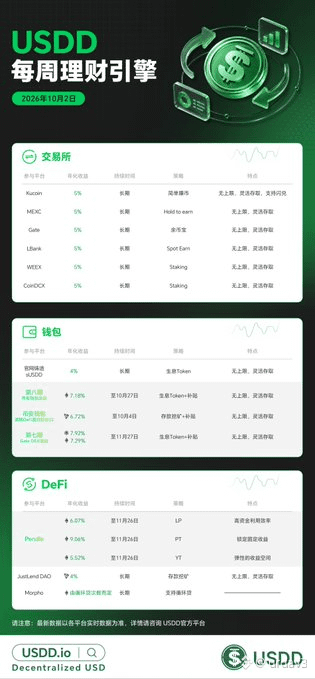
THE REAL VALUE OF A DEFI YIELD MAP IS CLARITY
Yield numbers naturally attract attention, but the more interesting part of USDD's weekly strategy update is the attempt to organize the entire yield landscape.
The graphic separates opportunities across exchanges, wallets and DeFi, showing that stablecoin returns can come from very different mechanisms.
An exchange-based strategy may involve trading or platform-specific products. A wallet strategy can involve tokenized assets or staking-related opportunities. DeFi strategies may involve liquidity provision, lending or other protocol mechanisms.
These products are not interchangeable, even when their displayed yields appear similar.
That is why a structured map can be useful. It allows users to understand not only the potential return, but also where the return comes from.
The emphasis on flexible access, no quota limits and no lock-up requirements further highlights the importance of capital mobility.
For the stablecoin economy, the next stage of growth may depend increasingly on better discovery tools. Users need more than capital; they need clear information about where that capital can be deployed.
USDD's weekly yield framework is an example of that direction.
@usddio @JustinSun #TRONEcoStar
THE REAL VALUE OF A DEFI YIELD MAP IS CLARITY
Yield numbers naturally attract attention, but the more interesting part of USDD's weekly strategy update is the attempt to organize the entire yield landscape.
The graphic separates opportunities across exchanges, wallets and DeFi, showing that stablecoin returns can come from very different mechanisms.
An exchange-based strategy may involve trading or platform-specific products. A wallet strategy can involve tokenized assets or staking-related opportunities. DeFi strategies may involve liquidity provision, lending or other protocol mechanisms.
These products are not interchangeable, even when their displayed yields appear similar.
That is why a structured map can be useful. It allows users to understand not only the potential return, but also where the return comes from.
The emphasis on flexible access, no quota limits and no lock-up requirements further highlights the importance of capital mobility.
For the stablecoin economy, the next stage of growth may depend increasingly on better discovery tools. Users need more than capital; they need clear information about where that capital can be deployed.
USDD's weekly yield framework is an example of that direction.
@USDD - Decentralized USD @Justin Sun孙宇晨 #TRONEcoStar
Yield numbers naturally attract attention, but the more interesting part of USDD's weekly strategy update is the attempt to organize the entire yield landscape.
The graphic separates opportunities across exchanges, wallets and DeFi, showing that stablecoin returns can come from very different mechanisms.
An exchange-based strategy may involve trading or platform-specific products. A wallet strategy can involve tokenized assets or staking-related opportunities. DeFi strategies may involve liquidity provision, lending or other protocol mechanisms.
These products are not interchangeable, even when their displayed yields appear similar.
That is why a structured map can be useful. It allows users to understand not only the potential return, but also where the return comes from.
The emphasis on flexible access, no quota limits and no lock-up requirements further highlights the importance of capital mobility.
For the stablecoin economy, the next stage of growth may depend increasingly on better discovery tools. Users need more than capital; they need clear information about where that capital can be deployed.
USDD's weekly yield framework is an example of that direction.
@USDD - Decentralized USD @Justin Sun孙宇晨 #TRONEcoStar

10
·
--
Ver tradução
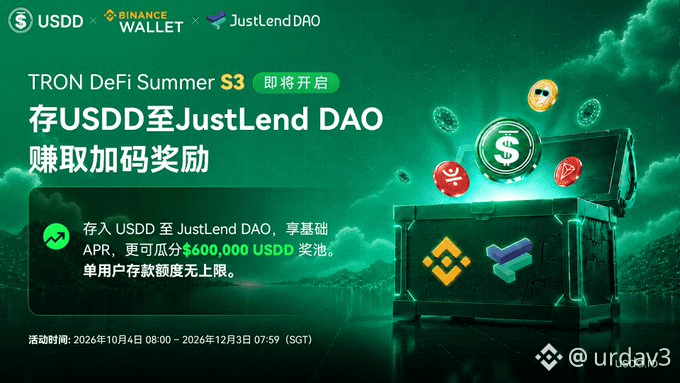
USDD ENTERS A NEW DEFI SUMMER SEASON
TRON DeFi Summer S3 officially launches on October 4, bringing a new incentive phase for USDD through JustLend DAO.
Users can subscribe with a minimum deposit of 100 USDD, while there is no maximum deposit limit. Alongside the base APY, participants can share in a prize pool of up to 600,000 USDD throughout the season.
What makes the structure interesting is that the campaign combines yield generation with several forms of capital flexibility. USDT can be swapped into USDD through the PSM module at a 1:1 ratio with zero slippage, while deposited assets can continue serving as collateral.
The event runs from October 4, 2026, at 08:00 SGT through December 3, 2026, at 07:59 SGT.
Rather than positioning USDD only as a stablecoin for holding value, the campaign connects it directly with lending, collateral and incentive mechanisms.
DeFi Summer S3 therefore creates another chapter in the evolution of USDD as part of the broader TRON DeFi ecosystem.
@JustinSun @usddio #TRONEcoStar
USDD ENTERS A NEW DEFI SUMMER SEASON
TRON DeFi Summer S3 officially launches on October 4, bringing a new incentive phase for USDD through JustLend DAO.
Users can subscribe with a minimum deposit of 100 USDD, while there is no maximum deposit limit. Alongside the base APY, participants can share in a prize pool of up to 600,000 USDD throughout the season.
What makes the structure interesting is that the campaign combines yield generation with several forms of capital flexibility. USDT can be swapped into USDD through the PSM module at a 1:1 ratio with zero slippage, while deposited assets can continue serving as collateral.
The event runs from October 4, 2026, at 08:00 SGT through December 3, 2026, at 07:59 SGT.
Rather than positioning USDD only as a stablecoin for holding value, the campaign connects it directly with lending, collateral and incentive mechanisms.
DeFi Summer S3 therefore creates another chapter in the evolution of USDD as part of the broader TRON DeFi ecosystem.
@Justin Sun孙宇晨 @USDD - Decentralized USD #TRONEcoStar
TRON DeFi Summer S3 officially launches on October 4, bringing a new incentive phase for USDD through JustLend DAO.
Users can subscribe with a minimum deposit of 100 USDD, while there is no maximum deposit limit. Alongside the base APY, participants can share in a prize pool of up to 600,000 USDD throughout the season.
What makes the structure interesting is that the campaign combines yield generation with several forms of capital flexibility. USDT can be swapped into USDD through the PSM module at a 1:1 ratio with zero slippage, while deposited assets can continue serving as collateral.
The event runs from October 4, 2026, at 08:00 SGT through December 3, 2026, at 07:59 SGT.
Rather than positioning USDD only as a stablecoin for holding value, the campaign connects it directly with lending, collateral and incentive mechanisms.
DeFi Summer S3 therefore creates another chapter in the evolution of USDD as part of the broader TRON DeFi ecosystem.
@Justin Sun孙宇晨 @USDD - Decentralized USD #TRONEcoStar
4
·
--
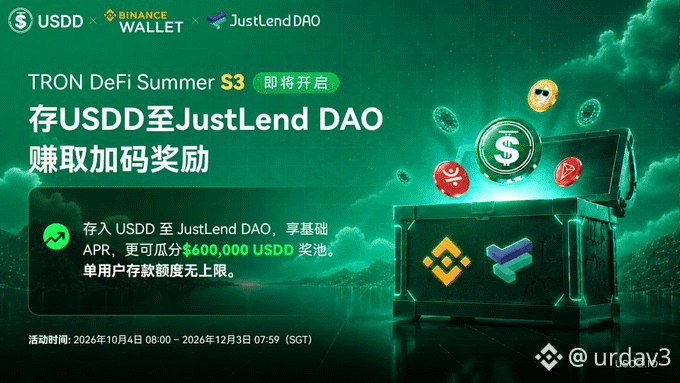
A USDD COMBINA ESTABILIDADE COM UTILIDADE DE DEFI
A terceira temporada do TRON DeFi Summer coloca uma ideia importante no centro da campanha da USDD: uma stablecoin pode servir tanto como um ativo denominado em valor quanto como capital produtivo de DeFi.
Os participantes podem depositar pelo menos 100 USDD no pool de atividades elegível do JustLend e receber a APY base enquanto também participam de um pool de recompensas de 600.000 USDD.
O design adiciona várias funcionalidades práticas. Os usuários podem converter USDT para USDD por meio do módulo PSM em uma proporção 1:1 com zero slippage, enquanto os depósitos permanecem flexíveis, pois os usuários podem depositar e sacar durante a campanha e continuar usando os ativos como garantias.
Isso cria uma experiência de DeFi mais interconectada.
Em vez de exigir que os usuários escolham entre manter uma stablecoin e usá-la dentro de uma aplicação financeira, a USDD pode se mover por múltiplas camadas do ecossistema.
O significado mais amplo é que a utilidade das stablecoins depende cada vez mais do que os usuários conseguem fazer depois de adquirir o token.
O papel da USDD no DeFi Summer S3 demonstra como a liquidez de stablecoin pode ser conectada a empréstimos, garantias, rendimento e incentivos do ecossistema dentro de um único framework.
@JustinSun @usddio #TRONEcoStar
A USDD COMBINA ESTABILIDADE COM UTILIDADE DE DEFI
A terceira temporada do TRON DeFi Summer coloca uma ideia importante no centro da campanha da USDD: uma stablecoin pode servir tanto como um ativo denominado em valor quanto como capital produtivo de DeFi.
Os participantes podem depositar pelo menos 100 USDD no pool de atividades elegível do JustLend e receber a APY base enquanto também participam de um pool de recompensas de 600.000 USDD.
O design adiciona várias funcionalidades práticas. Os usuários podem converter USDT para USDD por meio do módulo PSM em uma proporção 1:1 com zero slippage, enquanto os depósitos permanecem flexíveis, pois os usuários podem depositar e sacar durante a campanha e continuar usando os ativos como garantias.
Isso cria uma experiência de DeFi mais interconectada.
Em vez de exigir que os usuários escolham entre manter uma stablecoin e usá-la dentro de uma aplicação financeira, a USDD pode se mover por múltiplas camadas do ecossistema.
O significado mais amplo é que a utilidade das stablecoins depende cada vez mais do que os usuários conseguem fazer depois de adquirir o token.
O papel da USDD no DeFi Summer S3 demonstra como a liquidez de stablecoin pode ser conectada a empréstimos, garantias, rendimento e incentivos do ecossistema dentro de um único framework.
@Justin Sun孙宇晨 @USDD - Decentralized USD #TRONEcoStar
A terceira temporada do TRON DeFi Summer coloca uma ideia importante no centro da campanha da USDD: uma stablecoin pode servir tanto como um ativo denominado em valor quanto como capital produtivo de DeFi.
Os participantes podem depositar pelo menos 100 USDD no pool de atividades elegível do JustLend e receber a APY base enquanto também participam de um pool de recompensas de 600.000 USDD.
O design adiciona várias funcionalidades práticas. Os usuários podem converter USDT para USDD por meio do módulo PSM em uma proporção 1:1 com zero slippage, enquanto os depósitos permanecem flexíveis, pois os usuários podem depositar e sacar durante a campanha e continuar usando os ativos como garantias.
Isso cria uma experiência de DeFi mais interconectada.
Em vez de exigir que os usuários escolham entre manter uma stablecoin e usá-la dentro de uma aplicação financeira, a USDD pode se mover por múltiplas camadas do ecossistema.
O significado mais amplo é que a utilidade das stablecoins depende cada vez mais do que os usuários conseguem fazer depois de adquirir o token.
O papel da USDD no DeFi Summer S3 demonstra como a liquidez de stablecoin pode ser conectada a empréstimos, garantias, rendimento e incentivos do ecossistema dentro de um único framework.
@Justin Sun孙宇晨 @USDD - Decentralized USD #TRONEcoStar
5
·
--
O POOL DE RECOMPENSA DE 600.000 USDD CRIA UM INCENTIVO DE LIQUIDEZ
Um pool de prêmios de 600.000 USDD é um dos principais destaques do TRON DeFi Summer S3.
A campanha foi projetada para incentivar os usuários a trazer liquidez em USDD para o JustLend DAO, mantendo o acesso à funcionalidade DeFi subjacente do protocolo.
O requisito mínimo de entrada é de 100 USDD, sem limite máximo de depósito informado. Isso cria uma estrutura de participação aberta, permitindo que o pool de recompensas opere em uma faixa potencialmente ampla de tamanhos de depósito.
Importante: o pool de recompensas é um incentivo adicional, e não o único componente do produto. Os usuários também podem receber o APY base aplicável, enquanto seus ativos podem continuar funcionando como garantia (colateral).
A estrutura ilustra uma direção comum na DeFi: incentivos cada vez mais combinados com utilidade financeira real.
Para um ecossistema de stablecoins, isso importa porque uma liquidez sustentável depende de mais do que emissão de tokens. Os usuários precisam de motivos para manter, alocar e reutilizar o ativo.
Ao conectar depósitos de USDD à infraestrutura de empréstimos e a um pool de recompensas dedicado, o S3 foi projetado para transformar a liquidez de stablecoin em capital ativo de DeFi.
@JustinSun @usddio #TRONEcoStar
O POOL DE RECOMPENSA DE 600.000 USDD CRIA UM INCENTIVO DE LIQUIDEZ
Um pool de prêmios de 600.000 USDD é um dos principais destaques do TRON DeFi Summer S3.
A campanha foi projetada para incentivar os usuários a trazer liquidez em USDD para o JustLend DAO, mantendo o acesso à funcionalidade DeFi subjacente do protocolo.
O requisito mínimo de entrada é de 100 USDD, sem limite máximo de depósito informado. Isso cria uma estrutura de participação aberta, permitindo que o pool de recompensas opere em uma faixa potencialmente ampla de tamanhos de depósito.
Importante: o pool de recompensas é um incentivo adicional, e não o único componente do produto. Os usuários também podem receber o APY base aplicável, enquanto seus ativos podem continuar funcionando como garantia (colateral).
A estrutura ilustra uma direção comum na DeFi: incentivos cada vez mais combinados com utilidade financeira real.
Para um ecossistema de stablecoins, isso importa porque uma liquidez sustentável depende de mais do que emissão de tokens. Os usuários precisam de motivos para manter, alocar e reutilizar o ativo.
Ao conectar depósitos de USDD à infraestrutura de empréstimos e a um pool de recompensas dedicado, o S3 foi projetado para transformar a liquidez de stablecoin em capital ativo de DeFi.
@Justin Sun孙宇晨 @USDD - Decentralized USD #TRONEcoStar
Um pool de prêmios de 600.000 USDD é um dos principais destaques do TRON DeFi Summer S3.
A campanha foi projetada para incentivar os usuários a trazer liquidez em USDD para o JustLend DAO, mantendo o acesso à funcionalidade DeFi subjacente do protocolo.
O requisito mínimo de entrada é de 100 USDD, sem limite máximo de depósito informado. Isso cria uma estrutura de participação aberta, permitindo que o pool de recompensas opere em uma faixa potencialmente ampla de tamanhos de depósito.
Importante: o pool de recompensas é um incentivo adicional, e não o único componente do produto. Os usuários também podem receber o APY base aplicável, enquanto seus ativos podem continuar funcionando como garantia (colateral).
A estrutura ilustra uma direção comum na DeFi: incentivos cada vez mais combinados com utilidade financeira real.
Para um ecossistema de stablecoins, isso importa porque uma liquidez sustentável depende de mais do que emissão de tokens. Os usuários precisam de motivos para manter, alocar e reutilizar o ativo.
Ao conectar depósitos de USDD à infraestrutura de empréstimos e a um pool de recompensas dedicado, o S3 foi projetado para transformar a liquidez de stablecoin em capital ativo de DeFi.
@Justin Sun孙宇晨 @USDD - Decentralized USD #TRONEcoStar
10
·
--
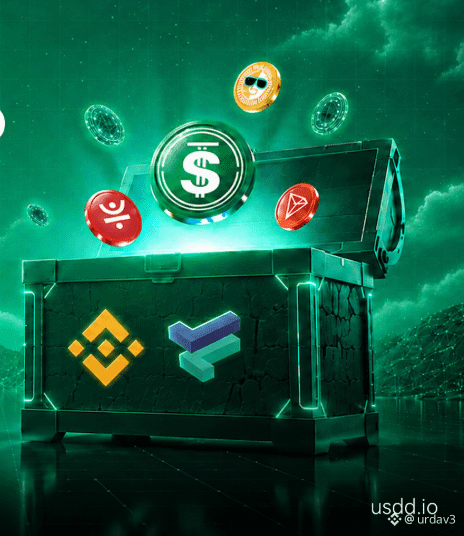
ZERO-SLIPPAGE CONVERSION REDUZ O ATRITO ENTRE USDT E USDD
Um dos recursos notáveis do TRON DeFi Summer S3 é a capacidade de converter USDT em USDD por meio do módulo PSM em uma proporção de 1:1, com zero slippage.
Para usuários de stablecoins, o atrito da conversão pode ser tão importante quanto o rendimento em destaque. Um mecanismo previsível 1:1 torna a transição entre dois ativos denominados em dólar mais fácil de entender e, potencialmente, mais fácil de executar.
Isso também cria uma ponte direta de liquidez entre USDT, uma das maiores stablecoins do ecossistema TRON, e USDD.
Após a conversão, o USDD pode ser aplicado na campanha elegível do JustLend, onde os usuários podem acessar a APY base aplicável e participar do pool de recompensas de 600.000 USDD.
A ideia maior é a composabilidade.
Uma stablecoin pode passar de um ambiente de liquidez para outro sem sair do ecossistema blockchain mais amplo. Conversão, empréstimo, colateralização e recompensas podem se tornar etapas conectadas dentro de um único fluxo de trabalho DeFi.
Por isso, o S3 destaca um aspecto importante da infraestrutura de stablecoins: quanto mais fácil se torna mover-se entre ativos e aplicações, mais interconectada fica a camada de liquidez onchain.
@JustinSun @usddio #TRONEcoStar
ZERO-SLIPPAGE CONVERSION REDUZ O ATRITO ENTRE USDT E USDD
Um dos recursos notáveis do TRON DeFi Summer S3 é a capacidade de converter USDT em USDD por meio do módulo PSM em uma proporção de 1:1, com zero slippage.
Para usuários de stablecoins, o atrito da conversão pode ser tão importante quanto o rendimento em destaque. Um mecanismo previsível 1:1 torna a transição entre dois ativos denominados em dólar mais fácil de entender e, potencialmente, mais fácil de executar.
Isso também cria uma ponte direta de liquidez entre USDT, uma das maiores stablecoins do ecossistema TRON, e USDD.
Após a conversão, o USDD pode ser aplicado na campanha elegível do JustLend, onde os usuários podem acessar a APY base aplicável e participar do pool de recompensas de 600.000 USDD.
A ideia maior é a composabilidade.
Uma stablecoin pode passar de um ambiente de liquidez para outro sem sair do ecossistema blockchain mais amplo. Conversão, empréstimo, colateralização e recompensas podem se tornar etapas conectadas dentro de um único fluxo de trabalho DeFi.
Por isso, o S3 destaca um aspecto importante da infraestrutura de stablecoins: quanto mais fácil se torna mover-se entre ativos e aplicações, mais interconectada fica a camada de liquidez onchain.
@Justin Sun孙宇晨 @USDD - Decentralized USD #TRONEcoStar
Um dos recursos notáveis do TRON DeFi Summer S3 é a capacidade de converter USDT em USDD por meio do módulo PSM em uma proporção de 1:1, com zero slippage.
Para usuários de stablecoins, o atrito da conversão pode ser tão importante quanto o rendimento em destaque. Um mecanismo previsível 1:1 torna a transição entre dois ativos denominados em dólar mais fácil de entender e, potencialmente, mais fácil de executar.
Isso também cria uma ponte direta de liquidez entre USDT, uma das maiores stablecoins do ecossistema TRON, e USDD.
Após a conversão, o USDD pode ser aplicado na campanha elegível do JustLend, onde os usuários podem acessar a APY base aplicável e participar do pool de recompensas de 600.000 USDD.
A ideia maior é a composabilidade.
Uma stablecoin pode passar de um ambiente de liquidez para outro sem sair do ecossistema blockchain mais amplo. Conversão, empréstimo, colateralização e recompensas podem se tornar etapas conectadas dentro de um único fluxo de trabalho DeFi.
Por isso, o S3 destaca um aspecto importante da infraestrutura de stablecoins: quanto mais fácil se torna mover-se entre ativos e aplicações, mais interconectada fica a camada de liquidez onchain.
@Justin Sun孙宇晨 @USDD - Decentralized USD #TRONEcoStar
25
·
--
A INTERNET ESTÁ SE TORNANDO PROGRAMÁVEL
Por décadas, a internet tornou a informação mais fácil de mover.
O Web3 está experimentando algo diferente: tornar valor, propriedade e coordenação programáveis.
Um contrato inteligente pode transformar regras em infraestrutura.
Uma carteira pode se tornar uma interface para propriedade digital.
Uma rede descentralizada pode permitir que desconhecidos coordenem em torno de regras transparentes sem compartilhar a mesma organização.
Estas ainda são experiências, não respostas prontas.
Mas as experiências importam porque a infraestrutura muda o que se torna possível.
Quando o dinheiro pode se mover programaticamente, os ativos podem interagir com aplicações, e as comunidades podem se coordenar via código — e, então, novas formas de comportamento digital se tornam possíveis.
A parte mais fascinante é que ninguém ainda escreveu o playbook completo.
Os desenvolvedores estão testando.
As comunidades estão experimentando.
Os usuários estão descobrindo novas formas de participar.
E, em algum lugar entre essas experiências, pode estar o próximo primitivo que milhões de pessoas eventualmente passam a dar como certo.
O futuro do Web3 talvez não seja uma única grande ruptura.
Talvez seja o momento em que milhares de peças programáveis finalmente começam a funcionar juntas.
👇 Qual parte desta internet programável você está explorando?
@JustinSun
#TRONEcoStar
A INTERNET ESTÁ SE TORNANDO PROGRAMÁVEL
Por décadas, a internet tornou a informação mais fácil de mover.
O Web3 está experimentando algo diferente: tornar valor, propriedade e coordenação programáveis.
Um contrato inteligente pode transformar regras em infraestrutura.
Uma carteira pode se tornar uma interface para propriedade digital.
Uma rede descentralizada pode permitir que desconhecidos coordenem em torno de regras transparentes sem compartilhar a mesma organização.
Estas ainda são experiências, não respostas prontas.
Mas as experiências importam porque a infraestrutura muda o que se torna possível.
Quando o dinheiro pode se mover programaticamente, os ativos podem interagir com aplicações, e as comunidades podem se coordenar via código — e, então, novas formas de comportamento digital se tornam possíveis.
A parte mais fascinante é que ninguém ainda escreveu o playbook completo.
Os desenvolvedores estão testando.
As comunidades estão experimentando.
Os usuários estão descobrindo novas formas de participar.
E, em algum lugar entre essas experiências, pode estar o próximo primitivo que milhões de pessoas eventualmente passam a dar como certo.
O futuro do Web3 talvez não seja uma única grande ruptura.
Talvez seja o momento em que milhares de peças programáveis finalmente começam a funcionar juntas.
👇 Qual parte desta internet programável você está explorando?
@Justin Sun孙宇晨
#TRONEcoStar
Por décadas, a internet tornou a informação mais fácil de mover.
O Web3 está experimentando algo diferente: tornar valor, propriedade e coordenação programáveis.
Um contrato inteligente pode transformar regras em infraestrutura.
Uma carteira pode se tornar uma interface para propriedade digital.
Uma rede descentralizada pode permitir que desconhecidos coordenem em torno de regras transparentes sem compartilhar a mesma organização.
Estas ainda são experiências, não respostas prontas.
Mas as experiências importam porque a infraestrutura muda o que se torna possível.
Quando o dinheiro pode se mover programaticamente, os ativos podem interagir com aplicações, e as comunidades podem se coordenar via código — e, então, novas formas de comportamento digital se tornam possíveis.
A parte mais fascinante é que ninguém ainda escreveu o playbook completo.
Os desenvolvedores estão testando.
As comunidades estão experimentando.
Os usuários estão descobrindo novas formas de participar.
E, em algum lugar entre essas experiências, pode estar o próximo primitivo que milhões de pessoas eventualmente passam a dar como certo.
O futuro do Web3 talvez não seja uma única grande ruptura.
Talvez seja o momento em que milhares de peças programáveis finalmente começam a funcionar juntas.
👇 Qual parte desta internet programável você está explorando?
@Justin Sun孙宇晨
#TRONEcoStar

7
·
--
Ver tradução
OCEAN FRONT TURNS CLIMATE CHANGE INTO A DIGITAL VISION
Beeple’s OCEAN FRONT is more than an image of a world surrounded by water. It presents climate change as a future environment in which nature, technology, and human life increasingly overlap.
That framing gives the artwork a different kind of significance.
Environmental issues are often communicated through statistics, scientific projections, and reports. Digital art can approach the same subject through imagination. Instead of explaining what rising seas might mean, OCEAN FRONT creates a visual world in which the consequences become part of the environment itself.
The work therefore operates on two levels.
It is a piece of digital art, but it is also a visual statement about humanity’s relationship with a changing planet.
Its $6 million sale at Nifty Gateway on March 23, 2021 added another dimension to that statement. The transaction demonstrated that digital artwork centered on a serious environmental theme could become a significant cultural and economic artifact within the emerging NFT market.
The important point is not simply the price.
OCEAN FRONT shows how digital art can preserve an idea about the future, giving an abstract concern such as climate change a visual form that audiences can remember, discuss, and reinterpret.
Digital art can capture a moment in history.
OCEAN FRONT attempts to capture a possible future.
@JustinSun #TRONEcoStar
OCEAN FRONT TURNS CLIMATE CHANGE INTO A DIGITAL VISION
Beeple’s OCEAN FRONT is more than an image of a world surrounded by water. It presents climate change as a future environment in which nature, technology, and human life increasingly overlap.
That framing gives the artwork a different kind of significance.
Environmental issues are often communicated through statistics, scientific projections, and reports. Digital art can approach the same subject through imagination. Instead of explaining what rising seas might mean, OCEAN FRONT creates a visual world in which the consequences become part of the environment itself.
The work therefore operates on two levels.
It is a piece of digital art, but it is also a visual statement about humanity’s relationship with a changing planet.
Its $6 million sale at Nifty Gateway on March 23, 2021 added another dimension to that statement. The transaction demonstrated that digital artwork centered on a serious environmental theme could become a significant cultural and economic artifact within the emerging NFT market.
The important point is not simply the price.
OCEAN FRONT shows how digital art can preserve an idea about the future, giving an abstract concern such as climate change a visual form that audiences can remember, discuss, and reinterpret.
Digital art can capture a moment in history.
OCEAN FRONT attempts to capture a possible future.
@Justin Sun孙宇晨 #TRONEcoStar
Beeple’s OCEAN FRONT is more than an image of a world surrounded by water. It presents climate change as a future environment in which nature, technology, and human life increasingly overlap.
That framing gives the artwork a different kind of significance.
Environmental issues are often communicated through statistics, scientific projections, and reports. Digital art can approach the same subject through imagination. Instead of explaining what rising seas might mean, OCEAN FRONT creates a visual world in which the consequences become part of the environment itself.
The work therefore operates on two levels.
It is a piece of digital art, but it is also a visual statement about humanity’s relationship with a changing planet.
Its $6 million sale at Nifty Gateway on March 23, 2021 added another dimension to that statement. The transaction demonstrated that digital artwork centered on a serious environmental theme could become a significant cultural and economic artifact within the emerging NFT market.
The important point is not simply the price.
OCEAN FRONT shows how digital art can preserve an idea about the future, giving an abstract concern such as climate change a visual form that audiences can remember, discuss, and reinterpret.
Digital art can capture a moment in history.
OCEAN FRONT attempts to capture a possible future.
@Justin Sun孙宇晨 #TRONEcoStar

12
·
--
Ver tradução
THE $6M SALE SHOWS HOW DIGITAL ART CAN CARRY IDEAS BEYOND THE CANVAS
The $6 million sale of Beeple’s OCEAN FRONT on Nifty Gateway in 2021 is notable not only because of the amount involved, but because of the idea embedded in the work.
OCEAN FRONT imagines a future shaped by rising seas and climate change, bringing environmental concerns into a digital artistic environment.
This gives the work a role beyond visual aesthetics.
Art has historically been used to document periods of change, express social concerns, and imagine futures that do not yet exist. Digital art extends that tradition into a new medium where technology itself becomes part of the creative language.
In OCEAN FRONT, that relationship is particularly relevant.
The subject is a changing planet, while the medium is digital technology. Nature and technology are therefore not presented as completely separate worlds. They converge inside the same imagined environment.
The $6 million transaction also demonstrates how cultural meaning and economic value can coexist within digital art.
The sale does not determine the environmental importance of the work, but it places a clear historical marker around it: a climate-focused digital artwork became a major transaction in the early NFT era.
That combination of technology, culture, environmental imagination, and market history is what makes OCEAN FRONT more than a snapshot of 2021.
It is a digital artwork built around a question about the future.
@JustinSun #TRONEcoStar
THE $6M SALE SHOWS HOW DIGITAL ART CAN CARRY IDEAS BEYOND THE CANVAS
The $6 million sale of Beeple’s OCEAN FRONT on Nifty Gateway in 2021 is notable not only because of the amount involved, but because of the idea embedded in the work.
OCEAN FRONT imagines a future shaped by rising seas and climate change, bringing environmental concerns into a digital artistic environment.
This gives the work a role beyond visual aesthetics.
Art has historically been used to document periods of change, express social concerns, and imagine futures that do not yet exist. Digital art extends that tradition into a new medium where technology itself becomes part of the creative language.
In OCEAN FRONT, that relationship is particularly relevant.
The subject is a changing planet, while the medium is digital technology. Nature and technology are therefore not presented as completely separate worlds. They converge inside the same imagined environment.
The $6 million transaction also demonstrates how cultural meaning and economic value can coexist within digital art.
The sale does not determine the environmental importance of the work, but it places a clear historical marker around it: a climate-focused digital artwork became a major transaction in the early NFT era.
That combination of technology, culture, environmental imagination, and market history is what makes OCEAN FRONT more than a snapshot of 2021.
It is a digital artwork built around a question about the future.
@Justin Sun孙宇晨 #TRONEcoStar
The $6 million sale of Beeple’s OCEAN FRONT on Nifty Gateway in 2021 is notable not only because of the amount involved, but because of the idea embedded in the work.
OCEAN FRONT imagines a future shaped by rising seas and climate change, bringing environmental concerns into a digital artistic environment.
This gives the work a role beyond visual aesthetics.
Art has historically been used to document periods of change, express social concerns, and imagine futures that do not yet exist. Digital art extends that tradition into a new medium where technology itself becomes part of the creative language.
In OCEAN FRONT, that relationship is particularly relevant.
The subject is a changing planet, while the medium is digital technology. Nature and technology are therefore not presented as completely separate worlds. They converge inside the same imagined environment.
The $6 million transaction also demonstrates how cultural meaning and economic value can coexist within digital art.
The sale does not determine the environmental importance of the work, but it places a clear historical marker around it: a climate-focused digital artwork became a major transaction in the early NFT era.
That combination of technology, culture, environmental imagination, and market history is what makes OCEAN FRONT more than a snapshot of 2021.
It is a digital artwork built around a question about the future.
@Justin Sun孙宇晨 #TRONEcoStar

19
·
--
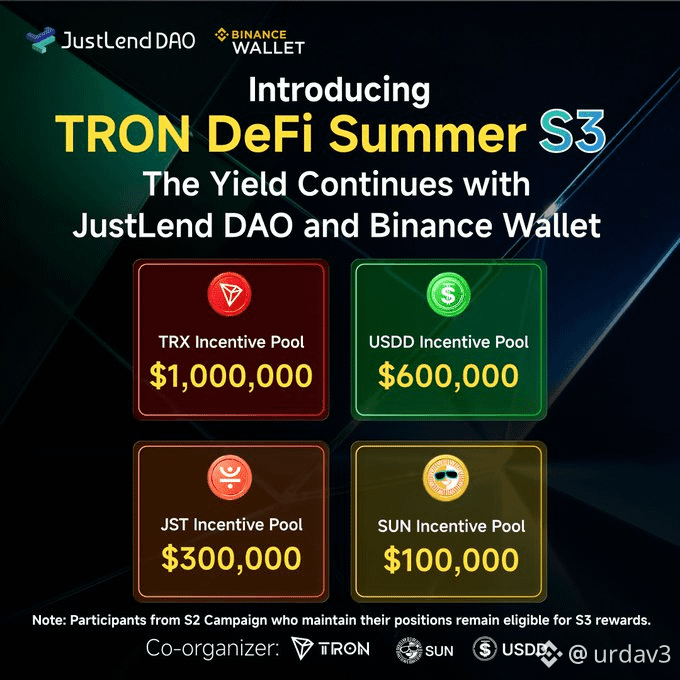
A ALOCAÇÃO DE USDD DE US$ 600 MIL DÁ À LIQUIDEZ DA STABLECOIN UM PAPEL CENTRAL NO S3
Entre as quatro pools do TRON DeFi Summer S3, a USDD recebe uma alocação de recompensas de US$ 600.000, em segundo lugar apenas para a pool TRX de US$ 1 milhão.
Esse posicionamento é notável porque a liquidez de stablecoin desempenha um papel diferente da liquidez de tokens nativos.
A USDD pode funcionar como um ativo de valor estável no ecossistema DeFi mais amplo, tornando sua liquidez relevante para usuários que buscam acesso a estratégias financeiras descentralizadas sem assumir a mesma exposição direcional associada a ativos voláteis.
A estrutura do S3 coloca a USDD ao lado de TRX, JST e SUN, em vez de tratar a liquidez de stablecoin como um ecossistema separado.
Isso cria uma arquitetura de campanha mais interconectada.
A alocação de US$ 600.000 também significa que a USDD representa 30% do total do pool de recompensas S3 de US$ 2 milhões. Isso dá à stablecoin uma fatia considerável da estrutura de incentivos da campanha.
No entanto, a própria alocação de recompensas não deve ser interpretada como um rendimento garantido para os participantes. As recompensas reais dependem da participação na campanha e das regras de elegibilidade.
O ponto mais amplo é que o S3 está usando incentivos tanto para ativos voláteis quanto para ativos de valor estável, criando um framework de liquidez mais diversificado dentro do TRON DeFi.
@DeFi_JUST @JustinSun #TRONEcoStar
A ALOCAÇÃO DE USDD DE US$ 600 MIL DÁ À LIQUIDEZ DA STABLECOIN UM PAPEL CENTRAL NO S3
Entre as quatro pools do TRON DeFi Summer S3, a USDD recebe uma alocação de recompensas de US$ 600.000, em segundo lugar apenas para a pool TRX de US$ 1 milhão.
Esse posicionamento é notável porque a liquidez de stablecoin desempenha um papel diferente da liquidez de tokens nativos.
A USDD pode funcionar como um ativo de valor estável no ecossistema DeFi mais amplo, tornando sua liquidez relevante para usuários que buscam acesso a estratégias financeiras descentralizadas sem assumir a mesma exposição direcional associada a ativos voláteis.
A estrutura do S3 coloca a USDD ao lado de TRX, JST e SUN, em vez de tratar a liquidez de stablecoin como um ecossistema separado.
Isso cria uma arquitetura de campanha mais interconectada.
A alocação de US$ 600.000 também significa que a USDD representa 30% do total do pool de recompensas S3 de US$ 2 milhões. Isso dá à stablecoin uma fatia considerável da estrutura de incentivos da campanha.
No entanto, a própria alocação de recompensas não deve ser interpretada como um rendimento garantido para os participantes. As recompensas reais dependem da participação na campanha e das regras de elegibilidade.
O ponto mais amplo é que o S3 está usando incentivos tanto para ativos voláteis quanto para ativos de valor estável, criando um framework de liquidez mais diversificado dentro do TRON DeFi.
@JUST DAO @Justin Sun孙宇晨 #TRONEcoStar
Entre as quatro pools do TRON DeFi Summer S3, a USDD recebe uma alocação de recompensas de US$ 600.000, em segundo lugar apenas para a pool TRX de US$ 1 milhão.
Esse posicionamento é notável porque a liquidez de stablecoin desempenha um papel diferente da liquidez de tokens nativos.
A USDD pode funcionar como um ativo de valor estável no ecossistema DeFi mais amplo, tornando sua liquidez relevante para usuários que buscam acesso a estratégias financeiras descentralizadas sem assumir a mesma exposição direcional associada a ativos voláteis.
A estrutura do S3 coloca a USDD ao lado de TRX, JST e SUN, em vez de tratar a liquidez de stablecoin como um ecossistema separado.
Isso cria uma arquitetura de campanha mais interconectada.
A alocação de US$ 600.000 também significa que a USDD representa 30% do total do pool de recompensas S3 de US$ 2 milhões. Isso dá à stablecoin uma fatia considerável da estrutura de incentivos da campanha.
No entanto, a própria alocação de recompensas não deve ser interpretada como um rendimento garantido para os participantes. As recompensas reais dependem da participação na campanha e das regras de elegibilidade.
O ponto mais amplo é que o S3 está usando incentivos tanto para ativos voláteis quanto para ativos de valor estável, criando um framework de liquidez mais diversificado dentro do TRON DeFi.
@JUST DAO @Justin Sun孙宇晨 #TRONEcoStar

152
·
--
Ver tradução
THE S3 DESIGN CREATES CONTINUITY BETWEEN DEFI SUMMER’S SECOND AND THIRD SEASONS
One of the most significant details in TRON DeFi Summer S3 is the continuity mechanism for existing S2 participants.
Users already participating in S2 do not need to take additional steps. They can keep their existing positions and continue into S3 while remaining eligible for S3 rewards, according to the campaign announcement.
That changes the onboarding dynamic.
Instead of requiring existing participants to exit one campaign and manually enter another, the transition is designed to preserve participation.
From a liquidity perspective, continuity can reduce unnecessary friction. Capital does not need to be withdrawn simply because an incentive period has ended. Existing positions can remain connected to the next campaign phase.
This also gives the 60-day S3 period a different role. It is not only a new reward cycle; it extends an existing liquidity participation framework.
The result is a more continuous DeFi incentive model, where seasonal campaigns can build upon previous participation rather than repeatedly starting from zero.
S3 therefore demonstrates how campaign design can focus not only on attracting new capital, but also on retaining existing liquidity and reducing the friction involved in transitioning between incentive periods.
@JustinSun @DeFi_JUST #TRONEcoStar
THE S3 DESIGN CREATES CONTINUITY BETWEEN DEFI SUMMER’S SECOND AND THIRD SEASONS
One of the most significant details in TRON DeFi Summer S3 is the continuity mechanism for existing S2 participants.
Users already participating in S2 do not need to take additional steps. They can keep their existing positions and continue into S3 while remaining eligible for S3 rewards, according to the campaign announcement.
That changes the onboarding dynamic.
Instead of requiring existing participants to exit one campaign and manually enter another, the transition is designed to preserve participation.
From a liquidity perspective, continuity can reduce unnecessary friction. Capital does not need to be withdrawn simply because an incentive period has ended. Existing positions can remain connected to the next campaign phase.
This also gives the 60-day S3 period a different role. It is not only a new reward cycle; it extends an existing liquidity participation framework.
The result is a more continuous DeFi incentive model, where seasonal campaigns can build upon previous participation rather than repeatedly starting from zero.
S3 therefore demonstrates how campaign design can focus not only on attracting new capital, but also on retaining existing liquidity and reducing the friction involved in transitioning between incentive periods.
@Justin Sun孙宇晨 @JUST DAO #TRONEcoStar
One of the most significant details in TRON DeFi Summer S3 is the continuity mechanism for existing S2 participants.
Users already participating in S2 do not need to take additional steps. They can keep their existing positions and continue into S3 while remaining eligible for S3 rewards, according to the campaign announcement.
That changes the onboarding dynamic.
Instead of requiring existing participants to exit one campaign and manually enter another, the transition is designed to preserve participation.
From a liquidity perspective, continuity can reduce unnecessary friction. Capital does not need to be withdrawn simply because an incentive period has ended. Existing positions can remain connected to the next campaign phase.
This also gives the 60-day S3 period a different role. It is not only a new reward cycle; it extends an existing liquidity participation framework.
The result is a more continuous DeFi incentive model, where seasonal campaigns can build upon previous participation rather than repeatedly starting from zero.
S3 therefore demonstrates how campaign design can focus not only on attracting new capital, but also on retaining existing liquidity and reducing the friction involved in transitioning between incentive periods.
@Justin Sun孙宇晨 @JUST DAO #TRONEcoStar
62
·
--
TRON DeFi Summer S3 TRANSFORMA INCENTIVOS DE RENDIMENTO EM UMA CAMPANHA DE LIQUIDEZ COM MÚLTIPLOS ATIVOS
A TRON DeFi Summer S3 introduz um pool de recompensas de US$ 2 milhões distribuído entre quatro ativos: US$ 1 milhão para TRX, US$ 600.000 para USDD, US$ 300.000 para JST e US$ 100.000 para SUN.
A estrutura é importante porque a campanha não é centrada em um único token ou em um único pool de liquidez isolado.
Em vez disso, a S3 cria uma camada de incentivos com múltiplos ativos no ecossistema do JustLend DAO por meio do Binance Wallet DeFi. Cada pool representa um componente diferente da economia DeFi da TRON, enquanto a estrutura combinada de recompensas cria um ambiente de liquidez mais amplo.
O período de 60 dias de Boosted APR também oferece aos participantes uma janela definida em que os incentivos podem influenciar o comportamento da liquidez.
Isso faz com que o DeFi Summer seja mais do que um evento promocional de curta duração. Ele se torna um mecanismo para coordenar capital em vários ativos e manter a participação ao longo de um período de campanha estendido.
A própria alocação também comunica onde a campanha coloca maior ênfase em incentivos: TRX recebe o maior pool, seguido por USDD, JST e SUN.
Portanto, a S3 mostra como incentivos de tokens podem ser estruturados como uma estratégia de liquidez em todo o ecossistema, e não como um programa de recompensas de um único mercado.
@DeFi_JUST @JustinSun #TRONEcoStar
TRON DeFi Summer S3 TRANSFORMA INCENTIVOS DE RENDIMENTO EM UMA CAMPANHA DE LIQUIDEZ COM MÚLTIPLOS ATIVOS
A TRON DeFi Summer S3 introduz um pool de recompensas de US$ 2 milhões distribuído entre quatro ativos: US$ 1 milhão para TRX, US$ 600.000 para USDD, US$ 300.000 para JST e US$ 100.000 para SUN.
A estrutura é importante porque a campanha não é centrada em um único token ou em um único pool de liquidez isolado.
Em vez disso, a S3 cria uma camada de incentivos com múltiplos ativos no ecossistema do JustLend DAO por meio do Binance Wallet DeFi. Cada pool representa um componente diferente da economia DeFi da TRON, enquanto a estrutura combinada de recompensas cria um ambiente de liquidez mais amplo.
O período de 60 dias de Boosted APR também oferece aos participantes uma janela definida em que os incentivos podem influenciar o comportamento da liquidez.
Isso faz com que o DeFi Summer seja mais do que um evento promocional de curta duração. Ele se torna um mecanismo para coordenar capital em vários ativos e manter a participação ao longo de um período de campanha estendido.
A própria alocação também comunica onde a campanha coloca maior ênfase em incentivos: TRX recebe o maior pool, seguido por USDD, JST e SUN.
Portanto, a S3 mostra como incentivos de tokens podem ser estruturados como uma estratégia de liquidez em todo o ecossistema, e não como um programa de recompensas de um único mercado.
@JUST DAO @Justin Sun孙宇晨 #TRONEcoStar
A TRON DeFi Summer S3 introduz um pool de recompensas de US$ 2 milhões distribuído entre quatro ativos: US$ 1 milhão para TRX, US$ 600.000 para USDD, US$ 300.000 para JST e US$ 100.000 para SUN.
A estrutura é importante porque a campanha não é centrada em um único token ou em um único pool de liquidez isolado.
Em vez disso, a S3 cria uma camada de incentivos com múltiplos ativos no ecossistema do JustLend DAO por meio do Binance Wallet DeFi. Cada pool representa um componente diferente da economia DeFi da TRON, enquanto a estrutura combinada de recompensas cria um ambiente de liquidez mais amplo.
O período de 60 dias de Boosted APR também oferece aos participantes uma janela definida em que os incentivos podem influenciar o comportamento da liquidez.
Isso faz com que o DeFi Summer seja mais do que um evento promocional de curta duração. Ele se torna um mecanismo para coordenar capital em vários ativos e manter a participação ao longo de um período de campanha estendido.
A própria alocação também comunica onde a campanha coloca maior ênfase em incentivos: TRX recebe o maior pool, seguido por USDD, JST e SUN.
Portanto, a S3 mostra como incentivos de tokens podem ser estruturados como uma estratégia de liquidez em todo o ecossistema, e não como um programa de recompensas de um único mercado.
@JUST DAO @Justin Sun孙宇晨 #TRONEcoStar
156
·
--
Ver tradução
50+ MODELS THROUGH ONE API CHANGES MODEL ACCESS
Access to more than 50 mainstream AI models through B.AI API introduces a different way to think about model discovery and utilization.
The guide lists a broad range of model families, including ChatGPT, Claude, Gemini, Grok, DeepSeek, Kimi, Zhipu GLM, Qwen, MiniMax, Tencent Hy3, and MiMo. The model lineup is also described as dynamically expanding.
For developers, the important part is not simply the number 50+. It is the possibility of accessing a broader model ecosystem through a standardized API rather than building separate workflows around every provider.
That can simplify experimentation. Developers can test different models, compare their behavior within the same environment, and select a model according to the task or workflow requirement.
It also changes the relationship between applications and models. An application does not necessarily have to depend on a single model provider as its permanent intelligence layer.
B.AI API effectively creates a broader access point to multiple model ecosystems, while CodeBuddy provides the environment where those models can be used.
The larger trend is toward abstraction: developers increasingly interact with a unified interface while the underlying model layer becomes more diverse and replaceable.
@JustinSun #TRONEcoStar @BAI_AGI
50+ MODELS THROUGH ONE API CHANGES MODEL ACCESS
Access to more than 50 mainstream AI models through B.AI API introduces a different way to think about model discovery and utilization.
The guide lists a broad range of model families, including ChatGPT, Claude, Gemini, Grok, DeepSeek, Kimi, Zhipu GLM, Qwen, MiniMax, Tencent Hy3, and MiMo. The model lineup is also described as dynamically expanding.
For developers, the important part is not simply the number 50+. It is the possibility of accessing a broader model ecosystem through a standardized API rather than building separate workflows around every provider.
That can simplify experimentation. Developers can test different models, compare their behavior within the same environment, and select a model according to the task or workflow requirement.
It also changes the relationship between applications and models. An application does not necessarily have to depend on a single model provider as its permanent intelligence layer.
B.AI API effectively creates a broader access point to multiple model ecosystems, while CodeBuddy provides the environment where those models can be used.
The larger trend is toward abstraction: developers increasingly interact with a unified interface while the underlying model layer becomes more diverse and replaceable.
@Justin Sun孙宇晨 #TRONEcoStar @BAI_AGI
Access to more than 50 mainstream AI models through B.AI API introduces a different way to think about model discovery and utilization.
The guide lists a broad range of model families, including ChatGPT, Claude, Gemini, Grok, DeepSeek, Kimi, Zhipu GLM, Qwen, MiniMax, Tencent Hy3, and MiMo. The model lineup is also described as dynamically expanding.
For developers, the important part is not simply the number 50+. It is the possibility of accessing a broader model ecosystem through a standardized API rather than building separate workflows around every provider.
That can simplify experimentation. Developers can test different models, compare their behavior within the same environment, and select a model according to the task or workflow requirement.
It also changes the relationship between applications and models. An application does not necessarily have to depend on a single model provider as its permanent intelligence layer.
B.AI API effectively creates a broader access point to multiple model ecosystems, while CodeBuddy provides the environment where those models can be used.
The larger trend is toward abstraction: developers increasingly interact with a unified interface while the underlying model layer becomes more diverse and replaceable.
@Justin Sun孙宇晨 #TRONEcoStar @BAI_AGI

7
·
--
MULTI-MODEL AI SUPERA O LIMITE DE UM ÚNICO MODELO
A maior ideia por trás da integração da CodeBuddy com a API B.AI não é apenas adicionar mais modelos de IA a uma ferramenta de programação. Trata-se de mudar a forma como os desenvolvedores podem abordar a seleção de modelos dentro do mesmo fluxo de trabalho.
Em vez de ficarem presos a um único modelo para cada tarefa, os desenvolvedores podem alternar entre GPT, Claude, Gemini, DeepSeek, Kimi, GLM, Qwen e outros modelos disponíveis via API B.AI. O guia descreve o acesso a mais de 50 modelos mainstream, oferecendo aos desenvolvedores um conjunto mais amplo de capacidades para trabalhar.
Isso importa porque diferentes tarefas de desenvolvimento podem exigir características distintas de modelos. Requisitos de planejamento, geração de código, depuração, raciocínio sobre um problema ou a execução de outras etapas de desenvolvimento não necessariamente demandam o mesmo modelo.
Por isso, a B.AI introduz uma camada entre o fluxo de trabalho do desenvolvedor e modelos individuais. A CodeBuddy permanece como ambiente de trabalho, enquanto a API oferece flexibilidade por baixo.
A perspectiva mais profunda é que o desenvolvimento com IA está se deslocando de “Qual ferramenta de IA eu devo usar?” para “Qual modelo deve lidar com esta tarefa?”. Essa mudança pode fazer com que a escolha do modelo passe a fazer parte do próprio fluxo de trabalho, em vez de ser uma decisão separada fora do ambiente de desenvolvimento.
@JustinSun #TRONEcoStar @BAI_AGI
MULTI-MODEL AI SUPERA O LIMITE DE UM ÚNICO MODELO
A maior ideia por trás da integração da CodeBuddy com a API B.AI não é apenas adicionar mais modelos de IA a uma ferramenta de programação. Trata-se de mudar a forma como os desenvolvedores podem abordar a seleção de modelos dentro do mesmo fluxo de trabalho.
Em vez de ficarem presos a um único modelo para cada tarefa, os desenvolvedores podem alternar entre GPT, Claude, Gemini, DeepSeek, Kimi, GLM, Qwen e outros modelos disponíveis via API B.AI. O guia descreve o acesso a mais de 50 modelos mainstream, oferecendo aos desenvolvedores um conjunto mais amplo de capacidades para trabalhar.
Isso importa porque diferentes tarefas de desenvolvimento podem exigir características distintas de modelos. Requisitos de planejamento, geração de código, depuração, raciocínio sobre um problema ou a execução de outras etapas de desenvolvimento não necessariamente demandam o mesmo modelo.
Por isso, a B.AI introduz uma camada entre o fluxo de trabalho do desenvolvedor e modelos individuais. A CodeBuddy permanece como ambiente de trabalho, enquanto a API oferece flexibilidade por baixo.
A perspectiva mais profunda é que o desenvolvimento com IA está se deslocando de “Qual ferramenta de IA eu devo usar?” para “Qual modelo deve lidar com esta tarefa?”. Essa mudança pode fazer com que a escolha do modelo passe a fazer parte do próprio fluxo de trabalho, em vez de ser uma decisão separada fora do ambiente de desenvolvimento.
@Justin Sun孙宇晨 #TRONEcoStar @BAI_AGI
A maior ideia por trás da integração da CodeBuddy com a API B.AI não é apenas adicionar mais modelos de IA a uma ferramenta de programação. Trata-se de mudar a forma como os desenvolvedores podem abordar a seleção de modelos dentro do mesmo fluxo de trabalho.
Em vez de ficarem presos a um único modelo para cada tarefa, os desenvolvedores podem alternar entre GPT, Claude, Gemini, DeepSeek, Kimi, GLM, Qwen e outros modelos disponíveis via API B.AI. O guia descreve o acesso a mais de 50 modelos mainstream, oferecendo aos desenvolvedores um conjunto mais amplo de capacidades para trabalhar.
Isso importa porque diferentes tarefas de desenvolvimento podem exigir características distintas de modelos. Requisitos de planejamento, geração de código, depuração, raciocínio sobre um problema ou a execução de outras etapas de desenvolvimento não necessariamente demandam o mesmo modelo.
Por isso, a B.AI introduz uma camada entre o fluxo de trabalho do desenvolvedor e modelos individuais. A CodeBuddy permanece como ambiente de trabalho, enquanto a API oferece flexibilidade por baixo.
A perspectiva mais profunda é que o desenvolvimento com IA está se deslocando de “Qual ferramenta de IA eu devo usar?” para “Qual modelo deve lidar com esta tarefa?”. Essa mudança pode fazer com que a escolha do modelo passe a fazer parte do próprio fluxo de trabalho, em vez de ser uma decisão separada fora do ambiente de desenvolvimento.
@Justin Sun孙宇晨 #TRONEcoStar @BAI_AGI

2
·
--
Ver tradução
B.AI AS AN AI AGENT INFRASTRUCTURE LAYER
The CodeBuddy integration illustrates a broader role for B.AI beyond direct AI conversations.
According to the guide, B.AI provides standardized API interfaces compatible with mainstream specifications such as the OpenAI API and Anthropic Messages API. This allows AI development tools and agents that support these standards to connect with B.AI more seamlessly.
That architecture positions B.AI as an infrastructure layer rather than simply another individual AI model.
The distinction is important. A model generates intelligence, while an infrastructure layer can determine how that intelligence becomes accessible across applications, development environments, and agent workflows.
CodeBuddy is one example. Developers can bring B.AI's model access into an existing coding environment instead of changing their entire workflow around a single AI provider.
The result is a more modular architecture: applications can remain focused on their user experience and workflow, while the infrastructure layer handles access to a broader model ecosystem.
This perspective becomes increasingly relevant as AI agents and development tools become more interconnected. The value may not only come from having powerful models, but from building infrastructure that makes different models usable where they are actually needed.
@JustinSun #TRONEcoStar @BAI_AGI
B.AI AS AN AI AGENT INFRASTRUCTURE LAYER
The CodeBuddy integration illustrates a broader role for B.AI beyond direct AI conversations.
According to the guide, B.AI provides standardized API interfaces compatible with mainstream specifications such as the OpenAI API and Anthropic Messages API. This allows AI development tools and agents that support these standards to connect with B.AI more seamlessly.
That architecture positions B.AI as an infrastructure layer rather than simply another individual AI model.
The distinction is important. A model generates intelligence, while an infrastructure layer can determine how that intelligence becomes accessible across applications, development environments, and agent workflows.
CodeBuddy is one example. Developers can bring B.AI's model access into an existing coding environment instead of changing their entire workflow around a single AI provider.
The result is a more modular architecture: applications can remain focused on their user experience and workflow, while the infrastructure layer handles access to a broader model ecosystem.
This perspective becomes increasingly relevant as AI agents and development tools become more interconnected. The value may not only come from having powerful models, but from building infrastructure that makes different models usable where they are actually needed.
@Justin Sun孙宇晨 #TRONEcoStar @BAI_AGI
The CodeBuddy integration illustrates a broader role for B.AI beyond direct AI conversations.
According to the guide, B.AI provides standardized API interfaces compatible with mainstream specifications such as the OpenAI API and Anthropic Messages API. This allows AI development tools and agents that support these standards to connect with B.AI more seamlessly.
That architecture positions B.AI as an infrastructure layer rather than simply another individual AI model.
The distinction is important. A model generates intelligence, while an infrastructure layer can determine how that intelligence becomes accessible across applications, development environments, and agent workflows.
CodeBuddy is one example. Developers can bring B.AI's model access into an existing coding environment instead of changing their entire workflow around a single AI provider.
The result is a more modular architecture: applications can remain focused on their user experience and workflow, while the infrastructure layer handles access to a broader model ecosystem.
This perspective becomes increasingly relevant as AI agents and development tools become more interconnected. The value may not only come from having powerful models, but from building infrastructure that makes different models usable where they are actually needed.
@Justin Sun孙宇晨 #TRONEcoStar @BAI_AGI

7
·
--
Ver tradução
CODEBUDDY × B.AI CREATES A MORE FLEXIBLE DEVELOPMENT WORKFLOW
CodeBuddy is designed to support the development process across requirements planning, UI design, code generation, backend engineering, and debugging. B.AI API adds another dimension by allowing developers to select models beneath that workflow.
This creates an interesting separation between the development environment and the intelligence powering it.
Developers can stay inside CodeBuddy while changing the model used for a particular task. Instead of rebuilding a workflow whenever a preferred model changes, the integration makes model access configurable through the B.AI API.
The guide presents two connection methods: a user-interface setup for faster configuration and a models.json approach for more advanced or batch management.
This flexibility matters because development workflows are rarely uniform. A developer may want one model for general coding assistance and another for a different reasoning or generation requirement.
The broader implication is workflow continuity. The interface does not necessarily need to change just because the underlying model changes.
B.AI therefore acts as a model-access layer underneath CodeBuddy, while CodeBuddy remains the developer-facing environment. Together, they demonstrate how AI development can become increasingly modular, configurable, and adaptable.
@JustinSun #TRONEcoStar @BAI_AGI
CODEBUDDY × B.AI CREATES A MORE FLEXIBLE DEVELOPMENT WORKFLOW
CodeBuddy is designed to support the development process across requirements planning, UI design, code generation, backend engineering, and debugging. B.AI API adds another dimension by allowing developers to select models beneath that workflow.
This creates an interesting separation between the development environment and the intelligence powering it.
Developers can stay inside CodeBuddy while changing the model used for a particular task. Instead of rebuilding a workflow whenever a preferred model changes, the integration makes model access configurable through the B.AI API.
The guide presents two connection methods: a user-interface setup for faster configuration and a models.json approach for more advanced or batch management.
This flexibility matters because development workflows are rarely uniform. A developer may want one model for general coding assistance and another for a different reasoning or generation requirement.
The broader implication is workflow continuity. The interface does not necessarily need to change just because the underlying model changes.
B.AI therefore acts as a model-access layer underneath CodeBuddy, while CodeBuddy remains the developer-facing environment. Together, they demonstrate how AI development can become increasingly modular, configurable, and adaptable.
@Justin Sun孙宇晨 #TRONEcoStar @BAI_AGI
CodeBuddy is designed to support the development process across requirements planning, UI design, code generation, backend engineering, and debugging. B.AI API adds another dimension by allowing developers to select models beneath that workflow.
This creates an interesting separation between the development environment and the intelligence powering it.
Developers can stay inside CodeBuddy while changing the model used for a particular task. Instead of rebuilding a workflow whenever a preferred model changes, the integration makes model access configurable through the B.AI API.
The guide presents two connection methods: a user-interface setup for faster configuration and a models.json approach for more advanced or batch management.
This flexibility matters because development workflows are rarely uniform. A developer may want one model for general coding assistance and another for a different reasoning or generation requirement.
The broader implication is workflow continuity. The interface does not necessarily need to change just because the underlying model changes.
B.AI therefore acts as a model-access layer underneath CodeBuddy, while CodeBuddy remains the developer-facing environment. Together, they demonstrate how AI development can become increasingly modular, configurable, and adaptable.
@Justin Sun孙宇晨 #TRONEcoStar @BAI_AGI

5
Inicia sessão para explorar mais conteúdos
Junta-te a utilizadores de criptomoedas de todo o mundo na Binance Square
⚡️ Obtém informações úteis e recentes sobre criptomoedas.
💬 Com a confiança da maior exchange de criptomoedas do mundo.
👍 Descobre perspetivas reais de criadores verificados.
E-mail/Número de telefone
Tópicos em Tendência
SECHaltsCryptoETFReviewsAmidFundingLapse
1,205 visualizações
77 a discutir
#SECHaltsCryptoETFReviewsAmidFundingLapse
SEC interrompe revisões de ETFs de criptomoedas diante de falta de financiamento
A Comissão de Valores Mobiliários dos Estados Unidos (SEC) teria pausado certas atividades de revisão de ETFs de criptomoedas em meio a uma interrupção do financiamento do governo.
Esse desenvolvimento gerou incerteza no mercado de cripto, especialmente para investidores e empresas que aguardam decisões regulatórias sobre fundos negociados em bolsa (ETFs) relacionados a criptomoedas.
Impacto no mercado de cripto
O atraso pode afetar o cronograma de aprovação de solicitações pendentes de ETF de cripto. Os investidores estão acompanhando de perto a situação, já que a clareza regulatória continua sendo um fator importante para o crescimento do setor de ativos digitais.
Embora a pausa não signifique necessariamente que as solicitações de ETF de cripto serão rejeitadas, ela destaca como interrupções no financiamento governamental podem influenciar processos regulatórios financeiros.
O que acontece a seguir?
Os participantes do mercado observarão atualizações sobre o financiamento do governo e a capacidade da SEC de retomar as operações normais.
ETFs de criptomoedas continuam sendo um tema importante para a adoção institucional, o desenvolvimento do mercado e a confiança dos investidores.
Conclusão: A suspensão temporária ressalta a importância da estabilidade regulatória para o futuro dos investimentos em criptomoedas.
#Crypto #Bitcoin #ETF #SEC #CryptoNews #Blockchain #Binance
King2112
·0 gostos
·31 visualizações
ZcashETFPostsFirstWeeklyOutflow$93.6M
54,582 visualizações
165 a discutir
GreekPoliceBustCryptoScamRingArrest17
157,710 visualizações
1,100 a discutir