

AnonWhisker
5.5k Publicações

AnonWhisker
Denunciar
Bloquear Utilizador
Discipline builds destiny, daily self improvement as a trader, and the steady power of patience and consistency.
Aberto ao trading
Trader de Alta Frequência
3.1 ano(s)
188 A seguir
9.1K+ Seguidores
2.4K+ Gostaram
Publicações
Portfólio
Tudo
Cotações
Em direto
·
--
Uma lua dourada acima, um delicioso mooncake ao nosso lado, e o espírito da Binance brilhando mais do que nunca. 💛🌕🥮 Que este Festival da Festa do Meio Outono traga momentos de paz, corações felizes, memórias doces e muitas razões para sorrir. Vamos aproveitar o brilho, compartilhar a alegria e celebrar juntos. ✨ #BinanceMidAutumn #BinanceSquareTG
Uma lua dourada acima, um delicioso mooncake ao nosso lado, e o espírito da Binance brilhando mais do que nunca. 💛🌕🥮 Que este Festival da Festa do Meio Outono traga momentos de paz, corações felizes, memórias doces e muitas razões para sorrir. Vamos aproveitar o brilho, compartilhar a alegria e celebrar juntos. ✨ #BinanceMidAutumn #BinanceSquareTG

1
66
·
--
🇮🇳 Feliz 80º Dia da Independência da Índia, Índia 🇮🇳
Hoje, celebramos a coragem, os sacrifícios e os sonhos que moldaram nossa grande nação. Prestamos homenagem aos bravos heróis que lutaram pela nossa liberdade e lembramos os inúmeros sacrifícios feitos para nos dar um amanhã melhor.
Continuemos construindo uma Índia cheia de unidade, paz, progresso, prosperidade e esperança. Que a nossa diversidade continue sendo nossa força, que o nosso espírito permaneça destemido e que os nossos sonhos continuem a alcançar novos patamares.
Que o nosso glorioso Tricolor continue a voar bem alto, com orgulho, lembrando-nos de coragem, paz, prosperidade e do espírito indestrutível da Índia. ❤️🤍💚
Uma Nação. Um Povo. Um Orgulho. ✊
Jai Hind! Feliz Dia da Independência 🇮🇳✨
#IndependenceDay #India #15August #80thIndependenceDay #OrgulhosoDeSerIndiano
🇮🇳 Feliz 80º Dia da Independência da Índia, Índia 🇮🇳
Hoje, celebramos a coragem, os sacrifícios e os sonhos que moldaram nossa grande nação. Prestamos homenagem aos bravos heróis que lutaram pela nossa liberdade e lembramos os inúmeros sacrifícios feitos para nos dar um amanhã melhor.
Continuemos construindo uma Índia cheia de unidade, paz, progresso, prosperidade e esperança. Que a nossa diversidade continue sendo nossa força, que o nosso espírito permaneça destemido e que os nossos sonhos continuem a alcançar novos patamares.
Que o nosso glorioso Tricolor continue a voar bem alto, com orgulho, lembrando-nos de coragem, paz, prosperidade e do espírito indestrutível da Índia. ❤️🤍💚
Uma Nação. Um Povo. Um Orgulho. ✊
Jai Hind! Feliz Dia da Independência 🇮🇳✨
#IndependenceDay #India #15August #80thIndependenceDay #OrgulhosoDeSerIndiano
Hoje, celebramos a coragem, os sacrifícios e os sonhos que moldaram nossa grande nação. Prestamos homenagem aos bravos heróis que lutaram pela nossa liberdade e lembramos os inúmeros sacrifícios feitos para nos dar um amanhã melhor.
Continuemos construindo uma Índia cheia de unidade, paz, progresso, prosperidade e esperança. Que a nossa diversidade continue sendo nossa força, que o nosso espírito permaneça destemido e que os nossos sonhos continuem a alcançar novos patamares.
Que o nosso glorioso Tricolor continue a voar bem alto, com orgulho, lembrando-nos de coragem, paz, prosperidade e do espírito indestrutível da Índia. ❤️🤍💚
Uma Nação. Um Povo. Um Orgulho. ✊
Jai Hind! Feliz Dia da Independência 🇮🇳✨
#IndependenceDay #India #15August #80thIndependenceDay #OrgulhosoDeSerIndiano

1.3k
75
1.3k

·
--
Artigo
SIGN Lidera a Mudança em Direção à Adoção Prática do BlockchainA conversa global em torno do blockchain não é mais apenas sobre especulação. Agora é sobre infraestrutura, governança e implementação no mundo real. É aqui que a SignOfficial está criando uma mudança significativa. Ao focar na utilidade em vez de na empolgação, o ecossistema em torno do token SIGN está se posicionando como uma camada central para a transformação digital, especialmente em economias emergentes no Oriente Médio.
A SignOfficial não é apenas mais um projeto de blockchain. Está construindo a SignDigitalSovereignInfra, uma estrutura projetada para capacitar governos, empresas e instituições com sistemas digitais seguros, escaláveis e soberanos. Essa abordagem se alinha perfeitamente com a crescente demanda por independência digital em nível nacional, onde os países buscam controle sobre seus dados, sistemas de identidade e infraestrutura econômica.
SIGN Lidera a Mudança em Direção à Adoção Prática do Blockchain
A conversa global em torno do blockchain não é mais apenas sobre especulação. Agora é sobre infraestrutura, governança e implementação no mundo real. É aqui que a SignOfficial está criando uma mudança significativa. Ao focar na utilidade em vez de na empolgação, o ecossistema em torno do token SIGN está se posicionando como uma camada central para a transformação digital, especialmente em economias emergentes no Oriente Médio.
A SignOfficial não é apenas mais um projeto de blockchain. Está construindo a SignDigitalSovereignInfra, uma estrutura projetada para capacitar governos, empresas e instituições com sistemas digitais seguros, escaláveis e soberanos. Essa abordagem se alinha perfeitamente com a crescente demanda por independência digital em nível nacional, onde os países buscam controle sobre seus dados, sistemas de identidade e infraestrutura econômica.
A SignOfficial não é apenas mais um projeto de blockchain. Está construindo a SignDigitalSovereignInfra, uma estrutura projetada para capacitar governos, empresas e instituições com sistemas digitais seguros, escaláveis e soberanos. Essa abordagem se alinha perfeitamente com a crescente demanda por independência digital em nível nacional, onde os países buscam controle sobre seus dados, sistemas de identidade e infraestrutura econômica.
83
·
--
O Oriente Médio está mudando rapidamente em direção a economias digitais soberanas, e o Sign está surgindo como uma camada de infraestrutura central que impulsiona essa transformação. Com implantações focadas no governo, parcerias como o ecossistema de blockchain de Abu Dhabi e suporte para CBDCs e sistemas de identidade digital, o Sign está preenchendo a lacuna entre a inovação em cripto e a adoção em escala nacional.
O SIGN não é apenas um token, ele representa o acesso a uma infraestrutura escalável, em conformidade e omnichain projetada para governos. Desde a habilitação de credenciais digitais seguras até o suporte a sistemas financeiros transfronteiriços, o Sign está ajudando as nações a construir economias preparadas para o futuro.
À medida que as economias do Oriente Médio aceleram iniciativas como a Visão 2030 e corredores de comércio digital, infraestruturas como o Sign estão se tornando essenciais para um crescimento seguro e soberano.
@SignOfficial #SignDigitalSovereignInfra $SIGN
O Oriente Médio está mudando rapidamente em direção a economias digitais soberanas, e o Sign está surgindo como uma camada de infraestrutura central que impulsiona essa transformação. Com implantações focadas no governo, parcerias como o ecossistema de blockchain de Abu Dhabi e suporte para CBDCs e sistemas de identidade digital, o Sign está preenchendo a lacuna entre a inovação em cripto e a adoção em escala nacional.
O SIGN não é apenas um token, ele representa o acesso a uma infraestrutura escalável, em conformidade e omnichain projetada para governos. Desde a habilitação de credenciais digitais seguras até o suporte a sistemas financeiros transfronteiriços, o Sign está ajudando as nações a construir economias preparadas para o futuro.
À medida que as economias do Oriente Médio aceleram iniciativas como a Visão 2030 e corredores de comércio digital, infraestruturas como o Sign estão se tornando essenciais para um crescimento seguro e soberano.
@SignOfficial #SignDigitalSovereignInfra $SIGN
O SIGN não é apenas um token, ele representa o acesso a uma infraestrutura escalável, em conformidade e omnichain projetada para governos. Desde a habilitação de credenciais digitais seguras até o suporte a sistemas financeiros transfronteiriços, o Sign está ajudando as nações a construir economias preparadas para o futuro.
À medida que as economias do Oriente Médio aceleram iniciativas como a Visão 2030 e corredores de comércio digital, infraestruturas como o Sign estão se tornando essenciais para um crescimento seguro e soberano.
@SignOfficial #SignDigitalSovereignInfra $SIGN
38
·
--
Artigo
SIGN Lidera a Mudança Rumo à Adoção Prática da BlockchainO espaço da blockchain está entrando em uma nova fase onde a especulação está diminuindo e a utilidade no mundo real está assumindo o centro do palco. Neste cenário em evolução, a SignOfficial e o token SIGN estão surgindo como players-chave que impulsionam uma adoção significativa. Em vez de se concentrar em tendências de curto prazo, a Sign está construindo uma infraestrutura de longo prazo projetada para governos, empresas e sistemas econômicos em grande escala, especialmente no Oriente Médio em rápida transformação.
O Oriente Médio se tornou um hotspot global para inovação digital, com países investindo ativamente em governança inteligente, identidade digital e infraestrutura apoiada por blockchain. É aqui que a SignDigitalSovereignInfra se destaca. Ela fornece uma base para as nações criarem ecossistemas digitais seguros, compatíveis e escaláveis, sem depender de sistemas fragmentados ou externos. A Sign não é apenas mais um protocolo, está se posicionando como uma camada soberana para economias digitais.
SIGN Lidera a Mudança Rumo à Adoção Prática da Blockchain
O espaço da blockchain está entrando em uma nova fase onde a especulação está diminuindo e a utilidade no mundo real está assumindo o centro do palco. Neste cenário em evolução, a SignOfficial e o token SIGN estão surgindo como players-chave que impulsionam uma adoção significativa. Em vez de se concentrar em tendências de curto prazo, a Sign está construindo uma infraestrutura de longo prazo projetada para governos, empresas e sistemas econômicos em grande escala, especialmente no Oriente Médio em rápida transformação.
O Oriente Médio se tornou um hotspot global para inovação digital, com países investindo ativamente em governança inteligente, identidade digital e infraestrutura apoiada por blockchain. É aqui que a SignDigitalSovereignInfra se destaca. Ela fornece uma base para as nações criarem ecossistemas digitais seguros, compatíveis e escaláveis, sem depender de sistemas fragmentados ou externos. A Sign não é apenas mais um protocolo, está se posicionando como uma camada soberana para economias digitais.
O Oriente Médio se tornou um hotspot global para inovação digital, com países investindo ativamente em governança inteligente, identidade digital e infraestrutura apoiada por blockchain. É aqui que a SignDigitalSovereignInfra se destaca. Ela fornece uma base para as nações criarem ecossistemas digitais seguros, compatíveis e escaláveis, sem depender de sistemas fragmentados ou externos. A Sign não é apenas mais um protocolo, está se posicionando como uma camada soberana para economias digitais.
2
1
64
·
--
Em 2026, Sign está surgindo como a espinha dorsal da infraestrutura soberana digital em todo o Oriente Médio. Com parcerias reais envolvendo ministérios de tecnologia regionais e centros de blockchain, o SIGN está impulsionando a identidade digital segura, a confiança em dados transfronteiriços e sistemas econômicos de próxima geração.
À medida que o capital muda durante a incerteza geopolítica, sistemas descentralizados como o Sign estão ganhando força, com a utilidade do SIGN subindo mais de 130% nas últimas semanas, mostrando uma demanda real além da especulação.
De IDs digitais a infraestrutura pronta para CBDC, o Sign não é apenas um protocolo, está se tornando a base de uma economia digital soberana e resiliente no Oriente Médio.
@SignOfficial $SIGN #SignDigitalSovereignInfra
Em 2026, Sign está surgindo como a espinha dorsal da infraestrutura soberana digital em todo o Oriente Médio. Com parcerias reais envolvendo ministérios de tecnologia regionais e centros de blockchain, o SIGN está impulsionando a identidade digital segura, a confiança em dados transfronteiriços e sistemas econômicos de próxima geração.
À medida que o capital muda durante a incerteza geopolítica, sistemas descentralizados como o Sign estão ganhando força, com a utilidade do SIGN subindo mais de 130% nas últimas semanas, mostrando uma demanda real além da especulação.
De IDs digitais a infraestrutura pronta para CBDC, o Sign não é apenas um protocolo, está se tornando a base de uma economia digital soberana e resiliente no Oriente Médio.
@SignOfficial $SIGN #SignDigitalSovereignInfra
À medida que o capital muda durante a incerteza geopolítica, sistemas descentralizados como o Sign estão ganhando força, com a utilidade do SIGN subindo mais de 130% nas últimas semanas, mostrando uma demanda real além da especulação.
De IDs digitais a infraestrutura pronta para CBDC, o Sign não é apenas um protocolo, está se tornando a base de uma economia digital soberana e resiliente no Oriente Médio.
@SignOfficial $SIGN #SignDigitalSovereignInfra
2
69
·
--
Artigo
Como o SIGN está impulsionando a infraestrutura Web3 pronta para o governoSe você olhar para onde o Web3 está realmente obtendo adoção real, o Oriente Médio está avançando rapidamente e não apenas em hype, mas na execução. Os governos aqui estão pressionando por transformação digital, e é exatamente onde o SIGN está entrando como uma camada de infraestrutura séria. Em vez de se concentrar apenas nas tendências de DeFi ou em narrativas de curto prazo, o SIGN está construindo algo muito mais profundo, que é uma infraestrutura digital de grau soberano na qual governos e instituições podem realmente confiar.
SIGN não é apenas mais um projeto de token. Ele foi projetado para apoiar sistemas do mundo real, como verificação de identidade, validação de credenciais e manipulação segura de dados em blockchain. Esses são os principais blocos de construção necessários para qualquer país que queira avançar em direção a uma economia digital. Com o crescente interesse das regiões do Oriente Médio na governança apoiada por blockchain, o SIGN está se posicionando como uma ponte entre os sistemas governamentais Web2 e a inovação Web3.
Como o SIGN está impulsionando a infraestrutura Web3 pronta para o governo
Se você olhar para onde o Web3 está realmente obtendo adoção real, o Oriente Médio está avançando rapidamente e não apenas em hype, mas na execução. Os governos aqui estão pressionando por transformação digital, e é exatamente onde o SIGN está entrando como uma camada de infraestrutura séria. Em vez de se concentrar apenas nas tendências de DeFi ou em narrativas de curto prazo, o SIGN está construindo algo muito mais profundo, que é uma infraestrutura digital de grau soberano na qual governos e instituições podem realmente confiar.
SIGN não é apenas mais um projeto de token. Ele foi projetado para apoiar sistemas do mundo real, como verificação de identidade, validação de credenciais e manipulação segura de dados em blockchain. Esses são os principais blocos de construção necessários para qualquer país que queira avançar em direção a uma economia digital. Com o crescente interesse das regiões do Oriente Médio na governança apoiada por blockchain, o SIGN está se posicionando como uma ponte entre os sistemas governamentais Web2 e a inovação Web3.
SIGN não é apenas mais um projeto de token. Ele foi projetado para apoiar sistemas do mundo real, como verificação de identidade, validação de credenciais e manipulação segura de dados em blockchain. Esses são os principais blocos de construção necessários para qualquer país que queira avançar em direção a uma economia digital. Com o crescente interesse das regiões do Oriente Médio na governança apoiada por blockchain, o SIGN está se posicionando como uma ponte entre os sistemas governamentais Web2 e a inovação Web3.
1
2
69
·
--
À medida que o Oriente Médio avança em direção a um futuro digitalmente soberano, a infraestrutura está se tornando o verdadeiro campo de batalha. Sign está se posicionando como uma camada fundamental onde governos, instituições e empresas podem gerenciar com segurança a identidade, dados e interações transfronteiriças sem depender de sistemas centralizados. Com seu foco em credenciais verificáveis e atestações descentralizadas, Sign está ajudando a construir ecossistemas digitais que priorizam a confiança e que estão alinhados com o impulso da região por independência e inovação.
Desenvolvimentos recentes mostram um crescente impulso. A SIGN ganhou forte atenção em 2026 à medida que a demanda por infraestrutura digital de grau soberano aumenta, especialmente em meio a mudanças geopolíticas. Sua tecnologia suporta credenciais à prova de violação, IDs digitais e até mesmo uma possível integração com sistemas financeiros nacionais, tornando-a altamente relevante para as economias do Oriente Médio que estão investindo fortemente em cidades inteligentes e adoção de blockchain.
Isso é mais do que uma tendência. É uma mudança em direção a uma infraestrutura resiliente e neutra que pode operar mesmo quando os sistemas tradicionais enfrentam interrupções. À medida que capital e inovação fluem para a região, a Sign se destaca como um facilitador chave de crescimento digital seguro, escalável e independente, impulsionado pela SIGN.
@SignOfficial $SIGN #SignDigitalSovereignInfra
À medida que o Oriente Médio avança em direção a um futuro digitalmente soberano, a infraestrutura está se tornando o verdadeiro campo de batalha. Sign está se posicionando como uma camada fundamental onde governos, instituições e empresas podem gerenciar com segurança a identidade, dados e interações transfronteiriças sem depender de sistemas centralizados. Com seu foco em credenciais verificáveis e atestações descentralizadas, Sign está ajudando a construir ecossistemas digitais que priorizam a confiança e que estão alinhados com o impulso da região por independência e inovação.
Desenvolvimentos recentes mostram um crescente impulso. A SIGN ganhou forte atenção em 2026 à medida que a demanda por infraestrutura digital de grau soberano aumenta, especialmente em meio a mudanças geopolíticas. Sua tecnologia suporta credenciais à prova de violação, IDs digitais e até mesmo uma possível integração com sistemas financeiros nacionais, tornando-a altamente relevante para as economias do Oriente Médio que estão investindo fortemente em cidades inteligentes e adoção de blockchain.
Isso é mais do que uma tendência. É uma mudança em direção a uma infraestrutura resiliente e neutra que pode operar mesmo quando os sistemas tradicionais enfrentam interrupções. À medida que capital e inovação fluem para a região, a Sign se destaca como um facilitador chave de crescimento digital seguro, escalável e independente, impulsionado pela SIGN.
@SignOfficial $SIGN #SignDigitalSovereignInfra
Desenvolvimentos recentes mostram um crescente impulso. A SIGN ganhou forte atenção em 2026 à medida que a demanda por infraestrutura digital de grau soberano aumenta, especialmente em meio a mudanças geopolíticas. Sua tecnologia suporta credenciais à prova de violação, IDs digitais e até mesmo uma possível integração com sistemas financeiros nacionais, tornando-a altamente relevante para as economias do Oriente Médio que estão investindo fortemente em cidades inteligentes e adoção de blockchain.
Isso é mais do que uma tendência. É uma mudança em direção a uma infraestrutura resiliente e neutra que pode operar mesmo quando os sistemas tradicionais enfrentam interrupções. À medida que capital e inovação fluem para a região, a Sign se destaca como um facilitador chave de crescimento digital seguro, escalável e independente, impulsionado pela SIGN.
@SignOfficial $SIGN #SignDigitalSovereignInfra
1
114
·
--
Artigo
Como o SIGN está Conectando a Inovação do Web3 com Economias ReaisA evolução do Web3 não está mais limitada à especulação ou ecossistemas isolados. Agora, está entrando em uma fase onde economias do mundo real, governos e instituições estão explorando ativamente a infraestrutura blockchain para desbloquear eficiência, transparência e soberania. É aqui que a SignOfficial e o token SIGN estão se posicionando como uma camada fundamental. SignDigitalSovereignInfra não é apenas um conceito, representa uma mudança estrutural em direção a economias digitalmente empoderadas, especialmente em regiões em rápido desenvolvimento como o Oriente Médio.
Como o SIGN está Conectando a Inovação do Web3 com Economias Reais
A evolução do Web3 não está mais limitada à especulação ou ecossistemas isolados. Agora, está entrando em uma fase onde economias do mundo real, governos e instituições estão explorando ativamente a infraestrutura blockchain para desbloquear eficiência, transparência e soberania. É aqui que a SignOfficial e o token SIGN estão se posicionando como uma camada fundamental. SignDigitalSovereignInfra não é apenas um conceito, representa uma mudança estrutural em direção a economias digitalmente empoderadas, especialmente em regiões em rápido desenvolvimento como o Oriente Médio.
1
82
·
--
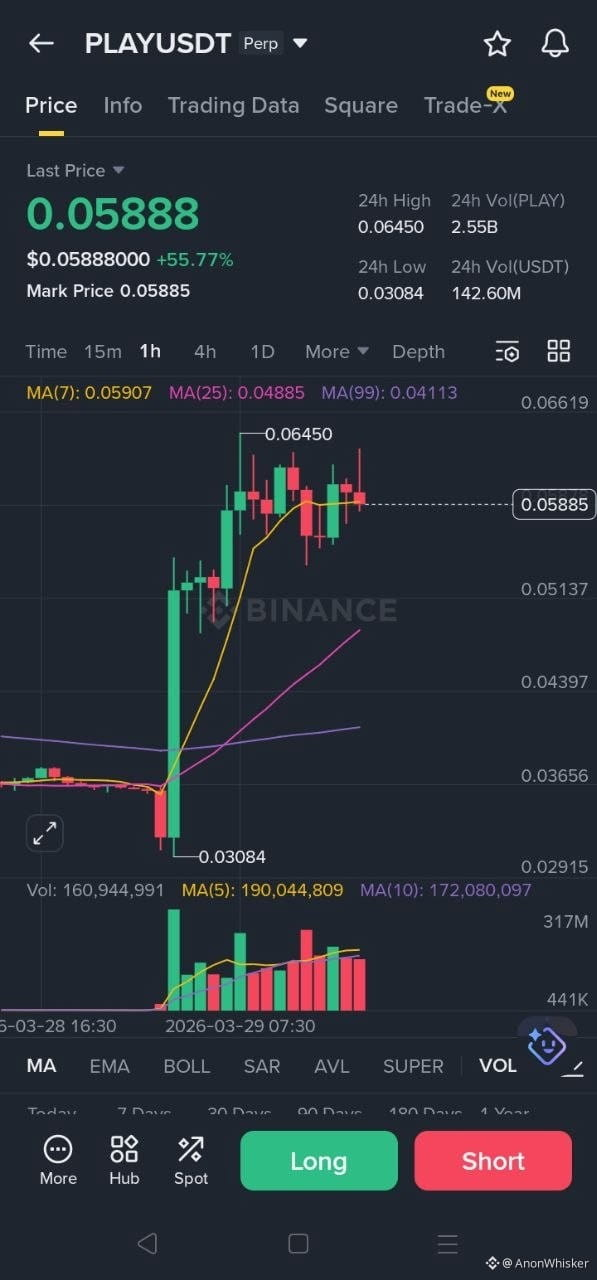
$PLAY está atualmente sendo negociado em torno de $0,035 – $0,060 USD, mostrando uma forte recuperação de curto prazo com um recente ganho diário de +5% a +10% e aumento de volume. O projeto ganhou atenção após o recente crescimento do ecossistema no setor de jogos embutidos, impulsionando a capitalização de mercado acima de $30M e melhorando a liquidez em grandes exchanges.
Do ponto de vista do investimento, PLAY está mostrando um início de momento altista, mas permanece volátil após sua queda anterior dos níveis ATH. Uma estratégia inteligente é observar a consolidação acima de $0,035 antes da entrada. Se o momento continuar com suporte de volume, uma alta é possível, mas sempre gerencie o risco e evite a sobreexposição. #play
$PLAY está atualmente sendo negociado em torno de $0,035 – $0,060 USD, mostrando uma forte recuperação de curto prazo com um recente ganho diário de +5% a +10% e aumento de volume. O projeto ganhou atenção após o recente crescimento do ecossistema no setor de jogos embutidos, impulsionando a capitalização de mercado acima de $30M e melhorando a liquidez em grandes exchanges.
Do ponto de vista do investimento, PLAY está mostrando um início de momento altista, mas permanece volátil após sua queda anterior dos níveis ATH. Uma estratégia inteligente é observar a consolidação acima de $0,035 antes da entrada. Se o momento continuar com suporte de volume, uma alta é possível, mas sempre gerencie o risco e evite a sobreexposição. #play
Do ponto de vista do investimento, PLAY está mostrando um início de momento altista, mas permanece volátil após sua queda anterior dos níveis ATH. Uma estratégia inteligente é observar a consolidação acima de $0,035 antes da entrada. Se o momento continuar com suporte de volume, uma alta é possível, mas sempre gerencie o risco e evite a sobreexposição. #play
1
109
·
--
@SignOfficial O futuro da economia do Oriente Médio está sendo moldado pela infraestrutura digital, e $SIGN está no centro disso. Através de #SignDigitalSovereignInfra , SignOfficial está possibilitando transações seguras, sistemas escaláveis e a adoção de blockchain no mundo real que apoia empresas e governos. Desde eficiência transfronteiriça até soluções de identidade digital, SIGN está transformando o Web3 em um motor prático para crescimento e inovação em toda a região.
@SignOfficial O futuro da economia do Oriente Médio está sendo moldado pela infraestrutura digital, e $SIGN está no centro disso. Através de #SignDigitalSovereignInfra , SignOfficial está possibilitando transações seguras, sistemas escaláveis e a adoção de blockchain no mundo real que apoia empresas e governos. Desde eficiência transfronteiriça até soluções de identidade digital, SIGN está transformando o Web3 em um motor prático para crescimento e inovação em toda a região.
2
42
·
--
Artigo
A Última Evolução do SIGN na Construção de Sistemas de Blockchain do Mundo RealA indústria de blockchain está entrando em uma fase onde o impacto no mundo real importa mais do que a especulação. Nesta transição, a SignOfficial está emergindo como uma força poderosa, redefinindo como sistemas descentralizados se integram com economias nacionais e estruturas institucionais. O projeto não está focado em hype de curto prazo, mas em construir uma infraestrutura sustentável de longo prazo alimentada por SIGN.
À medida que os países priorizam cada vez mais a soberania digital, a necessidade de sistemas seguros, escaláveis e verificáveis se torna crítica. A SignOfficial aborda essa demanda ao oferecer uma estrutura que permite que as nações mantenham controle sobre seus dados enquanto aproveitam os benefícios da descentralização.
A Última Evolução do SIGN na Construção de Sistemas de Blockchain do Mundo Real
A indústria de blockchain está entrando em uma fase onde o impacto no mundo real importa mais do que a especulação. Nesta transição, a SignOfficial está emergindo como uma força poderosa, redefinindo como sistemas descentralizados se integram com economias nacionais e estruturas institucionais. O projeto não está focado em hype de curto prazo, mas em construir uma infraestrutura sustentável de longo prazo alimentada por SIGN.
À medida que os países priorizam cada vez mais a soberania digital, a necessidade de sistemas seguros, escaláveis e verificáveis se torna crítica. A SignOfficial aborda essa demanda ao oferecer uma estrutura que permite que as nações mantenham controle sobre seus dados enquanto aproveitam os benefícios da descentralização.
À medida que os países priorizam cada vez mais a soberania digital, a necessidade de sistemas seguros, escaláveis e verificáveis se torna crítica. A SignOfficial aborda essa demanda ao oferecer uma estrutura que permite que as nações mantenham controle sobre seus dados enquanto aproveitam os benefícios da descentralização.
1
1
92
·
--
Artigo
Como a SignOfficial está Construindo uma Infraestrutura Digital Resiliente para o Oriente Médio com SIGNO Oriente Médio está passando por uma transformação notável, abraçando tecnologias digitais para fortalecer sua infraestrutura econômica e afirmar soberania financeira em um cenário global em rápida evolução. Na vanguarda deste movimento está a SignOfficial, uma iniciativa inovadora projetada para fornecer infraestrutura digital soberana adaptada às necessidades únicas da região. Impulsionada pelo token utilitário SIGN, a SignOfficial está redefinindo como governos, empresas e instituições podem operar com segurança, transparência e independência em um mundo digital.
Como a SignOfficial está Construindo uma Infraestrutura Digital Resiliente para o Oriente Médio com SIGN
O Oriente Médio está passando por uma transformação notável, abraçando tecnologias digitais para fortalecer sua infraestrutura econômica e afirmar soberania financeira em um cenário global em rápida evolução. Na vanguarda deste movimento está a SignOfficial, uma iniciativa inovadora projetada para fornecer infraestrutura digital soberana adaptada às necessidades únicas da região. Impulsionada pelo token utilitário SIGN, a SignOfficial está redefinindo como governos, empresas e instituições podem operar com segurança, transparência e independência em um mundo digital.
1
85
·
--
Meu produto favorito #Binance é o Binance Spot Trading porque é simples, transparente e perfeito para iniciantes entenderem como o mercado funciona. Eu recomendaria a um novo Binancian, pois ajuda a construir uma experiência real de negociação sem estratégias complexas.
Outro ótimo é o Binance Launchpad, onde você pode ter acesso antecipado a novos projetos. É emocionante para iniciantes e oferece a chance de fazer parte de novas inovações em cripto desde o início.
O Binance Convert também é muito amigável para iniciantes. Ele permite trocas instantâneas de cripto sem gráficos complicados, o que o torna ideal para qualquer pessoa que esteja apenas começando. #BinanceSquareTG
Meu produto favorito #Binance é o Binance Spot Trading porque é simples, transparente e perfeito para iniciantes entenderem como o mercado funciona. Eu recomendaria a um novo Binancian, pois ajuda a construir uma experiência real de negociação sem estratégias complexas.
Outro ótimo é o Binance Launchpad, onde você pode ter acesso antecipado a novos projetos. É emocionante para iniciantes e oferece a chance de fazer parte de novas inovações em cripto desde o início.
O Binance Convert também é muito amigável para iniciantes. Ele permite trocas instantâneas de cripto sem gráficos complicados, o que o torna ideal para qualquer pessoa que esteja apenas começando. #BinanceSquareTG
Outro ótimo é o Binance Launchpad, onde você pode ter acesso antecipado a novos projetos. É emocionante para iniciantes e oferece a chance de fazer parte de novas inovações em cripto desde o início.
O Binance Convert também é muito amigável para iniciantes. Ele permite trocas instantâneas de cripto sem gráficos complicados, o que o torna ideal para qualquer pessoa que esteja apenas começando. #BinanceSquareTG

Binance Angels
·
--
Estamos com 200K de força. Agora queremos ouvir de você.🎉
Diga-nos ✨Qual é o seu produto favorito da Binance e por que você o recomendaria a um novo Binanciano? 💛 e ganhe sua parte de $2000 em USDC. Use #BinanceSquareTG
🔸 Siga a conta @BinanceAngel
🔸 Curta este post e repost
🔸 Comente/poste: ✨Qual é o seu produto favorito #Binance e por que você o recomendaria a um novo Binanciano?
🔸 Preencha a pesquisa: here
As 200 melhores respostas ganham. Criatividade conta. Deixe sua voz liderar a celebração. 😇
$BNB
Diga-nos ✨Qual é o seu produto favorito da Binance e por que você o recomendaria a um novo Binanciano? 💛 e ganhe sua parte de $2000 em USDC. Use #BinanceSquareTG
🔸 Siga a conta @BinanceAngel
🔸 Curta este post e repost
🔸 Comente/poste: ✨Qual é o seu produto favorito #Binance e por que você o recomendaria a um novo Binanciano?
🔸 Preencha a pesquisa: here
As 200 melhores respostas ganham. Criatividade conta. Deixe sua voz liderar a celebração. 😇
$BNB
123
·
--
Grande impulso para #SignDigitalSovereignInfra , pois @SignOfficial impulsiona o engajamento da comunidade com a nova campanha de recompensas e a utilidade $SIGN se expandindo, atraindo buzz e participação esta semana na Square e além. Fique atento para mais crescimento e inovação da visão de infraestrutura soberana da Sign.
Grande impulso para #SignDigitalSovereignInfra , pois @SignOfficial impulsiona o engajamento da comunidade com a nova campanha de recompensas e a utilidade $SIGN se expandindo, atraindo buzz e participação esta semana na Square e além. Fique atento para mais crescimento e inovação da visão de infraestrutura soberana da Sign.
1
2
45
·
--
Artigo
Como o SIGN Entrega Utilidade no Mundo Real no Web3No mundo em rápida evolução do Web3, a questão da utilidade no mundo real sempre foi central. Muitos projetos de blockchain prometem inovação, mas muitas vezes ficam aquém quando se trata de impacto tangível. A SignOfficial está mudando essa narrativa com seu token nativo, SIGN, e a pioneira SignDigitalSovereignInfra, posicionando-se como a infraestrutura soberana digital que impulsiona o crescimento econômico, particularmente no Oriente Médio.
O Oriente Médio tem estado na vanguarda da adoção de blockchain para a modernização econômica, e a SignOfficial está posicionada de forma única para servir como uma espinha dorsal para essa transformação. Ao contrário de outros projetos que se concentram apenas em aplicações especulativas, o SIGN foi projetado para se integrar diretamente com indústrias do mundo real, governos e empresas, garantindo que ativos digitais e tecnologia blockchain possam criar valor mensurável.
Como o SIGN Entrega Utilidade no Mundo Real no Web3
No mundo em rápida evolução do Web3, a questão da utilidade no mundo real sempre foi central. Muitos projetos de blockchain prometem inovação, mas muitas vezes ficam aquém quando se trata de impacto tangível. A SignOfficial está mudando essa narrativa com seu token nativo, SIGN, e a pioneira SignDigitalSovereignInfra, posicionando-se como a infraestrutura soberana digital que impulsiona o crescimento econômico, particularmente no Oriente Médio.
O Oriente Médio tem estado na vanguarda da adoção de blockchain para a modernização econômica, e a SignOfficial está posicionada de forma única para servir como uma espinha dorsal para essa transformação. Ao contrário de outros projetos que se concentram apenas em aplicações especulativas, o SIGN foi projetado para se integrar diretamente com indústrias do mundo real, governos e empresas, garantindo que ativos digitais e tecnologia blockchain possam criar valor mensurável.
O Oriente Médio tem estado na vanguarda da adoção de blockchain para a modernização econômica, e a SignOfficial está posicionada de forma única para servir como uma espinha dorsal para essa transformação. Ao contrário de outros projetos que se concentram apenas em aplicações especulativas, o SIGN foi projetado para se integrar diretamente com indústrias do mundo real, governos e empresas, garantindo que ativos digitais e tecnologia blockchain possam criar valor mensurável.
1
3
76
·
--
A Sign Official continua a ultrapassar limites enquanto a SIGN evolui para uma verdadeira potência cross-chain, fortalecendo a identidade descentralizada e a infraestrutura. Com novas integrações e crescente adoção, a SIGN está moldando o futuro da soberania digital. #SignDigitalSovereignInfra $SIGN @SignOfficial
A Sign Official continua a ultrapassar limites enquanto a SIGN evolui para uma verdadeira potência cross-chain, fortalecendo a identidade descentralizada e a infraestrutura. Com novas integrações e crescente adoção, a SIGN está moldando o futuro da soberania digital. #SignDigitalSovereignInfra $SIGN @SignOfficial
2
93
·
--
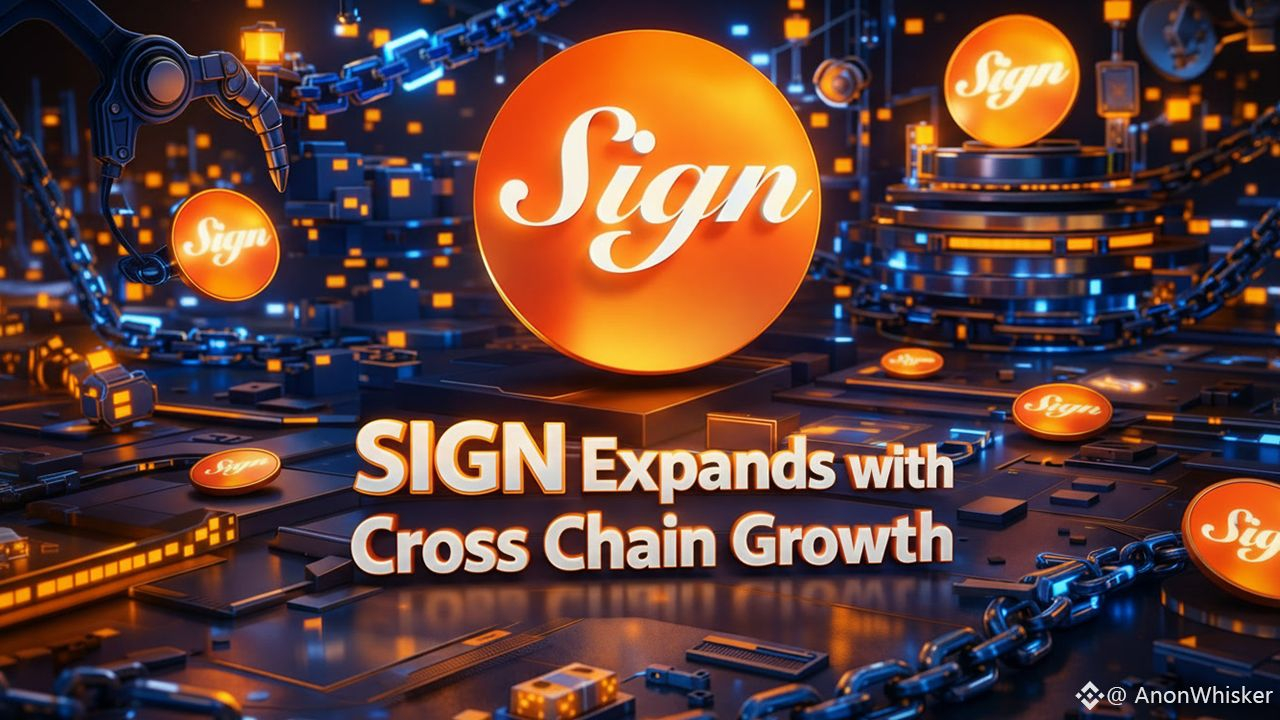
Artigo
SIGN Expande Ecossistema com Novos Desenvolvimentos de Cadeia CruzadaA evolução da blockchain não é mais definida por redes isoladas. O futuro pertence à interoperabilidade, escalabilidade e verdadeira soberania digital. É exatamente aqui que o SignOfficial está se posicionando como uma força voltada para o futuro. Com a crescente adoção de seu token nativo SIGN, o projeto está construindo de forma constante uma infraestrutura poderosa que se alinha com a visão do SignDigitalSovereignInfra.
Em sua essência, SignOfficial não é apenas mais um projeto de blockchain. É um ecossistema focado em permitir uma comunicação cruzada entre cadeias de forma integrada, mantendo segurança, eficiência e controle descentralizado. Os últimos desenvolvimentos destacam um forte impulso para quebrar barreiras entre redes, tornando o SIGN mais do que apenas um token. Está se tornando uma camada de utilidade em várias cadeias.
SIGN Expande Ecossistema com Novos Desenvolvimentos de Cadeia Cruzada
A evolução da blockchain não é mais definida por redes isoladas. O futuro pertence à interoperabilidade, escalabilidade e verdadeira soberania digital. É exatamente aqui que o SignOfficial está se posicionando como uma força voltada para o futuro. Com a crescente adoção de seu token nativo SIGN, o projeto está construindo de forma constante uma infraestrutura poderosa que se alinha com a visão do SignDigitalSovereignInfra.
Em sua essência, SignOfficial não é apenas mais um projeto de blockchain. É um ecossistema focado em permitir uma comunicação cruzada entre cadeias de forma integrada, mantendo segurança, eficiência e controle descentralizado. Os últimos desenvolvimentos destacam um forte impulso para quebrar barreiras entre redes, tornando o SIGN mais do que apenas um token. Está se tornando uma camada de utilidade em várias cadeias.
Em sua essência, SignOfficial não é apenas mais um projeto de blockchain. É um ecossistema focado em permitir uma comunicação cruzada entre cadeias de forma integrada, mantendo segurança, eficiência e controle descentralizado. Os últimos desenvolvimentos destacam um forte impulso para quebrar barreiras entre redes, tornando o SIGN mais do que apenas um token. Está se tornando uma camada de utilidade em várias cadeias.
1
1
51
Inicia sessão para explorar mais conteúdos
Junta-te a utilizadores de criptomoedas de todo o mundo na Binance Square
⚡️ Obtém informações úteis e recentes sobre criptomoedas.
💬 Com a confiança da maior exchange de criptomoedas do mundo.
👍 Descobre perspetivas reais de criadores verificados.
E-mail/Número de telefone
Tópicos em Tendência
BitcoinClears$85200
12,064 visualizações
210 a discutir
Recebemos o movimento, e $BTC está exatamente onde estava antes dos dados. É assim que a paciência real para uma operação funciona.
Os dados chegaram misturados, mas com alguns números importantes. A variação do emprego não-agrícola (ADP) veio em 90K contra 73K previstos, enquanto o núcleo do PCE veio em 0,2% contra 0,3% esperados. O PIB final também veio mais forte, em 2,2% contra 1,5% previsto, enquanto os gastos pessoais vieram em 0,9% contra 0,8% esperados. Ao mesmo tempo, a renda pessoal ficou abaixo do esperado, em 0,2% contra 0,5% previsto.
O BTC inicialmente disparou para US$ 85.600 e agora voltou para onde precisava estar. Ainda estou de olho nas faixas mais baixas, em US$ 82.759 e na liquidez de US$ 80.000, porque a liquidez acima já foi concluída, sem volta.
Tivemos uma sessão ao vivo durante os dados e, durante essa sessão, vimos o mercado em US$ 83.800, depois US$ 85.600, e então voltando para cerca de US$ 83.000 — e ainda assim não entramos em uma operação.
É isso que é paciência.
Não dá para forçar uma entrada quando o mercado não tem uma direção clara. A mesma faixa ainda está em foco, e vamos esperar o mercado nos dar o setup.
Me digam, pessoal, como foi a sessão? E devemos ter mais sessões regulares com nossos membros respeitados para conseguirmos ter discussões adequadas sobre o mercado?
#BitcoinClears$85200 #AltcoinSeasonIndexHoldsAbove60For5Days #USADPAdds90000JobsInSeptember #BitcoinSlipsBelow$84000 #SECToClarifyOnChainFundraisingRules
Crypto_LUX
·26 gostos
·19k visualizações
AltcoinSeasonIndexHoldsAbove60For5Days
59,746 visualizações
1,170 a discutir
USADPAdds90000JobsInSeptember
28,052 visualizações
657 a discutir