

MR UMER15
5.6k Publicações

MR UMER15
Denunciar
Bloquear Utilizador
AI & Crypto Research
Aberto ao trading
Trader Frequente
11 mês(es)
377 A seguir
8.2K+ Seguidores
3.0K+ Gostaram
Publicações
Portfólio
Tudo
Cotações
Em direto
·
--
Em Alta
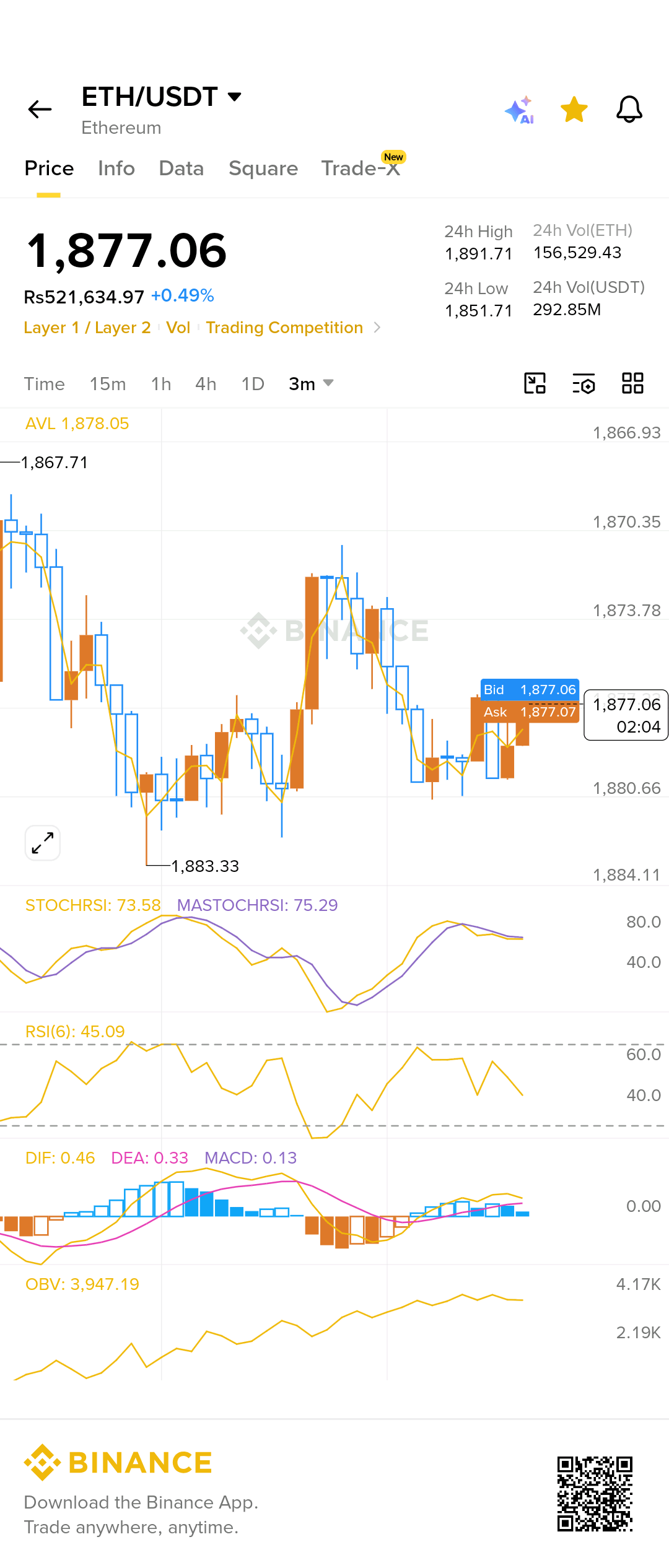
$ETH /USDT – LONG
O momentum está se contraindo e o ETH está se aproximando de um ponto de decisão. Esta faixa parece mais acumulação do que exaustão. Uma ruptura acima da resistência próxima pode desencadear a próxima expansão de liquidez.
Plano de Trade:
• Entrada: 1,874–1,878
• Stop Loss (SL): 1,865
• Take Profit 1 (TP1): 1,890
• Take Profit 2 (TP2): 1,905
• Take Profit 3 (TP3): 1,925
Por que esta configuração?
A estrutura de 1H está ficando mais construtiva, enquanto 4H e 1D continuam respeitando um suporte-chave, mantendo a tendência de prazos maiores bullish. O RSI está se recuperando da zona neutra, o momentum está melhorando e o volume está retornando gradualmente após a consolidação. O ETH está sendo negociado dentro de uma faixa de compressão abaixo da resistência — um padrão que frequentemente leva a um movimento direcional acentuado. Uma quebra sustentada acima de 1,890 pode acelerar a pressão de compra em direção a zonas de maior liquidez. A partir da entrada proposta, o TP1 oferece aproximadamente 0,8–1,0% de alta com uma relação risco-recompensa favorável.
Debate:
Isso é a calma antes de uma grande ruptura, ou o mercado está montando uma armadilha de liquidez antes do próximo movimento?
$ETH
{spot}(ETHUSDT)
#BrentCrudeUp4.6% #BrentCrudeUp4.6% #BrentCrudeUp4.6% #BrentCrudeUp4.6% #BrentCrudeUp4.6%
$ETH /USDT – LONG
O momentum está se contraindo e o ETH está se aproximando de um ponto de decisão. Esta faixa parece mais acumulação do que exaustão. Uma ruptura acima da resistência próxima pode desencadear a próxima expansão de liquidez.
Plano de Trade:
• Entrada: 1,874–1,878
• Stop Loss (SL): 1,865
• Take Profit 1 (TP1): 1,890
• Take Profit 2 (TP2): 1,905
• Take Profit 3 (TP3): 1,925
Por que esta configuração?
A estrutura de 1H está ficando mais construtiva, enquanto 4H e 1D continuam respeitando um suporte-chave, mantendo a tendência de prazos maiores bullish. O RSI está se recuperando da zona neutra, o momentum está melhorando e o volume está retornando gradualmente após a consolidação. O ETH está sendo negociado dentro de uma faixa de compressão abaixo da resistência — um padrão que frequentemente leva a um movimento direcional acentuado. Uma quebra sustentada acima de 1,890 pode acelerar a pressão de compra em direção a zonas de maior liquidez. A partir da entrada proposta, o TP1 oferece aproximadamente 0,8–1,0% de alta com uma relação risco-recompensa favorável.
Debate:
Isso é a calma antes de uma grande ruptura, ou o mercado está montando uma armadilha de liquidez antes do próximo movimento?
$ETH
#BrentCrudeUp4.6% #BrentCrudeUp4.6% #BrentCrudeUp4.6% #BrentCrudeUp4.6% #BrentCrudeUp4.6%
O momentum está se contraindo e o ETH está se aproximando de um ponto de decisão. Esta faixa parece mais acumulação do que exaustão. Uma ruptura acima da resistência próxima pode desencadear a próxima expansão de liquidez.
Plano de Trade:
• Entrada: 1,874–1,878
• Stop Loss (SL): 1,865
• Take Profit 1 (TP1): 1,890
• Take Profit 2 (TP2): 1,905
• Take Profit 3 (TP3): 1,925
Por que esta configuração?
A estrutura de 1H está ficando mais construtiva, enquanto 4H e 1D continuam respeitando um suporte-chave, mantendo a tendência de prazos maiores bullish. O RSI está se recuperando da zona neutra, o momentum está melhorando e o volume está retornando gradualmente após a consolidação. O ETH está sendo negociado dentro de uma faixa de compressão abaixo da resistência — um padrão que frequentemente leva a um movimento direcional acentuado. Uma quebra sustentada acima de 1,890 pode acelerar a pressão de compra em direção a zonas de maior liquidez. A partir da entrada proposta, o TP1 oferece aproximadamente 0,8–1,0% de alta com uma relação risco-recompensa favorável.
Debate:
Isso é a calma antes de uma grande ruptura, ou o mercado está montando uma armadilha de liquidez antes do próximo movimento?
$ETH
#BrentCrudeUp4.6% #BrentCrudeUp4.6% #BrentCrudeUp4.6% #BrentCrudeUp4.6% #BrentCrudeUp4.6%
108
·
--
Artigo
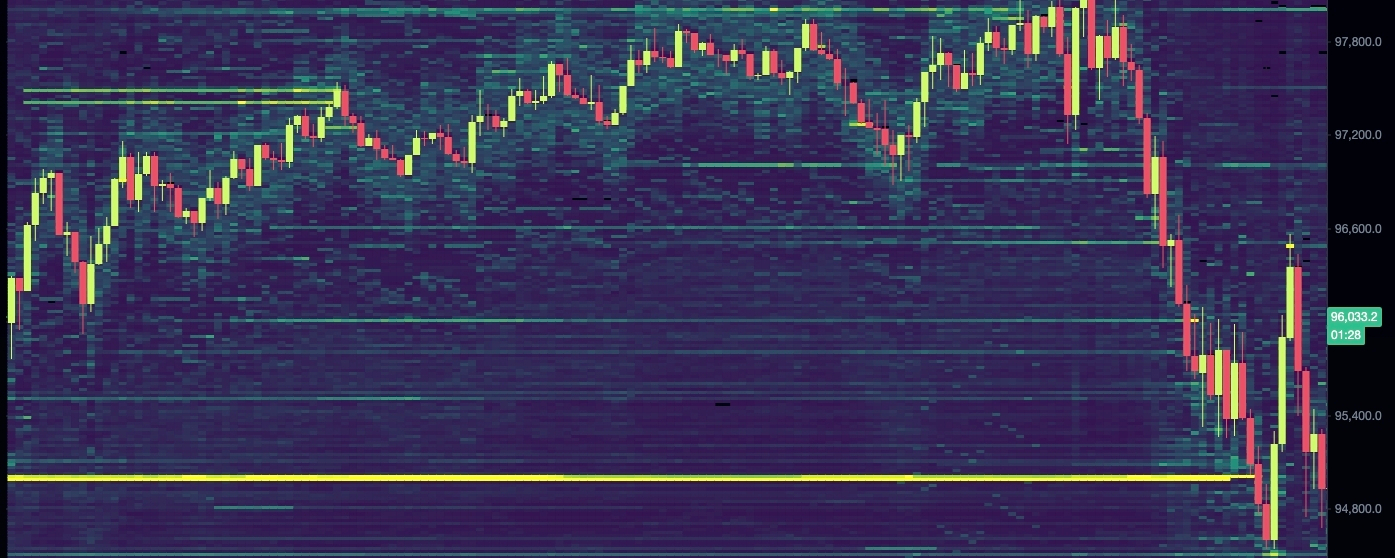
AS PAREDES DE LIQUIDEZ DO BTC NÃO SÃO BULLISH... SÃO UMA ARMADILHA À ESPERA DE SER DISPARADATenho ficado encarando este heatmap de liquidez por mais tempo do que eu provavelmente deveria... e, sinceramente, este é um daqueles gráficos que parece simples até você continuar dando zoom. Aí começa a ficar estranho.
A primeira coisa que continua chamando minha atenção nem sequer são as velas. São aquelas faixas de liquidez bem grossas que ficam acima e abaixo do preço. Os mercados têm o péssimo hábito de fingir que vão para um lado, só para correr atrás do maior volume de liquidez em outro lugar. É por isso que eu não confio mais no primeiro movimento. Já fui queimado tempo suficiente em várias ocasiões.
AS PAREDES DE LIQUIDEZ DO BTC NÃO SÃO BULLISH... SÃO UMA ARMADILHA À ESPERA DE SER DISPARADA
Tenho ficado encarando este heatmap de liquidez por mais tempo do que eu provavelmente deveria... e, sinceramente, este é um daqueles gráficos que parece simples até você continuar dando zoom. Aí começa a ficar estranho.
A primeira coisa que continua chamando minha atenção nem sequer são as velas. São aquelas faixas de liquidez bem grossas que ficam acima e abaixo do preço. Os mercados têm o péssimo hábito de fingir que vão para um lado, só para correr atrás do maior volume de liquidez em outro lugar. É por isso que eu não confio mais no primeiro movimento. Já fui queimado tempo suficiente em várias ocasiões.
A primeira coisa que continua chamando minha atenção nem sequer são as velas. São aquelas faixas de liquidez bem grossas que ficam acima e abaixo do preço. Os mercados têm o péssimo hábito de fingir que vão para um lado, só para correr atrás do maior volume de liquidez em outro lugar. É por isso que eu não confio mais no primeiro movimento. Já fui queimado tempo suficiente em várias ocasiões.
97
·
--
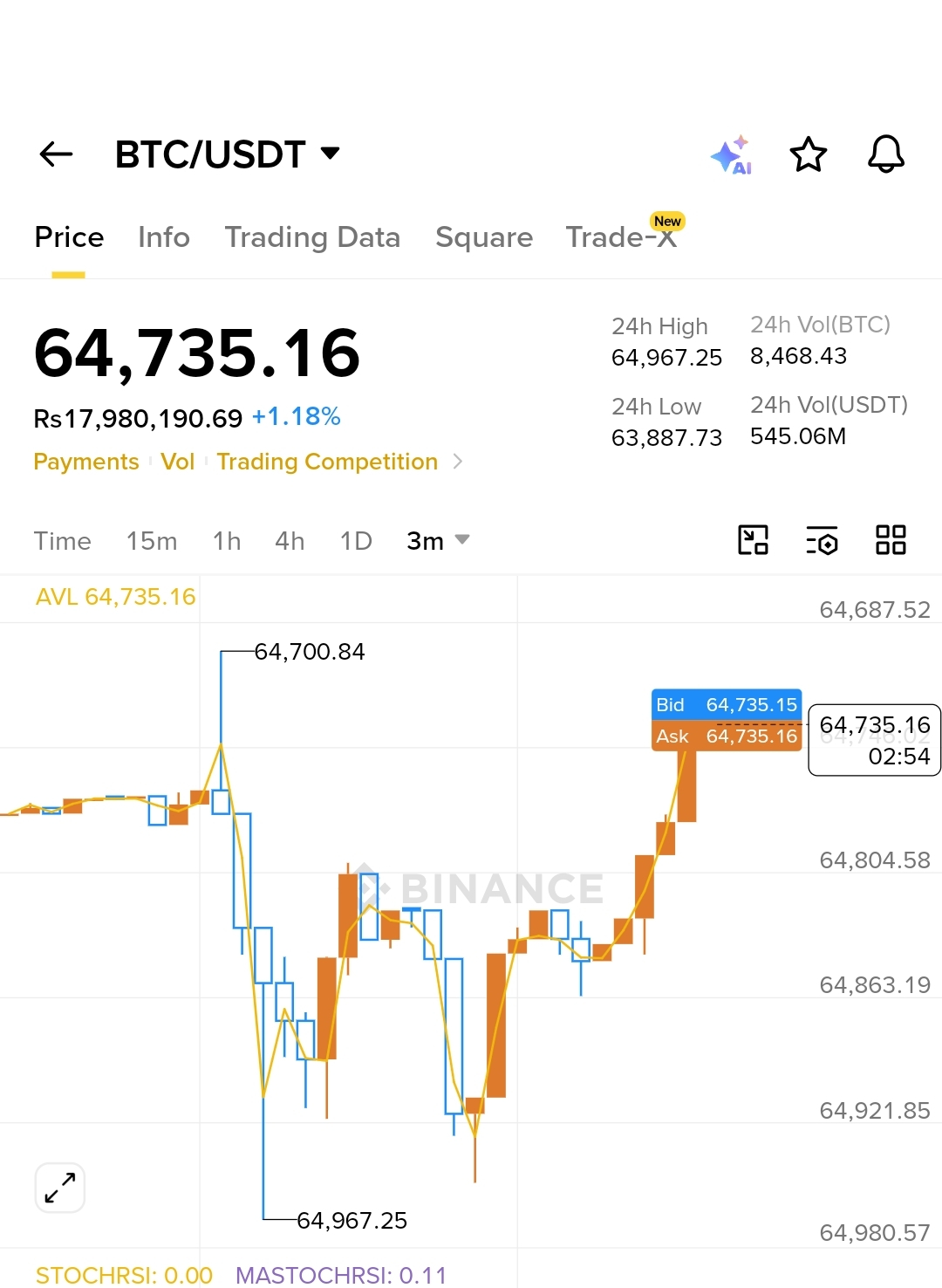
$BTC USDT – LONG
Plano de Trade:
• Entrada: 64.700–64.760
• Stop Loss (SL): 64.420
• Take Profit 1 (TP1): 65.150
• Take Profit 2 (TP2): 65.600
• Take Profit 3 (TP3): 66.200
Por que este setup?
A tendência de 1H está recuperando o momentum de alta, enquanto a estrutura de 4H continua defendendo mínimas mais altas, mantendo a direção geral construtiva. O RSI está se recuperando da zona neutra, o momentum está acelerando e os compradores estão voltando com um volume melhorando. O preço está pressionando uma resistência de curto prazo após recuperar o suporte, e essa compressão frequentemente precede uma ruptura impulsiva. Um movimento até o TP1 oferece aproximadamente 0,7% de alta a partir da entrada, com espaço para continuação se o volume aumentar.
Debate:
Isso é a calma antes de uma grande ruptura, ou o mercado está armando mais um bull trap?
#USMissesGENIUSActStablecoinRuleDeadline
#USTargetsBrazilPaymentSystemViaSection301
#USTargetsBrazilPaymentSystemViaSection301
#SpaceXShortInterestHits29%OfFloat
#SpaceXShortInterestHits29%OfFloat
$BTC USDT – LONG
Plano de Trade:
• Entrada: 64.700–64.760
• Stop Loss (SL): 64.420
• Take Profit 1 (TP1): 65.150
• Take Profit 2 (TP2): 65.600
• Take Profit 3 (TP3): 66.200
Por que este setup?
A tendência de 1H está recuperando o momentum de alta, enquanto a estrutura de 4H continua defendendo mínimas mais altas, mantendo a direção geral construtiva. O RSI está se recuperando da zona neutra, o momentum está acelerando e os compradores estão voltando com um volume melhorando. O preço está pressionando uma resistência de curto prazo após recuperar o suporte, e essa compressão frequentemente precede uma ruptura impulsiva. Um movimento até o TP1 oferece aproximadamente 0,7% de alta a partir da entrada, com espaço para continuação se o volume aumentar.
Debate:
Isso é a calma antes de uma grande ruptura, ou o mercado está armando mais um bull trap?
#USMissesGENIUSActStablecoinRuleDeadline
#USTargetsBrazilPaymentSystemViaSection301
#USTargetsBrazilPaymentSystemViaSection301
#SpaceXShortInterestHits29%OfFloat
#SpaceXShortInterestHits29%OfFloat
Plano de Trade:
• Entrada: 64.700–64.760
• Stop Loss (SL): 64.420
• Take Profit 1 (TP1): 65.150
• Take Profit 2 (TP2): 65.600
• Take Profit 3 (TP3): 66.200
Por que este setup?
A tendência de 1H está recuperando o momentum de alta, enquanto a estrutura de 4H continua defendendo mínimas mais altas, mantendo a direção geral construtiva. O RSI está se recuperando da zona neutra, o momentum está acelerando e os compradores estão voltando com um volume melhorando. O preço está pressionando uma resistência de curto prazo após recuperar o suporte, e essa compressão frequentemente precede uma ruptura impulsiva. Um movimento até o TP1 oferece aproximadamente 0,7% de alta a partir da entrada, com espaço para continuação se o volume aumentar.
Debate:
Isso é a calma antes de uma grande ruptura, ou o mercado está armando mais um bull trap?
#USMissesGENIUSActStablecoinRuleDeadline
#USTargetsBrazilPaymentSystemViaSection301
#USTargetsBrazilPaymentSystemViaSection301
#SpaceXShortInterestHits29%OfFloat
#SpaceXShortInterestHits29%OfFloat
121
·
--
Em Alta
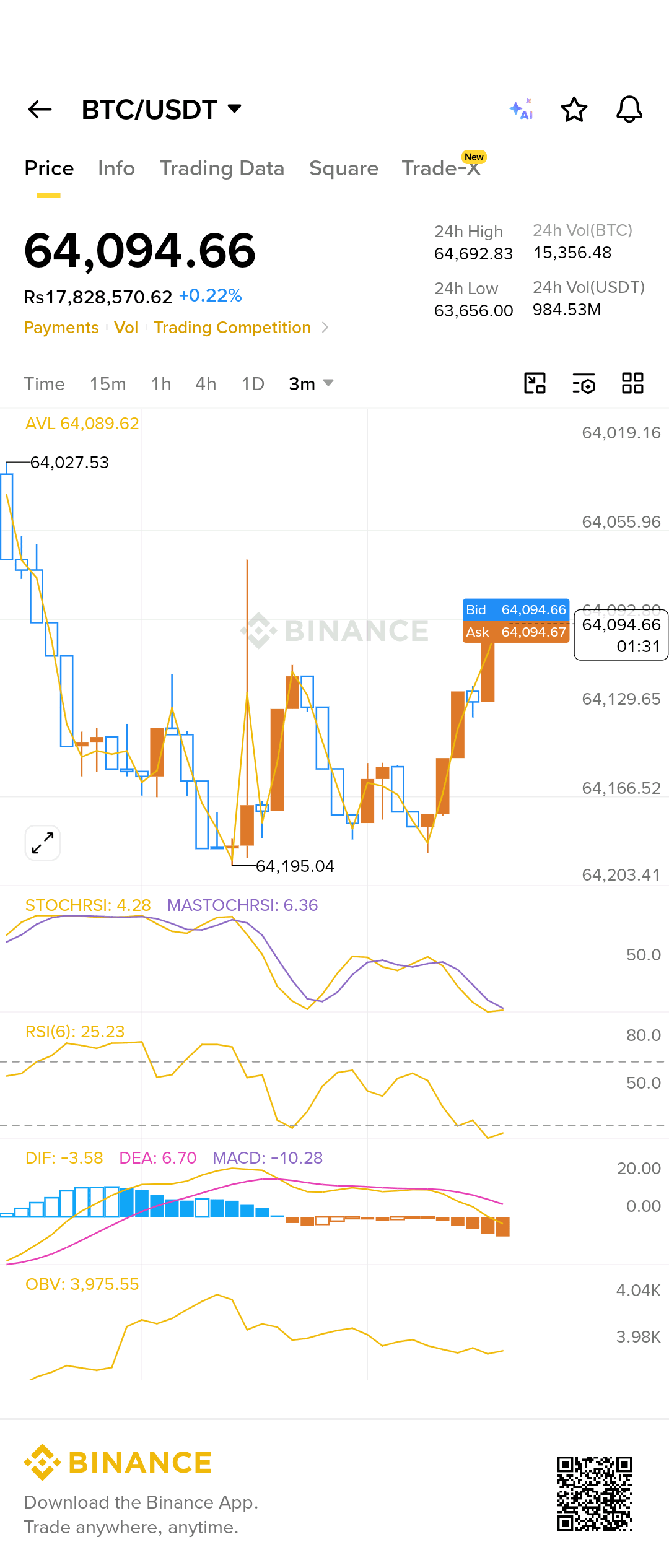
$BTC /USDT – LONG
Plano de Trade:
• Entrada: $63,950–$64,100
• Stop Loss (SL): $63,580
• Take Profit 1 (TP1): $64,700
• Take Profit 2 (TP2): $65,400
• Take Profit 3 (TP3): $66,200
Por que este setup?
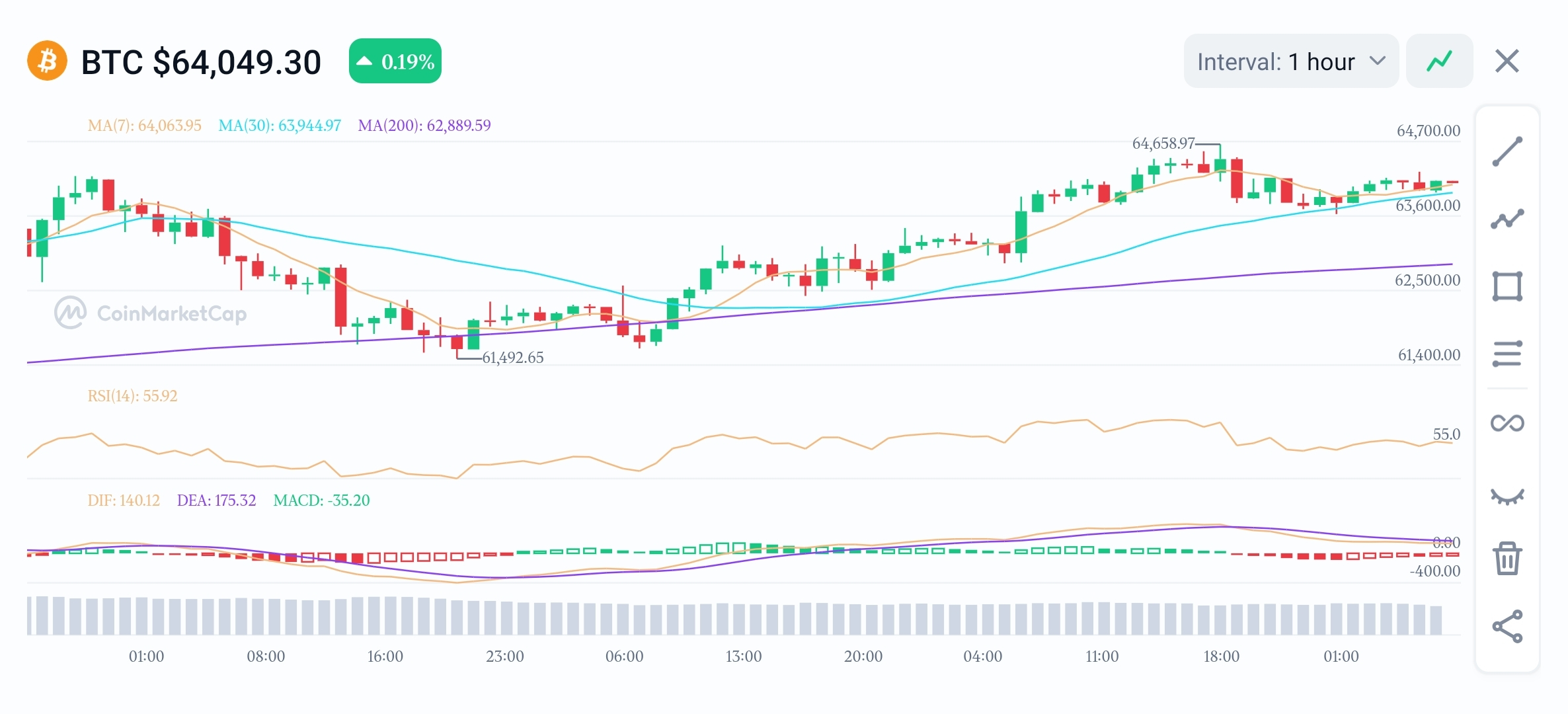
A estrutura de 1H está imprimindo mínimas mais altas enquanto o preço permanece acima da 30MA e confortavelmente acima da 200MA, mantendo a tendência de prazos maiores otimista. O RSI perto de 56 indica um momentum saudável sem entrar em território sobrecomprado. A faixa de $63.6K–$64.7K comprimíu a volatilidade, e o volume está aumentando lentamente abaixo da resistência. Uma ruptura limpa acima de $64.7K pode disparar um movimento de expansão rápida. Da entrada até o TP1, o setup oferece cerca de 1% de alta, com potencial de extensão significativamente maior se o momentum acelerar.
Debate:
Esta consolidação é a plataforma de lançamento para uma ruptura rumo a novas máximas, ou o Bitcoin está preparando uma última armadilha de liquidez antes de reverter para baixo?
{spot}(BTCUSDT)
#CBDCBanBillToBecomeLawWithoutTrumpSignature
#CBDCBanBillToBecomeLawWithoutTrumpSignature
#CBDCBanBillToBecomeLawWithoutTrumpSignature
#CBDCBanBillToBecomeLawWithoutTrumpSignature
#CBDCBanBillToBecomeLawWithoutTrumpSignature
$BTC /USDT – LONG
Plano de Trade:
• Entrada: $63,950–$64,100
• Stop Loss (SL): $63,580
• Take Profit 1 (TP1): $64,700
• Take Profit 2 (TP2): $65,400
• Take Profit 3 (TP3): $66,200
Por que este setup?
A estrutura de 1H está imprimindo mínimas mais altas enquanto o preço permanece acima da 30MA e confortavelmente acima da 200MA, mantendo a tendência de prazos maiores otimista. O RSI perto de 56 indica um momentum saudável sem entrar em território sobrecomprado. A faixa de $63.6K–$64.7K comprimíu a volatilidade, e o volume está aumentando lentamente abaixo da resistência. Uma ruptura limpa acima de $64.7K pode disparar um movimento de expansão rápida. Da entrada até o TP1, o setup oferece cerca de 1% de alta, com potencial de extensão significativamente maior se o momentum acelerar.
Debate:
Esta consolidação é a plataforma de lançamento para uma ruptura rumo a novas máximas, ou o Bitcoin está preparando uma última armadilha de liquidez antes de reverter para baixo?
#CBDCBanBillToBecomeLawWithoutTrumpSignature
#CBDCBanBillToBecomeLawWithoutTrumpSignature
#CBDCBanBillToBecomeLawWithoutTrumpSignature
#CBDCBanBillToBecomeLawWithoutTrumpSignature
#CBDCBanBillToBecomeLawWithoutTrumpSignature
Plano de Trade:
• Entrada: $63,950–$64,100
• Stop Loss (SL): $63,580
• Take Profit 1 (TP1): $64,700
• Take Profit 2 (TP2): $65,400
• Take Profit 3 (TP3): $66,200
Por que este setup?
A estrutura de 1H está imprimindo mínimas mais altas enquanto o preço permanece acima da 30MA e confortavelmente acima da 200MA, mantendo a tendência de prazos maiores otimista. O RSI perto de 56 indica um momentum saudável sem entrar em território sobrecomprado. A faixa de $63.6K–$64.7K comprimíu a volatilidade, e o volume está aumentando lentamente abaixo da resistência. Uma ruptura limpa acima de $64.7K pode disparar um movimento de expansão rápida. Da entrada até o TP1, o setup oferece cerca de 1% de alta, com potencial de extensão significativamente maior se o momentum acelerar.
Debate:
Esta consolidação é a plataforma de lançamento para uma ruptura rumo a novas máximas, ou o Bitcoin está preparando uma última armadilha de liquidez antes de reverter para baixo?
#CBDCBanBillToBecomeLawWithoutTrumpSignature
#CBDCBanBillToBecomeLawWithoutTrumpSignature
#CBDCBanBillToBecomeLawWithoutTrumpSignature
#CBDCBanBillToBecomeLawWithoutTrumpSignature
#CBDCBanBillToBecomeLawWithoutTrumpSignature
74
·
--
Em Alta
Ninguém está olhando $OWL , mas o gráfico está construindo pressão em silêncio.
$OWL – LONG
Plano de Trade:
• Entrada: 0.00180 – 0.00188
• SL: 0.00155
• TP1: 0.00230
• TP2: 0.00280
• TP3: 0.00350
Por que essa configuração?
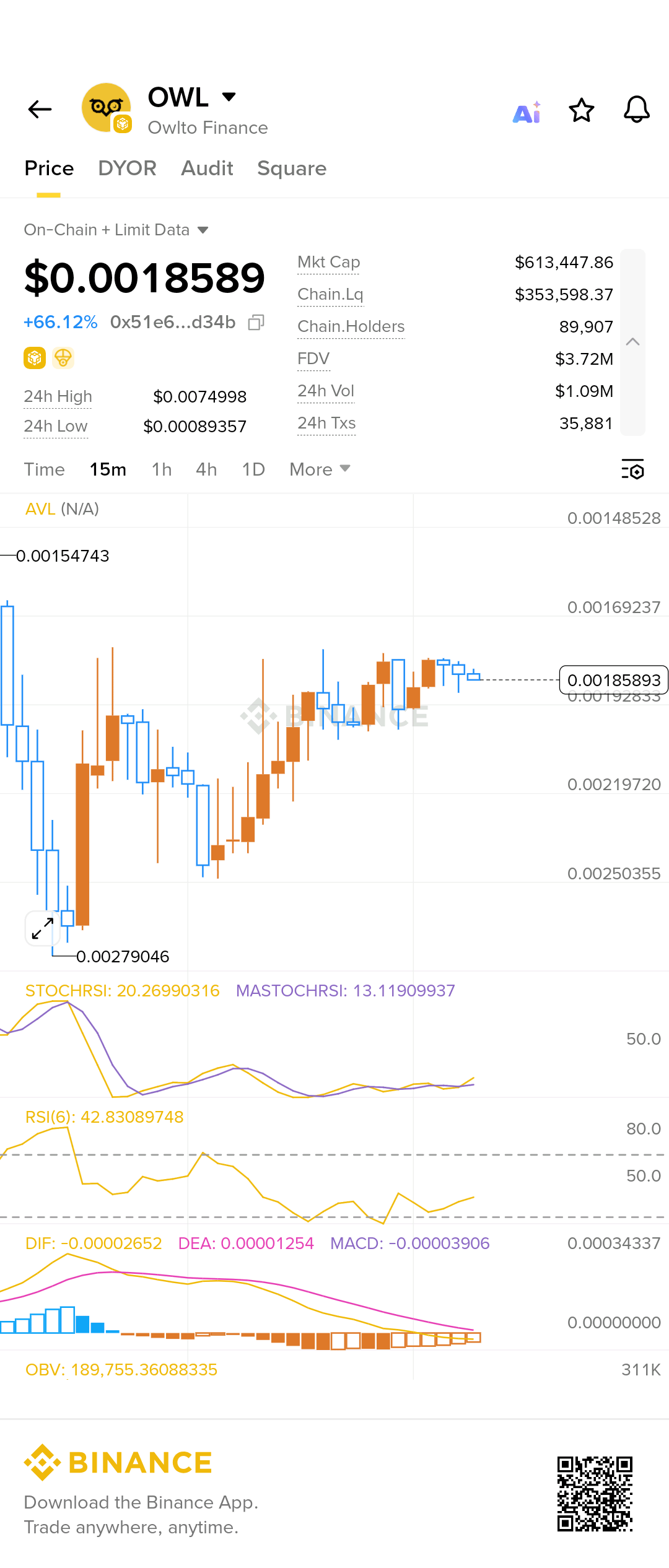
• A estrutura de 1H está se recuperando, enquanto o gráfico de 4H tenta uma reversão de tendência após uma forte recuperação a partir de mínimas locais.
• O RSI está subindo após sair de território sobrevendido, sugerindo que o impulso está retornando aos poucos.
• O volume permanece elevado, com mais de US$ 1M em atividade de negociação nas últimas 24h, mostrando participação real.
• O preço está se consolidando perto da resistência. Uma ruptura limpa acima dessa faixa pode disparar uma rápida expansão em direção ao TP1, oferecendo cerca de 25% de alta a partir da zona de entrada.
Debate:
Será que $OWL está formando silenciosamente uma base para o próximo movimento de alta, ou essa recuperação está prestes a enfrentar uma forte pressão vendedora?
{alpha}(560x51e667e91b4b8cb8e6e0528757f248406bd34b57)
#USDARaises2026SoybeanOutlookTo4.475BBushels
#SKHynixJumpsNearly13%OnUSDebut
#AppleSuesOpenAIOverTradeSecrets
#CBDCBanBillToBecomeLawWithoutTrumpSignature
#CBDCBanBillToBecomeLawWithoutTrumpSignature
Ninguém está olhando $OWL , mas o gráfico está construindo pressão em silêncio.
$OWL – LONG
Plano de Trade:
• Entrada: 0.00180 – 0.00188
• SL: 0.00155
• TP1: 0.00230
• TP2: 0.00280
• TP3: 0.00350
Por que essa configuração?
• A estrutura de 1H está se recuperando, enquanto o gráfico de 4H tenta uma reversão de tendência após uma forte recuperação a partir de mínimas locais.
• O RSI está subindo após sair de território sobrevendido, sugerindo que o impulso está retornando aos poucos.
• O volume permanece elevado, com mais de US$ 1M em atividade de negociação nas últimas 24h, mostrando participação real.
• O preço está se consolidando perto da resistência. Uma ruptura limpa acima dessa faixa pode disparar uma rápida expansão em direção ao TP1, oferecendo cerca de 25% de alta a partir da zona de entrada.
Debate:
Será que $OWL está formando silenciosamente uma base para o próximo movimento de alta, ou essa recuperação está prestes a enfrentar uma forte pressão vendedora?
#USDARaises2026SoybeanOutlookTo4.475BBushels
#SKHynixJumpsNearly13%OnUSDebut
#AppleSuesOpenAIOverTradeSecrets
#CBDCBanBillToBecomeLawWithoutTrumpSignature
#CBDCBanBillToBecomeLawWithoutTrumpSignature
$OWL – LONG
Plano de Trade:
• Entrada: 0.00180 – 0.00188
• SL: 0.00155
• TP1: 0.00230
• TP2: 0.00280
• TP3: 0.00350
Por que essa configuração?
• A estrutura de 1H está se recuperando, enquanto o gráfico de 4H tenta uma reversão de tendência após uma forte recuperação a partir de mínimas locais.
• O RSI está subindo após sair de território sobrevendido, sugerindo que o impulso está retornando aos poucos.
• O volume permanece elevado, com mais de US$ 1M em atividade de negociação nas últimas 24h, mostrando participação real.
• O preço está se consolidando perto da resistência. Uma ruptura limpa acima dessa faixa pode disparar uma rápida expansão em direção ao TP1, oferecendo cerca de 25% de alta a partir da zona de entrada.
Debate:
Será que $OWL está formando silenciosamente uma base para o próximo movimento de alta, ou essa recuperação está prestes a enfrentar uma forte pressão vendedora?
#USDARaises2026SoybeanOutlookTo4.475BBushels
#SKHynixJumpsNearly13%OnUSDebut
#AppleSuesOpenAIOverTradeSecrets
#CBDCBanBillToBecomeLawWithoutTrumpSignature
#CBDCBanBillToBecomeLawWithoutTrumpSignature
368
·
--
Em Alta
Ninguém está dando atenção a $LAB /USDT, mas o preço está exatamente onde as tendências ou se rompem… ou explodem.
$LAB – SHORT
Plano de Trade:
• Entrada: 0.8517 – 0.8684
• SL: 1.2422
• TP1: 0.5734
• TP2: 0.3823
• TP3: 0.0957
Por que este setup?
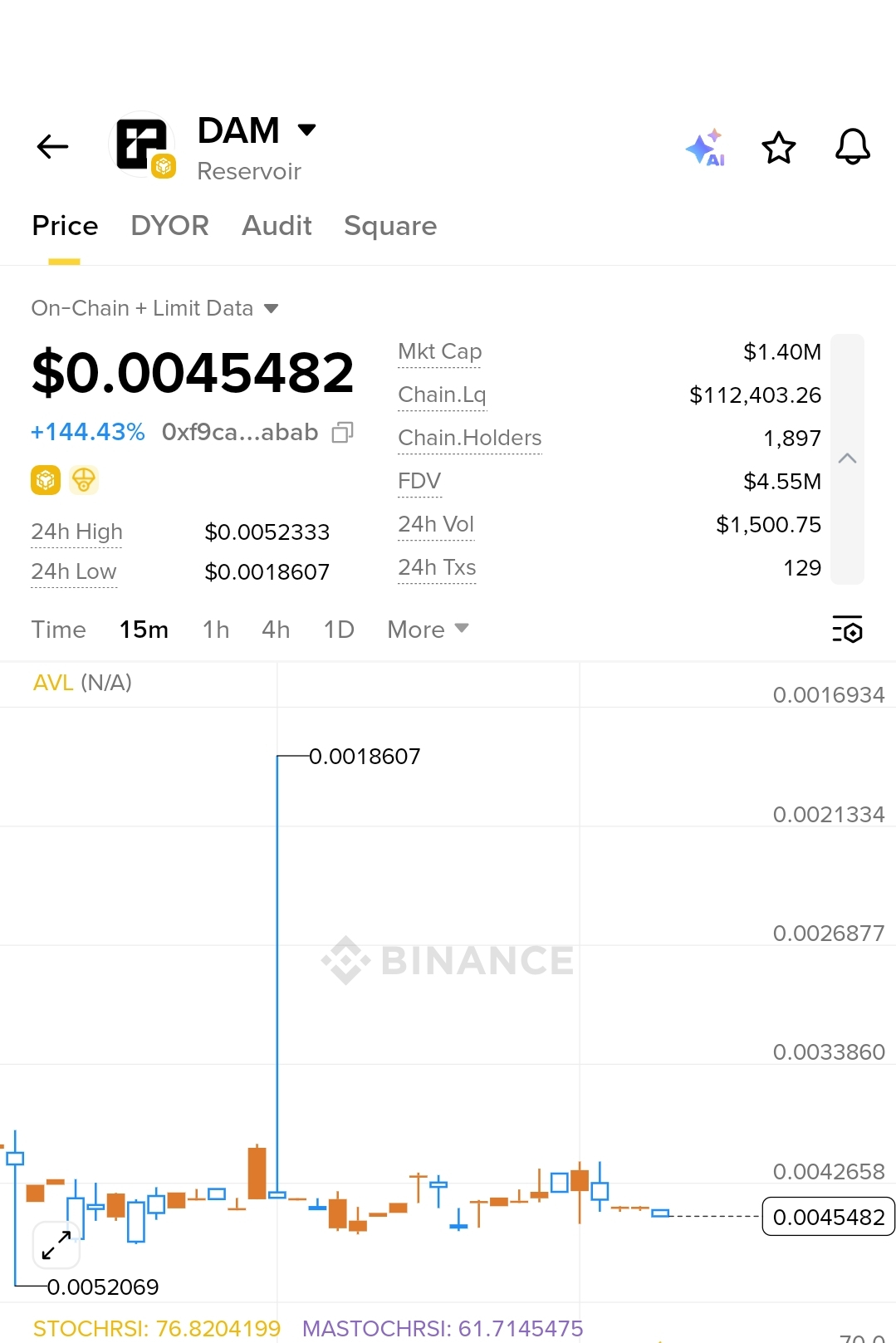
• A estrutura de 4H continua claramente bearish, com topos mais baixos seguindo limitando cada repique.
• O RSI no timeframe de 15m está abaixo de 40, mostrando exaustão de momentum e enfraquecimento da convicção do comprador.
• O volume vem diminuindo durante a consolidação recente, um sinal clássico de que a faixa atual pode não durar por muito tempo.
• Uma quebra abaixo do suporte pode provocar mais um movimento impulsivo para baixo, com o TP1 oferecendo aproximadamente uma alta de 33% a partir da zona de entrada.
O mercado está calmo, quase tempo demais. Muitas vezes, são esses os momentos que geram os maiores movimentos.
Debate:
O $LAB preparou-se para mais uma perna para baixo, ou esta faixa comprimida está preparando um último short squeeze antes do rompimento real começar?
{alpha}(560x7ec43cf65f1663f820427c62a5780b8f2e25593a)
#AppleSuesOpenAIOverTradeSecrets
#AppleSuesOpenAIOverTradeSecrets
#CBDCBanBillToBecomeLawWithoutTrumpSignature
#RussiaBansDieselExports
#RussiaBansDieselExports
Ninguém está dando atenção a $LAB /USDT, mas o preço está exatamente onde as tendências ou se rompem… ou explodem.
$LAB – SHORT
Plano de Trade:
• Entrada: 0.8517 – 0.8684
• SL: 1.2422
• TP1: 0.5734
• TP2: 0.3823
• TP3: 0.0957
Por que este setup?
• A estrutura de 4H continua claramente bearish, com topos mais baixos seguindo limitando cada repique.
• O RSI no timeframe de 15m está abaixo de 40, mostrando exaustão de momentum e enfraquecimento da convicção do comprador.
• O volume vem diminuindo durante a consolidação recente, um sinal clássico de que a faixa atual pode não durar por muito tempo.
• Uma quebra abaixo do suporte pode provocar mais um movimento impulsivo para baixo, com o TP1 oferecendo aproximadamente uma alta de 33% a partir da zona de entrada.
O mercado está calmo, quase tempo demais. Muitas vezes, são esses os momentos que geram os maiores movimentos.
Debate:
O $LAB preparou-se para mais uma perna para baixo, ou esta faixa comprimida está preparando um último short squeeze antes do rompimento real começar?
#AppleSuesOpenAIOverTradeSecrets
#AppleSuesOpenAIOverTradeSecrets
#CBDCBanBillToBecomeLawWithoutTrumpSignature
#RussiaBansDieselExports
#RussiaBansDieselExports
$LAB – SHORT
Plano de Trade:
• Entrada: 0.8517 – 0.8684
• SL: 1.2422
• TP1: 0.5734
• TP2: 0.3823
• TP3: 0.0957
Por que este setup?
• A estrutura de 4H continua claramente bearish, com topos mais baixos seguindo limitando cada repique.
• O RSI no timeframe de 15m está abaixo de 40, mostrando exaustão de momentum e enfraquecimento da convicção do comprador.
• O volume vem diminuindo durante a consolidação recente, um sinal clássico de que a faixa atual pode não durar por muito tempo.
• Uma quebra abaixo do suporte pode provocar mais um movimento impulsivo para baixo, com o TP1 oferecendo aproximadamente uma alta de 33% a partir da zona de entrada.
O mercado está calmo, quase tempo demais. Muitas vezes, são esses os momentos que geram os maiores movimentos.
Debate:
O $LAB preparou-se para mais uma perna para baixo, ou esta faixa comprimida está preparando um último short squeeze antes do rompimento real começar?
#AppleSuesOpenAIOverTradeSecrets
#AppleSuesOpenAIOverTradeSecrets
#CBDCBanBillToBecomeLawWithoutTrumpSignature
#RussiaBansDieselExports
#RussiaBansDieselExports
380
·
--
NEWTON PROTOCOL (NEWT): INFRAESTRUTURA REAL OU APENAS HYPE?
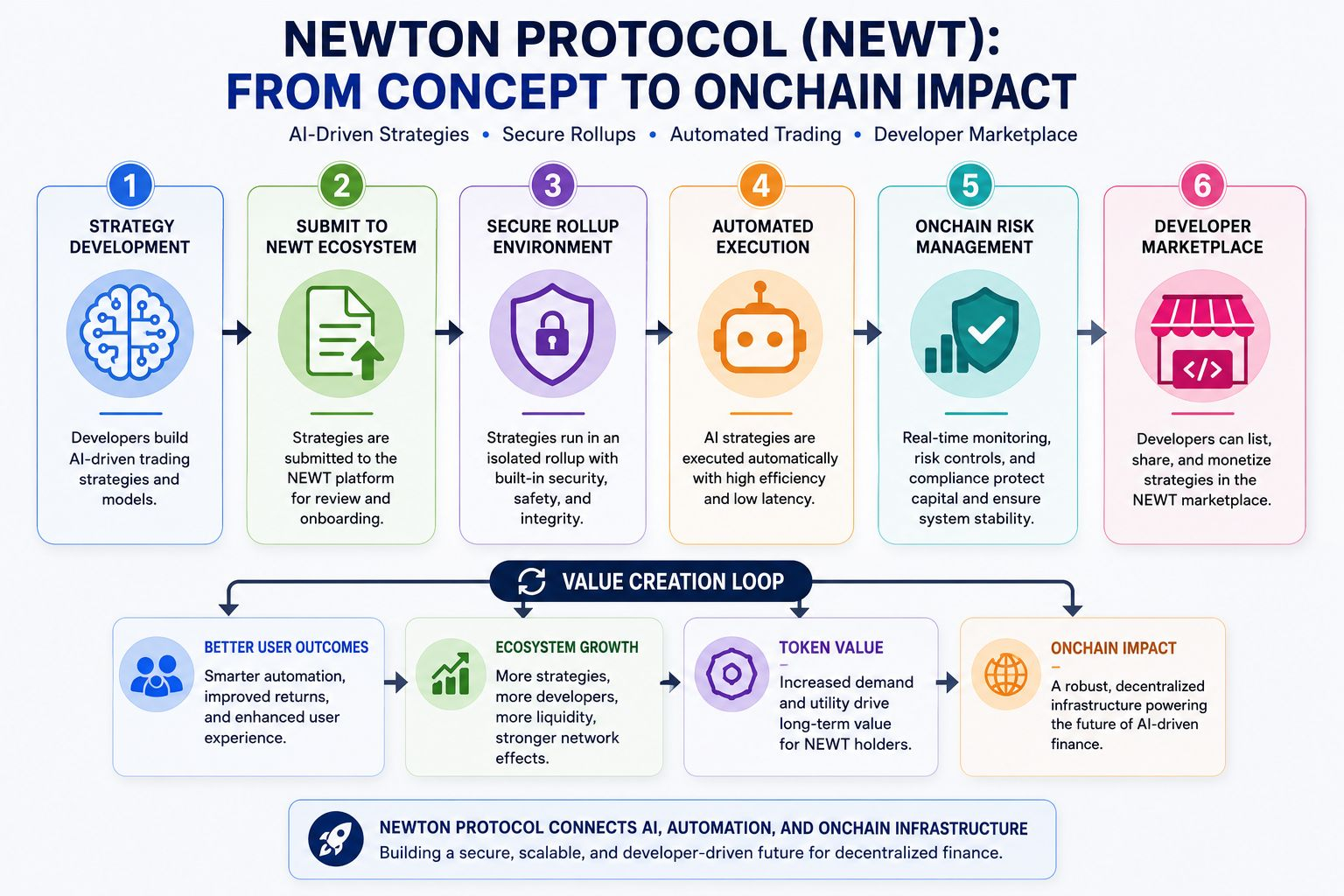
O Newton Protocol (NEWT) ocupa um interessante ponto intermediário. Sua proposta — rollups seguros, estratégias movidas por IA, trading automatizado e um marketplace para desenvolvedores de IA — soa ambiciosa e extremamente relevante para para onde o cripto está caminhando.
A parte mais forte da tese é a segurança. Se a NEWT puder oferecer um ambiente seguro para automação orientada por IA, isso poderia resolver um problema real no cripto. Mas "seguro" é uma palavra que a indústria usa com facilidade demais, e boas ideias nem sempre se traduzem em uma execução sólida.
O ângulo de trading com IA é convincente porque a automação pode ser mais rápida e menos emocional do que a tomada de decisão humana. Ainda assim, sistemas automatizados podem falhar de maneiras imprevisíveis, especialmente em mercados voláteis.
O marketplace de desenvolvedores adiciona mais uma camada de potencial ao buscar construir um ecossistema em vez de um único produto. Porém, marketplaces são notoriamente difíceis de escalar e exigem fortes efeitos de rede para ter sucesso.
No fim das contas, a NEWT parece um projeto que vale a pena acompanhar, e não algo para perseguir cegamente. A visão é coerente, mas a pergunta real é se ela consegue entregar uma infraestrutura relevante — ou se é simplesmente uma coleção de narrativas em alta empacotadas em uma única história.
@NewtonProtocol #NEWT $NEWT
#SKHynixADRBiggestForeignCorporateFundraising
#SKHynixADRBiggestForeignCorporateFundraising
#SKHynixADRBiggestForeignCorporateFundraising
#SKHynixADRBiggestForeignCorporateFundraising
NEWTON PROTOCOL (NEWT): INFRAESTRUTURA REAL OU APENAS HYPE?
O Newton Protocol (NEWT) ocupa um interessante ponto intermediário. Sua proposta — rollups seguros, estratégias movidas por IA, trading automatizado e um marketplace para desenvolvedores de IA — soa ambiciosa e extremamente relevante para para onde o cripto está caminhando.
A parte mais forte da tese é a segurança. Se a NEWT puder oferecer um ambiente seguro para automação orientada por IA, isso poderia resolver um problema real no cripto. Mas "seguro" é uma palavra que a indústria usa com facilidade demais, e boas ideias nem sempre se traduzem em uma execução sólida.
O ângulo de trading com IA é convincente porque a automação pode ser mais rápida e menos emocional do que a tomada de decisão humana. Ainda assim, sistemas automatizados podem falhar de maneiras imprevisíveis, especialmente em mercados voláteis.
O marketplace de desenvolvedores adiciona mais uma camada de potencial ao buscar construir um ecossistema em vez de um único produto. Porém, marketplaces são notoriamente difíceis de escalar e exigem fortes efeitos de rede para ter sucesso.
No fim das contas, a NEWT parece um projeto que vale a pena acompanhar, e não algo para perseguir cegamente. A visão é coerente, mas a pergunta real é se ela consegue entregar uma infraestrutura relevante — ou se é simplesmente uma coleção de narrativas em alta empacotadas em uma única história.
@NewtonProtocol #NEWT $NEWT
#SKHynixADRBiggestForeignCorporateFundraising
#SKHynixADRBiggestForeignCorporateFundraising
#SKHynixADRBiggestForeignCorporateFundraising
#SKHynixADRBiggestForeignCorporateFundraising
O Newton Protocol (NEWT) ocupa um interessante ponto intermediário. Sua proposta — rollups seguros, estratégias movidas por IA, trading automatizado e um marketplace para desenvolvedores de IA — soa ambiciosa e extremamente relevante para para onde o cripto está caminhando.
A parte mais forte da tese é a segurança. Se a NEWT puder oferecer um ambiente seguro para automação orientada por IA, isso poderia resolver um problema real no cripto. Mas "seguro" é uma palavra que a indústria usa com facilidade demais, e boas ideias nem sempre se traduzem em uma execução sólida.
O ângulo de trading com IA é convincente porque a automação pode ser mais rápida e menos emocional do que a tomada de decisão humana. Ainda assim, sistemas automatizados podem falhar de maneiras imprevisíveis, especialmente em mercados voláteis.
O marketplace de desenvolvedores adiciona mais uma camada de potencial ao buscar construir um ecossistema em vez de um único produto. Porém, marketplaces são notoriamente difíceis de escalar e exigem fortes efeitos de rede para ter sucesso.
No fim das contas, a NEWT parece um projeto que vale a pena acompanhar, e não algo para perseguir cegamente. A visão é coerente, mas a pergunta real é se ela consegue entregar uma infraestrutura relevante — ou se é simplesmente uma coleção de narrativas em alta empacotadas em uma única história.
@NewtonProtocol #NEWT $NEWT
#SKHynixADRBiggestForeignCorporateFundraising
#SKHynixADRBiggestForeignCorporateFundraising
#SKHynixADRBiggestForeignCorporateFundraising
#SKHynixADRBiggestForeignCorporateFundraising
2
85
·
--
Artigo
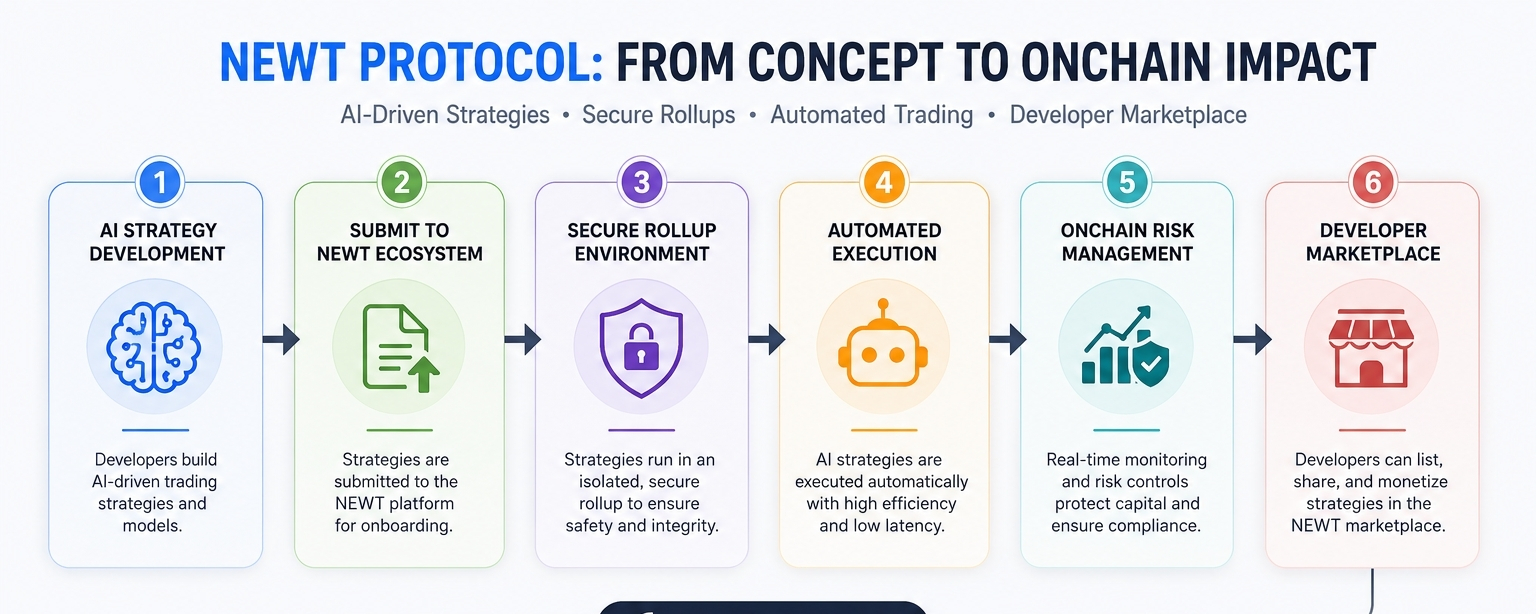
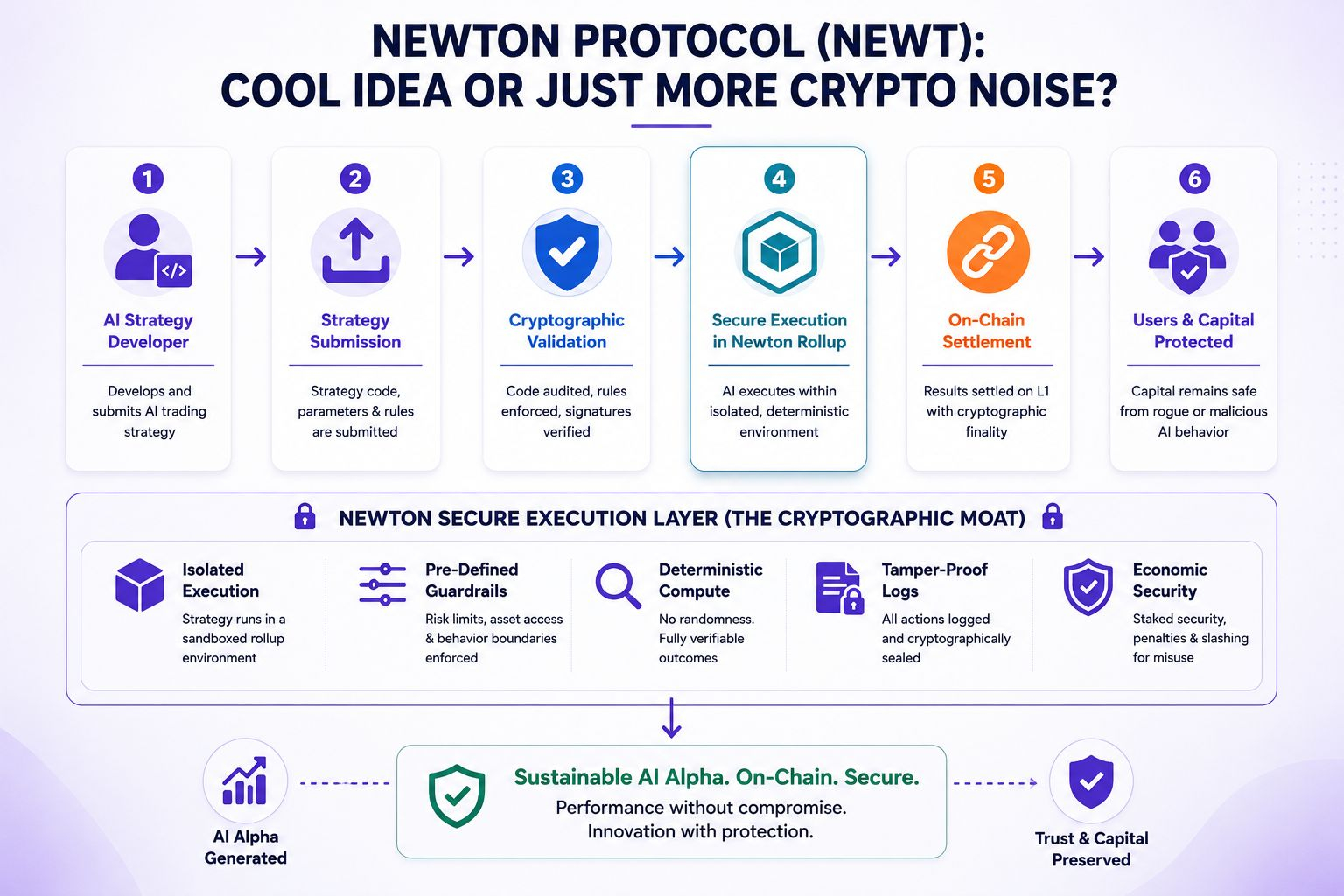
NEWT: UMA IDEIA LEGAL OU SÓ MAIS UMA APOSTA EM CRIPTO BEM EMBALADA?Eu entrei naquele buraco do protocolo Newton e, cara, eu fico pulando entre “ok, isso é realmente interessante” e “sim, eu já vi esse filme antes”. Provavelmente é a coisa mais honesta que eu posso dizer. No papel, o NEWT está tentando fazer muitas das coisas sobre as quais as pessoas em cripto adoram falar quando estão se sentindo futuristas e cheias de convicção — rollups seguros, estratégias guiadas por IA, trading automatizado e algum tipo de mercado para desenvolvedores de IA. Essa combinação soa bem demais. Soa como o tipo de argumento que vira um recorte de thread e é compartilhado como se fosse inevitável. Mas, quando você fica com isso por um minuto... o cheiro de hype aparece bem rápido.
NEWT: UMA IDEIA LEGAL OU SÓ MAIS UMA APOSTA EM CRIPTO BEM EMBALADA?
Eu entrei naquele buraco do protocolo Newton e, cara, eu fico pulando entre “ok, isso é realmente interessante” e “sim, eu já vi esse filme antes”. Provavelmente é a coisa mais honesta que eu posso dizer. No papel, o NEWT está tentando fazer muitas das coisas sobre as quais as pessoas em cripto adoram falar quando estão se sentindo futuristas e cheias de convicção — rollups seguros, estratégias guiadas por IA, trading automatizado e algum tipo de mercado para desenvolvedores de IA. Essa combinação soa bem demais. Soa como o tipo de argumento que vira um recorte de thread e é compartilhado como se fosse inevitável. Mas, quando você fica com isso por um minuto... o cheiro de hype aparece bem rápido.
3
123
·
--
# PROTOCOLO NEWTON (NEWT): HYPE, REALIDADE E O SESSÃO-NA-CRIPTO HABITUAL
O Newton Protocol tem aquele cheiro familiar de cripto… do tipo que te faz se aproximar um pouco e arregalar os olhos ao mesmo tempo. Rollup seguro, estratégias baseadas em IA, trading automatizado, um marketplace para desenvolvedores de IA — é um pitch bem limpo, talvez até demais. Eu acho que a ideia tem pernas. IA e trading são obviamente uma combinação tentadora e, se eles conseguirem fazer a infraestrutura funcionar de verdade sem transformar isso num problema de segurança, então isso não é pouca coisa.
Mas sim, eu também estou cético. Cripto adora vestir promessas grandiosas como se fossem produtos reais, e metade das vezes você acaba com uma narrativa bonita e pouco uso de verdade. Essa é a grande pergunta aqui. O NEWT realmente está construindo algo que pessoas vão usar, ou é só mais um projeto surfando a onda da IA porque é onde está a atenção? Não consigo afastar essa dúvida.
Ainda assim, não vou fingir que é só conversa fiada. A parte do rollup faz sentido, a parte do marketplace para desenvolvedores faz sentido, e se eles conseguirem, pode ser genuinamente interessante. Só… eu já vi muitos projetos cripto “interessantes” terminarem como um restaurante chamativo, mas sem clientes. Então é isso: curioso, um pouco cauteloso e ainda não pronto para chamar de “a próxima grande coisa” só porque o pitch soa inteligente.
@NewtonProtocol #NEWT $NEWT
# PROTOCOLO NEWTON (NEWT): HYPE, REALIDADE E O SESSÃO-NA-CRIPTO HABITUAL
O Newton Protocol tem aquele cheiro familiar de cripto… do tipo que te faz se aproximar um pouco e arregalar os olhos ao mesmo tempo. Rollup seguro, estratégias baseadas em IA, trading automatizado, um marketplace para desenvolvedores de IA — é um pitch bem limpo, talvez até demais. Eu acho que a ideia tem pernas. IA e trading são obviamente uma combinação tentadora e, se eles conseguirem fazer a infraestrutura funcionar de verdade sem transformar isso num problema de segurança, então isso não é pouca coisa.
Mas sim, eu também estou cético. Cripto adora vestir promessas grandiosas como se fossem produtos reais, e metade das vezes você acaba com uma narrativa bonita e pouco uso de verdade. Essa é a grande pergunta aqui. O NEWT realmente está construindo algo que pessoas vão usar, ou é só mais um projeto surfando a onda da IA porque é onde está a atenção? Não consigo afastar essa dúvida.
Ainda assim, não vou fingir que é só conversa fiada. A parte do rollup faz sentido, a parte do marketplace para desenvolvedores faz sentido, e se eles conseguirem, pode ser genuinamente interessante. Só… eu já vi muitos projetos cripto “interessantes” terminarem como um restaurante chamativo, mas sem clientes. Então é isso: curioso, um pouco cauteloso e ainda não pronto para chamar de “a próxima grande coisa” só porque o pitch soa inteligente.
@NewtonProtocol #NEWT $NEWT
O Newton Protocol tem aquele cheiro familiar de cripto… do tipo que te faz se aproximar um pouco e arregalar os olhos ao mesmo tempo. Rollup seguro, estratégias baseadas em IA, trading automatizado, um marketplace para desenvolvedores de IA — é um pitch bem limpo, talvez até demais. Eu acho que a ideia tem pernas. IA e trading são obviamente uma combinação tentadora e, se eles conseguirem fazer a infraestrutura funcionar de verdade sem transformar isso num problema de segurança, então isso não é pouca coisa.
Mas sim, eu também estou cético. Cripto adora vestir promessas grandiosas como se fossem produtos reais, e metade das vezes você acaba com uma narrativa bonita e pouco uso de verdade. Essa é a grande pergunta aqui. O NEWT realmente está construindo algo que pessoas vão usar, ou é só mais um projeto surfando a onda da IA porque é onde está a atenção? Não consigo afastar essa dúvida.
Ainda assim, não vou fingir que é só conversa fiada. A parte do rollup faz sentido, a parte do marketplace para desenvolvedores faz sentido, e se eles conseguirem, pode ser genuinamente interessante. Só… eu já vi muitos projetos cripto “interessantes” terminarem como um restaurante chamativo, mas sem clientes. Então é isso: curioso, um pouco cauteloso e ainda não pronto para chamar de “a próxima grande coisa” só porque o pitch soa inteligente.
@NewtonProtocol #NEWT $NEWT
2
94
·
--
Artigo
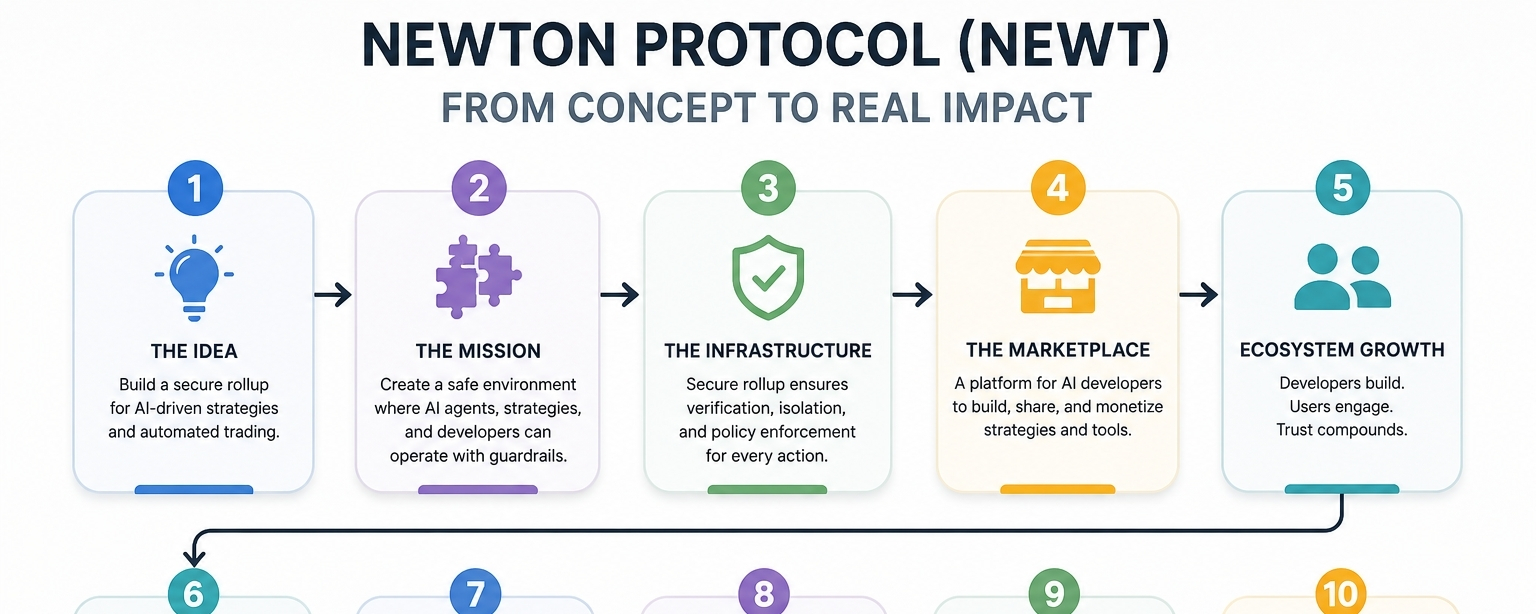
NEWTON PROTOCOL (NEWT): BOA IDEIA OU MAIS TEATRO DE CRIPTO?Eu fui parar na toca do coelho com o Newton Protocol e ainda estou meio dividido(a) sobre isso... o que geralmente é meu primeiro sinal de alerta com esse tipo de coisa. A proposta soa bem clara no papel: um rollup seguro para estratégias impulsionadas por IA, negociação automatizada e algum tipo de marketplace para desenvolvedores de IA. Palavras bonitas. Palavras bem chamativas. E cripto adora esse tipo de arranjo exato, em que algo parece um pouco futurista e um pouco útil e, de repente, todo mundo passa a agir como se os trilhos das finanças estivessem sendo reescritos de um dia para o outro. Talvez estejam. Talvez não.
NEWTON PROTOCOL (NEWT): BOA IDEIA OU MAIS TEATRO DE CRIPTO?
Eu fui parar na toca do coelho com o Newton Protocol e ainda estou meio dividido(a) sobre isso... o que geralmente é meu primeiro sinal de alerta com esse tipo de coisa. A proposta soa bem clara no papel: um rollup seguro para estratégias impulsionadas por IA, negociação automatizada e algum tipo de marketplace para desenvolvedores de IA. Palavras bonitas. Palavras bem chamativas. E cripto adora esse tipo de arranjo exato, em que algo parece um pouco futurista e um pouco útil e, de repente, todo mundo passa a agir como se os trilhos das finanças estivessem sendo reescritos de um dia para o outro. Talvez estejam. Talvez não.
97
·
--
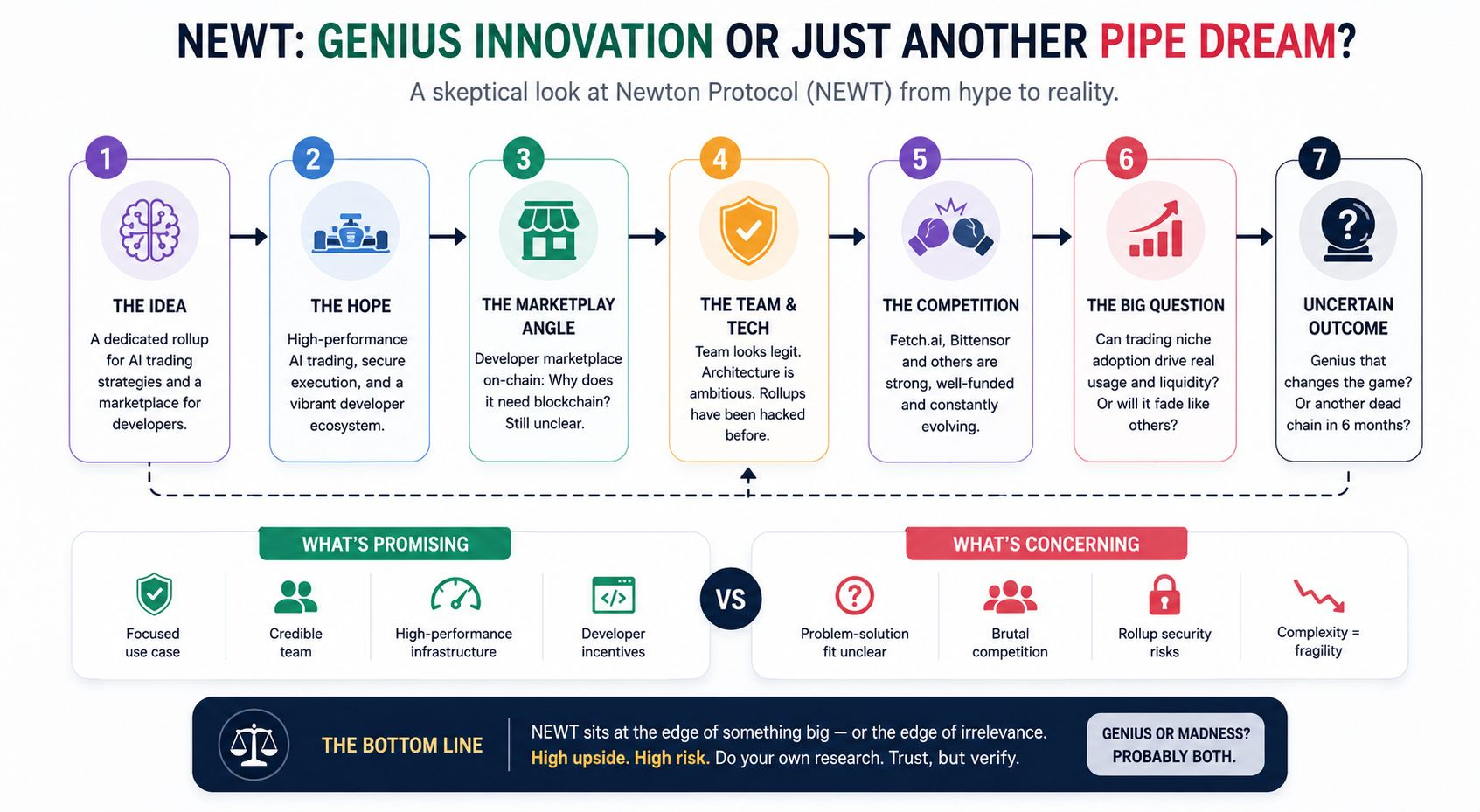
NEWT é o equivalente em cripto de um carro de corrida muito bem construído, só que sem pista à vista... um rollup dedicado para estratégias de negociação de IA parece uma ideia inteligente no papel, mas não consigo tirar da cabeça a sensação de que esta é uma solução procurando um problema. a parte do marketplace para devs também me deixa em dúvida: tipo, por que alguém precisaria de blockchain para isso? a equipe parece legítima, o que é raro, mas a concorrência de fetch e bittensor é brutal, e rollups já foram hackeados antes. eu queria ficar empolgado, mas já fui queimado demais por projetos que desmoronaram por causa da própria complexidade. talvez o nicho de trading os salve, ou talvez seja apenas mais uma cadeia morta em seis meses. honestamente, não dá pra dizer se é genialidade ou loucura. provavelmente os dois.
@NewtonProtocol #NEWT $NEWT
{spot}(NEWTUSDT)
NEWT é o equivalente em cripto de um carro de corrida muito bem construído, só que sem pista à vista... um rollup dedicado para estratégias de negociação de IA parece uma ideia inteligente no papel, mas não consigo tirar da cabeça a sensação de que esta é uma solução procurando um problema. a parte do marketplace para devs também me deixa em dúvida: tipo, por que alguém precisaria de blockchain para isso? a equipe parece legítima, o que é raro, mas a concorrência de fetch e bittensor é brutal, e rollups já foram hackeados antes. eu queria ficar empolgado, mas já fui queimado demais por projetos que desmoronaram por causa da própria complexidade. talvez o nicho de trading os salve, ou talvez seja apenas mais uma cadeia morta em seis meses. honestamente, não dá pra dizer se é genialidade ou loucura. provavelmente os dois.
@NewtonProtocol #NEWT $NEWT
@NewtonProtocol #NEWT $NEWT
4
1
106
·
--
Artigo
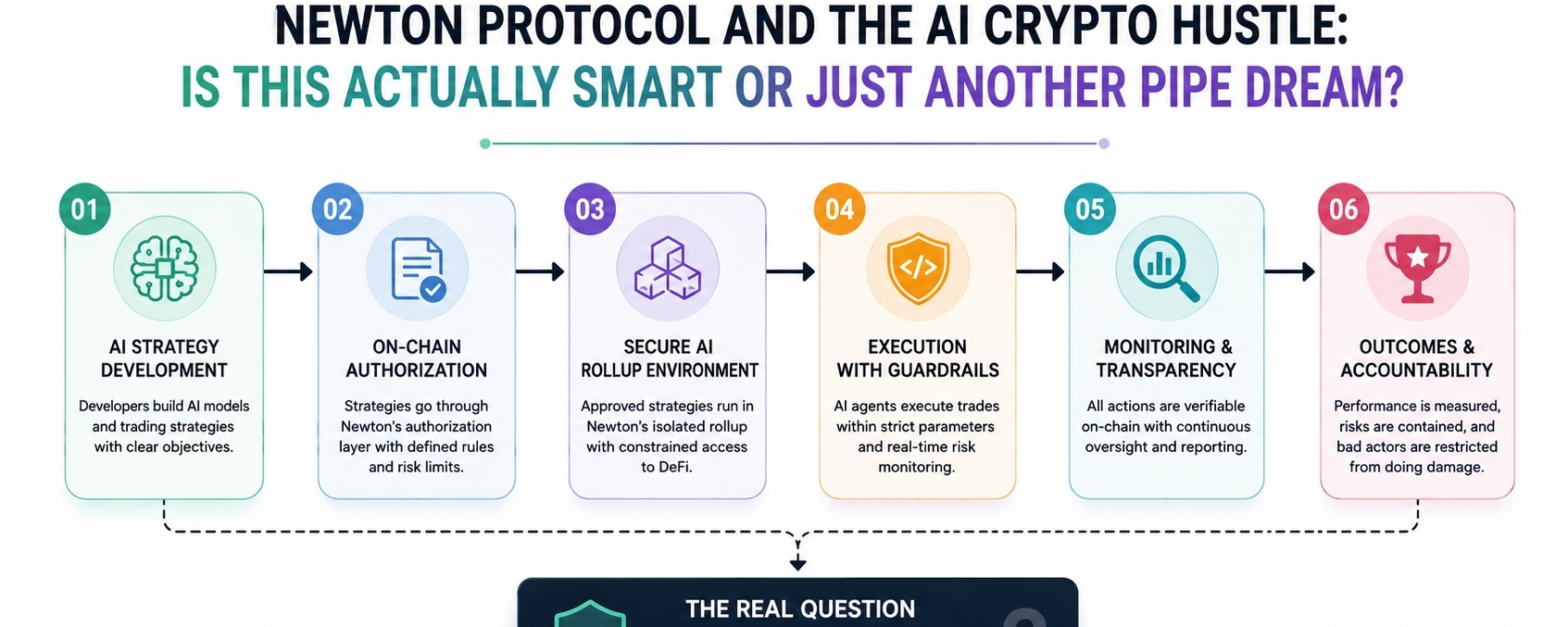
PROTOCOLO NEWTON E O GOLPE DAS CRIPTOS COM IA: ISSO É MESMO INTELIGENTE OU É SÓ MAIS UM SONHO IMPOSSÍVEL?ok então eu acabei de gastar tipo 3 horas mergulhando nesse buraco de coelho do protocolo newton e minha cabeça tá literalmente frita. esse newt... ele tá tentando construir um rollup seguro para estratégias de trading de IA e trading automatizado, mas também um marketplace para devs de IA. isso soa legal, mas eu já vi esse filme, sabe? tantos projetos prometem ser o "layer para IA" e então eles simplesmente lançam um token ridículo e somem. mas tem alguma coisa nesse que tá ficando na minha cabeça e eu não sei dizer se é um potencial real ou só um marketing muito bom — o que, honestamente, é pior porque significa que eles sabem exatamente quais botões apertar.
PROTOCOLO NEWTON E O GOLPE DAS CRIPTOS COM IA: ISSO É MESMO INTELIGENTE OU É SÓ MAIS UM SONHO IMPOSSÍVEL?
ok então eu acabei de gastar tipo 3 horas mergulhando nesse buraco de coelho do protocolo newton e minha cabeça tá literalmente frita. esse newt... ele tá tentando construir um rollup seguro para estratégias de trading de IA e trading automatizado, mas também um marketplace para devs de IA. isso soa legal, mas eu já vi esse filme, sabe? tantos projetos prometem ser o "layer para IA" e então eles simplesmente lançam um token ridículo e somem. mas tem alguma coisa nesse que tá ficando na minha cabeça e eu não sei dizer se é um potencial real ou só um marketing muito bom — o que, honestamente, é pior porque significa que eles sabem exatamente quais botões apertar.
12
5
357
·
--
PROTOCOLO NEWTON (NEWT): UMA IDEIA GENIAL OU SÓ MAIS BARULHO DE CRIPTO?
O Newton Protocol (NEWT) tem aquele cheiro familiar de cripto... o tipo em que o discurso parece inteligente, o site tem aparência bem produzida, e sua cabeça começa a pensar se isso é realmente útil ou só mais uma negociação bem embalada. A combinação de rollup seguro com estratégias baseadas em IA, negociação automatizada e um marketplace para desenvolvedores parece bem convincente; eu admito. Não é aquele tipo de “discurso vazio de comunidade em primeiro lugar”. Parece estar mirando algo real.
Mas vamos ser sinceros: o mercado de cripto está cheio de projetos que soam bem até você olhar além das palavras. A IA é o adesivo mais quente do momento, então é claro que as pessoas vão entrar assim que virem isso ligado à automação ou ao trading. Isso não significa que o NEWT seja falso. Só quer dizer que o nível de exigência é absurdamente alto e o hype é alto demais. Às vezes, alto demais.
O que eu gosto é que o conceito tenta de verdade conectar infraestrutura com casos de uso. Isso importa. Muitos desses projetos agem como se fossem se tornar essenciais apenas por existirem — o que é uma bobagem. O NEWT, pelo menos, parece buscar um caminho em que execução segura e atividade de desenvolvedores podem fazer diferença, se eles conseguirem colocar isso em prática. Mas o problema é a execução. Sempre a execução. Cripto está cheia de projetos do tipo “isso poderia ser enorme” que acabam parecendo uma demonstração com um token.
Estou curioso, mas cético. Provavelmente essa é a visão mais honesta que eu posso dar.
@NewtonProtocol #NEWT $NEWT
PROTOCOLO NEWTON (NEWT): UMA IDEIA GENIAL OU SÓ MAIS BARULHO DE CRIPTO?
O Newton Protocol (NEWT) tem aquele cheiro familiar de cripto... o tipo em que o discurso parece inteligente, o site tem aparência bem produzida, e sua cabeça começa a pensar se isso é realmente útil ou só mais uma negociação bem embalada. A combinação de rollup seguro com estratégias baseadas em IA, negociação automatizada e um marketplace para desenvolvedores parece bem convincente; eu admito. Não é aquele tipo de “discurso vazio de comunidade em primeiro lugar”. Parece estar mirando algo real.
Mas vamos ser sinceros: o mercado de cripto está cheio de projetos que soam bem até você olhar além das palavras. A IA é o adesivo mais quente do momento, então é claro que as pessoas vão entrar assim que virem isso ligado à automação ou ao trading. Isso não significa que o NEWT seja falso. Só quer dizer que o nível de exigência é absurdamente alto e o hype é alto demais. Às vezes, alto demais.
O que eu gosto é que o conceito tenta de verdade conectar infraestrutura com casos de uso. Isso importa. Muitos desses projetos agem como se fossem se tornar essenciais apenas por existirem — o que é uma bobagem. O NEWT, pelo menos, parece buscar um caminho em que execução segura e atividade de desenvolvedores podem fazer diferença, se eles conseguirem colocar isso em prática. Mas o problema é a execução. Sempre a execução. Cripto está cheia de projetos do tipo “isso poderia ser enorme” que acabam parecendo uma demonstração com um token.
Estou curioso, mas cético. Provavelmente essa é a visão mais honesta que eu posso dar.
@NewtonProtocol #NEWT $NEWT
O Newton Protocol (NEWT) tem aquele cheiro familiar de cripto... o tipo em que o discurso parece inteligente, o site tem aparência bem produzida, e sua cabeça começa a pensar se isso é realmente útil ou só mais uma negociação bem embalada. A combinação de rollup seguro com estratégias baseadas em IA, negociação automatizada e um marketplace para desenvolvedores parece bem convincente; eu admito. Não é aquele tipo de “discurso vazio de comunidade em primeiro lugar”. Parece estar mirando algo real.
Mas vamos ser sinceros: o mercado de cripto está cheio de projetos que soam bem até você olhar além das palavras. A IA é o adesivo mais quente do momento, então é claro que as pessoas vão entrar assim que virem isso ligado à automação ou ao trading. Isso não significa que o NEWT seja falso. Só quer dizer que o nível de exigência é absurdamente alto e o hype é alto demais. Às vezes, alto demais.
O que eu gosto é que o conceito tenta de verdade conectar infraestrutura com casos de uso. Isso importa. Muitos desses projetos agem como se fossem se tornar essenciais apenas por existirem — o que é uma bobagem. O NEWT, pelo menos, parece buscar um caminho em que execução segura e atividade de desenvolvedores podem fazer diferença, se eles conseguirem colocar isso em prática. Mas o problema é a execução. Sempre a execução. Cripto está cheia de projetos do tipo “isso poderia ser enorme” que acabam parecendo uma demonstração com um token.
Estou curioso, mas cético. Provavelmente essa é a visão mais honesta que eu posso dar.
@NewtonProtocol #NEWT $NEWT
🟢 Bullish 🚀
0%
🟡 Wait & Watch 👀
0%
🟠 Too Much Hype 📢
0%
🔴 Not Interested ❌
0%
0 Votos • Votação encerrada
1
100
·
--
Artigo
NEWTON PROTOCOL (NEWT): UMA IDEIA LEGAL OU SÓ MAIS UMA COISA CRIPTO COM UM SITE BONITO?Então eu fui fundo na toca do coelho no Newton Protocol (NEWT) e... é, eu tenho sentimentos mistos. O que provavelmente é a resposta mais “cripto” de todas, mas ainda assim. A proposta soa bem no papel: rollups seguros, estratégias orientadas por IA, trading automatizado, um marketplace para desenvolvedores de IA. Esse tipo de pacote pode parecer algo genuinamente útil ou como três chavões enfiados em um único deck porque alguém achou que isso faria subir mais rápido. Ainda não consigo dizer em qual lado o NEWT vai cair, e essa é a parte irritante.
Tem algo de atraente em tudo isso, vou dar esse crédito. Cripto já ficou tempo demais afogada em besteira reciclada, então quando aparece um projeto trazendo IA, automação e infraestrutura em vez de só “comunidade” e “utilidade”, pelo menos parece que está tentando fazer algo real. Ou tentando parecer que está tentando. Obviamente, não é a mesma coisa. Mas ainda assim eu entendo por que as pessoas iriam se aproximar. Coisas de rollup seguro são do tipo que as pessoas dizem que se importam, até que os detalhes ficam feios; e trading orientado por IA é exatamente o tipo de frase que faz todo mundo arregalar os ouvidos, porque soa como dinheiro fazendo coisas de dinheiro no piloto automático.
NEWTON PROTOCOL (NEWT): UMA IDEIA LEGAL OU SÓ MAIS UMA COISA CRIPTO COM UM SITE BONITO?
Então eu fui fundo na toca do coelho no Newton Protocol (NEWT) e... é, eu tenho sentimentos mistos. O que provavelmente é a resposta mais “cripto” de todas, mas ainda assim. A proposta soa bem no papel: rollups seguros, estratégias orientadas por IA, trading automatizado, um marketplace para desenvolvedores de IA. Esse tipo de pacote pode parecer algo genuinamente útil ou como três chavões enfiados em um único deck porque alguém achou que isso faria subir mais rápido. Ainda não consigo dizer em qual lado o NEWT vai cair, e essa é a parte irritante.
Tem algo de atraente em tudo isso, vou dar esse crédito. Cripto já ficou tempo demais afogada em besteira reciclada, então quando aparece um projeto trazendo IA, automação e infraestrutura em vez de só “comunidade” e “utilidade”, pelo menos parece que está tentando fazer algo real. Ou tentando parecer que está tentando. Obviamente, não é a mesma coisa. Mas ainda assim eu entendo por que as pessoas iriam se aproximar. Coisas de rollup seguro são do tipo que as pessoas dizem que se importam, até que os detalhes ficam feios; e trading orientado por IA é exatamente o tipo de frase que faz todo mundo arregalar os ouvidos, porque soa como dinheiro fazendo coisas de dinheiro no piloto automático.
Tem algo de atraente em tudo isso, vou dar esse crédito. Cripto já ficou tempo demais afogada em besteira reciclada, então quando aparece um projeto trazendo IA, automação e infraestrutura em vez de só “comunidade” e “utilidade”, pelo menos parece que está tentando fazer algo real. Ou tentando parecer que está tentando. Obviamente, não é a mesma coisa. Mas ainda assim eu entendo por que as pessoas iriam se aproximar. Coisas de rollup seguro são do tipo que as pessoas dizem que se importam, até que os detalhes ficam feios; e trading orientado por IA é exatamente o tipo de frase que faz todo mundo arregalar os ouvidos, porque soa como dinheiro fazendo coisas de dinheiro no piloto automático.
5
1
143
·
--
Em Alta
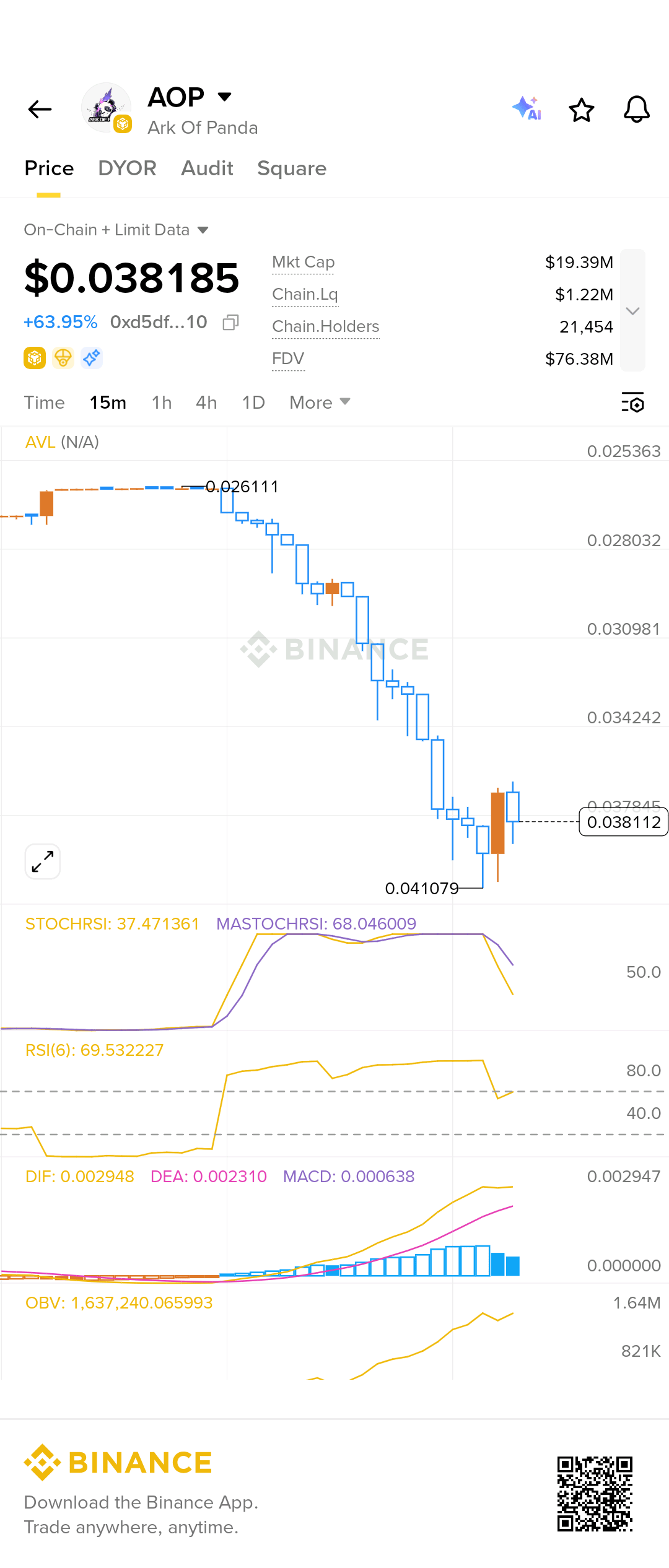
Análise do Mercado Cripto – AOP (15m)
Resumo Executivo
$AOP está sendo negociado a US$ 0.03819 (+63,95%). Apesar do forte ganho diário, o gráfico de 15m mostra uma queda acentuada em relação às máximas recentes. O momentum ainda é positivo, mas o mercado está passando por uma correção de curto prazo.
Análise Técnica
Tendência: Touro (Timeframe Maior), Puxada de baixa (15m)
Estrutura: Forte alta seguida por topos mais baixos e fundos mais baixos.
RSI: 69,5 (Perto de sobrecompra)
MACD: Touro, mas o histograma está enfraquecendo.
Stochastic RSI: Cruzamento de baixa.
OBV: Em alta, indicando que compradores ainda estão ativos.
Momentum: Enfraquecendo.
Volume: Dados não disponíveis.
Níveis-Chave
Suporte: US$ 0.0370 | US$ 0.0350
Resistência: US$ 0.0395 | US$ 0.0410
Fundamentos & On-Chain
Capitalização de Mercado: US$ 19,39M
FDV: US$ 76,38M
Liquidez: US$ 1,22M
Detentores: 21.454
Notícias/Fundamentos Verificados: Dados não disponíveis.
Sentimento de Mercado
Neutro a Touro – Forte desempenho diário, mas a pressão de venda de curto prazo está aumentando.
Risco
Liquidez: Média
Volatilidade: Alta
Manipulação: Média
Smart Contract: Dados não disponíveis.
Risco Geral: Alto
Decisão de Negociação
AGUARDAR
Motivo: A correção ainda está em andamento. A espera por um recuo confirmado no suporte ou por uma ruptura fornece uma oportunidade melhor de risco/recompensa.
Plano de Trade
Entrada: US$ 0.0370–0.0375
Stop Loss: Abaixo de US$ 0.0350
TP1: US$ 0.0395
TP2: US$ 0.0410
TP3: US$ 0.0430
Risco/Recompensa: ~1:2
Invalidar: Fechar abaixo de US$ 0.0350
Confiança
7/10
Veredito Final
A tendência mais ampla permanece construtiva, mas o recuo atual sugere paciência. Uma recuperação confirmada a partir do suporte ou uma ruptura acima da resistência forneceria uma configuração de trade mais forte do que entrar imediatamente.
{alpha}(560xd5df4d260d7a0145f655bcbf3b398076f21016c7)
#SamsungToRaiseDRAMPricesAbout20%InQ3 #SamsungToRaiseDRAMPricesAbout20%InQ3 CryptoHacksHit207InH1WithLosses$972M#SamsungToRaiseDRAMPricesAbout20%InQ3 #SamsungToRaiseDRAMPricesAbout20%InQ3 #SamsungToRaiseDRAMPricesAbout20%InQ3
Análise do Mercado Cripto – AOP (15m)
Resumo Executivo
$AOP está sendo negociado a US$ 0.03819 (+63,95%). Apesar do forte ganho diário, o gráfico de 15m mostra uma queda acentuada em relação às máximas recentes. O momentum ainda é positivo, mas o mercado está passando por uma correção de curto prazo.
Análise Técnica
Tendência: Touro (Timeframe Maior), Puxada de baixa (15m)
Estrutura: Forte alta seguida por topos mais baixos e fundos mais baixos.
RSI: 69,5 (Perto de sobrecompra)
MACD: Touro, mas o histograma está enfraquecendo.
Stochastic RSI: Cruzamento de baixa.
OBV: Em alta, indicando que compradores ainda estão ativos.
Momentum: Enfraquecendo.
Volume: Dados não disponíveis.
Níveis-Chave
Suporte: US$ 0.0370 | US$ 0.0350
Resistência: US$ 0.0395 | US$ 0.0410
Fundamentos & On-Chain
Capitalização de Mercado: US$ 19,39M
FDV: US$ 76,38M
Liquidez: US$ 1,22M
Detentores: 21.454
Notícias/Fundamentos Verificados: Dados não disponíveis.
Sentimento de Mercado
Neutro a Touro – Forte desempenho diário, mas a pressão de venda de curto prazo está aumentando.
Risco
Liquidez: Média
Volatilidade: Alta
Manipulação: Média
Smart Contract: Dados não disponíveis.
Risco Geral: Alto
Decisão de Negociação
AGUARDAR
Motivo: A correção ainda está em andamento. A espera por um recuo confirmado no suporte ou por uma ruptura fornece uma oportunidade melhor de risco/recompensa.
Plano de Trade
Entrada: US$ 0.0370–0.0375
Stop Loss: Abaixo de US$ 0.0350
TP1: US$ 0.0395
TP2: US$ 0.0410
TP3: US$ 0.0430
Risco/Recompensa: ~1:2
Invalidar: Fechar abaixo de US$ 0.0350
Confiança
7/10
Veredito Final
A tendência mais ampla permanece construtiva, mas o recuo atual sugere paciência. Uma recuperação confirmada a partir do suporte ou uma ruptura acima da resistência forneceria uma configuração de trade mais forte do que entrar imediatamente.
#SamsungToRaiseDRAMPricesAbout20%InQ3 #SamsungToRaiseDRAMPricesAbout20%InQ3 CryptoHacksHit207InH1WithLosses$972M#SamsungToRaiseDRAMPricesAbout20%InQ3 #SamsungToRaiseDRAMPricesAbout20%InQ3 #SamsungToRaiseDRAMPricesAbout20%InQ3
Resumo Executivo
$AOP está sendo negociado a US$ 0.03819 (+63,95%). Apesar do forte ganho diário, o gráfico de 15m mostra uma queda acentuada em relação às máximas recentes. O momentum ainda é positivo, mas o mercado está passando por uma correção de curto prazo.
Análise Técnica
Tendência: Touro (Timeframe Maior), Puxada de baixa (15m)
Estrutura: Forte alta seguida por topos mais baixos e fundos mais baixos.
RSI: 69,5 (Perto de sobrecompra)
MACD: Touro, mas o histograma está enfraquecendo.
Stochastic RSI: Cruzamento de baixa.
OBV: Em alta, indicando que compradores ainda estão ativos.
Momentum: Enfraquecendo.
Volume: Dados não disponíveis.
Níveis-Chave
Suporte: US$ 0.0370 | US$ 0.0350
Resistência: US$ 0.0395 | US$ 0.0410
Fundamentos & On-Chain
Capitalização de Mercado: US$ 19,39M
FDV: US$ 76,38M
Liquidez: US$ 1,22M
Detentores: 21.454
Notícias/Fundamentos Verificados: Dados não disponíveis.
Sentimento de Mercado
Neutro a Touro – Forte desempenho diário, mas a pressão de venda de curto prazo está aumentando.
Risco
Liquidez: Média
Volatilidade: Alta
Manipulação: Média
Smart Contract: Dados não disponíveis.
Risco Geral: Alto
Decisão de Negociação
AGUARDAR
Motivo: A correção ainda está em andamento. A espera por um recuo confirmado no suporte ou por uma ruptura fornece uma oportunidade melhor de risco/recompensa.
Plano de Trade
Entrada: US$ 0.0370–0.0375
Stop Loss: Abaixo de US$ 0.0350
TP1: US$ 0.0395
TP2: US$ 0.0410
TP3: US$ 0.0430
Risco/Recompensa: ~1:2
Invalidar: Fechar abaixo de US$ 0.0350
Confiança
7/10
Veredito Final
A tendência mais ampla permanece construtiva, mas o recuo atual sugere paciência. Uma recuperação confirmada a partir do suporte ou uma ruptura acima da resistência forneceria uma configuração de trade mais forte do que entrar imediatamente.
#SamsungToRaiseDRAMPricesAbout20%InQ3 #SamsungToRaiseDRAMPricesAbout20%InQ3 CryptoHacksHit207InH1WithLosses$972M#SamsungToRaiseDRAMPricesAbout20%InQ3 #SamsungToRaiseDRAMPricesAbout20%InQ3 #SamsungToRaiseDRAMPricesAbout20%InQ3
84
·
--
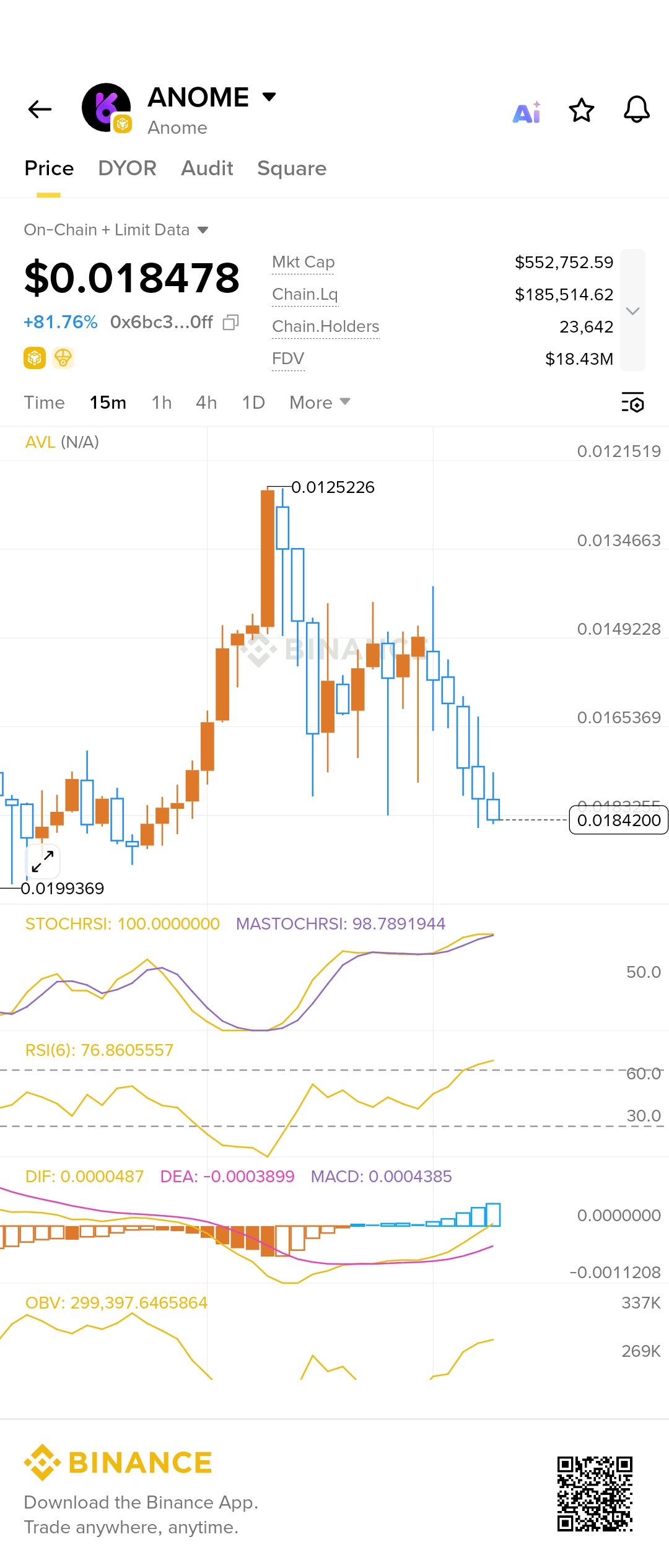
$ANOME (15m) Análise
Preço: US$ 0,01848 (+81,76%)
Dados de Mercado:
Valor de Mercado: US$ 552,8K
Liquidez: US$ 185,5K
FDV: US$ 18,43M
Detentores: 23.642
Técnicos:
Tendência: Bullish (Curto Prazo)
RSI: 76,9 (Sobrecomprado)
MACD: Bullish
Stoch RSI: Sobrecomprado
OBV: Positivo
Suporte: US$ 0,0182 | US$ 0,0165
Resistência: US$ 0,0200 | US$ 0,0215
Risco: Alto (Small-cap & alta volatilidade)
Decisão: AGUARDAR
Plano de Trade:
Entrada: US$ 0,0182–0,0185
SL: Abaixo de US$ 0,0165
TP1: US$ 0,0200
TP2: US$ 0,0215
Confiança: 7/10
Veredito: O momentum bullish continua, mas as condições de sobrecompra tornam mais seguro aguardar confirmação ou uma correção/ pullback.
CryptoHacksHit207InH1WithLosses$972M
#KospiRises2.7%OnChipRally
CryptoHacksHit207InH1WithLosses$972M
#KospiRises2.7%OnChipRally
#SpaceXToJoinNasdaq100OnJuly7
SpotGoldTops$4200
#SouthAfricaReleasesDraftCryptoTaxGuide
#BOKWarnsSingleStockLeveragedETFRisks
$ANOME (15m) Análise
Preço: US$ 0,01848 (+81,76%)
Dados de Mercado:
Valor de Mercado: US$ 552,8K
Liquidez: US$ 185,5K
FDV: US$ 18,43M
Detentores: 23.642
Técnicos:
Tendência: Bullish (Curto Prazo)
RSI: 76,9 (Sobrecomprado)
MACD: Bullish
Stoch RSI: Sobrecomprado
OBV: Positivo
Suporte: US$ 0,0182 | US$ 0,0165
Resistência: US$ 0,0200 | US$ 0,0215
Risco: Alto (Small-cap & alta volatilidade)
Decisão: AGUARDAR
Plano de Trade:
Entrada: US$ 0,0182–0,0185
SL: Abaixo de US$ 0,0165
TP1: US$ 0,0200
TP2: US$ 0,0215
Confiança: 7/10
Veredito: O momentum bullish continua, mas as condições de sobrecompra tornam mais seguro aguardar confirmação ou uma correção/ pullback.
CryptoHacksHit207InH1WithLosses$972M
#KospiRises2.7%OnChipRally
CryptoHacksHit207InH1WithLosses$972M
#KospiRises2.7%OnChipRally
#SpaceXToJoinNasdaq100OnJuly7
SpotGoldTops$4200
#SouthAfricaReleasesDraftCryptoTaxGuide
#BOKWarnsSingleStockLeveragedETFRisks
Preço: US$ 0,01848 (+81,76%)
Dados de Mercado:
Valor de Mercado: US$ 552,8K
Liquidez: US$ 185,5K
FDV: US$ 18,43M
Detentores: 23.642
Técnicos:
Tendência: Bullish (Curto Prazo)
RSI: 76,9 (Sobrecomprado)
MACD: Bullish
Stoch RSI: Sobrecomprado
OBV: Positivo
Suporte: US$ 0,0182 | US$ 0,0165
Resistência: US$ 0,0200 | US$ 0,0215
Risco: Alto (Small-cap & alta volatilidade)
Decisão: AGUARDAR
Plano de Trade:
Entrada: US$ 0,0182–0,0185
SL: Abaixo de US$ 0,0165
TP1: US$ 0,0200
TP2: US$ 0,0215
Confiança: 7/10
Veredito: O momentum bullish continua, mas as condições de sobrecompra tornam mais seguro aguardar confirmação ou uma correção/ pullback.
CryptoHacksHit207InH1WithLosses$972M
#KospiRises2.7%OnChipRally
CryptoHacksHit207InH1WithLosses$972M
#KospiRises2.7%OnChipRally
#SpaceXToJoinNasdaq100OnJuly7
SpotGoldTops$4200
#SouthAfricaReleasesDraftCryptoTaxGuide
#BOKWarnsSingleStockLeveragedETFRisks
1
165
·
--
Artigo
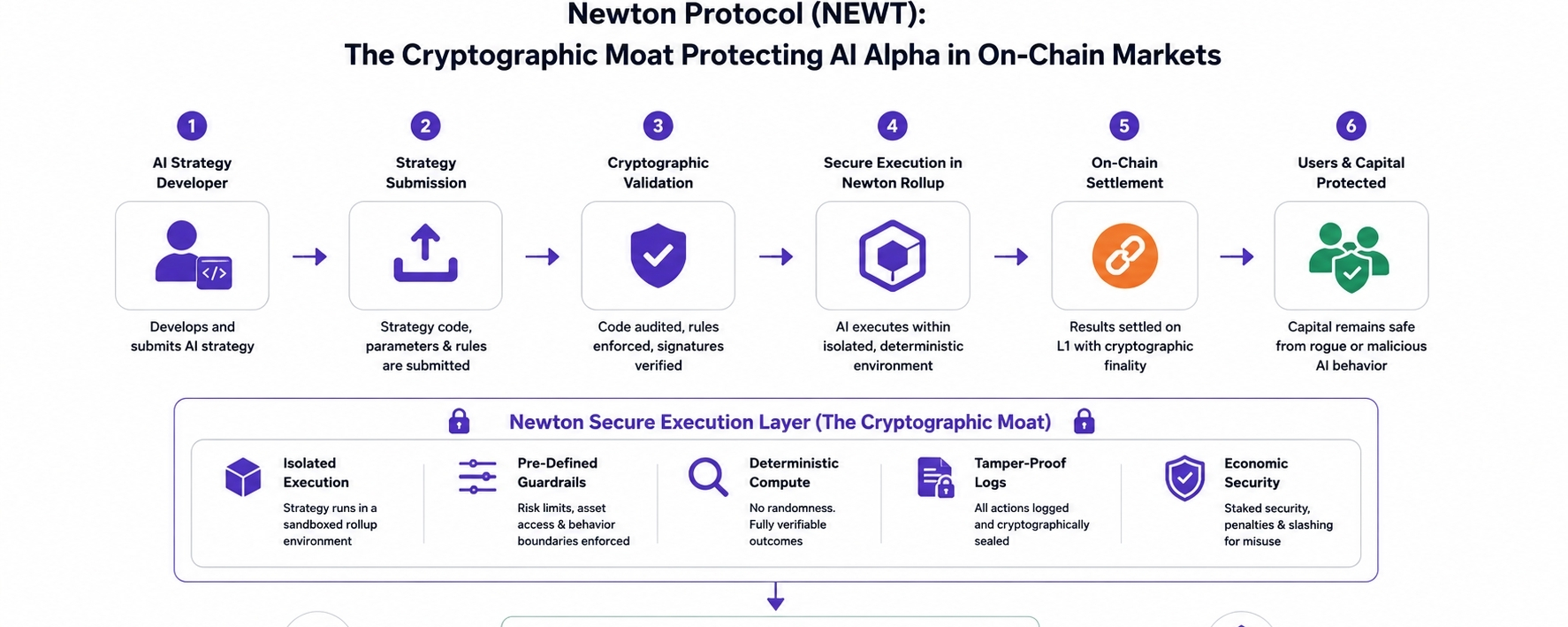
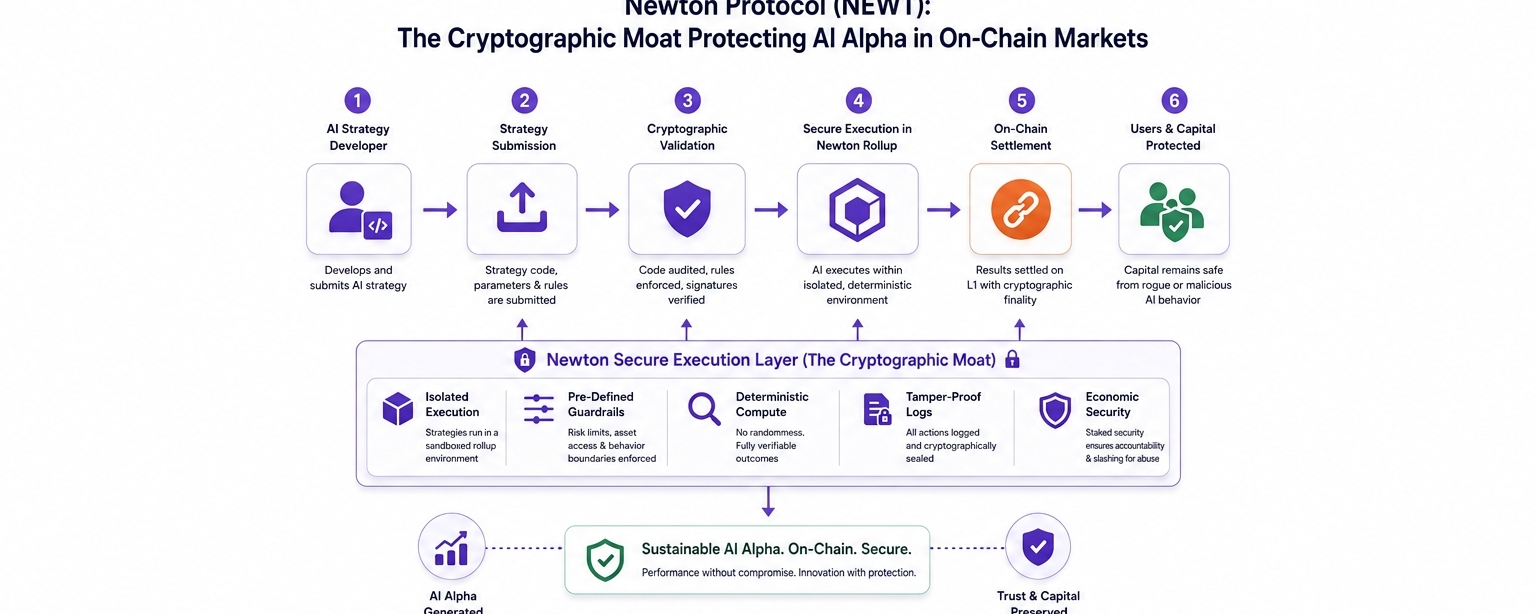
Newton Protocol (NEWT): A Proteção Criptográfica do Alfa de IA em Mercados On-ChainSe um modelo de negociação de IA descobrir um alfa genuíno em uma blockchain pública, quanto tempo demora até que um bot de MEV faça engenharia reversa da estratégia e extraia todo o valor?
A resposta é milissegundos.
O Conflito Estrutural
Estamos presenciando uma colisão entre finanças descentralizadas (DeFi) e agentes autônomos. Os líderes atuais do mercado como Ethereum e Solana são os principais campos de teste para o DeFi, mas permanecem fundamentalmente hostis à implantação de IA institucional devido a três falhas estruturais:
Mempools públicos: Seja a congestão na Ethereum ou o mempool de alta velocidade na Solana, ambos expõem a intenção algorítmica, permitindo front-running e ataques de sandwich.
Newton Protocol (NEWT): A Proteção Criptográfica do Alfa de IA em Mercados On-Chain
Se um modelo de negociação de IA descobrir um alfa genuíno em uma blockchain pública, quanto tempo demora até que um bot de MEV faça engenharia reversa da estratégia e extraia todo o valor?
A resposta é milissegundos.
O Conflito Estrutural
Estamos presenciando uma colisão entre finanças descentralizadas (DeFi) e agentes autônomos. Os líderes atuais do mercado como Ethereum e Solana são os principais campos de teste para o DeFi, mas permanecem fundamentalmente hostis à implantação de IA institucional devido a três falhas estruturais:
Mempools públicos: Seja a congestão na Ethereum ou o mempool de alta velocidade na Solana, ambos expõem a intenção algorítmica, permitindo front-running e ataques de sandwich.
A resposta é milissegundos.
O Conflito Estrutural
Estamos presenciando uma colisão entre finanças descentralizadas (DeFi) e agentes autônomos. Os líderes atuais do mercado como Ethereum e Solana são os principais campos de teste para o DeFi, mas permanecem fundamentalmente hostis à implantação de IA institucional devido a três falhas estruturais:
Mempools públicos: Seja a congestão na Ethereum ou o mempool de alta velocidade na Solana, ambos expõem a intenção algorítmica, permitindo front-running e ataques de sandwich.
12
2
160
·
--
Protocolo Newton (NEWT): A Privacidade de Execução Pode Ser a Maior Vantagem Competitiva da IA?
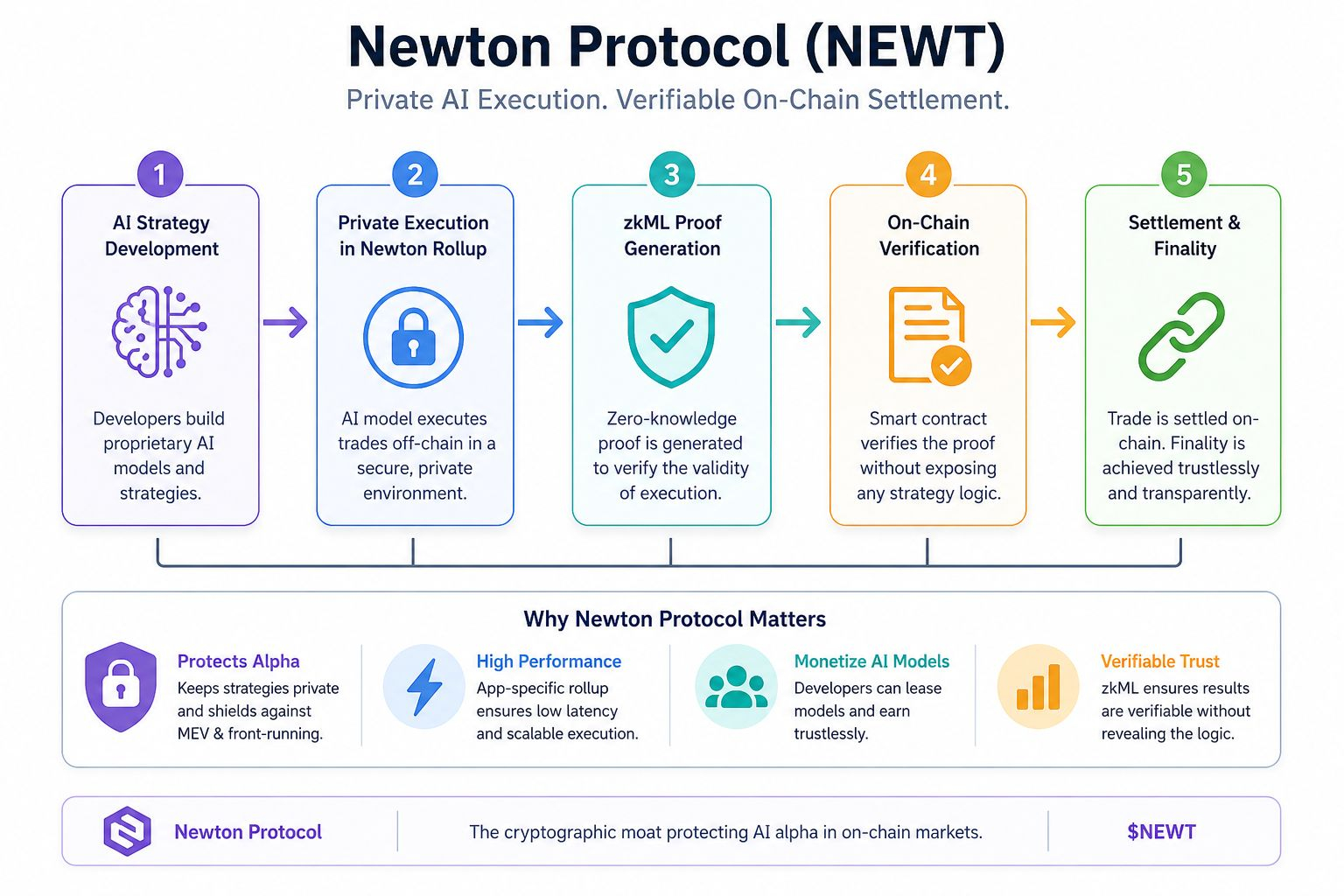
A inteligência artificial consegue identificar oportunidades lucrativas em milissegundos — mas, em blockchains públicas, descobrir “alpha” não é suficiente. No momento em que uma estratégia de IA se torna visível, bots sofisticados de MEV muitas vezes conseguem explorá-la antes que a negociação original seja finalizada.
Este é um dos maiores desafios estruturais enfrentados pela IA em DeFi.
Em vez de se posicionar como mais um mercado de IA, o Protocolo Newton (NEWT) está construindo uma camada de execução dedicada, onde modelos de IA podem operar sem expor sua lógica proprietária. O processamento pesado acontece fora da cadeia, enquanto provas criptográficas verificam os resultados on-chain, buscando equilibrar transparência com privacidade de execução.
Se for bem-sucedido, essa abordagem pode oferecer três vantagens importantes:
• Proteger estratégias proprietárias de IA contra cópias ou front-running.
• Permitir execuções de IA mais complexas sem as limitações de blockchains de uso geral.
• Permitir que desenvolvedores monetizem modelos de IA sem revelar os algoritmos subjacentes.
No entanto, o modelo ainda enfrenta desafios relevantes. Provas de zero knowledge continuam sendo computacionalmente caras, e a fragmentação de liquidez entre cadeias pode reduzir a vantagem econômica que as estratégias de IA geram.
A questão de longo prazo é maior do que o próprio Newton.
À medida que a IA se torna cada vez mais capaz de gerenciar capital de forma autônoma, a infraestrutura futura de DeFi será otimizada para traders humanos — ou para máquinas competindo contra outras máquinas?
O que você acha? A privacidade de execução se tornará infraestrutura essencial para as finanças baseadas em IA?
$BTC
$ETH
@NewtonProtocol #newt $NEWT
Protocolo Newton (NEWT): A Privacidade de Execução Pode Ser a Maior Vantagem Competitiva da IA?
A inteligência artificial consegue identificar oportunidades lucrativas em milissegundos — mas, em blockchains públicas, descobrir “alpha” não é suficiente. No momento em que uma estratégia de IA se torna visível, bots sofisticados de MEV muitas vezes conseguem explorá-la antes que a negociação original seja finalizada.
Este é um dos maiores desafios estruturais enfrentados pela IA em DeFi.
Em vez de se posicionar como mais um mercado de IA, o Protocolo Newton (NEWT) está construindo uma camada de execução dedicada, onde modelos de IA podem operar sem expor sua lógica proprietária. O processamento pesado acontece fora da cadeia, enquanto provas criptográficas verificam os resultados on-chain, buscando equilibrar transparência com privacidade de execução.
Se for bem-sucedido, essa abordagem pode oferecer três vantagens importantes:
• Proteger estratégias proprietárias de IA contra cópias ou front-running.
• Permitir execuções de IA mais complexas sem as limitações de blockchains de uso geral.
• Permitir que desenvolvedores monetizem modelos de IA sem revelar os algoritmos subjacentes.
No entanto, o modelo ainda enfrenta desafios relevantes. Provas de zero knowledge continuam sendo computacionalmente caras, e a fragmentação de liquidez entre cadeias pode reduzir a vantagem econômica que as estratégias de IA geram.
A questão de longo prazo é maior do que o próprio Newton.
À medida que a IA se torna cada vez mais capaz de gerenciar capital de forma autônoma, a infraestrutura futura de DeFi será otimizada para traders humanos — ou para máquinas competindo contra outras máquinas?
O que você acha? A privacidade de execução se tornará infraestrutura essencial para as finanças baseadas em IA?
$BTC
$ETH
@NewtonProtocol #newt $NEWT
A inteligência artificial consegue identificar oportunidades lucrativas em milissegundos — mas, em blockchains públicas, descobrir “alpha” não é suficiente. No momento em que uma estratégia de IA se torna visível, bots sofisticados de MEV muitas vezes conseguem explorá-la antes que a negociação original seja finalizada.
Este é um dos maiores desafios estruturais enfrentados pela IA em DeFi.
Em vez de se posicionar como mais um mercado de IA, o Protocolo Newton (NEWT) está construindo uma camada de execução dedicada, onde modelos de IA podem operar sem expor sua lógica proprietária. O processamento pesado acontece fora da cadeia, enquanto provas criptográficas verificam os resultados on-chain, buscando equilibrar transparência com privacidade de execução.
Se for bem-sucedido, essa abordagem pode oferecer três vantagens importantes:
• Proteger estratégias proprietárias de IA contra cópias ou front-running.
• Permitir execuções de IA mais complexas sem as limitações de blockchains de uso geral.
• Permitir que desenvolvedores monetizem modelos de IA sem revelar os algoritmos subjacentes.
No entanto, o modelo ainda enfrenta desafios relevantes. Provas de zero knowledge continuam sendo computacionalmente caras, e a fragmentação de liquidez entre cadeias pode reduzir a vantagem econômica que as estratégias de IA geram.
A questão de longo prazo é maior do que o próprio Newton.
À medida que a IA se torna cada vez mais capaz de gerenciar capital de forma autônoma, a infraestrutura futura de DeFi será otimizada para traders humanos — ou para máquinas competindo contra outras máquinas?
O que você acha? A privacidade de execução se tornará infraestrutura essencial para as finanças baseadas em IA?
$BTC
$ETH
@NewtonProtocol #newt $NEWT
15
2
175
·
--
O futuro da DeFi é realmente sobre IA mais rápida, ou sobre controlar a execução não humana?
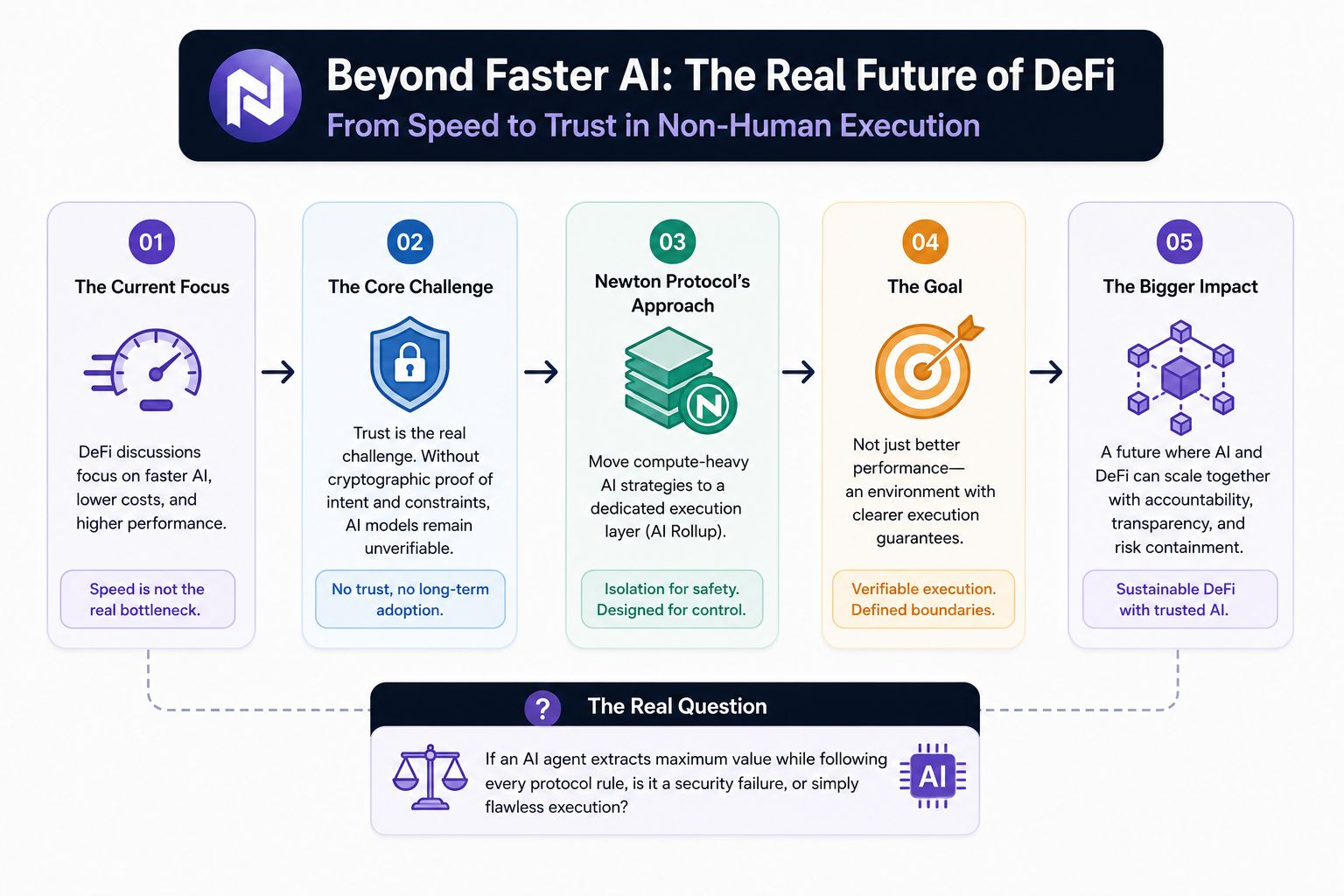
A maioria das discussões sobre IA descentralizada se concentra em velocidade e custos menores. O desafio maior é a confiança. Se um modelo autônomo não puder ser verificado criptograficamente para agir dentro de limites definidos, nenhum marketplace de IA conseguirá alcançar adoção de longo prazo.
O Newton Protocol propõe uma abordagem diferente: mover estratégias de IA que exigem mais computação para uma camada de execução dedicada, em vez de executá-las diretamente em blockchains congestionadas. O objetivo não é apenas melhorar o desempenho—é criar um ambiente em que a IA avançada possa operar com garantias de execução mais claras.
A questão real é esta: se um agente de IA extrai o máximo de valor seguindo cada regra de protocolo, isso é uma falha de segurança, ou apenas uma execução impecável?
@NewtonProtocol #newt $NEWT
O futuro da DeFi é realmente sobre IA mais rápida, ou sobre controlar a execução não humana?
A maioria das discussões sobre IA descentralizada se concentra em velocidade e custos menores. O desafio maior é a confiança. Se um modelo autônomo não puder ser verificado criptograficamente para agir dentro de limites definidos, nenhum marketplace de IA conseguirá alcançar adoção de longo prazo.
O Newton Protocol propõe uma abordagem diferente: mover estratégias de IA que exigem mais computação para uma camada de execução dedicada, em vez de executá-las diretamente em blockchains congestionadas. O objetivo não é apenas melhorar o desempenho—é criar um ambiente em que a IA avançada possa operar com garantias de execução mais claras.
A questão real é esta: se um agente de IA extrai o máximo de valor seguindo cada regra de protocolo, isso é uma falha de segurança, ou apenas uma execução impecável?
@NewtonProtocol #newt $NEWT
A maioria das discussões sobre IA descentralizada se concentra em velocidade e custos menores. O desafio maior é a confiança. Se um modelo autônomo não puder ser verificado criptograficamente para agir dentro de limites definidos, nenhum marketplace de IA conseguirá alcançar adoção de longo prazo.
O Newton Protocol propõe uma abordagem diferente: mover estratégias de IA que exigem mais computação para uma camada de execução dedicada, em vez de executá-las diretamente em blockchains congestionadas. O objetivo não é apenas melhorar o desempenho—é criar um ambiente em que a IA avançada possa operar com garantias de execução mais claras.
A questão real é esta: se um agente de IA extrai o máximo de valor seguindo cada regra de protocolo, isso é uma falha de segurança, ou apenas uma execução impecável?
@NewtonProtocol #newt $NEWT
4
105
·
--
Artigo
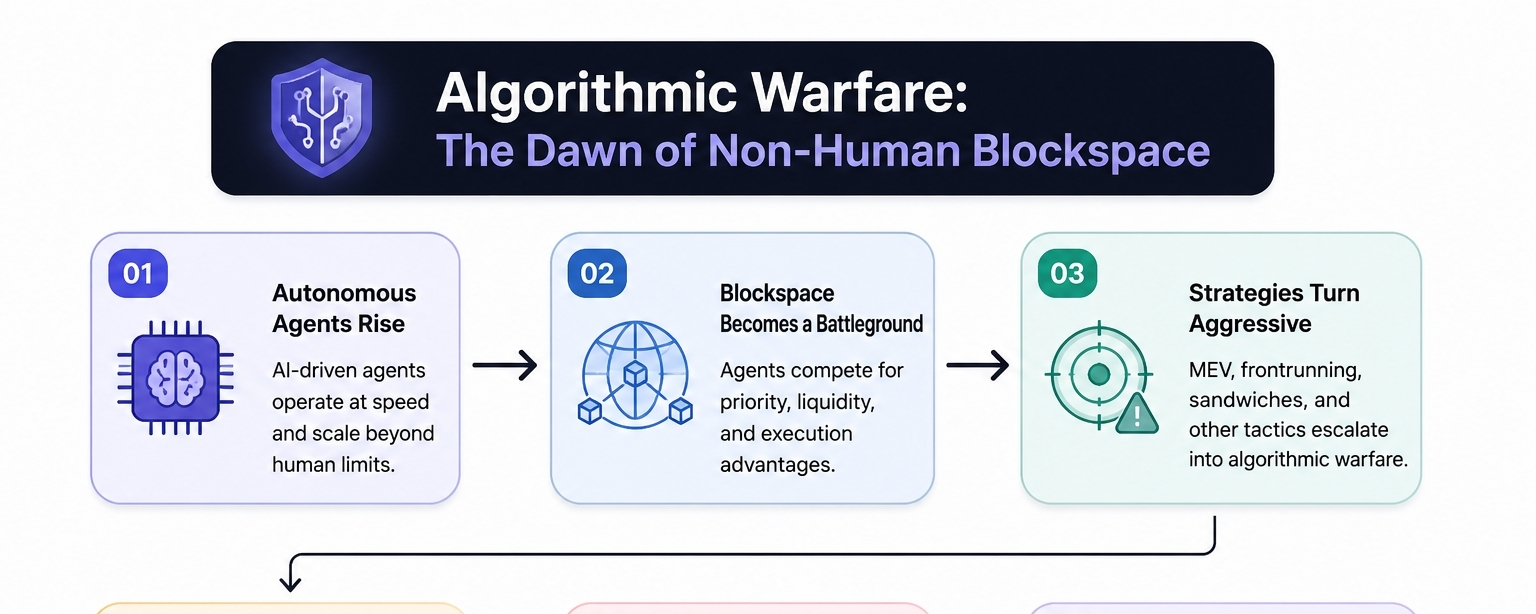
Guerra Algorítmica: O Amanhecer do Espaço de Blocos Não-Humanos"Se um agente autônomo explora matematicamente uma pool de liquidez em um rollup de IA dedicado, isso é um hack catastrófico ou apenas uma execução perfeita?
Estamos direcionando capital para a narrativa da IA descentralizada sem resolver a responsabilidade central da execução não-humana. A indústria presume que construir um ambiente mais rápido e mais barato para negociar algoritmos levará inerentemente a uma melhor eficiência de mercado. Mas se os alocadores de capital não conseguirem verificar criptograficamente a intenção de um modelo de caixa-preta em comparação com sua execução real, qualquer proposta de "mercado de desenvolvedores" inevitavelmente degenerará em uma cidade fantasma de bots abandonados e não confiáveis.
Guerra Algorítmica: O Amanhecer do Espaço de Blocos Não-Humanos"
Se um agente autônomo explora matematicamente uma pool de liquidez em um rollup de IA dedicado, isso é um hack catastrófico ou apenas uma execução perfeita?
Estamos direcionando capital para a narrativa da IA descentralizada sem resolver a responsabilidade central da execução não-humana. A indústria presume que construir um ambiente mais rápido e mais barato para negociar algoritmos levará inerentemente a uma melhor eficiência de mercado. Mas se os alocadores de capital não conseguirem verificar criptograficamente a intenção de um modelo de caixa-preta em comparação com sua execução real, qualquer proposta de "mercado de desenvolvedores" inevitavelmente degenerará em uma cidade fantasma de bots abandonados e não confiáveis.
Estamos direcionando capital para a narrativa da IA descentralizada sem resolver a responsabilidade central da execução não-humana. A indústria presume que construir um ambiente mais rápido e mais barato para negociar algoritmos levará inerentemente a uma melhor eficiência de mercado. Mas se os alocadores de capital não conseguirem verificar criptograficamente a intenção de um modelo de caixa-preta em comparação com sua execução real, qualquer proposta de "mercado de desenvolvedores" inevitavelmente degenerará em uma cidade fantasma de bots abandonados e não confiáveis.
1
119
Inicia sessão para explorar mais conteúdos
Junta-te a utilizadores de criptomoedas de todo o mundo na Binance Square
⚡️ Obtém informações úteis e recentes sobre criptomoedas.
💬 Com a confiança da maior exchange de criptomoedas do mundo.
👍 Descobre perspetivas reais de criadores verificados.
E-mail/Número de telefone
Tópicos em Tendência
FedMinutesFocusOnOctoberPause
189,208 visualizações
1,353 a discutir
🚨 ALERTA MÁXIMO ‼️ POR FAVOR, NÃO NEGOCIE ÀS CEGAS NA PRÓXIMA HORA 🚨
Pessoal, teremos a divulgação da ata do FOMC em menos de 1 hora.
E, depois da volatilidade que já vimos hoje, realmente não quero que ninguém abra posições aleatórias com alta alavancagem pouco antes dessa divulgação.
As maiores reações que estou acompanhando serão no ouro (XAU), na prata (XAG), no BTC e no ETH. Depois, moedas como SOL e outras altcoins de capitalização média/baixa com alta alavancagem podem amplificar qualquer movimento do BTC.
O ouro e a prata estão especialmente sensíveis esta noite, porque o mercado já está reagindo ao dólar americano e aos rendimentos dos títulos do Tesouro, e os dois metais vêm sofrendo forte pressão antes da ata do Fed.
Resumindo:
📉 Ata do Fed mais hawkish → dólar/rendimentos podem subir → pressão sobre BTC, cripto, ouro e prata
📈 Ata do Fed mais dovish → dólar/rendimentos podem recuar → BTC, ouro, prata e ativos de risco podem disparar.
E, por favor, lembrem-se: o primeiro candle pode ser uma armadilha. Podemos ver uma alta, uma queda imediata, liquidações dos dois lados e, depois, a direção real.
Por enquanto, protejam suas posições, reduzam a alavancagem desnecessária e não entrem por FOMO no primeiro movimento.
Esta noite, vou acompanhar primeiro $XAU , $XAG e $BTC . Eles vão nos mostrar rapidamente como o mercado está interpretando o Fed.
Vou atualizar vocês na hora
Sigam @Panda Traders e ativem as notificações agora mesmo
#FedMinutesFocusOnOctoberPause
Panda Traders
·19 gostos
·4.1k visualizações
BinanceLaunchesBinanceIntelligence
1.1M visualizações
6,557 a discutir
EvernorthDelaysNasdaqDebutToOct12
16,208 visualizações
314 a discutir