
A M S MELAN
24 Publicações

A M S MELAN
Crypto • Charts • Discipline.
Aberto ao trading
Trader Frequente
4.8 ano(s)
15 A seguir
41 Seguidores
44 Gostaram
Publicações
Portfólio
Tudo
Cotações
Ver tradução
Claim red pocket
BPBHCD4QO2
BPBHCD4QO2

LINEA BEACOMES A ÚLTIMA VÍTIMA QUANDO ARKHAM CORTA O BASE L2 COM BASE NA 'IMPORTÂNCIA PARA A CRIPTO'
A Arkham Intelligence anunciou que deixará de oferecer suporte à blockchain Linea a partir de 11 de janeiro, após uma revisão periódica da relevância da cadeia e da demanda dos usuários. Linea, desenvolvida pela Consensys como uma camada 2 do Ethereum, está entre várias camadas 2 que serão removidas, juntamente com Manta e Blast.
O movimento sugere que a Arkham está simplificando sua plataforma, eliminando redes com menor atividade. No entanto, grandes camadas 2 do Ethereum, como Arbitrum, Base, Optimism, Mantle e Polygon zkEVM, continuarão sendo suportadas, especialmente porque a atualização Dencun do Ethereum reforçou o papel e a relevância das principais soluções de camada 2.#USNonFarmPayrollReport #CPIWatch #USTradeDeficitShrink #USJobsData #USBitcoinReservesSurge
A Arkham Intelligence anunciou que deixará de oferecer suporte à blockchain Linea a partir de 11 de janeiro, após uma revisão periódica da relevância da cadeia e da demanda dos usuários. Linea, desenvolvida pela Consensys como uma camada 2 do Ethereum, está entre várias camadas 2 que serão removidas, juntamente com Manta e Blast.
O movimento sugere que a Arkham está simplificando sua plataforma, eliminando redes com menor atividade. No entanto, grandes camadas 2 do Ethereum, como Arbitrum, Base, Optimism, Mantle e Polygon zkEVM, continuarão sendo suportadas, especialmente porque a atualização Dencun do Ethereum reforçou o papel e a relevância das principais soluções de camada 2.#USNonFarmPayrollReport #CPIWatch #USTradeDeficitShrink #USJobsData #USBitcoinReservesSurge

Ver tradução
Fintechs’predection market addions will cost them in churn inversion CEO
Prediction markets may boost short-term revenue, but they risk turning finance apps into casinos with high user churn#BTCVSGOLD
#BinanceAlphaAlert
#TrumpTariffs
$BTC
Prediction markets may boost short-term revenue, but they risk turning finance apps into casinos with high user churn#BTCVSGOLD
#BinanceAlphaAlert
#TrumpTariffs
$BTC

Ver tradução
Saylor triggers fresh bitcoin buy speculation BTC hovers near 90k$
Michael Saylor is once again hinting at an aggressive Bitcoin accumulation by Strategy (formerly MicroStrategy), showing the firm remains committed to its high-risk BTC treasury strategy despite MSTR stock weakness. This comes as MSCI plans to remove Strategy from its global indices. Meanwhile, Bitcoin is trading near the $90K resistance zone, with strong liquidity clusters and continued institutional demand suggesting BTC remains well supported despite recent volatility.$BTC
#WriteToEarnUpgrade
#FedOfficialsSpeak
#Ripple1BXRPReserve
Michael Saylor is once again hinting at an aggressive Bitcoin accumulation by Strategy (formerly MicroStrategy), showing the firm remains committed to its high-risk BTC treasury strategy despite MSTR stock weakness. This comes as MSCI plans to remove Strategy from its global indices. Meanwhile, Bitcoin is trading near the $90K resistance zone, with strong liquidity clusters and continued institutional demand suggesting BTC remains well supported despite recent volatility.$BTC
#WriteToEarnUpgrade
#FedOfficialsSpeak
#Ripple1BXRPReserve

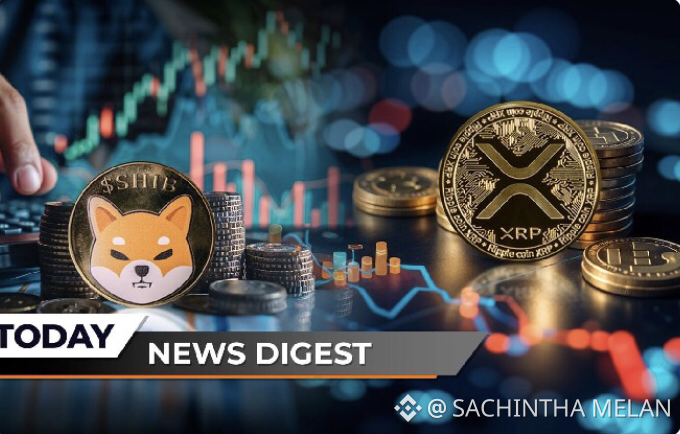
Os ETFs de XRP brilham enquanto o mercado de criptomoedas enfrenta pressão
Os fundos negociados em bolsa (ETFs) de XRP estão mostrando um forte impulso, registrando entradas positivas por 30 dias de negociação consecutivos. O CEO da Ripple, Brad Garlinghouse, destacou essa conquista, especialmente à medida que os ETFs de Bitcoin e Ethereum continuam a ver fluxos de fundos irregulares e instáveis.
O aumento do interesse começou com o lançamento do primeiro ETF de XRP à vista dos EUA pela Canary Capital, que atraiu quase $250 milhões em volume de negociação no dia da estreia—estabelecendo um novo marco para os ETFs de altcoins que não são Ethereum. Após esse sucesso, grandes gestores de ativos como Franklin Templeton, Bitwise e Grayscale rapidamente introduziram seus próprios produtos de ETF de XRP, aumentando a concorrência e a exposição no mercado.
Ao mesmo tempo, Shiba Inu (SHIB) está enviando sinais mistos. Embora seu preço permaneça sob pressão perto das mínimas locais, dados on-chain mostram uma tendência de alta. Quase 100 bilhões de tokens SHIB foram retirados de exchanges centralizadas em 24 horas, sugerindo uma pressão de venda reduzida e uma crescente confiança dos detentores de longo prazo.
Apesar desses desenvolvimentos positivos em ativos selecionados, o mercado de criptomoedas mais amplo está lutando. A capitalização total do mercado caiu para abaixo de $3 trilhões, em torno de $2,95 trilhões. Cardano (ADA) tem sido um dos ativos mais afetados, com posições longas alavancadas enfrentando liquidações pesadas. Mais de $1,18 milhão em longs de ADA foram eliminados em apenas 24 horas, resultando em um enorme desbalanceamento de liquidação de 1.303%.
No geral, enquanto XRP e SHIB mostram sinais de força sob a superfície, o mercado de criptomoedas mais amplo permanece cauteloso à medida que os investidores reavaliam o risco em direção ao final do ano.$XRP
$ADA $SHIB #CPIWatch #TrumpTariffs #FedRateCut25bps
Os fundos negociados em bolsa (ETFs) de XRP estão mostrando um forte impulso, registrando entradas positivas por 30 dias de negociação consecutivos. O CEO da Ripple, Brad Garlinghouse, destacou essa conquista, especialmente à medida que os ETFs de Bitcoin e Ethereum continuam a ver fluxos de fundos irregulares e instáveis.
O aumento do interesse começou com o lançamento do primeiro ETF de XRP à vista dos EUA pela Canary Capital, que atraiu quase $250 milhões em volume de negociação no dia da estreia—estabelecendo um novo marco para os ETFs de altcoins que não são Ethereum. Após esse sucesso, grandes gestores de ativos como Franklin Templeton, Bitwise e Grayscale rapidamente introduziram seus próprios produtos de ETF de XRP, aumentando a concorrência e a exposição no mercado.
Ao mesmo tempo, Shiba Inu (SHIB) está enviando sinais mistos. Embora seu preço permaneça sob pressão perto das mínimas locais, dados on-chain mostram uma tendência de alta. Quase 100 bilhões de tokens SHIB foram retirados de exchanges centralizadas em 24 horas, sugerindo uma pressão de venda reduzida e uma crescente confiança dos detentores de longo prazo.
Apesar desses desenvolvimentos positivos em ativos selecionados, o mercado de criptomoedas mais amplo está lutando. A capitalização total do mercado caiu para abaixo de $3 trilhões, em torno de $2,95 trilhões. Cardano (ADA) tem sido um dos ativos mais afetados, com posições longas alavancadas enfrentando liquidações pesadas. Mais de $1,18 milhão em longs de ADA foram eliminados em apenas 24 horas, resultando em um enorme desbalanceamento de liquidação de 1.303%.
No geral, enquanto XRP e SHIB mostram sinais de força sob a superfície, o mercado de criptomoedas mais amplo permanece cauteloso à medida que os investidores reavaliam o risco em direção ao final do ano.$XRP
$ADA $SHIB #CPIWatch #TrumpTariffs #FedRateCut25bps
Ver tradução
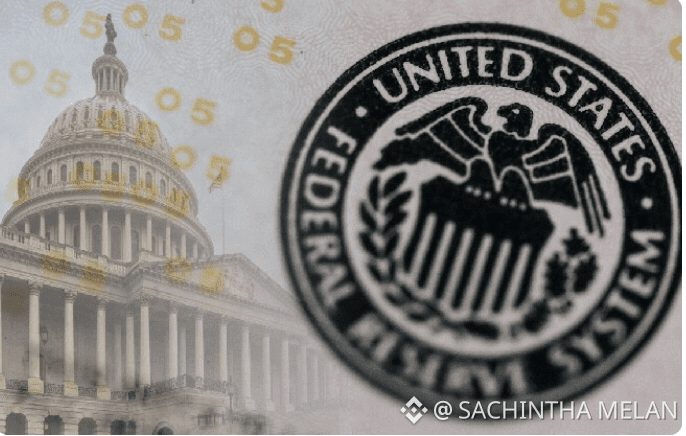
FEDERAL RESERVE OFFICIALLY BACK OFF 2023 BANK CRYPTO RESTRICTIONS PERMANENTLY
The Fed dropped its old 2023 rule and replaced it with a new policy that gives state member banks room to use innovative tools without being stuck under the limits created two years ago.
The Board said the financial system changed enough to make the earlier rule useless. The new move applies to both insured and uninsured banks under the Fed’s watch and brings direct consequences for crypto-linked firms that want stable access to payment rails.
Fed changes federal access for crypto companies in America
“New technologies offer efficiencies to banks and improved products and services to bank customers,” Vice Chair for Supervision Michelle Bowman said.
“By creating a pathway for responsible, innovative products and services, the Board is helping ensure that the banking sector remains safe and sound while also modern, efficient, and effective.”
The 2023 policy forced state member banks to follow the same activity rules that other federal regulators used. It also tried to lay out how banks should handle new tools. After it came out, the Board said the financial system shifted and its own understanding grew, so it cleared the rule and replaced it.
The new policy lets banks under the Fed take part in certain innovative activities, which matters for firms like Circle, Paxos, Tether, and BitGo. These companies will now place customer reserves directly at the Fed instead of routing everything through commercial banks. That lowers costs and cuts counterparty risk while giving them more control over flows.
Some companies tried other ways to reach the Fed’s payment system.The big one was specialty banking charters.
One example is Wyoming’s Special Purpose Depository Institution setup, built for crypto companies. Custodia Bank, one of the first to use it, sued the Federal Reserve Board and the Kansas City Fed for what it called “a patently unlawful delay.” A court dismissed the case, and Custodia appealed. That case is still active.$BTC
#BinanceAlphaAlert
The Fed dropped its old 2023 rule and replaced it with a new policy that gives state member banks room to use innovative tools without being stuck under the limits created two years ago.
The Board said the financial system changed enough to make the earlier rule useless. The new move applies to both insured and uninsured banks under the Fed’s watch and brings direct consequences for crypto-linked firms that want stable access to payment rails.
Fed changes federal access for crypto companies in America
“New technologies offer efficiencies to banks and improved products and services to bank customers,” Vice Chair for Supervision Michelle Bowman said.
“By creating a pathway for responsible, innovative products and services, the Board is helping ensure that the banking sector remains safe and sound while also modern, efficient, and effective.”
The 2023 policy forced state member banks to follow the same activity rules that other federal regulators used. It also tried to lay out how banks should handle new tools. After it came out, the Board said the financial system shifted and its own understanding grew, so it cleared the rule and replaced it.
The new policy lets banks under the Fed take part in certain innovative activities, which matters for firms like Circle, Paxos, Tether, and BitGo. These companies will now place customer reserves directly at the Fed instead of routing everything through commercial banks. That lowers costs and cuts counterparty risk while giving them more control over flows.
Some companies tried other ways to reach the Fed’s payment system.The big one was specialty banking charters.
One example is Wyoming’s Special Purpose Depository Institution setup, built for crypto companies. Custodia Bank, one of the first to use it, sued the Federal Reserve Board and the Kansas City Fed for what it called “a patently unlawful delay.” A court dismissed the case, and Custodia appealed. That case is still active.$BTC
#BinanceAlphaAlert
A taxa de inflação núcleo observada pelo Fed atingiu 2,8%, dados de setembro atrasados mostram, abaixo do esperado
1. Mecanismo de corte de taxa de juros
A inflação caindo para 2,8% dá ao Fed mais espaço para cortar as taxas de juros.
→ Quando as taxas de juros caem, os custos de empréstimos diminuem, os empréstimos aumentam e a liquidez (fluxo de dinheiro) na economia aumenta.
→ O dinheiro tende a fluir para ativos de alto risco, como cripto.
2. Reação de risco
Em períodos em que as taxas de juros caem, os investidores se movem em direção a
→ ações de tecnologia
→ bitcoin
→ altcoins
buscando retornos mais altos.
Cripto geralmente sobe durante condições de mercado de risco.
3. Fraqueza do dólar e crescimento do Bitcoin
Quando as taxas de juros caem, o Índice do Dólar dos EUA (DXY) tende a declinar.
→ Quando o dólar se enfraquece, o Bitcoin historicamente mostra uma tendência de alta.
4. Aumento nos influxos de ETF
Quando os dados macroeconômicos parecem positivos, os investidores institucionais têm mais chances de alocar fundos para
→ ETFs de BTC
→ ETFs de ETH
→ fundos de cripto.
Resumo
Uma inflação mais baixa que se alinha com as expectativas do Fed é geralmente otimista para cripto.
Os mercados de cripto frequentemente se movem para cima após liberações de dados como essas.
Inflação baixa → Taxas mais baixas → Mais liquidez → Preços de cripto mais altos#BinanceBlockchainWeek #TrumpTariffs #WriteToEarnUpgrade #BinanceAlphaAlert $BTC $ETH $BNB
1. Mecanismo de corte de taxa de juros
A inflação caindo para 2,8% dá ao Fed mais espaço para cortar as taxas de juros.
→ Quando as taxas de juros caem, os custos de empréstimos diminuem, os empréstimos aumentam e a liquidez (fluxo de dinheiro) na economia aumenta.
→ O dinheiro tende a fluir para ativos de alto risco, como cripto.
2. Reação de risco
Em períodos em que as taxas de juros caem, os investidores se movem em direção a
→ ações de tecnologia
→ bitcoin
→ altcoins
buscando retornos mais altos.
Cripto geralmente sobe durante condições de mercado de risco.
3. Fraqueza do dólar e crescimento do Bitcoin
Quando as taxas de juros caem, o Índice do Dólar dos EUA (DXY) tende a declinar.
→ Quando o dólar se enfraquece, o Bitcoin historicamente mostra uma tendência de alta.
4. Aumento nos influxos de ETF
Quando os dados macroeconômicos parecem positivos, os investidores institucionais têm mais chances de alocar fundos para
→ ETFs de BTC
→ ETFs de ETH
→ fundos de cripto.
Resumo
Uma inflação mais baixa que se alinha com as expectativas do Fed é geralmente otimista para cripto.
Os mercados de cripto frequentemente se movem para cima após liberações de dados como essas.
Inflação baixa → Taxas mais baixas → Mais liquidez → Preços de cripto mais altos#BinanceBlockchainWeek #TrumpTariffs #WriteToEarnUpgrade #BinanceAlphaAlert $BTC $ETH $BNB
Ver tradução
Bitcoin Could Continue Chopping Below $95K Into Year-End and Altcoins Could Benefit, Analyst Says
Low-liquidity in December may cap bitcoin's recovery rally, but rangebound trading for the largest crypto could benefit smaller digital assets, Wincent's Paul Howard said.$BTC
#BTCVSGOLD #BinanceBlockchainWeek #BTC86kJPShock #USJobsData #TrumpTariffs
Low-liquidity in December may cap bitcoin's recovery rally, but rangebound trading for the largest crypto could benefit smaller digital assets, Wincent's Paul Howard said.$BTC
#BTCVSGOLD #BinanceBlockchainWeek #BTC86kJPShock #USJobsData #TrumpTariffs
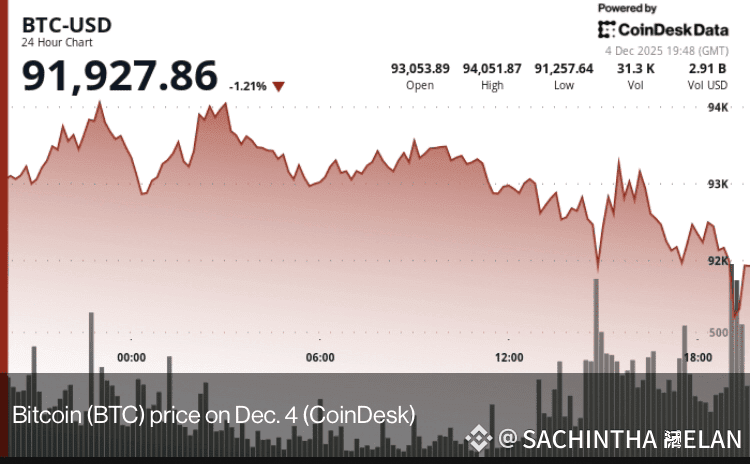
Os mercados de criptomoedas se estabilizaram com as crescentes expectativas de um corte na taxa do Fed em dezembro, o que apoiou o sentimento. O Bitcoin permaneceu próximo de $88.000 nas negociações em Hong Kong, enquanto o Ethereum pairou em torno de $2.945. Analistas da QCP Capital observam uma limpeza de alavancagem longa e uma cobertura equilibrada, com o interesse de compra no final do ano superando as opções de venda - sinais de uma estrutura de mercado mais saudável. Os dados da Glassnode também apontam para condições de sobrevenda, pressão de venda reduzida e os estágios finais de uma correção de mercado, embora os futuros ainda mostrem vendedores agressivos.
Se as expectativas de corte na taxa permanecerem intactas quando os mercados dos EUA reabrirem, o BTC provavelmente se estabilizará dentro de sua faixa atual
$BTC
#BTCRebound90kNext? #WriteToEarnUpgrade #ProjectCrypto
Se as expectativas de corte na taxa permanecerem intactas quando os mercados dos EUA reabrirem, o BTC provavelmente se estabilizará dentro de sua faixa atual
$BTC
#BTCRebound90kNext? #WriteToEarnUpgrade #ProjectCrypto
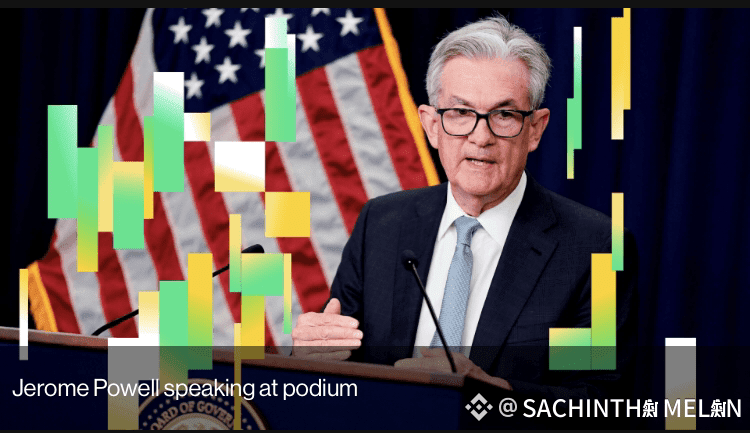
⚡️NOVIDADE: 🇷🇺🇺🇦 O presidente Trump sugere que "algo bom" pode finalmente estar acontecendo nas negociações de paz Rússia-Ucrânia$BTC
Ver tradução
My prediction right?
A M S MELAN
·
--
BTC cai em direção ao meio dos $80Ks enquanto a estrutura de mercado se enfraquece até o final do ano. ESPERE PARA COMPRAR $BTC
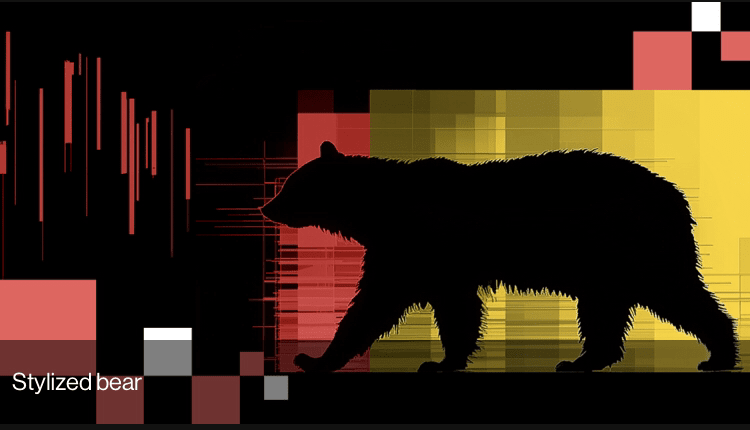
BTC cai em direção ao meio dos $80Ks enquanto a estrutura de mercado se enfraquece até o final do ano. ESPERE PARA COMPRAR $BTC

As Chances de Corte da Taxa do Fed Caem com Atraso nos Dados de Emprego
Os traders reduziram drasticamente as chances de um corte na taxa do Fed em dezembro para 33%, após um relatório importante de empregos dos EUA ter sido atrasado. O ponto de dados ausente adiciona incerteza antes da reunião final do Fed em 2025.
Para os mercados de cripto, a atualização sinaliza menor liquidez a curto prazo e apetite de risco reduzido, criando uma leve pressão para baixo sobre o Bitcoin e principais altcoins. No entanto, as expectativas de longo prazo para cortes na taxa em 2025 permanecem inalteradas#AltcoinMarketRecovery #USStocksForecast2026
$BTC
Os traders reduziram drasticamente as chances de um corte na taxa do Fed em dezembro para 33%, após um relatório importante de empregos dos EUA ter sido atrasado. O ponto de dados ausente adiciona incerteza antes da reunião final do Fed em 2025.
Para os mercados de cripto, a atualização sinaliza menor liquidez a curto prazo e apetite de risco reduzido, criando uma leve pressão para baixo sobre o Bitcoin e principais altcoins. No entanto, as expectativas de longo prazo para cortes na taxa em 2025 permanecem inalteradas#AltcoinMarketRecovery #USStocksForecast2026
$BTC
Inicia sessão para explorar mais conteúdos