

MAK021
11 Publicações

MAK021
Denunciar
Bloquear Utilizador
64 A seguir
42 Seguidores
17 Gostaram
Publicações
Tudo
Cotações
·
--
Explicação do Clarity Act
1) O Ato cria uma estrutura legal clara para criptomoedas e ativos digitais nos EUA.
2) Ele divide a autoridade regulatória entre a Comissão de Valores Mobiliários (SEC) e a Comissão de Negociação de Futuros de Commodities (CFTC).
3) Os ativos digitais são categorizados em: valores mobiliários, commodities digitais, stablecoins e outros ativos digitais.
4) Ele apoia a inovação em blockchain e finanças descentralizadas (DeFi).
5) Ele fornece reconhecimento legal para staking, auto-custódia e transações peer-to-peer de cripto.
6) Exchanges de cripto, corretores, dealers e custodiante precisarão de registro formal e conformidade.
7) As leis de proteção ao investidor, anti-fraude, AML e sanções continuam aplicáveis.
8) O Ato tenta reduzir a incerteza regulatória para negócios e investidores de cripto.
9) Ele desencoraja o controle centralizado sobre sistemas de blockchain.
10) Ele se opõe ao uso de Moeda Digital de Banco Central (CBDC) para fins de vigilância.
No geral, o Ato visa tornar o mercado de cripto nos EUA mais regulado, transparente e amigável à inovação.
#ClarityActUpdates #ClarityActPassed #CLARITYAct
Explicação do Clarity Act
1) O Ato cria uma estrutura legal clara para criptomoedas e ativos digitais nos EUA.
2) Ele divide a autoridade regulatória entre a Comissão de Valores Mobiliários (SEC) e a Comissão de Negociação de Futuros de Commodities (CFTC).
3) Os ativos digitais são categorizados em: valores mobiliários, commodities digitais, stablecoins e outros ativos digitais.
4) Ele apoia a inovação em blockchain e finanças descentralizadas (DeFi).
5) Ele fornece reconhecimento legal para staking, auto-custódia e transações peer-to-peer de cripto.
6) Exchanges de cripto, corretores, dealers e custodiante precisarão de registro formal e conformidade.
7) As leis de proteção ao investidor, anti-fraude, AML e sanções continuam aplicáveis.
8) O Ato tenta reduzir a incerteza regulatória para negócios e investidores de cripto.
9) Ele desencoraja o controle centralizado sobre sistemas de blockchain.
10) Ele se opõe ao uso de Moeda Digital de Banco Central (CBDC) para fins de vigilância.
No geral, o Ato visa tornar o mercado de cripto nos EUA mais regulado, transparente e amigável à inovação.
#ClarityActUpdates #ClarityActPassed #CLARITYAct
1) O Ato cria uma estrutura legal clara para criptomoedas e ativos digitais nos EUA.
2) Ele divide a autoridade regulatória entre a Comissão de Valores Mobiliários (SEC) e a Comissão de Negociação de Futuros de Commodities (CFTC).
3) Os ativos digitais são categorizados em: valores mobiliários, commodities digitais, stablecoins e outros ativos digitais.
4) Ele apoia a inovação em blockchain e finanças descentralizadas (DeFi).
5) Ele fornece reconhecimento legal para staking, auto-custódia e transações peer-to-peer de cripto.
6) Exchanges de cripto, corretores, dealers e custodiante precisarão de registro formal e conformidade.
7) As leis de proteção ao investidor, anti-fraude, AML e sanções continuam aplicáveis.
8) O Ato tenta reduzir a incerteza regulatória para negócios e investidores de cripto.
9) Ele desencoraja o controle centralizado sobre sistemas de blockchain.
10) Ele se opõe ao uso de Moeda Digital de Banco Central (CBDC) para fins de vigilância.
No geral, o Ato visa tornar o mercado de cripto nos EUA mais regulado, transparente e amigável à inovação.
#ClarityActUpdates #ClarityActPassed #CLARITYAct
126
·
--
Vanar Chain Está Construindo Web3 para Escala do Mundo RealA maioria das blockchains promete adoção, mas poucas são projetadas para as demandas de usuários reais. @vanar está adotando uma abordagem diferente ao focar em infraestrutura de alto desempenho voltada para jogos, IA e experiências digitais imersivas. Vanar Chain enfatiza baixa latência, escalabilidade e integração on-chain perfeita, permitindo que os desenvolvedores construam sem comprometer a experiência do usuário. O $VANRY token desempenha um papel central na segurança da rede e na habilitação de seu ecossistema em crescimento. À medida que o Web3 avança além de experimentos em direção à adoção em massa, blockchains como a Vanar, que priorizam usabilidade e desempenho, provavelmente liderarão. #vanar
Vanar Chain Está Construindo Web3 para Escala do Mundo Real
A maioria das blockchains promete adoção, mas poucas são projetadas para as demandas de usuários reais. @vanar está adotando uma abordagem diferente ao focar em infraestrutura de alto desempenho voltada para jogos, IA e experiências digitais imersivas. Vanar Chain enfatiza baixa latência, escalabilidade e integração on-chain perfeita, permitindo que os desenvolvedores construam sem comprometer a experiência do usuário. O $VANRY token desempenha um papel central na segurança da rede e na habilitação de seu ecossistema em crescimento. À medida que o Web3 avança além de experimentos em direção à adoção em massa, blockchains como a Vanar, que priorizam usabilidade e desempenho, provavelmente liderarão. #vanar
13
·
--
Vanar Chain Está Solucionando os Verdadeiros Gargalos do Web3A adoção do Web3 falha quando a infraestrutura não consegue escalar. É aí que @vanar se destaca. Vanar Chain foca em velocidade, eficiência e usabilidade no mundo real para jogos, IA e criadores digitais. $VANRY desempenha um papel fundamental em impulsionar essa próxima fase da utilidade da blockchain. #vanar
Vanar Chain Está Solucionando os Verdadeiros Gargalos do Web3
A adoção do Web3 falha quando a infraestrutura não consegue escalar. É aí que @vanar se destaca. Vanar Chain foca em velocidade, eficiência e usabilidade no mundo real para jogos, IA e criadores digitais. $VANRY desempenha um papel fundamental em impulsionar essa próxima fase da utilidade da blockchain. #vanar
12
·
--
A Vanar Chain está resolvendo os verdadeiros gargalos do Web3A adoção do Web3 falha quando a infraestrutura não consegue escalar. É aí que @vanar se destaca. A Vanar Chain foca em velocidade, eficiência e usabilidade no mundo real para jogos, IA e criadores digitais. $VANRY desempenha um papel central na alimentação desta próxima fase de utilidade da blockchain. #vanar
A Vanar Chain está resolvendo os verdadeiros gargalos do Web3
A adoção do Web3 falha quando a infraestrutura não consegue escalar. É aí que @vanar se destaca. A Vanar Chain foca em velocidade, eficiência e usabilidade no mundo real para jogos, IA e criadores digitais. $VANRY desempenha um papel central na alimentação desta próxima fase de utilidade da blockchain. #vanar
15
·
--
#vanar $VANRY A Cadeia Vanar Está Construindo o Web3 Que Realmente Funciona----A Cadeia Vanar está construindo a infraestrutura que o Web3 realmente precisa. Com @vanar, criadores e desenvolvedores obtêm escalabilidade real, baixa latência e ferramentas on-chain projetadas para jogos, IA e experiências imersivas. $VANRY não é hype — é utilidade impulsionando a próxima camada digital. #vanar
#vanar $VANRY A Cadeia Vanar Está Construindo o Web3 Que Realmente Funciona----A Cadeia Vanar está construindo a infraestrutura que o Web3 realmente precisa. Com @vanar, criadores e desenvolvedores obtêm escalabilidade real, baixa latência e ferramentas on-chain projetadas para jogos, IA e experiências imersivas. $VANRY não é hype — é utilidade impulsionando a próxima camada digital. #vanar
2
·
--
Vanar Chain Está Construindo o Web3 Que Realmente FuncionaVanar Chain está construindo a infraestrutura que o Web3 realmente precisa. Com @vanar, criadores e desenvolvedores obtêm verdadeira escalabilidade, baixa latência e ferramentas on-chain projetadas para jogos, IA e experiências imersivas. $VANRY não é hype — é utilidade que alimenta a próxima camada digital. #vanar
Vanar Chain Está Construindo o Web3 Que Realmente Funciona
Vanar Chain está construindo a infraestrutura que o Web3 realmente precisa. Com @vanar, criadores e desenvolvedores obtêm verdadeira escalabilidade, baixa latência e ferramentas on-chain projetadas para jogos, IA e experiências imersivas. $VANRY não é hype — é utilidade que alimenta a próxima camada digital. #vanar
15
·
--
O Fornecimento de Bitcoin Não Mudou — Mas a Descoberta de Preço MudouO limite de fornecimento de 21 milhões de Bitcoin ainda está intacto na cadeia. O que mudou é como o preço do Bitcoin é descoberto. Se você pensa que o Bitcoin se movimenta apenas porque as pessoas compram e vendem moedas no mercado à vista, você está perdendo a visão mais ampla.
Hoje, o Bitcoin é negociado principalmente como um ativo financeirizado, não apenas como um ativo impulsionado pelo mercado à vista. A Mudança Estrutural que a Maioria dos Traders Ignora.
Nos primeiros anos do Bitcoin, o preço foi impulsionado principalmente por:
Compradores e vendedores reais
Movimentação física de moedas
Dinâmicas reais de oferta e demanda
Isso mudou quando os mercados de derivativos se tornaram dominantes. Agora, o preço do Bitcoin é fortemente influenciado por:
O Fornecimento de Bitcoin Não Mudou — Mas a Descoberta de Preço Mudou
O limite de fornecimento de 21 milhões de Bitcoin ainda está intacto na cadeia. O que mudou é como o preço do Bitcoin é descoberto. Se você pensa que o Bitcoin se movimenta apenas porque as pessoas compram e vendem moedas no mercado à vista, você está perdendo a visão mais ampla.
Hoje, o Bitcoin é negociado principalmente como um ativo financeirizado, não apenas como um ativo impulsionado pelo mercado à vista. A Mudança Estrutural que a Maioria dos Traders Ignora.
Nos primeiros anos do Bitcoin, o preço foi impulsionado principalmente por:
Compradores e vendedores reais
Movimentação física de moedas
Dinâmicas reais de oferta e demanda
Isso mudou quando os mercados de derivativos se tornaram dominantes. Agora, o preço do Bitcoin é fortemente influenciado por:
Hoje, o Bitcoin é negociado principalmente como um ativo financeirizado, não apenas como um ativo impulsionado pelo mercado à vista. A Mudança Estrutural que a Maioria dos Traders Ignora.
Nos primeiros anos do Bitcoin, o preço foi impulsionado principalmente por:
Compradores e vendedores reais
Movimentação física de moedas
Dinâmicas reais de oferta e demanda
Isso mudou quando os mercados de derivativos se tornaram dominantes. Agora, o preço do Bitcoin é fortemente influenciado por:
14
·
--
Por que o Ouro Está Subindo AgoraO ouro geralmente se sai melhor quando a incerteza aumenta e os rendimentos reais caem. O atual rali reflete uma combinação de:
• Tensões geopolíticas persistentes
• Expectativas de política monetária mais fácil
• Confiança em estabilidade fiduciária enfraquecendo
• Forte demanda de bancos centrais e instituições
Em termos simples: o dinheiro está buscando proteção.
Por que o Ouro Está Subindo Agora
O ouro geralmente se sai melhor quando a incerteza aumenta e os rendimentos reais caem. O atual rali reflete uma combinação de:
• Tensões geopolíticas persistentes
• Expectativas de política monetária mais fácil
• Confiança em estabilidade fiduciária enfraquecendo
• Forte demanda de bancos centrais e instituições
Em termos simples: o dinheiro está buscando proteção.
• Tensões geopolíticas persistentes
• Expectativas de política monetária mais fácil
• Confiança em estabilidade fiduciária enfraquecendo
• Forte demanda de bancos centrais e instituições
Em termos simples: o dinheiro está buscando proteção.
17
·
--
Acordo de Livre Comércio Índia–UE: Uma Mudança Macro que os Investidores em Criptomoedas Devem ObservarApós quase duas décadas de negociações, a Índia e a União Europeia finalizaram um dos maiores Acordos de Livre Comércio (ALCs) do mundo—abrangendo quase 25% do PIB global e um mercado de cerca de 2 bilhões de pessoas.
Embora este seja um acordo comercial tradicional à primeira vista, seus efeitos de segunda ordem sobre fluxos de capital, comércio digital e adoção de blockchain merecem atenção dos investidores em criptomoedas.
Principais Conclusões:
A eliminação de tarifas em ~99% do comércio bilateral impulsionará significativamente o comércio transfronteiriço.
Acordo de Livre Comércio Índia–UE: Uma Mudança Macro que os Investidores em Criptomoedas Devem Observar
Após quase duas décadas de negociações, a Índia e a União Europeia finalizaram um dos maiores Acordos de Livre Comércio (ALCs) do mundo—abrangendo quase 25% do PIB global e um mercado de cerca de 2 bilhões de pessoas.
Embora este seja um acordo comercial tradicional à primeira vista, seus efeitos de segunda ordem sobre fluxos de capital, comércio digital e adoção de blockchain merecem atenção dos investidores em criptomoedas.
Principais Conclusões:
A eliminação de tarifas em ~99% do comércio bilateral impulsionará significativamente o comércio transfronteiriço.
Embora este seja um acordo comercial tradicional à primeira vista, seus efeitos de segunda ordem sobre fluxos de capital, comércio digital e adoção de blockchain merecem atenção dos investidores em criptomoedas.
Principais Conclusões:
A eliminação de tarifas em ~99% do comércio bilateral impulsionará significativamente o comércio transfronteiriço.
11
16
·
--
Por que o Bitcoin se Comporta Como uma Proteção Monetária, Não Como uma Ação de TecnologiaA maioria dos investidores ainda avalia o Bitcoin como se fosse uma ação de tecnologia. Esse é um erro fundamental.
Do ponto de vista econômico, o Bitcoin se comporta mais como uma proteção monetária do que como um ativo de capital. Seu suprimento fixo (21 milhões), emissão previsível e independência da política do banco central o tornam estruturalmente diferente das ações de crescimento que dependem de lucros, taxas de juros e ciclos de liquidez.
Quando a inflação aumenta ou a confiança nas moedas fiduciárias enfraquece, a proposta de valor do Bitcoin se fortalece—não por causa de manchetes de inovação, mas devido à escassez monetária.
Por que o Bitcoin se Comporta Como uma Proteção Monetária, Não Como uma Ação de Tecnologia
A maioria dos investidores ainda avalia o Bitcoin como se fosse uma ação de tecnologia. Esse é um erro fundamental.
Do ponto de vista econômico, o Bitcoin se comporta mais como uma proteção monetária do que como um ativo de capital. Seu suprimento fixo (21 milhões), emissão previsível e independência da política do banco central o tornam estruturalmente diferente das ações de crescimento que dependem de lucros, taxas de juros e ciclos de liquidez.
Quando a inflação aumenta ou a confiança nas moedas fiduciárias enfraquece, a proposta de valor do Bitcoin se fortalece—não por causa de manchetes de inovação, mas devido à escassez monetária.
Do ponto de vista econômico, o Bitcoin se comporta mais como uma proteção monetária do que como um ativo de capital. Seu suprimento fixo (21 milhões), emissão previsível e independência da política do banco central o tornam estruturalmente diferente das ações de crescimento que dependem de lucros, taxas de juros e ciclos de liquidez.
Quando a inflação aumenta ou a confiança nas moedas fiduciárias enfraquece, a proposta de valor do Bitcoin se fortalece—não por causa de manchetes de inovação, mas devido à escassez monetária.
6
23
·
--
o que htf usaremos? 4hr ou 1d
o que htf usaremos? 4hr ou 1d


CRYPTO MECHANIC
·
--
Um dos erros comuns que a maioria dos traders comete é prestar muita atenção no que está acontecendo em prazos mais baixos, como 1 hora, ou alguns até usam gráficos de 15 minutos e mudam sua opinião a cada vela vermelha ou verde. Uma vela vermelha e os ursos começam a gritar por uma queda, e uma vela verde os touros começam a gritar por uma alta.
Este é o tipo de ação de preço onde as pessoas perdem a maior parte do seu dinheiro arduamente ganho. Eles negociam quando não é o momento certo para negociar.
O que você deveria estar fazendo em vez disso?
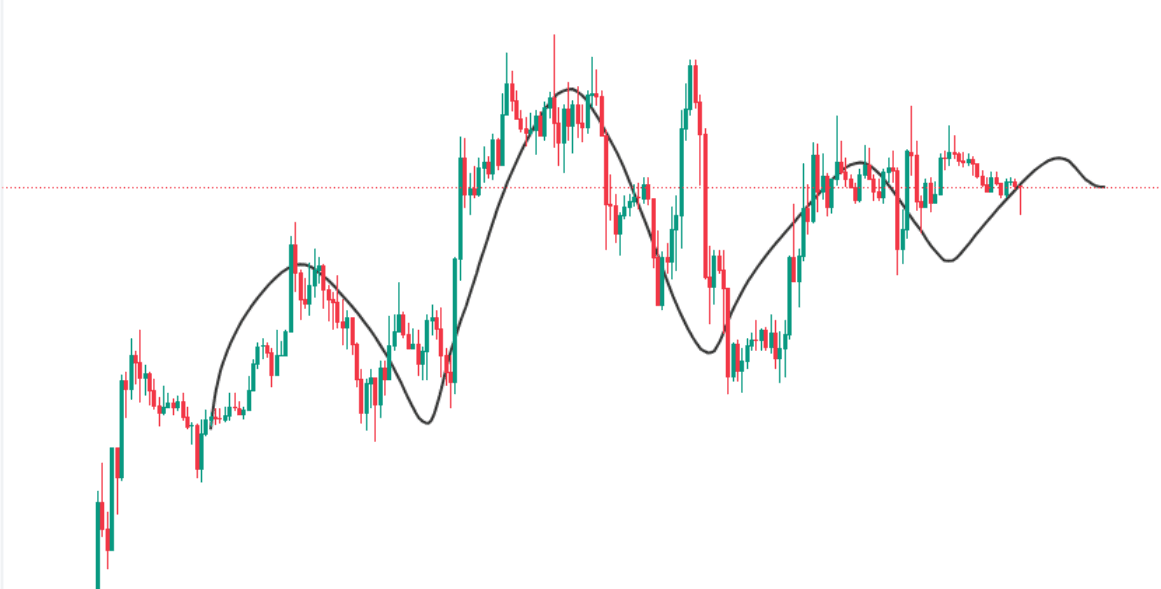
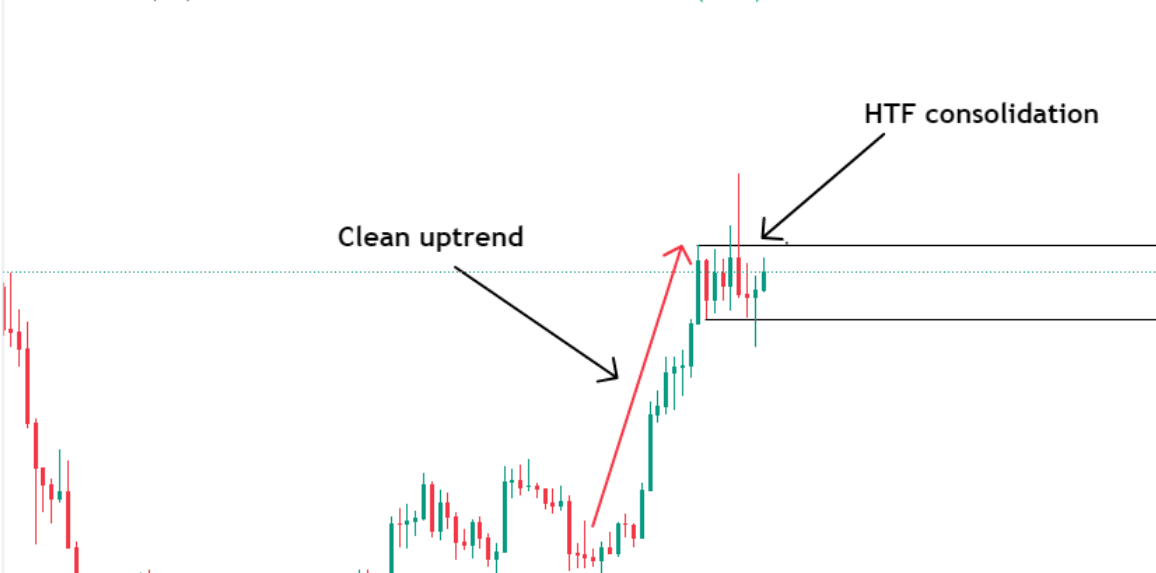
A solução é simples, preste atenção apenas no que o prazo mais alto está fazendo e use essa tendência para suas configurações de prazos mais baixos. Dê uma olhada nas imagens anexadas.
A primeira imagem é de garotos de gráfico tentando parecer legais ao chamar um movimento para cima, para baixo, para cima e para baixo várias vezes em um dia/semana.
E a segunda imagem é o que o HTF está realmente fazendo. Literalmente nada, certo?
Em vez de perder tempo com esses gráficos de 1 hora e 15 minutos e mudar sua OPINIÃO várias vezes ao dia, preste atenção apenas ao HTF; se a tendência for de alta, mantenha-se nela, a menos que mude, e se a tendência for de baixa, fique com ela a menos que mude.
Reduza o ruído..!
Este é o tipo de ação de preço onde as pessoas perdem a maior parte do seu dinheiro arduamente ganho. Eles negociam quando não é o momento certo para negociar.
O que você deveria estar fazendo em vez disso?
A solução é simples, preste atenção apenas no que o prazo mais alto está fazendo e use essa tendência para suas configurações de prazos mais baixos. Dê uma olhada nas imagens anexadas.
A primeira imagem é de garotos de gráfico tentando parecer legais ao chamar um movimento para cima, para baixo, para cima e para baixo várias vezes em um dia/semana.
E a segunda imagem é o que o HTF está realmente fazendo. Literalmente nada, certo?
Em vez de perder tempo com esses gráficos de 1 hora e 15 minutos e mudar sua OPINIÃO várias vezes ao dia, preste atenção apenas ao HTF; se a tendência for de alta, mantenha-se nela, a menos que mude, e se a tendência for de baixa, fique com ela a menos que mude.
Reduza o ruído..!
8
Inicia sessão para explorar mais conteúdos
Junta-te a utilizadores de criptomoedas de todo o mundo na Binance Square
⚡️ Obtém informações úteis e recentes sobre criptomoedas.
💬 Com a confiança da maior exchange de criptomoedas do mundo.
👍 Descobre perspetivas reais de criadores verificados.
E-mail/Número de telefone
Tópicos em Tendência
BinancePick
2.8M visualizações
148,072 a discutir
Participe da #TemporadaDeResultados: preveja resultados no Binance Pick e compartilhe sua opinião no Binance Square!
Binance Square Official
·403 gostos
·341k visualizações
EarningsSeason
5.1M visualizações
25,277 a discutir
AnthropicTTMRevenueGrewAbout1200%
3,125 visualizações
145 a discutir