

Professor kevin
682 Publicações

Professor kevin
Denunciar
Bloquear Utilizador
Data Driven Crypto Analyst Focused on Market structure
Aberto ao trading
Trader Frequente
7.8 mês(es)
111 A seguir
15.2K+ Seguidores
6.8K+ Gostaram
Publicações
Portfólio
Tudo
Cotações
Em direto
·
--
Em Alta
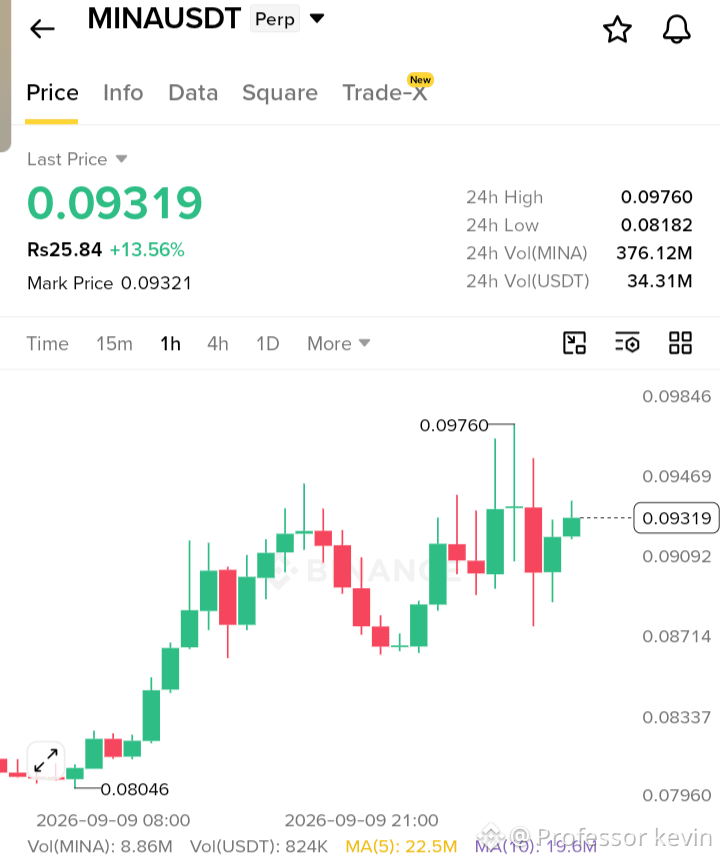
$MINA está mostrando uma estrutura construtiva em torno de 0.0936. Estou observando 0.0920–0.0935 para um suporte e uma possível mínima mais alta antes do próximo movimento.
Configuração de Trade
Entrada: 0.0920–0.0935
TP1: 0.0955
TP2: 0.0980
TP3: 0.1010
SL: 0.0895
Manter 0.0895 mantém a configuração altista válida. Uma retomada de 0.0955 daria uma confirmação mais forte para a continuidade.
$MINA está mostrando uma estrutura construtiva em torno de 0.0936. Estou observando 0.0920–0.0935 para um suporte e uma possível mínima mais alta antes do próximo movimento.
Configuração de Trade
Entrada: 0.0920–0.0935
TP1: 0.0955
TP2: 0.0980
TP3: 0.1010
SL: 0.0895
Manter 0.0895 mantém a configuração altista válida. Uma retomada de 0.0955 daria uma confirmação mais forte para a continuidade.
Configuração de Trade
Entrada: 0.0920–0.0935
TP1: 0.0955
TP2: 0.0980
TP3: 0.1010
SL: 0.0895
Manter 0.0895 mantém a configuração altista válida. Uma retomada de 0.0955 daria uma confirmação mais forte para a continuidade.
101
·
--
Em Alta
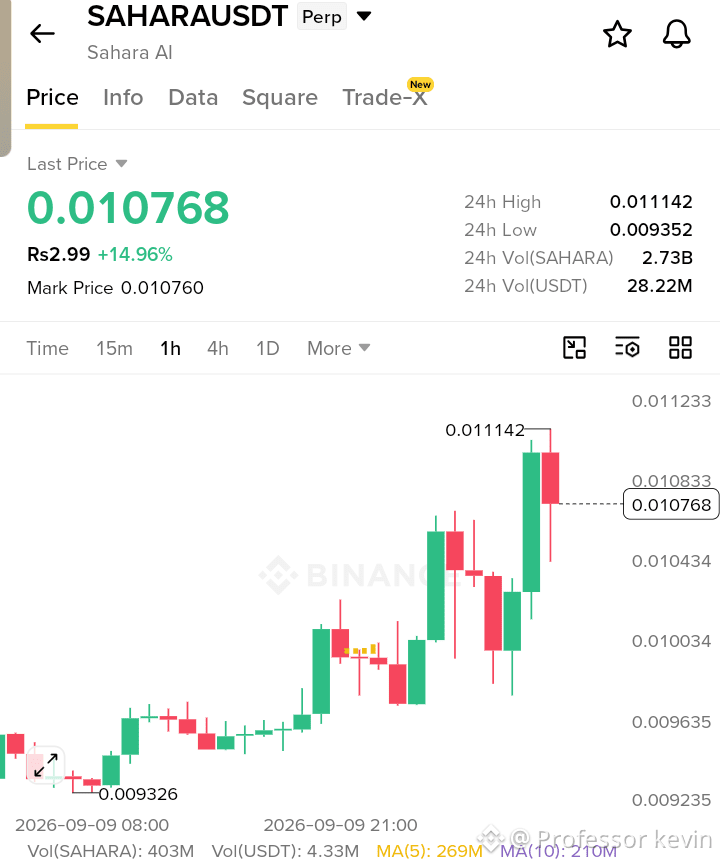
$SAHARA está mantendo uma estrutura bullish construtiva, com o preço segurando acima do seu suporte recente. Estou buscando uma retração controlada em vez de uma entrada estendida.
Configuração da Operação
Entrada: 0.01055–0.01070
TP1: 0.01090
TP2: 0.01115
TP3: 0.01145
SL: 0.01030
A configuração bullish continua válida acima de 0.01030. Manter esse nível e romper 0.01090 confirmaria a continuação.
$SAHARA está mantendo uma estrutura bullish construtiva, com o preço segurando acima do seu suporte recente. Estou buscando uma retração controlada em vez de uma entrada estendida.
Configuração da Operação
Entrada: 0.01055–0.01070
TP1: 0.01090
TP2: 0.01115
TP3: 0.01145
SL: 0.01030
A configuração bullish continua válida acima de 0.01030. Manter esse nível e romper 0.01090 confirmaria a continuação.
Configuração da Operação
Entrada: 0.01055–0.01070
TP1: 0.01090
TP2: 0.01115
TP3: 0.01145
SL: 0.01030
A configuração bullish continua válida acima de 0.01030. Manter esse nível e romper 0.01090 confirmaria a continuação.
91
·
--
Em Alta
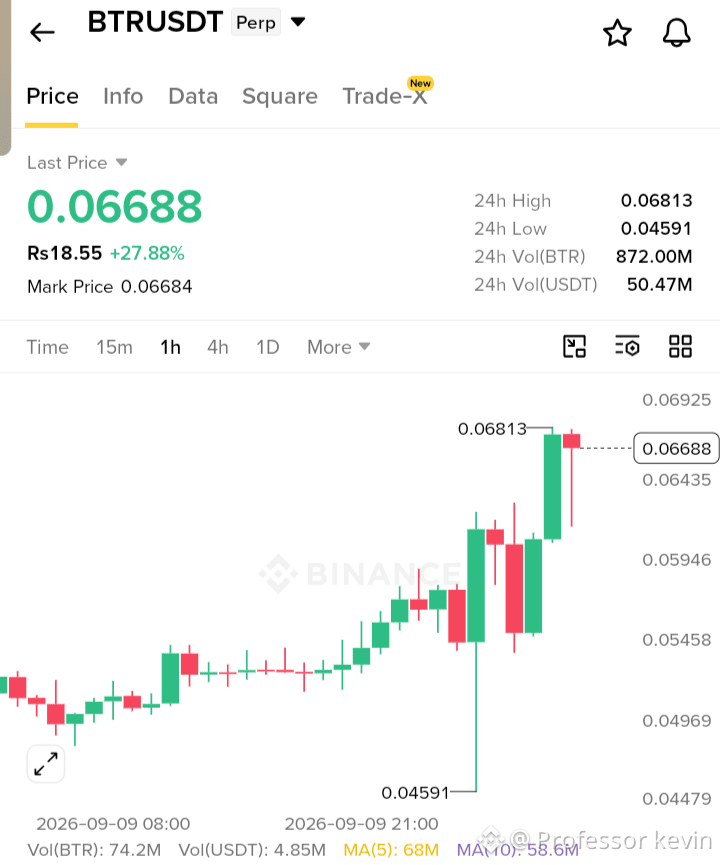
$BTR está mantendo uma estrutura de alta após um forte impulso. Estou observando 0.0660–0.0670 como a área-chave de suporte e uma possível formação de higher-low.
Configuração de trade
Entrada: 0.0660–0.0670
TP1: 0.0685
TP2: 0.0705
TP3: 0.0730
SL: 0.0640
Enquanto 0.0640 se mantiver, a estrutura de alta permanece intacta. Uma quebra limpa acima de 0.0685 confirmaria a continuação.
$BTR está mantendo uma estrutura de alta após um forte impulso. Estou observando 0.0660–0.0670 como a área-chave de suporte e uma possível formação de higher-low.
Configuração de trade
Entrada: 0.0660–0.0670
TP1: 0.0685
TP2: 0.0705
TP3: 0.0730
SL: 0.0640
Enquanto 0.0640 se mantiver, a estrutura de alta permanece intacta. Uma quebra limpa acima de 0.0685 confirmaria a continuação.
Configuração de trade
Entrada: 0.0660–0.0670
TP1: 0.0685
TP2: 0.0705
TP3: 0.0730
SL: 0.0640
Enquanto 0.0640 se mantiver, a estrutura de alta permanece intacta. Uma quebra limpa acima de 0.0685 confirmaria a continuação.
211
·
--
Em Alta
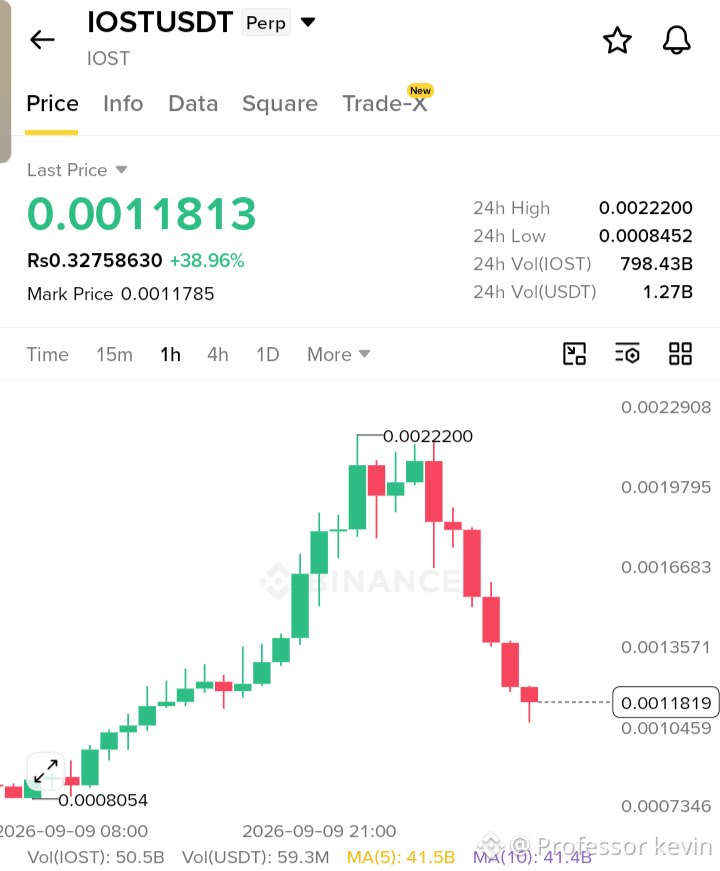
$IOST tem um impulso bullish limpo, com o preço mantendo-se acima da sua base recente. Eu preferiria uma retração em direção ao suporte em vez de perseguir o movimento, procurando uma mínima mais alta para se formar.
Configuração de Trade
Entrada: 0.001155–0.001170
TP1: 0.001190
TP2: 0.001215
TP3: 0.001245
SL: 0.001125
A configuração permanece válida acima de 0.001125. Manter o suporte e recuperar 0.001190 confirmaria a continuação bullish.
$IOST tem um impulso bullish limpo, com o preço mantendo-se acima da sua base recente. Eu preferiria uma retração em direção ao suporte em vez de perseguir o movimento, procurando uma mínima mais alta para se formar.
Configuração de Trade
Entrada: 0.001155–0.001170
TP1: 0.001190
TP2: 0.001215
TP3: 0.001245
SL: 0.001125
A configuração permanece válida acima de 0.001125. Manter o suporte e recuperar 0.001190 confirmaria a continuação bullish.
Configuração de Trade
Entrada: 0.001155–0.001170
TP1: 0.001190
TP2: 0.001215
TP3: 0.001245
SL: 0.001125
A configuração permanece válida acima de 0.001125. Manter o suporte e recuperar 0.001190 confirmaria a continuação bullish.
188
·
--
Em Alta
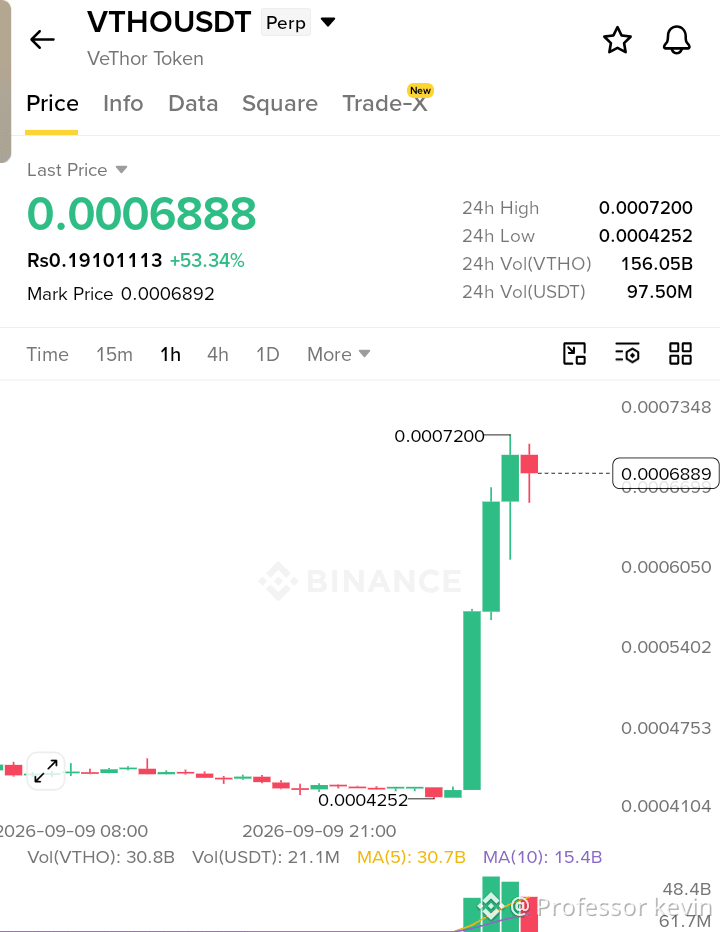
$VTHO A estrutura está em alta após um forte impulso. Estou observando o suporte próximo para uma retração controlada e uma mínima mais alta antes da continuação.
Configuração de Trade
Entrada: 0.000675–0.000685
TP1: 0.000700
TP2: 0.000720
TP3: 0.000745
SL: 0.000655
Enquanto 0.000655 se mantiver, a estrutura de alta continua válida. Uma quebra e manutenção acima de 0.000700 confirma a continuação.
$VTHO A estrutura está em alta após um forte impulso. Estou observando o suporte próximo para uma retração controlada e uma mínima mais alta antes da continuação.
Configuração de Trade
Entrada: 0.000675–0.000685
TP1: 0.000700
TP2: 0.000720
TP3: 0.000745
SL: 0.000655
Enquanto 0.000655 se mantiver, a estrutura de alta continua válida. Uma quebra e manutenção acima de 0.000700 confirma a continuação.
Configuração de Trade
Entrada: 0.000675–0.000685
TP1: 0.000700
TP2: 0.000720
TP3: 0.000745
SL: 0.000655
Enquanto 0.000655 se mantiver, a estrutura de alta continua válida. Uma quebra e manutenção acima de 0.000700 confirma a continuação.
171
·
--
Em Alta
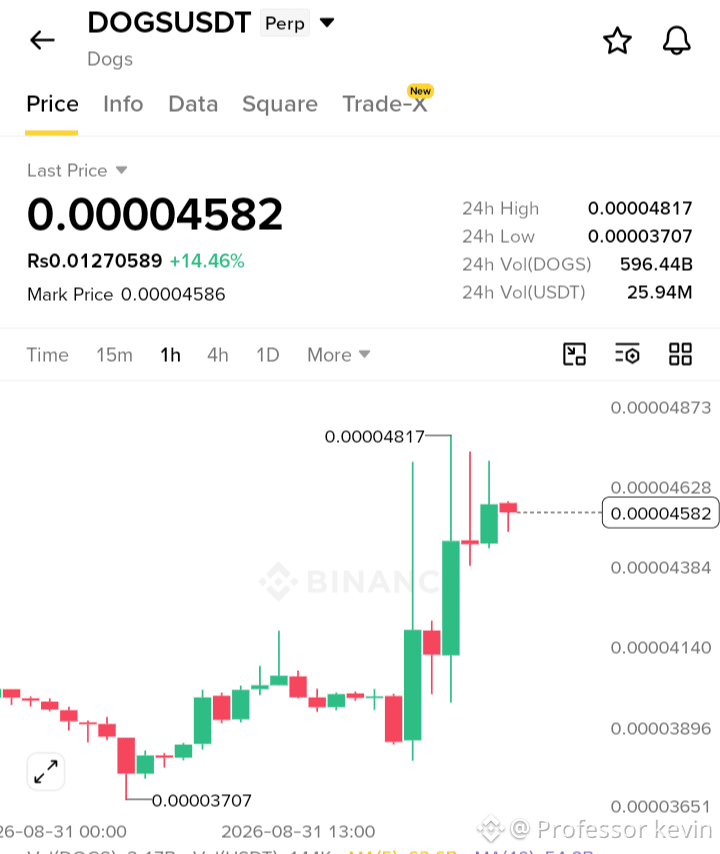
$DOGS Estou vendo uma estrutura de alta com compradores ainda defendendo a zona do fundo mais alto (higher-low). Depois de um impulso tão forte, eu prefiro esperar o preço respeitar o suporte e então recuperar a resistência antes de adicionar à ideia de continuação.
Plano de Trade
Zona de Entrada: 0.2260–0.2305
TP1: 0.2350
TP2: 0.2400
TP3: 0.2460
SL: 0.2210
Enquanto 0.2260 se mantiver e o preço romper a máxima recente, eu favoreço a continuação. Uma quebra abaixo de 0.2210 invalida a estrutura.
::
$DOGS Estou vendo uma estrutura de alta com compradores ainda defendendo a zona do fundo mais alto (higher-low). Depois de um impulso tão forte, eu prefiro esperar o preço respeitar o suporte e então recuperar a resistência antes de adicionar à ideia de continuação.
Plano de Trade
Zona de Entrada: 0.2260–0.2305
TP1: 0.2350
TP2: 0.2400
TP3: 0.2460
SL: 0.2210
Enquanto 0.2260 se mantiver e o preço romper a máxima recente, eu favoreço a continuação. Uma quebra abaixo de 0.2210 invalida a estrutura.
::
Plano de Trade
Zona de Entrada: 0.2260–0.2305
TP1: 0.2350
TP2: 0.2400
TP3: 0.2460
SL: 0.2210
Enquanto 0.2260 se mantiver e o preço romper a máxima recente, eu favoreço a continuação. Uma quebra abaixo de 0.2210 invalida a estrutura.
::
1
212
·
--
Em Alta
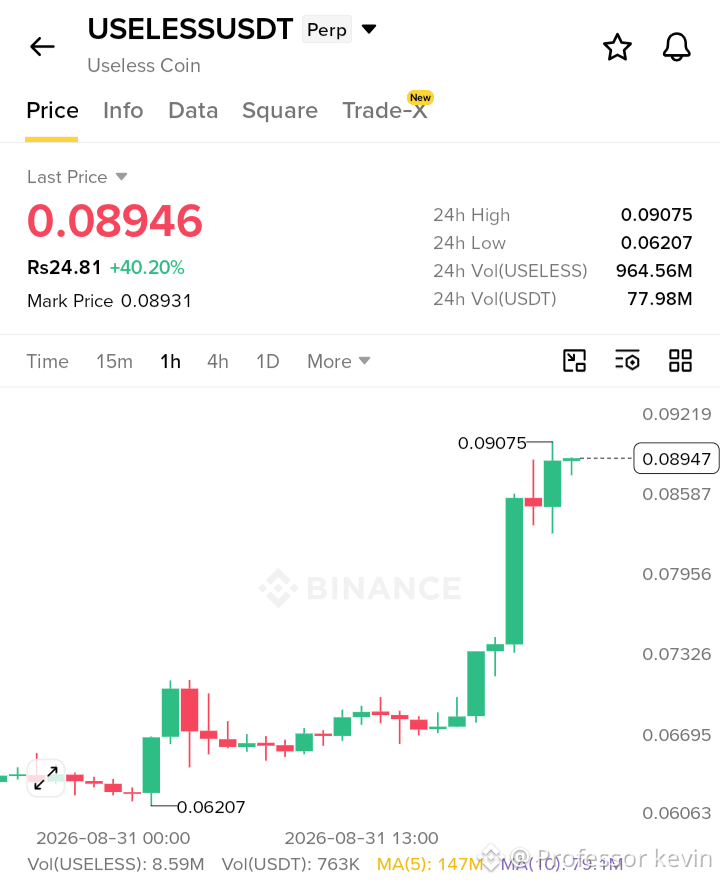
$USELESS Ainda estou mais inclinado ao viés de alta aqui após o impulso acentuado. O que importa agora é se o preço consegue transformar a área recente de rompimento em suporte e continuar formando topos mais altos, em vez de devolver todo o movimento.
Configuração da Operação
Zona de Entrada: 0.08800–0.08960
TP1: 0.09200
TP2: 0.09500
TP3: 0.09800
SL: 0.08550
Eu procuraria continuação enquanto 0.08800 se mantiver e a resistência for recuperada. Perder 0.08550 invalidaria a configuração de alta.
$USELESS Ainda estou mais inclinado ao viés de alta aqui após o impulso acentuado. O que importa agora é se o preço consegue transformar a área recente de rompimento em suporte e continuar formando topos mais altos, em vez de devolver todo o movimento.
Configuração da Operação
Zona de Entrada: 0.08800–0.08960
TP1: 0.09200
TP2: 0.09500
TP3: 0.09800
SL: 0.08550
Eu procuraria continuação enquanto 0.08800 se mantiver e a resistência for recuperada. Perder 0.08550 invalidaria a configuração de alta.
Configuração da Operação
Zona de Entrada: 0.08800–0.08960
TP1: 0.09200
TP2: 0.09500
TP3: 0.09800
SL: 0.08550
Eu procuraria continuação enquanto 0.08800 se mantiver e a resistência for recuperada. Perder 0.08550 invalidaria a configuração de alta.
225
·
--
Em Alta
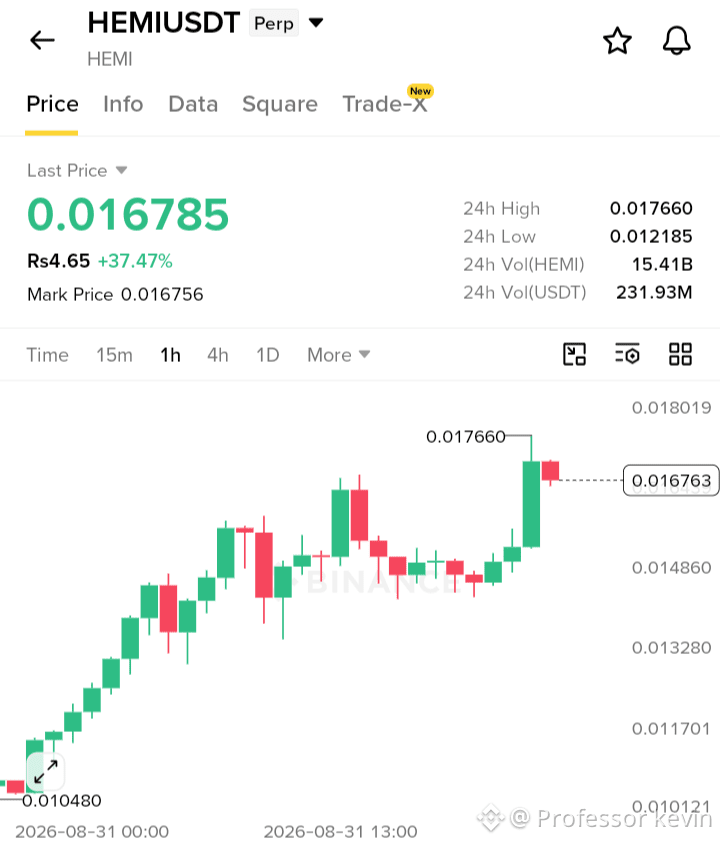
$HEMI Estou vendo compradores manterem o controle após o recente movimento impulsivo. O preço ainda está fazendo máximas e mínimas mais altas, então eu prefiro uma retração até uma região de suporte em vez de correr atrás da expansão atual.
Plano de Trade
Zona de Entrada: 0,01685–0,01720
TP1: 0,01780
TP2: 0,01840
TP3: 0,01900
SL: 0,01625
Para mim, 0,01685 é a área-chave que precisa ser mantida. Uma quebra da máxima recente daria suporte à continuação, enquanto um movimento abaixo de 0,01625 invalida o cenário.
$HEMI Estou vendo compradores manterem o controle após o recente movimento impulsivo. O preço ainda está fazendo máximas e mínimas mais altas, então eu prefiro uma retração até uma região de suporte em vez de correr atrás da expansão atual.
Plano de Trade
Zona de Entrada: 0,01685–0,01720
TP1: 0,01780
TP2: 0,01840
TP3: 0,01900
SL: 0,01625
Para mim, 0,01685 é a área-chave que precisa ser mantida. Uma quebra da máxima recente daria suporte à continuação, enquanto um movimento abaixo de 0,01625 invalida o cenário.
Plano de Trade
Zona de Entrada: 0,01685–0,01720
TP1: 0,01780
TP2: 0,01840
TP3: 0,01900
SL: 0,01625
Para mim, 0,01685 é a área-chave que precisa ser mantida. Uma quebra da máxima recente daria suporte à continuação, enquanto um movimento abaixo de 0,01625 invalida o cenário.
184
·
--
Em Alta
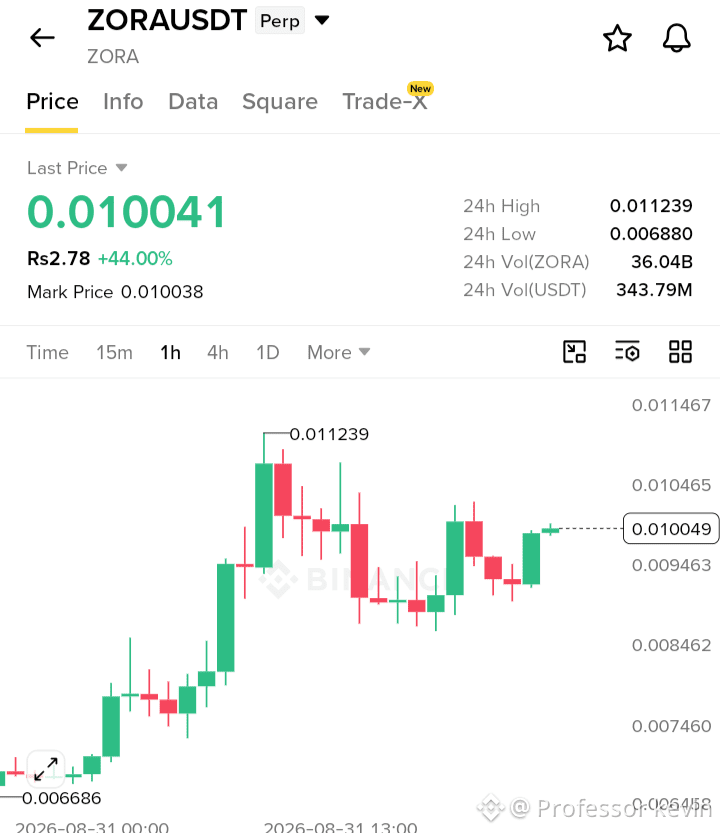
$ZORA Estou mantendo a tendência de alta enquanto o preço permanecer acima da recente área de rompimento. O impulso foi forte, e a consolidação atual parece construtiva desde que os vendedores não consigam romper a estrutura de fundo mais alto.
Configuração de Operação
Zona de Entrada: 0,00965–0,00990
TP1: 0,01020
TP2: 0,01055
TP3: 0,01090
SL: 0,00930
Quero ver 0,00990 ser recuperado e mantido para dar continuidade. Se 0,00930 romper, eu consideraria a estrutura de alta inválida.
$ZORA Estou mantendo a tendência de alta enquanto o preço permanecer acima da recente área de rompimento. O impulso foi forte, e a consolidação atual parece construtiva desde que os vendedores não consigam romper a estrutura de fundo mais alto.
Configuração de Operação
Zona de Entrada: 0,00965–0,00990
TP1: 0,01020
TP2: 0,01055
TP3: 0,01090
SL: 0,00930
Quero ver 0,00990 ser recuperado e mantido para dar continuidade. Se 0,00930 romper, eu consideraria a estrutura de alta inválida.
Configuração de Operação
Zona de Entrada: 0,00965–0,00990
TP1: 0,01020
TP2: 0,01055
TP3: 0,01090
SL: 0,00930
Quero ver 0,00990 ser recuperado e mantido para dar continuidade. Se 0,00930 romper, eu consideraria a estrutura de alta inválida.
199
·
--
Em Alta
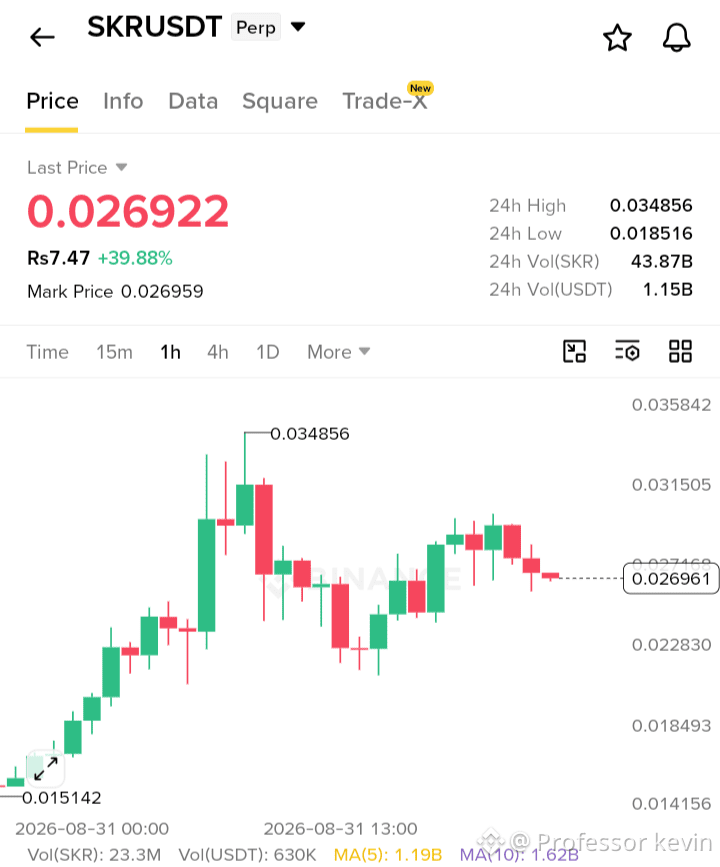
$SKR Estou vendo uma estrutura bullish forte aqui. O movimento de impulso empurrou o preço para novas máximas, enquanto a retração ainda está respeitando a área recente de fundo mais alto. Eu prefiro ver uma manutenção limpa do suporte antes de buscar a próxima continuação.
Configuração da Operação
Zona de Entrada: 0.02680–0.02730
TP1: 0.02820
TP2: 0.02910
TP3: 0.03000
SL: 0.02590
Enquanto 0.02680 se mantiver e o preço formar outra máxima mais alta, vou manter a inclinação de alta. Uma quebra abaixo de 0.02590 invalida a configuração.
$SKR Estou vendo uma estrutura bullish forte aqui. O movimento de impulso empurrou o preço para novas máximas, enquanto a retração ainda está respeitando a área recente de fundo mais alto. Eu prefiro ver uma manutenção limpa do suporte antes de buscar a próxima continuação.
Configuração da Operação
Zona de Entrada: 0.02680–0.02730
TP1: 0.02820
TP2: 0.02910
TP3: 0.03000
SL: 0.02590
Enquanto 0.02680 se mantiver e o preço formar outra máxima mais alta, vou manter a inclinação de alta. Uma quebra abaixo de 0.02590 invalida a configuração.
Configuração da Operação
Zona de Entrada: 0.02680–0.02730
TP1: 0.02820
TP2: 0.02910
TP3: 0.03000
SL: 0.02590
Enquanto 0.02680 se mantiver e o preço formar outra máxima mais alta, vou manter a inclinação de alta. Uma quebra abaixo de 0.02590 invalida a configuração.
355
·
--
Em Alta
$CYS está com uma perspectiva de alta no curto prazo após o impulso recente. Eu prefiro uma retração controlada em vez de entrar após mais uma vela estendida.
Plano de trade
Entrada: 0.760–0.772
TP1: 0.785
TP2: 0.800
TP3: 0.820
SL: 0.740
Se 0.760 sustentar e o preço formar uma mínima mais alta, a continuação permanece válida. Abaixo de 0.740, a configuração é inválida.
$CYS está com uma perspectiva de alta no curto prazo após o impulso recente. Eu prefiro uma retração controlada em vez de entrar após mais uma vela estendida.
Plano de trade
Entrada: 0.760–0.772
TP1: 0.785
TP2: 0.800
TP3: 0.820
SL: 0.740
Se 0.760 sustentar e o preço formar uma mínima mais alta, a continuação permanece válida. Abaixo de 0.740, a configuração é inválida.
Plano de trade
Entrada: 0.760–0.772
TP1: 0.785
TP2: 0.800
TP3: 0.820
SL: 0.740
Se 0.760 sustentar e o preço formar uma mínima mais alta, a continuação permanece válida. Abaixo de 0.740, a configuração é inválida.
275
$GWEI está mostrando um bom impulso no curto prazo, mas o próximo movimento depende do suporte. Se os compradores defenderem a área atual e formarem uma mínima mais alta, a continuação permanece razoável.
Configuração de Trade
Entrada: 0.02545–0.02580
TP1: 0.02620
TP2: 0.02670
TP3: 0.02730
SL: 0.02490
A configuração continua válida acima de 0.02490. Uma ruptura limpa abaixo desse nível altera a estrutura.
$GWEI está mostrando um bom impulso no curto prazo, mas o próximo movimento depende do suporte. Se os compradores defenderem a área atual e formarem uma mínima mais alta, a continuação permanece razoável.
Configuração de Trade
Entrada: 0.02545–0.02580
TP1: 0.02620
TP2: 0.02670
TP3: 0.02730
SL: 0.02490
A configuração continua válida acima de 0.02490. Uma ruptura limpa abaixo desse nível altera a estrutura.
Configuração de Trade
Entrada: 0.02545–0.02580
TP1: 0.02620
TP2: 0.02670
TP3: 0.02730
SL: 0.02490
A configuração continua válida acima de 0.02490. Uma ruptura limpa abaixo desse nível altera a estrutura.
161
·
--
Em Alta
$B2 está mantendo uma estrutura bullish de curto prazo após o impulso recente. O próximo sinal que eu quero é simples: consolidação, suporte segurando e então mais uma máxima mais alta.
Configuração da operação
Entrada: 0,444–0,449
TP1: 0,458
TP2: 0,468
TP3: 0,480
SL: 0,435
Manter 0,444 mantém a ideia de continuação viva. Uma quebra abaixo de 0,435 invalida isso.
$B2 está mantendo uma estrutura bullish de curto prazo após o impulso recente. O próximo sinal que eu quero é simples: consolidação, suporte segurando e então mais uma máxima mais alta.
Configuração da operação
Entrada: 0,444–0,449
TP1: 0,458
TP2: 0,468
TP3: 0,480
SL: 0,435
Manter 0,444 mantém a ideia de continuação viva. Uma quebra abaixo de 0,435 invalida isso.
Configuração da operação
Entrada: 0,444–0,449
TP1: 0,458
TP2: 0,468
TP3: 0,480
SL: 0,435
Manter 0,444 mantém a ideia de continuação viva. Uma quebra abaixo de 0,435 invalida isso.
139
·
--
Em Alta
$ONT tem uma tendência de alta (bullish) e limpa no curto prazo após a recente expansão. Estou observando de perto agora a área de rompimento; manter essa posição daria espaço para o movimento continuar.
Configuração da Operação
Entrada: 0.06080–0.06140
TP1: 0.06230
TP2: 0.06320
TP3: 0.06430
SL: 0.05970
Uma mínima mais alta acima de 0.06080 mantém a operação construtiva. Perder 0.05970 e a configuração fica inválida.
$ONT tem uma tendência de alta (bullish) e limpa no curto prazo após a recente expansão. Estou observando de perto agora a área de rompimento; manter essa posição daria espaço para o movimento continuar.
Configuração da Operação
Entrada: 0.06080–0.06140
TP1: 0.06230
TP2: 0.06320
TP3: 0.06430
SL: 0.05970
Uma mínima mais alta acima de 0.06080 mantém a operação construtiva. Perder 0.05970 e a configuração fica inválida.
Configuração da Operação
Entrada: 0.06080–0.06140
TP1: 0.06230
TP2: 0.06320
TP3: 0.06430
SL: 0.05970
Uma mínima mais alta acima de 0.06080 mantém a operação construtiva. Perder 0.05970 e a configuração fica inválida.
144
·
--
Em Alta
$BICO subiu com um impulso de curto prazo claro. A negociação mais limpa aqui é uma retração que sustente o suporte recente e forme outra mínima mais alta.
Configuração da Operação
Entrada: 0,02245–0,02270
TP1: 0,02310
TP2: 0,02360
TP3: 0,02420
SL: 0,02190
Enquanto 0,02245 se mantiver, os compradores têm espaço para continuar. Abaixo de 0,02190, eu consideraria a configuração como inválida.
$BICO subiu com um impulso de curto prazo claro. A negociação mais limpa aqui é uma retração que sustente o suporte recente e forme outra mínima mais alta.
Configuração da Operação
Entrada: 0,02245–0,02270
TP1: 0,02310
TP2: 0,02360
TP3: 0,02420
SL: 0,02190
Enquanto 0,02245 se mantiver, os compradores têm espaço para continuar. Abaixo de 0,02190, eu consideraria a configuração como inválida.
Configuração da Operação
Entrada: 0,02245–0,02270
TP1: 0,02310
TP2: 0,02360
TP3: 0,02420
SL: 0,02190
Enquanto 0,02245 se mantiver, os compradores têm espaço para continuar. Abaixo de 0,02190, eu consideraria a configuração como inválida.
215
·
--
Em Alta
$HEI ainda está mostrando uma sólida estrutura de curto prazo. Após o impulso, quero ver o preço segurar o suporte em vez de retrair imediatamente todo o movimento.
Configuração da Operação
Entrada: 0.15500–0.15620
TP1: 0.15850
TP2: 0.16100
TP3: 0.16400
SL: 0.15280
Manter 0.15500 mantém a configuração de continuação intacta. Uma quebra limpa abaixo de 0.15280 a invalida.
$HEI ainda está mostrando uma sólida estrutura de curto prazo. Após o impulso, quero ver o preço segurar o suporte em vez de retrair imediatamente todo o movimento.
Configuração da Operação
Entrada: 0.15500–0.15620
TP1: 0.15850
TP2: 0.16100
TP3: 0.16400
SL: 0.15280
Manter 0.15500 mantém a configuração de continuação intacta. Uma quebra limpa abaixo de 0.15280 a invalida.
Configuração da Operação
Entrada: 0.15500–0.15620
TP1: 0.15850
TP2: 0.16100
TP3: 0.16400
SL: 0.15280
Manter 0.15500 mantém a configuração de continuação intacta. Uma quebra limpa abaixo de 0.15280 a invalida.
127
·
--
Em Alta
$BAS está mantendo uma estrutura bullish de curto prazo após um forte impulso para cima. Eu buscaria consolidação em torno do suporte antes de considerar a próxima perna.
Configuração da Operação
Entrada: 0.02470–0.02500
TP1: 0.02540
TP2: 0.02590
TP3: 0.02650
SL: 0.02420
A configuração permanece construtiva enquanto 0.02420 estiver sustentado e o preço continuar imprimindo mínimas mais altas.
$BAS está mantendo uma estrutura bullish de curto prazo após um forte impulso para cima. Eu buscaria consolidação em torno do suporte antes de considerar a próxima perna.
Configuração da Operação
Entrada: 0.02470–0.02500
TP1: 0.02540
TP2: 0.02590
TP3: 0.02650
SL: 0.02420
A configuração permanece construtiva enquanto 0.02420 estiver sustentado e o preço continuar imprimindo mínimas mais altas.
Configuração da Operação
Entrada: 0.02470–0.02500
TP1: 0.02540
TP2: 0.02590
TP3: 0.02650
SL: 0.02420
A configuração permanece construtiva enquanto 0.02420 estiver sustentado e o preço continuar imprimindo mínimas mais altas.
119
·
--
Em Alta
$ARIA tem bom momentum de curto prazo após o movimento de impulso. A parte importante agora é se os compradores conseguem transformar a área atual em suporte, em vez de devolver todo o movimento.
Configuração de Trade
Entrada: 0.03570–0.03615
TP1: 0.03680
TP2: 0.03750
TP3: 0.03830
SL: 0.03490
Uma mínima mais alta acima de 0.03570 mantém a configuração saudável. Abaixo de 0.03490, a estrutura de alta deixa de ser válida.
$ARIA tem bom momentum de curto prazo após o movimento de impulso. A parte importante agora é se os compradores conseguem transformar a área atual em suporte, em vez de devolver todo o movimento.
Configuração de Trade
Entrada: 0.03570–0.03615
TP1: 0.03680
TP2: 0.03750
TP3: 0.03830
SL: 0.03490
Uma mínima mais alta acima de 0.03570 mantém a configuração saudável. Abaixo de 0.03490, a estrutura de alta deixa de ser válida.
Configuração de Trade
Entrada: 0.03570–0.03615
TP1: 0.03680
TP2: 0.03750
TP3: 0.03830
SL: 0.03490
Uma mínima mais alta acima de 0.03570 mantém a configuração saudável. Abaixo de 0.03490, a estrutura de alta deixa de ser válida.
140
·
--
Em Alta
$MAGMA O curto prazo está em alta, mas o movimento recente já está estendido. Uma retração controlada para a faixa de 71,80–72,40 daria um scalp mais limpo.
Configuração da Operação
Entrada: 71,80–72,40
TP1: 73,20
TP2: 74,00
TP3: 75,00
SL: 70,80
Se os compradores defenderem 71,80 e formarem outro fundo mais alto, a continuação permanece válida. Abaixo de 70,80, eu me afastaria.
$MAGMA O curto prazo está em alta, mas o movimento recente já está estendido. Uma retração controlada para a faixa de 71,80–72,40 daria um scalp mais limpo.
Configuração da Operação
Entrada: 71,80–72,40
TP1: 73,20
TP2: 74,00
TP3: 75,00
SL: 70,80
Se os compradores defenderem 71,80 e formarem outro fundo mais alto, a continuação permanece válida. Abaixo de 70,80, eu me afastaria.
Configuração da Operação
Entrada: 71,80–72,40
TP1: 73,20
TP2: 74,00
TP3: 75,00
SL: 70,80
Se os compradores defenderem 71,80 e formarem outro fundo mais alto, a continuação permanece válida. Abaixo de 70,80, eu me afastaria.
323
·
--
Em Alta
$PUMPBTC 5–a estrutura de 15m ainda é construtiva após o impulso forte. Prefiro ver uma pequena retração e uma mínima mais alta do que correr atrás do candle atual.
Configuração de Trade
Entrada: 0.01295–0.01310
TP1: 0.01335
TP2: 0.01360
TP3: 0.01390
SL: 0.01270
Enquanto 0.01270 se mantiver, a ideia de continuação continua válida. Perder esse nível e a configuração não funciona.
$PUMPBTC 5–a estrutura de 15m ainda é construtiva após o impulso forte. Prefiro ver uma pequena retração e uma mínima mais alta do que correr atrás do candle atual.
Configuração de Trade
Entrada: 0.01295–0.01310
TP1: 0.01335
TP2: 0.01360
TP3: 0.01390
SL: 0.01270
Enquanto 0.01270 se mantiver, a ideia de continuação continua válida. Perder esse nível e a configuração não funciona.
Configuração de Trade
Entrada: 0.01295–0.01310
TP1: 0.01335
TP2: 0.01360
TP3: 0.01390
SL: 0.01270
Enquanto 0.01270 se mantiver, a ideia de continuação continua válida. Perder esse nível e a configuração não funciona.
170
Inicia sessão para explorar mais conteúdos
Junta-te a utilizadores de criptomoedas de todo o mundo na Binance Square
⚡️ Obtém informações úteis e recentes sobre criptomoedas.
💬 Com a confiança da maior exchange de criptomoedas do mundo.
👍 Descobre perspetivas reais de criadores verificados.
E-mail/Número de telefone