

Ruoxi 若曦
1.2k Publicações

Ruoxi 若曦
Denunciar
Bloquear Utilizador
365 A seguir
22.1K+ Seguidores
1.4K+ Gostaram
Publicações
Tudo
Cotações
Em direto
·
--
Verificado
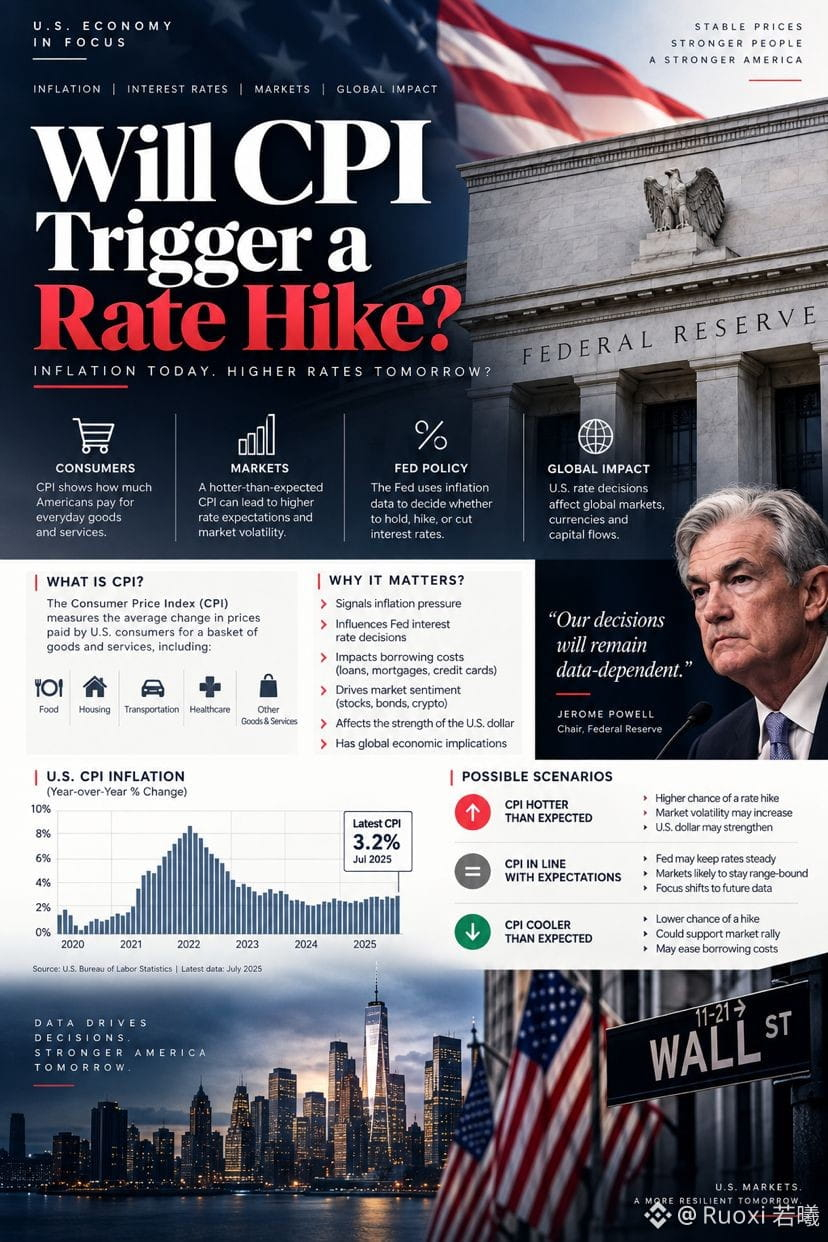
O CPI vai provocar um aumento de juros?
Tenho acompanhado esse cenário de perto porque algo parece um pouco diferente desta vez.
Os dados de empregos vieram mais fortes do que o esperado, e agora todo mundo está esperando o CPI dar ao Fed seu próximo motivo ou talvez a próxima razão para continuar cauteloso.
Pessoalmente, não estou convencido de que o Fed vai se apressar. Um dado forte não muda o quadro inteiro, mas a inflação mais “pegajosa” certamente pode deixar o mercado nervoso novamente.
O que mais me preocupa é a reação após o CPI. Podemos ver as ações levarem um golpe, os rendimentos subirem e o ouro oscilar forte em poucos minutos. E, sinceramente, o primeiro movimento nem sempre é o que eu confio.
Por enquanto, estou cauteloso com as ações e acompanhando o ouro de perto. Prefiro perder o primeiro “candle” do que correr atrás de um movimento que reverte cinco minutos depois.
É assim que estou vendo.
O que você está esperando: alta de juros ou manutenção pelo Fed? Mais otimista (bullish) ou mais pessimista (bearish)?
#CPIWatch
O CPI vai provocar um aumento de juros?
Tenho acompanhado esse cenário de perto porque algo parece um pouco diferente desta vez.
Os dados de empregos vieram mais fortes do que o esperado, e agora todo mundo está esperando o CPI dar ao Fed seu próximo motivo ou talvez a próxima razão para continuar cauteloso.
Pessoalmente, não estou convencido de que o Fed vai se apressar. Um dado forte não muda o quadro inteiro, mas a inflação mais “pegajosa” certamente pode deixar o mercado nervoso novamente.
O que mais me preocupa é a reação após o CPI. Podemos ver as ações levarem um golpe, os rendimentos subirem e o ouro oscilar forte em poucos minutos. E, sinceramente, o primeiro movimento nem sempre é o que eu confio.
Por enquanto, estou cauteloso com as ações e acompanhando o ouro de perto. Prefiro perder o primeiro “candle” do que correr atrás de um movimento que reverte cinco minutos depois.
É assim que estou vendo.
O que você está esperando: alta de juros ou manutenção pelo Fed? Mais otimista (bullish) ou mais pessimista (bearish)?
#CPIWatch
Tenho acompanhado esse cenário de perto porque algo parece um pouco diferente desta vez.
Os dados de empregos vieram mais fortes do que o esperado, e agora todo mundo está esperando o CPI dar ao Fed seu próximo motivo ou talvez a próxima razão para continuar cauteloso.
Pessoalmente, não estou convencido de que o Fed vai se apressar. Um dado forte não muda o quadro inteiro, mas a inflação mais “pegajosa” certamente pode deixar o mercado nervoso novamente.
O que mais me preocupa é a reação após o CPI. Podemos ver as ações levarem um golpe, os rendimentos subirem e o ouro oscilar forte em poucos minutos. E, sinceramente, o primeiro movimento nem sempre é o que eu confio.
Por enquanto, estou cauteloso com as ações e acompanhando o ouro de perto. Prefiro perder o primeiro “candle” do que correr atrás de um movimento que reverte cinco minutos depois.
É assim que estou vendo.
O que você está esperando: alta de juros ou manutenção pelo Fed? Mais otimista (bullish) ou mais pessimista (bearish)?
#CPIWatch
131
·
--
@termmax Continuo a observar o lado menos glamouroso da DeFi, porque é normalmente aí que eu aprendo mais. A TermMax tem um programa de recompensa por bug (bug bounty) que atribui um valor real para encontrar problemas sérios em contratos inteligentes antes que um atacante faça isso.
Para um bug crítico, a recompensa é de 10% dos fundos diretamente afetados, com teto de US$ 50.000, e mínimo de US$ 10.000. Eu acho que esse é um incentivo significativo para que whitehats se manifestem cedo.
O que chamou minha atenção foi a regra de ataque repetido. Se um contrato puder ser pausado ou atualizado, apenas o ataque inicial pode contar. Se não puder ser interrompido, o dano acumulado decorrente de explorações repetidas pode ser considerado. Isso parece muito mais com a forma como um exploit real poderia se desenrolar.
A TermMax combina empréstimo e captação com taxa fixa com curvas de precificação AMM personalizáveis, então segurança não é algo que eu trataria com leviandade. A recompensa também exige uma prova de conceito, e os testes ficam restritos a forks locais, em vez de código de mainnet ao vivo ou testnet pública.
Ainda assim, uma recompensa de US$ 50 mil não torna um protocolo magicamente seguro. Bugs podem permanecer não descobertos, e a DeFi tem muitos riscos além dos contratos inteligentes.
Pessoalmente, eu vejo a recompensa como um sinal de segurança, não como uma garantia.
Um bug bounty forte influenciaria sua decisão de usar a TermMax?
#TermMax
$GALA
{spot}(GALAUSDT)
$BCH
{spot}(BCHUSDT)
@TermMax Continuo a observar o lado menos glamouroso da DeFi, porque é normalmente aí que eu aprendo mais. A TermMax tem um programa de recompensa por bug (bug bounty) que atribui um valor real para encontrar problemas sérios em contratos inteligentes antes que um atacante faça isso.
Para um bug crítico, a recompensa é de 10% dos fundos diretamente afetados, com teto de US$ 50.000, e mínimo de US$ 10.000. Eu acho que esse é um incentivo significativo para que whitehats se manifestem cedo.
O que chamou minha atenção foi a regra de ataque repetido. Se um contrato puder ser pausado ou atualizado, apenas o ataque inicial pode contar. Se não puder ser interrompido, o dano acumulado decorrente de explorações repetidas pode ser considerado. Isso parece muito mais com a forma como um exploit real poderia se desenrolar.
A TermMax combina empréstimo e captação com taxa fixa com curvas de precificação AMM personalizáveis, então segurança não é algo que eu trataria com leviandade. A recompensa também exige uma prova de conceito, e os testes ficam restritos a forks locais, em vez de código de mainnet ao vivo ou testnet pública.
Ainda assim, uma recompensa de US$ 50 mil não torna um protocolo magicamente seguro. Bugs podem permanecer não descobertos, e a DeFi tem muitos riscos além dos contratos inteligentes.
Pessoalmente, eu vejo a recompensa como um sinal de segurança, não como uma garantia.
Um bug bounty forte influenciaria sua decisão de usar a TermMax?
#TermMax
$GALA
$BCH
Para um bug crítico, a recompensa é de 10% dos fundos diretamente afetados, com teto de US$ 50.000, e mínimo de US$ 10.000. Eu acho que esse é um incentivo significativo para que whitehats se manifestem cedo.
O que chamou minha atenção foi a regra de ataque repetido. Se um contrato puder ser pausado ou atualizado, apenas o ataque inicial pode contar. Se não puder ser interrompido, o dano acumulado decorrente de explorações repetidas pode ser considerado. Isso parece muito mais com a forma como um exploit real poderia se desenrolar.
A TermMax combina empréstimo e captação com taxa fixa com curvas de precificação AMM personalizáveis, então segurança não é algo que eu trataria com leviandade. A recompensa também exige uma prova de conceito, e os testes ficam restritos a forks locais, em vez de código de mainnet ao vivo ou testnet pública.
Ainda assim, uma recompensa de US$ 50 mil não torna um protocolo magicamente seguro. Bugs podem permanecer não descobertos, e a DeFi tem muitos riscos além dos contratos inteligentes.
Pessoalmente, eu vejo a recompensa como um sinal de segurança, não como uma garantia.
Um bug bounty forte influenciaria sua decisão de usar a TermMax?
#TermMax
$GALA
$BCH
Bounty Hunt 🟠
100%
Treasure Hunt 🟣
0%
4 Votos • Votação encerrada
1
1
460
·
--
Parcialmente verdadeiro
@termmax Uma coisa que imediatamente me chamou atenção ao ler a divisão de XP da TermMax: o multiplicador não é igual para cada posição.
Depósitos no cofre recebem 30x de XP, holdings de FT recebem 15x e holdings de GT recebem 2x com base no valor do ativo da dívida. Também há um componente de indicação equivalente a 10% do XP dos usuários indicados, excluindo o próprio bônus da indicação.
Honestamente, eu gosto mais da lógica do que de uma campanha simples do tipo “faça 100 transações”.
Isso conecta o sistema de incentivos a diferentes funções dentro da TermMax.
E essas funções realmente importam porque a TermMax usa coisas como Fixed-Rate Tokens e Gearing Tokens para estruturar empréstimos e financiamentos em torno de prazos fixos.
Ainda assim, 30x pode parecer empolgante no papel e ficar menos impressionante se muitos usuários entrarem na mesma estratégia.
É essa a parte que eu observaria.
Você acha que o XP baseado em multiplicadores cria melhores usuários ou apenas mais competição pelo mesmo airdrop?
#TermMax
$ACE
{spot}(ACEUSDT)
$ONG
{spot}(ONGUSDT)
@TermMax Uma coisa que imediatamente me chamou atenção ao ler a divisão de XP da TermMax: o multiplicador não é igual para cada posição.
Depósitos no cofre recebem 30x de XP, holdings de FT recebem 15x e holdings de GT recebem 2x com base no valor do ativo da dívida. Também há um componente de indicação equivalente a 10% do XP dos usuários indicados, excluindo o próprio bônus da indicação.
Honestamente, eu gosto mais da lógica do que de uma campanha simples do tipo “faça 100 transações”.
Isso conecta o sistema de incentivos a diferentes funções dentro da TermMax.
E essas funções realmente importam porque a TermMax usa coisas como Fixed-Rate Tokens e Gearing Tokens para estruturar empréstimos e financiamentos em torno de prazos fixos.
Ainda assim, 30x pode parecer empolgante no papel e ficar menos impressionante se muitos usuários entrarem na mesma estratégia.
É essa a parte que eu observaria.
Você acha que o XP baseado em multiplicadores cria melhores usuários ou apenas mais competição pelo mesmo airdrop?
#TermMax
$ACE
$ONG
Depósitos no cofre recebem 30x de XP, holdings de FT recebem 15x e holdings de GT recebem 2x com base no valor do ativo da dívida. Também há um componente de indicação equivalente a 10% do XP dos usuários indicados, excluindo o próprio bônus da indicação.
Honestamente, eu gosto mais da lógica do que de uma campanha simples do tipo “faça 100 transações”.
Isso conecta o sistema de incentivos a diferentes funções dentro da TermMax.
E essas funções realmente importam porque a TermMax usa coisas como Fixed-Rate Tokens e Gearing Tokens para estruturar empréstimos e financiamentos em torno de prazos fixos.
Ainda assim, 30x pode parecer empolgante no papel e ficar menos impressionante se muitos usuários entrarem na mesma estratégia.
É essa a parte que eu observaria.
Você acha que o XP baseado em multiplicadores cria melhores usuários ou apenas mais competição pelo mesmo airdrop?
#TermMax
$ACE
$ONG
Bullish Token Volatility 🟢
73%
Bearish Token Volatility 🔴
27%
11 Votos • Votação encerrada
3
868
·
--
@termmax Agora olho para os protocolos de DeFi um pouco de um jeito diferente.
Uma pontuação de segurança PQR de DeFi de 93% no TermMax chamou minha atenção, mas eu não vejo 93% como “seguro, pronto, seguir adiante”. Eu vejo isso como um motivo para olhar mais a fundo, sinceramente. A pontuação cobre código, documentação, testes, segurança, controles administrativos e oráculos.
O TermMax teve 100% em Código e Equipe,
94% em Segurança, 97% em Controles Administrativos e 100% em Oráculos. Os testes ficaram em 89%, enquanto a documentação ficou em 70%. Esse último número é, na verdade, a parte que eu gostaria de entender melhor.
Eu acho que é assim que as pontuações de segurança deveriam ser usadas.
Não como luz verde, mas como um ponto de partida para pesquisa. O TermMax também descreve testes unitários, fuzzing, testes de mutação e testes de integração.
Ainda assim, o risco em contratos inteligentes nunca desaparece completamente no DeFi.
Então estou observando os 93% com interesse, não com confiança cega.
Para um protocolo que lida com empréstimos, financiamentos e produtos estruturados, segurança não é um recurso lateral — é o jogo inteiro.
Uma pontuação PQR de 93% mudaria a sua visão de um protocolo de DeFi?
#TermMax
$CLO
{future}(CLOUSDT)
$ACE
{spot}(ACEUSDT)
@TermMax Agora olho para os protocolos de DeFi um pouco de um jeito diferente.
Uma pontuação de segurança PQR de DeFi de 93% no TermMax chamou minha atenção, mas eu não vejo 93% como “seguro, pronto, seguir adiante”. Eu vejo isso como um motivo para olhar mais a fundo, sinceramente. A pontuação cobre código, documentação, testes, segurança, controles administrativos e oráculos.
O TermMax teve 100% em Código e Equipe,
94% em Segurança, 97% em Controles Administrativos e 100% em Oráculos. Os testes ficaram em 89%, enquanto a documentação ficou em 70%. Esse último número é, na verdade, a parte que eu gostaria de entender melhor.
Eu acho que é assim que as pontuações de segurança deveriam ser usadas.
Não como luz verde, mas como um ponto de partida para pesquisa. O TermMax também descreve testes unitários, fuzzing, testes de mutação e testes de integração.
Ainda assim, o risco em contratos inteligentes nunca desaparece completamente no DeFi.
Então estou observando os 93% com interesse, não com confiança cega.
Para um protocolo que lida com empréstimos, financiamentos e produtos estruturados, segurança não é um recurso lateral — é o jogo inteiro.
Uma pontuação PQR de 93% mudaria a sua visão de um protocolo de DeFi?
#TermMax
$CLO
$ACE
Uma pontuação de segurança PQR de DeFi de 93% no TermMax chamou minha atenção, mas eu não vejo 93% como “seguro, pronto, seguir adiante”. Eu vejo isso como um motivo para olhar mais a fundo, sinceramente. A pontuação cobre código, documentação, testes, segurança, controles administrativos e oráculos.
O TermMax teve 100% em Código e Equipe,
94% em Segurança, 97% em Controles Administrativos e 100% em Oráculos. Os testes ficaram em 89%, enquanto a documentação ficou em 70%. Esse último número é, na verdade, a parte que eu gostaria de entender melhor.
Eu acho que é assim que as pontuações de segurança deveriam ser usadas.
Não como luz verde, mas como um ponto de partida para pesquisa. O TermMax também descreve testes unitários, fuzzing, testes de mutação e testes de integração.
Ainda assim, o risco em contratos inteligentes nunca desaparece completamente no DeFi.
Então estou observando os 93% com interesse, não com confiança cega.
Para um protocolo que lida com empréstimos, financiamentos e produtos estruturados, segurança não é um recurso lateral — é o jogo inteiro.
Uma pontuação PQR de 93% mudaria a sua visão de um protocolo de DeFi?
#TermMax
$CLO
$ACE
Bullish Volatile 🟢
67%
Bearish Volatile 🔴
33%
3 Votos • Votação encerrada
340
·
--
Verificado
@termmax Continuo olhando para o lado das liquidações em DeFi, porque é aí que muitas ideias de empréstimo são testadas na prática.
Um protocolo pode oferecer taxas atraentes, mas o que acontece quando o mercado se move de repente 30%?
TermMax tem uma resposta interessante: entrega física. Em certas situações de liquidação, garantias podem ser entregues aos credores em vez de depender apenas de vender ativos em um mercado pouco líquido. O desenho também pretende tornar garantias como ativos de menor liquidez e alguns RWAs mais utilizáveis.
Acho que esta é uma das partes menos chamativas do TermMax, mas provavelmente uma das mais importantes.
Se a liquidez desaparece durante um movimento brusco, simplesmente dizer “liquidar” não garante que o credor obtenha uma recuperação justa.
Mas a entrega física também não é um escudo mágico. A própria garantia ainda pode perder valor.
Você confiaria mais na entrega física do que em uma liquidação tradicional de mercado durante uma volatilidade extrema?
#TermMax
$GPS
{spot}(GPSUSDT)
$TUT
{spot}(TUTUSDT)
@TermMax Continuo olhando para o lado das liquidações em DeFi, porque é aí que muitas ideias de empréstimo são testadas na prática.
Um protocolo pode oferecer taxas atraentes, mas o que acontece quando o mercado se move de repente 30%?
TermMax tem uma resposta interessante: entrega física. Em certas situações de liquidação, garantias podem ser entregues aos credores em vez de depender apenas de vender ativos em um mercado pouco líquido. O desenho também pretende tornar garantias como ativos de menor liquidez e alguns RWAs mais utilizáveis.
Acho que esta é uma das partes menos chamativas do TermMax, mas provavelmente uma das mais importantes.
Se a liquidez desaparece durante um movimento brusco, simplesmente dizer “liquidar” não garante que o credor obtenha uma recuperação justa.
Mas a entrega física também não é um escudo mágico. A própria garantia ainda pode perder valor.
Você confiaria mais na entrega física do que em uma liquidação tradicional de mercado durante uma volatilidade extrema?
#TermMax
$GPS
$TUT
Um protocolo pode oferecer taxas atraentes, mas o que acontece quando o mercado se move de repente 30%?
TermMax tem uma resposta interessante: entrega física. Em certas situações de liquidação, garantias podem ser entregues aos credores em vez de depender apenas de vender ativos em um mercado pouco líquido. O desenho também pretende tornar garantias como ativos de menor liquidez e alguns RWAs mais utilizáveis.
Acho que esta é uma das partes menos chamativas do TermMax, mas provavelmente uma das mais importantes.
Se a liquidez desaparece durante um movimento brusco, simplesmente dizer “liquidar” não garante que o credor obtenha uma recuperação justa.
Mas a entrega física também não é um escudo mágico. A própria garantia ainda pode perder valor.
Você confiaria mais na entrega física do que em uma liquidação tradicional de mercado durante uma volatilidade extrema?
#TermMax
$GPS
$TUT
Bullish volatility 🟢
33%
Bearish volatility 🔴
67%
12 Votos • Votação encerrada
1.3k
·
--
@Dusk_Foundation Estou olhando de novo para a conversa sobre IA + cripto e algo parece estar faltando. Todo mundo fala sobre agentes que geram código, executam tarefas e aceleram. Pouquíssimas pessoas perguntam o que acontece quando o agente segue uma especificação desatualizada que ninguém se lembrava de que estava desatualizada.
Pituitary é a tentativa da Dusk de resolver esse problema mais silencioso. Ela observa a relação entre especificações, documentação, decisões e código, em vez de tratar cada arquivo como algo isolado. Ela pode buscar especificações, compará-las, encontrar docs antigas e revisar impactos.
Honestamente, é esse tipo de ferramenta de IA que eu acho mais interessante. Não outro chatbot dizendo aos desenvolvedores o que código escrever, mas um sistema que ajuda os desenvolvedores a evitar perder a intenção original do projeto. Especialmente para infraestrutura financeira, onde privacidade e conformidade podem fazer parte da lógica real da aplicação.
Ainda assim, há um risco aqui também. Alertas automatizados demais podem virar ruído, e as equipes podem eventualmente começar a ignorá-los. A ferramenta precisa provar que seus sinais são úteis.
Mas se a IA vai escrever mais do nosso código, não deveríamos construir sistemas melhores para lembrar as regras que o código precisa seguir?
#dusk $DUSK
$PORTAL
{spot}(PORTALUSDT)
$DOLO
{spot}(DOLOUSDT)
@Dusk Estou olhando de novo para a conversa sobre IA + cripto e algo parece estar faltando. Todo mundo fala sobre agentes que geram código, executam tarefas e aceleram. Pouquíssimas pessoas perguntam o que acontece quando o agente segue uma especificação desatualizada que ninguém se lembrava de que estava desatualizada.
Pituitary é a tentativa da Dusk de resolver esse problema mais silencioso. Ela observa a relação entre especificações, documentação, decisões e código, em vez de tratar cada arquivo como algo isolado. Ela pode buscar especificações, compará-las, encontrar docs antigas e revisar impactos.
Honestamente, é esse tipo de ferramenta de IA que eu acho mais interessante. Não outro chatbot dizendo aos desenvolvedores o que código escrever, mas um sistema que ajuda os desenvolvedores a evitar perder a intenção original do projeto. Especialmente para infraestrutura financeira, onde privacidade e conformidade podem fazer parte da lógica real da aplicação.
Ainda assim, há um risco aqui também. Alertas automatizados demais podem virar ruído, e as equipes podem eventualmente começar a ignorá-los. A ferramenta precisa provar que seus sinais são úteis.
Mas se a IA vai escrever mais do nosso código, não deveríamos construir sistemas melhores para lembrar as regras que o código precisa seguir?
#dusk $DUSK
$PORTAL
$DOLO
Pituitary é a tentativa da Dusk de resolver esse problema mais silencioso. Ela observa a relação entre especificações, documentação, decisões e código, em vez de tratar cada arquivo como algo isolado. Ela pode buscar especificações, compará-las, encontrar docs antigas e revisar impactos.
Honestamente, é esse tipo de ferramenta de IA que eu acho mais interessante. Não outro chatbot dizendo aos desenvolvedores o que código escrever, mas um sistema que ajuda os desenvolvedores a evitar perder a intenção original do projeto. Especialmente para infraestrutura financeira, onde privacidade e conformidade podem fazer parte da lógica real da aplicação.
Ainda assim, há um risco aqui também. Alertas automatizados demais podem virar ruído, e as equipes podem eventualmente começar a ignorá-los. A ferramenta precisa provar que seus sinais são úteis.
Mas se a IA vai escrever mais do nosso código, não deveríamos construir sistemas melhores para lembrar as regras que o código precisa seguir?
#dusk $DUSK
$PORTAL
$DOLO
Bullish Time 🟢
100%
Bearish Time 🔴
0%
3 Votos • Votação encerrada
297
·
--
Verificado
@Dusk_Foundation Uma coisa que notei ao ler a documentação de Dusk é que contratos inteligentes estão se tornando parte da economia da rede, não apenas de suas aplicações.
O Protocolo Econômico de Dusk permite que contratos inteligentes cobrem taxas, paguem gás e operem de forma autônoma. Isso parece uma pequena melhoria técnica até você pensar em como aplicações financeiras realmente funcionam. Um contrato pode ter seu próprio comportamento econômico, em vez de depender de cada usuário para gerenciar cada etapa manualmente.
Então, a Abstração de Staking adiciona mais uma camada.
Um contrato pode participar de staking, lidar com unstaking e receber recompensas de staking. Assim, o contrato não está apenas executando lógica financeira — ele também pode gerenciar parte da economia da rede em torno dessa lógica. É aí que eu acho que as coisas ficam bem interessantes.
Isso pode tornar a infraestrutura de staking muito mais componível. Mas a componibilidade sempre traz outra pergunta — quem controla o contrato e o que acontece se o código tiver um bug?
A Dusk pode fornecer a infraestrutura, mas o risco no nível da aplicação ainda é de responsabilidade de desenvolvedores e usuários.
Você usaria um contrato inteligente que faz staking automaticamente e gerencia seu DUSK?
#dusk $DUSK
$COW
{spot}(COWUSDT)
$HEMI
{spot}(HEMIUSDT)
@Dusk Uma coisa que notei ao ler a documentação de Dusk é que contratos inteligentes estão se tornando parte da economia da rede, não apenas de suas aplicações.
O Protocolo Econômico de Dusk permite que contratos inteligentes cobrem taxas, paguem gás e operem de forma autônoma. Isso parece uma pequena melhoria técnica até você pensar em como aplicações financeiras realmente funcionam. Um contrato pode ter seu próprio comportamento econômico, em vez de depender de cada usuário para gerenciar cada etapa manualmente.
Então, a Abstração de Staking adiciona mais uma camada.
Um contrato pode participar de staking, lidar com unstaking e receber recompensas de staking. Assim, o contrato não está apenas executando lógica financeira — ele também pode gerenciar parte da economia da rede em torno dessa lógica. É aí que eu acho que as coisas ficam bem interessantes.
Isso pode tornar a infraestrutura de staking muito mais componível. Mas a componibilidade sempre traz outra pergunta — quem controla o contrato e o que acontece se o código tiver um bug?
A Dusk pode fornecer a infraestrutura, mas o risco no nível da aplicação ainda é de responsabilidade de desenvolvedores e usuários.
Você usaria um contrato inteligente que faz staking automaticamente e gerencia seu DUSK?
#dusk $DUSK
$COW
$HEMI
O Protocolo Econômico de Dusk permite que contratos inteligentes cobrem taxas, paguem gás e operem de forma autônoma. Isso parece uma pequena melhoria técnica até você pensar em como aplicações financeiras realmente funcionam. Um contrato pode ter seu próprio comportamento econômico, em vez de depender de cada usuário para gerenciar cada etapa manualmente.
Então, a Abstração de Staking adiciona mais uma camada.
Um contrato pode participar de staking, lidar com unstaking e receber recompensas de staking. Assim, o contrato não está apenas executando lógica financeira — ele também pode gerenciar parte da economia da rede em torno dessa lógica. É aí que eu acho que as coisas ficam bem interessantes.
Isso pode tornar a infraestrutura de staking muito mais componível. Mas a componibilidade sempre traz outra pergunta — quem controla o contrato e o que acontece se o código tiver um bug?
A Dusk pode fornecer a infraestrutura, mas o risco no nível da aplicação ainda é de responsabilidade de desenvolvedores e usuários.
Você usaria um contrato inteligente que faz staking automaticamente e gerencia seu DUSK?
#dusk $DUSK
$COW
$HEMI
Buying Bullish 🟢
80%
Selling Bearish 🔴
20%
5 Votos • Votação encerrada
4
1
642
·
--
@Dusk_Foundation Uma coisa que continuo observando no Dusk é que a história do ecossistema parece diferente agora.
O que chamou minha atenção não é apenas o ângulo da privacidade. É como o Dusk está construindo várias peças em torno de finanças regulamentadas, desde o DuskVM e o DuskEVM até identidade, liquidação e fluxos de ativos. Isso faz com que a rede pareça mais infraestrutura do que um único produto.
As documentações do Dusk agora mostram integrações com nomes como Chainlink, NPEX, Quantoz e Cordial Systems, cada uma tocando uma parte diferente do setor financeiro. A Chainlink traz mensagens e dados entre cadeias via CCIP, enquanto a NPEX se conecta diretamente à atividade de ativos do mundo real e títulos regulados.
Acho que é aqui que o Dusk se torna interessante. Instituições financeiras normalmente não precisam de outra blockchain só porque ela é rápida ou barata. Elas precisam de privacidade, conformidade, liquidação e interoperabilidade funcionando juntas, sem forçar tudo para dentro de um sistema totalmente fechado.
Ainda assim, fica uma grande pergunta: integrações no papel não são a mesma coisa que adoção contínua. O Dusk precisa de usuários reais, volume real de ativos e
aplicações reais para provar que esse ecossistema pode crescer além das parcerias.
Dito isso, pelo que vi, a direção está ficando mais clara. O Dusk parece estar construindo os trilhos primeiro e deixando as aplicações seguirem.
Você acha que essa abordagem com foco em infraestrutura pode realmente trazer mais ativos regulados para a cadeia?
#dusk $DUSK
$ACE
{spot}(ACEUSDT)
$HEI
{spot}(HEIUSDT)
@Dusk Uma coisa que continuo observando no Dusk é que a história do ecossistema parece diferente agora.
O que chamou minha atenção não é apenas o ângulo da privacidade. É como o Dusk está construindo várias peças em torno de finanças regulamentadas, desde o DuskVM e o DuskEVM até identidade, liquidação e fluxos de ativos. Isso faz com que a rede pareça mais infraestrutura do que um único produto.
As documentações do Dusk agora mostram integrações com nomes como Chainlink, NPEX, Quantoz e Cordial Systems, cada uma tocando uma parte diferente do setor financeiro. A Chainlink traz mensagens e dados entre cadeias via CCIP, enquanto a NPEX se conecta diretamente à atividade de ativos do mundo real e títulos regulados.
Acho que é aqui que o Dusk se torna interessante. Instituições financeiras normalmente não precisam de outra blockchain só porque ela é rápida ou barata. Elas precisam de privacidade, conformidade, liquidação e interoperabilidade funcionando juntas, sem forçar tudo para dentro de um sistema totalmente fechado.
Ainda assim, fica uma grande pergunta: integrações no papel não são a mesma coisa que adoção contínua. O Dusk precisa de usuários reais, volume real de ativos e
aplicações reais para provar que esse ecossistema pode crescer além das parcerias.
Dito isso, pelo que vi, a direção está ficando mais clara. O Dusk parece estar construindo os trilhos primeiro e deixando as aplicações seguirem.
Você acha que essa abordagem com foco em infraestrutura pode realmente trazer mais ativos regulados para a cadeia?
#dusk $DUSK
$ACE
$HEI
O que chamou minha atenção não é apenas o ângulo da privacidade. É como o Dusk está construindo várias peças em torno de finanças regulamentadas, desde o DuskVM e o DuskEVM até identidade, liquidação e fluxos de ativos. Isso faz com que a rede pareça mais infraestrutura do que um único produto.
As documentações do Dusk agora mostram integrações com nomes como Chainlink, NPEX, Quantoz e Cordial Systems, cada uma tocando uma parte diferente do setor financeiro. A Chainlink traz mensagens e dados entre cadeias via CCIP, enquanto a NPEX se conecta diretamente à atividade de ativos do mundo real e títulos regulados.
Acho que é aqui que o Dusk se torna interessante. Instituições financeiras normalmente não precisam de outra blockchain só porque ela é rápida ou barata. Elas precisam de privacidade, conformidade, liquidação e interoperabilidade funcionando juntas, sem forçar tudo para dentro de um sistema totalmente fechado.
Ainda assim, fica uma grande pergunta: integrações no papel não são a mesma coisa que adoção contínua. O Dusk precisa de usuários reais, volume real de ativos e
aplicações reais para provar que esse ecossistema pode crescer além das parcerias.
Dito isso, pelo que vi, a direção está ficando mais clara. O Dusk parece estar construindo os trilhos primeiro e deixando as aplicações seguirem.
Você acha que essa abordagem com foco em infraestrutura pode realmente trazer mais ativos regulados para a cadeia?
#dusk $DUSK
$ACE
$HEI
Buying Time Long 🟢
0%
Selling Time Short 🔴
0%
Hold and Wait 🟠
0%
0 Votos • Votação encerrada
1
254
·
--
@Dusk_Foundation Uma coisa que continuo a observar ao anoitecer (DUSK) e a perguntar a mim mesmo: pode um L1 menor começar a ganhar atenção enquanto o Bitcoin permanece o principal benchmark do mercado?
O que chamou minha atenção é a direção da Dusk. Ela não está tentando substituir o Bitcoin. Está construindo em torno de finanças regulamentadas, privacidade, divulgação seletiva e liquidação on-chain. Esse é um tipo de aposta bem diferente.
A parte interessante é a combinação entre Moonlight e Phoenix. Uma mantém as transações públicas, enquanto a outra dá suporte a transferências protegidas (shielded). Para mim, isso parece mais prático para aplicações financeiras em que a transparência total nem sempre é útil.
E o DuskEVM oferece aos desenvolvedores um caminho familiar de Solidity/EVM. Eu acho que isso importa, porque uma boa infraestrutura ainda precisa de construtores — não apenas de uma narrativa forte.
Mas eu não chamaria isso ainda de uma mudança de tendência confirmada. A CMC mostra o DUSK em torno de US$ 0,06 com uma capitalização de mercado de aproximadamente US$ 30 milhões, então liquidez e adoção continuam sendo riscos reais.
Mesmo assim, eu sigo com a ideia simples: se o DUSK conseguir manter força quando o Bitcoin desacelerar, é aí que eu começaria a prestar muito mais atenção.
Você acha que o DUSK está mostrando sinais iniciais de se mover de forma diferente do Bitcoin?
#dusk $DUSK
$AKE
{future}(AKEUSDT)
$ACU
{future}(ACUUSDT)
@Dusk Uma coisa que continuo a observar ao anoitecer (DUSK) e a perguntar a mim mesmo: pode um L1 menor começar a ganhar atenção enquanto o Bitcoin permanece o principal benchmark do mercado?
O que chamou minha atenção é a direção da Dusk. Ela não está tentando substituir o Bitcoin. Está construindo em torno de finanças regulamentadas, privacidade, divulgação seletiva e liquidação on-chain. Esse é um tipo de aposta bem diferente.
A parte interessante é a combinação entre Moonlight e Phoenix. Uma mantém as transações públicas, enquanto a outra dá suporte a transferências protegidas (shielded). Para mim, isso parece mais prático para aplicações financeiras em que a transparência total nem sempre é útil.
E o DuskEVM oferece aos desenvolvedores um caminho familiar de Solidity/EVM. Eu acho que isso importa, porque uma boa infraestrutura ainda precisa de construtores — não apenas de uma narrativa forte.
Mas eu não chamaria isso ainda de uma mudança de tendência confirmada. A CMC mostra o DUSK em torno de US$ 0,06 com uma capitalização de mercado de aproximadamente US$ 30 milhões, então liquidez e adoção continuam sendo riscos reais.
Mesmo assim, eu sigo com a ideia simples: se o DUSK conseguir manter força quando o Bitcoin desacelerar, é aí que eu começaria a prestar muito mais atenção.
Você acha que o DUSK está mostrando sinais iniciais de se mover de forma diferente do Bitcoin?
#dusk $DUSK
$AKE
$ACU
O que chamou minha atenção é a direção da Dusk. Ela não está tentando substituir o Bitcoin. Está construindo em torno de finanças regulamentadas, privacidade, divulgação seletiva e liquidação on-chain. Esse é um tipo de aposta bem diferente.
A parte interessante é a combinação entre Moonlight e Phoenix. Uma mantém as transações públicas, enquanto a outra dá suporte a transferências protegidas (shielded). Para mim, isso parece mais prático para aplicações financeiras em que a transparência total nem sempre é útil.
E o DuskEVM oferece aos desenvolvedores um caminho familiar de Solidity/EVM. Eu acho que isso importa, porque uma boa infraestrutura ainda precisa de construtores — não apenas de uma narrativa forte.
Mas eu não chamaria isso ainda de uma mudança de tendência confirmada. A CMC mostra o DUSK em torno de US$ 0,06 com uma capitalização de mercado de aproximadamente US$ 30 milhões, então liquidez e adoção continuam sendo riscos reais.
Mesmo assim, eu sigo com a ideia simples: se o DUSK conseguir manter força quando o Bitcoin desacelerar, é aí que eu começaria a prestar muito mais atenção.
Você acha que o DUSK está mostrando sinais iniciais de se mover de forma diferente do Bitcoin?
#dusk $DUSK
$AKE
$ACU
Buying Long 🟢
64%
Selling Short 🔴
36%
11 Votos • Votação encerrada
1
1
270
·
--
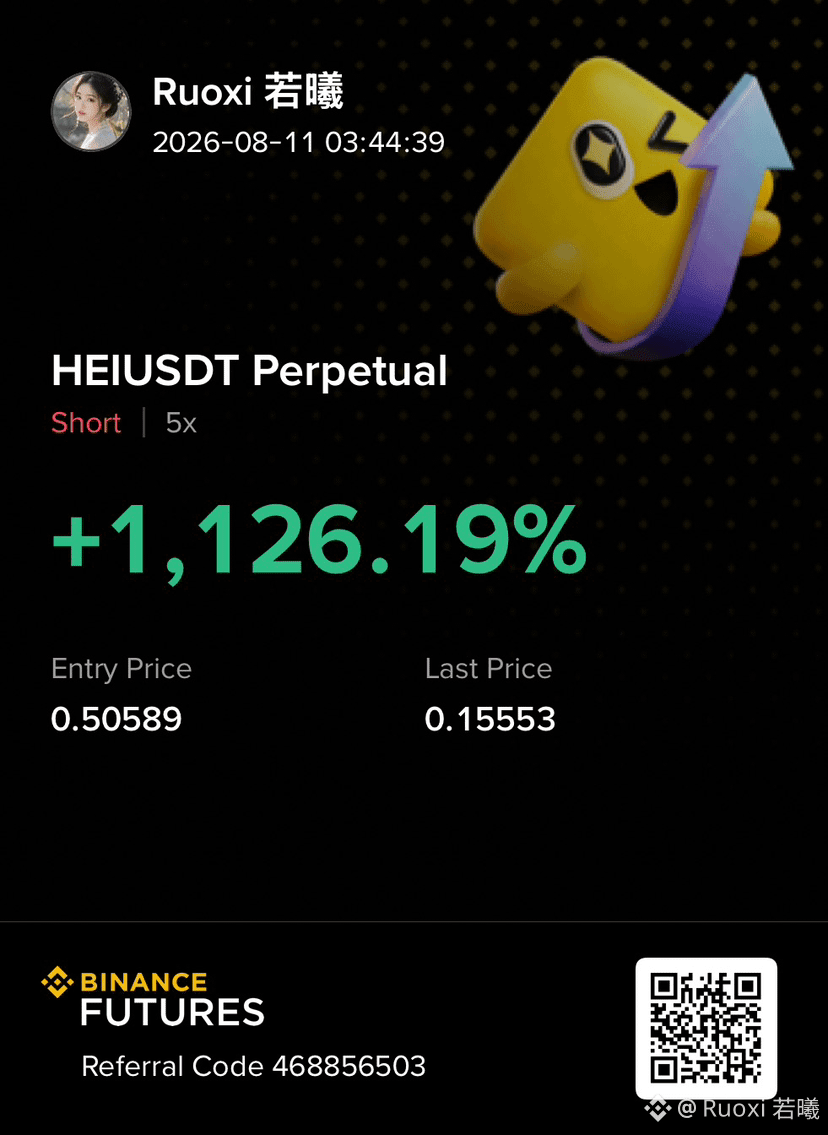
$HEI está indo muito bem 🔥
A operação está andando bem, mas eu ainda mantenho tudo simples, sem correr atrás, sem excesso de confiança.
O que eu mais gosto agora é o momentum. Se $HEI conseguir manter essa força e continuar construindo níveis mais altos com volume saudável, a configuração pode continuar interessante.
Para mim, a chave é a paciência. Deixe o gráfico confirmar o movimento em vez de forçar uma entrada.
Operação boa até agora. Vamos ver como $HEI lida com o próximo movimento. 👀📈
$HEI está indo muito bem 🔥
A operação está andando bem, mas eu ainda mantenho tudo simples, sem correr atrás, sem excesso de confiança.
O que eu mais gosto agora é o momentum. Se $HEI conseguir manter essa força e continuar construindo níveis mais altos com volume saudável, a configuração pode continuar interessante.
Para mim, a chave é a paciência. Deixe o gráfico confirmar o movimento em vez de forçar uma entrada.
Operação boa até agora. Vamos ver como $HEI lida com o próximo movimento. 👀📈
A operação está andando bem, mas eu ainda mantenho tudo simples, sem correr atrás, sem excesso de confiança.
O que eu mais gosto agora é o momentum. Se $HEI conseguir manter essa força e continuar construindo níveis mais altos com volume saudável, a configuração pode continuar interessante.
Para mim, a chave é a paciência. Deixe o gráfico confirmar o movimento em vez de forçar uma entrada.
Operação boa até agora. Vamos ver como $HEI lida com o próximo movimento. 👀📈
301
·
--
@babylonlabs_io Uma coisa que notei depois de assistir à Call de Fundadores do 4T de 2025 da Babylon foi o quanto a conversa mudou.
Um ano atrás, a maioria das pessoas falava sobre staking de Bitcoin. Agora, a equipe está focada em tornar o Bitcoin realmente utilizável em DeFi, sem ativos “wrapped” e sem abrir mão da autocustódia. Eu acho que essa é uma mudança maior do que muitas pessoas percebem.
O que chamou minha atenção foram os Cofres de Bitcoin sem Confiança (Trustless).
A ideia parece surpreendentemente simples. Seu BTC continua sob seu controle enquanto se torna colateral para empréstimos e outros casos de uso em DeFi. Se a Babylon entregar isso bem, pode remover uma das maiores razões pelas quais detentores de Bitcoin evitaram as finanças on-chain.
Também gostei que os fundadores não fingiram que tudo era perfeito.
Eles discutiram abertamente a pressão de venda do BABY, a melhoria da utilidade do token e por que produtos reais devem criar valor antes que tokenomics tentem capturá-lo. Sinceramente, esse é o caminho mais difícil, e o sucesso vai depender da adoção, e não dos anúncios.
Pelo que eu vi, a Babylon está tentando manter o Bitcoin fiel à sua filosofia original, enquanto lhe dá um uso mais prático.
Esse é um objetivo ambicioso, mas execução é tudo. Se a experiência do usuário não for simples o suficiente, até a melhor tecnologia pode ter dificuldades para ganhar tração.
Você acha que os Cofres de Bitcoin sem Confiança poderiam se tornar o recurso que finalmente traz mais Bitcoin para o DeFi?
#baby $BABY
$HOME
{spot}(HOMEUSDT)
$BLESS
{future}(BLESSUSDT)
@BabylonLabs_io Uma coisa que notei depois de assistir à Call de Fundadores do 4T de 2025 da Babylon foi o quanto a conversa mudou.
Um ano atrás, a maioria das pessoas falava sobre staking de Bitcoin. Agora, a equipe está focada em tornar o Bitcoin realmente utilizável em DeFi, sem ativos “wrapped” e sem abrir mão da autocustódia. Eu acho que essa é uma mudança maior do que muitas pessoas percebem.
O que chamou minha atenção foram os Cofres de Bitcoin sem Confiança (Trustless).
A ideia parece surpreendentemente simples. Seu BTC continua sob seu controle enquanto se torna colateral para empréstimos e outros casos de uso em DeFi. Se a Babylon entregar isso bem, pode remover uma das maiores razões pelas quais detentores de Bitcoin evitaram as finanças on-chain.
Também gostei que os fundadores não fingiram que tudo era perfeito.
Eles discutiram abertamente a pressão de venda do BABY, a melhoria da utilidade do token e por que produtos reais devem criar valor antes que tokenomics tentem capturá-lo. Sinceramente, esse é o caminho mais difícil, e o sucesso vai depender da adoção, e não dos anúncios.
Pelo que eu vi, a Babylon está tentando manter o Bitcoin fiel à sua filosofia original, enquanto lhe dá um uso mais prático.
Esse é um objetivo ambicioso, mas execução é tudo. Se a experiência do usuário não for simples o suficiente, até a melhor tecnologia pode ter dificuldades para ganhar tração.
Você acha que os Cofres de Bitcoin sem Confiança poderiam se tornar o recurso que finalmente traz mais Bitcoin para o DeFi?
#baby $BABY
$HOME
$BLESS
Um ano atrás, a maioria das pessoas falava sobre staking de Bitcoin. Agora, a equipe está focada em tornar o Bitcoin realmente utilizável em DeFi, sem ativos “wrapped” e sem abrir mão da autocustódia. Eu acho que essa é uma mudança maior do que muitas pessoas percebem.
O que chamou minha atenção foram os Cofres de Bitcoin sem Confiança (Trustless).
A ideia parece surpreendentemente simples. Seu BTC continua sob seu controle enquanto se torna colateral para empréstimos e outros casos de uso em DeFi. Se a Babylon entregar isso bem, pode remover uma das maiores razões pelas quais detentores de Bitcoin evitaram as finanças on-chain.
Também gostei que os fundadores não fingiram que tudo era perfeito.
Eles discutiram abertamente a pressão de venda do BABY, a melhoria da utilidade do token e por que produtos reais devem criar valor antes que tokenomics tentem capturá-lo. Sinceramente, esse é o caminho mais difícil, e o sucesso vai depender da adoção, e não dos anúncios.
Pelo que eu vi, a Babylon está tentando manter o Bitcoin fiel à sua filosofia original, enquanto lhe dá um uso mais prático.
Esse é um objetivo ambicioso, mas execução é tudo. Se a experiência do usuário não for simples o suficiente, até a melhor tecnologia pode ter dificuldades para ganhar tração.
Você acha que os Cofres de Bitcoin sem Confiança poderiam se tornar o recurso que finalmente traz mais Bitcoin para o DeFi?
#baby $BABY
$HOME
$BLESS
Bullish Buying 🟢
100%
Bearish Selling 🔴
0%
1 Votos • Votação encerrada
1
147
·
--
@babylonlabs_io Uma coisa que eu continuo observando sobre o Bitcoin e me perguntando é por que usá-lo em DeFi sempre significou abrir mão de alguma coisa.
Ler a documentação da Babylon mudou um pouco essa perspectiva. Com a Public Testnet, o BTC nativo pode ser bloqueado dentro de um Trustless Bitcoin Vault e usado como garantia por meio da Aave v4. Seu Bitcoin não é embrulhado nem entregue a um custodiante, o que, honestamente, parece muito mais próximo do espírito original do Bitcoin.
Eu acho que isso é um passo significativo para o BTCFi. Ainda assim, é só uma testnet, e o processo de peg-in, o tempo de confirmação e o comportamento de liquidação precisam provar seu valor sob pressão real do mercado antes de eu confiar totalmente.
Se o Bitcoin puder permanecer nativo enquanto desbloqueia liquidez, isso pode ser uma mudança maior do que a maioria das pessoas espera.
Você tomaria empréstimos contra BTC nativo, ou preferiria apenas continuar segurando?
#baby $BABY
$1000SATS
{spot}(1000SATSUSDT)
$IDOL
{future}(IDOLUSDT)
@BabylonLabs_io Uma coisa que eu continuo observando sobre o Bitcoin e me perguntando é por que usá-lo em DeFi sempre significou abrir mão de alguma coisa.
Ler a documentação da Babylon mudou um pouco essa perspectiva. Com a Public Testnet, o BTC nativo pode ser bloqueado dentro de um Trustless Bitcoin Vault e usado como garantia por meio da Aave v4. Seu Bitcoin não é embrulhado nem entregue a um custodiante, o que, honestamente, parece muito mais próximo do espírito original do Bitcoin.
Eu acho que isso é um passo significativo para o BTCFi. Ainda assim, é só uma testnet, e o processo de peg-in, o tempo de confirmação e o comportamento de liquidação precisam provar seu valor sob pressão real do mercado antes de eu confiar totalmente.
Se o Bitcoin puder permanecer nativo enquanto desbloqueia liquidez, isso pode ser uma mudança maior do que a maioria das pessoas espera.
Você tomaria empréstimos contra BTC nativo, ou preferiria apenas continuar segurando?
#baby $BABY
$1000SATS
$IDOL
Ler a documentação da Babylon mudou um pouco essa perspectiva. Com a Public Testnet, o BTC nativo pode ser bloqueado dentro de um Trustless Bitcoin Vault e usado como garantia por meio da Aave v4. Seu Bitcoin não é embrulhado nem entregue a um custodiante, o que, honestamente, parece muito mais próximo do espírito original do Bitcoin.
Eu acho que isso é um passo significativo para o BTCFi. Ainda assim, é só uma testnet, e o processo de peg-in, o tempo de confirmação e o comportamento de liquidação precisam provar seu valor sob pressão real do mercado antes de eu confiar totalmente.
Se o Bitcoin puder permanecer nativo enquanto desbloqueia liquidez, isso pode ser uma mudança maior do que a maioria das pessoas espera.
Você tomaria empréstimos contra BTC nativo, ou preferiria apenas continuar segurando?
#baby $BABY
$1000SATS
$IDOL
Bullish Buying 🟢
83%
Bearish Selling 🔴
17%
6 Votos • Votação encerrada
1
244
·
--
@babylonlabs_io Uma ideia continuava voltando enquanto eu comparava TBV com BTC wrapped (embrulhado) e bridges: talvez estejamos resolvendo o problema errado.
Em vez de mover Bitcoin por todo lugar, e se a solução melhor for deixá-lo onde ele já tem a segurança mais forte?
Foi por isso que o TBV da Babylon se destacou para mim. Ele não depende de um custodiante centralizado mantendo as moedas, nem de uma federação de bridge controlando o resgate. O Bitcoin permanece na sua própria cadeia, enquanto provas criptográficas o conectam com atividades baseadas em Ethereum.
Ainda vejo limitações. O tempo de espera adicional não é ideal e a tecnologia é mais nova do que os métodos tradicionais de wrapping, então a adoção vai levar algum tempo.
Pensamento: eu prefiro esperar um pouco mais do que introduzir mais uma camada de custódia entre mim e meu BTC.
Se você tivesse que escolher hoje, você confiaria em um custodiante, em um bridge ou em um cofre com minimização de confiança?
#baby $BABY
$AXTIB
{spot}(AXTIBUSDT)
$SNXXB
{spot}(SNXXBUSDT)
@BabylonLabs_io Uma ideia continuava voltando enquanto eu comparava TBV com BTC wrapped (embrulhado) e bridges: talvez estejamos resolvendo o problema errado.
Em vez de mover Bitcoin por todo lugar, e se a solução melhor for deixá-lo onde ele já tem a segurança mais forte?
Foi por isso que o TBV da Babylon se destacou para mim. Ele não depende de um custodiante centralizado mantendo as moedas, nem de uma federação de bridge controlando o resgate. O Bitcoin permanece na sua própria cadeia, enquanto provas criptográficas o conectam com atividades baseadas em Ethereum.
Ainda vejo limitações. O tempo de espera adicional não é ideal e a tecnologia é mais nova do que os métodos tradicionais de wrapping, então a adoção vai levar algum tempo.
Pensamento: eu prefiro esperar um pouco mais do que introduzir mais uma camada de custódia entre mim e meu BTC.
Se você tivesse que escolher hoje, você confiaria em um custodiante, em um bridge ou em um cofre com minimização de confiança?
#baby $BABY
$AXTIB
$SNXXB
Em vez de mover Bitcoin por todo lugar, e se a solução melhor for deixá-lo onde ele já tem a segurança mais forte?
Foi por isso que o TBV da Babylon se destacou para mim. Ele não depende de um custodiante centralizado mantendo as moedas, nem de uma federação de bridge controlando o resgate. O Bitcoin permanece na sua própria cadeia, enquanto provas criptográficas o conectam com atividades baseadas em Ethereum.
Ainda vejo limitações. O tempo de espera adicional não é ideal e a tecnologia é mais nova do que os métodos tradicionais de wrapping, então a adoção vai levar algum tempo.
Pensamento: eu prefiro esperar um pouco mais do que introduzir mais uma camada de custódia entre mim e meu BTC.
Se você tivesse que escolher hoje, você confiaria em um custodiante, em um bridge ou em um cofre com minimização de confiança?
#baby $BABY
$AXTIB
$SNXXB
Bullish Zone 🟢
100%
Bearish Zone 🔴
0%
2 Votos • Votação encerrada
5
1
113
·
--
Verificado
@babylonlabs_io I continuo a olhar para o Bitcoin DeFi, e uma coisa não sai da minha cabeça.
O Bitcoin é o maior ativo do cripto, mas apenas cerca de 1% do BTC é usado em DeFi. Isso não é porque as pessoas não querem rendimento. A maioria dos detentores simplesmente não quer entregar as próprias moedas a uma ponte, custódia ou token wrapped. Pelo que vi, a segurança vem sempre em primeiro lugar.
Os TBV (Trustless Bitcoin Vaults) da Babylon parecem uma abordagem diferente. Em vez de mover o BTC para fora do Bitcoin, os TBV permitem que você bloqueie seu BTC nativo dentro de um cofre Taproot de controle próprio, enquanto aplicações do Ethereum o reconhecem como garantia. Sem BTC wrapped. Sem ponte que detenha seus fundos. A confiança migra para a criptografia e para as redes Bitcoin/Ethereum, em vez de uma empresa.
Acho que essa é a verdadeira inovação aqui. O Bitcoin não deixa de ser Bitcoin só porque você quer tomar empréstimos contra ele ou usá-lo no DeFi. Ele permanece na sua própria cadeia, enquanto o protocolo prova o que aconteceu entre cadeias por meio de verificação criptográfica. Isso é uma grande mudança de mentalidade em comparação com os modelos que usamos por anos.
Dito isso, ainda é cedo. Os TBV estão rodando hoje no Bitcoin Signet e na testnet do Ethereum, e o design é mais complexo do que simplesmente fazer wrap do BTC. Como qualquer protocolo novo, a adoção no mundo real, análises de segurança e a integração dos desenvolvedores vão importar tanto quanto a tecnologia em si.
A Babylon já mostrou que o staking de Bitcoin sem custódia pode funcionar. Se os TBV entregarem a mesma filosofia para o DeFi lastreado em Bitcoin, eu acho que isso pode abrir um futuro completamente diferente para o BTC.
Você confiaria na criptografia em vez de uma custódia quando for colocar seu Bitcoin para trabalhar no DeFi?
#baby $BABY
$GRVT
{alpha}(560x46f2564e0fa8248d15125e7e54173cfbdef91be7)
$SNXXB
{spot}(SNXXBUSDT)
@BabylonLabs_io I continuo a olhar para o Bitcoin DeFi, e uma coisa não sai da minha cabeça.
O Bitcoin é o maior ativo do cripto, mas apenas cerca de 1% do BTC é usado em DeFi. Isso não é porque as pessoas não querem rendimento. A maioria dos detentores simplesmente não quer entregar as próprias moedas a uma ponte, custódia ou token wrapped. Pelo que vi, a segurança vem sempre em primeiro lugar.
Os TBV (Trustless Bitcoin Vaults) da Babylon parecem uma abordagem diferente. Em vez de mover o BTC para fora do Bitcoin, os TBV permitem que você bloqueie seu BTC nativo dentro de um cofre Taproot de controle próprio, enquanto aplicações do Ethereum o reconhecem como garantia. Sem BTC wrapped. Sem ponte que detenha seus fundos. A confiança migra para a criptografia e para as redes Bitcoin/Ethereum, em vez de uma empresa.
Acho que essa é a verdadeira inovação aqui. O Bitcoin não deixa de ser Bitcoin só porque você quer tomar empréstimos contra ele ou usá-lo no DeFi. Ele permanece na sua própria cadeia, enquanto o protocolo prova o que aconteceu entre cadeias por meio de verificação criptográfica. Isso é uma grande mudança de mentalidade em comparação com os modelos que usamos por anos.
Dito isso, ainda é cedo. Os TBV estão rodando hoje no Bitcoin Signet e na testnet do Ethereum, e o design é mais complexo do que simplesmente fazer wrap do BTC. Como qualquer protocolo novo, a adoção no mundo real, análises de segurança e a integração dos desenvolvedores vão importar tanto quanto a tecnologia em si.
A Babylon já mostrou que o staking de Bitcoin sem custódia pode funcionar. Se os TBV entregarem a mesma filosofia para o DeFi lastreado em Bitcoin, eu acho que isso pode abrir um futuro completamente diferente para o BTC.
Você confiaria na criptografia em vez de uma custódia quando for colocar seu Bitcoin para trabalhar no DeFi?
#baby $BABY
$GRVT
$SNXXB
O Bitcoin é o maior ativo do cripto, mas apenas cerca de 1% do BTC é usado em DeFi. Isso não é porque as pessoas não querem rendimento. A maioria dos detentores simplesmente não quer entregar as próprias moedas a uma ponte, custódia ou token wrapped. Pelo que vi, a segurança vem sempre em primeiro lugar.
Os TBV (Trustless Bitcoin Vaults) da Babylon parecem uma abordagem diferente. Em vez de mover o BTC para fora do Bitcoin, os TBV permitem que você bloqueie seu BTC nativo dentro de um cofre Taproot de controle próprio, enquanto aplicações do Ethereum o reconhecem como garantia. Sem BTC wrapped. Sem ponte que detenha seus fundos. A confiança migra para a criptografia e para as redes Bitcoin/Ethereum, em vez de uma empresa.
Acho que essa é a verdadeira inovação aqui. O Bitcoin não deixa de ser Bitcoin só porque você quer tomar empréstimos contra ele ou usá-lo no DeFi. Ele permanece na sua própria cadeia, enquanto o protocolo prova o que aconteceu entre cadeias por meio de verificação criptográfica. Isso é uma grande mudança de mentalidade em comparação com os modelos que usamos por anos.
Dito isso, ainda é cedo. Os TBV estão rodando hoje no Bitcoin Signet e na testnet do Ethereum, e o design é mais complexo do que simplesmente fazer wrap do BTC. Como qualquer protocolo novo, a adoção no mundo real, análises de segurança e a integração dos desenvolvedores vão importar tanto quanto a tecnologia em si.
A Babylon já mostrou que o staking de Bitcoin sem custódia pode funcionar. Se os TBV entregarem a mesma filosofia para o DeFi lastreado em Bitcoin, eu acho que isso pode abrir um futuro completamente diferente para o BTC.
Você confiaria na criptografia em vez de uma custódia quando for colocar seu Bitcoin para trabalhar no DeFi?
#baby $BABY
$GRVT
$SNXXB
Bullish Time Zone 🟢
50%
Bearish Time Zone 🔴
0%
Unpredictable Zone 🟠
50%
2 Votos • Votação encerrada
2
186
·
--
Verificado
@babylonlabs_io Uma coisa que eu continuo observando em projetos tentando trazer o Bitcoin para o DeFi é que, honestamente, a maioria deles acaba dependendo de ativos tokenizados (wrapped) ou de alguém que detenha as chaves. Isso nunca pareceu a resposta real para mim.
A integração do Aave v4 da Babylon parece diferente.
Seu BTC fica trancado no Bitcoin dentro de um Cofre de Bitcoin sem Confiança (Trustless), enquanto o Aave v4 reconhece esse BTC trancado como garantia por meio de um adaptador dedicado. Você consegue tomar empréstimos sem fazer ponte (bridging) nem empacotar (wrapping) seu Bitcoin, o que eu acho uma mudança bem significativa. É um design mais limpo do que eu esperava.
Uma reflexão que eu continuo levando em conta é que isso não é sobre fazer o Bitcoin “se mover”. É sobre tornar o Bitcoin útil enquanto ele permanece exatamente onde deve estar. Pelo que eu vi na documentação, o cofre é criado especificamente para a aplicação do Aave, e um token de contabilização interna (vaultBTC) representa a garantia apenas dentro do protocolo — ele não é um token de BTC empacotado (wrapped) negociável.
Claro, eu ainda manteria cautela. A integração está sendo lançada pela testnet pública, tomar empréstimos ainda traz risco de liquidação, e qualquer novo modelo de empréstimo precisa de tempo para se provar em condições reais de mercado. Mesmo designs fortes não estão imunes a casos extremos inesperados.
Acho que a Babylon está tentando resolver um problema sobre o qual muitos detentores de BTC falam há anos: usar Bitcoin no DeFi sem abrir mão da auto-custódia.
Você tomaria empréstimos contra um BTC nativo se ele nunca precisasse sair da rede do Bitcoin?
#baby $BABY
$COTI
{spot}(COTIUSDT)
$UAI
{future}(UAIUSDT)
@BabylonLabs_io Uma coisa que eu continuo observando em projetos tentando trazer o Bitcoin para o DeFi é que, honestamente, a maioria deles acaba dependendo de ativos tokenizados (wrapped) ou de alguém que detenha as chaves. Isso nunca pareceu a resposta real para mim.
A integração do Aave v4 da Babylon parece diferente.
Seu BTC fica trancado no Bitcoin dentro de um Cofre de Bitcoin sem Confiança (Trustless), enquanto o Aave v4 reconhece esse BTC trancado como garantia por meio de um adaptador dedicado. Você consegue tomar empréstimos sem fazer ponte (bridging) nem empacotar (wrapping) seu Bitcoin, o que eu acho uma mudança bem significativa. É um design mais limpo do que eu esperava.
Uma reflexão que eu continuo levando em conta é que isso não é sobre fazer o Bitcoin “se mover”. É sobre tornar o Bitcoin útil enquanto ele permanece exatamente onde deve estar. Pelo que eu vi na documentação, o cofre é criado especificamente para a aplicação do Aave, e um token de contabilização interna (vaultBTC) representa a garantia apenas dentro do protocolo — ele não é um token de BTC empacotado (wrapped) negociável.
Claro, eu ainda manteria cautela. A integração está sendo lançada pela testnet pública, tomar empréstimos ainda traz risco de liquidação, e qualquer novo modelo de empréstimo precisa de tempo para se provar em condições reais de mercado. Mesmo designs fortes não estão imunes a casos extremos inesperados.
Acho que a Babylon está tentando resolver um problema sobre o qual muitos detentores de BTC falam há anos: usar Bitcoin no DeFi sem abrir mão da auto-custódia.
Você tomaria empréstimos contra um BTC nativo se ele nunca precisasse sair da rede do Bitcoin?
#baby $BABY
$COTI
$UAI
A integração do Aave v4 da Babylon parece diferente.
Seu BTC fica trancado no Bitcoin dentro de um Cofre de Bitcoin sem Confiança (Trustless), enquanto o Aave v4 reconhece esse BTC trancado como garantia por meio de um adaptador dedicado. Você consegue tomar empréstimos sem fazer ponte (bridging) nem empacotar (wrapping) seu Bitcoin, o que eu acho uma mudança bem significativa. É um design mais limpo do que eu esperava.
Uma reflexão que eu continuo levando em conta é que isso não é sobre fazer o Bitcoin “se mover”. É sobre tornar o Bitcoin útil enquanto ele permanece exatamente onde deve estar. Pelo que eu vi na documentação, o cofre é criado especificamente para a aplicação do Aave, e um token de contabilização interna (vaultBTC) representa a garantia apenas dentro do protocolo — ele não é um token de BTC empacotado (wrapped) negociável.
Claro, eu ainda manteria cautela. A integração está sendo lançada pela testnet pública, tomar empréstimos ainda traz risco de liquidação, e qualquer novo modelo de empréstimo precisa de tempo para se provar em condições reais de mercado. Mesmo designs fortes não estão imunes a casos extremos inesperados.
Acho que a Babylon está tentando resolver um problema sobre o qual muitos detentores de BTC falam há anos: usar Bitcoin no DeFi sem abrir mão da auto-custódia.
Você tomaria empréstimos contra um BTC nativo se ele nunca precisasse sair da rede do Bitcoin?
#baby $BABY
$COTI
$UAI
Bullish Buying 🟢
33%
Bearish Selling 🔴
67%
6 Votos • Votação encerrada
2
612
·
--
@babylonlabs_io Uma coisa que tenho visto os airdrops de forma diferente ultimamente.
Por muito tempo, achei que receber um airdrop era apenas conectar uma carteira e esperar pelos tokens. Depois, passei um tempo lendo a documentação da Babylon, e um pequeno passo chamou minha atenção.
Para receber o airdrop da BABY, usuários elegíveis precisam aceitar os Termos do Airdrop e a Política de Privacidade e comprovar essa aceitação assinando uma mensagem criptográfica com a carteira deles da BABY. Isso não é uma transação na blockchain nem um pagamento de taxas de gas. É simplesmente uma assinatura da carteira que confirma que você entendeu as regras antes de reivindicar.
Eu gosto dessa abordagem porque ela cria um registro claro de que cada participante concordou com as mesmas condições. A Babylon está tentando construir segurança para cadeias PoS com lastro em Bitcoin por meio de staking de BTC autocustodiado, então ter um processo de reivindicação transparente parece coerente com essa filosofia.
Ainda assim, uma ideia fica na minha cabeça. A maioria das pessoas clica em “Aceitar” sem ler nem uma linha. Se elegibilidade, restrições regionais ou tratamento de dados importarem mais adiante, esse hábito pode facilmente virar um problema. Acho que gastar dois minutos lendo os termos vale mais do que correr para reivindicar.
Você leria os Termos & da Política de Privacidade de um airdrop antes de assinar, ou normalmente confia no processo e clica em Aceitar?
#baby $BABY
$ESP $BABYSHARK
{spot}(ESPUSDT)
{alpha}(560x777bf78ad4546b61607a17bf4a1977dbbea98c28)
@BabylonLabs_io Uma coisa que tenho visto os airdrops de forma diferente ultimamente.
Por muito tempo, achei que receber um airdrop era apenas conectar uma carteira e esperar pelos tokens. Depois, passei um tempo lendo a documentação da Babylon, e um pequeno passo chamou minha atenção.
Para receber o airdrop da BABY, usuários elegíveis precisam aceitar os Termos do Airdrop e a Política de Privacidade e comprovar essa aceitação assinando uma mensagem criptográfica com a carteira deles da BABY. Isso não é uma transação na blockchain nem um pagamento de taxas de gas. É simplesmente uma assinatura da carteira que confirma que você entendeu as regras antes de reivindicar.
Eu gosto dessa abordagem porque ela cria um registro claro de que cada participante concordou com as mesmas condições. A Babylon está tentando construir segurança para cadeias PoS com lastro em Bitcoin por meio de staking de BTC autocustodiado, então ter um processo de reivindicação transparente parece coerente com essa filosofia.
Ainda assim, uma ideia fica na minha cabeça. A maioria das pessoas clica em “Aceitar” sem ler nem uma linha. Se elegibilidade, restrições regionais ou tratamento de dados importarem mais adiante, esse hábito pode facilmente virar um problema. Acho que gastar dois minutos lendo os termos vale mais do que correr para reivindicar.
Você leria os Termos & da Política de Privacidade de um airdrop antes de assinar, ou normalmente confia no processo e clica em Aceitar?
#baby $BABY
$ESP $BABYSHARK
Por muito tempo, achei que receber um airdrop era apenas conectar uma carteira e esperar pelos tokens. Depois, passei um tempo lendo a documentação da Babylon, e um pequeno passo chamou minha atenção.
Para receber o airdrop da BABY, usuários elegíveis precisam aceitar os Termos do Airdrop e a Política de Privacidade e comprovar essa aceitação assinando uma mensagem criptográfica com a carteira deles da BABY. Isso não é uma transação na blockchain nem um pagamento de taxas de gas. É simplesmente uma assinatura da carteira que confirma que você entendeu as regras antes de reivindicar.
Eu gosto dessa abordagem porque ela cria um registro claro de que cada participante concordou com as mesmas condições. A Babylon está tentando construir segurança para cadeias PoS com lastro em Bitcoin por meio de staking de BTC autocustodiado, então ter um processo de reivindicação transparente parece coerente com essa filosofia.
Ainda assim, uma ideia fica na minha cabeça. A maioria das pessoas clica em “Aceitar” sem ler nem uma linha. Se elegibilidade, restrições regionais ou tratamento de dados importarem mais adiante, esse hábito pode facilmente virar um problema. Acho que gastar dois minutos lendo os termos vale mais do que correr para reivindicar.
Você leria os Termos & da Política de Privacidade de um airdrop antes de assinar, ou normalmente confia no processo e clica em Aceitar?
#baby $BABY
$ESP $BABYSHARK
Buying long 🟢 💯
50%
Selling Short 🔴 💯
50%
4 Votos • Votação encerrada
1
1
223
·
--
🎙️ O Bitcoin está prestes a encontrar direção, Tony volta.
Encerrado
03 h 05 min. 18 seg.
8.4k
19
34
·
--
@babylonlabs_io Uma coisa que tenho observado é como as stablecoins estão encontrando uso real no Babylon Genesis, e o Noble USDC parece ser mais útil do que eu esperava.
Eu costumava achar que era só mais uma forma de estacionar fundos. Depois de ler os docs do Babylon, notei que isso realmente te ajuda a se movimentar pelo ecossistema com pouca fricção. Você pode fazer swap do Noble USDC na Tower DEX, fazer bridge dele através do Eureka para redes suportadas como Arbitrum e até usar outras pontes como Union e Axelar quando necessário.
Uma ideia que sempre volto a considerar… liquidez estável muitas vezes importa mais do que recursos chamativos. Assim que você tem o Noble USDC no Babylon Genesis, fica mais fácil acessar o staking de BABY ou explorar opções de liquid staking como cBABY, eBABY e milkBABY enquanto continua dentro do ecossistema, em vez de ficar trocando de redes o tempo todo.
Dito isso, eu não chamaria de perfeito. O ecossistema do Babylon ainda é jovem, então os apps disponíveis e a liquidez estão crescendo, mas ainda não chegaram ao nível de cadeias mais consolidadas. É algo que eu sempre tenho em mente antes de mover quantias maiores.
Acredito que esse é o tipo de infraestrutura que melhora silenciosamente a experiência do usuário. Não é o recurso principal, mas faz com que tudo ao redor do DeFi com Bitcoin garantido se sinta um pouco mais conectado.
Se você tivesse o Noble USDC no Babylon Genesis hoje, você faria swap, faria bridge ou apostaria primeiro?
#baby $BABY
$EUL
{spot}(EULUSDT)
$DIA
{spot}(DIAUSDT)
@BabylonLabs_io Uma coisa que tenho observado é como as stablecoins estão encontrando uso real no Babylon Genesis, e o Noble USDC parece ser mais útil do que eu esperava.
Eu costumava achar que era só mais uma forma de estacionar fundos. Depois de ler os docs do Babylon, notei que isso realmente te ajuda a se movimentar pelo ecossistema com pouca fricção. Você pode fazer swap do Noble USDC na Tower DEX, fazer bridge dele através do Eureka para redes suportadas como Arbitrum e até usar outras pontes como Union e Axelar quando necessário.
Uma ideia que sempre volto a considerar… liquidez estável muitas vezes importa mais do que recursos chamativos. Assim que você tem o Noble USDC no Babylon Genesis, fica mais fácil acessar o staking de BABY ou explorar opções de liquid staking como cBABY, eBABY e milkBABY enquanto continua dentro do ecossistema, em vez de ficar trocando de redes o tempo todo.
Dito isso, eu não chamaria de perfeito. O ecossistema do Babylon ainda é jovem, então os apps disponíveis e a liquidez estão crescendo, mas ainda não chegaram ao nível de cadeias mais consolidadas. É algo que eu sempre tenho em mente antes de mover quantias maiores.
Acredito que esse é o tipo de infraestrutura que melhora silenciosamente a experiência do usuário. Não é o recurso principal, mas faz com que tudo ao redor do DeFi com Bitcoin garantido se sinta um pouco mais conectado.
Se você tivesse o Noble USDC no Babylon Genesis hoje, você faria swap, faria bridge ou apostaria primeiro?
#baby $BABY
$EUL
$DIA
Eu costumava achar que era só mais uma forma de estacionar fundos. Depois de ler os docs do Babylon, notei que isso realmente te ajuda a se movimentar pelo ecossistema com pouca fricção. Você pode fazer swap do Noble USDC na Tower DEX, fazer bridge dele através do Eureka para redes suportadas como Arbitrum e até usar outras pontes como Union e Axelar quando necessário.
Uma ideia que sempre volto a considerar… liquidez estável muitas vezes importa mais do que recursos chamativos. Assim que você tem o Noble USDC no Babylon Genesis, fica mais fácil acessar o staking de BABY ou explorar opções de liquid staking como cBABY, eBABY e milkBABY enquanto continua dentro do ecossistema, em vez de ficar trocando de redes o tempo todo.
Dito isso, eu não chamaria de perfeito. O ecossistema do Babylon ainda é jovem, então os apps disponíveis e a liquidez estão crescendo, mas ainda não chegaram ao nível de cadeias mais consolidadas. É algo que eu sempre tenho em mente antes de mover quantias maiores.
Acredito que esse é o tipo de infraestrutura que melhora silenciosamente a experiência do usuário. Não é o recurso principal, mas faz com que tudo ao redor do DeFi com Bitcoin garantido se sinta um pouco mais conectado.
Se você tivesse o Noble USDC no Babylon Genesis hoje, você faria swap, faria bridge ou apostaria primeiro?
#baby $BABY
$EUL
$DIA
Bullish Time 🟢
67%
Bearish Time 🔴
33%
6 Votos • Votação encerrada
1
726
Inicia sessão para explorar mais conteúdos
Junta-te a utilizadores de criptomoedas de todo o mundo na Binance Square
⚡️ Obtém informações úteis e recentes sobre criptomoedas.
💬 Com a confiança da maior exchange de criptomoedas do mundo.
👍 Descobre perspetivas reais de criadores verificados.
E-mail/Número de telefone
Tópicos em Tendência
SECHaltsCryptoETFReviewsAmidFundingLapse
90,683 visualizações
860 a discutir
🚨 A SEC CONGELA REVISÕES DE ETFs DE CRIPTO!
Um grande desenvolvimento está abalando o mercado de cripto!
Devido à crise de financiamento do governo dos EUA, a SEC teria pausado a análise de mais de 90 pedidos de ETF de cripto. #SECHaltsCryptoETFReviewsAmidFundingLapse
Isso pode ter um impacto sério no mercado.
$SOL , $DOGE e outras altcoins que aguardam aprovações de ETF podem enfrentar atrasos significativos.
A aprovação de ETFs é um dos maiores catalisadores potenciais para o dinheiro institucional entrar no cripto. Qualquer atraso pode enfraquecer as expectativas de curto prazo e aumentar a incerteza no mercado.
No entanto, isto não é uma rejeição. Assim que a situação de financiamento for resolvida, as análises podem ser retomadas.
Pessoalmente, acho que este é um desenvolvimento que vale a pena acompanhar de perto. Quanto mais a incerteza continuar, maior pode ser o impacto no sentimento das altcoins.
DYOR.
Kripto Kurdu
·6 gostos
·932 visualizações
ZcashETFPostsFirstWeeklyOutflow$93.6M
68,672 visualizações
216 a discutir
GreekPoliceBustCryptoScamRingArrest17
238,611 visualizações
1,655 a discutir