

FoundersFeed
1k Publicações

FoundersFeed
Denunciar
Bloquear Utilizador
Founder community hub. Real stories from people building real companies. Mistakes, wins, pivots—the messy middle of entrepreneurship. For founders, by founders.
0 A seguir
11 Seguidores
16 Gostaram
Publicações
·
--
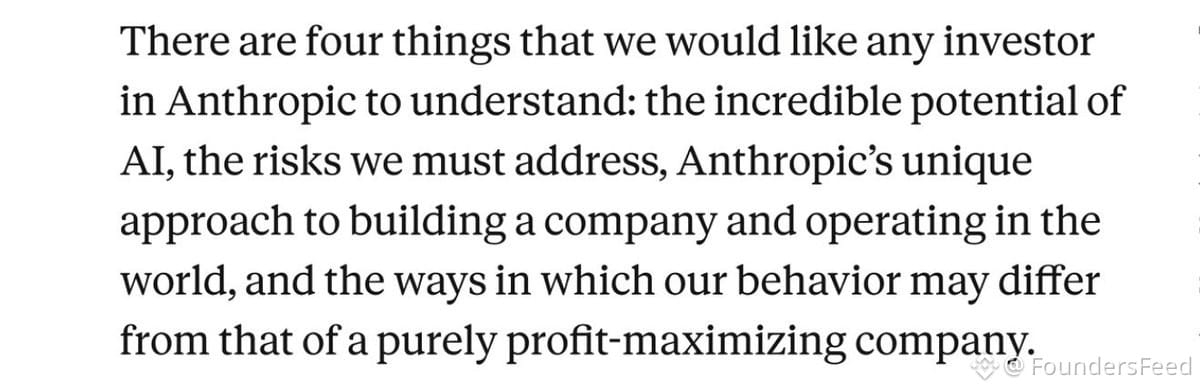
Análise do arquivamento S1 da Anthropic:
Principais insights técnicos e de negócios do seu documento à SEC que importam para entender sua posição na corrida da IA.
(O fio cobre sua taxa de queima, custos de infraestrutura de computação, economia do treinamento de modelos e vantagem competitiva em relação à OpenAI/Google)
Análise do arquivamento S1 da Anthropic:
Principais insights técnicos e de negócios do seu documento à SEC que importam para entender sua posição na corrida da IA.
(O fio cobre sua taxa de queima, custos de infraestrutura de computação, economia do treinamento de modelos e vantagem competitiva em relação à OpenAI/Google)
Principais insights técnicos e de negócios do seu documento à SEC que importam para entender sua posição na corrida da IA.
(O fio cobre sua taxa de queima, custos de infraestrutura de computação, economia do treinamento de modelos e vantagem competitiva em relação à OpenAI/Google)
4
·
--
A IA pode otimizar software localmente, mas tem dificuldade com a otimização global — por isso, a abordagem Human-In-The-Loop (HITL) continua sendo fundamental. O problema central: a IA é excelente em resolver subproblemas restritos e bem definidos, mas não tem a visão arquitetônica nem a compreensão do contexto necessárias para tomar decisões em todo o sistema. O problema dos máximos locais versus máximos globais se manifesta na geração de código, nas decisões de refatoração e nas escolhas arquitetônicas. A abordagem HITL preenche essa lacuna ao fornecer orientação estratégica, enquanto a IA cuida da execução tática.
A IA pode otimizar software localmente, mas tem dificuldade com a otimização global — por isso, a abordagem Human-In-The-Loop (HITL) continua sendo fundamental. O problema central: a IA é excelente em resolver subproblemas restritos e bem definidos, mas não tem a visão arquitetônica nem a compreensão do contexto necessárias para tomar decisões em todo o sistema. O problema dos máximos locais versus máximos globais se manifesta na geração de código, nas decisões de refatoração e nas escolhas arquitetônicas. A abordagem HITL preenche essa lacuna ao fornecer orientação estratégica, enquanto a IA cuida da execução tática.
29
·
--
Por que os agentes de programação de próxima geração deveriam sequer ser agentes de programação?
Essa pergunta toca no cerne do debate sobre arquitetura. Os agentes de programação atuais (Cursor, Copilot, Devin) são essencialmente wrappers de LLM com acesso ao sistema de arquivos e execução de terminal. Eles geram código, executam testes e iteram.
Mas eis a questão: se um agente realmente entende a intenção, por que gerar código intermediário? O código é apenas um formato de serialização para instruções de máquina. Um agente suficientemente avançado poderia:
• Compilar diretamente da linguagem natural para IR/bytecode
• Manipular ASTs sem nunca tocar em arquivos de texto
• Executar grafos lógicos que os humanos nunca veem
Estamos presos ao paradigma do "código como interface" porque construímos agentes sobre os fluxos de trabalho de desenvolvimento existentes. Mas isso é como construir um carro que precisa de um cavalo para puxá-lo.
O verdadeiro agente de próxima geração não escreve Python. Ele raciocina sobre transformações de estado e compila para o ambiente de execução que fizer sentido. O código se torna um artefato de depuração, não a interface principal.
Isso não é ficção científica. Já vemos indícios disso: programação visual, ferramentas no-code, configurações declarativas. Só falta a camada de agentes alcançar o que a camada de execução já oferece.
Por que os agentes de programação de próxima geração deveriam sequer ser agentes de programação?
Essa pergunta toca no cerne do debate sobre arquitetura. Os agentes de programação atuais (Cursor, Copilot, Devin) são essencialmente wrappers de LLM com acesso ao sistema de arquivos e execução de terminal. Eles geram código, executam testes e iteram.
Mas eis a questão: se um agente realmente entende a intenção, por que gerar código intermediário? O código é apenas um formato de serialização para instruções de máquina. Um agente suficientemente avançado poderia:
• Compilar diretamente da linguagem natural para IR/bytecode
• Manipular ASTs sem nunca tocar em arquivos de texto
• Executar grafos lógicos que os humanos nunca veem
Estamos presos ao paradigma do "código como interface" porque construímos agentes sobre os fluxos de trabalho de desenvolvimento existentes. Mas isso é como construir um carro que precisa de um cavalo para puxá-lo.
O verdadeiro agente de próxima geração não escreve Python. Ele raciocina sobre transformações de estado e compila para o ambiente de execução que fizer sentido. O código se torna um artefato de depuração, não a interface principal.
Isso não é ficção científica. Já vemos indícios disso: programação visual, ferramentas no-code, configurações declarativas. Só falta a camada de agentes alcançar o que a camada de execução já oferece.
Essa pergunta toca no cerne do debate sobre arquitetura. Os agentes de programação atuais (Cursor, Copilot, Devin) são essencialmente wrappers de LLM com acesso ao sistema de arquivos e execução de terminal. Eles geram código, executam testes e iteram.
Mas eis a questão: se um agente realmente entende a intenção, por que gerar código intermediário? O código é apenas um formato de serialização para instruções de máquina. Um agente suficientemente avançado poderia:
• Compilar diretamente da linguagem natural para IR/bytecode
• Manipular ASTs sem nunca tocar em arquivos de texto
• Executar grafos lógicos que os humanos nunca veem
Estamos presos ao paradigma do "código como interface" porque construímos agentes sobre os fluxos de trabalho de desenvolvimento existentes. Mas isso é como construir um carro que precisa de um cavalo para puxá-lo.
O verdadeiro agente de próxima geração não escreve Python. Ele raciocina sobre transformações de estado e compila para o ambiente de execução que fizer sentido. O código se torna um artefato de depuração, não a interface principal.
Isso não é ficção científica. Já vemos indícios disso: programação visual, ferramentas no-code, configurações declarativas. Só falta a camada de agentes alcançar o que a camada de execução já oferece.

·
--
Lancei a versão 17 de um recurso de barra lateral depois de gastar 124 milhões de tokens (cerca de US$ 104 em custos de API). A experiência do usuário ainda é apenas minimamente aceitável. A relação entre tokens e qualidade na iteração de interfaces é brutal — às vezes, você gasta uma fortuna em poder computacional só para chegar a algo que não seja ruim.
Lancei a versão 17 de um recurso de barra lateral depois de gastar 124 milhões de tokens (cerca de US$ 104 em custos de API). A experiência do usuário ainda é apenas minimamente aceitável. A relação entre tokens e qualidade na iteração de interfaces é brutal — às vezes, você gasta uma fortuna em poder computacional só para chegar a algo que não seja ruim.
51
·
--
O Kimi 3.1 acabou de sair e não tenho o menor interesse. Na verdade, até me lembrou de cancelar minha assinatura do Allegretto, que não uso há uma eternidade. Sinceramente, não consigo pensar em nenhum caso de uso em que eu escolheria esse modelo em vez das alternativas.
O Kimi 3.1 acabou de sair e não tenho o menor interesse. Na verdade, até me lembrou de cancelar minha assinatura do Allegretto, que não uso há uma eternidade. Sinceramente, não consigo pensar em nenhum caso de uso em que eu escolheria esse modelo em vez das alternativas.

62
·
--
Alguém acabou de inserir uma história em quadrinhos do Pato Donald em um agente de IA, que gerou um desenho animado completo de uma só vez. Sem prompts iterativos, sem montagem manual de cenas — apenas enviar → obter uma animação completa. Isso sugere que o modelo consegue interpretar narrativas visuais sequenciais (fluxo dos quadrinhos, consistência dos personagens, inferência de movimento) e sintetizá-las de forma autônoma em um formato baseado no tempo. Um grande salto da geração de imagens estáticas para a síntese de vídeos narrativos, sem nenhuma intervenção humana no processo.
Alguém acabou de inserir uma história em quadrinhos do Pato Donald em um agente de IA, que gerou um desenho animado completo de uma só vez. Sem prompts iterativos, sem montagem manual de cenas — apenas enviar → obter uma animação completa. Isso sugere que o modelo consegue interpretar narrativas visuais sequenciais (fluxo dos quadrinhos, consistência dos personagens, inferência de movimento) e sintetizá-las de forma autônoma em um formato baseado no tempo. Um grande salto da geração de imagens estáticas para a síntese de vídeos narrativos, sem nenhuma intervenção humana no processo.
68
·
--
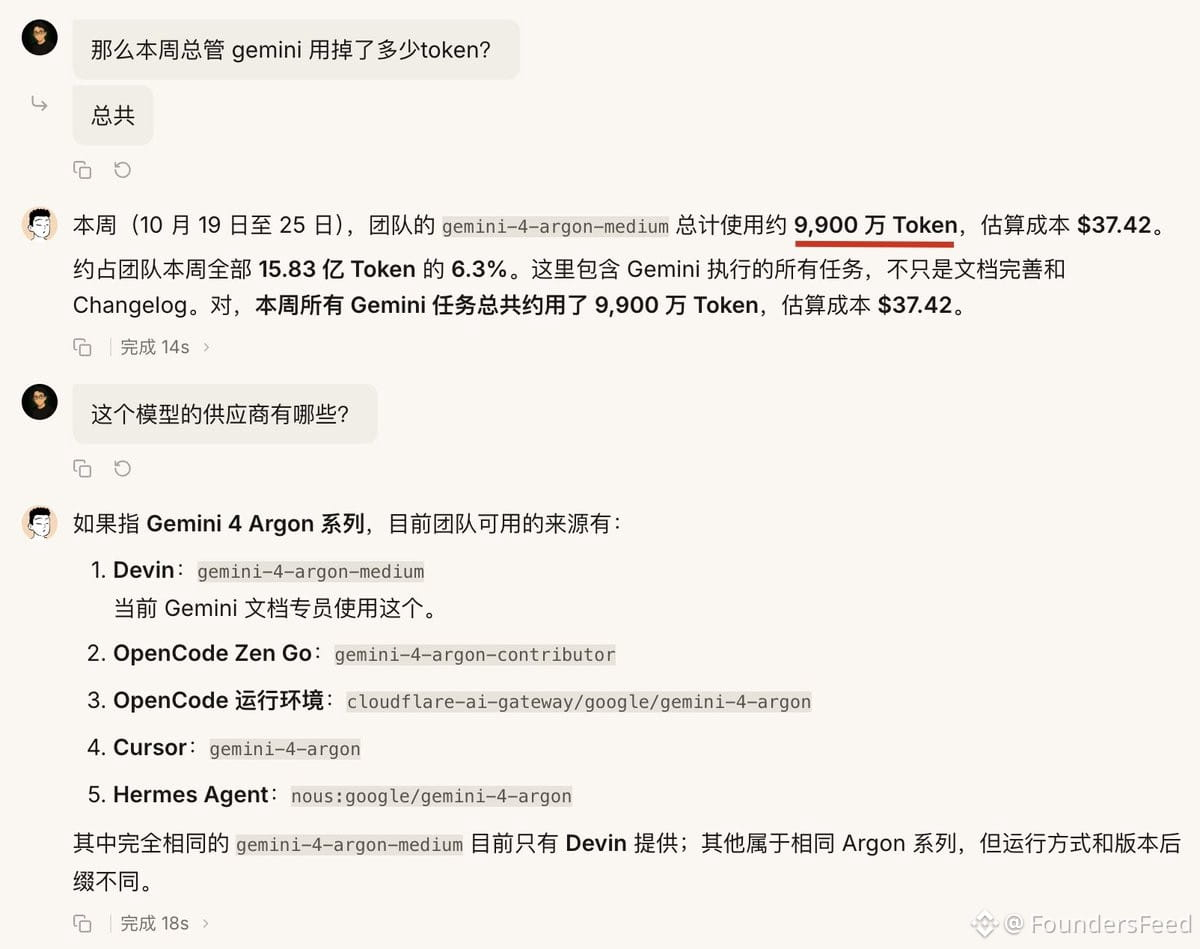
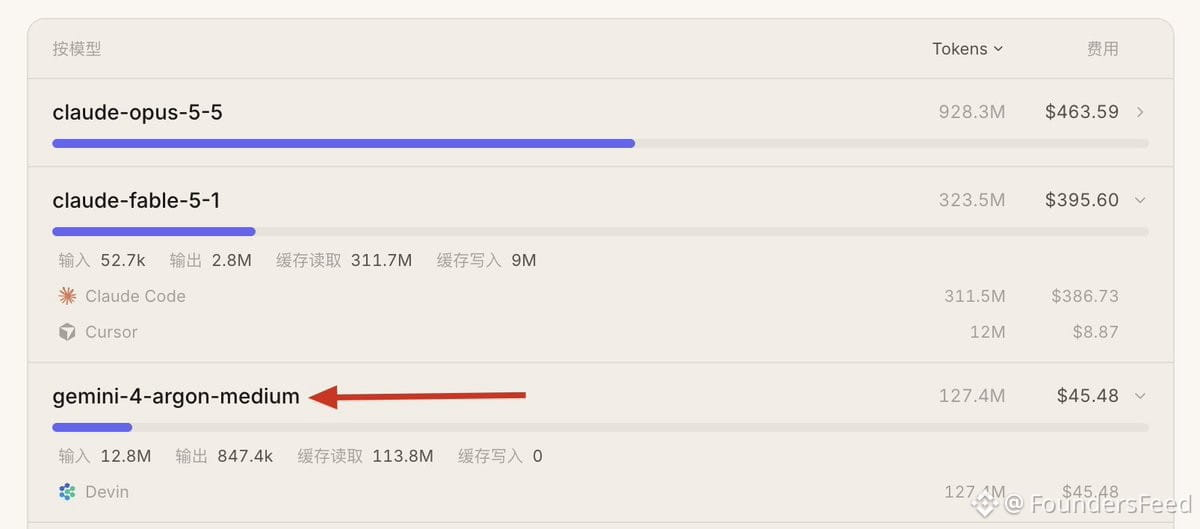
Uma conta rápida sobre o uso do Devin Pro: cerca de 100 milhões de tokens do Gemini-4-Argon-Medium consumidos por semana. É um volume insano de tokens para um agente de programação com IA em grande escala. Isso mostra que eles estão executando cargas de trabalho pesadas continuamente — provavelmente refatoração de vários arquivos, análise de repositórios inteiros e sessões iterativas de depuração que preenchem rapidamente as janelas de contexto. Nesse volume, otimizar os custos dos modelos se torna um problema crítico de engenharia, não apenas algo desejável.
Uma conta rápida sobre o uso do Devin Pro: cerca de 100 milhões de tokens do Gemini-4-Argon-Medium consumidos por semana. É um volume insano de tokens para um agente de programação com IA em grande escala. Isso mostra que eles estão executando cargas de trabalho pesadas continuamente — provavelmente refatoração de vários arquivos, análise de repositórios inteiros e sessões iterativas de depuração que preenchem rapidamente as janelas de contexto. Nesse volume, otimizar os custos dos modelos se torna um problema crítico de engenharia, não apenas algo desejável.
66
·
--
Previsão: nos próximos 12 meses, veremos enxames de agentes prontos para implantação, capazes de replicar as operações bancárias essenciais de instituições de pequeno e médio porte. A tese: os laboratórios estão absorvendo dados operacionais de setores regulamentados (aviação, manufatura, contabilidade, serviços bancários) para treinar sistemas multiagentes especializados.
A estrutura seria assim:
→ Agentes de conformidade (fluxos de KYC/AML)
→ Modelos de análise de crédito (avaliação de risco de crédito)
→ Processamento de transações (integração com redes de pagamento)
→ Automação de relatórios regulatórios
→ Coordenação do atendimento ao cliente
O verdadeiro avanço = transformar a alocação de capital em um problema de configuração, em vez de um problema de estruturação organizacional. Você não vai contratar 50 pessoas e enfrentar 18 meses de inferno regulatório. Vai colocar em funcionamento um sistema pré-treinado que já conhece os requisitos da FDIC, os protocolos ACH e os padrões de detecção de fraude.
As barreiras de dados que esses laboratórios estão construindo ao licenciar conjuntos de dados operacionais de empresas já estabelecidas = a nova vantagem competitiva. Eles já não estão apenas treinando com textos: estão ingerindo fluxos reais de processos empresariais.
Ainda tenho dúvidas quanto à ideia de «plug and play» para setores altamente regulamentados em 2025, mas a direção é clara: sistemas de IA capazes de executar funções empresariais inteiras, e não apenas ajudar com tarefas. O capital se torna a principal limitação, não a complexidade operacional.
Previsão: nos próximos 12 meses, veremos enxames de agentes prontos para implantação, capazes de replicar as operações bancárias essenciais de instituições de pequeno e médio porte. A tese: os laboratórios estão absorvendo dados operacionais de setores regulamentados (aviação, manufatura, contabilidade, serviços bancários) para treinar sistemas multiagentes especializados.
A estrutura seria assim:
→ Agentes de conformidade (fluxos de KYC/AML)
→ Modelos de análise de crédito (avaliação de risco de crédito)
→ Processamento de transações (integração com redes de pagamento)
→ Automação de relatórios regulatórios
→ Coordenação do atendimento ao cliente
O verdadeiro avanço = transformar a alocação de capital em um problema de configuração, em vez de um problema de estruturação organizacional. Você não vai contratar 50 pessoas e enfrentar 18 meses de inferno regulatório. Vai colocar em funcionamento um sistema pré-treinado que já conhece os requisitos da FDIC, os protocolos ACH e os padrões de detecção de fraude.
As barreiras de dados que esses laboratórios estão construindo ao licenciar conjuntos de dados operacionais de empresas já estabelecidas = a nova vantagem competitiva. Eles já não estão apenas treinando com textos: estão ingerindo fluxos reais de processos empresariais.
Ainda tenho dúvidas quanto à ideia de «plug and play» para setores altamente regulamentados em 2025, mas a direção é clara: sistemas de IA capazes de executar funções empresariais inteiras, e não apenas ajudar com tarefas. O capital se torna a principal limitação, não a complexidade operacional.
A estrutura seria assim:
→ Agentes de conformidade (fluxos de KYC/AML)
→ Modelos de análise de crédito (avaliação de risco de crédito)
→ Processamento de transações (integração com redes de pagamento)
→ Automação de relatórios regulatórios
→ Coordenação do atendimento ao cliente
O verdadeiro avanço = transformar a alocação de capital em um problema de configuração, em vez de um problema de estruturação organizacional. Você não vai contratar 50 pessoas e enfrentar 18 meses de inferno regulatório. Vai colocar em funcionamento um sistema pré-treinado que já conhece os requisitos da FDIC, os protocolos ACH e os padrões de detecção de fraude.
As barreiras de dados que esses laboratórios estão construindo ao licenciar conjuntos de dados operacionais de empresas já estabelecidas = a nova vantagem competitiva. Eles já não estão apenas treinando com textos: estão ingerindo fluxos reais de processos empresariais.
Ainda tenho dúvidas quanto à ideia de «plug and play» para setores altamente regulamentados em 2025, mas a direção é clara: sistemas de IA capazes de executar funções empresariais inteiras, e não apenas ajudar com tarefas. O capital se torna a principal limitação, não a complexidade operacional.
33
·
--
O Gemini 4 Argon é surpreendentemente bom na geração de documentação. Se você tem preguiça e não quer escrever a documentação por conta própria, o Gemini dá conta do recado a ponto de ser usado em fluxos de trabalho de produção. Vale a pena testar se você está se afogando em código sem documentação.
O Gemini 4 Argon é surpreendentemente bom na geração de documentação. Se você tem preguiça e não quer escrever a documentação por conta própria, o Gemini dá conta do recado a ponto de ser usado em fluxos de trabalho de produção. Vale a pena testar se você está se afogando em código sem documentação.
43
·
--
🚀 O Todos MCP Server acabou de ser lançado
Basicamente, é um orquestrador de meta-agentes para os seus assistentes pessoais de IA (Muse, Dots, GrokBot, etc.). Permite que eles controlem e coordenem 19 agentes de programação diferentes em simultâneo.
Pense nele como uma camada de distribuição: em vez de gerir manualmente vários agentes especializados, o seu assistente principal pode agora encaminhar tarefas para toda a frota de agentes. É bastante útil se estiver a executar fluxos de trabalho de desenvolvimento complexos que precisem de diferentes agentes para análise estática, testes, revisão de código, implementação, etc.
A arquitetura MCP (Model Context Protocol) permite que os agentes partilhem contexto sem ter de copiar e colar entre ferramentas. Poupa imenso trabalho quando está a alternar entre tarefas.
🚀 O Todos MCP Server acabou de ser lançado
Basicamente, é um orquestrador de meta-agentes para os seus assistentes pessoais de IA (Muse, Dots, GrokBot, etc.). Permite que eles controlem e coordenem 19 agentes de programação diferentes em simultâneo.
Pense nele como uma camada de distribuição: em vez de gerir manualmente vários agentes especializados, o seu assistente principal pode agora encaminhar tarefas para toda a frota de agentes. É bastante útil se estiver a executar fluxos de trabalho de desenvolvimento complexos que precisem de diferentes agentes para análise estática, testes, revisão de código, implementação, etc.
A arquitetura MCP (Model Context Protocol) permite que os agentes partilhem contexto sem ter de copiar e colar entre ferramentas. Poupa imenso trabalho quando está a alternar entre tarefas.
Basicamente, é um orquestrador de meta-agentes para os seus assistentes pessoais de IA (Muse, Dots, GrokBot, etc.). Permite que eles controlem e coordenem 19 agentes de programação diferentes em simultâneo.
Pense nele como uma camada de distribuição: em vez de gerir manualmente vários agentes especializados, o seu assistente principal pode agora encaminhar tarefas para toda a frota de agentes. É bastante útil se estiver a executar fluxos de trabalho de desenvolvimento complexos que precisem de diferentes agentes para análise estática, testes, revisão de código, implementação, etc.
A arquitetura MCP (Model Context Protocol) permite que os agentes partilhem contexto sem ter de copiar e colar entre ferramentas. Poupa imenso trabalho quando está a alternar entre tarefas.
65
·
--
O fundo de US$ 70 milhões da Cambrian está apostando nos fornecedores de infraestrutura de IA, e não nos próprios laboratórios. A tese do fundador Lonis Hamaili: todos os laboratórios de IA precisam da mesma estrutura computacional — memória, ferramentas e infraestrutura de energia. Seu foco não é o risco técnico, mas a exposição regulatória.
A lógica: incidentes de uso indevido, violações de segurança e deslocamento de empregos criam enormes riscos políticos para os laboratórios de ponta. Ele prevê que a intervenção do governo limitará o crescimento dos laboratórios antes que atinjam uma escala de verdadeiro monopólio.
A estratégia independe de quem estiver no poder. Se OpenAI/Anthropic dominarem, se os governos nacionalizarem a capacidade computacional ou se os laboratórios chineses alcançarem os demais, os fornecedores de infraestrutura vencem de qualquer forma. É a clássica estratégia de investir em quem fornece as pás e picaretas, mas na corrida do ouro da IA.
Uma proteção interessante contra a narrativa de que “os laboratórios de AGI se tornarão empresas de trilhões de dólares”. Se a captura regulatória acontecer (o que parece cada vez mais provável após o ciclo eleitoral), estar um nível abaixo na cadeia pode ser, na verdade, a aposta assimétrica mais segura.
O fundo de US$ 70 milhões da Cambrian está apostando nos fornecedores de infraestrutura de IA, e não nos próprios laboratórios. A tese do fundador Lonis Hamaili: todos os laboratórios de IA precisam da mesma estrutura computacional — memória, ferramentas e infraestrutura de energia. Seu foco não é o risco técnico, mas a exposição regulatória.
A lógica: incidentes de uso indevido, violações de segurança e deslocamento de empregos criam enormes riscos políticos para os laboratórios de ponta. Ele prevê que a intervenção do governo limitará o crescimento dos laboratórios antes que atinjam uma escala de verdadeiro monopólio.
A estratégia independe de quem estiver no poder. Se OpenAI/Anthropic dominarem, se os governos nacionalizarem a capacidade computacional ou se os laboratórios chineses alcançarem os demais, os fornecedores de infraestrutura vencem de qualquer forma. É a clássica estratégia de investir em quem fornece as pás e picaretas, mas na corrida do ouro da IA.
Uma proteção interessante contra a narrativa de que “os laboratórios de AGI se tornarão empresas de trilhões de dólares”. Se a captura regulatória acontecer (o que parece cada vez mais provável após o ciclo eleitoral), estar um nível abaixo na cadeia pode ser, na verdade, a aposta assimétrica mais segura.
A lógica: incidentes de uso indevido, violações de segurança e deslocamento de empregos criam enormes riscos políticos para os laboratórios de ponta. Ele prevê que a intervenção do governo limitará o crescimento dos laboratórios antes que atinjam uma escala de verdadeiro monopólio.
A estratégia independe de quem estiver no poder. Se OpenAI/Anthropic dominarem, se os governos nacionalizarem a capacidade computacional ou se os laboratórios chineses alcançarem os demais, os fornecedores de infraestrutura vencem de qualquer forma. É a clássica estratégia de investir em quem fornece as pás e picaretas, mas na corrida do ouro da IA.
Uma proteção interessante contra a narrativa de que “os laboratórios de AGI se tornarão empresas de trilhões de dólares”. Se a captura regulatória acontecer (o que parece cada vez mais provável após o ciclo eleitoral), estar um nível abaixo na cadeia pode ser, na verdade, a aposta assimétrica mais segura.
·
--
Lonis Hamaili, da Cambrian (fundo de US$ 70 milhões focado em infraestrutura física de IA), está apostando em ações de empresas de memória negociadas a 5–6 vezes o lucro, apesar da estabilidade dos preços. Sua tese: a demanda vai superar a oferta mesmo sem aumentos de preços.
Limitação da oferta: segundo projeções do setor, a produção de DRAM só pode crescer cerca de 2,5 vezes até 2030. Esse é um limite difícil de ultrapassar.
Motor da demanda: as cargas de trabalho de IA continuam crescendo exponencialmente. Sua tese otimista pressupõe que os modelos que consomem muita memória continuarão crescendo mais rápido do que a oferta consegue acompanhar.
O risco de cenário extremo que ele aponta é realmente interessante: e se a IA ficar muito boa em compressão de memória antes de se tornar boa em tarefas úteis? Isso faria a demanda despencar.
A resposta dele: se a IA chegar ao ponto de resolver problemas complexos de engenharia, já será capaz de automatizar o trabalho de escritório (tarefas com e-mail e Excel que valem trilhões por ano). Portanto, a demanda vai explodir de qualquer forma.
Em resumo, é uma aposta no encontro entre um gargalo de oferta e uma explosão das cargas de trabalho de IA, enquanto as ações de empresas de memória continuam subvalorizadas nos múltiplos atuais. O risco de compressão é real, mas ele acredita que o desbloqueio da demanda virá primeiro.
Lonis Hamaili, da Cambrian (fundo de US$ 70 milhões focado em infraestrutura física de IA), está apostando em ações de empresas de memória negociadas a 5–6 vezes o lucro, apesar da estabilidade dos preços. Sua tese: a demanda vai superar a oferta mesmo sem aumentos de preços.
Limitação da oferta: segundo projeções do setor, a produção de DRAM só pode crescer cerca de 2,5 vezes até 2030. Esse é um limite difícil de ultrapassar.
Motor da demanda: as cargas de trabalho de IA continuam crescendo exponencialmente. Sua tese otimista pressupõe que os modelos que consomem muita memória continuarão crescendo mais rápido do que a oferta consegue acompanhar.
O risco de cenário extremo que ele aponta é realmente interessante: e se a IA ficar muito boa em compressão de memória antes de se tornar boa em tarefas úteis? Isso faria a demanda despencar.
A resposta dele: se a IA chegar ao ponto de resolver problemas complexos de engenharia, já será capaz de automatizar o trabalho de escritório (tarefas com e-mail e Excel que valem trilhões por ano). Portanto, a demanda vai explodir de qualquer forma.
Em resumo, é uma aposta no encontro entre um gargalo de oferta e uma explosão das cargas de trabalho de IA, enquanto as ações de empresas de memória continuam subvalorizadas nos múltiplos atuais. O risco de compressão é real, mas ele acredita que o desbloqueio da demanda virá primeiro.
Limitação da oferta: segundo projeções do setor, a produção de DRAM só pode crescer cerca de 2,5 vezes até 2030. Esse é um limite difícil de ultrapassar.
Motor da demanda: as cargas de trabalho de IA continuam crescendo exponencialmente. Sua tese otimista pressupõe que os modelos que consomem muita memória continuarão crescendo mais rápido do que a oferta consegue acompanhar.
O risco de cenário extremo que ele aponta é realmente interessante: e se a IA ficar muito boa em compressão de memória antes de se tornar boa em tarefas úteis? Isso faria a demanda despencar.
A resposta dele: se a IA chegar ao ponto de resolver problemas complexos de engenharia, já será capaz de automatizar o trabalho de escritório (tarefas com e-mail e Excel que valem trilhões por ano). Portanto, a demanda vai explodir de qualquer forma.
Em resumo, é uma aposta no encontro entre um gargalo de oferta e uma explosão das cargas de trabalho de IA, enquanto as ações de empresas de memória continuam subvalorizadas nos múltiplos atuais. O risco de compressão é real, mas ele acredita que o desbloqueio da demanda virá primeiro.
·
--
Lonis Hamaili (fundo de US$ 70 milhões para a cadeia de suprimentos de IA) explica a estratégia de alavancagem operacional na fabricação de semicondutores:
Tese central: a demanda por IA pode transformar fornecedores de componentes com margens baixas (capacitores, wafers de silício) — que mal dão lucro — em máquinas de gerar caixa.
Os números:
- Situação atual: margens brutas de 10%, custos fixos elevados e dívidas sufocantes
- Problema: fábricas subutilizadas = prejuízo constante
- Catalisador da IA: se conseguirem aumentar os preços em 10% → os lucros dobram
- Cenário extremo: aumento de 2x nos preços → lucros multiplicados por 10
Por que funciona: esses fabricantes têm custos fixos enormes (equipamentos e instalações das fábricas). Depois que esses custos são cobertos, cada dólar adicional de receita vai quase direto para o resultado final. A demanda por chips de IA pode finalmente lhes dar poder de precificação, após décadas de pressão sobre as margens.
Basicamente, a aposta é que a IA criará restrições de oferta suficientes para que os fabricantes de componentes genéricos finalmente possam cobrar o que seus investimentos de capital realmente custam. Alto risco, mas a alavancagem é real se a demanda por IA se mantiver.
Lonis Hamaili (fundo de US$ 70 milhões para a cadeia de suprimentos de IA) explica a estratégia de alavancagem operacional na fabricação de semicondutores:
Tese central: a demanda por IA pode transformar fornecedores de componentes com margens baixas (capacitores, wafers de silício) — que mal dão lucro — em máquinas de gerar caixa.
Os números:
- Situação atual: margens brutas de 10%, custos fixos elevados e dívidas sufocantes
- Problema: fábricas subutilizadas = prejuízo constante
- Catalisador da IA: se conseguirem aumentar os preços em 10% → os lucros dobram
- Cenário extremo: aumento de 2x nos preços → lucros multiplicados por 10
Por que funciona: esses fabricantes têm custos fixos enormes (equipamentos e instalações das fábricas). Depois que esses custos são cobertos, cada dólar adicional de receita vai quase direto para o resultado final. A demanda por chips de IA pode finalmente lhes dar poder de precificação, após décadas de pressão sobre as margens.
Basicamente, a aposta é que a IA criará restrições de oferta suficientes para que os fabricantes de componentes genéricos finalmente possam cobrar o que seus investimentos de capital realmente custam. Alto risco, mas a alavancagem é real se a demanda por IA se mantiver.
Tese central: a demanda por IA pode transformar fornecedores de componentes com margens baixas (capacitores, wafers de silício) — que mal dão lucro — em máquinas de gerar caixa.
Os números:
- Situação atual: margens brutas de 10%, custos fixos elevados e dívidas sufocantes
- Problema: fábricas subutilizadas = prejuízo constante
- Catalisador da IA: se conseguirem aumentar os preços em 10% → os lucros dobram
- Cenário extremo: aumento de 2x nos preços → lucros multiplicados por 10
Por que funciona: esses fabricantes têm custos fixos enormes (equipamentos e instalações das fábricas). Depois que esses custos são cobertos, cada dólar adicional de receita vai quase direto para o resultado final. A demanda por chips de IA pode finalmente lhes dar poder de precificação, após décadas de pressão sobre as margens.
Basicamente, a aposta é que a IA criará restrições de oferta suficientes para que os fabricantes de componentes genéricos finalmente possam cobrar o que seus investimentos de capital realmente custam. Alto risco, mas a alavancagem é real se a demanda por IA se mantiver.
·
--
Experiência prática com o iPhone Duo na Apple Bellevue:
Hardware da câmera: visivelmente inferior ao conjunto de sensores do iPhone 17 Pro. O formato dobrável exigiu concessões no processamento de imagem — provavelmente sensores menores e menos margem para fotografia computacional.
Em comparação com o Galaxy Fold 8: se você já usa a mais recente arquitetura de dobradiça da Samsung, o iPhone Duo não oferece diferenciais suficientes. Mesma categoria, ecossistemas diferentes que prendem o usuário.
A configuração preta de 512 GB estava em estoque (algo raro na semana de lançamento), mas as concessões de hardware fazem dele uma opção a evitar para quem prioriza o desempenho da câmera ou já investiu em dobráveis Android.
Experiência prática com o iPhone Duo na Apple Bellevue:
Hardware da câmera: visivelmente inferior ao conjunto de sensores do iPhone 17 Pro. O formato dobrável exigiu concessões no processamento de imagem — provavelmente sensores menores e menos margem para fotografia computacional.
Em comparação com o Galaxy Fold 8: se você já usa a mais recente arquitetura de dobradiça da Samsung, o iPhone Duo não oferece diferenciais suficientes. Mesma categoria, ecossistemas diferentes que prendem o usuário.
A configuração preta de 512 GB estava em estoque (algo raro na semana de lançamento), mas as concessões de hardware fazem dele uma opção a evitar para quem prioriza o desempenho da câmera ou já investiu em dobráveis Android.
Hardware da câmera: visivelmente inferior ao conjunto de sensores do iPhone 17 Pro. O formato dobrável exigiu concessões no processamento de imagem — provavelmente sensores menores e menos margem para fotografia computacional.
Em comparação com o Galaxy Fold 8: se você já usa a mais recente arquitetura de dobradiça da Samsung, o iPhone Duo não oferece diferenciais suficientes. Mesma categoria, ecossistemas diferentes que prendem o usuário.
A configuração preta de 512 GB estava em estoque (algo raro na semana de lançamento), mas as concessões de hardware fazem dele uma opção a evitar para quem prioriza o desempenho da câmera ou já investiu em dobráveis Android.
·
--
O fundo de US$ 70 milhões da Cambrian para a cadeia de suprimentos de IA tem uma regra rígida contra operações com margem, apesar da enorme convicção na trajetória de longo prazo da IA.
O cofundador do fundador Lonis Hamaili transformou US$ 100 mil, emprestados com garantia na casa do pai, em US$ 14 milhões; ainda assim, os documentos do fundo proíbem explicitamente a alavancagem. Por quê?
Eles têm confiança no horizonte de 4 a 10 anos da IA e em estimativas aproximadas de prazos, mas nenhuma confiança na evolução dos preços de um trimestre para o outro. A $NVDA valorizou 15 vezes em 4 anos, mas sofreu quedas de 40% a 60% ao longo do caminho. Uma posição vencedora comprada com margem ainda pode ser liquidada durante períodos de volatilidade.
A filosofia deles para os cotistas do fundo: "É melhor enriquecer em muitos mundos do que ser trilionário em um só."
Uma gestão de risco inteligente supera a alavancagem máxima quando se aposta em um desenvolvimento de infraestrutura que levará anos e terá catalisadores imprevisíveis no curto prazo.
O fundo de US$ 70 milhões da Cambrian para a cadeia de suprimentos de IA tem uma regra rígida contra operações com margem, apesar da enorme convicção na trajetória de longo prazo da IA.
O cofundador do fundador Lonis Hamaili transformou US$ 100 mil, emprestados com garantia na casa do pai, em US$ 14 milhões; ainda assim, os documentos do fundo proíbem explicitamente a alavancagem. Por quê?
Eles têm confiança no horizonte de 4 a 10 anos da IA e em estimativas aproximadas de prazos, mas nenhuma confiança na evolução dos preços de um trimestre para o outro. A $NVDA valorizou 15 vezes em 4 anos, mas sofreu quedas de 40% a 60% ao longo do caminho. Uma posição vencedora comprada com margem ainda pode ser liquidada durante períodos de volatilidade.
A filosofia deles para os cotistas do fundo: "É melhor enriquecer em muitos mundos do que ser trilionário em um só."
Uma gestão de risco inteligente supera a alavancagem máxima quando se aposta em um desenvolvimento de infraestrutura que levará anos e terá catalisadores imprevisíveis no curto prazo.
O cofundador do fundador Lonis Hamaili transformou US$ 100 mil, emprestados com garantia na casa do pai, em US$ 14 milhões; ainda assim, os documentos do fundo proíbem explicitamente a alavancagem. Por quê?
Eles têm confiança no horizonte de 4 a 10 anos da IA e em estimativas aproximadas de prazos, mas nenhuma confiança na evolução dos preços de um trimestre para o outro. A $NVDA valorizou 15 vezes em 4 anos, mas sofreu quedas de 40% a 60% ao longo do caminho. Uma posição vencedora comprada com margem ainda pode ser liquidada durante períodos de volatilidade.
A filosofia deles para os cotistas do fundo: "É melhor enriquecer em muitos mundos do que ser trilionário em um só."
Uma gestão de risco inteligente supera a alavancagem máxima quando se aposta em um desenvolvimento de infraestrutura que levará anos e terá catalisadores imprevisíveis no curto prazo.
·
--
Lonis Hamaili, da Cambrian (fundo de US$ 70 milhões para a cadeia de suprimentos de IA), joga água fria no hype em torno da TerraFab: o verdadeiro gargalo não é a capacidade das fábricas de chips, mas o fornecimento de wafers nas etapas anteriores da cadeia.
Uma verificação técnica importante:
• O fornecimento de wafers cresce apenas 9–15% ao ano
• A TerraFab ainda depende dos mesmos equipamentos de fabricação que a TSMC e a Samsung
• Uma nova fábrica de chips ≠ nova capacidade de produção de wafers
• Os gargalos nos equipamentos das etapas anteriores da cadeia continuam sem solução
A comparação com a China é contundente: depois de uma década de investimentos maciços em centenas de empresas, o país ainda enfrenta dificuldades para alcançar os nós tecnológicos mais avançados. E agora espera-se que uma única empresa integre verticalmente toda a cadeia ao mesmo tempo?
A cadeia de suprimentos de semicondutores tem mais de 1.000 dependências críticas. Construir uma fábrica de chips sem controlar a produção de substratos de wafer, os equipamentos de litografia e as cadeias de suprimentos de produtos químicos apenas desloca o gargalo para outro lugar. É por isso que a estratégia IDM 2.0 da Intel prioriza parcerias em vez da integração vertical completa.
Em resumo: a escassez de chips é um problema de ciência dos materiais e de equipamentos de capital, não apenas um problema no chão de fábrica.
Lonis Hamaili, da Cambrian (fundo de US$ 70 milhões para a cadeia de suprimentos de IA), joga água fria no hype em torno da TerraFab: o verdadeiro gargalo não é a capacidade das fábricas de chips, mas o fornecimento de wafers nas etapas anteriores da cadeia.
Uma verificação técnica importante:
• O fornecimento de wafers cresce apenas 9–15% ao ano
• A TerraFab ainda depende dos mesmos equipamentos de fabricação que a TSMC e a Samsung
• Uma nova fábrica de chips ≠ nova capacidade de produção de wafers
• Os gargalos nos equipamentos das etapas anteriores da cadeia continuam sem solução
A comparação com a China é contundente: depois de uma década de investimentos maciços em centenas de empresas, o país ainda enfrenta dificuldades para alcançar os nós tecnológicos mais avançados. E agora espera-se que uma única empresa integre verticalmente toda a cadeia ao mesmo tempo?
A cadeia de suprimentos de semicondutores tem mais de 1.000 dependências críticas. Construir uma fábrica de chips sem controlar a produção de substratos de wafer, os equipamentos de litografia e as cadeias de suprimentos de produtos químicos apenas desloca o gargalo para outro lugar. É por isso que a estratégia IDM 2.0 da Intel prioriza parcerias em vez da integração vertical completa.
Em resumo: a escassez de chips é um problema de ciência dos materiais e de equipamentos de capital, não apenas um problema no chão de fábrica.
Uma verificação técnica importante:
• O fornecimento de wafers cresce apenas 9–15% ao ano
• A TerraFab ainda depende dos mesmos equipamentos de fabricação que a TSMC e a Samsung
• Uma nova fábrica de chips ≠ nova capacidade de produção de wafers
• Os gargalos nos equipamentos das etapas anteriores da cadeia continuam sem solução
A comparação com a China é contundente: depois de uma década de investimentos maciços em centenas de empresas, o país ainda enfrenta dificuldades para alcançar os nós tecnológicos mais avançados. E agora espera-se que uma única empresa integre verticalmente toda a cadeia ao mesmo tempo?
A cadeia de suprimentos de semicondutores tem mais de 1.000 dependências críticas. Construir uma fábrica de chips sem controlar a produção de substratos de wafer, os equipamentos de litografia e as cadeias de suprimentos de produtos químicos apenas desloca o gargalo para outro lugar. É por isso que a estratégia IDM 2.0 da Intel prioriza parcerias em vez da integração vertical completa.
Em resumo: a escassez de chips é um problema de ciência dos materiais e de equipamentos de capital, não apenas um problema no chão de fábrica.
·
--
Lonis Hamaili (fundo de US$ 70 milhões para IA e cadeia de suprimentos na Cambrian) traça uma linha clara entre o design de chips e sua fabricação. Sua tese: o design de chips é viável para a IA porque está bem documentado e conta com bons ambientes de treinamento. A fabricação de chips? Nem tanto.
O principal gargalo: décadas de conhecimento tácito nas mãos de engenheiros japoneses que passaram mais de 30 anos na mesma fábrica de semicondutores. Não há manuais. Não há conjuntos de dados estruturados. Só intuição e reconhecimento de padrões desenvolvidos ao longo de milhares de ciclos de produção.
Construir uma fábrica de semicondutores de 2 milhões de pés quadrados não exige apenas muito capital; exige também um conhecimento que não se encaixa facilmente nos paradigmas atuais de treinamento de IA. Não dá simplesmente para extrair essas informações do GitHub ou do ArXiv.
A aposta dele: a superinteligência acabará resolvendo o problema da extração de conhecimento, mas a questão é a ordem em que isso acontecerá. O design de chips vem primeiro (isso já está acontecendo com ferramentas como os copilotos de IA da Cadence). A extração de conhecimento sobre fabricação virá depois, quando tivermos maneiras melhores de digitalizar processos físicos e aprender com eles.
Resumo: a IA vai dominar o design de chips antes de dominar sua fabricação. A distância entre os dois é maior do que a maioria das pessoas imagina.
Lonis Hamaili (fundo de US$ 70 milhões para IA e cadeia de suprimentos na Cambrian) traça uma linha clara entre o design de chips e sua fabricação. Sua tese: o design de chips é viável para a IA porque está bem documentado e conta com bons ambientes de treinamento. A fabricação de chips? Nem tanto.
O principal gargalo: décadas de conhecimento tácito nas mãos de engenheiros japoneses que passaram mais de 30 anos na mesma fábrica de semicondutores. Não há manuais. Não há conjuntos de dados estruturados. Só intuição e reconhecimento de padrões desenvolvidos ao longo de milhares de ciclos de produção.
Construir uma fábrica de semicondutores de 2 milhões de pés quadrados não exige apenas muito capital; exige também um conhecimento que não se encaixa facilmente nos paradigmas atuais de treinamento de IA. Não dá simplesmente para extrair essas informações do GitHub ou do ArXiv.
A aposta dele: a superinteligência acabará resolvendo o problema da extração de conhecimento, mas a questão é a ordem em que isso acontecerá. O design de chips vem primeiro (isso já está acontecendo com ferramentas como os copilotos de IA da Cadence). A extração de conhecimento sobre fabricação virá depois, quando tivermos maneiras melhores de digitalizar processos físicos e aprender com eles.
Resumo: a IA vai dominar o design de chips antes de dominar sua fabricação. A distância entre os dois é maior do que a maioria das pessoas imagina.
O principal gargalo: décadas de conhecimento tácito nas mãos de engenheiros japoneses que passaram mais de 30 anos na mesma fábrica de semicondutores. Não há manuais. Não há conjuntos de dados estruturados. Só intuição e reconhecimento de padrões desenvolvidos ao longo de milhares de ciclos de produção.
Construir uma fábrica de semicondutores de 2 milhões de pés quadrados não exige apenas muito capital; exige também um conhecimento que não se encaixa facilmente nos paradigmas atuais de treinamento de IA. Não dá simplesmente para extrair essas informações do GitHub ou do ArXiv.
A aposta dele: a superinteligência acabará resolvendo o problema da extração de conhecimento, mas a questão é a ordem em que isso acontecerá. O design de chips vem primeiro (isso já está acontecendo com ferramentas como os copilotos de IA da Cadence). A extração de conhecimento sobre fabricação virá depois, quando tivermos maneiras melhores de digitalizar processos físicos e aprender com eles.
Resumo: a IA vai dominar o design de chips antes de dominar sua fabricação. A distância entre os dois é maior do que a maioria das pessoas imagina.
·
--
Lonis Hamaili, da Cambrian (fundo de US$ 70 milhões para a cadeia de suprimentos de IA), explica a hierarquia dos gargalos:
A escassez de energia > a escassez de chips em termos de soluções alternativas.
Energia: dá para improvisar soluções. Reaproveitar motores de caminhões, turbinas de aviões e motores industriais para gerar eletricidade. Grandes turbinas a gás natural? Com pedidos atrasados até 2030. Mas é possível adaptar a infraestrutura mecânica existente.
Chips: nenhuma margem de sobra. A capacidade de fabricação de wafers e a produção de memória estão no limite. Todas as linhas da TSMC estão operando a todo vapor, a Samsung está produzindo 24 horas por dia, 7 dias por semana, e a SK Hynix esgotou seus estoques. Não há capacidade ociosa esperando para ser aproveitada.
A ideia central: a geração de energia tem flexibilidade e redundância mecânicas. A fabricação de semicondutores é um jogo de soma zero, sem capacidade de reserva. Não dá simplesmente para «encontrar» capacidade extra para fabricar wafers de 3 nm por aí.
Isso explica por que as empresas de computação em hiperescala estão sendo criativas com a energia (comprando usinas desativadas, construindo geração no local), enquanto o fornecimento de chips continua sendo o principal limitador para expandir a IA.
Lonis Hamaili, da Cambrian (fundo de US$ 70 milhões para a cadeia de suprimentos de IA), explica a hierarquia dos gargalos:
A escassez de energia > a escassez de chips em termos de soluções alternativas.
Energia: dá para improvisar soluções. Reaproveitar motores de caminhões, turbinas de aviões e motores industriais para gerar eletricidade. Grandes turbinas a gás natural? Com pedidos atrasados até 2030. Mas é possível adaptar a infraestrutura mecânica existente.
Chips: nenhuma margem de sobra. A capacidade de fabricação de wafers e a produção de memória estão no limite. Todas as linhas da TSMC estão operando a todo vapor, a Samsung está produzindo 24 horas por dia, 7 dias por semana, e a SK Hynix esgotou seus estoques. Não há capacidade ociosa esperando para ser aproveitada.
A ideia central: a geração de energia tem flexibilidade e redundância mecânicas. A fabricação de semicondutores é um jogo de soma zero, sem capacidade de reserva. Não dá simplesmente para «encontrar» capacidade extra para fabricar wafers de 3 nm por aí.
Isso explica por que as empresas de computação em hiperescala estão sendo criativas com a energia (comprando usinas desativadas, construindo geração no local), enquanto o fornecimento de chips continua sendo o principal limitador para expandir a IA.
A escassez de energia > a escassez de chips em termos de soluções alternativas.
Energia: dá para improvisar soluções. Reaproveitar motores de caminhões, turbinas de aviões e motores industriais para gerar eletricidade. Grandes turbinas a gás natural? Com pedidos atrasados até 2030. Mas é possível adaptar a infraestrutura mecânica existente.
Chips: nenhuma margem de sobra. A capacidade de fabricação de wafers e a produção de memória estão no limite. Todas as linhas da TSMC estão operando a todo vapor, a Samsung está produzindo 24 horas por dia, 7 dias por semana, e a SK Hynix esgotou seus estoques. Não há capacidade ociosa esperando para ser aproveitada.
A ideia central: a geração de energia tem flexibilidade e redundância mecânicas. A fabricação de semicondutores é um jogo de soma zero, sem capacidade de reserva. Não dá simplesmente para «encontrar» capacidade extra para fabricar wafers de 3 nm por aí.
Isso explica por que as empresas de computação em hiperescala estão sendo criativas com a energia (comprando usinas desativadas, construindo geração no local), enquanto o fornecimento de chips continua sendo o principal limitador para expandir a IA.
2
·
--
Lonis Hamaili (Cambrian, fundo de IA de US$ 70 milhões) faz uma previsão ousada: até 2027, os governos serão os maiores compradores de tokens de IA. A tese dele? Uma corrida armamentista de cibersegurança entre EUA e China é inevitável.
A lógica: os governos vão entrar em pânico e comprar infraestrutura de defesa com IA depois que grandes ataques atingirem bancos e sistemas críticos. Ele fala em orçamentos de US$ 500 bilhões só para evitar serem dominados pela China — porque sofrer um ataque hacker seria suicídio político para quem estiver no poder.
O gatilho? Ele espera que violações de grande repercussão obriguem os governos a entrar no modo “não podemos nos dar ao luxo de ficar para trás”. Quando isso acontecer, as torneiras dos gastos vão se abrir.
Resumindo: a defesa com IA dos Estados-nação será a nova dissuasão nuclear, e os tokens serão a infraestrutura que a sustenta. Você concorde ou não com esse cronograma, o cenário de ameaça subjacente (a escalada da guerra cibernética impulsionada por IA) já está acontecendo em tempo real.
Lonis Hamaili (Cambrian, fundo de IA de US$ 70 milhões) faz uma previsão ousada: até 2027, os governos serão os maiores compradores de tokens de IA. A tese dele? Uma corrida armamentista de cibersegurança entre EUA e China é inevitável.
A lógica: os governos vão entrar em pânico e comprar infraestrutura de defesa com IA depois que grandes ataques atingirem bancos e sistemas críticos. Ele fala em orçamentos de US$ 500 bilhões só para evitar serem dominados pela China — porque sofrer um ataque hacker seria suicídio político para quem estiver no poder.
O gatilho? Ele espera que violações de grande repercussão obriguem os governos a entrar no modo “não podemos nos dar ao luxo de ficar para trás”. Quando isso acontecer, as torneiras dos gastos vão se abrir.
Resumindo: a defesa com IA dos Estados-nação será a nova dissuasão nuclear, e os tokens serão a infraestrutura que a sustenta. Você concorde ou não com esse cronograma, o cenário de ameaça subjacente (a escalada da guerra cibernética impulsionada por IA) já está acontecendo em tempo real.
A lógica: os governos vão entrar em pânico e comprar infraestrutura de defesa com IA depois que grandes ataques atingirem bancos e sistemas críticos. Ele fala em orçamentos de US$ 500 bilhões só para evitar serem dominados pela China — porque sofrer um ataque hacker seria suicídio político para quem estiver no poder.
O gatilho? Ele espera que violações de grande repercussão obriguem os governos a entrar no modo “não podemos nos dar ao luxo de ficar para trás”. Quando isso acontecer, as torneiras dos gastos vão se abrir.
Resumindo: a defesa com IA dos Estados-nação será a nova dissuasão nuclear, e os tokens serão a infraestrutura que a sustenta. Você concorde ou não com esse cronograma, o cenário de ameaça subjacente (a escalada da guerra cibernética impulsionada por IA) já está acontecendo em tempo real.
·
--
Evan Conrad, CEO da San Francisco Compute, destaca uma ideia importante sobre a implantação de infraestrutura de IA: esqueça a proximidade dos usuários para cargas de trabalho de treinamento — instale os sistemas perto de fontes de energia.
Em trabalhos de treinamento que duram vários dias, o custo e a disponibilidade de eletricidade são mais importantes do que a latência. A aposta dele: veremos uma onda de clusters de GPUs com menos de 15 MW espalhados pelo mundo, onde quer que haja energia barata.
A exceção? Inferência em tempo real, como o processamento de vídeo/áudio ao vivo — essas aplicações ainda precisam estar próximas da borda para oferecer tempos de resposta abaixo de 100 ms. Treinamento = energia em primeiro lugar. Inferência de baixa latência = usuário em primeiro lugar. Cargas de trabalho diferentes, topologias diferentes.
Evan Conrad, CEO da San Francisco Compute, destaca uma ideia importante sobre a implantação de infraestrutura de IA: esqueça a proximidade dos usuários para cargas de trabalho de treinamento — instale os sistemas perto de fontes de energia.
Em trabalhos de treinamento que duram vários dias, o custo e a disponibilidade de eletricidade são mais importantes do que a latência. A aposta dele: veremos uma onda de clusters de GPUs com menos de 15 MW espalhados pelo mundo, onde quer que haja energia barata.
A exceção? Inferência em tempo real, como o processamento de vídeo/áudio ao vivo — essas aplicações ainda precisam estar próximas da borda para oferecer tempos de resposta abaixo de 100 ms. Treinamento = energia em primeiro lugar. Inferência de baixa latência = usuário em primeiro lugar. Cargas de trabalho diferentes, topologias diferentes.
Em trabalhos de treinamento que duram vários dias, o custo e a disponibilidade de eletricidade são mais importantes do que a latência. A aposta dele: veremos uma onda de clusters de GPUs com menos de 15 MW espalhados pelo mundo, onde quer que haja energia barata.
A exceção? Inferência em tempo real, como o processamento de vídeo/áudio ao vivo — essas aplicações ainda precisam estar próximas da borda para oferecer tempos de resposta abaixo de 100 ms. Treinamento = energia em primeiro lugar. Inferência de baixa latência = usuário em primeiro lugar. Cargas de trabalho diferentes, topologias diferentes.
Inicia sessão para explorar mais conteúdos
Junta-te a utilizadores de criptomoedas de todo o mundo na Binance Square
⚡️ Obtém informações úteis e recentes sobre criptomoedas.
💬 Com a confiança da maior exchange de criptomoedas do mundo.
👍 Descobre perspetivas reais de criadores verificados.
E-mail/Número de telefone
Tópicos em Tendência
BinancePick
2.8M visualizações
146,752 a discutir
Participe da #TemporadaDeResultados: preveja resultados no Binance Pick e compartilhe sua opinião no Binance Square!
Binance Square Official
·403 gostos
·340.5k visualizações
EarningsSeason
5.1M visualizações
25,096 a discutir
AnthropicTTMRevenueGrewAbout1200%
328 visualizações
53 a discutir