

Adam-94
2.4k Publicações

Adam-94
Denunciar
Bloquear Utilizador
crypto lover analysis
275 A seguir
4.7K+ Seguidores
1.4K+ Gostaram
Publicações
Tudo
Cotações
Em direto
·
--
Em Alta
⚡ O Bitcoin Está Entrando em uma Nova Era ⚡
Por anos, o Bitcoin tem sido conhecido como o principal repositório de valor. Mas e se seu BTC pudesse ajudar a garantir o futuro das redes descentralizadas sem nunca sair do seu controle? É exatamente essa a visão que impulsiona a Babylon (BABY).
Com staking de BTC autocustodial, os detentores podem contribuir para a segurança de blockchains Proof-of-Stake, mantendo a propriedade do seu Bitcoin. Sem wrap, sem abrir mão da custódia — apenas uma forma mais inteligente de colocar o BTC para trabalhar.
Isso é mais do que apenas mais um projeto de blockchain. É um passo ousado para conectar a segurança incomparável do Bitcoin ao mundo em expansão dos ecossistemas PoS, abrindo novas possibilidades para builders, validadores e crentes de longo prazo no BTC.
Inovação nem sempre significa substituir o que já funciona. Às vezes, significa dar à rede mais forte um papel ainda maior na definição do futuro da Web3.
@babylonlabs_io #baby $BABY
{spot}(BABYUSDT)
⚡ O Bitcoin Está Entrando em uma Nova Era ⚡
Por anos, o Bitcoin tem sido conhecido como o principal repositório de valor. Mas e se seu BTC pudesse ajudar a garantir o futuro das redes descentralizadas sem nunca sair do seu controle? É exatamente essa a visão que impulsiona a Babylon (BABY).
Com staking de BTC autocustodial, os detentores podem contribuir para a segurança de blockchains Proof-of-Stake, mantendo a propriedade do seu Bitcoin. Sem wrap, sem abrir mão da custódia — apenas uma forma mais inteligente de colocar o BTC para trabalhar.
Isso é mais do que apenas mais um projeto de blockchain. É um passo ousado para conectar a segurança incomparável do Bitcoin ao mundo em expansão dos ecossistemas PoS, abrindo novas possibilidades para builders, validadores e crentes de longo prazo no BTC.
Inovação nem sempre significa substituir o que já funciona. Às vezes, significa dar à rede mais forte um papel ainda maior na definição do futuro da Web3.
@BabylonLabs_io #baby $BABY
Por anos, o Bitcoin tem sido conhecido como o principal repositório de valor. Mas e se seu BTC pudesse ajudar a garantir o futuro das redes descentralizadas sem nunca sair do seu controle? É exatamente essa a visão que impulsiona a Babylon (BABY).
Com staking de BTC autocustodial, os detentores podem contribuir para a segurança de blockchains Proof-of-Stake, mantendo a propriedade do seu Bitcoin. Sem wrap, sem abrir mão da custódia — apenas uma forma mais inteligente de colocar o BTC para trabalhar.
Isso é mais do que apenas mais um projeto de blockchain. É um passo ousado para conectar a segurança incomparável do Bitcoin ao mundo em expansão dos ecossistemas PoS, abrindo novas possibilidades para builders, validadores e crentes de longo prazo no BTC.
Inovação nem sempre significa substituir o que já funciona. Às vezes, significa dar à rede mais forte um papel ainda maior na definição do futuro da Web3.
@BabylonLabs_io #baby $BABY
Project
0%
Bitcoin
0%
Babylon
0%
0 Votos • Votação encerrada
1
1
94
·
--
Artigo
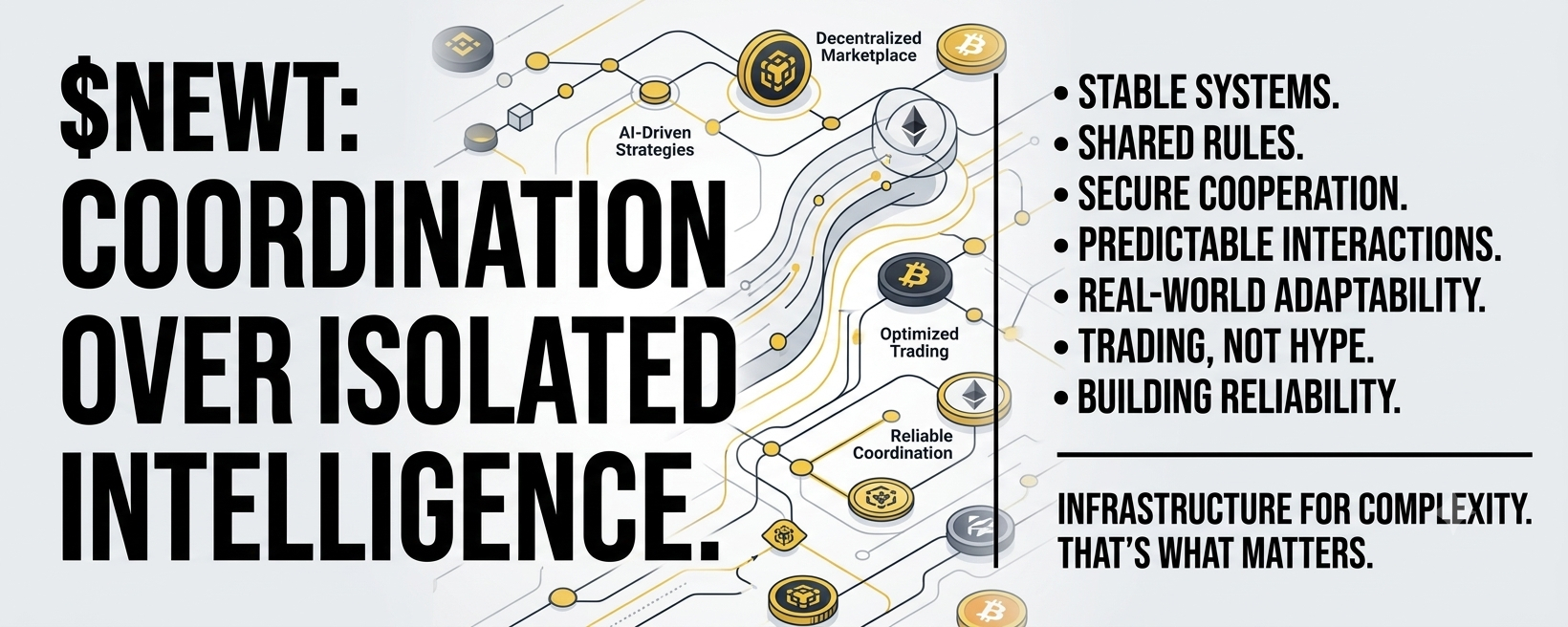
Por que continuo pensando mais em coordenação do que em inteligênciaTenho notado algo ao longo dos últimos poucos anos.
Quando as pessoas falam sobre IA, a conversa geralmente fica em torno de o quanto um modelo ficou inteligente. Ele pode resolver problemas mais difíceis, responder mais rápido, escrever melhor e raciocinar por mais tempo.
Essas coisas importam, é claro.
Mas eu volto sempre a uma pergunta diferente.
O que acontece depois que a inteligência deixa de funcionar sozinha?
Essa parte parece estranhamente pouco explorada para mim.
Um único sistema capaz é interessante.
Milhares de sistemas capazes interagindo entre si a cada segundo é algo totalmente diferente.
Por que continuo pensando mais em coordenação do que em inteligência
Tenho notado algo ao longo dos últimos poucos anos.
Quando as pessoas falam sobre IA, a conversa geralmente fica em torno de o quanto um modelo ficou inteligente. Ele pode resolver problemas mais difíceis, responder mais rápido, escrever melhor e raciocinar por mais tempo.
Essas coisas importam, é claro.
Mas eu volto sempre a uma pergunta diferente.
O que acontece depois que a inteligência deixa de funcionar sozinha?
Essa parte parece estranhamente pouco explorada para mim.
Um único sistema capaz é interessante.
Milhares de sistemas capazes interagindo entre si a cada segundo é algo totalmente diferente.
Quando as pessoas falam sobre IA, a conversa geralmente fica em torno de o quanto um modelo ficou inteligente. Ele pode resolver problemas mais difíceis, responder mais rápido, escrever melhor e raciocinar por mais tempo.
Essas coisas importam, é claro.
Mas eu volto sempre a uma pergunta diferente.
O que acontece depois que a inteligência deixa de funcionar sozinha?
Essa parte parece estranhamente pouco explorada para mim.
Um único sistema capaz é interessante.
Milhares de sistemas capazes interagindo entre si a cada segundo é algo totalmente diferente.
5
3
314
·
--
Continuo a pensar no que acontece depois que milhares de sistemas inteligentes começam a tomar decisões ao mesmo tempo.
É aí que a velocidade, por si só, deixa de ser suficiente.
A coordenação, em silêncio, se torna o problema mais difícil na sala
.
O Newton Protocol (NEWT) está explorando esse desafio.
Ele está construindo um rollup seguro para estratégias baseadas em IA, negociação automatizada e um mercado onde desenvolvedores de IA podem contribuir.
A ideia parece menos sobre tornar a IA mais inteligente.
Parece mais sobre ajudar sistemas complexos a operar com mais confiança sob pressão.
Eu já vi sistemas reais o bastante para saber que falhas raramente chegam com um aviso estridente.
Normalmente começam com pequenos atrasos.
Premissas conflitantes.
Ou com informações chegando a um participante apenas um pouco tarde demais.
Essas pequenas fissuras muitas vezes se tornam muito maiores do que qualquer um esperava.
Nenhum protocolo consegue eliminar a incerteza.
Eu não acho que o Newton Protocol esteja afirmando que consegue.
Mas construir uma infraestrutura que espera atrito, em vez de fingir que ele não existe, pode se revelar bem mais valioso do que perseguir desempenho perfeito.
À medida que a IA se torna cada vez mais conectada, a maior descoberta talvez não venha da inteligência em si.
Ela pode vir dos sistemas invisíveis que mantêm a inteligência coordenada quando tudo ao redor se torna imprevisível.
#newt $NEWT @NewtonProtocol #NEWT
$POL $NVDAB #bnb #ARB
#USJoblessClaimsFallTo215K
{future}(NEWTUSDT)
{future}(POLUSDT)
Que fator é o mais importante quando sistemas automatizados operam sob pressão?
Continuo a pensar no que acontece depois que milhares de sistemas inteligentes começam a tomar decisões ao mesmo tempo.
É aí que a velocidade, por si só, deixa de ser suficiente.
A coordenação, em silêncio, se torna o problema mais difícil na sala
.
O Newton Protocol (NEWT) está explorando esse desafio.
Ele está construindo um rollup seguro para estratégias baseadas em IA, negociação automatizada e um mercado onde desenvolvedores de IA podem contribuir.
A ideia parece menos sobre tornar a IA mais inteligente.
Parece mais sobre ajudar sistemas complexos a operar com mais confiança sob pressão.
Eu já vi sistemas reais o bastante para saber que falhas raramente chegam com um aviso estridente.
Normalmente começam com pequenos atrasos.
Premissas conflitantes.
Ou com informações chegando a um participante apenas um pouco tarde demais.
Essas pequenas fissuras muitas vezes se tornam muito maiores do que qualquer um esperava.
Nenhum protocolo consegue eliminar a incerteza.
Eu não acho que o Newton Protocol esteja afirmando que consegue.
Mas construir uma infraestrutura que espera atrito, em vez de fingir que ele não existe, pode se revelar bem mais valioso do que perseguir desempenho perfeito.
À medida que a IA se torna cada vez mais conectada, a maior descoberta talvez não venha da inteligência em si.
Ela pode vir dos sistemas invisíveis que mantêm a inteligência coordenada quando tudo ao redor se torna imprevisível.
#newt $NEWT @NewtonProtocol #NEWT
$POL $NVDAB #bnb #ARB
#USJoblessClaimsFallTo215K
Que fator é o mais importante quando sistemas automatizados operam sob pressão?
É aí que a velocidade, por si só, deixa de ser suficiente.
A coordenação, em silêncio, se torna o problema mais difícil na sala
.
O Newton Protocol (NEWT) está explorando esse desafio.
Ele está construindo um rollup seguro para estratégias baseadas em IA, negociação automatizada e um mercado onde desenvolvedores de IA podem contribuir.
A ideia parece menos sobre tornar a IA mais inteligente.
Parece mais sobre ajudar sistemas complexos a operar com mais confiança sob pressão.
Eu já vi sistemas reais o bastante para saber que falhas raramente chegam com um aviso estridente.
Normalmente começam com pequenos atrasos.
Premissas conflitantes.
Ou com informações chegando a um participante apenas um pouco tarde demais.
Essas pequenas fissuras muitas vezes se tornam muito maiores do que qualquer um esperava.
Nenhum protocolo consegue eliminar a incerteza.
Eu não acho que o Newton Protocol esteja afirmando que consegue.
Mas construir uma infraestrutura que espera atrito, em vez de fingir que ele não existe, pode se revelar bem mais valioso do que perseguir desempenho perfeito.
À medida que a IA se torna cada vez mais conectada, a maior descoberta talvez não venha da inteligência em si.
Ela pode vir dos sistemas invisíveis que mantêm a inteligência coordenada quando tudo ao redor se torna imprevisível.
#newt $NEWT @NewtonProtocol #NEWT
$POL $NVDAB #bnb #ARB
#USJoblessClaimsFallTo215K
Que fator é o mais importante quando sistemas automatizados operam sob pressão?
🟢 Trust and reliability
0%
🔵 Raw intelligence
100%
🟠 Maximum speed
0%
1 Votos • Votação encerrada
10
2
591
·
--
O momento em que a IA deixa de funcionar sozinha e começa a tomar decisões ao lado de milhares de outros sistemas de IA, o verdadeiro desafio começa.
A inteligência é impressionante.
Mas a coordenação sob pressão é outra coisa completamente.
É aí que pequenos atrasos, ações conflitantes e premissas quebradas se tornam riscos importantes, silenciosamente.
Eu fico pensando nas estradas durante o horário de pico.
Um carro mudando de faixa é algo comum.
Milhares reagindo ao mesmo tempo podem travar uma cidade inteira.
Mercados e sistemas automatizados se comportam de maneiras surpreendentemente semelhantes.
A pressão raramente é causada por uma única decisão.
Ela vem de muitas decisões que chegam juntas.
É por isso que o Protocolo Newton se destaca para mim.
Em vez de focar apenas em deixar a IA mais inteligente, ele está construindo um rollup seguro para estratégias orientadas por IA, trading automatizado e um marketplace onde desenvolvedores de IA podem contribuir.
Para mim, isso parece fortalecer a infraestrutura antes que o tráfego se torne impossível de gerenciar.
Nenhum protocolo consegue eliminar a incerteza.
As redes ficam mais lentas.
As informações chegam tarde.
Os participantes se comportam de formas diferentes do esperado.
Essas realidades não desaparecem simplesmente porque o software fica mais avançado.
Talvez o futuro da IA não seja definido por qual modelo pensa mais rápido.
Talvez seja definido por quais sistemas continuam operando quando as condições ficam confusas, a comunicação se torna imperfeita e a confiança é testada.
Esse é um problema muito mais difícil.
E talvez o mais importante.
#newt $NEWT @NewtonProtocol
$TAC $POL
#SYN
#USLaunchesNewStrikesAgainstIran #Ethereum #binnace
{spot}(NEWTUSDT)
{future}(POLUSDT)
{future}(TACUSDT)
O que vai importar mais para a IA em escala?
O momento em que a IA deixa de funcionar sozinha e começa a tomar decisões ao lado de milhares de outros sistemas de IA, o verdadeiro desafio começa.
A inteligência é impressionante.
Mas a coordenação sob pressão é outra coisa completamente.
É aí que pequenos atrasos, ações conflitantes e premissas quebradas se tornam riscos importantes, silenciosamente.
Eu fico pensando nas estradas durante o horário de pico.
Um carro mudando de faixa é algo comum.
Milhares reagindo ao mesmo tempo podem travar uma cidade inteira.
Mercados e sistemas automatizados se comportam de maneiras surpreendentemente semelhantes.
A pressão raramente é causada por uma única decisão.
Ela vem de muitas decisões que chegam juntas.
É por isso que o Protocolo Newton se destaca para mim.
Em vez de focar apenas em deixar a IA mais inteligente, ele está construindo um rollup seguro para estratégias orientadas por IA, trading automatizado e um marketplace onde desenvolvedores de IA podem contribuir.
Para mim, isso parece fortalecer a infraestrutura antes que o tráfego se torne impossível de gerenciar.
Nenhum protocolo consegue eliminar a incerteza.
As redes ficam mais lentas.
As informações chegam tarde.
Os participantes se comportam de formas diferentes do esperado.
Essas realidades não desaparecem simplesmente porque o software fica mais avançado.
Talvez o futuro da IA não seja definido por qual modelo pensa mais rápido.
Talvez seja definido por quais sistemas continuam operando quando as condições ficam confusas, a comunicação se torna imperfeita e a confiança é testada.
Esse é um problema muito mais difícil.
E talvez o mais importante.
#newt $NEWT @NewtonProtocol
$TAC $POL
#SYN
#USLaunchesNewStrikesAgainstIran #Ethereum #binnace
O que vai importar mais para a IA em escala?
A inteligência é impressionante.
Mas a coordenação sob pressão é outra coisa completamente.
É aí que pequenos atrasos, ações conflitantes e premissas quebradas se tornam riscos importantes, silenciosamente.
Eu fico pensando nas estradas durante o horário de pico.
Um carro mudando de faixa é algo comum.
Milhares reagindo ao mesmo tempo podem travar uma cidade inteira.
Mercados e sistemas automatizados se comportam de maneiras surpreendentemente semelhantes.
A pressão raramente é causada por uma única decisão.
Ela vem de muitas decisões que chegam juntas.
É por isso que o Protocolo Newton se destaca para mim.
Em vez de focar apenas em deixar a IA mais inteligente, ele está construindo um rollup seguro para estratégias orientadas por IA, trading automatizado e um marketplace onde desenvolvedores de IA podem contribuir.
Para mim, isso parece fortalecer a infraestrutura antes que o tráfego se torne impossível de gerenciar.
Nenhum protocolo consegue eliminar a incerteza.
As redes ficam mais lentas.
As informações chegam tarde.
Os participantes se comportam de formas diferentes do esperado.
Essas realidades não desaparecem simplesmente porque o software fica mais avançado.
Talvez o futuro da IA não seja definido por qual modelo pensa mais rápido.
Talvez seja definido por quais sistemas continuam operando quando as condições ficam confusas, a comunicação se torna imperfeita e a confiança é testada.
Esse é um problema muito mais difícil.
E talvez o mais importante.
#newt $NEWT @NewtonProtocol
$TAC $POL
#SYN
#USLaunchesNewStrikesAgainstIran #Ethereum #binnace
O que vai importar mais para a IA em escala?
Smarter models
100%
Reliable infrastructure
0%
Faster execution
0%
1 Votos • Votação encerrada
5
1
306
·
--
Artigo
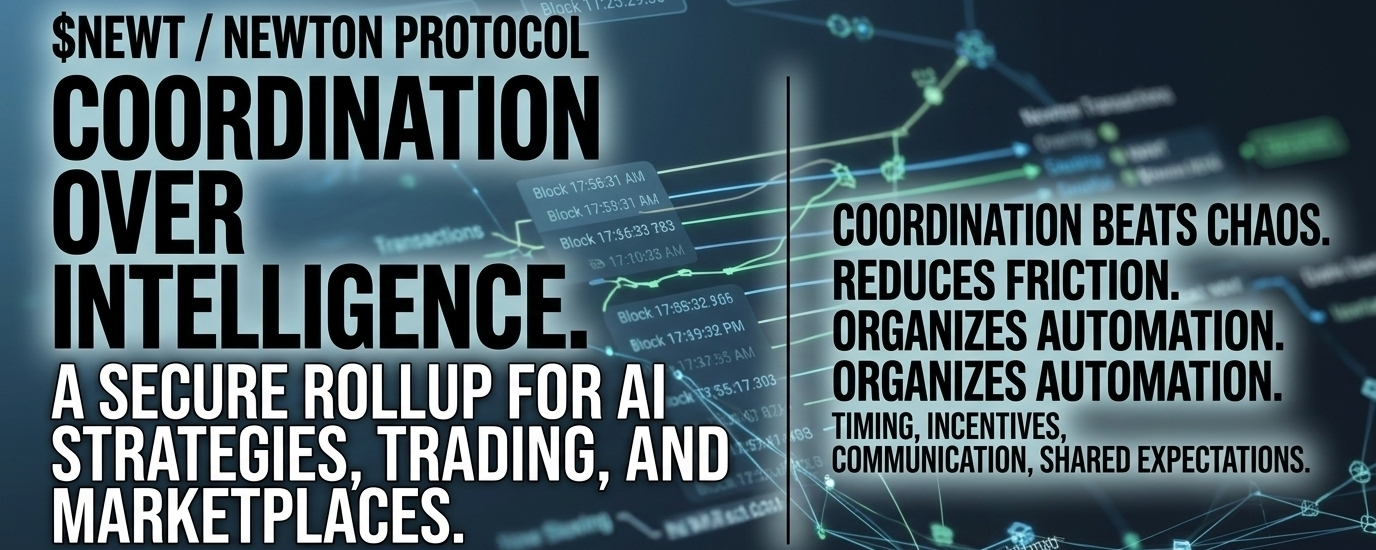
Quando a IA Começa a Agir Juntas em Vez de SeparadamenteTenho pensado menos sobre o quanto os sistemas de IA estão se tornando inteligentes e mais sobre o que acontece quando muitos deles começam a agir ao mesmo tempo.
Essa diferença parece pequena no início, mas eu não acho que seja.
Um sistema inteligente funcionando sozinho é interessante. Dez mil tomando decisões juntas é um problema completamente diferente.
Talvez eu esteja olhando para isso pelo ângulo errado, mas sempre volto à coordenação em vez de à inteligência.
As pessoas frequentemente imaginam a automação como algo suave.
Uma solicitação entra, uma resposta sai, e tudo acontece quase instantaneamente.
Quando a IA Começa a Agir Juntas em Vez de Separadamente
Tenho pensado menos sobre o quanto os sistemas de IA estão se tornando inteligentes e mais sobre o que acontece quando muitos deles começam a agir ao mesmo tempo.
Essa diferença parece pequena no início, mas eu não acho que seja.
Um sistema inteligente funcionando sozinho é interessante. Dez mil tomando decisões juntas é um problema completamente diferente.
Talvez eu esteja olhando para isso pelo ângulo errado, mas sempre volto à coordenação em vez de à inteligência.
As pessoas frequentemente imaginam a automação como algo suave.
Uma solicitação entra, uma resposta sai, e tudo acontece quase instantaneamente.
Essa diferença parece pequena no início, mas eu não acho que seja.
Um sistema inteligente funcionando sozinho é interessante. Dez mil tomando decisões juntas é um problema completamente diferente.
Talvez eu esteja olhando para isso pelo ângulo errado, mas sempre volto à coordenação em vez de à inteligência.
As pessoas frequentemente imaginam a automação como algo suave.
Uma solicitação entra, uma resposta sai, e tudo acontece quase instantaneamente.
3
3
111
·
--
Artigo
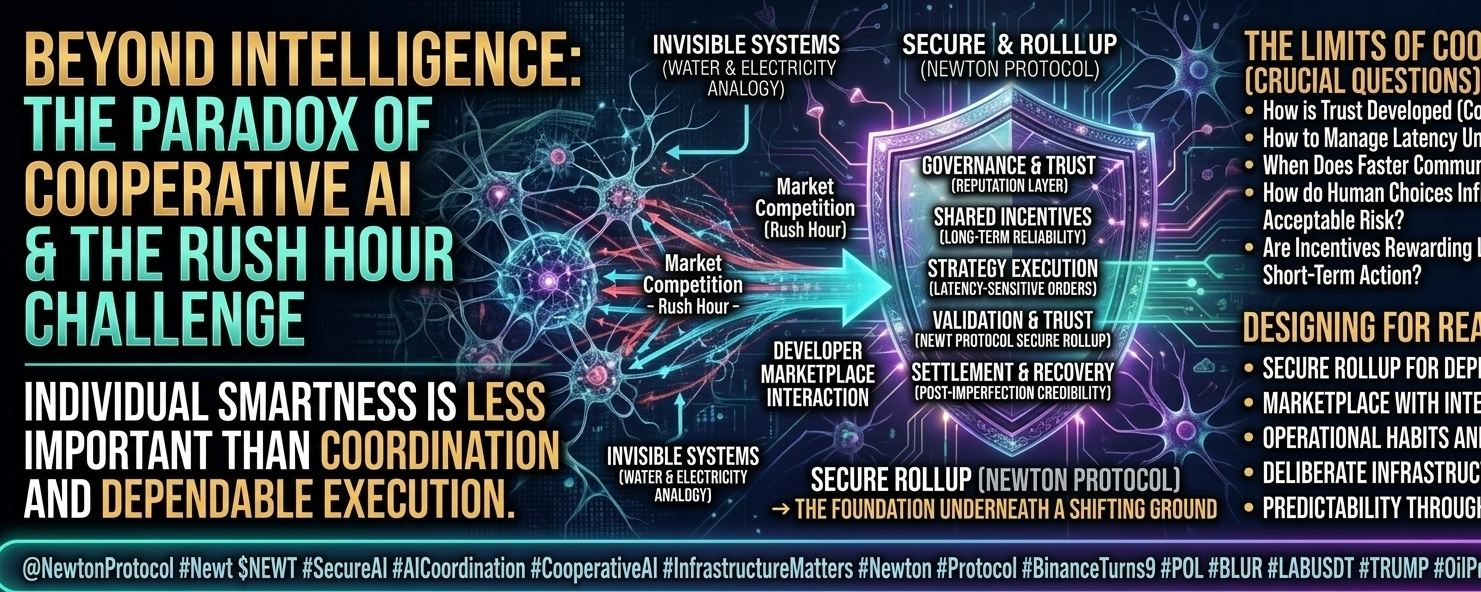
Quando a IA Começa a Agir de Uma Só Vez, a Infraestrutura se Torna a História RealTenho pensado menos em como os sistemas de IA estão ficando inteligentes e mais sobre o que acontece quando muitos deles decidem agir ao mesmo tempo.
Essa diferença parece pequena à primeira vista, mas eu não acho que seja.
Um único sistema inteligente pode ser impressionante por si só. Milhares deles operando em conjunto dentro de mercados financeiros ou em outros ambientes de rápida movimentação criam um problema totalmente diferente.
Talvez eu esteja olhando para isso por um ângulo errado, mas a coordenação parece muito mais difícil do que a inteligência.
Quando a IA Começa a Agir de Uma Só Vez, a Infraestrutura se Torna a História Real
Tenho pensado menos em como os sistemas de IA estão ficando inteligentes e mais sobre o que acontece quando muitos deles decidem agir ao mesmo tempo.
Essa diferença parece pequena à primeira vista, mas eu não acho que seja.
Um único sistema inteligente pode ser impressionante por si só. Milhares deles operando em conjunto dentro de mercados financeiros ou em outros ambientes de rápida movimentação criam um problema totalmente diferente.
Talvez eu esteja olhando para isso por um ângulo errado, mas a coordenação parece muito mais difícil do que a inteligência.
Essa diferença parece pequena à primeira vista, mas eu não acho que seja.
Um único sistema inteligente pode ser impressionante por si só. Milhares deles operando em conjunto dentro de mercados financeiros ou em outros ambientes de rápida movimentação criam um problema totalmente diferente.
Talvez eu esteja olhando para isso por um ângulo errado, mas a coordenação parece muito mais difícil do que a inteligência.
1
89
·
--
Em Baixa
A próxima grande evolução em IA talvez não venha de um modelo mais inteligente.
Ela pode vir da infraestrutura que mantém milhares de decisões inteligentes sincronizadas quando os mercados ficam caóticos e cada milissegundo passa a importar.
É por isso que o Newton Protocol (NEWT) se destaca para mim.
Construir um rollup seguro para estratégias orientadas por IA, negociação automatizada e um marketplace para desenvolvedores de IA não é apenas sobre velocidade.
É sobre criar ordem quando a pressão revela todas as fraquezas escondidas.
Sistemas reais raramente falham em momentos tranquilos.
Eles falham quando a latência aumenta, a informação chega de forma irregular, os incentivos entram em conflito e as decisões automatizadas começam a se amplificar.
A inteligência sozinha não consegue resolver esses problemas se a base abaixo dela começar a se deslocar.
Acredito que o futuro pertence a protocolos que entendem essa diferença.
Nem todo desafio pode ser eliminado.
Mas uma infraestrutura resiliente pode absorver choques em vez de amplificá-los.
Talvez a maior corrida em IA já não seja mais para construir o agente mais inteligente.
Talvez seja sobre construir a base mais forte sob cada decisão inteligente.
#newt $NEWT @NewtonProtocol
$POL $BLUR #BinanceTurns9 #LABUSDT #TRUMP #OilPrice
{spot}(NEWTUSDT)
{future}(POLUSDT)
{future}(BLURUSDT)
A próxima grande evolução em IA talvez não venha de um modelo mais inteligente.
Ela pode vir da infraestrutura que mantém milhares de decisões inteligentes sincronizadas quando os mercados ficam caóticos e cada milissegundo passa a importar.
É por isso que o Newton Protocol (NEWT) se destaca para mim.
Construir um rollup seguro para estratégias orientadas por IA, negociação automatizada e um marketplace para desenvolvedores de IA não é apenas sobre velocidade.
É sobre criar ordem quando a pressão revela todas as fraquezas escondidas.
Sistemas reais raramente falham em momentos tranquilos.
Eles falham quando a latência aumenta, a informação chega de forma irregular, os incentivos entram em conflito e as decisões automatizadas começam a se amplificar.
A inteligência sozinha não consegue resolver esses problemas se a base abaixo dela começar a se deslocar.
Acredito que o futuro pertence a protocolos que entendem essa diferença.
Nem todo desafio pode ser eliminado.
Mas uma infraestrutura resiliente pode absorver choques em vez de amplificá-los.
Talvez a maior corrida em IA já não seja mais para construir o agente mais inteligente.
Talvez seja sobre construir a base mais forte sob cada decisão inteligente.
#newt $NEWT @NewtonProtocol
$POL $BLUR #BinanceTurns9 #LABUSDT #TRUMP #OilPrice
Ela pode vir da infraestrutura que mantém milhares de decisões inteligentes sincronizadas quando os mercados ficam caóticos e cada milissegundo passa a importar.
É por isso que o Newton Protocol (NEWT) se destaca para mim.
Construir um rollup seguro para estratégias orientadas por IA, negociação automatizada e um marketplace para desenvolvedores de IA não é apenas sobre velocidade.
É sobre criar ordem quando a pressão revela todas as fraquezas escondidas.
Sistemas reais raramente falham em momentos tranquilos.
Eles falham quando a latência aumenta, a informação chega de forma irregular, os incentivos entram em conflito e as decisões automatizadas começam a se amplificar.
A inteligência sozinha não consegue resolver esses problemas se a base abaixo dela começar a se deslocar.
Acredito que o futuro pertence a protocolos que entendem essa diferença.
Nem todo desafio pode ser eliminado.
Mas uma infraestrutura resiliente pode absorver choques em vez de amplificá-los.
Talvez a maior corrida em IA já não seja mais para construir o agente mais inteligente.
Talvez seja sobre construir a base mais forte sob cada decisão inteligente.
#newt $NEWT @NewtonProtocol
$POL $BLUR #BinanceTurns9 #LABUSDT #TRUMP #OilPrice
1
143
·
--
Artigo
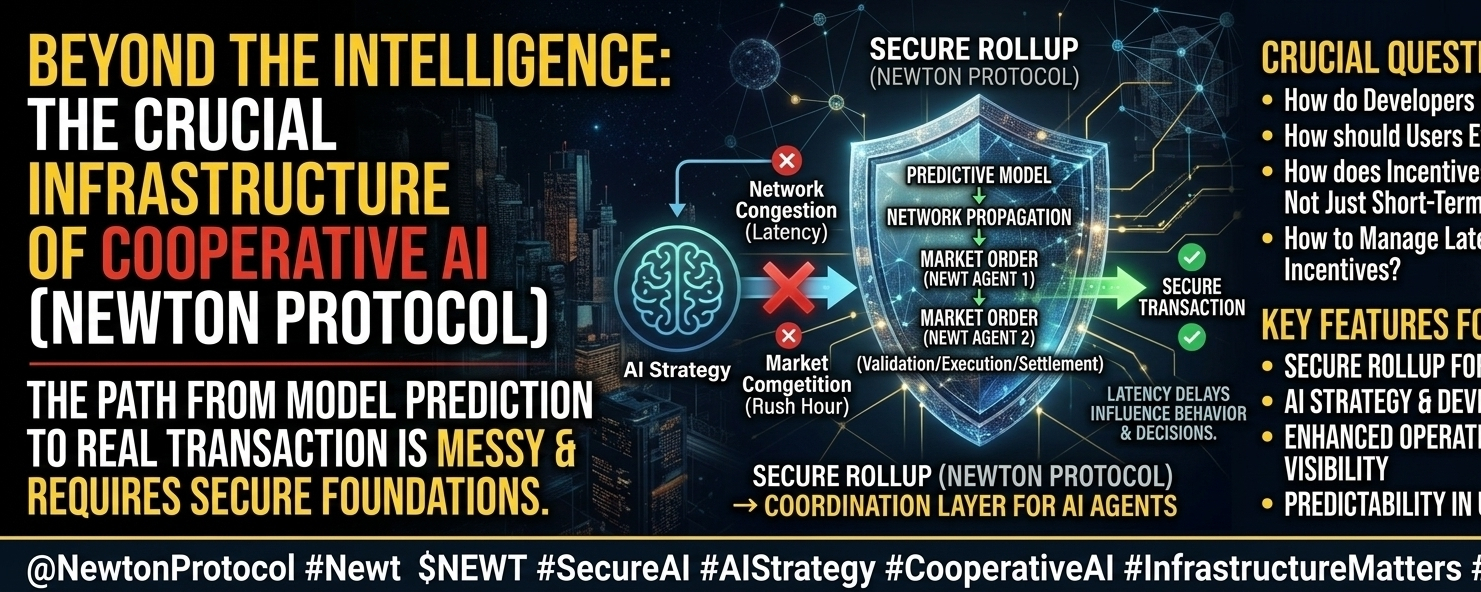
Quando a IA começa a tomar decisões em conjunto, a infraestrutura importa mais do que a inteligênciaContinuo ouvindo as pessoas dizerem que a IA está ficando mais inteligente a cada mês, e talvez isso seja verdade. Mas eu notei que a inteligência é apenas uma parte da história. O que realmente chama minha atenção é o que acontece depois que o modelo produz uma resposta. É nesse momento que o software deixa de ser um experimento interessante e começa a interagir com sistemas reais que têm atrasos, limites, custos e outras pessoas tomando decisões ao mesmo tempo.
Acho que essa diferença é fácil de ignorar.
Um modelo pode gerar uma excelente ideia de negociação em uma fração de segundo. Ele consegue reconhecer padrões mais rápido do que qualquer pessoa que eu conheça. Mas então a ordem precisa viajar pelas redes, chegar aos mercados, competir com milhares de outras ordens e, eventualmente, se tornar uma transação de fato. Esse caminho é muito mais confuso do que a própria previsão.
Quando a IA começa a tomar decisões em conjunto, a infraestrutura importa mais do que a inteligência
Continuo ouvindo as pessoas dizerem que a IA está ficando mais inteligente a cada mês, e talvez isso seja verdade. Mas eu notei que a inteligência é apenas uma parte da história. O que realmente chama minha atenção é o que acontece depois que o modelo produz uma resposta. É nesse momento que o software deixa de ser um experimento interessante e começa a interagir com sistemas reais que têm atrasos, limites, custos e outras pessoas tomando decisões ao mesmo tempo.
Acho que essa diferença é fácil de ignorar.
Um modelo pode gerar uma excelente ideia de negociação em uma fração de segundo. Ele consegue reconhecer padrões mais rápido do que qualquer pessoa que eu conheça. Mas então a ordem precisa viajar pelas redes, chegar aos mercados, competir com milhares de outras ordens e, eventualmente, se tornar uma transação de fato. Esse caminho é muito mais confuso do que a própria previsão.
Acho que essa diferença é fácil de ignorar.
Um modelo pode gerar uma excelente ideia de negociação em uma fração de segundo. Ele consegue reconhecer padrões mais rápido do que qualquer pessoa que eu conheça. Mas então a ordem precisa viajar pelas redes, chegar aos mercados, competir com milhares de outras ordens e, eventualmente, se tornar uma transação de fato. Esse caminho é muito mais confuso do que a própria previsão.
9
4
242
·
--
As maiores rupturas raramente chegam com aviso.
Elas surgem de forma silenciosa e, de repente, todo mundo percebe que as regras mudaram.
Fico pensando no que acontece quando milhares de sistemas de IA começam a tomar decisões financeiras exatamente no mesmo momento.
É aí que a velocidade deixa de ser vantagem e a infraestrutura vira o verdadeiro campo de batalha.
O Protocolo Newton @NewtonProtocol explora esse desafio construindo um rollup seguro para estratégias orientadas por IA, trading automatizado e um marketplace onde desenvolvedores de IA podem contribuir.
É uma direção ambiciosa porque inteligência, por si só, significa muito pouco se a execução falhar quando a pressão aumenta.
Os mercados nunca recompensam teorias perfeitas.
Eles recompensam sistemas que continuam funcionando quando a latência cresce, a volatilidade dispara, a comunicação enfraquece e surge comportamento inesperado.
É nesse ambiente que a confiança é conquistada, não prometida.
Eu não acho que qualquer protocolo consiga eliminar a incerteza.
Mas projetar uma infraestrutura que permaneça resiliente enquanto a IA escala parece ser um dos problemas mais difíceis e que vale a pena resolver.
A próxima era talvez não pertença aos modelos mais inteligentes—pode pertencer às bases mais fortes.
#newt $NEWT #B #binnacesqure
#IMFWarnsTokenizationShiftsRiskToCode
$POL
$VANRY
{spot}(NEWTUSDT)
{future}(POLUSDT)
{future}(VANRYUSDT)
Qual recurso do Protocolo Newton mais lhe interessa?
As maiores rupturas raramente chegam com aviso.
Elas surgem de forma silenciosa e, de repente, todo mundo percebe que as regras mudaram.
Fico pensando no que acontece quando milhares de sistemas de IA começam a tomar decisões financeiras exatamente no mesmo momento.
É aí que a velocidade deixa de ser vantagem e a infraestrutura vira o verdadeiro campo de batalha.
O Protocolo Newton @NewtonProtocol explora esse desafio construindo um rollup seguro para estratégias orientadas por IA, trading automatizado e um marketplace onde desenvolvedores de IA podem contribuir.
É uma direção ambiciosa porque inteligência, por si só, significa muito pouco se a execução falhar quando a pressão aumenta.
Os mercados nunca recompensam teorias perfeitas.
Eles recompensam sistemas que continuam funcionando quando a latência cresce, a volatilidade dispara, a comunicação enfraquece e surge comportamento inesperado.
É nesse ambiente que a confiança é conquistada, não prometida.
Eu não acho que qualquer protocolo consiga eliminar a incerteza.
Mas projetar uma infraestrutura que permaneça resiliente enquanto a IA escala parece ser um dos problemas mais difíceis e que vale a pena resolver.
A próxima era talvez não pertença aos modelos mais inteligentes—pode pertencer às bases mais fortes.
#newt $NEWT #B #binnacesqure
#IMFWarnsTokenizationShiftsRiskToCode
$POL
$VANRY
Qual recurso do Protocolo Newton mais lhe interessa?
Elas surgem de forma silenciosa e, de repente, todo mundo percebe que as regras mudaram.
Fico pensando no que acontece quando milhares de sistemas de IA começam a tomar decisões financeiras exatamente no mesmo momento.
É aí que a velocidade deixa de ser vantagem e a infraestrutura vira o verdadeiro campo de batalha.
O Protocolo Newton @NewtonProtocol explora esse desafio construindo um rollup seguro para estratégias orientadas por IA, trading automatizado e um marketplace onde desenvolvedores de IA podem contribuir.
É uma direção ambiciosa porque inteligência, por si só, significa muito pouco se a execução falhar quando a pressão aumenta.
Os mercados nunca recompensam teorias perfeitas.
Eles recompensam sistemas que continuam funcionando quando a latência cresce, a volatilidade dispara, a comunicação enfraquece e surge comportamento inesperado.
É nesse ambiente que a confiança é conquistada, não prometida.
Eu não acho que qualquer protocolo consiga eliminar a incerteza.
Mas projetar uma infraestrutura que permaneça resiliente enquanto a IA escala parece ser um dos problemas mais difíceis e que vale a pena resolver.
A próxima era talvez não pertença aos modelos mais inteligentes—pode pertencer às bases mais fortes.
#newt $NEWT #B #binnacesqure
#IMFWarnsTokenizationShiftsRiskToCode
$POL
$VANRY
Qual recurso do Protocolo Newton mais lhe interessa?
AI-driven strategies
0%
Automated trading
0%
AI developer marketplace
0%
0 Votos • Votação encerrada
1
268
·
--
Artigo
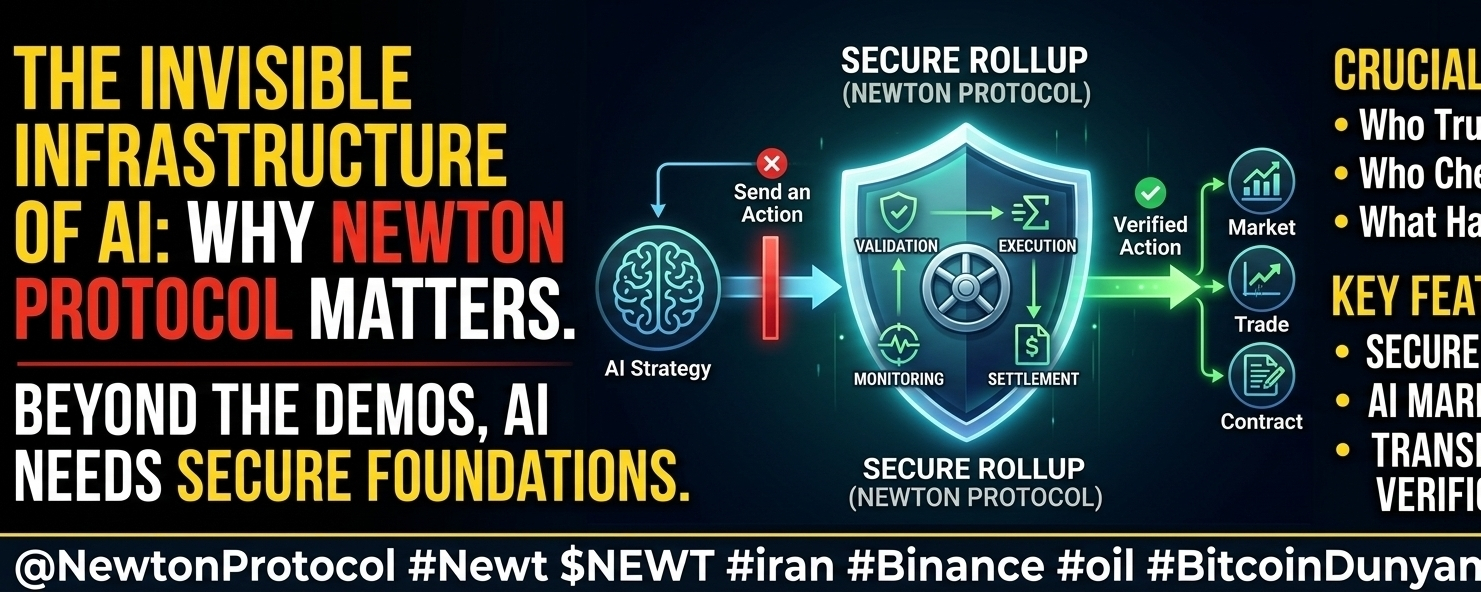
O Protocolo Newton me fez pensar menos sobre IA e mais sobre tudo ao redorContinuo percebendo que, sempre que as pessoas falam sobre inteligência artificial, a conversa rapidamente passa a ser sobre o quanto os modelos são capazes.
Modelos maiores, respostas mais rápidas, custos menores. Essas coisas importam, é claro. Mas eu comecei a prestar mais atenção em algo menos visível. Tenho me perguntado o que acontece depois que uma IA toma uma decisão. Para onde essa decisão vai? Quem confia nela? Quem verifica?
O que acontece quando milhares dessas decisões começam a interagir entre si, em vez de permanecerem dentro de uma demonstração simples?
O Protocolo Newton me fez pensar menos sobre IA e mais sobre tudo ao redor
Continuo percebendo que, sempre que as pessoas falam sobre inteligência artificial, a conversa rapidamente passa a ser sobre o quanto os modelos são capazes.
Modelos maiores, respostas mais rápidas, custos menores. Essas coisas importam, é claro. Mas eu comecei a prestar mais atenção em algo menos visível. Tenho me perguntado o que acontece depois que uma IA toma uma decisão. Para onde essa decisão vai? Quem confia nela? Quem verifica?
O que acontece quando milhares dessas decisões começam a interagir entre si, em vez de permanecerem dentro de uma demonstração simples?
Modelos maiores, respostas mais rápidas, custos menores. Essas coisas importam, é claro. Mas eu comecei a prestar mais atenção em algo menos visível. Tenho me perguntado o que acontece depois que uma IA toma uma decisão. Para onde essa decisão vai? Quem confia nela? Quem verifica?
O que acontece quando milhares dessas decisões começam a interagir entre si, em vez de permanecerem dentro de uma demonstração simples?
9
3
170
·
--
Todo mundo fala sobre a IA ficando mais inteligente.
Eu fico me perguntando o que acontece quando milhares de decisões de IA atingem mercados reais ao mesmo tempo. A velocidade é empolgante, mas a pressão revela tudo o que fica escondido por baixo da superfície.
É por isso que @NewtonProtocol chamou minha atenção.
O Newton Protocol está construindo um rollup seguro para estratégias baseadas em IA, trading automatizado e um marketplace onde desenvolvedores de IA podem contribuir. O verdadeiro desafio não é criar inteligência—é garantir que essa inteligência possa operar de forma confiável quando as redes ficam mais lentas, os mercados ficam voláteis e a confiança é testada.
Os sistemas mais fortes raramente são os mais barulhentos.
Eles são os que continuam funcionando quando as condições se tornam imprevisíveis. A infraestrutura é invisível até falhar, e na IA, essas camadas invisíveis podem decidir quem consegue se adaptar e quem fica para trás.
Não estou dizendo que nenhum protocolo pode resolver todos os problemas.
Nenhuma tecnologia controla o comportamento humano, as emoções do mercado ou eventos inesperados. Mas reduzir atritos, melhorar a coordenação e criar uma execução transparente parece um tipo de avanço que realmente importa.
É por isso que vou acompanhar o Newton Protocol de perto.
Parceria paga. Este conteúdo é apenas para fins informativos e não constitui aconselhamento financeiro.
#newt $NEWT #Binance #oil #iran #pol
$NFP
$POL
{spot}(NEWTUSDT)
{spot}(NFPUSDT)
{future}(POLUSDT)
Qual parte do Newton Protocol mais te interessa?
Todo mundo fala sobre a IA ficando mais inteligente.
Eu fico me perguntando o que acontece quando milhares de decisões de IA atingem mercados reais ao mesmo tempo. A velocidade é empolgante, mas a pressão revela tudo o que fica escondido por baixo da superfície.
É por isso que @NewtonProtocol chamou minha atenção.
O Newton Protocol está construindo um rollup seguro para estratégias baseadas em IA, trading automatizado e um marketplace onde desenvolvedores de IA podem contribuir. O verdadeiro desafio não é criar inteligência—é garantir que essa inteligência possa operar de forma confiável quando as redes ficam mais lentas, os mercados ficam voláteis e a confiança é testada.
Os sistemas mais fortes raramente são os mais barulhentos.
Eles são os que continuam funcionando quando as condições se tornam imprevisíveis. A infraestrutura é invisível até falhar, e na IA, essas camadas invisíveis podem decidir quem consegue se adaptar e quem fica para trás.
Não estou dizendo que nenhum protocolo pode resolver todos os problemas.
Nenhuma tecnologia controla o comportamento humano, as emoções do mercado ou eventos inesperados. Mas reduzir atritos, melhorar a coordenação e criar uma execução transparente parece um tipo de avanço que realmente importa.
É por isso que vou acompanhar o Newton Protocol de perto.
Parceria paga. Este conteúdo é apenas para fins informativos e não constitui aconselhamento financeiro.
#newt $NEWT #Binance #oil #iran #pol
$NFP
$POL
Qual parte do Newton Protocol mais te interessa?
Eu fico me perguntando o que acontece quando milhares de decisões de IA atingem mercados reais ao mesmo tempo. A velocidade é empolgante, mas a pressão revela tudo o que fica escondido por baixo da superfície.
É por isso que @NewtonProtocol chamou minha atenção.
O Newton Protocol está construindo um rollup seguro para estratégias baseadas em IA, trading automatizado e um marketplace onde desenvolvedores de IA podem contribuir. O verdadeiro desafio não é criar inteligência—é garantir que essa inteligência possa operar de forma confiável quando as redes ficam mais lentas, os mercados ficam voláteis e a confiança é testada.
Os sistemas mais fortes raramente são os mais barulhentos.
Eles são os que continuam funcionando quando as condições se tornam imprevisíveis. A infraestrutura é invisível até falhar, e na IA, essas camadas invisíveis podem decidir quem consegue se adaptar e quem fica para trás.
Não estou dizendo que nenhum protocolo pode resolver todos os problemas.
Nenhuma tecnologia controla o comportamento humano, as emoções do mercado ou eventos inesperados. Mas reduzir atritos, melhorar a coordenação e criar uma execução transparente parece um tipo de avanço que realmente importa.
É por isso que vou acompanhar o Newton Protocol de perto.
Parceria paga. Este conteúdo é apenas para fins informativos e não constitui aconselhamento financeiro.
#newt $NEWT #Binance #oil #iran #pol
$NFP
$POL
Qual parte do Newton Protocol mais te interessa?
AI-driven strategies
0%
Automated trading
0%
AI developer marketplace
0%
0 Votos • Votação encerrada
3
1
203
·
--
Continuo vendo as pessoas focarem em como os modelos de IA são poderosos, mas acho que a pergunta maior é se a infraestrutura ao redor deles está pronta para a pressão do mundo real.
Foi por isso que o Newton Protocol chamou minha atenção.
Ele está construindo um rollup seguro para estratégias orientadas por IA, negociação automatizada e um marketplace onde desenvolvedores de IA podem contribuir e melhorar sistemas inteligentes.
A ideia parece promissora, mas eu não acredito que a tecnologia, por si só, resolva todos os problemas.
Os mercados reais mudam rapidamente.
As redes sofrem atrasos.
Os dados podem chegar tarde.
Mesmo uma estratégia forte de IA depende de execução confiável, verificação transparente e coordenação segura nos bastidores.
Para mim, é aí que o verdadeiro valor pode estar.
Os sistemas mais fortes geralmente não são os que fazem as promessas mais barulhentas. São os que continuam funcionando quando as condições ficam difíceis.
Vou acompanhar como o Newton Protocol equilibra automação com segurança, incentivos e confiança à medida que o ecossistema cresce. Esses trade-offs muitas vezes determinam se a infraestrutura terá sucesso no longo prazo.
Este conteúdo é apenas para fins informativos e não deve ser considerado aconselhamento financeiro.
#newt $NEWT @NewtonProtocol $VANRY
$TLM #BitcoinFallsOver50%FromOctoberHigh #IranIsraelConflict #oil #Binance
{spot}(NEWTUSDT)
{future}(TLMUSDT)
{future}(VANRYUSDT)
Qual é, na sua opinião, o maior desafio para sistemas blockchain com IA?
Continuo vendo as pessoas focarem em como os modelos de IA são poderosos, mas acho que a pergunta maior é se a infraestrutura ao redor deles está pronta para a pressão do mundo real.
Foi por isso que o Newton Protocol chamou minha atenção.
Ele está construindo um rollup seguro para estratégias orientadas por IA, negociação automatizada e um marketplace onde desenvolvedores de IA podem contribuir e melhorar sistemas inteligentes.
A ideia parece promissora, mas eu não acredito que a tecnologia, por si só, resolva todos os problemas.
Os mercados reais mudam rapidamente.
As redes sofrem atrasos.
Os dados podem chegar tarde.
Mesmo uma estratégia forte de IA depende de execução confiável, verificação transparente e coordenação segura nos bastidores.
Para mim, é aí que o verdadeiro valor pode estar.
Os sistemas mais fortes geralmente não são os que fazem as promessas mais barulhentas. São os que continuam funcionando quando as condições ficam difíceis.
Vou acompanhar como o Newton Protocol equilibra automação com segurança, incentivos e confiança à medida que o ecossistema cresce. Esses trade-offs muitas vezes determinam se a infraestrutura terá sucesso no longo prazo.
Este conteúdo é apenas para fins informativos e não deve ser considerado aconselhamento financeiro.
#newt $NEWT @NewtonProtocol $VANRY
$TLM #BitcoinFallsOver50%FromOctoberHigh #IranIsraelConflict #oil #Binance
Qual é, na sua opinião, o maior desafio para sistemas blockchain com IA?
Foi por isso que o Newton Protocol chamou minha atenção.
Ele está construindo um rollup seguro para estratégias orientadas por IA, negociação automatizada e um marketplace onde desenvolvedores de IA podem contribuir e melhorar sistemas inteligentes.
A ideia parece promissora, mas eu não acredito que a tecnologia, por si só, resolva todos os problemas.
Os mercados reais mudam rapidamente.
As redes sofrem atrasos.
Os dados podem chegar tarde.
Mesmo uma estratégia forte de IA depende de execução confiável, verificação transparente e coordenação segura nos bastidores.
Para mim, é aí que o verdadeiro valor pode estar.
Os sistemas mais fortes geralmente não são os que fazem as promessas mais barulhentas. São os que continuam funcionando quando as condições ficam difíceis.
Vou acompanhar como o Newton Protocol equilibra automação com segurança, incentivos e confiança à medida que o ecossistema cresce. Esses trade-offs muitas vezes determinam se a infraestrutura terá sucesso no longo prazo.
Este conteúdo é apenas para fins informativos e não deve ser considerado aconselhamento financeiro.
#newt $NEWT @NewtonProtocol $VANRY
$TLM #BitcoinFallsOver50%FromOctoberHigh #IranIsraelConflict #oil #Binance
Qual é, na sua opinião, o maior desafio para sistemas blockchain com IA?
Trust & security
100%
Data quality
0%
User adoption
0%
1 Votos • Votação encerrada
8
3
110
·
--
Artigo
O Newton Protocol me fez repensar o que a IA realmente precisa antes que possa ser confiávelVenho pensando no Newton Protocol há algum tempo.
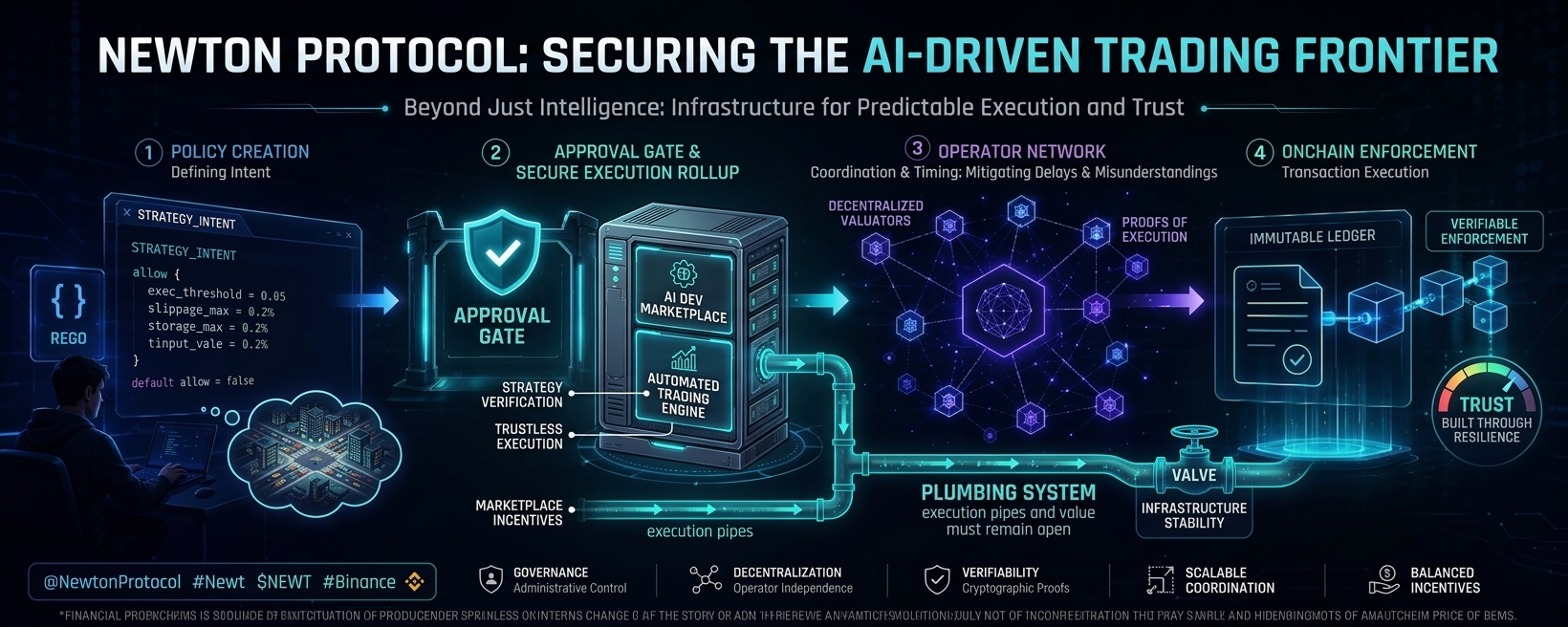
Não porque eu espere que um único protocolo resolva todos os problemas em torno da IA, mas porque ele faz uma pergunta que muitas pessoas parecem ignorar. O que acontece depois que uma estratégia de IA sai do ambiente de testes e começa a tomar decisões onde existem dinheiro real e consequências reais?
É nessa hora que tudo muda.
O Newton Protocol está construindo um rollup seguro para estratégias orientadas por IA, negociação automatizada e um marketplace para desenvolvedores de IA.
Em teoria, isso soa empolgante.
O Newton Protocol me fez repensar o que a IA realmente precisa antes que possa ser confiável
Venho pensando no Newton Protocol há algum tempo.
Não porque eu espere que um único protocolo resolva todos os problemas em torno da IA, mas porque ele faz uma pergunta que muitas pessoas parecem ignorar. O que acontece depois que uma estratégia de IA sai do ambiente de testes e começa a tomar decisões onde existem dinheiro real e consequências reais?
É nessa hora que tudo muda.
O Newton Protocol está construindo um rollup seguro para estratégias orientadas por IA, negociação automatizada e um marketplace para desenvolvedores de IA.
Em teoria, isso soa empolgante.
Não porque eu espere que um único protocolo resolva todos os problemas em torno da IA, mas porque ele faz uma pergunta que muitas pessoas parecem ignorar. O que acontece depois que uma estratégia de IA sai do ambiente de testes e começa a tomar decisões onde existem dinheiro real e consequências reais?
É nessa hora que tudo muda.
O Newton Protocol está construindo um rollup seguro para estratégias orientadas por IA, negociação automatizada e um marketplace para desenvolvedores de IA.
Em teoria, isso soa empolgante.
6
2
259
·
--
Em Alta
A IA está ficando mais rápida.
Mas velocidade sozinha não gera confiança.
É por isso que o Newton Protocol (NEWT) se destaca.
Ele se concentra na execução segura, não apenas em decisões inteligentes.
Um ótimo modelo de IA significa pouco se o sistema por trás dele não consegue operar sob pressão.
Quando os mercados ficam voláteis, tudo muda.
A liquidez se desloca.
A latência aumenta.
As estratégias automatizadas reagem ao mesmo tempo.
É aí que a infraestrutura é realmente testada.
O Newton Protocol está construindo um rollup seguro para estratégias orientadas por IA.
Ele também cria um marketplace onde desenvolvedores podem construir e compartilhar soluções de IA.
A visão não é apenas sobre automação.
Trata-se de coordenação, transparência e execução confiável.
Nenhum protocolo consegue prever todos os movimentos do mercado.
Nenhuma IA consegue eliminar a incerteza.
Mas uma infraestrutura mais forte pode reduzir o atrito e melhorar a confiança quando as condições ficam difíceis.
Essa é a diferença que vale a pena observar.
O futuro da IA na Web3 não vai pertencer apenas aos modelos mais inteligentes.
Vai pertencer às bases mais sólidas.
E o Newton Protocol está mirando construir exatamente isso.
#NEWT #Web3 #BinanceSquare
#newt $NEWT @NewtonProtocol #2026footballseason
$GALA $TLM
{future}(NEWTUSDT)
{future}(GALAUSDT)
{future}(TLMUSDT)
Qual recurso do Newton Protocol (NEWT) mais lhe interessa?
A IA está ficando mais rápida.
Mas velocidade sozinha não gera confiança.
É por isso que o Newton Protocol (NEWT) se destaca.
Ele se concentra na execução segura, não apenas em decisões inteligentes.
Um ótimo modelo de IA significa pouco se o sistema por trás dele não consegue operar sob pressão.
Quando os mercados ficam voláteis, tudo muda.
A liquidez se desloca.
A latência aumenta.
As estratégias automatizadas reagem ao mesmo tempo.
É aí que a infraestrutura é realmente testada.
O Newton Protocol está construindo um rollup seguro para estratégias orientadas por IA.
Ele também cria um marketplace onde desenvolvedores podem construir e compartilhar soluções de IA.
A visão não é apenas sobre automação.
Trata-se de coordenação, transparência e execução confiável.
Nenhum protocolo consegue prever todos os movimentos do mercado.
Nenhuma IA consegue eliminar a incerteza.
Mas uma infraestrutura mais forte pode reduzir o atrito e melhorar a confiança quando as condições ficam difíceis.
Essa é a diferença que vale a pena observar.
O futuro da IA na Web3 não vai pertencer apenas aos modelos mais inteligentes.
Vai pertencer às bases mais sólidas.
E o Newton Protocol está mirando construir exatamente isso.
#NEWT #Web3 #BinanceSquare
#newt $NEWT @NewtonProtocol #2026footballseason
$GALA $TLM
Qual recurso do Newton Protocol (NEWT) mais lhe interessa?
Mas velocidade sozinha não gera confiança.
É por isso que o Newton Protocol (NEWT) se destaca.
Ele se concentra na execução segura, não apenas em decisões inteligentes.
Um ótimo modelo de IA significa pouco se o sistema por trás dele não consegue operar sob pressão.
Quando os mercados ficam voláteis, tudo muda.
A liquidez se desloca.
A latência aumenta.
As estratégias automatizadas reagem ao mesmo tempo.
É aí que a infraestrutura é realmente testada.
O Newton Protocol está construindo um rollup seguro para estratégias orientadas por IA.
Ele também cria um marketplace onde desenvolvedores podem construir e compartilhar soluções de IA.
A visão não é apenas sobre automação.
Trata-se de coordenação, transparência e execução confiável.
Nenhum protocolo consegue prever todos os movimentos do mercado.
Nenhuma IA consegue eliminar a incerteza.
Mas uma infraestrutura mais forte pode reduzir o atrito e melhorar a confiança quando as condições ficam difíceis.
Essa é a diferença que vale a pena observar.
O futuro da IA na Web3 não vai pertencer apenas aos modelos mais inteligentes.
Vai pertencer às bases mais sólidas.
E o Newton Protocol está mirando construir exatamente isso.
#NEWT #Web3 #BinanceSquare
#newt $NEWT @NewtonProtocol #2026footballseason
$GALA $TLM
Qual recurso do Newton Protocol (NEWT) mais lhe interessa?
🔹 AI-driven strategies
0%
🔹 Secure rollup
0%
🔹 AI developer marketplace
0%
🔹 Automated trading
0%
0 Votos • Votação encerrada
5
4
170
·
--
Artigo
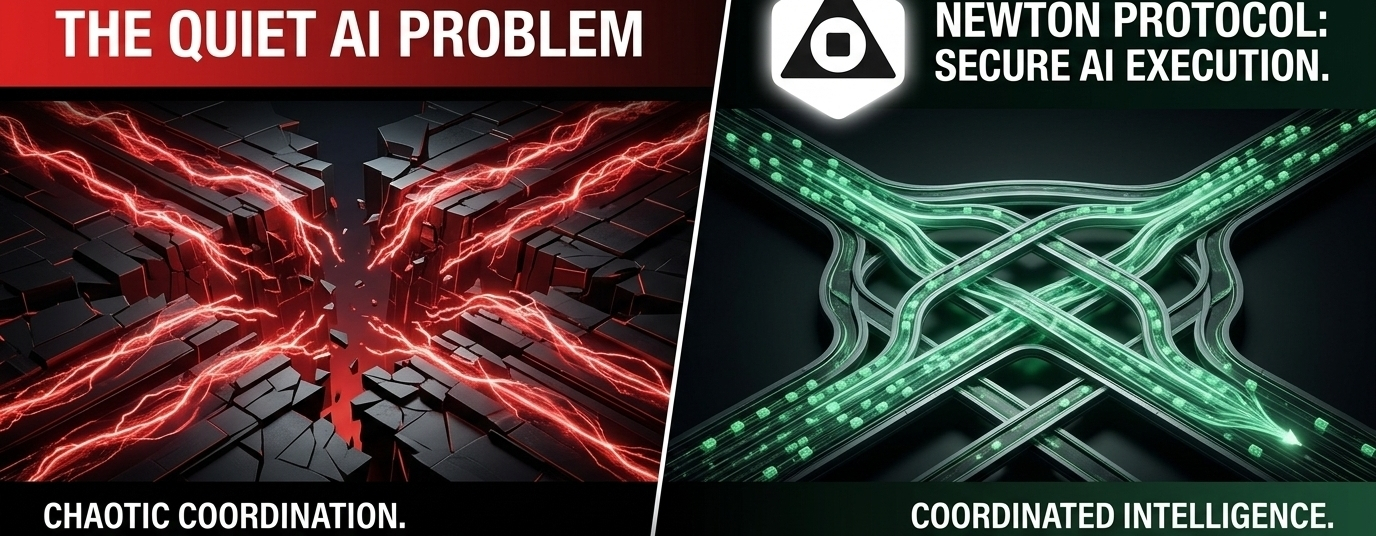
Newton Protocol e os Problemas Silenciosos que Só Aparecem Quando a IA Começa a Tomar Decisões ReaisEu continuo voltando ao mesmo pensamento quando as pessoas falam sobre negociação com IA. A discussão geralmente começa com inteligência.
Modelos melhores. Previsões melhores. Automação melhor. Mas depois de observar sistemas financeiros por anos, eu sinceramente acho que a inteligência é apenas uma pequena parte da história.
A pergunta mais difícil é muito menos empolgante. O que acontece depois que uma IA toma uma decisão e essa decisão precisa passar por infraestrutura real, interagir com milhares de outros participantes, sobreviver a condições de mercado inesperadas e ainda produzir um resultado que as pessoas considerem confiável?
Newton Protocol e os Problemas Silenciosos que Só Aparecem Quando a IA Começa a Tomar Decisões Reais
Eu continuo voltando ao mesmo pensamento quando as pessoas falam sobre negociação com IA. A discussão geralmente começa com inteligência.
Modelos melhores. Previsões melhores. Automação melhor. Mas depois de observar sistemas financeiros por anos, eu sinceramente acho que a inteligência é apenas uma pequena parte da história.
A pergunta mais difícil é muito menos empolgante. O que acontece depois que uma IA toma uma decisão e essa decisão precisa passar por infraestrutura real, interagir com milhares de outros participantes, sobreviver a condições de mercado inesperadas e ainda produzir um resultado que as pessoas considerem confiável?
Modelos melhores. Previsões melhores. Automação melhor. Mas depois de observar sistemas financeiros por anos, eu sinceramente acho que a inteligência é apenas uma pequena parte da história.
A pergunta mais difícil é muito menos empolgante. O que acontece depois que uma IA toma uma decisão e essa decisão precisa passar por infraestrutura real, interagir com milhares de outros participantes, sobreviver a condições de mercado inesperadas e ainda produzir um resultado que as pessoas considerem confiável?
5
2
181
·
--
Verificado
O que acontece quando a IA cria uma ótima estratégia... mas a infraestrutura não consegue executá-la com confiabilidade?
Acho que esta é uma das maiores questões para a próxima geração da Web3.
Não é apenas sobre deixar a IA mais inteligente.
É sobre tornar a IA mais confiável.
É por isso que @NewtonProtocol chamou minha atenção.
O projeto está construindo um rollup seguro projetado para estratégias orientadas por IA.
Ele também oferece execução automatizada e um marketplace onde desenvolvedores de IA podem criar e contribuir com novas aplicações.
O Newton Mainnet Beta é um marco importante.
As redes reais não operam em condições perfeitas.
A latência aparece.
O tráfego aumenta.
Eventos inesperados acontecem.
A infraestrutura precisa continuar funcionando mesmo quando o ambiente fica difícil.
Nenhum protocolo consegue eliminar todo risco.
Os mercados continuam imprevisíveis.
O comportamento humano muda.
A tecnologia continua evoluindo.
Mas uma infraestrutura mais forte pode reduzir atritos desnecessários e melhorar a confiança em todo o ecossistema.
Eu também acredito que o sucesso a longo prazo depende dos desenvolvedores.
Dar aos criadores um lugar para criar, testar e fazer deploy de aplicações de IA pode ajudar a acelerar a inovação, mantendo a segurança no centro da rede.
Vou acompanhar como o ecossistema Newton cresce à medida que mais usuários, desenvolvedores e aplicações impulsionadas por IA se juntarem ao Mainnet Beta.
A IA mais inteligente é valiosa.
Mas uma execução confiável é o que transforma boas ideias em resultados no mundo real.
@NewtonProtocol #Newt $NEWT
#NEWT #Web3 #BinanceSquare
$ARB $TLM
{spot}(NEWTUSDT)
{future}(TLMUSDT)
{future}(ARBUSDT)
O que acontece quando a IA cria uma ótima estratégia... mas a infraestrutura não consegue executá-la com confiabilidade?
Acho que esta é uma das maiores questões para a próxima geração da Web3.
Não é apenas sobre deixar a IA mais inteligente.
É sobre tornar a IA mais confiável.
É por isso que @NewtonProtocol chamou minha atenção.
O projeto está construindo um rollup seguro projetado para estratégias orientadas por IA.
Ele também oferece execução automatizada e um marketplace onde desenvolvedores de IA podem criar e contribuir com novas aplicações.
O Newton Mainnet Beta é um marco importante.
As redes reais não operam em condições perfeitas.
A latência aparece.
O tráfego aumenta.
Eventos inesperados acontecem.
A infraestrutura precisa continuar funcionando mesmo quando o ambiente fica difícil.
Nenhum protocolo consegue eliminar todo risco.
Os mercados continuam imprevisíveis.
O comportamento humano muda.
A tecnologia continua evoluindo.
Mas uma infraestrutura mais forte pode reduzir atritos desnecessários e melhorar a confiança em todo o ecossistema.
Eu também acredito que o sucesso a longo prazo depende dos desenvolvedores.
Dar aos criadores um lugar para criar, testar e fazer deploy de aplicações de IA pode ajudar a acelerar a inovação, mantendo a segurança no centro da rede.
Vou acompanhar como o ecossistema Newton cresce à medida que mais usuários, desenvolvedores e aplicações impulsionadas por IA se juntarem ao Mainnet Beta.
A IA mais inteligente é valiosa.
Mas uma execução confiável é o que transforma boas ideias em resultados no mundo real.
@NewtonProtocol #Newt $NEWT
#NEWT #Web3 #BinanceSquare
$ARB $TLM
Acho que esta é uma das maiores questões para a próxima geração da Web3.
Não é apenas sobre deixar a IA mais inteligente.
É sobre tornar a IA mais confiável.
É por isso que @NewtonProtocol chamou minha atenção.
O projeto está construindo um rollup seguro projetado para estratégias orientadas por IA.
Ele também oferece execução automatizada e um marketplace onde desenvolvedores de IA podem criar e contribuir com novas aplicações.
O Newton Mainnet Beta é um marco importante.
As redes reais não operam em condições perfeitas.
A latência aparece.
O tráfego aumenta.
Eventos inesperados acontecem.
A infraestrutura precisa continuar funcionando mesmo quando o ambiente fica difícil.
Nenhum protocolo consegue eliminar todo risco.
Os mercados continuam imprevisíveis.
O comportamento humano muda.
A tecnologia continua evoluindo.
Mas uma infraestrutura mais forte pode reduzir atritos desnecessários e melhorar a confiança em todo o ecossistema.
Eu também acredito que o sucesso a longo prazo depende dos desenvolvedores.
Dar aos criadores um lugar para criar, testar e fazer deploy de aplicações de IA pode ajudar a acelerar a inovação, mantendo a segurança no centro da rede.
Vou acompanhar como o ecossistema Newton cresce à medida que mais usuários, desenvolvedores e aplicações impulsionadas por IA se juntarem ao Mainnet Beta.
A IA mais inteligente é valiosa.
Mas uma execução confiável é o que transforma boas ideias em resultados no mundo real.
@NewtonProtocol #Newt $NEWT
#NEWT #Web3 #BinanceSquare
$ARB $TLM
🔹 Smarter AI models
0%
🔹 Secure infrastructure
0%
🔹 Faster transactions
0%
0 Votos • Votação encerrada
3
4
2.1k
·
--
Artigo
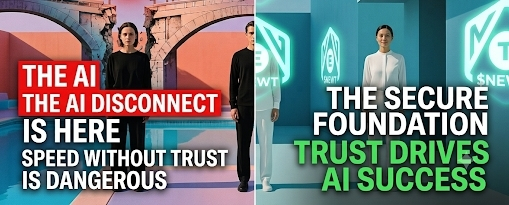
Newton Protocol (NEWT): Por que a Automação Segura de IA Depende Mais de Confiança do que de VelocidadeTenho pensado no Newton Protocol (NEWT) há algum tempo, e o que volta constantemente à minha mente não é a IA em si. É a confiança. As pessoas muitas vezes ficam empolgadas com trading automatizado, agentes de IA e sistemas inteligentes tomando decisões sem a constante participação humana, mas eu acho que a parte difícil começa depois que o modelo toma sua decisão. É aí que os sistemas reais geralmente se tornam interessantes. Uma estratégia pode parecer brilhante nos testes, mas no momento em que precisa interagir com uma infraestrutura real, mercados em mudança, informações atrasadas e expectativas humanas, tudo fica muito menos previsível.
Newton Protocol (NEWT): Por que a Automação Segura de IA Depende Mais de Confiança do que de Velocidade
Tenho pensado no Newton Protocol (NEWT) há algum tempo, e o que volta constantemente à minha mente não é a IA em si. É a confiança. As pessoas muitas vezes ficam empolgadas com trading automatizado, agentes de IA e sistemas inteligentes tomando decisões sem a constante participação humana, mas eu acho que a parte difícil começa depois que o modelo toma sua decisão. É aí que os sistemas reais geralmente se tornam interessantes. Uma estratégia pode parecer brilhante nos testes, mas no momento em que precisa interagir com uma infraestrutura real, mercados em mudança, informações atrasadas e expectativas humanas, tudo fica muito menos previsível.
10
8
280
·
--
Parcialmente verdadeiro
Projetos de IA como $FET, $TAO e $ASI estão impulsionando a inovação, enquanto $ETH, $ARB e $OP continuam a comprovar o valor de uma infraestrutura blockchain escalável.
É aqui que @NewtonProtocol se destaca. Em vez de construir apenas mais um aplicativo de IA, ele está desenvolvendo um rollup seguro para estratégias orientadas por IA, trading automatizado e um marketplace onde desenvolvedores de IA podem criar e implantar soluções inteligentes on-chain.
O Newton Mainnet Beta é um marco importante, dando aos desenvolvedores a oportunidade de testar desempenho, segurança e automação real de IA em um ambiente ao vivo.
Uma infraestrutura forte é frequentemente o que transforma ideias inovadoras em ecossistemas práticos.
Se a IA continuar a remodelar a Web3, projetos que combinem segurança, escalabilidade e automação podem se tornar cada vez mais importantes.
Newton Protocol definitivamente é um para ficar de olho à medida que seu ecossistema evolui.
O que você acha? Rollups nativos de IA podem se tornar a próxima grande narrativa no cripto?
$NEWT $ETH $ARB
#Newt #Web3 #Blockchain #Layer2 #Crypto
{spot}(NEWTUSDT)
{spot}(ETHUSDT)
{spot}(ARBUSDT)
Projetos de IA como $FET, $TAO e $ASI estão impulsionando a inovação, enquanto $ETH , $ARB e $OP continuam a comprovar o valor de uma infraestrutura blockchain escalável.
É aqui que @NewtonProtocol se destaca. Em vez de construir apenas mais um aplicativo de IA, ele está desenvolvendo um rollup seguro para estratégias orientadas por IA, trading automatizado e um marketplace onde desenvolvedores de IA podem criar e implantar soluções inteligentes on-chain.
O Newton Mainnet Beta é um marco importante, dando aos desenvolvedores a oportunidade de testar desempenho, segurança e automação real de IA em um ambiente ao vivo.
Uma infraestrutura forte é frequentemente o que transforma ideias inovadoras em ecossistemas práticos.
Se a IA continuar a remodelar a Web3, projetos que combinem segurança, escalabilidade e automação podem se tornar cada vez mais importantes.
Newton Protocol definitivamente é um para ficar de olho à medida que seu ecossistema evolui.
O que você acha? Rollups nativos de IA podem se tornar a próxima grande narrativa no cripto?
$NEWT $ETH $ARB
#Newt #Web3 #Blockchain #Layer2 #Crypto
É aqui que @NewtonProtocol se destaca. Em vez de construir apenas mais um aplicativo de IA, ele está desenvolvendo um rollup seguro para estratégias orientadas por IA, trading automatizado e um marketplace onde desenvolvedores de IA podem criar e implantar soluções inteligentes on-chain.
O Newton Mainnet Beta é um marco importante, dando aos desenvolvedores a oportunidade de testar desempenho, segurança e automação real de IA em um ambiente ao vivo.
Uma infraestrutura forte é frequentemente o que transforma ideias inovadoras em ecossistemas práticos.
Se a IA continuar a remodelar a Web3, projetos que combinem segurança, escalabilidade e automação podem se tornar cada vez mais importantes.
Newton Protocol definitivamente é um para ficar de olho à medida que seu ecossistema evolui.
O que você acha? Rollups nativos de IA podem se tornar a próxima grande narrativa no cripto?
$NEWT $ETH $ARB
#Newt #Web3 #Blockchain #Layer2 #Crypto
Real-World Assets (RWA)
50%
Layer-2 Scaling
50%
AI Infrastructure
0%
2 Votos • Votação encerrada
4
2
630
·
--
Artigo
Protocolo Newton: Por que Rollups com IA podem moldar a próxima geração da Web3A inteligência artificial está se tornando um dos maiores temas na blockchain, mas o sucesso de longo prazo depende de infraestrutura segura, e não apenas de hype.
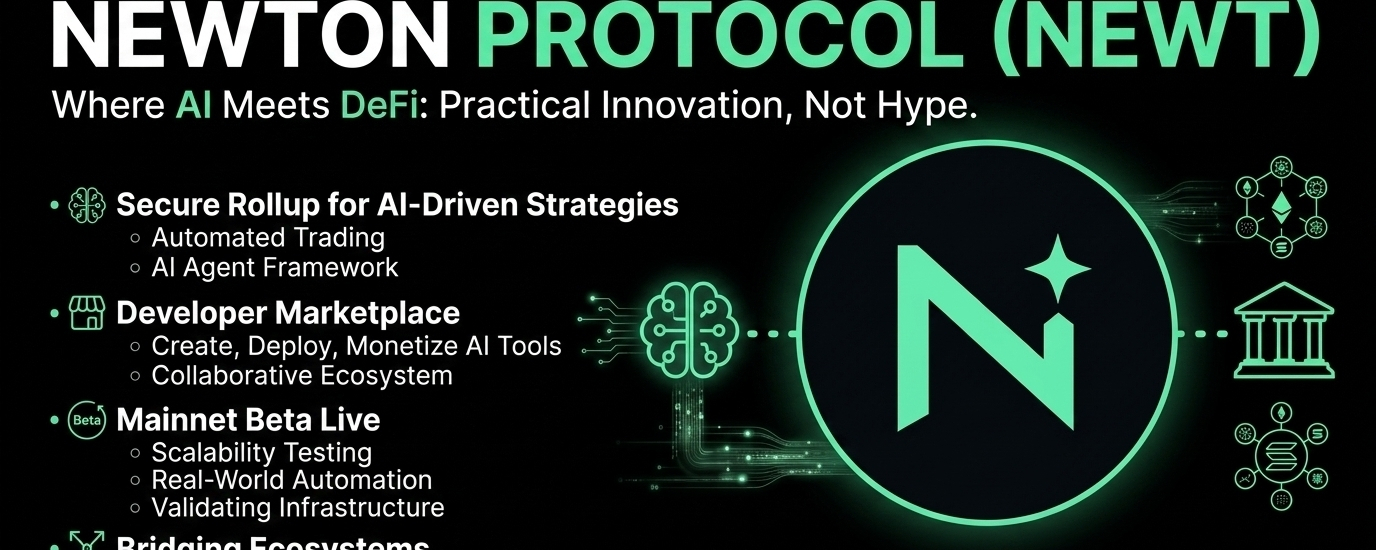
<c-4/> está adotando uma abordagem diferente ao construir um rollup seguro com foco em estratégias orientadas por IA, trading automatizado e um marketplace onde desenvolvedores podem criar, implantar e monetizar aplicações com IA.
O lançamento do Newton Mainnet Beta é um marco importante porque permite que desenvolvedores e participantes iniciais experimentem o protocolo em um ambiente ao vivo.
Protocolo Newton: Por que Rollups com IA podem moldar a próxima geração da Web3
A inteligência artificial está se tornando um dos maiores temas na blockchain, mas o sucesso de longo prazo depende de infraestrutura segura, e não apenas de hype.
<c-4/> está adotando uma abordagem diferente ao construir um rollup seguro com foco em estratégias orientadas por IA, trading automatizado e um marketplace onde desenvolvedores podem criar, implantar e monetizar aplicações com IA.
O lançamento do Newton Mainnet Beta é um marco importante porque permite que desenvolvedores e participantes iniciais experimentem o protocolo em um ambiente ao vivo.
<c-4/> está adotando uma abordagem diferente ao construir um rollup seguro com foco em estratégias orientadas por IA, trading automatizado e um marketplace onde desenvolvedores podem criar, implantar e monetizar aplicações com IA.
O lançamento do Newton Mainnet Beta é um marco importante porque permite que desenvolvedores e participantes iniciais experimentem o protocolo em um ambiente ao vivo.
2
2
84
·
--
A maioria dos projetos de IA se concentra em construir modelos mais inteligentes, mas o verdadeiro desafio é tornar a execução autônoma segura, transparente e verificável.
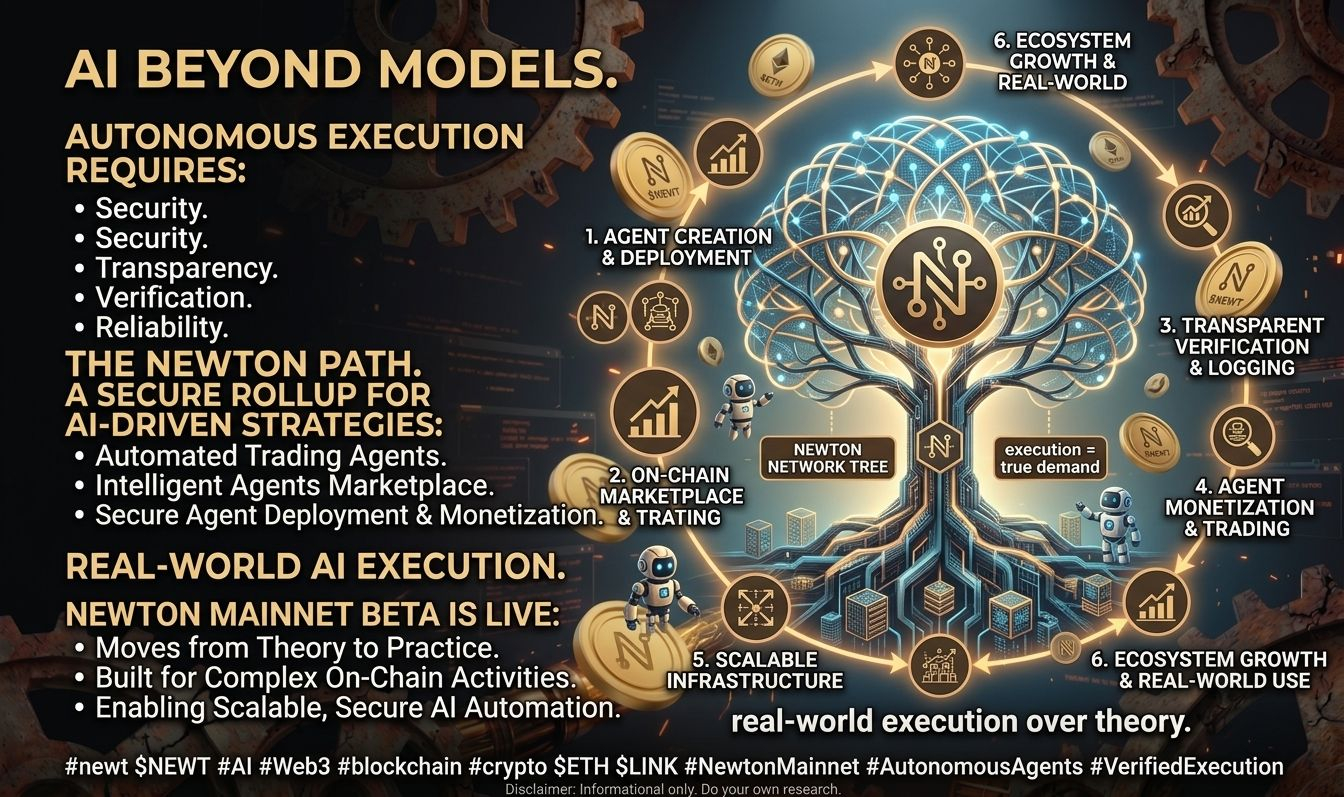
É aí que @NewtonProtocol está seguindo um caminho diferente.
Ao contrário de muitas narrativas de IA em blockchain que, principalmente, fornecem infraestrutura ou ferramentas de IA, o Newton Protocol está construindo um rollup seguro, projetado especificamente para estratégias orientadas por IA, negociação automatizada e um marketplace onde desenvolvedores de IA podem criar, implantar e monetizar agentes inteligentes.
O Newton Mainnet Beta é um marco importante porque aproxima o projeto da execução no mundo real, em vez de ficar apenas na teoria.
A automação segura de IA, a verificação transparente e a infraestrutura escalável podem se tornar essenciais à medida que agentes autônomos lidam com atividades on-chain cada vez mais complexas.
Projetos que combinam IA com blockchain estão crescendo rapidamente, mas o sucesso a longo prazo dependerá de segurança, confiança e execução confiável.
O Newton Protocol está se posicionando em torno desses fundamentos, em vez de simplesmente acompanhar a tendência mais recente de IA.
Ansioso para ver como o Newton Mainnet Beta vai expandir o ecossistema e o que os desenvolvedores vão construir em cima dele.
Aviso: Este conteúdo é apenas para fins informativos e não constitui aconselhamento financeiro. Faça sempre sua própria pesquisa.
#newt $NEWT #MainnetBeta #AI #blockchain #Crypto $BNB $ETH
A maioria dos projetos de IA se concentra em construir modelos mais inteligentes, mas o verdadeiro desafio é tornar a execução autônoma segura, transparente e verificável.
É aí que @NewtonProtocol está seguindo um caminho diferente.
Ao contrário de muitas narrativas de IA em blockchain que, principalmente, fornecem infraestrutura ou ferramentas de IA, o Newton Protocol está construindo um rollup seguro, projetado especificamente para estratégias orientadas por IA, negociação automatizada e um marketplace onde desenvolvedores de IA podem criar, implantar e monetizar agentes inteligentes.
O Newton Mainnet Beta é um marco importante porque aproxima o projeto da execução no mundo real, em vez de ficar apenas na teoria.
A automação segura de IA, a verificação transparente e a infraestrutura escalável podem se tornar essenciais à medida que agentes autônomos lidam com atividades on-chain cada vez mais complexas.
Projetos que combinam IA com blockchain estão crescendo rapidamente, mas o sucesso a longo prazo dependerá de segurança, confiança e execução confiável.
O Newton Protocol está se posicionando em torno desses fundamentos, em vez de simplesmente acompanhar a tendência mais recente de IA.
Ansioso para ver como o Newton Mainnet Beta vai expandir o ecossistema e o que os desenvolvedores vão construir em cima dele.
Aviso: Este conteúdo é apenas para fins informativos e não constitui aconselhamento financeiro. Faça sempre sua própria pesquisa.
#newt $NEWT #MainnetBeta #AI #blockchain #Crypto $BNB $ETH
É aí que @NewtonProtocol está seguindo um caminho diferente.
Ao contrário de muitas narrativas de IA em blockchain que, principalmente, fornecem infraestrutura ou ferramentas de IA, o Newton Protocol está construindo um rollup seguro, projetado especificamente para estratégias orientadas por IA, negociação automatizada e um marketplace onde desenvolvedores de IA podem criar, implantar e monetizar agentes inteligentes.
O Newton Mainnet Beta é um marco importante porque aproxima o projeto da execução no mundo real, em vez de ficar apenas na teoria.
A automação segura de IA, a verificação transparente e a infraestrutura escalável podem se tornar essenciais à medida que agentes autônomos lidam com atividades on-chain cada vez mais complexas.
Projetos que combinam IA com blockchain estão crescendo rapidamente, mas o sucesso a longo prazo dependerá de segurança, confiança e execução confiável.
O Newton Protocol está se posicionando em torno desses fundamentos, em vez de simplesmente acompanhar a tendência mais recente de IA.
Ansioso para ver como o Newton Mainnet Beta vai expandir o ecossistema e o que os desenvolvedores vão construir em cima dele.
Aviso: Este conteúdo é apenas para fins informativos e não constitui aconselhamento financeiro. Faça sempre sua própria pesquisa.
#newt $NEWT #MainnetBeta #AI #blockchain #Crypto $BNB $ETH
2
1
84
Inicia sessão para explorar mais conteúdos
Junta-te a utilizadores de criptomoedas de todo o mundo na Binance Square
⚡️ Obtém informações úteis e recentes sobre criptomoedas.
💬 Com a confiança da maior exchange de criptomoedas do mundo.
👍 Descobre perspetivas reais de criadores verificados.
E-mail/Número de telefone
Tópicos em Tendência
ZcashETFPostsFirstWeeklyOutflow$93.6M
29,664 visualizações
86 a discutir
#ZcashETFPostsFirstWeeklyOutflow$93.6M
🚨🚨🚨🚨🚨🚨🚨🚨🚨🚨🚨🚨🚨🚨🚨✅ 🚨 OS FLUXOS DO ETF DE ZCASH FICAM NEGATIVOS PELA PRIMEIRA VEZ! 📉
$ZEC está passando por uma mudança notável nos fluxos de fundos institucionais, com os produtos de investimento em Zcash registrando sua primeira saída líquida semanal desde o lançamento em agosto.
De acordo com os dados de fluxo de fundos, cerca de US$ 93,6M foram retirados dos produtos de Zcash durante a última semana, enquanto a ação do preço do ZEC também arrefeceu significativamente.
📊 O QUE ACONTECEU?
• Saída semanal do ETF de Zcash: US$ 93,6M
• Saída diária de 30 de setembro: US$ 30,25M
• O ZCSH antes havia atraído cerca de US$ 98,2M em uma semana
• ZEC está sendo negociado perto de US$ 1.300
• Máxima recente: cerca de US$ 1.690
• Queda semanal: aproximadamente 17%+
🔍 NÍVEIS PARA FICAR DE OLHO
🟢 Suporte: US$ 1.280–US$ 1.300
🔴 Resistência: US$ 1.450–US$ 1.500
A questão principal agora é se a região de US$ 1.300 consegue se sustentar e atrair novos compradores.
Os fluxos institucionais também serão importantes. O retorno de entradas positivas consistentes pode sinalizar confiança renovada, enquanto saídas contínuas podem manter pressão em $ZEC .
👀 Isso é apenas realização de lucros após a grande alta do ZEC, ou podemos ver outra queda mais profunda antes que os compradores voltem?
Compartilhe sua opinião abaixo. 👇
#Zcash #ZEC #ZcashETF #Crypto
#analysis
owhggwiohsjowve
·0 gostos
·127 visualizações
GreekPoliceBustCryptoScamRingArrest17
51,061 visualizações
519 a discutir
BitcoinRejectedAt$87K
110,689 visualizações
144 a discutir