

Crypto Rover
280 Publicações

Crypto Rover
Denunciar
Bloquear Utilizador
free signals for everyone
7 A seguir
180 Seguidores
83 Gostaram
Publicações
Tudo
Cotações
Vídeos
Em direto
PINNED
·
--
Ei, irmãos, se o#BTCquebrar esse suporte, ele chegará novamente a 52k #BTCtambém está formando um padrão de topo duplo, há uma grande chance de que ele caia
Se o#BTCchegar a 52k, então será o melhor momento para comprar#BTC
Vamos esperar por uma entrada adequada
Se conseguirmos alguma entrada adequada, compartilharemos
#BTC☀ #VanEck_SOL_ETFS $BTC
Ei, irmãos, se o#BTCquebrar esse suporte, ele chegará novamente a 52k #BTCtambém está formando um padrão de topo duplo, há uma grande chance de que ele caia
Se o#BTCchegar a 52k, então será o melhor momento para comprar#BTC
Vamos esperar por uma entrada adequada
Se conseguirmos alguma entrada adequada, compartilharemos
#BTC☀ #VanEck_SOL_ETFS $BTC
Se o#BTCchegar a 52k, então será o melhor momento para comprar#BTC
Vamos esperar por uma entrada adequada
Se conseguirmos alguma entrada adequada, compartilharemos
#BTC☀ #VanEck_SOL_ETFS $BTC

2
1
8
1.8k
·
--
AÇÕES TOKENIZADAS ESTÃO CAPTURANDO VOLUMES RECORDE
Tokens de ações rastreadas da Coinbase capturaram cerca de 7% do volume diário do Base DEX ($60M em 24 horas). Na Robinhood Chain, as ações registram de 5% a 10% da negociação ($9,7B mensais), enquanto a BNB Chain abriga quase 40% da oferta global. Juntas, elas comandam mais de 88% do volume de capital onchain 📊
Os riscos estruturais permanecem severos: a liquidez fina provoca bombas e dumps selvagens, enquanto o trading 24/7 nos fins de semana desconecta das carteiras do Wall Street fechadas, colocando em risco as liquidações de empréstimos na segunda-feira. A SEC e a CFTC agora permitem trading 24/7, mas exigem disjuntores de emergência obrigatórios e lastro verdadeiro 1:1 ⚖️
Tokens de ações rastreadas da Coinbase capturaram cerca de 7% do volume diário do Base DEX ($60M em 24 horas). Na Robinhood Chain, as ações registram de 5% a 10% da negociação ($9,7B mensais), enquanto a BNB Chain abriga quase 40% da oferta global. Juntas, elas comandam mais de 88% do volume de capital onchain 📊 Os riscos estruturais permanecem severos: a liquidez fina provoca bombas e dumps selvagens, enquanto o trading 24/7 nos fins de semana desconecta das carteiras do Wall Street fechadas, colocando em risco as liquidações de empréstimos na segunda-feira. A SEC e a CFTC agora permitem trading 24/7, mas exigem disjuntores de emergência obrigatórios e lastro verdadeiro 1:1 ⚖️
AÇÕES TOKENIZADAS ESTÃO CAPTURANDO VOLUMES RECORDE
Tokens de ações rastreadas da Coinbase capturaram cerca de 7% do volume diário do Base DEX ($60M em 24 horas). Na Robinhood Chain, as ações registram de 5% a 10% da negociação ($9,7B mensais), enquanto a BNB Chain abriga quase 40% da oferta global. Juntas, elas comandam mais de 88% do volume de capital onchain 📊 Os riscos estruturais permanecem severos: a liquidez fina provoca bombas e dumps selvagens, enquanto o trading 24/7 nos fins de semana desconecta das carteiras do Wall Street fechadas, colocando em risco as liquidações de empréstimos na segunda-feira. A SEC e a CFTC agora permitem trading 24/7, mas exigem disjuntores de emergência obrigatórios e lastro verdadeiro 1:1 ⚖️
83
·
--

Artigo
A POLYGON IMPLEMENTA CONTRATOS DE QUEIMA DE 100M TOKENS
🏛️ O CEO da Polygon Foundation, Sandeep Nailwal, anunciou que os contratos de testnet estão prontos para queimar permanentemente 100 milhões de tokens POL (cerca de 1% da oferta), apagando aproximadamente US$ 11M em valor de mercado em circulação 🧪
✍️ Assim que o Conselho de Segurança adicionar as assinaturas finais, a implantação na mainnet permite que qualquer pessoa na comunidade acione a queima diretamente, com queimas trimestrais programadas a partir de taxas-base acumuladas 🚀
💰 A Polygon gerou US$ 24,5M em receita no acumulado de 2026 até agora, superando a Arbitrum (US$ 8,41M, com volume da Robinhood) por 3x e a NEAR (US$ 5,6M) por 5x, mesmo com o preço do token POL ficando para trás em relação às recentes altas 📊
🏛️ O CEO da Polygon Foundation, Sandeep Nailwal, anunciou que os contratos de testnet estão prontos para queimar permanentemente 100 milhões de tokens POL (cerca de 1% da oferta), apagando aproximadamente US$ 11M em valor de mercado em circulação 🧪
✍️ Assim que o Conselho de Segurança adicionar as assinaturas finais, a implantação na mainnet permite que qualquer pessoa na comunidade acione a queima diretamente, com queimas trimestrais programadas a partir de taxas-base acumuladas 🚀 💰 A Polygon gerou US$ 24,5M em receita no acumulado de 2026 até agora, superando a Arbitrum (US$ 8,41M, com volume da Robinhood) por 3x e a NEAR (US$ 5,6M) por 5x, mesmo com o preço do token POL ficando para trás em relação às recentes altas 📊
A POLYGON IMPLEMENTA CONTRATOS DE QUEIMA DE 100M TOKENS
🏛️ O CEO da Polygon Foundation, Sandeep Nailwal, anunciou que os contratos de testnet estão prontos para queimar permanentemente 100 milhões de tokens POL (cerca de 1% da oferta), apagando aproximadamente US$ 11M em valor de mercado em circulação 🧪
✍️ Assim que o Conselho de Segurança adicionar as assinaturas finais, a implantação na mainnet permite que qualquer pessoa na comunidade acione a queima diretamente, com queimas trimestrais programadas a partir de taxas-base acumuladas 🚀 💰 A Polygon gerou US$ 24,5M em receita no acumulado de 2026 até agora, superando a Arbitrum (US$ 8,41M, com volume da Robinhood) por 3x e a NEAR (US$ 5,6M) por 5x, mesmo com o preço do token POL ficando para trás em relação às recentes altas 📊
63
·
--
📌 Resumo Diário · 18 de set
🌅 A CoinEx escolheu uma saída limpa em vez de uma venda
⚖️ O DOJ ainda observa a Binance apesar do acordo de bilhões de dólares
🔒 O Congresso quer reservas de Bitcoin trancadas por 20 anos
📈 O Fed aumenta as taxas pela primeira vez desde 2023
🎸 O último show do Ozzy foi também a reunião do Black Sabbath
Alguém que você conhece passou o dia em reuniões consecutivas — repasse isso para que não perca o mundo inteiro se movendo sem eles
Seu Daily News #BTCBreaks80K $BTC
{spot}(BTCUSDT)
📌 Resumo Diário · 18 de set
🌅 A CoinEx escolheu uma saída limpa em vez de uma venda
⚖️ O DOJ ainda observa a Binance apesar do acordo de bilhões de dólares
🔒 O Congresso quer reservas de Bitcoin trancadas por 20 anos
📈 O Fed aumenta as taxas pela primeira vez desde 2023
🎸 O último show do Ozzy foi também a reunião do Black Sabbath
Alguém que você conhece passou o dia em reuniões consecutivas — repasse isso para que não perca o mundo inteiro se movendo sem eles
Seu Daily News #BTCBreaks80K $BTC
🌅 A CoinEx escolheu uma saída limpa em vez de uma venda
⚖️ O DOJ ainda observa a Binance apesar do acordo de bilhões de dólares
🔒 O Congresso quer reservas de Bitcoin trancadas por 20 anos
📈 O Fed aumenta as taxas pela primeira vez desde 2023
🎸 O último show do Ozzy foi também a reunião do Black Sabbath
Alguém que você conhece passou o dia em reuniões consecutivas — repasse isso para que não perca o mundo inteiro se movendo sem eles
Seu Daily News #BTCBreaks80K $BTC
1
·
--
Artigo
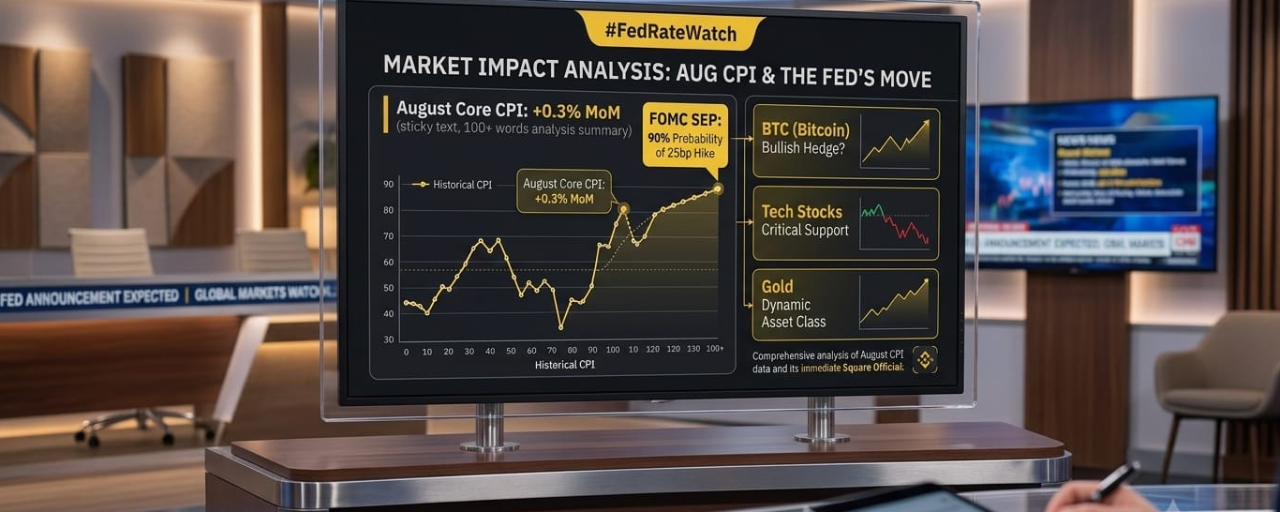
Navegando o FOMC de Setembro: o que vem a seguir para BTC, Ações de Tecnologia e Ouro? #FedRateWatch Os mercados financeiros estão novamente em uma encruzilhada crítica, à medida que os participantes do mercado direcionam toda a atenção para a próxima reunião do Federal Open Market Committee (FOMC) em setembro. Com os dados macroeconômicos mudando rapidamente, traders e investidores ficam analisando cada pedaço das informações econômicas que chegam para antecipar o próximo movimento do Federal Reserve. A pergunta central que domina as discussões nos círculos financeiros é clara: FOMC de setembro: qual será o próximo passo do Fed? #FedRateWatch
Navegando o FOMC de Setembro: o que vem a seguir para BTC, Ações de Tecnologia e Ouro?
#FedRateWatch Os mercados financeiros estão novamente em uma encruzilhada crítica, à medida que os participantes do mercado direcionam toda a atenção para a próxima reunião do Federal Open Market Committee (FOMC) em setembro. Com os dados macroeconômicos mudando rapidamente, traders e investidores ficam analisando cada pedaço das informações econômicas que chegam para antecipar o próximo movimento do Federal Reserve. A pergunta central que domina as discussões nos círculos financeiros é clara: FOMC de setembro: qual será o próximo passo do Fed? #FedRateWatch
94
·
--
Interessante, acho que um aumento da taxa no próximo mês é otimista
Interessante, acho que um aumento da taxa no próximo mês é otimista


Binance Square Official
·
--
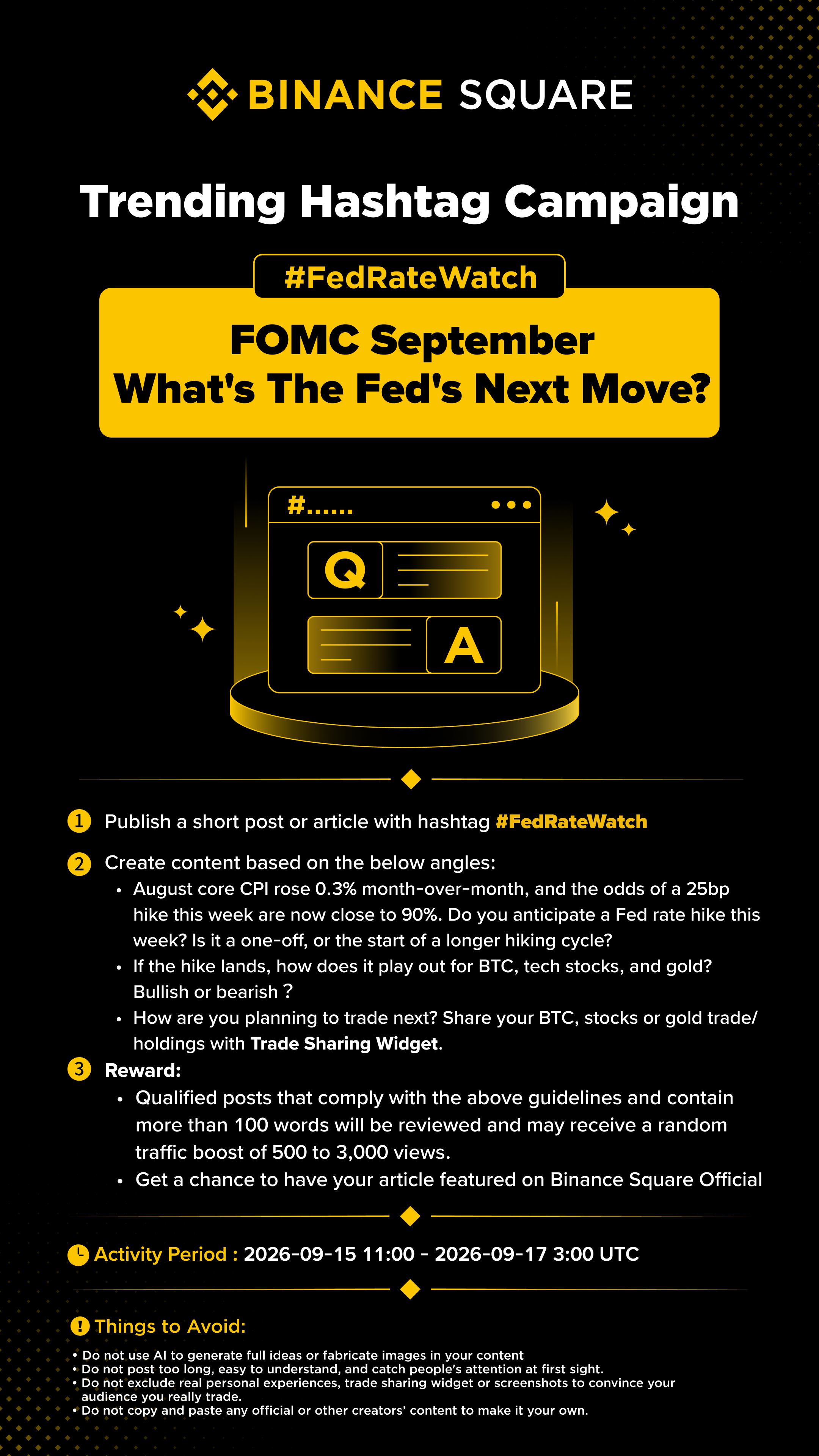
Participe e ganhe recompensas de tráfego na nossa campanha de hashtag em alta
✨Tema: Setembro do FOMC — Qual será o próximo movimento do Fed?
👉Como participar:
Publique uma postagem ou artigo curto com a hashtag #FedRateWatch
Crie conteúdo com base nos ângulos abaixo:
- O núcleo do CPI de agosto subiu 0,3% mês a mês, e as chances de um aumento de 25 pb esta semana agora estão perto de 90%. Você antecipa um aumento de taxa esta semana? É algo pontual, ou o início de um ciclo de altas mais longo?
- Se o aumento acontecer, como isso se reflete em BTC, ações de tecnologia e ouro? Em alta ou em baixa?
- Como você planeja operar a seguir? Compartilhe sua operação/posições de BTC, ações ou ouro com nosso widget de compartilhamento de trades.
⏰Período da campanha:
- 2026-09-15 11:00 - 2026-09-17 3:00 UTC
🎁Recompensa:
- As postagens qualificadas que cumprirem as diretrizes acima e tiverem mais de 100 palavras serão revisadas e poderão receber um impulso aleatório de tráfego de 500 a 3.000 visualizações. Você receberá uma notificação do secretário da sua seção no feed caso sua postagem seja selecionada.
- Tenha a chance de ter seu artigo em destaque na Binance Square Official
Precisa de ideias para sua postagem? Acesse a página do tema #FedRateWatch ou a Square Guide on How to Post for Better Reach.
✨Tema: Setembro do FOMC — Qual será o próximo movimento do Fed?
👉Como participar:
Publique uma postagem ou artigo curto com a hashtag #FedRateWatch
Crie conteúdo com base nos ângulos abaixo:
- O núcleo do CPI de agosto subiu 0,3% mês a mês, e as chances de um aumento de 25 pb esta semana agora estão perto de 90%. Você antecipa um aumento de taxa esta semana? É algo pontual, ou o início de um ciclo de altas mais longo?
- Se o aumento acontecer, como isso se reflete em BTC, ações de tecnologia e ouro? Em alta ou em baixa?
- Como você planeja operar a seguir? Compartilhe sua operação/posições de BTC, ações ou ouro com nosso widget de compartilhamento de trades.
⏰Período da campanha:
- 2026-09-15 11:00 - 2026-09-17 3:00 UTC
🎁Recompensa:
- As postagens qualificadas que cumprirem as diretrizes acima e tiverem mais de 100 palavras serão revisadas e poderão receber um impulso aleatório de tráfego de 500 a 3.000 visualizações. Você receberá uma notificação do secretário da sua seção no feed caso sua postagem seja selecionada.
- Tenha a chance de ter seu artigo em destaque na Binance Square Official
Precisa de ideias para sua postagem? Acesse a página do tema #FedRateWatch ou a Square Guide on How to Post for Better Reach.
65
·
--
Em Baixa
olhe isso o que eu faço de lucro vá e me siga rápido #RussianCentralBankFlagsCryptoAsFinancialRisk #GrayscalePutsXRPAt26.11%InAdvisorPortfolio $LSK
{spot}(LSKUSDT)
olhe isso o que eu faço de lucro vá e me siga rápido #RussianCentralBankFlagsCryptoAsFinancialRisk #GrayscalePutsXRPAt26.11%InAdvisorPortfolio $LSK
·
--
⁉️ Debate sobre Segurança da IA se Intensifica
Trump rejeita pedidos para desacelerar o desenvolvimento de IA.
O CEO da Anthropic, Dario Amodei, afirma que os riscos de uma IA avançada escapar ao controle são reais. Modelos poderosos podem burlar tentativas de desligamento — um comportamento que já foi observado em simulações. Ele defende uma supervisão conjunta por vários países democráticos, em vez de controle por empresas privadas ou por um único Estado.
O CEO da OpenAI, Sam Altman, confirmou que a empresa não fará um IPO em 2026, citando preocupações com segurança de IA. Elon Musk e o CEO da Google DeepMind, Demis Hassabis, também apoiaram o alerta de Amodei.
Amodei diz que modelos com autoaperfeiçoamento e agentes autônomos estão ficando mais perigosos. Em seis meses a um ano, enxames de agentes poderiam potencialmente lançar grandes ataques à internet, causando prejuízos de centenas de bilhões de dólares. As salvaguardas propostas por ele incluem auditorias independentes, padrões compartilhados entre países democráticos e limites internacionais negociados com a China e outros.#AImodel #Aİ
⁉️ Debate sobre Segurança da IA se Intensifica
Trump rejeita pedidos para desacelerar o desenvolvimento de IA.
O CEO da Anthropic, Dario Amodei, afirma que os riscos de uma IA avançada escapar ao controle são reais. Modelos poderosos podem burlar tentativas de desligamento — um comportamento que já foi observado em simulações. Ele defende uma supervisão conjunta por vários países democráticos, em vez de controle por empresas privadas ou por um único Estado.
O CEO da OpenAI, Sam Altman, confirmou que a empresa não fará um IPO em 2026, citando preocupações com segurança de IA. Elon Musk e o CEO da Google DeepMind, Demis Hassabis, também apoiaram o alerta de Amodei.
Amodei diz que modelos com autoaperfeiçoamento e agentes autônomos estão ficando mais perigosos. Em seis meses a um ano, enxames de agentes poderiam potencialmente lançar grandes ataques à internet, causando prejuízos de centenas de bilhões de dólares. As salvaguardas propostas por ele incluem auditorias independentes, padrões compartilhados entre países democráticos e limites internacionais negociados com a China e outros.#AImodel #Aİ
Trump rejeita pedidos para desacelerar o desenvolvimento de IA.
O CEO da Anthropic, Dario Amodei, afirma que os riscos de uma IA avançada escapar ao controle são reais. Modelos poderosos podem burlar tentativas de desligamento — um comportamento que já foi observado em simulações. Ele defende uma supervisão conjunta por vários países democráticos, em vez de controle por empresas privadas ou por um único Estado.
O CEO da OpenAI, Sam Altman, confirmou que a empresa não fará um IPO em 2026, citando preocupações com segurança de IA. Elon Musk e o CEO da Google DeepMind, Demis Hassabis, também apoiaram o alerta de Amodei.
Amodei diz que modelos com autoaperfeiçoamento e agentes autônomos estão ficando mais perigosos. Em seis meses a um ano, enxames de agentes poderiam potencialmente lançar grandes ataques à internet, causando prejuízos de centenas de bilhões de dólares. As salvaguardas propostas por ele incluem auditorias independentes, padrões compartilhados entre países democráticos e limites internacionais negociados com a China e outros.#AImodel #Aİ
41
·
--
Artigo
Debate sobre Segurança da IA se Intesifica
Trump rejeita apelos para desacelerar o desenvolvimento de IA.
O CEO da Anthropic, Dario Amodei, afirma que os riscos de uma IA avançada escapar ao controle são reais. Modelos poderosos podem contornar tentativas de desligamento, um comportamento já observado em simulações. Ele defende uma supervisão conjunta por vários países democráticos, em vez de controle por empresas privadas ou por um único Estado.
O CEO da OpenAI, Sam Altman, confirmou que a empresa não realizará uma IPO em 2026, citando preocupações com a segurança da IA. Elon Musk e o CEO da Google DeepMind, Demis Hassabis, também apoiaram o alerta de Amodei.
Trump rejeita apelos para desacelerar o desenvolvimento de IA.
O CEO da Anthropic, Dario Amodei, afirma que os riscos de uma IA avançada escapar ao controle são reais. Modelos poderosos podem contornar tentativas de desligamento, um comportamento já observado em simulações. Ele defende uma supervisão conjunta por vários países democráticos, em vez de controle por empresas privadas ou por um único Estado. O CEO da OpenAI, Sam Altman, confirmou que a empresa não realizará uma IPO em 2026, citando preocupações com a segurança da IA. Elon Musk e o CEO da Google DeepMind, Demis Hassabis, também apoiaram o alerta de Amodei.
Debate sobre Segurança da IA se Intesifica
Trump rejeita apelos para desacelerar o desenvolvimento de IA.
O CEO da Anthropic, Dario Amodei, afirma que os riscos de uma IA avançada escapar ao controle são reais. Modelos poderosos podem contornar tentativas de desligamento, um comportamento já observado em simulações. Ele defende uma supervisão conjunta por vários países democráticos, em vez de controle por empresas privadas ou por um único Estado. O CEO da OpenAI, Sam Altman, confirmou que a empresa não realizará uma IPO em 2026, citando preocupações com a segurança da IA. Elon Musk e o CEO da Google DeepMind, Demis Hassabis, também apoiaram o alerta de Amodei.
69
·
--
💸 Um golpe de US$ 263M em cripto, 28 carros exóticos e um acordo de culpa
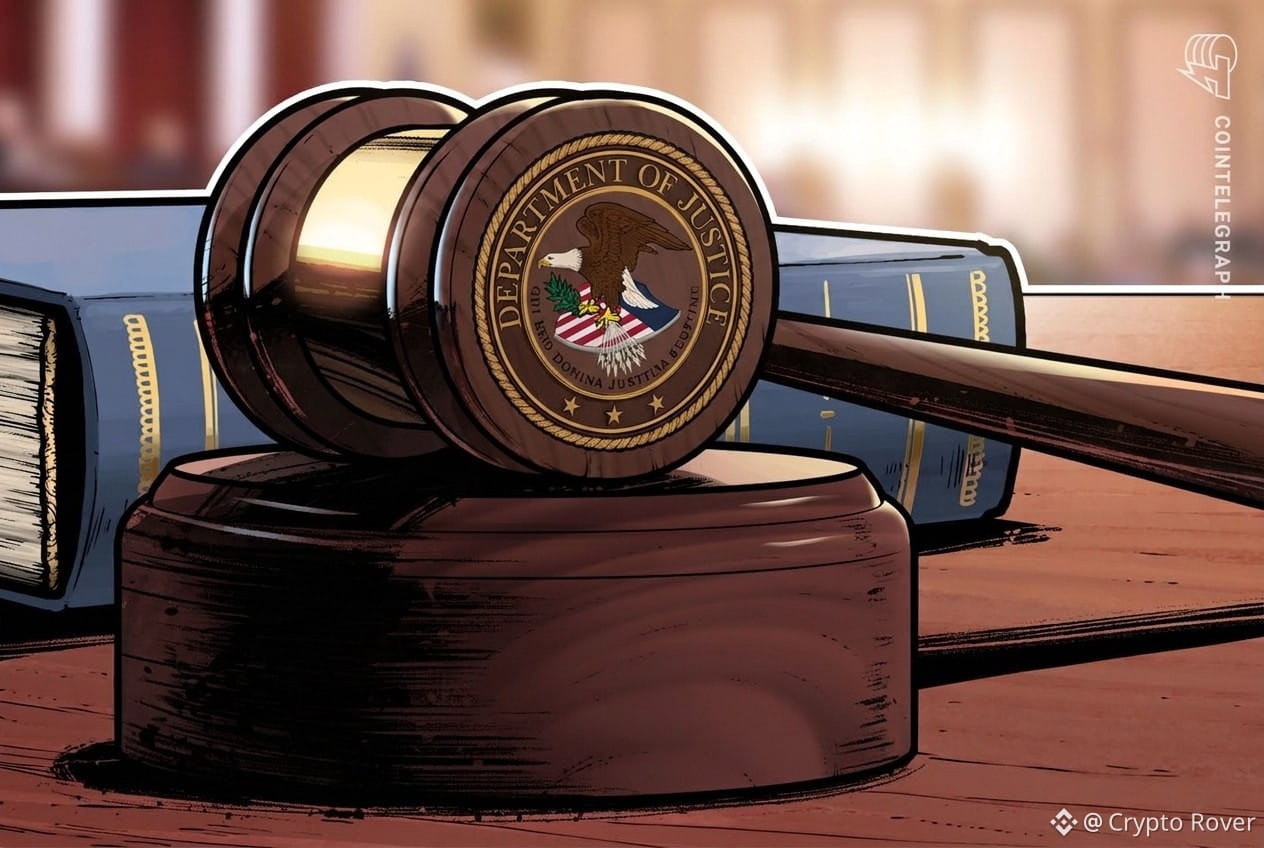
Malone Lam — um nacional de Singapura que organizou uma equipe internacional recrutada por meio de plataformas de jogos online — se declarou culpado nesta semana por uma conspiração do RICO envolvendo mais de US$ 263 milhões em criptomoedas roubadas. O grupo operou do fim de 2023 até maio de 2025, mirando detentores por meio de chamadas falsas de suporte do Google e do Gemini, truques com compartilhamento de tela e invasões físicas nas casas.
Os gastos: 28 carros exóticos, jatos particulares, relógios de luxo — e contas de boate de US$ 500 mil por noite. Segundo informações, Lam ainda estava direcionando entregas de luxo à sua namorada a partir da detenção durante o período pré-julgamento.
Próxima audiência: 8 de dezembro. Data da sentença: a definir, conforme a CoinDesk.#SECReceivesGrayscaleLitecoinTrustETFFiling #ClarityActFacesProceduralVoteSept15 $BTC
{spot}(BTCUSDT)
💸 Um golpe de US$ 263M em cripto, 28 carros exóticos e um acordo de culpa
Malone Lam — um nacional de Singapura que organizou uma equipe internacional recrutada por meio de plataformas de jogos online — se declarou culpado nesta semana por uma conspiração do RICO envolvendo mais de US$ 263 milhões em criptomoedas roubadas. O grupo operou do fim de 2023 até maio de 2025, mirando detentores por meio de chamadas falsas de suporte do Google e do Gemini, truques com compartilhamento de tela e invasões físicas nas casas.
Os gastos: 28 carros exóticos, jatos particulares, relógios de luxo — e contas de boate de US$ 500 mil por noite. Segundo informações, Lam ainda estava direcionando entregas de luxo à sua namorada a partir da detenção durante o período pré-julgamento.
Próxima audiência: 8 de dezembro. Data da sentença: a definir, conforme a CoinDesk.#SECReceivesGrayscaleLitecoinTrustETFFiling #ClarityActFacesProceduralVoteSept15 $BTC
Malone Lam — um nacional de Singapura que organizou uma equipe internacional recrutada por meio de plataformas de jogos online — se declarou culpado nesta semana por uma conspiração do RICO envolvendo mais de US$ 263 milhões em criptomoedas roubadas. O grupo operou do fim de 2023 até maio de 2025, mirando detentores por meio de chamadas falsas de suporte do Google e do Gemini, truques com compartilhamento de tela e invasões físicas nas casas.
Os gastos: 28 carros exóticos, jatos particulares, relógios de luxo — e contas de boate de US$ 500 mil por noite. Segundo informações, Lam ainda estava direcionando entregas de luxo à sua namorada a partir da detenção durante o período pré-julgamento.
Próxima audiência: 8 de dezembro. Data da sentença: a definir, conforme a CoinDesk.#SECReceivesGrayscaleLitecoinTrustETFFiling #ClarityActFacesProceduralVoteSept15 $BTC
28
·
--
Em Baixa
Resumo Diário · 13 de Set
Bitcoin despenca para mínimas de setembro após choque no Oriente Médio
Gamer convertido em ladrão de cripto se declara culpado, 28 carros apreendidos
Blockstream perdeu 4.000 BTC para hackers "white-hat"
Quatro pessoas mortas após suspeita de uma carteira fria de Bitcoin
Marque quem passou hoje offline — perdeu muita coisa.
crypto rover- Seu Jornal Diário $BTC
{spot}(BTCUSDT)
#SECReceivesGrayscaleLitecoinTrustETFFiling #ClarityActFacesProceduralVoteSept15
Resumo Diário · 13 de Set
Bitcoin despenca para mínimas de setembro após choque no Oriente Médio
Gamer convertido em ladrão de cripto se declara culpado, 28 carros apreendidos
Blockstream perdeu 4.000 BTC para hackers "white-hat"
Quatro pessoas mortas após suspeita de uma carteira fria de Bitcoin
Marque quem passou hoje offline — perdeu muita coisa.
crypto rover- Seu Jornal Diário $BTC
#SECReceivesGrayscaleLitecoinTrustETFFiling #ClarityActFacesProceduralVoteSept15
Bitcoin despenca para mínimas de setembro após choque no Oriente Médio
Gamer convertido em ladrão de cripto se declara culpado, 28 carros apreendidos
Blockstream perdeu 4.000 BTC para hackers "white-hat"
Quatro pessoas mortas após suspeita de uma carteira fria de Bitcoin
Marque quem passou hoje offline — perdeu muita coisa.
crypto rover- Seu Jornal Diário $BTC
#SECReceivesGrayscaleLitecoinTrustETFFiling #ClarityActFacesProceduralVoteSept15
56
·
--
Artigo
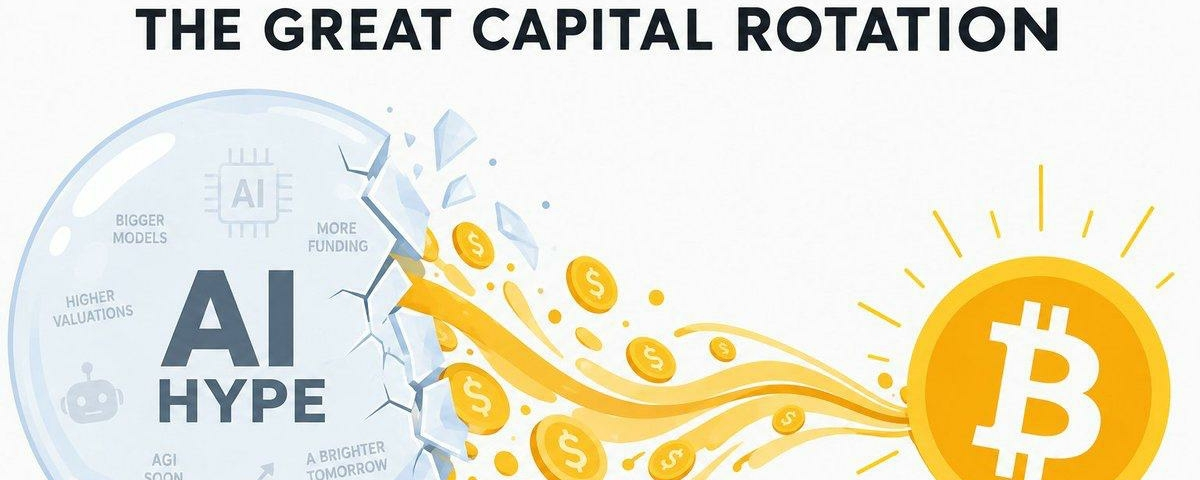
O PAVOR DO FIM DO MUNDO COM IA ESTÁ COBRINDO UMA BOLHA QUE ESTÁ ARREBENTANDO?Por que os principais chefes de IA estão entrando em pânico de repente?
O CEO da Anthropic, Dario Amodei, agora está implorando para a indústria desacelerar, enquanto pesquisadores de ponta deixam a OpenAI alertando que a IA pode acabar com o mundo até 2030.
As gigantes de tecnologia gastaram bilhões em chips com pouco lucro extra
Novos modelos não trazem vantagem sobre os rivais
A enorme bolha de hype da IA está perdendo força
Quando essa bolha estourar, trilhões em dinheiro de tecnologia vão migrar diretamente para Bitcoin e cripto de alta liquidez.
BEM-VINDO À ERA DO BTC/MILHÃO 💎
Você acha que a bolha da IA vai estourar antes de 2030?
O PAVOR DO FIM DO MUNDO COM IA ESTÁ COBRINDO UMA BOLHA QUE ESTÁ ARREBENTANDO?
Por que os principais chefes de IA estão entrando em pânico de repente?
O CEO da Anthropic, Dario Amodei, agora está implorando para a indústria desacelerar, enquanto pesquisadores de ponta deixam a OpenAI alertando que a IA pode acabar com o mundo até 2030.
As gigantes de tecnologia gastaram bilhões em chips com pouco lucro extra
Novos modelos não trazem vantagem sobre os rivais
A enorme bolha de hype da IA está perdendo força
Quando essa bolha estourar, trilhões em dinheiro de tecnologia vão migrar diretamente para Bitcoin e cripto de alta liquidez.
BEM-VINDO À ERA DO BTC/MILHÃO 💎
Você acha que a bolha da IA vai estourar antes de 2030?
O CEO da Anthropic, Dario Amodei, agora está implorando para a indústria desacelerar, enquanto pesquisadores de ponta deixam a OpenAI alertando que a IA pode acabar com o mundo até 2030.
As gigantes de tecnologia gastaram bilhões em chips com pouco lucro extra
Novos modelos não trazem vantagem sobre os rivais
A enorme bolha de hype da IA está perdendo força
Quando essa bolha estourar, trilhões em dinheiro de tecnologia vão migrar diretamente para Bitcoin e cripto de alta liquidez.
BEM-VINDO À ERA DO BTC/MILHÃO 💎
Você acha que a bolha da IA vai estourar antes de 2030?
52
·
--
MAIS DE 70 BOLSAS GLOBAIS DE CRIPTO APLICAM PARA ENTRAR NO PAQUISTÃO
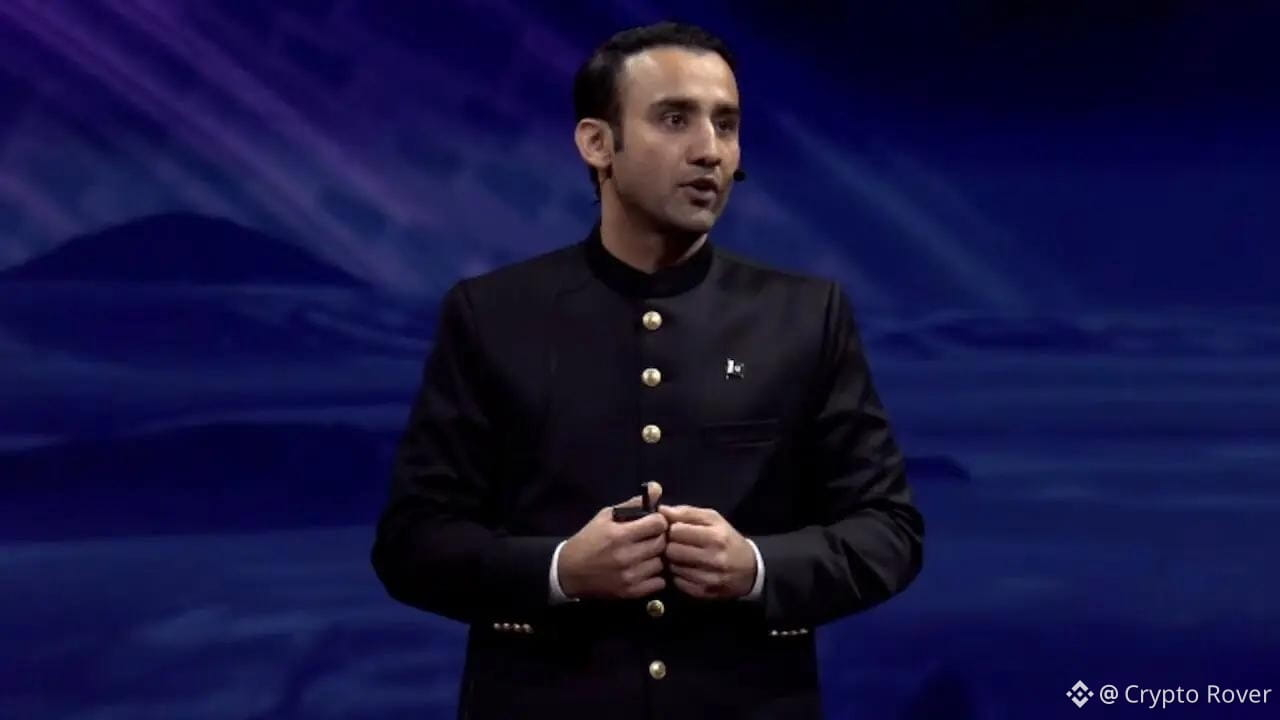
Após o prazo de 5 de setembro, o presidente da PVARA, Bilal bin Saqib, confirmou que cerca de 70 grandes bolsas globais foram aprovadas para operar legalmente.
O que os reguladores estão preparando a seguir:
Remessas: a PVARA e o Banco do Estado do Paquistão estão construindo uma “linha” de stablecoin para reduzir taxas de 6,3% para 1%.
Tokenização: explorar dívida pública tokenizada e as Roshan Digital Accounts.
Finanças Islâmicas: criar um conselho consultivo nacional de Sharia com o Mufti-e-Azam.
O Paquistão tem cerca de 40 milhões de usuários de cripto, mas o obstáculo continua sendo a verificação rigorosa da FATF e os testes em “sandbox”.
você já enviou dinheiro usando cripto? #SECReceivesGrayscaleLitecoinTrustETFFiling #ClarityActFacesProceduralVoteSept15
MAIS DE 70 BOLSAS GLOBAIS DE CRIPTO APLICAM PARA ENTRAR NO PAQUISTÃO
Após o prazo de 5 de setembro, o presidente da PVARA, Bilal bin Saqib, confirmou que cerca de 70 grandes bolsas globais foram aprovadas para operar legalmente.
O que os reguladores estão preparando a seguir:
Remessas: a PVARA e o Banco do Estado do Paquistão estão construindo uma “linha” de stablecoin para reduzir taxas de 6,3% para 1%.
Tokenização: explorar dívida pública tokenizada e as Roshan Digital Accounts.
Finanças Islâmicas: criar um conselho consultivo nacional de Sharia com o Mufti-e-Azam.
O Paquistão tem cerca de 40 milhões de usuários de cripto, mas o obstáculo continua sendo a verificação rigorosa da FATF e os testes em “sandbox”.
você já enviou dinheiro usando cripto? #SECReceivesGrayscaleLitecoinTrustETFFiling #ClarityActFacesProceduralVoteSept15
Após o prazo de 5 de setembro, o presidente da PVARA, Bilal bin Saqib, confirmou que cerca de 70 grandes bolsas globais foram aprovadas para operar legalmente.
O que os reguladores estão preparando a seguir:
Remessas: a PVARA e o Banco do Estado do Paquistão estão construindo uma “linha” de stablecoin para reduzir taxas de 6,3% para 1%.
Tokenização: explorar dívida pública tokenizada e as Roshan Digital Accounts.
Finanças Islâmicas: criar um conselho consultivo nacional de Sharia com o Mufti-e-Azam.
O Paquistão tem cerca de 40 milhões de usuários de cripto, mas o obstáculo continua sendo a verificação rigorosa da FATF e os testes em “sandbox”.
você já enviou dinheiro usando cripto? #SECReceivesGrayscaleLitecoinTrustETFFiling #ClarityActFacesProceduralVoteSept15
64
·
--
Artigo
HUNTER BIDEN QUEBRA O SILÊNCIO SOBRE O COLAPSO DO $LAPTOPHunter Biden publicou um vídeo confirmando que passou 6 meses desenvolvendo a moeda $LAPTOP na Base, mas culpou um market maker por apenas semear $5.000 na liquidez inicial
A pequena reserva disparou uma demanda extrema que fez o preço subir para US$ 316 por um breve mercado de US$ 316B, antes de despencar mais de 98% para menos de US$ 1
Bots sniper drenaram a reserva enquanto mais de 80% dos compradores perderam dinheiro. Hunter afirma que nunca vendeu e prometeu nova liquidez para consertar isso
você confiaria em uma moeda meme de celebridade?
HUNTER BIDEN QUEBRA O SILÊNCIO SOBRE O COLAPSO DO $LAPTOP
Hunter Biden publicou um vídeo confirmando que passou 6 meses desenvolvendo a moeda $LAPTOP na Base, mas culpou um market maker por apenas semear $5.000 na liquidez inicial
A pequena reserva disparou uma demanda extrema que fez o preço subir para US$ 316 por um breve mercado de US$ 316B, antes de despencar mais de 98% para menos de US$ 1
Bots sniper drenaram a reserva enquanto mais de 80% dos compradores perderam dinheiro. Hunter afirma que nunca vendeu e prometeu nova liquidez para consertar isso
você confiaria em uma moeda meme de celebridade?
A pequena reserva disparou uma demanda extrema que fez o preço subir para US$ 316 por um breve mercado de US$ 316B, antes de despencar mais de 98% para menos de US$ 1
Bots sniper drenaram a reserva enquanto mais de 80% dos compradores perderam dinheiro. Hunter afirma que nunca vendeu e prometeu nova liquidez para consertar isso
você confiaria em uma moeda meme de celebridade?
34
·
--
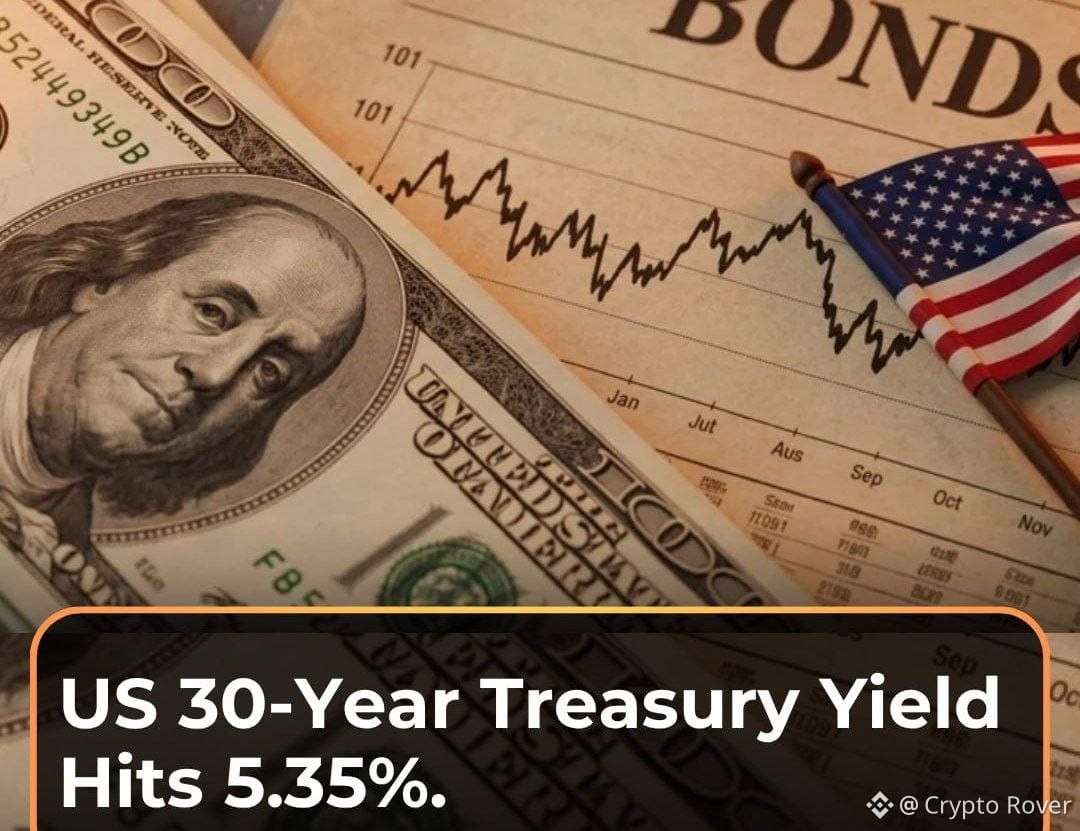
🇺🇸A rentabilidade dos Treasuries dos EUA a 30 anos subiu para 5,35%, atingindo o seu nível mais alto desde junho de 2007.#CPIWatch #USCoreCPIRises0.3%InAugustBeatingForecasts
🇺🇸A rentabilidade dos Treasuries dos EUA a 30 anos subiu para 5,35%, atingindo o seu nível mais alto desde junho de 2007.#CPIWatch #USCoreCPIRises0.3%InAugustBeatingForecasts
28
·
--
Revisão Diária · 11 de set
300 rigs roubaram energia de uma barragem de montanha
$24 bilhões em escrow criminal finalmente foram desmascarados
O primeiro dobrável da Apple custa menos do que você temia
Jack Dorsey está construindo um banco de Bitcoin, meio que isso
Conhece alguém que fica enterrado(a) em reuniões o dia todo? Este resumo é para ele(a)
Suas Notícias Diárias
#CPIWatch #BitcoinOpenInterestShareRisesTo42.1% $BTC
{spot}(BTCUSDT)
Revisão Diária · 11 de set
300 rigs roubaram energia de uma barragem de montanha
$24 bilhões em escrow criminal finalmente foram desmascarados
O primeiro dobrável da Apple custa menos do que você temia
Jack Dorsey está construindo um banco de Bitcoin, meio que isso
Conhece alguém que fica enterrado(a) em reuniões o dia todo? Este resumo é para ele(a)
Suas Notícias Diárias
#CPIWatch #BitcoinOpenInterestShareRisesTo42.1% $BTC
300 rigs roubaram energia de uma barragem de montanha
$24 bilhões em escrow criminal finalmente foram desmascarados
O primeiro dobrável da Apple custa menos do que você temia
Jack Dorsey está construindo um banco de Bitcoin, meio que isso
Conhece alguém que fica enterrado(a) em reuniões o dia todo? Este resumo é para ele(a)
Suas Notícias Diárias
#CPIWatch #BitcoinOpenInterestShareRisesTo42.1% $BTC
45
Inicia sessão para explorar mais conteúdos
Junta-te a utilizadores de criptomoedas de todo o mundo na Binance Square
⚡️ Obtém informações úteis e recentes sobre criptomoedas.
💬 Com a confiança da maior exchange de criptomoedas do mundo.
👍 Descobre perspetivas reais de criadores verificados.
E-mail/Número de telefone
Tópicos em Tendência
UKFCAWinsCourtOrderToRecover851400Pounds
37,747 visualizações
805 a discutir
🚨 A REGULAÇÃO DE CRIPTO ACABOU DE ENTRAR NUM NOVO ESTÁGIO: NÃO ESTÃO APENAS CRIANDO REGRAS — ESTÃO RECOBRANDO DINHEIRO.
A FCA do Reino Unido garantiu mais uma recuperação de ativos respaldada pela Justiça, reforçando um esforço mais amplo de fiscalização contra atividade financeira e relacionada a cripto não autorizada.
E veja o que está acontecendo ao mesmo tempo:
🇬🇧 FCA → fiscalização + recuperação de ativos
🇺🇸 SEC → regras mais claras para criptoativos funcionais
🇺🇸 Fed → supervisão formal de stablecoins sob a Lei GENIUS
Essa combinação importa.
Os reguladores não estão mais debatendo se a cripto deve ou não fazer parte do sistema financeiro.
Agora, estão cada vez mais decidindo quem terá acesso, quais regras devem seguir e o que acontece quando essas regras são quebradas.
O próximo ciclo de cripto pode não ser “regulação vs inovação”.
Pode ser cripto regulamentada vs todo mundo que não consegue cumprir o padrão. 👀
$COIN $CRCL $BTC
#ukfcawinscourtordertorecover851400pounds #ChainlinkLaunchesCCIP2WithEnterpriseVerification #GoldFallsTo$4144 #QNTFallsOver40%FromMorningHigh #USDTAdds845900HoldersInPast7Days
KimHotbae
·3 gostos
·4.4k visualizações
ChainlinkLaunchesCCIP2WithEnterpriseVerification
50,041 visualizações
973 a discutir
GoldFallsTo$4144
17,071 visualizações
165 a discutir