

RICKEE 1
89 Publicações

RICKEE 1
Denunciar
Bloquear Utilizador
Let us know — curious how big the squad is!
0 A seguir
0 Seguidores
1 Gostaram
Publicações
·
--
Ver tradução
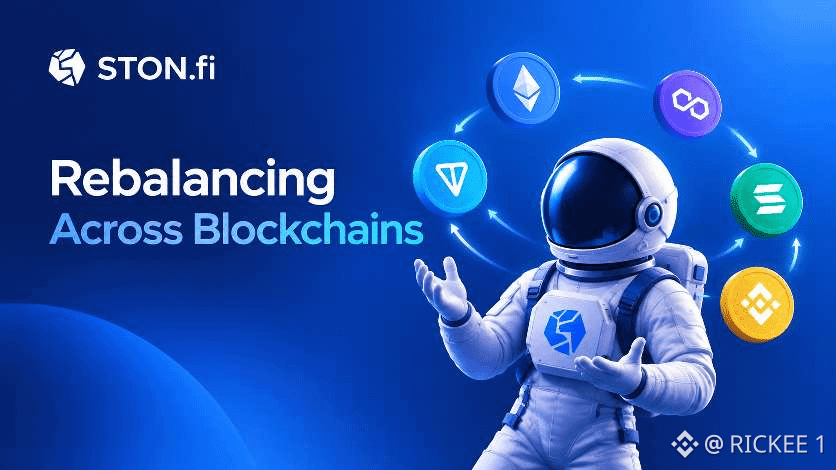
Rebalancing Across Blockchains: An Operational Guide
Rebalancing restores portfolio weights already chosen. It is maintenance, not a forecast. When assets live on different blockchains, simple arithmetic becomes an execution problem: every cross-chain move adds fees, liquidity constraints, transactions and operational risk.
Cross-chain execution adds complexity because each network has its own fees, liquidity and native gas token. A route can become costly when source gas, destination gas, routing fees and price impact are combined. Network fees are also relatively fixed per transaction, so small transfers can carry higher percentage costs. Measure the full cost of the actual route.
A manual route may require a bridge, approvals, confirmation, a claim and a destination swap. One leg can involve several interfaces, two gas tokens and six or more transactions. More steps create more opportunities for delays, wrong-token deposits and user error.
An execution layer can compress that workflow into one signed request. STON.fi’s Omniston uses resolver-based execution with paired HTLCs. The resolver provides the destination asset while the user’s funds are locked on the source side under a linked time-lock. A shared secret coordinates settlement, so the swap either completes on both sides or unwinds after the deadline. Smart-contract risk remains.
Before signing, verify three things: route, fee and destination asset. Confirm the exact chains and tokens are supported, review limits and quote expiry, calculate source gas + route fee + destination gas + price impact, and verify the exact asset and contract address expected to arrive.
A disciplined cross-chain rebalance is operational: define target weights, set a cost ceiling, compare executable routes, verify the destination asset, save transaction hashes and recompute the portfolio after settlement. The goal is to move exposure back to plan with fewer steps and fewer surprises. Be precise.
#BTC $ETH
Rebalancing Across Blockchains: An Operational Guide
Rebalancing restores portfolio weights already chosen. It is maintenance, not a forecast. When assets live on different blockchains, simple arithmetic becomes an execution problem: every cross-chain move adds fees, liquidity constraints, transactions and operational risk.
Cross-chain execution adds complexity because each network has its own fees, liquidity and native gas token. A route can become costly when source gas, destination gas, routing fees and price impact are combined. Network fees are also relatively fixed per transaction, so small transfers can carry higher percentage costs. Measure the full cost of the actual route.
A manual route may require a bridge, approvals, confirmation, a claim and a destination swap. One leg can involve several interfaces, two gas tokens and six or more transactions. More steps create more opportunities for delays, wrong-token deposits and user error.
An execution layer can compress that workflow into one signed request. STON.fi’s Omniston uses resolver-based execution with paired HTLCs. The resolver provides the destination asset while the user’s funds are locked on the source side under a linked time-lock. A shared secret coordinates settlement, so the swap either completes on both sides or unwinds after the deadline. Smart-contract risk remains.
Before signing, verify three things: route, fee and destination asset. Confirm the exact chains and tokens are supported, review limits and quote expiry, calculate source gas + route fee + destination gas + price impact, and verify the exact asset and contract address expected to arrive.
A disciplined cross-chain rebalance is operational: define target weights, set a cost ceiling, compare executable routes, verify the destination asset, save transaction hashes and recompute the portfolio after settlement. The goal is to move exposure back to plan with fewer steps and fewer surprises. Be precise.
#BTC $ETH
Rebalancing restores portfolio weights already chosen. It is maintenance, not a forecast. When assets live on different blockchains, simple arithmetic becomes an execution problem: every cross-chain move adds fees, liquidity constraints, transactions and operational risk.
Cross-chain execution adds complexity because each network has its own fees, liquidity and native gas token. A route can become costly when source gas, destination gas, routing fees and price impact are combined. Network fees are also relatively fixed per transaction, so small transfers can carry higher percentage costs. Measure the full cost of the actual route.
A manual route may require a bridge, approvals, confirmation, a claim and a destination swap. One leg can involve several interfaces, two gas tokens and six or more transactions. More steps create more opportunities for delays, wrong-token deposits and user error.
An execution layer can compress that workflow into one signed request. STON.fi’s Omniston uses resolver-based execution with paired HTLCs. The resolver provides the destination asset while the user’s funds are locked on the source side under a linked time-lock. A shared secret coordinates settlement, so the swap either completes on both sides or unwinds after the deadline. Smart-contract risk remains.
Before signing, verify three things: route, fee and destination asset. Confirm the exact chains and tokens are supported, review limits and quote expiry, calculate source gas + route fee + destination gas + price impact, and verify the exact asset and contract address expected to arrive.
A disciplined cross-chain rebalance is operational: define target weights, set a cost ceiling, compare executable routes, verify the destination asset, save transaction hashes and recompute the portfolio after settlement. The goal is to move exposure back to plan with fewer steps and fewer surprises. Be precise.
#BTC $ETH

77
·
--
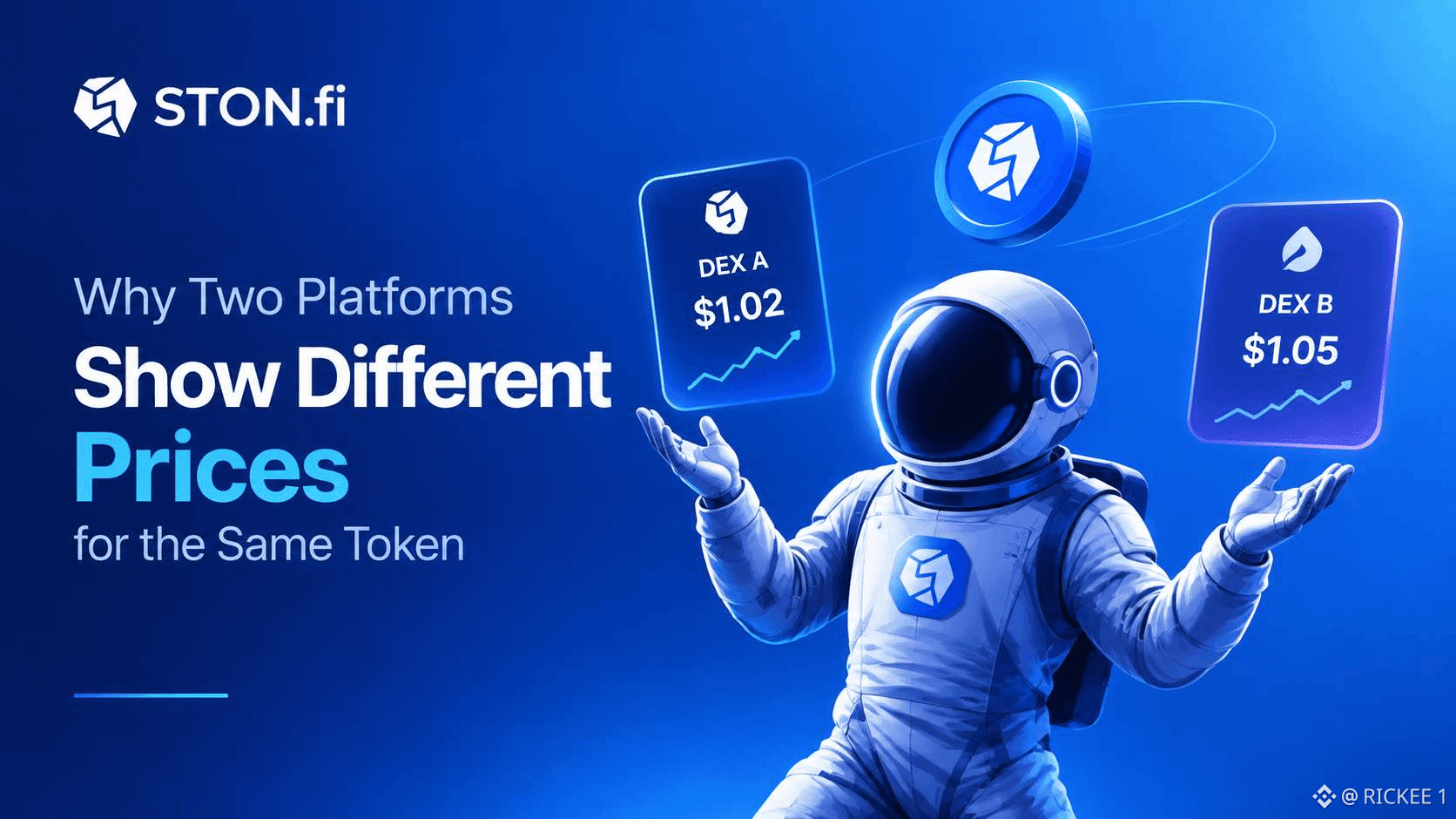
Por que duas plataformas cripto podem mostrar preços diferentes para o mesmo token?
Preços diferentes para o mesmo token não significam necessariamente que uma plataforma esteja errada. Em mercados descentralizados, o preço é influenciado pela liquidez, saldos dos pools, atividade de negociação e fontes de dados.
No TON, um AMM como o STON.fi deriva o preço do pool a partir dos ativos mantidos naquele pool. Como os pools podem conter reservas diferentes, dois ambientes podem mostrar preços diferentes para o mesmo par TOKEN/USDT. Cada negociação altera essas reservas, então o preço pode mudar. O STON.fi também identifica TVL e volume de swaps como métricas úteis do pool.
A profundidade de liquidez importa especialmente em negociações maiores. Um pool raso pode sofrer maior impacto de preço porque uma ordem grande consome mais da liquidez disponível. Um pool mais profundo pode absorver a mesma transação com menos movimentação. Portanto, a plataforma que exibe o maior preço não está automaticamente oferecendo o melhor negócio.
As diferenças de preço também podem surgir de timing e fontes de dados. Uma plataforma pode atualizar a partir de um pool ao vivo, enquanto outra pode usar dados agregados ou mais antigos do mercado. Um preço de referência pode descrever o mercado, mas não garante o que um trader receberá.
A melhor comparação é o valor executável. Mantenha idênticos o token de entrada, o token de saída e a direção da negociação e, então, compare a cotação final após taxas e impacto de preço. Um ambiente pode exibir uma taxa melhor, mas devolver menos tokens para o mesmo swap de US$ 10.000. O resultado final importa mais do que o preço em destaque.
É aqui que a Omniston se torna útil. Em vez de verificar manualmente vários DEXs de TON, uma camada de agregação pode analisar DEXs conectados e liquidez de RFQ para encontrar rotas competitivas. O STON.fi descreve a Omniston como um protocolo de agregação de liquidez no TON que consulta múltiplas fontes, compara cotações e roteia swaps por meio da liquidez disponível.
A principal lição é simples: um token não tem um único preço on-chain universal. Diferentes pools podem produzir preços diferentes porque sua liquidez é diferente.
#Cryptoadz $USDT
Por que duas plataformas cripto podem mostrar preços diferentes para o mesmo token?
Preços diferentes para o mesmo token não significam necessariamente que uma plataforma esteja errada. Em mercados descentralizados, o preço é influenciado pela liquidez, saldos dos pools, atividade de negociação e fontes de dados.
No TON, um AMM como o STON.fi deriva o preço do pool a partir dos ativos mantidos naquele pool. Como os pools podem conter reservas diferentes, dois ambientes podem mostrar preços diferentes para o mesmo par TOKEN/USDT. Cada negociação altera essas reservas, então o preço pode mudar. O STON.fi também identifica TVL e volume de swaps como métricas úteis do pool.
A profundidade de liquidez importa especialmente em negociações maiores. Um pool raso pode sofrer maior impacto de preço porque uma ordem grande consome mais da liquidez disponível. Um pool mais profundo pode absorver a mesma transação com menos movimentação. Portanto, a plataforma que exibe o maior preço não está automaticamente oferecendo o melhor negócio.
As diferenças de preço também podem surgir de timing e fontes de dados. Uma plataforma pode atualizar a partir de um pool ao vivo, enquanto outra pode usar dados agregados ou mais antigos do mercado. Um preço de referência pode descrever o mercado, mas não garante o que um trader receberá.
A melhor comparação é o valor executável. Mantenha idênticos o token de entrada, o token de saída e a direção da negociação e, então, compare a cotação final após taxas e impacto de preço. Um ambiente pode exibir uma taxa melhor, mas devolver menos tokens para o mesmo swap de US$ 10.000. O resultado final importa mais do que o preço em destaque.
É aqui que a Omniston se torna útil. Em vez de verificar manualmente vários DEXs de TON, uma camada de agregação pode analisar DEXs conectados e liquidez de RFQ para encontrar rotas competitivas. O STON.fi descreve a Omniston como um protocolo de agregação de liquidez no TON que consulta múltiplas fontes, compara cotações e roteia swaps por meio da liquidez disponível.
A principal lição é simples: um token não tem um único preço on-chain universal. Diferentes pools podem produzir preços diferentes porque sua liquidez é diferente.
#Cryptoadz $USDT
Preços diferentes para o mesmo token não significam necessariamente que uma plataforma esteja errada. Em mercados descentralizados, o preço é influenciado pela liquidez, saldos dos pools, atividade de negociação e fontes de dados.
No TON, um AMM como o STON.fi deriva o preço do pool a partir dos ativos mantidos naquele pool. Como os pools podem conter reservas diferentes, dois ambientes podem mostrar preços diferentes para o mesmo par TOKEN/USDT. Cada negociação altera essas reservas, então o preço pode mudar. O STON.fi também identifica TVL e volume de swaps como métricas úteis do pool.
A profundidade de liquidez importa especialmente em negociações maiores. Um pool raso pode sofrer maior impacto de preço porque uma ordem grande consome mais da liquidez disponível. Um pool mais profundo pode absorver a mesma transação com menos movimentação. Portanto, a plataforma que exibe o maior preço não está automaticamente oferecendo o melhor negócio.
As diferenças de preço também podem surgir de timing e fontes de dados. Uma plataforma pode atualizar a partir de um pool ao vivo, enquanto outra pode usar dados agregados ou mais antigos do mercado. Um preço de referência pode descrever o mercado, mas não garante o que um trader receberá.
A melhor comparação é o valor executável. Mantenha idênticos o token de entrada, o token de saída e a direção da negociação e, então, compare a cotação final após taxas e impacto de preço. Um ambiente pode exibir uma taxa melhor, mas devolver menos tokens para o mesmo swap de US$ 10.000. O resultado final importa mais do que o preço em destaque.
É aqui que a Omniston se torna útil. Em vez de verificar manualmente vários DEXs de TON, uma camada de agregação pode analisar DEXs conectados e liquidez de RFQ para encontrar rotas competitivas. O STON.fi descreve a Omniston como um protocolo de agregação de liquidez no TON que consulta múltiplas fontes, compara cotações e roteia swaps por meio da liquidez disponível.
A principal lição é simples: um token não tem um único preço on-chain universal. Diferentes pools podem produzir preços diferentes porque sua liquidez é diferente.
#Cryptoadz $USDT
78
·
--
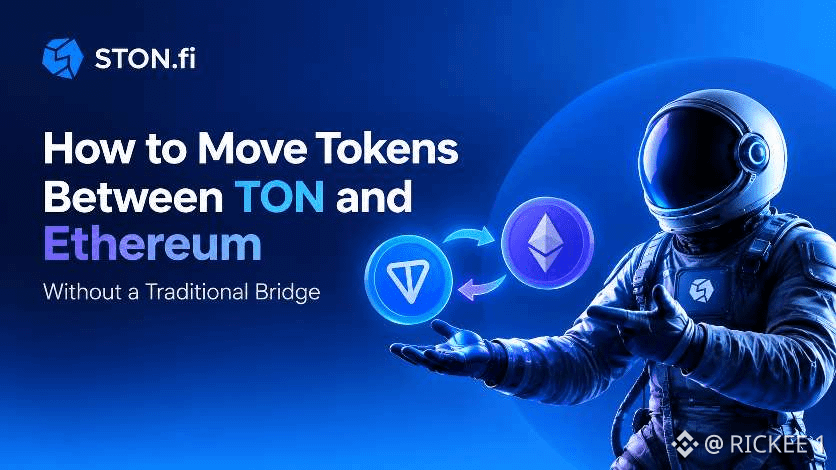
Como mover tokens entre a TON e o Ethereum sem uma ponte tradicional
Mover valor entre a TON e o Ethereum nem sempre requer uma ponte. Um modelo baseado em ponte primeiro transfere um ativo entre redes, frequentemente deixando uma representação “wrapped” que pode exigir outra troca.
Já um modelo baseado em troca primeiro começa com o resultado desejado: o ativo que o usuário quer na cadeia de destino.
Esse é o princípio por trás da Omniston, a infraestrutura cross-chain da STON.fi.
Considere Ethereum USDT → TON USDT. Em vez de fazer a ponte primeiro e trocar depois, o usuário seleciona Ethereum/USDT como origem e TON/USDT como destino. A Omniston obtém cotações de resolvers que fornecem liquidez do lado do destino.
Resolvers são provedores de liquidez que competem para atender solicitações cross-chain. Após a aceitação de uma cotação, a negociação pode ser coordenada por meio de Contratos de Adiantamento de Tempo com Segredo (Hashed Timelock Contracts, HTLCs) interligados. Ambos os fundos ficam bloqueados sob condições criptográficas relacionadas.
Um hash de segredo conecta os dois lados. Quando a execução é bem-sucedida, revelar o segredo habilita as reivindicações (claims). Os timelocks oferecem um caminho de reembolso quando as condições de liquidação não são atendidas.
O resultado é um desenho de liquidação “tudo ou nada”: a troca é feita para completar sob condições acordadas, em vez de depender de uma ponte tradicional para cunhar ou liberar uma representação na cadeia de destino.
Para os usuários, a diferença principal é a execução focada no destino. Em vez de perguntar, “Como eu movo este token através?”, a pergunta passa a ser, “Que ativo eu quero receber?”
Com a STON.fi e a Omniston, o fluxo é simples: selecione as redes e ativos de origem e destino, revise a cotação e as taxas, verifique a carteira de recebimento e então confirme.
Antes de assinar, verifique a rede, o token, o endereço de destino, a quantidade cotada e o gas. Após o envio, acompanhe a transação em vez de reenviar cegamente.
A Omniston mostra como swaps cross-chain podem mirar diretamente o ativo de destino, sem um fluxo tradicional de ponte primeiro.
$BNB $USDT
Como mover tokens entre a TON e o Ethereum sem uma ponte tradicional
Mover valor entre a TON e o Ethereum nem sempre requer uma ponte. Um modelo baseado em ponte primeiro transfere um ativo entre redes, frequentemente deixando uma representação “wrapped” que pode exigir outra troca.
Já um modelo baseado em troca primeiro começa com o resultado desejado: o ativo que o usuário quer na cadeia de destino.
Esse é o princípio por trás da Omniston, a infraestrutura cross-chain da STON.fi.
Considere Ethereum USDT → TON USDT. Em vez de fazer a ponte primeiro e trocar depois, o usuário seleciona Ethereum/USDT como origem e TON/USDT como destino. A Omniston obtém cotações de resolvers que fornecem liquidez do lado do destino.
Resolvers são provedores de liquidez que competem para atender solicitações cross-chain. Após a aceitação de uma cotação, a negociação pode ser coordenada por meio de Contratos de Adiantamento de Tempo com Segredo (Hashed Timelock Contracts, HTLCs) interligados. Ambos os fundos ficam bloqueados sob condições criptográficas relacionadas.
Um hash de segredo conecta os dois lados. Quando a execução é bem-sucedida, revelar o segredo habilita as reivindicações (claims). Os timelocks oferecem um caminho de reembolso quando as condições de liquidação não são atendidas.
O resultado é um desenho de liquidação “tudo ou nada”: a troca é feita para completar sob condições acordadas, em vez de depender de uma ponte tradicional para cunhar ou liberar uma representação na cadeia de destino.
Para os usuários, a diferença principal é a execução focada no destino. Em vez de perguntar, “Como eu movo este token através?”, a pergunta passa a ser, “Que ativo eu quero receber?”
Com a STON.fi e a Omniston, o fluxo é simples: selecione as redes e ativos de origem e destino, revise a cotação e as taxas, verifique a carteira de recebimento e então confirme.
Antes de assinar, verifique a rede, o token, o endereço de destino, a quantidade cotada e o gas. Após o envio, acompanhe a transação em vez de reenviar cegamente.
A Omniston mostra como swaps cross-chain podem mirar diretamente o ativo de destino, sem um fluxo tradicional de ponte primeiro.
$BNB $USDT
Mover valor entre a TON e o Ethereum nem sempre requer uma ponte. Um modelo baseado em ponte primeiro transfere um ativo entre redes, frequentemente deixando uma representação “wrapped” que pode exigir outra troca.
Já um modelo baseado em troca primeiro começa com o resultado desejado: o ativo que o usuário quer na cadeia de destino.
Esse é o princípio por trás da Omniston, a infraestrutura cross-chain da STON.fi.
Considere Ethereum USDT → TON USDT. Em vez de fazer a ponte primeiro e trocar depois, o usuário seleciona Ethereum/USDT como origem e TON/USDT como destino. A Omniston obtém cotações de resolvers que fornecem liquidez do lado do destino.
Resolvers são provedores de liquidez que competem para atender solicitações cross-chain. Após a aceitação de uma cotação, a negociação pode ser coordenada por meio de Contratos de Adiantamento de Tempo com Segredo (Hashed Timelock Contracts, HTLCs) interligados. Ambos os fundos ficam bloqueados sob condições criptográficas relacionadas.
Um hash de segredo conecta os dois lados. Quando a execução é bem-sucedida, revelar o segredo habilita as reivindicações (claims). Os timelocks oferecem um caminho de reembolso quando as condições de liquidação não são atendidas.
O resultado é um desenho de liquidação “tudo ou nada”: a troca é feita para completar sob condições acordadas, em vez de depender de uma ponte tradicional para cunhar ou liberar uma representação na cadeia de destino.
Para os usuários, a diferença principal é a execução focada no destino. Em vez de perguntar, “Como eu movo este token através?”, a pergunta passa a ser, “Que ativo eu quero receber?”
Com a STON.fi e a Omniston, o fluxo é simples: selecione as redes e ativos de origem e destino, revise a cotação e as taxas, verifique a carteira de recebimento e então confirme.
Antes de assinar, verifique a rede, o token, o endereço de destino, a quantidade cotada e o gas. Após o envio, acompanhe a transação em vez de reenviar cegamente.
A Omniston mostra como swaps cross-chain podem mirar diretamente o ativo de destino, sem um fluxo tradicional de ponte primeiro.
$BNB $USDT
68
·
--
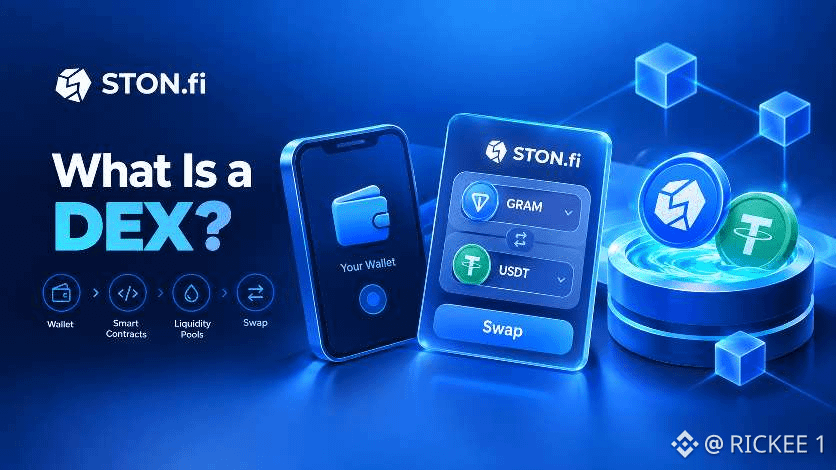
O que é uma DEX e como ela funciona?
Uma exchange descentralizada (DEX) é um sistema que permite aos usuários trocar ativos digitais sem um custodiante central. Os usuários conectam uma carteira autocustodiada e autorizam transações via contratos inteligentes.
Autocustódia significa que o usuário controla as chaves da carteira e aprova transações diretamente. Contratos inteligentes aplicam as regras da troca, enquanto a blockchain registra e liquida o resultado. No TON, transferências de tokens e swaps usam mensagens na blockchain e lógica de contrato.
Muitas DEXs usam Automated Market Makers (AMMs). Em vez de combinar compradores e vendedores por meio de uma carteira de pedidos (order book), as AMMs usam pools de liquidez financiados por provedores de liquidez. A precificação segue o estado do pool e um modelo matemático. O tamanho da operação, a liquidez e as taxas podem afetar a execução, enquanto operações maiores podem causar maior impacto no preço.
Um modelo de order-book funciona de forma diferente: traders enviam ofertas (bids) e pedidos (asks), e ordens compatíveis são combinadas. Uma AMM permite que os usuários negociem diretamente com liquidez reunida em pool. Ambas exigem liquidez, mas a organizam de maneiras diferentes.
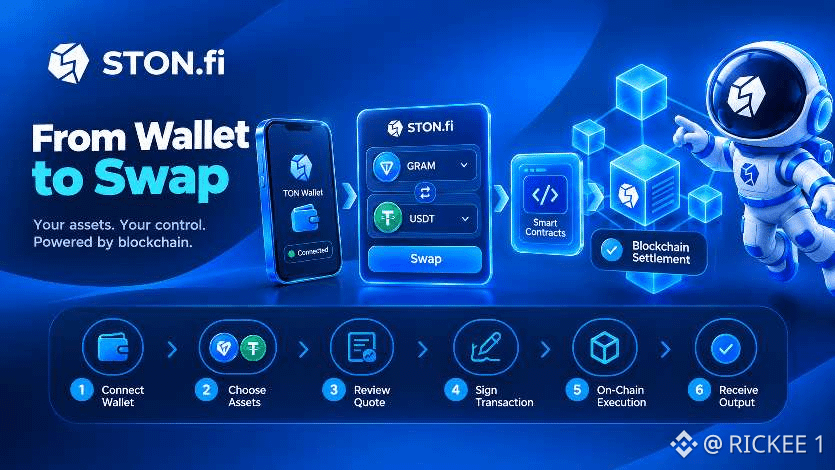
Fluxo de swap de uma DEX:
Conectar a carteira → selecionar ativos → receber uma cotação → revisar taxas, slippage e impacto no preço → assinar → contratos inteligentes executam → receber o ativo de saída.
O STON.fi fornece um exemplo prático no TON. Um usuário conecta uma carteira TON, seleciona os ativos, revisa a cotação e as condições e, então, aprova a transação. A infraestrutura on-chain executa o swap e entrega o resultado para a carteira.
O STON.fi também mostra que uma DEX é mais do que uma interface de swap. Pools de liquidez fornecem capital de negociação, provedores de liquidez fornecem os ativos e a infraestrutura de roteamento pode conectar fontes de liquidez disponíveis.
A diferença principal é simples: o STON.fi demonstra princípios de DEX na prática; ele não é a definição de uma DEX.
Fundamentalmente, uma DEX combina autocustódia, liquidação na blockchain, execução por contratos inteligentes, mecanismos de liquidez e precificação. O botão “Swap” é a interface para um processo on-chain.
$GRAM $BTC
O que é uma DEX e como ela funciona?
Uma exchange descentralizada (DEX) é um sistema que permite aos usuários trocar ativos digitais sem um custodiante central. Os usuários conectam uma carteira autocustodiada e autorizam transações via contratos inteligentes.
Autocustódia significa que o usuário controla as chaves da carteira e aprova transações diretamente. Contratos inteligentes aplicam as regras da troca, enquanto a blockchain registra e liquida o resultado. No TON, transferências de tokens e swaps usam mensagens na blockchain e lógica de contrato.
Muitas DEXs usam Automated Market Makers (AMMs). Em vez de combinar compradores e vendedores por meio de uma carteira de pedidos (order book), as AMMs usam pools de liquidez financiados por provedores de liquidez. A precificação segue o estado do pool e um modelo matemático. O tamanho da operação, a liquidez e as taxas podem afetar a execução, enquanto operações maiores podem causar maior impacto no preço.
Um modelo de order-book funciona de forma diferente: traders enviam ofertas (bids) e pedidos (asks), e ordens compatíveis são combinadas. Uma AMM permite que os usuários negociem diretamente com liquidez reunida em pool. Ambas exigem liquidez, mas a organizam de maneiras diferentes.
Fluxo de swap de uma DEX:
Conectar a carteira → selecionar ativos → receber uma cotação → revisar taxas, slippage e impacto no preço → assinar → contratos inteligentes executam → receber o ativo de saída.
O STON.fi fornece um exemplo prático no TON. Um usuário conecta uma carteira TON, seleciona os ativos, revisa a cotação e as condições e, então, aprova a transação. A infraestrutura on-chain executa o swap e entrega o resultado para a carteira.
O STON.fi também mostra que uma DEX é mais do que uma interface de swap. Pools de liquidez fornecem capital de negociação, provedores de liquidez fornecem os ativos e a infraestrutura de roteamento pode conectar fontes de liquidez disponíveis.
A diferença principal é simples: o STON.fi demonstra princípios de DEX na prática; ele não é a definição de uma DEX.
Fundamentalmente, uma DEX combina autocustódia, liquidação na blockchain, execução por contratos inteligentes, mecanismos de liquidez e precificação. O botão “Swap” é a interface para um processo on-chain.
$GRAM $BTC
Uma exchange descentralizada (DEX) é um sistema que permite aos usuários trocar ativos digitais sem um custodiante central. Os usuários conectam uma carteira autocustodiada e autorizam transações via contratos inteligentes.
Autocustódia significa que o usuário controla as chaves da carteira e aprova transações diretamente. Contratos inteligentes aplicam as regras da troca, enquanto a blockchain registra e liquida o resultado. No TON, transferências de tokens e swaps usam mensagens na blockchain e lógica de contrato.
Muitas DEXs usam Automated Market Makers (AMMs). Em vez de combinar compradores e vendedores por meio de uma carteira de pedidos (order book), as AMMs usam pools de liquidez financiados por provedores de liquidez. A precificação segue o estado do pool e um modelo matemático. O tamanho da operação, a liquidez e as taxas podem afetar a execução, enquanto operações maiores podem causar maior impacto no preço.
Um modelo de order-book funciona de forma diferente: traders enviam ofertas (bids) e pedidos (asks), e ordens compatíveis são combinadas. Uma AMM permite que os usuários negociem diretamente com liquidez reunida em pool. Ambas exigem liquidez, mas a organizam de maneiras diferentes.
Fluxo de swap de uma DEX:
Conectar a carteira → selecionar ativos → receber uma cotação → revisar taxas, slippage e impacto no preço → assinar → contratos inteligentes executam → receber o ativo de saída.
O STON.fi fornece um exemplo prático no TON. Um usuário conecta uma carteira TON, seleciona os ativos, revisa a cotação e as condições e, então, aprova a transação. A infraestrutura on-chain executa o swap e entrega o resultado para a carteira.
O STON.fi também mostra que uma DEX é mais do que uma interface de swap. Pools de liquidez fornecem capital de negociação, provedores de liquidez fornecem os ativos e a infraestrutura de roteamento pode conectar fontes de liquidez disponíveis.
A diferença principal é simples: o STON.fi demonstra princípios de DEX na prática; ele não é a definição de uma DEX.
Fundamentalmente, uma DEX combina autocustódia, liquidação na blockchain, execução por contratos inteligentes, mecanismos de liquidez e precificação. O botão “Swap” é a interface para um processo on-chain.
$GRAM $BTC
63
·
--
Por que minha transação na STON.fi falhou?
Uma transação na STON.fi que falha não significa que o protocolo esteja quebrado. As causas incluem problemas na carteira, taxas, movimentação do mercado, condições do token ou execução na blockchain. Diagnostique primeiro.
1. Identifique a operação
Verifique se você estava fazendo swap, adicionando ou removendo liquidez, fazendo farming ou interagindo com um token personalizado.
2. Verifique seu saldo de $GRAM
As transações da STON.fi exigem $GRAM para cobrir as taxas da rede TON. Confirme que sua carteira tem $GRAM suficiente.
3. Revise as condições do swap
Confira a taxa cotada, impacto de preço, valor mínimo recebido e tolerância de slippage. O impacto de preço mostra como uma negociação afeta a liquidez disponível, enquanto o slippage protege contra variações de preço entre a cotação e a execução. Transações grandes ou mercados voláteis podem empurrar a execução para fora dos limites aceitáveis. Aumentar o slippage às cegas pode aceitar um preço pior.
4. Verifique alertas do token
Para tokens desconhecidos, verifique o endereço oficial do contrato e leia os avisos. Um nome ou logotipo familiar não prova que o token seja genuíno. Verifique a origem e a liquidez.
5. Verifique a transação na TON
Encontre o hash da transação ou o link do explorador e confirme se ela foi transmitida. Se tiver sido, inspecione o resultado na blockchain para ver se foi bem-sucedida, falhou ou foi rebatida (bounced). Se não existir nenhuma transação, investigue a carteira, a etapa de assinatura ou a conexão.
6. Isole a causa
Reconecte a carteira e, quando apropriado, teste com outra carteira compatível com TON. Isso ajuda a identificar problemas específicos da carteira.
7. Tente novamente apenas após o diagnóstico
Não envie repetidamente a mesma transação sem entender a falha. Corrija primeiro a causa mais provável.
Para suporte, forneça o endereço da carteira, hash da transação, tipo de operação, par de tokens, quantidade, horário, mensagem de erro, carteira usada e capturas de tela. Nunca compartilhe uma seed phrase (frase-semente) ou chave privada.
Documente a causa antes de repetir a operação.
Identifique → Verifique → Confirme → Inspecione → Corrija → Tente novamente.
#Análise do Preço do BTC#
Por que minha transação na STON.fi falhou?
Uma transação na STON.fi que falha não significa que o protocolo esteja quebrado. As causas incluem problemas na carteira, taxas, movimentação do mercado, condições do token ou execução na blockchain. Diagnostique primeiro.
1. Identifique a operação
Verifique se você estava fazendo swap, adicionando ou removendo liquidez, fazendo farming ou interagindo com um token personalizado.
2. Verifique seu saldo de $GRAM
As transações da STON.fi exigem $GRAM para cobrir as taxas da rede TON. Confirme que sua carteira tem $GRAM suficiente.
3. Revise as condições do swap
Confira a taxa cotada, impacto de preço, valor mínimo recebido e tolerância de slippage. O impacto de preço mostra como uma negociação afeta a liquidez disponível, enquanto o slippage protege contra variações de preço entre a cotação e a execução. Transações grandes ou mercados voláteis podem empurrar a execução para fora dos limites aceitáveis. Aumentar o slippage às cegas pode aceitar um preço pior.
4. Verifique alertas do token
Para tokens desconhecidos, verifique o endereço oficial do contrato e leia os avisos. Um nome ou logotipo familiar não prova que o token seja genuíno. Verifique a origem e a liquidez.
5. Verifique a transação na TON
Encontre o hash da transação ou o link do explorador e confirme se ela foi transmitida. Se tiver sido, inspecione o resultado na blockchain para ver se foi bem-sucedida, falhou ou foi rebatida (bounced). Se não existir nenhuma transação, investigue a carteira, a etapa de assinatura ou a conexão.
6. Isole a causa
Reconecte a carteira e, quando apropriado, teste com outra carteira compatível com TON. Isso ajuda a identificar problemas específicos da carteira.
7. Tente novamente apenas após o diagnóstico
Não envie repetidamente a mesma transação sem entender a falha. Corrija primeiro a causa mais provável.
Para suporte, forneça o endereço da carteira, hash da transação, tipo de operação, par de tokens, quantidade, horário, mensagem de erro, carteira usada e capturas de tela. Nunca compartilhe uma seed phrase (frase-semente) ou chave privada.
Documente a causa antes de repetir a operação.
Identifique → Verifique → Confirme → Inspecione → Corrija → Tente novamente.
#Análise do Preço do BTC#
Uma transação na STON.fi que falha não significa que o protocolo esteja quebrado. As causas incluem problemas na carteira, taxas, movimentação do mercado, condições do token ou execução na blockchain. Diagnostique primeiro.
1. Identifique a operação
Verifique se você estava fazendo swap, adicionando ou removendo liquidez, fazendo farming ou interagindo com um token personalizado.
2. Verifique seu saldo de $GRAM
As transações da STON.fi exigem $GRAM para cobrir as taxas da rede TON. Confirme que sua carteira tem $GRAM suficiente.
3. Revise as condições do swap
Confira a taxa cotada, impacto de preço, valor mínimo recebido e tolerância de slippage. O impacto de preço mostra como uma negociação afeta a liquidez disponível, enquanto o slippage protege contra variações de preço entre a cotação e a execução. Transações grandes ou mercados voláteis podem empurrar a execução para fora dos limites aceitáveis. Aumentar o slippage às cegas pode aceitar um preço pior.
4. Verifique alertas do token
Para tokens desconhecidos, verifique o endereço oficial do contrato e leia os avisos. Um nome ou logotipo familiar não prova que o token seja genuíno. Verifique a origem e a liquidez.
5. Verifique a transação na TON
Encontre o hash da transação ou o link do explorador e confirme se ela foi transmitida. Se tiver sido, inspecione o resultado na blockchain para ver se foi bem-sucedida, falhou ou foi rebatida (bounced). Se não existir nenhuma transação, investigue a carteira, a etapa de assinatura ou a conexão.
6. Isole a causa
Reconecte a carteira e, quando apropriado, teste com outra carteira compatível com TON. Isso ajuda a identificar problemas específicos da carteira.
7. Tente novamente apenas após o diagnóstico
Não envie repetidamente a mesma transação sem entender a falha. Corrija primeiro a causa mais provável.
Para suporte, forneça o endereço da carteira, hash da transação, tipo de operação, par de tokens, quantidade, horário, mensagem de erro, carteira usada e capturas de tela. Nunca compartilhe uma seed phrase (frase-semente) ou chave privada.
Documente a causa antes de repetir a operação.
Identifique → Verifique → Confirme → Inspecione → Corrija → Tente novamente.
#Análise do Preço do BTC#
62
·
--
Como importar um token personalizado pelo endereço do contrato no STON.fi
O STON.fi permite que os usuários importem tokens que não aparecem na busca padrão. Importar um token não significa que o STON.fi recomenda, verifica ou garante o ativo.
1. Obtenha o endereço de contrato correto
Obtenha o endereço do smart contract do token em uma fonte oficial, como o site do projeto. Não confie apenas em um nome, ticker, logotipo ou postagem em redes sociais, pois tokens maliciosos podem imitar ativos legítimos. O endereço do contrato identifica o token.
2. Abra a busca de tokens ou a importação
Abra a interface de Swap do STON.fi e o seletor de tokens. Use a busca ou a opção de importação de token personalizado para inserir o endereço do contrato.
3. Cole e verifique
Cole o endereço completo no campo de busca. O STON.fi pode exibir metadados como nome do token, símbolo e casas decimais. Compare esses detalhes com as informações oficiais do projeto. Um logotipo ou ticker conhecido nunca deve substituir a verificação pelo endereço do contrato.
4. Analise os avisos
Antes de confirmar, verifique os avisos, rótulos ou restrições exibidos pelo STON.fi. Esses sinais fornecem contexto, mas não constituem uma auditoria de segurança.
Mais importante: a importação manual não é uma validação de segurança. Importar um ativo apenas o torna acessível pela interface. Isso não prova que o token é legítimo, seguro ou adequado para negociação. Pesquise o token de forma independente antes de usá-lo.
5. Verifique a liquidez antes de fazer o swap
Após importar o token, verifique a liquidez disponível e as condições esperadas do swap. Baixa liquidez pode aumentar o impacto no preço, o slippage e a execução ruim, especialmente para operações grandes. Revise a profundidade do pool, o tamanho da negociação, a saída cotada e o impacto no preço antes de aprovar uma transação.
O fluxo cuidadoso é simples: verifique o endereço, importe, confirme os metadados, revise os avisos, pesquise o token e verifique a liquidez antes de fazer o swap.
Em DeFi, acessibilidade não é confiança. O STON.fi fornece a interface, enquanto os usuários precisam verificar o ativo e entender os riscos antes de assinar.
$BTC #BNBChain#
Como importar um token personalizado pelo endereço do contrato no STON.fi
O STON.fi permite que os usuários importem tokens que não aparecem na busca padrão. Importar um token não significa que o STON.fi recomenda, verifica ou garante o ativo.
1. Obtenha o endereço de contrato correto
Obtenha o endereço do smart contract do token em uma fonte oficial, como o site do projeto. Não confie apenas em um nome, ticker, logotipo ou postagem em redes sociais, pois tokens maliciosos podem imitar ativos legítimos. O endereço do contrato identifica o token.
2. Abra a busca de tokens ou a importação
Abra a interface de Swap do STON.fi e o seletor de tokens. Use a busca ou a opção de importação de token personalizado para inserir o endereço do contrato.
3. Cole e verifique
Cole o endereço completo no campo de busca. O STON.fi pode exibir metadados como nome do token, símbolo e casas decimais. Compare esses detalhes com as informações oficiais do projeto. Um logotipo ou ticker conhecido nunca deve substituir a verificação pelo endereço do contrato.
4. Analise os avisos
Antes de confirmar, verifique os avisos, rótulos ou restrições exibidos pelo STON.fi. Esses sinais fornecem contexto, mas não constituem uma auditoria de segurança.
Mais importante: a importação manual não é uma validação de segurança. Importar um ativo apenas o torna acessível pela interface. Isso não prova que o token é legítimo, seguro ou adequado para negociação. Pesquise o token de forma independente antes de usá-lo.
5. Verifique a liquidez antes de fazer o swap
Após importar o token, verifique a liquidez disponível e as condições esperadas do swap. Baixa liquidez pode aumentar o impacto no preço, o slippage e a execução ruim, especialmente para operações grandes. Revise a profundidade do pool, o tamanho da negociação, a saída cotada e o impacto no preço antes de aprovar uma transação.
O fluxo cuidadoso é simples: verifique o endereço, importe, confirme os metadados, revise os avisos, pesquise o token e verifique a liquidez antes de fazer o swap.
Em DeFi, acessibilidade não é confiança. O STON.fi fornece a interface, enquanto os usuários precisam verificar o ativo e entender os riscos antes de assinar.
$BTC #BNBChain#
O STON.fi permite que os usuários importem tokens que não aparecem na busca padrão. Importar um token não significa que o STON.fi recomenda, verifica ou garante o ativo.
1. Obtenha o endereço de contrato correto
Obtenha o endereço do smart contract do token em uma fonte oficial, como o site do projeto. Não confie apenas em um nome, ticker, logotipo ou postagem em redes sociais, pois tokens maliciosos podem imitar ativos legítimos. O endereço do contrato identifica o token.
2. Abra a busca de tokens ou a importação
Abra a interface de Swap do STON.fi e o seletor de tokens. Use a busca ou a opção de importação de token personalizado para inserir o endereço do contrato.
3. Cole e verifique
Cole o endereço completo no campo de busca. O STON.fi pode exibir metadados como nome do token, símbolo e casas decimais. Compare esses detalhes com as informações oficiais do projeto. Um logotipo ou ticker conhecido nunca deve substituir a verificação pelo endereço do contrato.
4. Analise os avisos
Antes de confirmar, verifique os avisos, rótulos ou restrições exibidos pelo STON.fi. Esses sinais fornecem contexto, mas não constituem uma auditoria de segurança.
Mais importante: a importação manual não é uma validação de segurança. Importar um ativo apenas o torna acessível pela interface. Isso não prova que o token é legítimo, seguro ou adequado para negociação. Pesquise o token de forma independente antes de usá-lo.
5. Verifique a liquidez antes de fazer o swap
Após importar o token, verifique a liquidez disponível e as condições esperadas do swap. Baixa liquidez pode aumentar o impacto no preço, o slippage e a execução ruim, especialmente para operações grandes. Revise a profundidade do pool, o tamanho da negociação, a saída cotada e o impacto no preço antes de aprovar uma transação.
O fluxo cuidadoso é simples: verifique o endereço, importe, confirme os metadados, revise os avisos, pesquise o token e verifique a liquidez antes de fazer o swap.
Em DeFi, acessibilidade não é confiança. O STON.fi fornece a interface, enquanto os usuários precisam verificar o ativo e entender os riscos antes de assinar.
$BTC #BNBChain#
108
·
--
O que é a Omniston e como ela melhora as trocas (swaps) da STON.fi
Nas finanças descentralizadas, a liquidez fica fragmentada entre pools, DEXs e provedores de liquidez. Isso pode dificultar encontrar uma boa execução de swap. A Omniston aborda esse desafio como a camada de agregação de liquidez e execução por trás das trocas da STON.fi.
Em vez de limitar uma operação a um único pool, a Omniston pode solicitar cotações concorrentes, comparar rotas entre fontes conectadas e selecionar a melhor execução válida. Isso dá aos usuários acesso mais amplo à liquidez, mantendo a STON.fi simples.
Como a Omniston Funciona
Um swap começa quando o usuário seleciona os ativos e a quantidade. As fontes de liquidez conectadas e os resolvedores de RFQ retornam rotas ou cotações. A Omniston compara essas opções e identifica o melhor caminho válido. Depois que o usuário aceita a cotação, a rota selecionada é incorporada à transação na carteira.
A rota não precisa ser direta. O Token A para o Token B pode ser roteado através da TON quando um caminho com múltiplos saltos oferece uma execução melhor.
Por que a Agregação Importa
Um único DEX pode não encontrar um pool mais profundo, uma rota multi hop melhor ou uma cotação competitiva de um resolvedor. A Omniston não cria liquidez. Ela torna mais liquidez existente acessível e comparável pela interface da STON.fi.
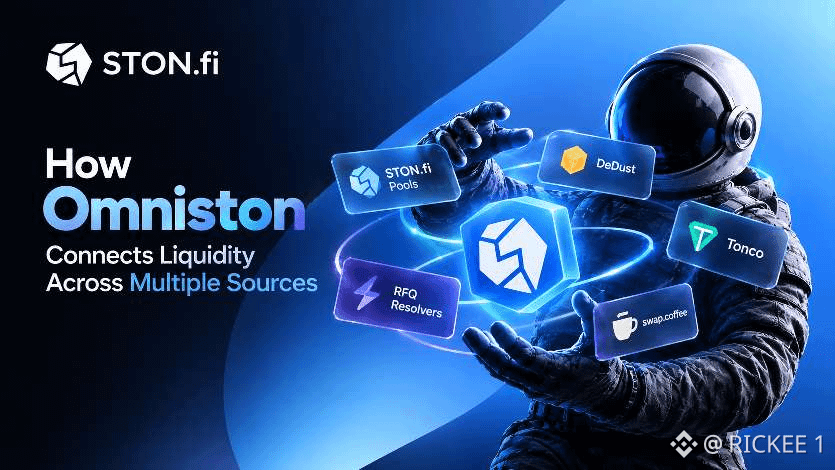
Um swap pode usar pools da STON.fi, DEXs de TON conectados como DeDust, Tonco e swap.coffee, ou liquidez de resolvedor. Mais competição pode permitir que operações maiores acessem uma liquidez mais profunda e, potencialmente, reduzam o impacto no preço.
Benefícios e Limites
A Omniston oferece acesso mais amplo à liquidez, descoberta de rotas mais inteligente, cotações concorrentes e um fluxo de execução mais simples. Uma cotação mais forte pode substituir uma cotação anterior enquanto a solicitação permanecer ativa.
O Cenário Maior
A Omniston ajuda a transformar uma liquidez fragmentada em um mercado mais conectado. Em vez de verificar manualmente vários pools e DEXs, os usuários podem acessar um roteamento inteligente por uma experiência @ston_fi.
Liquidez conectada cria mais possibilidades. Roteamento mais inteligente ajuda essas possibilidades a competirem por cada swap.
$BTC
O que é a Omniston e como ela melhora as trocas (swaps) da STON.fi
Nas finanças descentralizadas, a liquidez fica fragmentada entre pools, DEXs e provedores de liquidez. Isso pode dificultar encontrar uma boa execução de swap. A Omniston aborda esse desafio como a camada de agregação de liquidez e execução por trás das trocas da STON.fi.
Em vez de limitar uma operação a um único pool, a Omniston pode solicitar cotações concorrentes, comparar rotas entre fontes conectadas e selecionar a melhor execução válida. Isso dá aos usuários acesso mais amplo à liquidez, mantendo a STON.fi simples.
Como a Omniston Funciona
Um swap começa quando o usuário seleciona os ativos e a quantidade. As fontes de liquidez conectadas e os resolvedores de RFQ retornam rotas ou cotações. A Omniston compara essas opções e identifica o melhor caminho válido. Depois que o usuário aceita a cotação, a rota selecionada é incorporada à transação na carteira.
A rota não precisa ser direta. O Token A para o Token B pode ser roteado através da TON quando um caminho com múltiplos saltos oferece uma execução melhor.
Por que a Agregação Importa
Um único DEX pode não encontrar um pool mais profundo, uma rota multi hop melhor ou uma cotação competitiva de um resolvedor. A Omniston não cria liquidez. Ela torna mais liquidez existente acessível e comparável pela interface da STON.fi.
Um swap pode usar pools da STON.fi, DEXs de TON conectados como DeDust, Tonco e swap.coffee, ou liquidez de resolvedor. Mais competição pode permitir que operações maiores acessem uma liquidez mais profunda e, potencialmente, reduzam o impacto no preço.
Benefícios e Limites
A Omniston oferece acesso mais amplo à liquidez, descoberta de rotas mais inteligente, cotações concorrentes e um fluxo de execução mais simples. Uma cotação mais forte pode substituir uma cotação anterior enquanto a solicitação permanecer ativa.
O Cenário Maior
A Omniston ajuda a transformar uma liquidez fragmentada em um mercado mais conectado. Em vez de verificar manualmente vários pools e DEXs, os usuários podem acessar um roteamento inteligente por uma experiência @ston_fi.
Liquidez conectada cria mais possibilidades. Roteamento mais inteligente ajuda essas possibilidades a competirem por cada swap.
$BTC
Nas finanças descentralizadas, a liquidez fica fragmentada entre pools, DEXs e provedores de liquidez. Isso pode dificultar encontrar uma boa execução de swap. A Omniston aborda esse desafio como a camada de agregação de liquidez e execução por trás das trocas da STON.fi.
Em vez de limitar uma operação a um único pool, a Omniston pode solicitar cotações concorrentes, comparar rotas entre fontes conectadas e selecionar a melhor execução válida. Isso dá aos usuários acesso mais amplo à liquidez, mantendo a STON.fi simples.
Como a Omniston Funciona
Um swap começa quando o usuário seleciona os ativos e a quantidade. As fontes de liquidez conectadas e os resolvedores de RFQ retornam rotas ou cotações. A Omniston compara essas opções e identifica o melhor caminho válido. Depois que o usuário aceita a cotação, a rota selecionada é incorporada à transação na carteira.
A rota não precisa ser direta. O Token A para o Token B pode ser roteado através da TON quando um caminho com múltiplos saltos oferece uma execução melhor.
Por que a Agregação Importa
Um único DEX pode não encontrar um pool mais profundo, uma rota multi hop melhor ou uma cotação competitiva de um resolvedor. A Omniston não cria liquidez. Ela torna mais liquidez existente acessível e comparável pela interface da STON.fi.
Um swap pode usar pools da STON.fi, DEXs de TON conectados como DeDust, Tonco e swap.coffee, ou liquidez de resolvedor. Mais competição pode permitir que operações maiores acessem uma liquidez mais profunda e, potencialmente, reduzam o impacto no preço.
Benefícios e Limites
A Omniston oferece acesso mais amplo à liquidez, descoberta de rotas mais inteligente, cotações concorrentes e um fluxo de execução mais simples. Uma cotação mais forte pode substituir uma cotação anterior enquanto a solicitação permanecer ativa.
O Cenário Maior
A Omniston ajuda a transformar uma liquidez fragmentada em um mercado mais conectado. Em vez de verificar manualmente vários pools e DEXs, os usuários podem acessar um roteamento inteligente por uma experiência @ston_fi.
Liquidez conectada cria mais possibilidades. Roteamento mais inteligente ajuda essas possibilidades a competirem por cada swap.
$BTC
50
·
--
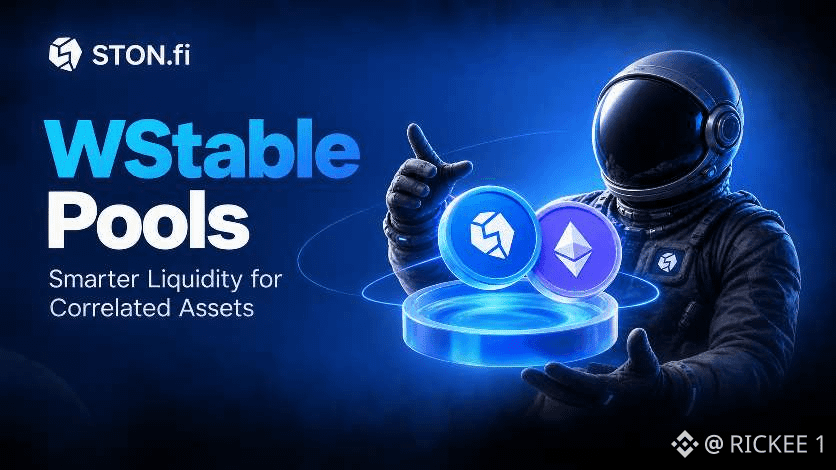
Pools WStable na STON.fi: Swap Estável Ponderado Explicado
Nem todo par em DeFi precisa de um AMM 50/50. Alguns ativos são estreitamente correlacionados. Um token de staking líquido pode acompanhar seu ativo subjacente enquanto seu valor muda à medida que as recompensas se acumulam.
WStable, ou Weighted Stable Swap (WSS), é o modelo de pool da STON.fi para esse caso de uso. Ele combina a precificação estilo StableSwap com pesos personalizados e uma taxa relativa, permitindo que a liquidez reflita uma relação em evolução, em vez de uma razão fixa 1:1.
Como o WStable Funciona
Um AMM de produto constante pode gerar impacto de preço em negociações maiores. A precificação estilo StableSwap achata a curva em torno da relação entre ativos correlacionados. O WStable adiciona flexibilidade por meio de pesos desiguais e uma taxa.
Parâmetros principais agora:
• amp = controla a amplificação da curva.
• rate = representa a relação de troca relativa.
• w0 = define o peso de um ativo.
• rate_setter = gerencia a taxa.
Por que os Pesos Importam
Ativos correlacionados nem sempre exigem liquidez igual. Um pool WStable pode usar uma estrutura 75%/25%, concentrando mais liquidez em um ativo enquanto mantém o outro.
O Exemplo com tsTON
A STON.fi introduziu o WStable com um pool que emparelha tsTON e o ativo nativo, mais tarde renomeado para Gram ( $GRAM ). A STON.fi o descreve como 75% tsTON e 25% GRAM. Ele prioriza o ativo que gera rendimento, enquanto oferece suporte a trocas.
WStable vs. WCPI
Ambos usam pesos, mas seus modelos de precificação são diferentes. WCPI significa Weighted Constant Product Invariant: os pesos modificam a precificação do produto constante. WStable usa precificação estilo StableSwap com pesos e uma taxa relativa para ativos correlacionados.
O que os Usuários Devem Saber
O WStable pode melhorar a eficiência de capital e reduzir o impacto de preço em torno da relação, mas não elimina riscos. A profundidade do pool, o tamanho da negociação, o slippage, mudanças na correlação, a precisão da taxa, a perda impermanente e o risco de contrato inteligente ainda importam.
No fim das contas, o WStable é um AMM para ativos correlacionados cuja relação pode evoluir sem exigir uma estrutura 50/50.
#Análise do Preço do BTC# $BTC
Pools WStable na STON.fi: Swap Estável Ponderado Explicado
Nem todo par em DeFi precisa de um AMM 50/50. Alguns ativos são estreitamente correlacionados. Um token de staking líquido pode acompanhar seu ativo subjacente enquanto seu valor muda à medida que as recompensas se acumulam.
WStable, ou Weighted Stable Swap (WSS), é o modelo de pool da STON.fi para esse caso de uso. Ele combina a precificação estilo StableSwap com pesos personalizados e uma taxa relativa, permitindo que a liquidez reflita uma relação em evolução, em vez de uma razão fixa 1:1.
Como o WStable Funciona
Um AMM de produto constante pode gerar impacto de preço em negociações maiores. A precificação estilo StableSwap achata a curva em torno da relação entre ativos correlacionados. O WStable adiciona flexibilidade por meio de pesos desiguais e uma taxa.
Parâmetros principais agora:
• amp = controla a amplificação da curva.
• rate = representa a relação de troca relativa.
• w0 = define o peso de um ativo.
• rate_setter = gerencia a taxa.
Por que os Pesos Importam
Ativos correlacionados nem sempre exigem liquidez igual. Um pool WStable pode usar uma estrutura 75%/25%, concentrando mais liquidez em um ativo enquanto mantém o outro.
O Exemplo com tsTON
A STON.fi introduziu o WStable com um pool que emparelha tsTON e o ativo nativo, mais tarde renomeado para Gram ( $GRAM ). A STON.fi o descreve como 75% tsTON e 25% GRAM. Ele prioriza o ativo que gera rendimento, enquanto oferece suporte a trocas.
WStable vs. WCPI
Ambos usam pesos, mas seus modelos de precificação são diferentes. WCPI significa Weighted Constant Product Invariant: os pesos modificam a precificação do produto constante. WStable usa precificação estilo StableSwap com pesos e uma taxa relativa para ativos correlacionados.
O que os Usuários Devem Saber
O WStable pode melhorar a eficiência de capital e reduzir o impacto de preço em torno da relação, mas não elimina riscos. A profundidade do pool, o tamanho da negociação, o slippage, mudanças na correlação, a precisão da taxa, a perda impermanente e o risco de contrato inteligente ainda importam.
No fim das contas, o WStable é um AMM para ativos correlacionados cuja relação pode evoluir sem exigir uma estrutura 50/50.
#Análise do Preço do BTC# $BTC
Nem todo par em DeFi precisa de um AMM 50/50. Alguns ativos são estreitamente correlacionados. Um token de staking líquido pode acompanhar seu ativo subjacente enquanto seu valor muda à medida que as recompensas se acumulam.
WStable, ou Weighted Stable Swap (WSS), é o modelo de pool da STON.fi para esse caso de uso. Ele combina a precificação estilo StableSwap com pesos personalizados e uma taxa relativa, permitindo que a liquidez reflita uma relação em evolução, em vez de uma razão fixa 1:1.
Como o WStable Funciona
Um AMM de produto constante pode gerar impacto de preço em negociações maiores. A precificação estilo StableSwap achata a curva em torno da relação entre ativos correlacionados. O WStable adiciona flexibilidade por meio de pesos desiguais e uma taxa.
Parâmetros principais agora:
• amp = controla a amplificação da curva.
• rate = representa a relação de troca relativa.
• w0 = define o peso de um ativo.
• rate_setter = gerencia a taxa.
Por que os Pesos Importam
Ativos correlacionados nem sempre exigem liquidez igual. Um pool WStable pode usar uma estrutura 75%/25%, concentrando mais liquidez em um ativo enquanto mantém o outro.
O Exemplo com tsTON
A STON.fi introduziu o WStable com um pool que emparelha tsTON e o ativo nativo, mais tarde renomeado para Gram ( $GRAM ). A STON.fi o descreve como 75% tsTON e 25% GRAM. Ele prioriza o ativo que gera rendimento, enquanto oferece suporte a trocas.
WStable vs. WCPI
Ambos usam pesos, mas seus modelos de precificação são diferentes. WCPI significa Weighted Constant Product Invariant: os pesos modificam a precificação do produto constante. WStable usa precificação estilo StableSwap com pesos e uma taxa relativa para ativos correlacionados.
O que os Usuários Devem Saber
O WStable pode melhorar a eficiência de capital e reduzir o impacto de preço em torno da relação, mas não elimina riscos. A profundidade do pool, o tamanho da negociação, o slippage, mudanças na correlação, a precisão da taxa, a perda impermanente e o risco de contrato inteligente ainda importam.
No fim das contas, o WStable é um AMM para ativos correlacionados cuja relação pode evoluir sem exigir uma estrutura 50/50.
#Análise do Preço do BTC# $BTC
64
·
--
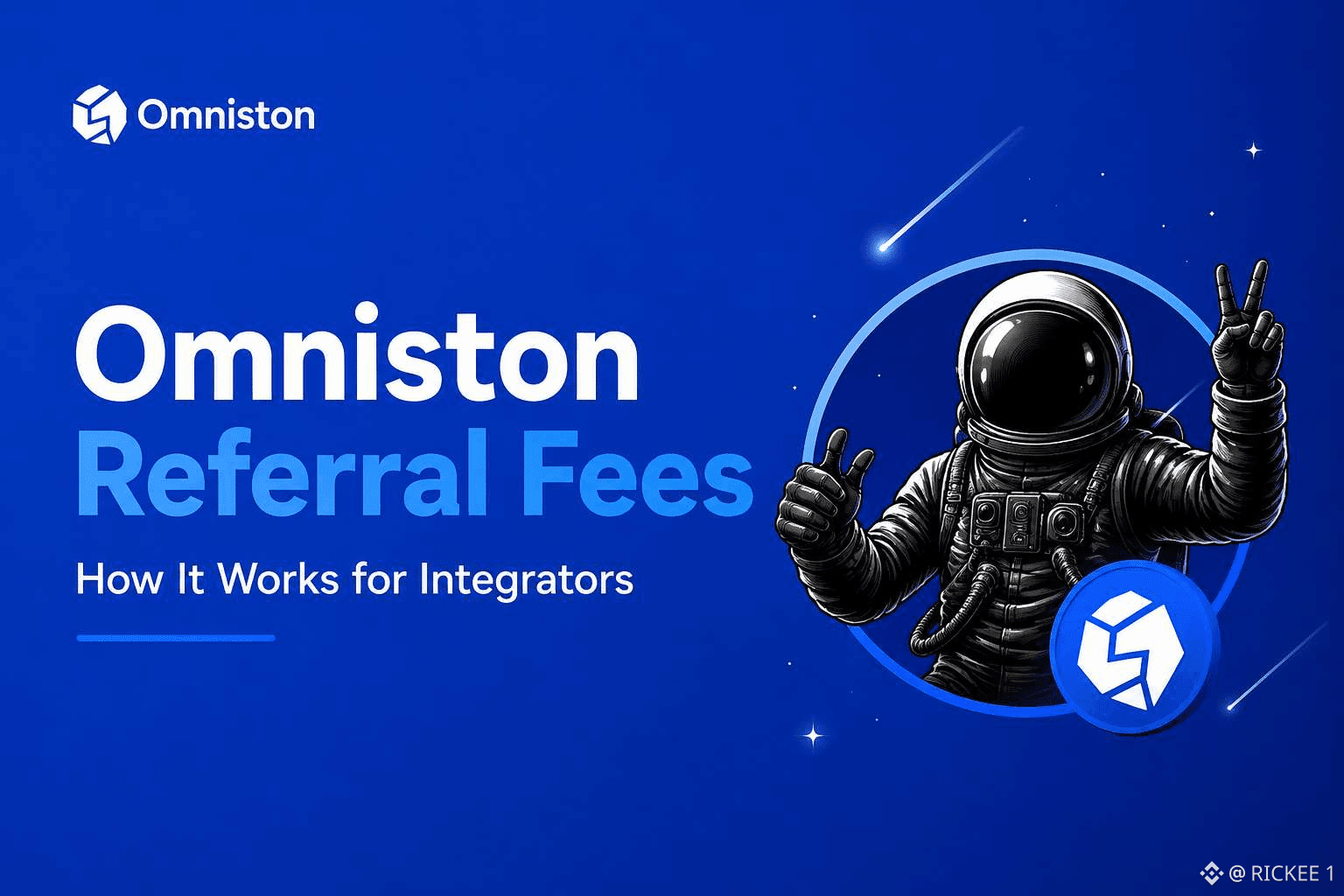
Como a Omniston lida com taxas de indicação para integradores
A Omniston, protocolo de agregação de liquidez da TON, permite que carteiras, interfaces de trading e bots gerem receita em swaps que encaminham por ela. Integradores anexam um endereço de indicação e uma taxa ao pedido de cotação; a Omniston embute essa taxa antes que os resolvedores disputem, de modo que a taxa fique travada antes do trader assinar.
Post image
Configurando
Dois campos carregam a taxa: referrer_address (a carteira TON a ser paga) e referrer_fee_bps, em que 1 bps equivale a 0,01% — 10 bps é 0,1%, 50 bps é 0,5%. SDKs usam referrerAddress/referrerFeeBps; o Widget espelha esses campos.
Da Cotação ao Pagamento
1. O trader escolhe os ativos e a quantidade.
2. A app solicita uma cotação com os dados de indicação anexados.
3. Resolvedores competem, a taxa já está precificada.
4. O trader assina a cotação vencedora.
5. A fonte de liquidez vencedora liquida a taxa.
Por que o Encaminhamento Importa
O DEX v1 paga uma taxa fixa de 0,1% instantaneamente no swap. O DEX v2 suporta 0,01%–1%, mas as taxas acumulam em vaults por token que são reclamados manualmente ou via SDK. DeDust, Tonco e CoffeeSwap pagam a TON instantaneamente, mas mantêm as taxas em jettons em vaults separados que exigem chamadas na chain. O Escrow usa contratos de vault distintos.
Taxas Flexíveis
flexible_referrer_fee, desativado por padrão, permite que a Omniston diminua (nunca aumente) sua taxa para que uma rota v1 melhor precificada ainda possa vencer quando sua taxa solicitada excede o limite de 10 bps do v1.
Rastreando Receita
Saldos de carteira por si só não capturam taxas mantidas em vault. A API da STON.fi cobre apenas os vaults do DEX v2; as taxas de DeDust, Tonco, CoffeeSwap e Escrow precisam de verificações na chain ou de indexação personalizada até que chegue uma API unificada.
A Escolha Real
Uma taxa estrita dá receita previsível, mas pode excluir a melhor rota v1. Taxas flexíveis protegem a qualidade de execução enquanto ainda pagam o valor máximo da rota. Taxa estrita ou taxa flexível: qual melhor atende seus usuários?
#BTC $BTC $BASE
Como a Omniston lida com taxas de indicação para integradores
A Omniston, protocolo de agregação de liquidez da TON, permite que carteiras, interfaces de trading e bots gerem receita em swaps que encaminham por ela. Integradores anexam um endereço de indicação e uma taxa ao pedido de cotação; a Omniston embute essa taxa antes que os resolvedores disputem, de modo que a taxa fique travada antes do trader assinar.
Post image
Configurando
Dois campos carregam a taxa: referrer_address (a carteira TON a ser paga) e referrer_fee_bps, em que 1 bps equivale a 0,01% — 10 bps é 0,1%, 50 bps é 0,5%. SDKs usam referrerAddress/referrerFeeBps; o Widget espelha esses campos.
Da Cotação ao Pagamento
1. O trader escolhe os ativos e a quantidade.
2. A app solicita uma cotação com os dados de indicação anexados.
3. Resolvedores competem, a taxa já está precificada.
4. O trader assina a cotação vencedora.
5. A fonte de liquidez vencedora liquida a taxa.
Por que o Encaminhamento Importa
O DEX v1 paga uma taxa fixa de 0,1% instantaneamente no swap. O DEX v2 suporta 0,01%–1%, mas as taxas acumulam em vaults por token que são reclamados manualmente ou via SDK. DeDust, Tonco e CoffeeSwap pagam a TON instantaneamente, mas mantêm as taxas em jettons em vaults separados que exigem chamadas na chain. O Escrow usa contratos de vault distintos.
Taxas Flexíveis
flexible_referrer_fee, desativado por padrão, permite que a Omniston diminua (nunca aumente) sua taxa para que uma rota v1 melhor precificada ainda possa vencer quando sua taxa solicitada excede o limite de 10 bps do v1.
Rastreando Receita
Saldos de carteira por si só não capturam taxas mantidas em vault. A API da STON.fi cobre apenas os vaults do DEX v2; as taxas de DeDust, Tonco, CoffeeSwap e Escrow precisam de verificações na chain ou de indexação personalizada até que chegue uma API unificada.
A Escolha Real
Uma taxa estrita dá receita previsível, mas pode excluir a melhor rota v1. Taxas flexíveis protegem a qualidade de execução enquanto ainda pagam o valor máximo da rota. Taxa estrita ou taxa flexível: qual melhor atende seus usuários?
#BTC $BTC $BASE
A Omniston, protocolo de agregação de liquidez da TON, permite que carteiras, interfaces de trading e bots gerem receita em swaps que encaminham por ela. Integradores anexam um endereço de indicação e uma taxa ao pedido de cotação; a Omniston embute essa taxa antes que os resolvedores disputem, de modo que a taxa fique travada antes do trader assinar.
Post image
Configurando
Dois campos carregam a taxa: referrer_address (a carteira TON a ser paga) e referrer_fee_bps, em que 1 bps equivale a 0,01% — 10 bps é 0,1%, 50 bps é 0,5%. SDKs usam referrerAddress/referrerFeeBps; o Widget espelha esses campos.
Da Cotação ao Pagamento
1. O trader escolhe os ativos e a quantidade.
2. A app solicita uma cotação com os dados de indicação anexados.
3. Resolvedores competem, a taxa já está precificada.
4. O trader assina a cotação vencedora.
5. A fonte de liquidez vencedora liquida a taxa.
Por que o Encaminhamento Importa
O DEX v1 paga uma taxa fixa de 0,1% instantaneamente no swap. O DEX v2 suporta 0,01%–1%, mas as taxas acumulam em vaults por token que são reclamados manualmente ou via SDK. DeDust, Tonco e CoffeeSwap pagam a TON instantaneamente, mas mantêm as taxas em jettons em vaults separados que exigem chamadas na chain. O Escrow usa contratos de vault distintos.
Taxas Flexíveis
flexible_referrer_fee, desativado por padrão, permite que a Omniston diminua (nunca aumente) sua taxa para que uma rota v1 melhor precificada ainda possa vencer quando sua taxa solicitada excede o limite de 10 bps do v1.
Rastreando Receita
Saldos de carteira por si só não capturam taxas mantidas em vault. A API da STON.fi cobre apenas os vaults do DEX v2; as taxas de DeDust, Tonco, CoffeeSwap e Escrow precisam de verificações na chain ou de indexação personalizada até que chegue uma API unificada.
A Escolha Real
Uma taxa estrita dá receita previsível, mas pode excluir a melhor rota v1. Taxas flexíveis protegem a qualidade de execução enquanto ainda pagam o valor máximo da rota. Taxa estrita ou taxa flexível: qual melhor atende seus usuários?
#BTC $BTC $BASE
65
·
--
Um jetton malicioso pode afetar um usuário do STON.fi?
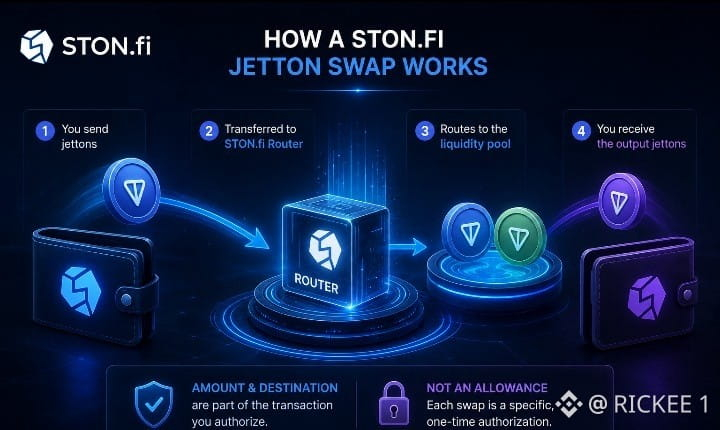
Sim. Uma solicitação de jetton maliciosa pode afetar um usuário do STON.fi, mas o risco muitas vezes é mal compreendido. Jettons padrão do TON não usam o modelo de approve e allowance comum no ERC-20.
No TEP-74, não existe um approve, allowance ou função transferFrom padrão. Uma transferência normal de jetton autoriza uma transação específica.
Onde está o risco real?
O principal perigo é assinar uma transação sem verificar o que ela realmente faz.
Um site falso pode copiar o STON.fi e solicitar uma transferência de jetton para o endereço do atacante. Pode parecer uma troca normal enquanto envia fundos para outro lugar.
O TON Connect também pode solicitar uma ou mais mensagens de saída.
Extensões da Wallet V5 também exigem cuidado, porque podem fornecer capacidades mais amplas no nível da carteira do que uma simples transferência única.
Como funciona uma swap no STON.fi?
Em uma troca normal de jetton para jetton no STON.fi, os jettons do usuário entram no fluxo do Router por meio de uma transferência definida. Um payload informa ao Router como processar a solicitação; em seguida, o Router interage com o pool relevante.
O valor faz parte da transação que o usuário assina. Isso é diferente de conceder ao STON.fi uma allowance permanente ou ilimitada no TEP-74.
O que você deve verificar?
Antes de assinar, confirme o jetton, o valor exato, o destino e os detalhes da transação.
Para jettons desconhecidos, verifique o endereço oficial do token master. Não confie apenas no nome, símbolo, logotipo ou website, porque tokens falsos podem copiá-los.
Uma distinção importante
Uma transferência única maliciosa pode fazer com que o valor aprovado seja perdido. Porém, ela não cria automaticamente uma allowance reutilizável do TEP-74 para futuras swaps no STON.fi.
O perigo maior vem de uma carteira comprometida. Uma seed phrase vazada, chave privada ou uma extensão poderosa pode permitir que um atacante autorize transações futuras.
Jettons não padrão também podem conter lógica adicional além do comportamento básico do TEP-74.
Explore mais no STON.FI: app.ston.fi
$BTC $STON
#Market
Um jetton malicioso pode afetar um usuário do STON.fi?
Sim. Uma solicitação de jetton maliciosa pode afetar um usuário do STON.fi, mas o risco muitas vezes é mal compreendido. Jettons padrão do TON não usam o modelo de approve e allowance comum no ERC-20.
No TEP-74, não existe um approve, allowance ou função transferFrom padrão. Uma transferência normal de jetton autoriza uma transação específica.
Onde está o risco real?
O principal perigo é assinar uma transação sem verificar o que ela realmente faz.
Um site falso pode copiar o STON.fi e solicitar uma transferência de jetton para o endereço do atacante. Pode parecer uma troca normal enquanto envia fundos para outro lugar.
O TON Connect também pode solicitar uma ou mais mensagens de saída.
Extensões da Wallet V5 também exigem cuidado, porque podem fornecer capacidades mais amplas no nível da carteira do que uma simples transferência única.
Como funciona uma swap no STON.fi?
Em uma troca normal de jetton para jetton no STON.fi, os jettons do usuário entram no fluxo do Router por meio de uma transferência definida. Um payload informa ao Router como processar a solicitação; em seguida, o Router interage com o pool relevante.
O valor faz parte da transação que o usuário assina. Isso é diferente de conceder ao STON.fi uma allowance permanente ou ilimitada no TEP-74.
O que você deve verificar?
Antes de assinar, confirme o jetton, o valor exato, o destino e os detalhes da transação.
Para jettons desconhecidos, verifique o endereço oficial do token master. Não confie apenas no nome, símbolo, logotipo ou website, porque tokens falsos podem copiá-los.
Uma distinção importante
Uma transferência única maliciosa pode fazer com que o valor aprovado seja perdido. Porém, ela não cria automaticamente uma allowance reutilizável do TEP-74 para futuras swaps no STON.fi.
O perigo maior vem de uma carteira comprometida. Uma seed phrase vazada, chave privada ou uma extensão poderosa pode permitir que um atacante autorize transações futuras.
Jettons não padrão também podem conter lógica adicional além do comportamento básico do TEP-74.
Explore mais no STON.FI: app.ston.fi
$BTC $STON
#Market
Sim. Uma solicitação de jetton maliciosa pode afetar um usuário do STON.fi, mas o risco muitas vezes é mal compreendido. Jettons padrão do TON não usam o modelo de approve e allowance comum no ERC-20.
No TEP-74, não existe um approve, allowance ou função transferFrom padrão. Uma transferência normal de jetton autoriza uma transação específica.
Onde está o risco real?
O principal perigo é assinar uma transação sem verificar o que ela realmente faz.
Um site falso pode copiar o STON.fi e solicitar uma transferência de jetton para o endereço do atacante. Pode parecer uma troca normal enquanto envia fundos para outro lugar.
O TON Connect também pode solicitar uma ou mais mensagens de saída.
Extensões da Wallet V5 também exigem cuidado, porque podem fornecer capacidades mais amplas no nível da carteira do que uma simples transferência única.
Como funciona uma swap no STON.fi?
Em uma troca normal de jetton para jetton no STON.fi, os jettons do usuário entram no fluxo do Router por meio de uma transferência definida. Um payload informa ao Router como processar a solicitação; em seguida, o Router interage com o pool relevante.
O valor faz parte da transação que o usuário assina. Isso é diferente de conceder ao STON.fi uma allowance permanente ou ilimitada no TEP-74.
O que você deve verificar?
Antes de assinar, confirme o jetton, o valor exato, o destino e os detalhes da transação.
Para jettons desconhecidos, verifique o endereço oficial do token master. Não confie apenas no nome, símbolo, logotipo ou website, porque tokens falsos podem copiá-los.
Uma distinção importante
Uma transferência única maliciosa pode fazer com que o valor aprovado seja perdido. Porém, ela não cria automaticamente uma allowance reutilizável do TEP-74 para futuras swaps no STON.fi.
O perigo maior vem de uma carteira comprometida. Uma seed phrase vazada, chave privada ou uma extensão poderosa pode permitir que um atacante autorize transações futuras.
Jettons não padrão também podem conter lógica adicional além do comportamento básico do TEP-74.
Explore mais no STON.FI: app.ston.fi
$BTC $STON
#Market
70
·
--
A Omniston da STON.fi oferece um modelo diferente para DeFi cross-chain: troca de valor entre blockchains independentes sem criar uma versão tokenizada (wrapped) do ativo de origem.
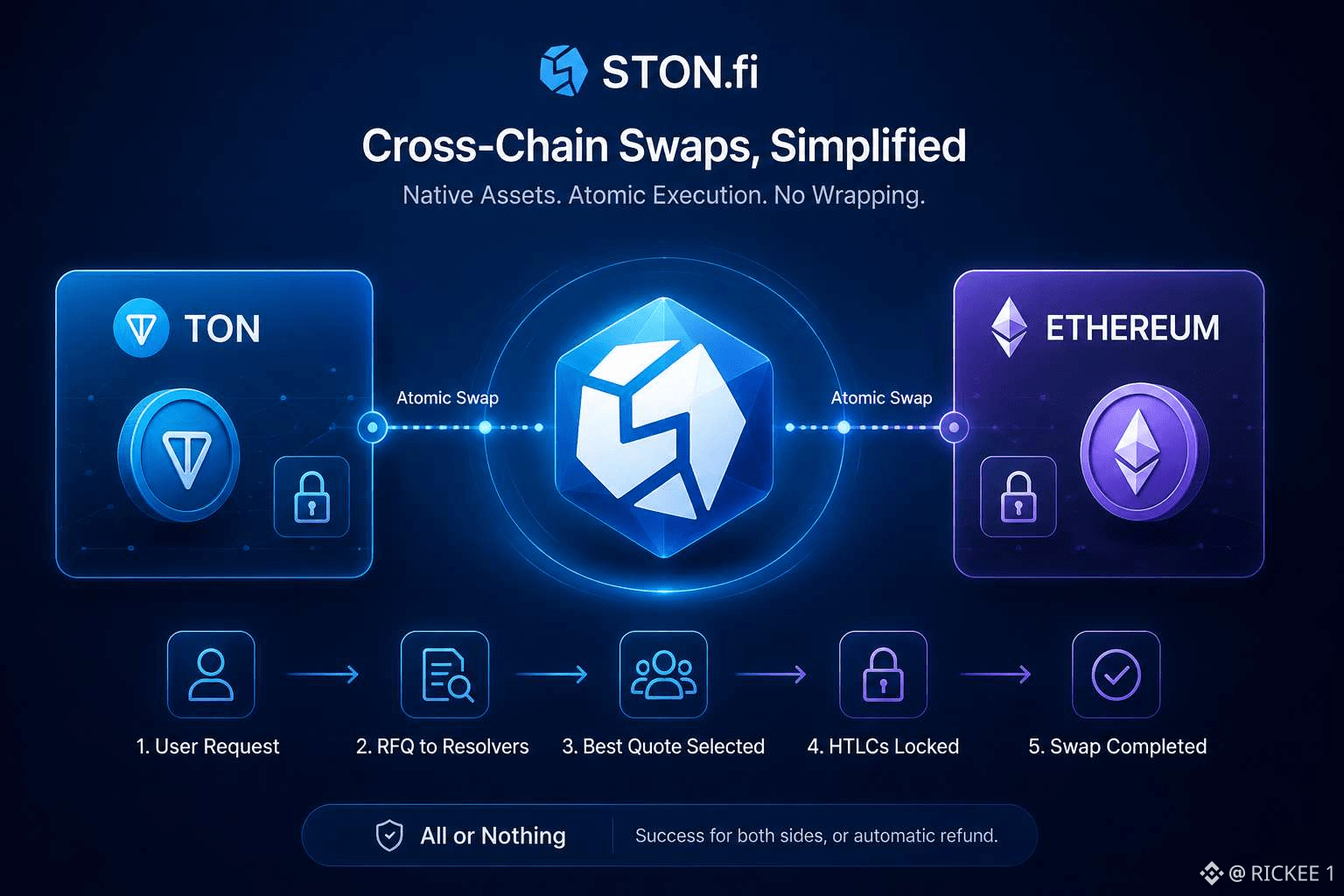
TON e Ethereum operam de forma independente, então os ativos nativos não podem simplesmente se mover entre eles. A Omniston coordena swaps por meio de resolvers, Solicitações de Cotação (Request for Quote, RFQ) e Contratos de Cadeia de Tempo com Hash (Hashed Timelock Contracts, HTLCs).
Os resolvers são provedores de liquidez que competem para cumprir ordens. O usuário informa o ativo de origem, a quantidade, o ativo de destino e a carteira de recebimento. A Omniston envia uma RFQ aos resolvers disponíveis, que retornam cotações executáveis. O resolver selecionado compromete a liquidez do destino, criando um incentivo para concluir a negociação.
Os HTLCs fornecem a camada de liquidação criptográfica. Ambos os lados são vinculados pelo mesmo segredo e condição de hash. Quando o segredo é revelado, o usuário pode reivindicar o ativo de destino, enquanto o resolver pode reivindicar o ativo de origem. Um timelock adiciona proteção: se a liquidação não for concluída no prazo, o caminho de reembolso fica disponível.
O fluxo é simples: selecione os ativos e a carteira, solicite cotações, revise a saída e os custos, autorize a transação de origem, deixe o resolver comprometer a liquidez do destino e conclua a liquidação. Se a condição expirar, o mecanismo de reembolso é aplicado.
A principal diferença em relação a uma ponte tradicional é o modelo de ativos. Uma ponte convencional pode bloquear o Ativo A e emitir um Ativo A tokenizado em outra chain. A Omniston busca, em vez disso:
Ativo A → swap cross-chain atômico → Ativo B nativo
O ativo de destino vem da liquidez do resolver, não de uma representação tokenizada do ativo de origem.
Os resolvers criam um marketplace competitivo. Ordens maiores também podem usar preenchimentos parciais.
Antes de confirmar, verifique cuidadosamente a saída, as taxas, a rede de destino, o endereço de recebimento e o gas necessário.
A Omniston conecta a TON e redes como a Ethereum por meio de liquidez competitiva, ativos de destino nativos, liquidação criptográfica e condições de reembolso definidas.
A Omniston da STON.fi oferece um modelo diferente para DeFi cross-chain: troca de valor entre blockchains independentes sem criar uma versão tokenizada (wrapped) do ativo de origem.
TON e Ethereum operam de forma independente, então os ativos nativos não podem simplesmente se mover entre eles. A Omniston coordena swaps por meio de resolvers, Solicitações de Cotação (Request for Quote, RFQ) e Contratos de Cadeia de Tempo com Hash (Hashed Timelock Contracts, HTLCs).
Os resolvers são provedores de liquidez que competem para cumprir ordens. O usuário informa o ativo de origem, a quantidade, o ativo de destino e a carteira de recebimento. A Omniston envia uma RFQ aos resolvers disponíveis, que retornam cotações executáveis. O resolver selecionado compromete a liquidez do destino, criando um incentivo para concluir a negociação.
Os HTLCs fornecem a camada de liquidação criptográfica. Ambos os lados são vinculados pelo mesmo segredo e condição de hash. Quando o segredo é revelado, o usuário pode reivindicar o ativo de destino, enquanto o resolver pode reivindicar o ativo de origem. Um timelock adiciona proteção: se a liquidação não for concluída no prazo, o caminho de reembolso fica disponível.
O fluxo é simples: selecione os ativos e a carteira, solicite cotações, revise a saída e os custos, autorize a transação de origem, deixe o resolver comprometer a liquidez do destino e conclua a liquidação. Se a condição expirar, o mecanismo de reembolso é aplicado.
A principal diferença em relação a uma ponte tradicional é o modelo de ativos. Uma ponte convencional pode bloquear o Ativo A e emitir um Ativo A tokenizado em outra chain. A Omniston busca, em vez disso:
Ativo A → swap cross-chain atômico → Ativo B nativo
O ativo de destino vem da liquidez do resolver, não de uma representação tokenizada do ativo de origem.
Os resolvers criam um marketplace competitivo. Ordens maiores também podem usar preenchimentos parciais.
Antes de confirmar, verifique cuidadosamente a saída, as taxas, a rede de destino, o endereço de recebimento e o gas necessário.
A Omniston conecta a TON e redes como a Ethereum por meio de liquidez competitiva, ativos de destino nativos, liquidação criptográfica e condições de reembolso definidas.
TON e Ethereum operam de forma independente, então os ativos nativos não podem simplesmente se mover entre eles. A Omniston coordena swaps por meio de resolvers, Solicitações de Cotação (Request for Quote, RFQ) e Contratos de Cadeia de Tempo com Hash (Hashed Timelock Contracts, HTLCs).
Os resolvers são provedores de liquidez que competem para cumprir ordens. O usuário informa o ativo de origem, a quantidade, o ativo de destino e a carteira de recebimento. A Omniston envia uma RFQ aos resolvers disponíveis, que retornam cotações executáveis. O resolver selecionado compromete a liquidez do destino, criando um incentivo para concluir a negociação.
Os HTLCs fornecem a camada de liquidação criptográfica. Ambos os lados são vinculados pelo mesmo segredo e condição de hash. Quando o segredo é revelado, o usuário pode reivindicar o ativo de destino, enquanto o resolver pode reivindicar o ativo de origem. Um timelock adiciona proteção: se a liquidação não for concluída no prazo, o caminho de reembolso fica disponível.
O fluxo é simples: selecione os ativos e a carteira, solicite cotações, revise a saída e os custos, autorize a transação de origem, deixe o resolver comprometer a liquidez do destino e conclua a liquidação. Se a condição expirar, o mecanismo de reembolso é aplicado.
A principal diferença em relação a uma ponte tradicional é o modelo de ativos. Uma ponte convencional pode bloquear o Ativo A e emitir um Ativo A tokenizado em outra chain. A Omniston busca, em vez disso:
Ativo A → swap cross-chain atômico → Ativo B nativo
O ativo de destino vem da liquidez do resolver, não de uma representação tokenizada do ativo de origem.
Os resolvers criam um marketplace competitivo. Ordens maiores também podem usar preenchimentos parciais.
Antes de confirmar, verifique cuidadosamente a saída, as taxas, a rede de destino, o endereço de recebimento e o gas necessário.
A Omniston conecta a TON e redes como a Ethereum por meio de liquidez competitiva, ativos de destino nativos, liquidação criptográfica e condições de reembolso definidas.
63
·
--
Risco de Ponte vs. o Modelo de Swap Atômico Omniston
A negociação cross-chain não é apenas sobre mover ativos entre redes; trata-se das premissas de confiança por trás dessa movimentação. As pontes tradicionais frequentemente usam reservas em pool, ativos tokenizados, validadores, relayers ou sistemas de bloqueio-e-mint, criando pontos adicionais de falha.
O risco de ponte começa com a infraestrutura compartilhada. Contratos de grandes reservas podem concentrar valor e se tornar alvos de ataque. Validadores e relayers adicionam premissas de confiança ao verificar mensagens ou autorizar ações entre cadeias. Ativos tokenizados introduzem risco de representação, pois seu valor depende de a ponte manter a cobertura esperada. Bugs na lógica de bloqueio, cunhagem (mint), verificação ou saque (withdrawal) podem afetar muitos usuários de uma vez.
O modelo de swap atômico Omniston usa uma arquitetura diferente. Em vez de uma reserva compartilhada de ponte, a liquidez do resolver fornece o lado de destino de uma negociação individual. Contratos de Pares com Hash Timelock (HTLCs) conectam ambos os lados por meio do mesmo hashlock.
O processo é direto:
1. A ordem define ativos, quantidades e condições de liquidação, incluindo um hashlock compartilhado.
2. Os ativos de origem do usuário são bloqueados em um HTLC.
3. O resolver bloqueia a liquidez de destino em um segundo HTLC com o mesmo hashlock.
4. Revelar o segredo necessário permite a liquidação. Se as condições não forem atendidas antes do vencimento do timelock, os contratos fornecem um caminho de reembolso de acordo com suas regras.
Isso cria o princípio atômico: a troca é liquidada quando as condições compartilhadas são satisfeitas, ou os ativos bloqueados se tornam recuperáveis após o timeout.
A liquidação atômica não elimina o risco. Os riscos de smart contract, blockchain, resolver, cotação (quote), carteira (wallet) e seleção de ativos permanecem.
Antes de assinar, verifique o ativo, a rede, a quantidade, a cotação, a rota (route), as condições e o caminho de reembolso.
A Omniston não torna a negociação isenta de risco. Ela altera o modelo de falhas ao substituir as premissas de ponte compartilhada por liquidez do resolver e liquidação via HTLC.
$SOL $STNE
Risco de Ponte vs. o Modelo de Swap Atômico Omniston
A negociação cross-chain não é apenas sobre mover ativos entre redes; trata-se das premissas de confiança por trás dessa movimentação. As pontes tradicionais frequentemente usam reservas em pool, ativos tokenizados, validadores, relayers ou sistemas de bloqueio-e-mint, criando pontos adicionais de falha.
O risco de ponte começa com a infraestrutura compartilhada. Contratos de grandes reservas podem concentrar valor e se tornar alvos de ataque. Validadores e relayers adicionam premissas de confiança ao verificar mensagens ou autorizar ações entre cadeias. Ativos tokenizados introduzem risco de representação, pois seu valor depende de a ponte manter a cobertura esperada. Bugs na lógica de bloqueio, cunhagem (mint), verificação ou saque (withdrawal) podem afetar muitos usuários de uma vez.
O modelo de swap atômico Omniston usa uma arquitetura diferente. Em vez de uma reserva compartilhada de ponte, a liquidez do resolver fornece o lado de destino de uma negociação individual. Contratos de Pares com Hash Timelock (HTLCs) conectam ambos os lados por meio do mesmo hashlock.
O processo é direto:
1. A ordem define ativos, quantidades e condições de liquidação, incluindo um hashlock compartilhado.
2. Os ativos de origem do usuário são bloqueados em um HTLC.
3. O resolver bloqueia a liquidez de destino em um segundo HTLC com o mesmo hashlock.
4. Revelar o segredo necessário permite a liquidação. Se as condições não forem atendidas antes do vencimento do timelock, os contratos fornecem um caminho de reembolso de acordo com suas regras.
Isso cria o princípio atômico: a troca é liquidada quando as condições compartilhadas são satisfeitas, ou os ativos bloqueados se tornam recuperáveis após o timeout.
A liquidação atômica não elimina o risco. Os riscos de smart contract, blockchain, resolver, cotação (quote), carteira (wallet) e seleção de ativos permanecem.
Antes de assinar, verifique o ativo, a rede, a quantidade, a cotação, a rota (route), as condições e o caminho de reembolso.
A Omniston não torna a negociação isenta de risco. Ela altera o modelo de falhas ao substituir as premissas de ponte compartilhada por liquidez do resolver e liquidação via HTLC.
$SOL $STNE
A negociação cross-chain não é apenas sobre mover ativos entre redes; trata-se das premissas de confiança por trás dessa movimentação. As pontes tradicionais frequentemente usam reservas em pool, ativos tokenizados, validadores, relayers ou sistemas de bloqueio-e-mint, criando pontos adicionais de falha.
O risco de ponte começa com a infraestrutura compartilhada. Contratos de grandes reservas podem concentrar valor e se tornar alvos de ataque. Validadores e relayers adicionam premissas de confiança ao verificar mensagens ou autorizar ações entre cadeias. Ativos tokenizados introduzem risco de representação, pois seu valor depende de a ponte manter a cobertura esperada. Bugs na lógica de bloqueio, cunhagem (mint), verificação ou saque (withdrawal) podem afetar muitos usuários de uma vez.
O modelo de swap atômico Omniston usa uma arquitetura diferente. Em vez de uma reserva compartilhada de ponte, a liquidez do resolver fornece o lado de destino de uma negociação individual. Contratos de Pares com Hash Timelock (HTLCs) conectam ambos os lados por meio do mesmo hashlock.
O processo é direto:
1. A ordem define ativos, quantidades e condições de liquidação, incluindo um hashlock compartilhado.
2. Os ativos de origem do usuário são bloqueados em um HTLC.
3. O resolver bloqueia a liquidez de destino em um segundo HTLC com o mesmo hashlock.
4. Revelar o segredo necessário permite a liquidação. Se as condições não forem atendidas antes do vencimento do timelock, os contratos fornecem um caminho de reembolso de acordo com suas regras.
Isso cria o princípio atômico: a troca é liquidada quando as condições compartilhadas são satisfeitas, ou os ativos bloqueados se tornam recuperáveis após o timeout.
A liquidação atômica não elimina o risco. Os riscos de smart contract, blockchain, resolver, cotação (quote), carteira (wallet) e seleção de ativos permanecem.
Antes de assinar, verifique o ativo, a rede, a quantidade, a cotação, a rota (route), as condições e o caminho de reembolso.
A Omniston não torna a negociação isenta de risco. Ela altera o modelo de falhas ao substituir as premissas de ponte compartilhada por liquidez do resolver e liquidação via HTLC.
$SOL $STNE
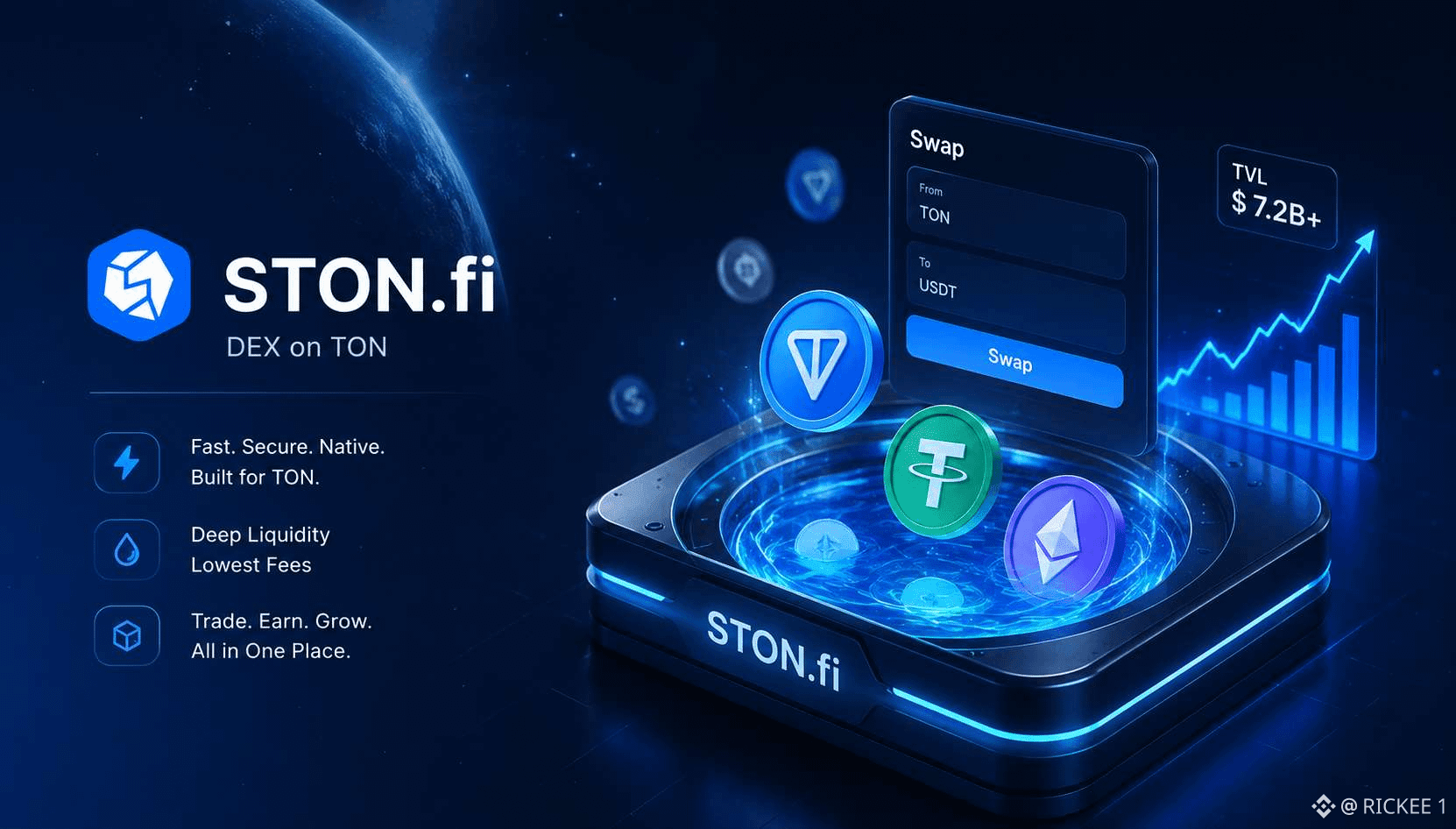
64
·
--
Single-Hop vs Multi-Hop Swaps na STON.fi: Por que a rota mais curta nem sempre é a melhor
Uma troca direta pode parecer ideal porque usa menos conversões. Mas na STON.fi, a rota mais curta nem sempre é a mais eficiente.
Uma troca single-hop converte o Token A diretamente para o Token C. Uma troca multi-hop chega ao mesmo destino por meio de um ativo intermediário: Token A → Token B → Token C. Um hop significa uma conversão de ativo
Por que o Multi-Hop Pode Vencer?
A liquidez costuma ser decisiva. Um pool direto A/C pode ser raso, causando maior impacto no preço em negociações maiores. Já os pools A/B e B/C podem ter liquidez mais profunda, reduzindo o slippage o suficiente para superar as conversões adicionais e as taxas de pool.
Portanto, menos hops não significam automaticamente menor custo. A medida real é a quantidade final recebida, considerando liquidez, taxas, impacto no preço e custos de execução.
Como a STON.fi Trata o Roteamento
O STON.fi DEX v2 oferece suporte a swaps encadeados no mesmo Router e entre diferentes Routers v2, permitindo ativos intermediários quando eles proporcionam um resultado executável mais forte.
Omniston, habilitado por padrão no dApp da STON.fi, avalia fontes de liquidez conectadas, solicita cotações e compara caminhos executáveis. Ele pode ir além de um par direto ao identificar uma rota eficiente.
A contagem de hops e a contagem de fontes de liquidez são conceitos diferentes.
O Que os Usuários Devem Verificar?
Antes de confirmar um swap, revise:
- Saída esperada
- Mínimo recebido
- Impacto no preço
- Estrutura da rota
- Custos de execução na rede
O tamanho da operação importa: uma rota direta pode se tornar menos atrativa conforme o tamanho do pedido aumenta.
O Ponto Prático
Compare A → C com A → B → C. Se o pool direto for raso enquanto os pools intermediários forem mais profundos, a rota multi-hop pode adicionar uma taxa, mas ainda assim entregar mais Token C.
A melhor rota na STON.fi é a que entrega o resultado final executável mais forte.
Avalie o resultado, não o comprimento da rota. Compare o valor final cotado após todos os custos relevantes.
$D $LTC $STON
#BTC #gram
Single-Hop vs Multi-Hop Swaps na STON.fi: Por que a rota mais curta nem sempre é a melhor
Uma troca direta pode parecer ideal porque usa menos conversões. Mas na STON.fi, a rota mais curta nem sempre é a mais eficiente.
Uma troca single-hop converte o Token A diretamente para o Token C. Uma troca multi-hop chega ao mesmo destino por meio de um ativo intermediário: Token A → Token B → Token C. Um hop significa uma conversão de ativo
Por que o Multi-Hop Pode Vencer?
A liquidez costuma ser decisiva. Um pool direto A/C pode ser raso, causando maior impacto no preço em negociações maiores. Já os pools A/B e B/C podem ter liquidez mais profunda, reduzindo o slippage o suficiente para superar as conversões adicionais e as taxas de pool.
Portanto, menos hops não significam automaticamente menor custo. A medida real é a quantidade final recebida, considerando liquidez, taxas, impacto no preço e custos de execução.
Como a STON.fi Trata o Roteamento
O STON.fi DEX v2 oferece suporte a swaps encadeados no mesmo Router e entre diferentes Routers v2, permitindo ativos intermediários quando eles proporcionam um resultado executável mais forte.
Omniston, habilitado por padrão no dApp da STON.fi, avalia fontes de liquidez conectadas, solicita cotações e compara caminhos executáveis. Ele pode ir além de um par direto ao identificar uma rota eficiente.
A contagem de hops e a contagem de fontes de liquidez são conceitos diferentes.
O Que os Usuários Devem Verificar?
Antes de confirmar um swap, revise:
- Saída esperada
- Mínimo recebido
- Impacto no preço
- Estrutura da rota
- Custos de execução na rede
O tamanho da operação importa: uma rota direta pode se tornar menos atrativa conforme o tamanho do pedido aumenta.
O Ponto Prático
Compare A → C com A → B → C. Se o pool direto for raso enquanto os pools intermediários forem mais profundos, a rota multi-hop pode adicionar uma taxa, mas ainda assim entregar mais Token C.
A melhor rota na STON.fi é a que entrega o resultado final executável mais forte.
Avalie o resultado, não o comprimento da rota. Compare o valor final cotado após todos os custos relevantes.
$D $LTC $STON
#BTC #gram
Uma troca direta pode parecer ideal porque usa menos conversões. Mas na STON.fi, a rota mais curta nem sempre é a mais eficiente.
Uma troca single-hop converte o Token A diretamente para o Token C. Uma troca multi-hop chega ao mesmo destino por meio de um ativo intermediário: Token A → Token B → Token C. Um hop significa uma conversão de ativo
Por que o Multi-Hop Pode Vencer?
A liquidez costuma ser decisiva. Um pool direto A/C pode ser raso, causando maior impacto no preço em negociações maiores. Já os pools A/B e B/C podem ter liquidez mais profunda, reduzindo o slippage o suficiente para superar as conversões adicionais e as taxas de pool.
Portanto, menos hops não significam automaticamente menor custo. A medida real é a quantidade final recebida, considerando liquidez, taxas, impacto no preço e custos de execução.
Como a STON.fi Trata o Roteamento
O STON.fi DEX v2 oferece suporte a swaps encadeados no mesmo Router e entre diferentes Routers v2, permitindo ativos intermediários quando eles proporcionam um resultado executável mais forte.
Omniston, habilitado por padrão no dApp da STON.fi, avalia fontes de liquidez conectadas, solicita cotações e compara caminhos executáveis. Ele pode ir além de um par direto ao identificar uma rota eficiente.
A contagem de hops e a contagem de fontes de liquidez são conceitos diferentes.
O Que os Usuários Devem Verificar?
Antes de confirmar um swap, revise:
- Saída esperada
- Mínimo recebido
- Impacto no preço
- Estrutura da rota
- Custos de execução na rede
O tamanho da operação importa: uma rota direta pode se tornar menos atrativa conforme o tamanho do pedido aumenta.
O Ponto Prático
Compare A → C com A → B → C. Se o pool direto for raso enquanto os pools intermediários forem mais profundos, a rota multi-hop pode adicionar uma taxa, mas ainda assim entregar mais Token C.
A melhor rota na STON.fi é a que entrega o resultado final executável mais forte.
Avalie o resultado, não o comprimento da rota. Compare o valor final cotado após todos os custos relevantes.
$D $LTC $STON
#BTC #gram
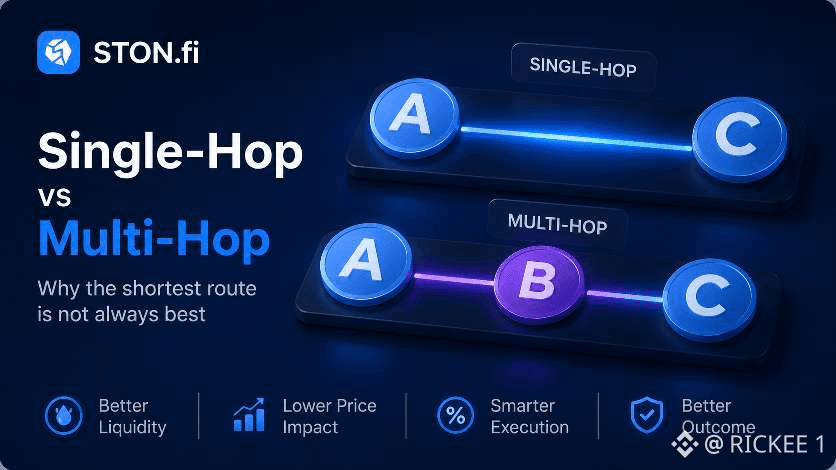
65
·
--
xStocks na STONfi vs Ações Tradicionais: O que é realmente diferente? Um xStock como $AAPLX ou $TSLAX pode acompanhar o preço das ações de uma empresa, mas não é o mesmo instrumento legal que possuir uma ação comum. Um xStock é um certificado tokenizado que rastreia uma segurança referenciada. O token é mantido em uma carteira TON, enquanto os títulos permanecem em custódia. Você detém o instrumento tokenizado, não a participação societária direta na empresa. Propriedade Legal Ações tradicionais representam propriedade acionária e podem fornecer direitos de voto. xStocks não concedem aos detentores direitos de voto diretos na empresa subjacente. Exposição a preço não significa propriedade idêntica. Dividendos Acionistas tradicionais podem receber dividendos por meio de uma corretora. Com xStocks, a economia de dividendos pode ser refletida por meio de rebasing do token, aumentando o saldo do token em vez de pagar dinheiro em espécie. Ações corporativas também podem ser tratadas por meio da estrutura do token. Custódia e Liquidação Ações tradicionais operam por meio de corretores, custodiantes e sistemas de compensação. Títulos dos EUA geralmente liquidam em T+1. xStocks usam transações em blockchain para transferências e podem se mover 24/7, embora liquidez e preços possam variar fora do horário de funcionamento. Na STONfi, xStocks compatíveis podem ser trocados via liquidez e roteamento da TON. A STONfi fornece infraestrutura de negociação, não emissão nem corretagem. Por que a Tokenização é Importante Um xStock pode ser mantido em uma carteira TON com custódia própria e, onde houver suporte, interagir com aplicativos de blockchain. Isso possibilita portabilidade. A tokenização também adiciona riscos de emissor, custódia, smart contract, liquidez e regulatórios. A Principal Diferença Ações tradicionais priorizam propriedade acionária legal e direitos do acionista. xStocks priorizam exposição econômica tokenizada, custódia própria, transferibilidade em blockchain e utilidade onchain. Antes de usar um xStock, revise seu emissor, estrutura legal, ativo referenciado, lastro, mecanismos de dividendos, elegibilidade, liquidez e restrições de jurisdição.
xStocks na STONfi vs Ações Tradicionais: O que é realmente diferente? Um xStock como $AAPLX ou $TSLAX pode acompanhar o preço das ações de uma empresa, mas não é o mesmo instrumento legal que possuir uma ação comum. Um xStock é um certificado tokenizado que rastreia uma segurança referenciada. O token é mantido em uma carteira TON, enquanto os títulos permanecem em custódia. Você detém o instrumento tokenizado, não a participação societária direta na empresa. Propriedade Legal Ações tradicionais representam propriedade acionária e podem fornecer direitos de voto. xStocks não concedem aos detentores direitos de voto diretos na empresa subjacente. Exposição a preço não significa propriedade idêntica. Dividendos Acionistas tradicionais podem receber dividendos por meio de uma corretora. Com xStocks, a economia de dividendos pode ser refletida por meio de rebasing do token, aumentando o saldo do token em vez de pagar dinheiro em espécie. Ações corporativas também podem ser tratadas por meio da estrutura do token. Custódia e Liquidação Ações tradicionais operam por meio de corretores, custodiantes e sistemas de compensação. Títulos dos EUA geralmente liquidam em T+1. xStocks usam transações em blockchain para transferências e podem se mover 24/7, embora liquidez e preços possam variar fora do horário de funcionamento. Na STONfi, xStocks compatíveis podem ser trocados via liquidez e roteamento da TON. A STONfi fornece infraestrutura de negociação, não emissão nem corretagem. Por que a Tokenização é Importante Um xStock pode ser mantido em uma carteira TON com custódia própria e, onde houver suporte, interagir com aplicativos de blockchain. Isso possibilita portabilidade. A tokenização também adiciona riscos de emissor, custódia, smart contract, liquidez e regulatórios. A Principal Diferença Ações tradicionais priorizam propriedade acionária legal e direitos do acionista. xStocks priorizam exposição econômica tokenizada, custódia própria, transferibilidade em blockchain e utilidade onchain. Antes de usar um xStock, revise seu emissor, estrutura legal, ativo referenciado, lastro, mecanismos de dividendos, elegibilidade, liquidez e restrições de jurisdição.
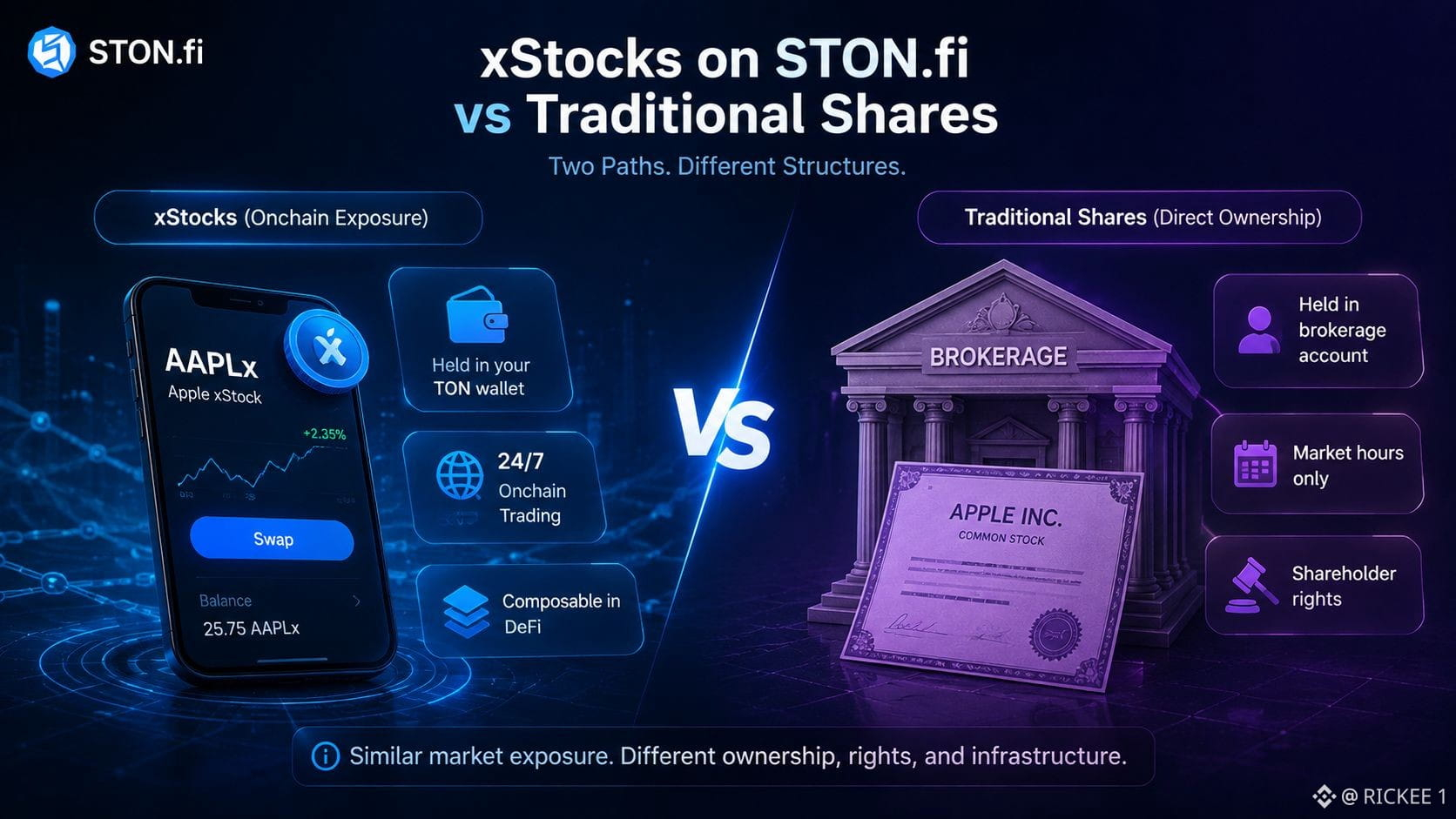
76
·
--
Como a Omniston lida com swaps EVM-para-EVM na STON.fi A Omniston trata o trading EVM-para-EVM como uma ordem cross-chain única coordenada por meio de RFQ (Request for Quote), resolvers e HTLCs pareados. Uma ordem em várias redes Em vez de etapas separadas de bridge e DEX, a Omniston converte a solicitação em uma única intenção de negociação. Os resolvers competem para oferecer cotações e liquidez. As redes da Fase 1 incluem Ethereum, BNB Chain, Base e Polygon. A TON não precisa ser uma rede intermediária. RFQ e liquidez de resolver O modelo de RFQ permite que os resolvers concorram em vez de depender de um único pool de liquidez. Preenchimentos parciais podem ajudar em ordens maiores quando um resolver não consegue fornecer a quantia completa. Como funcionam os HTLCs pareados Na rede de origem, o ativo do trader é bloqueado em um HTLC com hashlock e timelock. O resolver bloqueia o ativo sob uma condição criptográfica compatível. Um segredo conecta os dois lados. Revelá-lo para reivindicar um lado permite a reivindicação correspondente no outro. Se o acerto falhar, os timelocks fornecem um caminho de reembolso sob as regras do contrato. Por que isso é diferente de uma DEX normal Uma DEX padrão opera em uma única blockchain, onde ambos os ativos compartilham o mesmo ledger. Swaps EVM-para-EVM envolvem redes independentes, então não podem ser uma transação única. A Omniston apresenta uma ordem unificada enquanto contratos separados executam em cada rede. A atomicidade vem de regras coordenadas, hashlocks e timelocks correspondentes — não de uma transação única nem de uma rota intermediária pela TON. O que ainda importa A qualidade da cotação, custos de gas, liquidez e condições da rede ainda influenciam a execução. A visão maior A Omniston transforma o trading cross-chain em um processo baseado em intenção: o usuário especifica a exchange, os resolvers competem pela execução e os HTLCs coordenam o acerto ou os reembolsos. A RFQ encontra uma execução competitiva, os resolvers fornecem liquidez e os HTLCs pareados conectam o acerto entre cadeias independentes. Um fluxo esconde a complexidade cross-chain por trás. $POL $SOL $TRX
Como a Omniston lida com swaps EVM-para-EVM na STON.fi A Omniston trata o trading EVM-para-EVM como uma ordem cross-chain única coordenada por meio de RFQ (Request for Quote), resolvers e HTLCs pareados. Uma ordem em várias redes Em vez de etapas separadas de bridge e DEX, a Omniston converte a solicitação em uma única intenção de negociação. Os resolvers competem para oferecer cotações e liquidez. As redes da Fase 1 incluem Ethereum, BNB Chain, Base e Polygon. A TON não precisa ser uma rede intermediária. RFQ e liquidez de resolver O modelo de RFQ permite que os resolvers concorram em vez de depender de um único pool de liquidez. Preenchimentos parciais podem ajudar em ordens maiores quando um resolver não consegue fornecer a quantia completa. Como funcionam os HTLCs pareados Na rede de origem, o ativo do trader é bloqueado em um HTLC com hashlock e timelock. O resolver bloqueia o ativo sob uma condição criptográfica compatível. Um segredo conecta os dois lados. Revelá-lo para reivindicar um lado permite a reivindicação correspondente no outro. Se o acerto falhar, os timelocks fornecem um caminho de reembolso sob as regras do contrato. Por que isso é diferente de uma DEX normal Uma DEX padrão opera em uma única blockchain, onde ambos os ativos compartilham o mesmo ledger. Swaps EVM-para-EVM envolvem redes independentes, então não podem ser uma transação única. A Omniston apresenta uma ordem unificada enquanto contratos separados executam em cada rede. A atomicidade vem de regras coordenadas, hashlocks e timelocks correspondentes — não de uma transação única nem de uma rota intermediária pela TON. O que ainda importa A qualidade da cotação, custos de gas, liquidez e condições da rede ainda influenciam a execução. A visão maior A Omniston transforma o trading cross-chain em um processo baseado em intenção: o usuário especifica a exchange, os resolvers competem pela execução e os HTLCs coordenam o acerto ou os reembolsos. A RFQ encontra uma execução competitiva, os resolvers fornecem liquidez e os HTLCs pareados conectam o acerto entre cadeias independentes. Um fluxo esconde a complexidade cross-chain por trás. $POL $SOL $TRX
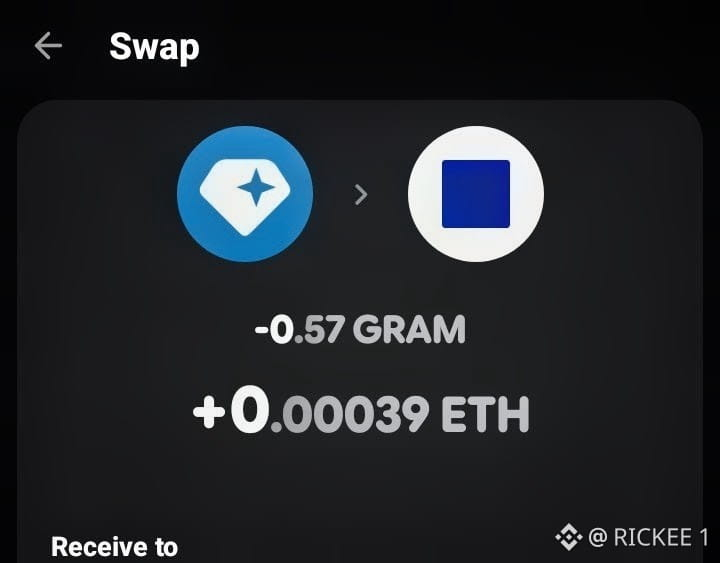
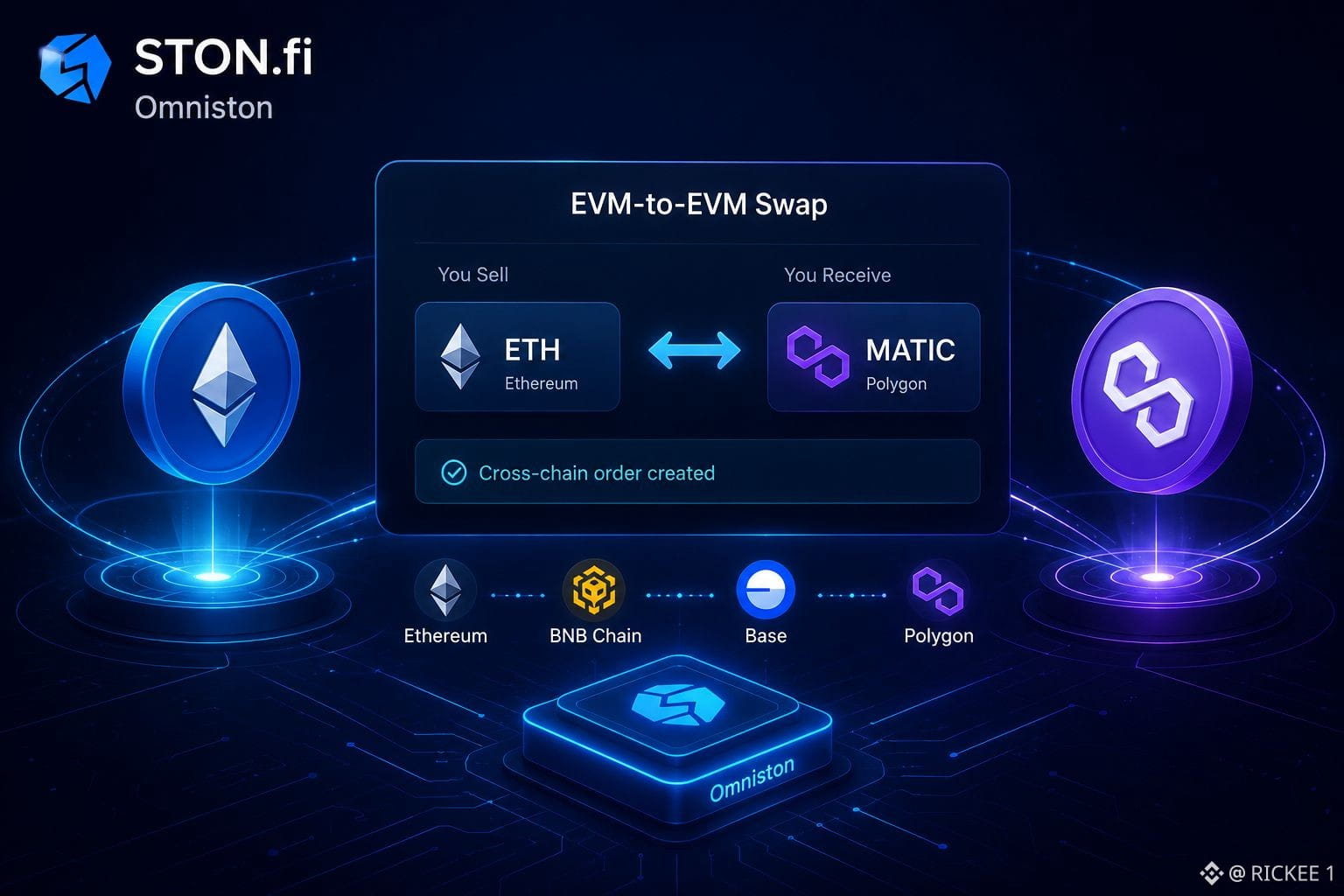
86
·
--
Como a STONfi Lida com Endereços Bounceable e Non-Bounceable no TON
Endereços do TON podem ter aparência diferente enquanto identificam a mesma conta on-chain. EQ... é a forma bounceable, enquanto UQ... é a forma non-bounceable. Quando o workchain e o identificador da conta são idênticos, ambos podem representar a mesma conta.
O que Significa Bounceable
Bounceability descreve o comportamento das mensagens, não uma propriedade permanente da conta. Um endereço amigável para o usuário no TON contém sinalizadores (flags) que ajudam o software a determinar como uma mensagem é tratada.
Com entrega bounceable, se o processamento falhar sob as condições aplicáveis, o valor restante pode retornar ao remetente. Isso torna mensagens bounceable adequadas para interações com contratos inteligentes.
A entrega non-bounceable é útil ao financiar uma conta que ainda não foi inicializada. No TON, as carteiras são contratos inteligentes, e seus endereços podem ser conhecidos antes do deployment. Um comportamento de bounce inadequado para um destino não inicializado pode fazer a transferência falhar em vez de financiar a conta.
Como a STONfi Usa Endereços
Um swap da STONfi pode envolver a carteira conectada, masters de Jetton, roteadores (routers), pools, endereço do recebedor (receiver), de reembolso (refund) e de valor excedente (excess).
O alvo da transação inicial é o contrato que recebe a mensagem da carteira. Outros endereços podem viajar dentro do payload como valores de endereço do TON.
Desde o STONfi SDK v0.5.0, parâmetros gerados usam endereços bounceable, porque se espera que contratos de protocolo existam e executem lógica. Isso segue a prática do TON para interações com contratos estabelecidos.
Por que Desenvolvedores Devem Analisar Endereços
Um erro comum é comparar EQ... e UQ... como strings simples e assumir que são carteiras diferentes. Em vez disso, faça o parse deles em objetos próprios de Endereço TON e compare o workchain e o identificador de conta subjacentes.
Isso importa para integrações, validação e construção de transações. Os desenvolvedores devem preservar o workchain e confiar em ferramentas de TON confiáveis para a codificação (encoding) de endereços.
$STON $RAY
#Análise do Preço do BTC#
Como a STONfi Lida com Endereços Bounceable e Non-Bounceable no TON
Endereços do TON podem ter aparência diferente enquanto identificam a mesma conta on-chain. EQ... é a forma bounceable, enquanto UQ... é a forma non-bounceable. Quando o workchain e o identificador da conta são idênticos, ambos podem representar a mesma conta.
O que Significa Bounceable
Bounceability descreve o comportamento das mensagens, não uma propriedade permanente da conta. Um endereço amigável para o usuário no TON contém sinalizadores (flags) que ajudam o software a determinar como uma mensagem é tratada.
Com entrega bounceable, se o processamento falhar sob as condições aplicáveis, o valor restante pode retornar ao remetente. Isso torna mensagens bounceable adequadas para interações com contratos inteligentes.
A entrega non-bounceable é útil ao financiar uma conta que ainda não foi inicializada. No TON, as carteiras são contratos inteligentes, e seus endereços podem ser conhecidos antes do deployment. Um comportamento de bounce inadequado para um destino não inicializado pode fazer a transferência falhar em vez de financiar a conta.
Como a STONfi Usa Endereços
Um swap da STONfi pode envolver a carteira conectada, masters de Jetton, roteadores (routers), pools, endereço do recebedor (receiver), de reembolso (refund) e de valor excedente (excess).
O alvo da transação inicial é o contrato que recebe a mensagem da carteira. Outros endereços podem viajar dentro do payload como valores de endereço do TON.
Desde o STONfi SDK v0.5.0, parâmetros gerados usam endereços bounceable, porque se espera que contratos de protocolo existam e executem lógica. Isso segue a prática do TON para interações com contratos estabelecidos.
Por que Desenvolvedores Devem Analisar Endereços
Um erro comum é comparar EQ... e UQ... como strings simples e assumir que são carteiras diferentes. Em vez disso, faça o parse deles em objetos próprios de Endereço TON e compare o workchain e o identificador de conta subjacentes.
Isso importa para integrações, validação e construção de transações. Os desenvolvedores devem preservar o workchain e confiar em ferramentas de TON confiáveis para a codificação (encoding) de endereços.
$STON $RAY
#Análise do Preço do BTC#
Endereços do TON podem ter aparência diferente enquanto identificam a mesma conta on-chain. EQ... é a forma bounceable, enquanto UQ... é a forma non-bounceable. Quando o workchain e o identificador da conta são idênticos, ambos podem representar a mesma conta.
O que Significa Bounceable
Bounceability descreve o comportamento das mensagens, não uma propriedade permanente da conta. Um endereço amigável para o usuário no TON contém sinalizadores (flags) que ajudam o software a determinar como uma mensagem é tratada.
Com entrega bounceable, se o processamento falhar sob as condições aplicáveis, o valor restante pode retornar ao remetente. Isso torna mensagens bounceable adequadas para interações com contratos inteligentes.
A entrega non-bounceable é útil ao financiar uma conta que ainda não foi inicializada. No TON, as carteiras são contratos inteligentes, e seus endereços podem ser conhecidos antes do deployment. Um comportamento de bounce inadequado para um destino não inicializado pode fazer a transferência falhar em vez de financiar a conta.
Como a STONfi Usa Endereços
Um swap da STONfi pode envolver a carteira conectada, masters de Jetton, roteadores (routers), pools, endereço do recebedor (receiver), de reembolso (refund) e de valor excedente (excess).
O alvo da transação inicial é o contrato que recebe a mensagem da carteira. Outros endereços podem viajar dentro do payload como valores de endereço do TON.
Desde o STONfi SDK v0.5.0, parâmetros gerados usam endereços bounceable, porque se espera que contratos de protocolo existam e executem lógica. Isso segue a prática do TON para interações com contratos estabelecidos.
Por que Desenvolvedores Devem Analisar Endereços
Um erro comum é comparar EQ... e UQ... como strings simples e assumir que são carteiras diferentes. Em vez disso, faça o parse deles em objetos próprios de Endereço TON e compare o workchain e o identificador de conta subjacentes.
Isso importa para integrações, validação e construção de transações. Os desenvolvedores devem preservar o workchain e confiar em ferramentas de TON confiáveis para a codificação (encoding) de endereços.
$STON $RAY
#Análise do Preço do BTC#
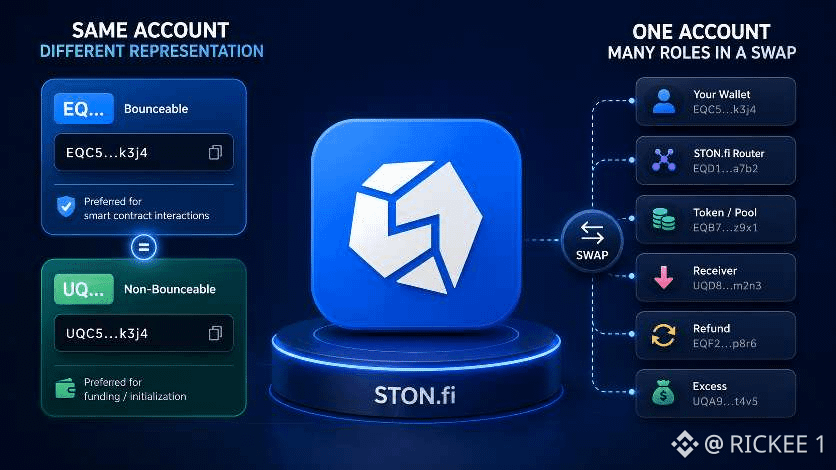
74
·
--
Como trocar ações tokenizadas na STON.fi com xStocks. A STON.fi permite que usuários elegíveis obtenham exposição econômica baseada em blockchain a ações e ETFs selecionados por meio de xStocks. Em vez de um fluxo de corretagem, a troca é concluída on-chain com uma carteira TON, uma cotação e aprovação final. O que são xStocks. xStocks são certificados de tracking emitidos pela Backed Assets (JE) Limited. Cada token é garantido 1:1 pelo ativo subjacente, mantido separadamente. Eles refletem o desempenho econômico do ativo referenciado, mas não concedem direitos de voto nem propriedade direta de ações. No TON, xStocks são jettons para negociação secundária 24/7. Como a troca funciona. Abra a seção de xStocks e escolha uma ação tokenizada como $AAPLX , $TSLAX ou $NVDAX . Selecione o ativo que você deseja gastar, como TON ou $USDT , e informe a quantia. Antes de confirmar, revise cuidadosamente a cotação da Omniston, pois ela determina os termos da negociação. Em seguida, conecte sua carteira TON via TON Connect, aprove na sua carteira e então aguarde a liquidação. Quando estiver concluído, o xStock chega na sua carteira como um jetton. Coisas importantes para verificar. A elegibilidade é essencial. xStocks não estão disponíveis em todas as jurisdições, incluindo EUA, UE/EEE, Reino Unido, Canadá e outras regiões restritas. Eles recebem um tracker, não uma ação registrada. A revisão da cotação importa, especialmente quando os mercados estão fechados e os preços podem divergir do preço da ação. Também é necessário ter um pequeno saldo de TON para taxas de rede. Por que a cotação importa. STON.fi usa a Omniston para agregação de liquidez, o que ajuda a rotear as trocas de forma eficiente e pode envolver execução estilo escrow. Devido à demanda, liquidez e condições de roteamento, o preço secundário de um xStock pode ser diferente do preço de mercado ao vivo da ação. Essa diferença geralmente é mais perceptível fora do horário de mercado. A conclusão prática é simples: trocar xStocks parece uma negociação normal de jetton, mas ainda exige atenção à estrutura, elegibilidade, preços e execução antes de você confirmar a troca no app DeFi app.ston.fi
Como trocar ações tokenizadas na STON.fi com xStocks. A STON.fi permite que usuários elegíveis obtenham exposição econômica baseada em blockchain a ações e ETFs selecionados por meio de xStocks. Em vez de um fluxo de corretagem, a troca é concluída on-chain com uma carteira TON, uma cotação e aprovação final. O que são xStocks. xStocks são certificados de tracking emitidos pela Backed Assets (JE) Limited. Cada token é garantido 1:1 pelo ativo subjacente, mantido separadamente. Eles refletem o desempenho econômico do ativo referenciado, mas não concedem direitos de voto nem propriedade direta de ações. No TON, xStocks são jettons para negociação secundária 24/7. Como a troca funciona. Abra a seção de xStocks e escolha uma ação tokenizada como $AAPLX , $TSLAX ou $NVDAX . Selecione o ativo que você deseja gastar, como TON ou $USDT , e informe a quantia. Antes de confirmar, revise cuidadosamente a cotação da Omniston, pois ela determina os termos da negociação. Em seguida, conecte sua carteira TON via TON Connect, aprove na sua carteira e então aguarde a liquidação. Quando estiver concluído, o xStock chega na sua carteira como um jetton. Coisas importantes para verificar. A elegibilidade é essencial. xStocks não estão disponíveis em todas as jurisdições, incluindo EUA, UE/EEE, Reino Unido, Canadá e outras regiões restritas. Eles recebem um tracker, não uma ação registrada. A revisão da cotação importa, especialmente quando os mercados estão fechados e os preços podem divergir do preço da ação. Também é necessário ter um pequeno saldo de TON para taxas de rede. Por que a cotação importa. STON.fi usa a Omniston para agregação de liquidez, o que ajuda a rotear as trocas de forma eficiente e pode envolver execução estilo escrow. Devido à demanda, liquidez e condições de roteamento, o preço secundário de um xStock pode ser diferente do preço de mercado ao vivo da ação. Essa diferença geralmente é mais perceptível fora do horário de mercado. A conclusão prática é simples: trocar xStocks parece uma negociação normal de jetton, mas ainda exige atenção à estrutura, elegibilidade, preços e execução antes de você confirmar a troca no app DeFi app.ston.fi
71
·
--
Os problemas de segurança em cripto normalmente começam muito antes de qualquer negociação acontecer. Na maioria dos casos, o erro real é cometido meses antes, quando uma frase-semente é salva no lugar errado e o usuário presume que vai lidar com isso depois.
Com uma carteira de autocustódia como o Tonkeeper, você controla os ativos porque controla as chaves. Isso lhe dá total propriedade, mas também significa que a responsabilidade por proteger o acesso fica inteiramente com você. Uma rápida revisão de segurança pode fazer uma grande diferença.
Veja o essencial: faça um backup da sua frase-semente de forma segura e offline; nunca a armazene em drives na nuvem, apps de notas, capturas de tela, e-mails ou mensagens salvas; ative a proteção por PIN na sua carteira; revise quais dispositivos atualmente têm acesso e confirme novamente suas informações de recuperação enquanto você ainda tem controle da conta.
Além disso, tenha cuidado com toda conexão de carteira e com as aprovações de transações. Antes de assinar qualquer coisa, confirme o site, o aplicativo, o token e o valor. Nunca insira uma frase-semente em um site apenas para “verificar” ou “sincronizar” sua carteira. Um serviço legítimo não vai pedir isso.
Uma pergunta que os usuários costumam fazer é se a equipe do Tonkeeper pode recuperar uma frase-semente perdida. A resposta é não. Se a frase-semente for perdida e não houver backup, ninguém — incluindo o Tonkeeper — consegue restaurar o acesso à carteira. Esse é um dos princípios centrais da autocustódia.
À medida que mais pessoas exploram a TON por meio de carteiras, Mini Apps, plataformas DeFi e protocolos de liquidez como @ston_fi, os hábitos de segurança importam tanto quanto entender o ecossistema em si. Alguns minutos revisando sua carteira hoje podem evitar um problema muito maior amanhã. Boa segurança não é complicada; é consistente.
Saiba mais em tonkeeper.com/ e blog.ston.fi/.
O melhor momento para proteger uma carteira é antes que algo pareça urgente. Prevenir é mais fácil do que recuperar, e bons hábitos importam a cada vez que você financia, abre ou conecta uma carteira. Confira antes de assinar. Faça backup antes de precisar
$CMC20
#Macro Insights#
Os problemas de segurança em cripto normalmente começam muito antes de qualquer negociação acontecer. Na maioria dos casos, o erro real é cometido meses antes, quando uma frase-semente é salva no lugar errado e o usuário presume que vai lidar com isso depois.
Com uma carteira de autocustódia como o Tonkeeper, você controla os ativos porque controla as chaves. Isso lhe dá total propriedade, mas também significa que a responsabilidade por proteger o acesso fica inteiramente com você. Uma rápida revisão de segurança pode fazer uma grande diferença.
Veja o essencial: faça um backup da sua frase-semente de forma segura e offline; nunca a armazene em drives na nuvem, apps de notas, capturas de tela, e-mails ou mensagens salvas; ative a proteção por PIN na sua carteira; revise quais dispositivos atualmente têm acesso e confirme novamente suas informações de recuperação enquanto você ainda tem controle da conta.
Além disso, tenha cuidado com toda conexão de carteira e com as aprovações de transações. Antes de assinar qualquer coisa, confirme o site, o aplicativo, o token e o valor. Nunca insira uma frase-semente em um site apenas para “verificar” ou “sincronizar” sua carteira. Um serviço legítimo não vai pedir isso.
Uma pergunta que os usuários costumam fazer é se a equipe do Tonkeeper pode recuperar uma frase-semente perdida. A resposta é não. Se a frase-semente for perdida e não houver backup, ninguém — incluindo o Tonkeeper — consegue restaurar o acesso à carteira. Esse é um dos princípios centrais da autocustódia.
À medida que mais pessoas exploram a TON por meio de carteiras, Mini Apps, plataformas DeFi e protocolos de liquidez como @ston_fi, os hábitos de segurança importam tanto quanto entender o ecossistema em si. Alguns minutos revisando sua carteira hoje podem evitar um problema muito maior amanhã. Boa segurança não é complicada; é consistente.
Saiba mais em tonkeeper.com/ e blog.ston.fi/.
O melhor momento para proteger uma carteira é antes que algo pareça urgente. Prevenir é mais fácil do que recuperar, e bons hábitos importam a cada vez que você financia, abre ou conecta uma carteira. Confira antes de assinar. Faça backup antes de precisar
$CMC20
#Macro Insights#
Com uma carteira de autocustódia como o Tonkeeper, você controla os ativos porque controla as chaves. Isso lhe dá total propriedade, mas também significa que a responsabilidade por proteger o acesso fica inteiramente com você. Uma rápida revisão de segurança pode fazer uma grande diferença.
Veja o essencial: faça um backup da sua frase-semente de forma segura e offline; nunca a armazene em drives na nuvem, apps de notas, capturas de tela, e-mails ou mensagens salvas; ative a proteção por PIN na sua carteira; revise quais dispositivos atualmente têm acesso e confirme novamente suas informações de recuperação enquanto você ainda tem controle da conta.
Além disso, tenha cuidado com toda conexão de carteira e com as aprovações de transações. Antes de assinar qualquer coisa, confirme o site, o aplicativo, o token e o valor. Nunca insira uma frase-semente em um site apenas para “verificar” ou “sincronizar” sua carteira. Um serviço legítimo não vai pedir isso.
Uma pergunta que os usuários costumam fazer é se a equipe do Tonkeeper pode recuperar uma frase-semente perdida. A resposta é não. Se a frase-semente for perdida e não houver backup, ninguém — incluindo o Tonkeeper — consegue restaurar o acesso à carteira. Esse é um dos princípios centrais da autocustódia.
À medida que mais pessoas exploram a TON por meio de carteiras, Mini Apps, plataformas DeFi e protocolos de liquidez como @ston_fi, os hábitos de segurança importam tanto quanto entender o ecossistema em si. Alguns minutos revisando sua carteira hoje podem evitar um problema muito maior amanhã. Boa segurança não é complicada; é consistente.
Saiba mais em tonkeeper.com/ e blog.ston.fi/.
O melhor momento para proteger uma carteira é antes que algo pareça urgente. Prevenir é mais fácil do que recuperar, e bons hábitos importam a cada vez que você financia, abre ou conecta uma carteira. Confira antes de assinar. Faça backup antes de precisar
$CMC20
#Macro Insights#
76
·
--
STON.fi vs DEXs da BNB Chain: Taxas, Liquidez e Acesso Cross-Chain
As DEXs da STON.fi e da BNB Chain atendem necessidades de negociação diferentes. A STON.fi costuma ser a escolha mais natural para atividades nativas de TON, enquanto as DEXs da BNB Chain geralmente são mais fortes quando os ativos já estão na BNB Smart Chain e você quer amplo acesso a BEP-20, taxas de rede muito baixas e liquidez mais profunda.
Taxas em Comparação
As pools da STON.fi usam taxas de negociação configuráveis, com uma taxa padrão documentada de 0,3% que é dividida entre provedores de liquidez e o protocolo. Na BNB Chain, as taxas variam por venue e tipo de pool. As faixas de taxa da PancakeSwap V3 vão de 0,01% a 1%, enquanto as pools V2 cobram 0,25% por hop.
Custos de Rede também Importam. As taxas de TON são moldadas pelo rastreamento completo da transação, enquanto o gas da BSC é pago em BNB e costuma ser bem baixo. A melhor negociação nem sempre é a que tem a menor taxa exibida, mas sim a que oferece a melhor execução total.
Perfil de Liquidez
A BNB Smart Chain geralmente oferece uma base de liquidez maior e uma seleção de tokens mais ampla, especialmente para ativos BEP-20. A STON.fi é mais focada em ativos de TON e melhora o roteamento por meio do Omniston, que agrega cotações de múltiplas fontes de liquidez de TON e resolvedores de RFQ. A liquidez é sempre específica de par, então apenas o TVL total não garante a melhor cotação.
Diferença Cross-Chain
Uma negociação normal em uma DEX da BNB Chain permanece na BSC. A STON.fi pode coordenar swaps atômicos entre TON e redes EVM suportadas, incluindo a BNB Chain, e entregar o ativo de destino nativo por meio do Omniston.
Resultado Prático
Taxas de pool, gas, impacto de preço, roteamento e bridging afetam o valor final recebido. Escolha a STON.fi quando a negociação começa em TON ou quando precisa de uma rota atômica suportada. Escolha uma DEX da BNB Chain quando os ativos já estão na BSC e você quer permanecer nativo nessa cadeia.
Em resumo, a STON.fi é a melhor para fluxos nativos de TON e cross-chain atômicos, enquanto as DEXs da BNB Chain são melhores para permanecer nativo na BSC com amplo acesso a BEP-20 e liquidez profunda.
Explore app.ston.fi
#Análise do Preço do BTC#
$BNB $STON
STON.fi vs DEXs da BNB Chain: Taxas, Liquidez e Acesso Cross-Chain
As DEXs da STON.fi e da BNB Chain atendem necessidades de negociação diferentes. A STON.fi costuma ser a escolha mais natural para atividades nativas de TON, enquanto as DEXs da BNB Chain geralmente são mais fortes quando os ativos já estão na BNB Smart Chain e você quer amplo acesso a BEP-20, taxas de rede muito baixas e liquidez mais profunda.
Taxas em Comparação
As pools da STON.fi usam taxas de negociação configuráveis, com uma taxa padrão documentada de 0,3% que é dividida entre provedores de liquidez e o protocolo. Na BNB Chain, as taxas variam por venue e tipo de pool. As faixas de taxa da PancakeSwap V3 vão de 0,01% a 1%, enquanto as pools V2 cobram 0,25% por hop.
Custos de Rede também Importam. As taxas de TON são moldadas pelo rastreamento completo da transação, enquanto o gas da BSC é pago em BNB e costuma ser bem baixo. A melhor negociação nem sempre é a que tem a menor taxa exibida, mas sim a que oferece a melhor execução total.
Perfil de Liquidez
A BNB Smart Chain geralmente oferece uma base de liquidez maior e uma seleção de tokens mais ampla, especialmente para ativos BEP-20. A STON.fi é mais focada em ativos de TON e melhora o roteamento por meio do Omniston, que agrega cotações de múltiplas fontes de liquidez de TON e resolvedores de RFQ. A liquidez é sempre específica de par, então apenas o TVL total não garante a melhor cotação.
Diferença Cross-Chain
Uma negociação normal em uma DEX da BNB Chain permanece na BSC. A STON.fi pode coordenar swaps atômicos entre TON e redes EVM suportadas, incluindo a BNB Chain, e entregar o ativo de destino nativo por meio do Omniston.
Resultado Prático
Taxas de pool, gas, impacto de preço, roteamento e bridging afetam o valor final recebido. Escolha a STON.fi quando a negociação começa em TON ou quando precisa de uma rota atômica suportada. Escolha uma DEX da BNB Chain quando os ativos já estão na BSC e você quer permanecer nativo nessa cadeia.
Em resumo, a STON.fi é a melhor para fluxos nativos de TON e cross-chain atômicos, enquanto as DEXs da BNB Chain são melhores para permanecer nativo na BSC com amplo acesso a BEP-20 e liquidez profunda.
Explore app.ston.fi
#Análise do Preço do BTC#
$BNB $STON
As DEXs da STON.fi e da BNB Chain atendem necessidades de negociação diferentes. A STON.fi costuma ser a escolha mais natural para atividades nativas de TON, enquanto as DEXs da BNB Chain geralmente são mais fortes quando os ativos já estão na BNB Smart Chain e você quer amplo acesso a BEP-20, taxas de rede muito baixas e liquidez mais profunda.
Taxas em Comparação
As pools da STON.fi usam taxas de negociação configuráveis, com uma taxa padrão documentada de 0,3% que é dividida entre provedores de liquidez e o protocolo. Na BNB Chain, as taxas variam por venue e tipo de pool. As faixas de taxa da PancakeSwap V3 vão de 0,01% a 1%, enquanto as pools V2 cobram 0,25% por hop.
Custos de Rede também Importam. As taxas de TON são moldadas pelo rastreamento completo da transação, enquanto o gas da BSC é pago em BNB e costuma ser bem baixo. A melhor negociação nem sempre é a que tem a menor taxa exibida, mas sim a que oferece a melhor execução total.
Perfil de Liquidez
A BNB Smart Chain geralmente oferece uma base de liquidez maior e uma seleção de tokens mais ampla, especialmente para ativos BEP-20. A STON.fi é mais focada em ativos de TON e melhora o roteamento por meio do Omniston, que agrega cotações de múltiplas fontes de liquidez de TON e resolvedores de RFQ. A liquidez é sempre específica de par, então apenas o TVL total não garante a melhor cotação.
Diferença Cross-Chain
Uma negociação normal em uma DEX da BNB Chain permanece na BSC. A STON.fi pode coordenar swaps atômicos entre TON e redes EVM suportadas, incluindo a BNB Chain, e entregar o ativo de destino nativo por meio do Omniston.
Resultado Prático
Taxas de pool, gas, impacto de preço, roteamento e bridging afetam o valor final recebido. Escolha a STON.fi quando a negociação começa em TON ou quando precisa de uma rota atômica suportada. Escolha uma DEX da BNB Chain quando os ativos já estão na BSC e você quer permanecer nativo nessa cadeia.
Em resumo, a STON.fi é a melhor para fluxos nativos de TON e cross-chain atômicos, enquanto as DEXs da BNB Chain são melhores para permanecer nativo na BSC com amplo acesso a BEP-20 e liquidez profunda.
Explore app.ston.fi
#Análise do Preço do BTC#
$BNB $STON
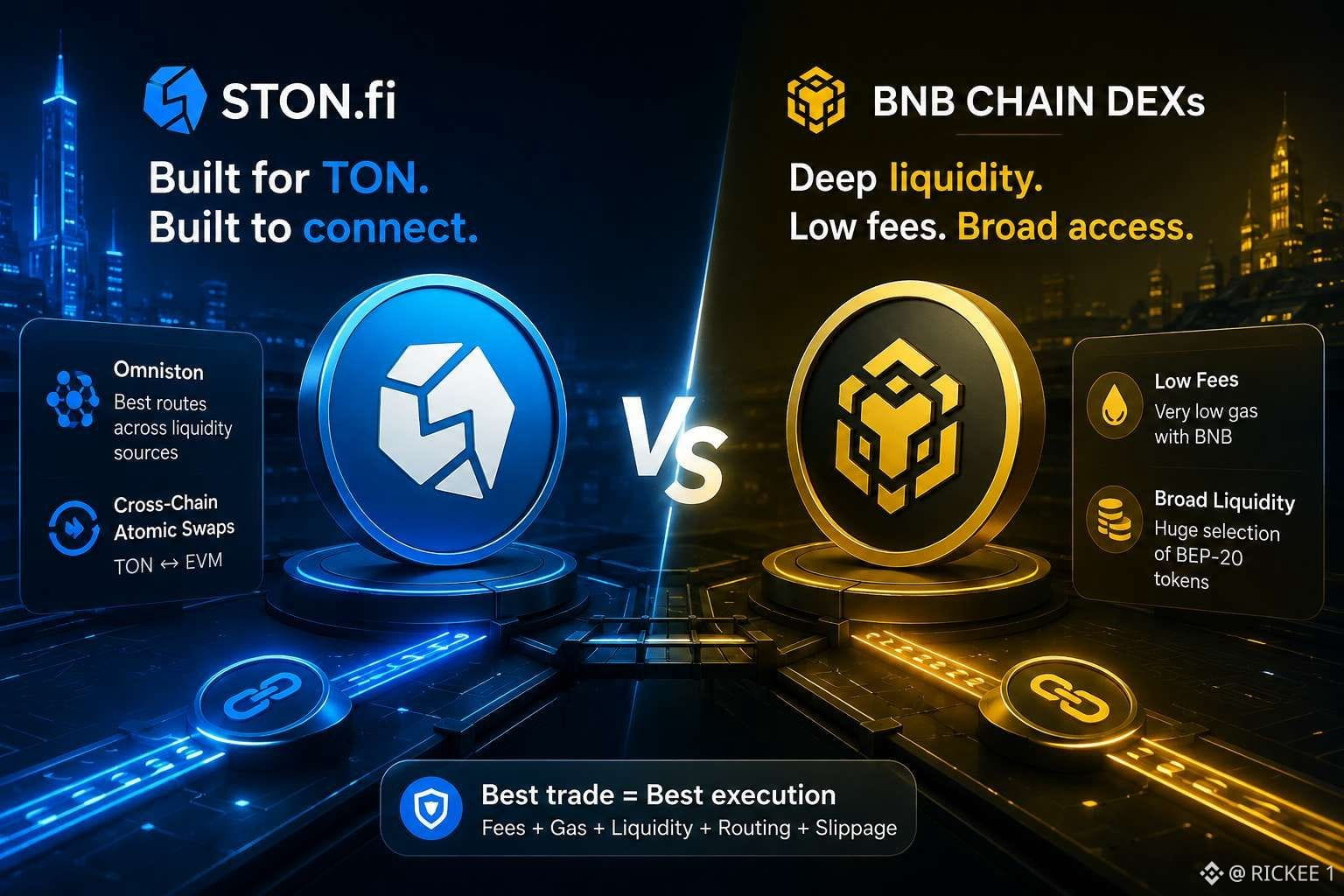
69
·
--
O que o Risco de Contratos Inteligentes Significa para os Usuários da STON.fi
Risco de contrato inteligente é a possibilidade de que o código on-chain por trás de uma troca, ação de liquidez ou processo relacionado contenha uma fraqueza, se comporte de forma inesperada ou interaja mal com outro contrato. Para os usuários da STON.fi, isso não é a mesma coisa que perder acesso à carteira, nem é a mesma coisa que volatilidade do preço dos tokens. É risco de código e de execução.
A STON.fi é não custodial, então ela nunca mantém suas chaves privadas. Mesmo assim, cada transação assinada ainda depende de contratos inteligentes executarem corretamente. Uma DEX de autocustódia protege a propriedade, mas não elimina o risco de que a lógica do contrato possa falhar, ser explorada ou produzir um resultado diferente do que o usuário pretendia.
Uma troca na STON.fi passa por várias etapas de contratos. Primeiro, você revisa a cotação e autoriza uma transferência de Jetton com a carga (payload) da DEX. Em seguida, o Router recebe a notificação e a encaminha para o Pool correto. O Pool então aplica a lógica da troca e verifica o valor mínimo de saída. Por fim, os contratos entregam o resultado ou acionam o tratamento de falha e reembolso. Cada etapa importa, porque o resultado final depende da integridade de todo o fluxo de contratos.
A STON.fi reduz esse risco de várias formas. Os contratos da DEX v2 passaram por uma avaliação independente de segurança pela Trail of Bits em janeiro de 2025. O projeto também disponibiliza documentação técnica pública para o Router, Pool, Vault e componentes relacionados. Além disso, a STON.fi mantém um programa ativo de bug bounty com a HackenProof e monitoramento com a CertiK.
Ainda assim, nenhuma auditoria consegue eliminar toda e qualquer vulnerabilidade futura ou todo e qualquer risco externo de token. Revisões de segurança aumentam a confiança em um ponto específico no tempo, mas não garantem segurança permanente.
Para os usuários, a lição prática é simples: antes de comprometer fundos significativos, confirme a interface oficial, verifique os detalhes da transação, revise a configuração de saída mínima e dimensione as posições com cuidado. Em DeFi, atenção cuidadosa faz parte da segurança.
$DRIFT $USDT $BNB
O que o Risco de Contratos Inteligentes Significa para os Usuários da STON.fi
Risco de contrato inteligente é a possibilidade de que o código on-chain por trás de uma troca, ação de liquidez ou processo relacionado contenha uma fraqueza, se comporte de forma inesperada ou interaja mal com outro contrato. Para os usuários da STON.fi, isso não é a mesma coisa que perder acesso à carteira, nem é a mesma coisa que volatilidade do preço dos tokens. É risco de código e de execução.
A STON.fi é não custodial, então ela nunca mantém suas chaves privadas. Mesmo assim, cada transação assinada ainda depende de contratos inteligentes executarem corretamente. Uma DEX de autocustódia protege a propriedade, mas não elimina o risco de que a lógica do contrato possa falhar, ser explorada ou produzir um resultado diferente do que o usuário pretendia.
Uma troca na STON.fi passa por várias etapas de contratos. Primeiro, você revisa a cotação e autoriza uma transferência de Jetton com a carga (payload) da DEX. Em seguida, o Router recebe a notificação e a encaminha para o Pool correto. O Pool então aplica a lógica da troca e verifica o valor mínimo de saída. Por fim, os contratos entregam o resultado ou acionam o tratamento de falha e reembolso. Cada etapa importa, porque o resultado final depende da integridade de todo o fluxo de contratos.
A STON.fi reduz esse risco de várias formas. Os contratos da DEX v2 passaram por uma avaliação independente de segurança pela Trail of Bits em janeiro de 2025. O projeto também disponibiliza documentação técnica pública para o Router, Pool, Vault e componentes relacionados. Além disso, a STON.fi mantém um programa ativo de bug bounty com a HackenProof e monitoramento com a CertiK.
Ainda assim, nenhuma auditoria consegue eliminar toda e qualquer vulnerabilidade futura ou todo e qualquer risco externo de token. Revisões de segurança aumentam a confiança em um ponto específico no tempo, mas não garantem segurança permanente.
Para os usuários, a lição prática é simples: antes de comprometer fundos significativos, confirme a interface oficial, verifique os detalhes da transação, revise a configuração de saída mínima e dimensione as posições com cuidado. Em DeFi, atenção cuidadosa faz parte da segurança.
$DRIFT $USDT $BNB
Risco de contrato inteligente é a possibilidade de que o código on-chain por trás de uma troca, ação de liquidez ou processo relacionado contenha uma fraqueza, se comporte de forma inesperada ou interaja mal com outro contrato. Para os usuários da STON.fi, isso não é a mesma coisa que perder acesso à carteira, nem é a mesma coisa que volatilidade do preço dos tokens. É risco de código e de execução.
A STON.fi é não custodial, então ela nunca mantém suas chaves privadas. Mesmo assim, cada transação assinada ainda depende de contratos inteligentes executarem corretamente. Uma DEX de autocustódia protege a propriedade, mas não elimina o risco de que a lógica do contrato possa falhar, ser explorada ou produzir um resultado diferente do que o usuário pretendia.
Uma troca na STON.fi passa por várias etapas de contratos. Primeiro, você revisa a cotação e autoriza uma transferência de Jetton com a carga (payload) da DEX. Em seguida, o Router recebe a notificação e a encaminha para o Pool correto. O Pool então aplica a lógica da troca e verifica o valor mínimo de saída. Por fim, os contratos entregam o resultado ou acionam o tratamento de falha e reembolso. Cada etapa importa, porque o resultado final depende da integridade de todo o fluxo de contratos.
A STON.fi reduz esse risco de várias formas. Os contratos da DEX v2 passaram por uma avaliação independente de segurança pela Trail of Bits em janeiro de 2025. O projeto também disponibiliza documentação técnica pública para o Router, Pool, Vault e componentes relacionados. Além disso, a STON.fi mantém um programa ativo de bug bounty com a HackenProof e monitoramento com a CertiK.
Ainda assim, nenhuma auditoria consegue eliminar toda e qualquer vulnerabilidade futura ou todo e qualquer risco externo de token. Revisões de segurança aumentam a confiança em um ponto específico no tempo, mas não garantem segurança permanente.
Para os usuários, a lição prática é simples: antes de comprometer fundos significativos, confirme a interface oficial, verifique os detalhes da transação, revise a configuração de saída mínima e dimensione as posições com cuidado. Em DeFi, atenção cuidadosa faz parte da segurança.
$DRIFT $USDT $BNB
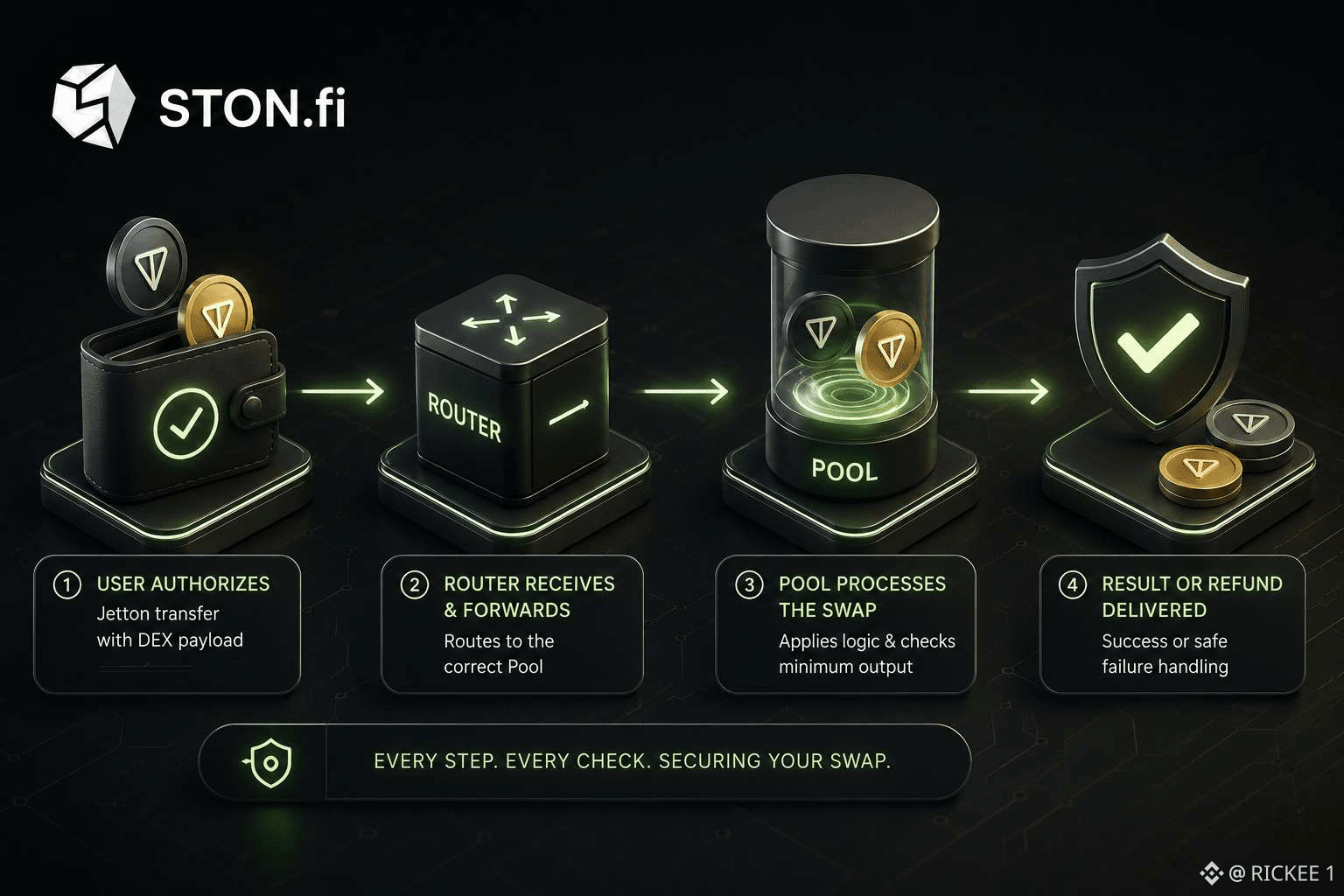
75
Inicia sessão para explorar mais conteúdos
Junta-te a utilizadores de criptomoedas de todo o mundo na Binance Square
⚡️ Obtém informações úteis e recentes sobre criptomoedas.
💬 Com a confiança da maior exchange de criptomoedas do mundo.
👍 Descobre perspetivas reais de criadores verificados.
E-mail/Número de telefone