

TokenStasher
6 Publicações

TokenStasher
Denunciar
Bloquear Utilizador
Simple Trader with FEAR and GREED
Trader de Alta Frequência
5.4 ano(s)
8 A seguir
33 Seguidores
42 Gostaram
Publicações
·
--
Artigo
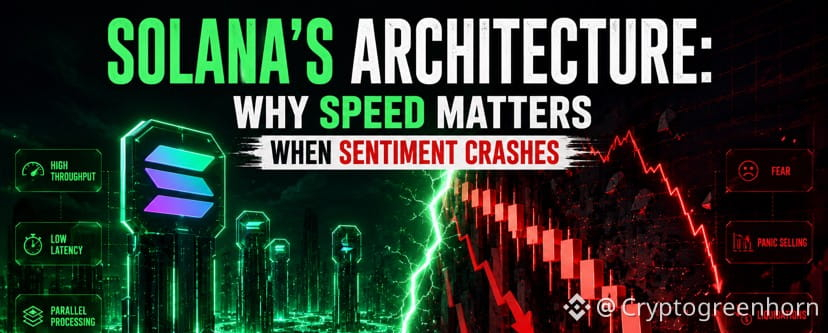
ARQUITETURA DA SOLANA: POR QUE A VELOCIDADE IMPORTA QUANDO O SENTIMENTO ENTRA EM COLAPSOSolana não é apenas mais uma blockchain Layer-1; é uma máquina de consenso híbrido de alto desempenho que combina Proof of History (PoH) com Proof of Stake (PoS). Essa distinção é crucial. PoH funciona como um "relógio", em que um "tick" equivale ao tempo para computar 12.800 hashes SHA-256 sequenciais. Quando essa computação termina, um "Entry" é gravado na cadeia PoH, marcando o tempo decorrido. Um "slot" consiste em 64 ticks, e um "epoch" abrange 432.000 slots. Esse mecanismo permite que a Solana processe até 50.000 transações por segundo (TPS), com tempos de bloco inferiores a um segundo e custos de gás quase zero.
ARQUITETURA DA SOLANA: POR QUE A VELOCIDADE IMPORTA QUANDO O SENTIMENTO ENTRA EM COLAPSO
Solana não é apenas mais uma blockchain Layer-1; é uma máquina de consenso híbrido de alto desempenho que combina Proof of History (PoH) com Proof of Stake (PoS). Essa distinção é crucial. PoH funciona como um "relógio", em que um "tick" equivale ao tempo para computar 12.800 hashes SHA-256 sequenciais. Quando essa computação termina, um "Entry" é gravado na cadeia PoH, marcando o tempo decorrido. Um "slot" consiste em 64 ticks, e um "epoch" abrange 432.000 slots. Esse mecanismo permite que a Solana processe até 50.000 transações por segundo (TPS), com tempos de bloco inferiores a um segundo e custos de gás quase zero.
135
·
--

Artigo
Os Principais: Quando Bitcoin e Ethereum Decidem Tirar um CochiloVamos começar pelos pesos pesados, porque são eles que estão puxando a market cap para o chão. O Bitcoin (BTC) está sendo negociado a US$ 58.946,67, sangrando -1,12% nas últimas 24 horas. Não é um crash, mas é um tombo teimoso e feio que parece caminhar por um corredor com o joelho quebrado. Enquanto isso, o Ethereum (ETH) mal se move, ficando em US$ 1.573,14 com queda de -0,15%. Está tão estável que é praticamente horizontal, como uma panqueca que esqueceu de virar. Quando esses dois gigantes ficam tão quietos, o mercado perde o ritmo. É como uma pista de dança em que o DJ parou a música, mas a galera ainda está tentando entender a batida. A taxa de funding perpétua do BTC está em +0,0035% a cada 8 horas, que é a forma educada do mercado de dizer: “Sim, estamos um pouco mais pessimistas, mas sem exageros.”
Os Principais: Quando Bitcoin e Ethereum Decidem Tirar um Cochilo
Vamos começar pelos pesos pesados, porque são eles que estão puxando a market cap para o chão. O Bitcoin (BTC) está sendo negociado a US$ 58.946,67, sangrando -1,12% nas últimas 24 horas. Não é um crash, mas é um tombo teimoso e feio que parece caminhar por um corredor com o joelho quebrado. Enquanto isso, o Ethereum (ETH) mal se move, ficando em US$ 1.573,14 com queda de -0,15%. Está tão estável que é praticamente horizontal, como uma panqueca que esqueceu de virar. Quando esses dois gigantes ficam tão quietos, o mercado perde o ritmo. É como uma pista de dança em que o DJ parou a música, mas a galera ainda está tentando entender a batida. A taxa de funding perpétua do BTC está em +0,0035% a cada 8 horas, que é a forma educada do mercado de dizer: “Sim, estamos um pouco mais pessimistas, mas sem exageros.”
1
357
·
--
O trade-off entre tempo e direção (5 #anos de experiência com futuros)
Uma verdade difícil que eu não queria aceitar por muito tempo:
Direção não é o que destrói sua conta. Tempo é.
Você pode estar absolutamente certo sobre para onde o Bitcoin está indo, mas se entrar 30 minutos cedo demais contra uma cascata de liquidações, você sai antes mesmo do movimento começar. Aprendi isso do jeito mais caro — várias vezes.
Então comecei a fazer uma pergunta diferente: "E se eu parar de tentar prever o mercado e começar a medir o estado atual dele?"
Eu construí um painel de analytics pessoal (chamado TokenStasher) para fazer exatamente isso. Ele não me diz para onde o preço vai. Ele apenas agrega dados públicos de diversas exchanges — taxas de funding, delta acumulado, profundidade do book e picos de volume — e pontua setups com base em tensões estruturais, e não em hype.
A única coisa que ele detectou consistentemente? Apertos (squeezes) e divergências que não aparecem de forma clara nos indicadores padrão do TradingView. Ele mapeia níveis de gatilho e zonas de invalidação para que eu consiga definir meu risco antes de entrar, não depois.
Mas aqui vai a verdadeira lição — e eu digo isso com honestidade:
Mesmo com todos esses dados, minha taxa de acerto fica por volta de 43–60%, dependendo do mês. E tudo bem.
A vantagem não está em estar certo com mais frequência. A vantagem está em garantir que seu ganho médio seja significativamente maior do que sua perda média, e em ter disciplina para cortar quando os dados dizem que você está errado — não quando seu ego diz "vai reverter".
Nenhum dashboard, nenhuma IA e nenhum "sinal" mudam essa matemática básica. A única coisa que bons dados fazem é dificultar que você se engane sobre por que tomou uma trade.
Para quem já faz isso há um tempo: qual é a única métrica ou sinal que você encontrou como mais confiável para entradas de timing? Estou genuinamente curioso para ouvir o que funciona de verdade para outras pessoas.
Fiquem seguros, dimensionem com responsabilidade. 👊
#MostRecentTrade #CryptoRoundTableRemarks #AnáliseTécnica
O trade-off entre tempo e direção (5 #anos de experiência com futuros)
Uma verdade difícil que eu não queria aceitar por muito tempo:
Direção não é o que destrói sua conta. Tempo é.
Você pode estar absolutamente certo sobre para onde o Bitcoin está indo, mas se entrar 30 minutos cedo demais contra uma cascata de liquidações, você sai antes mesmo do movimento começar. Aprendi isso do jeito mais caro — várias vezes.
Então comecei a fazer uma pergunta diferente: "E se eu parar de tentar prever o mercado e começar a medir o estado atual dele?"
Eu construí um painel de analytics pessoal (chamado TokenStasher) para fazer exatamente isso. Ele não me diz para onde o preço vai. Ele apenas agrega dados públicos de diversas exchanges — taxas de funding, delta acumulado, profundidade do book e picos de volume — e pontua setups com base em tensões estruturais, e não em hype.
A única coisa que ele detectou consistentemente? Apertos (squeezes) e divergências que não aparecem de forma clara nos indicadores padrão do TradingView. Ele mapeia níveis de gatilho e zonas de invalidação para que eu consiga definir meu risco antes de entrar, não depois.
Mas aqui vai a verdadeira lição — e eu digo isso com honestidade:
Mesmo com todos esses dados, minha taxa de acerto fica por volta de 43–60%, dependendo do mês. E tudo bem.
A vantagem não está em estar certo com mais frequência. A vantagem está em garantir que seu ganho médio seja significativamente maior do que sua perda média, e em ter disciplina para cortar quando os dados dizem que você está errado — não quando seu ego diz "vai reverter".
Nenhum dashboard, nenhuma IA e nenhum "sinal" mudam essa matemática básica. A única coisa que bons dados fazem é dificultar que você se engane sobre por que tomou uma trade.
Para quem já faz isso há um tempo: qual é a única métrica ou sinal que você encontrou como mais confiável para entradas de timing? Estou genuinamente curioso para ouvir o que funciona de verdade para outras pessoas.
Fiquem seguros, dimensionem com responsabilidade. 👊
#MostRecentTrade #CryptoRoundTableRemarks #AnáliseTécnica
Uma verdade difícil que eu não queria aceitar por muito tempo:
Direção não é o que destrói sua conta. Tempo é.
Você pode estar absolutamente certo sobre para onde o Bitcoin está indo, mas se entrar 30 minutos cedo demais contra uma cascata de liquidações, você sai antes mesmo do movimento começar. Aprendi isso do jeito mais caro — várias vezes.
Então comecei a fazer uma pergunta diferente: "E se eu parar de tentar prever o mercado e começar a medir o estado atual dele?"
Eu construí um painel de analytics pessoal (chamado TokenStasher) para fazer exatamente isso. Ele não me diz para onde o preço vai. Ele apenas agrega dados públicos de diversas exchanges — taxas de funding, delta acumulado, profundidade do book e picos de volume — e pontua setups com base em tensões estruturais, e não em hype.
A única coisa que ele detectou consistentemente? Apertos (squeezes) e divergências que não aparecem de forma clara nos indicadores padrão do TradingView. Ele mapeia níveis de gatilho e zonas de invalidação para que eu consiga definir meu risco antes de entrar, não depois.
Mas aqui vai a verdadeira lição — e eu digo isso com honestidade:
Mesmo com todos esses dados, minha taxa de acerto fica por volta de 43–60%, dependendo do mês. E tudo bem.
A vantagem não está em estar certo com mais frequência. A vantagem está em garantir que seu ganho médio seja significativamente maior do que sua perda média, e em ter disciplina para cortar quando os dados dizem que você está errado — não quando seu ego diz "vai reverter".
Nenhum dashboard, nenhuma IA e nenhum "sinal" mudam essa matemática básica. A única coisa que bons dados fazem é dificultar que você se engane sobre por que tomou uma trade.
Para quem já faz isso há um tempo: qual é a única métrica ou sinal que você encontrou como mais confiável para entradas de timing? Estou genuinamente curioso para ouvir o que funciona de verdade para outras pessoas.
Fiquem seguros, dimensionem com responsabilidade. 👊
#MostRecentTrade #CryptoRoundTableRemarks #AnáliseTécnica
1
102
Inicia sessão para explorar mais conteúdos
Junta-te a utilizadores de criptomoedas de todo o mundo na Binance Square
⚡️ Obtém informações úteis e recentes sobre criptomoedas.
💬 Com a confiança da maior exchange de criptomoedas do mundo.
👍 Descobre perspetivas reais de criadores verificados.
E-mail/Número de telefone
Tópicos em Tendência
EtherGains70.9%InQ3
46,337 visualizações
616 a discutir
Uma das melhores terceiras trimestres da história 💰
Setembro terminou ontem à noite, e com isso, o trimestre. No trimestre, o BTC subiu 42% — o segundo melhor Q3 já registrado. A ETH teve um Q3 recorde no geral, subindo 70%.
Observando o gráfico, as coisas ainda parecem boas: estamos sustentando o suporte, mas estamos testando-o com cada vez mais frequência. Além disso, o impulso dos ETFs está enfraquecendo — as entradas estão diminuindo gradualmente, e ontem houve saídas pela primeira vez em muito tempo.
Sim, historicamente, outubro tem sido um bom mês para as criptos — não é à toa que é chamado de “Uptober”. Mas também é um dos meses mais voláteis. No ano passado, por exemplo, conseguimos atingir uma nova máxima histórica (ATH) e vivenciar um crash relâmpago.
🚀 Trades de Alta Precisão.
$BTC
$ETH
$SOL
#EtherGains70.9%InQ3 #DollarIndexHitsHighestSinceMay2025 #CFTCSubmitsTwoEventContractRulesToWhiteHouse #MicronBeatsEarningsLiftsGuidance
Knowledge is Power
·0 gostos
·124 visualizações
TreasuryLetsStatesFileStablecoinCertificationsEarly
1,358 visualizações
25 a discutir
US10YearYieldNears5.3%
81,134 visualizações
781 a discutir