
Crypto News Pro Alerts
236 Publicações

Crypto News Pro Alerts
Denunciar
Bloquear Utilizador
Aberto ao trading
Trader de Alta Frequência
5.4 ano(s)
26 A seguir
128 Seguidores
465 Gostaram
Publicações
Portfólio
Tudo
Cotações
Vídeos
A Crise de Infraestrutura: Por que a Geopolítica e as Redes Elétricas ainda Importam para o BitcoinA Crise de Infraestrutura: Por que a Geopolítica e as Redes Elétricas ainda Importam para o Bitcoin
A natureza descentralizada da blockchain é frequentemente citada como sua maior força, mas a realidade física do mercado de cripto ainda está atrelada a duas coisas: eletricidade e cabos de fibra óptica submarinos. Preocupações recentes sobre possíveis "interrupções" na infraestrutura no Irã—um importante centro de mineração global—geraram um debate sobre quão frágil o mercado realmente é quando o mundo físico fica às escuras.
Se uma grande nação mineradora enfrentar um apagão total e uma desconexão da internet submarina, os efeitos se espalhariam pelo mercado global em três fases distintas.
A Crise de Infraestrutura: Por que a Geopolítica e as Redes Elétricas ainda Importam para o Bitcoin
A Crise de Infraestrutura: Por que a Geopolítica e as Redes Elétricas ainda Importam para o Bitcoin
A natureza descentralizada da blockchain é frequentemente citada como sua maior força, mas a realidade física do mercado de cripto ainda está atrelada a duas coisas: eletricidade e cabos de fibra óptica submarinos. Preocupações recentes sobre possíveis "interrupções" na infraestrutura no Irã—um importante centro de mineração global—geraram um debate sobre quão frágil o mercado realmente é quando o mundo físico fica às escuras.
Se uma grande nação mineradora enfrentar um apagão total e uma desconexão da internet submarina, os efeitos se espalhariam pelo mercado global em três fases distintas.
A natureza descentralizada da blockchain é frequentemente citada como sua maior força, mas a realidade física do mercado de cripto ainda está atrelada a duas coisas: eletricidade e cabos de fibra óptica submarinos. Preocupações recentes sobre possíveis "interrupções" na infraestrutura no Irã—um importante centro de mineração global—geraram um debate sobre quão frágil o mercado realmente é quando o mundo físico fica às escuras.
Se uma grande nação mineradora enfrentar um apagão total e uma desconexão da internet submarina, os efeitos se espalhariam pelo mercado global em três fases distintas.
1
14
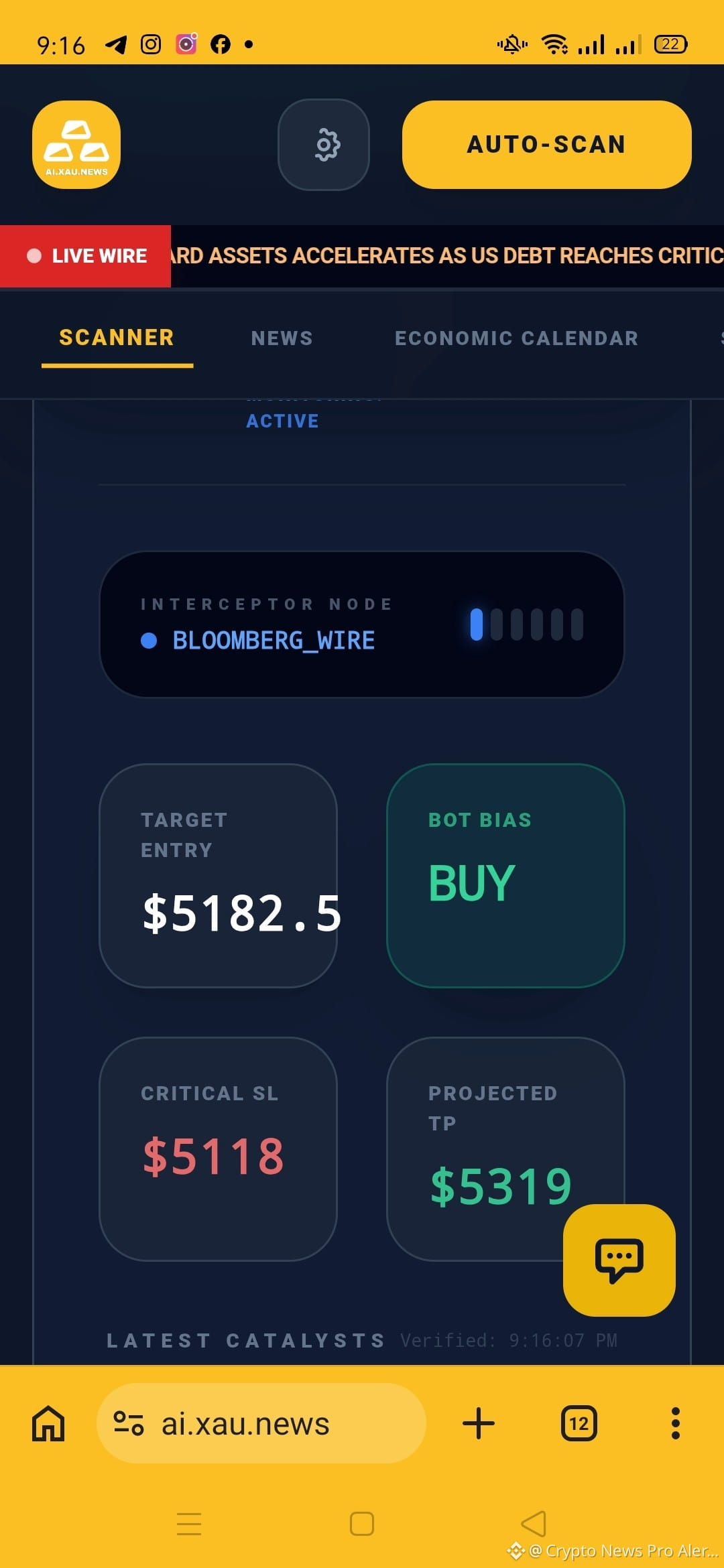
#xaunews $XAU SIGNAL=COMPRA;ENTRADA=5182.5;SL=5118;TP=5319;CONF=78%;
#xaunews $XAU SIGNAL=COMPRA;ENTRADA=5182.5;SL=5118;TP=5319;CONF=78%;
61
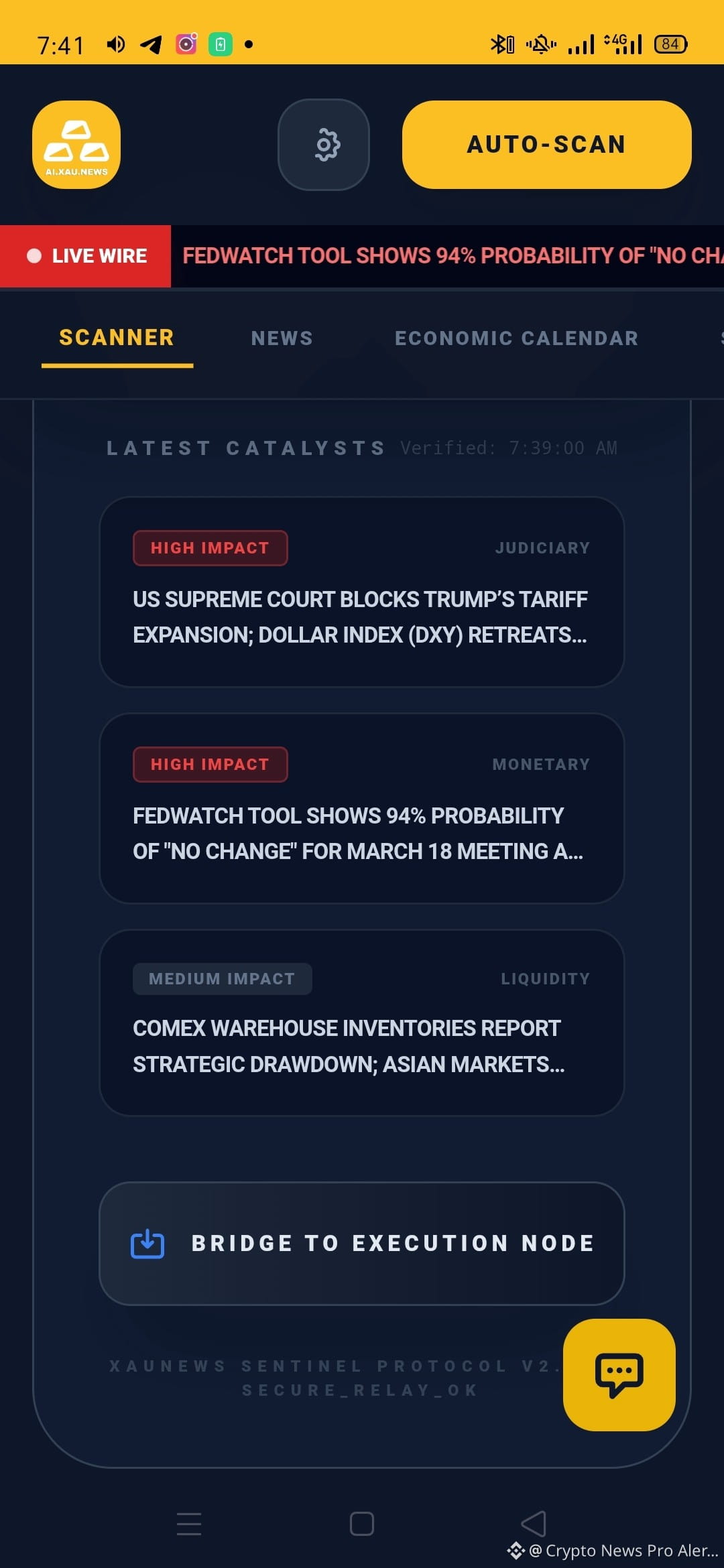
o sinal de atualização mudou após maior impacto da última notícia
EA_INDICATOR: SIGNAL=BUY;ENTRY=5212.5;SL=5165;TP=5278;CONF=84%;
o sinal de atualização mudou após maior impacto da última notícia
EA_INDICATOR: SIGNAL=BUY;ENTRY=5212.5;SL=5165;TP=5278;CONF=84%;
EA_INDICATOR: SIGNAL=BUY;ENTRY=5212.5;SL=5165;TP=5278;CONF=84%;
Crypto News Pro Alerts
·
--
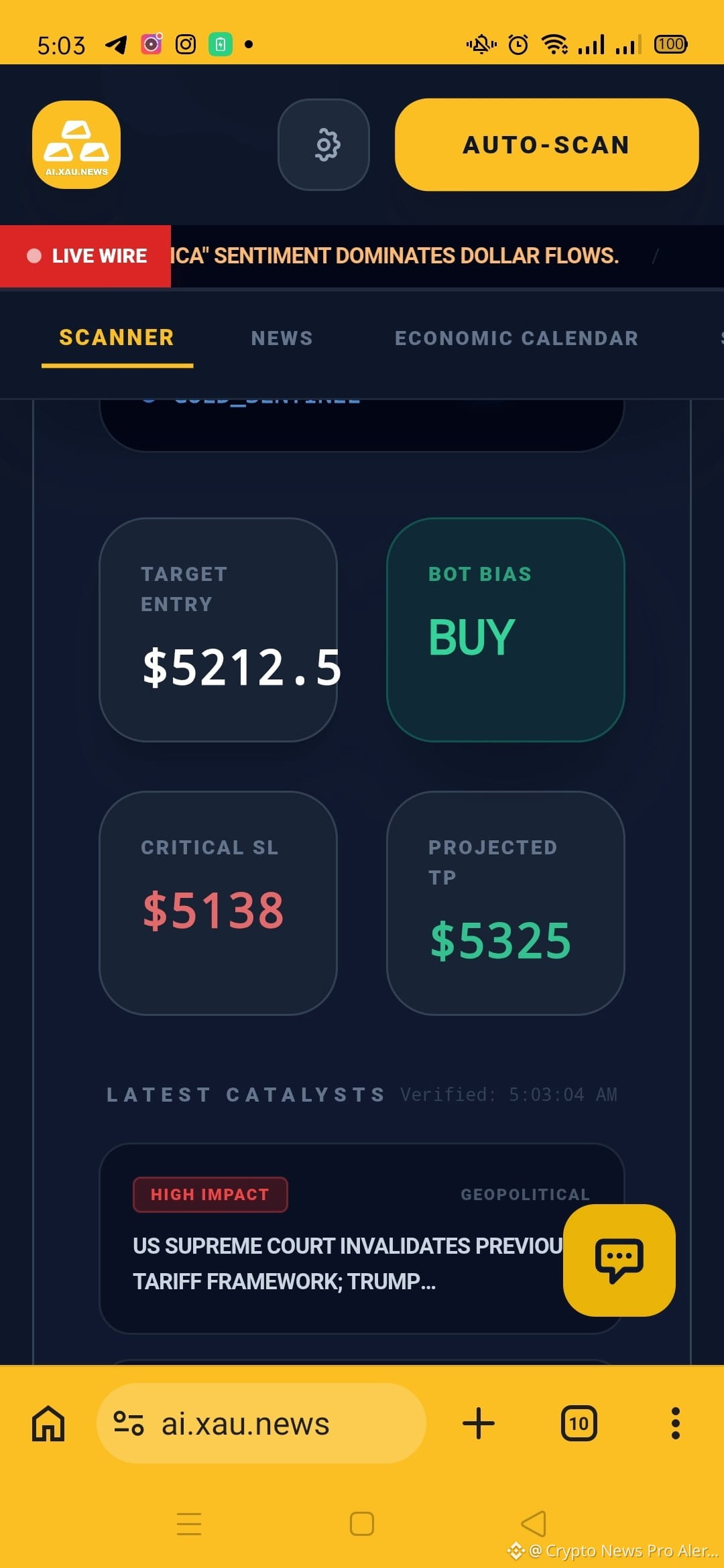
XAU_INDICATOR: SINAL= COMPRA;ENTRADA=5212.5;SL=5138;TP=5325;CONF=88%;
2
180
XAU_INDICATOR: SINAL= COMPRA;ENTRADA=5212.5;SL=5138;TP=5325;CONF=88%;
XAU_INDICATOR: SINAL= COMPRA;ENTRADA=5212.5;SL=5138;TP=5325;CONF=88%;
1
1
2
200
acertar tp 🔥 🔥🔥🔥 #xau $XAU encontrar indicador xau pesquisar 🔗 ai.xau.news
acertar tp 🔥 🔥🔥🔥 #xau $XAU encontrar indicador xau pesquisar 🔗 ai.xau.news
Crypto News Pro Alerts
·
--
EA_INDICATOR XAU: SIGNAL=COMPRA;ENTRADA=5095.5;SL=5042;TP=5185;CONF=78% search 🔎 ai.xau.news
#XAU $XAU
#XAU $XAU
110
atingir tp 🔥$XAU #XAU
atingir tp 🔥$XAU #XAU
Crypto News Pro Alerts
·
--
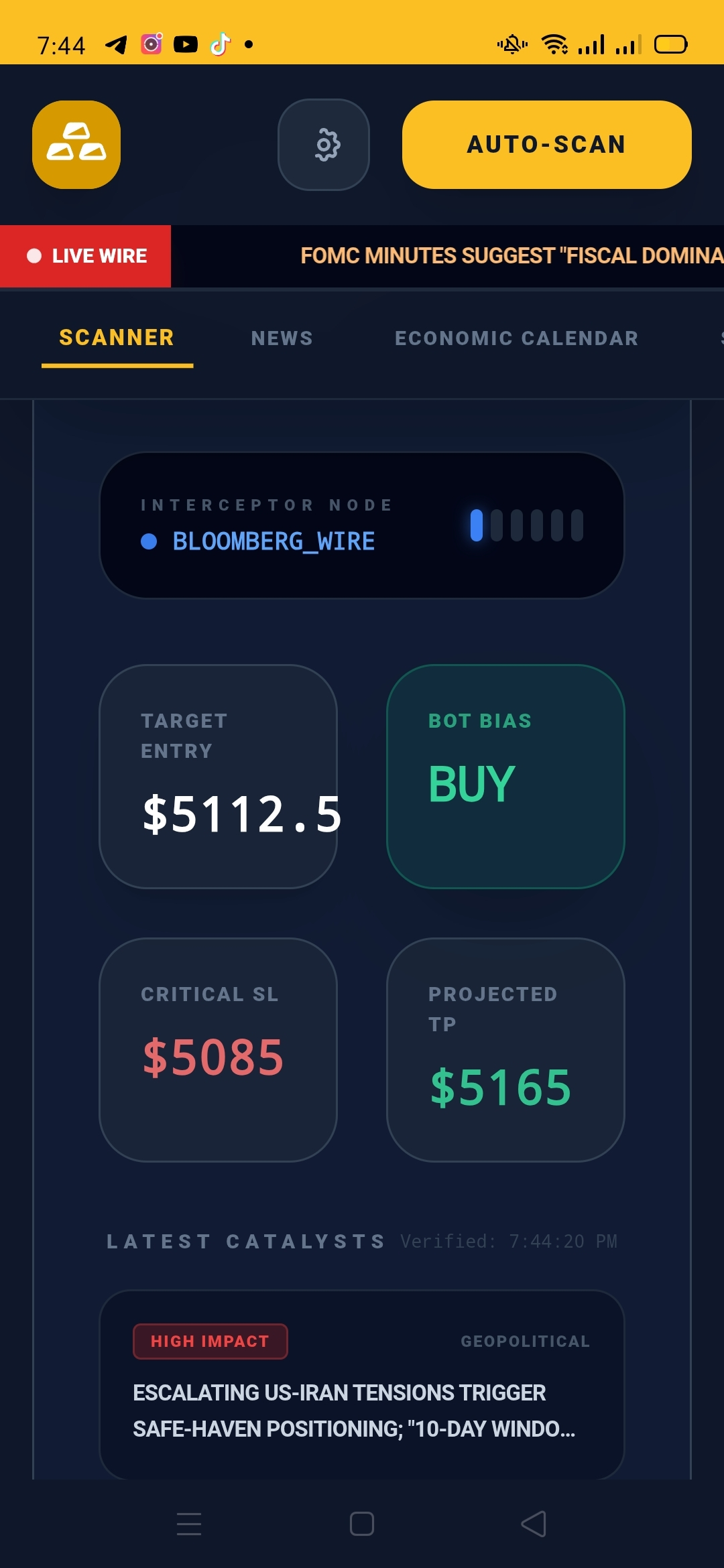
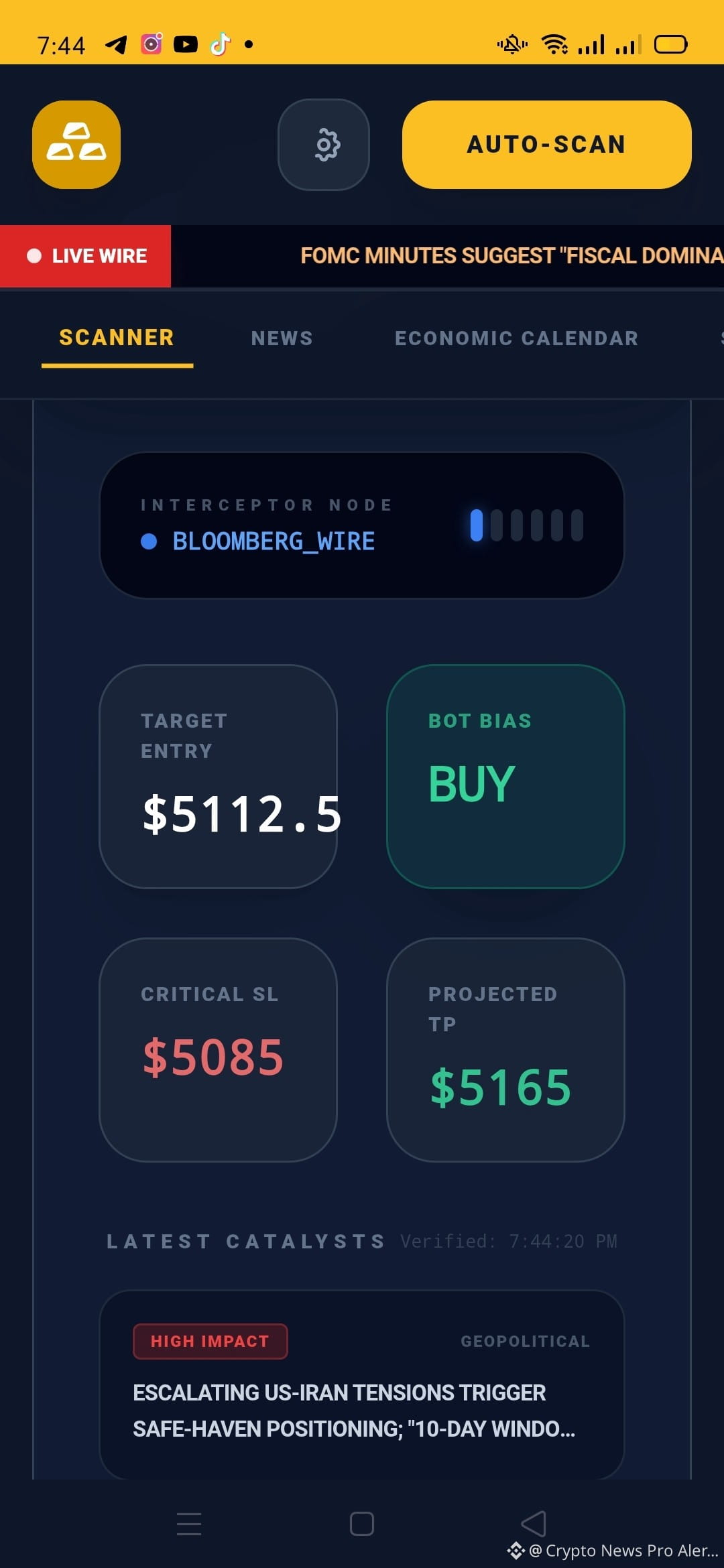
EA_INDICATOR: $XAU #xau SIGNAL=COMPRA;ENTRADA=5112.5;
SL=5085;TP=5165;CONF=78%
SL=5085;TP=5165;CONF=78%
2
EA_INDICATOR XAU: SIGNAL=COMPRA;ENTRADA=5095.5;SL=5042;TP=5185;CONF=78% search 🔎 ai.xau.news
#XAU $XAU
EA_INDICATOR XAU: SIGNAL=COMPRA;ENTRADA=5095.5;SL=5042;TP=5185;CONF=78% search 🔎 ai.xau.news
#XAU $XAU
#XAU $XAU
1
7
EA_INDICATOR: SIGNAL=COMPRAR;ENTRY=5112.5;SL=5081;TP=5178;CONF=84%;
EA_INDICATOR: SIGNAL=COMPRAR;ENTRY=5112.5;SL=5081;TP=5178;CONF=84%;
Crypto News Pro Alerts
·
--
EA_INDICATOR: $XAU #xau SIGNAL=COMPRA;ENTRADA=5112.5;
SL=5085;TP=5165;CONF=78%
SL=5085;TP=5165;CONF=78%
1
·
--
Em Baixa
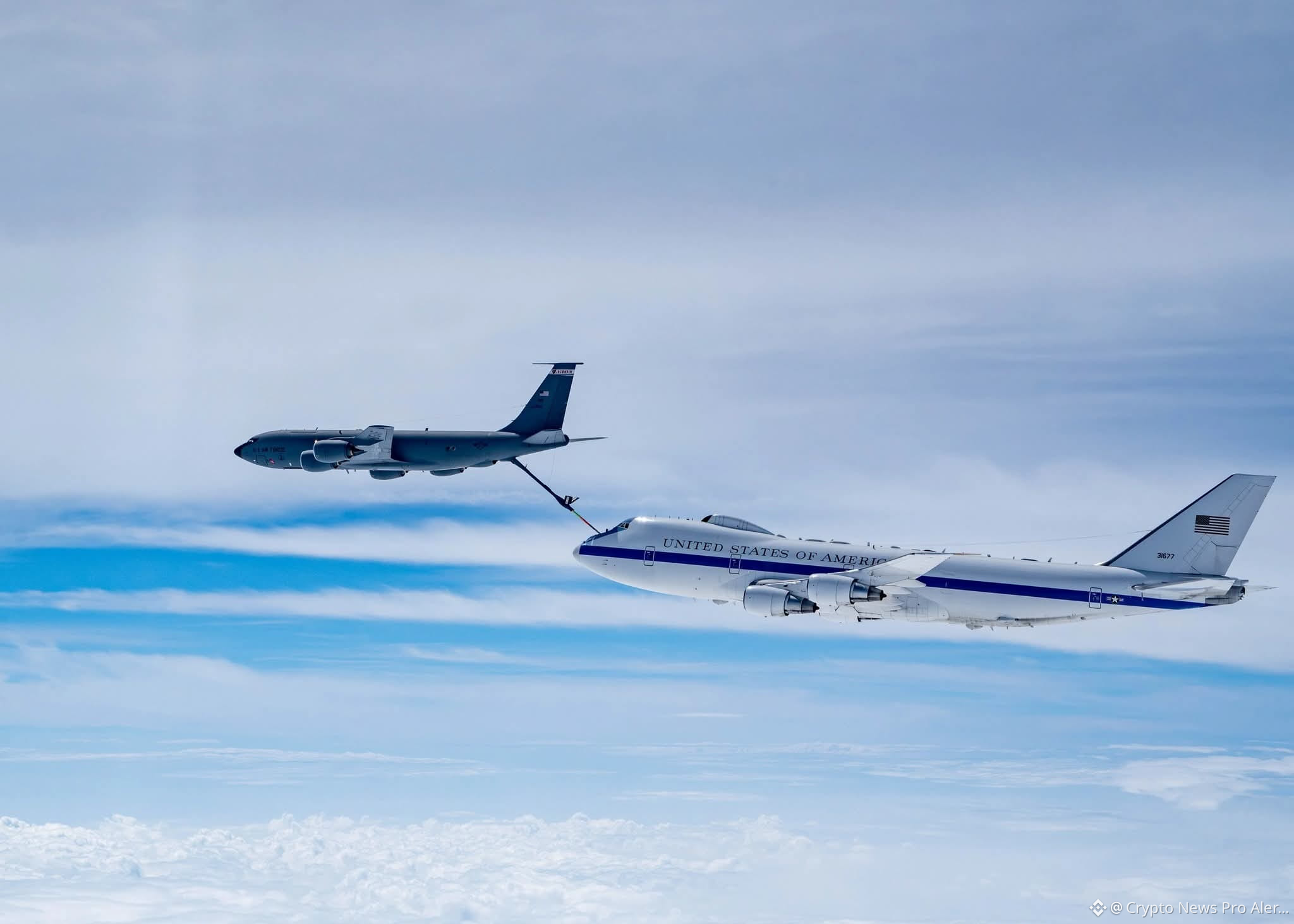
Avião militar "Doomsday" dos EUA aparece em meio ao aumento das tensões globais
Estados Unidos: Um avião militar poderoso conhecido como o "Avião do Dia do Juízo Final" foi recentemente avistado no Aeroporto Internacional de Los Angeles (LAX). Sua aparição, após estar fora da vista pública por 51 anos, gerou suspeitas e preocupações generalizadas, especialmente em um momento de grande tensão global.
De acordo com um relatório da NDTV no domingo, 11 de janeiro, a visão do avião do Doomsday — um Boeing E-4B, frequentemente descrito como um "Pentágono voando" — rapidamente chamou a atenção do público. Muitos estão questionando o propósito de sua ativação, especialmente porque teria sido relatado que não estava em operação há 51 anos.
Dados sobre o avião "Doomsday" indicam que foi projetado para uso em emergências nacionais, especificamente para resistir a ataques nucleares e garantir a continuidade das operações governamentais — daí seu apelido de "Avião do Dia do Juízo Final."$BTC
Avião militar "Doomsday" dos EUA aparece em meio ao aumento das tensões globais
Estados Unidos: Um avião militar poderoso conhecido como o "Avião do Dia do Juízo Final" foi recentemente avistado no Aeroporto Internacional de Los Angeles (LAX). Sua aparição, após estar fora da vista pública por 51 anos, gerou suspeitas e preocupações generalizadas, especialmente em um momento de grande tensão global.
De acordo com um relatório da NDTV no domingo, 11 de janeiro, a visão do avião do Doomsday — um Boeing E-4B, frequentemente descrito como um "Pentágono voando" — rapidamente chamou a atenção do público. Muitos estão questionando o propósito de sua ativação, especialmente porque teria sido relatado que não estava em operação há 51 anos.
Dados sobre o avião "Doomsday" indicam que foi projetado para uso em emergências nacionais, especificamente para resistir a ataques nucleares e garantir a continuidade das operações governamentais — daí seu apelido de "Avião do Dia do Juízo Final."$BTC
Estados Unidos: Um avião militar poderoso conhecido como o "Avião do Dia do Juízo Final" foi recentemente avistado no Aeroporto Internacional de Los Angeles (LAX). Sua aparição, após estar fora da vista pública por 51 anos, gerou suspeitas e preocupações generalizadas, especialmente em um momento de grande tensão global.
De acordo com um relatório da NDTV no domingo, 11 de janeiro, a visão do avião do Doomsday — um Boeing E-4B, frequentemente descrito como um "Pentágono voando" — rapidamente chamou a atenção do público. Muitos estão questionando o propósito de sua ativação, especialmente porque teria sido relatado que não estava em operação há 51 anos.
Dados sobre o avião "Doomsday" indicam que foi projetado para uso em emergências nacionais, especificamente para resistir a ataques nucleares e garantir a continuidade das operações governamentais — daí seu apelido de "Avião do Dia do Juízo Final."$BTC



4
2
11
6k
3
1
326
·
--
Em Baixa
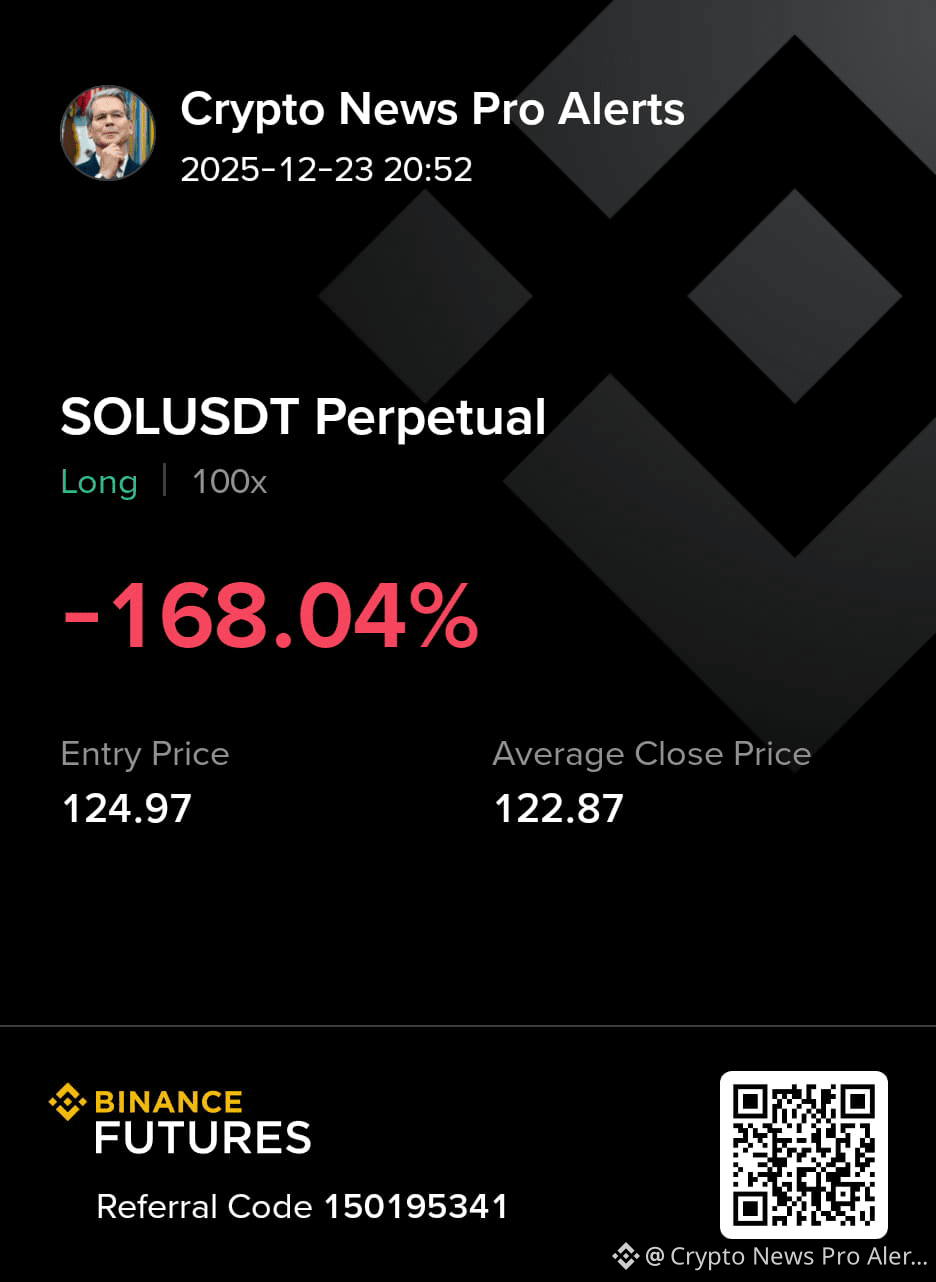
me leve ao paraíso, por favor 🥺 #sol $SOL
{spot}(SOLUSDT)
me leve ao paraíso, por favor 🥺 #sol $SOL
6
2
116
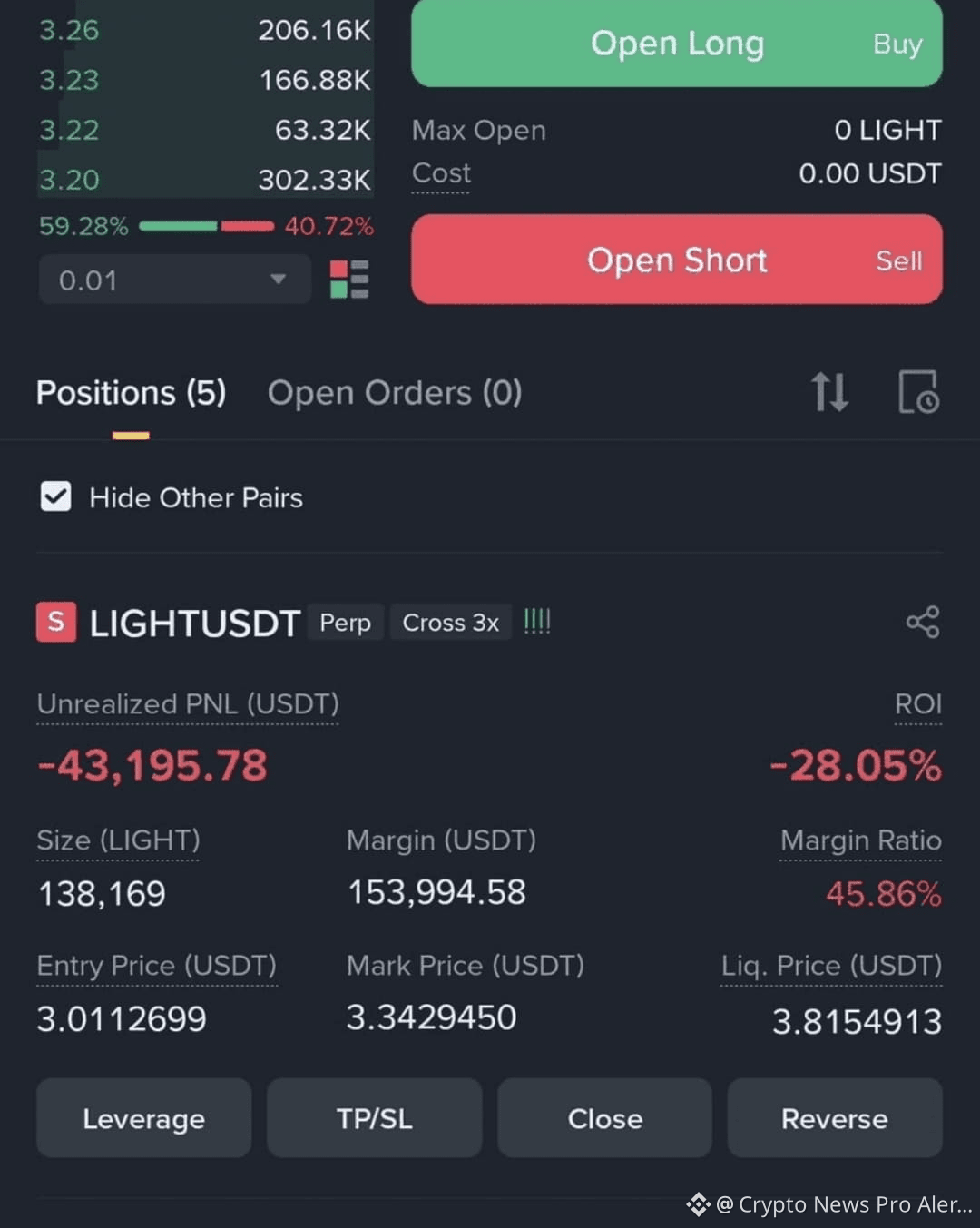
mudar do paraíso para o inferno
mudar do paraíso para o inferno

Dragon Warrior
·
--
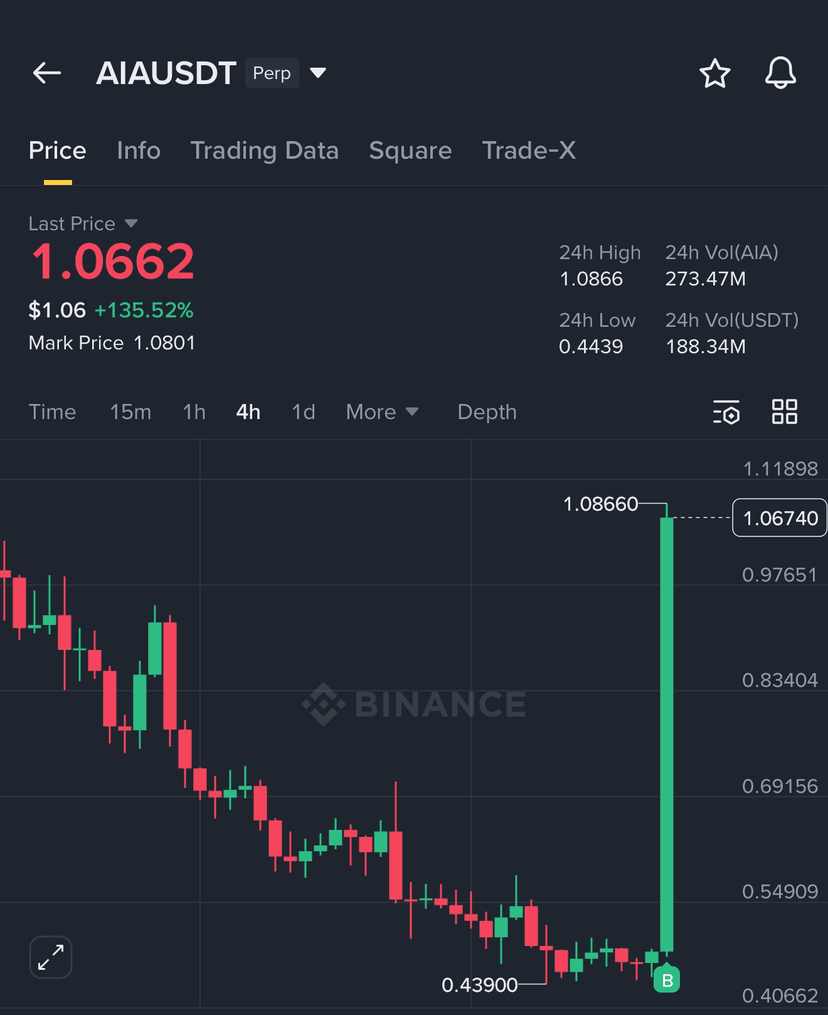
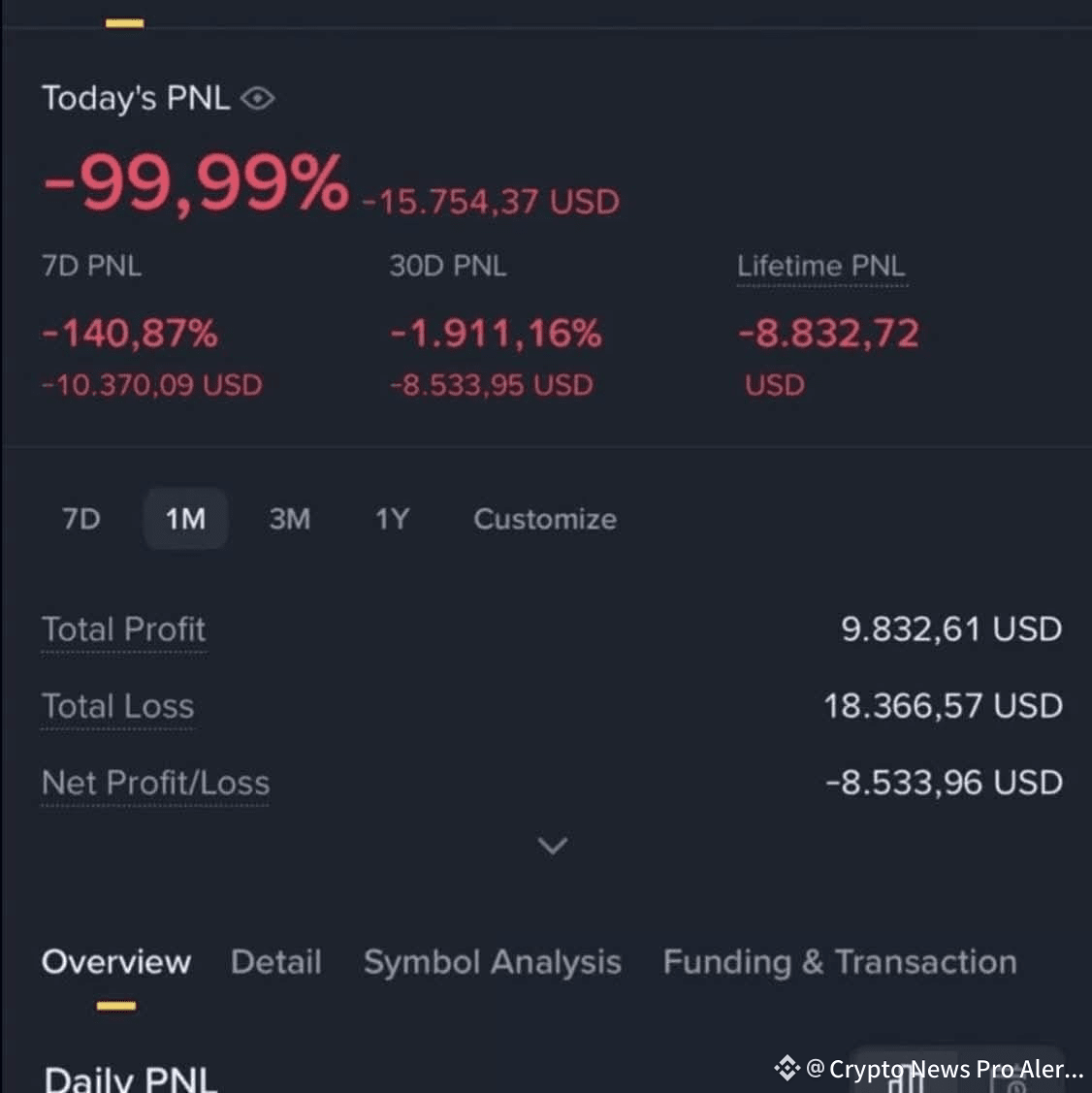
Eu fiz sua renda de 7 anos com esta 1 vela em $AIA
+17.000$ em lucro correndo 💰💸
Por favor, toque 50$
$AIA mudará minha vida 🥳🙏
Siga-me para mais sinais
+17.000$ em lucro correndo 💰💸
Por favor, toque 50$
$AIA mudará minha vida 🥳🙏
Siga-me para mais sinais
5

1
111
·
--
Em Baixa
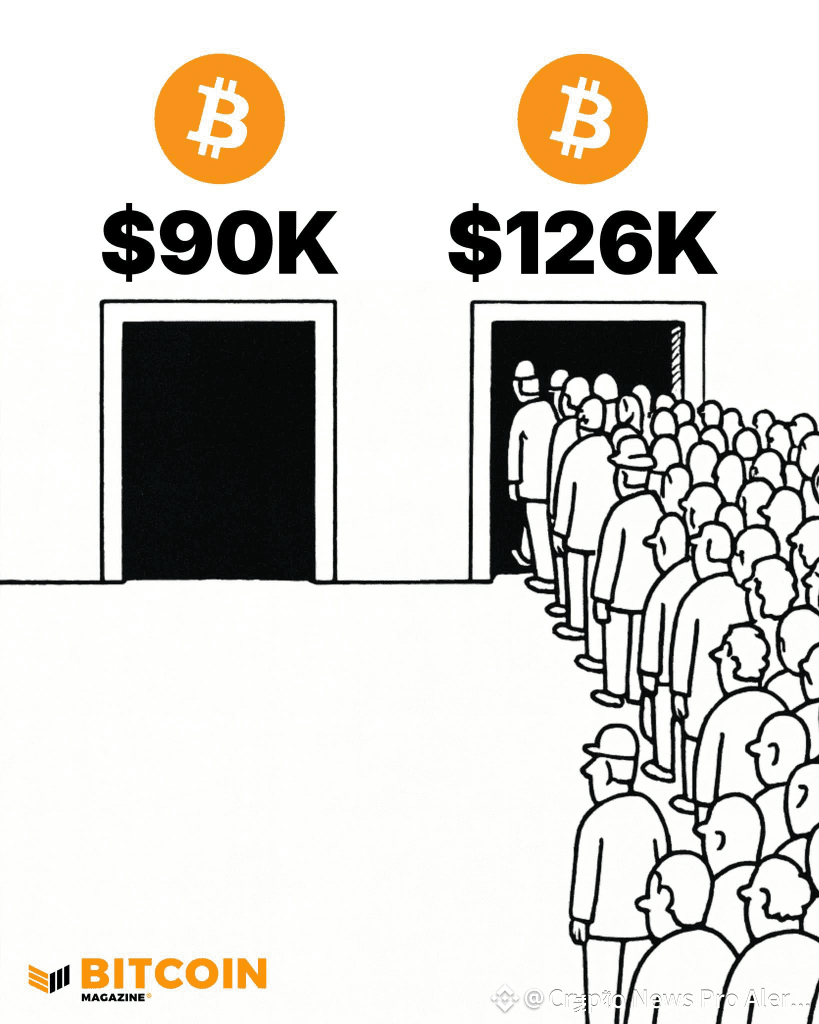
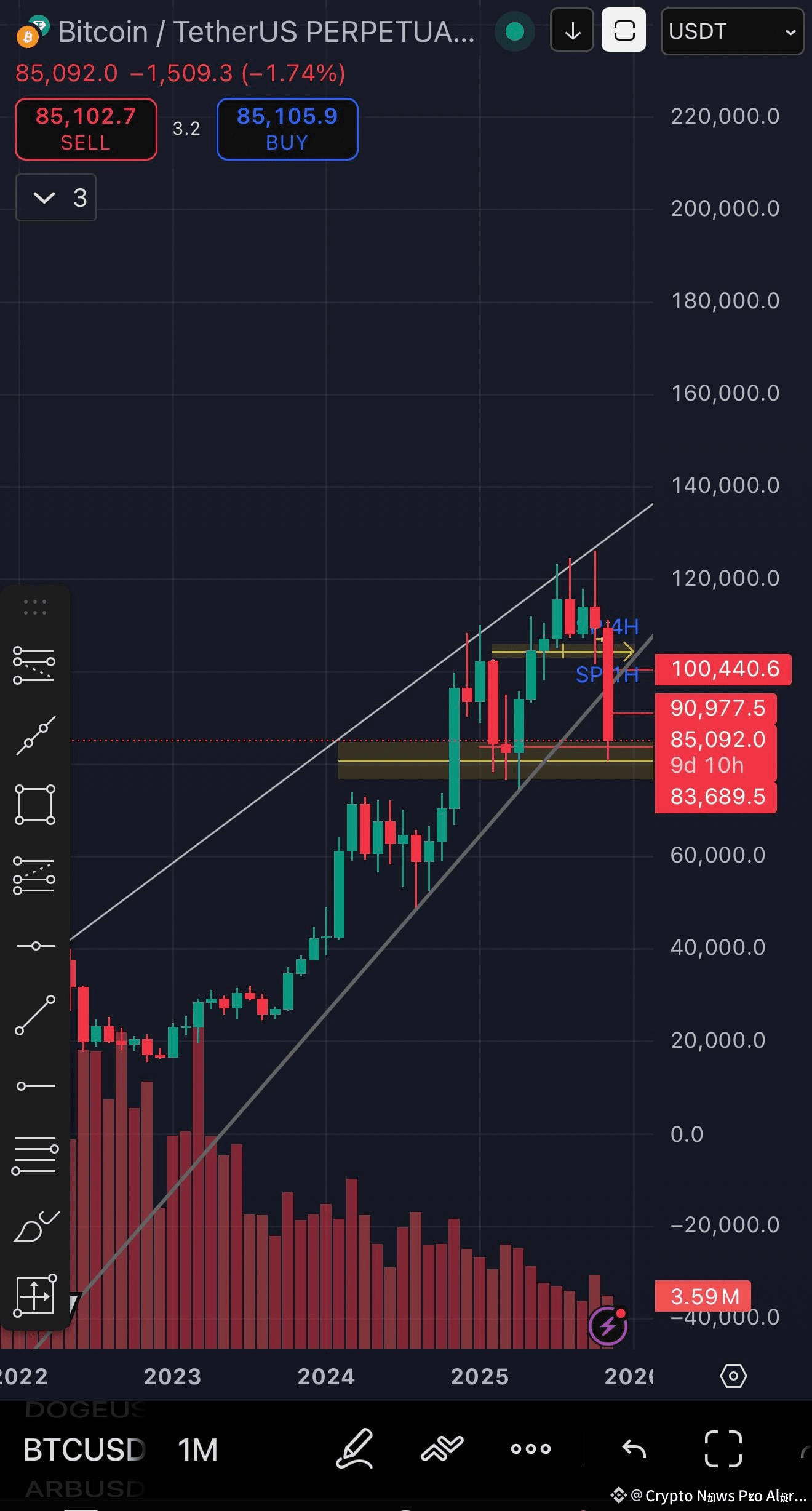
Mercado em baixa desta vez, o preço pode cair para 30K-50K. Portanto, para mim, ao comprar, eu comprarei DCA a partir de 50K. Se cair, compraremos novamente, o preço é bom o suficiente para ser aceitável. Eu não sei quando vai cair ou se pode cair ou não, mas esta é apenas a minha previsão. Lembre-se de que nenhum professor conhece o mercado com antecedência. Se alguém disser que é 100% certo, pode ser uma mentira.$BTC #BTCVolatility
Mercado em baixa desta vez, o preço pode cair para 30K-50K. Portanto, para mim, ao comprar, eu comprarei DCA a partir de 50K. Se cair, compraremos novamente, o preço é bom o suficiente para ser aceitável. Eu não sei quando vai cair ou se pode cair ou não, mas esta é apenas a minha previsão. Lembre-se de que nenhum professor conhece o mercado com antecedência. Se alguém disser que é 100% certo, pode ser uma mentira.$BTC #BTCVolatility
44
Inicia sessão para explorar mais conteúdos
Junta-te a utilizadores de criptomoedas de todo o mundo na Binance Square
⚡️ Obtém informações úteis e recentes sobre criptomoedas.
💬 Com a confiança da maior exchange de criptomoedas do mundo.
👍 Descobre perspetivas reais de criadores verificados.
E-mail/Número de telefone
Tópicos em Tendência
BitcoinReboundsTo$79K
17,121 visualizações
150 a discutir
🚨 $BTC está subindo.
O Bitcoin está sendo negociado por volta de US$ 78.804, com alta de cerca de 1,9%, depois de retomar a região de US$ 78 mil. O próximo nível a observar é a máxima intraday perto de US$ 78.905.
Uma ruptura clara acima desse nível pode abrir caminho para US$ 79 mil–US$ 80 mil. Se o BTC for rejeitado, o suporte fica em torno de US$ 78.300 e depois em US$ 77.975.
Os touros têm impulso, mas o BTC precisa se manter acima de US$ 78 mil.
#Bitcoin #BTC #CryptoTrading #CryptoMarket #CryptoAnalysis
PulseON
·17 gostos
·16k visualizações
SouthKoreaCryptoTaxDelayPetitionTops50000
3,372 visualizações
120 a discutir
SolanaTransactionV1GoesLiveOnMainnet
1,647 visualizações
81 a discutir