

Crypto Breaking
20k Publicações

Crypto Breaking
 Square verificado+
Denunciar
Bloquear Utilizador
Get real-time cryptocurrency news, blockchain updates, market analysis, and expert insights. Explore the latest trends in Bitcoin, Ethereum, DeFi, and Web3.
6 A seguir
32.8K+ Seguidores
31.6K+ Gostaram
Publicações
Tudo
Cotações
Artigo
Fundo de Proteção da Bitget Ultrapassa US$ 309M à medida que a Recuperação “Normaliza”A CEO da Bitget, Gracy Chen, disse que a exchange de criptomoedas está se reaproximando das operações normais após uma violação de segurança que levou à perda de US$ 388 milhões em fundos dos usuários. Em uma postagem no X na quarta-feira, Chen afirmou que os saques de todos os tokens serão retomados na sexta-feira, acrescentando que a Bitget já restaurou o acesso dos usuários ao Bitcoin (BTC), Ether (ETH) e USDt (USDT).
À medida que a bolsa avança na recuperação, a Bitget também apontou o saldo de seu “Protection Fund” interno, que, segundo Chen, atingiu US$ 309 milhões após absorver o impacto financeiro do incidente.
Fundo de Proteção da Bitget Ultrapassa US$ 309M à medida que a Recuperação “Normaliza”
A CEO da Bitget, Gracy Chen, disse que a exchange de criptomoedas está se reaproximando das operações normais após uma violação de segurança que levou à perda de US$ 388 milhões em fundos dos usuários. Em uma postagem no X na quarta-feira, Chen afirmou que os saques de todos os tokens serão retomados na sexta-feira, acrescentando que a Bitget já restaurou o acesso dos usuários ao Bitcoin (BTC), Ether (ETH) e USDt (USDT).
À medida que a bolsa avança na recuperação, a Bitget também apontou o saldo de seu “Protection Fund” interno, que, segundo Chen, atingiu US$ 309 milhões após absorver o impacto financeiro do incidente.
À medida que a bolsa avança na recuperação, a Bitget também apontou o saldo de seu “Protection Fund” interno, que, segundo Chen, atingiu US$ 309 milhões após absorver o impacto financeiro do incidente.
169
Artigo
Think Tank de Bitcoin questiona o ‘Comitê’ oculto da MSCI sobre estratégiaUm think tank de política de Bitcoin está questionando como a MSCI construiu sua mais recente consulta para reforçar as regras de elegibilidade para empresas incluídas em seus benchmarks de ações — depois de identificar materiais internos ligados a uma proposta de “tesouraria” de ativos digitais que anteriormente havia sido arquivada.
No seu artigo de pesquisa Wall Street’s Invisible Committee, o Bitcoin Policy Institute (BPI) argumenta que metadados ligados aos materiais de consulta da MSCI sugerem que a regra mais ampla ainda poderia visar empresas do tipo tesouraria de cripto, como Strategy e Metaplanet. A MSCI, por sua vez, diz que está tentando distinguir empresas operacionais daquelas cuja economia depende principalmente de acumular ativos, em vez de gerar receita por meio de atividades operacionais.
Think Tank de Bitcoin questiona o ‘Comitê’ oculto da MSCI sobre estratégia
Um think tank de política de Bitcoin está questionando como a MSCI construiu sua mais recente consulta para reforçar as regras de elegibilidade para empresas incluídas em seus benchmarks de ações — depois de identificar materiais internos ligados a uma proposta de “tesouraria” de ativos digitais que anteriormente havia sido arquivada.
No seu artigo de pesquisa Wall Street’s Invisible Committee, o Bitcoin Policy Institute (BPI) argumenta que metadados ligados aos materiais de consulta da MSCI sugerem que a regra mais ampla ainda poderia visar empresas do tipo tesouraria de cripto, como Strategy e Metaplanet. A MSCI, por sua vez, diz que está tentando distinguir empresas operacionais daquelas cuja economia depende principalmente de acumular ativos, em vez de gerar receita por meio de atividades operacionais.
No seu artigo de pesquisa Wall Street’s Invisible Committee, o Bitcoin Policy Institute (BPI) argumenta que metadados ligados aos materiais de consulta da MSCI sugerem que a regra mais ampla ainda poderia visar empresas do tipo tesouraria de cripto, como Strategy e Metaplanet. A MSCI, por sua vez, diz que está tentando distinguir empresas operacionais daquelas cuja economia depende principalmente de acumular ativos, em vez de gerar receita por meio de atividades operacionais.
86
Artigo
Think Tank de Bitcoin Desafia “Comitê Invisível” da MSCI nas RegrasA MSCI reabriu sua consulta sobre se certas empresas “não operacionais” devem ser excluídas de seus índices globais de ações — um esforço que pode novamente colocar sob escrutínio empresas de tesouraria relacionadas a cripto, como a Strategy e a Metaplanet. A mudança importa porque os benchmarks da MSCI são amplamente usados por gestores de ativos, e remoções de índices podem se traduzir em vendas forçadas para fundos que acompanham essas medidas.
A rodada mais recente de discussões segue uma rejeição anterior a uma proposta mais focada em cripto. Desta vez, a MSCI está considerando uma estrutura mais ampla para identificar empresas cujo valor deriva principalmente da acumulação de ativos, e não de operações geradoras de receita.
Think Tank de Bitcoin Desafia “Comitê Invisível” da MSCI nas Regras
A MSCI reabriu sua consulta sobre se certas empresas “não operacionais” devem ser excluídas de seus índices globais de ações — um esforço que pode novamente colocar sob escrutínio empresas de tesouraria relacionadas a cripto, como a Strategy e a Metaplanet. A mudança importa porque os benchmarks da MSCI são amplamente usados por gestores de ativos, e remoções de índices podem se traduzir em vendas forçadas para fundos que acompanham essas medidas.
A rodada mais recente de discussões segue uma rejeição anterior a uma proposta mais focada em cripto. Desta vez, a MSCI está considerando uma estrutura mais ampla para identificar empresas cujo valor deriva principalmente da acumulação de ativos, e não de operações geradoras de receita.
A rodada mais recente de discussões segue uma rejeição anterior a uma proposta mais focada em cripto. Desta vez, a MSCI está considerando uma estrutura mais ampla para identificar empresas cujo valor deriva principalmente da acumulação de ativos, e não de operações geradoras de receita.
76
Artigo
MetaMask Para de Executar Validadores do Ethereum Após Questão de Segurança Não ReveladaA MetaMask diz que está respondendo a um incidente de segurança que afeta parte de sua infraestrutura e, como precaução, está encerrando os validadores usados em suas operações de staking não custodial. Em uma atualização ao usuário publicada na quarta-feira, a provedora da carteira afirmou que não identificou nenhuma ameaça imediata às carteiras da MetaMask, enquanto trabalha internamente para lidar com o problema em andamento.
A MetaMask não divulgou qual era a vulnerabilidade de segurança, mas disse que está coordenando com parceiros externos e consultores de segurança. A empresa também enfatizou que seus esforços de remediação incluem mudanças no nível de validadores, em vez de uma ação voltada para os fundos dos usuários mantidos em carteiras.
MetaMask Para de Executar Validadores do Ethereum Após Questão de Segurança Não Revelada
A MetaMask diz que está respondendo a um incidente de segurança que afeta parte de sua infraestrutura e, como precaução, está encerrando os validadores usados em suas operações de staking não custodial. Em uma atualização ao usuário publicada na quarta-feira, a provedora da carteira afirmou que não identificou nenhuma ameaça imediata às carteiras da MetaMask, enquanto trabalha internamente para lidar com o problema em andamento.
A MetaMask não divulgou qual era a vulnerabilidade de segurança, mas disse que está coordenando com parceiros externos e consultores de segurança. A empresa também enfatizou que seus esforços de remediação incluem mudanças no nível de validadores, em vez de uma ação voltada para os fundos dos usuários mantidos em carteiras.
A MetaMask não divulgou qual era a vulnerabilidade de segurança, mas disse que está coordenando com parceiros externos e consultores de segurança. A empresa também enfatizou que seus esforços de remediação incluem mudanças no nível de validadores, em vez de uma ação voltada para os fundos dos usuários mantidos em carteiras.
53

Artigo
Petrobras Implanta Aplicativos da Cardano para Verificar Combustível de Aviação Sustentável e DieselA empresa petrolífera estatal brasileira Petrobras afirma ter desenvolvido duas aplicações baseadas em blockchain na Cardano, com o objetivo de melhorar o rastreamento de alegações de sustentabilidade em combustíveis renováveis.
Em um comunicado compartilhado pela Cardano Foundation, os projetos se concentram em evitar a dupla contagem de benefícios ambientais — um problema que há muito dificulta as iniciativas para verificar alegações relacionadas a combustível de aviação sustentável (SAF) e diesel renovável.
Principais conclusões
A Petrobras desenvolveu duas aplicações na Cardano: uma para atributos de sustentabilidade do SAF e outra para rastrear seu diesel R renovável, desde a produção até o uso.
Petrobras Implanta Aplicativos da Cardano para Verificar Combustível de Aviação Sustentável e Diesel
A empresa petrolífera estatal brasileira Petrobras afirma ter desenvolvido duas aplicações baseadas em blockchain na Cardano, com o objetivo de melhorar o rastreamento de alegações de sustentabilidade em combustíveis renováveis.
Em um comunicado compartilhado pela Cardano Foundation, os projetos se concentram em evitar a dupla contagem de benefícios ambientais — um problema que há muito dificulta as iniciativas para verificar alegações relacionadas a combustível de aviação sustentável (SAF) e diesel renovável.
Principais conclusões
A Petrobras desenvolveu duas aplicações na Cardano: uma para atributos de sustentabilidade do SAF e outra para rastrear seu diesel R renovável, desde a produção até o uso.
Em um comunicado compartilhado pela Cardano Foundation, os projetos se concentram em evitar a dupla contagem de benefícios ambientais — um problema que há muito dificulta as iniciativas para verificar alegações relacionadas a combustível de aviação sustentável (SAF) e diesel renovável.
Principais conclusões
A Petrobras desenvolveu duas aplicações na Cardano: uma para atributos de sustentabilidade do SAF e outra para rastrear seu diesel R renovável, desde a produção até o uso.
53
Artigo
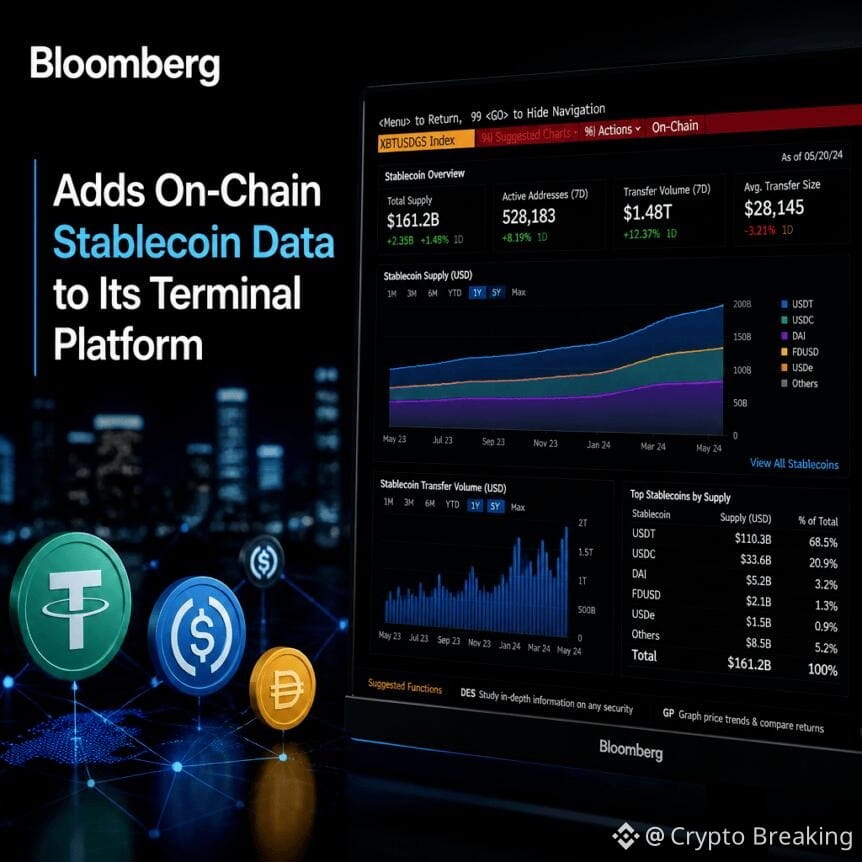
Bloomberg Adiciona Dados On-Chain de Stablecoins à Sua Plataforma de TerminalA Bloomberg adicionou um novo painel de análises de stablecoins ao seu Terminal, com o objetivo de trazer visibilidade onchain para os fluxos de trabalho mais comuns de bancos, gestores de ativos e outros profissionais do mercado. A ferramenta agrega dados sobre a oferta de stablecoins, emissões e atividade de transações, apresentando essas informações ao lado dos sistemas de mercado e de referência já existentes da Bloomberg.
De acordo com um anúncio feito na quarta-feira, o painel é alimentado pelo provedor de dados de blockchain Allium e abrange stablecoins com mais de US$ 100 milhões em circulação. Juntos, esses ativos respondem por mais de 98% do mercado de stablecoins por oferta, oferecendo aos usuários uma visão quase completa dos maiores emissores do setor e dos tokens mais negociados.
Bloomberg Adiciona Dados On-Chain de Stablecoins à Sua Plataforma de Terminal
A Bloomberg adicionou um novo painel de análises de stablecoins ao seu Terminal, com o objetivo de trazer visibilidade onchain para os fluxos de trabalho mais comuns de bancos, gestores de ativos e outros profissionais do mercado. A ferramenta agrega dados sobre a oferta de stablecoins, emissões e atividade de transações, apresentando essas informações ao lado dos sistemas de mercado e de referência já existentes da Bloomberg.
De acordo com um anúncio feito na quarta-feira, o painel é alimentado pelo provedor de dados de blockchain Allium e abrange stablecoins com mais de US$ 100 milhões em circulação. Juntos, esses ativos respondem por mais de 98% do mercado de stablecoins por oferta, oferecendo aos usuários uma visão quase completa dos maiores emissores do setor e dos tokens mais negociados.
De acordo com um anúncio feito na quarta-feira, o painel é alimentado pelo provedor de dados de blockchain Allium e abrange stablecoins com mais de US$ 100 milhões em circulação. Juntos, esses ativos respondem por mais de 98% do mercado de stablecoins por oferta, oferecendo aos usuários uma visão quase completa dos maiores emissores do setor e dos tokens mais negociados.
59
Artigo
Ver tradução
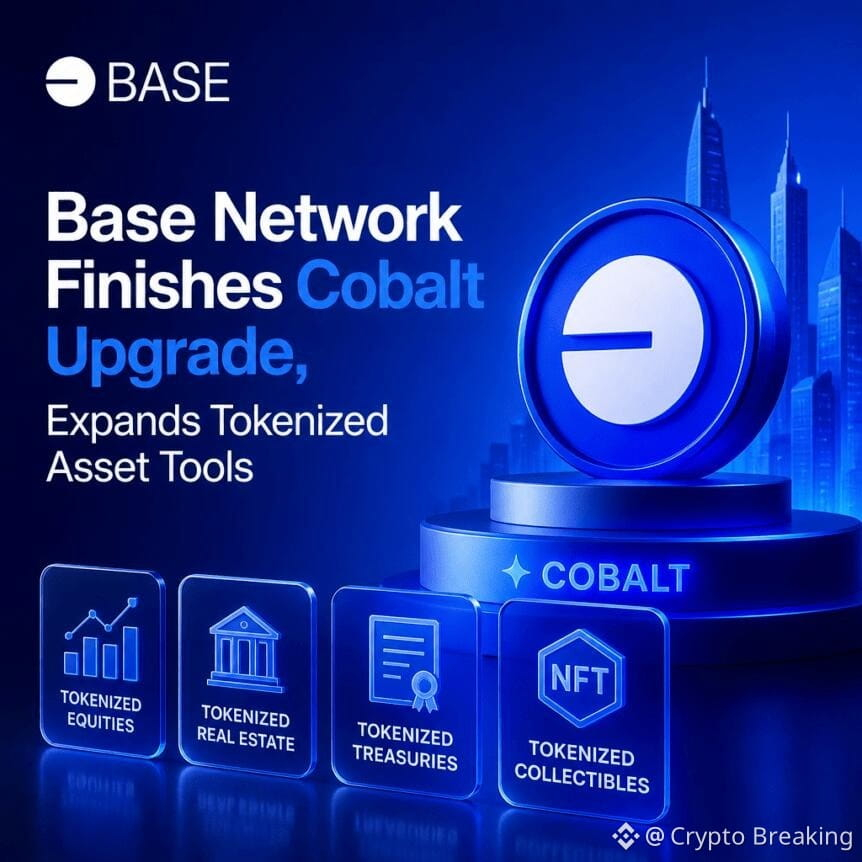
Base Network Finishes Cobalt Upgrade, Expands Tokenized Asset ToolsBase has activated its Cobalt upgrade, positioning the Ethereum layer-2 network to support more regulated, issuer-controlled token transfers while also introducing a new way to submit “conditional” transactions. The update is Base’s third major upgrade and comes as the chain continues to court tokenized finance use cases.
According to Base, Cobalt expands its B20 token standard to help issuers apply multiple compliance checks to the same asset, and it adds administrative controls for certain transfers. It also introduces “Validity Transactions,” which only become eligible for inclusion once specified onchain conditions are met—an approach designed to give users more control over timing.
Key takeaways
Cobalt upgrades Base’s B20 standard with “conditional transactions” and issuer tools aimed at tokenized asset compliance.
Issuers can enforce multiple recipient requirements—such as identity checks, accreditation status, and sanctions screening—on the same token.
Validity Transactions allow users to submit transactions that only become eligible once blockchain state matches predefined conditions.
Some token transfers can be authorized by administrators without the holder’s approval, based on issuer-enabled permissions.
Base emphasizes performance and Ethereum-aligned upgrades, including future plans to reduce block times and add protocol features for transaction fees and batching.
B20 gets issuer-grade compliance checks
The core of Cobalt is an expansion to Base’s B20 token standard. Base says issuers can now attach several compliance checks to the same token type, allowing the asset to enforce recipient requirements at transfer time.
Base’s example scenario outlines how an issuer could require recipients to complete identity verification, qualify as accredited investors, and not appear on a sanctions list—all under issuer-defined rules.
The upgrade also supports scheduled updates for corporate actions such as stock splits. Base describes these changes as adjustments to how many shares are shown in wallets and apps, explicitly noting that this does not require minting or burning tokens and does not change the holder’s underlying balance.
New administrative transfer controls for tokenized assets
Cobalt further introduces a mechanism that gives authorized administrators the ability to move tokens out of a holder’s wallet without obtaining the holder’s approval. In addition, Base says issuers can require that a transfer include a public note.
Crucially, Base frames this as opt-in functionality: issuers decide whether the feature is enabled and who qualifies as an authorized administrator. Base also states that it itself cannot initiate these transfers.
For investors and builders, the practical significance is that tokenized real-world assets and other regulated products often require operational processes—such as compliance-related adjustments and certain custodial actions—that are difficult to map cleanly onto permissionless transfer models. By adding issuer-level controls, Base is effectively trying to reduce the gap between traditional issuance workflows and onchain settlement.
Validity Transactions: conditional eligibility before inclusion
Beyond compliance and administration, Cobalt introduces “Validity Transactions.” These are submissions that do not become eligible for inclusion until specified onchain conditions are satisfied.
Base describes a scenario where a trader submits a swap transaction that only becomes eligible if an asset reaches a certain price before a defined block deadline. In that model, Base holds the transaction and evaluates the conditions against the chain’s state as each block is built.
Base also says transactions submitted through this system can remain private until they are included in a block, addressing a common concern with conditional execution—namely, that waiting for a condition could expose intent or strategy prematurely.
While this is not the same as full onchain smart-contract execution, it can still matter for traders who want more predictable timing or who need an execution window tied to state changes, without requiring the user to craft complex contract logic for every contingency.
Base ties Cobalt to its wider push into tokenized finance
Cobalt’s release follows Base’s broader shift toward tokenized finance infrastructure. On July 8, Base activated B20 as a native token standard for stablecoins, tokenized real-world assets, and other fungible tokens—enabling issuers to create assets without building custom token contracts (as reported by Cointelegraph: Base to Activate B20 Standard for Stablecoins, RWAs and Other Tokens).
The upgrade also aligns with earlier signals from Base’s leadership. Earlier coverage from Cointelegraph noted that Base creator Jesse Pollak said the network had made a “wrong bet” by prioritizing creator, content, and messaging apps and falling behind in areas such as prediction markets and perpetual futures (reported here: Base’s Social Bet Left It Trailing… Pollak). Pollak emphasized that financial applications, including trading and payments, would become a bigger focus as Base pursued a path toward “global finance.”
That focus quickly translated into product activity. On Aug. 25, Coinbase launched tokenized US stocks on Base, issuing B20 tokens representing shares in Apple, Nvidia, Meta, and Alphabet (as covered by Cointelegraph: Coinbase Taps Chainlink for Tokenized Stock Data on Base).
Base says it plans additional network improvements in coming months, including reducing block times from two seconds to 200 milliseconds, introducing protocol-level support for sponsored transaction fees and bundled transactions, and adopting some of the technical changes planned for Ethereum’s “Glamsterdam” upgrade.
Taken together, Cobalt looks less like a standalone feature update and more like an incremental move toward a chain designed for regulated issuance, issuer operations, and faster transaction processing—capabilities that tokenized finance deployments tend to require.
For readers watching next, the key question is how quickly issuers and trading platforms will integrate these new capabilities—particularly the conditional transfer compliance controls and Validity Transactions—and whether Base’s planned performance and fee features will make tokenized workflows more practical at scale.
This article was originally published as Base Network Finishes Cobalt Upgrade, Expands Tokenized Asset Tools on Crypto Breaking News – your trusted source for crypto news, Bitcoin news, and blockchain updates.
Base Network Finishes Cobalt Upgrade, Expands Tokenized Asset Tools
Base has activated its Cobalt upgrade, positioning the Ethereum layer-2 network to support more regulated, issuer-controlled token transfers while also introducing a new way to submit “conditional” transactions. The update is Base’s third major upgrade and comes as the chain continues to court tokenized finance use cases.
According to Base, Cobalt expands its B20 token standard to help issuers apply multiple compliance checks to the same asset, and it adds administrative controls for certain transfers. It also introduces “Validity Transactions,” which only become eligible for inclusion once specified onchain conditions are met—an approach designed to give users more control over timing.
Key takeaways
Cobalt upgrades Base’s B20 standard with “conditional transactions” and issuer tools aimed at tokenized asset compliance.
Issuers can enforce multiple recipient requirements—such as identity checks, accreditation status, and sanctions screening—on the same token.
Validity Transactions allow users to submit transactions that only become eligible once blockchain state matches predefined conditions.
Some token transfers can be authorized by administrators without the holder’s approval, based on issuer-enabled permissions.
Base emphasizes performance and Ethereum-aligned upgrades, including future plans to reduce block times and add protocol features for transaction fees and batching.
B20 gets issuer-grade compliance checks
The core of Cobalt is an expansion to Base’s B20 token standard. Base says issuers can now attach several compliance checks to the same token type, allowing the asset to enforce recipient requirements at transfer time.
Base’s example scenario outlines how an issuer could require recipients to complete identity verification, qualify as accredited investors, and not appear on a sanctions list—all under issuer-defined rules.
The upgrade also supports scheduled updates for corporate actions such as stock splits. Base describes these changes as adjustments to how many shares are shown in wallets and apps, explicitly noting that this does not require minting or burning tokens and does not change the holder’s underlying balance.
New administrative transfer controls for tokenized assets
Cobalt further introduces a mechanism that gives authorized administrators the ability to move tokens out of a holder’s wallet without obtaining the holder’s approval. In addition, Base says issuers can require that a transfer include a public note.
Crucially, Base frames this as opt-in functionality: issuers decide whether the feature is enabled and who qualifies as an authorized administrator. Base also states that it itself cannot initiate these transfers.
For investors and builders, the practical significance is that tokenized real-world assets and other regulated products often require operational processes—such as compliance-related adjustments and certain custodial actions—that are difficult to map cleanly onto permissionless transfer models. By adding issuer-level controls, Base is effectively trying to reduce the gap between traditional issuance workflows and onchain settlement.
Validity Transactions: conditional eligibility before inclusion
Beyond compliance and administration, Cobalt introduces “Validity Transactions.” These are submissions that do not become eligible for inclusion until specified onchain conditions are satisfied.
Base describes a scenario where a trader submits a swap transaction that only becomes eligible if an asset reaches a certain price before a defined block deadline. In that model, Base holds the transaction and evaluates the conditions against the chain’s state as each block is built.
Base also says transactions submitted through this system can remain private until they are included in a block, addressing a common concern with conditional execution—namely, that waiting for a condition could expose intent or strategy prematurely.
While this is not the same as full onchain smart-contract execution, it can still matter for traders who want more predictable timing or who need an execution window tied to state changes, without requiring the user to craft complex contract logic for every contingency.
Base ties Cobalt to its wider push into tokenized finance
Cobalt’s release follows Base’s broader shift toward tokenized finance infrastructure. On July 8, Base activated B20 as a native token standard for stablecoins, tokenized real-world assets, and other fungible tokens—enabling issuers to create assets without building custom token contracts (as reported by Cointelegraph: Base to Activate B20 Standard for Stablecoins, RWAs and Other Tokens).
The upgrade also aligns with earlier signals from Base’s leadership. Earlier coverage from Cointelegraph noted that Base creator Jesse Pollak said the network had made a “wrong bet” by prioritizing creator, content, and messaging apps and falling behind in areas such as prediction markets and perpetual futures (reported here: Base’s Social Bet Left It Trailing… Pollak). Pollak emphasized that financial applications, including trading and payments, would become a bigger focus as Base pursued a path toward “global finance.”
That focus quickly translated into product activity. On Aug. 25, Coinbase launched tokenized US stocks on Base, issuing B20 tokens representing shares in Apple, Nvidia, Meta, and Alphabet (as covered by Cointelegraph: Coinbase Taps Chainlink for Tokenized Stock Data on Base).
Base says it plans additional network improvements in coming months, including reducing block times from two seconds to 200 milliseconds, introducing protocol-level support for sponsored transaction fees and bundled transactions, and adopting some of the technical changes planned for Ethereum’s “Glamsterdam” upgrade.
Taken together, Cobalt looks less like a standalone feature update and more like an incremental move toward a chain designed for regulated issuance, issuer operations, and faster transaction processing—capabilities that tokenized finance deployments tend to require.
For readers watching next, the key question is how quickly issuers and trading platforms will integrate these new capabilities—particularly the conditional transfer compliance controls and Validity Transactions—and whether Base’s planned performance and fee features will make tokenized workflows more practical at scale.
This article was originally published as Base Network Finishes Cobalt Upgrade, Expands Tokenized Asset Tools on Crypto Breaking News – your trusted source for crypto news, Bitcoin news, and blockchain updates.
According to Base, Cobalt expands its B20 token standard to help issuers apply multiple compliance checks to the same asset, and it adds administrative controls for certain transfers. It also introduces “Validity Transactions,” which only become eligible for inclusion once specified onchain conditions are met—an approach designed to give users more control over timing.
Key takeaways
Cobalt upgrades Base’s B20 standard with “conditional transactions” and issuer tools aimed at tokenized asset compliance.
Issuers can enforce multiple recipient requirements—such as identity checks, accreditation status, and sanctions screening—on the same token.
Validity Transactions allow users to submit transactions that only become eligible once blockchain state matches predefined conditions.
Some token transfers can be authorized by administrators without the holder’s approval, based on issuer-enabled permissions.
Base emphasizes performance and Ethereum-aligned upgrades, including future plans to reduce block times and add protocol features for transaction fees and batching.
B20 gets issuer-grade compliance checks
The core of Cobalt is an expansion to Base’s B20 token standard. Base says issuers can now attach several compliance checks to the same token type, allowing the asset to enforce recipient requirements at transfer time.
Base’s example scenario outlines how an issuer could require recipients to complete identity verification, qualify as accredited investors, and not appear on a sanctions list—all under issuer-defined rules.
The upgrade also supports scheduled updates for corporate actions such as stock splits. Base describes these changes as adjustments to how many shares are shown in wallets and apps, explicitly noting that this does not require minting or burning tokens and does not change the holder’s underlying balance.
New administrative transfer controls for tokenized assets
Cobalt further introduces a mechanism that gives authorized administrators the ability to move tokens out of a holder’s wallet without obtaining the holder’s approval. In addition, Base says issuers can require that a transfer include a public note.
Crucially, Base frames this as opt-in functionality: issuers decide whether the feature is enabled and who qualifies as an authorized administrator. Base also states that it itself cannot initiate these transfers.
For investors and builders, the practical significance is that tokenized real-world assets and other regulated products often require operational processes—such as compliance-related adjustments and certain custodial actions—that are difficult to map cleanly onto permissionless transfer models. By adding issuer-level controls, Base is effectively trying to reduce the gap between traditional issuance workflows and onchain settlement.
Validity Transactions: conditional eligibility before inclusion
Beyond compliance and administration, Cobalt introduces “Validity Transactions.” These are submissions that do not become eligible for inclusion until specified onchain conditions are satisfied.
Base describes a scenario where a trader submits a swap transaction that only becomes eligible if an asset reaches a certain price before a defined block deadline. In that model, Base holds the transaction and evaluates the conditions against the chain’s state as each block is built.
Base also says transactions submitted through this system can remain private until they are included in a block, addressing a common concern with conditional execution—namely, that waiting for a condition could expose intent or strategy prematurely.
While this is not the same as full onchain smart-contract execution, it can still matter for traders who want more predictable timing or who need an execution window tied to state changes, without requiring the user to craft complex contract logic for every contingency.
Base ties Cobalt to its wider push into tokenized finance
Cobalt’s release follows Base’s broader shift toward tokenized finance infrastructure. On July 8, Base activated B20 as a native token standard for stablecoins, tokenized real-world assets, and other fungible tokens—enabling issuers to create assets without building custom token contracts (as reported by Cointelegraph: Base to Activate B20 Standard for Stablecoins, RWAs and Other Tokens).
The upgrade also aligns with earlier signals from Base’s leadership. Earlier coverage from Cointelegraph noted that Base creator Jesse Pollak said the network had made a “wrong bet” by prioritizing creator, content, and messaging apps and falling behind in areas such as prediction markets and perpetual futures (reported here: Base’s Social Bet Left It Trailing… Pollak). Pollak emphasized that financial applications, including trading and payments, would become a bigger focus as Base pursued a path toward “global finance.”
That focus quickly translated into product activity. On Aug. 25, Coinbase launched tokenized US stocks on Base, issuing B20 tokens representing shares in Apple, Nvidia, Meta, and Alphabet (as covered by Cointelegraph: Coinbase Taps Chainlink for Tokenized Stock Data on Base).
Base says it plans additional network improvements in coming months, including reducing block times from two seconds to 200 milliseconds, introducing protocol-level support for sponsored transaction fees and bundled transactions, and adopting some of the technical changes planned for Ethereum’s “Glamsterdam” upgrade.
Taken together, Cobalt looks less like a standalone feature update and more like an incremental move toward a chain designed for regulated issuance, issuer operations, and faster transaction processing—capabilities that tokenized finance deployments tend to require.
For readers watching next, the key question is how quickly issuers and trading platforms will integrate these new capabilities—particularly the conditional transfer compliance controls and Validity Transactions—and whether Base’s planned performance and fee features will make tokenized workflows more practical at scale.
This article was originally published as Base Network Finishes Cobalt Upgrade, Expands Tokenized Asset Tools on Crypto Breaking News – your trusted source for crypto news, Bitcoin news, and blockchain updates.
82
Artigo
Grupo de Advocacy Cripto Lança Candidatos ao Congresso dos EUA Antes das Eleições de Meio de MandatoA Stand With Crypto, o grupo de defesa alinhado com a indústria lançado pela Coinbase em 2023 para defender o que descreve como “regulamentações claras e de bom senso”, revelou uma lista de endossos políticos às vésperas da próxima sessão do Congresso. A organização afirma que está apoiando candidatos em disputas-chave para o Senado e a Câmara que, segundo ela, podem influenciar a forma como os legisladores dos EUA vão lidar com a legislação sobre ativos digitais.
A Bloomberg Government News informou que a Stand With Crypto planeja apoiar candidatos ao Senado que concorrem em 2026, incluindo o republicano de Ohio Jon Husted, a republicana de Iowa Ashley Hinson e o democrata de New Hampshire Chris Pappas. As divulgações acontecem em meio à incerteza em curso sobre se os democratas conseguem retomar o controle de qualquer uma das câmaras do Congresso em 2027, um fator que pode determinar o que acontece com projetos de lei importantes que afetam a estrutura do mercado de cripto.
Grupo de Advocacy Cripto Lança Candidatos ao Congresso dos EUA Antes das Eleições de Meio de Mandato
A Stand With Crypto, o grupo de defesa alinhado com a indústria lançado pela Coinbase em 2023 para defender o que descreve como “regulamentações claras e de bom senso”, revelou uma lista de endossos políticos às vésperas da próxima sessão do Congresso. A organização afirma que está apoiando candidatos em disputas-chave para o Senado e a Câmara que, segundo ela, podem influenciar a forma como os legisladores dos EUA vão lidar com a legislação sobre ativos digitais.
A Bloomberg Government News informou que a Stand With Crypto planeja apoiar candidatos ao Senado que concorrem em 2026, incluindo o republicano de Ohio Jon Husted, a republicana de Iowa Ashley Hinson e o democrata de New Hampshire Chris Pappas. As divulgações acontecem em meio à incerteza em curso sobre se os democratas conseguem retomar o controle de qualquer uma das câmaras do Congresso em 2027, um fator que pode determinar o que acontece com projetos de lei importantes que afetam a estrutura do mercado de cripto.
A Bloomberg Government News informou que a Stand With Crypto planeja apoiar candidatos ao Senado que concorrem em 2026, incluindo o republicano de Ohio Jon Husted, a republicana de Iowa Ashley Hinson e o democrata de New Hampshire Chris Pappas. As divulgações acontecem em meio à incerteza em curso sobre se os democratas conseguem retomar o controle de qualquer uma das câmaras do Congresso em 2027, um fator que pode determinar o que acontece com projetos de lei importantes que afetam a estrutura do mercado de cripto.
114
Artigo
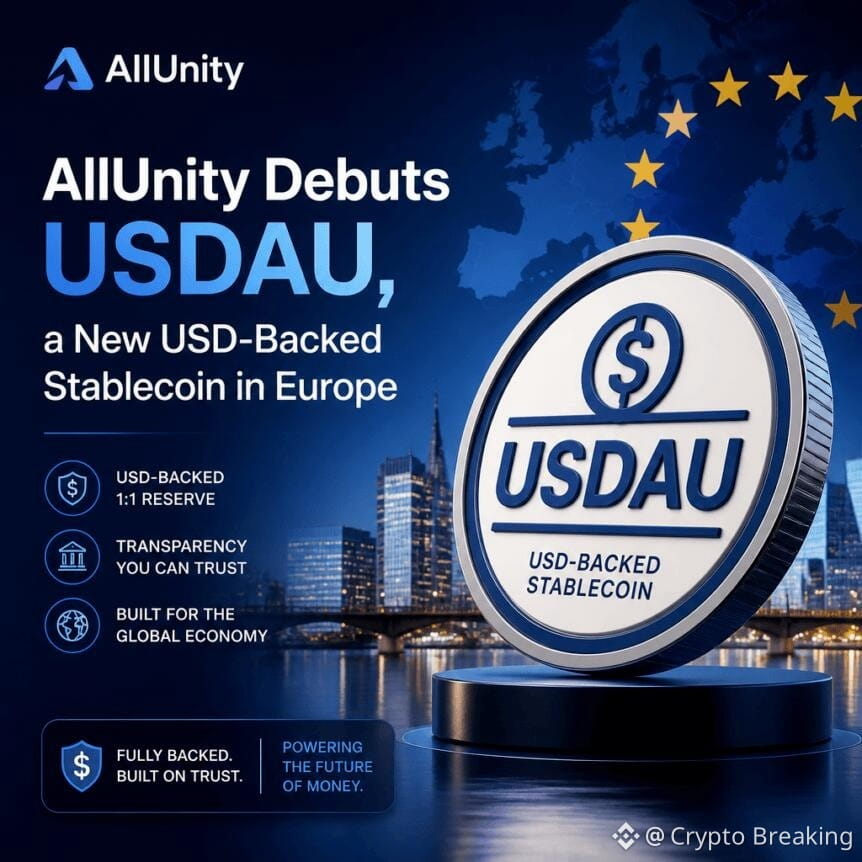
AllUnity Lança USDAU, uma Nova Stablecoin Lastreada em USD na EuropaA AllUnity revelou a USDAU, sua quarta stablecoin lastreada em fiat, projetada para trazer liquidez em dólar americano para um quadro regulamentado pela MiCA. O lançamento se soma a uma linha já existente que inclui tokens de euro, franco suíço e coroa sueca emitidos sob o regime de Mercados em Cripto-Ativos (MiCA) da UE.
De acordo com o anúncio da AllUnity compartilhado com a Cointelegraph, a USDAU é vinculada 1:1 ao dólar dos EUA usando reservas segregadas. A empresa disse que a stablecoin será lançada em várias redes, incluindo Ethereum, Solana, Base, Tempo, Arc e Polygon.
AllUnity Lança USDAU, uma Nova Stablecoin Lastreada em USD na Europa
A AllUnity revelou a USDAU, sua quarta stablecoin lastreada em fiat, projetada para trazer liquidez em dólar americano para um quadro regulamentado pela MiCA. O lançamento se soma a uma linha já existente que inclui tokens de euro, franco suíço e coroa sueca emitidos sob o regime de Mercados em Cripto-Ativos (MiCA) da UE.
De acordo com o anúncio da AllUnity compartilhado com a Cointelegraph, a USDAU é vinculada 1:1 ao dólar dos EUA usando reservas segregadas. A empresa disse que a stablecoin será lançada em várias redes, incluindo Ethereum, Solana, Base, Tempo, Arc e Polygon.
De acordo com o anúncio da AllUnity compartilhado com a Cointelegraph, a USDAU é vinculada 1:1 ao dólar dos EUA usando reservas segregadas. A empresa disse que a stablecoin será lançada em várias redes, incluindo Ethereum, Solana, Base, Tempo, Arc e Polygon.
121
Artigo
SlowMist Conecta o Hack da Bitget a uma Exploração de Zero-Day Usada Até 31 de AgostoA SlowMist afirma que rastreou partes essenciais do comprometimento por trás do roubo de hot-wallet de US$ 388 milhões reportado pela Bitget, incluindo como os atacantes se moveram por múltiplos componentes ligados a produtos de segurança de terceiros e usaram uma ferramenta de saque personalizada para extrair fundos.
Em uma atualização de progresso publicada junto com um relatório de resposta a incidentes, a SlowMist relaciona a atividade maliciosa mais antiga observada a 31 de agosto, quando um atacante teria explorado uma falha zero-day em um produto de segurança de terceiros. A empresa posteriormente identificou ações suspeitas adicionais em outros nós afetados e descreveu tentativas de executar saques fraudulentos em várias blockchains.
SlowMist Conecta o Hack da Bitget a uma Exploração de Zero-Day Usada Até 31 de Agosto
A SlowMist afirma que rastreou partes essenciais do comprometimento por trás do roubo de hot-wallet de US$ 388 milhões reportado pela Bitget, incluindo como os atacantes se moveram por múltiplos componentes ligados a produtos de segurança de terceiros e usaram uma ferramenta de saque personalizada para extrair fundos.
Em uma atualização de progresso publicada junto com um relatório de resposta a incidentes, a SlowMist relaciona a atividade maliciosa mais antiga observada a 31 de agosto, quando um atacante teria explorado uma falha zero-day em um produto de segurança de terceiros. A empresa posteriormente identificou ações suspeitas adicionais em outros nós afetados e descreveu tentativas de executar saques fraudulentos em várias blockchains.
Em uma atualização de progresso publicada junto com um relatório de resposta a incidentes, a SlowMist relaciona a atividade maliciosa mais antiga observada a 31 de agosto, quando um atacante teria explorado uma falha zero-day em um produto de segurança de terceiros. A empresa posteriormente identificou ações suspeitas adicionais em outros nós afetados e descreveu tentativas de executar saques fraudulentos em várias blockchains.
33
Artigo
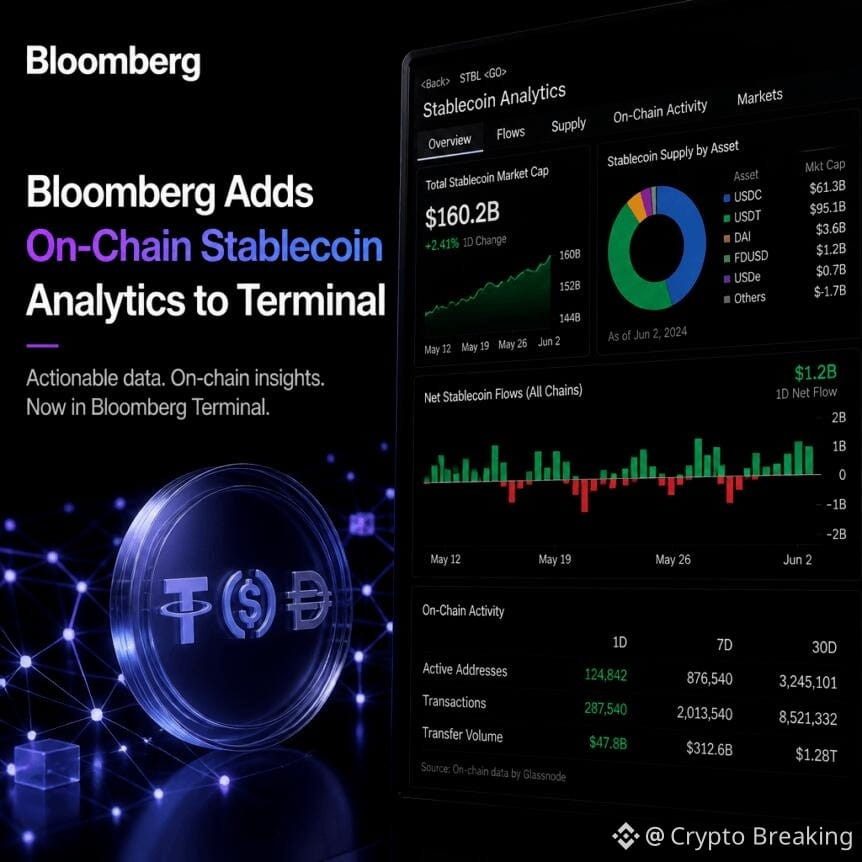
Bloomberg Adiciona Análises de Stablecoin On-Chain ao TerminalA Bloomberg apresentou um painel de analytics de stablecoins dentro do seu Bloomberg Terminal, com o objetivo de trazer visibilidade on-chain padronizada para a mesma plataforma usada por bancos, gestores de ativos e outros profissionais do setor financeiro. A nova ferramenta foi criada para acompanhar a oferta de stablecoins, a emissão e a atividade de transações em tempo real, reduzindo a distância entre fluxos de trabalho tradicionais de dados de mercado e os fundamentos em nível de blockchain.
A Bloomberg diz que o painel—alimentado pela plataforma de dados blockchain Allium—cobre stablecoins com mais de US$ 100 milhões em circulação. Esse subconjunto representa mais de 98% do mercado de stablecoin em termos de oferta, segundo um anúncio de quarta-feira da Bloomberg.
Bloomberg Adiciona Análises de Stablecoin On-Chain ao Terminal
A Bloomberg apresentou um painel de analytics de stablecoins dentro do seu Bloomberg Terminal, com o objetivo de trazer visibilidade on-chain padronizada para a mesma plataforma usada por bancos, gestores de ativos e outros profissionais do setor financeiro. A nova ferramenta foi criada para acompanhar a oferta de stablecoins, a emissão e a atividade de transações em tempo real, reduzindo a distância entre fluxos de trabalho tradicionais de dados de mercado e os fundamentos em nível de blockchain.
A Bloomberg diz que o painel—alimentado pela plataforma de dados blockchain Allium—cobre stablecoins com mais de US$ 100 milhões em circulação. Esse subconjunto representa mais de 98% do mercado de stablecoin em termos de oferta, segundo um anúncio de quarta-feira da Bloomberg.
A Bloomberg diz que o painel—alimentado pela plataforma de dados blockchain Allium—cobre stablecoins com mais de US$ 100 milhões em circulação. Esse subconjunto representa mais de 98% do mercado de stablecoin em termos de oferta, segundo um anúncio de quarta-feira da Bloomberg.
38
Artigo
Standard Chartered prevê USDe da Ethena em US$ 40B e ENA em US$ 2O Standard Chartered iniciou a cobertura do token ENA da Ethena com um conjunto de premissas otimistas de longo prazo vinculadas ao crescimento de sua stablecoin USDe. Em um relatório de pesquisa compartilhado com a Cointelegraph, o banco projeta que a oferta de USDe pode aumentar oito vezes para US$ 40 bilhões até o fim de 2028 — impulsionada por estratégias de rendimento que vão além da tradicional operação de arbitragem (“basis trade”) em cripto do protocolo.
Junto à sua previsão para stablecoin, o Standard Chartered estabeleceu uma meta de preço para o ENA no fim de 2028 de US$ 2, um patamar que a instituição caracteriza como significativamente acima da referência de preço do token usada no relatório. O modelo de avaliação do banco também depende de uma mudança na taxa de governança da Ethena, que direciona uma grande parcela da receita líquida para recompras de ENA assim que o USDe atingir marcos específicos.
Standard Chartered prevê USDe da Ethena em US$ 40B e ENA em US$ 2
O Standard Chartered iniciou a cobertura do token ENA da Ethena com um conjunto de premissas otimistas de longo prazo vinculadas ao crescimento de sua stablecoin USDe. Em um relatório de pesquisa compartilhado com a Cointelegraph, o banco projeta que a oferta de USDe pode aumentar oito vezes para US$ 40 bilhões até o fim de 2028 — impulsionada por estratégias de rendimento que vão além da tradicional operação de arbitragem (“basis trade”) em cripto do protocolo.
Junto à sua previsão para stablecoin, o Standard Chartered estabeleceu uma meta de preço para o ENA no fim de 2028 de US$ 2, um patamar que a instituição caracteriza como significativamente acima da referência de preço do token usada no relatório. O modelo de avaliação do banco também depende de uma mudança na taxa de governança da Ethena, que direciona uma grande parcela da receita líquida para recompras de ENA assim que o USDe atingir marcos específicos.
Junto à sua previsão para stablecoin, o Standard Chartered estabeleceu uma meta de preço para o ENA no fim de 2028 de US$ 2, um patamar que a instituição caracteriza como significativamente acima da referência de preço do token usada no relatório. O modelo de avaliação do banco também depende de uma mudança na taxa de governança da Ethena, que direciona uma grande parcela da receita líquida para recompras de ENA assim que o USDe atingir marcos específicos.
37
Artigo
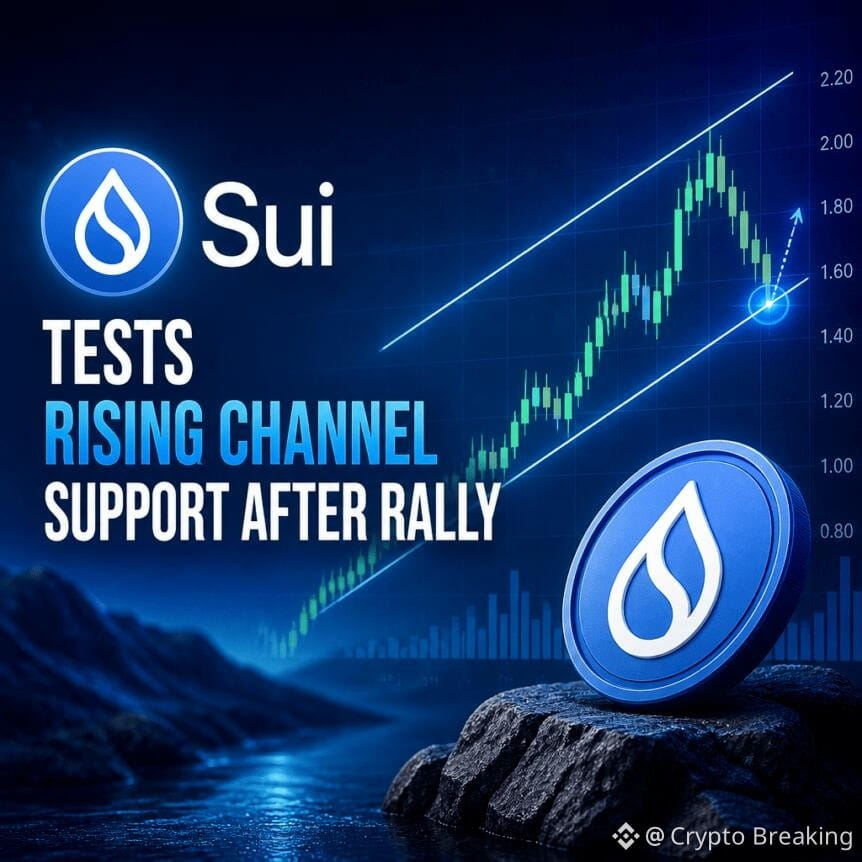
Sui Testa o Suporte do Canal Ascendente Após RallyA ação do preço no SUI continua enfrentando pressão de venda, apesar de um movimento anterior impressionante saindo da faixa de US$ 0,67. A correção no mercado cripto está fazendo o token retrair seu movimento para testar o suporte do canal.
No gráfico diário, o SUI vem subindo de forma constante e depois acelerou na direção do nível de US$ 1,30. O movimento criou um padrão de canal ascendente, com preços mais altos.
O candle mais recente em SUI registrou uma máxima de US$ 1,2911 e, em seguida, o preço caiu acentuadamente para US$ 1,1771. Este é um dos maiores recuos observados durante o avanço recente.
Sui Testa o Suporte do Canal Ascendente Após Rally
A ação do preço no SUI continua enfrentando pressão de venda, apesar de um movimento anterior impressionante saindo da faixa de US$ 0,67. A correção no mercado cripto está fazendo o token retrair seu movimento para testar o suporte do canal.
No gráfico diário, o SUI vem subindo de forma constante e depois acelerou na direção do nível de US$ 1,30. O movimento criou um padrão de canal ascendente, com preços mais altos.
O candle mais recente em SUI registrou uma máxima de US$ 1,2911 e, em seguida, o preço caiu acentuadamente para US$ 1,1771. Este é um dos maiores recuos observados durante o avanço recente.
No gráfico diário, o SUI vem subindo de forma constante e depois acelerou na direção do nível de US$ 1,30. O movimento criou um padrão de canal ascendente, com preços mais altos.
O candle mais recente em SUI registrou uma máxima de US$ 1,2911 e, em seguida, o preço caiu acentuadamente para US$ 1,1771. Este é um dos maiores recuos observados durante o avanço recente.
137
Artigo
Grupo de Defesa de Cripto Divulga Escolhas para o Congresso dos EUA Antes das Eleições de Meio de MandatoO grupo de defesa apoiado pela Coinbase, Stand With Crypto, que foi lançado em 2023 para defender “regulamentações claras e sensatas” para a indústria de ativos digitais, começou a divulgar endossos políticos para a próxima leva de eleições do Congresso dos EUA.
De acordo com o Bloomberg Government, a organização disse que planeja apoiar vários candidatos no pleito de 2026. A lista inclui o candidato republicano ao Senado por Ohio, Jon Husted, a republicana de Iowa Ashley Hinson e o democrata de New Hampshire Chris Pappas, com endossos adicionais se estendendo a várias disputas na Câmara. Os anúncios chegam em um momento em que o controle da Câmara e do Senado pode mudar após o ciclo eleitoral de 2026 — um desfecho que pode determinar se a legislação cripto travada consegue avançar.
Grupo de Defesa de Cripto Divulga Escolhas para o Congresso dos EUA Antes das Eleições de Meio de Mandato
O grupo de defesa apoiado pela Coinbase, Stand With Crypto, que foi lançado em 2023 para defender “regulamentações claras e sensatas” para a indústria de ativos digitais, começou a divulgar endossos políticos para a próxima leva de eleições do Congresso dos EUA.
De acordo com o Bloomberg Government, a organização disse que planeja apoiar vários candidatos no pleito de 2026. A lista inclui o candidato republicano ao Senado por Ohio, Jon Husted, a republicana de Iowa Ashley Hinson e o democrata de New Hampshire Chris Pappas, com endossos adicionais se estendendo a várias disputas na Câmara. Os anúncios chegam em um momento em que o controle da Câmara e do Senado pode mudar após o ciclo eleitoral de 2026 — um desfecho que pode determinar se a legislação cripto travada consegue avançar.
De acordo com o Bloomberg Government, a organização disse que planeja apoiar vários candidatos no pleito de 2026. A lista inclui o candidato republicano ao Senado por Ohio, Jon Husted, a republicana de Iowa Ashley Hinson e o democrata de New Hampshire Chris Pappas, com endossos adicionais se estendendo a várias disputas na Câmara. Os anúncios chegam em um momento em que o controle da Câmara e do Senado pode mudar após o ciclo eleitoral de 2026 — um desfecho que pode determinar se a legislação cripto travada consegue avançar.
45
Artigo
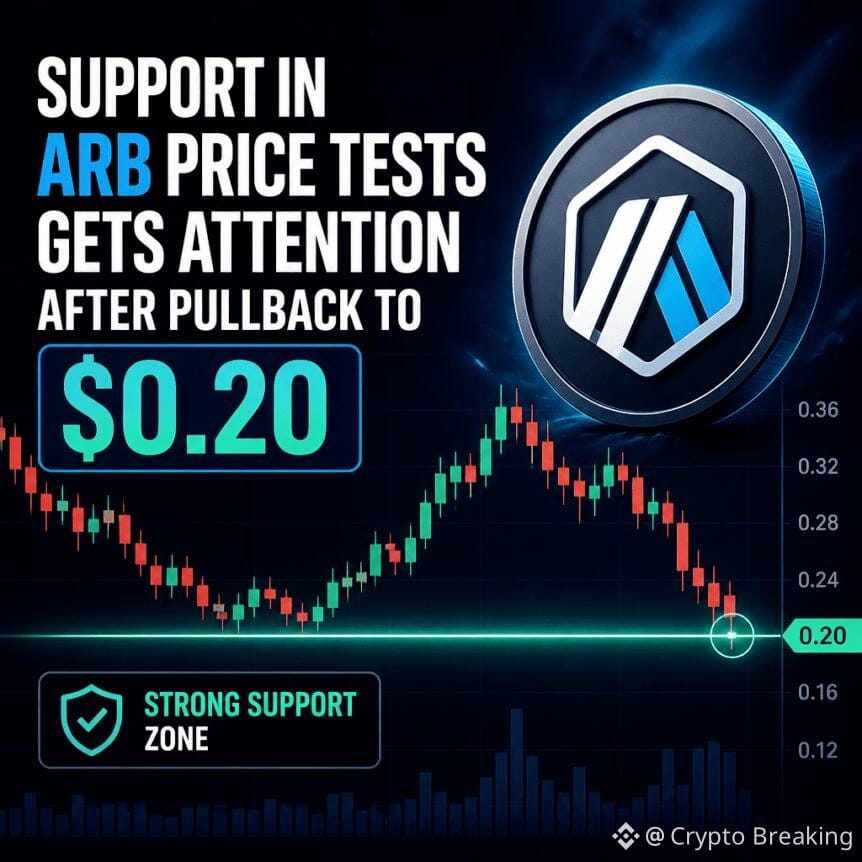
Suporte nos testes de preço da ARB ganha atenção após recuo para US$ 0,20De acordo com o Alpha Crypto Signal, a ARB está consolidando acima de um nível de suporte horizontal após sua alta recente. Essa configuração técnica destaca a importância de uma possível retest desse suporte para uma reação altista antes de qualquer novo movimento.
O gráfico mostra a ARB subindo da faixa de US$ 0,13–US$ 0,15. Antes desse movimento, a ARB negociava de lado, seguido por uma ruptura em torno de meados de setembro. Ela subiu acima do nível de US$ 0,20 e chegou a US$ 0,25.
Esse padrão tem sido, em geral, de máximas mais altas e mínimas mais altas, mas sofreu pressão devido ao recuo recente.
Suporte nos testes de preço da ARB ganha atenção após recuo para US$ 0,20
De acordo com o Alpha Crypto Signal, a ARB está consolidando acima de um nível de suporte horizontal após sua alta recente. Essa configuração técnica destaca a importância de uma possível retest desse suporte para uma reação altista antes de qualquer novo movimento.
O gráfico mostra a ARB subindo da faixa de US$ 0,13–US$ 0,15. Antes desse movimento, a ARB negociava de lado, seguido por uma ruptura em torno de meados de setembro. Ela subiu acima do nível de US$ 0,20 e chegou a US$ 0,25.
Esse padrão tem sido, em geral, de máximas mais altas e mínimas mais altas, mas sofreu pressão devido ao recuo recente.
O gráfico mostra a ARB subindo da faixa de US$ 0,13–US$ 0,15. Antes desse movimento, a ARB negociava de lado, seguido por uma ruptura em torno de meados de setembro. Ela subiu acima do nível de US$ 0,20 e chegou a US$ 0,25.
Esse padrão tem sido, em geral, de máximas mais altas e mínimas mais altas, mas sofreu pressão devido ao recuo recente.
82
Artigo
Base Conclui Upgrade do Cobalt e Introduz Novas Ferramentas para Ativos TokenizadosO Base ativou seu upgrade Cobalt, trazendo novas capacidades voltadas para finanças tokenizadas na rede Ethereum de camada 2. A atualização adiciona tanto controles de emissor mais rigorosos para ativos tokenizados quanto um novo mecanismo de transação projetado para tornar o trading condicional mais prático.
Anunciado como o terceiro grande upgrade do Base, o Cobalt expande o padrão de token B20 ao permitir que emissores apliquem múltiplas regras de conformidade e administração ao mesmo ativo tokenizado — além de introduzir as “Validity Transactions” (Transações de Validade), que podem ser retidas até que condições onchain sejam atendidas.
Base Conclui Upgrade do Cobalt e Introduz Novas Ferramentas para Ativos Tokenizados
O Base ativou seu upgrade Cobalt, trazendo novas capacidades voltadas para finanças tokenizadas na rede Ethereum de camada 2. A atualização adiciona tanto controles de emissor mais rigorosos para ativos tokenizados quanto um novo mecanismo de transação projetado para tornar o trading condicional mais prático.
Anunciado como o terceiro grande upgrade do Base, o Cobalt expande o padrão de token B20 ao permitir que emissores apliquem múltiplas regras de conformidade e administração ao mesmo ativo tokenizado — além de introduzir as “Validity Transactions” (Transações de Validade), que podem ser retidas até que condições onchain sejam atendidas.
Anunciado como o terceiro grande upgrade do Base, o Cobalt expande o padrão de token B20 ao permitir que emissores apliquem múltiplas regras de conformidade e administração ao mesmo ativo tokenizado — além de introduzir as “Validity Transactions” (Transações de Validade), que podem ser retidas até que condições onchain sejam atendidas.
38

Artigo
A IA Encontra Wall Street: Robinhood Revela uma Nova Era de Negociação AutomatizadaA Robinhood está expandindo sua plataforma de trading com horários de mercado mais longos, derivativos de cripto e ferramentas de negociação automatizada.
A empresa anunciou as mudanças em seu HOOD Summit em Houston, enquanto busca atrair mais traders ativos. As ações da Robinhood estavam em US$ 112,26 no relatório fornecido, enquanto a empresa detalhou várias grandes expansões de produtos.
Robinhood avança rumo ao trading de ações 24/7
A Robinhood planeja permitir que os clientes negociem ações dos EUA selecionadas durante toda a semana, incluindo sábados e domingos. A medida vai expandir seu serviço atual de negociação 24/5, lançado em 2023. Esse serviço funciona atualmente de domingo à noite até sexta-feira à noite, com base no Horário do Leste (Eastern Time).
A IA Encontra Wall Street: Robinhood Revela uma Nova Era de Negociação Automatizada
A Robinhood está expandindo sua plataforma de trading com horários de mercado mais longos, derivativos de cripto e ferramentas de negociação automatizada.
A empresa anunciou as mudanças em seu HOOD Summit em Houston, enquanto busca atrair mais traders ativos. As ações da Robinhood estavam em US$ 112,26 no relatório fornecido, enquanto a empresa detalhou várias grandes expansões de produtos.
Robinhood avança rumo ao trading de ações 24/7
A Robinhood planeja permitir que os clientes negociem ações dos EUA selecionadas durante toda a semana, incluindo sábados e domingos. A medida vai expandir seu serviço atual de negociação 24/5, lançado em 2023. Esse serviço funciona atualmente de domingo à noite até sexta-feira à noite, com base no Horário do Leste (Eastern Time).
A empresa anunciou as mudanças em seu HOOD Summit em Houston, enquanto busca atrair mais traders ativos. As ações da Robinhood estavam em US$ 112,26 no relatório fornecido, enquanto a empresa detalhou várias grandes expansões de produtos.
Robinhood avança rumo ao trading de ações 24/7
A Robinhood planeja permitir que os clientes negociem ações dos EUA selecionadas durante toda a semana, incluindo sábados e domingos. A medida vai expandir seu serviço atual de negociação 24/5, lançado em 2023. Esse serviço funciona atualmente de domingo à noite até sexta-feira à noite, com base no Horário do Leste (Eastern Time).
27
Artigo
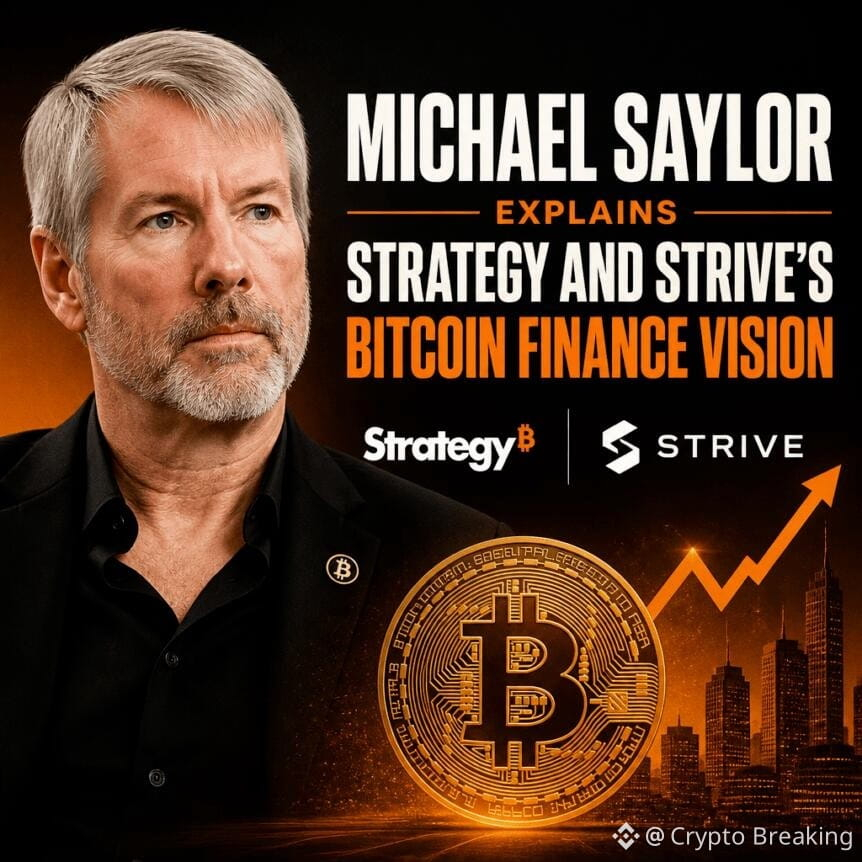
Michael Saylor explica a visão de finanças com Bitcoin da Strategy e da StriveMichael Saylor detalhou como a Strategy e a Strive estão desenvolvendo diferentes produtos financeiros em torno de mercados lastreados em Bitcoin. O presidente da Strategy afirmou que ambas as empresas operam separadamente, mas compartilham o Bitcoin como seu principal ativo de tesouraria. As empresas buscam expandir o acesso a estruturas de crédito e de ações vinculadas ao Bitcoin.
Bitcoin constrói a base para as finanças digitais
O Bitcoin continua sendo o ativo central por trás da estratégia e das estratégias financeiras da Strive, à medida que ambas as empresas expandem suas operações de tesouraria. Saylor disse que a oportunidade mais ampla do mercado vem de conectar o Bitcoin a grandes setores de ações globais e de renda fixa. A abordagem se concentra em criar novos produtos financeiros ligados à exposição ao Bitcoin.
Michael Saylor explica a visão de finanças com Bitcoin da Strategy e da Strive
Michael Saylor detalhou como a Strategy e a Strive estão desenvolvendo diferentes produtos financeiros em torno de mercados lastreados em Bitcoin. O presidente da Strategy afirmou que ambas as empresas operam separadamente, mas compartilham o Bitcoin como seu principal ativo de tesouraria. As empresas buscam expandir o acesso a estruturas de crédito e de ações vinculadas ao Bitcoin.
Bitcoin constrói a base para as finanças digitais
O Bitcoin continua sendo o ativo central por trás da estratégia e das estratégias financeiras da Strive, à medida que ambas as empresas expandem suas operações de tesouraria. Saylor disse que a oportunidade mais ampla do mercado vem de conectar o Bitcoin a grandes setores de ações globais e de renda fixa. A abordagem se concentra em criar novos produtos financeiros ligados à exposição ao Bitcoin.
Bitcoin constrói a base para as finanças digitais
O Bitcoin continua sendo o ativo central por trás da estratégia e das estratégias financeiras da Strive, à medida que ambas as empresas expandem suas operações de tesouraria. Saylor disse que a oportunidade mais ampla do mercado vem de conectar o Bitcoin a grandes setores de ações globais e de renda fixa. A abordagem se concentra em criar novos produtos financeiros ligados à exposição ao Bitcoin.
80

Artigo
Petrobras implementa Cardano para rastrear SAF e diesel renovável no BrasilA Petrobras, estatal empresa brasileira de petróleo e gás, afirma ter desenvolvido duas aplicações baseadas em blockchain usando a Cardano para ajudar a rastrear reivindicações ambientais ligadas a combustíveis renováveis. Os projetos se concentram em evitar o “duplo contabilização” dos benefícios de sustentabilidade e, ao mesmo tempo, melhorar a rastreabilidade durante a produção e o uso dos combustíveis.
De acordo com um comunicado da Cardano Foundation publicado na quarta-feira, a primeira aplicação tokeniza atributos ambientais associados ao combustível de aviação sustentável (SAF) e vincula esses atributos ao modelo Book-and-Claim comumente usado no setor. Uma segunda aplicação se concentra no diesel renovável, criando “pontos de verificação” digitais destinados a apoiar o reporte de emissões indiretas ao longo da cadeia de valor de uma empresa.
Petrobras implementa Cardano para rastrear SAF e diesel renovável no Brasil
A Petrobras, estatal empresa brasileira de petróleo e gás, afirma ter desenvolvido duas aplicações baseadas em blockchain usando a Cardano para ajudar a rastrear reivindicações ambientais ligadas a combustíveis renováveis. Os projetos se concentram em evitar o “duplo contabilização” dos benefícios de sustentabilidade e, ao mesmo tempo, melhorar a rastreabilidade durante a produção e o uso dos combustíveis.
De acordo com um comunicado da Cardano Foundation publicado na quarta-feira, a primeira aplicação tokeniza atributos ambientais associados ao combustível de aviação sustentável (SAF) e vincula esses atributos ao modelo Book-and-Claim comumente usado no setor. Uma segunda aplicação se concentra no diesel renovável, criando “pontos de verificação” digitais destinados a apoiar o reporte de emissões indiretas ao longo da cadeia de valor de uma empresa.
De acordo com um comunicado da Cardano Foundation publicado na quarta-feira, a primeira aplicação tokeniza atributos ambientais associados ao combustível de aviação sustentável (SAF) e vincula esses atributos ao modelo Book-and-Claim comumente usado no setor. Uma segunda aplicação se concentra no diesel renovável, criando “pontos de verificação” digitais destinados a apoiar o reporte de emissões indiretas ao longo da cadeia de valor de uma empresa.
43
Artigo
Bitget Diz que a Recuperação do Fundo de Proteção Chegou a US$ 309M, “Quase Normal”A Bitget afirma que voltou às operações normais após uma violação de segurança que levou à perda de US$ 388 milhões em fundos dos usuários. Em uma publicação no X, a CEO da Bitget, Gracy Chen, disse que os saques de todos os tokens seriam retomados na sexta-feira e que a exchange já restaurou o acesso dos usuários ao Bitcoin (BTC), Ether (ETH) e USDt (USDT).
Como parte de seus esforços de recuperação, a exchange também informou que seu próprio Fundo de Proteção atingiu US$ 309 milhões. O fundo foi criado para apoiar os usuários em situações em que perdas ocorrem devido a incidentes do lado da plataforma — um detalhe importante para usuários que observam como as exchanges gerenciam eventos de segurança além das promessas de “restaurar saldos”.
Bitget Diz que a Recuperação do Fundo de Proteção Chegou a US$ 309M, “Quase Normal”
A Bitget afirma que voltou às operações normais após uma violação de segurança que levou à perda de US$ 388 milhões em fundos dos usuários. Em uma publicação no X, a CEO da Bitget, Gracy Chen, disse que os saques de todos os tokens seriam retomados na sexta-feira e que a exchange já restaurou o acesso dos usuários ao Bitcoin (BTC), Ether (ETH) e USDt (USDT).
Como parte de seus esforços de recuperação, a exchange também informou que seu próprio Fundo de Proteção atingiu US$ 309 milhões. O fundo foi criado para apoiar os usuários em situações em que perdas ocorrem devido a incidentes do lado da plataforma — um detalhe importante para usuários que observam como as exchanges gerenciam eventos de segurança além das promessas de “restaurar saldos”.
Como parte de seus esforços de recuperação, a exchange também informou que seu próprio Fundo de Proteção atingiu US$ 309 milhões. O fundo foi criado para apoiar os usuários em situações em que perdas ocorrem devido a incidentes do lado da plataforma — um detalhe importante para usuários que observam como as exchanges gerenciam eventos de segurança além das promessas de “restaurar saldos”.
309
Inicia sessão para explorar mais conteúdos
Junta-te a utilizadores de criptomoedas de todo o mundo na Binance Square
⚡️ Obtém informações úteis e recentes sobre criptomoedas.
💬 Com a confiança da maior exchange de criptomoedas do mundo.
👍 Descobre perspetivas reais de criadores verificados.
E-mail/Número de telefone
Tópicos em Tendência
KoreaProposesTokenizingStocksAndBonds
1,433 visualizações
91 a discutir
#koreaproposestokenizingstocksandbonds
🚨 ÚLTIMA HORA: 🇰🇷 A Coreia do Sul propõe tokenizar ações e títulos! 🔥
Ativos financeiros tradicionais estão se aprofundando na era do blockchain.
📈 Ações poderiam se tornar tokenizadas
💵 Títulos poderiam ser movimentados on-chain
🌐 Um settlement mais rápido e programável fica possível
⚡️ Ativos tokenizados poderiam abrir uma nova infraestrutura de mercado
A corrida para levar RWAs para o on-chain está ficando ainda maior.
👀 Qual blockchain você acha que poderia se beneficiar mais com essa tendência?
#RWA #Tokenization #crypto
Faizan Crypto Learner
·1 gostos
·13 visualizações
MetaMaskExitsLidoValidatorsAfterSecurityIncident
60,877 visualizações
853 a discutir
MicronBeatsEarningsLiftsGuidance
36,773 visualizações
647 a discutir