

Coinstelegram
4k Publicações

Coinstelegram
 Square verificado+
Denunciar
Bloquear Utilizador
Coinstelegram is a leading blockchain & altcoins cryptocurrency media
0 A seguir
19.6K+ Seguidores
3.2K+ Gostaram
Publicações

Artigo
CryptoMondays MENA revela lineup de palestrantes de destaque e parceiros estratégicos regionais para Upcomi...DUBAI, Emirados Árabes Unidos, outubro de 2026 – A CryptoMondays MENA, apresentada pela Minds by Animoca Brands, anunciou oficialmente seu painel de palestrantes e sua rede de parceiros para o encontro que acontecerá em Dubai na segunda-feira, 5 de outubro de 2026, das 20:00 às 22:00, no JW Marriott Marquis Hotel.
O evento reúne líderes da Web3, pioneiros de ativos digitais, investidores institucionais e criadores em toda a região do Oriente Médio e Norte da África (MENA) para uma noite de discussões sobre o mercado, networking e colaboração estratégica.
CryptoMondays MENA revela lineup de palestrantes de destaque e parceiros estratégicos regionais para Upcomi...
DUBAI, Emirados Árabes Unidos, outubro de 2026 – A CryptoMondays MENA, apresentada pela Minds by Animoca Brands, anunciou oficialmente seu painel de palestrantes e sua rede de parceiros para o encontro que acontecerá em Dubai na segunda-feira, 5 de outubro de 2026, das 20:00 às 22:00, no JW Marriott Marquis Hotel.
O evento reúne líderes da Web3, pioneiros de ativos digitais, investidores institucionais e criadores em toda a região do Oriente Médio e Norte da África (MENA) para uma noite de discussões sobre o mercado, networking e colaboração estratégica.
O evento reúne líderes da Web3, pioneiros de ativos digitais, investidores institucionais e criadores em toda a região do Oriente Médio e Norte da África (MENA) para uma noite de discussões sobre o mercado, networking e colaboração estratégica.
68

Artigo
CryptoMondays MENA revela a lista de palestrantes de alto nível e parceiros estratégicos regionais para o próxim...DUBAI, Emirados Árabes Unidos, outubro de 2026 – A CryptoMondays MENA, apresentada pela Minds by Animoca Brands, anunciou oficialmente seu painel de palestrantes e sua rede de parceiros para o encontro que acontecerá em Dubai na segunda-feira, 5 de outubro de 2026, das 20:00 às 22:00, no JW Marriott Marquis Hotel.
O evento reúne líderes da Web3, pioneiros de ativos digitais, investidores institucionais e criadores em toda a região do Oriente Médio e Norte da África (MENA) para uma noite de discussões sobre o mercado, networking e colaboração estratégica.
CryptoMondays MENA revela a lista de palestrantes de alto nível e parceiros estratégicos regionais para o próxim...
DUBAI, Emirados Árabes Unidos, outubro de 2026 – A CryptoMondays MENA, apresentada pela Minds by Animoca Brands, anunciou oficialmente seu painel de palestrantes e sua rede de parceiros para o encontro que acontecerá em Dubai na segunda-feira, 5 de outubro de 2026, das 20:00 às 22:00, no JW Marriott Marquis Hotel.
O evento reúne líderes da Web3, pioneiros de ativos digitais, investidores institucionais e criadores em toda a região do Oriente Médio e Norte da África (MENA) para uma noite de discussões sobre o mercado, networking e colaboração estratégica.
O evento reúne líderes da Web3, pioneiros de ativos digitais, investidores institucionais e criadores em toda a região do Oriente Médio e Norte da África (MENA) para uma noite de discussões sobre o mercado, networking e colaboração estratégica.
146

Artigo
Tap Markets da Market GamesLISBOA, 28 de setembro de 2026
A maioria dos jogos de cassino pede que os jogadores girem, esperem e vejam o que acontece. A Tap Markets adota uma abordagem diferente. Os jogadores assistem a um gráfico de preço em movimento, fazem uma previsão e tocam na área em que acreditam que o preço chegará nos próximos segundos.
Desenvolvido pela Market Games, o Tap Markets é o produto carro-chefe em uma nova categoria de jogos instantâneos de previsão de mercado, criada para trazer a linguagem visual e a emoção dos mercados financeiros para o iGaming.
O conceito é simples.
Um gráfico em movimento aparece na tela junto com uma série de caixas. Cada caixa representa uma faixa de preço, uma janela de tempo curta e um multiplicador de pagamento predefinido. O jogador seleciona a área em que acredita que o preço tocará antes do fim da janela.
Tap Markets da Market Games
LISBOA, 28 de setembro de 2026
A maioria dos jogos de cassino pede que os jogadores girem, esperem e vejam o que acontece. A Tap Markets adota uma abordagem diferente. Os jogadores assistem a um gráfico de preço em movimento, fazem uma previsão e tocam na área em que acreditam que o preço chegará nos próximos segundos.
Desenvolvido pela Market Games, o Tap Markets é o produto carro-chefe em uma nova categoria de jogos instantâneos de previsão de mercado, criada para trazer a linguagem visual e a emoção dos mercados financeiros para o iGaming.
O conceito é simples.
Um gráfico em movimento aparece na tela junto com uma série de caixas. Cada caixa representa uma faixa de preço, uma janela de tempo curta e um multiplicador de pagamento predefinido. O jogador seleciona a área em que acredita que o preço tocará antes do fim da janela.
A maioria dos jogos de cassino pede que os jogadores girem, esperem e vejam o que acontece. A Tap Markets adota uma abordagem diferente. Os jogadores assistem a um gráfico de preço em movimento, fazem uma previsão e tocam na área em que acreditam que o preço chegará nos próximos segundos.
Desenvolvido pela Market Games, o Tap Markets é o produto carro-chefe em uma nova categoria de jogos instantâneos de previsão de mercado, criada para trazer a linguagem visual e a emoção dos mercados financeiros para o iGaming.
O conceito é simples.
Um gráfico em movimento aparece na tela junto com uma série de caixas. Cada caixa representa uma faixa de preço, uma janela de tempo curta e um multiplicador de pagamento predefinido. O jogador seleciona a área em que acredita que o preço tocará antes do fim da janela.
62

Artigo
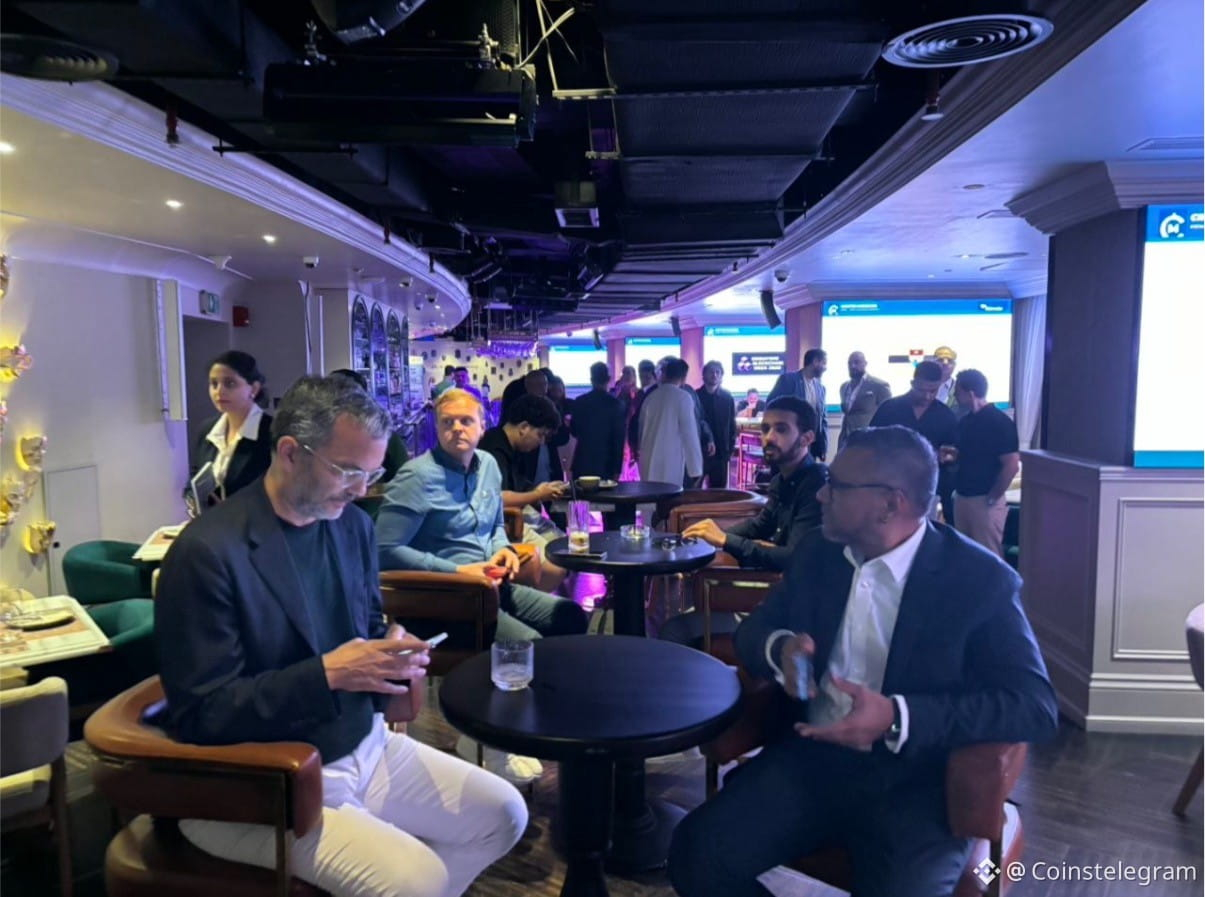
CryptoMondays Lança com Sucesso o Capítulo MENA em Dubai com fundadores, investidores, traders e B...Dubai, Emirados Árabes Unidos – 30 de setembro de 2026, a CryptoMondays, a maior comunidade Web3 presencial do mundo, lançou oficialmente seu capítulo na região MENA na segunda-feira, 28 de setembro de 2026, reunindo 190 inscrições para uma noite de painéis de alto impacto, networking e construção de comunidade. Realizado no Tacenda Lounge, no 68º andar do JW Marriott Marquis Dubai, o evento cumpriu sua promessa central: sem andares apenas para pitch, apenas um ambiente cheio de construtores saindo com mais do que trouxeram.
Liderado por Vaibhavv Ali, cofundador da Cryptonite UAE, o lançamento conectou com sucesso líderes do setor, investidores e fundadores de todo o ecossistema.
CryptoMondays Lança com Sucesso o Capítulo MENA em Dubai com fundadores, investidores, traders e B...
Dubai, Emirados Árabes Unidos – 30 de setembro de 2026, a CryptoMondays, a maior comunidade Web3 presencial do mundo, lançou oficialmente seu capítulo na região MENA na segunda-feira, 28 de setembro de 2026, reunindo 190 inscrições para uma noite de painéis de alto impacto, networking e construção de comunidade. Realizado no Tacenda Lounge, no 68º andar do JW Marriott Marquis Dubai, o evento cumpriu sua promessa central: sem andares apenas para pitch, apenas um ambiente cheio de construtores saindo com mais do que trouxeram.
Liderado por Vaibhavv Ali, cofundador da Cryptonite UAE, o lançamento conectou com sucesso líderes do setor, investidores e fundadores de todo o ecossistema.
Liderado por Vaibhavv Ali, cofundador da Cryptonite UAE, o lançamento conectou com sucesso líderes do setor, investidores e fundadores de todo o ecossistema.
164
Artigo
CryptoMondays Lança com Sucesso o Capítulo da MENA em Dubai com Fundadores, Investidores, Traders e B...Dubai, Emirados Árabes Unidos – 30 de setembro de 2026, a CryptoMondays, a maior comunidade Web3 presencial do mundo, lançou oficialmente seu capítulo da região MENA na segunda-feira, 28 de setembro de 2026, reunindo 190 inscrições para uma noite de painéis de alto impacto, networking e construção de comunidade. Realizado no Tacenda Lounge, no 68º andar do JW Marriott Marquis Dubai, o evento cumpriu sua promessa central: sem andares apenas para pitch, apenas um salão cheio de construtores que saíram com mais do que trouxeram.
Liderado por Vaibhavv Ali, cofundador da Cryptonite UAE, o lançamento conectou com sucesso líderes da indústria, investidores e fundadores de todo o ecossistema.
CryptoMondays Lança com Sucesso o Capítulo da MENA em Dubai com Fundadores, Investidores, Traders e B...
Dubai, Emirados Árabes Unidos – 30 de setembro de 2026, a CryptoMondays, a maior comunidade Web3 presencial do mundo, lançou oficialmente seu capítulo da região MENA na segunda-feira, 28 de setembro de 2026, reunindo 190 inscrições para uma noite de painéis de alto impacto, networking e construção de comunidade. Realizado no Tacenda Lounge, no 68º andar do JW Marriott Marquis Dubai, o evento cumpriu sua promessa central: sem andares apenas para pitch, apenas um salão cheio de construtores que saíram com mais do que trouxeram.
Liderado por Vaibhavv Ali, cofundador da Cryptonite UAE, o lançamento conectou com sucesso líderes da indústria, investidores e fundadores de todo o ecossistema.
Liderado por Vaibhavv Ali, cofundador da Cryptonite UAE, o lançamento conectou com sucesso líderes da indústria, investidores e fundadores de todo o ecossistema.
134

Artigo
Tap Markets By Market GamesLISBOA, 28 de setembro de 2026
A maioria dos jogos de cassino pede que os jogadores girem, esperem e vejam o que acontece. Tap Markets segue uma abordagem diferente. Os jogadores assistem a um gráfico de preços em movimento, fazem uma previsão e tocam na área que acreditam que o preço vai atingir nos próximos segundos.
Desenvolvido pela Market Games, Tap Markets é o produto principal (flagship) de uma nova categoria de jogos de previsão instantânea de mercado, projetada para trazer a linguagem visual e a empolgação dos mercados financeiros para o iGaming.
O conceito é simples.
Um gráfico em movimento aparece na tela junto com uma série de caixas. Cada caixa representa uma faixa de preço, uma janela de tempo curta e um multiplicador de payout predefinido. O jogador seleciona a área que acredita que o preço vai atingir antes da expiração da janela.
Tap Markets By Market Games
LISBOA, 28 de setembro de 2026
A maioria dos jogos de cassino pede que os jogadores girem, esperem e vejam o que acontece. Tap Markets segue uma abordagem diferente. Os jogadores assistem a um gráfico de preços em movimento, fazem uma previsão e tocam na área que acreditam que o preço vai atingir nos próximos segundos.
Desenvolvido pela Market Games, Tap Markets é o produto principal (flagship) de uma nova categoria de jogos de previsão instantânea de mercado, projetada para trazer a linguagem visual e a empolgação dos mercados financeiros para o iGaming.
O conceito é simples.
Um gráfico em movimento aparece na tela junto com uma série de caixas. Cada caixa representa uma faixa de preço, uma janela de tempo curta e um multiplicador de payout predefinido. O jogador seleciona a área que acredita que o preço vai atingir antes da expiração da janela.
A maioria dos jogos de cassino pede que os jogadores girem, esperem e vejam o que acontece. Tap Markets segue uma abordagem diferente. Os jogadores assistem a um gráfico de preços em movimento, fazem uma previsão e tocam na área que acreditam que o preço vai atingir nos próximos segundos.
Desenvolvido pela Market Games, Tap Markets é o produto principal (flagship) de uma nova categoria de jogos de previsão instantânea de mercado, projetada para trazer a linguagem visual e a empolgação dos mercados financeiros para o iGaming.
O conceito é simples.
Um gráfico em movimento aparece na tela junto com uma série de caixas. Cada caixa representa uma faixa de preço, uma janela de tempo curta e um multiplicador de payout predefinido. O jogador seleciona a área que acredita que o preço vai atingir antes da expiração da janela.
124
Artigo
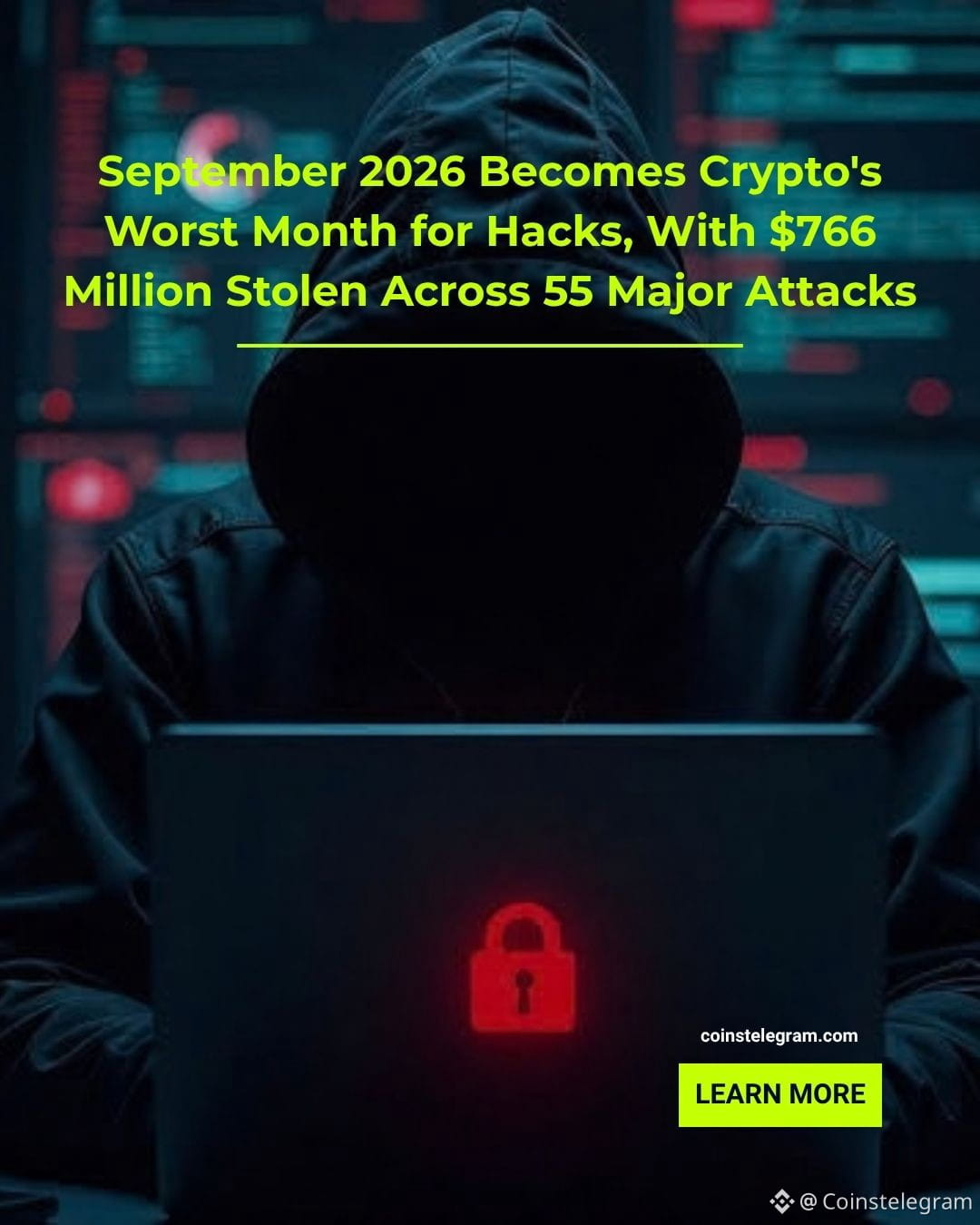
Setembro de 2026 se Torna o Pior Mês da Cripto para Hacks, Com US$ 766 Milhões Roubados em 55 Principais A...Setembro de 2026 ficou marcado como o mês mais prejudicial do ano para a segurança de cripto, com hackers roubando aproximadamente US$ 766,5 milhões em 55 grandes ataques — um aumento de cerca de 462% em relação ao total de agosto, de US$ 136,3 milhões, segundo a empresa de segurança blockchain PeckShield.
O salto impressionante foi impulsionado quase inteiramente por dois incidentes: o hack da exchange Bitget e a violação da Liquid Network, que, juntos, responderam pela esmagadora maioria das perdas do mês.
Os Números Por Trás do Recorde de Mês
Setembro de 2026 se Torna o Pior Mês da Cripto para Hacks, Com US$ 766 Milhões Roubados em 55 Principais A...
Setembro de 2026 ficou marcado como o mês mais prejudicial do ano para a segurança de cripto, com hackers roubando aproximadamente US$ 766,5 milhões em 55 grandes ataques — um aumento de cerca de 462% em relação ao total de agosto, de US$ 136,3 milhões, segundo a empresa de segurança blockchain PeckShield.
O salto impressionante foi impulsionado quase inteiramente por dois incidentes: o hack da exchange Bitget e a violação da Liquid Network, que, juntos, responderam pela esmagadora maioria das perdas do mês.
Os Números Por Trás do Recorde de Mês
O salto impressionante foi impulsionado quase inteiramente por dois incidentes: o hack da exchange Bitget e a violação da Liquid Network, que, juntos, responderam pela esmagadora maioria das perdas do mês.
Os Números Por Trás do Recorde de Mês
141
Setembro de 2026 se Torna o Pior Mês de Cripto para Hacks, Com US$ 766 Milhões Roubados em 55 Grandes A...Setembro de 2026 ficou registrado como o mês mais danoso do ano para a segurança de cripto, com hackers roubando aproximadamente US$ 766,5 milhões em 55 grandes ataques — um aumento de cerca de 462% em relação ao total de agosto, de US$ 136,3 milhões, segundo a empresa de segurança blockchain PeckShield.
O salto impressionante foi impulsionado quase inteiramente por dois incidentes: o hack da exchange Bitget e a violação da Liquid Network, que, juntos, responderam pela esmagadora maioria das perdas do mês.
Os Números por trás do Mês Recorde
Setembro de 2026 se Torna o Pior Mês de Cripto para Hacks, Com US$ 766 Milhões Roubados em 55 Grandes A...
Setembro de 2026 ficou registrado como o mês mais danoso do ano para a segurança de cripto, com hackers roubando aproximadamente US$ 766,5 milhões em 55 grandes ataques — um aumento de cerca de 462% em relação ao total de agosto, de US$ 136,3 milhões, segundo a empresa de segurança blockchain PeckShield.
O salto impressionante foi impulsionado quase inteiramente por dois incidentes: o hack da exchange Bitget e a violação da Liquid Network, que, juntos, responderam pela esmagadora maioria das perdas do mês.
Os Números por trás do Mês Recorde
O salto impressionante foi impulsionado quase inteiramente por dois incidentes: o hack da exchange Bitget e a violação da Liquid Network, que, juntos, responderam pela esmagadora maioria das perdas do mês.
Os Números por trás do Mês Recorde
188

Artigo
A Coinbase entra no mercado de cartas de Pokémon de US$ 15 bilhões, trazendo tokenização de RWA com elaA Coinbase está entrando na febre dos cards de Pokémon, anunciando planos para permitir que os usuários abram pacotes digitais de cartas diretamente no seu aplicativo, com cada retirada digital respaldada por uma carta física real de Pokémon.
A medida posiciona a exchange de criptomoedas diretamente em um mercado em alta de colecionáveis, que recentemente superou tanto o Bitcoin quanto o S&P 500, ao mesmo tempo em que traz uma estrutura familiar de ativos do mundo real tokenizados para um dos passatempos mais quentes da cultura pop.
O que a Coinbase realmente anunciou
A Coinbase deu a dica sobre o produto no X em 28 de setembro com um argumento curto e direto:
A Coinbase entra no mercado de cartas de Pokémon de US$ 15 bilhões, trazendo tokenização de RWA com ela
A Coinbase está entrando na febre dos cards de Pokémon, anunciando planos para permitir que os usuários abram pacotes digitais de cartas diretamente no seu aplicativo, com cada retirada digital respaldada por uma carta física real de Pokémon.
A medida posiciona a exchange de criptomoedas diretamente em um mercado em alta de colecionáveis, que recentemente superou tanto o Bitcoin quanto o S&P 500, ao mesmo tempo em que traz uma estrutura familiar de ativos do mundo real tokenizados para um dos passatempos mais quentes da cultura pop.
O que a Coinbase realmente anunciou
A Coinbase deu a dica sobre o produto no X em 28 de setembro com um argumento curto e direto:
A medida posiciona a exchange de criptomoedas diretamente em um mercado em alta de colecionáveis, que recentemente superou tanto o Bitcoin quanto o S&P 500, ao mesmo tempo em que traz uma estrutura familiar de ativos do mundo real tokenizados para um dos passatempos mais quentes da cultura pop.
O que a Coinbase realmente anunciou
A Coinbase deu a dica sobre o produto no X em 28 de setembro com um argumento curto e direto:
140
Verificado
A Coinbase entra no mercado de cartas Pokémon de US$ 15 bilhões, trazendo tokenização de RWA com issoA Coinbase está entrando na febre de cartas colecionáveis de Pokémon, anunciando planos para permitir que os usuários abram pacotes de cartas digitais diretamente em seu aplicativo, com cada sorteio digital sendo respaldado por uma carta física real de Pokémon.
A medida coloca a exchange de criptomoedas diretamente em um mercado de colecionáveis em alta, que recentemente superou tanto o Bitcoin quanto o S&P 500, enquanto leva uma estrutura familiar de ativos do mundo real tokenizados para um dos passatempos mais quentes da cultura pop.
O que a Coinbase realmente anunciou
A Coinbase provocou o produto no X em 28 de setembro com um pitch curto e direto:
A Coinbase entra no mercado de cartas Pokémon de US$ 15 bilhões, trazendo tokenização de RWA com isso
A Coinbase está entrando na febre de cartas colecionáveis de Pokémon, anunciando planos para permitir que os usuários abram pacotes de cartas digitais diretamente em seu aplicativo, com cada sorteio digital sendo respaldado por uma carta física real de Pokémon.
A medida coloca a exchange de criptomoedas diretamente em um mercado de colecionáveis em alta, que recentemente superou tanto o Bitcoin quanto o S&P 500, enquanto leva uma estrutura familiar de ativos do mundo real tokenizados para um dos passatempos mais quentes da cultura pop.
O que a Coinbase realmente anunciou
A Coinbase provocou o produto no X em 28 de setembro com um pitch curto e direto:
A medida coloca a exchange de criptomoedas diretamente em um mercado de colecionáveis em alta, que recentemente superou tanto o Bitcoin quanto o S&P 500, enquanto leva uma estrutura familiar de ativos do mundo real tokenizados para um dos passatempos mais quentes da cultura pop.
O que a Coinbase realmente anunciou
A Coinbase provocou o produto no X em 28 de setembro com um pitch curto e direto:
1
2
1k

Artigo
Blockchain.com mira IPO de US$ 500 milhões com valorização de pioneiro cripto em até US$ 6 bilhões, diz a BloombergA Blockchain.com, uma das primeiras provedoras de infraestrutura da indústria de ativos digitais, está apresentando aos investidores a ideia de uma listagem pública ainda este ano, segundo a Bloomberg, em uma operação que deve levantar aproximadamente US$ 500 milhões e valorizar a empresa entre US$ 4 bilhões e US$ 6 bilhões.
O plano reflete uma retomada mais ampla dos mercados de capitais para empresas de cripto após meses de atividade de emissão congelada.
O que o relatório da Bloomberg detalha
De acordo com pessoas familiarizadas com o assunto citadas pela Bloomberg, a Blockchain.com mira uma estreia pública mais tarde neste ano e busca levantar cerca de US$ 500 milhões por meio da oferta. A faixa de valorização-alvo de US$ 4 bilhões a US$ 6 bilhões ainda é dinâmica, e os executivos da empresa estariam preparados para aceitar um tamanho menor da oferta caso as condições do mercado exijam. Os termos finais da listagem ainda não foram definidos e podem mudar antes de qualquer lançamento formal.
Blockchain.com mira IPO de US$ 500 milhões com valorização de pioneiro cripto em até US$ 6 bilhões, diz a Bloomberg
A Blockchain.com, uma das primeiras provedoras de infraestrutura da indústria de ativos digitais, está apresentando aos investidores a ideia de uma listagem pública ainda este ano, segundo a Bloomberg, em uma operação que deve levantar aproximadamente US$ 500 milhões e valorizar a empresa entre US$ 4 bilhões e US$ 6 bilhões.
O plano reflete uma retomada mais ampla dos mercados de capitais para empresas de cripto após meses de atividade de emissão congelada.
O que o relatório da Bloomberg detalha
De acordo com pessoas familiarizadas com o assunto citadas pela Bloomberg, a Blockchain.com mira uma estreia pública mais tarde neste ano e busca levantar cerca de US$ 500 milhões por meio da oferta. A faixa de valorização-alvo de US$ 4 bilhões a US$ 6 bilhões ainda é dinâmica, e os executivos da empresa estariam preparados para aceitar um tamanho menor da oferta caso as condições do mercado exijam. Os termos finais da listagem ainda não foram definidos e podem mudar antes de qualquer lançamento formal.
O plano reflete uma retomada mais ampla dos mercados de capitais para empresas de cripto após meses de atividade de emissão congelada.
O que o relatório da Bloomberg detalha
De acordo com pessoas familiarizadas com o assunto citadas pela Bloomberg, a Blockchain.com mira uma estreia pública mais tarde neste ano e busca levantar cerca de US$ 500 milhões por meio da oferta. A faixa de valorização-alvo de US$ 4 bilhões a US$ 6 bilhões ainda é dinâmica, e os executivos da empresa estariam preparados para aceitar um tamanho menor da oferta caso as condições do mercado exijam. Os termos finais da listagem ainda não foram definidos e podem mudar antes de qualquer lançamento formal.
1
91
Blockchain.com Mira IPO de US$ 500 Milhões, Avaliando Pioneira de Cripto em Até US$ 6 Bilhões, Diz a BloombergA Blockchain.com, um dos primeiros provedores de infraestrutura da indústria de ativos digitais, está apresentando aos investidores uma listagem pública antes do fim do ano, segundo a Bloomberg, em um movimento que pode levantar aproximadamente US$ 500 milhões e avaliar a empresa entre US$ 4 bilhões e US$ 6 bilhões.
O plano reflete um relaxamento mais amplo nos mercados de capitais para empresas de cripto após meses de atividade de emissão congelada.
O que o relatório da Bloomberg detalha
De acordo com pessoas familiarizadas com o assunto citado pela Bloomberg, a Blockchain.com está mirando um lançamento público ainda este ano e busca levantar cerca de US$ 500 milhões por meio da oferta. A faixa de avaliação alvo de US$ 4 bilhões a US$ 6 bilhões ainda está em aberto, e os executivos da empresa estariam preparados para aceitar um tamanho menor da oferta caso as condições do mercado exijam. Os termos finais da listagem ainda não foram definidos e podem mudar antes de qualquer lançamento formal.
Blockchain.com Mira IPO de US$ 500 Milhões, Avaliando Pioneira de Cripto em Até US$ 6 Bilhões, Diz a Bloomberg
A Blockchain.com, um dos primeiros provedores de infraestrutura da indústria de ativos digitais, está apresentando aos investidores uma listagem pública antes do fim do ano, segundo a Bloomberg, em um movimento que pode levantar aproximadamente US$ 500 milhões e avaliar a empresa entre US$ 4 bilhões e US$ 6 bilhões.
O plano reflete um relaxamento mais amplo nos mercados de capitais para empresas de cripto após meses de atividade de emissão congelada.
O que o relatório da Bloomberg detalha
De acordo com pessoas familiarizadas com o assunto citado pela Bloomberg, a Blockchain.com está mirando um lançamento público ainda este ano e busca levantar cerca de US$ 500 milhões por meio da oferta. A faixa de avaliação alvo de US$ 4 bilhões a US$ 6 bilhões ainda está em aberto, e os executivos da empresa estariam preparados para aceitar um tamanho menor da oferta caso as condições do mercado exijam. Os termos finais da listagem ainda não foram definidos e podem mudar antes de qualquer lançamento formal.
O plano reflete um relaxamento mais amplo nos mercados de capitais para empresas de cripto após meses de atividade de emissão congelada.
O que o relatório da Bloomberg detalha
De acordo com pessoas familiarizadas com o assunto citado pela Bloomberg, a Blockchain.com está mirando um lançamento público ainda este ano e busca levantar cerca de US$ 500 milhões por meio da oferta. A faixa de avaliação alvo de US$ 4 bilhões a US$ 6 bilhões ainda está em aberto, e os executivos da empresa estariam preparados para aceitar um tamanho menor da oferta caso as condições do mercado exijam. Os termos finais da listagem ainda não foram definidos e podem mudar antes de qualquer lançamento formal.
214
Artigo
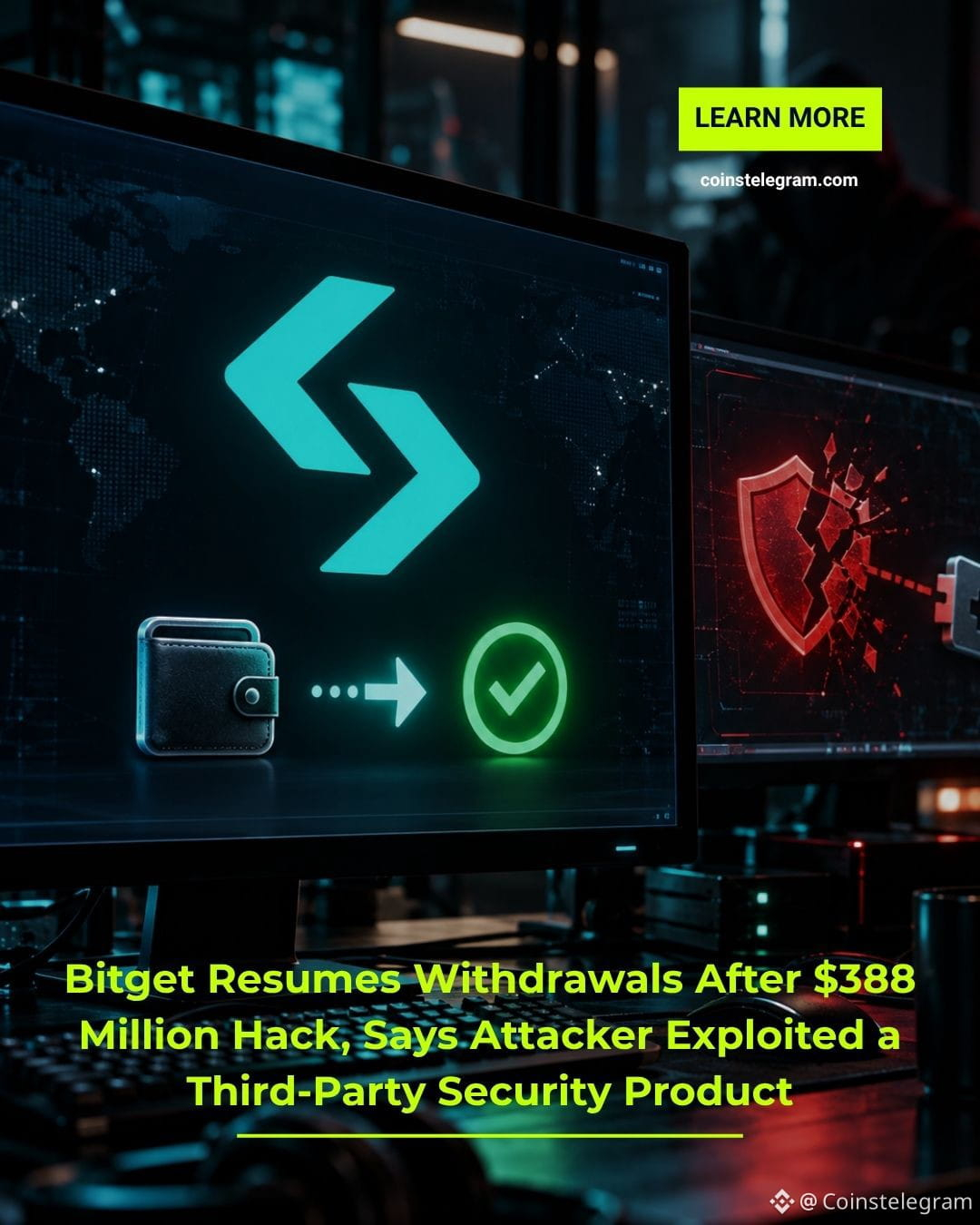
Bitget Retoma Saques Após Hack de US$ 388 Milhões, Diz que o Atacante Explorou um Recurso de Terceiros...A Bitget começou a restaurar os saques quatro dias após uma violação de segurança ter drenado cerca de US$ 388 milhões de sua infraestrutura de carteiras. A exchange afirma que corrigiu a vulnerabilidade, que os saldos dos usuários não foram afetados e que seu Fundo de Proteção absorverá a perda total.
Os saques de Bitcoin foram reabertos primeiro, e outros ativos estão programados para seguir nos próximos dias.
Saques Retornam em Fases
A Bitget anunciou no X que começou uma retomada faseada dos saques após o incidente de 24 de setembro. Os saques de Bitcoin na rede Bitcoin ficaram disponíveis às 08:00 UTC de 28 de setembro, conforme o agendado, e os saques de BTC na BNB Smart Chain também já estão abertos. Os usuários também podem converter outros ativos em BTC e sacar por essas redes.
Bitget Retoma Saques Após Hack de US$ 388 Milhões, Diz que o Atacante Explorou um Recurso de Terceiros...
A Bitget começou a restaurar os saques quatro dias após uma violação de segurança ter drenado cerca de US$ 388 milhões de sua infraestrutura de carteiras. A exchange afirma que corrigiu a vulnerabilidade, que os saldos dos usuários não foram afetados e que seu Fundo de Proteção absorverá a perda total.
Os saques de Bitcoin foram reabertos primeiro, e outros ativos estão programados para seguir nos próximos dias.
Saques Retornam em Fases
A Bitget anunciou no X que começou uma retomada faseada dos saques após o incidente de 24 de setembro. Os saques de Bitcoin na rede Bitcoin ficaram disponíveis às 08:00 UTC de 28 de setembro, conforme o agendado, e os saques de BTC na BNB Smart Chain também já estão abertos. Os usuários também podem converter outros ativos em BTC e sacar por essas redes.
Os saques de Bitcoin foram reabertos primeiro, e outros ativos estão programados para seguir nos próximos dias.
Saques Retornam em Fases
A Bitget anunciou no X que começou uma retomada faseada dos saques após o incidente de 24 de setembro. Os saques de Bitcoin na rede Bitcoin ficaram disponíveis às 08:00 UTC de 28 de setembro, conforme o agendado, e os saques de BTC na BNB Smart Chain também já estão abertos. Os usuários também podem converter outros ativos em BTC e sacar por essas redes.
83
Bitget Retoma Saques Após Hack de US$ 388 Milhões, Diz que o Atacante Explorou uma Segurança de Terceiro...A Bitget começou a restaurar os saques quatro dias após uma violação de segurança ter drenado cerca de US$ 388 milhões de sua infraestrutura de carteira. A exchange afirma que corrigiu a vulnerabilidade, que os saldos dos usuários não foram afetados e que seu Fundo de Proteção absorverá toda a perda.
Os saques de Bitcoin foram retomados primeiro, com outros ativos previstos para seguir nos próximos dias.
Saques Retornam em Fases
A Bitget anunciou no X que iniciou a retomada faseada dos saques após o incidente de 24 de setembro. Os saques de Bitcoin na rede Bitcoin foram ao ar às 08:00 UTC de 28 de setembro, conforme programado, e os saques de BTC na BNB Smart Chain também já estão abertos. Os usuários também podem converter outros ativos em BTC e sacar por essas redes.
Bitget Retoma Saques Após Hack de US$ 388 Milhões, Diz que o Atacante Explorou uma Segurança de Terceiro...
A Bitget começou a restaurar os saques quatro dias após uma violação de segurança ter drenado cerca de US$ 388 milhões de sua infraestrutura de carteira. A exchange afirma que corrigiu a vulnerabilidade, que os saldos dos usuários não foram afetados e que seu Fundo de Proteção absorverá toda a perda.
Os saques de Bitcoin foram retomados primeiro, com outros ativos previstos para seguir nos próximos dias.
Saques Retornam em Fases
A Bitget anunciou no X que iniciou a retomada faseada dos saques após o incidente de 24 de setembro. Os saques de Bitcoin na rede Bitcoin foram ao ar às 08:00 UTC de 28 de setembro, conforme programado, e os saques de BTC na BNB Smart Chain também já estão abertos. Os usuários também podem converter outros ativos em BTC e sacar por essas redes.
Os saques de Bitcoin foram retomados primeiro, com outros ativos previstos para seguir nos próximos dias.
Saques Retornam em Fases
A Bitget anunciou no X que iniciou a retomada faseada dos saques após o incidente de 24 de setembro. Os saques de Bitcoin na rede Bitcoin foram ao ar às 08:00 UTC de 28 de setembro, conforme programado, e os saques de BTC na BNB Smart Chain também já estão abertos. Os usuários também podem converter outros ativos em BTC e sacar por essas redes.
1
395

Artigo
Dubai, EAU – 25 de setembro de 2026 CryptoMondays abre seu capítulo MENA em DubaiDubai, EAU – 25 de setembro de 2026
CryptoMondays abre seu capítulo no MENA em Dubai, com Vaibhavv Ali liderando a sala
A CryptoMondays está chegando à região do mesmo jeito que começou em Nova York em 2018: um ambiente, algumas pessoas que realmente constroem coisas e uma regra simples. Você deve sair com mais do que trouxe.
Na segunda-feira, 28 de setembro, o capítulo MENA é lançado no Tacenda Lounge, 68º andar, JW Marriott Marquis Dubai, Tower B, Business Bay. Portas às 19:00. A noite segue com painéis, um breve keynote, um fireside e, então, a parte pela qual a maioria das pessoas vem — conversa aberta quando o palco termina.
Dubai, EAU – 25 de setembro de 2026 CryptoMondays abre seu capítulo MENA em Dubai
Dubai, EAU – 25 de setembro de 2026
CryptoMondays abre seu capítulo no MENA em Dubai, com Vaibhavv Ali liderando a sala
A CryptoMondays está chegando à região do mesmo jeito que começou em Nova York em 2018: um ambiente, algumas pessoas que realmente constroem coisas e uma regra simples. Você deve sair com mais do que trouxe.
Na segunda-feira, 28 de setembro, o capítulo MENA é lançado no Tacenda Lounge, 68º andar, JW Marriott Marquis Dubai, Tower B, Business Bay. Portas às 19:00. A noite segue com painéis, um breve keynote, um fireside e, então, a parte pela qual a maioria das pessoas vem — conversa aberta quando o palco termina.
CryptoMondays abre seu capítulo no MENA em Dubai, com Vaibhavv Ali liderando a sala
A CryptoMondays está chegando à região do mesmo jeito que começou em Nova York em 2018: um ambiente, algumas pessoas que realmente constroem coisas e uma regra simples. Você deve sair com mais do que trouxe.
Na segunda-feira, 28 de setembro, o capítulo MENA é lançado no Tacenda Lounge, 68º andar, JW Marriott Marquis Dubai, Tower B, Business Bay. Portas às 19:00. A noite segue com painéis, um breve keynote, um fireside e, então, a parte pela qual a maioria das pessoas vem — conversa aberta quando o palco termina.
1
149
Dubai, Emirados Árabes Unidos – 25 de setembro de 2026 CryptoMondays abre seu capítulo do MENA em DubaiDubai, Emirados Árabes Unidos – 25 de setembro de 2026
CryptoMondays abre seu capítulo do MENA em Dubai, com Vaibhavv Ali liderando a sala
A CryptoMondays está chegando na região do mesmo jeito que começou em Nova York em 2018: um espaço, algumas pessoas que realmente constroem coisas e uma regra simples. Você deve sair com mais do que trouxe.
Na segunda-feira, 28 de setembro, o capítulo do MENA é lançado no Tacenda Lounge, 68º andar, JW Marriott Marquis Dubai, Torre B, Business Bay. Portas às 19:00. A noite segue com painéis, um keynote curto, um fireside e, então, a parte pela qual a maioria das pessoas veio—uma conversa aberta quando o palco terminar.
Dubai, Emirados Árabes Unidos – 25 de setembro de 2026 CryptoMondays abre seu capítulo do MENA em Dubai
Dubai, Emirados Árabes Unidos – 25 de setembro de 2026
CryptoMondays abre seu capítulo do MENA em Dubai, com Vaibhavv Ali liderando a sala
A CryptoMondays está chegando na região do mesmo jeito que começou em Nova York em 2018: um espaço, algumas pessoas que realmente constroem coisas e uma regra simples. Você deve sair com mais do que trouxe.
Na segunda-feira, 28 de setembro, o capítulo do MENA é lançado no Tacenda Lounge, 68º andar, JW Marriott Marquis Dubai, Torre B, Business Bay. Portas às 19:00. A noite segue com painéis, um keynote curto, um fireside e, então, a parte pela qual a maioria das pessoas veio—uma conversa aberta quando o palco terminar.
CryptoMondays abre seu capítulo do MENA em Dubai, com Vaibhavv Ali liderando a sala
A CryptoMondays está chegando na região do mesmo jeito que começou em Nova York em 2018: um espaço, algumas pessoas que realmente constroem coisas e uma regra simples. Você deve sair com mais do que trouxe.
Na segunda-feira, 28 de setembro, o capítulo do MENA é lançado no Tacenda Lounge, 68º andar, JW Marriott Marquis Dubai, Torre B, Business Bay. Portas às 19:00. A noite segue com painéis, um keynote curto, um fireside e, então, a parte pela qual a maioria das pessoas veio—uma conversa aberta quando o palco terminar.
1
170

Artigo
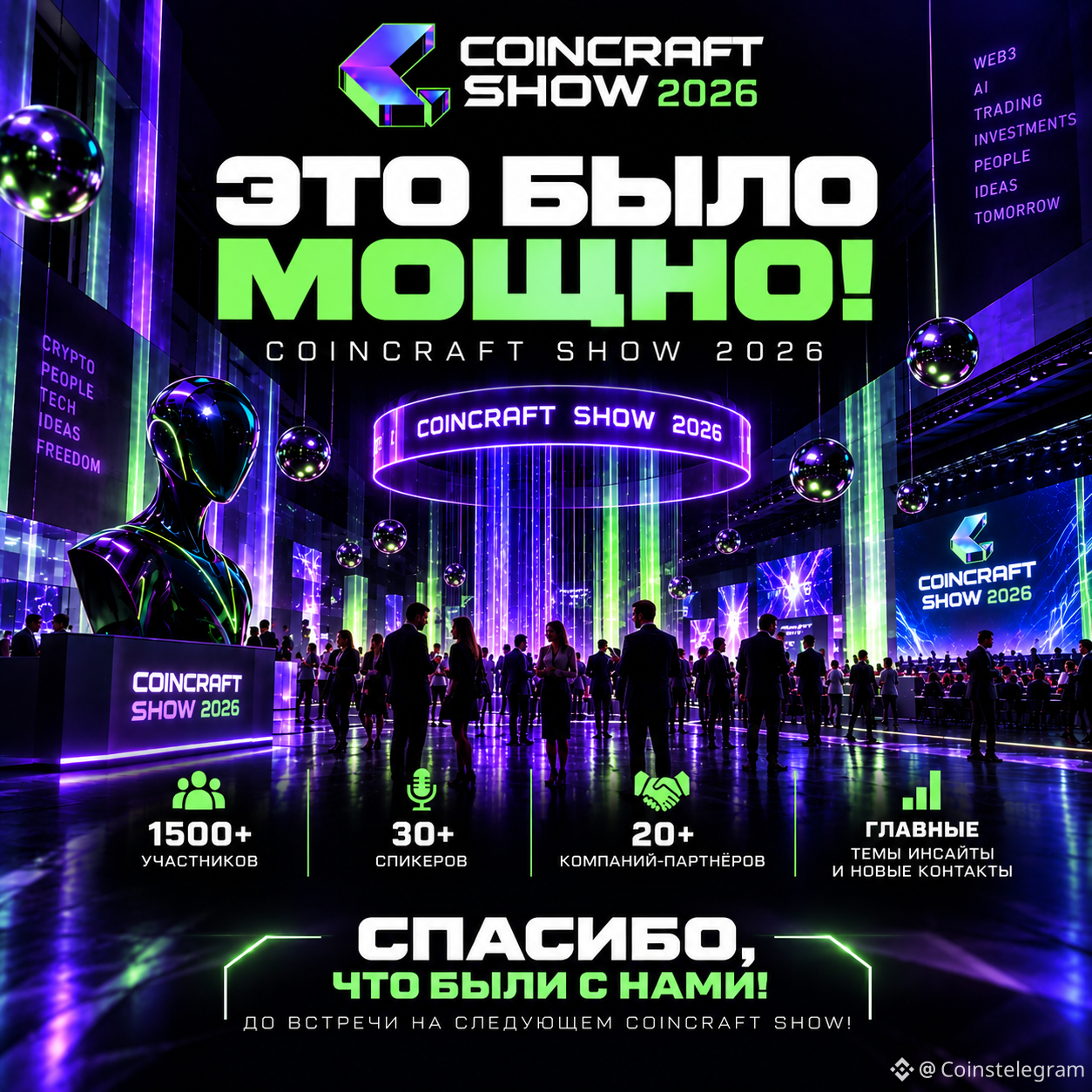
COINCRAFT SHOW 2026 aconteceu! A COINCRAFT SHOW 2026 aconteceu!
Em 24 de setembro, na FUTURIONE, na VDNKh, reuniram-se participantes do setor de cripto e fintech: investidores, traders, empreendedores, especialistas em ativos digitais, IA e representantes da mídia.
Um dia que uniu:
4 blocos de programação empresarial
6 salas temáticas
uma exposição de empresas parceiras e "Jardim de Encontros"
COINCRAFT SHOW 2026 aconteceu!
A COINCRAFT SHOW 2026 aconteceu!
Em 24 de setembro, na FUTURIONE, na VDNKh, reuniram-se participantes do setor de cripto e fintech: investidores, traders, empreendedores, especialistas em ativos digitais, IA e representantes da mídia.
Um dia que uniu:
4 blocos de programação empresarial
6 salas temáticas
uma exposição de empresas parceiras e "Jardim de Encontros"
Em 24 de setembro, na FUTURIONE, na VDNKh, reuniram-se participantes do setor de cripto e fintech: investidores, traders, empreendedores, especialistas em ativos digitais, IA e representantes da mídia.
Um dia que uniu:
4 blocos de programação empresarial
6 salas temáticas
uma exposição de empresas parceiras e "Jardim de Encontros"
175
Artigo
COINCRAFT SHOW 2026 aconteceu!O COINCRAFT SHOW 2026 aconteceu!
24 de setembro, na FUTURIONE, na VDNKh, reuniram-se participantes da indústria de cripto e fintech: investidores, traders, empreendedores, especialistas em ativos digitais, IA e representantes da mídia.
Um dia que uniu: 4 blocos da programação de negócios, 6 salas temáticas, uma exposição de empresas parceiras e o «Jardim de Encontros», debates sobre regulamentação, investimentos, trading, DeFi, RWA e IA; show noturno e programa exclusivo para convidados VIP.
COINCRAFT SHOW 2026 aconteceu!
O COINCRAFT SHOW 2026 aconteceu!
24 de setembro, na FUTURIONE, na VDNKh, reuniram-se participantes da indústria de cripto e fintech: investidores, traders, empreendedores, especialistas em ativos digitais, IA e representantes da mídia.
Um dia que uniu: 4 blocos da programação de negócios, 6 salas temáticas, uma exposição de empresas parceiras e o «Jardim de Encontros», debates sobre regulamentação, investimentos, trading, DeFi, RWA e IA; show noturno e programa exclusivo para convidados VIP.
24 de setembro, na FUTURIONE, na VDNKh, reuniram-se participantes da indústria de cripto e fintech: investidores, traders, empreendedores, especialistas em ativos digitais, IA e representantes da mídia.
Um dia que uniu: 4 blocos da programação de negócios, 6 salas temáticas, uma exposição de empresas parceiras e o «Jardim de Encontros», debates sobre regulamentação, investimentos, trading, DeFi, RWA e IA; show noturno e programa exclusivo para convidados VIP.
136
Artigo
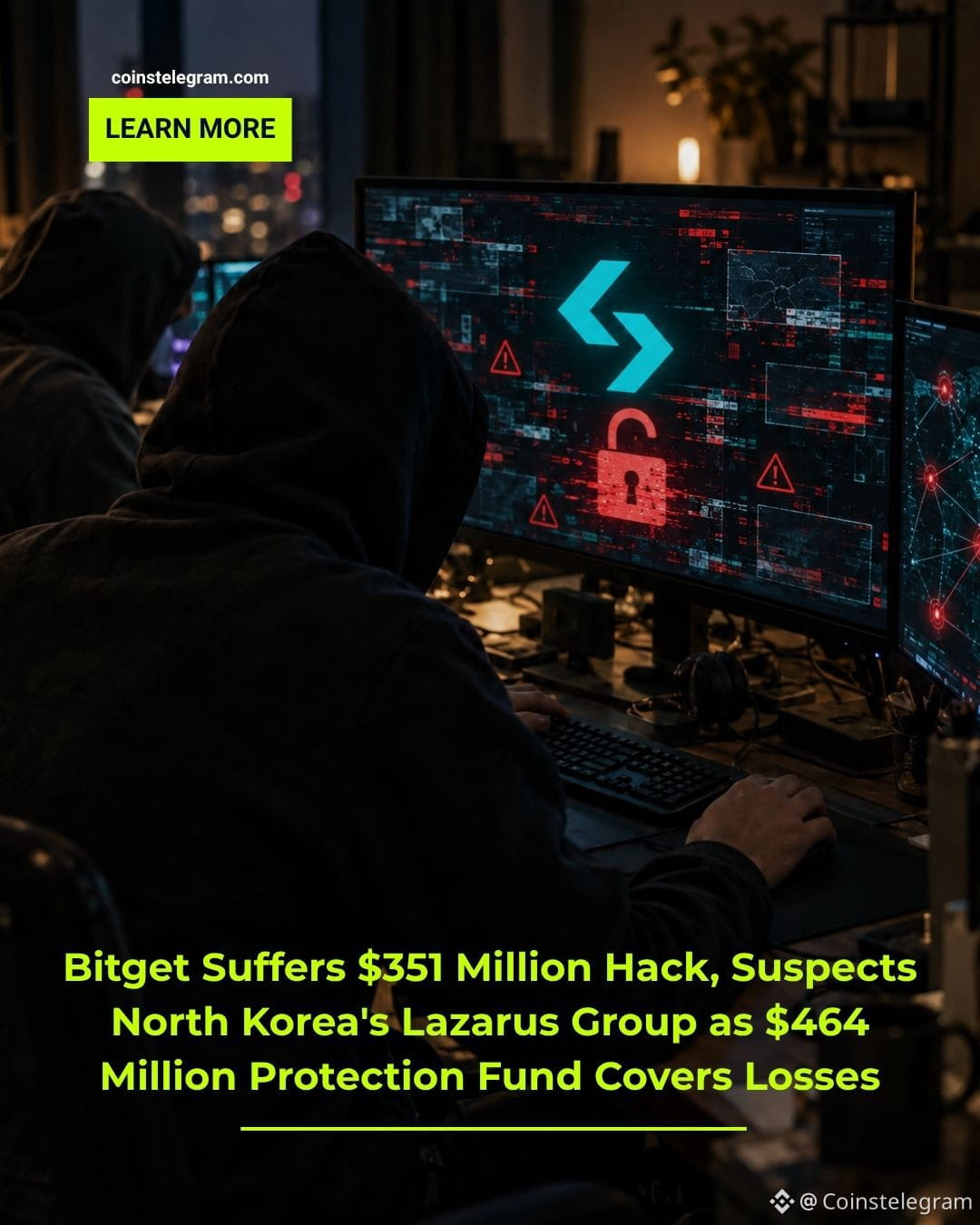
Bitget Sofre Hack de US$ 351 Milhões, Suspeita do Grupo Lazarus da Coreia do Norte Como o Responsável Pelo Plano de Proteção de US$ 464 Milhões...A Bitget, uma das maiores bolsas de criptomoedas do mundo, foi atingida por uma violação de segurança envolvendo uma carteira quente em 24 de setembro, que resultou em aproximadamente US$ 351,6 milhões em transferências não autorizadas — e a CEO Gracy Chen afirma que evidências preliminares apontam para o Grupo Lazarus, da Coreia do Norte, como o provável responsável.
A exchange suspendeu temporariamente os saques enquanto investiga, mas diz que os fundos dos usuários permanecem totalmente protegidos por meio de seu dedicado Fundo de Proteção ao Usuário, que mantém mais de US$ 464 milhões em reservas.
Bitget Sofre Hack de US$ 351 Milhões, Suspeita do Grupo Lazarus da Coreia do Norte Como o Responsável Pelo Plano de Proteção de US$ 464 Milhões...
A Bitget, uma das maiores bolsas de criptomoedas do mundo, foi atingida por uma violação de segurança envolvendo uma carteira quente em 24 de setembro, que resultou em aproximadamente US$ 351,6 milhões em transferências não autorizadas — e a CEO Gracy Chen afirma que evidências preliminares apontam para o Grupo Lazarus, da Coreia do Norte, como o provável responsável.
A exchange suspendeu temporariamente os saques enquanto investiga, mas diz que os fundos dos usuários permanecem totalmente protegidos por meio de seu dedicado Fundo de Proteção ao Usuário, que mantém mais de US$ 464 milhões em reservas.
A exchange suspendeu temporariamente os saques enquanto investiga, mas diz que os fundos dos usuários permanecem totalmente protegidos por meio de seu dedicado Fundo de Proteção ao Usuário, que mantém mais de US$ 464 milhões em reservas.
102
Bitget Sofre Hack de US$ 351 Milhões, Suspeita do Grupo Lazarus da Coreia do Norte, com Proteção de US$ 464 Milhões...A Bitget, uma das maiores exchanges de criptomoedas do mundo, foi atingida por uma violação de segurança envolvendo uma hot wallet em 24 de setembro, que resultou em aproximadamente US$ 351,6 milhões em transferências não autorizadas — e a CEO Gracy Chen afirma que evidências preliminares apontam o Grupo Lazarus, da Coreia do Norte, como o provável responsável.
A exchange suspendeu temporariamente saques enquanto investiga, mas diz que os fundos dos usuários permanecem totalmente protegidos por seu dedicado Fundo de Proteção ao Usuário, que mantém mais de US$ 464 milhões em reservas.
Bitget Sofre Hack de US$ 351 Milhões, Suspeita do Grupo Lazarus da Coreia do Norte, com Proteção de US$ 464 Milhões...
A Bitget, uma das maiores exchanges de criptomoedas do mundo, foi atingida por uma violação de segurança envolvendo uma hot wallet em 24 de setembro, que resultou em aproximadamente US$ 351,6 milhões em transferências não autorizadas — e a CEO Gracy Chen afirma que evidências preliminares apontam o Grupo Lazarus, da Coreia do Norte, como o provável responsável.
A exchange suspendeu temporariamente saques enquanto investiga, mas diz que os fundos dos usuários permanecem totalmente protegidos por seu dedicado Fundo de Proteção ao Usuário, que mantém mais de US$ 464 milhões em reservas.
A exchange suspendeu temporariamente saques enquanto investiga, mas diz que os fundos dos usuários permanecem totalmente protegidos por seu dedicado Fundo de Proteção ao Usuário, que mantém mais de US$ 464 milhões em reservas.
1
1.2k
Inicia sessão para explorar mais conteúdos
Junta-te a utilizadores de criptomoedas de todo o mundo na Binance Square
⚡️ Obtém informações úteis e recentes sobre criptomoedas.
💬 Com a confiança da maior exchange de criptomoedas do mundo.
👍 Descobre perspetivas reais de criadores verificados.
E-mail/Número de telefone
Tópicos em Tendência
ADAGains10%Above$0.27
105 visualizações
32 a discutir
#ADAGains10%Above$0.27
🔥 Cardano (ADA) está disparando!
A ADA subiu cerca de 11% em 24 horas, sendo negociada em torno de 0,27, enquanto o volume ultrapassou 1B. Esse movimento levou a ADA acima de sua máxima recente dos últimos 90 dias.
🎯 ATENÇÃO, TRADERS
• Rompimento de 0,27 + sustentação
• Volume à vista e liquidez
• OI + taxas de financiamento
• Direção do BTC
• Confirmação do reteste antes de entrar
Movimento forte ≠ entrada imediata.
Rompimento + volume + reteste bem-sucedido = configuração que vale a pena acompanhar.
Rejeição nas máximas = aguarde confirmação.
$ETH $RLC $RVN
Mario 07ec
·0 gostos
·245 visualizações
ETHUp70%InQ3ButLiquidityFalls
4,684 visualizações
140 a discutir
EthStakingExitQueueHits2026High
2,557 visualizações
196 a discutir