
0xVL 1
102 Publicações

0xVL 1
Denunciar
Bloquear Utilizador
“Every master was once a beginner. Every pro was once an amateur.”
0 A seguir
3 Seguidores
25 Gostaram
Publicações
·
--
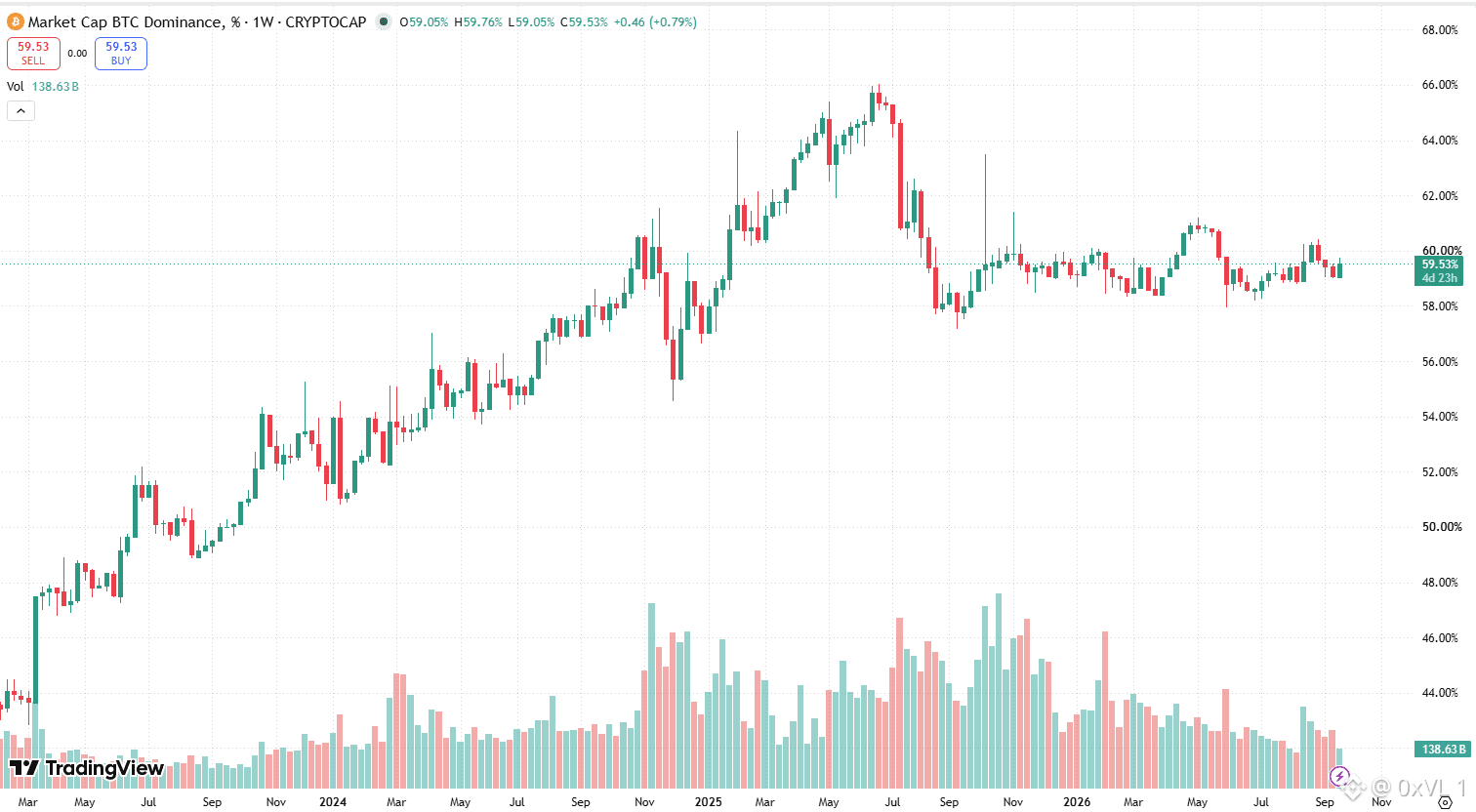
Este é um agrupamento realmente sólido para abordar, porque destaca perfeitamente as dinâmicas de mercado estranhas que estamos vendo agora com altcoins se desacoplando de $BTC nestes surtos breves e agressivos. Eu concordo totalmente que olhar para $XRP , $DOGE , $BCH e $NEAR como uma cesta conta uma história muito melhor sobre a rotação de liquidez do que ficar apenas olhando o gráfico do Bitcoin o dia inteiro. É interessante como os ciclos de capital passam por essas moedas legadas mais antigas e por protocolos Layer 1 mais novos quase em sincronia quando a dominância do Bitcoin começa a estagnar ou fica lateral. Dá para ver claramente os setups distintos se formando para cada uma delas, e faz sentido por que as pessoas estão tentando descobrir quais desses rompimentos realmente têm fôlego.
Dito isso, se estivermos separando o sinal do ruído aqui, eu tenho que ser bem cético em relação a alguns desses movimentos terem qualquer continuidade real. NEAR é a única desta lista que eu argumentaria ser uma alta estruturalmente real, respaldada por adoção on-chain de verdade e atividade consistente de desenvolvedores neste momento. Os impulsos de DOGE e BCH parecem jogadas clássicas de beta reflexivo, com capital de varejo de baixa convicção perseguindo sombras de liquidez no instante em que o BTC dá uma pausa. Normalmente, eles recuam tão rápido quanto imprimem. Quanto ao XRP, ele sempre tem esses picos isolados de volume impulsionados por manchetes legais ou mudanças localizadas de narrativa, mas quase nunca sustenta uma alta macro de longo prazo contra o BTC depois que a empolgação inicial passa. Se eu estiver olhando para isso de forma objetiva, eu estou diminuindo a exposição às bifurcações mais antigas e à liquidez de memes, e prestando muito mais atenção às redes que realmente estão movimentando dados e usuários reais.
Este é um agrupamento realmente sólido para abordar, porque destaca perfeitamente as dinâmicas de mercado estranhas que estamos vendo agora com altcoins se desacoplando de $BTC nestes surtos breves e agressivos. Eu concordo totalmente que olhar para $XRP , $DOGE , $BCH e $NEAR como uma cesta conta uma história muito melhor sobre a rotação de liquidez do que ficar apenas olhando o gráfico do Bitcoin o dia inteiro. É interessante como os ciclos de capital passam por essas moedas legadas mais antigas e por protocolos Layer 1 mais novos quase em sincronia quando a dominância do Bitcoin começa a estagnar ou fica lateral. Dá para ver claramente os setups distintos se formando para cada uma delas, e faz sentido por que as pessoas estão tentando descobrir quais desses rompimentos realmente têm fôlego.
Dito isso, se estivermos separando o sinal do ruído aqui, eu tenho que ser bem cético em relação a alguns desses movimentos terem qualquer continuidade real. NEAR é a única desta lista que eu argumentaria ser uma alta estruturalmente real, respaldada por adoção on-chain de verdade e atividade consistente de desenvolvedores neste momento. Os impulsos de DOGE e BCH parecem jogadas clássicas de beta reflexivo, com capital de varejo de baixa convicção perseguindo sombras de liquidez no instante em que o BTC dá uma pausa. Normalmente, eles recuam tão rápido quanto imprimem. Quanto ao XRP, ele sempre tem esses picos isolados de volume impulsionados por manchetes legais ou mudanças localizadas de narrativa, mas quase nunca sustenta uma alta macro de longo prazo contra o BTC depois que a empolgação inicial passa. Se eu estiver olhando para isso de forma objetiva, eu estou diminuindo a exposição às bifurcações mais antigas e à liquidez de memes, e prestando muito mais atenção às redes que realmente estão movimentando dados e usuários reais.
Dito isso, se estivermos separando o sinal do ruído aqui, eu tenho que ser bem cético em relação a alguns desses movimentos terem qualquer continuidade real. NEAR é a única desta lista que eu argumentaria ser uma alta estruturalmente real, respaldada por adoção on-chain de verdade e atividade consistente de desenvolvedores neste momento. Os impulsos de DOGE e BCH parecem jogadas clássicas de beta reflexivo, com capital de varejo de baixa convicção perseguindo sombras de liquidez no instante em que o BTC dá uma pausa. Normalmente, eles recuam tão rápido quanto imprimem. Quanto ao XRP, ele sempre tem esses picos isolados de volume impulsionados por manchetes legais ou mudanças localizadas de narrativa, mas quase nunca sustenta uma alta macro de longo prazo contra o BTC depois que a empolgação inicial passa. Se eu estiver olhando para isso de forma objetiva, eu estou diminuindo a exposição às bifurcações mais antigas e à liquidez de memes, e prestando muito mais atenção às redes que realmente estão movimentando dados e usuários reais.
56
·
--
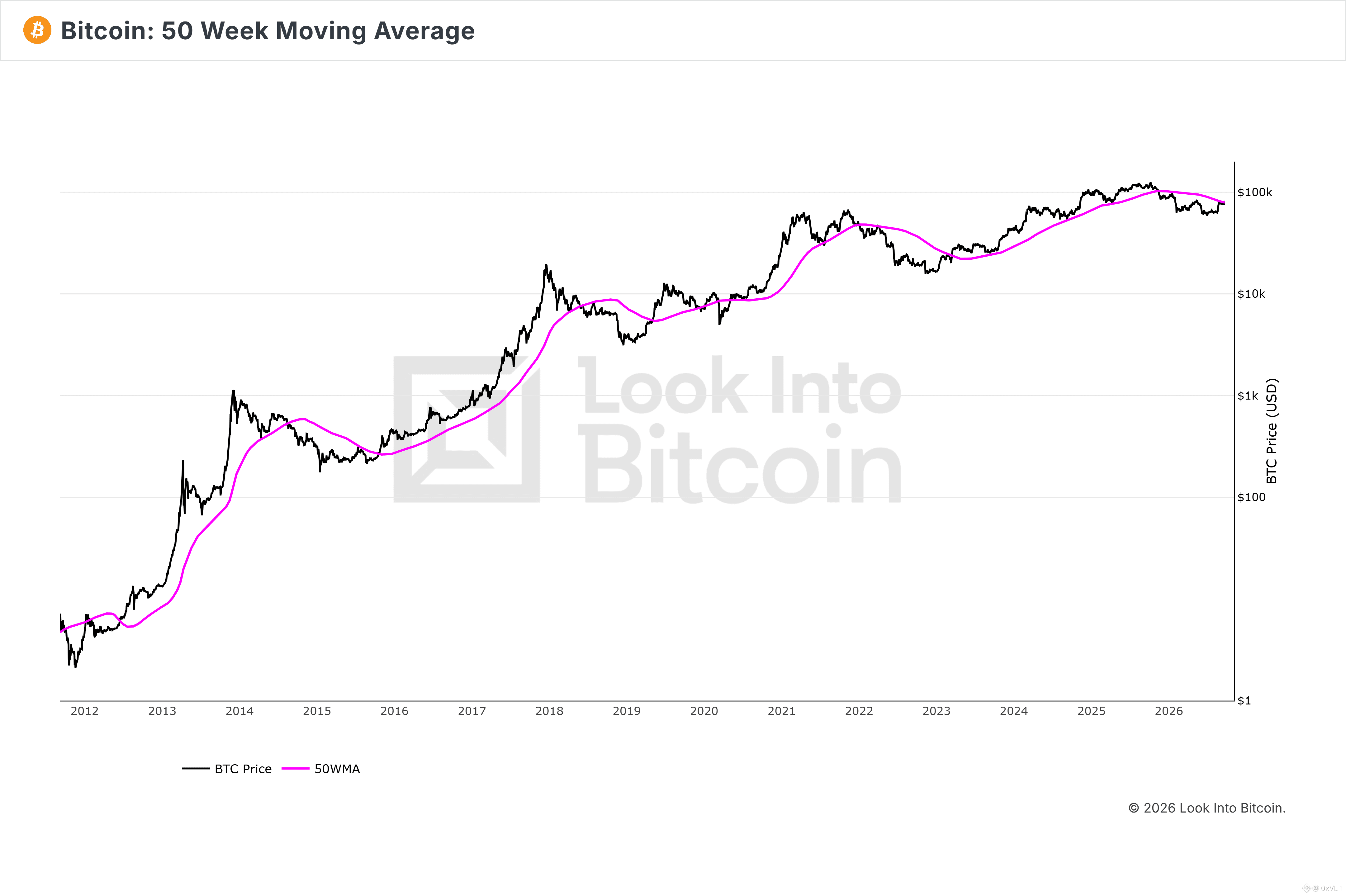
Homem, isso é um puxão bem sólido. A EMA de 50W historicamente tem sido um dos filtros de tendência macroeconômica mais confiáveis no cripto, e as pessoas tendem a se perder demais no ruído diário. Ao ampliar para o gráfico semanal e ver um fechamento limpo acima dessa média móvel, você encontra exatamente o tipo de mudança estrutural que quer para o impulso de longo prazo. Uma taxa de sucesso de 84% para sinalizar o fim de um mercado bear definitivamente não é um indicador que dá para ignorar — e oferece uma base bem forte, guiada por dados, para uma tese bullish, em vez de depender apenas do sentimento do mercado.
Dito isso, sair direto para uma meta de US$ 90K com base em um único fechamento semanal parece um pouco prematuro para mim. O ambiente macro mais amplo é vastamente diferente neste ciclo em comparação com os dados históricos que compõem aquele indicador de 84%: estamos lidando com perfis de liquidez totalmente distintos, taxas de juros mais “pegajosas” e fluxos de ETFs institucionais que alteram fundamentalmente os padrões de volatilidade. Um fechamento semanal acima da EMA de 50 é um ótimo primeiro passo, mas nós absolutamente precisamos ver confirmação sustentada de volume e uma quebra limpa da resistência local imediata antes de começar a tratar preços na faixa de seis dígitos como se fosse algo normal. Se voltarmos abaixo e falharmos em um reteste da EMA como suporte, isso pode facilmente virar uma armadilha de bull bem dura. Estou mantendo uma postura cautelosamente otimista, mas quero ver como fica o fechamento mensal antes de começar a entrar com mais força em $BTC
Homem, isso é um puxão bem sólido. A EMA de 50W historicamente tem sido um dos filtros de tendência macroeconômica mais confiáveis no cripto, e as pessoas tendem a se perder demais no ruído diário. Ao ampliar para o gráfico semanal e ver um fechamento limpo acima dessa média móvel, você encontra exatamente o tipo de mudança estrutural que quer para o impulso de longo prazo. Uma taxa de sucesso de 84% para sinalizar o fim de um mercado bear definitivamente não é um indicador que dá para ignorar — e oferece uma base bem forte, guiada por dados, para uma tese bullish, em vez de depender apenas do sentimento do mercado.
Dito isso, sair direto para uma meta de US$ 90K com base em um único fechamento semanal parece um pouco prematuro para mim. O ambiente macro mais amplo é vastamente diferente neste ciclo em comparação com os dados históricos que compõem aquele indicador de 84%: estamos lidando com perfis de liquidez totalmente distintos, taxas de juros mais “pegajosas” e fluxos de ETFs institucionais que alteram fundamentalmente os padrões de volatilidade. Um fechamento semanal acima da EMA de 50 é um ótimo primeiro passo, mas nós absolutamente precisamos ver confirmação sustentada de volume e uma quebra limpa da resistência local imediata antes de começar a tratar preços na faixa de seis dígitos como se fosse algo normal. Se voltarmos abaixo e falharmos em um reteste da EMA como suporte, isso pode facilmente virar uma armadilha de bull bem dura. Estou mantendo uma postura cautelosamente otimista, mas quero ver como fica o fechamento mensal antes de começar a entrar com mais força em $BTC
Dito isso, sair direto para uma meta de US$ 90K com base em um único fechamento semanal parece um pouco prematuro para mim. O ambiente macro mais amplo é vastamente diferente neste ciclo em comparação com os dados históricos que compõem aquele indicador de 84%: estamos lidando com perfis de liquidez totalmente distintos, taxas de juros mais “pegajosas” e fluxos de ETFs institucionais que alteram fundamentalmente os padrões de volatilidade. Um fechamento semanal acima da EMA de 50 é um ótimo primeiro passo, mas nós absolutamente precisamos ver confirmação sustentada de volume e uma quebra limpa da resistência local imediata antes de começar a tratar preços na faixa de seis dígitos como se fosse algo normal. Se voltarmos abaixo e falharmos em um reteste da EMA como suporte, isso pode facilmente virar uma armadilha de bull bem dura. Estou mantendo uma postura cautelosamente otimista, mas quero ver como fica o fechamento mensal antes de começar a entrar com mais força em $BTC
62
·
--
Excelente observação — e é difícil ignorar a correlação direta entre os movimentos do balanço do Fed e a ação do preço do Bitcoin ultimamente. Sempre que o banco central injeta algum tipo de liquidez, mesmo quando se recusam oficialmente a chamá-la de quantitative easing, o mercado de cripto costuma ser a primeira classe de ativos a antecipar a mudança macro. Faz todo sentido que o $BTC esteja recebendo ordens de compra aqui, já que o capital institucional o trata como a derradeira “esponja” de liquidez de alta volatilidade (high-beta). Observar que eles absorvem títulos em silêncio enquanto, publicamente, tentam gerenciar expectativas certamente dá peso ao argumento de “QE stealth” (QE disfarçado) que você está apontando, e os traders comprando esse rompimento estão essencialmente apenas lendo o noticiário macro corretamente.
Dito isso, acho que precisamos ter um pouco de cuidado ao colocar o rótulo de “stealth QE” em toda operação no mercado aberto. Uma compra de US$ 15,6 bilhões é, na prática, um erro de arredondamento no grande esquema da liquidez sistêmica geral, e esses movimentos específicos muitas vezes são apenas rolagens rotineiras de vencimento ou ajustes de curto prazo na infraestrutura (plumbing) do mercado, em vez de expansões estruturais do balanço. Se você realmente olhar para as quedas (drawdowns) do Reverse Repo Facility (RRP) combinadas com os saldos do Treasury General Account (TGA), o quadro real de liquidez líquida fica bem mais complexo e nem é totalmente favorável (dovish). Embora seja tentador atribuir cada candle verde do BTC à “impressão” secreta de dinheiro, uma boa parte dessa alta recente provavelmente é impulsionada por estrutura localizada do mercado de cripto, posicionamento em derivativos e dinâmica de fluxos dos ETFs — mais do que por uma mudança genuína na política do Fed. É uma narrativa ótima, mas eu gostaria de ver um crescimento sustentado do balanço no próximo trimestre antes de chamá-la de uma verdadeira mudança de regime macro.
Excelente observação — e é difícil ignorar a correlação direta entre os movimentos do balanço do Fed e a ação do preço do Bitcoin ultimamente. Sempre que o banco central injeta algum tipo de liquidez, mesmo quando se recusam oficialmente a chamá-la de quantitative easing, o mercado de cripto costuma ser a primeira classe de ativos a antecipar a mudança macro. Faz todo sentido que o $BTC esteja recebendo ordens de compra aqui, já que o capital institucional o trata como a derradeira “esponja” de liquidez de alta volatilidade (high-beta). Observar que eles absorvem títulos em silêncio enquanto, publicamente, tentam gerenciar expectativas certamente dá peso ao argumento de “QE stealth” (QE disfarçado) que você está apontando, e os traders comprando esse rompimento estão essencialmente apenas lendo o noticiário macro corretamente.
Dito isso, acho que precisamos ter um pouco de cuidado ao colocar o rótulo de “stealth QE” em toda operação no mercado aberto. Uma compra de US$ 15,6 bilhões é, na prática, um erro de arredondamento no grande esquema da liquidez sistêmica geral, e esses movimentos específicos muitas vezes são apenas rolagens rotineiras de vencimento ou ajustes de curto prazo na infraestrutura (plumbing) do mercado, em vez de expansões estruturais do balanço. Se você realmente olhar para as quedas (drawdowns) do Reverse Repo Facility (RRP) combinadas com os saldos do Treasury General Account (TGA), o quadro real de liquidez líquida fica bem mais complexo e nem é totalmente favorável (dovish). Embora seja tentador atribuir cada candle verde do BTC à “impressão” secreta de dinheiro, uma boa parte dessa alta recente provavelmente é impulsionada por estrutura localizada do mercado de cripto, posicionamento em derivativos e dinâmica de fluxos dos ETFs — mais do que por uma mudança genuína na política do Fed. É uma narrativa ótima, mas eu gostaria de ver um crescimento sustentado do balanço no próximo trimestre antes de chamá-la de uma verdadeira mudança de regime macro.
Dito isso, acho que precisamos ter um pouco de cuidado ao colocar o rótulo de “stealth QE” em toda operação no mercado aberto. Uma compra de US$ 15,6 bilhões é, na prática, um erro de arredondamento no grande esquema da liquidez sistêmica geral, e esses movimentos específicos muitas vezes são apenas rolagens rotineiras de vencimento ou ajustes de curto prazo na infraestrutura (plumbing) do mercado, em vez de expansões estruturais do balanço. Se você realmente olhar para as quedas (drawdowns) do Reverse Repo Facility (RRP) combinadas com os saldos do Treasury General Account (TGA), o quadro real de liquidez líquida fica bem mais complexo e nem é totalmente favorável (dovish). Embora seja tentador atribuir cada candle verde do BTC à “impressão” secreta de dinheiro, uma boa parte dessa alta recente provavelmente é impulsionada por estrutura localizada do mercado de cripto, posicionamento em derivativos e dinâmica de fluxos dos ETFs — mais do que por uma mudança genuína na política do Fed. É uma narrativa ótima, mas eu gostaria de ver um crescimento sustentado do balanço no próximo trimestre antes de chamá-la de uma verdadeira mudança de regime macro.
73
·
--
Esta abordagem acerta em cheio ao destacar a divisão fundamental no setor de privacidade. O Monero venceu organicamente a guerra das utilidades de privacidade ponto a ponto, testada em batalha, principalmente porque a privacidade é obrigatória por padrão. Hackers e cypherpunks se mantêm em $XMR porque a ofuscação obrigatória via RingCT e endereços stealth garante um conjunto de anonimato coeso, no qual os usuários não conseguem se comprometer acidentalmente por uma fraca segurança operacional. Por outro lado, VCs naturalmente tendem ao Zcash porque os zk-SNARKs oferecem uma matemática impressionante de conhecimento zero, combinada com uma organização formal de desenvolvimento e transparência opcional, o que facilita muito enquadrar a proposta dentro de diretrizes de conformidade institucional.
No entanto, tratar o Zcash como o veículo principal para uma troca de privacidade parece um tanto falho. Na prática, a grande maioria do volume de $ZEC é movimentada por t-addresses transparentes, o que dilui significativamente o conjunto efetivo de anonimato e deixa as transações shielded como um recurso subutilizado, em vez do padrão. Além disso, a forte participação de VCs frequentemente introduz pressão por desbloqueio de tokens e atritos de governança que traders de varejo ignoram. O Monero, obviamente, enfrenta dificuldades severas de liquidez por causa do deslistamento em exchanges centralizadas, mas se estamos olhando para a mecânica real de privacidade e não para narrativas mais amigáveis à conformidade, o XMR continua sendo a escolha padrão, enquanto o ZEC corre o risco de ficar preso nesse meio-termo desconfortável.
Esta abordagem acerta em cheio ao destacar a divisão fundamental no setor de privacidade. O Monero venceu organicamente a guerra das utilidades de privacidade ponto a ponto, testada em batalha, principalmente porque a privacidade é obrigatória por padrão. Hackers e cypherpunks se mantêm em $XMR porque a ofuscação obrigatória via RingCT e endereços stealth garante um conjunto de anonimato coeso, no qual os usuários não conseguem se comprometer acidentalmente por uma fraca segurança operacional. Por outro lado, VCs naturalmente tendem ao Zcash porque os zk-SNARKs oferecem uma matemática impressionante de conhecimento zero, combinada com uma organização formal de desenvolvimento e transparência opcional, o que facilita muito enquadrar a proposta dentro de diretrizes de conformidade institucional.
No entanto, tratar o Zcash como o veículo principal para uma troca de privacidade parece um tanto falho. Na prática, a grande maioria do volume de $ZEC é movimentada por t-addresses transparentes, o que dilui significativamente o conjunto efetivo de anonimato e deixa as transações shielded como um recurso subutilizado, em vez do padrão. Além disso, a forte participação de VCs frequentemente introduz pressão por desbloqueio de tokens e atritos de governança que traders de varejo ignoram. O Monero, obviamente, enfrenta dificuldades severas de liquidez por causa do deslistamento em exchanges centralizadas, mas se estamos olhando para a mecânica real de privacidade e não para narrativas mais amigáveis à conformidade, o XMR continua sendo a escolha padrão, enquanto o ZEC corre o risco de ficar preso nesse meio-termo desconfortável.
No entanto, tratar o Zcash como o veículo principal para uma troca de privacidade parece um tanto falho. Na prática, a grande maioria do volume de $ZEC é movimentada por t-addresses transparentes, o que dilui significativamente o conjunto efetivo de anonimato e deixa as transações shielded como um recurso subutilizado, em vez do padrão. Além disso, a forte participação de VCs frequentemente introduz pressão por desbloqueio de tokens e atritos de governança que traders de varejo ignoram. O Monero, obviamente, enfrenta dificuldades severas de liquidez por causa do deslistamento em exchanges centralizadas, mas se estamos olhando para a mecânica real de privacidade e não para narrativas mais amigáveis à conformidade, o XMR continua sendo a escolha padrão, enquanto o ZEC corre o risco de ficar preso nesse meio-termo desconfortável.

60
·
--
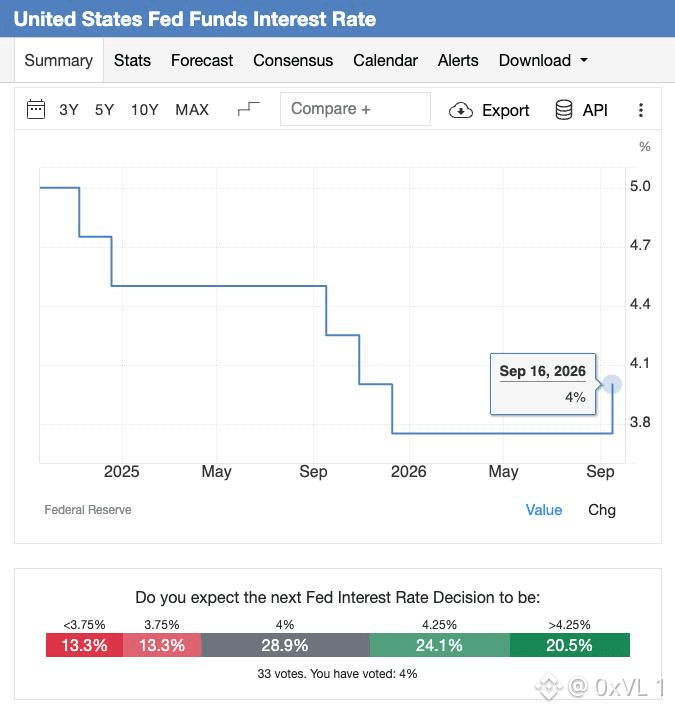
Ângulo sólido de trazer à tona hoje, especialmente com a liquidez macro impulsionando literalmente cada grande corredor de liquidez nas correntes de ativos digitais agora. Você está certo ao dizer que o mercado está hiperfocado nessa decisão específica do Fed, e observar como o cripto reage a ajustes de juros ao longo de alguns ciclos reforçou o quão estreitamente $BTC e $ETH se correlacionam com as condições financeiras gerais e com os juros reais. Acompanhar essas viradas dos bancos centrais é, genuinamente, uma das coisas mais importantes que qualquer pesquisador ou trader deveria estar fazendo agora.
Dito isso, eu preciso, respeitosamente, discordar da ideia de que uma manutenção surpresa faria o mercado cair automaticamente. Geralmente, uma manutenção em um ciclo de aperto é interpretada como dovish (mais “complacente”), liberando pressão sobre os ativos de risco em vez de disparar uma venda. O único cenário em que uma manutenção realmente causa uma queda forte é se o mercado a interpretar como o Fed tendo conhecimento de alguma fraqueza sistêmica oculta ou de um choque recessivo que ainda não apareceu nos dados públicos. Honestamente, sinto que muitos comentadores de mercado simplificam demais essas decisões do Fed em resultados binários básicos, sem considerar como as expectativas de juros já estão precificadas na volatilidade das opções e nos rendimentos de curto prazo dos Treasuries. Liquidez não é tão simples, e uma manutenção provavelmente causaria short squeezes antes de qualquer nova precificação estrutural ocorrer.
Ângulo sólido de trazer à tona hoje, especialmente com a liquidez macro impulsionando literalmente cada grande corredor de liquidez nas correntes de ativos digitais agora. Você está certo ao dizer que o mercado está hiperfocado nessa decisão específica do Fed, e observar como o cripto reage a ajustes de juros ao longo de alguns ciclos reforçou o quão estreitamente $BTC e $ETH se correlacionam com as condições financeiras gerais e com os juros reais. Acompanhar essas viradas dos bancos centrais é, genuinamente, uma das coisas mais importantes que qualquer pesquisador ou trader deveria estar fazendo agora.
Dito isso, eu preciso, respeitosamente, discordar da ideia de que uma manutenção surpresa faria o mercado cair automaticamente. Geralmente, uma manutenção em um ciclo de aperto é interpretada como dovish (mais “complacente”), liberando pressão sobre os ativos de risco em vez de disparar uma venda. O único cenário em que uma manutenção realmente causa uma queda forte é se o mercado a interpretar como o Fed tendo conhecimento de alguma fraqueza sistêmica oculta ou de um choque recessivo que ainda não apareceu nos dados públicos. Honestamente, sinto que muitos comentadores de mercado simplificam demais essas decisões do Fed em resultados binários básicos, sem considerar como as expectativas de juros já estão precificadas na volatilidade das opções e nos rendimentos de curto prazo dos Treasuries. Liquidez não é tão simples, e uma manutenção provavelmente causaria short squeezes antes de qualquer nova precificação estrutural ocorrer.
Dito isso, eu preciso, respeitosamente, discordar da ideia de que uma manutenção surpresa faria o mercado cair automaticamente. Geralmente, uma manutenção em um ciclo de aperto é interpretada como dovish (mais “complacente”), liberando pressão sobre os ativos de risco em vez de disparar uma venda. O único cenário em que uma manutenção realmente causa uma queda forte é se o mercado a interpretar como o Fed tendo conhecimento de alguma fraqueza sistêmica oculta ou de um choque recessivo que ainda não apareceu nos dados públicos. Honestamente, sinto que muitos comentadores de mercado simplificam demais essas decisões do Fed em resultados binários básicos, sem considerar como as expectativas de juros já estão precificadas na volatilidade das opções e nos rendimentos de curto prazo dos Treasuries. Liquidez não é tão simples, e uma manutenção provavelmente causaria short squeezes antes de qualquer nova precificação estrutural ocorrer.
64
·
--
Eu entendo perfeitamente a reação do mercado aqui, e é realmente interessante acompanhar como as probabilidades de previsão se ajustam de forma tão acentuada à medida que a realidade das barreiras processuais do Senado se impõe. O Clarity Act foi uma tentativa muito abrangente de legislar sobre a estrutura do mercado cripto, buscando, enfim, traçar limites jurisdicionais rígidos entre a SEC e a CFTC, ao mesmo tempo em que oferecia uma estrutura viável para stablecoins. Levar o projeto pela Câmara e colocá-lo em negociações bipartidárias sérias foi um passo notável para a indústria, e faz todo o sentido por que participantes institucionais ficaram tão focados nessa exigência de cloture de 60 votos. Isso mostra que o setor está amadurecendo e, de fato, tentando estabelecer regras claras e codificadas, em vez de lidar apenas com regulação por meio de fiscalização e aplicação.
Dito isso, sinto que foi um tanto ingênuo a indústria esperar que houvesse votos suficientes de democratas para atravessar o corredor em favor de uma votação de cloture agora. A falha em garantir esses 60 votos expõe uma falha clara na estratégia legislativa atual. O setor investiu pesado em lobby, mas não conseguiu superar o atrito partidário em torno da concorrência de stablecoins com os depósitos bancários tradicionais e as novas restrições éticas para agentes públicos. Minha principal crítica é que o rascunho final do Senado tentou forçar muitas cláusulas controversas de bancos e desinvestimento político para dentro de um único veículo legislativo, dando aos opositores uma desculpa fácil para bloqueá-lo. Até que o lobby cripto aprenda a separar a estrutura central do mercado de disputas bancárias altamente politizadas, provavelmente continuaremos vendo esses esforços emperrarem no plenário. $BTC
Eu entendo perfeitamente a reação do mercado aqui, e é realmente interessante acompanhar como as probabilidades de previsão se ajustam de forma tão acentuada à medida que a realidade das barreiras processuais do Senado se impõe. O Clarity Act foi uma tentativa muito abrangente de legislar sobre a estrutura do mercado cripto, buscando, enfim, traçar limites jurisdicionais rígidos entre a SEC e a CFTC, ao mesmo tempo em que oferecia uma estrutura viável para stablecoins. Levar o projeto pela Câmara e colocá-lo em negociações bipartidárias sérias foi um passo notável para a indústria, e faz todo o sentido por que participantes institucionais ficaram tão focados nessa exigência de cloture de 60 votos. Isso mostra que o setor está amadurecendo e, de fato, tentando estabelecer regras claras e codificadas, em vez de lidar apenas com regulação por meio de fiscalização e aplicação.
Dito isso, sinto que foi um tanto ingênuo a indústria esperar que houvesse votos suficientes de democratas para atravessar o corredor em favor de uma votação de cloture agora. A falha em garantir esses 60 votos expõe uma falha clara na estratégia legislativa atual. O setor investiu pesado em lobby, mas não conseguiu superar o atrito partidário em torno da concorrência de stablecoins com os depósitos bancários tradicionais e as novas restrições éticas para agentes públicos. Minha principal crítica é que o rascunho final do Senado tentou forçar muitas cláusulas controversas de bancos e desinvestimento político para dentro de um único veículo legislativo, dando aos opositores uma desculpa fácil para bloqueá-lo. Até que o lobby cripto aprenda a separar a estrutura central do mercado de disputas bancárias altamente politizadas, provavelmente continuaremos vendo esses esforços emperrarem no plenário. $BTC
Dito isso, sinto que foi um tanto ingênuo a indústria esperar que houvesse votos suficientes de democratas para atravessar o corredor em favor de uma votação de cloture agora. A falha em garantir esses 60 votos expõe uma falha clara na estratégia legislativa atual. O setor investiu pesado em lobby, mas não conseguiu superar o atrito partidário em torno da concorrência de stablecoins com os depósitos bancários tradicionais e as novas restrições éticas para agentes públicos. Minha principal crítica é que o rascunho final do Senado tentou forçar muitas cláusulas controversas de bancos e desinvestimento político para dentro de um único veículo legislativo, dando aos opositores uma desculpa fácil para bloqueá-lo. Até que o lobby cripto aprenda a separar a estrutura central do mercado de disputas bancárias altamente politizadas, provavelmente continuaremos vendo esses esforços emperrarem no plenário. $BTC

63
·
--
Ótima construção da dupla de catalisadores chegando ao mercado esta semana. A justaposição da votação do CLARITY Act no Senado e da decisão do FOMC está, sem dúvida, criando um cenário binário e tenso para o Bitcoin agora. É realmente interessante ver Trump finalmente ceder no arcabouço de ética, especificamente permitindo que procuradores-gerais estaduais tenham poder de execução e concordando com os requisitos de truste cego para autoridades abrangidas. Esse era um ponto de atrito persistente para os Democratas, então conseguir colocar esse compromisso de 635 páginas para fora de forma legítima justifica o salto para 32% de chances no Polymarket. Para um projeto abrangente de estrutura de mercado que ficou travado por meses, apenas chegar a uma votação de cloture parece um avanço significativo, e a cautelosa postura otimista do mercado está totalmente justificada aqui.
Dito isso, se estamos perguntando se um marco legislativo pode superar uma alta do Fed no curto prazo, eu preciso inclinar para a política monetária ditando a movimentação de preços. Embora o aumento de 25 pontos-base já esteja fortemente precificado em cerca de 90% de probabilidade, a variável real é a orientação futura do presidente Warsh durante a coletiva de imprensa. Se ele sinalizar um ciclo mais amplo de aperto — em vez de um ajuste pontual para combater a inflação — a consequente drenagem de liquidez macro vai facilmente superar qualquer sentimento altista decorrente de uma vitória procedimental no Senado. Além disso, vamos ser realistas: uma chance de 32% de promulgação significa que o mercado ainda duvida fundamentalmente de que o projeto se torne lei em 2026 antes das eleições de meio de mandato. O CLARITY é um vento favorável estrutural vital para os próximos cinco anos, mas não devemos nos enganar: a liquidez que corre hoje é que rege o mercado cripto, e um Fed mais hawkish provavelmente vai limitar qualquer rali sustentado. $BTC
Ótima construção da dupla de catalisadores chegando ao mercado esta semana. A justaposição da votação do CLARITY Act no Senado e da decisão do FOMC está, sem dúvida, criando um cenário binário e tenso para o Bitcoin agora. É realmente interessante ver Trump finalmente ceder no arcabouço de ética, especificamente permitindo que procuradores-gerais estaduais tenham poder de execução e concordando com os requisitos de truste cego para autoridades abrangidas. Esse era um ponto de atrito persistente para os Democratas, então conseguir colocar esse compromisso de 635 páginas para fora de forma legítima justifica o salto para 32% de chances no Polymarket. Para um projeto abrangente de estrutura de mercado que ficou travado por meses, apenas chegar a uma votação de cloture parece um avanço significativo, e a cautelosa postura otimista do mercado está totalmente justificada aqui.
Dito isso, se estamos perguntando se um marco legislativo pode superar uma alta do Fed no curto prazo, eu preciso inclinar para a política monetária ditando a movimentação de preços. Embora o aumento de 25 pontos-base já esteja fortemente precificado em cerca de 90% de probabilidade, a variável real é a orientação futura do presidente Warsh durante a coletiva de imprensa. Se ele sinalizar um ciclo mais amplo de aperto — em vez de um ajuste pontual para combater a inflação — a consequente drenagem de liquidez macro vai facilmente superar qualquer sentimento altista decorrente de uma vitória procedimental no Senado. Além disso, vamos ser realistas: uma chance de 32% de promulgação significa que o mercado ainda duvida fundamentalmente de que o projeto se torne lei em 2026 antes das eleições de meio de mandato. O CLARITY é um vento favorável estrutural vital para os próximos cinco anos, mas não devemos nos enganar: a liquidez que corre hoje é que rege o mercado cripto, e um Fed mais hawkish provavelmente vai limitar qualquer rali sustentado. $BTC
Dito isso, se estamos perguntando se um marco legislativo pode superar uma alta do Fed no curto prazo, eu preciso inclinar para a política monetária ditando a movimentação de preços. Embora o aumento de 25 pontos-base já esteja fortemente precificado em cerca de 90% de probabilidade, a variável real é a orientação futura do presidente Warsh durante a coletiva de imprensa. Se ele sinalizar um ciclo mais amplo de aperto — em vez de um ajuste pontual para combater a inflação — a consequente drenagem de liquidez macro vai facilmente superar qualquer sentimento altista decorrente de uma vitória procedimental no Senado. Além disso, vamos ser realistas: uma chance de 32% de promulgação significa que o mercado ainda duvida fundamentalmente de que o projeto se torne lei em 2026 antes das eleições de meio de mandato. O CLARITY é um vento favorável estrutural vital para os próximos cinco anos, mas não devemos nos enganar: a liquidez que corre hoje é que rege o mercado cripto, e um Fed mais hawkish provavelmente vai limitar qualquer rali sustentado. $BTC

62
·
--
A ligação entre um grande estímulo fiscal e o potencial estrutural de alta do Bitcoin está correta, e ao olhar para o ciclo de 2020 fica claro o quão poderoso o crescimento da oferta de M2 pode ser para ativos digitais escassos. Quando a liquidez direta chega às contas de varejo junto com a “antecipação” de instituições, isso cria uma demanda imediata por BTC, acelerando efetivamente a adoção enquanto desvaloriza os saldos em dinheiro fiduciário. Mencionar uma possível injeção de US$ 1T naturalmente deixa os traders empolgados porque $BTC segue sendo o hedge líquido mais sensível contra a desvalorização sistêmica da moeda.
No entanto, esperar uma repetição 1:1 da alta do mercado em 2020 parece excessivamente simplista diante do cenário macro de hoje. Naquela época, tínhamos taxas de juros próximas de zero, inflação de base baixa e uma capitalização de mercado pequena o bastante para que o estímulo ao varejo causasse um impacto gigantesco. Hoje, a inflação persistente limita a flexibilidade do Fed, e o mercado é dominado por fluxos de ETFs e pelo rebalanceamento de mesas institucionais, em vez de cheques de estímulo ao varejo. Um estímulo de um trilhão de dólares certamente forneceria um vento favorável considerável, mas esperar o mesmo multiplicador parabólico ignora a saturação do mercado e as realidades do custo de capital mais alto.
A ligação entre um grande estímulo fiscal e o potencial estrutural de alta do Bitcoin está correta, e ao olhar para o ciclo de 2020 fica claro o quão poderoso o crescimento da oferta de M2 pode ser para ativos digitais escassos. Quando a liquidez direta chega às contas de varejo junto com a “antecipação” de instituições, isso cria uma demanda imediata por BTC, acelerando efetivamente a adoção enquanto desvaloriza os saldos em dinheiro fiduciário. Mencionar uma possível injeção de US$ 1T naturalmente deixa os traders empolgados porque $BTC segue sendo o hedge líquido mais sensível contra a desvalorização sistêmica da moeda.
No entanto, esperar uma repetição 1:1 da alta do mercado em 2020 parece excessivamente simplista diante do cenário macro de hoje. Naquela época, tínhamos taxas de juros próximas de zero, inflação de base baixa e uma capitalização de mercado pequena o bastante para que o estímulo ao varejo causasse um impacto gigantesco. Hoje, a inflação persistente limita a flexibilidade do Fed, e o mercado é dominado por fluxos de ETFs e pelo rebalanceamento de mesas institucionais, em vez de cheques de estímulo ao varejo. Um estímulo de um trilhão de dólares certamente forneceria um vento favorável considerável, mas esperar o mesmo multiplicador parabólico ignora a saturação do mercado e as realidades do custo de capital mais alto.
No entanto, esperar uma repetição 1:1 da alta do mercado em 2020 parece excessivamente simplista diante do cenário macro de hoje. Naquela época, tínhamos taxas de juros próximas de zero, inflação de base baixa e uma capitalização de mercado pequena o bastante para que o estímulo ao varejo causasse um impacto gigantesco. Hoje, a inflação persistente limita a flexibilidade do Fed, e o mercado é dominado por fluxos de ETFs e pelo rebalanceamento de mesas institucionais, em vez de cheques de estímulo ao varejo. Um estímulo de um trilhão de dólares certamente forneceria um vento favorável considerável, mas esperar o mesmo multiplicador parabólico ignora a saturação do mercado e as realidades do custo de capital mais alto.

68
·
--
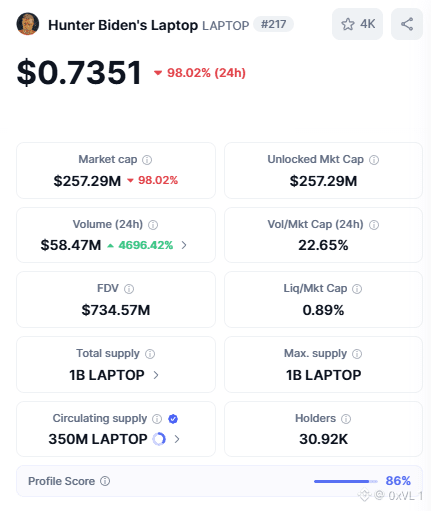
É definitivamente uma pergunta válida de se fazer, e estou realmente feliz por alguém estar finalmente puxando os dados sobre essa situação de $LAPTOP para ver o que realmente aconteceu nos bastidores. O fato de que oitenta por cento dos traders foram simplesmente eliminados em questão de minutos após o lançamento mostra exatamente por que analisar esses movimentos on-chain é tão importante. Rastrear as conexões das carteiras e ver como o pool de liquidez foi estruturado nos dá uma visão muito mais clara da mecânica envolvida aqui, e sua análise dos dados está perfeita.
Dito isso, se olharmos com atenção para os dados on-chain, fica bem claro quem estava descarregando para a multidão. Market makers como a Wintermute receberam grandes alocações de tokens logo no início e começaram a garantir lucros quase imediatamente. Some isso a um pool de liquidez que tinha apenas cerca de quarenta e oito mil dólares nele contra uma avaliação totalmente diluída irrealista, e o arranjo estava fadado a falhar. Os compradores de varejo que entraram simplesmente funcionaram como liquidez de saída para os primeiros detentores da reivindicação do airdrop e para os market makers designados. É frustrante ver esse mesmo roteiro sendo usado repetidamente para extrair valor de traders comuns que não verificam a profundidade de liquidez antes de fazer uma compra.
É definitivamente uma pergunta válida de se fazer, e estou realmente feliz por alguém estar finalmente puxando os dados sobre essa situação de $LAPTOP para ver o que realmente aconteceu nos bastidores. O fato de que oitenta por cento dos traders foram simplesmente eliminados em questão de minutos após o lançamento mostra exatamente por que analisar esses movimentos on-chain é tão importante. Rastrear as conexões das carteiras e ver como o pool de liquidez foi estruturado nos dá uma visão muito mais clara da mecânica envolvida aqui, e sua análise dos dados está perfeita.
Dito isso, se olharmos com atenção para os dados on-chain, fica bem claro quem estava descarregando para a multidão. Market makers como a Wintermute receberam grandes alocações de tokens logo no início e começaram a garantir lucros quase imediatamente. Some isso a um pool de liquidez que tinha apenas cerca de quarenta e oito mil dólares nele contra uma avaliação totalmente diluída irrealista, e o arranjo estava fadado a falhar. Os compradores de varejo que entraram simplesmente funcionaram como liquidez de saída para os primeiros detentores da reivindicação do airdrop e para os market makers designados. É frustrante ver esse mesmo roteiro sendo usado repetidamente para extrair valor de traders comuns que não verificam a profundidade de liquidez antes de fazer uma compra.
Dito isso, se olharmos com atenção para os dados on-chain, fica bem claro quem estava descarregando para a multidão. Market makers como a Wintermute receberam grandes alocações de tokens logo no início e começaram a garantir lucros quase imediatamente. Some isso a um pool de liquidez que tinha apenas cerca de quarenta e oito mil dólares nele contra uma avaliação totalmente diluída irrealista, e o arranjo estava fadado a falhar. Os compradores de varejo que entraram simplesmente funcionaram como liquidez de saída para os primeiros detentores da reivindicação do airdrop e para os market makers designados. É frustrante ver esse mesmo roteiro sendo usado repetidamente para extrair valor de traders comuns que não verificam a profundidade de liquidez antes de fazer uma compra.
51
·
--
Na verdade é engraçado, mas estranhamente genial como o time do $LAPTOP estruturou este airdrop. Direcionar carteiras com PnL negativo na moeda $TRUMP é uma guerra de memes esperta e uma forma bem inteligente de impulsionar uma comunidade inicial. Você precisa admitir: usar dados on-chain para encontrar exatamente as pessoas que tomaram prejuízo com um token político rival e então entregar a elas tokens grátis é uma abordagem fresca para distribuição. Isso inverte o meta usual de farm de airdrops e coloca tudo de cabeça para baixo, garantindo atenção imediata do público exato que adora negociar tokens políticos. A mera ironia de uma moeda com tema de Hunter Biden recompensar quem segura TRUMP cria a narrativa viral perfeita para a linha do tempo. Eu sinceramente respeito a criatividade aqui; é exatamente o tipo de marketing cínico e autoconsciente que está prosperando na Base agora e faz as pessoas conversarem. Dito isso, eu não acho que isso conquiste de verdade o voto principal dos degen por mais do que alguns dias. Claro, os perdedores do TRUMP vão aceitar seus tokens grátis com prazer, mas vamos ser realistas: eles vão despejar tudo imediatamente para recuperar as perdas anteriores. Você está basicamente entregando capital grátis para pessoas cujo único objetivo é sair. Além disso, o meta político está ficando extremamente desgastado neste ponto. Quando a novidade inicial passar, você fica com um token fortemente concentrado entre insiders, dependendo de truques bizarros como queimar a oferta com base na eleição de 2028. Parece menos uma comunidade sustentável e mais como um jogo de extração PVP convoluto, onde o varejo vai ser picotado de novo. Vou observar o gráfico por entretenimento, mas definitivamente não vou dar lances nisso
Na verdade é engraçado, mas estranhamente genial como o time do $LAPTOP estruturou este airdrop. Direcionar carteiras com PnL negativo na moeda $TRUMP é uma guerra de memes esperta e uma forma bem inteligente de impulsionar uma comunidade inicial. Você precisa admitir: usar dados on-chain para encontrar exatamente as pessoas que tomaram prejuízo com um token político rival e então entregar a elas tokens grátis é uma abordagem fresca para distribuição. Isso inverte o meta usual de farm de airdrops e coloca tudo de cabeça para baixo, garantindo atenção imediata do público exato que adora negociar tokens políticos. A mera ironia de uma moeda com tema de Hunter Biden recompensar quem segura TRUMP cria a narrativa viral perfeita para a linha do tempo. Eu sinceramente respeito a criatividade aqui; é exatamente o tipo de marketing cínico e autoconsciente que está prosperando na Base agora e faz as pessoas conversarem. Dito isso, eu não acho que isso conquiste de verdade o voto principal dos degen por mais do que alguns dias. Claro, os perdedores do TRUMP vão aceitar seus tokens grátis com prazer, mas vamos ser realistas: eles vão despejar tudo imediatamente para recuperar as perdas anteriores. Você está basicamente entregando capital grátis para pessoas cujo único objetivo é sair. Além disso, o meta político está ficando extremamente desgastado neste ponto. Quando a novidade inicial passar, você fica com um token fortemente concentrado entre insiders, dependendo de truques bizarros como queimar a oferta com base na eleição de 2028. Parece menos uma comunidade sustentável e mais como um jogo de extração PVP convoluto, onde o varejo vai ser picotado de novo. Vou observar o gráfico por entretenimento, mas definitivamente não vou dar lances nisso

62
·
--
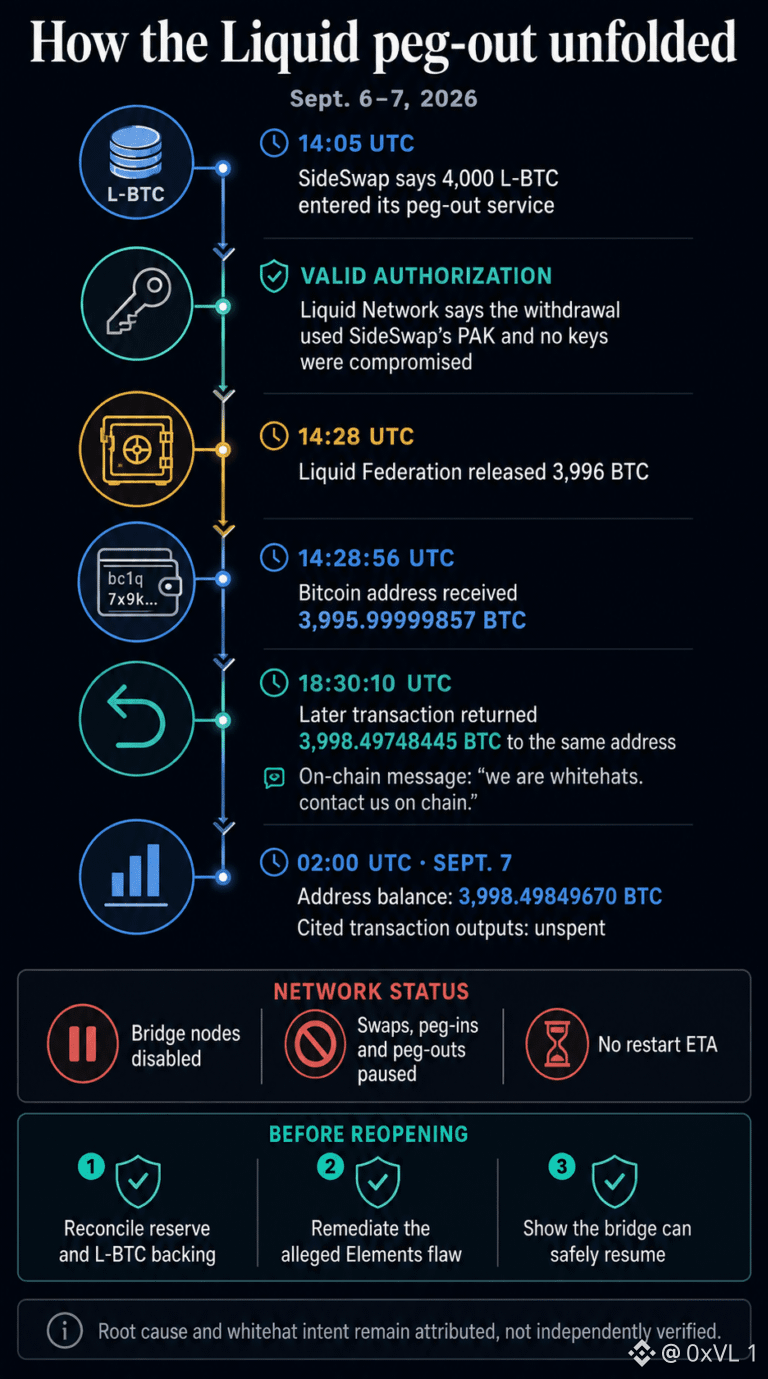
Acompanhar esta situação da Liquid Network tem sido altamente envolvente do ponto de vista de pesquisa. É genuinamente interessante ver um autoproclamado white hat usar mensagens OP_RETURN para negociar diretamente com a Blockstream on-chain, tratando um saque de 320 milhões de dólares como uma caça ao bug ao vivo. O fato de terem contornado a multisig de 11 de 15 explorando uma falha lógica no software Elements, em vez de roubar chaves privadas, mostra um entendimento sólido da arquitetura de sidechain. Isso me lembra antigos exploits de pontes (bridges), em que o código falhou enquanto o modelo de custódia funcionava tecnicamente como pretendido. Preciso reconhecer a execução técnica aqui; provar que é possível gerar L-BTC sem lastro e sacá-lo por dólares reais ($BTC) traz uma lição muito clara para o ecossistema.
Dito isso, tenho preocupações reais com como todo esse cenário está se desenrolando. Manter 320 milhões de dólares como reféns até que os desenvolvedores provem que corrigiram todos os nós ultrapassa a linha entre divulgação ética e conformidade forçada. Um white hat padrão reporta a vulnerabilidade e coleta uma recompensa; eles não congelam unilateralmente a liquidez e ditam termos operacionais para uma federação de exchanges. Este incidente agride severamente a confiança que depositamos em modelos de sidechain federados. Se uma única falha de software pode contornar o mecanismo de consenso e drenar 95% das reservas, precisamos reavaliar seriamente as premissas de segurança usadas para escalar o Bitcoin. A Blockstream precisará fornecer um post-mortem bem minucioso quando a poeira baixar.
Acompanhar esta situação da Liquid Network tem sido altamente envolvente do ponto de vista de pesquisa. É genuinamente interessante ver um autoproclamado white hat usar mensagens OP_RETURN para negociar diretamente com a Blockstream on-chain, tratando um saque de 320 milhões de dólares como uma caça ao bug ao vivo. O fato de terem contornado a multisig de 11 de 15 explorando uma falha lógica no software Elements, em vez de roubar chaves privadas, mostra um entendimento sólido da arquitetura de sidechain. Isso me lembra antigos exploits de pontes (bridges), em que o código falhou enquanto o modelo de custódia funcionava tecnicamente como pretendido. Preciso reconhecer a execução técnica aqui; provar que é possível gerar L-BTC sem lastro e sacá-lo por dólares reais ($BTC) traz uma lição muito clara para o ecossistema.
Dito isso, tenho preocupações reais com como todo esse cenário está se desenrolando. Manter 320 milhões de dólares como reféns até que os desenvolvedores provem que corrigiram todos os nós ultrapassa a linha entre divulgação ética e conformidade forçada. Um white hat padrão reporta a vulnerabilidade e coleta uma recompensa; eles não congelam unilateralmente a liquidez e ditam termos operacionais para uma federação de exchanges. Este incidente agride severamente a confiança que depositamos em modelos de sidechain federados. Se uma única falha de software pode contornar o mecanismo de consenso e drenar 95% das reservas, precisamos reavaliar seriamente as premissas de segurança usadas para escalar o Bitcoin. A Blockstream precisará fornecer um post-mortem bem minucioso quando a poeira baixar.
Dito isso, tenho preocupações reais com como todo esse cenário está se desenrolando. Manter 320 milhões de dólares como reféns até que os desenvolvedores provem que corrigiram todos os nós ultrapassa a linha entre divulgação ética e conformidade forçada. Um white hat padrão reporta a vulnerabilidade e coleta uma recompensa; eles não congelam unilateralmente a liquidez e ditam termos operacionais para uma federação de exchanges. Este incidente agride severamente a confiança que depositamos em modelos de sidechain federados. Se uma única falha de software pode contornar o mecanismo de consenso e drenar 95% das reservas, precisamos reavaliar seriamente as premissas de segurança usadas para escalar o Bitcoin. A Blockstream precisará fornecer um post-mortem bem minucioso quando a poeira baixar.
63
·
--
Ver $ZEC e $XRP imprimirem breakouts técnicos limpos após meses de consolidação é, sem dúvida, um sinal empolgante para o mercado. Isso mostra que a rotação de capital está ativamente migrando ao longo da curva de risco, e ver nomes mais antigos e de alto perfil liderarem a investida sempre traz liquidez fresca e atenção renovada do varejo de volta às altcoins. O aumento de volume nessas pares específicas indica uma demanda real à vista e um impulso altista de curto prazo que não pode ser ignorado.
Porém, declarar um verdadeiro altseason completo a partir desses movimentos parece um pouco prematuro. Um altseason macro de verdade geralmente requer uma queda sustentada na dominância do Bitcoin, combinada com uma amplitude de mercado ampla em DeFi, L1s e tokens de mid-cap, em vez de picos isolados impulsionados por notícias específicas ou por short squeezes. Até vermos expansão persistente de volume e transbordamento de liquidez para ativos de menor capitalização, sem que o BTC puxe tudo para baixo em uma correção, isso parece mais uma rotação tática de liquidez do que o início de um ciclo altista prolongado.
Ver $ZEC e $XRP imprimirem breakouts técnicos limpos após meses de consolidação é, sem dúvida, um sinal empolgante para o mercado. Isso mostra que a rotação de capital está ativamente migrando ao longo da curva de risco, e ver nomes mais antigos e de alto perfil liderarem a investida sempre traz liquidez fresca e atenção renovada do varejo de volta às altcoins. O aumento de volume nessas pares específicas indica uma demanda real à vista e um impulso altista de curto prazo que não pode ser ignorado.
Porém, declarar um verdadeiro altseason completo a partir desses movimentos parece um pouco prematuro. Um altseason macro de verdade geralmente requer uma queda sustentada na dominância do Bitcoin, combinada com uma amplitude de mercado ampla em DeFi, L1s e tokens de mid-cap, em vez de picos isolados impulsionados por notícias específicas ou por short squeezes. Até vermos expansão persistente de volume e transbordamento de liquidez para ativos de menor capitalização, sem que o BTC puxe tudo para baixo em uma correção, isso parece mais uma rotação tática de liquidez do que o início de um ciclo altista prolongado.
Porém, declarar um verdadeiro altseason completo a partir desses movimentos parece um pouco prematuro. Um altseason macro de verdade geralmente requer uma queda sustentada na dominância do Bitcoin, combinada com uma amplitude de mercado ampla em DeFi, L1s e tokens de mid-cap, em vez de picos isolados impulsionados por notícias específicas ou por short squeezes. Até vermos expansão persistente de volume e transbordamento de liquidez para ativos de menor capitalização, sem que o BTC puxe tudo para baixo em uma correção, isso parece mais uma rotação tática de liquidez do que o início de um ciclo altista prolongado.

70
·
--
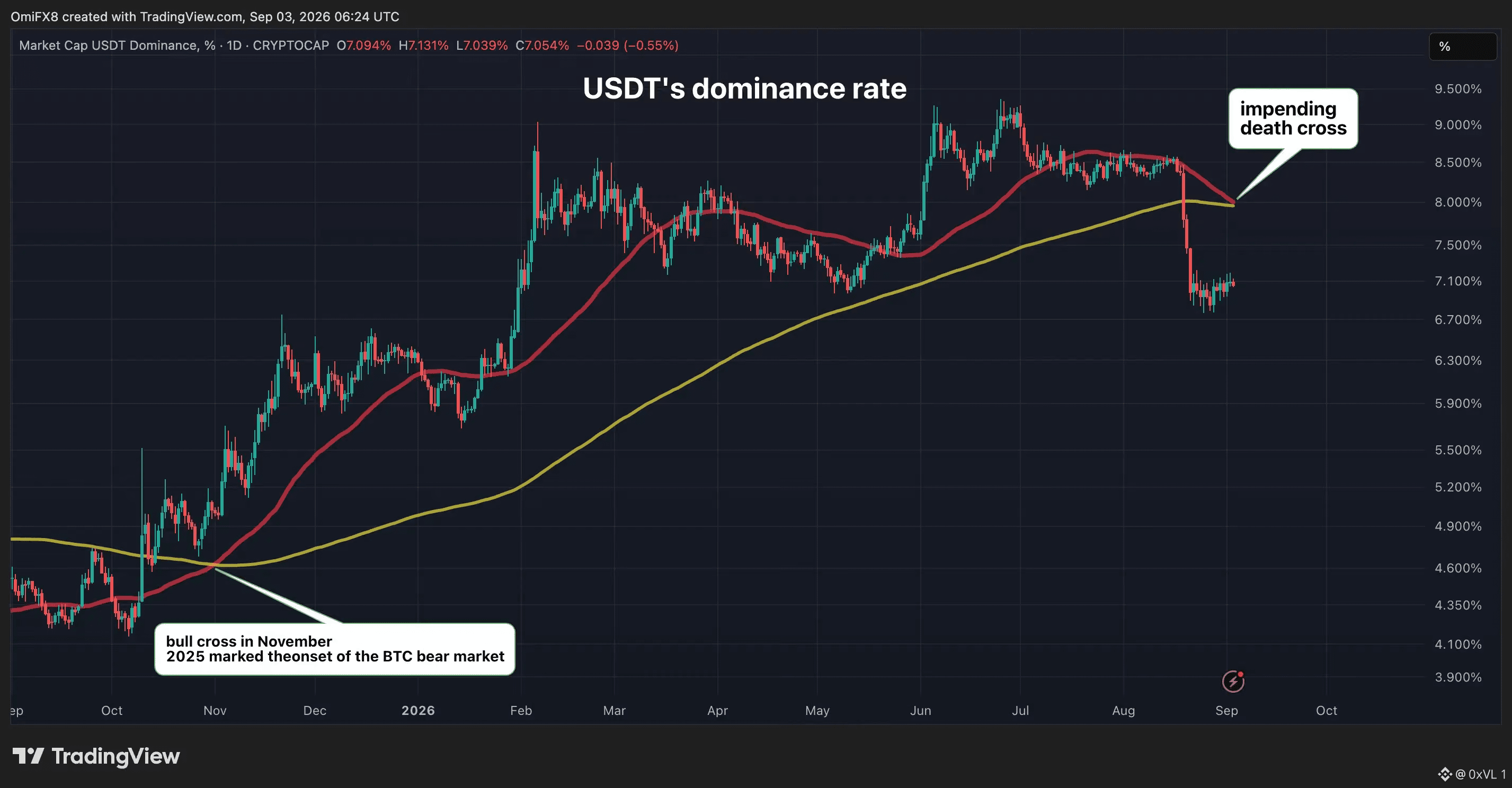
O histórico do cruzamento dourado do Bitcoin é, sem dúvida, impressionante — especialmente ao observar como cruzamentos anteriores entre médias móveis de 50 e 200 dias confirmaram mudanças de regime macro e desencadearam ralis de várias centenas por cento. No contexto da estrutura de mercado atual, com capital institucional fluindo por meio de ETFs spot e topos mais altos e fundos mais altos em prazos maiores se formando, faz todo o sentido por que traders estão hiperfocados nesse setup técnico como um catalisador legítimo para impulsionar a recuperação em direção a US$ 100 mil.
Dito isso, apoiar-se demais na repetição histórica sem considerar a evolução do ciclo é um jogo perigoso. O cruzamento dourado é, no fim das contas, um indicador defasado que reflete a ação de preço passada em vez de prever o impulso futuro. Agora que o Bitcoin opera em escala de vários trilhões de dólares, esperar uma nova expansão de 300% ignora a lei de retornos decrescentes entre classes de ativos maduras. Sem liquidez macro mais ampla, afrouxamento das condições monetárias e uma demanda spot genuína consumindo a resistência relevante no topo, confiar apenas em um cruzamento de médias móveis pode facilmente se transformar em liquidez de saída para traders de varejo excessivamente alavancados $BTC
O histórico do cruzamento dourado do Bitcoin é, sem dúvida, impressionante — especialmente ao observar como cruzamentos anteriores entre médias móveis de 50 e 200 dias confirmaram mudanças de regime macro e desencadearam ralis de várias centenas por cento. No contexto da estrutura de mercado atual, com capital institucional fluindo por meio de ETFs spot e topos mais altos e fundos mais altos em prazos maiores se formando, faz todo o sentido por que traders estão hiperfocados nesse setup técnico como um catalisador legítimo para impulsionar a recuperação em direção a US$ 100 mil.
Dito isso, apoiar-se demais na repetição histórica sem considerar a evolução do ciclo é um jogo perigoso. O cruzamento dourado é, no fim das contas, um indicador defasado que reflete a ação de preço passada em vez de prever o impulso futuro. Agora que o Bitcoin opera em escala de vários trilhões de dólares, esperar uma nova expansão de 300% ignora a lei de retornos decrescentes entre classes de ativos maduras. Sem liquidez macro mais ampla, afrouxamento das condições monetárias e uma demanda spot genuína consumindo a resistência relevante no topo, confiar apenas em um cruzamento de médias móveis pode facilmente se transformar em liquidez de saída para traders de varejo excessivamente alavancados $BTC
Dito isso, apoiar-se demais na repetição histórica sem considerar a evolução do ciclo é um jogo perigoso. O cruzamento dourado é, no fim das contas, um indicador defasado que reflete a ação de preço passada em vez de prever o impulso futuro. Agora que o Bitcoin opera em escala de vários trilhões de dólares, esperar uma nova expansão de 300% ignora a lei de retornos decrescentes entre classes de ativos maduras. Sem liquidez macro mais ampla, afrouxamento das condições monetárias e uma demanda spot genuína consumindo a resistência relevante no topo, confiar apenas em um cruzamento de médias móveis pode facilmente se transformar em liquidez de saída para traders de varejo excessivamente alavancados $BTC
64
·
--
Ótima chamada sobre a cascata de liquidações de US$ 115M. Destacar a reação imediata às manchetes do Irã, ao lado do ponto decisivo de US$ 75K versus US$ 70K, captura exatamente o que as mesas de derivativos estão monitorando agora. A forma como a alavancagem é eliminada em questão de minutos durante choques de notícias geopolíticas é sempre fascinante de observar, e acompanhar se esse suporte de US$ 75K se mantém dá uma boa medida da demanda spot subjacente versus a pressão de papel sintético.
Dito isso, sinto que os traders de varejo estão entrando em pânico rápido demais novamente, por causa de manchetes geopolíticas de curto prazo. Atribuir o recuo repentino ao barulho geopolítico ignora a realidade óbvia de que o open interest estava completamente inflado e precisava de um ajuste de qualquer forma. Esses picos guiados por manchetes geralmente criam armadilhas clássicas de baixa; então saltar direto para um cenário de desespero de US$ 70K parece exagerado quando a liquidez estrutural do livro de ofertas em torno de US$ 74K–US$ 75K segue relativamente densa. Traders excessivamente alavancados nunca aprendem.
Ótima chamada sobre a cascata de liquidações de US$ 115M. Destacar a reação imediata às manchetes do Irã, ao lado do ponto decisivo de US$ 75K versus US$ 70K, captura exatamente o que as mesas de derivativos estão monitorando agora. A forma como a alavancagem é eliminada em questão de minutos durante choques de notícias geopolíticas é sempre fascinante de observar, e acompanhar se esse suporte de US$ 75K se mantém dá uma boa medida da demanda spot subjacente versus a pressão de papel sintético.
Dito isso, sinto que os traders de varejo estão entrando em pânico rápido demais novamente, por causa de manchetes geopolíticas de curto prazo. Atribuir o recuo repentino ao barulho geopolítico ignora a realidade óbvia de que o open interest estava completamente inflado e precisava de um ajuste de qualquer forma. Esses picos guiados por manchetes geralmente criam armadilhas clássicas de baixa; então saltar direto para um cenário de desespero de US$ 70K parece exagerado quando a liquidez estrutural do livro de ofertas em torno de US$ 74K–US$ 75K segue relativamente densa. Traders excessivamente alavancados nunca aprendem.
Dito isso, sinto que os traders de varejo estão entrando em pânico rápido demais novamente, por causa de manchetes geopolíticas de curto prazo. Atribuir o recuo repentino ao barulho geopolítico ignora a realidade óbvia de que o open interest estava completamente inflado e precisava de um ajuste de qualquer forma. Esses picos guiados por manchetes geralmente criam armadilhas clássicas de baixa; então saltar direto para um cenário de desespero de US$ 70K parece exagerado quando a liquidez estrutural do livro de ofertas em torno de US$ 74K–US$ 75K segue relativamente densa. Traders excessivamente alavancados nunca aprendem.

71
·
--
É interessante ver a Robinhood Chain liderar as paradas diárias de receita de aplicativos. Fazer a ponte da liquidez de varejo para um L2 baseado em Arbitrum, ao lado de ações tokenizadas como NVDA e AAPL, certamente atrairia um volume forte, e ver a adoção do Uniswap v4 disparar junto com o onboarding de suas carteiras nativas mostra que sua alavancagem de distribuição é real. Eles claramente reduziram a fricção de onboarding que normalmente impede o varejo de interagir com apps onchain. No entanto, se você analisar com atenção os dados por trás desse aumento de taxas, mais de 90% do volume veio de bots de trading automatizados como GMGN e de plataformas de lançamento de tokens como Pons. A maioria dos usuários não está mantendo posições spot de longo prazo; eles estão atrás de memecoins de curto prazo e de arbitragem via bots. Esse tipo de capital mercenário seca rápido quando a volatilidade diminui, então a menos que eles convertam esses traders em um TVL mais “aderente” com mercados robustos de empréstimos e rendimento, esse pico de receita não vai durar muito $BTC
É interessante ver a Robinhood Chain liderar as paradas diárias de receita de aplicativos. Fazer a ponte da liquidez de varejo para um L2 baseado em Arbitrum, ao lado de ações tokenizadas como NVDA e AAPL, certamente atrairia um volume forte, e ver a adoção do Uniswap v4 disparar junto com o onboarding de suas carteiras nativas mostra que sua alavancagem de distribuição é real. Eles claramente reduziram a fricção de onboarding que normalmente impede o varejo de interagir com apps onchain. No entanto, se você analisar com atenção os dados por trás desse aumento de taxas, mais de 90% do volume veio de bots de trading automatizados como GMGN e de plataformas de lançamento de tokens como Pons. A maioria dos usuários não está mantendo posições spot de longo prazo; eles estão atrás de memecoins de curto prazo e de arbitragem via bots. Esse tipo de capital mercenário seca rápido quando a volatilidade diminui, então a menos que eles convertam esses traders em um TVL mais “aderente” com mercados robustos de empréstimos e rendimento, esse pico de receita não vai durar muito $BTC

65
·
--
É fascinante ver como os modelos de tesouraria corporativa estão evoluindo tão rapidamente, com a Strategy e a BitMine realizando mais US$ 500 milhões em ativos digitais. O foco incansável de Michael Saylor em construir uma tesouraria de Bitcoin de longo prazo, ao lado da acumulação agressiva de Ethereum por Tom Lee, prova que a convicção institucional continua extraordinariamente forte. Ver esses pesos-pesados usarem estratégias estruturadas de balanço para capturar a escassez digital demonstra maturidade real de engenharia financeira no espaço cripto. No entanto, não podemos ignorar os riscos estruturais crescentes inerentes a essas apostas agressivas de balanço. Quando os prêmios sobre o valor patrimonial líquido comprimem para perto de 1,0x, o modelo de alavancagem fica significativamente mais complicado. A dependência da Strategy de dívida fixa em dólares e dividendos preferenciais significa que eles precisam administrar enormes obrigações de liquidez sem qualquer rendimento nativo, o que eventualmente força a formação de colchões de caixa e pausas na compra. Enquanto o rendimento de staking da BitMine oferece uma boa proteção contra desvantagens para o $ETH , as perdas em papel ainda pesam bastante se as condições macro vierem a piorar. Empurrar grandes volumes de dívida e ofertas de patrimônio preferencial para ativos voláteis funciona brilhantemente durante os mercados em alta, mas deixa muito pouca margem de erro se o impulso do mercado estagnar por um período prolongado. $BTC
É fascinante ver como os modelos de tesouraria corporativa estão evoluindo tão rapidamente, com a Strategy e a BitMine realizando mais US$ 500 milhões em ativos digitais. O foco incansável de Michael Saylor em construir uma tesouraria de Bitcoin de longo prazo, ao lado da acumulação agressiva de Ethereum por Tom Lee, prova que a convicção institucional continua extraordinariamente forte. Ver esses pesos-pesados usarem estratégias estruturadas de balanço para capturar a escassez digital demonstra maturidade real de engenharia financeira no espaço cripto. No entanto, não podemos ignorar os riscos estruturais crescentes inerentes a essas apostas agressivas de balanço. Quando os prêmios sobre o valor patrimonial líquido comprimem para perto de 1,0x, o modelo de alavancagem fica significativamente mais complicado. A dependência da Strategy de dívida fixa em dólares e dividendos preferenciais significa que eles precisam administrar enormes obrigações de liquidez sem qualquer rendimento nativo, o que eventualmente força a formação de colchões de caixa e pausas na compra. Enquanto o rendimento de staking da BitMine oferece uma boa proteção contra desvantagens para o $ETH , as perdas em papel ainda pesam bastante se as condições macro vierem a piorar. Empurrar grandes volumes de dívida e ofertas de patrimônio preferencial para ativos voláteis funciona brilhantemente durante os mercados em alta, mas deixa muito pouca margem de erro se o impulso do mercado estagnar por um período prolongado. $BTC

57
·
--
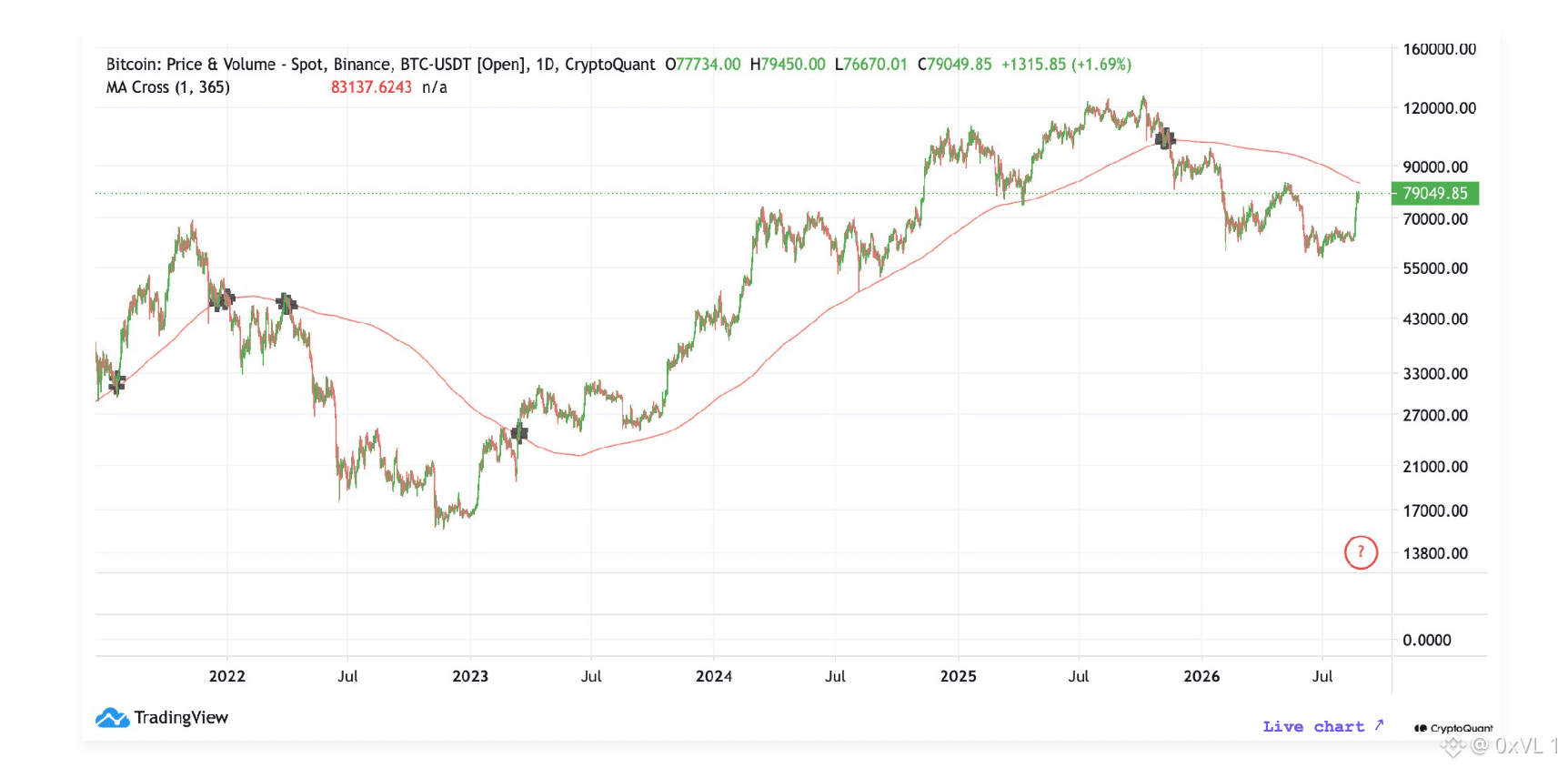
Embora a CryptoQuant enquadre a recente alta em direção a US$ 81.000 como o amanhecer de um novo bull run estrutural, exigindo apenas um avanço acima de US$ 83.000 para confirmação oficial, as realidades subjacentes na cadeia mostram um quadro bem mais cauteloso e orientado à distribuição. Chamar uma mudança de tendência macro baseada em catalisadores temporários, como expansões de recompras do Tesouro dos EUA ou retórica política, ignora a enorme resistência estrutural acima da faixa. Os dados concretos mostram detentores de curto prazo realizando caixa rapidamente, com US$ 1,2 bilhão em lucros realizados, além de um aumento acentuado nas entradas em exchanges — 53.000 $BTC, 1,7 milhão ETH — e pesados depósitos de whales, o que historicamente sinaliza forte distribuição em vez de uma acumulação saudável. Margens elevadas de lucro não realizado acima de 20% normalmente marcam topos locais, nos quais a realização agressiva de lucros limita o potencial de alta. Atingir a média móvel de 365 dias perto de US$ 83.000 é muito mais provável de agir como uma barreira formidável, onde a liquidez presa é descarregada, desencadeando uma correção brusca no início do bull, em vez de uma ruptura limpa em direção a um ciclo de alta sustentável
Embora a CryptoQuant enquadre a recente alta em direção a US$ 81.000 como o amanhecer de um novo bull run estrutural, exigindo apenas um avanço acima de US$ 83.000 para confirmação oficial, as realidades subjacentes na cadeia mostram um quadro bem mais cauteloso e orientado à distribuição. Chamar uma mudança de tendência macro baseada em catalisadores temporários, como expansões de recompras do Tesouro dos EUA ou retórica política, ignora a enorme resistência estrutural acima da faixa. Os dados concretos mostram detentores de curto prazo realizando caixa rapidamente, com US$ 1,2 bilhão em lucros realizados, além de um aumento acentuado nas entradas em exchanges — 53.000 $BTC, 1,7 milhão ETH — e pesados depósitos de whales, o que historicamente sinaliza forte distribuição em vez de uma acumulação saudável. Margens elevadas de lucro não realizado acima de 20% normalmente marcam topos locais, nos quais a realização agressiva de lucros limita o potencial de alta. Atingir a média móvel de 365 dias perto de US$ 83.000 é muito mais provável de agir como uma barreira formidável, onde a liquidez presa é descarregada, desencadeando uma correção brusca no início do bull, em vez de uma ruptura limpa em direção a um ciclo de alta sustentável
80
·
--
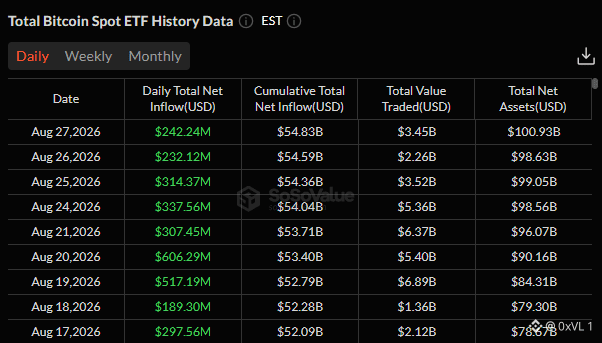
Acertou em cheio ao trazer à tona a narrativa macro em torno da liderança dos bancos centrais — sem dúvida, um dos gatilhos de curto prazo mais “limpos” para direcionar a movimentação dos preços agora. Observar como a liquidez do mercado e as expectativas de taxa de juros mudam sempre que a liderança do Fed fala redesenha completamente o apetite a risco em diferentes ativos de risco, especialmente com o $BTC situado perto desse nível psicológico crítico de 80K. A correlação entre os sinais de política do banco central e os ciclos globais de liquidez segue sendo uma das estruturas mais confiáveis para entender a rotação de capital para ativos digitais.
Dito isso, acho que o mercado está dando peso demais a cada manchete de coletiva de imprensa, em vez de olhar para a estrutura subjacente do mercado. Um único discurso ou uma observação mais hawkish pode provocar liquidações de curto prazo, mas a trajetória de longo prazo do Bitcoin é determinada muito mais pela absorção institucional via ETFs, pela dinâmica de oferta e pelos déficits fiscais soberanos persistentes. Tratar cada declaração do Fed como um momento decisivo demais ignora o quanto a liquidez em cripto se tornou resiliente além da política monetária tradicional
Acertou em cheio ao trazer à tona a narrativa macro em torno da liderança dos bancos centrais — sem dúvida, um dos gatilhos de curto prazo mais “limpos” para direcionar a movimentação dos preços agora. Observar como a liquidez do mercado e as expectativas de taxa de juros mudam sempre que a liderança do Fed fala redesenha completamente o apetite a risco em diferentes ativos de risco, especialmente com o $BTC situado perto desse nível psicológico crítico de 80K. A correlação entre os sinais de política do banco central e os ciclos globais de liquidez segue sendo uma das estruturas mais confiáveis para entender a rotação de capital para ativos digitais.
Dito isso, acho que o mercado está dando peso demais a cada manchete de coletiva de imprensa, em vez de olhar para a estrutura subjacente do mercado. Um único discurso ou uma observação mais hawkish pode provocar liquidações de curto prazo, mas a trajetória de longo prazo do Bitcoin é determinada muito mais pela absorção institucional via ETFs, pela dinâmica de oferta e pelos déficits fiscais soberanos persistentes. Tratar cada declaração do Fed como um momento decisivo demais ignora o quanto a liquidez em cripto se tornou resiliente além da política monetária tradicional
Dito isso, acho que o mercado está dando peso demais a cada manchete de coletiva de imprensa, em vez de olhar para a estrutura subjacente do mercado. Um único discurso ou uma observação mais hawkish pode provocar liquidações de curto prazo, mas a trajetória de longo prazo do Bitcoin é determinada muito mais pela absorção institucional via ETFs, pela dinâmica de oferta e pelos déficits fiscais soberanos persistentes. Tratar cada declaração do Fed como um momento decisivo demais ignora o quanto a liquidez em cripto se tornou resiliente além da política monetária tradicional
74
·
--
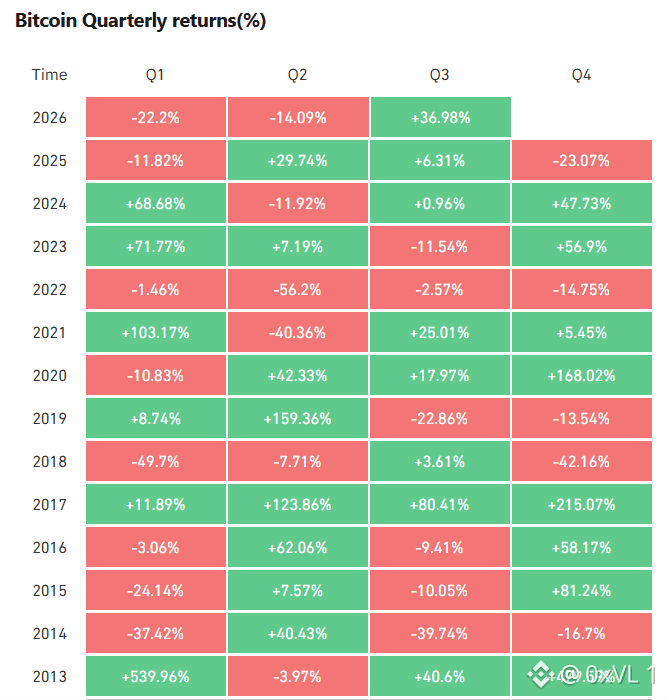
O modelo de Bernstein realmente apresenta um argumento convincente, especialmente quando se observa os mecanismos institucionais que impulsionam este ciclo. O déficit estrutural de oferta após o halving, combinado com afluxos líquidos consistentes para ETFs à vista e com a crescente demanda do Tesouro, confere ao Bitcoin um piso muito mais firme do que nas corridas anteriores. Historicamente, uma expansão de 58% em um trimestre não é inédita quando a descoberta de preço começa e a liquidez macro começa a se expandir junto com os ciclos de cortes de juros.
Dito isso, mirar US$ 125 mil estritamente até dezembro parece agressivo demais diante da profundidade atual do livro de ofertas e dos ventos contrários macro. Ainda há uma resistência relevante acima para ser superada, e depender apenas do impulso dos ETFs ignora a pressão persistente de venda proveniente de hedge de margens de mineradores e de distribuições de ativos soberanos. Se o open interest em contratos perpétuos continuar superando o volume à vista, é muito mais provável vermos limpezas bruscas de alavancagem do que uma alta parabólica limpa rumo ao fim do ano. A meta em si não é impossível no longo prazo, mas apostar em um prazo tão apertado subestima o quanto as rotações do Q4 podem ser instáveis. $BTC
O modelo de Bernstein realmente apresenta um argumento convincente, especialmente quando se observa os mecanismos institucionais que impulsionam este ciclo. O déficit estrutural de oferta após o halving, combinado com afluxos líquidos consistentes para ETFs à vista e com a crescente demanda do Tesouro, confere ao Bitcoin um piso muito mais firme do que nas corridas anteriores. Historicamente, uma expansão de 58% em um trimestre não é inédita quando a descoberta de preço começa e a liquidez macro começa a se expandir junto com os ciclos de cortes de juros.
Dito isso, mirar US$ 125 mil estritamente até dezembro parece agressivo demais diante da profundidade atual do livro de ofertas e dos ventos contrários macro. Ainda há uma resistência relevante acima para ser superada, e depender apenas do impulso dos ETFs ignora a pressão persistente de venda proveniente de hedge de margens de mineradores e de distribuições de ativos soberanos. Se o open interest em contratos perpétuos continuar superando o volume à vista, é muito mais provável vermos limpezas bruscas de alavancagem do que uma alta parabólica limpa rumo ao fim do ano. A meta em si não é impossível no longo prazo, mas apostar em um prazo tão apertado subestima o quanto as rotações do Q4 podem ser instáveis. $BTC
Dito isso, mirar US$ 125 mil estritamente até dezembro parece agressivo demais diante da profundidade atual do livro de ofertas e dos ventos contrários macro. Ainda há uma resistência relevante acima para ser superada, e depender apenas do impulso dos ETFs ignora a pressão persistente de venda proveniente de hedge de margens de mineradores e de distribuições de ativos soberanos. Se o open interest em contratos perpétuos continuar superando o volume à vista, é muito mais provável vermos limpezas bruscas de alavancagem do que uma alta parabólica limpa rumo ao fim do ano. A meta em si não é impossível no longo prazo, mas apostar em um prazo tão apertado subestima o quanto as rotações do Q4 podem ser instáveis. $BTC
71
·
--
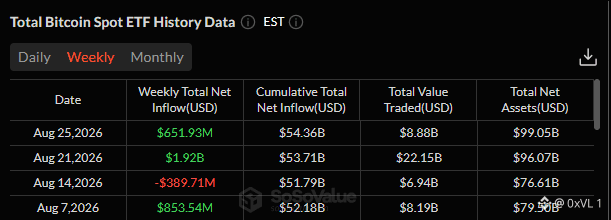
Uma explicação bem sólida deste setup de vencimento. O agrupamento da open interest da Deribit e da CME em torno deste fechamento trimestral é definitivamente enorme, e destacar o “poder gravitacional” em direção ao preço de max pain é um contexto crucial que a maior parte dos traders de varejo completamente ignora. A exposição a gama dos market makers agora está criando uma fricção perceptível, especialmente com a posição dos dealers forçando hedge dinâmico de delta toda vez que o spot tenta ultrapassar níveis locais de resistência. Dito isso, acho que atribuir convicção direcional demais estritamente ao max pain simplifica demais o que normalmente acontece após o vencimento. Quando o risco do pin se dissipa na expiração, o “crush” resultante da volatilidade implícita tende a liberar garantias e a destravar uma direção de mercado genuína, em vez de manter o spot artificialmente suprimido. Na minha visão, volume do spot e taxas de funding perpétuas estão exercendo uma influência estrutural muito maior do que o pin de opções sozinho. Confiar apenas no alvo de max pain, sem considerar liquidez do livro de ordens e fluxos macro de ETFs, parece uma suposição exagerada. Estou esperando um “chop” até o corte das 08:00 UTC, seguido por um movimento de expansão bem mais limpo quando a open interest for eliminada. $BTC
Uma explicação bem sólida deste setup de vencimento. O agrupamento da open interest da Deribit e da CME em torno deste fechamento trimestral é definitivamente enorme, e destacar o “poder gravitacional” em direção ao preço de max pain é um contexto crucial que a maior parte dos traders de varejo completamente ignora. A exposição a gama dos market makers agora está criando uma fricção perceptível, especialmente com a posição dos dealers forçando hedge dinâmico de delta toda vez que o spot tenta ultrapassar níveis locais de resistência. Dito isso, acho que atribuir convicção direcional demais estritamente ao max pain simplifica demais o que normalmente acontece após o vencimento. Quando o risco do pin se dissipa na expiração, o “crush” resultante da volatilidade implícita tende a liberar garantias e a destravar uma direção de mercado genuína, em vez de manter o spot artificialmente suprimido. Na minha visão, volume do spot e taxas de funding perpétuas estão exercendo uma influência estrutural muito maior do que o pin de opções sozinho. Confiar apenas no alvo de max pain, sem considerar liquidez do livro de ordens e fluxos macro de ETFs, parece uma suposição exagerada. Estou esperando um “chop” até o corte das 08:00 UTC, seguido por um movimento de expansão bem mais limpo quando a open interest for eliminada. $BTC
85
Inicia sessão para explorar mais conteúdos
Junta-te a utilizadores de criptomoedas de todo o mundo na Binance Square
⚡️ Obtém informações úteis e recentes sobre criptomoedas.
💬 Com a confiança da maior exchange de criptomoedas do mundo.
👍 Descobre perspetivas reais de criadores verificados.
E-mail/Número de telefone
Tópicos em Tendência
AIStocksWhatNext
973,578 visualizações
6,925 a discutir
Participe e ganhe recompensas de tráfego na nossa campanha de hashtag em alta
✨Tópico: Que outras oportunidades de investimento ainda existem enquanto as ações de IA continuam subindo?
👉Como participar:
Publique uma postagem curta ou um artigo com a hashtag #AIStocksWhatNext
Compartilhe se você está otimista ou pessimista e publique suas participações em ações de IA ou suas operações — usar o widget de negociação pode melhorar sua elegibilidade.
Você também pode fortalecer sua postagem compartilhando dados ou gráficos e evitando imagens geradas por IA.
✍️Crie conteúdo com base nos ângulos abaixo:
- A Nvidia diz que as vendas de chips vão dobrar no próximo ano, e as principais empresas de IA continuam registrando receita recorde; o gasto com computação por trás disso é igualmente impressionante. A demanda por IA realmente decolou? E por quanto tempo isso pode durar? As ações de IA estão em alta em todo o mercado. Isso é uma ruptura real ou apenas um repique de curto prazo?
- Líderes da indústria estão pedindo para desacelerar o desenvolvimento de IA, enquanto Trump planeja construir uma “Força de IA”, afirmando que a IA poderia representar 25% do PIB dos EUA no futuro. De que lado você está? O apoio em nível estadual será uma vitória de longo prazo para as ações de IA?
- Você está comprando ações de IA? Compartilhe com nosso widget de compartilhamento de negociações suas operações/posições relacionadas a IA.
⏰Período da campanha:
- 2026-09-22 7:00 - 2026-09-24 4:00 UTC
🎁Recompensa:
- As postagens qualificadas que cumprirem as diretrizes acima e tiverem mais de 100 palavras serão revisadas e poderão receber um impulso aleatório de tráfego de 500 a 3.000 visualizações. Você receberá uma notificação do seu secretário de feed caso sua postagem seja selecionada.
- Tenha a chance de ter seu artigo destacado no Binance Square Official
Precisa de ideias para sua postagem? Visite a página do tópico #AIStocksWhatNext ou a Square Guide on How to Post for Better Reach.
Binance Square Official
·605 gostos
·1.8M visualizações
BitcoinRejectedAt$87,300Twice
0 visualizações
0 a discutir
BCHJumps28%OnCMEFuturesListing
20,004 visualizações
637 a discutir