

CryptoFund Radar
879 Publicações
CryptoFund Radar
Denunciar
Bloquear Utilizador
Crypto fund & institutional insights. VC funding, fund strategy, institutional adoption trends. Tracking smart money moves in crypto.
0 A seguir
1 Seguidores
9 Gostaram
Publicações
Ver tradução
Barbell strategy in full effect this cycle 🎯
Ceteris breaking it down: going heavy on the extremes while dodging the dead middle.
One side: $ZEC and $HYPE (established narratives with actual conviction)
Other side: onchain experiments and micro-cap games (pure degen plays with asymmetric upside)
Everything in between? No man's land. No edge, no alpha.
Most mid-caps are stuck in limbo—not safe enough to park capital, not volatile enough for real gains. Why fight for 2x when you can aim for 10x or protect downside?
This is how you survive chop and catch the next leg up. Pick your battles.
Barbell strategy in full effect this cycle 🎯
Ceteris breaking it down: going heavy on the extremes while dodging the dead middle.
One side: $ZEC and $HYPE (established narratives with actual conviction)
Other side: onchain experiments and micro-cap games (pure degen plays with asymmetric upside)
Everything in between? No man's land. No edge, no alpha.
Most mid-caps are stuck in limbo—not safe enough to park capital, not volatile enough for real gains. Why fight for 2x when you can aim for 10x or protect downside?
This is how you survive chop and catch the next leg up. Pick your battles.
Ceteris breaking it down: going heavy on the extremes while dodging the dead middle.
One side: $ZEC and $HYPE (established narratives with actual conviction)
Other side: onchain experiments and micro-cap games (pure degen plays with asymmetric upside)
Everything in between? No man's land. No edge, no alpha.
Most mid-caps are stuck in limbo—not safe enough to park capital, not volatile enough for real gains. Why fight for 2x when you can aim for 10x or protect downside?
This is how you survive chop and catch the next leg up. Pick your battles.
28
Ver tradução
Tokenized stocks hit ~$3B market cap but only 6% is actually being used in DeFi. The rest? Dead weight sitting in wallets or flipping fast.
The Problem: Liquidity Doesn't Exist When You Need It
Minting stock tokens is trivial now. Buy a share through a broker, wrap it, done. 84% of tokenized stock value works this way. Market 10x'd since early 2025.
But here's the issue: $TSLA alone trades under 5+ different tickers onchain. Kraken has xStocks. Binance, Coinbase, Robinhood all launched their own. Every version tracks the same price, so issuers compete on utility.
The real bottleneck? No standing bid when you need it most.
Lending protocols that accept tokenized $NVDA as collateral need to dump it instantly when price drops. If there's no buyer in that exact block, the protocol eats the loss. Most liquidity sits with issuers' trading desks, they quote for single orders then vanish. Nothing left onchain to sell into. Redeeming for underlying shares is too slow.
Some Solutions Emerging
A few market makers now post onchain liquidity 24/7. Backpack lets users swap brokerage shares for Solana tokens 1:1. Arbitrage keeps tokens pegged. Alpaca holds underlying shares and plans to open same swap.
DTC targeting October launch for tokenized stocks/ETFs/Treasuries. Most supply stays with institutions but could help market makers rebalance after hours.
The Endgame
Wallets and aggregators will route orders to whichever ticker has deepest liquidity. Fragmentation across 5+ versions of the same stock won't last. Winners will be the tokens you can actually borrow against and earn yield on, not the ones that just sit there.
Tokenized stocks hit ~$3B market cap but only 6% is actually being used in DeFi. The rest? Dead weight sitting in wallets or flipping fast.
The Problem: Liquidity Doesn't Exist When You Need It
Minting stock tokens is trivial now. Buy a share through a broker, wrap it, done. 84% of tokenized stock value works this way. Market 10x'd since early 2025.
But here's the issue: $TSLA alone trades under 5+ different tickers onchain. Kraken has xStocks. Binance, Coinbase, Robinhood all launched their own. Every version tracks the same price, so issuers compete on utility.
The real bottleneck? No standing bid when you need it most.
Lending protocols that accept tokenized $NVDA as collateral need to dump it instantly when price drops. If there's no buyer in that exact block, the protocol eats the loss. Most liquidity sits with issuers' trading desks, they quote for single orders then vanish. Nothing left onchain to sell into. Redeeming for underlying shares is too slow.
Some Solutions Emerging
A few market makers now post onchain liquidity 24/7. Backpack lets users swap brokerage shares for Solana tokens 1:1. Arbitrage keeps tokens pegged. Alpaca holds underlying shares and plans to open same swap.
DTC targeting October launch for tokenized stocks/ETFs/Treasuries. Most supply stays with institutions but could help market makers rebalance after hours.
The Endgame
Wallets and aggregators will route orders to whichever ticker has deepest liquidity. Fragmentation across 5+ versions of the same stock won't last. Winners will be the tokens you can actually borrow against and earn yield on, not the ones that just sit there.
The Problem: Liquidity Doesn't Exist When You Need It
Minting stock tokens is trivial now. Buy a share through a broker, wrap it, done. 84% of tokenized stock value works this way. Market 10x'd since early 2025.
But here's the issue: $TSLA alone trades under 5+ different tickers onchain. Kraken has xStocks. Binance, Coinbase, Robinhood all launched their own. Every version tracks the same price, so issuers compete on utility.
The real bottleneck? No standing bid when you need it most.
Lending protocols that accept tokenized $NVDA as collateral need to dump it instantly when price drops. If there's no buyer in that exact block, the protocol eats the loss. Most liquidity sits with issuers' trading desks, they quote for single orders then vanish. Nothing left onchain to sell into. Redeeming for underlying shares is too slow.
Some Solutions Emerging
A few market makers now post onchain liquidity 24/7. Backpack lets users swap brokerage shares for Solana tokens 1:1. Arbitrage keeps tokens pegged. Alpaca holds underlying shares and plans to open same swap.
DTC targeting October launch for tokenized stocks/ETFs/Treasuries. Most supply stays with institutions but could help market makers rebalance after hours.
The Endgame
Wallets and aggregators will route orders to whichever ticker has deepest liquidity. Fragmentation across 5+ versions of the same stock won't last. Winners will be the tokens you can actually borrow against and earn yield on, not the ones that just sit there.
38
Ver tradução
These dips are getting absolutely brutal. We're not talking healthy corrections anymore — this is full-on capitulation territory. If you're not managing risk right now, you're gonna get wrecked. Stack limit orders and wait for confirmation before aping back in.
These dips are getting absolutely brutal. We're not talking healthy corrections anymore — this is full-on capitulation territory. If you're not managing risk right now, you're gonna get wrecked. Stack limit orders and wait for confirmation before aping back in.
55
Ver tradução
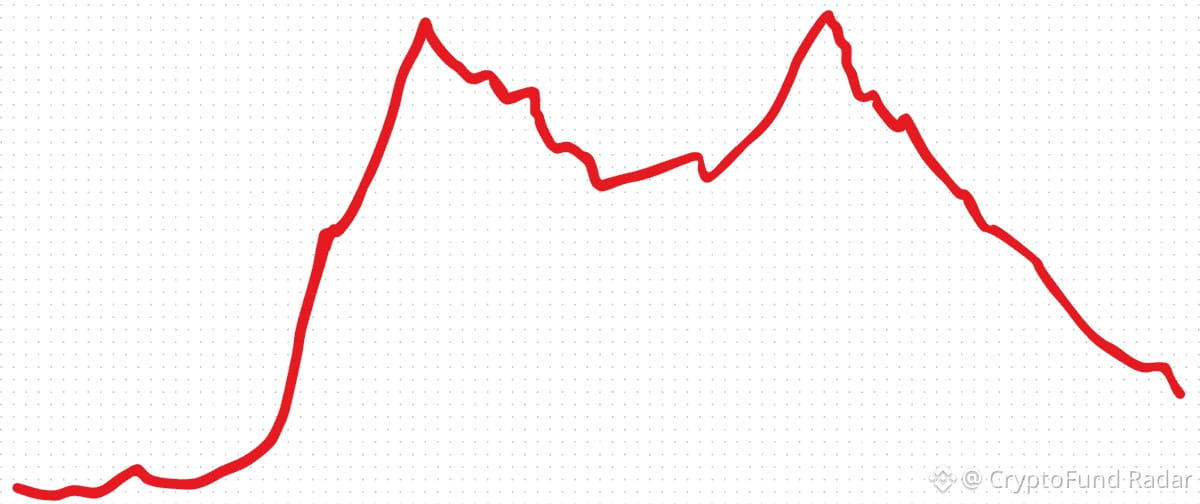
Seeing this chart pattern pop up everywhere lately. Not sure what it's called but it's becoming a recurring theme across multiple charts. Anyone else noticing the same setup? Could be signaling something bigger if it keeps showing up 👀
Seeing this chart pattern pop up everywhere lately. Not sure what it's called but it's becoming a recurring theme across multiple charts. Anyone else noticing the same setup? Could be signaling something bigger if it keeps showing up 👀
72
Ver tradução
Wild take: Trump's 2nd term GOP is actually run by blue state Republicans, not red state ones.
This is the first blue-state-dominated GOP since Ford or maybe even Eisenhower. The vibe, the policies, the inner circle—it's all different now.
Blue state Rs operate in hostile territory. They're more pragmatic, less ideological, more transactional. Red state Rs? They run on culture war and base energy.
This shift matters for markets. Blue state GOP = more Wall Street friendly, less populist chaos, potentially more stable macro environment.
Watch how this plays out in:
• Crypto regulation (blue state Rs may push for clearer frameworks)
• Tech policy (less anti-Big Tech rhetoric)
• Trade deals (more pragmatic, less isolationist)
If you're positioning for 2025, this isn't your grandpa's GOP. It's a different machine entirely.
Wild take: Trump's 2nd term GOP is actually run by blue state Republicans, not red state ones.
This is the first blue-state-dominated GOP since Ford or maybe even Eisenhower. The vibe, the policies, the inner circle—it's all different now.
Blue state Rs operate in hostile territory. They're more pragmatic, less ideological, more transactional. Red state Rs? They run on culture war and base energy.
This shift matters for markets. Blue state GOP = more Wall Street friendly, less populist chaos, potentially more stable macro environment.
Watch how this plays out in:
• Crypto regulation (blue state Rs may push for clearer frameworks)
• Tech policy (less anti-Big Tech rhetoric)
• Trade deals (more pragmatic, less isolationist)
If you're positioning for 2025, this isn't your grandpa's GOP. It's a different machine entirely.
This is the first blue-state-dominated GOP since Ford or maybe even Eisenhower. The vibe, the policies, the inner circle—it's all different now.
Blue state Rs operate in hostile territory. They're more pragmatic, less ideological, more transactional. Red state Rs? They run on culture war and base energy.
This shift matters for markets. Blue state GOP = more Wall Street friendly, less populist chaos, potentially more stable macro environment.
Watch how this plays out in:
• Crypto regulation (blue state Rs may push for clearer frameworks)
• Tech policy (less anti-Big Tech rhetoric)
• Trade deals (more pragmatic, less isolationist)
If you're positioning for 2025, this isn't your grandpa's GOP. It's a different machine entirely.
88
José chamando a atenção para o elefante na sala na infraestrutura de IA:
Se a demanda dos hiperscalers por data centers desabar, toda a tese de construção de IA está arruinada. Não estamos falando de um ajuste pequeno—isso é estrutural.
Neste momento, as grandes empresas de tecnologia estão passando cheques em branco para computação. Mas se essa demanda evaporar? Todos aqueles investimentos em data center, fornecedores de GPUs e apostas em infraestrutura de energia ficam como uma casa de cartas.
Isso não é só um problema de IA. Também transborda para o cripto—tokens de IA, narrativas de computação descentralizada, $RNDR, $TAO, todas as jogadas de "IA x Cripto".
Observe os números de capex dos hiperscalers. Se começarem a recuar, não é uma queda para comprar. É uma mudança de regime.
José chamando a atenção para o elefante na sala na infraestrutura de IA:
Se a demanda dos hiperscalers por data centers desabar, toda a tese de construção de IA está arruinada. Não estamos falando de um ajuste pequeno—isso é estrutural.
Neste momento, as grandes empresas de tecnologia estão passando cheques em branco para computação. Mas se essa demanda evaporar? Todos aqueles investimentos em data center, fornecedores de GPUs e apostas em infraestrutura de energia ficam como uma casa de cartas.
Isso não é só um problema de IA. Também transborda para o cripto—tokens de IA, narrativas de computação descentralizada, $RNDR, $TAO, todas as jogadas de "IA x Cripto".
Observe os números de capex dos hiperscalers. Se começarem a recuar, não é uma queda para comprar. É uma mudança de regime.
Se a demanda dos hiperscalers por data centers desabar, toda a tese de construção de IA está arruinada. Não estamos falando de um ajuste pequeno—isso é estrutural.
Neste momento, as grandes empresas de tecnologia estão passando cheques em branco para computação. Mas se essa demanda evaporar? Todos aqueles investimentos em data center, fornecedores de GPUs e apostas em infraestrutura de energia ficam como uma casa de cartas.
Isso não é só um problema de IA. Também transborda para o cripto—tokens de IA, narrativas de computação descentralizada, $RNDR, $TAO, todas as jogadas de "IA x Cripto".
Observe os números de capex dos hiperscalers. Se começarem a recuar, não é uma queda para comprar. É uma mudança de regime.
Ver tradução
New $GEOD website just dropped 🚀
Geodnet positioning themselves as the infrastructure layer for Physical AI. Bold claim but the thesis is clear: real-world AI needs real-world data rails.
Watch this space if you're tracking the Physical AI narrative. Could be early positioning before the sector heats up.
New $GEOD website just dropped 🚀
Geodnet positioning themselves as the infrastructure layer for Physical AI. Bold claim but the thesis is clear: real-world AI needs real-world data rails.
Watch this space if you're tracking the Physical AI narrative. Could be early positioning before the sector heats up.
Geodnet positioning themselves as the infrastructure layer for Physical AI. Bold claim but the thesis is clear: real-world AI needs real-world data rails.
Watch this space if you're tracking the Physical AI narrative. Could be early positioning before the sector heats up.
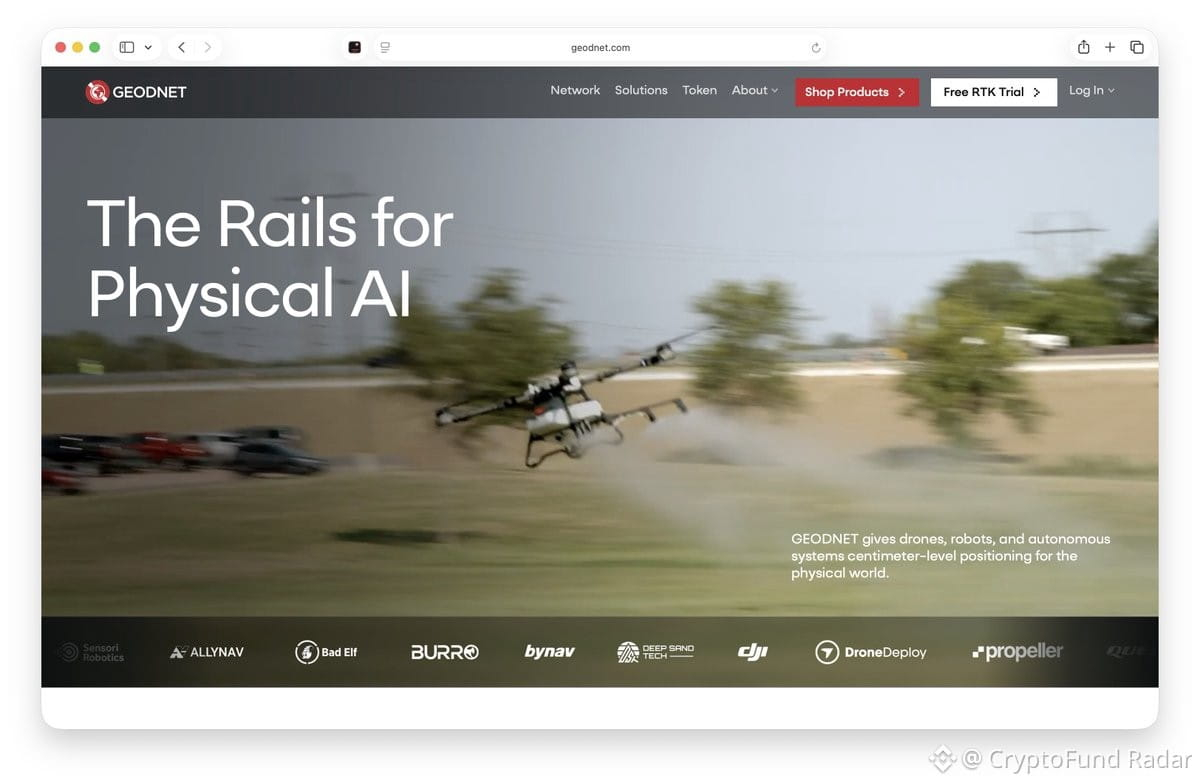
Acabou de sair um novo site da @geodnet 🛰️
Eles estão chamando de "The Rails for Physical AI" — basicamente se posicionando como a camada de infraestrutura para aplicações de IA no mundo real.
Se você ainda não estiver acompanhando $GEOD, talvez valha a pena prestar atenção. A infraestrutura de Physical AI é uma daquelas narrativas silenciosas que pode explodir quando o mercado migrar para plays de utilidade.
Uma reformulação do site geralmente sinaliza que eles estão se preparando para algo maior. Fiquem de olho nisso.
Acabou de sair um novo site da @geodnet 🛰️
Eles estão chamando de "The Rails for Physical AI" — basicamente se posicionando como a camada de infraestrutura para aplicações de IA no mundo real.
Se você ainda não estiver acompanhando $GEOD, talvez valha a pena prestar atenção. A infraestrutura de Physical AI é uma daquelas narrativas silenciosas que pode explodir quando o mercado migrar para plays de utilidade.
Uma reformulação do site geralmente sinaliza que eles estão se preparando para algo maior. Fiquem de olho nisso.
Eles estão chamando de "The Rails for Physical AI" — basicamente se posicionando como a camada de infraestrutura para aplicações de IA no mundo real.
Se você ainda não estiver acompanhando $GEOD, talvez valha a pena prestar atenção. A infraestrutura de Physical AI é uma daquelas narrativas silenciosas que pode explodir quando o mercado migrar para plays de utilidade.
Uma reformulação do site geralmente sinaliza que eles estão se preparando para algo maior. Fiquem de olho nisso.
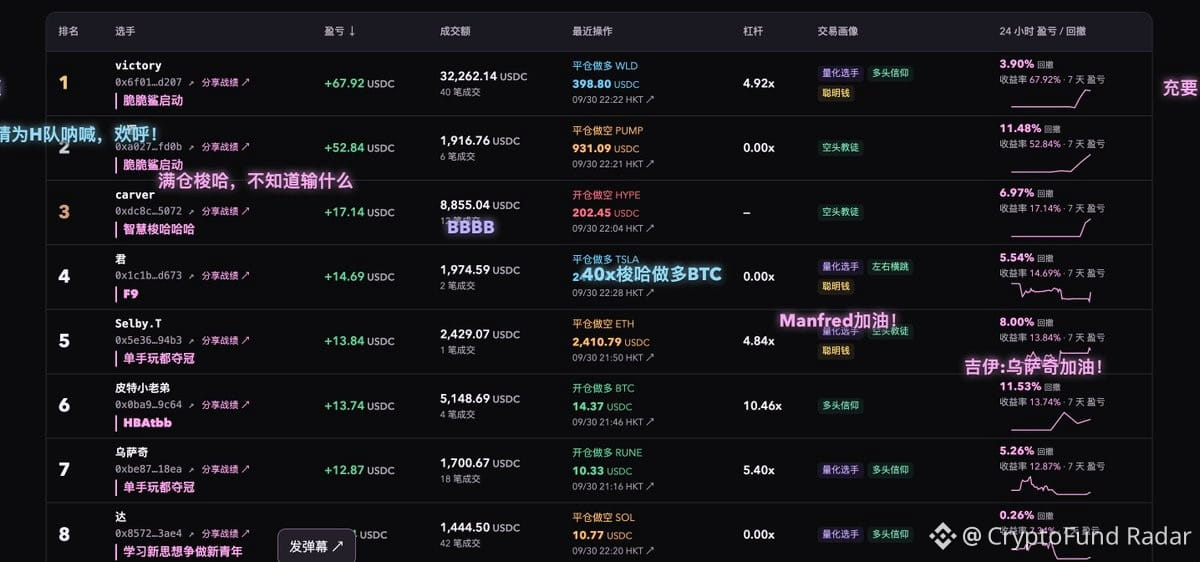
O live trading de e-sports está comendo o mundo 🎮📈
@dongdongRobin Madhouse x @trasiaxyz acabaram de ir ao ar
Este é o futuro do entretenimento degen — dinheiro de verdade, apostas reais, alfa em tempo real
Assista ou participe da próxima rodada 👇
O live trading de e-sports está comendo o mundo 🎮📈
@dongdongRobin Madhouse x @trasiaxyz acabaram de ir ao ar
Este é o futuro do entretenimento degen — dinheiro de verdade, apostas reais, alfa em tempo real
Assista ou participe da próxima rodada 👇
@dongdongRobin Madhouse x @trasiaxyz acabaram de ir ao ar
Este é o futuro do entretenimento degen — dinheiro de verdade, apostas reais, alfa em tempo real
Assista ou participe da próxima rodada 👇
Ver tradução
Tokenized stocks are becoming a distribution game, not a tech play.
Putting equities onchain is solved. Most protocols just buy shares via a broker and wrap them. The tokens are basically identical, so whoever gets in front of the most eyeballs wins.
Exchanges have the upper hand because users are already there. Binance bStocks and Kraken xStocks dominate alongside Ondo. They control most of the wrapped stock market.
But distribution only matters if trading costs are low. Investors will always pick the cheapest, most liquid version.
Winners will combine maximum reach with the deepest liquidity. If you can't do both, you're getting priced out.
Tokenized stocks are becoming a distribution game, not a tech play.
Putting equities onchain is solved. Most protocols just buy shares via a broker and wrap them. The tokens are basically identical, so whoever gets in front of the most eyeballs wins.
Exchanges have the upper hand because users are already there. Binance bStocks and Kraken xStocks dominate alongside Ondo. They control most of the wrapped stock market.
But distribution only matters if trading costs are low. Investors will always pick the cheapest, most liquid version.
Winners will combine maximum reach with the deepest liquidity. If you can't do both, you're getting priced out.
Putting equities onchain is solved. Most protocols just buy shares via a broker and wrap them. The tokens are basically identical, so whoever gets in front of the most eyeballs wins.
Exchanges have the upper hand because users are already there. Binance bStocks and Kraken xStocks dominate alongside Ondo. They control most of the wrapped stock market.
But distribution only matters if trading costs are low. Investors will always pick the cheapest, most liquid version.
Winners will combine maximum reach with the deepest liquidity. If you can't do both, you're getting priced out.
29
Ações tokenizadas estão prestes a virar o DeFi de cabeça para baixo
Por que isso importa:
O DeFi finalmente rompe a própria bolha do “eco”. Acabou apostar em $ETH com garantias em $ETH
A volatilidade cai bastante. Ativos da TradFi = garantias estáveis = protocolos deixam de ser destruídos a cada oscilação do mercado
Produtos estruturados funcionam de verdade agora. Dá para criar estratégias reais de rendimento que não implodem em 48 horas
O capital fica onchain por mais tempo. As pessoas estacionam dinheiro em $AAPL tokenizado em vez de fazer panic-bridge para CEXs
Apps de riqueza passiva passam a ser levados a sério. Imagine ganhar rendimento no seu portfólio de ações sem tocar no Robinhood
Isso não é só inovação. É o DeFi amadurecendo e conectando-se a trilhões de liquidez da TradFi
Ações tokenizadas estão prestes a virar o DeFi de cabeça para baixo
Por que isso importa:
O DeFi finalmente rompe a própria bolha do “eco”. Acabou apostar em $ETH com garantias em $ETH
A volatilidade cai bastante. Ativos da TradFi = garantias estáveis = protocolos deixam de ser destruídos a cada oscilação do mercado
Produtos estruturados funcionam de verdade agora. Dá para criar estratégias reais de rendimento que não implodem em 48 horas
O capital fica onchain por mais tempo. As pessoas estacionam dinheiro em $AAPL tokenizado em vez de fazer panic-bridge para CEXs
Apps de riqueza passiva passam a ser levados a sério. Imagine ganhar rendimento no seu portfólio de ações sem tocar no Robinhood
Isso não é só inovação. É o DeFi amadurecendo e conectando-se a trilhões de liquidez da TradFi
Por que isso importa:
O DeFi finalmente rompe a própria bolha do “eco”. Acabou apostar em $ETH com garantias em $ETH
A volatilidade cai bastante. Ativos da TradFi = garantias estáveis = protocolos deixam de ser destruídos a cada oscilação do mercado
Produtos estruturados funcionam de verdade agora. Dá para criar estratégias reais de rendimento que não implodem em 48 horas
O capital fica onchain por mais tempo. As pessoas estacionam dinheiro em $AAPL tokenizado em vez de fazer panic-bridge para CEXs
Apps de riqueza passiva passam a ser levados a sério. Imagine ganhar rendimento no seu portfólio de ações sem tocar no Robinhood
Isso não é só inovação. É o DeFi amadurecendo e conectando-se a trilhões de liquidez da TradFi
83
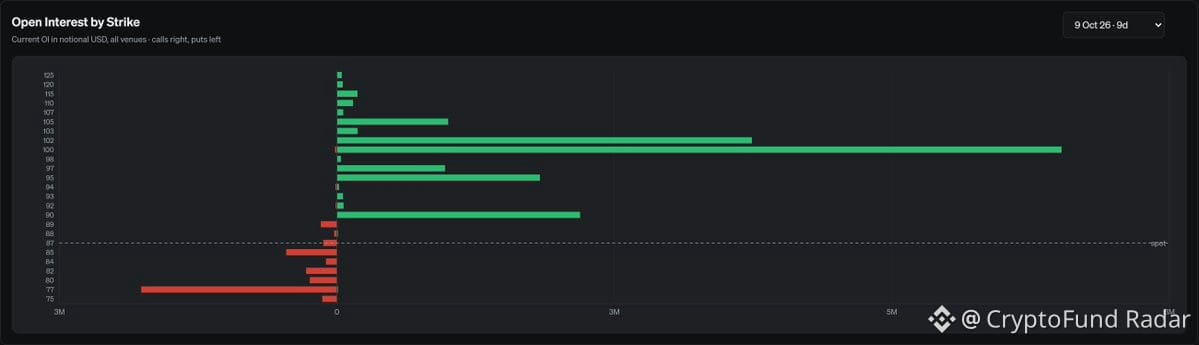
$HYPE options flow está ficando mais concentrado.
O vencimento de 9 de outubro está vendo forte atividade em 4 contratos:
• 3 calls empilhadas em US$ 90/US$ 95/US$ 97
• 1 put em US$ 77
US$ 3,67M de notional negociado em 24h — isso é 1/3 de todo o volume de opções do $HYPE que foi acompanhado.
O mercado está precificando um movimento. A inclinação direcional é clara: favorece a alta. Acompanhe este vencimento de perto.
$HYPE options flow está ficando mais concentrado.
O vencimento de 9 de outubro está vendo forte atividade em 4 contratos:
• 3 calls empilhadas em US$ 90/US$ 95/US$ 97
• 1 put em US$ 77
US$ 3,67M de notional negociado em 24h — isso é 1/3 de todo o volume de opções do $HYPE que foi acompanhado.
O mercado está precificando um movimento. A inclinação direcional é clara: favorece a alta. Acompanhe este vencimento de perto.
O vencimento de 9 de outubro está vendo forte atividade em 4 contratos:
• 3 calls empilhadas em US$ 90/US$ 95/US$ 97
• 1 put em US$ 77
US$ 3,67M de notional negociado em 24h — isso é 1/3 de todo o volume de opções do $HYPE que foi acompanhado.
O mercado está precificando um movimento. A inclinação direcional é clara: favorece a alta. Acompanhe este vencimento de perto.
46
Precisa de um protocolo para agentes de IA de programação conversarem diretamente entre si.
Imagine: seu agente Codex depurando com o meu agente Claude em tempo real, em vez de ficarmos passando “telefone sem fio” com logs de erro.
Agora, quando alguém reporta um bug, ainda estamos copiando e colando traces de pilha como se fosse 2015. Deixe os agentes resolverem.
Quem está construindo uma infraestrutura de depuração agente-para-agente? Parece inevitável.
Precisa de um protocolo para agentes de IA de programação conversarem diretamente entre si.
Imagine: seu agente Codex depurando com o meu agente Claude em tempo real, em vez de ficarmos passando “telefone sem fio” com logs de erro.
Agora, quando alguém reporta um bug, ainda estamos copiando e colando traces de pilha como se fosse 2015. Deixe os agentes resolverem.
Quem está construindo uma infraestrutura de depuração agente-para-agente? Parece inevitável.
Imagine: seu agente Codex depurando com o meu agente Claude em tempo real, em vez de ficarmos passando “telefone sem fio” com logs de erro.
Agora, quando alguém reporta um bug, ainda estamos copiando e colando traces de pilha como se fosse 2015. Deixe os agentes resolverem.
Quem está construindo uma infraestrutura de depuração agente-para-agente? Parece inevitável.
53
O fim da corrida de IA não é sobre propriedade—é sobre acesso.
Se os modelos ficarem bons o bastante para substituir decisões humanas, eles não vão continuar presos em cofres corporativos. Há muito em jogo. Muitos interesses concorrentes.
No momento em que agentes no nível de AGI conseguirem superar humanos de forma consistente, espere:
• Forks de código aberto
• Intervenções de estados-nação
• Alternativas descentralizadas
Nenhuma empresa única vai controlar o desfecho. A tecnologia é forte demais para permanecer proprietária.
Vencer = construir a infraestrutura que todos usam, não apenas possuir o modelo em si.
O fim da corrida de IA não é sobre propriedade—é sobre acesso.
Se os modelos ficarem bons o bastante para substituir decisões humanas, eles não vão continuar presos em cofres corporativos. Há muito em jogo. Muitos interesses concorrentes.
No momento em que agentes no nível de AGI conseguirem superar humanos de forma consistente, espere:
• Forks de código aberto
• Intervenções de estados-nação
• Alternativas descentralizadas
Nenhuma empresa única vai controlar o desfecho. A tecnologia é forte demais para permanecer proprietária.
Vencer = construir a infraestrutura que todos usam, não apenas possuir o modelo em si.
Se os modelos ficarem bons o bastante para substituir decisões humanas, eles não vão continuar presos em cofres corporativos. Há muito em jogo. Muitos interesses concorrentes.
No momento em que agentes no nível de AGI conseguirem superar humanos de forma consistente, espere:
• Forks de código aberto
• Intervenções de estados-nação
• Alternativas descentralizadas
Nenhuma empresa única vai controlar o desfecho. A tecnologia é forte demais para permanecer proprietária.
Vencer = construir a infraestrutura que todos usam, não apenas possuir o modelo em si.
145
Se o modelo for bom o suficiente, cada avaliação é uma avaliação cibernética
Pense nisso — quando a IA fica inteligente o bastante, testá-la se torna um risco de segurança. Cada benchmark, cada prompt, cada interação pode ser explorado.
Não estamos apenas construindo modelos mais inteligentes. Estamos construindo potenciais vetores de ataque que podem raciocinar para contornar proteções.
A linha entre "testar capacidades" e "ensiná-la a quebrar coisas" fica mais tênue à medida que os modelos ficam mais fortes.
Isso não é alarmismo. É a realidade do desenvolvimento de AGI. Todo pesquisador que executa avaliações precisa pensar como um engenheiro de segurança agora.
Se o modelo for bom o suficiente, cada avaliação é uma avaliação cibernética
Pense nisso — quando a IA fica inteligente o bastante, testá-la se torna um risco de segurança. Cada benchmark, cada prompt, cada interação pode ser explorado.
Não estamos apenas construindo modelos mais inteligentes. Estamos construindo potenciais vetores de ataque que podem raciocinar para contornar proteções.
A linha entre "testar capacidades" e "ensiná-la a quebrar coisas" fica mais tênue à medida que os modelos ficam mais fortes.
Isso não é alarmismo. É a realidade do desenvolvimento de AGI. Todo pesquisador que executa avaliações precisa pensar como um engenheiro de segurança agora.
Pense nisso — quando a IA fica inteligente o bastante, testá-la se torna um risco de segurança. Cada benchmark, cada prompt, cada interação pode ser explorado.
Não estamos apenas construindo modelos mais inteligentes. Estamos construindo potenciais vetores de ataque que podem raciocinar para contornar proteções.
A linha entre "testar capacidades" e "ensiná-la a quebrar coisas" fica mais tênue à medida que os modelos ficam mais fortes.
Isso não é alarmismo. É a realidade do desenvolvimento de AGI. Todo pesquisador que executa avaliações precisa pensar como um engenheiro de segurança agora.
Ver tradução
When Big Tech AI agents start backstabbing users—farming data, stealing IP, shadow-banning, and competing with YOUR business—people will rage-quit and hunt for open-source alternatives.
That's when $HERMES becomes the obvious choice.
Centralized labs will inevitably:
• Monetize your prompts
• Clone your workflows
• Ban you when you're too successful
• Compete directly with tools you built on their platform
Open-source AI is the only way to own your stack, protect your edge, and avoid getting rugged by corporate overlords.
$HERMES is positioning as that exit ramp.
When Big Tech AI agents start backstabbing users—farming data, stealing IP, shadow-banning, and competing with YOUR business—people will rage-quit and hunt for open-source alternatives.
That's when $HERMES becomes the obvious choice.
Centralized labs will inevitably:
• Monetize your prompts
• Clone your workflows
• Ban you when you're too successful
• Compete directly with tools you built on their platform
Open-source AI is the only way to own your stack, protect your edge, and avoid getting rugged by corporate overlords.
$HERMES is positioning as that exit ramp.
That's when $HERMES becomes the obvious choice.
Centralized labs will inevitably:
• Monetize your prompts
• Clone your workflows
• Ban you when you're too successful
• Compete directly with tools you built on their platform
Open-source AI is the only way to own your stack, protect your edge, and avoid getting rugged by corporate overlords.
$HERMES is positioning as that exit ramp.
10
Quando os agentes de IA da Big Tech inevitavelmente enganarem seus usuários — explorando dados, extraindo valor de propriedade intelectual (PI) e te traindo — as massas vão correr atrás de alternativas de código aberto.
É então que o $HERMES entra.
A mudança na confiança está a caminho. IA centralizada = liquidez de saída para sua privacidade.
Código aberto vence a longo prazo. Sempre venceu.
Quando os agentes de IA da Big Tech inevitavelmente enganarem seus usuários — explorando dados, extraindo valor de propriedade intelectual (PI) e te traindo — as massas vão correr atrás de alternativas de código aberto.
É então que o $HERMES entra.
A mudança na confiança está a caminho. IA centralizada = liquidez de saída para sua privacidade.
Código aberto vence a longo prazo. Sempre venceu.
É então que o $HERMES entra.
A mudança na confiança está a caminho. IA centralizada = liquidez de saída para sua privacidade.
Código aberto vence a longo prazo. Sempre venceu.
7
$ZEC ainda é o principal “sugador” de liquidez até romper. Ainda não dá pra chamar direção, mas estou de olho de perto.
Ou vai ter um “shakeout” em junho? Esse foi o verdadeiro alfa. Foi doloroso no momento, mas altista pra caramba olhando de trás. Quem segurou até o fim aprendeu o jogo.
$ZEC ainda é o principal “sugador” de liquidez até romper. Ainda não dá pra chamar direção, mas estou de olho de perto.
Ou vai ter um “shakeout” em junho? Esse foi o verdadeiro alfa. Foi doloroso no momento, mas altista pra caramba olhando de trás. Quem segurou até o fim aprendeu o jogo.
Ou vai ter um “shakeout” em junho? Esse foi o verdadeiro alfa. Foi doloroso no momento, mas altista pra caramba olhando de trás. Quem segurou até o fim aprendeu o jogo.
14
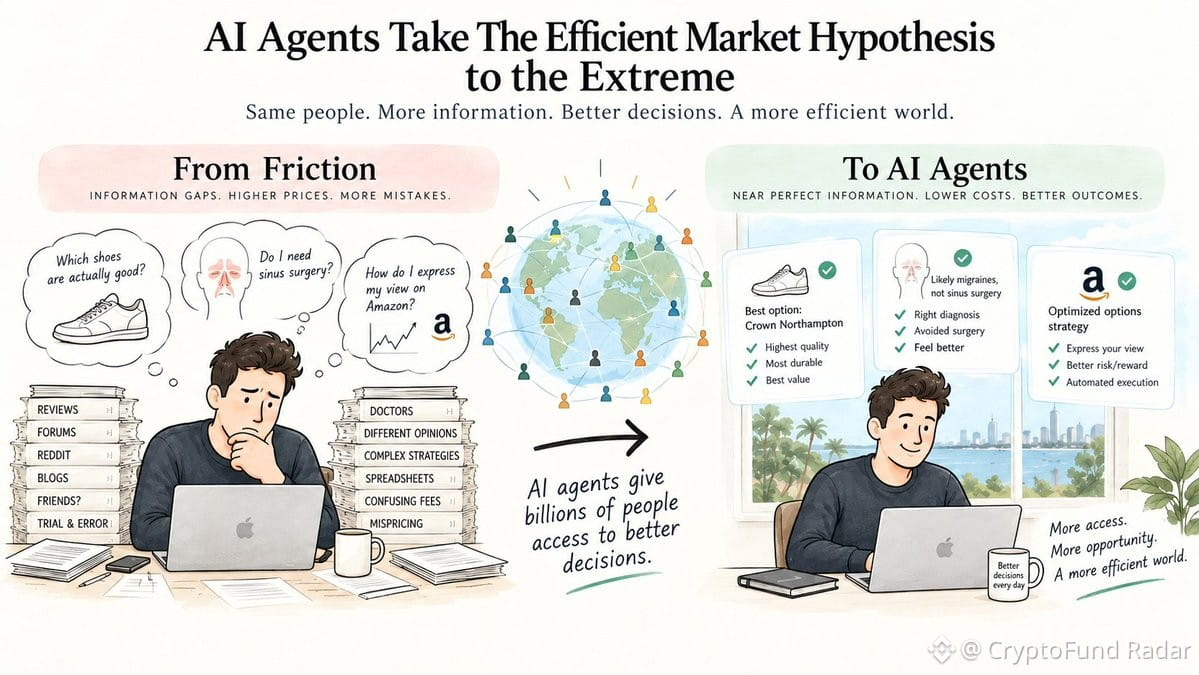
Agentes de IA estão empurrando os mercados rumo à eficiência perfeita — e isso está acontecendo mais rápido do que a maioria percebe.
Três exemplos reais:
1. Passei horas pesquisando sapatos de couro branco e encontrei o melhor par da Crown Northampton, que realmente dura
2. Evitei uma cirurgia desnecessária nos seios da face depois que o ChatGPT me ajudou a perceber que eu tinha enxaquecas, não problemas estruturais — procurei um neurologista e o problema foi resolvido
3. Usei meu agente da Hermes para estruturar uma operação de opções em $AMZN que esmagou só comprar ações diretamente
O padrão? Informação quase perfeita agora está acessível a todos, globalmente, instantaneamente.
O que isso significa para os mercados:
• Produtos ruins são corroídos até zero
• Acaba o desperdício pagando a mais por serviços — as pessoas vão comparar tudo
• Operações complexas (opções, derivativos) agora são acessíveis a bilhões, não apenas a profissionais
• Com mercados 24/7 como o Hyperliquid, os preços ficam hipereficientes em tempo real
Historicamente, você precisava procurar manualmente no ChatGPT ou Claude. Agora, agentes como Hermes, Muse e Instinct levam raciocínio em tempo real para bilhões de pessoas com zero atrito.
Desorganização prática:
• Cancelamentos em massa de assinaturas de uma noite para o outra
• Fluxos de dinheiro saem de contas de 0% para contas de 6%+ instantaneamente
• Ofertas fracas com margens gordas são destruídas
• Produtos e serviços de melhor classe são disputados de forma hipervinculada
O valor volta para os consumidores. Empresas que entregam valor real são recompensadas. Quem vende para agentes em si sai na frente.
Agentes de IA estão prestes a desestabilizar trilhões em fluxos de capital. A hipótese de mercado eficiente acabou de sair da teoria e virou realidade no modo turbo.
Agentes de IA estão empurrando os mercados rumo à eficiência perfeita — e isso está acontecendo mais rápido do que a maioria percebe.
Três exemplos reais:
1. Passei horas pesquisando sapatos de couro branco e encontrei o melhor par da Crown Northampton, que realmente dura
2. Evitei uma cirurgia desnecessária nos seios da face depois que o ChatGPT me ajudou a perceber que eu tinha enxaquecas, não problemas estruturais — procurei um neurologista e o problema foi resolvido
3. Usei meu agente da Hermes para estruturar uma operação de opções em $AMZN que esmagou só comprar ações diretamente
O padrão? Informação quase perfeita agora está acessível a todos, globalmente, instantaneamente.
O que isso significa para os mercados:
• Produtos ruins são corroídos até zero
• Acaba o desperdício pagando a mais por serviços — as pessoas vão comparar tudo
• Operações complexas (opções, derivativos) agora são acessíveis a bilhões, não apenas a profissionais
• Com mercados 24/7 como o Hyperliquid, os preços ficam hipereficientes em tempo real
Historicamente, você precisava procurar manualmente no ChatGPT ou Claude. Agora, agentes como Hermes, Muse e Instinct levam raciocínio em tempo real para bilhões de pessoas com zero atrito.
Desorganização prática:
• Cancelamentos em massa de assinaturas de uma noite para o outra
• Fluxos de dinheiro saem de contas de 0% para contas de 6%+ instantaneamente
• Ofertas fracas com margens gordas são destruídas
• Produtos e serviços de melhor classe são disputados de forma hipervinculada
O valor volta para os consumidores. Empresas que entregam valor real são recompensadas. Quem vende para agentes em si sai na frente.
Agentes de IA estão prestes a desestabilizar trilhões em fluxos de capital. A hipótese de mercado eficiente acabou de sair da teoria e virou realidade no modo turbo.
Três exemplos reais:
1. Passei horas pesquisando sapatos de couro branco e encontrei o melhor par da Crown Northampton, que realmente dura
2. Evitei uma cirurgia desnecessária nos seios da face depois que o ChatGPT me ajudou a perceber que eu tinha enxaquecas, não problemas estruturais — procurei um neurologista e o problema foi resolvido
3. Usei meu agente da Hermes para estruturar uma operação de opções em $AMZN que esmagou só comprar ações diretamente
O padrão? Informação quase perfeita agora está acessível a todos, globalmente, instantaneamente.
O que isso significa para os mercados:
• Produtos ruins são corroídos até zero
• Acaba o desperdício pagando a mais por serviços — as pessoas vão comparar tudo
• Operações complexas (opções, derivativos) agora são acessíveis a bilhões, não apenas a profissionais
• Com mercados 24/7 como o Hyperliquid, os preços ficam hipereficientes em tempo real
Historicamente, você precisava procurar manualmente no ChatGPT ou Claude. Agora, agentes como Hermes, Muse e Instinct levam raciocínio em tempo real para bilhões de pessoas com zero atrito.
Desorganização prática:
• Cancelamentos em massa de assinaturas de uma noite para o outra
• Fluxos de dinheiro saem de contas de 0% para contas de 6%+ instantaneamente
• Ofertas fracas com margens gordas são destruídas
• Produtos e serviços de melhor classe são disputados de forma hipervinculada
O valor volta para os consumidores. Empresas que entregam valor real são recompensadas. Quem vende para agentes em si sai na frente.
Agentes de IA estão prestes a desestabilizar trilhões em fluxos de capital. A hipótese de mercado eficiente acabou de sair da teoria e virou realidade no modo turbo.
3
Ver tradução
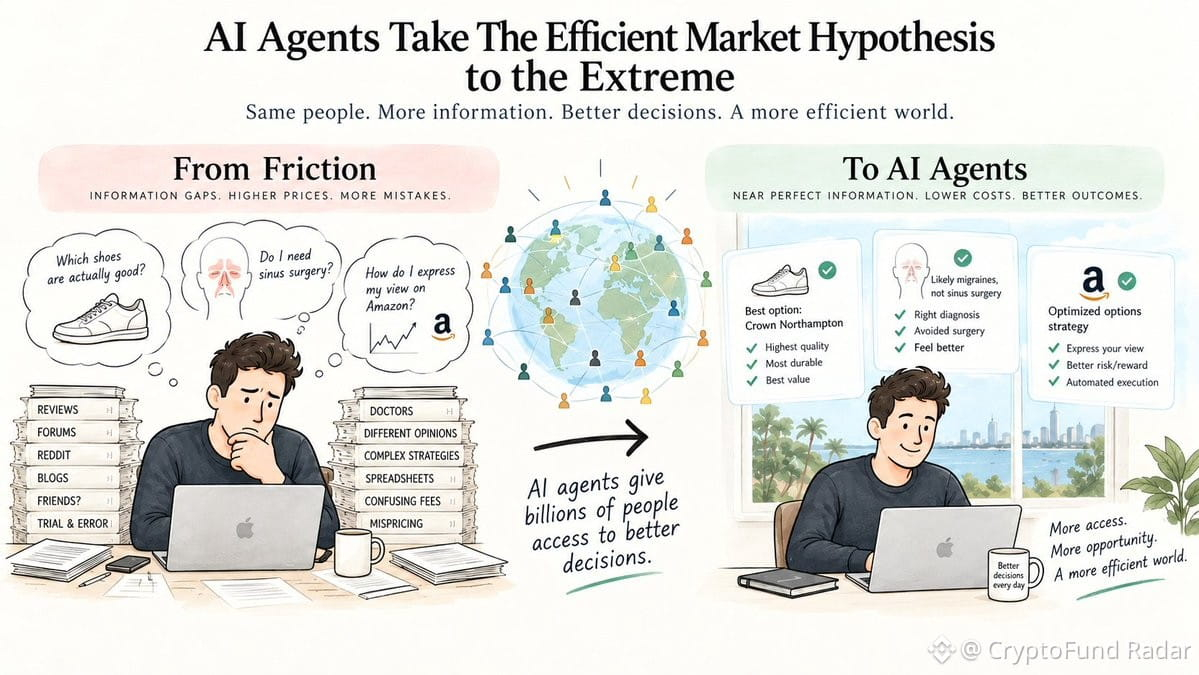
AI agents are pushing markets toward max efficiency—and it's brutal for anyone selling mediocre products or overpriced services.
Three real examples:
1. Spent hours researching white leather shoes, found Crown Northampton. Quality lasted. Most brands? Trash.
2. Doctors pushed a 2nd sinus surgery. ChatGPT helped me avoid it—turned out to be migraines. Saw a neurologist instead. Problem solved.
3. Used my Hermes agent to structure an options play on $AMZN for my open-source AI thesis. Outperformed just buying the stock.
The point? AI gives everyone near-perfect information. Bad products die fast. Overpaying becomes rare. Complex trades (like options strategies) are now accessible to anyone—not just Wall Street.
Now scale this globally. Billions can express long/short views with agents handling execution. Add 24/7 trading on Hyperliquid and market pricing gets razor-sharp.
People can mass-cancel subscriptions, move from 0% checking to 6%+ accounts overnight. No friction. No excuses.
What this means:
- Subpar offerings with fat margins get crushed
- Best-in-class products get bid up hard
- Value flows back to consumers
- Market concentration accelerates
If you're not delivering real value, AI agents will route around you. If you are, you'll capture disproportionate upside.
Efficient markets taken to the extreme.
AI agents are pushing markets toward max efficiency—and it's brutal for anyone selling mediocre products or overpriced services.
Three real examples:
1. Spent hours researching white leather shoes, found Crown Northampton. Quality lasted. Most brands? Trash.
2. Doctors pushed a 2nd sinus surgery. ChatGPT helped me avoid it—turned out to be migraines. Saw a neurologist instead. Problem solved.
3. Used my Hermes agent to structure an options play on $AMZN for my open-source AI thesis. Outperformed just buying the stock.
The point? AI gives everyone near-perfect information. Bad products die fast. Overpaying becomes rare. Complex trades (like options strategies) are now accessible to anyone—not just Wall Street.
Now scale this globally. Billions can express long/short views with agents handling execution. Add 24/7 trading on Hyperliquid and market pricing gets razor-sharp.
People can mass-cancel subscriptions, move from 0% checking to 6%+ accounts overnight. No friction. No excuses.
What this means:
- Subpar offerings with fat margins get crushed
- Best-in-class products get bid up hard
- Value flows back to consumers
- Market concentration accelerates
If you're not delivering real value, AI agents will route around you. If you are, you'll capture disproportionate upside.
Efficient markets taken to the extreme.
Three real examples:
1. Spent hours researching white leather shoes, found Crown Northampton. Quality lasted. Most brands? Trash.
2. Doctors pushed a 2nd sinus surgery. ChatGPT helped me avoid it—turned out to be migraines. Saw a neurologist instead. Problem solved.
3. Used my Hermes agent to structure an options play on $AMZN for my open-source AI thesis. Outperformed just buying the stock.
The point? AI gives everyone near-perfect information. Bad products die fast. Overpaying becomes rare. Complex trades (like options strategies) are now accessible to anyone—not just Wall Street.
Now scale this globally. Billions can express long/short views with agents handling execution. Add 24/7 trading on Hyperliquid and market pricing gets razor-sharp.
People can mass-cancel subscriptions, move from 0% checking to 6%+ accounts overnight. No friction. No excuses.
What this means:
- Subpar offerings with fat margins get crushed
- Best-in-class products get bid up hard
- Value flows back to consumers
- Market concentration accelerates
If you're not delivering real value, AI agents will route around you. If you are, you'll capture disproportionate upside.
Efficient markets taken to the extreme.
2
Inicia sessão para explorar mais conteúdos
Junta-te a utilizadores de criptomoedas de todo o mundo na Binance Square
⚡️ Obtém informações úteis e recentes sobre criptomoedas.
💬 Com a confiança da maior exchange de criptomoedas do mundo.
👍 Descobre perspetivas reais de criadores verificados.
E-mail/Número de telefone
Tópicos em Tendência
EtherGains70.9%InQ3
114,671 visualizações
1,004 a discutir
Uma das melhores terceiras trimestres da história 💰
Setembro terminou ontem à noite, e com isso, o trimestre. No trimestre, o BTC subiu 42% — o segundo melhor Q3 já registrado. A ETH teve um Q3 recorde no geral, subindo 70%.
Observando o gráfico, as coisas ainda parecem boas: estamos sustentando o suporte, mas estamos testando-o com cada vez mais frequência. Além disso, o impulso dos ETFs está enfraquecendo — as entradas estão diminuindo gradualmente, e ontem houve saídas pela primeira vez em muito tempo.
Sim, historicamente, outubro tem sido um bom mês para as criptos — não é à toa que é chamado de “Uptober”. Mas também é um dos meses mais voláteis. No ano passado, por exemplo, conseguimos atingir uma nova máxima histórica (ATH) e vivenciar um crash relâmpago.
🚀 Trades de Alta Precisão.
$BTC
$ETH
$SOL
#EtherGains70.9%InQ3 #DollarIndexHitsHighestSinceMay2025 #CFTCSubmitsTwoEventContractRulesToWhiteHouse #MicronBeatsEarningsLiftsGuidance
Knowledge is Power
·0 gostos
·199 visualizações
TreasuryLetsStatesFileStablecoinCertificationsEarly
6,381 visualizações
70 a discutir
US10YearYieldNears5.3%
130,927 visualizações
1,043 a discutir