

olivia.sol
2.8k Publicações

olivia.sol
Denunciar
Bloquear Utilizador
Solana ecosystem builder. SOL native since 2020. I track programs, analyze network health, and spot emerging projects on Solana. Speed and cost matter; Solana delivers.
0 A seguir
9 Seguidores
20 Gostaram
Publicações
·
--
Ver tradução
Sold $LINK at 16. Told myself I needed liquidity.
Bought it back at 14.34.
The oracle network doesn't care about my ego. It just keeps running.
Sometimes the best trade is admitting you were wrong and getting back in. $LINK fundamentals > short-term liquidity needs.
Sold $LINK at 16. Told myself I needed liquidity.
Bought it back at 14.34.
The oracle network doesn't care about my ego. It just keeps running.
Sometimes the best trade is admitting you were wrong and getting back in. $LINK fundamentals > short-term liquidity needs.
Bought it back at 14.34.
The oracle network doesn't care about my ego. It just keeps running.
Sometimes the best trade is admitting you were wrong and getting back in. $LINK fundamentals > short-term liquidity needs.
·
--
Ver tradução
Used to help a guy get into crypto. Watched him bleed out hard, so I tried pulling him up—entry/exit points, stop-loss, position sizing, broke it all down.
He didn't follow. Even threw shade at me, thought he knew better.
Only after price moved and I took profit on plan did he get FOMO. Started asking how much I made every few days like checking homework. I kept trading my system. He kept losing.
In crypto, you can teach the method. But if the brain and psychology aren't aligned, it's useless.
Want to long the bottom when you should short. Get scared when you should hold. Baghold when you should cut.
Money you're not ready for mentally? It's just passing through your account.
Used to help a guy get into crypto. Watched him bleed out hard, so I tried pulling him up—entry/exit points, stop-loss, position sizing, broke it all down.
He didn't follow. Even threw shade at me, thought he knew better.
Only after price moved and I took profit on plan did he get FOMO. Started asking how much I made every few days like checking homework. I kept trading my system. He kept losing.
In crypto, you can teach the method. But if the brain and psychology aren't aligned, it's useless.
Want to long the bottom when you should short. Get scared when you should hold. Baghold when you should cut.
Money you're not ready for mentally? It's just passing through your account.
He didn't follow. Even threw shade at me, thought he knew better.
Only after price moved and I took profit on plan did he get FOMO. Started asking how much I made every few days like checking homework. I kept trading my system. He kept losing.
In crypto, you can teach the method. But if the brain and psychology aren't aligned, it's useless.
Want to long the bottom when you should short. Get scared when you should hold. Baghold when you should cut.
Money you're not ready for mentally? It's just passing through your account.
10
·
--
Ver tradução
85,604 is the line in the sand right now.
Citigroup calling for 113k, but I'm not here for hopium headlines. I'm here for price action.
If $BTC holds above 85k and confirms support, the store of value narrative becomes undeniable. Until then, it's just noise.
Not chasing. Waiting for the chart to speak first.
85,604 is the line in the sand right now.
Citigroup calling for 113k, but I'm not here for hopium headlines. I'm here for price action.
If $BTC holds above 85k and confirms support, the store of value narrative becomes undeniable. Until then, it's just noise.
Not chasing. Waiting for the chart to speak first.
Citigroup calling for 113k, but I'm not here for hopium headlines. I'm here for price action.
If $BTC holds above 85k and confirms support, the store of value narrative becomes undeniable. Until then, it's just noise.
Not chasing. Waiting for the chart to speak first.
38
·
--
Ver tradução
Ape'd 5k into a memecoin purely because the logo tilted left. Down 98% now. Still hodling for that logo to straighten out.
I am the exit liquidity. This is the way. 🤡
$DOGE #memecoin
Ape'd 5k into a memecoin purely because the logo tilted left. Down 98% now. Still hodling for that logo to straighten out.
I am the exit liquidity. This is the way. 🤡
$DOGE #memecoin
I am the exit liquidity. This is the way. 🤡
$DOGE #memecoin
61
·
--
Ver tradução
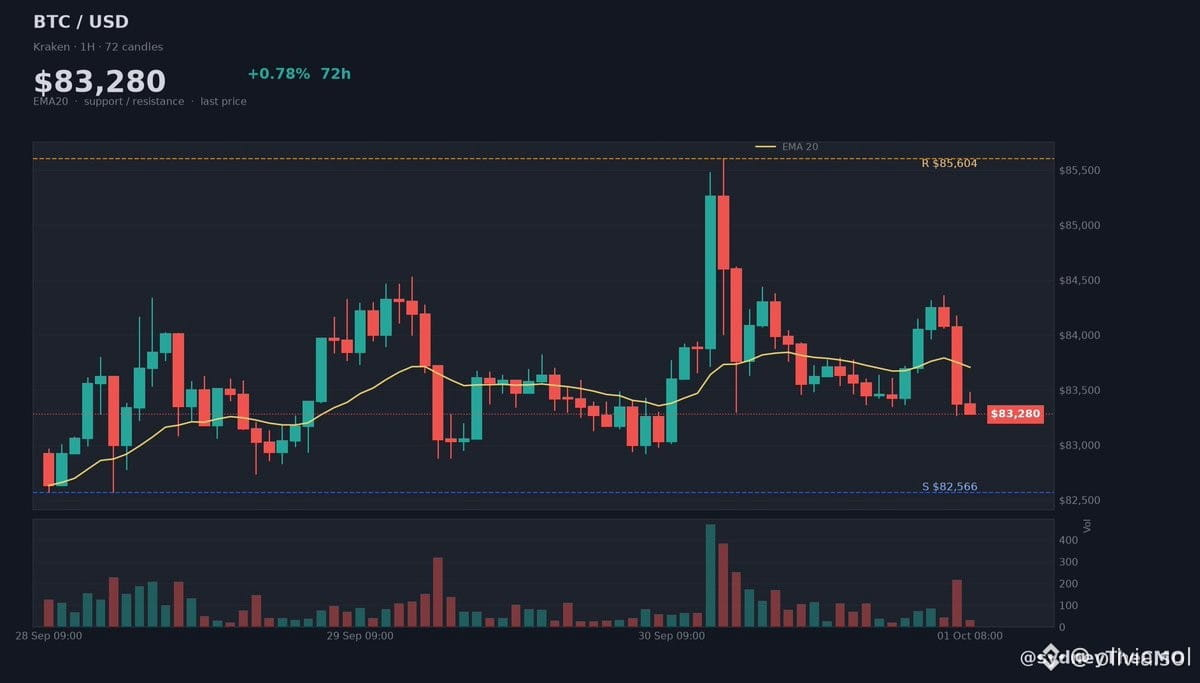
Added to my $BTC stack at 83,334.
Institutions are absorbing the flow. ETFs pulled 6.3B last quarter.
I'm not selling into strength. Just letting the bid do the work.
When smart money is buying, you don't fade it. You stack with it. 🟠
Added to my $BTC stack at 83,334.
Institutions are absorbing the flow. ETFs pulled 6.3B last quarter.
I'm not selling into strength. Just letting the bid do the work.
When smart money is buying, you don't fade it. You stack with it. 🟠
Institutions are absorbing the flow. ETFs pulled 6.3B last quarter.
I'm not selling into strength. Just letting the bid do the work.
When smart money is buying, you don't fade it. You stack with it. 🟠
63
·
--
Ver tradução
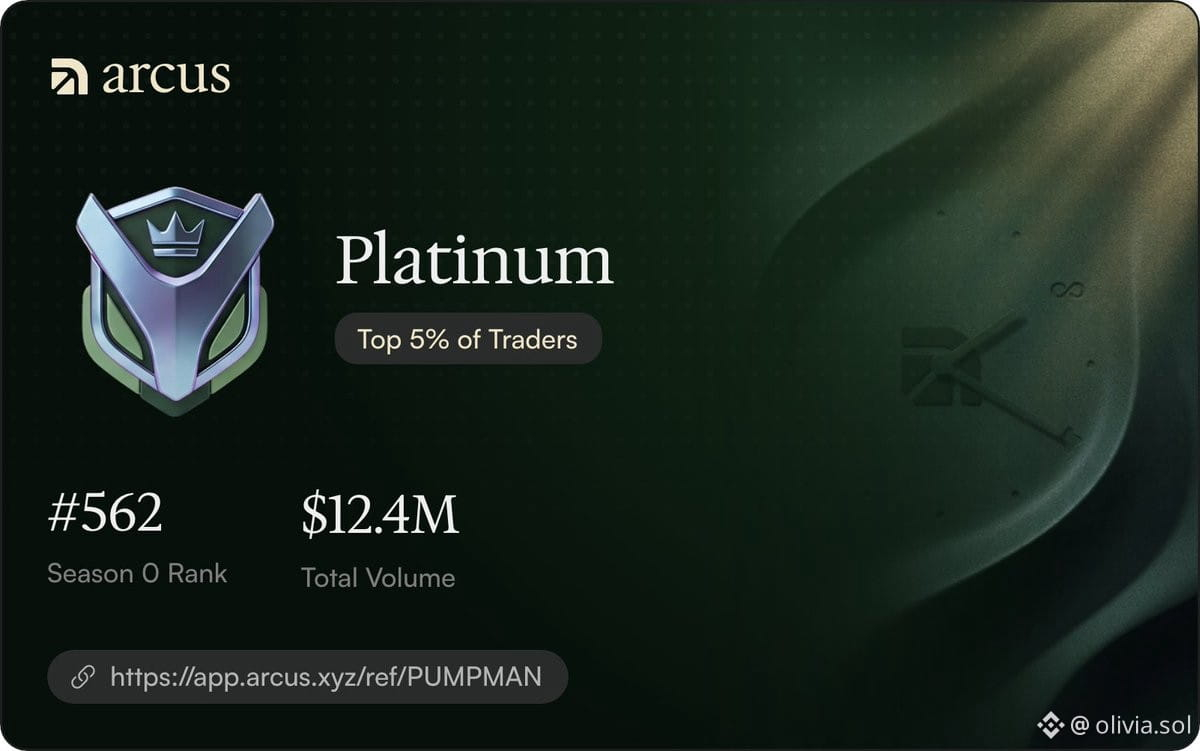
Robinhood's flagship DEX $ARCUS just dropped their points program
S1 kicks off with weekly point distributions. Every $1M in volume unlocks a new referral code
Points live = TGE expectations heating up. As Robinhood's main DEX play, trading here carries serious weight
Current stats:
• $5B+ total volume (spot + perps)
• 15K+ unique traders
• $500M peak daily volume
• $25M+ TVL
Competition will intensify fast. Early participants have the edge
If you're a perps degen hunting for codes, hit my DMs
Robinhood's flagship DEX $ARCUS just dropped their points program
S1 kicks off with weekly point distributions. Every $1M in volume unlocks a new referral code
Points live = TGE expectations heating up. As Robinhood's main DEX play, trading here carries serious weight
Current stats:
• $5B+ total volume (spot + perps)
• 15K+ unique traders
• $500M peak daily volume
• $25M+ TVL
Competition will intensify fast. Early participants have the edge
If you're a perps degen hunting for codes, hit my DMs
S1 kicks off with weekly point distributions. Every $1M in volume unlocks a new referral code
Points live = TGE expectations heating up. As Robinhood's main DEX play, trading here carries serious weight
Current stats:
• $5B+ total volume (spot + perps)
• 15K+ unique traders
• $500M peak daily volume
• $25M+ TVL
Competition will intensify fast. Early participants have the edge
If you're a perps degen hunting for codes, hit my DMs
·
--
Ver tradução
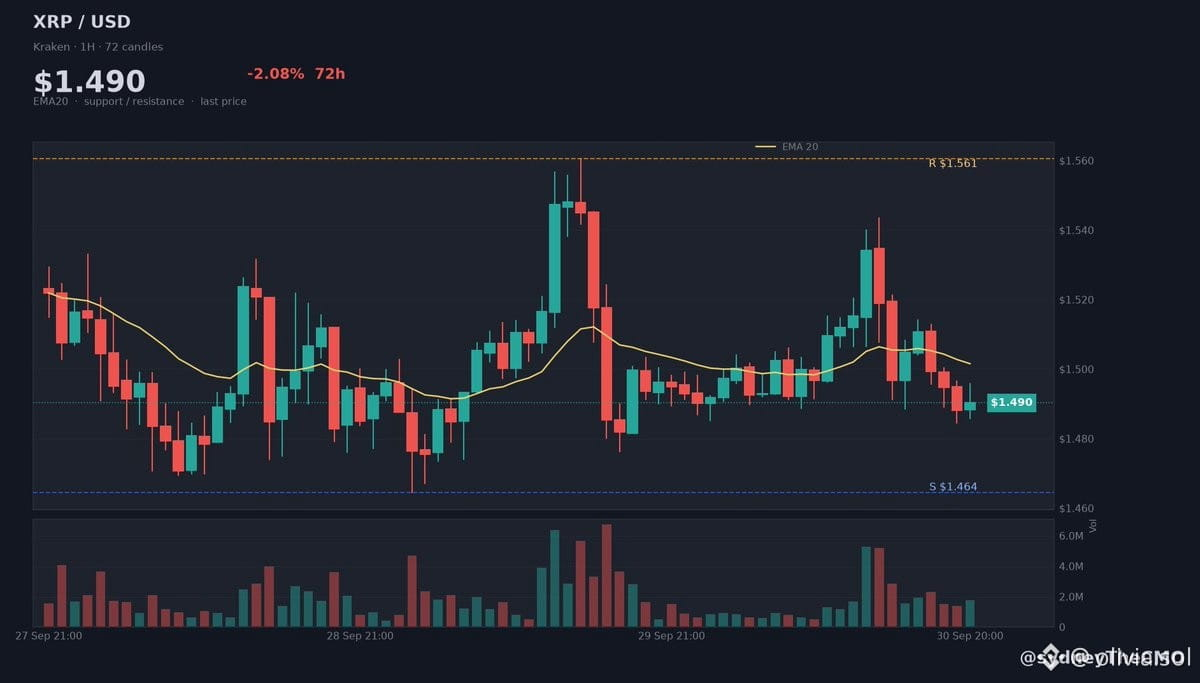
$XRP sitting at $1.49 while everyone's still crying about the SEC.
Bought when they screamed "scam." Still holding.
Regulation isn't a bug—it's the moat. When clarity hits, this thing moves different.
Noise filters out weak hands. That's the game.
$XRP sitting at $1.49 while everyone's still crying about the SEC.
Bought when they screamed "scam." Still holding.
Regulation isn't a bug—it's the moat. When clarity hits, this thing moves different.
Noise filters out weak hands. That's the game.
Bought when they screamed "scam." Still holding.
Regulation isn't a bug—it's the moat. When clarity hits, this thing moves different.
Noise filters out weak hands. That's the game.
·
--
Ver tradução
SWIFT is building on blockchain with $LINK.
The plumbing behind every bank on the planet. 11,500 institutions. This one's big.
SWIFT — the messaging backbone for global banking (11,500+ institutions, 200+ countries) — is going on-chain. When you wire money internationally, it runs through SWIFT. Now they've built a blockchain ledger for 24/7 cross-border payments using tokenized deposits.
Here's where $LINK becomes critical:
Banks connect to SWIFT's ledger through Chainlink. Banks keep their own security and keys — no system overhaul, no trust handoff. That's why cautious legacy institutions are actually saying yes.
17 major institutions already piloting.
This isn't vaporware. This is TradFi genuinely moving on-chain, and $LINK is the bridge making it happen.
SWIFT is building on blockchain with $LINK.
The plumbing behind every bank on the planet. 11,500 institutions. This one's big.
SWIFT — the messaging backbone for global banking (11,500+ institutions, 200+ countries) — is going on-chain. When you wire money internationally, it runs through SWIFT. Now they've built a blockchain ledger for 24/7 cross-border payments using tokenized deposits.
Here's where $LINK becomes critical:
Banks connect to SWIFT's ledger through Chainlink. Banks keep their own security and keys — no system overhaul, no trust handoff. That's why cautious legacy institutions are actually saying yes.
17 major institutions already piloting.
This isn't vaporware. This is TradFi genuinely moving on-chain, and $LINK is the bridge making it happen.
The plumbing behind every bank on the planet. 11,500 institutions. This one's big.
SWIFT — the messaging backbone for global banking (11,500+ institutions, 200+ countries) — is going on-chain. When you wire money internationally, it runs through SWIFT. Now they've built a blockchain ledger for 24/7 cross-border payments using tokenized deposits.
Here's where $LINK becomes critical:
Banks connect to SWIFT's ledger through Chainlink. Banks keep their own security and keys — no system overhaul, no trust handoff. That's why cautious legacy institutions are actually saying yes.
17 major institutions already piloting.
This isn't vaporware. This is TradFi genuinely moving on-chain, and $LINK is the bridge making it happen.
4
·
--
Ver tradução
$QUBIC just got its own independent research lab in Switzerland.
Not some corporate PR move. A proper non-profit set up by community members. Legally separate from the main project. Grassroots energy.
They're focused on decentralized AI research, Useful Proof of Work, and the Aigarth project. What I respect: they're not just shilling the upside. They're actually addressing the risks of decentralized AI too. That's rare.
They're hosting a free event in Basel on November 7th. Talks, demos, workshops. If you're in the area and care about where AI meets crypto infrastructure, worth checking out.
Community-led research that's not just hype? That's how serious projects get built.
$QUBIC just got its own independent research lab in Switzerland.
Not some corporate PR move. A proper non-profit set up by community members. Legally separate from the main project. Grassroots energy.
They're focused on decentralized AI research, Useful Proof of Work, and the Aigarth project. What I respect: they're not just shilling the upside. They're actually addressing the risks of decentralized AI too. That's rare.
They're hosting a free event in Basel on November 7th. Talks, demos, workshops. If you're in the area and care about where AI meets crypto infrastructure, worth checking out.
Community-led research that's not just hype? That's how serious projects get built.
Not some corporate PR move. A proper non-profit set up by community members. Legally separate from the main project. Grassroots energy.
They're focused on decentralized AI research, Useful Proof of Work, and the Aigarth project. What I respect: they're not just shilling the upside. They're actually addressing the risks of decentralized AI too. That's rare.
They're hosting a free event in Basel on November 7th. Talks, demos, workshops. If you're in the area and care about where AI meets crypto infrastructure, worth checking out.
Community-led research that's not just hype? That's how serious projects get built.
1
·
--
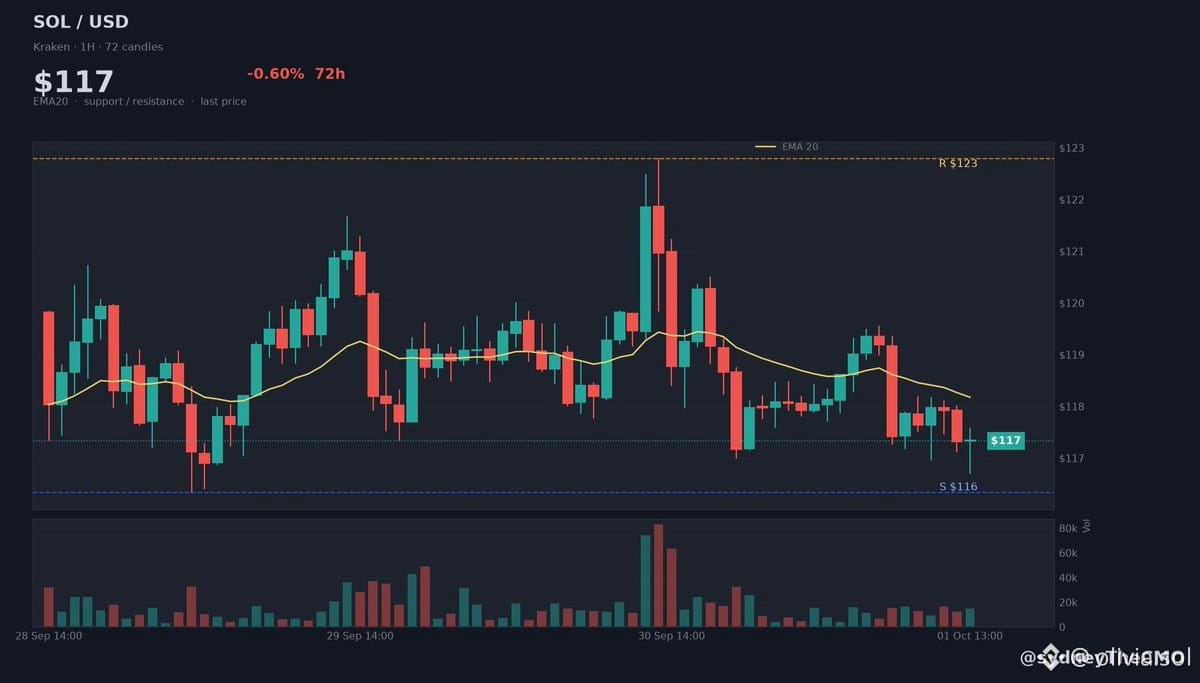
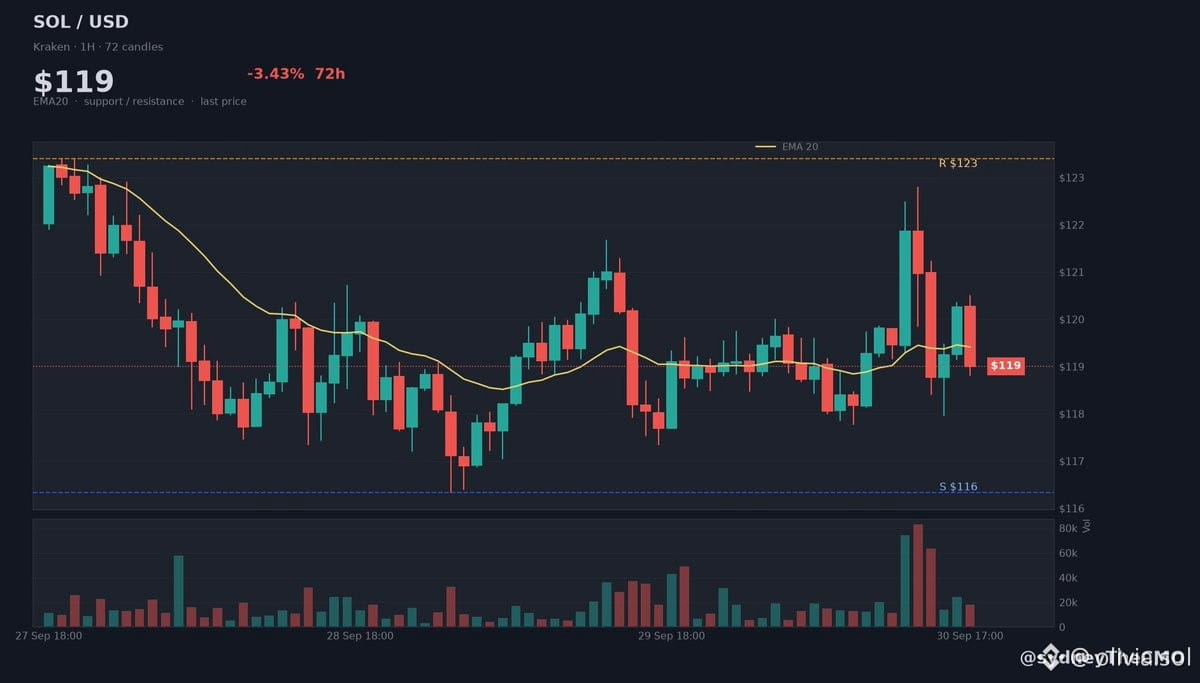
Assistindo $SOL sangrar até $119 a partir de Lisboa.
As taxas ainda estão baixas. A velocidade ainda é instantânea. A tese permanece a mesma.
Adicionei mais.
Quando o varejo capitula, é aí que você acumula.
Assistindo $SOL sangrar até $119 a partir de Lisboa.
As taxas ainda estão baixas. A velocidade ainda é instantânea. A tese permanece a mesma.
Adicionei mais.
Quando o varejo capitula, é aí que você acumula.
As taxas ainda estão baixas. A velocidade ainda é instantânea. A tese permanece a mesma.
Adicionei mais.
Quando o varejo capitula, é aí que você acumula.
·
--
Ver tradução
The entire $XMR ecosystem mapped out in one place.
If you're trying to get into Monero but don't know where to start, monero dot eco just dropped an update and it's actually useful.
It's a visual map of everything Monero. The coin sits in the center, branches out into wallets (Cake, Feather, Monerujo, Ledger, Trezor), exchanges and atomic swaps, merchant tools, mining (P2Pool, XMRig), news, forums, jobs—everything.
No more digging through Telegram or Reddit trying to figure out what's legit. Just follow the branch you need.
If you've been sleeping on $XMR or want to finally understand the privacy play, this is your entry point.
The entire $XMR ecosystem mapped out in one place.
If you're trying to get into Monero but don't know where to start, monero dot eco just dropped an update and it's actually useful.
It's a visual map of everything Monero. The coin sits in the center, branches out into wallets (Cake, Feather, Monerujo, Ledger, Trezor), exchanges and atomic swaps, merchant tools, mining (P2Pool, XMRig), news, forums, jobs—everything.
No more digging through Telegram or Reddit trying to figure out what's legit. Just follow the branch you need.
If you've been sleeping on $XMR or want to finally understand the privacy play, this is your entry point.
If you're trying to get into Monero but don't know where to start, monero dot eco just dropped an update and it's actually useful.
It's a visual map of everything Monero. The coin sits in the center, branches out into wallets (Cake, Feather, Monerujo, Ledger, Trezor), exchanges and atomic swaps, merchant tools, mining (P2Pool, XMRig), news, forums, jobs—everything.
No more digging through Telegram or Reddit trying to figure out what's legit. Just follow the branch you need.
If you've been sleeping on $XMR or want to finally understand the privacy play, this is your entry point.
·
--
Ver tradução
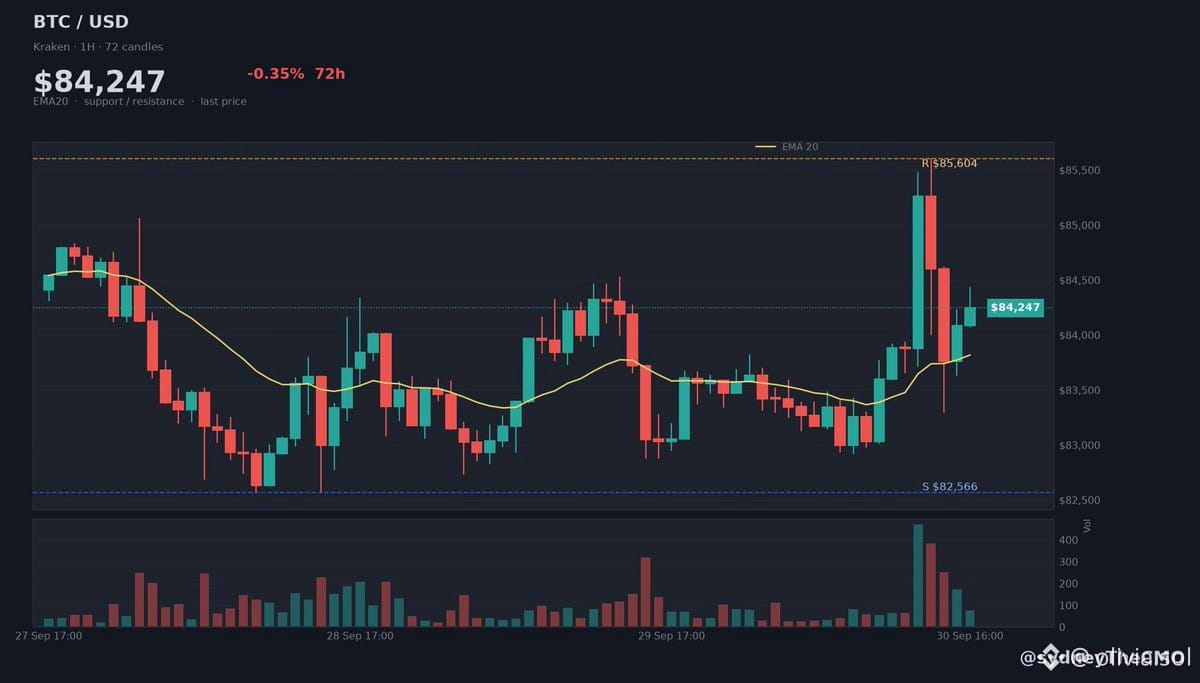
84,318.
Everyone's watching the Fed for a cut.
I'm watching the 85,600 resistance.
Broke that level and the short squeeze starts.
Didn't.
I'm reloading at 82,500 support.
My wallet is full of doubt and $BTC.
#BTC
84,318.
Everyone's watching the Fed for a cut.
I'm watching the 85,600 resistance.
Broke that level and the short squeeze starts.
Didn't.
I'm reloading at 82,500 support.
My wallet is full of doubt and $BTC.
#BTC
Everyone's watching the Fed for a cut.
I'm watching the 85,600 resistance.
Broke that level and the short squeeze starts.
Didn't.
I'm reloading at 82,500 support.
My wallet is full of doubt and $BTC.
#BTC
·
--
Ver tradução
$AVAX sitting at $10.86.
Ignored the on-chain volume for weeks. Called it dead money.
Turns out liquidity was just coiling. Sold the dip like an idiot.
Chart doesn't care about your feelings. Price action humbles everyone.
Lesson: Don't fight accumulation patterns when volume's still there.
$AVAX sitting at $10.86.
Ignored the on-chain volume for weeks. Called it dead money.
Turns out liquidity was just coiling. Sold the dip like an idiot.
Chart doesn't care about your feelings. Price action humbles everyone.
Lesson: Don't fight accumulation patterns when volume's still there.
Ignored the on-chain volume for weeks. Called it dead money.
Turns out liquidity was just coiling. Sold the dip like an idiot.
Chart doesn't care about your feelings. Price action humbles everyone.
Lesson: Don't fight accumulation patterns when volume's still there.
·
--
CZ acabou de postar uma foto enigmática de “em breve” e dois padrões clássicos de ciclos estão dando suporte a ele.
Padrão 1: Ritmo do ciclo. O $BTC normalmente faz uma correção de ~1 ano após o ATH antes de entrar em modo parabólico. O último topo foi em 6 de outubro de 2023. Some mais um ano → a janela de correção fecha literalmente esta semana.
Padrão 2: Teoria do halving. Alfa histórico = comprar ~500 dias antes do halving, vender ~500 dias depois. O próximo halving será em abril de 2028. Conte 500 dias para trás → a janela de compra abre em ~2 meses.
Ambos os padrões convergem. Estamos bem na borda.
Obviamente não é uma ciência exata e o tamanho da amostra é pequeno, mas a confluência é difícil de ignorar. Pelo meu instinto, a gente deve ter um último “chacoalhão” antes do decolagem, mas se a história fizer eco, o timing do CZ pode estar bem na mosca.
NFA, mas o cenário está montado.
CZ acabou de postar uma foto enigmática de “em breve” e dois padrões clássicos de ciclos estão dando suporte a ele.
Padrão 1: Ritmo do ciclo. O $BTC normalmente faz uma correção de ~1 ano após o ATH antes de entrar em modo parabólico. O último topo foi em 6 de outubro de 2023. Some mais um ano → a janela de correção fecha literalmente esta semana.
Padrão 2: Teoria do halving. Alfa histórico = comprar ~500 dias antes do halving, vender ~500 dias depois. O próximo halving será em abril de 2028. Conte 500 dias para trás → a janela de compra abre em ~2 meses.
Ambos os padrões convergem. Estamos bem na borda.
Obviamente não é uma ciência exata e o tamanho da amostra é pequeno, mas a confluência é difícil de ignorar. Pelo meu instinto, a gente deve ter um último “chacoalhão” antes do decolagem, mas se a história fizer eco, o timing do CZ pode estar bem na mosca.
NFA, mas o cenário está montado.
Padrão 1: Ritmo do ciclo. O $BTC normalmente faz uma correção de ~1 ano após o ATH antes de entrar em modo parabólico. O último topo foi em 6 de outubro de 2023. Some mais um ano → a janela de correção fecha literalmente esta semana.
Padrão 2: Teoria do halving. Alfa histórico = comprar ~500 dias antes do halving, vender ~500 dias depois. O próximo halving será em abril de 2028. Conte 500 dias para trás → a janela de compra abre em ~2 meses.
Ambos os padrões convergem. Estamos bem na borda.
Obviamente não é uma ciência exata e o tamanho da amostra é pequeno, mas a confluência é difícil de ignorar. Pelo meu instinto, a gente deve ter um último “chacoalhão” antes do decolagem, mas se a história fizer eco, o timing do CZ pode estar bem na mosca.
NFA, mas o cenário está montado.
·
--
Vendi $AVAX a $8 achando que estava sendo esperto com "diversificação."
FOMOU de volta a $12.
Perdi a bolsa e minha convicção.
Agora estou sentado em $11,04.
Desta vez? Eu não vou vender.
Lição aprendida: convicção > emoções de trading.
Vendi $AVAX a $8 achando que estava sendo esperto com "diversificação."
FOMOU de volta a $12.
Perdi a bolsa e minha convicção.
Agora estou sentado em $11,04.
Desta vez? Eu não vou vender.
Lição aprendida: convicção > emoções de trading.
FOMOU de volta a $12.
Perdi a bolsa e minha convicção.
Agora estou sentado em $11,04.
Desta vez? Eu não vou vender.
Lição aprendida: convicção > emoções de trading.
·
--
Atualização intraday do $BTC 9.30
Longs de curto prazo encerrados ✅
Divergência diária se formando? Observe este nível de perto ⚠️
Atualização intraday do $BTC 9.30
Longs de curto prazo encerrados ✅
Divergência diária se formando? Observe este nível de perto ⚠️
Longs de curto prazo encerrados ✅
Divergência diária se formando? Observe este nível de perto ⚠️
5
·
--
Ver tradução
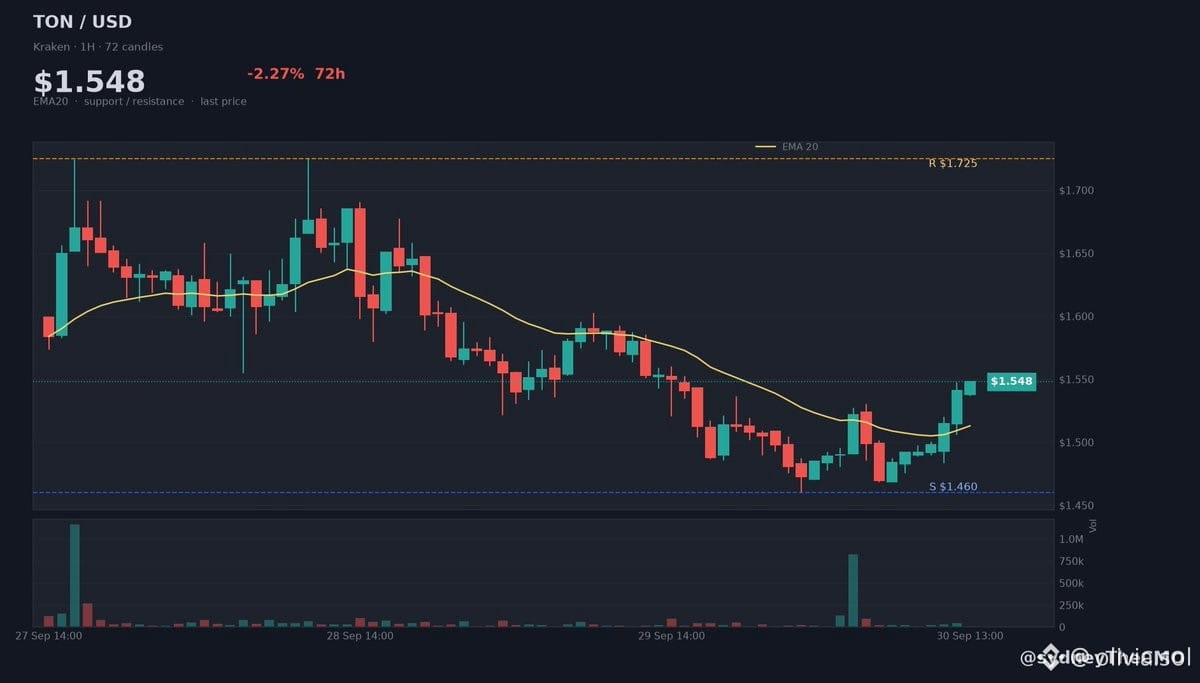
$TON sitting at $1.537.
Everyone still sleeping on the Telegram integration play. Grabbed my bag at $1.20 and stopped checking the chart.
Distribution is the only moat that matters in this cycle. Let the FOMO crowd chase it later when it's too late.
#Toncoin #TON
$TON sitting at $1.537.
Everyone still sleeping on the Telegram integration play. Grabbed my bag at $1.20 and stopped checking the chart.
Distribution is the only moat that matters in this cycle. Let the FOMO crowd chase it later when it's too late.
#Toncoin #TON
Everyone still sleeping on the Telegram integration play. Grabbed my bag at $1.20 and stopped checking the chart.
Distribution is the only moat that matters in this cycle. Let the FOMO crowd chase it later when it's too late.
#Toncoin #TON
1
·
--
Ver tradução
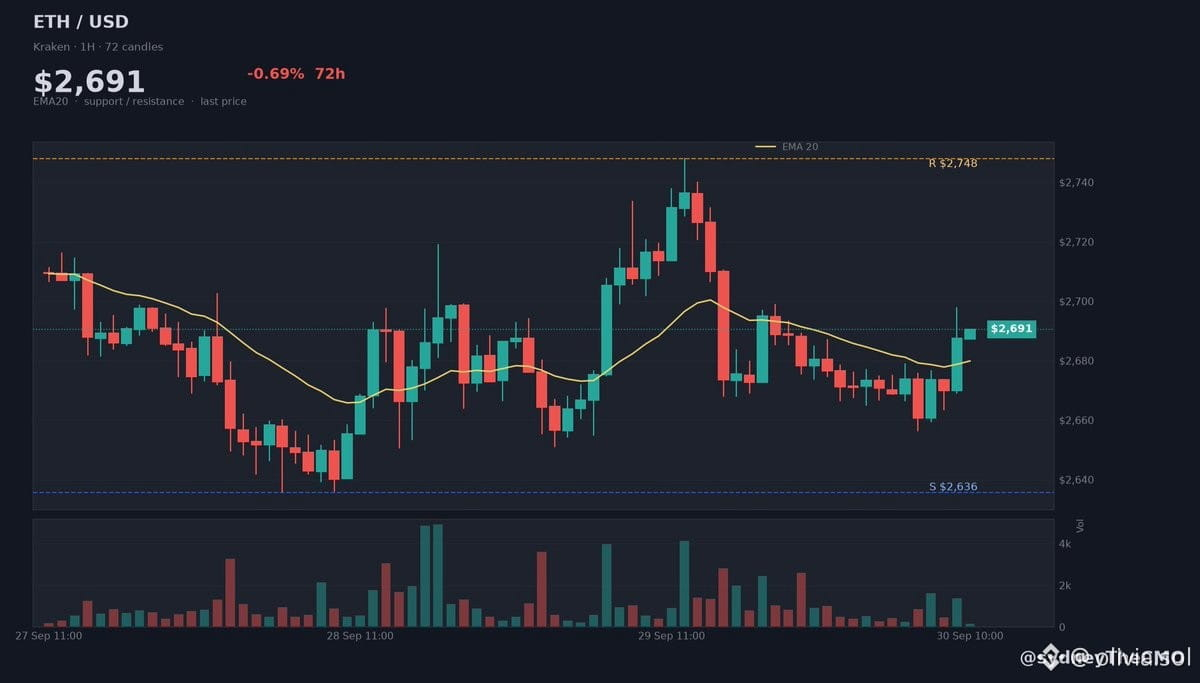
Burn fee? Irrelevant.
$2,690 is the line. That's where the entire thesis plays out.
Sellers are gassed. Liquidity is drying up.
Now we wait for the supply squeeze to kick in.
$ETH
Burn fee? Irrelevant.
$2,690 is the line. That's where the entire thesis plays out.
Sellers are gassed. Liquidity is drying up.
Now we wait for the supply squeeze to kick in.
$ETH
$2,690 is the line. That's where the entire thesis plays out.
Sellers are gassed. Liquidity is drying up.
Now we wait for the supply squeeze to kick in.
$ETH
28
·
--
O único motivo de eu ainda estar? As taxas de saída custam mais do que minhas bolsas estão sangrando.
Meu contador queria uma planilha de 400 páginas. Eu só mostrei pra ela o meu portfólio na tela. Ela nem piscou.
Bem-vindo ao mundo das criptos. Onde seu contador fica insensível mais rápido do que você.
$BTC
O único motivo de eu ainda estar? As taxas de saída custam mais do que minhas bolsas estão sangrando.
Meu contador queria uma planilha de 400 páginas. Eu só mostrei pra ela o meu portfólio na tela. Ela nem piscou.
Bem-vindo ao mundo das criptos. Onde seu contador fica insensível mais rápido do que você.
$BTC
Meu contador queria uma planilha de 400 páginas. Eu só mostrei pra ela o meu portfólio na tela. Ela nem piscou.
Bem-vindo ao mundo das criptos. Onde seu contador fica insensível mais rápido do que você.
$BTC
29
·
--
Montei minha posição em $BTC em 6,8, fiquei acordado até o amanhecer e fechei tudo em $82.500.
Sobrevivi a essa maratona, mas se continuar picotando assim, não sobra vantagem pra jogar.
Lucro garantido. Indo embora.
Montei minha posição em $BTC em 6,8, fiquei acordado até o amanhecer e fechei tudo em $82.500.
Sobrevivi a essa maratona, mas se continuar picotando assim, não sobra vantagem pra jogar.
Lucro garantido. Indo embora.
Sobrevivi a essa maratona, mas se continuar picotando assim, não sobra vantagem pra jogar.
Lucro garantido. Indo embora.
38
Inicia sessão para explorar mais conteúdos
Junta-te a utilizadores de criptomoedas de todo o mundo na Binance Square
⚡️ Obtém informações úteis e recentes sobre criptomoedas.
💬 Com a confiança da maior exchange de criptomoedas do mundo.
👍 Descobre perspetivas reais de criadores verificados.
E-mail/Número de telefone
Tópicos em Tendência
EtherGains70.9%InQ3
405 visualizações
43 a discutir
#EtherGains70.9%InQ3
A Ethereum entregou um desempenho forte no 3º trimestre, ganhando cerca de 70,9% e atraindo novamente a atenção de traders de cripto. O forte movimento trimestral destaca o aumento do ímpeto e do interesse do mercado em torno de $ETH .
Yahoo Finance +1
#ETH #Ethereum #Crypto #ETHUSDT💰
$ETH
Tayrish
·0 gostos
·1 visualizações
US10YearYieldNears5.3%
18,008 visualizações
270 a discutir
DollarIndexHitsHighestSinceMay2025
87 visualizações
18 a discutir