



An allowance is a spending boundary. When a token holder approves a contract, that approval gives a particular spender permission to move a particular token up to a stated amount. It is not the same operation as sending tokens immediately. Understanding this distinction helps explain why a wallet can show a successful approval even though the intended deposit has not happened yet. The approval and the deposit are separate steps.
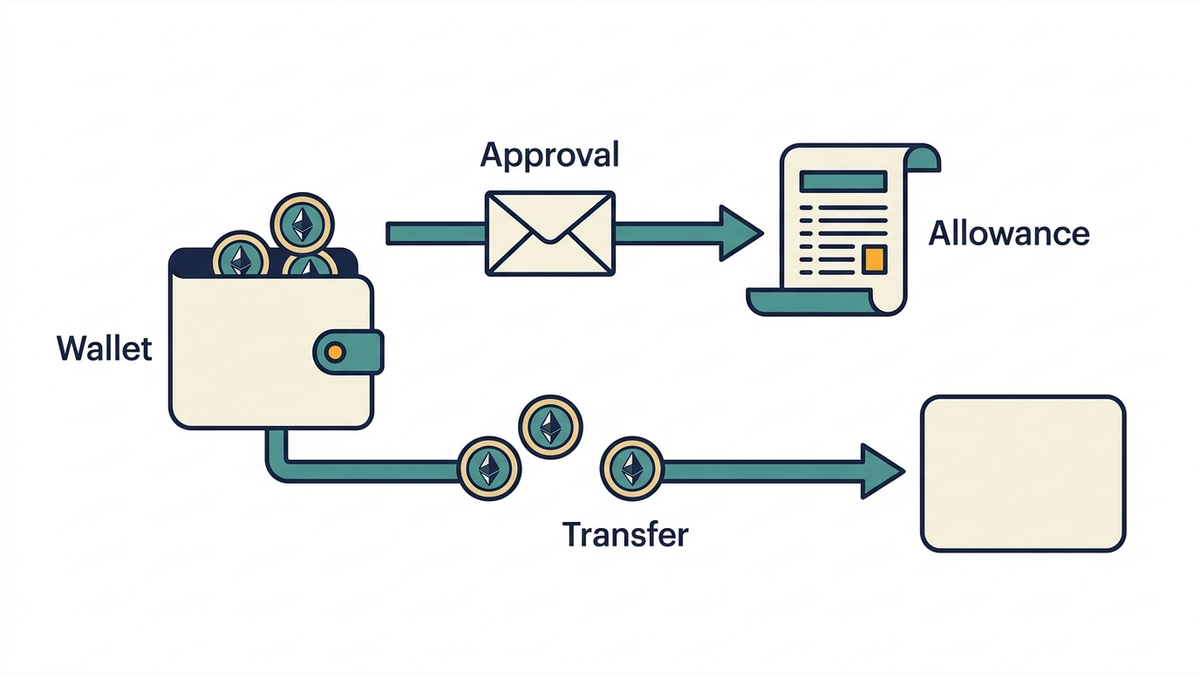
The spender address matters. A familiar project name on a page does not prove that the transaction grants permission to the intended contract. Before confirming, compare the network, token contract and spender with the project information you trust. A permission granted on one network does not automatically apply on another network. A mismatch can leave the intended deposit unavailable while an unrelated permission remains active.
The amount also matters. An approval can permit a small amount for a specific action or a much larger amount for future actions. A larger limit can reduce repeated approval transactions, but it also increases what that spender may access while the permission stays active. Choosing a limit should follow the intended use and the trust placed in that contract. Convenience does not remove the need to understand the scope.
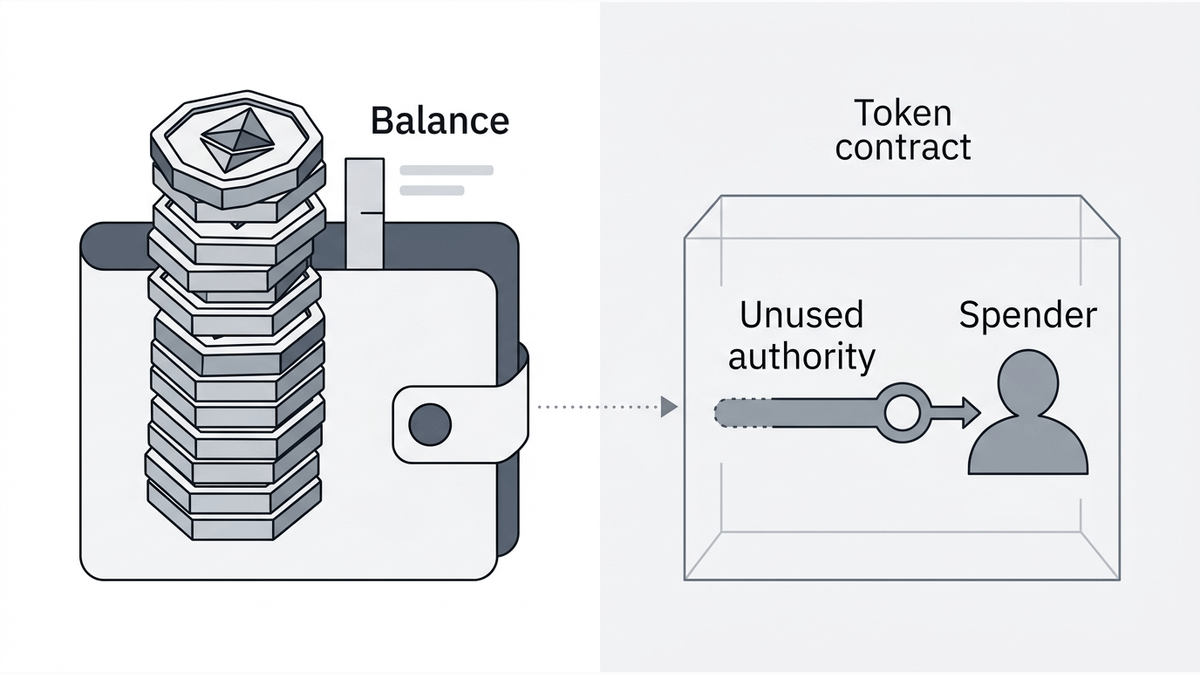
A failed deposit needs diagnosis. Check whether the approval was confirmed, whether the intended token balance is available and whether the requested amount exceeds the remaining allowance. Also check the network selected in the wallet and the address used by the deposit action. Repeating the same transaction without checking these details can waste fees. A successful approval alone is not proof that every condition for the next action is satisfied.
Review permissions after use. If a contract is no longer needed, a holder can consider reducing or revoking its token allowance through a trusted interface. Revoking an allowance changes future permission; it does not recover tokens already moved. The practical habit is to keep a record of what was approved, for which token, on which network and to which spender. This makes later review more precise than relying on a project logo or a remembered name.
