
When I look at Vanar, I do not see a project trying to win attention by shouting about speed or technical benchmarks that mostly impress crypto insiders. What stands out to me is that the chain seems built around a harder objective: helping normal users arrive, stay, and gradually become part of an onchain ecosystem without feeling like they stepped into unfamiliar territory.
The real challenge for Vanar is not explaining blockchain. I honestly think most people do not care about block explorers or consensus models. What brings users in is familiarity. Games, entertainment worlds, recognizable brands, meaningful collectibles, and exclusive experiences are what naturally attract attention. Adoption begins when people come for something they already enjoy, not when they are asked to learn new technology first.
Designing Around Where Users Already Spend Time
Vanar’s direction makes sense because it focuses on areas where mainstream audiences already exist. Consumer platforms rarely succeed by simply being better technology. They succeed by embedding infrastructure behind experiences people already want. If the goal is to onboard the next wave of users, then attention should start from moments that feel exciting and culturally relevant rather than tutorials about wallets.
A strong distribution approach begins with launches that feel like events. I imagine drops, collaborations, seasonal campaigns, or community milestones that people join because they look fun or socially meaningful. The experience does not need to announce that blockchain is involved. I believe the best onboarding happens when users participate first and only later realize ownership exists underneath.
Turning Attention Into Habit Instead of Hype
Capturing attention is easy compared to keeping it. I have seen many ecosystems succeed at creating noise but fail to create routine behavior. Vanar’s focus on entertainment and gaming gives it an advantage because those environments naturally encourage repeat engagement.
If users have reasons to come back regularly through evolving quests, timed rewards, collectible upgrades, gated experiences, or community unlocks, participation becomes a habit rather than a one time spike. When returning weekly feels natural, growth stops depending on constant promotion.
Making Onchain Interaction Feel Invisible
The conversion stage is where most projects lose people. Many users drop off not because they dislike blockchain but because the process feels confusing and unfamiliar. For distribution to work, the experience must feel as simple as Web2 products I already use every day.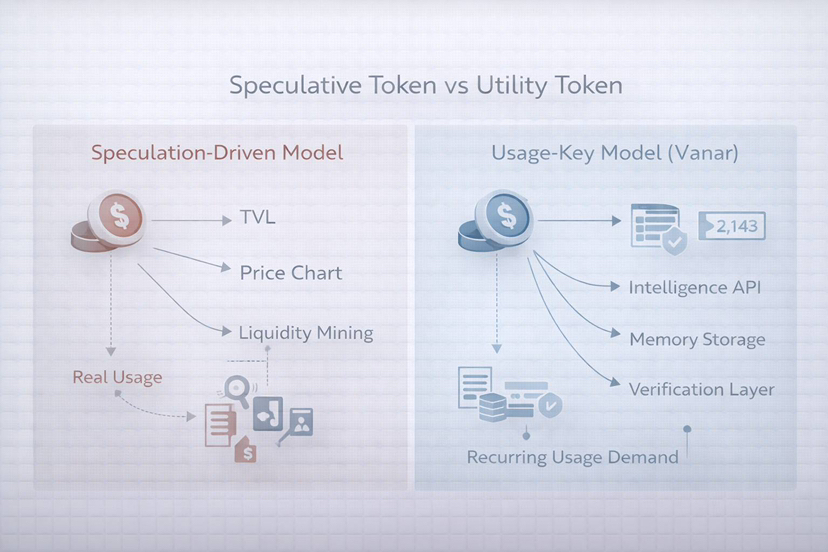
The ideal flow is straightforward. I click claim, play, or buy, and something immediately happens. Wallet creation and transaction execution should occur quietly in the background. Ownership should feel like a benefit I discover later instead of a concept I must understand beforehand. Invisible onboarding removes the friction that normally breaks user funnels.
Reducing Early Friction Through Hidden Infrastructure
I think Vanar’s approach works best when accounts or wallets appear naturally during early interaction, similar to creating an account on any mainstream app without thinking about it. As engagement grows, users can choose how deeply they want to explore ownership features.
If early costs are covered through sponsored transactions or simplified fees, users never face gas anxiety during their first experience. That moment matters because first impressions decide whether someone stays or leaves. Consumer adoption depends heavily on comfort during the first interaction.
Viewing Products as Connected Growth Pipelines
Another difference I notice is the idea of treating consumer products as pipelines rather than isolated applications. A pipeline continuously brings new users instead of relying on one successful launch. When products act as distribution channels, each event, update, or marketplace activity becomes another entry point.
Over time, launches, seasonal content, community growth, and partner activations create recurring waves of attention. At that stage, the ecosystem itself becomes the marketing engine because experiences attract users organically.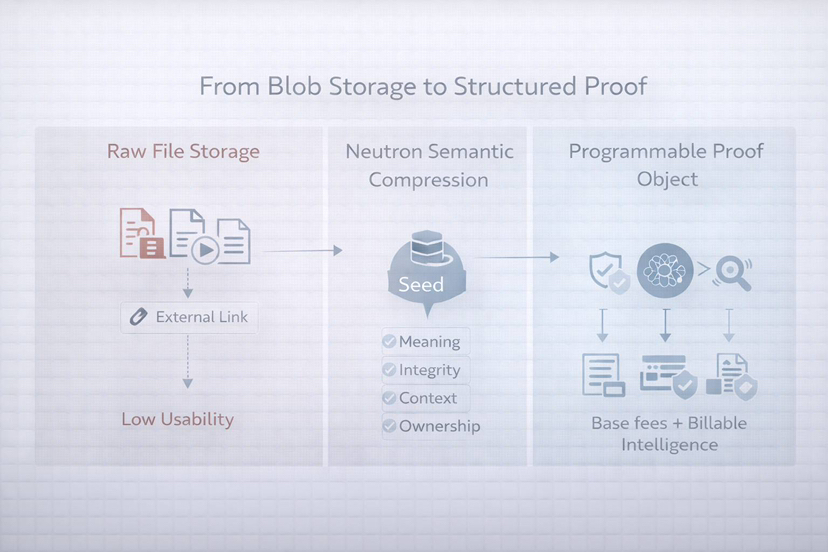
Retention as the Real Measure of Success
The point where this strategy succeeds or fails is retention. Many projects obsess over acquiring new users, yet returning users are far more valuable. Someone who already had a positive experience requires far less persuasion to come back.
Strong consumer ecosystems encourage daily or weekly engagement through progression systems that make accounts feel like they grow over time. Collectibles need purpose. When ownership unlocks access, speeds progress, grants status, or opens new experiences, participation becomes tied to identity. I return because the system feels connected to me personally.
Building Sustainability Through Activity Instead of Hype
Vanar’s long term opportunity comes from making activity itself economically sustainable. A network that supports recurring releases, active marketplaces, premium access layers, and predictable usage fees can grow through participation rather than price speculation.
Value emerges when users feel rewarded for engagement and partners have clear incentives to continue bringing new audiences into the ecosystem. Real adoption looks less like viral moments and more like consistent growth that compounds quietly.
Measuring Growth Like a Consumer Platform
If Vanar truly wants to reach mainstream audiences, success metrics must resemble those used by consumer businesses. Chain level vanity numbers do not show real adoption. What matters is how many signups become active users, how many return after thirty days, and whether engagement generates enough value to sustain continued growth.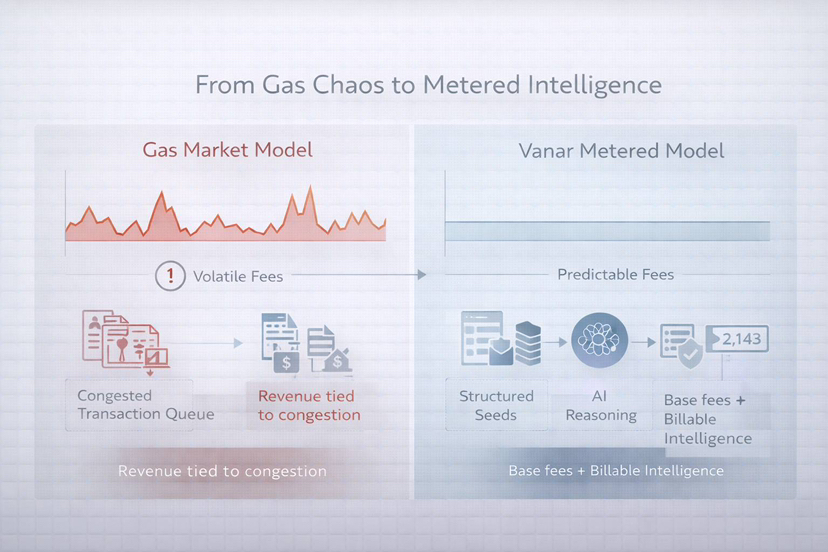
The real signal is whether partner driven traffic becomes a reliable channel instead of temporary marketing spikes. When inflow becomes predictable, distribution turns into an engine rather than a gamble.
A Chain Users Barely Notice
The most accurate way I describe Vanar’s potential is simple. It could become a network users barely realize they are using. The experience feels smooth, rewards feel meaningful, progression feels natural, and ownership blends into activities people already enjoy.
In that scenario, distribution becomes a system. Culture attracts attention, repeated experiences build engagement, and seamless conversion turns curiosity into long term participation. If Vanar executes this pipeline successfully, mass adoption stops being an abstract goal and becomes something measurable, repeatable, and continuously improvable.
