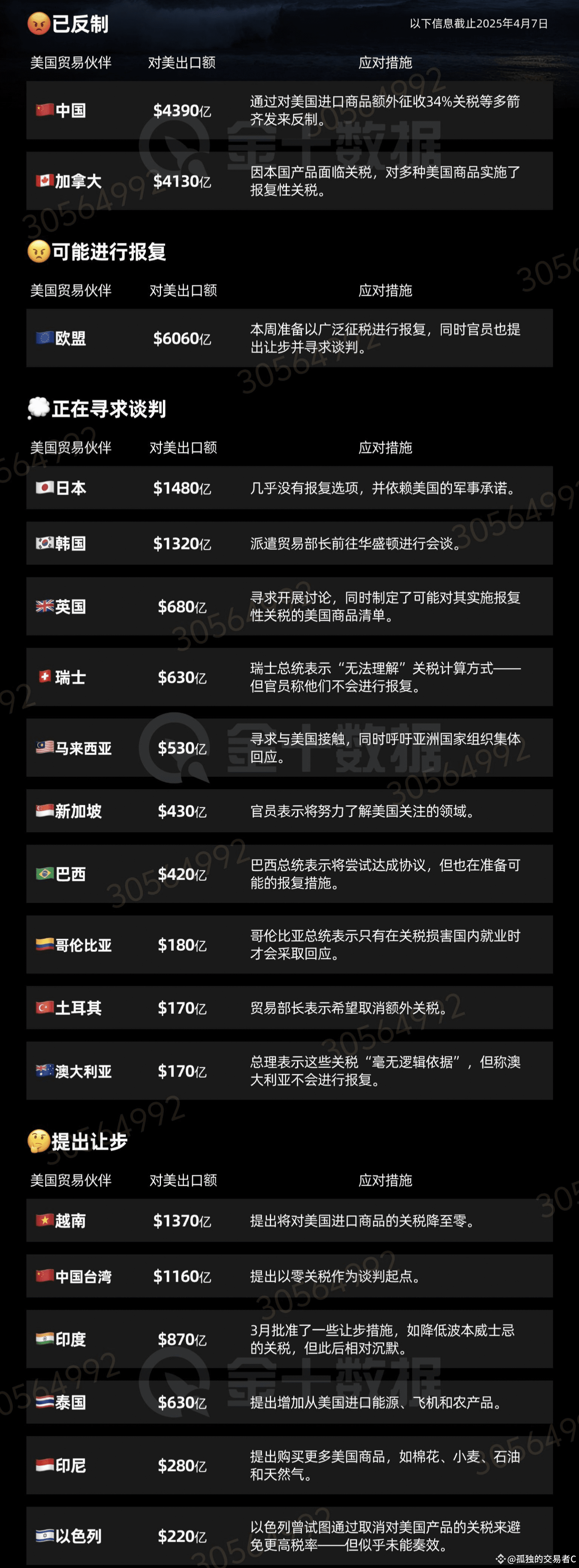
#美国加征关税
The impact of tariffs on the macroeconomy transmitted to the cryptocurrency sector
Inflation and tightening monetary policy
Tariffs drive up import prices: Increased tariffs may exacerbate imported inflation (such as rising energy and raw material costs), forcing central banks like the Federal Reserve to maintain a tight monetary policy (interest rate hikes/asset reductions).
Negative for cryptocurrency: Historical experience indicates that risk assets (such as cryptocurrencies and stocks) often face pressure during interest rate hike cycles, with funds flowing into safe-haven assets like the US dollar and US Treasuries.
Fluctuations in US dollar credit
Tariffs weaken US dollar hegemony: Long-term abuse of tariffs may accelerate global 'de-dollarization', with some countries turning to local currency settlements or digital currencies, indirectly benefiting cryptocurrencies (such as Bitcoin being seen as a 'digital gold' alternative to US dollar reserves).
Short-term volatility intensifies: Trade frictions caused by tariffs will increase fluctuations in the US dollar exchange rate, while cryptocurrency prices often show a negative correlation with the US dollar index.
Supply chain disruptions and recession risks
Decline in corporate profits: Tariffs elevate corporate costs, and if they trigger a global economic recession, the high-risk appetite cryptocurrency market may face sell-offs.
Divergence in safe-haven demand: Some funds may flow into cryptocurrencies to hedge against fiat currency depreciation, but most retail and institutional investors still prefer to hold cash or gold.
The impact of tariffs on the macroeconomy transmitted to the cryptocurrency sector
Inflation and tightening monetary policy
Tariffs drive up import prices: Increased tariffs may exacerbate imported inflation (such as rising energy and raw material costs), forcing central banks like the Federal Reserve to maintain a tight monetary policy (interest rate hikes/asset reductions).
Negative for cryptocurrency: Historical experience indicates that risk assets (such as cryptocurrencies and stocks) often face pressure during interest rate hike cycles, with funds flowing into safe-haven assets like the US dollar and US Treasuries.
Fluctuations in US dollar credit
Tariffs weaken US dollar hegemony: Long-term abuse of tariffs may accelerate global 'de-dollarization', with some countries turning to local currency settlements or digital currencies, indirectly benefiting cryptocurrencies (such as Bitcoin being seen as a 'digital gold' alternative to US dollar reserves).
Short-term volatility intensifies: Trade frictions caused by tariffs will increase fluctuations in the US dollar exchange rate, while cryptocurrency prices often show a negative correlation with the US dollar index.
Supply chain disruptions and recession risks
Decline in corporate profits: Tariffs elevate corporate costs, and if they trigger a global economic recession, the high-risk appetite cryptocurrency market may face sell-offs.
Divergence in safe-haven demand: Some funds may flow into cryptocurrencies to hedge against fiat currency depreciation, but most retail and institutional investors still prefer to hold cash or gold.