
#forupdate
forupdate
139,129 visualizações
271 a discutir
Popular
Mais recente


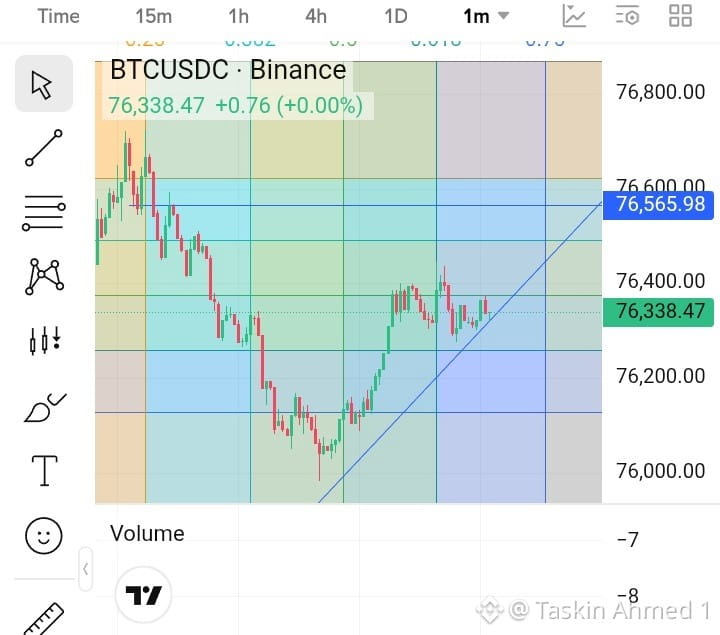

🚨🚨🚨 **O MERCADO DE CRIPTOS DE HOJE ESTÁ FICANDO INTERESSANTE!**
Enquanto o **$BTC** enfrenta pressão na região de **US$ 75K–US$ 76K**, o **$ZEC** está mostrando um impulso visivelmente mais forte. 🔥
O recente aumento da taxa de juros do Fed está mantendo todo o mercado cripto volátil, mas o ZEC ainda está atraindo atenção séria. 👀
Então aqui vai a grande pergunta:
**O $ZEC consegue continuar superando o $BTC, ou o mercado mais amplo vai puxá-lo para baixo?**
🟢 **ZEC**
🔴 **BTC**
Qual deles você está acompanhando hoje? 👇
#ZEC #BTC #Zcash #Crypto #BinanceSquare #forupdate
{spot}(ZECUSDT)
{spot}(BTCUSDT)
🚨🚨🚨 **O MERCADO DE CRIPTOS DE HOJE ESTÁ FICANDO INTERESSANTE!**
Enquanto o **$BTC** enfrenta pressão na região de **US$ 75K–US$ 76K**, o **$ZEC** está mostrando um impulso visivelmente mais forte. 🔥
O recente aumento da taxa de juros do Fed está mantendo todo o mercado cripto volátil, mas o ZEC ainda está atraindo atenção séria. 👀
Então aqui vai a grande pergunta:
**O $ZEC consegue continuar superando o $BTC, ou o mercado mais amplo vai puxá-lo para baixo?**
🟢 **ZEC**
🔴 **BTC**
Qual deles você está acompanhando hoje? 👇
#ZEC #BTC #Zcash #Crypto #BinanceSquare #forupdate
Enquanto o **$BTC** enfrenta pressão na região de **US$ 75K–US$ 76K**, o **$ZEC** está mostrando um impulso visivelmente mais forte. 🔥
O recente aumento da taxa de juros do Fed está mantendo todo o mercado cripto volátil, mas o ZEC ainda está atraindo atenção séria. 👀
Então aqui vai a grande pergunta:
**O $ZEC consegue continuar superando o $BTC, ou o mercado mais amplo vai puxá-lo para baixo?**
🟢 **ZEC**
🔴 **BTC**
Qual deles você está acompanhando hoje? 👇
#ZEC #BTC #Zcash #Crypto #BinanceSquare #forupdate
171
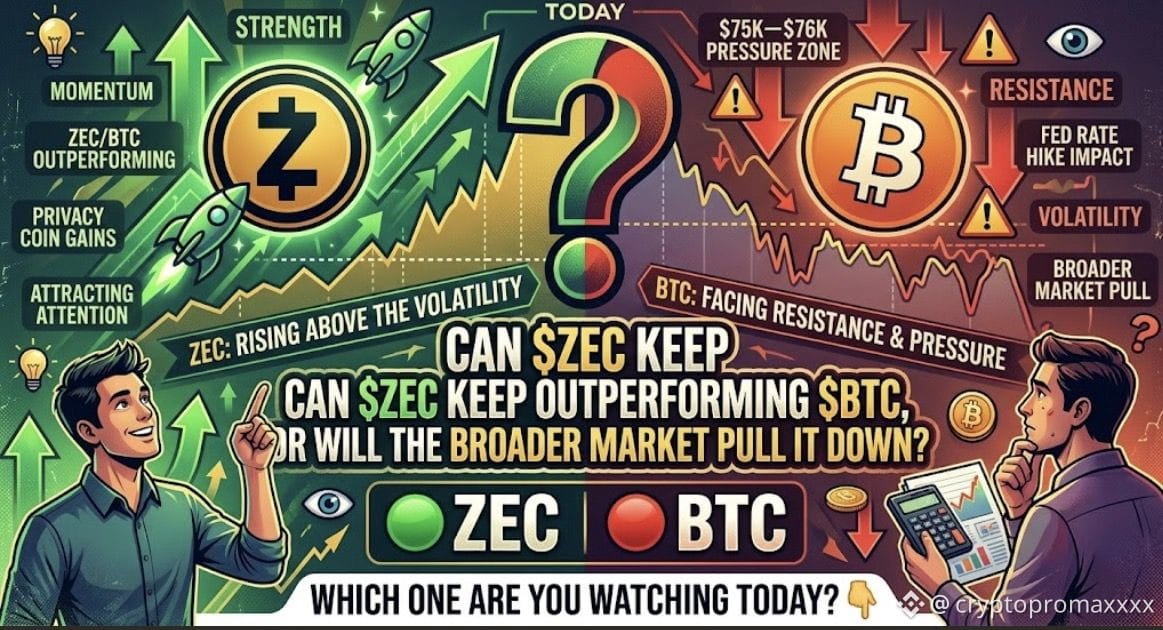
**$SNDK IS TESTING SUPPORT AGAIN 👀**
$SNDK voltou para uma zona anterior de estabilização, onde os compradores entraram antes. A estrutura sofreu alguns danos, então este novo teste é uma etapa importante.
🟢 **Se os compradores defenderem esta área:** pode se desenvolver um cenário de repique.
🔴 **Se o suporte falhar:** a pressão de queda pode continuar.
Estou observando a reação de perto, em vez de perseguir o movimento cegamente. 😏
🔥 **$SNDK vai dar um repique aqui, ou vai romper o suporte novamente?**
#forupdate
{stock_us}(SNDK.US)
**$SNDK IS TESTING SUPPORT AGAIN 👀**
$SNDK voltou para uma zona anterior de estabilização, onde os compradores entraram antes. A estrutura sofreu alguns danos, então este novo teste é uma etapa importante.
🟢 **Se os compradores defenderem esta área:** pode se desenvolver um cenário de repique.
🔴 **Se o suporte falhar:** a pressão de queda pode continuar.
Estou observando a reação de perto, em vez de perseguir o movimento cegamente. 😏
🔥 **$SNDK vai dar um repique aqui, ou vai romper o suporte novamente?**
#forupdate
$SNDK voltou para uma zona anterior de estabilização, onde os compradores entraram antes. A estrutura sofreu alguns danos, então este novo teste é uma etapa importante.
🟢 **Se os compradores defenderem esta área:** pode se desenvolver um cenário de repique.
🔴 **Se o suporte falhar:** a pressão de queda pode continuar.
Estou observando a reação de perto, em vez de perseguir o movimento cegamente. 😏
🔥 **$SNDK vai dar um repique aqui, ou vai romper o suporte novamente?**
#forupdate
SNDK-0,18%
SNDKUS+11,12%
341

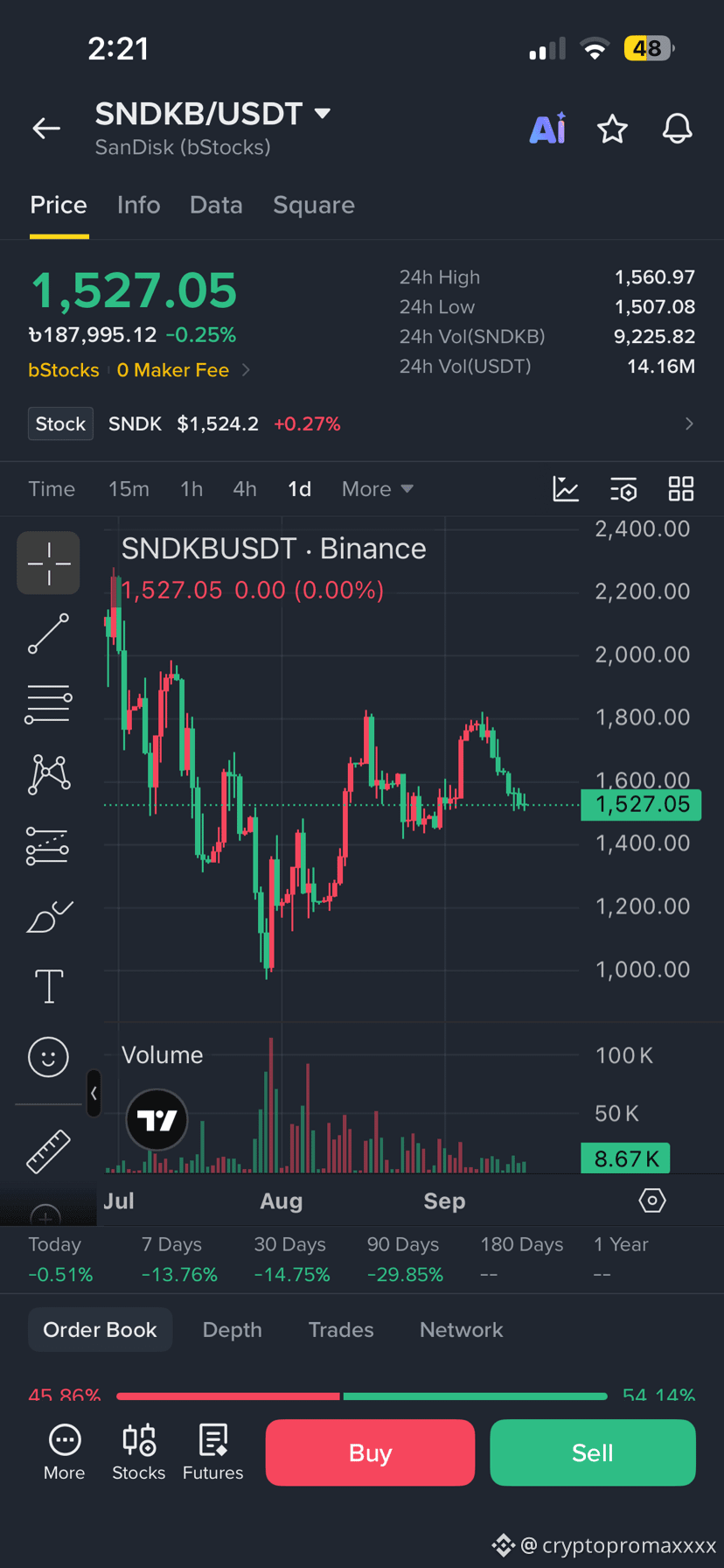
🚨 Alerta do Mercado Cripto:$XRP O que acontece a seguir? O Bitcoin está sob pressão, enquanto o XRP teve uma queda acentuada após a Lei CLARITY não ter avançado. Com a decisão do Fed de hoje, os mercados de cripto podem enfrentar maior volatilidade. Os traders estão acompanhando de perto a reação do BTC para o próximo grande movimento. Faça sua própria pesquisa (DYOR).#FedRateWatch #forupdate
🚨 Alerta do Mercado Cripto:$XRP O que acontece a seguir? O Bitcoin está sob pressão, enquanto o XRP teve uma queda acentuada após a Lei CLARITY não ter avançado. Com a decisão do Fed de hoje, os mercados de cripto podem enfrentar maior volatilidade. Os traders estão acompanhando de perto a reação do BTC para o próximo grande movimento. Faça sua própria pesquisa (DYOR).#FedRateWatch #forupdate
104


·
--
249

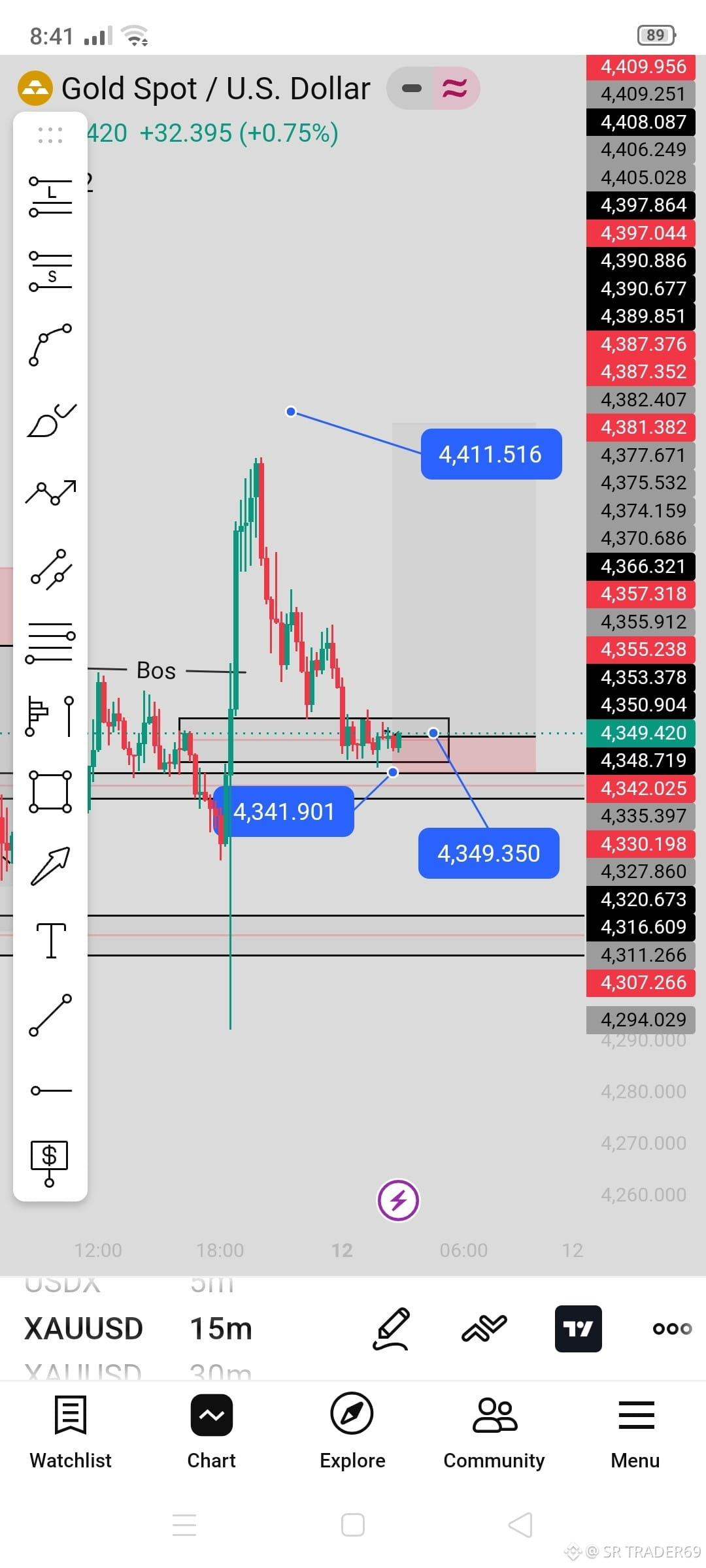
🔥 MINHA ESTRATÉGIA DE TRADING COM BITCOIN
Eu não corro atrás de “pumps”. Eu espero a confirmação. 📊
Minha estratégia básica:
1️⃣ Identificar a tendência do mercado
2️⃣ Marcar suportes & resistências-chave
3️⃣ Esperar por uma ruptura (breakout) ou rejeição
4️⃣ Confirmar com volume de negociações
5️⃣ Definir um stop-loss claro
6️⃣ Realizar o take profit gradualmente
7️⃣ Nunca arriscar demais em uma única operação
💡 O objetivo não é vencer todas as operações.
O objetivo é proteger o capital e manter consistência.
Você prefere:
📈 Trading à Vista (Spot)
⚡ Trading de Futuros
💰 DCA
Comente abaixo 👇
#Bitcoin #BTC #Crypto #TradingStrategy #BinanceSquare #DYOR
$BTC #forupdate
🔥 MINHA ESTRATÉGIA DE TRADING COM BITCOIN
Eu não corro atrás de “pumps”. Eu espero a confirmação. 📊
Minha estratégia básica:
1️⃣ Identificar a tendência do mercado
2️⃣ Marcar suportes & resistências-chave
3️⃣ Esperar por uma ruptura (breakout) ou rejeição
4️⃣ Confirmar com volume de negociações
5️⃣ Definir um stop-loss claro
6️⃣ Realizar o take profit gradualmente
7️⃣ Nunca arriscar demais em uma única operação
💡 O objetivo não é vencer todas as operações.
O objetivo é proteger o capital e manter consistência.
Você prefere:
📈 Trading à Vista (Spot)
⚡ Trading de Futuros
💰 DCA
Comente abaixo 👇
#Bitcoin #BTC #Crypto #TradingStrategy #BinanceSquare #DYOR
$BTC #forupdate
Eu não corro atrás de “pumps”. Eu espero a confirmação. 📊
Minha estratégia básica:
1️⃣ Identificar a tendência do mercado
2️⃣ Marcar suportes & resistências-chave
3️⃣ Esperar por uma ruptura (breakout) ou rejeição
4️⃣ Confirmar com volume de negociações
5️⃣ Definir um stop-loss claro
6️⃣ Realizar o take profit gradualmente
7️⃣ Nunca arriscar demais em uma única operação
💡 O objetivo não é vencer todas as operações.
O objetivo é proteger o capital e manter consistência.
Você prefere:
📈 Trading à Vista (Spot)
⚡ Trading de Futuros
💰 DCA
Comente abaixo 👇
#Bitcoin #BTC #Crypto #TradingStrategy #BinanceSquare #DYOR
$BTC #forupdate
35

·
--
Em Alta
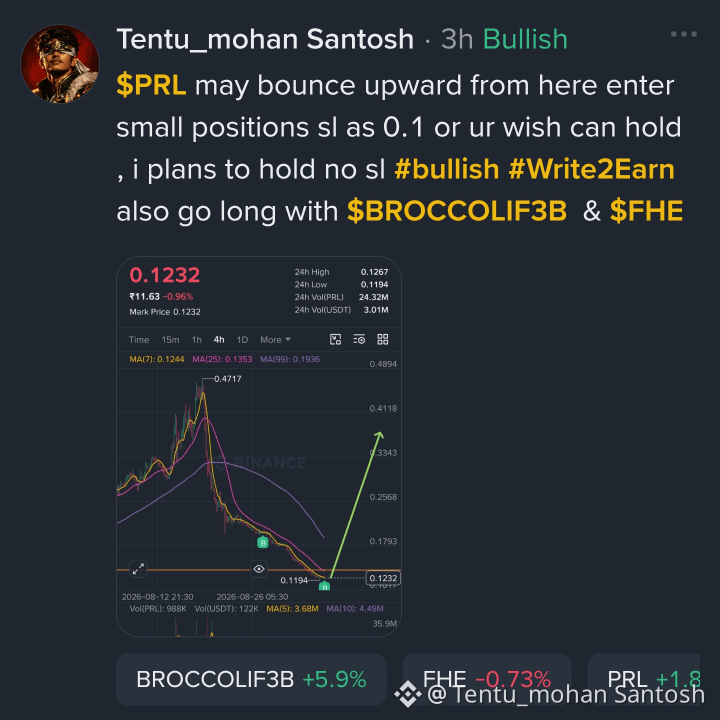
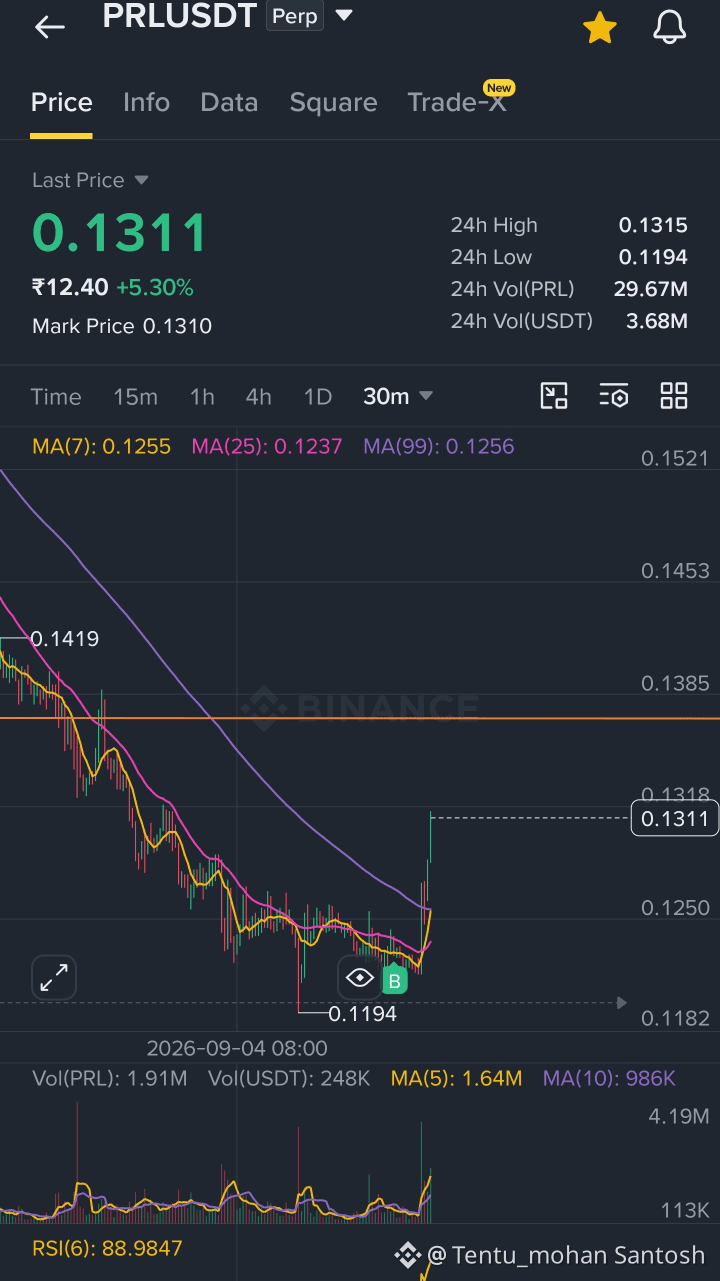
$PRL acerto perfeito 🥵🔥 espero que consigamos atingir uma nova máxima histórica com esta corrida de alta ! também vendido com posição pequena $MARSCOIN & comprado $FHE #bullish #Write2Earn #forupdate
{future}(PRLUSDT)
{future}(BROCCOLIF3BUSDT)
{future}(FHEUSDT)
$PRL acerto perfeito 🥵🔥 espero que consigamos atingir uma nova máxima histórica com esta corrida de alta ! também vendido com posição pequena $MARSCOIN & comprado $FHE #bullish #Write2Earn #forupdate
1
453

·
--
🥇 $BNB — ALERTA DE MOMENTUM 🚀
🔥 $BNB : ~$722
📈 Touros mostrando força
🎯 $725–$740 próxima zona
⚠️ Sobrecomprado — possível pullback
🥈 $BTC — TESTE DE BREAKOUT 👀
₿ BTC: ~$81K
🎯 $82,8K resistência-chave
🚀 Acima disso = upside mais forte
📉 Rejeição = risco de pullback
BNB liderando. BTC aguardando o breakout. 🔥
#BNB #BTC #Crypto #Binance#TrenddingTopic #viralpost #forupdate
{spot}(BTCUSDT)
🥇 $BNB — ALERTA DE MOMENTUM 🚀
🔥 $BNB : ~$722
📈 Touros mostrando força
🎯 $725–$740 próxima zona
⚠️ Sobrecomprado — possível pullback
🥈 $BTC — TESTE DE BREAKOUT 👀
₿ BTC: ~$81K
🎯 $82,8K resistência-chave
🚀 Acima disso = upside mais forte
📉 Rejeição = risco de pullback
BNB liderando. BTC aguardando o breakout. 🔥
#BNB #BTC #Crypto #Binance#TrenddingTopic #viralpost #forupdate
🔥 $BNB : ~$722
📈 Touros mostrando força
🎯 $725–$740 próxima zona
⚠️ Sobrecomprado — possível pullback
🥈 $BTC — TESTE DE BREAKOUT 👀
₿ BTC: ~$81K
🎯 $82,8K resistência-chave
🚀 Acima disso = upside mais forte
📉 Rejeição = risco de pullback
BNB liderando. BTC aguardando o breakout. 🔥
#BNB #BTC #Crypto #Binance#TrenddingTopic #viralpost #forupdate

76
·
--
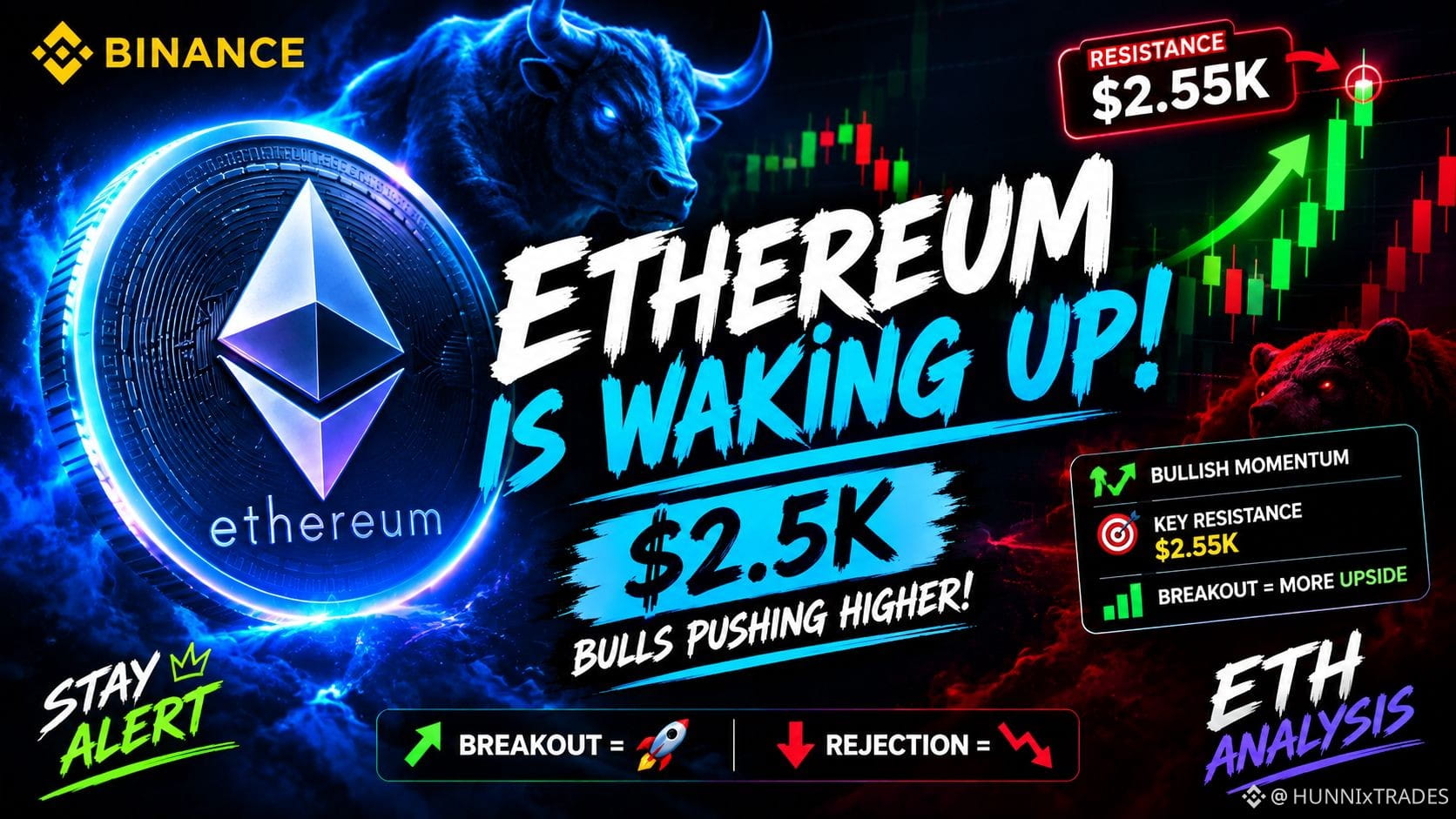
🚨 $ETH ESTÁ ACORDANDO!
♦️ $ETH : ~$2,5K 🔥
📈 Os touros estão empurrando para cima após a recuperação recente.
🎯 US$ 2,55K = resistência-chave — um rompimento pode trazer mais impulso.
Rompimento 🚀 | Rejeição 📉
#ETH #Ethereum #Crypto #Binance #Viralmyfeed #forupdate #TrendingPredictions
{spot}(ETHUSDT)
🚨 $ETH ESTÁ ACORDANDO!
♦️ $ETH : ~$2,5K 🔥
📈 Os touros estão empurrando para cima após a recuperação recente.
🎯 US$ 2,55K = resistência-chave — um rompimento pode trazer mais impulso.
Rompimento 🚀 | Rejeição 📉
#ETH #Ethereum #Crypto #Binance #Viralmyfeed #forupdate #TrendingPredictions
♦️ $ETH : ~$2,5K 🔥
📈 Os touros estão empurrando para cima após a recuperação recente.
🎯 US$ 2,55K = resistência-chave — um rompimento pode trazer mais impulso.
Rompimento 🚀 | Rejeição 📉
#ETH #Ethereum #Crypto #Binance #Viralmyfeed #forupdate #TrendingPredictions
75
·
--
🚨 $BTC & $ETH ESTÃO SE MOVENDO!
₿ BTC: US$ 81K — Os Bulls voltaram 🔥
♦️ ETH: ~US$ 2,4K — Seguindo o momentum 👀
🎯 Resistência do BTC: US$ 82,8K
Romper = 🚀 | Rejeição = 📉
#BTC #ETH #Crypto #BinanceHerYerde #forupdate #ViralTopic
🚨 $BTC & $ETH ESTÃO SE MOVENDO!
₿ BTC: US$ 81K — Os Bulls voltaram 🔥
♦️ ETH: ~US$ 2,4K — Seguindo o momentum 👀
🎯 Resistência do BTC: US$ 82,8K
Romper = 🚀 | Rejeição = 📉
#BTC #ETH #Crypto #BinanceHerYerde #forupdate #ViralTopic
₿ BTC: US$ 81K — Os Bulls voltaram 🔥
♦️ ETH: ~US$ 2,4K — Seguindo o momentum 👀
🎯 Resistência do BTC: US$ 82,8K
Romper = 🚀 | Rejeição = 📉
#BTC #ETH #Crypto #BinanceHerYerde #forupdate #ViralTopic

110
·
--
Em Baixa

50
De Umer crypto trading
1
192

#forall #forupdate #forlongterm
$PEPE
O PEPE mostrou uma forte recuperação a partir da faixa de US$ 0.00000257–US$ 0.00000260 em meados de agosto. Os dados históricos mais recentes da CoinGecko indicam um fechamento em torno de US$ 0.00000386 em 26 de agosto, com capitalização de mercado de aproximadamente US$ 1,62 bilhão e volume diário recente na faixa de US$ 266 milhões–US$ 464 milhões.
A recuperação de agosto do PEPE é impressionante, mas a zona de US$ 0.00000400–US$ 0.00000412 é o teste principal. Uma ruptura com volume poderia reacender a alta das memecoins; uma rejeição ali poderia enviar o PEPE de volta em direção a US$ 0.00000320–US$ 0.00000350.
{spot}(PEPEUSDT)
#forall #forupdate #forlongterm
$PEPE
O PEPE mostrou uma forte recuperação a partir da faixa de US$ 0.00000257–US$ 0.00000260 em meados de agosto. Os dados históricos mais recentes da CoinGecko indicam um fechamento em torno de US$ 0.00000386 em 26 de agosto, com capitalização de mercado de aproximadamente US$ 1,62 bilhão e volume diário recente na faixa de US$ 266 milhões–US$ 464 milhões.
A recuperação de agosto do PEPE é impressionante, mas a zona de US$ 0.00000400–US$ 0.00000412 é o teste principal. Uma ruptura com volume poderia reacender a alta das memecoins; uma rejeição ali poderia enviar o PEPE de volta em direção a US$ 0.00000320–US$ 0.00000350.
$PEPE
O PEPE mostrou uma forte recuperação a partir da faixa de US$ 0.00000257–US$ 0.00000260 em meados de agosto. Os dados históricos mais recentes da CoinGecko indicam um fechamento em torno de US$ 0.00000386 em 26 de agosto, com capitalização de mercado de aproximadamente US$ 1,62 bilhão e volume diário recente na faixa de US$ 266 milhões–US$ 464 milhões.
A recuperação de agosto do PEPE é impressionante, mas a zona de US$ 0.00000400–US$ 0.00000412 é o teste principal. Uma ruptura com volume poderia reacender a alta das memecoins; uma rejeição ali poderia enviar o PEPE de volta em direção a US$ 0.00000320–US$ 0.00000350.
42
·
--
Em Alta
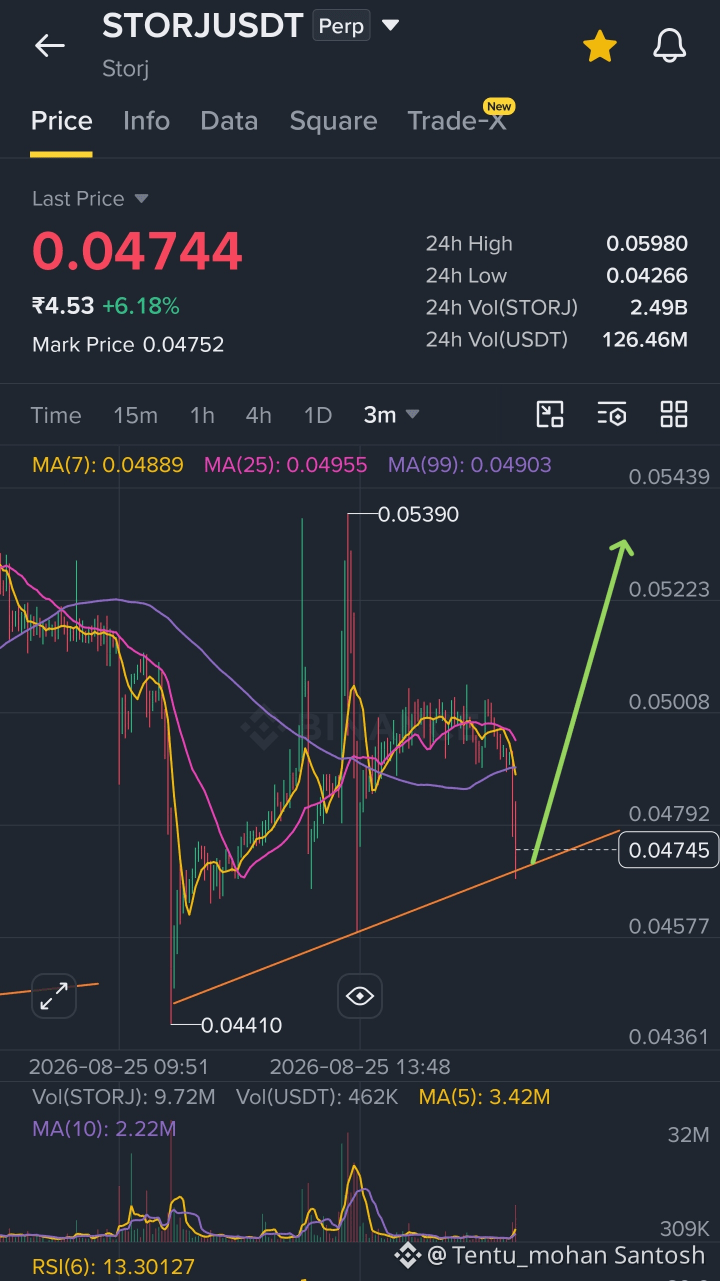
$STORJ no risk no reward dyor 90% chance to pull upward ⬆️ #bullish #Write2Earn #forupdate $SIREN $KOMA
{future}(STORJUSDT)
{future}(SIRENUSDT)
{future}(SAPIENUSDT)
$STORJ no risk no reward dyor 90% chance to pull upward ⬆️ #bullish #Write2Earn #forupdate $SIREN $KOMA
1
661

·
--
Em Alta
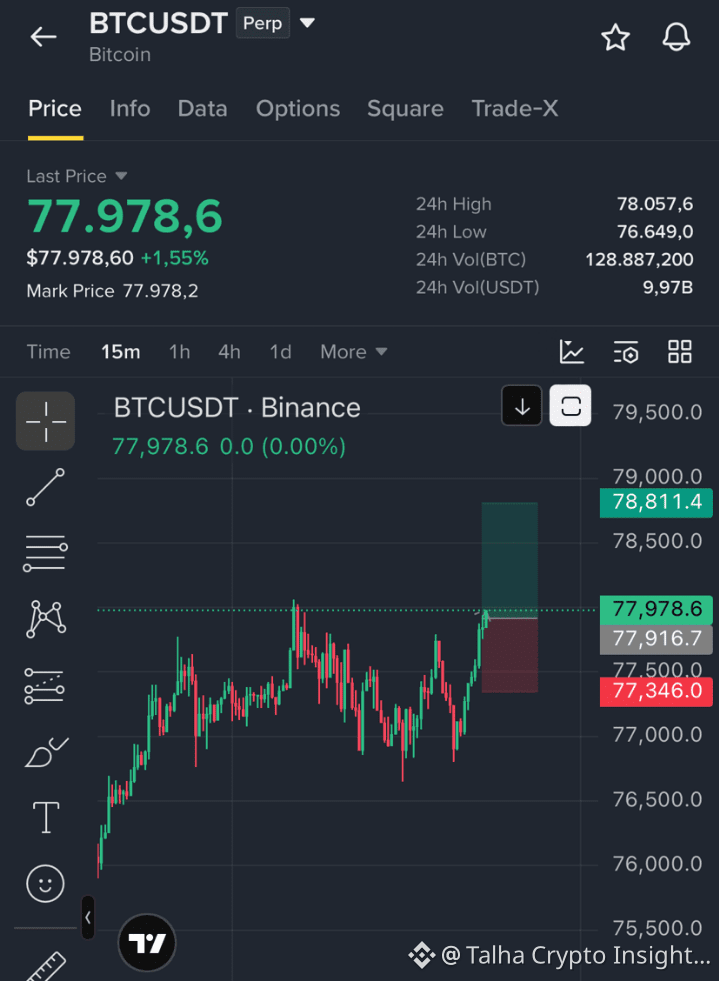
🚀 $BTC LONG SETUP — AÍ VAMOS DE NOVO! 🔥
Prestemos atenção 👀 $BTC está oferecendo mais uma longa oportunidade. Se os compradores mantiverem o ritmo forte, podemos ver um movimento em direção às metas ainda esta noite 📈
🎯 Entrada: 77.500–77.990
🛑 SL: 77.200
💰 TP: 78.500–78.800
Mantenha a disciplina, gerencie seu risco e não corra atrás do movimento às cegas. Vamos ver o que o BTC faz! 💪🔥
Long $BTC
{future}(BTCUSDT)
#forupdate #BTC
🚀 $BTC LONG SETUP — AÍ VAMOS DE NOVO! 🔥
Prestemos atenção 👀 $BTC está oferecendo mais uma longa oportunidade. Se os compradores mantiverem o ritmo forte, podemos ver um movimento em direção às metas ainda esta noite 📈
🎯 Entrada: 77.500–77.990
🛑 SL: 77.200
💰 TP: 78.500–78.800
Mantenha a disciplina, gerencie seu risco e não corra atrás do movimento às cegas. Vamos ver o que o BTC faz! 💪🔥
Long $BTC
#forupdate #BTC
Prestemos atenção 👀 $BTC está oferecendo mais uma longa oportunidade. Se os compradores mantiverem o ritmo forte, podemos ver um movimento em direção às metas ainda esta noite 📈
🎯 Entrada: 77.500–77.990
🛑 SL: 77.200
💰 TP: 78.500–78.800
Mantenha a disciplina, gerencie seu risco e não corra atrás do movimento às cegas. Vamos ver o que o BTC faz! 💪🔥
Long $BTC
#forupdate #BTC
40
·
--
Artigo
ALBRH: Será uma das surpresas do próximo ciclo de mercado, no meio da corrida das novas moedas?$ALB.US Um dos nomes que pode merecer entrar no radar nesta fase, mas como qualquer projeto novo, a decisão final continua ligada ao que ele realmente entregará no mercado#crypto .Se houver uma verdadeira tração, ela pode deixar de ser apenas um nome novo e se tornar uma moeda sobre a qual as pessoas estão falando.Mas, se faltarem apoio e liquidez, ela seguirá sendo apenas uma parada passageira.A oportunidade vem do fato de que entrar cedo pode oferecer vantagem se o projeto conseguir construir uma tração real.
ALBRH: Será uma das surpresas do próximo ciclo de mercado, no meio da corrida das novas moedas?
$ALB.US Um dos nomes que pode merecer entrar no radar nesta fase, mas como qualquer projeto novo, a decisão final continua ligada ao que ele realmente entregará no mercado#crypto .Se houver uma verdadeira tração, ela pode deixar de ser apenas um nome novo e se tornar uma moeda sobre a qual as pessoas estão falando.Mas, se faltarem apoio e liquidez, ela seguirá sendo apenas uma parada passageira.A oportunidade vem do fato de que entrar cedo pode oferecer vantagem se o projeto conseguir construir uma tração real.
ALBUS-3,61%
92
·
--
Em Alta
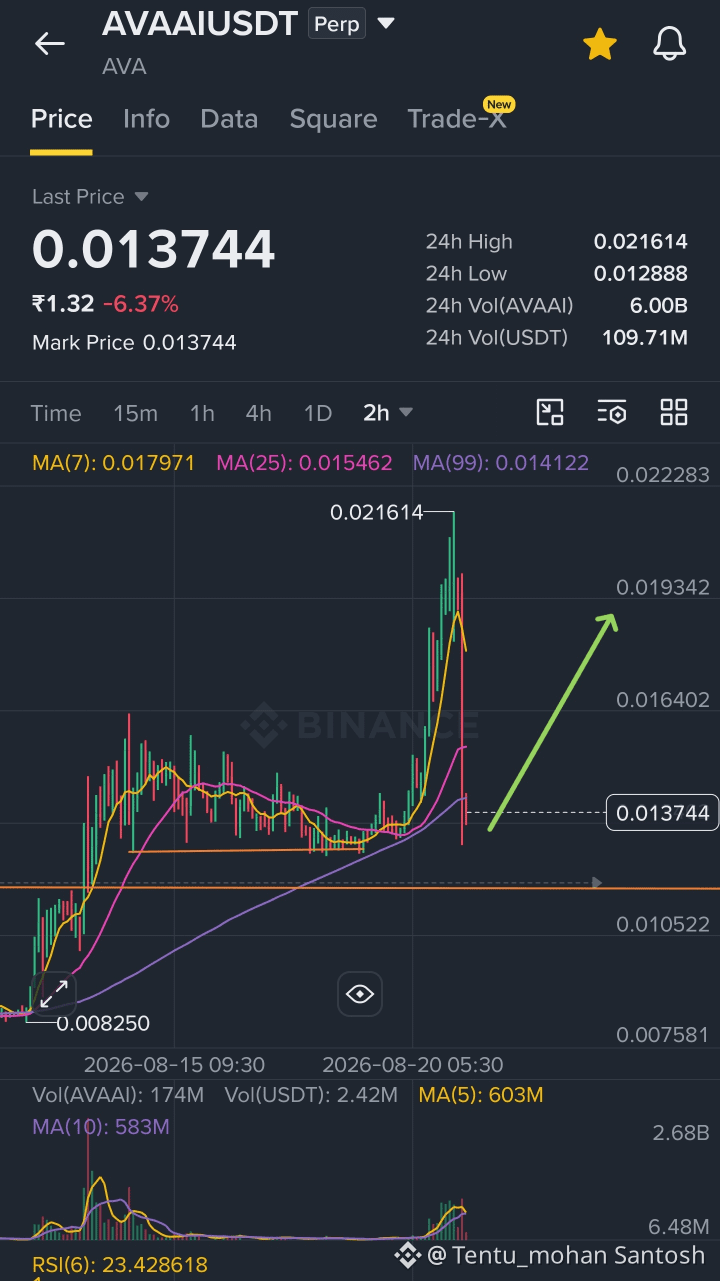
$AVAAI go long porque está estabilizando o preço perto da zona de oferta. Próximo alvo 🎯 é 0.03+ faça sua própria pesquisa (dyor). #bullish #Write2Earn #forupdate também vá comprado com $FHE parece estar em alta com volumes altos no dia.
& $SWARMS
{future}(AVAAIUSDT)
{future}(BROCCOLIF3BUSDT)
{future}(PIPPINUSDT)
$AVAAI go long porque está estabilizando o preço perto da zona de oferta. Próximo alvo 🎯 é 0.03+ faça sua própria pesquisa (dyor). #bullish #Write2Earn #forupdate também vá comprado com $FHE parece estar em alta com volumes altos no dia.
& $SWARMS
& $SWARMS
User-13f24分复古纯纯粹粹付出才行:
你会的话。早发财了
1
1
919
·
--
Em Alta
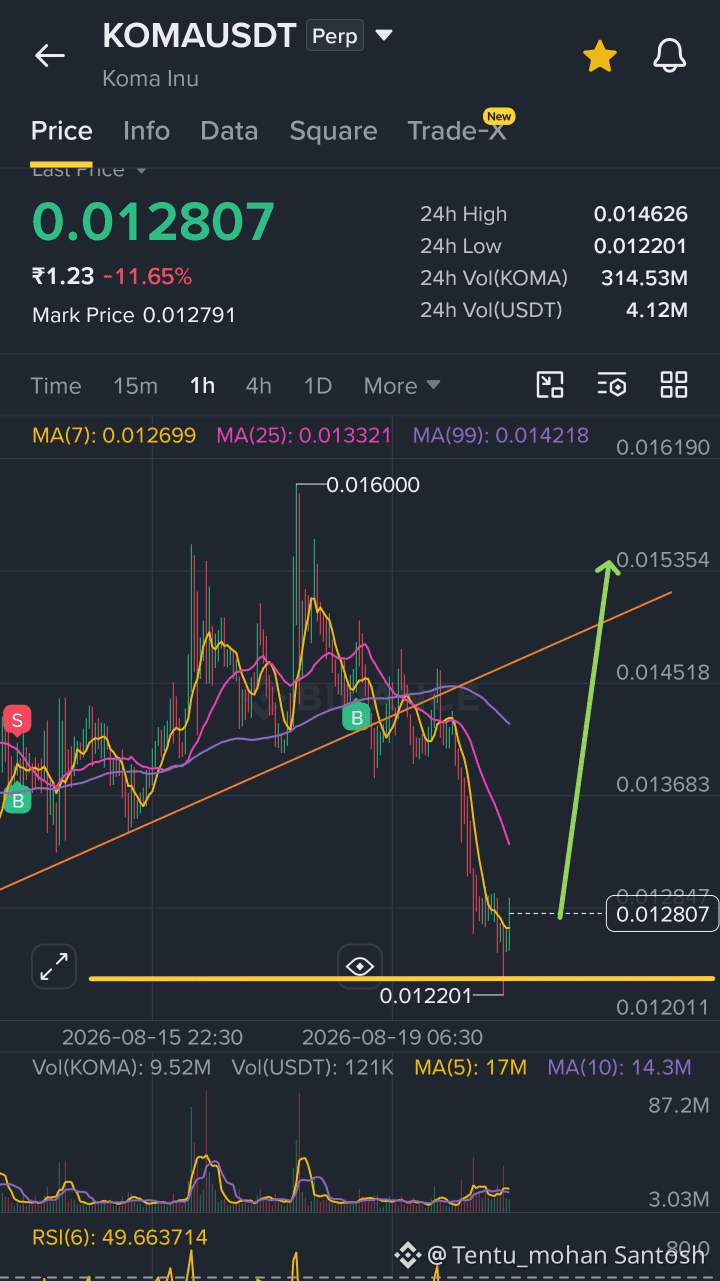
$KOMA a um bounce pode acontecer a qualquer momento se ele não cair abaixo da zona de oferta #bullish #Write2Earn #forupdate & e vá comprado com $SWARMS and $PIPPIN
{future}(KOMAUSDT)
{future}(AVAAIUSDT)
{future}(SKYAIUSDT)
$KOMA a um bounce pode acontecer a qualquer momento se ele não cair abaixo da zona de oferta #bullish #Write2Earn #forupdate & e vá comprado com $SWARMS and $PIPPIN
1
700

NEAR Protocol (NEAR): Blockchain Amigável para Desenvolvedores$NEAR Protocol é uma criptomoeda listada na Binance, focada em usabilidade e escalabilidade para desenvolvedores.
O que é o NEAR?
$NEAR é uma blockchain de camada 1 projetada para facilitar a construção e o uso de aplicativos descentralizados.
Por que o NEAR é subestimado
Foca pesadamente na experiência do usuário e em ferramentas para desenvolvedores, ao invés de crescimento impulsionado por hype.
Principais Benefícios
Ambiente de desenvolvimento fácil de usar
Infraestrutura escalável
Transações rápidas
NEAR na Binance
O NEAR é ativamente negociado na Binance com múltiplos pares de negociação.
Perspectiva Futuro
Com uma usabilidade melhor, o NEAR poderia atrair mais desenvolvedores e usuários para o Web3.
NEAR Protocol (NEAR): Blockchain Amigável para Desenvolvedores
$NEAR Protocol é uma criptomoeda listada na Binance, focada em usabilidade e escalabilidade para desenvolvedores.
O que é o NEAR?
$NEAR é uma blockchain de camada 1 projetada para facilitar a construção e o uso de aplicativos descentralizados.
Por que o NEAR é subestimado
Foca pesadamente na experiência do usuário e em ferramentas para desenvolvedores, ao invés de crescimento impulsionado por hype.
Principais Benefícios
Ambiente de desenvolvimento fácil de usar
Infraestrutura escalável
Transações rápidas
NEAR na Binance
O NEAR é ativamente negociado na Binance com múltiplos pares de negociação.
Perspectiva Futuro
Com uma usabilidade melhor, o NEAR poderia atrair mais desenvolvedores e usuários para o Web3.
O que é o NEAR?
$NEAR é uma blockchain de camada 1 projetada para facilitar a construção e o uso de aplicativos descentralizados.
Por que o NEAR é subestimado
Foca pesadamente na experiência do usuário e em ferramentas para desenvolvedores, ao invés de crescimento impulsionado por hype.
Principais Benefícios
Ambiente de desenvolvimento fácil de usar
Infraestrutura escalável
Transações rápidas
NEAR na Binance
O NEAR é ativamente negociado na Binance com múltiplos pares de negociação.
Perspectiva Futuro
Com uma usabilidade melhor, o NEAR poderia atrair mais desenvolvedores e usuários para o Web3.
15
Inicia sessão para explorar mais conteúdos
Junta-te a utilizadores de criptomoedas de todo o mundo na Binance Square
⚡️ Obtém informações úteis e recentes sobre criptomoedas.
💬 Com a confiança da maior exchange de criptomoedas do mundo.
👍 Descobre perspetivas reais de criadores verificados.
E-mail/Número de telefone
Tópicos em Tendência
1
#BOJRaisesRatesTo31YearHigh
33,987 visualizações
800 a discutir
2
#BuffettStepsDownAsBerkshireChairman
11,894 visualizações
336 a discutir
3
#XRPExchangeReservesHitSevenYearLow
15,977 visualizações
353 a discutir
4
#HKCompletesFirstHKDStablecoinUseCase
46,994 visualizações
860 a discutir
5
#VietnamPlansFirstCryptoLicensesIn2026
33,755 visualizações
597 a discutir
6
#BTCBreaks80K
304,100 visualizações
4,201 a discutir
7
#BitcoinMarketCapTopsTesla
51,893 visualizações
899 a discutir
8
#SOLJumpsAbout10%
63,508 visualizações
905 a discutir
9
#EthereumReclaims$2600
5,633 visualizações
104 a discutir
10
#LineraShutsDownAfterFundraisingFallsShort
17,415 visualizações
250 a discutir