

#robofi
robofi
17,261 visualizações
498 a discutir
Popular
Mais recente

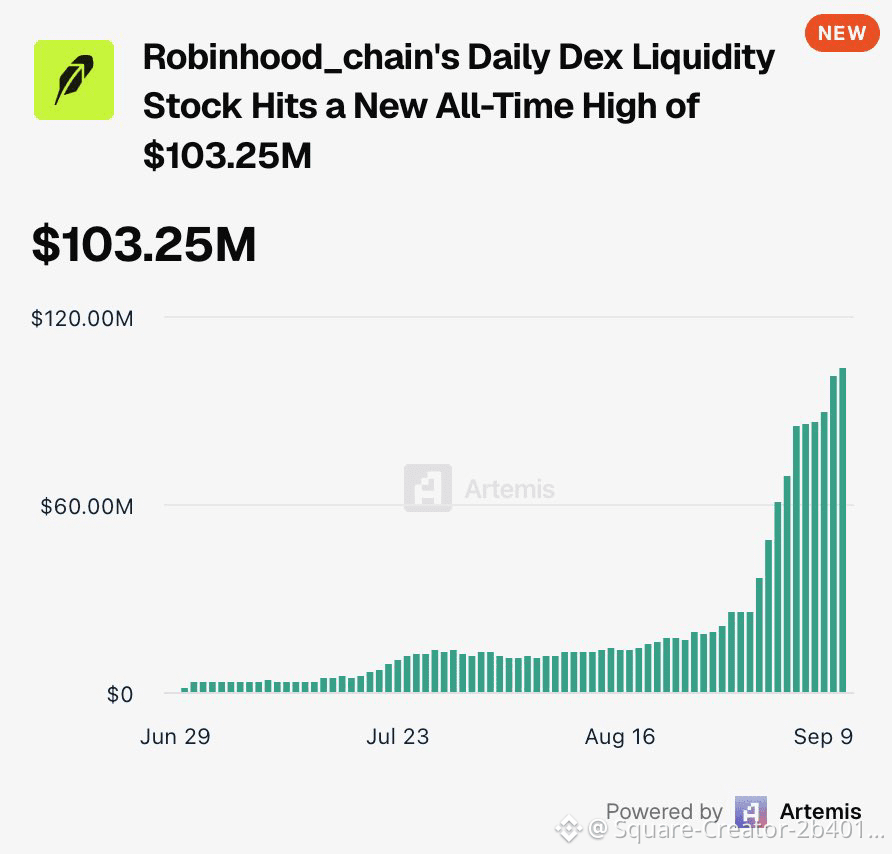
AGORA: 👀A liquidez do DEX da Chain do Robinhood $HOOD ultrapassa US$ 100.000.000 - Artemis.
#RoboFi #newscrypto #HOOD #liquidity
AGORA: 👀A liquidez do DEX da Chain do Robinhood $HOOD ultrapassa US$ 100.000.000 - Artemis.
#RoboFi #newscrypto #HOOD #liquidity
#RoboFi #newscrypto #HOOD #liquidity

1
129


·
--
As formações mais fortes nem sempre são as mais barulhentas.
$ACE está mantendo sua estrutura, com compradores defendendo níveis-chave.
$ROBO está ganhando impulso, e o aumento do volume pode preparar mais uma ruptura.
$HEI também está vendo um interesse de compra constante e continua sendo uma para observar caso a tendência se mantenha.
Eu prefiro deixar o preço confirmar o movimento em vez de correr atrás de um “pump”. Seja paciente, gerencie o risco e siga a tendência.
#ACE #RoboFi #HEİ #crypto
As formações mais fortes nem sempre são as mais barulhentas.
$ACE está mantendo sua estrutura, com compradores defendendo níveis-chave.
$ROBO está ganhando impulso, e o aumento do volume pode preparar mais uma ruptura.
$HEI também está vendo um interesse de compra constante e continua sendo uma para observar caso a tendência se mantenha.
Eu prefiro deixar o preço confirmar o movimento em vez de correr atrás de um “pump”. Seja paciente, gerencie o risco e siga a tendência.
#ACE #RoboFi #HEİ #crypto
$ACE está mantendo sua estrutura, com compradores defendendo níveis-chave.
$ROBO está ganhando impulso, e o aumento do volume pode preparar mais uma ruptura.
$HEI também está vendo um interesse de compra constante e continua sendo uma para observar caso a tendência se mantenha.
Eu prefiro deixar o preço confirmar o movimento em vez de correr atrás de um “pump”. Seja paciente, gerencie o risco e siga a tendência.
#ACE #RoboFi #HEİ #crypto
🟢 $ACE
69%
🔥 $ROBO
27%
🚀 $HEI
4%
👀 Waiting for confirmation
0%
48 Votos • Votação encerrada
2.5k

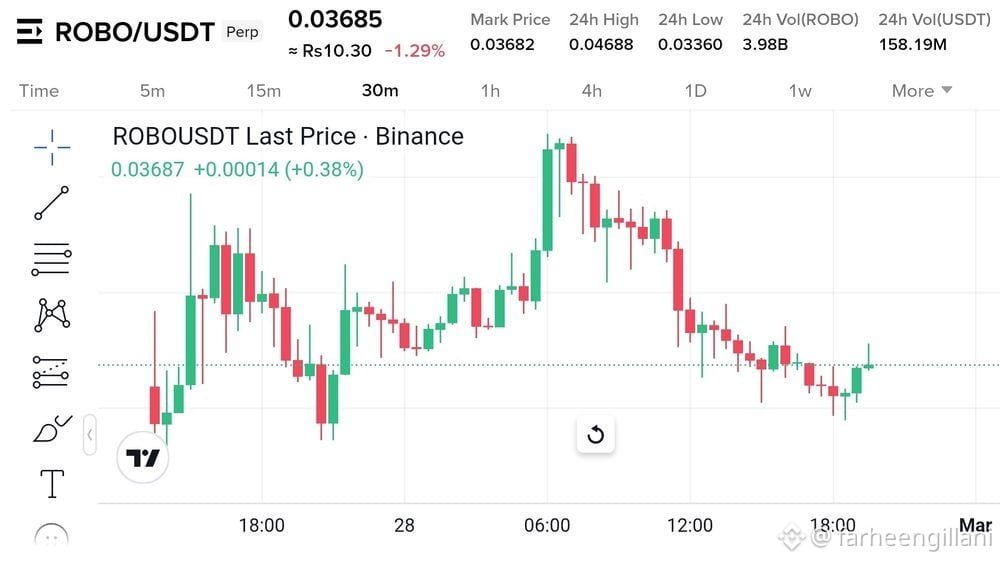
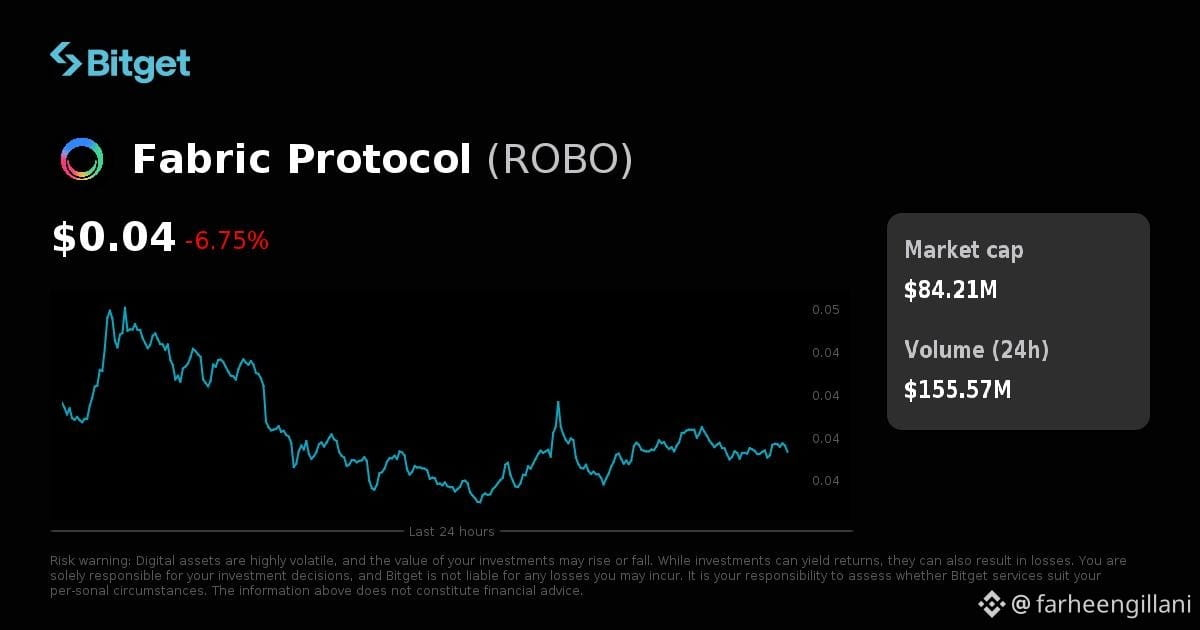
$ROBO está sendo negociado em torno de US$ 0.0138, com alta de aproximadamente 0,25% nas últimas 24 horas. A atividade de negociação aumentou significativamente, com a CoinGecko registrando uma forte alta no volume de 24 horas.
📈 Tôurista: Manter US$ 0.013–US$ 0.014 pode dar suporte a um movimento em direção a US$ 0.016–US$ 0.018. 🚀 Rompimento: Uma alta sustentada acima de US$ 0.018 fortaleceria o cenário altista. 📉 Baixista: Perder US$ 0.013 pode levar a uma retest de US$ 0.011–US$ 0.012. 🔥 Catalisador: A atividade recente em torno do Fabric Protocol e seu ecossistema ajudou a aumentar o interesse do mercado e o volume.
#ROBO #RoboFi #RoboForm #RoboticsRevolution #ROBOTAXI
{spot}(ROBOUSDT)
$ROBO está sendo negociado em torno de US$ 0.0138, com alta de aproximadamente 0,25% nas últimas 24 horas. A atividade de negociação aumentou significativamente, com a CoinGecko registrando uma forte alta no volume de 24 horas.
📈 Tôurista: Manter US$ 0.013–US$ 0.014 pode dar suporte a um movimento em direção a US$ 0.016–US$ 0.018. 🚀 Rompimento: Uma alta sustentada acima de US$ 0.018 fortaleceria o cenário altista. 📉 Baixista: Perder US$ 0.013 pode levar a uma retest de US$ 0.011–US$ 0.012. 🔥 Catalisador: A atividade recente em torno do Fabric Protocol e seu ecossistema ajudou a aumentar o interesse do mercado e o volume.
#ROBO #RoboFi #RoboForm #RoboticsRevolution #ROBOTAXI
📈 Tôurista: Manter US$ 0.013–US$ 0.014 pode dar suporte a um movimento em direção a US$ 0.016–US$ 0.018. 🚀 Rompimento: Uma alta sustentada acima de US$ 0.018 fortaleceria o cenário altista. 📉 Baixista: Perder US$ 0.013 pode levar a uma retest de US$ 0.011–US$ 0.012. 🔥 Catalisador: A atividade recente em torno do Fabric Protocol e seu ecossistema ajudou a aumentar o interesse do mercado e o volume.
#ROBO #RoboFi #RoboForm #RoboticsRevolution #ROBOTAXI
240

·
--
roboO ecossistema Web3 continua a crescer à medida que mais projetos inovadores se concentram em construir tecnologia significativa e comunidades fortes. @Fabric_Foundation está desenvolvendo de forma constante um ambiente onde os usuários podem explorar oportunidades descentralizadas. Neste ecossistema, $ROBO desempenha um papel importante ao ajudar a apoiar o engajamento e a participação em toda a plataforma.
Um ecossistema blockchain bem-sucedido muitas vezes depende de quão bem seu token conecta os usuários à rede. Ao integrar $ROBO no ecossistema Fabric, o projeto incentiva a interação e fortalece o envolvimento da comunidade. Esse tipo de conexão entre tecnologia e usuários pode ajudar um projeto a crescer de forma sustentável ao longo do tempo.
robo
O ecossistema Web3 continua a crescer à medida que mais projetos inovadores se concentram em construir tecnologia significativa e comunidades fortes. @Fabric_Foundation está desenvolvendo de forma constante um ambiente onde os usuários podem explorar oportunidades descentralizadas. Neste ecossistema, $ROBO desempenha um papel importante ao ajudar a apoiar o engajamento e a participação em toda a plataforma.
Um ecossistema blockchain bem-sucedido muitas vezes depende de quão bem seu token conecta os usuários à rede. Ao integrar $ROBO no ecossistema Fabric, o projeto incentiva a interação e fortalece o envolvimento da comunidade. Esse tipo de conexão entre tecnologia e usuários pode ajudar um projeto a crescer de forma sustentável ao longo do tempo.
Um ecossistema blockchain bem-sucedido muitas vezes depende de quão bem seu token conecta os usuários à rede. Ao integrar $ROBO no ecossistema Fabric, o projeto incentiva a interação e fortalece o envolvimento da comunidade. Esse tipo de conexão entre tecnologia e usuários pode ajudar um projeto a crescer de forma sustentável ao longo do tempo.
1
21

·
--
🤖 Robo Coin: A Convergência da Inteligência Artificial e das Finanças Descentralizadas$ROBO No mundo em constante evolução da #robo tecnologia, duas das forças mais transformadoras que moldam o futuro são a inteligência artificial (IA) e a blockchain. Individualmente, ambas perturbaram sistemas tradicionais. Mas juntas, elas têm o potencial de redefinir como interagimos com finanças, dados e tomada de decisões.
Este é o lugar onde Robo Coin entra na conversa — não apenas como outra criptomoeda, mas como um conceito que simboliza a fusão da automação e dos ecossistemas descentralizados.
🤖 Robo Coin: A Convergência da Inteligência Artificial e das Finanças Descentralizadas
$ROBO No mundo em constante evolução da #robo tecnologia, duas das forças mais transformadoras que moldam o futuro são a inteligência artificial (IA) e a blockchain. Individualmente, ambas perturbaram sistemas tradicionais. Mas juntas, elas têm o potencial de redefinir como interagimos com finanças, dados e tomada de decisões.
Este é o lugar onde Robo Coin entra na conversa — não apenas como outra criptomoeda, mas como um conceito que simboliza a fusão da automação e dos ecossistemas descentralizados.
Este é o lugar onde Robo Coin entra na conversa — não apenas como outra criptomoeda, mas como um conceito que simboliza a fusão da automação e dos ecossistemas descentralizados.
68

·
--
Em Alta
#robo $ROBO
{spot}(ROBOUSDT)
Análise Fundamental do FOGO (FOGO) Criptomoeda
Fogo FOGO é uma blockchain de alto desempenho de Camada-1 construída para finanças descentralizadas (DeFi) de baixa latência e aplicações de negociação avançadas. Ele usa a Máquina Virtual Solana (SVM), permitindo que desenvolvedores implantem facilmente projetos baseados em Solana enquanto se beneficiam de uma execução mais rápida. A rede oferece tempos de bloco de cerca de 40 milissegundos, finalização próxima a 1,3 segundos e capacidade de até 136.000 transações por segundo.
Desenvolvido pelo Douro Labs, Fogo se concentra em ecossistemas de negociação, como exchanges de livro de ordens, futuros perpétuos e plataformas de negociação algorítmica. Com um suprimento total de 10 bilhões de tokens, FOGO é usado para taxas, staking e incentivos. Se a adoção crescer, pode se tornar uma infraestrutura especializada para mercados DeFi de alta velocidade.
#RoboFi
@FabricFND
#robo $ROBO
Análise Fundamental do FOGO (FOGO) Criptomoeda
Fogo FOGO é uma blockchain de alto desempenho de Camada-1 construída para finanças descentralizadas (DeFi) de baixa latência e aplicações de negociação avançadas. Ele usa a Máquina Virtual Solana (SVM), permitindo que desenvolvedores implantem facilmente projetos baseados em Solana enquanto se beneficiam de uma execução mais rápida. A rede oferece tempos de bloco de cerca de 40 milissegundos, finalização próxima a 1,3 segundos e capacidade de até 136.000 transações por segundo.
Desenvolvido pelo Douro Labs, Fogo se concentra em ecossistemas de negociação, como exchanges de livro de ordens, futuros perpétuos e plataformas de negociação algorítmica. Com um suprimento total de 10 bilhões de tokens, FOGO é usado para taxas, staking e incentivos. Se a adoção crescer, pode se tornar uma infraestrutura especializada para mercados DeFi de alta velocidade.
#RoboFi
@Fabric Foundation
Análise Fundamental do FOGO (FOGO) Criptomoeda
Fogo FOGO é uma blockchain de alto desempenho de Camada-1 construída para finanças descentralizadas (DeFi) de baixa latência e aplicações de negociação avançadas. Ele usa a Máquina Virtual Solana (SVM), permitindo que desenvolvedores implantem facilmente projetos baseados em Solana enquanto se beneficiam de uma execução mais rápida. A rede oferece tempos de bloco de cerca de 40 milissegundos, finalização próxima a 1,3 segundos e capacidade de até 136.000 transações por segundo.
Desenvolvido pelo Douro Labs, Fogo se concentra em ecossistemas de negociação, como exchanges de livro de ordens, futuros perpétuos e plataformas de negociação algorítmica. Com um suprimento total de 10 bilhões de tokens, FOGO é usado para taxas, staking e incentivos. Se a adoção crescer, pode se tornar uma infraestrutura especializada para mercados DeFi de alta velocidade.
#RoboFi
@Fabric Foundation
1
2
53

·
--
Artigo
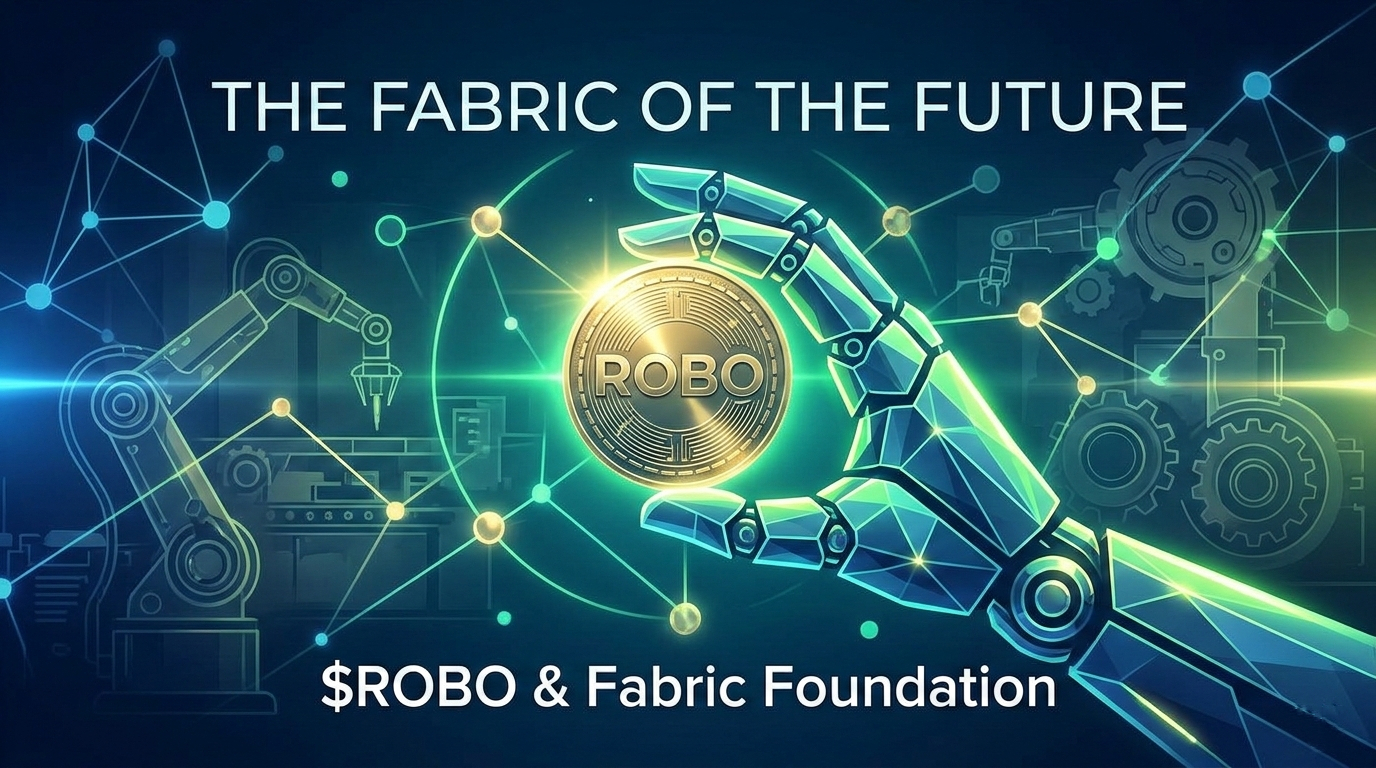
A Fabric do Futuro: Por que Relevância, Profissionalismo e Criatividade Definem $ROBO e a FabricO cenário de blockchain e criptomoedas está repleto de projetos que prometem o mundo, mas apenas alguns poucos possuem a substância para criar um impacto duradouro. A Fabric Foundation é um desses projetos que se destaca, não apenas por sua ambição, mas por sua abordagem estruturada para resolver problemas do mundo real. No cerne deste ecossistema está seu token utilitário nativo, $ROBO .
Neste artigo, mergulhamos profundamente nos três pilares fundamentais que impulsionam a Fabric Foundation e @FabricFND para frente, tornando $ROBO um token a ser observado: Relevância, Conteúdo Profissional e Criatividade.
A Fabric do Futuro: Por que Relevância, Profissionalismo e Criatividade Definem $ROBO e a Fabric
O cenário de blockchain e criptomoedas está repleto de projetos que prometem o mundo, mas apenas alguns poucos possuem a substância para criar um impacto duradouro. A Fabric Foundation é um desses projetos que se destaca, não apenas por sua ambição, mas por sua abordagem estruturada para resolver problemas do mundo real. No cerne deste ecossistema está seu token utilitário nativo, $ROBO .
Neste artigo, mergulhamos profundamente nos três pilares fundamentais que impulsionam a Fabric Foundation e @Fabric Foundation para frente, tornando $ROBO um token a ser observado: Relevância, Conteúdo Profissional e Criatividade.
Neste artigo, mergulhamos profundamente nos três pilares fundamentais que impulsionam a Fabric Foundation e @Fabric Foundation para frente, tornando $ROBO um token a ser observado: Relevância, Conteúdo Profissional e Criatividade.
4
2
136

·
--
Em Baixa
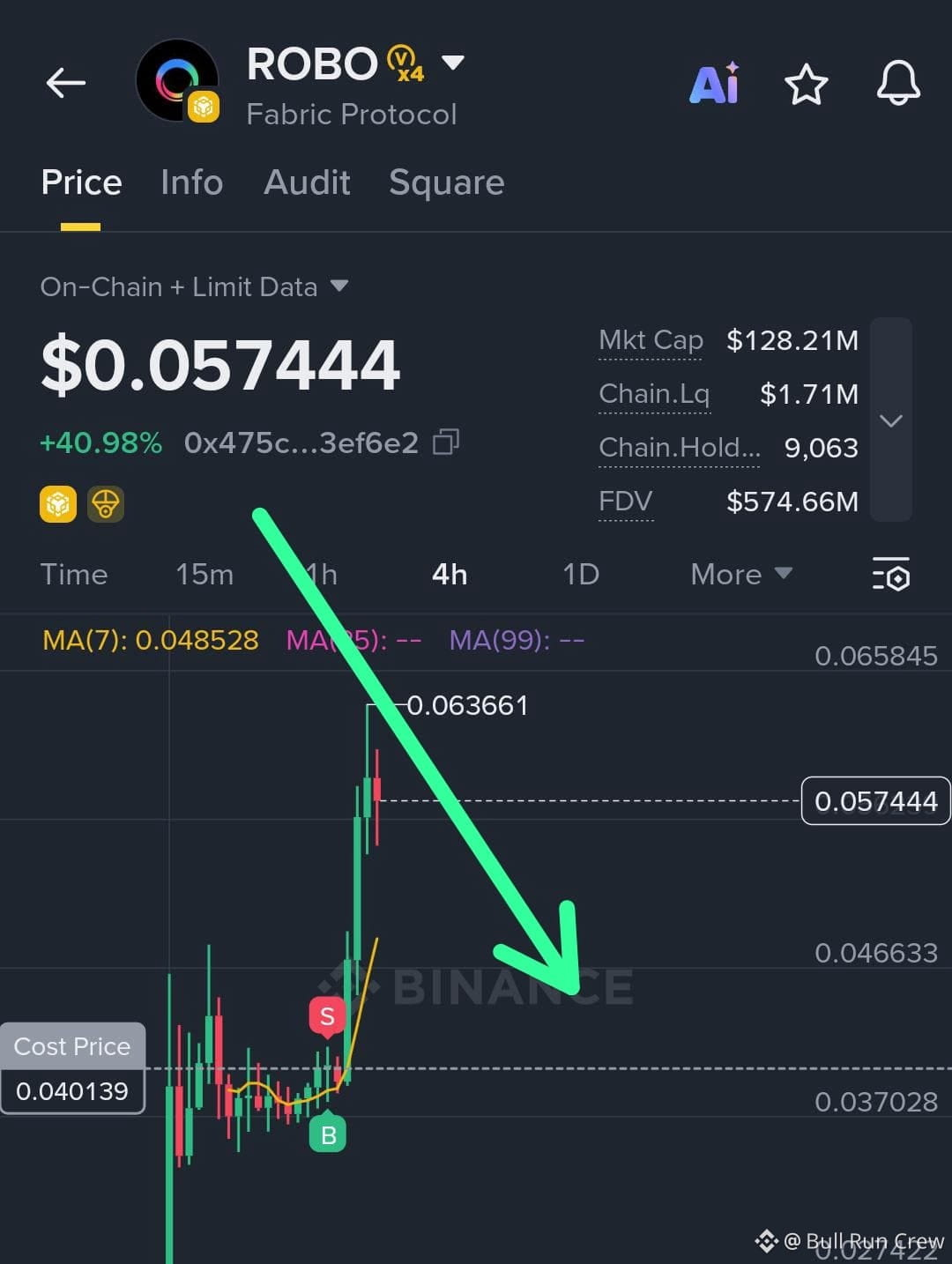
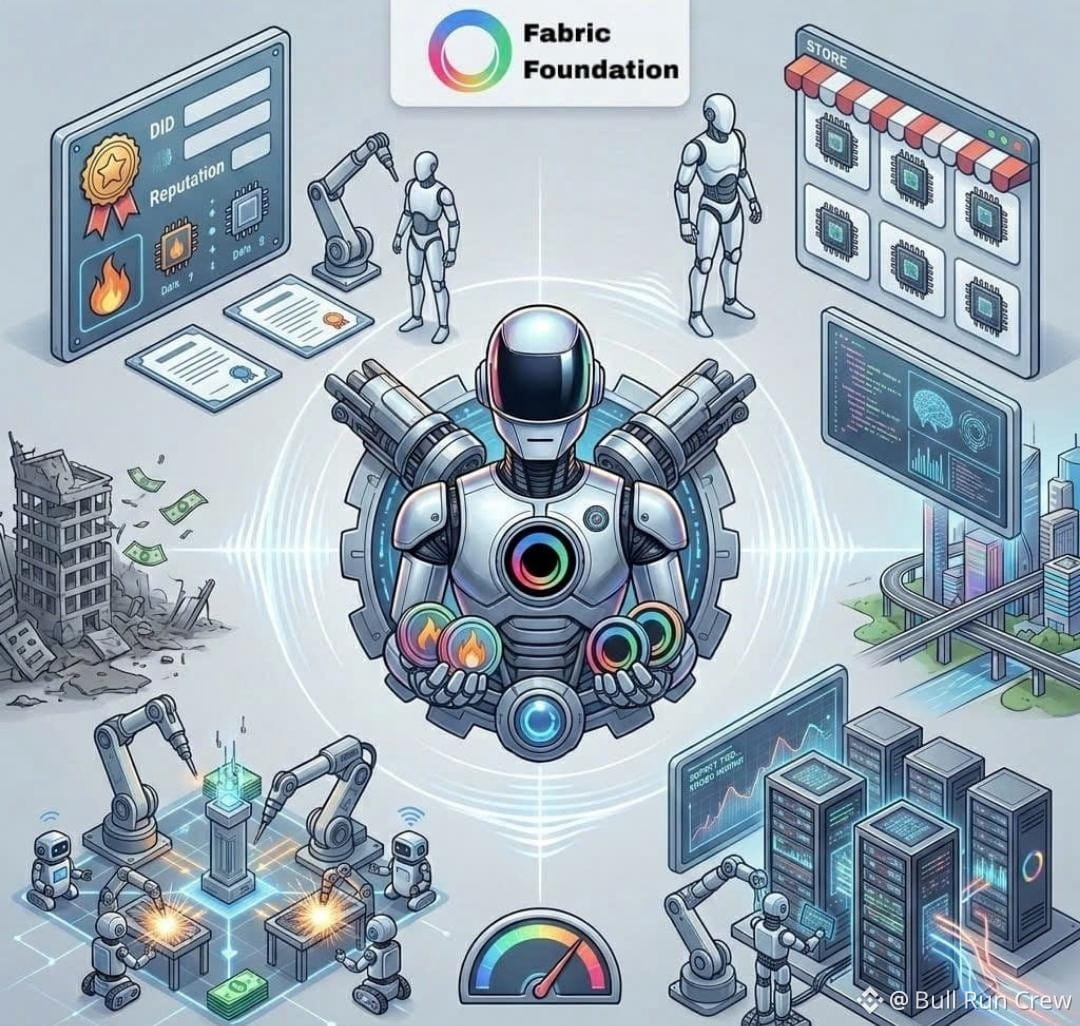
$ROBO Apenas Atingiu Seu Novo Máximo de Todos os Tempos📉
É Uma Grande Conquista👏 Para $ROBO Não Para nós😎 Nós Apenas Obtivemos Lucros
Agora É a Hora Perfeita Para abrir uma posição vendida😱 Em $ROBO Está Indo para 0,03$✅
Abra a Posição Vendida Antes que Chegue💪
SL:0,061
Faça Sua Própria Pesquisa 🚨
#dyor #ROBO #RoboForm #RoboFi #TradingSignals
$ROBO Apenas Atingiu Seu Novo Máximo de Todos os Tempos📉
É Uma Grande Conquista👏 Para $ROBO Não Para nós😎 Nós Apenas Obtivemos Lucros
Agora É a Hora Perfeita Para abrir uma posição vendida😱 Em $ROBO Está Indo para 0,03$✅
Abra a Posição Vendida Antes que Chegue💪
SL:0,061
Faça Sua Própria Pesquisa 🚨
#dyor #ROBO #RoboForm #RoboFi #TradingSignals
É Uma Grande Conquista👏 Para $ROBO Não Para nós😎 Nós Apenas Obtivemos Lucros
Agora É a Hora Perfeita Para abrir uma posição vendida😱 Em $ROBO Está Indo para 0,03$✅
Abra a Posição Vendida Antes que Chegue💪
SL:0,061
Faça Sua Própria Pesquisa 🚨
#dyor #ROBO #RoboForm #RoboFi #TradingSignals
2
2
6
92



Artigo
🤖 O futuro da IA + Blockchain está aqui!#robo$ROBO
@FabricFND está revolucionando a maneira como as máquinas interagem com redes descentralizadas. $ROBO não é apenas um token — é a espinha dorsal de um ecossistema autônomo alimentado por IA, construído sobre confiança, velocidade & inovação! 🚀
Os primeiros crentes sempre ganham. Você está dentro?
#RoboFi #XCryptoBanMistake #NVDATopsEarnings $ROBO
🤖 O futuro da IA + Blockchain está aqui!
#robo$ROBO
@Fabric Foundation está revolucionando a maneira como as máquinas interagem com redes descentralizadas. $ROBO não é apenas um token — é a espinha dorsal de um ecossistema autônomo alimentado por IA, construído sobre confiança, velocidade & inovação! 🚀
Os primeiros crentes sempre ganham. Você está dentro?
#RoboFi #XCryptoBanMistake #NVDATopsEarnings $ROBO
@Fabric Foundation está revolucionando a maneira como as máquinas interagem com redes descentralizadas. $ROBO não é apenas um token — é a espinha dorsal de um ecossistema autônomo alimentado por IA, construído sobre confiança, velocidade & inovação! 🚀
Os primeiros crentes sempre ganham. Você está dentro?
#RoboFi #XCryptoBanMistake #NVDATopsEarnings $ROBO
3
129
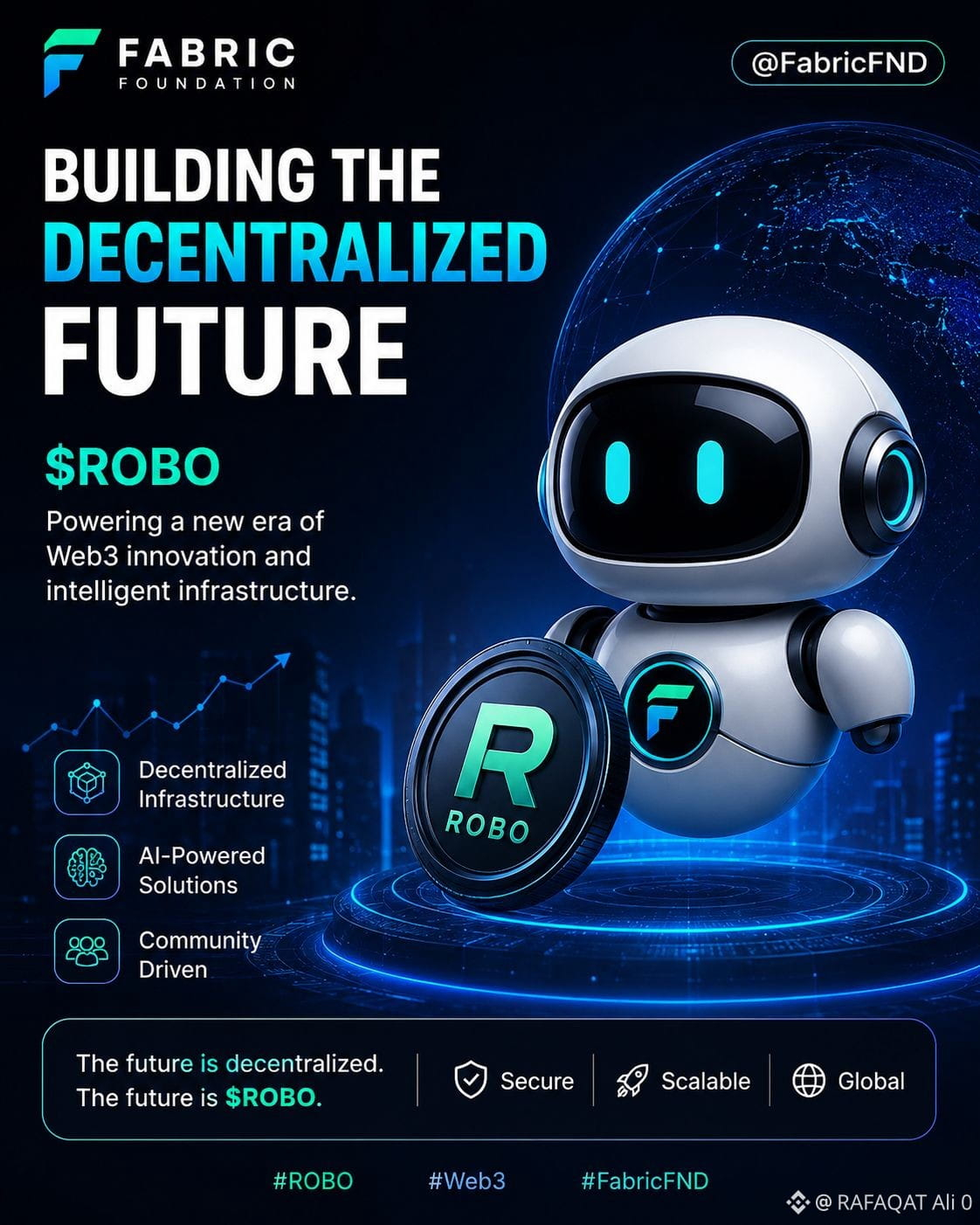
🚀 @FabricFND está construindo um ecossistema interessante em torno da inovação blockchain e tecnologia descentralizada. Muitos usuários de cripto estão agora prestando atenção em $ROBO porque projetos relacionados a infraestrutura e IA continuam ganhando forte impulso no espaço Web3.
À medida que a adoção de blockchain cresce em todo o mundo, projetos focados em sistemas descentralizados inteligentes podem se tornar mais importantes no futuro. Estou acompanhando de perto o desenvolvimento de $ROBO . 🔥
#RoboFi #crypto #web3兼职
🚀 @Fabric Foundation está construindo um ecossistema interessante em torno da inovação blockchain e tecnologia descentralizada. Muitos usuários de cripto estão agora prestando atenção em $ROBO porque projetos relacionados a infraestrutura e IA continuam ganhando forte impulso no espaço Web3.
À medida que a adoção de blockchain cresce em todo o mundo, projetos focados em sistemas descentralizados inteligentes podem se tornar mais importantes no futuro. Estou acompanhando de perto o desenvolvimento de $ROBO . 🔥
#RoboFi #crypto #web3兼职
À medida que a adoção de blockchain cresce em todo o mundo, projetos focados em sistemas descentralizados inteligentes podem se tornar mais importantes no futuro. Estou acompanhando de perto o desenvolvimento de $ROBO . 🔥
#RoboFi #crypto #web3兼职
163

#opg $OPG $BTC
Está rolando um baita burburinho em torno de @OpenGradient no espaço cripto e de IA agora. A plataforma OpenGradient Chat deles é um divisor de águas, permitindo que os usuários acessem modelos de IA de primeira linha de forma completamente anônima e segura. A contribuição deles para a construção de uma infraestrutura de IA verificada e privada é realmente notável. Quais são suas opiniões sobre a utilidade a longo prazo no ecossistema de IA e o potencial futuro de $OPG ? Vamos discutir abaixo! #BIN #RoboFi
#opg $OPG $BTC
Está rolando um baita burburinho em torno de @OpenGradient no espaço cripto e de IA agora. A plataforma OpenGradient Chat deles é um divisor de águas, permitindo que os usuários acessem modelos de IA de primeira linha de forma completamente anônima e segura. A contribuição deles para a construção de uma infraestrutura de IA verificada e privada é realmente notável. Quais são suas opiniões sobre a utilidade a longo prazo no ecossistema de IA e o potencial futuro de $OPG ? Vamos discutir abaixo! #BIN #RoboFi
Está rolando um baita burburinho em torno de @OpenGradient no espaço cripto e de IA agora. A plataforma OpenGradient Chat deles é um divisor de águas, permitindo que os usuários acessem modelos de IA de primeira linha de forma completamente anônima e segura. A contribuição deles para a construção de uma infraestrutura de IA verificada e privada é realmente notável. Quais são suas opiniões sobre a utilidade a longo prazo no ecossistema de IA e o potencial futuro de $OPG ? Vamos discutir abaixo! #BIN #RoboFi
3
2
109

·
--
#robo #ROBO é o token nativo de utilidade e governança que alimenta o Fabric Protocol, uma camada de blockchain projetada para coordenar robôs autônomos, pagamentos e identidade onchain. Ele alimenta taxas de rede, staking e governança. A equipe planeja lançamentos faseados até 2026 em direção a um ecossistema centrado em robôs e, eventualmente, sua própria cadeia Layer-1, com o objetivo de tornar a robótica de IA interoperável, eficiente e descentralizada.#RoboFi #strategyinvest #CryptoTrends2024
#robo #ROBO é o token nativo de utilidade e governança que alimenta o Fabric Protocol, uma camada de blockchain projetada para coordenar robôs autônomos, pagamentos e identidade onchain. Ele alimenta taxas de rede, staking e governança. A equipe planeja lançamentos faseados até 2026 em direção a um ecossistema centrado em robôs e, eventualmente, sua própria cadeia Layer-1, com o objetivo de tornar a robótica de IA interoperável, eficiente e descentralizada.#RoboFi #strategyinvest #CryptoTrends2024

7
·
--
Artigo
Unidades de Coordenação e Gênese do Robô: Participando da Economia da Robótica Sem Possuir um RobôA questão surge regularmente em discussões em torno do $ROBO: o que pode realmente fazer um detentor se ele não tiver os meios nem a intenção de implantar um robô físico? A resposta do protocolo é um dos mecanismos menos documentados do projeto e provavelmente um dos mais interessantes de entender.
Implantar um robô capaz de gerar receita autônoma atualmente representa um investimento de capital que apenas estruturas institucionais podem absorver. O mecanismo das Unidades de Coordenação surge de uma observação simples: se a infraestrutura econômica de uma rede de robótica é descentralizada, então o acesso a essa infraestrutura também deve ser descentralizado. O protocolo, portanto, permite que uma comunidade contribua coletivamente para o financiamento e ativação de um robô por meio de unidades de participação denominadas em $ROBO, sem que nenhum participante individual tenha que arcar com o custo total.
Unidades de Coordenação e Gênese do Robô: Participando da Economia da Robótica Sem Possuir um Robô
A questão surge regularmente em discussões em torno do $ROBO : o que pode realmente fazer um detentor se ele não tiver os meios nem a intenção de implantar um robô físico? A resposta do protocolo é um dos mecanismos menos documentados do projeto e provavelmente um dos mais interessantes de entender.
Implantar um robô capaz de gerar receita autônoma atualmente representa um investimento de capital que apenas estruturas institucionais podem absorver. O mecanismo das Unidades de Coordenação surge de uma observação simples: se a infraestrutura econômica de uma rede de robótica é descentralizada, então o acesso a essa infraestrutura também deve ser descentralizado. O protocolo, portanto, permite que uma comunidade contribua coletivamente para o financiamento e ativação de um robô por meio de unidades de participação denominadas em $ROBO , sem que nenhum participante individual tenha que arcar com o custo total.
Implantar um robô capaz de gerar receita autônoma atualmente representa um investimento de capital que apenas estruturas institucionais podem absorver. O mecanismo das Unidades de Coordenação surge de uma observação simples: se a infraestrutura econômica de uma rede de robótica é descentralizada, então o acesso a essa infraestrutura também deve ser descentralizado. O protocolo, portanto, permite que uma comunidade contribua coletivamente para o financiamento e ativação de um robô por meio de unidades de participação denominadas em $ROBO , sem que nenhum participante individual tenha que arcar com o custo total.
2
1
11
1.9k

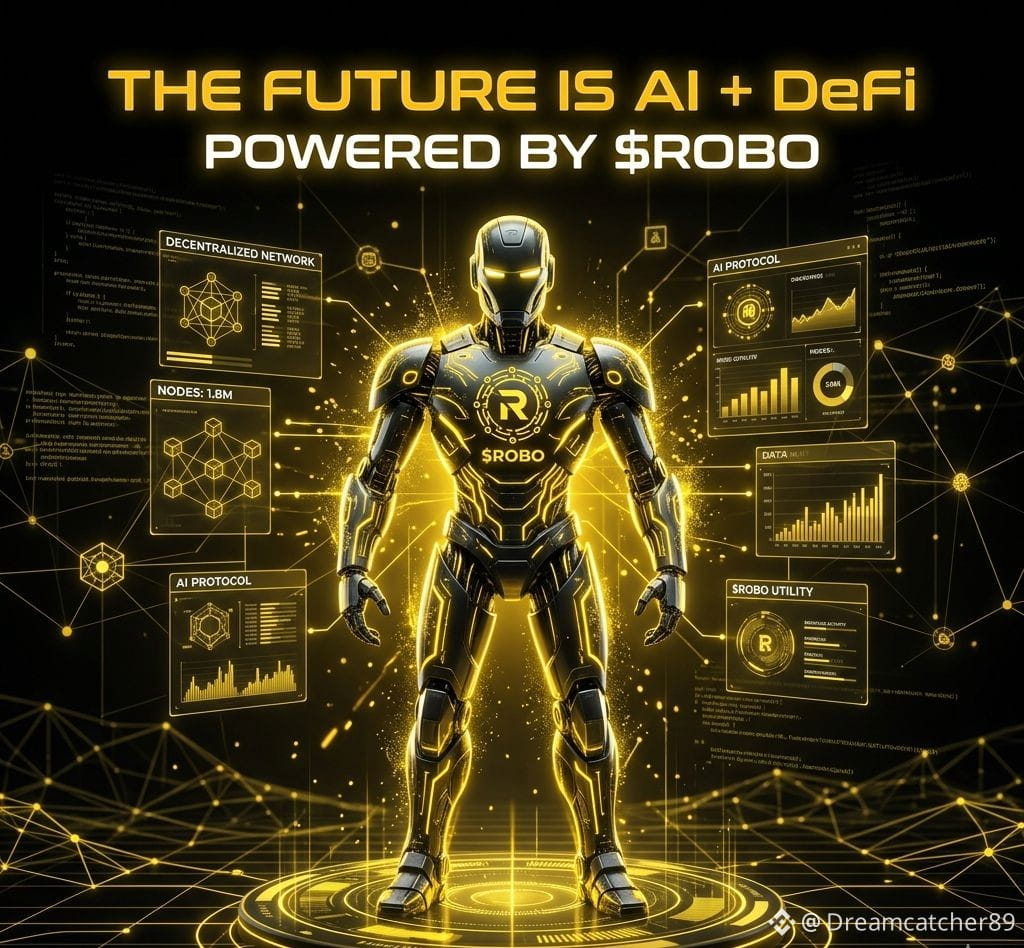
Estive investigando o que @FabricFND está construindo e, honestamente, a visão em torno da IA + infraestrutura descentralizada parece seriamente subestimada. $ROBO pode ainda estar no início, mas projetos que resolvem problemas tecnológicos reais tendem a envelhecer bem. Vale a pena ficar de olho neste. #ROBO #RoboFi
Por favor 🙏🏻 Siga-me ❤️
{spot}(ROBOUSDT)
Estive investigando o que @Fabric Foundation está construindo e, honestamente, a visão em torno da IA + infraestrutura descentralizada parece seriamente subestimada. $ROBO pode ainda estar no início, mas projetos que resolvem problemas tecnológicos reais tendem a envelhecer bem. Vale a pena ficar de olho neste. #ROBO #RoboFi
Por favor 🙏🏻 Siga-me ❤️
Por favor 🙏🏻 Siga-me ❤️
753
13
48
753
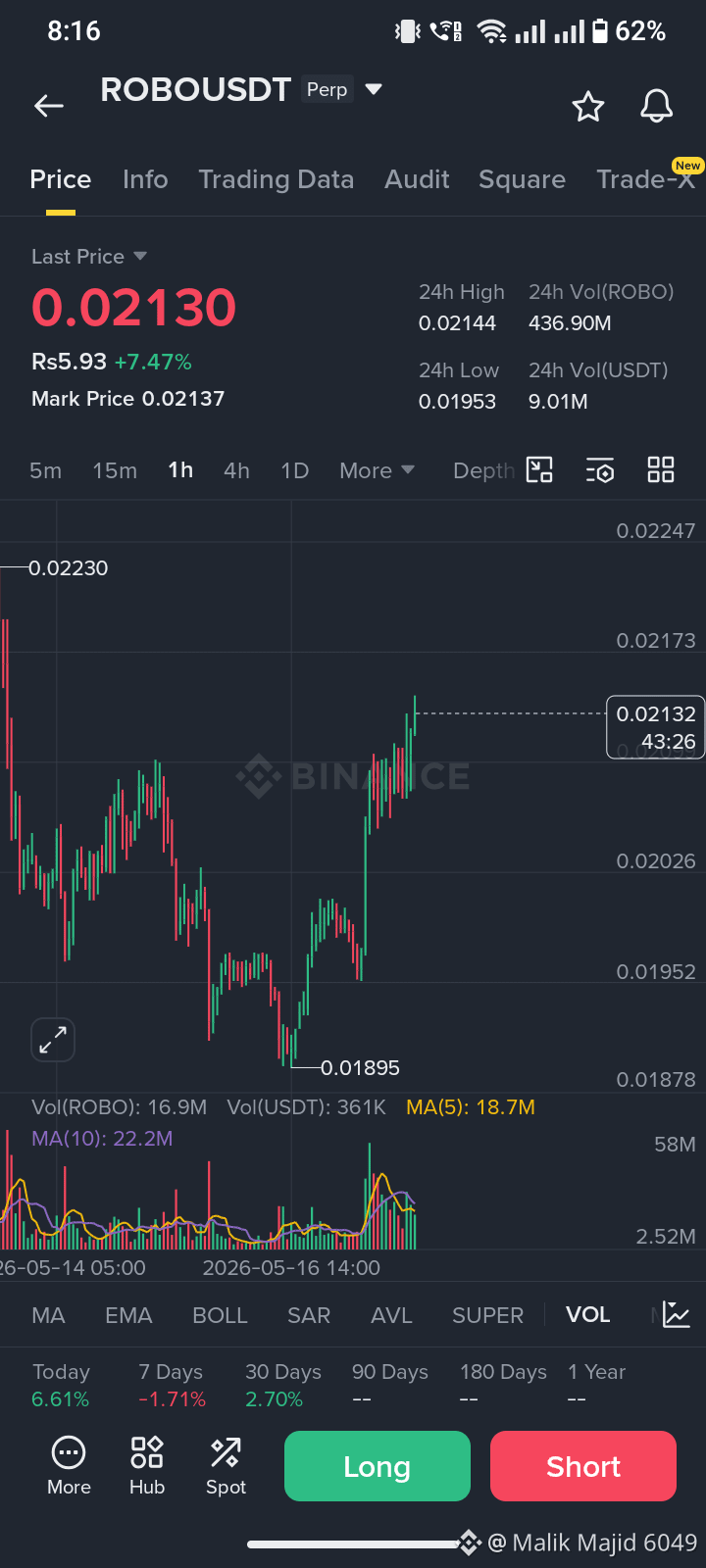
$ROBO #RoboFi #Follow_Like_Comment Entrada: 0.0211 — 0.0214
TP1: 0.0218
TP2: 0.0222
TP3: 0.0228
SL: 0.0205
$ROBO #RoboFi #Follow_Like_Comment Entrada: 0.0211 — 0.0214
TP1: 0.0218
TP2: 0.0222
TP3: 0.0228
SL: 0.0205
TP1: 0.0218
TP2: 0.0222
TP3: 0.0228
SL: 0.0205
1
70

·
--
Estive explorando o que a Fabric Foundation está construindo e o conceito por trás de $ROBO é realmente interessante. Não é apenas mais um token aleatório — o foco parece estar em criar uma infraestrutura estruturada com utilidade real. Se o desenvolvimento continuar de forma constante e o apoio da comunidade crescer, #RoboFi pode ganhar um impulso sério. Definitivamente, estou acompanhando este de perto
Estive explorando o que a Fabric Foundation está construindo e o conceito por trás de $ROBO é realmente interessante. Não é apenas mais um token aleatório — o foco parece estar em criar uma infraestrutura estruturada com utilidade real. Se o desenvolvimento continuar de forma constante e o apoio da comunidade crescer, #RoboFi pode ganhar um impulso sério. Definitivamente, estou acompanhando este de perto
2
24

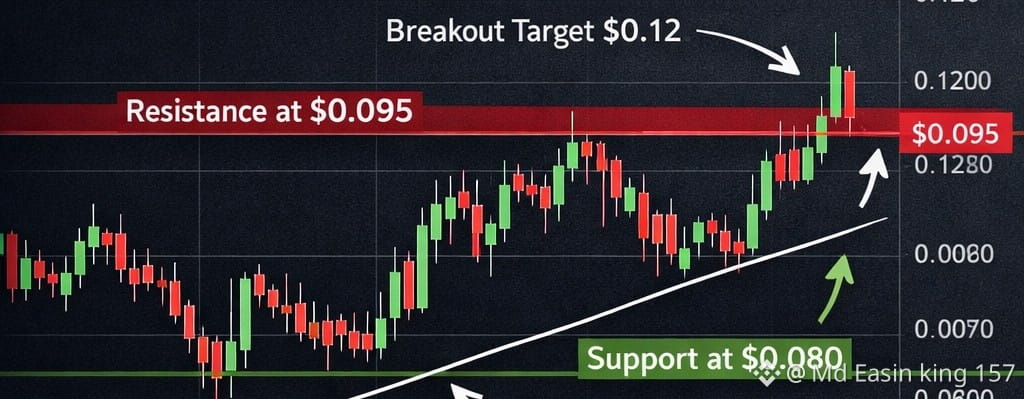
Artigo
ROBO (Fabric Protocol) está mostrando$ROBO (Fabric Protocol) está mostrando um forte momentum com um sentimento altista graças à narrativa de IA-robótica e listagens em grandes exchanges, mas ainda existem riscos devido a sinais de sobrecompra e preocupações com a distribuição de airdrop. O preço atual está próximo de $0.024–$0.025, com previsões sugerindo um crescimento potencial em direção a $0.035 até o final de 2026.
---
📊 Análise ROBO mais recente
- Preço Atual: Em torno de $0.02442 (a partir de 15 de maio de 2026).
- Tendência de Curto Prazo: Espera-se que suba para $0.02593 até 19 de maio de 2026 (+6.18%).
- Previsão a Longo Prazo: Pode chegar a $0.03566 até o final de 2026 (+46%), e $0.08113 até 2030 (+232%).
ROBO (Fabric Protocol) está mostrando
$ROBO (Fabric Protocol) está mostrando um forte momentum com um sentimento altista graças à narrativa de IA-robótica e listagens em grandes exchanges, mas ainda existem riscos devido a sinais de sobrecompra e preocupações com a distribuição de airdrop. O preço atual está próximo de $0.024–$0.025, com previsões sugerindo um crescimento potencial em direção a $0.035 até o final de 2026.
---
📊 Análise ROBO mais recente
- Preço Atual: Em torno de $0.02442 (a partir de 15 de maio de 2026).
- Tendência de Curto Prazo: Espera-se que suba para $0.02593 até 19 de maio de 2026 (+6.18%).
- Previsão a Longo Prazo: Pode chegar a $0.03566 até o final de 2026 (+46%), e $0.08113 até 2030 (+232%).
---
📊 Análise ROBO mais recente
- Preço Atual: Em torno de $0.02442 (a partir de 15 de maio de 2026).
- Tendência de Curto Prazo: Espera-se que suba para $0.02593 até 19 de maio de 2026 (+6.18%).
- Previsão a Longo Prazo: Pode chegar a $0.03566 até o final de 2026 (+46%), e $0.08113 até 2030 (+232%).
158
Inicia sessão para explorar mais conteúdos
Junta-te a utilizadores de criptomoedas de todo o mundo na Binance Square
⚡️ Obtém informações úteis e recentes sobre criptomoedas.
💬 Com a confiança da maior exchange de criptomoedas do mundo.
👍 Descobre perspetivas reais de criadores verificados.
E-mail/Número de telefone
Tópicos em Tendência
1
#AnthropicIPOProspectusCouldValueItOver$2T
0 visualizações
20 a discutir
2
#HackersDrainOver12.4MXRPFromDCENTWallets
0 visualizações
1 a discutir
3
#SECSaysDecentralizedTokenBuybacksNotInvestmentContracts
0 visualizações
0 a discutir
4
#UKFCAWinsCourtOrderToRecover851400Pounds
47,794 visualizações
931 a discutir
5
#ChainlinkLaunchesCCIP2WithEnterpriseVerification
58,376 visualizações
1,075 a discutir
6
#GoldFallsTo$4144
19,793 visualizações
172 a discutir
7
#QNTFallsOver40%FromMorningHigh
106,819 visualizações
1,462 a discutir
8
#USDTAdds845900HoldersInPast7Days
26,995 visualizações
512 a discutir
9
#KospiFalls2.7%SamsungSKHynixDropOver5%
39,419 visualizações
654 a discutir
10
#BitgetCEOConfirms$388MStolenInHack
5,925 visualizações
44 a discutir