

#gemston
gemston
12,046 visualizações
182 a discutir
Popular
Mais recente

·
--
O Processo de Conversão de Taxas do Protocolo STON.fi Agora Aberto à Verificação Pública
A comunidade DAO do STON.fi aprovou uma proposta para converter taxas do protocolo em STON e GEMSTON para o tesouro. Para garantir total transparência, cada conversão agora pode ser acompanhada em tempo real.
A Fundação Ston introduziu um painel de transparência pública que fornece um registro ao vivo em cadeia de todas as conversões de taxas do protocolo em STON e GEMSTON, exatamente como aprovado pela DAO. O painel permite que qualquer pessoa verifique independentemente cada transação, endereço de carteira e métrica chave do tesouro diretamente em cadeia.
Esta iniciativa demonstra a governança descentralizada em ação: decisões aprovadas pela comunidade são executadas de forma transparente em cadeia e permanecem auditáveis publicamente a todo momento.
Explore o painel de transparência.
O envolvimento da Fundação Ston é limitado a apoiar a transparência em torno da implementação aprovada pela DAO. Ela não participa de atividades de market making, suporte de preços ou gestão discricionária de tokens. Qualquer uso futuro dos tokens adquiridos será determinado através de decisões adicionais de governança da comunidade DAO.
Mais atualizações virão.
#web3 #Stonfi #Gemston
O Processo de Conversão de Taxas do Protocolo STON.fi Agora Aberto à Verificação Pública
A comunidade DAO do STON.fi aprovou uma proposta para converter taxas do protocolo em STON e GEMSTON para o tesouro. Para garantir total transparência, cada conversão agora pode ser acompanhada em tempo real.
A Fundação Ston introduziu um painel de transparência pública que fornece um registro ao vivo em cadeia de todas as conversões de taxas do protocolo em STON e GEMSTON, exatamente como aprovado pela DAO. O painel permite que qualquer pessoa verifique independentemente cada transação, endereço de carteira e métrica chave do tesouro diretamente em cadeia.
Esta iniciativa demonstra a governança descentralizada em ação: decisões aprovadas pela comunidade são executadas de forma transparente em cadeia e permanecem auditáveis publicamente a todo momento.
Explore o painel de transparência.
O envolvimento da Fundação Ston é limitado a apoiar a transparência em torno da implementação aprovada pela DAO. Ela não participa de atividades de market making, suporte de preços ou gestão discricionária de tokens. Qualquer uso futuro dos tokens adquiridos será determinado através de decisões adicionais de governança da comunidade DAO.
Mais atualizações virão.
#web3 #Stonfi #Gemston
A comunidade DAO do STON.fi aprovou uma proposta para converter taxas do protocolo em STON e GEMSTON para o tesouro. Para garantir total transparência, cada conversão agora pode ser acompanhada em tempo real.
A Fundação Ston introduziu um painel de transparência pública que fornece um registro ao vivo em cadeia de todas as conversões de taxas do protocolo em STON e GEMSTON, exatamente como aprovado pela DAO. O painel permite que qualquer pessoa verifique independentemente cada transação, endereço de carteira e métrica chave do tesouro diretamente em cadeia.
Esta iniciativa demonstra a governança descentralizada em ação: decisões aprovadas pela comunidade são executadas de forma transparente em cadeia e permanecem auditáveis publicamente a todo momento.
Explore o painel de transparência.
O envolvimento da Fundação Ston é limitado a apoiar a transparência em torno da implementação aprovada pela DAO. Ela não participa de atividades de market making, suporte de preços ou gestão discricionária de tokens. Qualquer uso futuro dos tokens adquiridos será determinado através de decisões adicionais de governança da comunidade DAO.
Mais atualizações virão.
#web3 #Stonfi #Gemston
1
68

·
--
A governação da DAO significa mais quando você pode realmente ver os resultados.!!!
Com a nova página pública de transparência da Ston Foundation, a comunidade agora pode monitorar em tempo real a conversão das taxas do protocolo em STON e GEMSTON.
É uma atualização simples, mas importante.
Cada conversão segue o framework aprovado pela DAO, dando à comunidade uma visão clara de como a receita do protocolo está sendo tratada.
Transparência gera confiança, e confiança é o que mantém ecossistemas descentralizados crescendo.
Parabéns à equipe e à comunidade por tornar a governança visível — não apenas teórica. 🚀
#STON #DAO #Web3 #DeFi #Blockchain #GEMSTON
A governação da DAO significa mais quando você pode realmente ver os resultados.!!!
Com a nova página pública de transparência da Ston Foundation, a comunidade agora pode monitorar em tempo real a conversão das taxas do protocolo em STON e GEMSTON.
É uma atualização simples, mas importante.
Cada conversão segue o framework aprovado pela DAO, dando à comunidade uma visão clara de como a receita do protocolo está sendo tratada.
Transparência gera confiança, e confiança é o que mantém ecossistemas descentralizados crescendo.
Parabéns à equipe e à comunidade por tornar a governança visível — não apenas teórica. 🚀
#STON #DAO #Web3 #DeFi #Blockchain #GEMSTON
Com a nova página pública de transparência da Ston Foundation, a comunidade agora pode monitorar em tempo real a conversão das taxas do protocolo em STON e GEMSTON.
É uma atualização simples, mas importante.
Cada conversão segue o framework aprovado pela DAO, dando à comunidade uma visão clara de como a receita do protocolo está sendo tratada.
Transparência gera confiança, e confiança é o que mantém ecossistemas descentralizados crescendo.
Parabéns à equipe e à comunidade por tornar a governança visível — não apenas teórica. 🚀
#STON #DAO #Web3 #DeFi #Blockchain #GEMSTON
71

·
--
Artigo
Por que as Exchanges Descentralizadas ImportamA indústria das criptomoedas introduziu uma nova abordagem para serviços financeiros por meio de exchanges descentralizadas. Diferentemente das exchanges tradicionais, que operam por meio de empresas centralizadas, as exchanges descentralizadas permitem que os usuários negociem ativos usando protocolos baseados em blockchain. A STON.fi é um exemplo que opera dentro do ecossistema TON.
As exchanges descentralizadas podem oferecer aos usuários acesso direto a trocas de tokens sem exigir o mesmo tipo de estrutura de conta centralizada encontrada em plataformas tradicionais. Isso pode tornar a negociação baseada em blockchain mais flexível para pessoas que preferem interagir diretamente com aplicativos descentralizados.
Por que as Exchanges Descentralizadas Importam
A indústria das criptomoedas introduziu uma nova abordagem para serviços financeiros por meio de exchanges descentralizadas. Diferentemente das exchanges tradicionais, que operam por meio de empresas centralizadas, as exchanges descentralizadas permitem que os usuários negociem ativos usando protocolos baseados em blockchain. A STON.fi é um exemplo que opera dentro do ecossistema TON.
As exchanges descentralizadas podem oferecer aos usuários acesso direto a trocas de tokens sem exigir o mesmo tipo de estrutura de conta centralizada encontrada em plataformas tradicionais. Isso pode tornar a negociação baseada em blockchain mais flexível para pessoas que preferem interagir diretamente com aplicativos descentralizados.
As exchanges descentralizadas podem oferecer aos usuários acesso direto a trocas de tokens sem exigir o mesmo tipo de estrutura de conta centralizada encontrada em plataformas tradicionais. Isso pode tornar a negociação baseada em blockchain mais flexível para pessoas que preferem interagir diretamente com aplicativos descentralizados.
1
96
·
--
Artigo
Entendendo Trocas de Tokens com a STON.fiA troca de tokens é uma das atividades mais comuns em finanças descentralizadas. Uma troca permite que um usuário exija um ativo digital por outro por meio de um protocolo baseado em blockchain. A STON.fi oferece funcionalidades de troca descentralizada dentro do ecossistema TON.
Para alguém que está começando em finanças descentralizadas, o processo pode inicialmente parecer complicado. Os usuários geralmente precisam de uma carteira compatível, taxas de rede suficientes e uma compreensão dos ativos que desejam trocar. Antes de confirmar uma transação, é importante revisar o token, o valor, o resultado esperado e os custos de transação aplicáveis.
Entendendo Trocas de Tokens com a STON.fi
A troca de tokens é uma das atividades mais comuns em finanças descentralizadas. Uma troca permite que um usuário exija um ativo digital por outro por meio de um protocolo baseado em blockchain. A STON.fi oferece funcionalidades de troca descentralizada dentro do ecossistema TON.
Para alguém que está começando em finanças descentralizadas, o processo pode inicialmente parecer complicado. Os usuários geralmente precisam de uma carteira compatível, taxas de rede suficientes e uma compreensão dos ativos que desejam trocar. Antes de confirmar uma transação, é importante revisar o token, o valor, o resultado esperado e os custos de transação aplicáveis.
Para alguém que está começando em finanças descentralizadas, o processo pode inicialmente parecer complicado. Os usuários geralmente precisam de uma carteira compatível, taxas de rede suficientes e uma compreensão dos ativos que desejam trocar. Antes de confirmar uma transação, é importante revisar o token, o valor, o resultado esperado e os custos de transação aplicáveis.
1
109
·
--
Artigo
O Futuro da DeFi Amigável ao UsuárioAs finanças descentralizadas têm um enorme potencial tecnológico, mas interfaces complicadas podem desencorajar os recém-chegados. Para que a DeFi alcance um público mais amplo, as plataformas precisam tornar as interações com a blockchain mais fáceis de entender. A STON.fi é um exemplo de um projeto que trabalha dentro do ecossistema TON para oferecer funcionalidades de negociação descentralizada.
O design amigável importa porque aplicativos de blockchain geralmente introduzem conceitos que são desconhecidos para usuários comuns da internet. Conexões de carteira, confirmações de transação, taxas de rede, endereços de tokens e contratos inteligentes podem parecer complicados à primeira vista.
O Futuro da DeFi Amigável ao Usuário
As finanças descentralizadas têm um enorme potencial tecnológico, mas interfaces complicadas podem desencorajar os recém-chegados. Para que a DeFi alcance um público mais amplo, as plataformas precisam tornar as interações com a blockchain mais fáceis de entender. A STON.fi é um exemplo de um projeto que trabalha dentro do ecossistema TON para oferecer funcionalidades de negociação descentralizada.
O design amigável importa porque aplicativos de blockchain geralmente introduzem conceitos que são desconhecidos para usuários comuns da internet. Conexões de carteira, confirmações de transação, taxas de rede, endereços de tokens e contratos inteligentes podem parecer complicados à primeira vista.
O design amigável importa porque aplicativos de blockchain geralmente introduzem conceitos que são desconhecidos para usuários comuns da internet. Conexões de carteira, confirmações de transação, taxas de rede, endereços de tokens e contratos inteligentes podem parecer complicados à primeira vista.
5
98
·
--
Artigo
Inovação em Blockchain e Finanças do Dia a DiaA tecnologia blockchain está indo além da ideia de moedas digitais. Os desenvolvedores estão criando aplicativos que tentam melhorar diferentes aspectos dos serviços financeiros. As bolsas descentralizadas são um exemplo dessa inovação, e a STON.fi faz parte do ecossistema de finanças descentralizadas na TON.
Os sistemas financeiros tradicionais muitas vezes dependem de instituições que gerenciam transações e contas. As redes blockchain introduzem outro modelo em que software e redes descentralizadas podem facilitar interações entre usuários.
Inovação em Blockchain e Finanças do Dia a Dia
A tecnologia blockchain está indo além da ideia de moedas digitais. Os desenvolvedores estão criando aplicativos que tentam melhorar diferentes aspectos dos serviços financeiros. As bolsas descentralizadas são um exemplo dessa inovação, e a STON.fi faz parte do ecossistema de finanças descentralizadas na TON.
Os sistemas financeiros tradicionais muitas vezes dependem de instituições que gerenciam transações e contas. As redes blockchain introduzem outro modelo em que software e redes descentralizadas podem facilitar interações entre usuários.
Os sistemas financeiros tradicionais muitas vezes dependem de instituições que gerenciam transações e contas. As redes blockchain introduzem outro modelo em que software e redes descentralizadas podem facilitar interações entre usuários.
1
91
·
--
Artigo
Explorando o Potencial das Finanças Descentralizadas (DeFi) Cross-ChainOs ecossistemas de blockchain são frequentemente desenvolvidos separadamente, com diferentes redes suportando diferentes ativos e aplicações. A tecnologia de cross-chain busca melhorar a interação entre esses ecossistemas. Para as finanças descentralizadas, isso pode criar novas oportunidades para usuários e aplicações.
A STON.fi destacou o desenvolvimento cross-chain como parte de sua visão mais ampla. A ideia é significativa porque usuários de blockchain podem manter ativos em várias redes. Uma maior interoperabilidade poderia tornar mais fácil mover valor e interagir com aplicações descentralizadas em diferentes ecossistemas.
Explorando o Potencial das Finanças Descentralizadas (DeFi) Cross-Chain
Os ecossistemas de blockchain são frequentemente desenvolvidos separadamente, com diferentes redes suportando diferentes ativos e aplicações. A tecnologia de cross-chain busca melhorar a interação entre esses ecossistemas. Para as finanças descentralizadas, isso pode criar novas oportunidades para usuários e aplicações.
A STON.fi destacou o desenvolvimento cross-chain como parte de sua visão mais ampla. A ideia é significativa porque usuários de blockchain podem manter ativos em várias redes. Uma maior interoperabilidade poderia tornar mais fácil mover valor e interagir com aplicações descentralizadas em diferentes ecossistemas.
A STON.fi destacou o desenvolvimento cross-chain como parte de sua visão mais ampla. A ideia é significativa porque usuários de blockchain podem manter ativos em várias redes. Uma maior interoperabilidade poderia tornar mais fácil mover valor e interagir com aplicações descentralizadas em diferentes ecossistemas.
3
21
·
--
Artigo
O papel crescente das comunidades DeFiA tecnologia pode fornecer a base para as finanças descentralizadas, mas as comunidades ajudam os ecossistemas a crescer. Desenvolvedores criam aplicações, traders as utilizam, provedores de liquidez apoiam os mercados e educadores ajudam os recém-chegados a entender a tecnologia. O STON.fi opera dentro desse ambiente mais amplo orientado pela comunidade.
Ecossistemas abertos de blockchain podem incentivar pessoas com diferentes origens a contribuir com ideias, conteúdo, feedback e desenvolvimento técnico. Isso cria oportunidades para os usuários se tornarem mais do que participantes passivos.
O papel crescente das comunidades DeFi
A tecnologia pode fornecer a base para as finanças descentralizadas, mas as comunidades ajudam os ecossistemas a crescer. Desenvolvedores criam aplicações, traders as utilizam, provedores de liquidez apoiam os mercados e educadores ajudam os recém-chegados a entender a tecnologia. O STON.fi opera dentro desse ambiente mais amplo orientado pela comunidade.
Ecossistemas abertos de blockchain podem incentivar pessoas com diferentes origens a contribuir com ideias, conteúdo, feedback e desenvolvimento técnico. Isso cria oportunidades para os usuários se tornarem mais do que participantes passivos.
Ecossistemas abertos de blockchain podem incentivar pessoas com diferentes origens a contribuir com ideias, conteúdo, feedback e desenvolvimento técnico. Isso cria oportunidades para os usuários se tornarem mais do que participantes passivos.
2
100
·
--
Artigo
A Importância da Liquidez no DeFiA liquidez é uma das bases das finanças descentralizadas. Sem liquidez suficiente, os usuários podem ter dificuldade para trocar ativos de forma eficiente. Exchanges descentralizadas como a STON.fi dependem de pools de liquidez para sustentar a atividade de negociação entre os tokens suportados.
Os pools de liquidez geralmente contêm ativos que podem ser usados por traders ao realizar swaps. As pessoas que fornecem liquidez podem contribuir com ativos para esses pools de acordo com as regras do protocolo. Em troca, os provedores de liquidez podem receber recompensas ou taxas, dependendo do pool específico e das condições.
A Importância da Liquidez no DeFi
A liquidez é uma das bases das finanças descentralizadas. Sem liquidez suficiente, os usuários podem ter dificuldade para trocar ativos de forma eficiente. Exchanges descentralizadas como a STON.fi dependem de pools de liquidez para sustentar a atividade de negociação entre os tokens suportados.
Os pools de liquidez geralmente contêm ativos que podem ser usados por traders ao realizar swaps. As pessoas que fornecem liquidez podem contribuir com ativos para esses pools de acordo com as regras do protocolo. Em troca, os provedores de liquidez podem receber recompensas ou taxas, dependendo do pool específico e das condições.
Os pools de liquidez geralmente contêm ativos que podem ser usados por traders ao realizar swaps. As pessoas que fornecem liquidez podem contribuir com ativos para esses pools de acordo com as regras do protocolo. Em troca, os provedores de liquidez podem receber recompensas ou taxas, dependendo do pool específico e das condições.
83
·
--
Artigo
STON.fi e o Futuro do Trading DescentralizadoAs finanças descentralizadas estão mudando a forma como as pessoas pensam sobre trading e propriedade financeira. Em vez de depender inteiramente de plataformas centralizadas, os usuários podem interagir com aplicativos baseados em blockchain e manter maior controle sobre seus ativos. Um projeto que contribui para esse movimento é a STON.fi, uma exchange descentralizada construída sobre a blockchain TON.
A STON.fi oferece um ambiente em que os usuários podem trocar ativos digitais diretamente por meio de infraestrutura descentralizada. Seu design tem como foco tornar o trading em blockchain acessível, aproveitando a velocidade e a eficiência associadas ao ecossistema TON.
STON.fi e o Futuro do Trading Descentralizado
As finanças descentralizadas estão mudando a forma como as pessoas pensam sobre trading e propriedade financeira. Em vez de depender inteiramente de plataformas centralizadas, os usuários podem interagir com aplicativos baseados em blockchain e manter maior controle sobre seus ativos. Um projeto que contribui para esse movimento é a STON.fi, uma exchange descentralizada construída sobre a blockchain TON.
A STON.fi oferece um ambiente em que os usuários podem trocar ativos digitais diretamente por meio de infraestrutura descentralizada. Seu design tem como foco tornar o trading em blockchain acessível, aproveitando a velocidade e a eficiência associadas ao ecossistema TON.
A STON.fi oferece um ambiente em que os usuários podem trocar ativos digitais diretamente por meio de infraestrutura descentralizada. Seu design tem como foco tornar o trading em blockchain acessível, aproveitando a velocidade e a eficiência associadas ao ecossistema TON.
1
106
·
--
Artigo
Artigo 3: Os Benefícios da Computação em NuvemA computação em nuvem transformou a forma como empresas e indivíduos armazenam, gerenciam e acessam dados. Em vez de depender de servidores físicos ou computadores pessoais, os usuários podem acessar informações por meio de serviços baseados na internet, de quase qualquer lugar.
Uma das maiores vantagens da computação em nuvem é a flexibilidade. As empresas podem aumentar ou diminuir facilmente os recursos de computação de acordo com suas necessidades, sem investir pesadamente em hardware caro. Isso reduz os custos operacionais e melhora a eficiência.
Artigo 3: Os Benefícios da Computação em Nuvem
A computação em nuvem transformou a forma como empresas e indivíduos armazenam, gerenciam e acessam dados. Em vez de depender de servidores físicos ou computadores pessoais, os usuários podem acessar informações por meio de serviços baseados na internet, de quase qualquer lugar.
Uma das maiores vantagens da computação em nuvem é a flexibilidade. As empresas podem aumentar ou diminuir facilmente os recursos de computação de acordo com suas necessidades, sem investir pesadamente em hardware caro. Isso reduz os custos operacionais e melhora a eficiência.
Uma das maiores vantagens da computação em nuvem é a flexibilidade. As empresas podem aumentar ou diminuir facilmente os recursos de computação de acordo com suas necessidades, sem investir pesadamente em hardware caro. Isso reduz os custos operacionais e melhora a eficiência.
96
·
--
Artigo
Artigo 6: A tecnologia cross-chain está expandindo o ecossistema de blockchainÀ medida que a indústria de blockchain continua a crescer, muitas redes operam de forma independente, com seus próprios pontos fortes e limitações. A tecnologia cross-chain está surgindo como uma solução que permite que diferentes blockchains se comuniquem e troquem ativos de maneira fluida. Ao melhorar a interoperabilidade, os sistemas cross-chain estão ajudando a criar uma economia digital mais conectada e eficiente.
Uma das principais vantagens da tecnologia cross-chain é a flexibilidade. Os usuários não precisam mais ficar restritos a um único ecossistema de blockchain para acessar aplicativos descentralizados ou serviços financeiros. Em vez disso, eles podem mover ativos entre redes compatíveis, permitindo que aproveitem taxas de transação mais baixas, velocidades de processamento mais rápidas ou recursos especializados oferecidos por diferentes blockchains.
Artigo 6: A tecnologia cross-chain está expandindo o ecossistema de blockchain
À medida que a indústria de blockchain continua a crescer, muitas redes operam de forma independente, com seus próprios pontos fortes e limitações. A tecnologia cross-chain está surgindo como uma solução que permite que diferentes blockchains se comuniquem e troquem ativos de maneira fluida. Ao melhorar a interoperabilidade, os sistemas cross-chain estão ajudando a criar uma economia digital mais conectada e eficiente.
Uma das principais vantagens da tecnologia cross-chain é a flexibilidade. Os usuários não precisam mais ficar restritos a um único ecossistema de blockchain para acessar aplicativos descentralizados ou serviços financeiros. Em vez disso, eles podem mover ativos entre redes compatíveis, permitindo que aproveitem taxas de transação mais baixas, velocidades de processamento mais rápidas ou recursos especializados oferecidos por diferentes blockchains.
Uma das principais vantagens da tecnologia cross-chain é a flexibilidade. Os usuários não precisam mais ficar restritos a um único ecossistema de blockchain para acessar aplicativos descentralizados ou serviços financeiros. Em vez disso, eles podem mover ativos entre redes compatíveis, permitindo que aproveitem taxas de transação mais baixas, velocidades de processamento mais rápidas ou recursos especializados oferecidos por diferentes blockchains.
52
·
--
Artigo
2. Por que o Blockchain é Importante Além das CriptomoedasA tecnologia blockchain é amplamente conhecida por apoiar criptomoedas, mas seu potencial vai muito além dos ativos digitais. Em sua essência, o blockchain é um livro-razão digital seguro e transparente que registra informações de uma forma difícil de alterar. Isso o torna valioso para setores como saúde, logística, educação e gestão da cadeia de suprimentos. As empresas podem usar blockchain para rastrear produtos, verificar identidades e reduzir fraudes. Contratos inteligentes também automatizam acordos, economizando tempo e minimizando erros humanos. Governos estão explorando o blockchain para sistemas de votação seguros e para a gestão de registros públicos. À medida que a adoção aumenta, empresas que abraçam a inovação do blockchain podem obter maior eficiência e mais confiança dos clientes. Embora desafios como escalabilidade e regulamentação ainda existam, o desenvolvimento contínuo está aprimorando a tecnologia. O blockchain tem o potencial de transformar a forma como as organizações compartilham informações, gerenciam ativos e constroem ecossistemas digitais transparentes.
2. Por que o Blockchain é Importante Além das Criptomoedas
A tecnologia blockchain é amplamente conhecida por apoiar criptomoedas, mas seu potencial vai muito além dos ativos digitais. Em sua essência, o blockchain é um livro-razão digital seguro e transparente que registra informações de uma forma difícil de alterar. Isso o torna valioso para setores como saúde, logística, educação e gestão da cadeia de suprimentos. As empresas podem usar blockchain para rastrear produtos, verificar identidades e reduzir fraudes. Contratos inteligentes também automatizam acordos, economizando tempo e minimizando erros humanos. Governos estão explorando o blockchain para sistemas de votação seguros e para a gestão de registros públicos. À medida que a adoção aumenta, empresas que abraçam a inovação do blockchain podem obter maior eficiência e mais confiança dos clientes. Embora desafios como escalabilidade e regulamentação ainda existam, o desenvolvimento contínuo está aprimorando a tecnologia. O blockchain tem o potencial de transformar a forma como as organizações compartilham informações, gerenciam ativos e constroem ecossistemas digitais transparentes.
104
·
--
Artigo
Artigo 5: O Papel da Tecnologia na Sociedade ModernaA tecnologia transformou quase todos os aspectos da vida moderna. Da comunicação e da educação à saúde e aos negócios, as inovações tecnológicas continuam a melhorar a eficiência e a criar novas oportunidades. À medida que as ferramentas digitais se tornam mais avançadas, elas moldam a forma como as pessoas trabalham, aprendem e interagem.
Uma das maiores vantagens da tecnologia é a comunicação instantânea. Smartphones, e-mail e videoconferência permitem que as pessoas se mantenham conectadas, independentemente da distância. Famílias, amigos e parceiros de negócios podem compartilhar informações rapidamente, fortalecendo os relacionamentos e melhorando a colaboração.
Artigo 5: O Papel da Tecnologia na Sociedade Moderna
A tecnologia transformou quase todos os aspectos da vida moderna. Da comunicação e da educação à saúde e aos negócios, as inovações tecnológicas continuam a melhorar a eficiência e a criar novas oportunidades. À medida que as ferramentas digitais se tornam mais avançadas, elas moldam a forma como as pessoas trabalham, aprendem e interagem.
Uma das maiores vantagens da tecnologia é a comunicação instantânea. Smartphones, e-mail e videoconferência permitem que as pessoas se mantenham conectadas, independentemente da distância. Famílias, amigos e parceiros de negócios podem compartilhar informações rapidamente, fortalecendo os relacionamentos e melhorando a colaboração.
Uma das maiores vantagens da tecnologia é a comunicação instantânea. Smartphones, e-mail e videoconferência permitem que as pessoas se mantenham conectadas, independentemente da distância. Famílias, amigos e parceiros de negócios podem compartilhar informações rapidamente, fortalecendo os relacionamentos e melhorando a colaboração.
101
·
--
Artigo
1. A ascensão das cidades inteligentesAs cidades ao redor do mundo estão se tornando mais inteligentes com o uso de tecnologia moderna. As smart cities dependem de ferramentas digitais, sensores e dados para melhorar o transporte, o uso de energia, a segurança pública e outros serviços essenciais. Essas inovações ajudam os governos locais a responder rapidamente aos desafios, tornando a vida diária mais conveniente para os residentes.
Uma característica importante de uma smart city é o gerenciamento inteligente do tráfego. Semáforos conectados a dados em tempo real podem reduzir a congestão e encurtar os tempos de viagem. Os sistemas de transporte público também se beneficiam da tecnologia ao fornecer informações de chegada precisas e melhor planejamento de rotas.
1. A ascensão das cidades inteligentes
As cidades ao redor do mundo estão se tornando mais inteligentes com o uso de tecnologia moderna. As smart cities dependem de ferramentas digitais, sensores e dados para melhorar o transporte, o uso de energia, a segurança pública e outros serviços essenciais. Essas inovações ajudam os governos locais a responder rapidamente aos desafios, tornando a vida diária mais conveniente para os residentes.
Uma característica importante de uma smart city é o gerenciamento inteligente do tráfego. Semáforos conectados a dados em tempo real podem reduzir a congestão e encurtar os tempos de viagem. Os sistemas de transporte público também se beneficiam da tecnologia ao fornecer informações de chegada precisas e melhor planejamento de rotas.
Uma característica importante de uma smart city é o gerenciamento inteligente do tráfego. Semáforos conectados a dados em tempo real podem reduzir a congestão e encurtar os tempos de viagem. Os sistemas de transporte público também se beneficiam da tecnologia ao fornecer informações de chegada precisas e melhor planejamento de rotas.
63
·
--
Artigo
Artigo 2: Por que a Tecnologia Blockchain é ImportanteA tecnologia blockchain está mudando a forma como as informações digitais são armazenadas, compartilhadas e verificadas. Em vez de depender de uma autoridade central, o blockchain usa uma rede distribuída em que cada transação é registrada em vários computadores. Essa abordagem aumenta a segurança, a transparência e a confiança.
Empresas de diversos setores estão explorando o blockchain para gestão da cadeia de suprimentos, saúde, identidade digital, jogos e finanças. A tecnologia ajuda a reduzir fraudes ao criar registros difíceis de alterar depois de confirmados. Isso torna o blockchain valiosa para organizações que precisam de gerenciamento de dados seguro e transparente.
Artigo 2: Por que a Tecnologia Blockchain é Importante
A tecnologia blockchain está mudando a forma como as informações digitais são armazenadas, compartilhadas e verificadas. Em vez de depender de uma autoridade central, o blockchain usa uma rede distribuída em que cada transação é registrada em vários computadores. Essa abordagem aumenta a segurança, a transparência e a confiança.
Empresas de diversos setores estão explorando o blockchain para gestão da cadeia de suprimentos, saúde, identidade digital, jogos e finanças. A tecnologia ajuda a reduzir fraudes ao criar registros difíceis de alterar depois de confirmados. Isso torna o blockchain valiosa para organizações que precisam de gerenciamento de dados seguro e transparente.
Empresas de diversos setores estão explorando o blockchain para gestão da cadeia de suprimentos, saúde, identidade digital, jogos e finanças. A tecnologia ajuda a reduzir fraudes ao criar registros difíceis de alterar depois de confirmados. Isso torna o blockchain valiosa para organizações que precisam de gerenciamento de dados seguro e transparente.
84
·
--
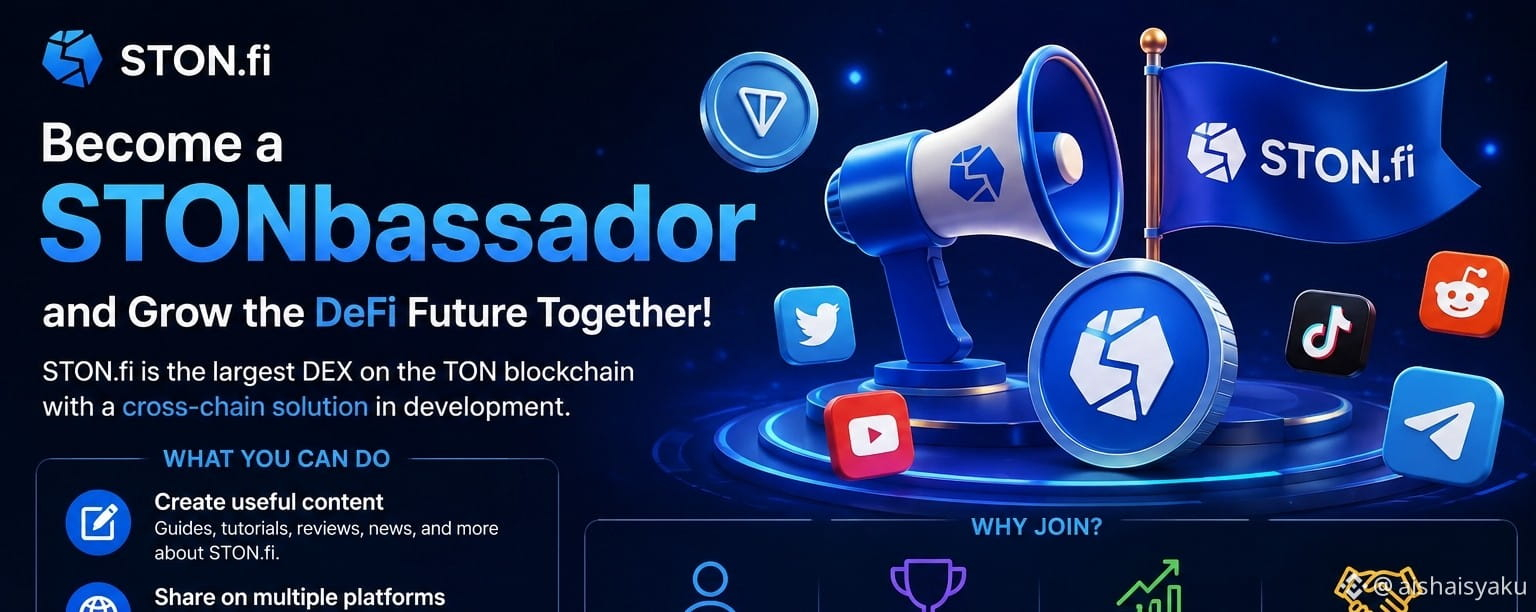
Artigo
. A Importância do Planejamento FinanceiroO planejamento financeiro ajuda indivíduos e famílias a alcançar estabilidade enquanto se preparam para oportunidades e desafios futuros. Ele envolve definir metas financeiras, criar um orçamento, economizar de forma consistente e tomar decisões informadas sobre gastos e investimentos.
Um orçamento realista forma a base para uma boa gestão financeira. Acompanhar a renda e as despesas permite que as pessoas entendam para onde seu dinheiro está indo e identifiquem áreas em que os gastos desnecessários podem ser reduzidos. Pequenas economias acumuladas ao longo do tempo podem fazer uma diferença significativa.
. A Importância do Planejamento Financeiro
O planejamento financeiro ajuda indivíduos e famílias a alcançar estabilidade enquanto se preparam para oportunidades e desafios futuros. Ele envolve definir metas financeiras, criar um orçamento, economizar de forma consistente e tomar decisões informadas sobre gastos e investimentos.
Um orçamento realista forma a base para uma boa gestão financeira. Acompanhar a renda e as despesas permite que as pessoas entendam para onde seu dinheiro está indo e identifiquem áreas em que os gastos desnecessários podem ser reduzidos. Pequenas economias acumuladas ao longo do tempo podem fazer uma diferença significativa.
Um orçamento realista forma a base para uma boa gestão financeira. Acompanhar a renda e as despesas permite que as pessoas entendam para onde seu dinheiro está indo e identifiquem áreas em que os gastos desnecessários podem ser reduzidos. Pequenas economias acumuladas ao longo do tempo podem fazer uma diferença significativa.
66
·
--
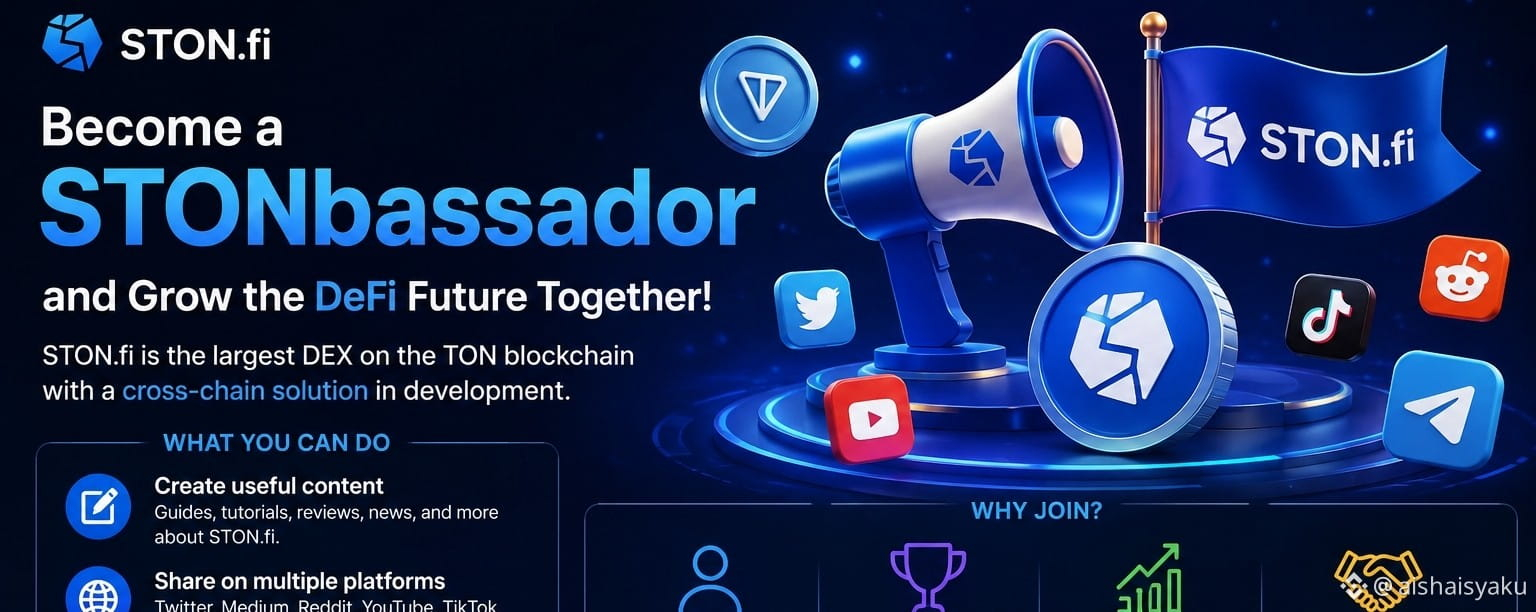
Artigo
Artigo 4: O crescente papel da cibersegurançaA cibersegurança se tornou uma parte fundamental da vida moderna, já que indivíduos, empresas e governos dependem cada vez mais de tecnologias digitais. Proteger computadores, redes e informações pessoais contra ameaças cibernéticas é essencial no mundo interconectado de hoje.
Cibercriminosos usam e-mails de phishing, malware, ransomware e roubo de identidade para explorar vulnerabilidades. Esses ataques podem resultar em perdas financeiras, operações interrompidas e reputações danificadas. Boas práticas de cibersegurança ajudam a reduzir esses riscos.
Artigo 4: O crescente papel da cibersegurança
A cibersegurança se tornou uma parte fundamental da vida moderna, já que indivíduos, empresas e governos dependem cada vez mais de tecnologias digitais. Proteger computadores, redes e informações pessoais contra ameaças cibernéticas é essencial no mundo interconectado de hoje.
Cibercriminosos usam e-mails de phishing, malware, ransomware e roubo de identidade para explorar vulnerabilidades. Esses ataques podem resultar em perdas financeiras, operações interrompidas e reputações danificadas. Boas práticas de cibersegurança ajudam a reduzir esses riscos.
Cibercriminosos usam e-mails de phishing, malware, ransomware e roubo de identidade para explorar vulnerabilidades. Esses ataques podem resultar em perdas financeiras, operações interrompidas e reputações danificadas. Boas práticas de cibersegurança ajudam a reduzir esses riscos.
2
343
·
--
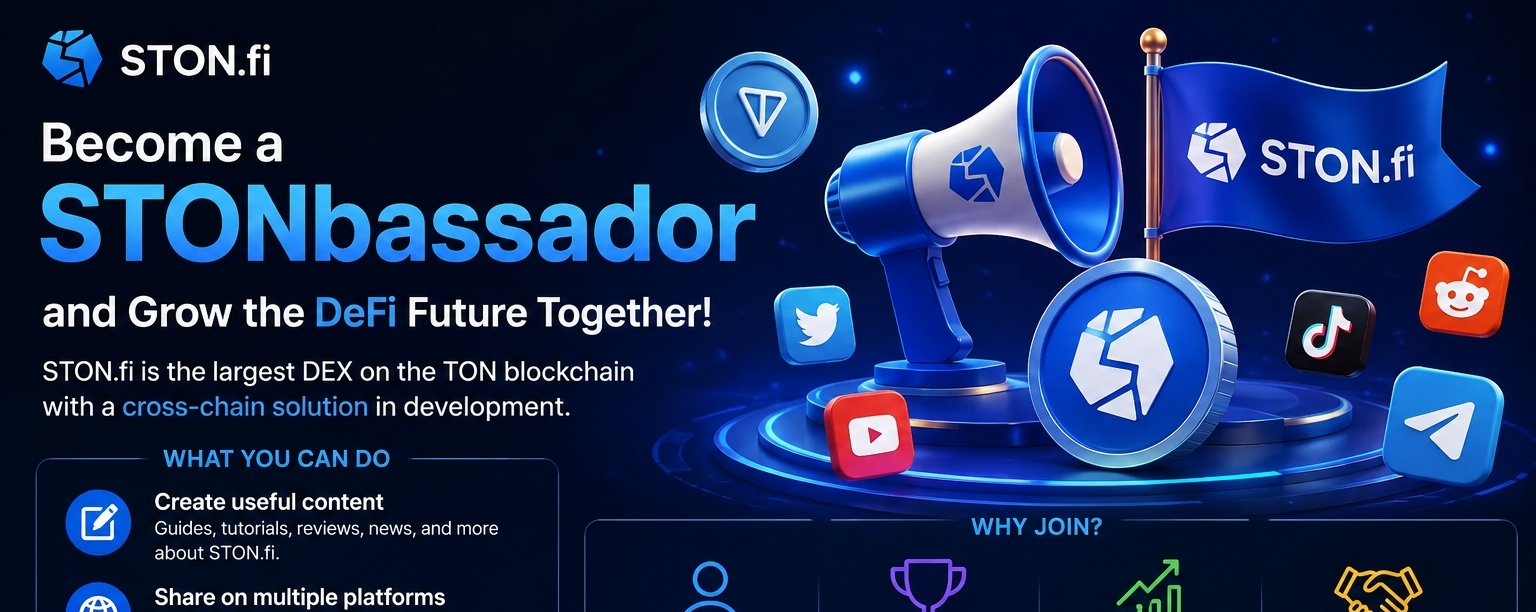
Artigo
O Valor da Aprendizagem ao Longo da VidaAprender nunca deve parar depois da formatura. A aprendizagem ao longo da vida é o hábito de desenvolver continuamente novas habilidades e ampliar conhecimentos durante toda a vida. Em um mundo que muda rapidamente, essa mentalidade ajuda as pessoas a permanecerem adaptáveis e preparadas para novas oportunidades.
A tecnologia transformou a forma como as pessoas aprendem. Cursos online, vídeos educacionais, bibliotecas digitais e salas de aula virtuais tornam o conhecimento disponível para qualquer pessoa com acesso à internet. Quer alguém queira melhorar sua carreira, iniciar um negócio ou explorar um hobby, os recursos de aprendizagem estão mais acessíveis do que nunca.
O Valor da Aprendizagem ao Longo da Vida
Aprender nunca deve parar depois da formatura. A aprendizagem ao longo da vida é o hábito de desenvolver continuamente novas habilidades e ampliar conhecimentos durante toda a vida. Em um mundo que muda rapidamente, essa mentalidade ajuda as pessoas a permanecerem adaptáveis e preparadas para novas oportunidades.
A tecnologia transformou a forma como as pessoas aprendem. Cursos online, vídeos educacionais, bibliotecas digitais e salas de aula virtuais tornam o conhecimento disponível para qualquer pessoa com acesso à internet. Quer alguém queira melhorar sua carreira, iniciar um negócio ou explorar um hobby, os recursos de aprendizagem estão mais acessíveis do que nunca.
A tecnologia transformou a forma como as pessoas aprendem. Cursos online, vídeos educacionais, bibliotecas digitais e salas de aula virtuais tornam o conhecimento disponível para qualquer pessoa com acesso à internet. Quer alguém queira melhorar sua carreira, iniciar um negócio ou explorar um hobby, os recursos de aprendizagem estão mais acessíveis do que nunca.
29
·
--
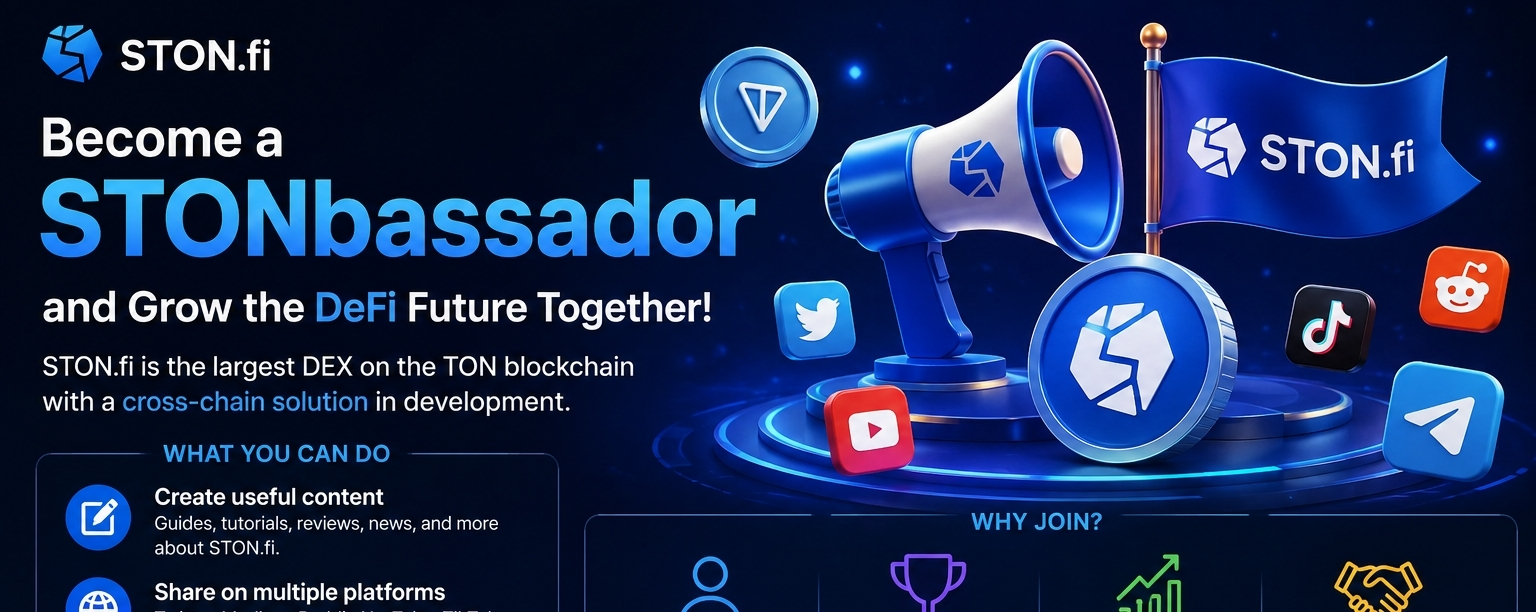
Artigo
O Valor das Habilidades DigitaisAs habilidades digitais se tornaram essenciais no mundo de hoje. Seja alguém um estudante, um empreendedor ou um funcionário, entender a tecnologia abre novas oportunidades. Habilidades básicas, como usar softwares de produtividade, gerenciar e-mails e buscar informações confiáveis na internet, podem melhorar a eficiência e a confiança. Habilidades mais avançadas, como design gráfico, programação e marketing digital, permitem que as pessoas concorram em um mercado global.
Aprender habilidades digitais não exige equipamentos caros. Muitos recursos gratuitos, tutoriais e cursos on-line ajudam iniciantes a adquirir conhecimento no próprio ritmo. A prática regular costuma ser mais importante do que o talento natural. À medida que a tecnologia continua a evoluir, a aprendizagem ao longo da vida garante que as pessoas permaneçam adaptáveis e preparadas para carreiras futuras.
O Valor das Habilidades Digitais
As habilidades digitais se tornaram essenciais no mundo de hoje. Seja alguém um estudante, um empreendedor ou um funcionário, entender a tecnologia abre novas oportunidades. Habilidades básicas, como usar softwares de produtividade, gerenciar e-mails e buscar informações confiáveis na internet, podem melhorar a eficiência e a confiança. Habilidades mais avançadas, como design gráfico, programação e marketing digital, permitem que as pessoas concorram em um mercado global.
Aprender habilidades digitais não exige equipamentos caros. Muitos recursos gratuitos, tutoriais e cursos on-line ajudam iniciantes a adquirir conhecimento no próprio ritmo. A prática regular costuma ser mais importante do que o talento natural. À medida que a tecnologia continua a evoluir, a aprendizagem ao longo da vida garante que as pessoas permaneçam adaptáveis e preparadas para carreiras futuras.
Aprender habilidades digitais não exige equipamentos caros. Muitos recursos gratuitos, tutoriais e cursos on-line ajudam iniciantes a adquirir conhecimento no próprio ritmo. A prática regular costuma ser mais importante do que o talento natural. À medida que a tecnologia continua a evoluir, a aprendizagem ao longo da vida garante que as pessoas permaneçam adaptáveis e preparadas para carreiras futuras.
109
Inicia sessão para explorar mais conteúdos
Junta-te a utilizadores de criptomoedas de todo o mundo na Binance Square
⚡️ Obtém informações úteis e recentes sobre criptomoedas.
💬 Com a confiança da maior exchange de criptomoedas do mundo.
👍 Descobre perspetivas reais de criadores verificados.
E-mail/Número de telefone
Tópicos em Tendência
1
#NFPWatch
10.9M visualizações
19,340 a discutir
2
#BitcoinFundingRateTriplesTo10%
178,641 visualizações
1,232 a discutir
3
#BitcoinSurpasses$86KUp2.99%
59,286 visualizações
117 a discutir
4
#ZcashFalls21%FromSeptemberPeak
94,231 visualizações
870 a discutir
5
#USSeptemberPayrollsAdd29KUnemploymentRises4.2%
75,895 visualizações
533 a discutir
6
#XRPPostsFirstThreeGreenMonthsInQ3
65,445 visualizações
733 a discutir
7
#BNBChainTokenizedStocksTop$1BAt30%Share
28,882 visualizações
38 a discutir
8
#BitcoinRisesToward$85K
130,218 visualizações
158 a discutir
9
#AmazonPlansToSell$8BNvidiaChips
8,328 visualizações
91 a discutir
10
#NEARFallsToAround$4.70Down14%
51,039 visualizações
118 a discutir