
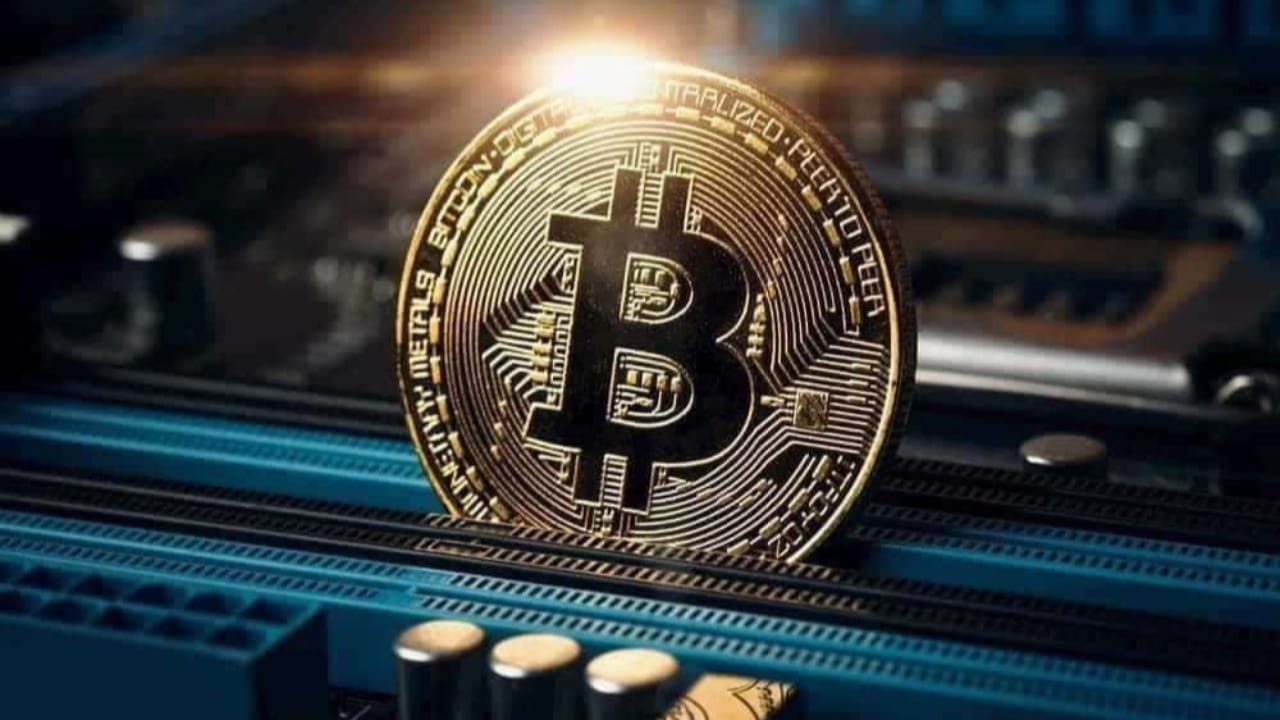
Cryptocurrency has undergone several periods of growth and retraction, including several bubbles and market crashes, such as in 2011, 2013-2014–15, 2017-2018 and 2021–2023.[25][26]
On 6 August 2014, the UK announced its Treasury had commissioned a study of cryptocurrencies, and what role, if any, they could play in the UK economy. The study was also to report on whether regulation should be considered.[27] Its final report was published in 2018,[28] and it issued a consultation on cryptoassets and stablecoins in January 2021.[29]
In June 2021, El Salvador became the first country to accept Bitcoin as legal tender, after the Legislative Assembly had voted 62–22 to pass a bill submitted by President Nayib Bukele classifying the cryptocurrency as such.[30]
In August 2021, Cuba followed with Resolution 215 to recognize and regulate cryptocurrencies such as Bitcoin.[31]
In September 2021, the government of China, the single largest market for cryptocurrency, declared all cryptocurrency transactions illegal. This completed a crackdown on cryptocurrency that had previously banned the operation of intermediaries and miners within China.[32]
On 15 September 2022, the world second largest cryptocurrency at that time, Ethereum transitioned its consensus mechanism from proof-of-work (PoW) to proof-of-stake (PoS) in an upgrade process known as "the Merge". According to the Ethereum Founder, the upgrade can cut Ethereum's energy use by 99.9% and carbon-dioxide emissions by 99.9%.[33]
On 11 November 2022, FTX Trading Ltd., a cryptocurrency exchange, which also operated a crypto hedge fund, and had been valued at $18 billion,[34] filed for bankruptcy.[35] The financial impact of the collapse extended beyond the immediate FTX customer base, as reported,[36] while, at a Reuters conference, financial industry executives said that "regulators must step in to protect crypto investors."[37] Technology analyst Avivah Litan commented on the cryptocurrency ecosystem that "everything...needs to improve dramatically in terms of user experience, controls, safety, customer service."[38]