Binance Square
cryptoscoping
1.3k Publicações

cryptoscoping

Get early access to what's happening in the crypto world here
31 A seguir
1.1K+ Seguidores
929 Gostaram
Publicações
·
--
Verificado
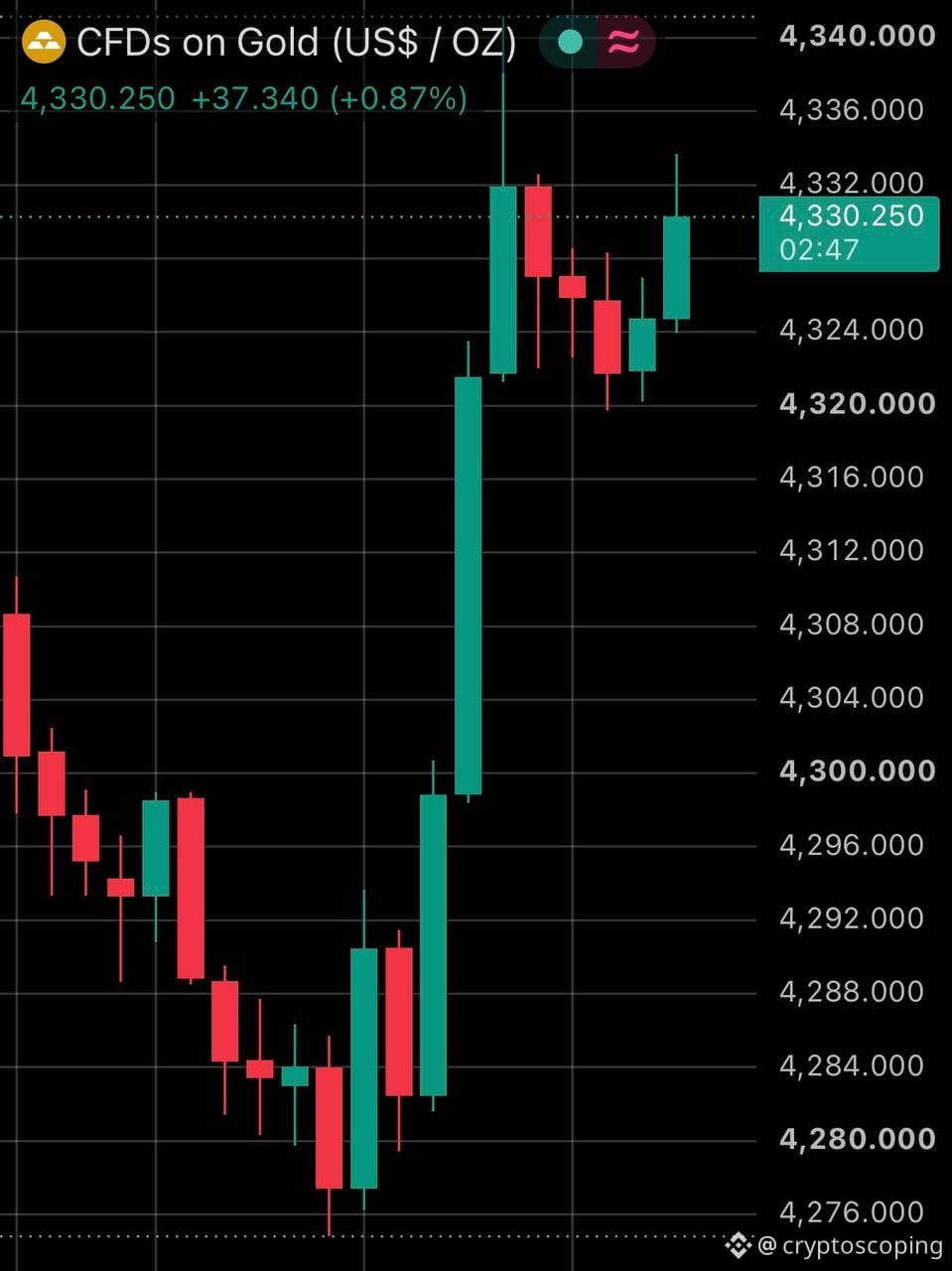
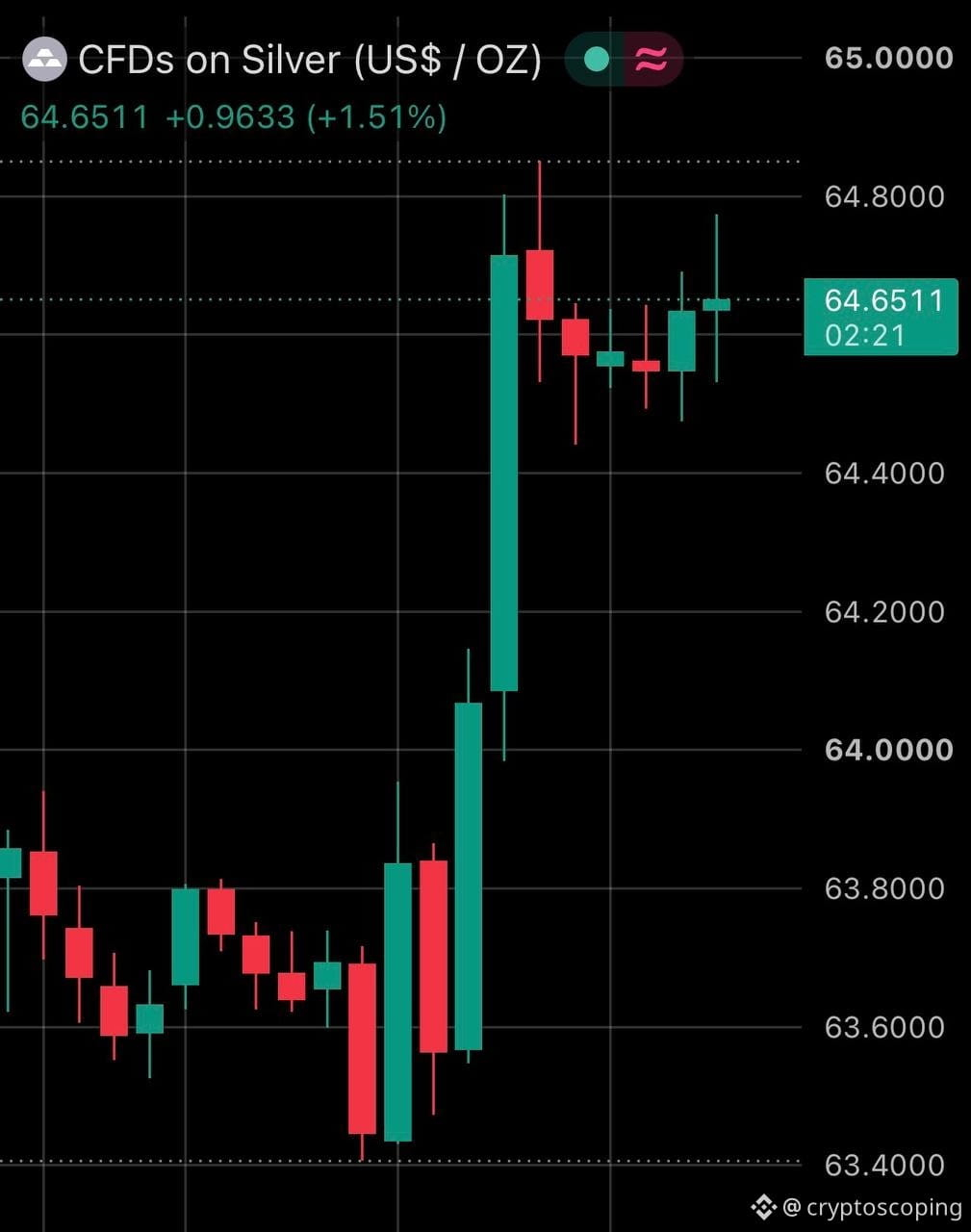
The Middle East woke up to another tense morning, with the world expecting more escalation between Israel and Iran. Then suddenly, a new headline dropped. President Donald Trump announced that Israel and Iran are now looking to agree on an “immediate ceasefire,” adding that “final negotiations on peace are proceeding.” After days of fear, oil $XAU volatility, and rising geopolitical tension, markets and global leaders are now watching closely to see if diplomacy can finally overpower conflict. #GoldFallsBelow200DayAverage
The Middle East woke up to another tense morning, with the world expecting more escalation between Israel and Iran.

Then suddenly, a new headline dropped.

President Donald Trump announced that Israel and Iran are now looking to agree on an “immediate ceasefire,” adding that “final negotiations on peace are proceeding.”

After days of fear, oil $XAU volatility, and rising geopolitical tension, markets and global leaders are now watching closely to see if diplomacy can finally overpower conflict.

#GoldFallsBelow200DayAverage
Verificado
The market has seen this movie before. The USD/JPY pair has quietly climbed back above 160, a level that tends to make Japanese policymakers nervous. Every time the yen weakens this much, traders start watching for the same thing: intervention. And when Japan steps in, the ripple effect rarely stays in Japan. A stronger yen can force investors to unwind the famous carry trade, draining liquidity from global markets. Risk assets usually feel the pressure first, and crypto often takes the hardest hit. This time, another storm cloud is forming on the horizon. The Bank of Japan is set to announce its next rate decision on June 15–16, with markets expecting a 25-basis-point hike. History suggests that $BTC investors should pay attention. After the BOJ's March 2024 hike, Bitcoin fell around 23%. The July 2024 hike was followed by a 25–30% correction. January 2025 saw another hike and a 31% drop. Even the December 2025 hike preceded a decline of more than 25%. Now, the market faces a potentially dangerous combination: USD/JPY above 160 and another BOJ rate hike looming. If Japan intervenes to defend the yen and the BOJ tightens policy again, the carry trade could come under pressure from both directions. And if history repeats itself, crypto traders may be in for another volatile chapter. #SaylorHintsStrategyBitcoinBuy
The market has seen this movie before.

The USD/JPY pair has quietly climbed back above 160, a level that tends to make Japanese policymakers nervous.

Every time the yen weakens this much, traders start watching for the same thing: intervention.

And when Japan steps in, the ripple effect rarely stays in Japan.

A stronger yen can force investors to unwind the famous carry trade, draining liquidity from global markets.

Risk assets usually feel the pressure first, and crypto often takes the hardest hit.

This time, another storm cloud is forming on the horizon.

The Bank of Japan is set to announce its next rate decision on June 15–16, with markets expecting a 25-basis-point hike. History suggests that $BTC investors should pay attention.

After the BOJ's March 2024 hike, Bitcoin fell around 23%.

The July 2024 hike was followed by a 25–30% correction.

January 2025 saw another hike and a 31% drop.

Even the December 2025 hike preceded a decline of more than 25%.

Now, the market faces a potentially dangerous combination: USD/JPY above 160 and another BOJ rate hike looming.

If Japan intervenes to defend the yen and the BOJ tightens policy again, the carry trade could come under pressure from both directions.

And if history repeats itself, crypto traders may be in for another volatile chapter.

#SaylorHintsStrategyBitcoinBuy
Verificado
A new twist may be emerging in the long-running standoff between the United States and Iran. Just a day after an adviser to Iran’s Supreme Leader reportedly stated that any future peace agreement would require the release of $24 billion in frozen Iranian assets, Washington appears to be exploring a very different path for those funds. According to Reuters, U.S. Treasury Secretary Scott Bessent has ordered an assessment of the damage Iran has allegedly caused to Gulf allies over the years. The review is reportedly examining whether frozen Iranian assets could be used to help those nations rebuild infrastructure and repair both past and future damages. If pursued, the move would place billions of dollars at the center of a growing geopolitical dispute. For Iran, the assets represent money it wants returned as part of any diplomatic breakthrough. For the U.S. and its allies, those same funds could potentially become a source of compensation for regional losses. The result is a high-stakes battle over who ultimately controls billions of dollars in frozen wealth and what role that money could play in shaping the next chapter of Middle East diplomacy. #JPMorganBofACitiPlanTokenizedDepositNetwork
A new twist may be emerging in the long-running standoff between the United States and Iran.

Just a day after an adviser to Iran’s Supreme Leader reportedly stated that any future peace agreement would require the release of $24 billion in frozen Iranian assets, Washington appears to be exploring a very different path for those funds.

According to Reuters, U.S. Treasury Secretary Scott Bessent has ordered an assessment of the damage Iran has allegedly caused to Gulf allies over the years.

The review is reportedly examining whether frozen Iranian assets could be used to help those nations rebuild infrastructure and repair both past and future damages.

If pursued, the move would place billions of dollars at the center of a growing geopolitical dispute.

For Iran, the assets represent money it wants returned as part of any diplomatic breakthrough. For the U.S. and its allies, those same funds could potentially become a source of compensation for regional losses.

The result is a high-stakes battle over who ultimately controls billions of dollars in frozen wealth and what role that money could play in shaping the next chapter of Middle East diplomacy.

#JPMorganBofACitiPlanTokenizedDepositNetwork
Verificado
After more than three years of silence, a wallet linked to Ethereum co-founder Joseph Lubin suddenly came back to life. Without warning, 80,001 $ETH worth $121.6 million was moved, catching the attention of on-chain watchers across the crypto market. The transfer immediately sparked speculation. Was it preparation for a major move, treasury management, or something else entirely? What makes the transaction even more interesting is that the wallet isn't empty. Far from it. Even after moving over $121 million in ETH, the address still holds 243,300 ETH worth roughly $370 million, reminding everyone of the enormous fortunes that early Ethereum believers continue to control. Large dormant wallets rarely move without drawing attention, and this one is no exception. What do you think is behind the transfer—routine treasury management, an OTC deal, or the start of something bigger? #NasdaqWorstDayInOverAYear
After more than three years of silence, a wallet linked to Ethereum co-founder Joseph Lubin suddenly came back to life.

Without warning, 80,001 $ETH worth $121.6 million was moved, catching the attention of on-chain watchers across the crypto market.

The transfer immediately sparked speculation. Was it preparation for a major move, treasury management, or something else entirely?

What makes the transaction even more interesting is that the wallet isn't empty. Far from it.

Even after moving over $121 million in ETH, the address still holds 243,300 ETH worth roughly $370 million, reminding everyone of the enormous fortunes that early Ethereum believers continue to control.

Large dormant wallets rarely move without drawing attention, and this one is no exception.

What do you think is behind the transfer—routine treasury management, an OTC deal, or the start of something bigger?

#NasdaqWorstDayInOverAYear
Verificado
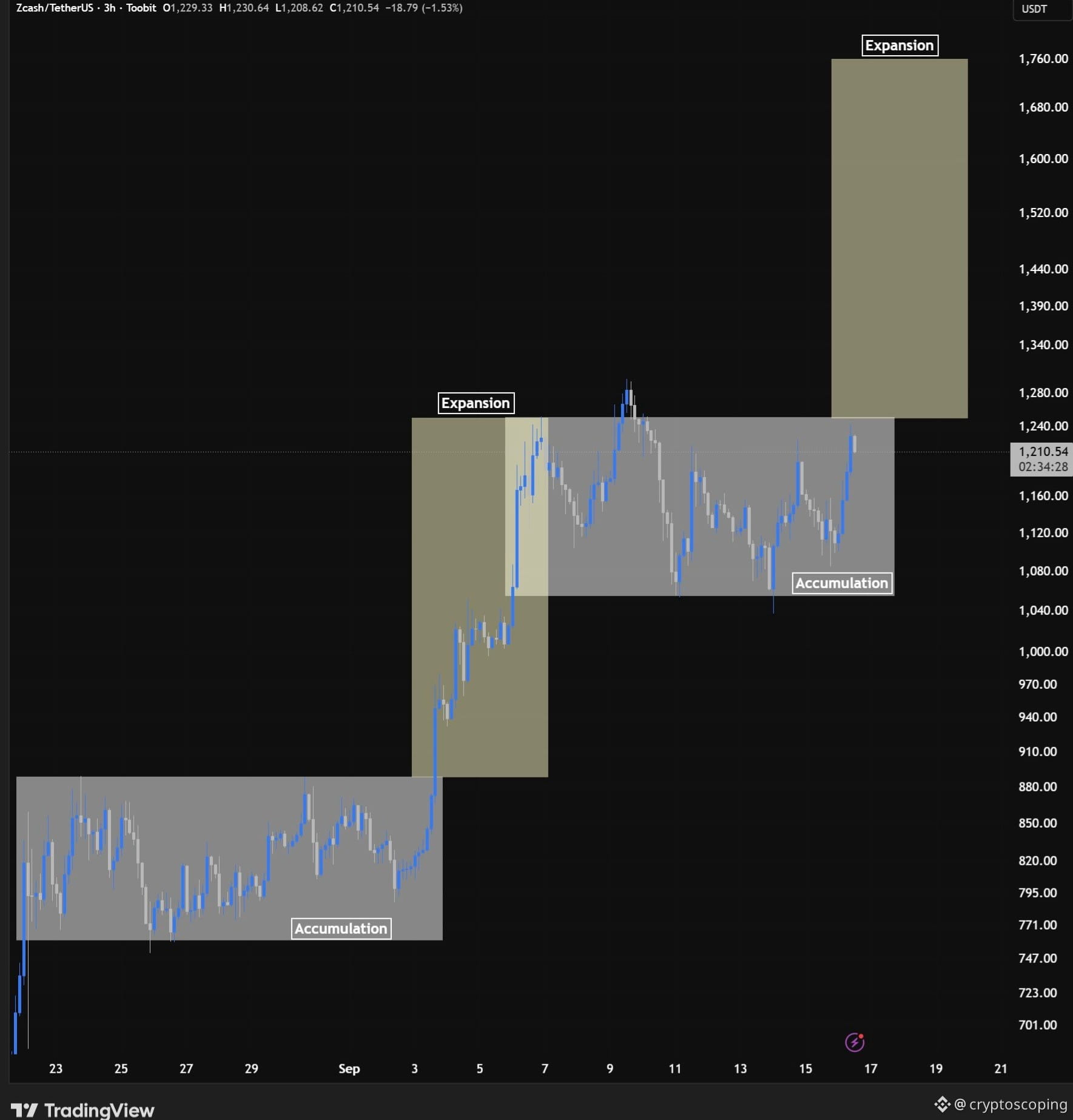
Arthur Hayes just made a decision that caught the attention of crypto markets. After following the developments surrounding the Orchard Pool exploit, he decided to sell all of his $ZEC holdings. His concern wasn't simply the exploit itself. It was the possibility that there may never be a way to formally prove that counterfeit coins cannot be created within the system. For Hayes, uncertainty around the integrity of a monetary network is a risk too large to ignore. But while he closed one chapter, he didn't step away from crypto. Instead, his conviction remains strong elsewhere. Despite turning bearish on ZEC, Hayes says he's still bullish on $WLD , showing that even in a market filled with risks, some projects continue to earn his confidence. One position was exited. Another remains firmly intact. #MyStocksQuestion
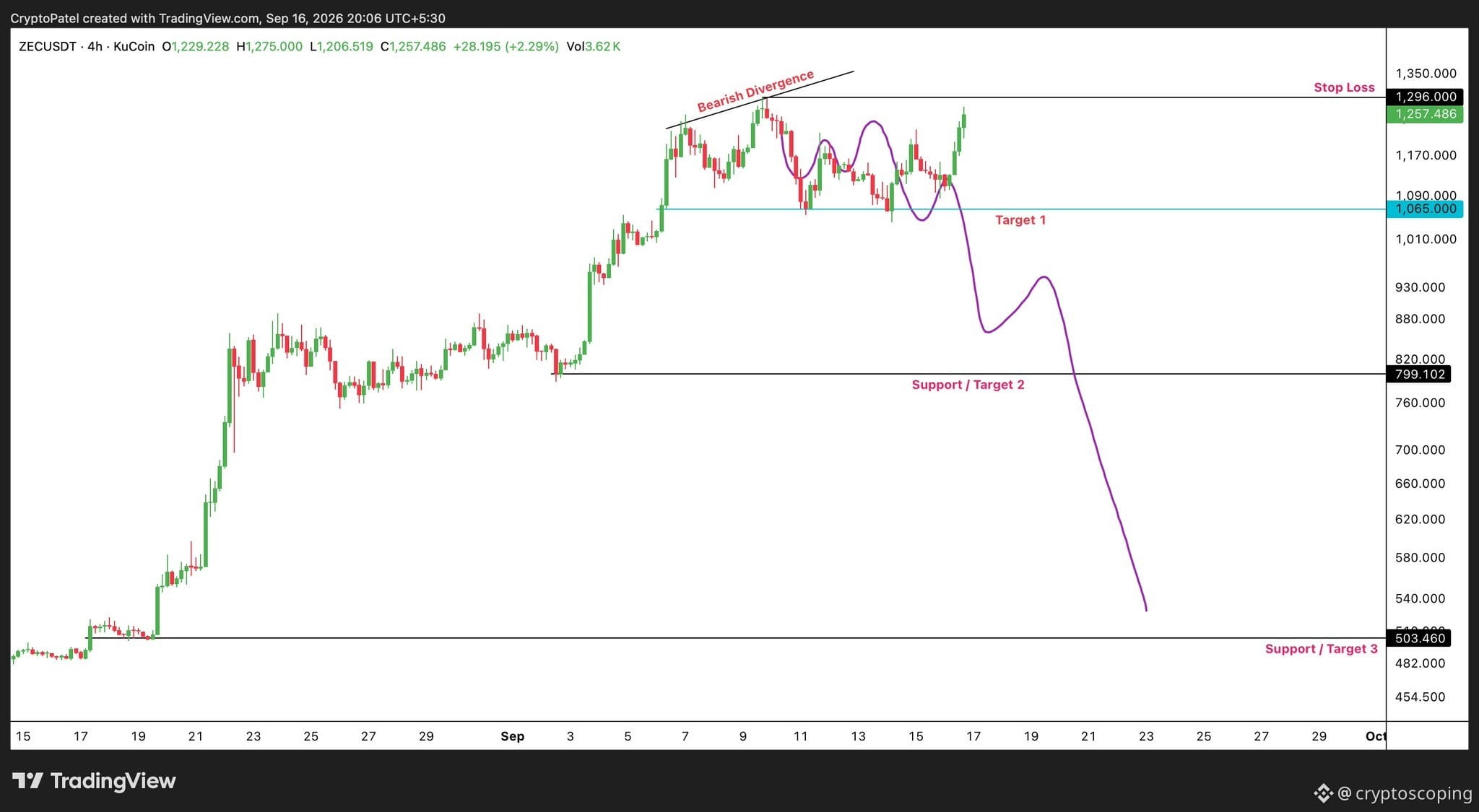
Arthur Hayes just made a decision that caught the attention of crypto markets.

After following the developments surrounding the Orchard Pool exploit, he decided to sell all of his $ZEC holdings.

His concern wasn't simply the exploit itself. It was the possibility that there may never be a way to formally prove that counterfeit coins cannot be created within the system.

For Hayes, uncertainty around the integrity of a monetary network is a risk too large to ignore.

But while he closed one chapter, he didn't step away from crypto.

Instead, his conviction remains strong elsewhere.

Despite turning bearish on ZEC, Hayes says he's still bullish on $WLD , showing that even in a market filled with risks, some projects continue to earn his confidence.

One position was exited. Another remains firmly intact.

#MyStocksQuestion
Verificado
When traders woke up this morning, most expected an ordinary session. By the closing bell, a massive wave of liquidity had evaporated. The damage was everywhere. Tech heavyweights led a 2.6% rout on the Nasdaq, while silver plunged nearly 7% and $BTC broke down toward the low $60,000s as buyers vanished from the order books. The chain reaction started with what should have been good news: the U.S. economy added 172,000 jobs in May, almost double expectations. But with sticky inflation, a hot labor market means the Fed might keep rates higher for longer. Within hours, expectations for another rate hike surged. Then attention turned to AI. Broadcom reported stunning numbers revenue jumped 48% and AI chip sales soared 143% yet the stock collapsed because management failed to raise its full-year AI outlook. For the first time in months, a dangerous question emerged: Have AI stocks become too expensive? The doubts spread fast. Reports that next-gen AI systems require less memory sent shockwaves through South Korean and Japanese chipmakers. Beneath the headlines lies a deeper issue: liquidity. With major private companies preparing for public listings, investors are selling existing positions to raise cash. With a crucial Fed meeting less than two weeks away, uncertainty is peaking. Today wasn't just a standard sell-off it was a day when every hidden market fear showed up at the exact same time. #MyStocksQuestion
When traders woke up this morning, most expected an ordinary session. By the closing bell, a massive wave of liquidity had evaporated.

The damage was everywhere. Tech heavyweights led a 2.6% rout on the Nasdaq, while silver plunged nearly 7% and $BTC broke down toward the low $60,000s as buyers vanished from the order books.

The chain reaction started with what should have been good news: the U.S. economy added 172,000 jobs in May, almost double expectations.

But with sticky inflation, a hot labor market means the Fed might keep rates higher for longer. Within hours, expectations for another rate hike surged.

Then attention turned to AI. Broadcom reported stunning numbers revenue jumped 48% and AI chip sales soared 143% yet the stock collapsed because management failed to raise its full-year AI outlook.

For the first time in months, a dangerous question emerged: Have AI stocks become too expensive?

The doubts spread fast. Reports that next-gen AI systems require less memory sent shockwaves through South Korean and Japanese chipmakers.

Beneath the headlines lies a deeper issue: liquidity. With major private companies preparing for public listings, investors are selling existing positions to raise cash.

With a crucial Fed meeting less than two weeks away, uncertainty is peaking. Today wasn't just a standard sell-off it was a day when every hidden market fear showed up at the exact same time.

#MyStocksQuestion
Verificado
It felt like one of those days where every screen you opened showed more red than the last. Stocks slid, gold $XAUT followed, and $BTC broke down toward the low $60,000s as buyers vanished from the order books. By the closing bell, a massive wave of liquidity had evaporated. The Nasdaq tumbled 2.6% dragged down by a 5% rout in tech giants like Nvidia while a brutal 13-day outflow streak from spot ETFs bled billions from Bitcoin's realized cap. In moments like this, fear spreads fast. Leveraged longs get flushed, headlines get louder, and traders rush for the exits. But market history shows the biggest opportunities appear when uncertainty peaks and indicators are deeply oversold. The question now is simple: Is this the start of a broader structural breakdown fueled by sticky inflation, or just a healthy correction creating the next major buying opportunity?
It felt like one of those days where every screen you opened showed more red than the last. Stocks slid, gold $XAUT followed, and $BTC broke down toward the low $60,000s as buyers vanished from the order books.

By the closing bell, a massive wave of liquidity had evaporated. The Nasdaq tumbled 2.6% dragged down by a 5% rout in tech giants like Nvidia while a brutal 13-day outflow streak from spot ETFs bled billions from Bitcoin's realized cap.

In moments like this, fear spreads fast. Leveraged longs get flushed, headlines get louder, and traders rush for the exits.

But market history shows the biggest opportunities appear when uncertainty peaks and indicators are deeply oversold.

The question now is simple: Is this the start of a broader structural breakdown fueled by sticky inflation, or just a healthy correction creating the next major buying opportunity?
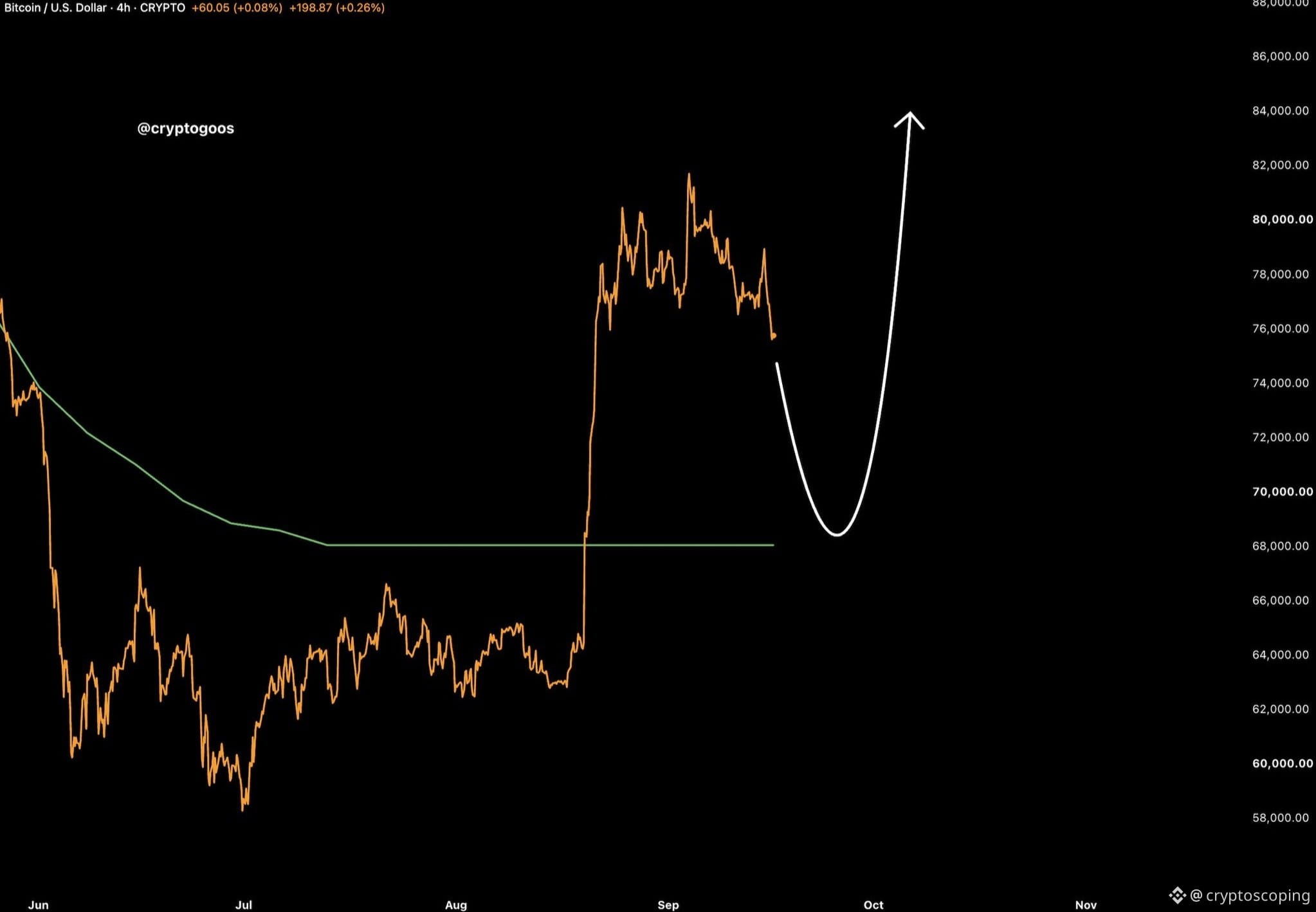
It started with a slow bleed. $BTC kept slipping lower as uncertainty spread across global markets. Traders watched key support levels crack one after another, hoping buyers would step in. They didn't. When BTC dropped below $67,000, the market reaction was brutal. Long positions were wiped out in rapid succession, triggering a liquidation cascade that erased more than $1 billion from the crypto market in just hours. The pressure wasn't coming from one direction either. Rising concerns around the Iran conflict rattled risk assets, while continued selling from major holder Strategy Inc. added fuel to an already nervous market. Now Bitcoin sits nearly 50% below its October peak near $126,000, leaving traders asking the same question: Is this the final shakeout before a recovery, or the start of a much deeper chapter in the correction? #BinanceRollsOutTradingInUSStocks
It started with a slow bleed.

$BTC kept slipping lower as uncertainty spread across global markets. Traders watched key support levels crack one after another, hoping buyers would step in.

They didn't.

When BTC dropped below $67,000, the market reaction was brutal. Long positions were wiped out in rapid succession, triggering a liquidation cascade that erased more than $1 billion from the crypto market in just hours.

The pressure wasn't coming from one direction either.

Rising concerns around the Iran conflict rattled risk assets, while continued selling from major holder Strategy Inc. added fuel to an already nervous market.

Now Bitcoin sits nearly 50% below its October peak near $126,000, leaving traders asking the same question:

Is this the final shakeout before a recovery, or the start of a much deeper chapter in the correction?

#BinanceRollsOutTradingInUSStocks
Verificado
For years, crypto has been stuck in a gray area. Projects built without knowing which regulator might knock on their door next. Investors navigated a market where the rules seemed to change depending on who was asking the questions. Now, that story may be approaching a turning point. The CLARITY Act has officially been placed on the Senate Legislative Calendar, moving one step closer to a full Senate vote. If passed, it would draw clear lines between the SEC and CFTC, something the industry has been waiting on for years. What happens next could shape how crypto operates in the United States for the next decade. The chapter of uncertainty may not be over yet, but the next page is finally being written.
For years, crypto has been stuck in a gray area.

Projects built without knowing which regulator might knock on their door next. Investors navigated a market where the rules seemed to change depending on who was asking the questions.

Now, that story may be approaching a turning point.

The CLARITY Act has officially been placed on the Senate Legislative Calendar, moving one step closer to a full Senate vote.

If passed, it would draw clear lines between the SEC and CFTC, something the industry has been waiting on for years.

What happens next could shape how crypto operates in the United States for the next decade.

The chapter of uncertainty may not be over yet, but the next page is finally being written.
Funny how sentiment changes. A few weeks of downside and suddenly everyone starts acting like the trend is broken. Yet $SOL #ISMManufacturingPricesMiss is still trading around a zone where buyers have historically shown interest. The chart doesn't look exciting right now. That's usually when the most interesting setups begin to form. If this support continues to hold, the recent pullback may end up looking more like a reset than a reversal. Markets have a habit of testing patience before rewarding conviction. So here's the question: Is this simply the calm before the next leg higher, or are traders underestimating the risks here? 👇 #EthereumStakingRatioRecordHigh
Funny how sentiment changes.

A few weeks of downside and suddenly everyone starts acting like the trend is broken.

Yet $SOL #ISMManufacturingPricesMiss is still trading around a zone where buyers have historically shown interest.

The chart doesn't look exciting right now.
That's usually when the most interesting setups begin to form.

If this support continues to hold, the recent pullback may end up looking more like a reset than a reversal.

Markets have a habit of testing patience before rewarding conviction.

So here's the question:

Is this simply the calm before the next leg higher, or are traders underestimating the risks here? 👇

#EthereumStakingRatioRecordHigh
Growing up, gold was always seen as the ultimate store of value. No matter what happened in the world, gold was $XAU . Then I saw a proposal that felt almost unreal. A U.S. Senator wants America to consider selling some of its gold reserves and buying Bitcoin instead. Think about how big that shift is. We're talking about replacing part of a reserve asset that's been trusted for thousands of years with one that's barely over a decade old. Whether it happens or not isn't even the most interesting part. The fact that this conversation is happening at all says everything about how far Bitcoin has come. A few years ago, this idea would've sounded ridiculous. Today, it's being discussed at the highest levels. Do you see Bitcoin eventually standing alongside gold, or competing with it? 👇 #StrategyHintsNewBTCBuy
Growing up, gold was always seen as the ultimate store of value.

No matter what happened in the world, gold was $XAU .

Then I saw a proposal that felt almost unreal.

A U.S. Senator wants America to consider selling some of its gold reserves and buying Bitcoin instead.

Think about how big that shift is.

We're talking about replacing part of a reserve asset that's been trusted for thousands of years with one that's barely over a decade old.

Whether it happens or not isn't even the most interesting part.

The fact that this conversation is happening at all says everything about how far Bitcoin has come.

A few years ago, this idea would've sounded ridiculous.

Today, it's being discussed at the highest levels.

Do you see Bitcoin eventually standing alongside gold, or competing with it? 👇

#StrategyHintsNewBTCBuy
I remember seeing the same thing happen before. The headlines were bearish. The timelines were filled with fear. Everyone had a reason why $BTC could go lower. Then an on-chain indicator quietly entered a zone that most people ignored. Not because they didn't see it. Because acting on it felt uncomfortable. Fast forward months later, and the same people who dismissed the signal were asking how they missed the opportunity. Now, that indicator is back in a level that has historically appeared when conviction was low and fear was high. The funny thing about market opportunities is that they never arrive looking like opportunities. They arrive disguised as uncertainty. Most people will wait for confirmation. By the time confirmation comes, the move is already underway. If history repeats itself, what do you think people will wish they had done at these levels? 👇 #StrategyHintsNewBTCBuy
I remember seeing the same thing happen before.

The headlines were bearish.
The timelines were filled with fear.
Everyone had a reason why $BTC could go lower.

Then an on-chain indicator quietly entered a zone that most people ignored.

Not because they didn't see it.

Because acting on it felt uncomfortable.

Fast forward months later, and the same people who dismissed the signal were asking how they missed the opportunity.

Now, that indicator is back in a level that has historically appeared when conviction was low and fear was high.

The funny thing about market opportunities is that they never arrive looking like opportunities.

They arrive disguised as uncertainty.

Most people will wait for confirmation.

By the time confirmation comes, the move is already underway.

If history repeats itself, what do you think people will wish they had done at these levels? 👇

#StrategyHintsNewBTCBuy
#genius $GENIUS I've been spending more time looking at how traders actually operate day to day. And honestly, most of the process still feels fragmented. One tab for market data. Another for wallet tracking. A few more for social sentiment. Then a separate platform to execute. By the time everything is pieced together, the market has already moved. While exploring @GeniusOfficial Terminal, one thing became clear: the focus isn't just on helping traders find information it's on helping them act on it. The platform combines multi-chain insights with execution tools in a way that feels designed for how crypto markets actually work. What I found particularly interesting are features like signatureless trading and Ghost Orders. In a market where every move is monitored and copied, being able to execute with greater privacy can be just as important as finding the opportunity itself. Because let's be honest. Getting the signal is only half the battle. Execution is where results are made. As crypto becomes more competitive, I think the platforms that simplify decision-making while improving execution will have a real advantage. Still exploring, but it's interesting to see how Genius Terminal is approaching the problem from both sides: intelligence and execution. For active traders, what's the bigger challenge today? Finding quality signals or executing before the crowd? 👇
#genius $GENIUS

I've been spending more time looking at how traders actually operate day to day.

And honestly, most of the process still feels fragmented.

One tab for market data.

Another for wallet tracking.

A few more for social sentiment.

Then a separate platform to execute.

By the time everything is pieced together, the market has already moved.

While exploring @GeniusOfficial Terminal, one thing became clear: the focus isn't just on helping traders find information it's on helping them act on it.

The platform combines multi-chain insights with execution tools in a way that feels designed for how crypto markets actually work.

What I found particularly interesting are features like signatureless trading and Ghost Orders.

In a market where every move is monitored and copied, being able to execute with greater privacy can be just as important as finding the opportunity itself.

Because let's be honest.

Getting the signal is only half the battle.

Execution is where results are made.

As crypto becomes more competitive, I think the platforms that simplify decision-making while improving execution will have a real advantage.

Still exploring, but it's interesting to see how Genius Terminal is approaching the problem from both sides: intelligence and execution.

For active traders, what's the bigger challenge today?

Finding quality signals or executing before the crowd? 👇
Verificado
Artigo
Will AI Create More Value for Data Than Crypto Created for Finance?A few years ago, crypto changed the conversation around ownership. Instead of relying entirely on traditional financial institutions, individuals suddenly had the ability to hold assets, participate in networks, provide liquidity, stake tokens, and become active participants in the systems they used. Whether you're bullish or bearish on crypto today, it's hard to deny the impact it had on the way we think about financial ownership. Now, I'm starting to wonder if AI is about to create a similar shift but this time around data. The more I explore the AI industry, the more obvious one thing becomes: data is the foundation of everything. Every AI model, every AI agent, and every breakthrough application depends on data. Without it, even the most advanced models have nothing to learn from. Yet there's an interesting imbalance. The companies building AI models receive most of the attention. The hardware providers receive attention. Even the applications built on top of AI receive attention. But the data itself the fuel that powers the entire ecosystem often gets overlooked. That was one of the reasons $OPEN Ledger caught my attention. Instead of focusing solely on building another AI application, @Openledger is exploring the infrastructure and incentive layer behind AI. The project is built around the idea that data contributors, validators, and participants should play a more visible role in the AI economy. It's an idea that feels familiar. Crypto introduced the concept that participants could own a piece of the networks they help grow. What if AI does something similar for data? What if the next major opportunity isn't creating the next AI chatbot, but contributing to the datasets, knowledge networks, and infrastructure that make AI useful in the first place? We're still in the early stages, and nobody knows exactly how the AI economy will evolve. But if AI continues to grow at its current pace, the demand for high-quality data will only increase. And if data becomes one of the most valuable resources in the digital economy, the projects building around data ownership, attribution, and incentives could become far more important than many currently realize. Crypto transformed finance by changing who could participate. AI may transform data by changing who gets rewarded. The question is whether the industry will recognize the value of data contributors in the same way crypto recognized the value of network participants. Projects like #OpenLedger are betting that it will. And honestly, that's a trend worth watching.

Will AI Create More Value for Data Than Crypto Created for Finance?

A few years ago, crypto changed the conversation around ownership.
Instead of relying entirely on traditional financial institutions, individuals suddenly had the ability to hold assets, participate in networks, provide liquidity, stake tokens, and become active participants in the systems they used.
Whether you're bullish or bearish on crypto today, it's hard to deny the impact it had on the way we think about financial ownership.
Now, I'm starting to wonder if AI is about to create a similar shift but this time around data.
The more I explore the AI industry, the more obvious one thing becomes: data is the foundation of everything.
Every AI model, every AI agent, and every breakthrough application depends on data. Without it, even the most advanced models have nothing to learn from.
Yet there's an interesting imbalance.
The companies building AI models receive most of the attention. The hardware providers receive attention. Even the applications built on top of AI receive attention.
But the data itself the fuel that powers the entire ecosystem often gets overlooked.
That was one of the reasons $OPEN Ledger caught my attention.
Instead of focusing solely on building another AI application, @OpenLedger is exploring the infrastructure and incentive layer behind AI. The project is built around the idea that data contributors, validators, and participants should play a more visible role in the AI economy.
It's an idea that feels familiar.
Crypto introduced the concept that participants could own a piece of the networks they help grow.
What if AI does something similar for data?
What if the next major opportunity isn't creating the next AI chatbot, but contributing to the datasets, knowledge networks, and infrastructure that make AI useful in the first place?
We're still in the early stages, and nobody knows exactly how the AI economy will evolve.
But if AI continues to grow at its current pace, the demand for high-quality data will only increase.
And if data becomes one of the most valuable resources in the digital economy, the projects building around data ownership, attribution, and incentives could become far more important than many currently realize.
Crypto transformed finance by changing who could participate.
AI may transform data by changing who gets rewarded.
The question is whether the industry will recognize the value of data contributors in the same way crypto recognized the value of network participants.
Projects like #OpenLedger are betting that it will.
And honestly, that's a trend worth watching.
#openledger $OPEN I've been exploring different AI projects lately, and OpenLedger stood out for a reason I wasn't expecting. While most AI platforms compete on models and performance, @Openledger is focused on something that often gets overlooked: data. The more I looked into it, the more it made sense. AI models are only as good as the data they're trained on, yet data contributors rarely get much recognition for the value they create. OpenLedger is working on a different approach by building an ecosystem where data can be contributed, verified, and utilized in a way that aligns incentives across the network. It's an interesting perspective because the future of AI may not just be about who builds the best model. It could also be about who creates the best data layer behind it. Still early, but definitely a project I'm keeping an eye on. Do you think data will become the most valuable asset in the AI economy? 👇
#openledger $OPEN

I've been exploring different AI projects lately, and OpenLedger stood out for a reason I wasn't expecting.

While most AI platforms compete on models and performance, @OpenLedger is focused on something that often gets overlooked: data.

The more I looked into it, the more it made sense.

AI models are only as good as the data they're trained on, yet data contributors rarely get much recognition for the value they create.

OpenLedger is working on a different approach by building an ecosystem where data can be contributed, verified, and utilized in a way that aligns incentives across the network.

It's an interesting perspective because the future of AI may not just be about who builds the best model.

It could also be about who creates the best data layer behind it.

Still early, but definitely a project I'm keeping an eye on.

Do you think data will become the most valuable asset in the AI economy? 👇
OpenLedger vs Traditional AI Data ModelsArtificial intelligence is evolving faster than ever, but one critical problem continues to grow behind the scenes: data control. Most AI systems today rely heavily on centralized data models controlled by a small number of major technology companies. These corporations collect, store, process, and monetize enormous amounts of data while users contributing that data often receive little transparency, ownership, or rewards in return. This growing imbalance is one of the reasons decentralized AI infrastructure projects like @Openledger are starting to attract attention. The Problem With Traditional AI Data Models Modern AI models are only as good as the data they are trained on. Large AI companies spend billions collecting datasets from: Social platformsSearch enginesWebsitesEnterprise systemsUser interactionsCloud infrastructure The issue is that these datasets are typically closed, opaque, and centrally controlled. Users rarely know: How their data is being usedWho profits from itWhether the information is verifiedHow AI outputs are generated This creates several major concerns: Lack of transparencyData monopoliesBias in AI systemsPrivacy risksPoor accountabilityLimited ownership for contributors As AI adoption accelerates globally, these problems may become even more significant. Why Decentralized Data Infrastructure Matters Decentralized systems introduce a completely different approach. Instead of relying on one centralized entity to control datasets, decentralized infrastructure allows data to be: DistributedVerifiedCommunity-drivenMore transparentIncentivized through blockchain systems This is where $OPEN Ledger enters the conversation. OpenLedger is building infrastructure focused on connecting AI systems with verifiable decentralized data sources. Rather than treating users as passive data providers, the model aims to create a more open ecosystem where contributors can participate directly in the value creation process. The idea is simple: Better data infrastructure could lead to more trustworthy AI systems. OpenLedger’s Approach OpenLedger positions itself as a decentralized data layer for AI. Its ecosystem focuses on: Verifiable data contributionsTransparent infrastructureCommunity participationIncentive-driven ecosystemsAI-compatible decentralized architecture This approach could help solve some of the biggest limitations currently facing centralized AI development. For example, decentralized verification systems may reduce issues around manipulated or low-quality datasets. Community-driven participation could also improve transparency around how information enters AI systems. At the same time, blockchain infrastructure introduces traceability, which may become increasingly important as governments and enterprises push for more AI accountability. The Bigger Shift Happening in AI The AI race is no longer only about building larger models. Data quality is quickly becoming one of the most valuable competitive advantages in the industry. As more AI tools become accessible and open-source models continue improving, the focus may shift toward: Trusted data accessVerifiable datasetsInfrastructure scalabilityData ownershipTransparency mechanisms This trend could create major opportunities for projects operating at the intersection of AI and decentralized infrastructure. Challenges Still Exist Despite the potential, decentralized AI infrastructure is still early. Projects like OpenLedger will need to prove: ScalabilityReal-world adoptionReliable incentivesSecurityDeveloper participationLong-term sustainability Competition in the AI infrastructure sector is also increasing rapidly. However, the broader idea behind decentralized data networks continues gaining relevance as concerns around centralized AI control grow worldwide. Final Thoughts Traditional AI systems have created enormous technological breakthroughs, but they have also concentrated power around data ownership and infrastructure control. #OpenLedger represents a different vision — one where AI development becomes more transparent, community-driven, and decentralized. Whether decentralized AI infrastructure becomes mainstream remains uncertain, but one thing is becoming increasingly clear: The future of AI may depend just as much on trusted data infrastructure as it does on the models themselves.

OpenLedger vs Traditional AI Data Models

Artificial intelligence is evolving faster than ever, but one critical problem continues to grow behind the scenes: data control.
Most AI systems today rely heavily on centralized data models controlled by a small number of major technology companies. These corporations collect, store, process, and monetize enormous amounts of data while users contributing that data often receive little transparency, ownership, or rewards in return.
This growing imbalance is one of the reasons decentralized AI infrastructure projects like @OpenLedger are starting to attract attention.
The Problem With Traditional AI Data Models
Modern AI models are only as good as the data they are trained on.
Large AI companies spend billions collecting datasets from:
Social platformsSearch enginesWebsitesEnterprise systemsUser interactionsCloud infrastructure
The issue is that these datasets are typically closed, opaque, and centrally controlled.
Users rarely know:
How their data is being usedWho profits from itWhether the information is verifiedHow AI outputs are generated
This creates several major concerns:
Lack of transparencyData monopoliesBias in AI systemsPrivacy risksPoor accountabilityLimited ownership for contributors
As AI adoption accelerates globally, these problems may become even more significant.
Why Decentralized Data Infrastructure Matters
Decentralized systems introduce a completely different approach.
Instead of relying on one centralized entity to control datasets, decentralized infrastructure allows data to be:
DistributedVerifiedCommunity-drivenMore transparentIncentivized through blockchain systems
This is where $OPEN Ledger enters the conversation.
OpenLedger is building infrastructure focused on connecting AI systems with verifiable decentralized data sources. Rather than treating users as passive data providers, the model aims to create a more open ecosystem where contributors can participate directly in the value creation process.
The idea is simple:
Better data infrastructure could lead to more trustworthy AI systems.
OpenLedger’s Approach
OpenLedger positions itself as a decentralized data layer for AI.
Its ecosystem focuses on:
Verifiable data contributionsTransparent infrastructureCommunity participationIncentive-driven ecosystemsAI-compatible decentralized architecture
This approach could help solve some of the biggest limitations currently facing centralized AI development.
For example, decentralized verification systems may reduce issues around manipulated or low-quality datasets. Community-driven participation could also improve transparency around how information enters AI systems.
At the same time, blockchain infrastructure introduces traceability, which may become increasingly important as governments and enterprises push for more AI accountability.
The Bigger Shift Happening in AI
The AI race is no longer only about building larger models.
Data quality is quickly becoming one of the most valuable competitive advantages in the industry.
As more AI tools become accessible and open-source models continue improving, the focus may shift toward:
Trusted data accessVerifiable datasetsInfrastructure scalabilityData ownershipTransparency mechanisms
This trend could create major opportunities for projects operating at the intersection of AI and decentralized infrastructure.
Challenges Still Exist
Despite the potential, decentralized AI infrastructure is still early.
Projects like OpenLedger will need to prove:
ScalabilityReal-world adoptionReliable incentivesSecurityDeveloper participationLong-term sustainability
Competition in the AI infrastructure sector is also increasing rapidly.
However, the broader idea behind decentralized data networks continues gaining relevance as concerns around centralized AI control grow worldwide.
Final Thoughts
Traditional AI systems have created enormous technological breakthroughs, but they have also concentrated power around data ownership and infrastructure control.
#OpenLedger represents a different vision — one where AI development becomes more transparent, community-driven, and decentralized.
Whether decentralized AI infrastructure becomes mainstream remains uncertain, but one thing is becoming increasingly clear:
The future of AI may depend just as much on trusted data infrastructure as it does on the models themselves.
#openledger $OPEN AI is evolving fast, but one major problem still exists behind the scenes: access to reliable, high-quality data. That’s where @Openledger is starting to stand out. Instead of building another AI narrative around hype alone, OpenLedger is focused on creating infrastructure that allows AI models to access verifiable and decentralized data sources in a more transparent way. The bigger picture here is simple: Better data = better AI outputs. As more industries integrate AI into finance, trading, healthcare, and automation, the demand for trusted data layers could grow massively over the next few years. Projects solving that infrastructure gap early may end up becoming some of the most important pieces of the AI ecosystem long-term.
#openledger $OPEN

AI is evolving fast, but one major problem still exists behind the scenes: access to reliable, high-quality data.

That’s where @OpenLedger is starting to stand out.

Instead of building another AI narrative around hype alone, OpenLedger is focused on creating infrastructure that allows AI models to access verifiable and decentralized data sources in a more transparent way.

The bigger picture here is simple:
Better data = better AI outputs.

As more industries integrate AI into finance, trading, healthcare, and automation, the demand for trusted data layers could grow massively over the next few years.

Projects solving that infrastructure gap early may end up becoming some of the most important pieces of the AI ecosystem long-term.
Verificado
Everyone is focused on AI becoming more powerful, but very few people are paying attention to what comes with it: surveillance. As governments, big tech, and AI systems collect more data, financial privacy could become one of the rarest and most valuable things online. Bitcoin started the movement by giving people ownership over their money without relying on traditional systems. But as the industry evolves, the conversation is beginning to shift from just financial ownership to financial privacy. That’s why Arthur Hayes saying privacy with money will be “super needed” stands out to me. It’s not just a bullish call on $ZEC , it’s a bet on where the world is heading. In a future where every transaction, wallet interaction, and digital footprint can be tracked, privacy may stop being optional and start becoming essential. Most people are still chasing hype and short-term narratives, while Hayes seems to be positioning for a future where financial freedom itself becomes a premium. #EthereumHegotaUpgradePrivacyTransfers
Everyone is focused on AI becoming more powerful, but very few people are paying attention to what comes with it: surveillance.

As governments, big tech, and AI systems collect more data, financial privacy could become one of the rarest and most valuable things online.

Bitcoin started the movement by giving people ownership over their money without relying on traditional systems. But as the industry evolves, the conversation is beginning to shift from just financial ownership to financial privacy.

That’s why Arthur Hayes saying privacy with money will be “super needed” stands out to me.

It’s not just a bullish call on $ZEC , it’s a bet on where the world is heading.

In a future where every transaction, wallet interaction, and digital footprint can be tracked, privacy may stop being optional and start becoming essential.

Most people are still chasing hype and short-term narratives, while Hayes seems to be positioning for a future where financial freedom itself becomes a premium.

#EthereumHegotaUpgradePrivacyTransfers
Verificado
Artigo
OpenLedger Could Benefit From The Same Trend Fueling NvidiaA few years ago, most people barely paid attention to AI infrastructure. The focus was always on the flashy side of AI: the chatbots, the image generators, the models competing to become “the smartest.” But now the market is starting to realize something bigger. The companies and protocols powering the infrastructure underneath AI may end up becoming some of the biggest winners of all. That’s exactly why projects like @Openledger are getting my attention. Because the AI boom isn’t slowing down. And as AI demand explodes globally, the value of infrastructure keeps increasing alongside it. The same trend that helped push Nvidia into one of the most valuable companies in the world could eventually benefit a completely different layer of the AI stack: decentralized AI data infrastructure. Nvidia Proved One Important Thing Most people thought Nvidia was just a gaming company years ago. Then AI arrived. Suddenly, GPUs became the backbone of the entire industry. Every major AI company needed computing power. Every new model needed hardware. Every breakthrough increased demand for infrastructure. That’s when the market started rewarding the companies providing the foundation instead of just the applications. And honestly, the same pattern may be starting to appear in another area of AI: data infrastructure. Because AI models are hungry for one thing above everything else: high-quality data. Without data, models don’t improve. Without contributors, data pipelines weaken. Without incentives, the entire system becomes unsustainable. That’s the problem OpenLedger is trying to solve. ## The Data Economy Is Becoming A Bigger Conversation One thing becoming impossible to ignore is how valuable user-generated data has become. AI companies are training billion-dollar systems using massive amounts of human interaction, feedback, and information. Yet most contributors never really benefit from the value they help create. That imbalance is starting to become a major topic inside AI. And this is where #OpenLedger stands out. Instead of treating users as invisible contributors, the project is building infrastructure around data ownership, attribution, and rewards. The idea is simple: If data powers AI, the people contributing that data should participate in the value created from it. That concept alone could become extremely important as AI adoption accelerates globally. ## Why This Narrative Could Grow Fast Markets love infrastructure during major technology shifts. We saw it during cloud computing. We saw it during the internet boom. And we’re seeing it again with AI. The biggest winners are not always the loudest applications. Sometimes they’re the layers quietly powering everything underneath. That’s why OpenLedger feels interesting right now. It sits directly inside one of the fastest-growing sectors in the world while focusing on something most people still underestimate: AI data infrastructure. If AI continues scaling at this pace, demand for reliable, incentivized, and decentralized data networks may grow much larger than people expect today. And if that happens, projects positioned early in that category could attract serious attention. ## Final Thoughts I think a lot of people are still viewing AI too narrowly. They focus only on models. But the deeper I look into this space, the more I think the next massive opportunities could come from the infrastructure layer supporting the entire ecosystem. Nvidia benefited from becoming essential to AI computation. $OPEN Ledger is positioning itself around something that may become just as critical over time: the data layer behind AI itself. And if the AI boom keeps accelerating, that narrative could become a lot bigger than most people realize today.

OpenLedger Could Benefit From The Same Trend Fueling Nvidia

A few years ago, most people barely paid attention to AI infrastructure.
The focus was always on the flashy side of AI:
the chatbots, the image generators, the models competing to become “the smartest.”
But now the market is starting to realize something bigger.
The companies and protocols powering the infrastructure underneath AI may end up becoming some of the biggest winners of all.
That’s exactly why projects like @OpenLedger are getting my attention.
Because the AI boom isn’t slowing down.
And as AI demand explodes globally, the value of infrastructure keeps increasing alongside it.
The same trend that helped push Nvidia into one of the most valuable companies in the world could eventually benefit a completely different layer of the AI stack:
decentralized AI data infrastructure.
Nvidia Proved One Important Thing
Most people thought Nvidia was just a gaming company years ago.
Then AI arrived.
Suddenly, GPUs became the backbone of the entire industry.
Every major AI company needed computing power.
Every new model needed hardware.
Every breakthrough increased demand for infrastructure.
That’s when the market started rewarding the companies providing the foundation instead of just the applications.
And honestly, the same pattern may be starting to appear in another area of AI:
data infrastructure.
Because AI models are hungry for one thing above everything else:
high-quality data.
Without data, models don’t improve.
Without contributors, data pipelines weaken.
Without incentives, the entire system becomes unsustainable.
That’s the problem OpenLedger is trying to solve.
## The Data Economy Is Becoming A Bigger Conversation
One thing becoming impossible to ignore is how valuable user-generated data has become.
AI companies are training billion-dollar systems using massive amounts of human interaction, feedback, and information.
Yet most contributors never really benefit from the value they help create.
That imbalance is starting to become a major topic inside AI.
And this is where #OpenLedger stands out.
Instead of treating users as invisible contributors, the project is building infrastructure around data ownership, attribution, and rewards.
The idea is simple:
If data powers AI, the people contributing that data should participate in the value created from it.
That concept alone could become extremely important as AI adoption accelerates globally.
## Why This Narrative Could Grow Fast
Markets love infrastructure during major technology shifts.
We saw it during cloud computing.
We saw it during the internet boom.
And we’re seeing it again with AI.
The biggest winners are not always the loudest applications.
Sometimes they’re the layers quietly powering everything underneath.
That’s why OpenLedger feels interesting right now.
It sits directly inside one of the fastest-growing sectors in the world while focusing on something most people still underestimate:
AI data infrastructure.
If AI continues scaling at this pace, demand for reliable, incentivized, and decentralized data networks may grow much larger than people expect today.
And if that happens, projects positioned early in that category could attract serious attention.
## Final Thoughts
I think a lot of people are still viewing AI too narrowly.
They focus only on models.
But the deeper I look into this space, the more I think the next massive opportunities could come from the infrastructure layer supporting the entire ecosystem.
Nvidia benefited from becoming essential to AI computation.
$OPEN Ledger is positioning itself around something that may become just as critical over time:
the data layer behind AI itself.
And if the AI boom keeps accelerating, that narrative could become a lot bigger than most people realize today.
I kept seeing people talk about @Openledger and honestly… I thought it was just another AI narrative trying to ride the hype cycle. But the more I looked into it, the more I realized the project isn’t really about hype at all. It’s solving one of the biggest problems in AI right now: data ownership and contribution. Most AI companies are becoming insanely valuable from data provided by users, yet the people contributing that value rarely benefit from it. OpenLedger flips that idea by creating infrastructure where contributors can actually participate in the AI economy instead of just feeding it for free. That was the moment it finally clicked for me. This might be one of those projects people ignore early… then later wonder why they didn’t pay attention sooner. Curious if anyone else had the same reaction at first? #openledger $OPEN
I kept seeing people talk about @OpenLedger and honestly… I thought it was just another AI narrative trying to ride the hype cycle.

But the more I looked into it, the more I realized the project isn’t really about hype at all.

It’s solving one of the biggest problems in AI right now: data ownership and contribution.

Most AI companies are becoming insanely valuable from data provided by users, yet the people contributing that value rarely benefit from it.

OpenLedger flips that idea by creating infrastructure where contributors can actually participate in the AI economy instead of just feeding it for free.

That was the moment it finally clicked for me.

This might be one of those projects people ignore early… then later wonder why they didn’t pay attention sooner.

Curious if anyone else had the same reaction at first?

#openledger $OPEN
Inicia sessão para explorar mais conteúdos
Junta-te a utilizadores de criptomoedas de todo o mundo na Binance Square
⚡️ Obtém informações úteis e recentes sobre criptomoedas.
💬 Com a confiança da maior exchange de criptomoedas do mundo.
👍 Descobre perspetivas reais de criadores verificados.
E-mail/Número de telefone
Mapa do sítio
Preferências de cookies
Termos e Condições da Plataforma