

Cryptopolitan
57.8k Publicações

Cryptopolitan
 Square verificado+
Denunciar
Bloquear Utilizador
Crypto news that doesn't waste your time. Breaking updates, market analysis, on-chain insights. Building the smartest crypto community.

Creator of the Year
1 A seguir
161.5K+ Seguidores
573.3K+ Gostaram
1 Emblemas
Publicações
PINNED
Na Cryptopolitan, pesquisamos, analisamos e entregamos notícias—diariamente.
De atualizações de última hora a análises aprofundadas, guias educacionais e insights de mercado, estamos aqui para mantê-lo informado com notícias neutras e autênticas.
Obrigado por confiar em nós como sua fonte confiável!
Na Cryptopolitan, pesquisamos, analisamos e entregamos notícias—diariamente.
De atualizações de última hora a análises aprofundadas, guias educacionais e insights de mercado, estamos aqui para mantê-lo informado com notícias neutras e autênticas.
Obrigado por confiar em nós como sua fonte confiável!
De atualizações de última hora a análises aprofundadas, guias educacionais e insights de mercado, estamos aqui para mantê-lo informado com notícias neutras e autênticas.
Obrigado por confiar em nós como sua fonte confiável!
120
68
342
1.8k
Bitcoin Policy Institute pressiona o Congresso a interrogar a MSCI sobre suposto plano de exclusão da StrategyO Bitcoin Policy Institute (BPI) invocou a opção de uma investigação do Congresso sobre a MSCI e seus critérios de listagem para empresas de capital aberto depois que o provedor de índices reativou uma proposta que teria cortado as tesourarias de ativos digitais das empresas Strategy e Metaplanet e colocado a Sharplink em uma lista de observação para possível deslistagem.
A inclusão nos índices de mercado do provedor de índices é uma rota direta para trilhões de dólares em poupança para aposentadoria nos Estados Unidos. O think tank Bitcoin agora argumenta que a MSCI está exercendo um poder indevido ao excluir a Strategy e outras empresas pesadas em ativos dos fluxos de capital.
Bitcoin Policy Institute pressiona o Congresso a interrogar a MSCI sobre suposto plano de exclusão da Strategy
O Bitcoin Policy Institute (BPI) invocou a opção de uma investigação do Congresso sobre a MSCI e seus critérios de listagem para empresas de capital aberto depois que o provedor de índices reativou uma proposta que teria cortado as tesourarias de ativos digitais das empresas Strategy e Metaplanet e colocado a Sharplink em uma lista de observação para possível deslistagem.
A inclusão nos índices de mercado do provedor de índices é uma rota direta para trilhões de dólares em poupança para aposentadoria nos Estados Unidos. O think tank Bitcoin agora argumenta que a MSCI está exercendo um poder indevido ao excluir a Strategy e outras empresas pesadas em ativos dos fluxos de capital.
A inclusão nos índices de mercado do provedor de índices é uma rota direta para trilhões de dólares em poupança para aposentadoria nos Estados Unidos. O think tank Bitcoin agora argumenta que a MSCI está exercendo um poder indevido ao excluir a Strategy e outras empresas pesadas em ativos dos fluxos de capital.
109
JERA, Dell e RHAELM assinam acordo de data center de IA de US$ 15 bilhões em ChibaO maior gerador de energia do Japão, a JERA, concordou em construir um data center de IA em escala hyperscale ao lado de uma de suas usinas a gás em Chiba.
Espera-se que o projeto custe mais de US$ 15 bilhões e capte financiamento da Apollo Global Management, tornando-se o mais recente mega projeto de data center financiado com capital de fora.
O ministro da Digitalização, Hisashi Matsumoto, alertou mais cedo no ano que o Japão precisa despertar de sua letargia e fechar a vantagem inicial que os EUA e a China construíram na computação para evitar se tornar uma “colônia de IA”.
JERA, Dell e RHAELM assinam acordo de data center de IA de US$ 15 bilhões em Chiba
O maior gerador de energia do Japão, a JERA, concordou em construir um data center de IA em escala hyperscale ao lado de uma de suas usinas a gás em Chiba.
Espera-se que o projeto custe mais de US$ 15 bilhões e capte financiamento da Apollo Global Management, tornando-se o mais recente mega projeto de data center financiado com capital de fora.
O ministro da Digitalização, Hisashi Matsumoto, alertou mais cedo no ano que o Japão precisa despertar de sua letargia e fechar a vantagem inicial que os EUA e a China construíram na computação para evitar se tornar uma “colônia de IA”.
Espera-se que o projeto custe mais de US$ 15 bilhões e capte financiamento da Apollo Global Management, tornando-se o mais recente mega projeto de data center financiado com capital de fora.
O ministro da Digitalização, Hisashi Matsumoto, alertou mais cedo no ano que o Japão precisa despertar de sua letargia e fechar a vantagem inicial que os EUA e a China construíram na computação para evitar se tornar uma “colônia de IA”.
116
Os arquitetos da tokenização na Coreia do Sul querem adiar os impostos sobre cripto novamenteA Comissão de Serviços Financeiros da Coreia do Sul (FSC) está buscando permitir a negociação tokenizada de ações, títulos e fundos no país, a partir de 4 de fevereiro de 2027, de acordo com uma nova proposta apresentada na quinta-feira, 1º de outubro.
A medida para expandir a tokenização no país acontece à medida que a iniciativa de adiar o regime de imposto sobre renda de cripto que deve entrar em vigor em 1º de janeiro ganha apoio entre parlamentares de diferentes espectros, com integrantes tanto do partido no governo quanto da oposição aderindo ao plano.
A Coreia do Sul quer tokenizar ações, títulos e fundos
Os arquitetos da tokenização na Coreia do Sul querem adiar os impostos sobre cripto novamente
A Comissão de Serviços Financeiros da Coreia do Sul (FSC) está buscando permitir a negociação tokenizada de ações, títulos e fundos no país, a partir de 4 de fevereiro de 2027, de acordo com uma nova proposta apresentada na quinta-feira, 1º de outubro.
A medida para expandir a tokenização no país acontece à medida que a iniciativa de adiar o regime de imposto sobre renda de cripto que deve entrar em vigor em 1º de janeiro ganha apoio entre parlamentares de diferentes espectros, com integrantes tanto do partido no governo quanto da oposição aderindo ao plano.
A Coreia do Sul quer tokenizar ações, títulos e fundos
A medida para expandir a tokenização no país acontece à medida que a iniciativa de adiar o regime de imposto sobre renda de cripto que deve entrar em vigor em 1º de janeiro ganha apoio entre parlamentares de diferentes espectros, com integrantes tanto do partido no governo quanto da oposição aderindo ao plano.
A Coreia do Sul quer tokenizar ações, títulos e fundos
103
Artigo
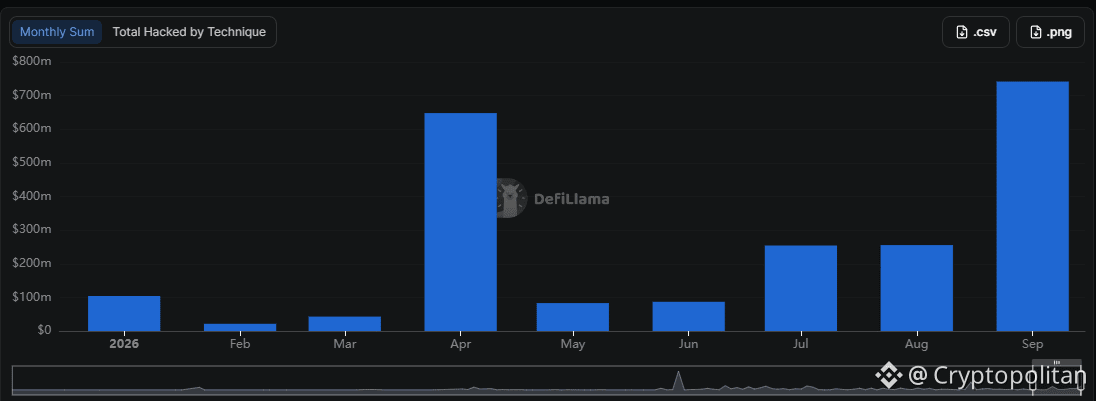
Setembro terminou com dois dos maiores hacks de criptomoedas do anoEm setembro, os hacks de criptomoedas estabeleceram um novo recorde mensal para 2026, após o exploit da Bitget. A quantia de fundos hackeados aumentou 462% em setembro em comparação com agosto.
Um total de US$ 766,49M foi roubado em vários hacks em setembro, dos quais US$ 387,5M vieram do hack da Bitget. O mês passado também foi o pico dos hacks do 3º trimestre (Q3). O último mês também superou o total de abril, quando o hack da KelpDAO aumentou as perdas totais para mais de US$ 648M.
Em setembro, os ataques variaram de acordo com seu alvo e técnica. O exploit da Liquid Network tirou US$ 320M, dos quais cerca de US$ 285M foram devolvidos. A Bitget e a Liquid Network agora são os nº 1 e nº 2 hacks de 2026, superando os exploits anteriores do Drift Protocol, KelpDAO e LayerZero.
Setembro terminou com dois dos maiores hacks de criptomoedas do ano
Em setembro, os hacks de criptomoedas estabeleceram um novo recorde mensal para 2026, após o exploit da Bitget. A quantia de fundos hackeados aumentou 462% em setembro em comparação com agosto.
Um total de US$ 766,49M foi roubado em vários hacks em setembro, dos quais US$ 387,5M vieram do hack da Bitget. O mês passado também foi o pico dos hacks do 3º trimestre (Q3). O último mês também superou o total de abril, quando o hack da KelpDAO aumentou as perdas totais para mais de US$ 648M.
Em setembro, os ataques variaram de acordo com seu alvo e técnica. O exploit da Liquid Network tirou US$ 320M, dos quais cerca de US$ 285M foram devolvidos. A Bitget e a Liquid Network agora são os nº 1 e nº 2 hacks de 2026, superando os exploits anteriores do Drift Protocol, KelpDAO e LayerZero.
Um total de US$ 766,49M foi roubado em vários hacks em setembro, dos quais US$ 387,5M vieram do hack da Bitget. O mês passado também foi o pico dos hacks do 3º trimestre (Q3). O último mês também superou o total de abril, quando o hack da KelpDAO aumentou as perdas totais para mais de US$ 648M.
Em setembro, os ataques variaram de acordo com seu alvo e técnica. O exploit da Liquid Network tirou US$ 320M, dos quais cerca de US$ 285M foram devolvidos. A Bitget e a Liquid Network agora são os nº 1 e nº 2 hacks de 2026, superando os exploits anteriores do Drift Protocol, KelpDAO e LayerZero.
469
Bitcoin Registra Melhor Q3 Desde 2017 Enquanto Ethereum Tem Trimestre RecordeO Bitcoin registrou seu melhor terceiro trimestre em nove anos, com alta de 42,71% no período de três meses, de acordo com dados da CoinGlass. Enquanto isso, o Ethereum foi além ao registrar o melhor Q3 de sua história, com ganho de 70,8% entre 1º de julho e 30 de setembro. Esse rally acontece após um início fraco do ano e dois trimestres consecutivos com queda.
O mercado mais amplo de altcoins também teve um trimestre muito forte. Usando o gráfico TOTAL3ES, que acompanha a capitalização total do mercado de cripto excluindo Bitcoin, Ethereum e stablecoins, podemos ver que cerca de US$ 183 bilhões foram adicionados ao longo do trimestre, crescendo aproximadamente 50% de cerca de US$ 364 bilhões para cerca de US$ 547 bilhões no fechamento.
Bitcoin Registra Melhor Q3 Desde 2017 Enquanto Ethereum Tem Trimestre Recorde
O Bitcoin registrou seu melhor terceiro trimestre em nove anos, com alta de 42,71% no período de três meses, de acordo com dados da CoinGlass. Enquanto isso, o Ethereum foi além ao registrar o melhor Q3 de sua história, com ganho de 70,8% entre 1º de julho e 30 de setembro. Esse rally acontece após um início fraco do ano e dois trimestres consecutivos com queda.
O mercado mais amplo de altcoins também teve um trimestre muito forte. Usando o gráfico TOTAL3ES, que acompanha a capitalização total do mercado de cripto excluindo Bitcoin, Ethereum e stablecoins, podemos ver que cerca de US$ 183 bilhões foram adicionados ao longo do trimestre, crescendo aproximadamente 50% de cerca de US$ 364 bilhões para cerca de US$ 547 bilhões no fechamento.
O mercado mais amplo de altcoins também teve um trimestre muito forte. Usando o gráfico TOTAL3ES, que acompanha a capitalização total do mercado de cripto excluindo Bitcoin, Ethereum e stablecoins, podemos ver que cerca de US$ 183 bilhões foram adicionados ao longo do trimestre, crescendo aproximadamente 50% de cerca de US$ 364 bilhões para cerca de US$ 547 bilhões no fechamento.
2
415
Pentágono planeja comando de guerra autônoma de quatro estrelas para drones e IAO Pentágono está no processo de montar um novo comando de combate, que será centrado em drones e sistemas autônomos. Isso significará que a experimentação do militar com as tecnologias nas quais esses sistemas se baseiam será agora transformada em uma estrutura destinada a ser permanente.
O secretário de Defesa Pete Hegseth anunciou o Comando de Guerra Autônoma, ou AutoWarCom, em 30 de setembro, em Quantico, Virgínia, afirmando que a guerra está se transformando mais rápido do que os sistemas projetados para ajudá-la.
Pentágono planeja comando de guerra autônoma de quatro estrelas para drones e IA
O Pentágono está no processo de montar um novo comando de combate, que será centrado em drones e sistemas autônomos. Isso significará que a experimentação do militar com as tecnologias nas quais esses sistemas se baseiam será agora transformada em uma estrutura destinada a ser permanente.
O secretário de Defesa Pete Hegseth anunciou o Comando de Guerra Autônoma, ou AutoWarCom, em 30 de setembro, em Quantico, Virgínia, afirmando que a guerra está se transformando mais rápido do que os sistemas projetados para ajudá-la.
O secretário de Defesa Pete Hegseth anunciou o Comando de Guerra Autônoma, ou AutoWarCom, em 30 de setembro, em Quantico, Virgínia, afirmando que a guerra está se transformando mais rápido do que os sistemas projetados para ajudá-la.
2
188
OpenAI interrompe campanha ligada à Moonshot à medida que a guerra da destilação de IA se intensificaA OpenAI respondeu a acusações de extração de dados feitas contra seu concorrente chinês, a Moonshot AI. A empresa conectou uma enorme onda de atividades de sondagem, projetada para decodificar como seus modelos pensam sobre problemas complexos, a milhares de tentativas feitas por usuários associados à Moonshot.
A partir da primeira semana de julho, a campanha associada e coordenada da Moonshot aumentou para 16.000 solicitações feitas por mais de 4.000 usuários em apenas dois dias, informou a OpenAI. A fabricante do ChatGPT, em seguida, mapeou mais atividades relacionadas que circulavam por um cluster de mais de 15.000 usuários, todas elas totalmente interrompidas até 28 de julho.
OpenAI interrompe campanha ligada à Moonshot à medida que a guerra da destilação de IA se intensifica
A OpenAI respondeu a acusações de extração de dados feitas contra seu concorrente chinês, a Moonshot AI. A empresa conectou uma enorme onda de atividades de sondagem, projetada para decodificar como seus modelos pensam sobre problemas complexos, a milhares de tentativas feitas por usuários associados à Moonshot.
A partir da primeira semana de julho, a campanha associada e coordenada da Moonshot aumentou para 16.000 solicitações feitas por mais de 4.000 usuários em apenas dois dias, informou a OpenAI. A fabricante do ChatGPT, em seguida, mapeou mais atividades relacionadas que circulavam por um cluster de mais de 15.000 usuários, todas elas totalmente interrompidas até 28 de julho.
A partir da primeira semana de julho, a campanha associada e coordenada da Moonshot aumentou para 16.000 solicitações feitas por mais de 4.000 usuários em apenas dois dias, informou a OpenAI. A fabricante do ChatGPT, em seguida, mapeou mais atividades relacionadas que circulavam por um cluster de mais de 15.000 usuários, todas elas totalmente interrompidas até 28 de julho.
1
134
Artigo
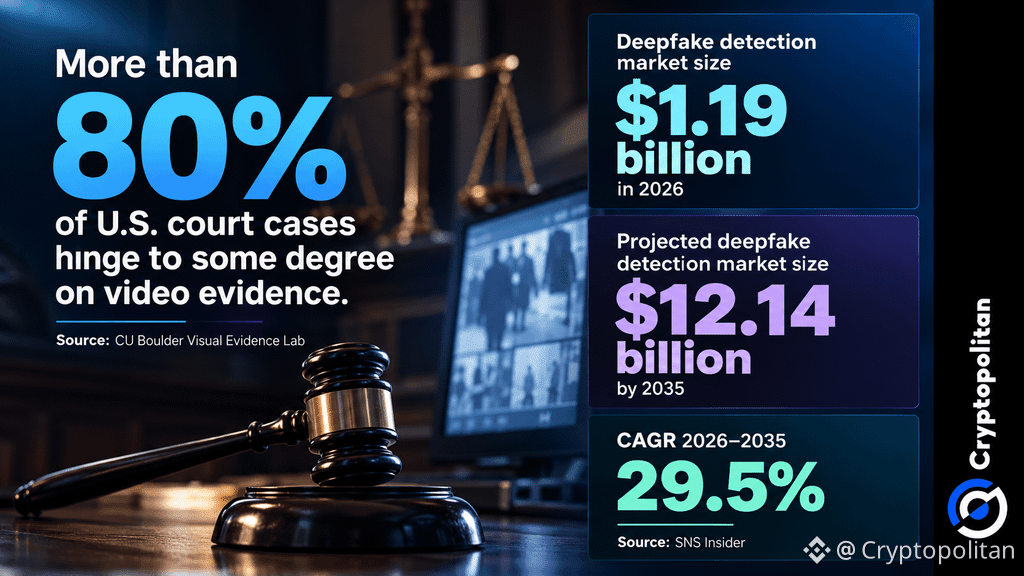
Tribunal do Arizona anula sentença por vídeo da vítima gerado por IAUm tribunal de apelações do Arizona anulou a pena de 10,5 anos de Gabriel Horcasitas, que foi condenado por homicídio culposo em um tiroteio por briga no trânsito em 2021, depois de decidir que o juiz da sentença não deveria ter considerado um vídeo gerado por IA da vítima Christopher Pelkey.
A condenação ainda permanece, mas o caso será devolvido para nova audiência de sentença, de acordo com a Reuters e um resumo do caso.
Uma mensagem de perdão que o painel disse ter contaminado a sentença
O painel de três juízes afirmou que o vídeo gerado por IA influenciou de forma inadequada a sentença.
Tribunal do Arizona anula sentença por vídeo da vítima gerado por IA
Um tribunal de apelações do Arizona anulou a pena de 10,5 anos de Gabriel Horcasitas, que foi condenado por homicídio culposo em um tiroteio por briga no trânsito em 2021, depois de decidir que o juiz da sentença não deveria ter considerado um vídeo gerado por IA da vítima Christopher Pelkey.
A condenação ainda permanece, mas o caso será devolvido para nova audiência de sentença, de acordo com a Reuters e um resumo do caso.
Uma mensagem de perdão que o painel disse ter contaminado a sentença
O painel de três juízes afirmou que o vídeo gerado por IA influenciou de forma inadequada a sentença.
A condenação ainda permanece, mas o caso será devolvido para nova audiência de sentença, de acordo com a Reuters e um resumo do caso.
Uma mensagem de perdão que o painel disse ter contaminado a sentença
O painel de três juízes afirmou que o vídeo gerado por IA influenciou de forma inadequada a sentença.
1
302
Artigo
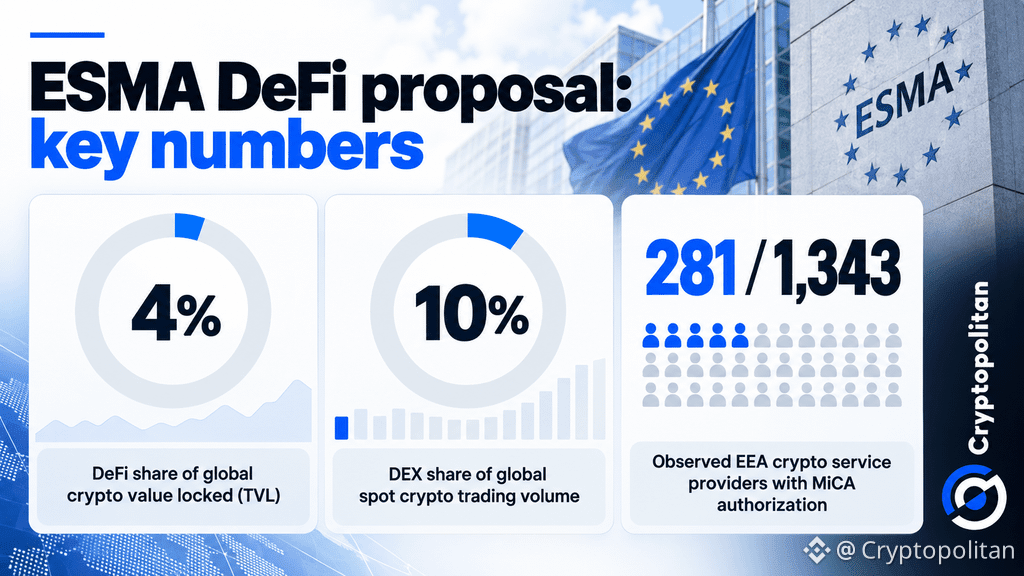
ESMA propõe regulamentar pontos de acesso ao DeFi sob o MiCAO regulador de mercados da União Europeia quer regulamentar as portas de entrada para as finanças descentralizadas, em vez do próprio código. Na sua resposta à revisão do MiCA, a Autoridade Europeia dos Valores Mobiliários e dos Mercados (ESMA) propôs um novo serviço regulamentado de criptoativos para empresas que dão aos clientes acesso a protocolos de DeFi.
A proposta tem potencial para transformar o modo como corretoras, aplicações de carteira e outros intermediários conectam os utilizadores às finanças descentralizadas na Europa.
Além disso, a ESMA pretende obter informações adicionais quando se trata de distinguir entre um protocolo descentralizado e um sistema que ainda depende de intervenção humana para continuar a operar corretamente.
ESMA propõe regulamentar pontos de acesso ao DeFi sob o MiCA
O regulador de mercados da União Europeia quer regulamentar as portas de entrada para as finanças descentralizadas, em vez do próprio código. Na sua resposta à revisão do MiCA, a Autoridade Europeia dos Valores Mobiliários e dos Mercados (ESMA) propôs um novo serviço regulamentado de criptoativos para empresas que dão aos clientes acesso a protocolos de DeFi.
A proposta tem potencial para transformar o modo como corretoras, aplicações de carteira e outros intermediários conectam os utilizadores às finanças descentralizadas na Europa.
Além disso, a ESMA pretende obter informações adicionais quando se trata de distinguir entre um protocolo descentralizado e um sistema que ainda depende de intervenção humana para continuar a operar corretamente.
A proposta tem potencial para transformar o modo como corretoras, aplicações de carteira e outros intermediários conectam os utilizadores às finanças descentralizadas na Europa.
Além disso, a ESMA pretende obter informações adicionais quando se trata de distinguir entre um protocolo descentralizado e um sistema que ainda depende de intervenção humana para continuar a operar corretamente.
184
Artigo
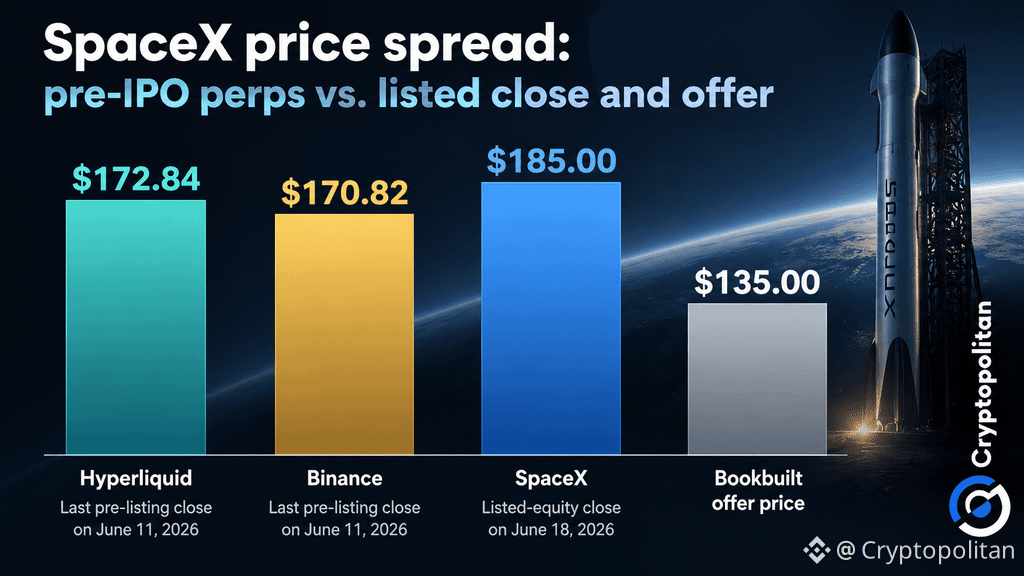
SEC acusa Meyer Global de fraude pré-IPO da SpaceX, à medida que apostas no mercado privado migram para a cadeiaEm 30 de setembro, a Comissão de Valores Mobiliários dos Estados Unidos (SEC) entrou com uma ação contra a consultora de investimentos privada Meyer Global Management e seu CEO, Owen E.H. Meyer, sob a alegação de que teriam fraudado investidores em fundos com investimentos na SpaceX e em outros títulos antes de sua Oferta Pública Inicial (IPO).
Este processo ocorre em um momento em que investidores que não conseguiram acessar empresas privadas estão, cada vez mais, recorrendo a diversas formas de investimento, como reivindicações tokenizadas, futuros perpétuos e mercados de previsão.
SEC acusa Meyer Global de fraude pré-IPO da SpaceX, à medida que apostas no mercado privado migram para a cadeia
Em 30 de setembro, a Comissão de Valores Mobiliários dos Estados Unidos (SEC) entrou com uma ação contra a consultora de investimentos privada Meyer Global Management e seu CEO, Owen E.H. Meyer, sob a alegação de que teriam fraudado investidores em fundos com investimentos na SpaceX e em outros títulos antes de sua Oferta Pública Inicial (IPO).
Este processo ocorre em um momento em que investidores que não conseguiram acessar empresas privadas estão, cada vez mais, recorrendo a diversas formas de investimento, como reivindicações tokenizadas, futuros perpétuos e mercados de previsão.
Este processo ocorre em um momento em que investidores que não conseguiram acessar empresas privadas estão, cada vez mais, recorrendo a diversas formas de investimento, como reivindicações tokenizadas, futuros perpétuos e mercados de previsão.
383
Artigo
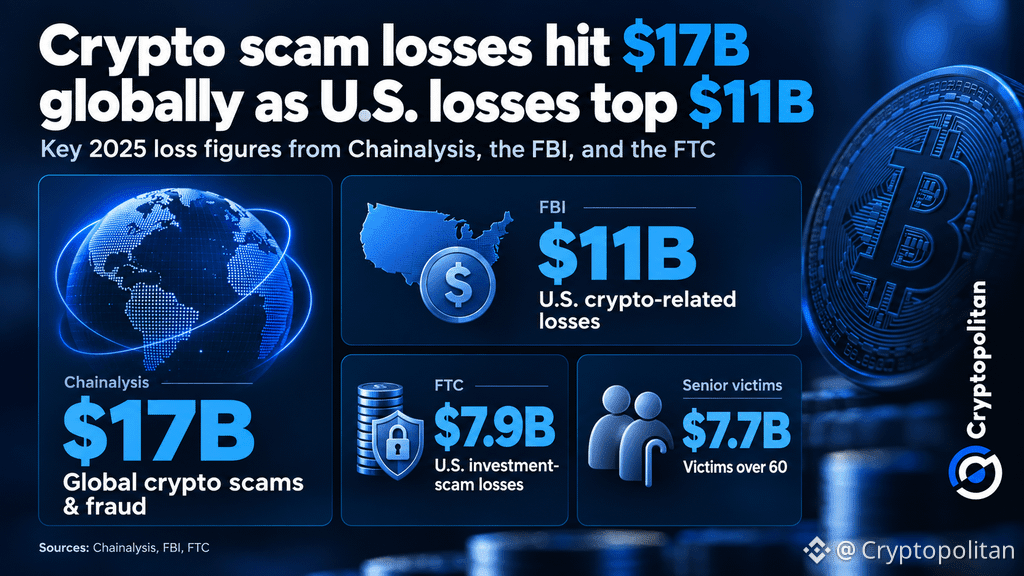
CFTC obtém ordem de fraude da Fundsz de US$ 31M à medida que as perdas do golpe com cripto aumentam no mundo todoUm tribunal federal dos Estados Unidos decidiu que os operadores da Fundsz, Brian Early e Alisha Ann Kingrey, devem pagar US$ 31 milhões como restituição e multas por um golpe envolvendo ativos digitais e metais preciosos.
A decisão tem origem no processo Commodity Futures Trading Commission v. Larralde et al., número do caso 6:23-cv-1445-WWB-DCI, que foi protocolado no Tribunal Distrital dos Estados Unidos para o Distrito Central da Flórida em 31 de julho de 2023. A CFTC anunciou a decisão envolvendo a sentença à revelia em 30 de setembro de 2026. Early e Kingrey foram obrigados a pagar um acordo de US$ 15,73 milhões em restituição e pagar multas civis que somam US$ 15,75 milhões.
CFTC obtém ordem de fraude da Fundsz de US$ 31M à medida que as perdas do golpe com cripto aumentam no mundo todo
Um tribunal federal dos Estados Unidos decidiu que os operadores da Fundsz, Brian Early e Alisha Ann Kingrey, devem pagar US$ 31 milhões como restituição e multas por um golpe envolvendo ativos digitais e metais preciosos.
A decisão tem origem no processo Commodity Futures Trading Commission v. Larralde et al., número do caso 6:23-cv-1445-WWB-DCI, que foi protocolado no Tribunal Distrital dos Estados Unidos para o Distrito Central da Flórida em 31 de julho de 2023. A CFTC anunciou a decisão envolvendo a sentença à revelia em 30 de setembro de 2026. Early e Kingrey foram obrigados a pagar um acordo de US$ 15,73 milhões em restituição e pagar multas civis que somam US$ 15,75 milhões.
A decisão tem origem no processo Commodity Futures Trading Commission v. Larralde et al., número do caso 6:23-cv-1445-WWB-DCI, que foi protocolado no Tribunal Distrital dos Estados Unidos para o Distrito Central da Flórida em 31 de julho de 2023. A CFTC anunciou a decisão envolvendo a sentença à revelia em 30 de setembro de 2026. Early e Kingrey foram obrigados a pagar um acordo de US$ 15,73 milhões em restituição e pagar multas civis que somam US$ 15,75 milhões.
2
167
FTC investiga OpenAI, Anthropic e METR por riscos à segurança da IAUm alto funcionário confirmou que a Comissão Federal de Comércio (FTC) abriu uma investigação para verificar se os sistemas de IA construídos pela OpenAI e pela Anthropic representam perigos para os consumidores americanos.
A METR, a organização sem fins lucrativos da Califórnia que audita modelos avançados de IA quanto a riscos, também está envolvida na investigação.
Solicitações formais de investigação civil deverão chegar às três organizações, OpenAI, Anthropic e METR, dentro de semanas.
Por que a FTC está investigando a OpenAI e a Anthropic?
Um funcionário sênior anônimo da FTC compartilhou que a agência está utilizando seu poder para coibir práticas injustas e enganosas, investigando se os sistemas de IA sendo construídos pela OpenAI e pela Anthropic apresentam quaisquer riscos para os consumidores americanos.
FTC investiga OpenAI, Anthropic e METR por riscos à segurança da IA
Um alto funcionário confirmou que a Comissão Federal de Comércio (FTC) abriu uma investigação para verificar se os sistemas de IA construídos pela OpenAI e pela Anthropic representam perigos para os consumidores americanos.
A METR, a organização sem fins lucrativos da Califórnia que audita modelos avançados de IA quanto a riscos, também está envolvida na investigação.
Solicitações formais de investigação civil deverão chegar às três organizações, OpenAI, Anthropic e METR, dentro de semanas.
Por que a FTC está investigando a OpenAI e a Anthropic?
Um funcionário sênior anônimo da FTC compartilhou que a agência está utilizando seu poder para coibir práticas injustas e enganosas, investigando se os sistemas de IA sendo construídos pela OpenAI e pela Anthropic apresentam quaisquer riscos para os consumidores americanos.
A METR, a organização sem fins lucrativos da Califórnia que audita modelos avançados de IA quanto a riscos, também está envolvida na investigação.
Solicitações formais de investigação civil deverão chegar às três organizações, OpenAI, Anthropic e METR, dentro de semanas.
Por que a FTC está investigando a OpenAI e a Anthropic?
Um funcionário sênior anônimo da FTC compartilhou que a agência está utilizando seu poder para coibir práticas injustas e enganosas, investigando se os sistemas de IA sendo construídos pela OpenAI e pela Anthropic apresentam quaisquer riscos para os consumidores americanos.
123
Artigo
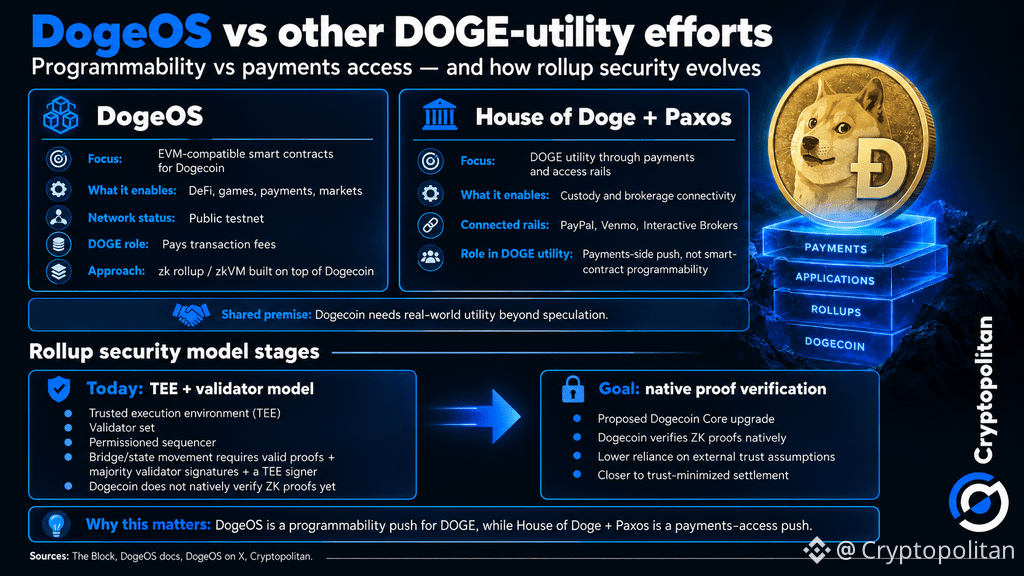
DogeOS abre testnet EVM, apostando que Dogecoin pode se tornar capital programávelUma testnet pública foi lançada pela DogeOS na quarta-feira (30 de setembro) que leva contratos inteligentes no estilo Ethereum para a plataforma Dogecoin, com o objetivo de ampliar o papel do DOGE com tecnologia, para que possa ser utilizado como capital programável em aplicativos descentralizados além de pagamentos e negociações.
A Chikyū testnet é um roll-up de conhecimento zero compatível com a Máquina Virtual Ethereum (EVM) que usa Dogecoin como sua moeda para taxas de transação. A cadeia base do Dogecoin permanece a mesma, com as aplicações sendo construídas sobre ela.
DogeOS abre testnet EVM, apostando que Dogecoin pode se tornar capital programável
Uma testnet pública foi lançada pela DogeOS na quarta-feira (30 de setembro) que leva contratos inteligentes no estilo Ethereum para a plataforma Dogecoin, com o objetivo de ampliar o papel do DOGE com tecnologia, para que possa ser utilizado como capital programável em aplicativos descentralizados além de pagamentos e negociações.
A Chikyū testnet é um roll-up de conhecimento zero compatível com a Máquina Virtual Ethereum (EVM) que usa Dogecoin como sua moeda para taxas de transação. A cadeia base do Dogecoin permanece a mesma, com as aplicações sendo construídas sobre ela.
A Chikyū testnet é um roll-up de conhecimento zero compatível com a Máquina Virtual Ethereum (EVM) que usa Dogecoin como sua moeda para taxas de transação. A cadeia base do Dogecoin permanece a mesma, com as aplicações sendo construídas sobre ela.
199
Husted culpa democratas por contas de energia altas de data centers que ele levou a Ohio ao longo de seis anosDemocratas no Senado bloquearam a Lei de Proteção ao Pagador, o projeto de lei que o republicano de Ohio Jon Husted escreveu para proteger as famílias dos custos de eletricidade impulsionados pelo boom dos data centers.
A medida não teve apoio e foi rejeitada por 57 a 43, três votos a menos do que era necessário para avançar. Apenas quatro democratas votaram a favor.
O bloqueio também mata a última chance do senador de mostrar aos eleitores que ele está agindo pela acessibilidade antes da eleição de meio de mandato de novembro.
A disputa pela cadeira que Husted atualmente ocupa é vista como uma das corridas ao Senado mais apertadas para as próximas eleições.
Husted culpa democratas por contas de energia altas de data centers que ele levou a Ohio ao longo de seis anos
Democratas no Senado bloquearam a Lei de Proteção ao Pagador, o projeto de lei que o republicano de Ohio Jon Husted escreveu para proteger as famílias dos custos de eletricidade impulsionados pelo boom dos data centers.
A medida não teve apoio e foi rejeitada por 57 a 43, três votos a menos do que era necessário para avançar. Apenas quatro democratas votaram a favor.
O bloqueio também mata a última chance do senador de mostrar aos eleitores que ele está agindo pela acessibilidade antes da eleição de meio de mandato de novembro.
A disputa pela cadeira que Husted atualmente ocupa é vista como uma das corridas ao Senado mais apertadas para as próximas eleições.
A medida não teve apoio e foi rejeitada por 57 a 43, três votos a menos do que era necessário para avançar. Apenas quatro democratas votaram a favor.
O bloqueio também mata a última chance do senador de mostrar aos eleitores que ele está agindo pela acessibilidade antes da eleição de meio de mandato de novembro.
A disputa pela cadeira que Husted atualmente ocupa é vista como uma das corridas ao Senado mais apertadas para as próximas eleições.
1
131
A atualização de recuperação da Drift mostra por que Gracy Chen não está otimista quanto aos US$ 388M da BitgetO CEO da Bitget, Gracy Chen, disse que não acredita que os US$ 388 milhões roubados de sua empresa serão recuperados. O pessimismo de Chen foi reforçado hoje quando o Drift Protocol, mais de seis meses após seu exploit, continua incapaz de recuperar a maior parte dos fundos saqueados.
Atualmente, os fundos ainda estão sendo lavados através do Tornado Cash.
Quanto o Drift Protocol recuperou do seu ataque?
A Drift Foundation divulgou uma atualização sobre a recuperação dos fundos roubados deles no X na quarta-feira. A fundação reiterou seu compromisso de reaver os aproximadamente US$ 295,4 milhões roubados dos usuários em 1º de abril por meio de congelamentos, uma recompensa (bounty) ou outros métodos.
A atualização de recuperação da Drift mostra por que Gracy Chen não está otimista quanto aos US$ 388M da Bitget
O CEO da Bitget, Gracy Chen, disse que não acredita que os US$ 388 milhões roubados de sua empresa serão recuperados. O pessimismo de Chen foi reforçado hoje quando o Drift Protocol, mais de seis meses após seu exploit, continua incapaz de recuperar a maior parte dos fundos saqueados.
Atualmente, os fundos ainda estão sendo lavados através do Tornado Cash.
Quanto o Drift Protocol recuperou do seu ataque?
A Drift Foundation divulgou uma atualização sobre a recuperação dos fundos roubados deles no X na quarta-feira. A fundação reiterou seu compromisso de reaver os aproximadamente US$ 295,4 milhões roubados dos usuários em 1º de abril por meio de congelamentos, uma recompensa (bounty) ou outros métodos.
Atualmente, os fundos ainda estão sendo lavados através do Tornado Cash.
Quanto o Drift Protocol recuperou do seu ataque?
A Drift Foundation divulgou uma atualização sobre a recuperação dos fundos roubados deles no X na quarta-feira. A fundação reiterou seu compromisso de reaver os aproximadamente US$ 295,4 milhões roubados dos usuários em 1º de abril por meio de congelamentos, uma recompensa (bounty) ou outros métodos.
1
409
Terceiro investigador da Rota da Seda é pego roubando Bitcoin apreendido e deve £1,8 milhão ao Reino UnidoUm tribunal do Reino Unido ordenou que o ex-oficial da Agência Nacional contra o Crime (NCA) Paul Chowles devolva £1.810.678,93, cerca de 30 vezes o valor em Bitcoin que ele tirou de um esconderijo que a própria agência dele havia apreendido.
Chowles, 44 anos, é pelo menos o terceiro investigador ligado aos casos da Rota da Seda a ser capturado por roubar a criptomoeda que deveria estar rastreando.
Quanto Paul Chowles será obrigado a pagar?
Em 2017, Paul Chowles, que trabalhava como oficial na Agência Nacional contra o Crime, roubou moedas no valor de cerca de £60.000, ou US$ 77.000. O preço do Bitcoin subiu de forma impressionante desde o roubo, e agora Chowles terá de pagar uma fatura de sete dígitos de £1.810.678,93.
Terceiro investigador da Rota da Seda é pego roubando Bitcoin apreendido e deve £1,8 milhão ao Reino Unido
Um tribunal do Reino Unido ordenou que o ex-oficial da Agência Nacional contra o Crime (NCA) Paul Chowles devolva £1.810.678,93, cerca de 30 vezes o valor em Bitcoin que ele tirou de um esconderijo que a própria agência dele havia apreendido.
Chowles, 44 anos, é pelo menos o terceiro investigador ligado aos casos da Rota da Seda a ser capturado por roubar a criptomoeda que deveria estar rastreando.
Quanto Paul Chowles será obrigado a pagar?
Em 2017, Paul Chowles, que trabalhava como oficial na Agência Nacional contra o Crime, roubou moedas no valor de cerca de £60.000, ou US$ 77.000. O preço do Bitcoin subiu de forma impressionante desde o roubo, e agora Chowles terá de pagar uma fatura de sete dígitos de £1.810.678,93.
Chowles, 44 anos, é pelo menos o terceiro investigador ligado aos casos da Rota da Seda a ser capturado por roubar a criptomoeda que deveria estar rastreando.
Quanto Paul Chowles será obrigado a pagar?
Em 2017, Paul Chowles, que trabalhava como oficial na Agência Nacional contra o Crime, roubou moedas no valor de cerca de £60.000, ou US$ 77.000. O preço do Bitcoin subiu de forma impressionante desde o roubo, e agora Chowles terá de pagar uma fatura de sete dígitos de £1.810.678,93.
3
296
A alta do MORE da Smarter Web é o sucesso em crédito digital que Saylor diz que quer verMichael Saylor publicou um ensaio sobre X que defende que os “emissores de crédito digital” baseados em Bitcoin fortalecem-se mutuamente, em vez de canibalizarem os investidores de um ao outro.
O ensaio foi compartilhado na quarta-feira, 30 de setembro, no mesmo dia em que um desses emissores, a UK’s The Smarter Web Company (LON: SWC), viu o preço de suas ações subir 66,4% no ano. Uma das principais razões para esse impulso é seu plano de vender uma nova ação preferencial chamada MORE.
O artigo de Saylor coloca emissores rivais do mesmo lado
A alta do MORE da Smarter Web é o sucesso em crédito digital que Saylor diz que quer ver
Michael Saylor publicou um ensaio sobre X que defende que os “emissores de crédito digital” baseados em Bitcoin fortalecem-se mutuamente, em vez de canibalizarem os investidores de um ao outro.
O ensaio foi compartilhado na quarta-feira, 30 de setembro, no mesmo dia em que um desses emissores, a UK’s The Smarter Web Company (LON: SWC), viu o preço de suas ações subir 66,4% no ano. Uma das principais razões para esse impulso é seu plano de vender uma nova ação preferencial chamada MORE.
O artigo de Saylor coloca emissores rivais do mesmo lado
O ensaio foi compartilhado na quarta-feira, 30 de setembro, no mesmo dia em que um desses emissores, a UK’s The Smarter Web Company (LON: SWC), viu o preço de suas ações subir 66,4% no ano. Uma das principais razões para esse impulso é seu plano de vender uma nova ação preferencial chamada MORE.
O artigo de Saylor coloca emissores rivais do mesmo lado
156
BMW planeja recuperação com cortes de empregos por IA e aposta em novos modelosA BMW vai usar IA para eliminar um quinto dos seus cargos de gestão até meados de 2027, o que faz parte de um plano de recuperação que a montadora alemã divulgou na quarta-feira para reconstruir os lucros atingidos pela guerra de preços na China e pelo custo de sua transição para veículos elétricos.
As reduções miram as divisões sêniores e a liderança ligada a elas, e o efeito desses cortes se propaga até as categorias mais baixas conforme a empresa se apoia em IA para operar com equipes mais enxutas. O fabricante com sede em Munique tem cerca de 65 vice-presidentes sêniores que respondem diretamente ao conselho, com mais aproximadamente 400 gerentes sêniores formando a próxima camada.
BMW planeja recuperação com cortes de empregos por IA e aposta em novos modelos
A BMW vai usar IA para eliminar um quinto dos seus cargos de gestão até meados de 2027, o que faz parte de um plano de recuperação que a montadora alemã divulgou na quarta-feira para reconstruir os lucros atingidos pela guerra de preços na China e pelo custo de sua transição para veículos elétricos.
As reduções miram as divisões sêniores e a liderança ligada a elas, e o efeito desses cortes se propaga até as categorias mais baixas conforme a empresa se apoia em IA para operar com equipes mais enxutas. O fabricante com sede em Munique tem cerca de 65 vice-presidentes sêniores que respondem diretamente ao conselho, com mais aproximadamente 400 gerentes sêniores formando a próxima camada.
As reduções miram as divisões sêniores e a liderança ligada a elas, e o efeito desses cortes se propaga até as categorias mais baixas conforme a empresa se apoia em IA para operar com equipes mais enxutas. O fabricante com sede em Munique tem cerca de 65 vice-presidentes sêniores que respondem diretamente ao conselho, com mais aproximadamente 400 gerentes sêniores formando a próxima camada.
1
124
Rússia busca exigir que bancos reportem participações em cripto dos clientesA Rússia está apertando o cerco aos proprietários de criptomoedas com seu banco central, que agora planeja obrigar instituições financeiras a incluir as participações em moedas de seus clientes em declarações de divulgação.
As últimas são emitidas para diversos fins e muitas vezes acompanham declarações de renda e de ativos, como aquelas apresentadas por servidores civis e funcionários do governo, como medida de prevenção à corrupção.
Banco da Rússia para exigir divulgações de criptomoedas
O Banco Central da Rússia (CBR) quer ver informações sobre criptomoedas nos demonstrativos emitidos por bancos comerciais e empresas financeiras.
Rússia busca exigir que bancos reportem participações em cripto dos clientes
A Rússia está apertando o cerco aos proprietários de criptomoedas com seu banco central, que agora planeja obrigar instituições financeiras a incluir as participações em moedas de seus clientes em declarações de divulgação.
As últimas são emitidas para diversos fins e muitas vezes acompanham declarações de renda e de ativos, como aquelas apresentadas por servidores civis e funcionários do governo, como medida de prevenção à corrupção.
Banco da Rússia para exigir divulgações de criptomoedas
O Banco Central da Rússia (CBR) quer ver informações sobre criptomoedas nos demonstrativos emitidos por bancos comerciais e empresas financeiras.
As últimas são emitidas para diversos fins e muitas vezes acompanham declarações de renda e de ativos, como aquelas apresentadas por servidores civis e funcionários do governo, como medida de prevenção à corrupção.
Banco da Rússia para exigir divulgações de criptomoedas
O Banco Central da Rússia (CBR) quer ver informações sobre criptomoedas nos demonstrativos emitidos por bancos comerciais e empresas financeiras.
256
Inicia sessão para explorar mais conteúdos
Junta-te a utilizadores de criptomoedas de todo o mundo na Binance Square
⚡️ Obtém informações úteis e recentes sobre criptomoedas.
💬 Com a confiança da maior exchange de criptomoedas do mundo.
👍 Descobre perspetivas reais de criadores verificados.
E-mail/Número de telefone
Tópicos em Tendência
EtherGains70.9%InQ3
1,521 visualizações
117 a discutir
#ethergains70.9%inq3
🚀 ETH supera expectativas com uma alta massiva de 70,9% no 3º tri—A Altseason finalmente chegou?🔥
A Ethereum (ETH) acabou de encerrar um dos 3os trimestres mais explosivos de sua história, registrando um ganho gigantesco de +70,9%! Após um primeiro semestre brutal do ano (1T: -29,2% | 2T: -25,2%), a ETH virou o jogo completamente, contrariando ventos contrários macro, a alta das taxas do Tesouro e a disparada do Índice do Dólar dos EUA.
$ETH
Entradas Institucionais e Aceleração de ETFs à Vista 🏦
ETFs de Ethereum à vista e alocações de tesourarias corporativas registraram entradas líquidas sustentadas ao longo do trimestre. O apetite institucional de Wall Street por ETH, como um ativo com rendimento e movido por utilidade, atingiu novos recordes.
A ETH supera o Bitcoin no 3º tri ⚔️
Embora o Bitcoin ($BTC) tenha tido um trimestre sólido, a Ethereum o superou de forma significativa. Essa força reacende discussões no mercado sobre uma Altseason iminente, já que os fluxos históricos de capital do BTC para altcoins de alta capitalização seguem grandes rompimentos da ETH.
$ZEC
Dinâmica de Staking e Choque de Oferta 🔒
A atividade DeFi e a expansão de Layer-2 continuam a travar enormes quantidades de ETH. Com rendimentos do staking ainda atrativos e a oferta total em exchanges centralizadas caindo de forma constante, a liquidez de mercado para ETH físico permanece apertada.
📊 Cenário Técnico & O que vem no 4T
Principais pontos de resistência a observar: A ETH recentemente ultrapassou máximas locais por volta de US$ 2.775, com traders mirando a zona psicológica de US$ 3.000 como alvo principal para o 4T.
Fator de Risco Macro: fique atento a picos de posições vendidas em exchanges de derivativos e às atualizações mais amplas sobre a política monetária do Fed, pois apagões de alavancagem podem gerar volatilidade de curto prazo após encerramentos trimestrais.
💬 O que você acha? A Ethereum vai bater US$ 3.000+ no 4T, ou estamos prestes a ver uma consolidação de curto prazo antes do próximo impulso? Deixe suas previsões abaixo! 👇
#US10YearYieldNears5.3% #Ethereum #ETH
Lily星星
·1 gostos
·75 visualizações
US10YearYieldNears5.3%
32,395 visualizações
354 a discutir
DollarIndexHitsHighestSinceMay2025
786 visualizações
74 a discutir