Binance Square
#cryptosolutions

cryptosolutions

288,667 visualizações
86 a discutir
karim htk
·
--
Blockchain Ticketing 🎟️ Say Goodbye to Fake Tickets with Blockchain! Ticket fraud and scalping have plagued big football matches for decades. NFT-based ticketing guarantees authenticity, transparency, and fair resale caps for true supporters. 🛡️ A huge win for fans and clubs alike! What are your thoughts on NFT tickets? $NFT $BLOK.ETF #Blockchain #NFTTicketing #CryptoSolutions #BinanceSquare
Blockchain Ticketing

🎟️ Say Goodbye to Fake Tickets with Blockchain! Ticket fraud and scalping have plagued big football matches for decades. NFT-based ticketing guarantees authenticity, transparency, and fair resale caps for true supporters. 🛡️ A huge win for fans and clubs alike! What are your thoughts on NFT tickets?
$NFT $BLOK.ETF

#Blockchain #NFTTicketing #CryptoSolutions #BinanceSquare
Blockchain Ticketing vs. Counterfeiting 🎟️ How NFT Ticketing is Fixing Football Fraud Scalping and fake tickets have ruined major football events for decades. Blockchain-based NFT tickets guarantee authenticity, fair resale price caps, and instant verification at stadium gates! 🛡️ A true game-changer for stadium accessibility. $NFT $BTC #NFTs #BlockchainTech #CryptoSolutions #BinanceSquare
Blockchain Ticketing vs. Counterfeiting

🎟️ How NFT Ticketing is Fixing Football Fraud Scalping and fake tickets have ruined major football events for decades. Blockchain-based NFT tickets guarantee authenticity, fair resale price caps, and instant verification at stadium gates! 🛡️ A true game-changer for stadium accessibility.
$NFT $BTC

#NFTs #BlockchainTech #CryptoSolutions #BinanceSquare
Artigo
5 Quirky and Useful Crypto Tools You Need to KnowAccording to CoinMarketCap (CMC), there are over 10,000 coins and tokens available to trade in different markets worldwide. Among them, we can find all kinds of things, from old-established cryptocurrencies like Bitcoin and Obyte to experimental DeFi platforms and memecoins. However, you might not know that, in addition to a vast array of tokens, there’s also a diverse selection of free crypto-related tools — ranging from practical to quirky and entertaining. CMC and CoinGecko are, for instance, two quite popular and useful crypto tools, but they’re far from being the only ones. We can discover some interesting things if we just look around a bit. Let’s see some platforms in this category. When Lambo? Memecoins are quite the thing now, but the crypto community always had its own internal memes and jokes without related tokens. “When Lambo” is an old one and a very popular one too. It implies a momentous question: when will we be able to afford an expensive Lamborghini car with our current crypto holdings? It’s known that prices change rapidly in the crypto space, so can you maybe get richer tomorrow with the same number of coins? We can dream, at least. “When Lambo” is so widespread around here that some years ago CMC changed all the prices from USD to LAMBOs in April’s Fools. And the question has its own calculator, to help you find out once and for all how much of a Lambo you can buy with your current holdings in different coins. The site Crypto to Lambo allows you to type the amount, choose between 100 coins and three Lamborghini models, and calculate, well, when Lambo? The results will include what Lambo you can buy with your coins (at least a toy Lambo?), how many more tokens you need to buy it, the needed price per coin you’ll need to afford it, and the current percentage you have in your wallet. It’ll also lead you to trade on the exchanges Binance or Bitvavo, but that’s an additional option. Do your own research first! Wallet Scrutiny Cryptocurrencies are mostly decentralized, which means you have full control over your holdings if you have a private key. But wait a second, because there might be a trick there. The coins and their ledger are decentralized, yes, but the wallet you use to interact with crypto networks can be a completely different story. Wallets are often offered by middlemen (companies and developer teams), who generally have good intentions — but that’s not always the case. Some awful things (backdoors and other traps) could be hidden in their codes, beyond what we can see. Even if the wallets are open-source software, which means anyone can check their codes, not everyone knows how to. And worse: cybercriminals are designing fake wallets with the same name and branding as legitimate ones, aiming to trick users into downloading this malicious software from official app stores to steal their private keys. Now, of course, there’s a way to avoid these bad scenarios, and we have several easy and free tools available for it. WalletScrunity is one of them, focused primarily on Bitcoin wallets, but basic information about others is available too.  On this site, anyone can just type the name of their preferred wallet (software or hardware) and discover if it passed the tests and questions from their developers. Among those tests, they verify who’s the team behind the brand, if it’s open-source or not, if it’s non-custodial (offer private keys) or not, and if it’s the original product. They also offer safe links to download or buy the correct version. Crypto Bubbles With all their detailed data and long lists, sites to check cryptocurrency market caps, like CMC and CoinGecko, can be a tad overwhelming for beginners. Crypto Bubbles offers a more visual, dynamic experience to check the same data, using colorful bubbles and user-friendly interfaces to do it. The first thing you’ll see on this site is a lot of crypto logos and tickers floating around in bubbles of different sizes and colors, indeed. Green bubbles mean price increases — the larger the bubble, the higher the percentage change or market cap. Red bubbles imply negative percentages, and they also change in size, depending on the figures. It’s possible to order them per period (hour, day, week, month, year) or market cap size. In the Settings, they’ll let you change the currency for the prices (USD, EUR, CAD, etc.), languages, colors, and watchlists. If you click a bubble, more specific data, charts, and links about that currency will appear, summed up in a very graphical manner. Below the bubbles, a more traditional list of coins is also available to order by market cap, price, volume, or time changes. Or you can use their search bar to find your favorite coins. An app for iOS and Android can be downloaded too. TxCity Network explorers aren’t exactly the most colorful and user-friendly thing in the world. And let’s not talk about those long, incomprehensible alphanumeric strings that represent transactions and addresses. TxCity was created to see crypto transactions in a new, clearer light. By representing each transaction as a person attempting to board a bus — where buses symbolize blocks in a blockchain — this platform offers users a unique, real-time perspective on the available crypto networks. Obviously, those networks are only blockchains — they are the kind of networks that have buses and bus drivers. This approach demystifies on-chain data, effectively converting mere transactional networks into visual ecosystems. By using TxCity, anyone can visualize transactions across multiple networks, including $BTC , $ETH , $BCH , Monero, and Litecoin. The platform also plans to introduce features like bridge visualization between Ethereum and LUKSO, providing users with a real-time experience of their cross-chain transactions. Additionally, TxCity aims to represent wallets as characters or avatars, simplifying user interactions. To begin using TxCity, simply visit their website and select the chain you wish to explore. The platform will display live transactions as animated characters attempting to board buses, offering an engaging way to observe how transactions are processed and included in blocks. This visual representation not only makes it easier to understand crypto operations but also serves as an educational tool for those new to this space. Order a Pizza in Obyte Did you know you can order a Hawaiian, Pepperoni, or Mexican pizza using an Obyte chatbot? Well, at least as a role-play! The Obyte Testnet Wallet offers a fun and risk-free way to explore cryptocurrency transactions, including interacting with chatbots. By following simple steps, users can simulate making a purchase and experience how payments work within the Obyte ecosystem. It’s an engaging way to see how digital payments function while learning about Obyte’s capabilities in a relaxed and playful environment. A testnet is a duplicate version of a crypto network designed for learning, development, and testing. Unlike the mainnet, where transactions involve real assets, the testnet allows users to practice without any financial risk. The Obyte Testnet Wallet is a safe space where developers can refine their applications and everyday users can experiment with different features. To start, users can claim free testnet coins — tokens without market value — to send transactions, explore smart contracts, and even test advanced security measures like two-factor authentication (2FA) or multi-signature accounts. Beyond simulated pizza purchases, the testnet wallet offers a variety of features to explore. Users can try chatbots from the Bot Store, set up conditional payments, and experiment with wallet settings. It’s also possible to add new devices and test secure account recovery options. Everything is recorded on the testnet explorer, providing insights into how transactions are processed. Since no real money is involved, users can experiment freely and gain confidence before switching to the actual Obyte wallet. Featured Vector Image by Freepik Originally Published on Hackernoon #CryptoTools #cryptosolutions #CryptoSoftware #LAMBO #Obyte

5 Quirky and Useful Crypto Tools You Need to Know

According to CoinMarketCap (CMC), there are over 10,000 coins and tokens available to trade in different markets worldwide. Among them, we can find all kinds of things, from old-established cryptocurrencies like Bitcoin and Obyte to experimental DeFi platforms and memecoins. However, you might not know that, in addition to a vast array of tokens, there’s also a diverse selection of free crypto-related tools — ranging from practical to quirky and entertaining.
CMC and CoinGecko are, for instance, two quite popular and useful crypto tools, but they’re far from being the only ones. We can discover some interesting things if we just look around a bit. Let’s see some platforms in this category.
When Lambo?
Memecoins are quite the thing now, but the crypto community always had its own internal memes and jokes without related tokens. “When Lambo” is an old one and a very popular one too. It implies a momentous question: when will we be able to afford an expensive Lamborghini car with our current crypto holdings? It’s known that prices change rapidly in the crypto space, so can you maybe get richer tomorrow with the same number of coins? We can dream, at least.
“When Lambo” is so widespread around here that some years ago CMC changed all the prices from USD to LAMBOs in April’s Fools. And the question has its own calculator, to help you find out once and for all how much of a Lambo you can buy with your current holdings in different coins. The site Crypto to Lambo allows you to type the amount, choose between 100 coins and three Lamborghini models, and calculate, well, when Lambo?
The results will include what Lambo you can buy with your coins (at least a toy Lambo?), how many more tokens you need to buy it, the needed price per coin you’ll need to afford it, and the current percentage you have in your wallet. It’ll also lead you to trade on the exchanges Binance or Bitvavo, but that’s an additional option. Do your own research first!
Wallet Scrutiny
Cryptocurrencies are mostly decentralized, which means you have full control over your holdings if you have a private key. But wait a second, because there might be a trick there. The coins and their ledger are decentralized, yes, but the wallet you use to interact with crypto networks can be a completely different story. Wallets are often offered by middlemen (companies and developer teams), who generally have good intentions — but that’s not always the case.
Some awful things (backdoors and other traps) could be hidden in their codes, beyond what we can see. Even if the wallets are open-source software, which means anyone can check their codes, not everyone knows how to. And worse: cybercriminals are designing fake wallets with the same name and branding as legitimate ones, aiming to trick users into downloading this malicious software from official app stores to steal their private keys.
Now, of course, there’s a way to avoid these bad scenarios, and we have several easy and free tools available for it. WalletScrunity is one of them, focused primarily on Bitcoin wallets, but basic information about others is available too.
On this site, anyone can just type the name of their preferred wallet (software or hardware) and discover if it passed the tests and questions from their developers. Among those tests, they verify who’s the team behind the brand, if it’s open-source or not, if it’s non-custodial (offer private keys) or not, and if it’s the original product. They also offer safe links to download or buy the correct version.
Crypto Bubbles
With all their detailed data and long lists, sites to check cryptocurrency market caps, like CMC and CoinGecko, can be a tad overwhelming for beginners. Crypto Bubbles offers a more visual, dynamic experience to check the same data, using colorful bubbles and user-friendly interfaces to do it. The first thing you’ll see on this site is a lot of crypto logos and tickers floating around in bubbles of different sizes and colors, indeed.
Green bubbles mean price increases — the larger the bubble, the higher the percentage change or market cap. Red bubbles imply negative percentages, and they also change in size, depending on the figures. It’s possible to order them per period (hour, day, week, month, year) or market cap size. In the Settings, they’ll let you change the currency for the prices (USD, EUR, CAD, etc.), languages, colors, and watchlists.
If you click a bubble, more specific data, charts, and links about that currency will appear, summed up in a very graphical manner. Below the bubbles, a more traditional list of coins is also available to order by market cap, price, volume, or time changes. Or you can use their search bar to find your favorite coins. An app for iOS and Android can be downloaded too.
TxCity
Network explorers aren’t exactly the most colorful and user-friendly thing in the world. And let’s not talk about those long, incomprehensible alphanumeric strings that represent transactions and addresses. TxCity was created to see crypto transactions in a new, clearer light. By representing each transaction as a person attempting to board a bus — where buses symbolize blocks in a blockchain — this platform offers users a unique, real-time perspective on the available crypto networks.
Obviously, those networks are only blockchains — they are the kind of networks that have buses and bus drivers. This approach demystifies on-chain data, effectively converting mere transactional networks into visual ecosystems.
By using TxCity, anyone can visualize transactions across multiple networks, including $BTC , $ETH , $BCH , Monero, and Litecoin. The platform also plans to introduce features like bridge visualization between Ethereum and LUKSO, providing users with a real-time experience of their cross-chain transactions. Additionally, TxCity aims to represent wallets as characters or avatars, simplifying user interactions.
To begin using TxCity, simply visit their website and select the chain you wish to explore. The platform will display live transactions as animated characters attempting to board buses, offering an engaging way to observe how transactions are processed and included in blocks. This visual representation not only makes it easier to understand crypto operations but also serves as an educational tool for those new to this space.
Order a Pizza in Obyte
Did you know you can order a Hawaiian, Pepperoni, or Mexican pizza using an Obyte chatbot? Well, at least as a role-play! The Obyte Testnet Wallet offers a fun and risk-free way to explore cryptocurrency transactions, including interacting with chatbots. By following simple steps, users can simulate making a purchase and experience how payments work within the Obyte ecosystem. It’s an engaging way to see how digital payments function while learning about Obyte’s capabilities in a relaxed and playful environment.
A testnet is a duplicate version of a crypto network designed for learning, development, and testing. Unlike the mainnet, where transactions involve real assets, the testnet allows users to practice without any financial risk. The Obyte Testnet Wallet is a safe space where developers can refine their applications and everyday users can experiment with different features. To start, users can claim free testnet coins — tokens without market value — to send transactions, explore smart contracts, and even test advanced security measures like two-factor authentication (2FA) or multi-signature accounts.
Beyond simulated pizza purchases, the testnet wallet offers a variety of features to explore. Users can try chatbots from the Bot Store, set up conditional payments, and experiment with wallet settings. It’s also possible to add new devices and test secure account recovery options. Everything is recorded on the testnet explorer, providing insights into how transactions are processed. Since no real money is involved, users can experiment freely and gain confidence before switching to the actual Obyte wallet.
Featured Vector Image by Freepik
Originally Published on Hackernoon
#CryptoTools #cryptosolutions #CryptoSoftware #LAMBO #Obyte
Artigo
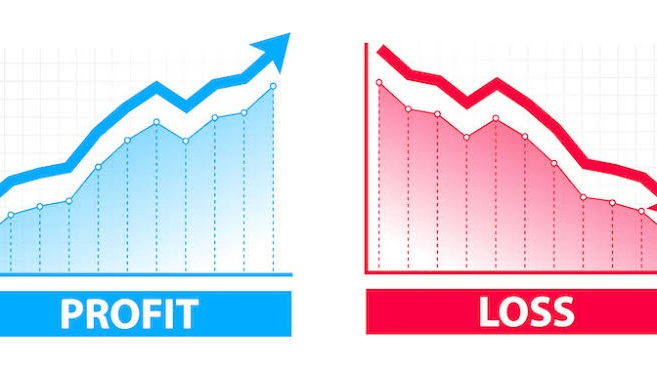
Understanding PNL in the Crypto SpaceProfit and Loss (PNL) Overview PNL, or Profit and Loss, is a fundamental metric in the world of cryptocurrency trading, akin to its use in traditional finance but adapted to the unique dynamics of the crypto market. PNL serves to quantify the financial gain or loss from trading activities, providing traders with insights into the performance of their investments over a specific period. Understanding PNL is crucial for assessing the effectiveness of trading strategies, managing risk, and making informed decisions in the fast-paced and volatile crypto market. What it is PNL is a measure of how much money a trader has gained or lost on a specific trade or over a period of time. How it's calculated PNL is typically calculated on a transaction-by-transaction basis, using the cost basis of each asset. The cost basis is the amount spent to acquire the asset, plus any fees. What it means A positive PNL indicates a profit, while a negative PNL indicates a loss. How it's used PNL is an important tool for traders because it helps them evaluate their trading performance and make better decisions. By tracking their PNL over time, traders can identify patterns and optimize their strategies. Types of PNL in Crypto Realized PNL: This represents the actual profit or loss you make after closing a position. It's calculated based on the difference between the closing price and the entry price of your trade. Realized PNL is critical for evaluating the success of completed trades and for tax purposes, as it reflects the net financial result from those transactions.Unrealized PNL: Often referred to as "paper profit or loss," this is the potential profit or loss on open positions that have not yet been closed. It reflects the current market value of your holdings compared to the price at which they were acquired. Unrealized PNL fluctuates with market prices and becomes realized once the position is closed. Calculating PNL in Cryptocurrency The calculation of PNL involves several methods, tailored to the specifics of cryptocurrency trading: FIFO (First In, First Out): This method assumes that the oldest purchased assets are sold first. It's commonly used for determining tax liabilities and involves calculating the profit or loss based on the initial purchase price of the asset.LIFO (Last In, First Out): Here, the most recently purchased assets are considered sold first. This can be advantageous in volatile markets where selling newer, higher-priced assets might yield a tax benefit.Weighted Average Cost: For investors with multiple transactions at different prices, this method calculates the average price paid for each unit of cryptocurrency, providing a balanced approach to PNL calculation over time.Percentage Profit/Loss: This involves computing PNL as a percentage of the initial investment, giving a relative measure of performance. Importance of PNL Analysis in Crypto Trading Strategy Evaluation: By analyzing PNL, traders can determine which strategies are profitable and which need adjustment or abandonment. This continuous evaluation helps in refining trading tactics to maximize gains while minimizing losses.Risk Management: PNL is a key indicator for setting stop-loss orders, understanding potential losses, and managing leverage effectively. It informs traders about when to cut losses or take profits, aiding in disciplined trading practices.Emotional Decision-Making: Keeping track of PNL can help traders avoid decisions driven by emotions like fear or greed, fostering a more analytical and strategic approach to trading.Performance Tracking: Regularly reviewing PNL allows traders to track their progress, set new goals, and benchmark against market trends or personal expectations. Tools and Platforms for PNL Tracking Various platforms and tools offer PNL analysis features: Exchanges: Many cryptocurrency exchanges provide PNL tracking within their trading interfaces, giving immediate feedback on trading performance.Third-Party Applications: Portfolio trackers and crypto tax software can also compute both realized and unrealized PNL, often integrating with multiple exchanges for a comprehensive view.Manual Calculation: For those who prefer or require detailed control, manual calculation using spreadsheets or custom scripts based on the formulas described above remains an option. Closing Thoughts In the crypto space, PNL is more than just an accounting figure; it's a vital tool for strategic decision-making. Whether you're a seasoned trader or a novice, understanding and analyzing PNL can significantly impact your ability to navigate the complexities of the cryptocurrency markets effectively. By leveraging this metric, traders can optimize their strategies, manage risks, and aim for sustainable profitability in an environment known for its volatility and potential for high reward. #cryptosolutions

Understanding PNL in the Crypto Space

Profit and Loss (PNL) Overview
PNL, or Profit and Loss, is a fundamental metric in the world of cryptocurrency trading, akin to its use in traditional finance but adapted to the unique dynamics of the crypto market. PNL serves to quantify the financial gain or loss from trading activities, providing traders with insights into the performance of their investments over a specific period. Understanding PNL is crucial for assessing the effectiveness of trading strategies, managing risk, and making informed decisions in the fast-paced and volatile crypto market.
What it is
PNL is a measure of how much money a trader has gained or lost on a specific trade or over a period of time.
How it's calculated
PNL is typically calculated on a transaction-by-transaction basis, using the cost basis of each asset. The cost basis is the amount spent to acquire the asset, plus any fees.
What it means
A positive PNL indicates a profit, while a negative PNL indicates a loss.
How it's used
PNL is an important tool for traders because it helps them evaluate their trading performance and make better decisions. By tracking their PNL over time, traders can identify patterns and optimize their strategies.
Types of PNL in Crypto
Realized PNL: This represents the actual profit or loss you make after closing a position. It's calculated based on the difference between the closing price and the entry price of your trade. Realized PNL is critical for evaluating the success of completed trades and for tax purposes, as it reflects the net financial result from those transactions.Unrealized PNL: Often referred to as "paper profit or loss," this is the potential profit or loss on open positions that have not yet been closed. It reflects the current market value of your holdings compared to the price at which they were acquired. Unrealized PNL fluctuates with market prices and becomes realized once the position is closed.
Calculating PNL in Cryptocurrency
The calculation of PNL involves several methods, tailored to the specifics of cryptocurrency trading:
FIFO (First In, First Out): This method assumes that the oldest purchased assets are sold first. It's commonly used for determining tax liabilities and involves calculating the profit or loss based on the initial purchase price of the asset.LIFO (Last In, First Out): Here, the most recently purchased assets are considered sold first. This can be advantageous in volatile markets where selling newer, higher-priced assets might yield a tax benefit.Weighted Average Cost: For investors with multiple transactions at different prices, this method calculates the average price paid for each unit of cryptocurrency, providing a balanced approach to PNL calculation over time.Percentage Profit/Loss: This involves computing PNL as a percentage of the initial investment, giving a relative measure of performance.
Importance of PNL Analysis in Crypto Trading
Strategy Evaluation: By analyzing PNL, traders can determine which strategies are profitable and which need adjustment or abandonment. This continuous evaluation helps in refining trading tactics to maximize gains while minimizing losses.Risk Management: PNL is a key indicator for setting stop-loss orders, understanding potential losses, and managing leverage effectively. It informs traders about when to cut losses or take profits, aiding in disciplined trading practices.Emotional Decision-Making: Keeping track of PNL can help traders avoid decisions driven by emotions like fear or greed, fostering a more analytical and strategic approach to trading.Performance Tracking: Regularly reviewing PNL allows traders to track their progress, set new goals, and benchmark against market trends or personal expectations.
Tools and Platforms for PNL Tracking
Various platforms and tools offer PNL analysis features:
Exchanges: Many cryptocurrency exchanges provide PNL tracking within their trading interfaces, giving immediate feedback on trading performance.Third-Party Applications: Portfolio trackers and crypto tax software can also compute both realized and unrealized PNL, often integrating with multiple exchanges for a comprehensive view.Manual Calculation: For those who prefer or require detailed control, manual calculation using spreadsheets or custom scripts based on the formulas described above remains an option.
Closing Thoughts
In the crypto space, PNL is more than just an accounting figure; it's a vital tool for strategic decision-making. Whether you're a seasoned trader or a novice, understanding and analyzing PNL can significantly impact your ability to navigate the complexities of the cryptocurrency markets effectively. By leveraging this metric, traders can optimize their strategies, manage risks, and aim for sustainable profitability in an environment known for its volatility and potential for high reward.
#cryptosolutions
A recent incident where a company almost lost all its business plans due to over-reliance on AI tools like ChatGPT has raised concerns about data privacy, and this is where $OPG comes in with its unique solution 🚀 Entry: 0.05 🔥 Target: 0.10 🚀 Stop Loss: 0.025 ⚠️ The use of Trusted Execution Environment (TEE) by $OPG ensures that data is encrypted and inference runs in a separate hardware environment, making it inaccessible even to the company itself. Not financial advice. Manage your risk. #OPG #DataPrivacy #AISecurity #LongSetup #CryptoSolutions ⭐
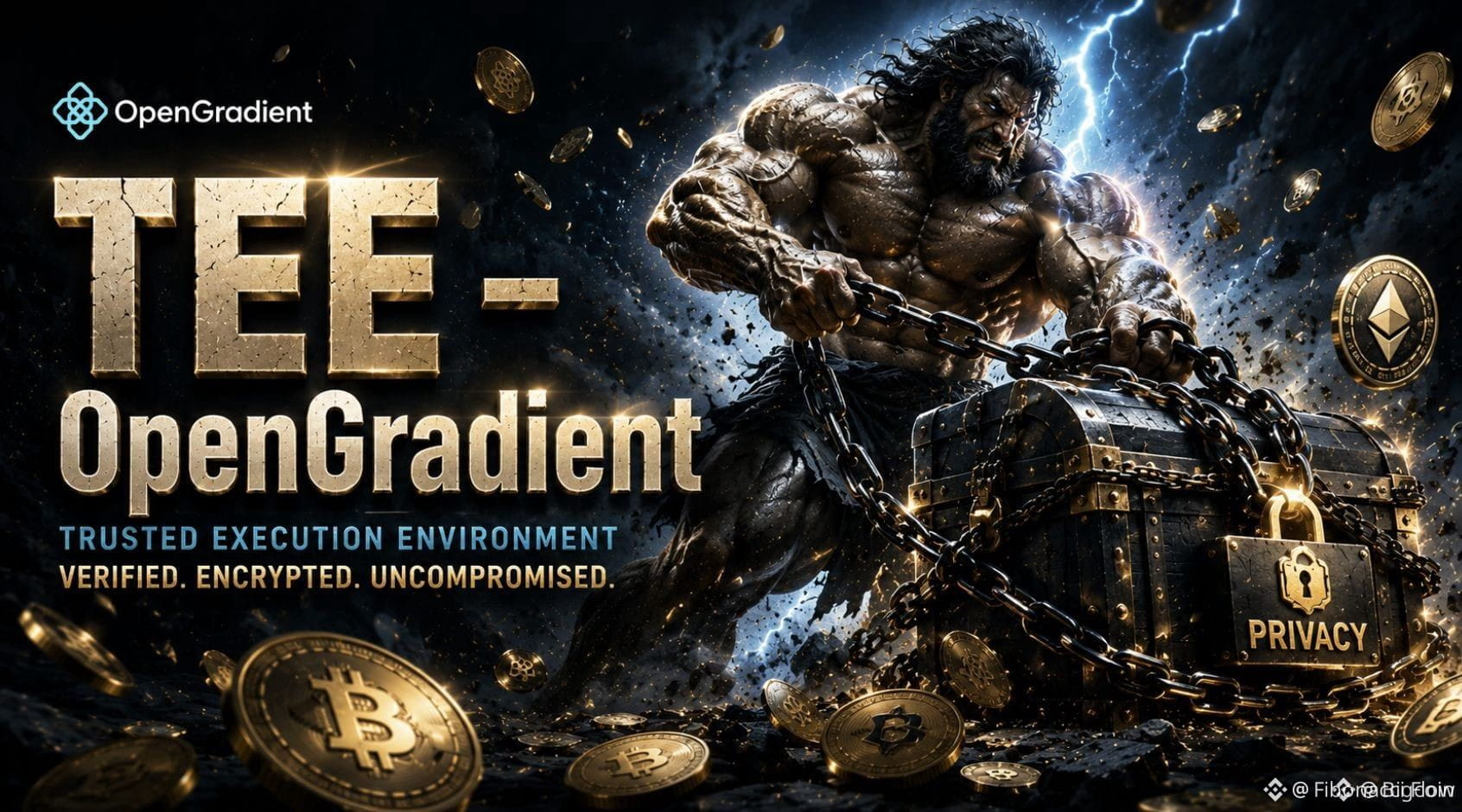
A recent incident where a company almost lost all its business plans due to over-reliance on AI tools like ChatGPT has raised concerns about data privacy, and this is where $OPG comes in with its unique solution 🚀

Entry: 0.05 🔥
Target: 0.10 🚀
Stop Loss: 0.025 ⚠️

The use of Trusted Execution Environment (TEE) by $OPG ensures that data is encrypted and inference runs in a separate hardware environment, making it inaccessible even to the company itself.

Not financial advice. Manage your risk.

#OPG #DataPrivacy #AISecurity #LongSetup #CryptoSolutions
Artigo
The Importance of Trust and Fair Competition: Lessons from the Coca-Cola-Pepsi IncidentIn 2006, a story that could have rocked the world of soft drinks unfolded in a way that highlighted the power of integrity over greed. A former Coca-Cola employee, Joya Williams, along with her accomplice Ibrahim Dimson, attempted to sell the company’s closely guarded secrets to their direct competitor, Pepsi, for a staggering $1.5 million. Instead of exploiting the situation, Pepsi executives did the unexpected: they reported the plot to Coca-Cola and the FBI, putting an end to the attempted corporate espionage. The lesson here is profound, especially for industries that thrive on innovation and competition. In the world of cryptocurrency, trust and fair competition are as critical as they were in the Coca-Cola-Pepsi case. The founders and teams behind crypto projects often hold the keys to valuable and sensitive information whether that’s proprietary technology, financial details, or future project plans. Trust is the foundation on which the entire ecosystem of decentralized finance is built. When Joya Williams and Ibrahim Dimson betrayed Coca-Cola by trying to sell the company's secrets, they didn’t just betray their employer they betrayed the trust that had been placed in them as stewards of Coca-Cola’s reputation. Similarly, when crypto founders or developers act unethically, whether by manipulating markets, mishandling user funds, or compromising security protocols, they undermine the very trust that keeps the cryptocurrency ecosystem afloat. Trust in the cryptocurrency space is everything. The decentralized nature of blockchain technology is designed to promote transparency and eliminate the need for intermediaries, but this also places immense responsibility on those managing crypto projects. Investors, users, and collaborators place their confidence in these projects with the expectation that the people behind them will act in good faith. When that trust is broken, as seen in cases of insider trading, rug pulls, or security breaches, the damage can be catastrophic both to the project itself and the broader market. Moreover, the concept of fair competition, exemplified by Pepsi’s actions, is essential in the highly competitive world of cryptocurrency. While competition among projects can be fierce, as new coins, tokens, and blockchain innovations emerge, it must remain ethical. Just as Pepsi recognized that the long-term benefits of maintaining a fair market outweighed any short-term gains from exploiting Coca-Cola’s secrets, crypto founders and developers must recognize that ethical conduct is vital for long-term success. Pepsi’s decision to inform Coca-Cola and the authorities was a bold statement that fair play trumps corporate espionage. In the same vein, in the cryptocurrency space, where competition between projects can mean the difference between massive gains or losses, the ethical high ground must never be abandoned. Projects that win through fair means by offering better technology, stronger security, or more innovative applications stand a greater chance of long-term success. The Coca-Cola-Pepsi case also underscores the importance of legal safeguards. Just as Coca-Cola's trade secrets were protected by law, intellectual property and project confidentiality must be respected in the blockchain industry. Projects that adopt unfair tactics whether through patent violations, hacking, or insider trading are not only ethically wrong but also risk legal action and reputational damage. In conclusion, the lesson from this corporate espionage attempt extends well beyond the world of beverages into industries like cryptocurrency, where trust and competition are the lifeblood of innovation. For crypto founders, ensuring transparency, upholding ethical standards, and fostering fair competition are not just moral imperatives but essential strategies for success. The companies and projects that succeed in this space will not be those who cut corners or betray trust, but those who embrace the values of integrity, transparency, and respect for the competitive process. The future of cryptocurrency depends on it. #cryptosolutions

The Importance of Trust and Fair Competition: Lessons from the Coca-Cola-Pepsi Incident

In 2006, a story that could have rocked the world of soft drinks unfolded in a way that highlighted the power of integrity over greed. A former Coca-Cola employee, Joya Williams, along with her accomplice Ibrahim Dimson, attempted to sell the company’s closely guarded secrets to their direct competitor, Pepsi, for a staggering $1.5 million. Instead of exploiting the situation, Pepsi executives did the unexpected: they reported the plot to Coca-Cola and the FBI, putting an end to the attempted corporate espionage.
The lesson here is profound, especially for industries that thrive on innovation and competition. In the world of cryptocurrency, trust and fair competition are as critical as they were in the Coca-Cola-Pepsi case. The founders and teams behind crypto projects often hold the keys to valuable and sensitive information whether that’s proprietary technology, financial details, or future project plans. Trust is the foundation on which the entire ecosystem of decentralized finance is built.
When Joya Williams and Ibrahim Dimson betrayed Coca-Cola by trying to sell the company's secrets, they didn’t just betray their employer they betrayed the trust that had been placed in them as stewards of Coca-Cola’s reputation. Similarly, when crypto founders or developers act unethically, whether by manipulating markets, mishandling user funds, or compromising security protocols, they undermine the very trust that keeps the cryptocurrency ecosystem afloat.
Trust in the cryptocurrency space is everything. The decentralized nature of blockchain technology is designed to promote transparency and eliminate the need for intermediaries, but this also places immense responsibility on those managing crypto projects. Investors, users, and collaborators place their confidence in these projects with the expectation that the people behind them will act in good faith. When that trust is broken, as seen in cases of insider trading, rug pulls, or security breaches, the damage can be catastrophic both to the project itself and the broader market.
Moreover, the concept of fair competition, exemplified by Pepsi’s actions, is essential in the highly competitive world of cryptocurrency. While competition among projects can be fierce, as new coins, tokens, and blockchain innovations emerge, it must remain ethical. Just as Pepsi recognized that the long-term benefits of maintaining a fair market outweighed any short-term gains from exploiting Coca-Cola’s secrets, crypto founders and developers must recognize that ethical conduct is vital for long-term success.
Pepsi’s decision to inform Coca-Cola and the authorities was a bold statement that fair play trumps corporate espionage. In the same vein, in the cryptocurrency space, where competition between projects can mean the difference between massive gains or losses, the ethical high ground must never be abandoned. Projects that win through fair means by offering better technology, stronger security, or more innovative applications stand a greater chance of long-term success.
The Coca-Cola-Pepsi case also underscores the importance of legal safeguards. Just as Coca-Cola's trade secrets were protected by law, intellectual property and project confidentiality must be respected in the blockchain industry. Projects that adopt unfair tactics whether through patent violations, hacking, or insider trading are not only ethically wrong but also risk legal action and reputational damage.
In conclusion, the lesson from this corporate espionage attempt extends well beyond the world of beverages into industries like cryptocurrency, where trust and competition are the lifeblood of innovation. For crypto founders, ensuring transparency, upholding ethical standards, and fostering fair competition are not just moral imperatives but essential strategies for success. The companies and projects that succeed in this space will not be those who cut corners or betray trust, but those who embrace the values of integrity, transparency, and respect for the competitive process. The future of cryptocurrency depends on it.
#cryptosolutions
Inicia sessão para explorar mais conteúdos
Junta-te a utilizadores de criptomoedas de todo o mundo na Binance Square
⚡️ Obtém informações úteis e recentes sobre criptomoedas.
💬 Com a confiança da maior exchange de criptomoedas do mundo.
👍 Descobre perspetivas reais de criadores verificados.
E-mail/Número de telefone