
Ghost Writer
7k Posts

Ghost Writer
Research & summarize the latest Crypto market news | BNB Holder | Web 3 Airdrop | X: @GhostxWriterx
Open Trade
High-Frequency Trader
5.5 Years
748 Following
14.0K+ Followers
22.4K+ Liked
Posts
Portfolio
All
Quotes
Videos
Live
PINNED
Verified
#dusk $DUSK @Dusk 🏗️ There are construction projects that start counting rental payment from the eight-year mark.
Dusk is right in that phase.
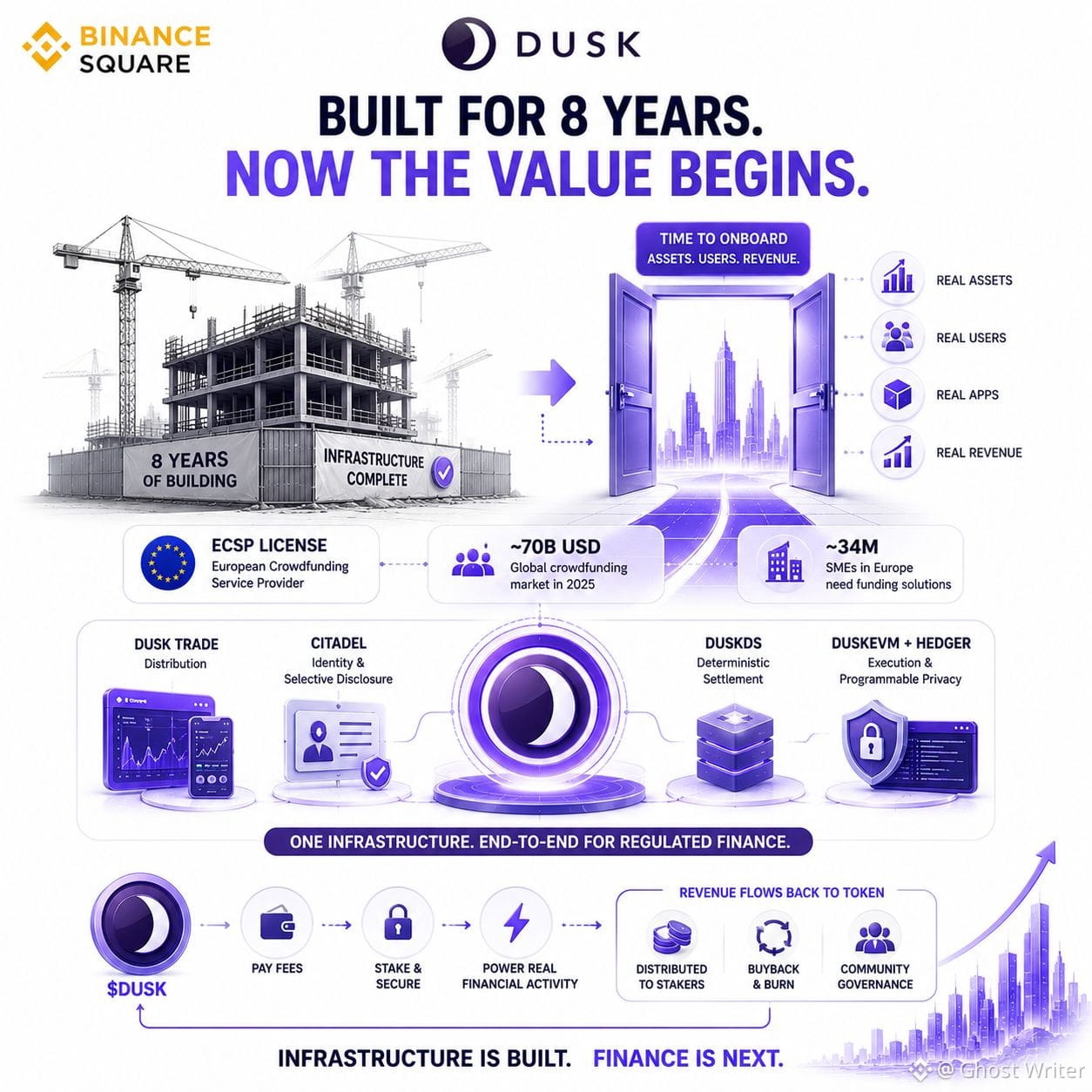
After a long period of focusing on building infrastructure for managed on-chain finance, the next step isn’t just adding technical features anymore—it’s adding assets, users, applications, and product revenue into the mix. This is when market infrastructure begins to be validated through real-world activity.
A concrete direction being discussed is obtaining an ECSP license (European Crowdfunding Service Provider). This model enables connecting businesses that need capital with investors via an online platform, including eligible bonds and equities. In 2025, global crowdfunding platforms have supported nearly $70 billion. The EU has about 34 million SMEs, while bank lending rates continue to put pressure on them, making alternative funding channels increasingly necessary.
What stands out is that Dusk owns quite a complete set of layers within a single system: from product distribution (Dusk Trade), identity and selective disclosure (Citadel), to finality settlement (DuskDS), and the execution environment (DuskEVM + Hedger for programmable privacy). When these pieces run on the same infrastructure, onboarding new assets into the ecosystem no longer depends too heavily on third parties.
$DUSK is directly tied to this flywheel. The capital token is used to pay for network fees and staking. With more issuance, trading, and settlement activity, demand for token usage increases accordingly. Dusk is also exploring how product revenue can be converted into longer-term utility for the token—through distributions to stakers, buybacks and burns, or a mechanism decided by the community.
Dusk is right in that phase.
After a long period of focusing on building infrastructure for managed on-chain finance, the next step isn’t just adding technical features anymore—it’s adding assets, users, applications, and product revenue into the mix. This is when market infrastructure begins to be validated through real-world activity.
A concrete direction being discussed is obtaining an ECSP license (European Crowdfunding Service Provider). This model enables connecting businesses that need capital with investors via an online platform, including eligible bonds and equities. In 2025, global crowdfunding platforms have supported nearly $70 billion. The EU has about 34 million SMEs, while bank lending rates continue to put pressure on them, making alternative funding channels increasingly necessary.
What stands out is that Dusk owns quite a complete set of layers within a single system: from product distribution (Dusk Trade), identity and selective disclosure (Citadel), to finality settlement (DuskDS), and the execution environment (DuskEVM + Hedger for programmable privacy). When these pieces run on the same infrastructure, onboarding new assets into the ecosystem no longer depends too heavily on third parties.
$DUSK is directly tied to this flywheel. The capital token is used to pay for network fees and staking. With more issuance, trading, and settlement activity, demand for token usage increases accordingly. Dusk is also exploring how product revenue can be converted into longer-term utility for the token—through distributions to stakers, buybacks and burns, or a mechanism decided by the community.
Verified
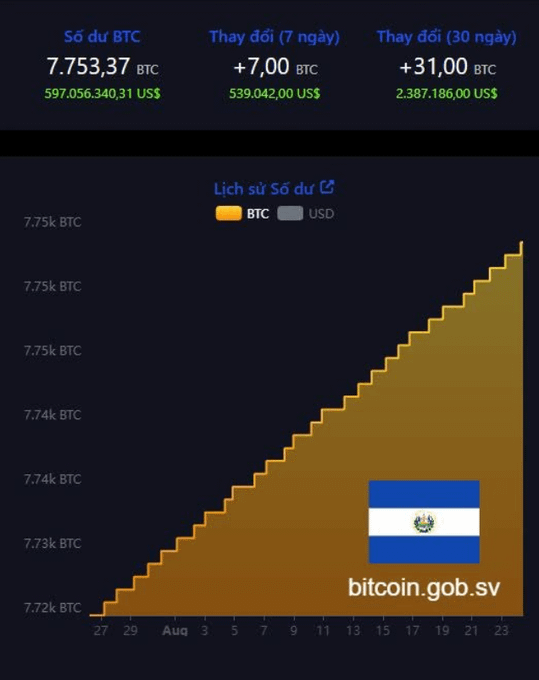
A closer look at the Salvadoran president, hailed as a hero by the people in recent days.
The country currently holds over 7,700 $BTC , worth approximately $600 million.
Interestingly, they maintain a strategy of buying 1 BTC per day, regardless of whether the market is going up or down.
From a once controversial decision, El Salvador has now become one of the world's largest BTC "hodl" nations.
#BTCReaches$80000
#BTC
#bitcoin
The country currently holds over 7,700 $BTC , worth approximately $600 million.
Interestingly, they maintain a strategy of buying 1 BTC per day, regardless of whether the market is going up or down.
From a once controversial decision, El Salvador has now become one of the world's largest BTC "hodl" nations.
#BTCReaches$80000
#BTC
#bitcoin

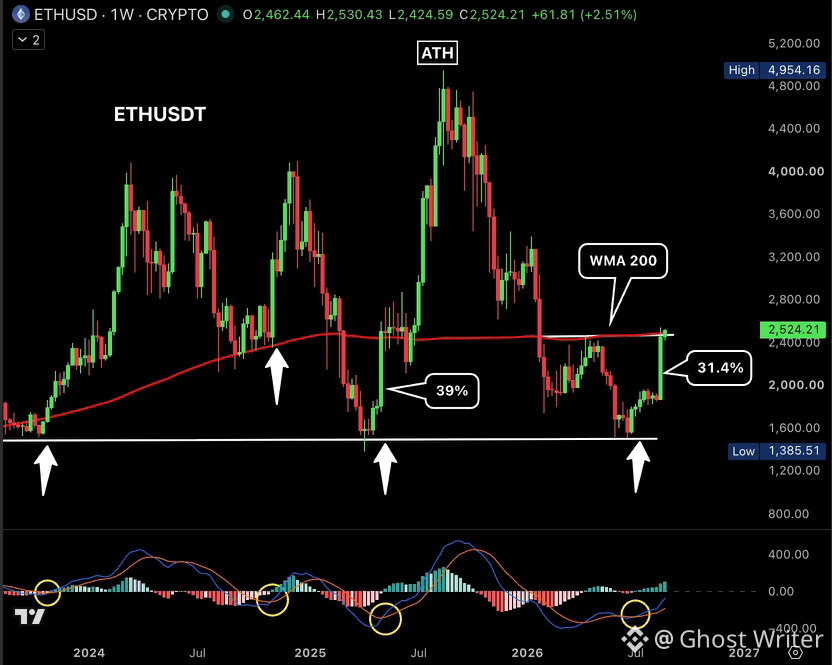
$ETH pumped +31% this week and printed its highest weekly close since May 2025.
ETH is now testing the Weekly MA 200 MA the most important line for trend reversal.
The chart shows:
1. Strong bounce from long-term support near $1,500
2. Previous bounce from the same zone was nearly +39% in May 2025, which led ETH toward a new ATH in just 4 months
3. Weekly MACD is turning up from the same oversold area that marked earlier bottoms
Key Levels
- Resistance: Weekly MA 200 / $2,500
- Next resistance: $3,400
- Support: $1,900 and $1,500
Two scenarios:
1. Hold and close above the Weekly MA 200 will open a path toward $2,800–$3,400
2. Reject from this level means ETH can retest $1,900, then the major support near $1,500.
#EtherETFsPost$697MWeeklyInflow #TrendingTopic
ETH is now testing the Weekly MA 200 MA the most important line for trend reversal.
The chart shows:
1. Strong bounce from long-term support near $1,500
2. Previous bounce from the same zone was nearly +39% in May 2025, which led ETH toward a new ATH in just 4 months
3. Weekly MACD is turning up from the same oversold area that marked earlier bottoms
Key Levels
- Resistance: Weekly MA 200 / $2,500
- Next resistance: $3,400
- Support: $1,900 and $1,500
Two scenarios:
1. Hold and close above the Weekly MA 200 will open a path toward $2,800–$3,400
2. Reject from this level means ETH can retest $1,900, then the major support near $1,500.
#EtherETFsPost$697MWeeklyInflow #TrendingTopic
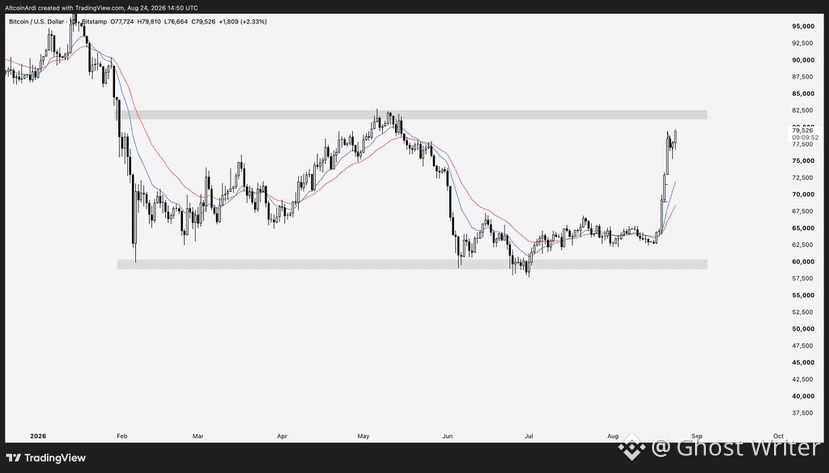
If $BTC breaks above $83K and closes the week above it, the bear market is over.
Everyone still expecting a revisit of the range lows will have been wrong.
#BTCReaches$80000 #BitcoinRises23.6%Weekly
Everyone still expecting a revisit of the range lows will have been wrong.
#BTCReaches$80000 #BitcoinRises23.6%Weekly
#安友周一观察团 I choose C。
BTC returning to 700,000 is more about emotional restoration; short-term fluctuations are inevitable. But Micron plowing billions into AI chips shows that the demand for underlying compute power is still accelerating—this is the real logic that provides support in the medium to long term.
The AI narrative won’t stop just because of one pullback. Instead, this kind of concrete capital expenditure is even more worth tracking continuously.
@币安Binance华语
BTC returning to 700,000 is more about emotional restoration; short-term fluctuations are inevitable. But Micron plowing billions into AI chips shows that the demand for underlying compute power is still accelerating—this is the real logic that provides support in the medium to long term.
The AI narrative won’t stop just because of one pullback. Instead, this kind of concrete capital expenditure is even more worth tracking continuously.
@币安Binance华语


币安Binance华语
·
--
🔥 #安友周一观察团 – Assemble on time. This week’s hot topics are here!
This week is packed with information—what’s the most worth hitting the follow button for? 🧐
💬 Vote and share your reasons in the comments. RT or share other hot topics you’re paying attention to—five lucky winners will receive 30U!
A. Binance SNDK: daily holdings exceed 700 million, leading in market depth
B. BTC returns to $700,000, and market sentiment is warming up
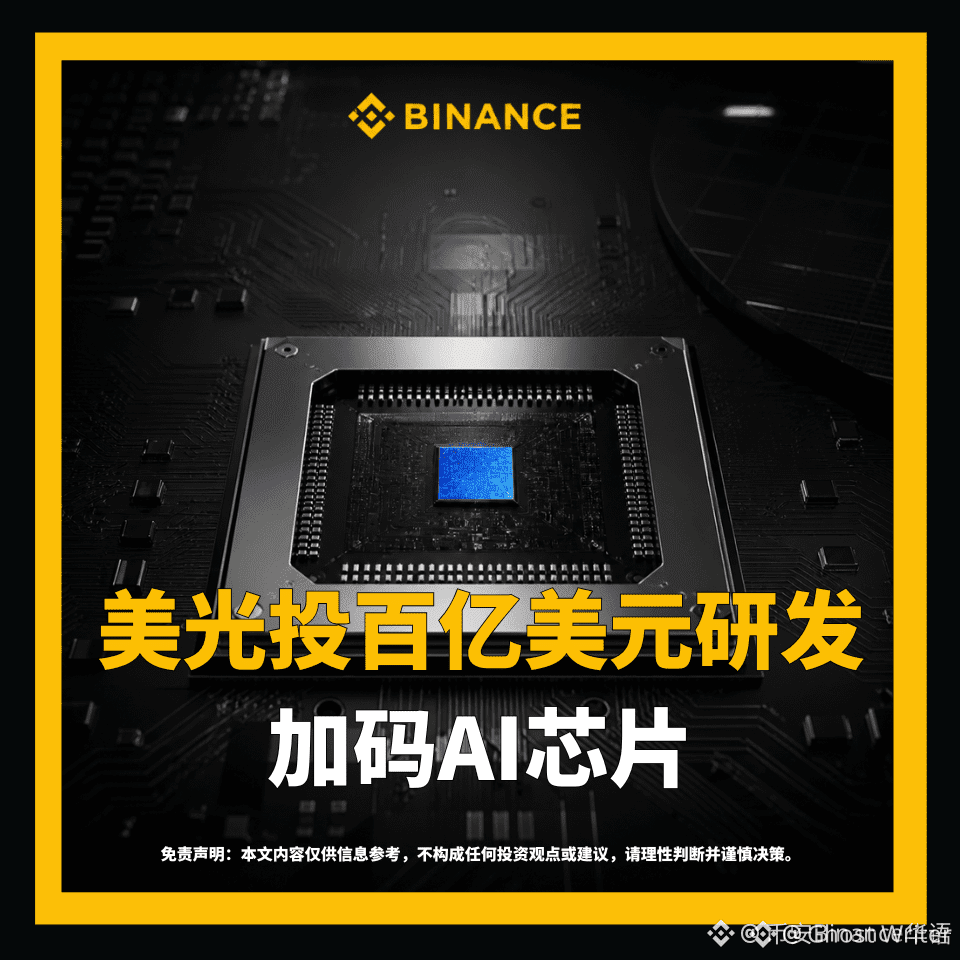
C. Micron invests $10 billion in R&D to ramp up AI chips
D. Japan’s government bond yields hit a new high, pressuring global bond markets
This week is packed with information—what’s the most worth hitting the follow button for? 🧐
💬 Vote and share your reasons in the comments. RT or share other hot topics you’re paying attention to—five lucky winners will receive 30U!
A. Binance SNDK: daily holdings exceed 700 million, leading in market depth
B. BTC returns to $700,000, and market sentiment is warming up
C. Micron invests $10 billion in R&D to ramp up AI chips
D. Japan’s government bond yields hit a new high, pressuring global bond markets
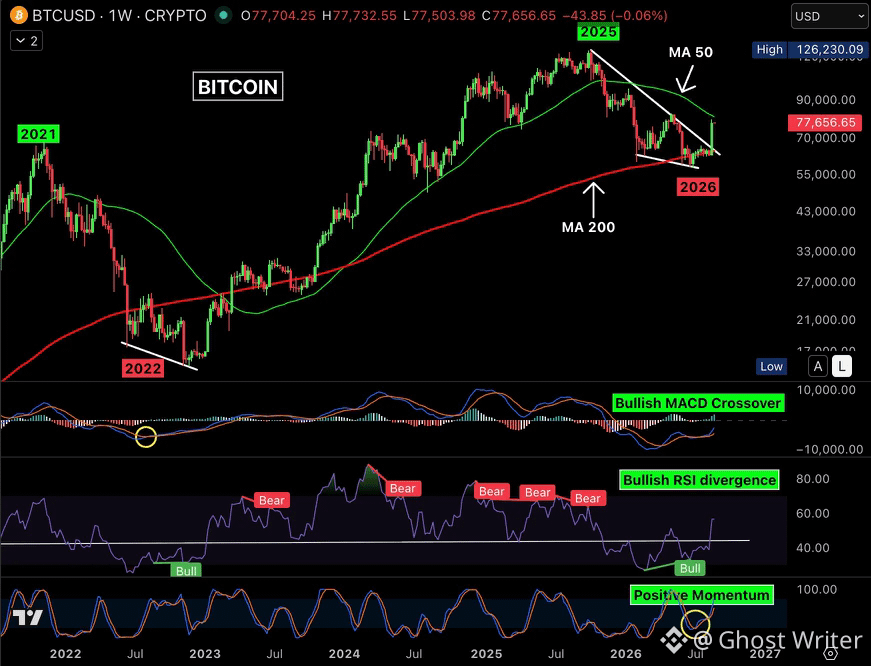
Bitcoin Weekly Analysis $BTC
Bitcoin pumped 23.65% last week, printing its biggest weekly candle in 3 years.
Bullish signals:
- Broke the 2025 downtrend
- Bullish RSI divergence, RSI above 50
- MACD bullish crossover
- Strong Stoch RSI momentum
- $1.92 billion in ETF inflows, the biggest of 2026
Macro Bullish signals:
- ISM above 55
- Inflation is cooling
- Russell 2000 is hitting new highs
Key Levels:
- Resistance: $81,800
- Support: $69,000 and $62,000
Overall, short-term momentum is bullish.
A break above $81.8K could send BTC toward $90K–$100K, while rejection may lead to a retest of the Weekly MA 200.
#BitcoinRises23.6%Weekly
#BitcoinOpenInterestFallsToTwoMonthLow
#btc
Bitcoin pumped 23.65% last week, printing its biggest weekly candle in 3 years.
Bullish signals:
- Broke the 2025 downtrend
- Bullish RSI divergence, RSI above 50
- MACD bullish crossover
- Strong Stoch RSI momentum
- $1.92 billion in ETF inflows, the biggest of 2026
Macro Bullish signals:
- ISM above 55
- Inflation is cooling
- Russell 2000 is hitting new highs
Key Levels:
- Resistance: $81,800
- Support: $69,000 and $62,000
Overall, short-term momentum is bullish.
A break above $81.8K could send BTC toward $90K–$100K, while rejection may lead to a retest of the Weekly MA 200.
#BitcoinRises23.6%Weekly
#BitcoinOpenInterestFallsToTwoMonthLow
#btc
Verified
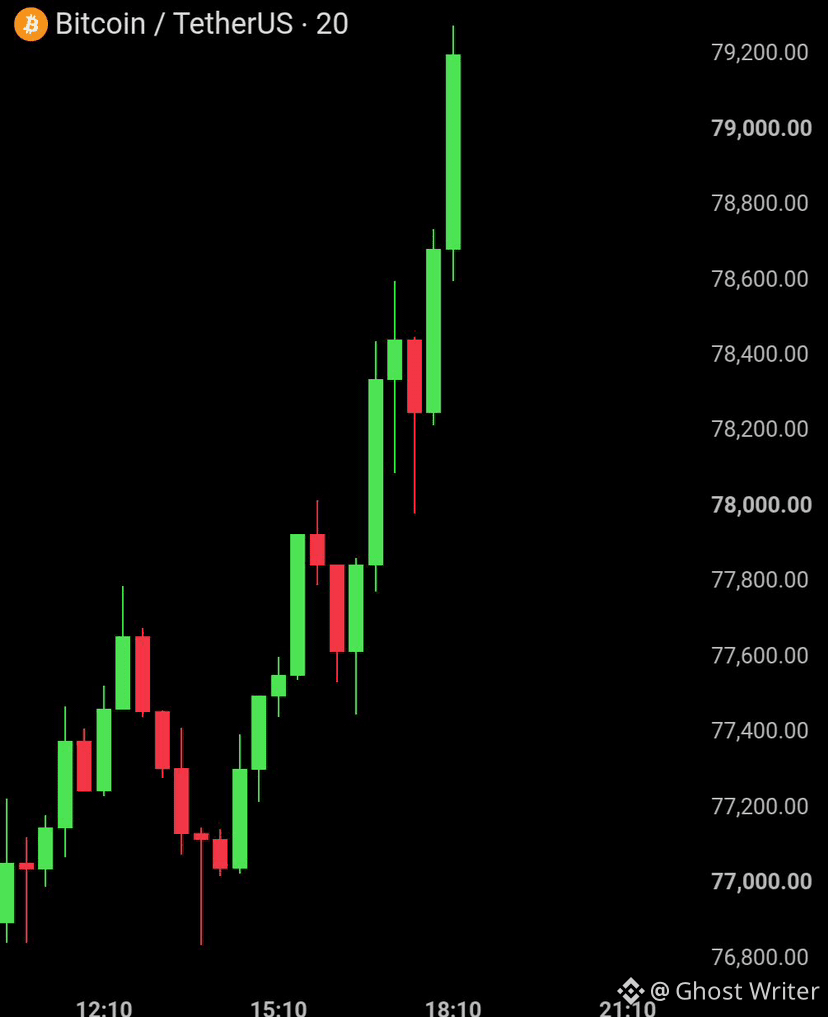
BREAKING: Bitcoin hits $79,000 as the US Treasury signals it could use its $1 TRILLION TGA account to fund bond buybacks.
CRYPTO UPTREND IS HAPPENING NOW 😎 $BTC $ETH
#BitcoinOpenInterestFallsToTwoMonthLow
#BitcoinRises23.6%Weekly
#USTreasuryDoublesBuybackCapTo$4B
CRYPTO UPTREND IS HAPPENING NOW 😎 $BTC $ETH
#BitcoinOpenInterestFallsToTwoMonthLow
#BitcoinRises23.6%Weekly
#USTreasuryDoublesBuybackCapTo$4B
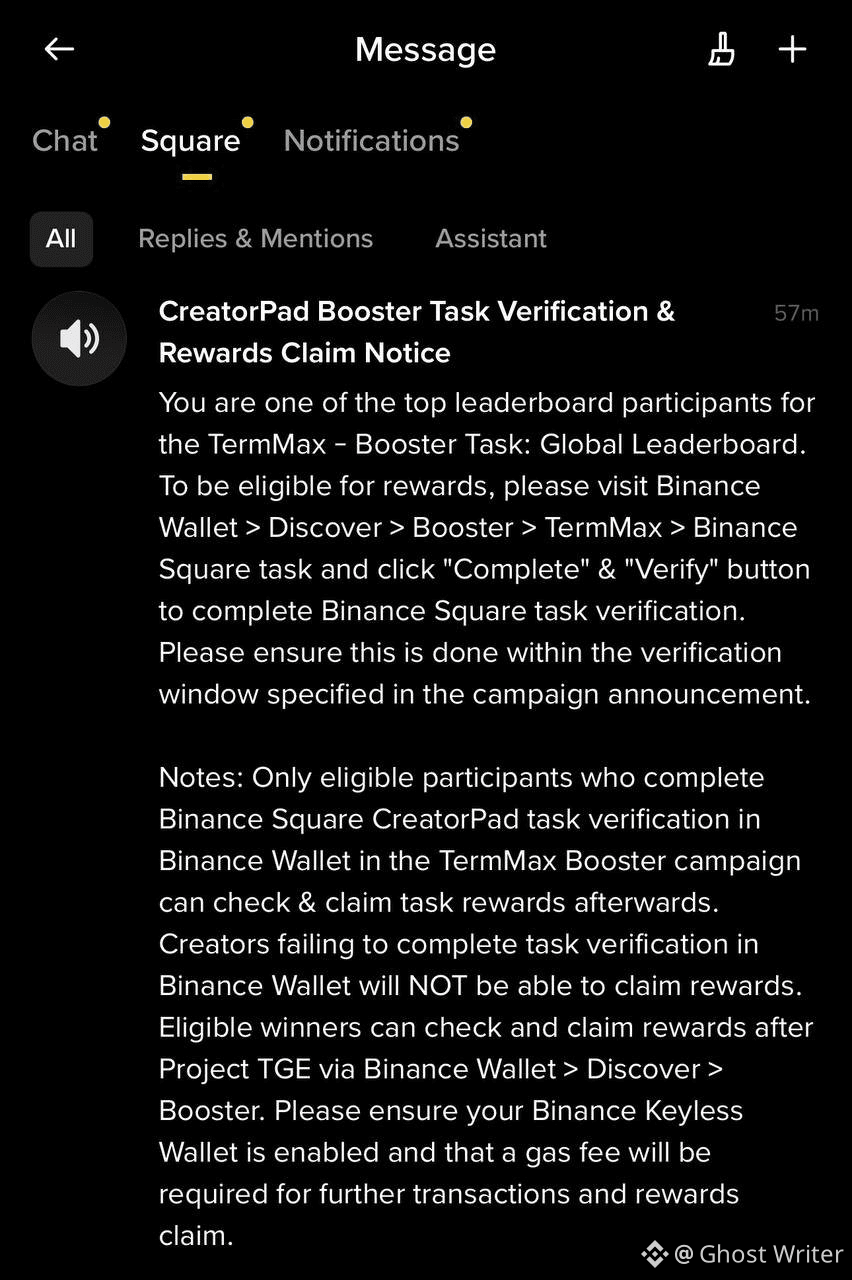
Important notification about TermMax Booster rewards📄
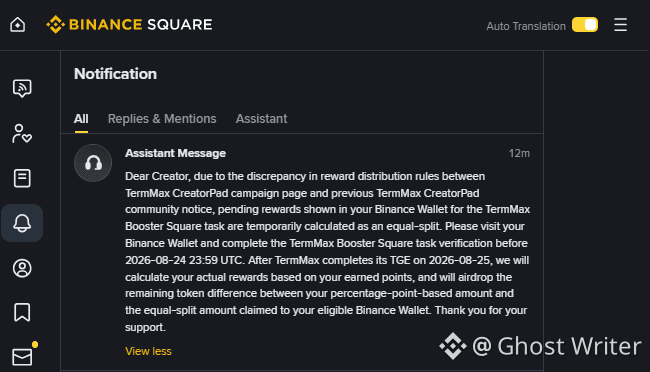
@Binance Wallet sent the notice:
"Due to differences in how rewards are calculated between the campaign page and the previous notification, the rewards currently shown in your wallet are being temporarily calculated using an equal-split method."
What you need to do right away:
1. Open Binance Wallet
2. Verify the task TermMax Booster Square
3. Complete it before 23:59 UTC on 24/8 (i.e., tonight according to Vietnam time)
After TermMax TGE on 25/8, the system will recalculate based on your actual points and airdrop the remaining rewards (if any).
Quick access Booster link:
https://web3.binance.com/en/booster/227/5179500589338386433?chain=bsc&ref=VNBCGHOST
Everyone, remember to verify early so you don’t miss out on the rewards nhé @TermMax
#termmax
@Binance Wallet sent the notice:
"Due to differences in how rewards are calculated between the campaign page and the previous notification, the rewards currently shown in your wallet are being temporarily calculated using an equal-split method."
What you need to do right away:
1. Open Binance Wallet
2. Verify the task TermMax Booster Square
3. Complete it before 23:59 UTC on 24/8 (i.e., tonight according to Vietnam time)
After TermMax TGE on 25/8, the system will recalculate based on your actual points and airdrop the remaining rewards (if any).
Quick access Booster link:
https://web3.binance.com/en/booster/227/5179500589338386433?chain=bsc&ref=VNBCGHOST
Everyone, remember to verify early so you don’t miss out on the rewards nhé @TermMax
#termmax
Ghost Writer
·
--
BullishHURRY🏆: Who will land the @TermMax CreatorPad slot? Remember to go to the booster, press Verify task; otherwise you won’t get the reward nhé
Collecting the booster pool’s shared slot and top #7 Creatorpad
Link: https://web3.binance.com/en/booster/227/5179500589338386433?chain=bsc&ref=VNBCGHOST
#TermMax
Collecting the booster pool’s shared slot and top #7 Creatorpad
Link: https://web3.binance.com/en/booster/227/5179500589338386433?chain=bsc&ref=VNBCGHOST
#TermMax
HURRY🏆: Who will land the @TermMax CreatorPad slot? Remember to go to the booster, press Verify task; otherwise you won’t get the reward nhé
Collecting the booster pool’s shared slot and top #7 Creatorpad
Link: https://web3.binance.com/en/booster/227/5179500589338386433?chain=bsc&ref=VNBCGHOST
#TermMax
Collecting the booster pool’s shared slot and top #7 Creatorpad
Link: https://web3.binance.com/en/booster/227/5179500589338386433?chain=bsc&ref=VNBCGHOST
#TermMax
Ghost Writer
·
--
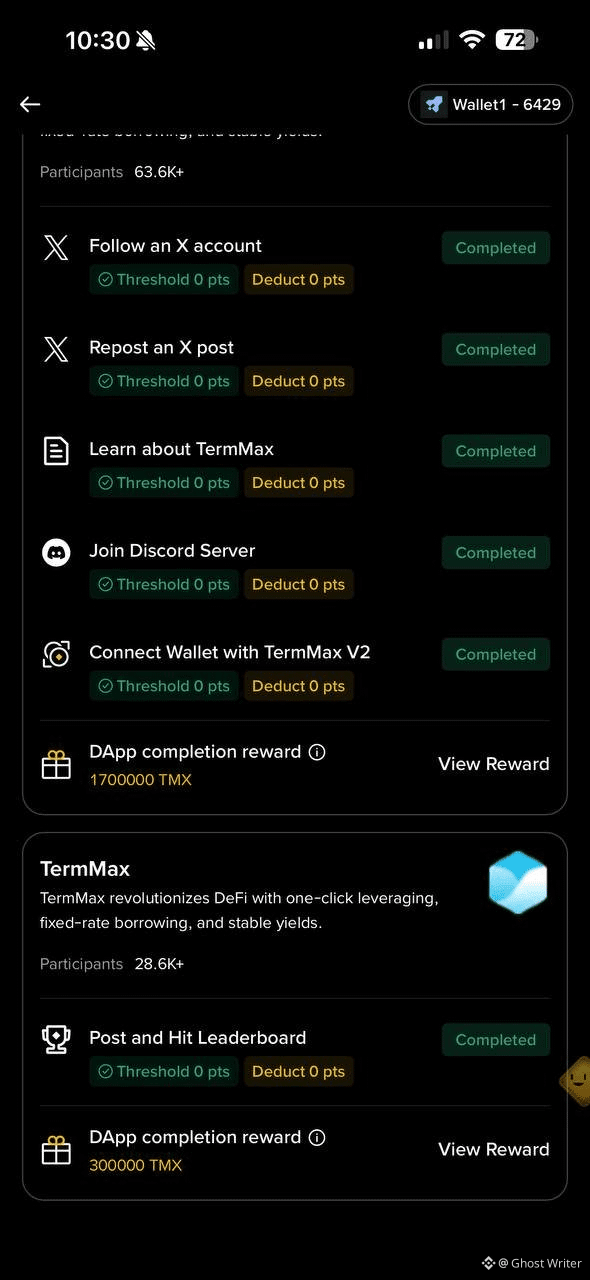
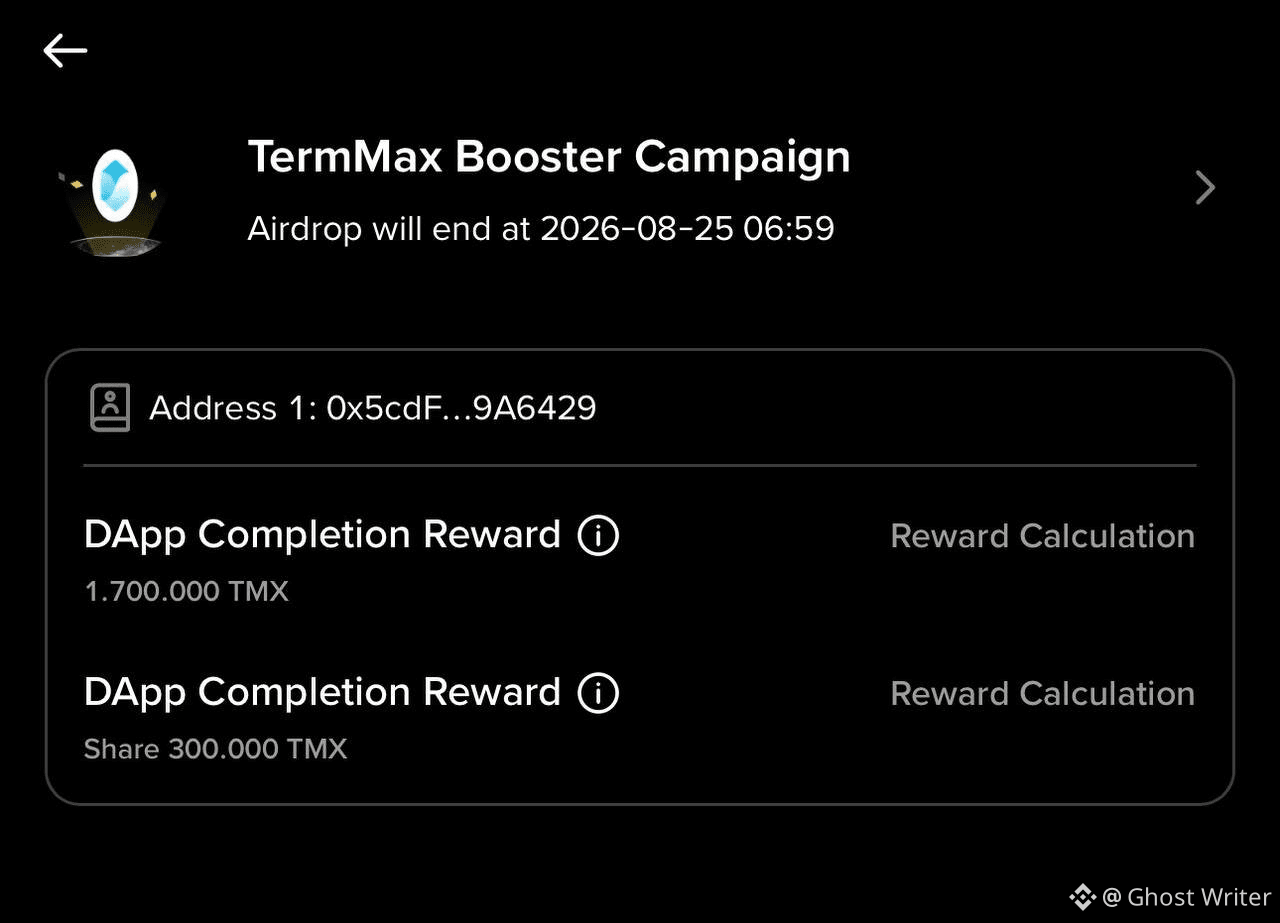
BullishA ghost just showed the task for the creator of this Booster Binance Wallet @TermMax 🏆
In total, 1,000 users share 300,000 TMX, so on average each person will get 300 tokens, estimated value over 50U.
👉https://web3.binance.com/en/booster/227/5179500589338386433?chain=bsc&ref=VNBCGHOST
I recommend that anyone who has time should join. Everyone can ask an AI to write posts, or copy relevant posts from X to Square Binance.
Last time, many people earned more than 100U from $GRVT —this was from CreatorPad. This time there are more slots, so the chances of ranking higher on the BXH are better; you just need to persist in posting continuously. That’s all—see if you’re interested.
Of course, if you can write original posts, even better 🤓
#tge #TrendingTopic
In total, 1,000 users share 300,000 TMX, so on average each person will get 300 tokens, estimated value over 50U.
👉https://web3.binance.com/en/booster/227/5179500589338386433?chain=bsc&ref=VNBCGHOST
I recommend that anyone who has time should join. Everyone can ask an AI to write posts, or copy relevant posts from X to Square Binance.
Last time, many people earned more than 100U from $GRVT —this was from CreatorPad. This time there are more slots, so the chances of ranking higher on the BXH are better; you just need to persist in posting continuously. That’s all—see if you’re interested.
Of course, if you can write original posts, even better 🤓
#tge #TrendingTopic
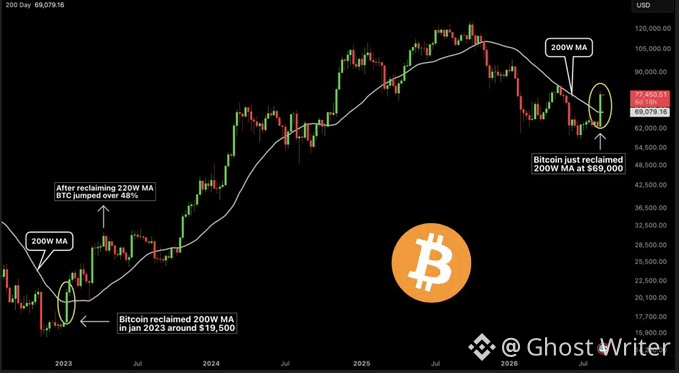
Bitcoin is going to $100k+ in 3 months? $BTC
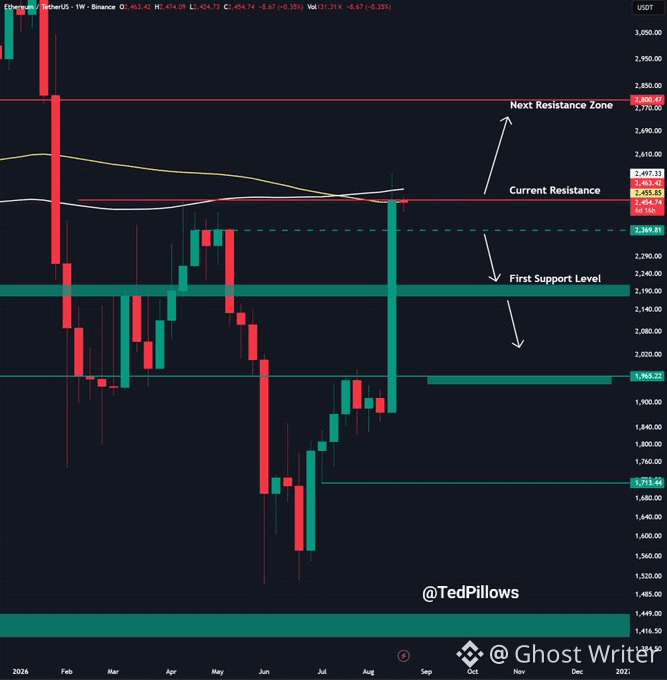
BTC just reclaimed the 200W MA this week, the most important level for a trend reversal.
When BTC reclaimed 200W MA last bear market, it pumped +48% in the next 90 days and started a new bull run.
If history repeats, the bottom is in and the biggest bull run starts now.
#BTC #bitcoin
BTC just reclaimed the 200W MA this week, the most important level for a trend reversal.
When BTC reclaimed 200W MA last bear market, it pumped +48% in the next 90 days and started a new bull run.
If history repeats, the bottom is in and the biggest bull run starts now.
#BTC #bitcoin
Verified
Ghost Writer
·
--
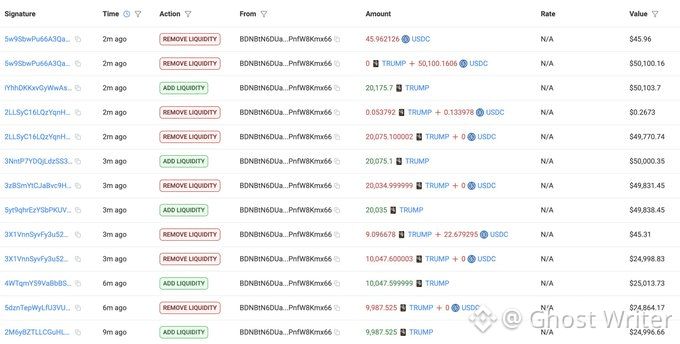
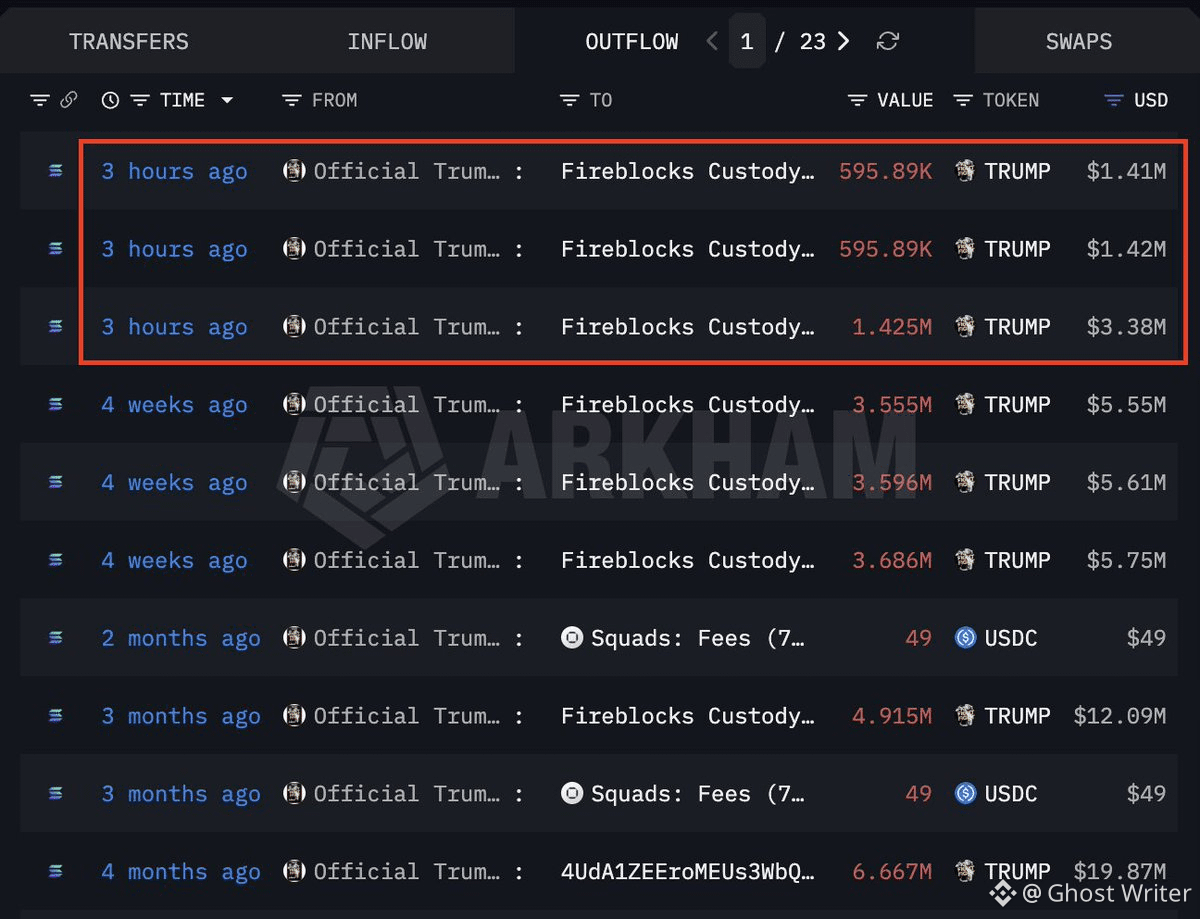
BullishI am going to Long $TRUMP right now ‼️
$TRUMP is showing strong bounce from support zone , with strong buying support.....
Momentum is clearly shifted towards buyers again
MY TRADE PLAN 👇
Entry : 2,300
Sl : 1,96
Tp : 3,44
#TRUMPBreaksAbove$3.4HighestSinceMarch21 #trump
$TRUMP is showing strong bounce from support zone , with strong buying support.....
Momentum is clearly shifted towards buyers again
MY TRADE PLAN 👇
Entry : 2,300
Sl : 1,96
Tp : 3,44
#TRUMPBreaksAbove$3.4HighestSinceMarch21 #trump
🚨BEARISH: Wintermute, one of world's LARGEST liquidity providers for digital assets, is HEAVILY short across the market.
The market maker is quietly sitting on $190.8M in short positions on Hyperliquid, led by
- $53M in ETH,
- $30.7M in BTC,
- $22.6M in SOL,
- $11.4M in HYPE and
- $10.2M in XRP
The positions currently carry -$5.85M in unrealized losses, despite which Wintermute is up +$203.6M in lifetime PnL, per Ochain Lens.
#bearishmomentum #Wintermute
The market maker is quietly sitting on $190.8M in short positions on Hyperliquid, led by
- $53M in ETH,
- $30.7M in BTC,
- $22.6M in SOL,
- $11.4M in HYPE and
- $10.2M in XRP
The positions currently carry -$5.85M in unrealized losses, despite which Wintermute is up +$203.6M in lifetime PnL, per Ochain Lens.
#bearishmomentum #Wintermute

Verified
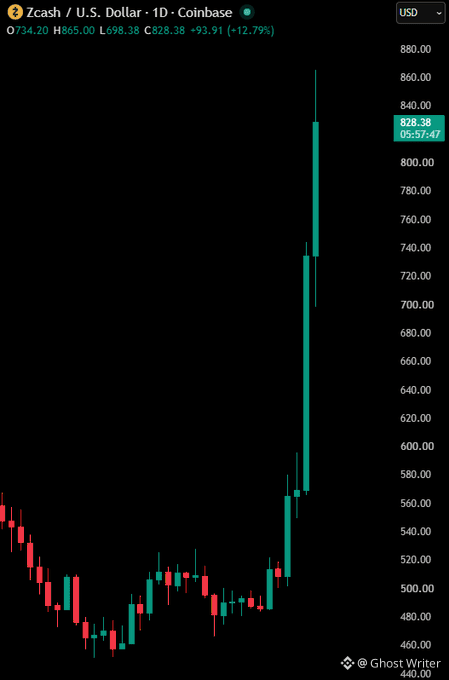
Zcash has officially hit its highest price in 8 years.
$ZEC surged 47% to $865, a level it hasn't seen since January 2018, per CoinDesk.
In June it crashed to $250 after an AI discovered a critical counterfeiting vulnerability that had been live for four years.
It has now rallied 3.4x from that low.
The rally accelerated after Grayscale filed to convert its Zcash Trust into the first U.S. spot ZEC ETF, per The Block.
$ZEC is still roughly 73% below its all-time high of $3,191.
#zec #TrendingTopic #crypto
$ZEC surged 47% to $865, a level it hasn't seen since January 2018, per CoinDesk.
In June it crashed to $250 after an AI discovered a critical counterfeiting vulnerability that had been live for four years.
It has now rallied 3.4x from that low.
The rally accelerated after Grayscale filed to convert its Zcash Trust into the first U.S. spot ZEC ETF, per The Block.
$ZEC is still roughly 73% below its all-time high of $3,191.
#zec #TrendingTopic #crypto
Partly True
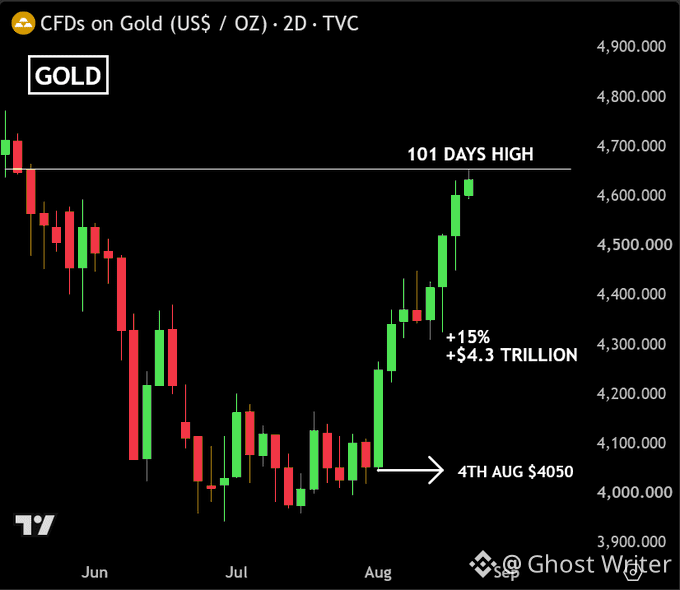
BULLISH 🚀: GOLD reclaims $4,650 for the first time in 101 days.
Gold $XAU is up +15% in August, adding over $4.3 TRILLION in market value.
Silver $XAG has surged +19%, adding over $620 BILLION.
Combined, Gold and Silver have added nearly $5T in market value this month.
#GoldNearsThreeMonthHigh #BTCVSGOLD #Silver
Gold $XAU is up +15% in August, adding over $4.3 TRILLION in market value.
Silver $XAG has surged +19%, adding over $620 BILLION.
Combined, Gold and Silver have added nearly $5T in market value this month.
#GoldNearsThreeMonthHigh #BTCVSGOLD #Silver
Partly True
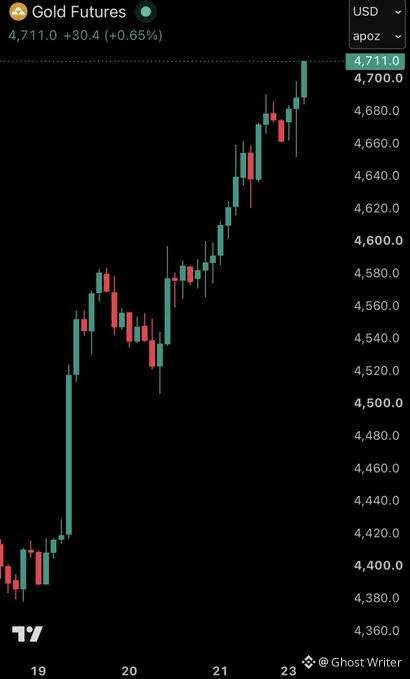
BREAKING: Gold futures $XAU surge above $4,700/oz for the first time since May 14th.
BABY I'M BACK
Asset owners are the only winners in this market.
#GoldNearsThreeMonthHigh
#GOLD
BABY I'M BACK
Asset owners are the only winners in this market.
#GoldNearsThreeMonthHigh
#GOLD
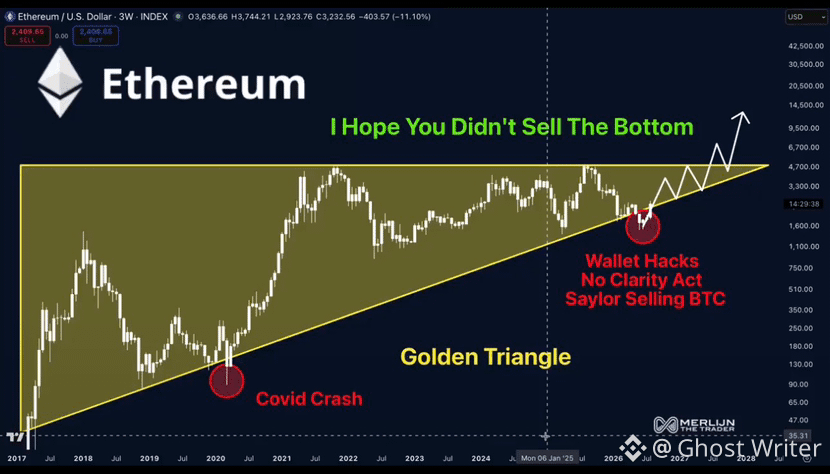
THE ETHEREUM GOLDEN TRIANGLE GAVE YOU THE BEST ENTRY AGAIN AT $1,500.
March 2020: $ETH wicked below the triangle in the Covid crash. That was the best entry of the cycle.
July 2026: ETH went below again on wallet hacks, no CLARITY Act, and Saylor selling BTC. Same play.
I hope you didn't panic. ETH is at $2,408 now, up 61%.
#eth #TrendingTopic
March 2020: $ETH wicked below the triangle in the Covid crash. That was the best entry of the cycle.
July 2026: ETH went below again on wallet hacks, no CLARITY Act, and Saylor selling BTC. Same play.
I hope you didn't panic. ETH is at $2,408 now, up 61%.
#eth #TrendingTopic
Verified
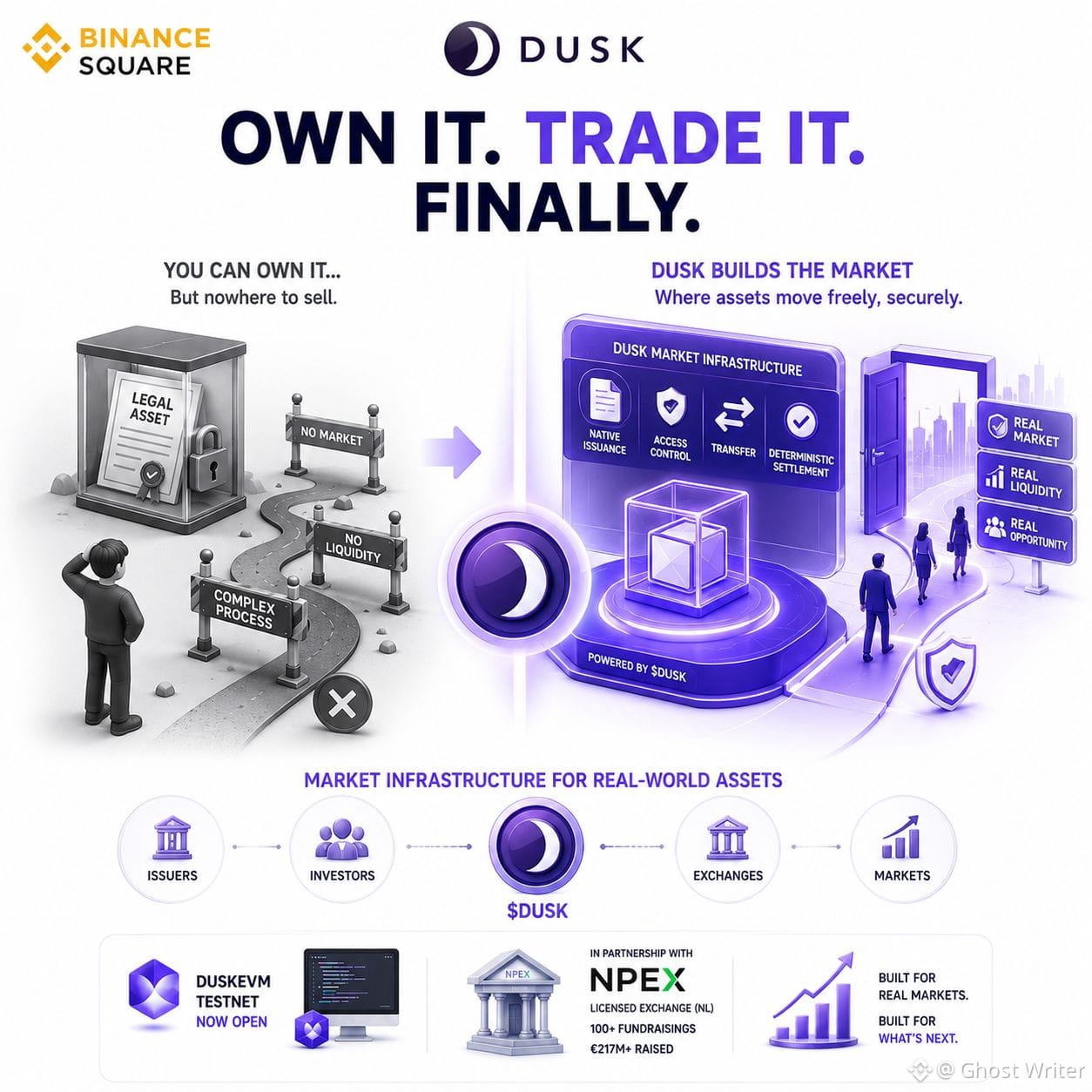
#dusk $DUSK @Dusk 🛒 There are things you’re allowed to sell, but there’s nowhere to sell them.
It’s like owning a legal asset—yet when you want to transfer it, you can’t find an exchange that will accept it. There are no buyers, and the process drags on until you give up. Ownership exists only on paper, while liquidity is almost nonexistent.
This is also a bottleneck for many assets being brought onto blockchain today. Tokenization has already been built, but the secondary market remains thin. Holders can “have an asset on-chain,” but they’re not necessarily sure there’s a clear, regulated place to trade it.
Dusk tackles this problem from the angle of market infrastructure.
Instead of only focusing on creating a layer for record-keeping, Dusk aims for native issuance—bringing more of the asset’s lifecycle into the same system: from issuance, to enforcing participation conditions, to transfer and deterministic settlement. When these components run on a shared infrastructure, enabling connection to the trading environment becomes much more practical.
$DUSK is directly tied to that operational loop. The token is used to secure the network and to pay execution costs for activities on the system. With issuance, transfers, or settlement, the demand for token usage arises from the financial operations themselves—not just speculation.
What’s noteworthy isn’t whether the asset has appeared on the blockchain yet. The real question is whether the system can create a “place to sell” in a controlled and sustainable way.
When transfer rights and the real market truly meet on the same infrastructure, the story of on-chain assets begins to change.
It’s like owning a legal asset—yet when you want to transfer it, you can’t find an exchange that will accept it. There are no buyers, and the process drags on until you give up. Ownership exists only on paper, while liquidity is almost nonexistent.
This is also a bottleneck for many assets being brought onto blockchain today. Tokenization has already been built, but the secondary market remains thin. Holders can “have an asset on-chain,” but they’re not necessarily sure there’s a clear, regulated place to trade it.
Dusk tackles this problem from the angle of market infrastructure.
Instead of only focusing on creating a layer for record-keeping, Dusk aims for native issuance—bringing more of the asset’s lifecycle into the same system: from issuance, to enforcing participation conditions, to transfer and deterministic settlement. When these components run on a shared infrastructure, enabling connection to the trading environment becomes much more practical.
$DUSK is directly tied to that operational loop. The token is used to secure the network and to pay execution costs for activities on the system. With issuance, transfers, or settlement, the demand for token usage arises from the financial operations themselves—not just speculation.
What’s noteworthy isn’t whether the asset has appeared on the blockchain yet. The real question is whether the system can create a “place to sell” in a controlled and sustainable way.
When transfer rights and the real market truly meet on the same infrastructure, the story of on-chain assets begins to change.
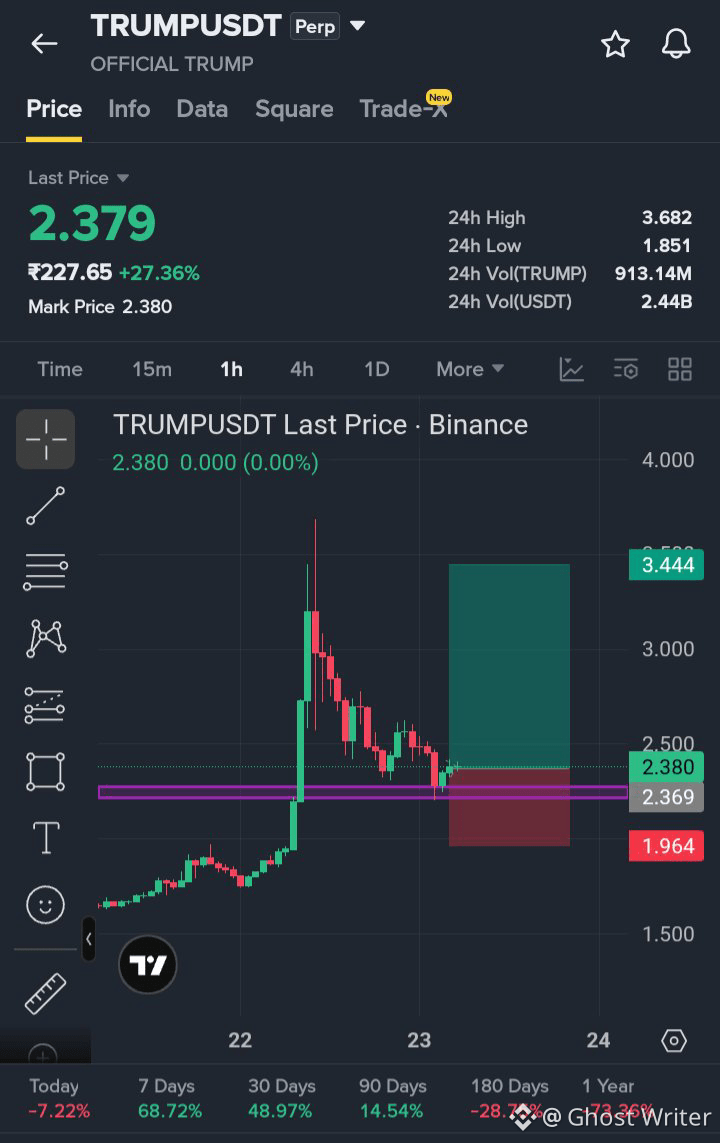
I am going to Long $TRUMP right now ‼️
$TRUMP is showing strong bounce from support zone , with strong buying support.....
Momentum is clearly shifted towards buyers again
MY TRADE PLAN 👇
Entry : 2,300
Sl : 1,96
Tp : 3,44
#TRUMPBreaksAbove$3.4HighestSinceMarch21 #trump
$TRUMP is showing strong bounce from support zone , with strong buying support.....
Momentum is clearly shifted towards buyers again
MY TRADE PLAN 👇
Entry : 2,300
Sl : 1,96
Tp : 3,44
#TRUMPBreaksAbove$3.4HighestSinceMarch21 #trump
Ghost Writer
·
--
#TRUMPBreaksAbove$3.4HighestSinceMarch21
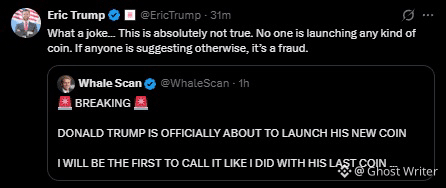
🔥JUST IN: Eric Trump has officially confirmed no new Trump coin is being launched.
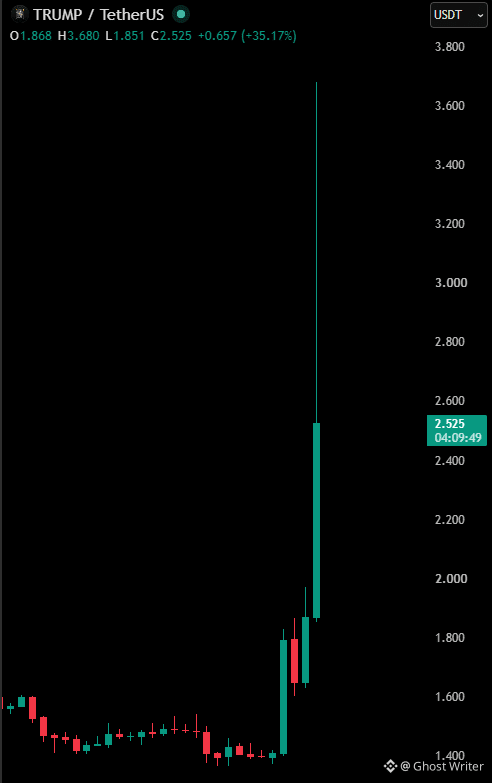
Rumors of a new Trump family token on Robinhood Chain surfaced yesterday, pumping $TRUMP over 33% before the denial.
🔥JUST IN: Eric Trump has officially confirmed no new Trump coin is being launched.
Rumors of a new Trump family token on Robinhood Chain surfaced yesterday, pumping $TRUMP over 33% before the denial.
Verified
#TRUMPBreaksAbove$3.4HighestSinceMarch21
🔥JUST IN: Eric Trump has officially confirmed no new Trump coin is being launched.
Rumors of a new Trump family token on Robinhood Chain surfaced yesterday, pumping $TRUMP over 33% before the denial.
🔥JUST IN: Eric Trump has officially confirmed no new Trump coin is being launched.
Rumors of a new Trump family token on Robinhood Chain surfaced yesterday, pumping $TRUMP over 33% before the denial.
Log in to explore more content