

Most blockchains treat stablecoins the same way they treat any other ERC-20 token. From a technical standpoint, that makes sense: a token is a token, and the network simply executes transfers and smart contract calls around it.
Plasma approaches this very differently.
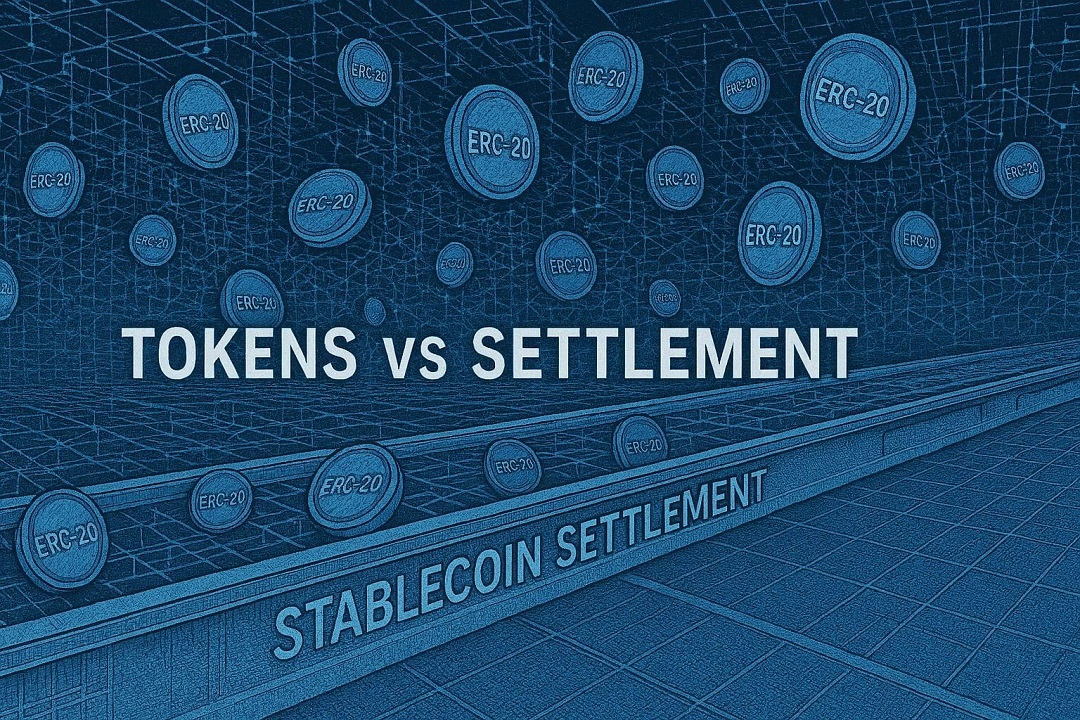
Instead of assuming that stablecoins are just another asset living on the network, Plasma’s architecture treats them as a primary settlement layer. That design decision changes how transactions behave, how fees are handled, and how users and businesses experience payments.
The difference starts at the contract level.
On most EVM chains, stablecoins exist as standard ERC-20 contracts deployed on top of general-purpose infrastructure. They inherit the same gas logic, the same execution model, and the same limitations as any other token. Plasma introduces stablecoin-native contracts, meaning the network is aware that these assets are meant for repeated, high-frequency settlement rather than speculative transfers.
This is where zero-fee USDT transfers become more than a marketing detail.

Gas, fees and why payments are not an afterthought
It is a reflection of a system designed to remove friction specifically for stable value movement. When a network allows certain stablecoin transfers to happen without traditional gas costs, it signals that payments are not an afterthought but a core function.
Custom gas tokens reinforce this idea. Instead of forcing every interaction to depend on a volatile native token, Plasma allows transactions to be paid in assets that make more sense for settlement. This aligns network mechanics with how stablecoins are actually used: as money, not as crypto assets.
Account abstraction plays another key role
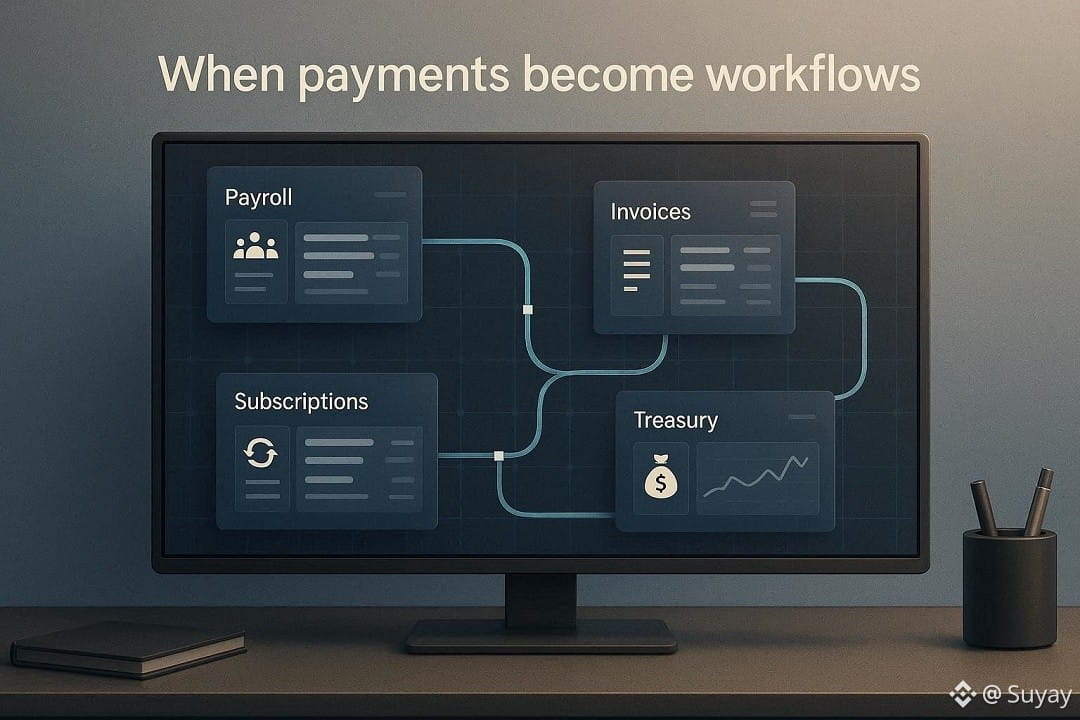
By reducing the complexity of wallet management and transaction handling, Plasma allows payment flows to feel closer to application logic than blockchain operations. Users and integrators do not need to think in terms of signatures, gas estimations, or token swaps just to move stable value.
Ethereum vs a settlement-oriented design
When compared to Ethereum, the difference becomes clearer. Ethereum is optimized to be a general computation layer where any token can exist, but it does not differentiate how those tokens should behave. Plasma makes a deliberate distinction: stablecoins are expected to move often, predictably, and at scale.
Security and settlement confidence
Security design also reflects this focus. With Bitcoin-anchored security and a consensus model built for fast finality, Plasma prioritizes settlement confidence. Stablecoin transfers are not meant to sit in a mempool waiting for multiple confirmations. They are meant to be considered final quickly, supporting repeated operational use.
Confidential payments and real financial activity
Confidential payments further reinforce the infrastructure mindset. Payments in real environments carry sensitive information: supplier relationships, payroll data, merchant volumes. Plasma’s approach to confidentiality acknowledges that stablecoin usage is often tied to real financial activity, not public experimentation.
When stablecoin transfers stop feeling like blockchain interactions
All these elements point to a single architectural idea: stablecoins are not treated as optional tokens that happen to run on the network. They are part of the network’s intended behavior.
This changes how developers build, how businesses integrate, and how users perceive transactions. Stablecoin transfers stop feeling like blockchain interactions and start behaving like reliable settlement actions inside broader workflows.
Infrastructure adapted to stablecoin behavior
From this perspective, Plasma is not trying to make stablecoins more compatible with crypto infrastructure. It is adapting infrastructure to the way stablecoins are actually used.
That distinction is subtle, but it defines why Plasma feels different when examined through the lens of payment and settlement design.


