Binance Square
wiki002
3.4k ပို့စ်များ

wiki002

Allah is greatest
SXT Holder
SXT Holder
High-Frequency Trader
1.9 Years
1.0K+ ဖော်လိုလုပ်ထားသည်
2.6K+ ဖော်လိုလုပ်သူများ
15.1K+ လိုက်ခ်လုပ်ထားသည်
ပို့စ်များ
ပုံသေထားသည်
·
--
Last night I was talking with my Father in law about why the world's largest financial institutions keep treating U.S. Treasuries differently from every other asset. That conversation completely changed how I think about Babylon's Trustless Bitcoin Vaults. Maybe Bitcoin's biggest opportunity is not becoming everyday money or chasing higher yields. Maybe its real role is becoming the Internet's benchmark collateral. What caught my attention is that TBV introduces a way for native Bitcoin to participate in lending without asking the market to trade a synthetic version of BTC. The protocol keeps Bitcoin anchored to its own settlement layer while exposing its collateral value through a dedicated infrastructure layer. That approach feels less like creating another DeFi product and more like building the plumbing required for institutional-grade collateral. The overlooked challenge is that benchmark collateral is ultimately a coordination problem, not a technology problem. U.S. Treasuries became the foundation of repo markets because banks, regulators, clearing systems, and capital rules converged on common standards for liquidity, valuation, settlement, and haircuts. Crypto still prices identical Bitcoin differently across protocols because collateral policies remain fragmented. Until those standard begin to converge, Bitcoin can be excellent collateral without becoming the ecosystem's common reference asset. Perhaps the Long-term value of Babylon is not simply unlocking more BTC liquidity, but pushing the industry toward shared collateral standards. If Bitcoin eventually becomes crypto's benchmark collateral, which should emerge first common infrastructure, common risk frameworks, or common market behavior? 🏛️ #baby #Bitcoin #BTCFi #DeFi $BABY $BTC $AAVE @babylonlabs_io
Last night I was talking with my Father in law about why the world's largest financial institutions keep treating U.S. Treasuries differently from every other asset. That conversation completely changed how I think about Babylon's Trustless Bitcoin Vaults. Maybe Bitcoin's biggest opportunity is not becoming everyday money or chasing higher yields. Maybe its real role is becoming the Internet's benchmark collateral. What caught my attention is that TBV introduces a way for native Bitcoin to participate in lending without asking the market to trade a synthetic version of BTC. The protocol keeps Bitcoin anchored to its own settlement layer while exposing its collateral value through a dedicated infrastructure layer. That approach feels less like creating another DeFi product and more like building the plumbing required for institutional-grade collateral. The overlooked challenge is that benchmark collateral is ultimately a coordination problem, not a technology problem. U.S. Treasuries became the foundation of repo markets because banks, regulators, clearing systems, and capital rules converged on common standards for liquidity, valuation, settlement, and haircuts. Crypto still prices identical Bitcoin differently across protocols because collateral policies remain fragmented. Until those standard begin to converge, Bitcoin can be excellent collateral without becoming the ecosystem's common reference asset.
Perhaps the Long-term value of Babylon is not simply unlocking more BTC liquidity, but pushing the industry toward shared collateral standards. If Bitcoin eventually becomes crypto's benchmark collateral, which should emerge
first common infrastructure, common risk frameworks, or common market behavior? 🏛️

#baby #Bitcoin #BTCFi #DeFi
$BABY $BTC $AAVE
@BabylonLabs_io
ပုံသေထားသည်
@babylonlabs_io #baby $BABY Before writing this post, I challenged one assumption I had about Babylon. I used to think slashing was mainly about punishing malicious Finality Providers. After studying the implementation, I came away with a different conclusion. Babylon spends just as much engineering effort preventing honest operators from creating unsafe signatures during recovery as it does detecting malicious behavior. That is one of the protocol's strongest architectural decisions. Instead of assuming perfect infrastructure, it assumes crashes, software bugs, delayed RPC responses, and interupted upgrades are inevitable. The objective is not simply to identify invalid behavior after it happens, but to reduce the conditions under which it can happen at all. The detail that changed my perspective is the separation between the Finality Provider Daemon and the EOTS manager. One determines when a vote should be produced. The other independently determines whether producing that signature is still valid. They intentionally preserve different operational state, creating two independent checks before a new signature can exist. The deeper implication goes beyond cryptography. Babylon is protecting decision history alongside private keys. A key proves who signed a message. Historical signing state determines whether signing that message is still legitimate. Those are different security guarantees, yet both are required to make Slashing-resistant infrastructure reliable. The Trade-off is equally important. As Bitcoin staking grows, protocol security increasingly depends on operational correctness. State recovery, authenticated communication, and disciplined infrastructure become part of the trust model rather than implementation details. If Bitcoin staking continues evolving in this direction, should we evaluate security only by economic stake, or also by the quality of the systems that preserve cryptographic correctness before a signature is ever created?💭 $BTC $ETH @Binance_Square_Official #Bitcoin #BTCStaking #BlockchainInfrastructure
@BabylonLabs_io #baby $BABY
Before writing this post, I challenged one assumption I had about Babylon.

I used to think slashing was mainly about punishing malicious Finality Providers. After studying the implementation, I came away with a different conclusion. Babylon spends just as much engineering effort preventing honest operators from creating unsafe signatures during recovery as it does detecting malicious behavior.

That is one of the protocol's strongest architectural decisions. Instead of assuming perfect infrastructure, it assumes crashes, software bugs, delayed RPC responses, and interupted upgrades are inevitable. The objective is not simply to identify invalid behavior after it happens, but to reduce the conditions under which it can happen at all.

The detail that changed my perspective is the separation between the Finality Provider Daemon and the EOTS manager. One determines when a vote should be produced. The other independently determines whether producing that signature is still valid. They intentionally preserve different operational state, creating two independent checks before a new signature can exist.

The deeper implication goes beyond cryptography. Babylon is protecting decision history alongside private keys. A key proves who signed a message. Historical signing state determines whether signing that message is still legitimate. Those are different security guarantees, yet both are required to make Slashing-resistant infrastructure reliable.

The Trade-off is equally important. As Bitcoin staking grows, protocol security increasingly depends on operational correctness. State recovery, authenticated communication, and disciplined infrastructure become part of the trust model rather than implementation details.

If Bitcoin staking continues evolving in this direction, should we evaluate security only by economic stake, or also by the quality of the systems that preserve cryptographic correctness before a signature is ever created?💭
$BTC $ETH @Binance Square Official
#Bitcoin
#BTCStaking
#BlockchainInfrastructure
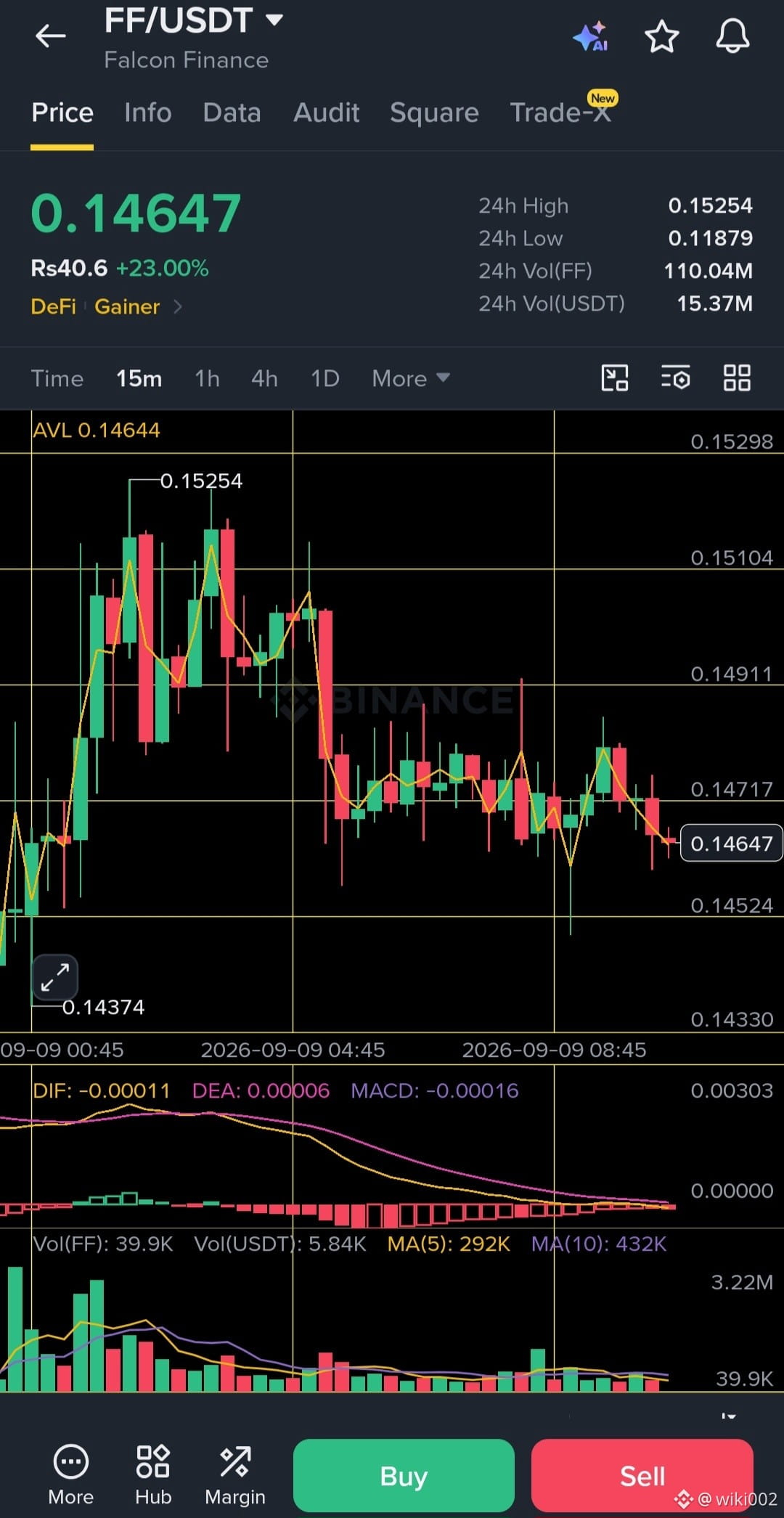
🚨 VIC/USDT Trade Setup VIC is showing strong volatility after a sharp intraday move, but the recent rejection near 0.067 suggests sellers are still active. Price is currently consolidating around 0.049, close to the 7 MA while holding above the 99 MA. A sustained move above 0.0505–0.0525 could restore short-term bullish momentum, whereas losing 0.045 may increase downside pressure. 📈 Trade Plan Entry: 0.0485–0.0495 Targets: 0.0525 | 0.0560 | 0.0600 Stop Loss: Below 0.0445 Risk: Binance has announced VIC delisting, so expect elevated volatility and trade with disciplined position sizing. This is a high-risk setup. Wait for confirmation instead of chasing large candles. #Binance #Altcoins #TradingSignal @Binance_Futures $VIC $BR $USDT
🚨 VIC/USDT Trade Setup

VIC is showing strong volatility after a sharp intraday move, but the recent rejection near 0.067 suggests sellers are still active. Price is currently consolidating around 0.049, close to the 7 MA while holding above the 99 MA. A sustained move above 0.0505–0.0525 could restore short-term bullish momentum, whereas losing 0.045 may increase downside pressure.

📈 Trade Plan

Entry: 0.0485–0.0495

Targets: 0.0525 | 0.0560 | 0.0600

Stop Loss: Below 0.0445

Risk: Binance has announced VIC delisting, so expect elevated volatility and trade with disciplined position sizing.

This is a high-risk setup. Wait for confirmation instead of chasing large candles.

#Binance #Altcoins #TradingSignal @Binance Futures
$VIC $BR $USDT
Everyone is talking about what Ai agents will be able to do. I think the bigger question is how they will transact independently. An agentic economy cannot rely on slow, expensive, or complex payment systems. If Ai agents are expected to access services, exchange assets, and interact across applications without constant human input, the underlying financial infrastructure becomes just as important as the Ai models themselves. This is why developments around TRON's gasless payments and Cross-chain liquidity are worth paying attention to. Reducing transaction friction and improving capital movement could make autonomous Machine-To-Machine economies far more practical. The Long-term opportunity isn't just smarter Ai it's giving Ai an efficient way to move value securely and at scale. Infrastructure often determines adoption more than innovation. Do you think payment infrastructure will become the biggest bottleneck for Ai agents over the next few years? 🤔 @TRONDAO @Pulihora $TRX $USDT $USDC #TRON #AI #Blockchain #Web3
Everyone is talking about what Ai agents will be able to do. I think the bigger question is how they will transact independently.

An agentic economy cannot rely on slow, expensive, or complex payment systems. If Ai agents are expected to access services, exchange assets, and interact across applications without constant human input, the underlying financial infrastructure becomes just as important as the Ai models themselves.

This is why developments around TRON's gasless payments and Cross-chain liquidity are worth paying attention to. Reducing transaction friction and improving capital movement could make autonomous Machine-To-Machine economies far more practical. The Long-term opportunity isn't just smarter Ai it's giving Ai an efficient way to move value securely and at scale.

Infrastructure often determines adoption more than innovation. Do you think payment infrastructure will become the biggest bottleneck for Ai agents over the next few years? 🤔

@TRON DAO @crypto_quant

$TRX $USDT $USDC

#TRON #AI #Blockchain #Web3
Blockchain doesn't have an enterprise adoption problem. It has an infrastructure complexity problem. Most companies don't want to become blockchain operators. They want secure, scalable infrastructure that lets them launch products faster without hiring protocol engineers or managing validators. That's why managed blockchain platforms are becoming increasingly important. By abstracting deployment and network operations, they reduce technical overhead, shorten Time-To-Market, and let businesses focus on solving real customer problems instead of maintaining infrastructure. The next wave of enterprise adoption won't be determined by which blockchain has the most features. It will be driven by the platforms that make blockchain infrastructure almost invisible. When the technology fades into the background, businesses can concentrate on innovation, efficiency, and creating value. 🚀 @avax @Avalanche $AVAX $LINK $QAT.ETF #AvalancheUpdate #EnterpriseBlockchain #Web3Infrastructure
Blockchain doesn't have an enterprise adoption problem.

It has an infrastructure complexity problem.

Most companies don't want to become blockchain operators. They want secure, scalable infrastructure that lets them launch products faster without hiring protocol engineers or managing validators.

That's why managed blockchain platforms are becoming increasingly important. By abstracting deployment and network operations, they reduce technical overhead, shorten Time-To-Market, and let businesses focus on solving real customer problems instead of maintaining infrastructure.

The next wave of enterprise adoption won't be determined by which blockchain has the most features. It will be driven by the platforms that make blockchain infrastructure almost invisible. When the technology fades into the background, businesses can concentrate on innovation, efficiency, and creating value. 🚀

@avax @Avalanche
$AVAX $LINK $QAT.ETF
#AvalancheUpdate #EnterpriseBlockchain #Web3Infrastructure
AVAX+၅.၇၄%
LINK-၀.၀၈%
QATETF-၀.၂၂%
Yesterday, during a conversation about Bitcoin security, someone asked me a question I had not considered deeply enough What happens when too many networks depend on the same security source? That question changed how I look at shared security models. Most discussions around Babylon focus on how much BTC security can be attracted. But the harder question is what happens when that security becomes critical infrastructure for multiple ecosystems. Babylon’s design solves a major problem: Bitcoin can provide economic security to PoS networks without wrapping BTC or moving it through custodial bridges. Native Bitcoin staking, EOTS-based accountability, and finality providers create a new way to extend Bitcoin’s security properties beyond its original chain. But every shared infrastructure model introduces a different risk correlation. In traditional finance, systemic risk appears when many participants become dependent on the same underlying mechanism. Crypto benefits from shared security because it lowers the cost of launching secure networks, but efficiency can also create hidden dependencies. If multiple chains rely on overlapping security providers, a single operational failure, software issue, or coordination breakdown could potentially affect more than one ecosystem. The challenge is not proving that shared security has value. It clearly addresses one of blockchain’s biggest problems new networks need credible economic protection without rebuilding security from zero. The deeper question is how shared security remains resilient as adoption grows. Babylon’s success may depend not only on attracting more BTC security, but on preventing correlated failures across the networks that rely on it. As Bitcoin becomes a security layer for multiple chains, what should define security quality: the amount of BTC committed, or the ability of the system to remain reliable when one part experiences stress? 🤔 #Bitcoin #BTCFi #baby @babylonlabs_io $BABY $BTC $ETH
Yesterday, during a conversation about Bitcoin security, someone asked me a question I had not considered deeply enough

What happens when too many networks depend on the same security source?

That question changed how I look at shared security models.

Most discussions around Babylon focus on how much BTC security can be attracted. But the harder question is what happens when that security becomes critical infrastructure for multiple ecosystems.

Babylon’s design solves a major problem: Bitcoin can provide economic security to PoS networks without wrapping BTC or moving it through custodial bridges. Native Bitcoin staking, EOTS-based accountability, and finality providers create a new way to extend Bitcoin’s security properties beyond its original chain.

But every shared infrastructure model introduces a different risk correlation.

In traditional finance, systemic risk appears when many participants become dependent on the same underlying mechanism. Crypto benefits from shared security because it lowers the cost of launching secure networks, but efficiency can also create hidden dependencies.

If multiple chains rely on overlapping security providers, a single operational failure, software issue, or coordination breakdown could potentially affect more than one ecosystem.

The challenge is not proving that shared security has value. It clearly addresses one of blockchain’s biggest problems new networks need credible economic protection without rebuilding security from zero.

The deeper question is how shared security remains resilient as adoption grows.

Babylon’s success may depend not only on attracting more BTC security, but on preventing correlated failures across the networks that rely on it.

As Bitcoin becomes a security layer for multiple chains, what should define security quality: the amount of BTC committed, or the ability of the system to remain reliable when one part experiences stress? 🤔

#Bitcoin #BTCFi
#baby @BabylonLabs_io $BABY $BTC $ETH
🚨 $HOME/USDT Technical Signal Current Price: 0.00745 USDT (+32.56%) 📈 Trend Analysis Price remains above MA(7), MA(25), and MA(99). The moving averages are aligned bullishly, indicating the uptrend is still intact. After a sharp rally, the chart is showing healthy consolidation rather than panic selling. Key Levels Resistance: 0.00770–0.00782 Support 1: 0.00715 (MA25) Support 2: 0.00690 Trading Plan ✅ Bullish above 0.00715 A breakout above 0.00782 could open the door toward 0.00820–0.00850. ⚠️ Risk Losing 0.00715 on strong volume may trigger a pullback toward 0.00690. Conclusion Momentum remains bullish, but after a 30%+ move, patience is important. Waiting for either a confirmed breakout or a healthy retest offers a better risk-to-reward setup than chasing green candles. $HOME $DOT $HD #HOME #USDT #Crypto #Trading #Binance
🚨 $HOME /USDT Technical Signal

Current Price: 0.00745 USDT (+32.56%)

📈 Trend Analysis

Price remains above MA(7), MA(25), and MA(99).

The moving averages are aligned bullishly, indicating the uptrend is still intact.

After a sharp rally, the chart is showing healthy consolidation rather than panic selling.

Key Levels

Resistance: 0.00770–0.00782

Support 1: 0.00715 (MA25)

Support 2: 0.00690

Trading Plan ✅ Bullish above 0.00715

A breakout above 0.00782 could open the door toward 0.00820–0.00850.

⚠️ Risk

Losing 0.00715 on strong volume may trigger a pullback toward 0.00690.

Conclusion Momentum remains bullish, but after a 30%+ move, patience is important. Waiting for either a confirmed breakout or a healthy retest offers a better risk-to-reward setup than chasing green candles.
$HOME $DOT $HD

#HOME #USDT #Crypto #Trading #Binance
Everyone is talking about making Ai smarter. I think financial markets have a different challenge making Ai accountable. Hallucinations aren't just annoying in finance. A single incorrect interpretation of a corporate action whether it's a dividend, stock split, merger, or rights issue can trigger expensive operational mistakes across trading, settlement, and reporting. That's why this has become a Multi-Billion-Dollar problem. What caught my attention is that institutions like Swift, UBS, Euroclear, and more than 20 leading financial organizations are exploring Chainlink to reduce Ai hallucination risk in corporate actions. The interesting part isn't that Ai suddenly becomes perfect. It's that every Ai-generated response can be checked against trusted, cryptographically verifiable data before it reaches critical financial workflows. That changes the conversation completely. Financial institutions don't need an Ai that's correct 99% of the time. They need systems where every important output can be independently verified before billions of dollars move through global markets. I think this is where blockchain creates its biggest opportunity in Ai not by replacing intelligence, but by providing verifiable trust. As Ai becomes part of financial infrastructure, accountability may become more valuable than intelligence itself. Do you think verifiable Ai will become the new standard for financial markets? 👇 #Chainlink #LINK #AI #Finance #Blockchain $LINK $AI @V_SafePal @Google $BTC
Everyone is talking about making Ai smarter. I think financial markets have a different challenge making Ai accountable.
Hallucinations aren't just annoying in finance. A single incorrect interpretation of a corporate action whether it's a dividend, stock split, merger, or rights issue can trigger expensive operational mistakes across trading, settlement, and reporting. That's why this has become a Multi-Billion-Dollar problem.
What caught my attention is that institutions like Swift, UBS, Euroclear, and more than 20 leading financial organizations are exploring Chainlink to reduce Ai hallucination risk in corporate actions.
The interesting part isn't that Ai suddenly becomes perfect. It's that every Ai-generated response can be checked against trusted, cryptographically verifiable data before it reaches critical financial workflows.
That changes the conversation completely.
Financial institutions don't need an Ai that's correct 99% of the time. They need systems where every important output can be independently verified before billions of dollars move through global markets.
I think this is where blockchain creates its biggest opportunity in Ai not by replacing intelligence, but by providing verifiable trust.
As Ai becomes part of financial infrastructure, accountability may become more valuable than intelligence itself.
Do you think verifiable Ai will become the new standard for financial markets? 👇
#Chainlink #LINK #AI #Finance #Blockchain
$LINK $AI @Chainlink Re-poster
@Google
$BTC
Last week, during a research discussion, another developer challenged one of my assumptions about Babylon. He said, The difficult part is over. The cryptography works. Now it's just a matter of adoption. I wasn't convinced. I asked what happens when dozens of Bitcoin Supercharged Networks begin relying on the same governance process. Every parameter update, software upgrade, treasury allocation, and incentive adjustment affects a larger coordination layer than before. Scaling infrastructure is largely an engineering problem. Scaling governance is a coordination problem, and coordination rarely improves at the same pace as code. He argued that On-chain voting is designed to solve exactly that. I don't think voting alone is enough. Voting produces decisions, but it cannot automatically align incentives. Babylon's governance belongs to BABY holders, while Bitcoin stakers contribute security without directly participating in protocol governance. That separation is architecturally sound, yet it creates a Long-term coordination challenge. The participants securing the network and those determining its evolution may gradually optimize for different objectives. We also discussed the Security Council and Covenant Committee. Both strengthen operational resilience during Babylon's transitional phase, but mature infrastructure should become progressively less dependent on exceptional governance. The strongest emergency mechanism is the one a protocol eventually outgrows. By the end of the discussion, neither of us had changed our view. But we agreed on one point. Engineering can remove technical bottlenecks. Governance has to align people, incentives, and institutions. As Babylon evolves, what governance design is most likely to preserve credible neutrality while allowing the protocol to adapt without slowing innovation or concentrating influence? 🤔 #baby #OnChainGovernance #ProtocolDesign $BABY $ETH $BTC @babylonlabs_io
Last week, during a research discussion, another developer challenged one of my assumptions about Babylon.

He said, The difficult part is over. The cryptography works. Now it's just a matter of adoption.

I wasn't convinced.

I asked what happens when dozens of Bitcoin Supercharged Networks begin relying on the same governance process. Every parameter update, software upgrade, treasury allocation, and incentive adjustment affects a larger coordination layer than before. Scaling infrastructure is largely an engineering problem. Scaling governance is a coordination problem, and coordination rarely improves at the same pace as code.

He argued that On-chain voting is designed to solve exactly that.

I don't think voting alone is enough.

Voting produces decisions, but it cannot automatically align incentives. Babylon's governance belongs to BABY holders, while Bitcoin stakers contribute security without directly participating in protocol governance. That separation is architecturally sound, yet it creates a Long-term coordination challenge. The participants securing the network and those determining its evolution may gradually optimize for different objectives.

We also discussed the Security Council and Covenant Committee. Both strengthen operational resilience during Babylon's transitional phase, but mature infrastructure should become progressively less dependent on exceptional governance. The strongest emergency mechanism is the one a protocol eventually outgrows.

By the end of the discussion, neither of us had changed our view.

But we agreed on one point.

Engineering can remove technical bottlenecks. Governance has to align people, incentives, and institutions.

As Babylon evolves, what governance design is most likely to preserve credible neutrality while allowing the protocol to adapt without slowing innovation or concentrating influence? 🤔

#baby #OnChainGovernance #ProtocolDesign $BABY $ETH $BTC @BabylonLabs_io
📈 Trading Signal: $GIGGLE/USDT $GIGGLE has printed a strong bullish expansion after breaking above the previous resistance zone. Price is currently trading around 52.38 USDT following a sharp move toward 55.71 USDT. The short-term trend remains constructive: ✅ MA(25) is above MA(99), confirming an overall bullish structure. ✅ Price is still trading well above the medium-term moving averages. ⚠️ A brief pullback after a rapid rally is normal, so chasing the current candle carries higher risk. Key Levels 🎯 Resistance: 55.70–56.70 🟢 Support: 49.50–50.00 🔴 Invalidation: Below 47.90 Strategy Wait for a healthy retest and confirmation above the support zone instead of entering after a large green move. If buyers defend the pullback, momentum could continue toward the next resistance. Risk Reminder: Meme coins are highly volatile. Always use proper risk management and avoid overleveraging. #GIGGLE #Crypto #BinanceSquare #TradingSignal $GIGGLE $1000SATS
📈 Trading Signal: $GIGGLE /USDT

$GIGGLE has printed a strong bullish expansion after breaking above the previous resistance zone. Price is currently trading around 52.38 USDT following a sharp move toward 55.71 USDT.

The short-term trend remains constructive:

✅ MA(25) is above MA(99), confirming an overall bullish structure.

✅ Price is still trading well above the medium-term moving averages.

⚠️ A brief pullback after a rapid rally is normal, so chasing the current candle carries higher risk.

Key Levels 🎯 Resistance: 55.70–56.70 🟢 Support: 49.50–50.00 🔴 Invalidation: Below 47.90

Strategy Wait for a healthy retest and confirmation above the support zone instead of entering after a large green move. If buyers defend the pullback, momentum could continue toward the next resistance.

Risk Reminder: Meme coins are highly volatile. Always use proper risk management and avoid overleveraging.

#GIGGLE #Crypto #BinanceSquare #TradingSignal
$GIGGLE $1000SATS
စိစစ်အတည်ပြုထားသည်
The $99 early-bird ticket ends tonight. That isn't the part I'd spend the most time thinking about. The bigger question is whether being in the room before the next wave of ecosystem development is worth more than the discount itself. Major announcements are only part of the story. Watching which developer tools, infrastructure projects, and integrations attract the most attention often reveals where the ecosystem is heading long before On-chain metrics reflect it. For anyone following the Sui ecosystem, Basecamp is less about buying a ticket and more about reducing information lag. Context gained from technical discussions and builder feedback can shape better decisions than simply reacting after narratives become popular. Whether you attend or not, the event will likely influence the conversations that define the next stage of Sui's growth. With the early bird window closing tonight, the real decision isn't about saving $99 it's about how much you value early insight. 🚀 #SUI #SuiBasecamp #Web3 #Blockchain $SUI $XRP $DOT
The $99 early-bird ticket ends tonight.

That isn't the part I'd spend the most time thinking about.

The bigger question is whether being in the room before the next wave of ecosystem development is worth more than the discount itself.

Major announcements are only part of the story. Watching which developer tools, infrastructure projects, and integrations attract the most attention often reveals where the ecosystem is heading long before On-chain metrics reflect it.

For anyone following the Sui ecosystem, Basecamp is less about buying a ticket and more about reducing information lag. Context gained from technical discussions and builder feedback can shape better decisions than simply reacting after narratives become popular.

Whether you attend or not, the event will likely influence the conversations that define the next stage of Sui's growth.

With the early bird window closing tonight, the real decision isn't about saving $99 it's about how much you value early insight. 🚀

#SUI #SuiBasecamp #Web3 #Blockchain $SUI $XRP $DOT
@babylonlabs_io #baby $BABY A few hours ago, my son asked me a question I wasn't expecting. If Bitcoin is the security behind Babylon, why does everyone keep celebrating TVL? I paused because I realized I'd been looking at the protocol through the same lens as every other DeFi project. The more I study Babylon, the more I think TVL is only measuring the raw material, not the product. Bitcoin is the input. Security is the output. That distinction matters. Babylon isn't trying to maximize the amount of BTC sitting idle. Its architecture is designed to let Bitcoin's economic security secure external systems while BTC remains under Bitcoin's own security model. If the same pool of BTC ends up protecting more consumer chains, finality providers, and economic activity over time, the protocol has become more valuable even if TVL barely changes. This creates an interesting measurement problem. Two protocols can report identical TVL, yet deliver completely different amounts of security. One simply stores collateral. The other exports security as infarstructure. Looking only at capital locked makes those two systems appear equivalent when their economic function is fundamentally different. That also changes how I think about valuation. Instead of asking how much BTC is locked, we may eventually ask how much security is being consumed, how many networks depend on it, how much economic value those networks protect, and how expensive it would be to compromise them. Those metrics are much closer to what Babylon is actually building. TVL will always remain an important indicator of liquidity and market confidence. But if Babylon succeeds, its defining KPI may resemble cloud infrastructure utilization more than traditional DeFi liquidity. If Bitcoin-backed security becomes a service that multiple networks consume, what metric would best capture the value of that service before the market eventually prices it correctly?🧐 #TVL #BitcoinSecurity #SharedSecurity $BTC
@BabylonLabs_io #baby $BABY
A few hours ago, my son asked me a question I wasn't expecting.

If Bitcoin is the security behind Babylon, why does everyone keep celebrating TVL?

I paused because I realized I'd been looking at the protocol through the same lens as every other DeFi project.

The more I study Babylon, the more I think TVL is only measuring the raw material, not the product. Bitcoin is the input. Security is the output.

That distinction matters.

Babylon isn't trying to maximize the amount of BTC sitting idle. Its architecture is designed to let Bitcoin's economic security secure external systems while BTC remains under Bitcoin's own security model. If the same pool of BTC ends up protecting more consumer chains, finality providers, and economic activity over time, the protocol has become more valuable even if TVL barely changes.

This creates an interesting measurement problem.

Two protocols can report identical TVL, yet deliver completely different amounts of security. One simply stores collateral. The other exports security as infarstructure. Looking only at capital locked makes those two systems appear equivalent when their economic function is fundamentally different.

That also changes how I think about valuation. Instead of asking how much BTC is locked, we may eventually ask how much security is being consumed, how many networks depend on it, how much economic value those networks protect, and how expensive it would be to compromise them. Those metrics are much closer to what Babylon is actually building.

TVL will always remain an important indicator of liquidity and market confidence. But if Babylon succeeds, its defining KPI may resemble cloud infrastructure utilization more than traditional DeFi liquidity.

If Bitcoin-backed security becomes a service that multiple networks consume, what metric would best capture the value of that service before the market eventually prices it correctly?🧐
#TVL #BitcoinSecurity #SharedSecurity
$BTC
📈 Trade Signal | $SNXXB/USDT $SNXXB has delivered a strong intraday move, but the latest sharp rejection near 12.0–12.7 suggests short-term profit-taking is active. Current structure: Price is still trading above the MA(99), keeping the broader trend constructive. A sharp sell-off was followed by a quick bounce, showing buyers are defending the 10.5–10.7 area. Reclaiming 11.7–11.8 could restore bullish momentum. Losing 10.5 may trigger another wave of selling. Key Levels 🟢 Support: 10.50 – 10.70 🔴 Resistance: 11.80 – 12.70 Bias: Neutral to Bullish while support holds. Wait for confirmation instead of chasing extended candles. Risk management remains essential after a high-volatility move. #Binance #Trading #Crypto #TechnicalAnalysis #bStocks $SNXXB $AXTI
📈 Trade Signal | $SNXXB /USDT

$SNXXB has delivered a strong intraday move, but the latest sharp rejection near 12.0–12.7 suggests short-term profit-taking is active.

Current structure:

Price is still trading above the MA(99), keeping the broader trend constructive.

A sharp sell-off was followed by a quick bounce, showing buyers are defending the 10.5–10.7 area.

Reclaiming 11.7–11.8 could restore bullish momentum.

Losing 10.5 may trigger another wave of selling.

Key Levels 🟢 Support: 10.50 – 10.70
🔴 Resistance: 11.80 – 12.70

Bias: Neutral to Bullish while support holds. Wait for confirmation instead of chasing extended candles. Risk management remains essential after a high-volatility move.

#Binance #Trading #Crypto #TechnicalAnalysis #bStocks $SNXXB $AXTI
Liquidity growth is visible. Liquidity resilience is much harder to build. Since July 22, the $QQQB Native Pool on @BNB_Chain has grown to $4M TVL, expanding on-chain liquidity for tokenized stocks. Higher TVL can improve execution quality, reduce slippage, and support more efficient price discovery, but those benefits only matter if liquidity remains available when trading activity increases. The Native Pool combines professional market makers with CLOB + RFQ infrastructure to generate Trading-based yield while eliminating impermanent loss and removing the need for active LP management. That shifts the focus from simply attracting liquidity to keeping capital productive through real trading activity. The Long-term test is whether trading-generated yield becomes strong enough to retain liquidity even as incentive-driven capital fades. If that happens, liquidity is supported by market demand rather than temporary rewards, creating a more durable foundation for tokenized stock markets. For tokenized equities, sustainable liquidity may ultimately become a greater competitive advantage than headline TVL alone. Do you think trading-generated yield can outperform incentive-driven liquidity over the long run? #BNBChain #DeFi #TokenizedStocks #RWA $USDT $BNB
Liquidity growth is visible. Liquidity resilience is much harder to build.

Since July 22, the $QQQB Native Pool on @BNB Chain has grown to $4M TVL, expanding on-chain liquidity for tokenized stocks. Higher TVL can improve execution quality, reduce slippage, and support more efficient price discovery, but those benefits only matter if liquidity remains available when trading activity increases.

The Native Pool combines professional market makers with CLOB + RFQ infrastructure to generate Trading-based yield while eliminating impermanent loss and removing the need for active LP management. That shifts the focus from simply attracting liquidity to keeping capital productive through real trading activity.

The Long-term test is whether trading-generated yield becomes strong enough to retain liquidity even as incentive-driven capital fades. If that happens, liquidity is supported by market demand rather than temporary rewards, creating a more durable foundation for tokenized stock markets.

For tokenized equities, sustainable liquidity may ultimately become a greater competitive advantage than headline TVL alone.

Do you think trading-generated yield can outperform incentive-driven liquidity over the long run?

#BNBChain #DeFi #TokenizedStocks #RWA
$USDT $BNB
·
--
တက်ရိပ်ရှိသည်
Today I was buying mangoes from a street vendor when he said, Business isn't about having more fruit. It's about having people who come back tomorrow. It sounded like ordinary business advice, but later, while reading about Babylon, I realised the same question applies to security markets. Babylon expands the supply of Bitcoin-backed Security for PoS networks without changing Bitcoin's core design. Most analysis focuses on how efficiently that security can be supplied. Far fewer ask whether PoS networks will generate enough recurring demand to sustain that market over the Long term. Security is not purchased because it exists. It is purchased when the economic value a network protects justifies the recurring cost. Networks with limited treasury resources often prioritise attracting users, applications, and fee generation before paying for stronger protection. That means Babylon's Long term opportunity may depend not only on its architecture, but also on whether PoS economies mature into consistent buyers of security. What evidence would convince you that Bitcoin-backed security is becoming a recurring operating expense rather than an optional infrastructure premium? 🤔 #baby #Bitcoin #ProofOfStake $BABY $AAVE $BTC @babylonlabs_io @BinancePk {future}(BABYUSDT)
Today I was buying mangoes from a street vendor when he said, Business isn't about having more fruit. It's about having people who come back tomorrow. It sounded like ordinary business advice, but later, while reading about Babylon, I realised the same question applies to security markets.

Babylon expands the supply of Bitcoin-backed Security for PoS networks without changing Bitcoin's core design. Most analysis focuses on how efficiently that security can be supplied. Far fewer ask whether PoS networks will generate enough recurring demand to sustain that market over the Long term.

Security is not purchased because it exists. It is purchased when the economic value a network protects justifies the recurring cost. Networks with limited treasury resources often prioritise attracting users, applications, and fee generation before paying for stronger protection. That means Babylon's Long term opportunity may depend not only on its architecture, but also on whether PoS economies mature into consistent buyers of security.

What evidence would convince you that Bitcoin-backed security is becoming a recurring operating expense rather than an optional infrastructure premium? 🤔

#baby #Bitcoin #ProofOfStake $BABY $AAVE $BTC @BabylonLabs_io @Binance Pakistan
🚨 Signal Alert: $ESP/USDT $ESP has broken out with a strong impulsive move backed by a clear increase in volume. Price is trading above the 7, 25, and 99 MA, indicating short-term bullish momentum remains intact. 📈 Technical View Entry Zone: 0.0765 – 0.0785 Resistance: 0.0800 – 0.0812 If buyers reclaim and hold above 0.0812, continuation toward higher levels becomes more likely. Support: 0.0745, then 0.0715 Risk Management Wait for confirmation instead of chasing large green candles. A healthy pullback with sustained volume generally offers a better risk-to-reward setup than entering after an extended spike. Bias: Bullish while price holds above key support. DYOR. This is not financial advice. @Binance_Futures @Binance_Square_Official $ESP $COTI #ESP #ESPUSDT #Binance #Trading #TechnicalAnalysis {future}(ESPUSDT)
🚨 Signal Alert: $ESP /USDT

$ESP has broken out with a strong impulsive move backed by a clear increase in volume. Price is trading above the 7, 25, and 99 MA, indicating short-term bullish momentum remains intact.

📈 Technical View

Entry Zone: 0.0765 – 0.0785

Resistance: 0.0800 – 0.0812

If buyers reclaim and hold above 0.0812, continuation toward higher levels becomes more likely.

Support: 0.0745, then 0.0715

Risk Management Wait for confirmation instead of chasing large green candles. A healthy pullback with sustained volume generally offers a better risk-to-reward setup than entering after an extended spike.

Bias: Bullish while price holds above key support.

DYOR. This is not financial advice.

@Binance Futures @Binance Square Official

$ESP $COTI #ESP #ESPUSDT #Binance #Trading #TechnicalAnalysis
Most people think tokenized stocks are a blockchain story. I think they're actually an infrastructure story. 🌍 Toly's comments made me focus less on the technology and more on where the real pressure comes from. Global demand for leading US companies already exists. The real friction is access. Traditional finance was built around national borders, market hours, and multiple intermediaries. It works, but it wasn't designed for a world where capital moves digitally and investors expect seamless global access. That's why tokenized equities make sense to me. Blockchain doesn't create demand for Apple, Nvidia, or Microsoft shares. It simply offers more efficient infrastructure for distributing access to assets people already want. That said, success isn't guaranteed. The real challenge is trust. Every token must represent legally enforceable ownership, corporate actions must be handled correctly, custody must be transparent, and investor protections must remain intact. Without those foundations, faster settlement alone isn't enough. If those pieces come together, tokenized equities could become programmable financial assets usable as collateral, integrated with DeFi, and settled globally with far less friction. ⚙️ The real opportunity isn't putting stocks on-chain. It's modernising financial infrastructure for a global, internet native capital market. @Binance_Square_Official #TokenizedStocks #Solana #RWA #CapitalMarkets $SOL $BTC $AAPL.US
Most people think tokenized stocks are a blockchain story.

I think they're actually an infrastructure story. 🌍

Toly's comments made me focus less on the technology and more on where the real pressure comes from. Global demand for leading US companies already exists. The real friction is access.

Traditional finance was built around national borders, market hours, and multiple intermediaries. It works, but it wasn't designed for a world where capital moves digitally and investors expect seamless global access.

That's why tokenized equities make sense to me.

Blockchain doesn't create demand for Apple, Nvidia, or Microsoft shares. It simply offers more efficient infrastructure for distributing access to assets people already want.

That said, success isn't guaranteed.

The real challenge is trust. Every token must represent legally enforceable ownership, corporate actions must be handled correctly, custody must be transparent, and investor protections must remain intact. Without those foundations, faster settlement alone isn't enough.

If those pieces come together, tokenized equities could become programmable financial assets usable as collateral, integrated with DeFi, and settled globally with far less friction. ⚙️

The real opportunity isn't putting stocks on-chain.

It's modernising financial infrastructure for a global, internet native capital market.
@Binance Square Official #TokenizedStocks
#Solana #RWA
#CapitalMarkets $SOL $BTC $AAPL.US
Yesterday, a protocol researcher challenged one of my assumptions. He asked why Babylon accepts longer challenge periods when every blockchain seems obsessed with reducing latency. I realised I had been treating time as an operational cost, while the protocol treats it as part of its security model. One design choice I now appreciate is that Babylon makes challenge windows an active component of Trustless Bitcoin Vault security rather than a waiting period to minimise. Vault Keepers and Universal challengers are given time to detect and dispute invalid claims before Bitcoin is released. The protocol is deliberately buying time so cryptographic guarantees can actually be exercised instead of existing only in theory. That design recognises that even perfect cryptography is ineffective if honest participants have no opportunity to react. The Trade-off is easy to overlook. Longer challenge periods reduce capital velocity and delay settlement, but they also make successful attacks more difficult by extending the window for independent verification. Instead of optimising only for throughput, Babylon optimises for contestability before finality. That perspective changed how I evaluate protocol design. Low latency is easy to measure, but reaction time is also part of a system's security budget. Some forms of delay are not inefficiencies; they are intentional safeguards that preserve trustless execution under adversarial conditions. As Bitcoin-backed infrastructure evolves, should protocols continue treating latency as the primary optimisation target, or should measurable security margins become an equally important design objective?🤔 @babylonlabs_io @Binance_Square_Official #baby #DeFi #BitcoinSecurity #TrustlessFinance $BABY $RIF $BTC
Yesterday, a protocol researcher challenged one of my assumptions. He asked why Babylon accepts longer challenge periods when every blockchain seems obsessed with reducing latency. I realised I had been treating time as an operational cost, while the protocol treats it as part of its security model.

One design choice I now appreciate is that Babylon makes challenge windows an active component of Trustless Bitcoin Vault security rather than a waiting period to minimise. Vault Keepers and Universal challengers are given time to detect and dispute invalid claims before Bitcoin is released. The protocol is deliberately buying time so cryptographic guarantees can actually be exercised instead of existing only in theory. That design recognises that even perfect cryptography is ineffective if honest participants have no opportunity to react.

The Trade-off is easy to overlook. Longer challenge periods reduce capital velocity and delay settlement, but they also make successful attacks more difficult by extending the window for independent verification. Instead of optimising only for throughput, Babylon optimises for contestability before finality.

That perspective changed how I evaluate protocol design. Low latency is easy to measure, but reaction time is also part of a system's security budget. Some forms of delay are not inefficiencies; they are intentional safeguards that preserve trustless execution under adversarial conditions.

As Bitcoin-backed infrastructure evolves, should protocols continue treating latency as the primary optimisation target, or should measurable security margins become an equally important design objective?🤔

@BabylonLabs_io @Binance Square Official #baby #DeFi #BitcoinSecurity #TrustlessFinance $BABY $RIF $BTC
📊 ZIL/USDT Technical Setup $ZIL is showing a strong recovery structure after building support from lower levels. Price is currently holding above key moving averages, indicating improving Short-term momentum and renewed buyer interest. 🔹 Entry Zone: Current market area 🔹 Resistance: 0.00286 → 0.00300 🔹 Support: 0.00276 → 0.00268 A successful breakout above resistance with strong volume can open the way for further upside continuation. However, losing the support zone may weaken the setup and increase selling pressure. Trade with proper risk management and avoid chasing sudden pumps. #ZIL #Zilliqa #CryptoTrading @Zilliqa $ZIL $G @Binance_Square_Official #BinanceSquare
📊 ZIL/USDT Technical Setup

$ZIL is showing a strong recovery structure after building support from lower levels. Price is currently holding above key moving averages, indicating improving Short-term momentum and renewed buyer interest.

🔹 Entry Zone: Current market area
🔹 Resistance: 0.00286 → 0.00300
🔹 Support: 0.00276 → 0.00268

A successful breakout above resistance with strong volume can open the way for further upside continuation. However, losing the support zone may weaken the setup and increase selling pressure.

Trade with proper risk management and avoid chasing sudden pumps.

#ZIL #Zilliqa #CryptoTrading
@Zilliqa $ZIL $G
@Binance Square Official #BinanceSquare
Most companies want to bring blockchain payments to their users, but few want to take on the complexity of building secure custody infrastructure from scratch. This is where embedded custody becomes an important infrastructure layer. Instead of managing private keys, recovery systems, security processes, and Multi-chain support internally, businesses can integrate wallet functionality directly into their products while focusing on user experience and core services. The challenge in Web3 adoption was never only about moving assets. It was about making that movement secure, reliable, and simple for everyday users. Enterprise-grade custody solutions with account recovery and Multi-chain support can reduce operational complexity while helping applications offer smoother crypto experiences. The future of blockchain payments may not be about every company becoming a wallet provider. It may be about specialized infrastructure handling the difficult security layer behind the scenes. 👌 #Web3 #Blockchain #CryptoInfrastructure #DeFi #Wallets @0xPolygon $POL $OPG $KAITO
Most companies want to bring blockchain payments to their users, but few want to take on the complexity of building secure custody infrastructure from scratch.

This is where embedded custody becomes an important infrastructure layer.

Instead of managing private keys, recovery systems, security processes, and Multi-chain support internally, businesses can integrate wallet functionality directly into their products while focusing on user experience and core services.

The challenge in Web3 adoption was never only about moving assets. It was about making that movement secure, reliable, and simple for everyday users.

Enterprise-grade custody solutions with account recovery and Multi-chain support can reduce operational complexity while helping applications offer smoother crypto experiences.

The future of blockchain payments may not be about every company becoming a wallet provider. It may be about specialized infrastructure handling the difficult security layer behind the scenes. 👌

#Web3 #Blockchain #CryptoInfrastructure #DeFi #Wallets

@Polygon $POL $OPG $KAITO
Log in to explore more content
Join global crypto users on Binance Square
⚡️ Get latest and useful information about crypto.
💬 Trusted by the world’s largest crypto exchange.
👍 Discover real insights from verified creators.
အီးမေးလ် / ဖုန်းနံပါတ်
ဆိုဒ်မြေပုံ
နှစ်သက်ရာ Cookie ဆက်တင်များ
ပလက်ဖောင်း စည်းမျဉ်းစည်းကမ်းများ