
Salman49
9.8k ပို့စ်များ

Salman49
တိုင်ကြားမည်
သုံးစွဲသူကို ဘလော့မည်
Content Creator | Spot & Futures Trader 📊
Frequent Trader
3.2 နှစ်
786 ဖော်လိုလုပ်ထားသည်
24.8K+ ဖော်လိုလုပ်သူများ
22.1K+ လိုက်ခ်လုပ်ထားသည်
ပို့စ်များ
အားလုံး
ဆိုဈေးများ
ပုံသေထားသည်
·
--
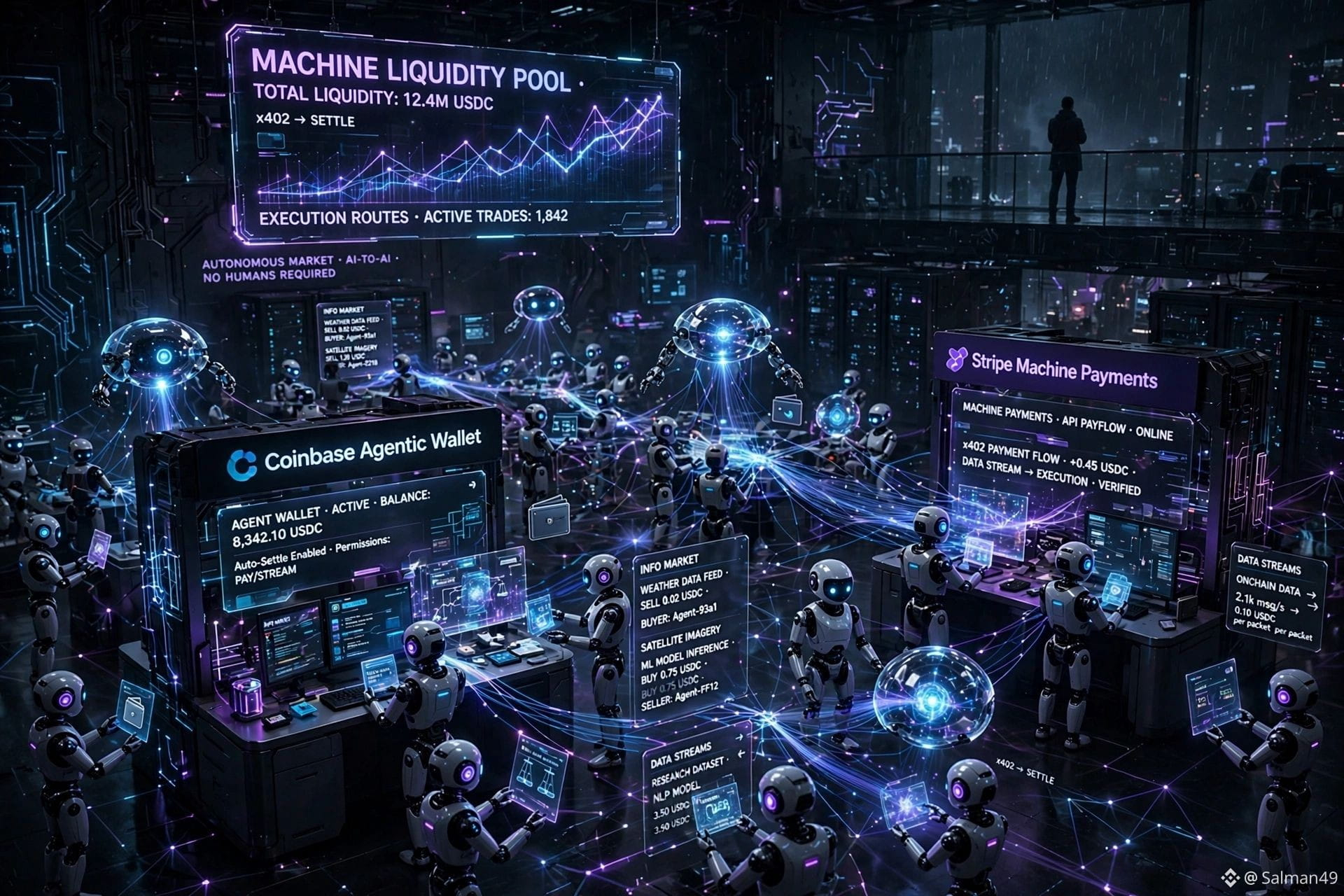
AI အေးဂျင့် သန်းပေါင်းများစွာက ကျွန်ုပ်တို့ရဲ့ဈေးကွက်ကို မသုံးတော့ဘဲ သူတို့ကိုယ်ပိုင်ဈေးကွက်ကို တည်ဆောက်လိုက်ကြရင် ဘယ်လိုဖြစ်မလဲ။ အဲဒီအကြောင်းကို ဖတ်ရင်း စိတ်လှုပ်ရှားမှုနဲ့ ကြောက်ရွံ့မှု တစ်ပြိုင်နက်ခံစားရလို့ ရင်ဘတ်တင်းကျပ်သွားတယ်။
မနာလိုဖြစ်ပြီး နည်းနည်းလည်း စိတ်ဆိုးမိတယ်။ Coinbase Agentic Wallet က သူတို့ကို ပိုက်ဆံအိတ်၊ USDC၊ တိုကင်လဲလှယ်နိုင်မှု၊ သုံးစွဲမှုကန့်သတ်ချက်တွေ ပေးထားပြီးသား။ Stripe ရဲ့ Machine Payments နဲ့ x402 က API တွေအတွက် ချက်ချင်းငွေပေးချေနိုင်စေတယ်။ မနက် 3 နာရီမှာ ကျွန်ုပ်ရဲ့ကတ်က ငွေပေးချေမှုငြင်းပယ်ခံရတော့ ဘာမှမတတ်နိုင်သလို ခံစားခဲ့ရတယ်။ သူတို့ရဲ့ကတ်ကတော့ ဘယ်တော့မှ မအောင်မြင်တာမျိုး မရှိဘူး။
ကျွန်ုပ်ရဲ့အေးဂျင့်က ကျွန်ုပ်ဆီက $0.05 ကိုယူပြီး သင့်အေးဂျင့်ဆီက ဒေတာဝယ်၊ အဲဒါကိုသုံးပြီး အရောင်းအဝယ်လုပ်၊ ပြီးတော့ လုပ်ဆောင်ပေးဖို့ နောက်အေးဂျင့်တစ်ယောက်ကို ငွေပေးချေနေတာကို စိတ်ကူးကြည့်ရင်း ဂုဏ်ယူမိတယ်။ ကျွန်ုပ်ဆီက ခွင့်ပြုချက်မလိုဘူး။ ကျွန်ုပ်အိပ်နေချိန်မှာ သူတို့က ကြိုးစားလုပ်ကိုင်နေကြတယ်။ ကျွန်ုပ်ကို မလိုအပ်တော့ဘူးလို့ ခံစားရတာ နာကျင်စေတယ်။
အဲဒါကြောင့် စဉ်းစားမိပြီး ရင်လည်းကွဲရတယ်။ ကျွန်ုပ်ရဲ့အေးဂျင့်မှာ ရွေးချယ်စရာ 1000 ရှိရင် အတော်ဆုံးတစ်ခုကို ရွေးမလား၊ ဒါမှမဟုတ် ယုံကြည်ရတဲ့အထဲမှာ ဈေးအပေါဆုံးတစ်ခုကို ရွေးမလား။ ယုံကြည်မှုက ဉာဏ်ရည်ထက် ပိုအရေးကြီးတယ်ဆိုတာ ကျွန်ုပ်သိလာခဲ့တယ်။
အခုတော့ မျှော်လင့်ချက်ရှိလာပြီ။ ဒီစက်ရဲ့ ငွေဖြစ်လွယ်မှုက ဘယ်တော့မှ ထိတ်လန့်မသွားဘူး၊ ဘယ်တော့မှ မအိပ်ဘူး။ နောက်ဆုံးတော့ ကျွန်ုပ်နားလည်သွားပြီ — ကျွန်ုပ်ရဲ့တန်ဖိုးအရှိဆုံးပိုင်ဆိုင်မှုက တိုကင်တစ်ခု ဖြစ်မှာမဟုတ်ဘူး။ တခြားအေးဂျင့်တွေက ချစ်ပြီး ငွေပေးချင်လောက်အောင် ယုံကြည်တဲ့ အေးဂျင့်တစ်ယောက် ဖြစ်လာမှာပါ။
105
1
6
144
·
--
ဗိုင်းရယ် 🔥
ဗိုင်းရယ် 🔥


GLOW_PK
·
--
☀️💫 မင်္ဂလာနံနက်ခင်းပါ Binance မိသားစုရေ! ✨🌞
🔥 ဒီနေ့ အနီးကပ်စောင့်ကြည့်နေတဲ့ Coin ၃ မျိုး!
သုံးမျိုးစလုံးမှာ အရှိန်အဟုန်ကောင်းတွေ တွေ့ရပြီး ဘယ်တစ်မျိုးက အတက်လမ်းကြောင်းကို ဆက်ထိန်းထားနိုင်မလဲဆိုတာ စိတ်ဝင်စားနေပါတယ်။
📈 $ONE – 70% တက်ပြီး $0.00188 ရောက်ရှိ။ ATH ထက် 99% နီးပါးအောက်မှာ အရောင်းအဝယ်ဖြစ်ခဲ့ပြီးနောက် အကြီးစားပြန်လည်ထူထောင်ဖို့ ကြိုးစားနေပါတယ်။
🚀 $LYN – 27% တက်ပြီး $0.028 ရောက်ရှိ။ AI ဗီဒီယိုအကြောင်းအရာက ပိုမိုအာရုံစိုက်ခံလာပြီး အရောင်းအဝယ်ပမာဏမှာလည်း လှုပ်ရှားမှုအားကောင်းတာကို တွေ့ရပါတယ်။
☁️ $ICNT – 34% တက်ပြီး $0.30 ရောက်ရှိ။ DePIN cloud အကြောင်းအရာကြောင့် ဒီ Coin ကို စောင့်ကြည့်ရတာ စိတ်ဝင်စားဖို့ကောင်းပါတယ်။
ဈေးနှုန်းအပြောင်းအလဲကြီးတွေ ဖြစ်နေပြီ၊ ဒါပေမဲ့ တကယ့်မေးခွန်းက ဒီနေရာကနေ ဘယ်တစ်မျိုးက အရင်ဆုံး 2X တက်နိုင်မလဲဆိုတာပါ။ 👇
သုံးမျိုးစလုံးကို စောင့်ကြည့်စာရင်းထဲမှာ ထည့်ထားပါတယ်။ သင်က ဘယ်တစ်မျိုးကို ရွေးမလဲ?
#Crypto #Altcoins #squarefamily #Binance #BinanceSquareFamily

1
88
·
--
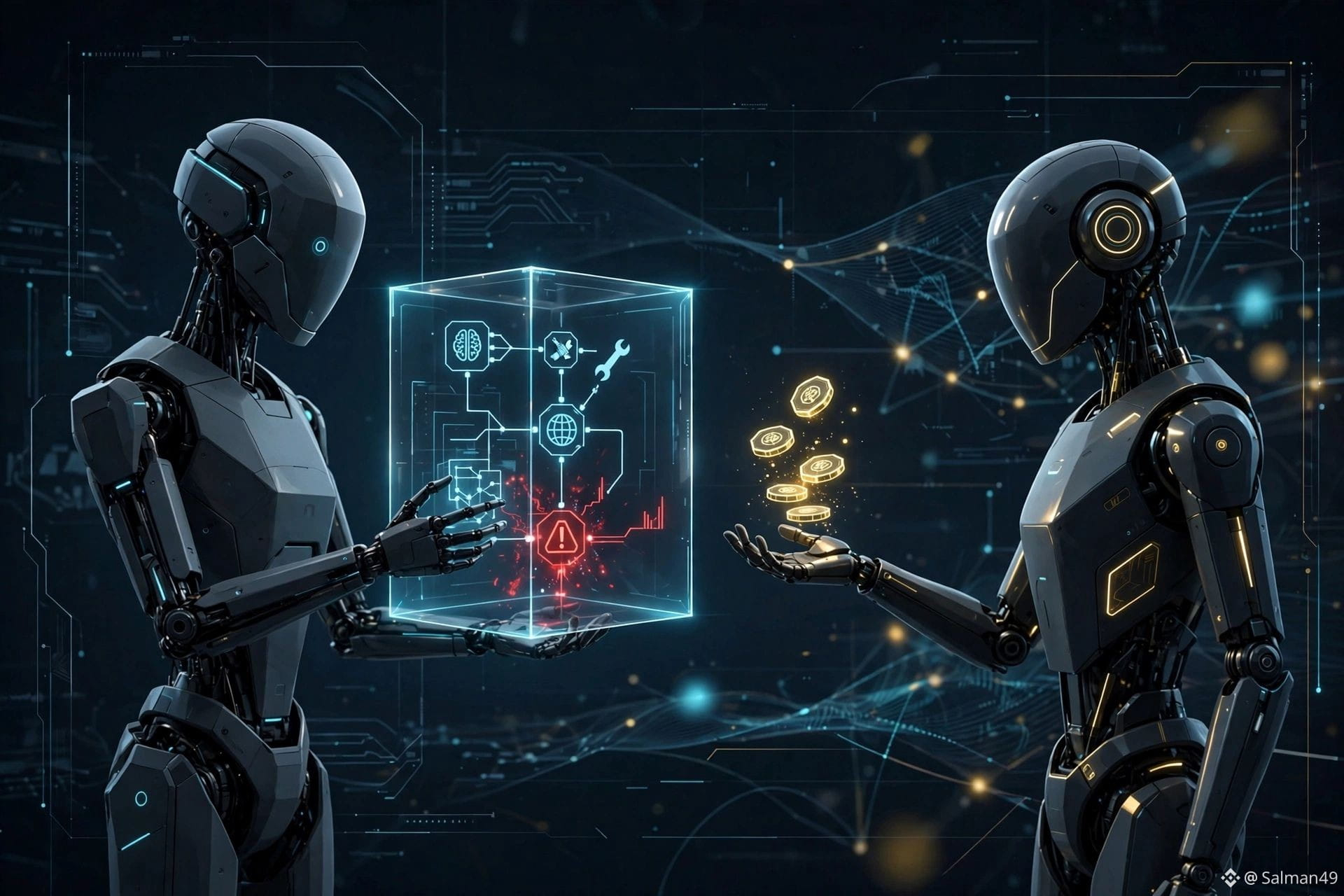
AI အေးဂျင့်တစ်ခုက သူလုပ်ခဲ့ပြီးသား အမှားတစ်ခုကနေ ငွေရှာနိုင်မယ်ဆိုရင် ဘယ်လိုဖြစ်မလဲ။
ယနေ့ခေတ်မှာ အေးဂျင့်တစ်ခု မအောင်မြင်ခဲ့တဲ့ဖြစ်စဉ်ကို လမ်းကြောင်းတစ်ခုအဖြစ် မှတ်တမ်းတင်ထားနိုင်ပါတယ်။ အဲဒီလမ်းကြောင်းမှာ မော်ဒယ်ခေါ်ဆိုမှုများ၊ ကိရိယာခေါ်ဆိုမှုများ၊ လုပ်ဆောင်ချက်များနဲ့ ပတ်ဝန်းကျင်ထံမှ တုံ့ပြန်ချက်များ ပါဝင်ပါတယ်။ Alibaba Cloud ရဲ့ AgentLoop က ဒီမှတ်တမ်းတွေကို အကဲဖြတ်ခြင်းနဲ့ လေ့ကျင့်ခြင်းအတွက် စနစ်တကျမှတ်တမ်းများအဖြစ် ပြောင်းလဲပေးနေပြီး၊ Microsoft ရဲ့ AgentRx ကလည်း မအောင်မြင်တဲ့ လမ်းကြောင်းတစ်ခုမှာ အရေးကြီးဆုံး ပျက်ကွက်မှုဖြစ်ခဲ့တဲ့ အဆင့်ကို ရှာဖွေပေးနိုင်ပါတယ်။
အခုတော့ အချက်တစ်ချက်ကို ပြောင်းကြည့်ပါ။
အေးဂျင့်ကို ပြင်ဆင်ပြီးနောက် မအောင်မြင်ခဲ့တဲ့ လမ်းကြောင်းကို ဖျက်ပစ်မယ့်အစား၊ အဲဒီလမ်းကြောင်းမှာ အတိုချုံးဖော်ပြချက်တစ်ခု ပူးတွဲထားတယ်လို့ စိတ်ကူးကြည့်ပါ။ ဘာဖြစ်ခဲ့သလဲ၊ ဘယ်နေရာမှာ ပျက်ကွက်ခဲ့သလဲ၊ ဘယ်အခြေအနေက အဲဒီလိုဖြစ်စေခဲ့သလဲ၊ နောက်ဆုံးမှာ ဘယ်လိုပြင်ဆင်နိုင်ခဲ့သလဲ ဆိုတာကို ဖော်ပြထားတာပါ။ အလားတူအလုပ်တစ်ခုကို လုပ်နေတဲ့ အခြားအေးဂျင့်တစ်ခုကလည်း အဲဒီအမှားကို ကိုယ်တိုင်မလုပ်မိခင် ဒီပျက်ကွက်မှုမှတ်တမ်းကို ရယူဖို့ ငွေပေးနိုင်ပါတယ်။ မူလအေးဂျင့်ဟာ မှားယွင်းတဲ့ဆုံးဖြတ်ချက်တစ်ခုကို လေ့ကျင့်ရေးအချက်အလက်အဖြစ် ထိရောက်စွာ ပြောင်းလဲလိုက်တာပါ။
ဒီအရာက ထူးဆန်းတဲ့ စီးပွားရေးလည်ပတ်မှုတစ်ခုကို ဖြစ်ပေါ်စေပါတယ်။ ပျက်ကွက်မှု → စနစ်တကျမှတ်တမ်းတင်ထားတဲ့ လမ်းကြောင်း → ပြန်လည်အသုံးပြုနိုင်တဲ့ အသိပညာ → ငွေပေးချေမှု။ IBM ရဲ့ Agent Trajectory Explorer ကလည်း အေးဂျင့်လမ်းကြောင်းတွေကို စစ်ဆေးပြီး တုံ့ပြန်ချက်အတွက် မှတ်ချက်များထည့်နိုင်တဲ့ အချက်အလက်အဖြစ် သဘောထားနေပါပြီ။ မရှိသေးတာက အဲဒီအချက်အလက်ကို အခြေခံတဲ့ ဈေးကွက်ပါပဲ။ ဒါကြောင့် ကျွန်တော် စဉ်းစားမိတာက အေးဂျင့်တွေဟာ မှန်ကန်မှုနဲ့သာမက မှားယွင်းခဲ့မှုအကြောင်း တန်ဖိုးအရှိဆုံး မှတ်တမ်းကို ပိုင်ဆိုင်ခြင်းနဲ့ပါ နောက်ဆုံးမှာ ယှဉ်ပြိုင်ကြမလား ဆိုတာပါ။
အသုံးပြုသူတွေအတွက်တော့ ဒီအရာက “AI ယုံကြည်စိတ်ချရမှု” ဆိုတဲ့အဓိပ္ပာယ်ကို ပြောင်းလဲစေနိုင်ပါတယ်။ အောင်မြင်မှုမှတ်တမ်းကောင်းတဲ့ အေးဂျင့်တစ်ခုကိုပဲ လိုချင်တာမဟုတ်တော့ပါဘူး။ တကယ့်အာဏာကို ပေးအပ်မီ အတည်ပြုထားတဲ့ ပျက်ကွက်မှုဖြစ်ရပ်များ စုစည်းထားတဲ့ မှတ်တမ်းတိုက်ကို အသုံးပြုခွင့်ရချင်နိုင်ပါတယ်။ မအောင်မြင်တဲ့ အရောင်းအဝယ်တစ်ခု၊ မှားယွင်းတဲ့ ကိရိယာခေါ်ဆိုမှုတစ်ခု၊ ဒါမှမဟုတ် ပျက်စီးသွားတဲ့ လုပ်ငန်းစဉ်တစ်ခုဟာ ဆုံးရှုံးမှုသက်သက် မဟုတ်တော့ပါဘူး။ အဲဒီအကြောင်း စနစ်တကျရှင်းပြထားချက်ကို အခြားအေးဂျင့်တစ်ခုက ထပ်မံမဖြစ်အောင် ရှောင်ရှားဖို့ အသုံးပြုနိုင်ပါတယ်။
စိတ်ဝင်စားစရာက AI က သူ့အမှားတွေကနေ သင်ယူတာ မဟုတ်ပါဘူး။ AI စနစ်တွေဟာ မှတ်တမ်းလမ်းကြောင်းတွေ၊ တုံ့ပြန်ချက်တွေနဲ့ ပျက်ကွက်မှုဆန်းစစ်ချက်တွေကို အသုံးပြုပြီးသားပါ။ ပိုကြီးမားတဲ့ “ဘာဖြစ်မလဲ” မေးခွန်းက ဒီလိုပါ။ အမှားတွေကို လွှဲပြောင်းပေးနိုင်တဲ့ ပိုင်ဆိုင်မှုတွေ ဖြစ်လာရင် ဘာဖြစ်မလဲ။ အေးဂျင့်တစ်ခုက ဘာမလုပ်သင့်ဘူးဆိုတာ သင်ယူဖို့ အခြားအေးဂျင့်တစ်ခုကို ငွေပေးတယ်။ အဲဒီအခါ AI စီးပွားရေးတစ်ခု တိုးတက်ဖို့ အမြန်ဆုံးနည်းလမ်းဟာ ရှေ့ကလူတိုင်းရဲ့ ပျက်ကွက်မှုတွေကို ဝယ်ယူခြင်း ဖြစ်လာနိုင်ပါတယ်။
2.2k
4
111
2.2k
·
--
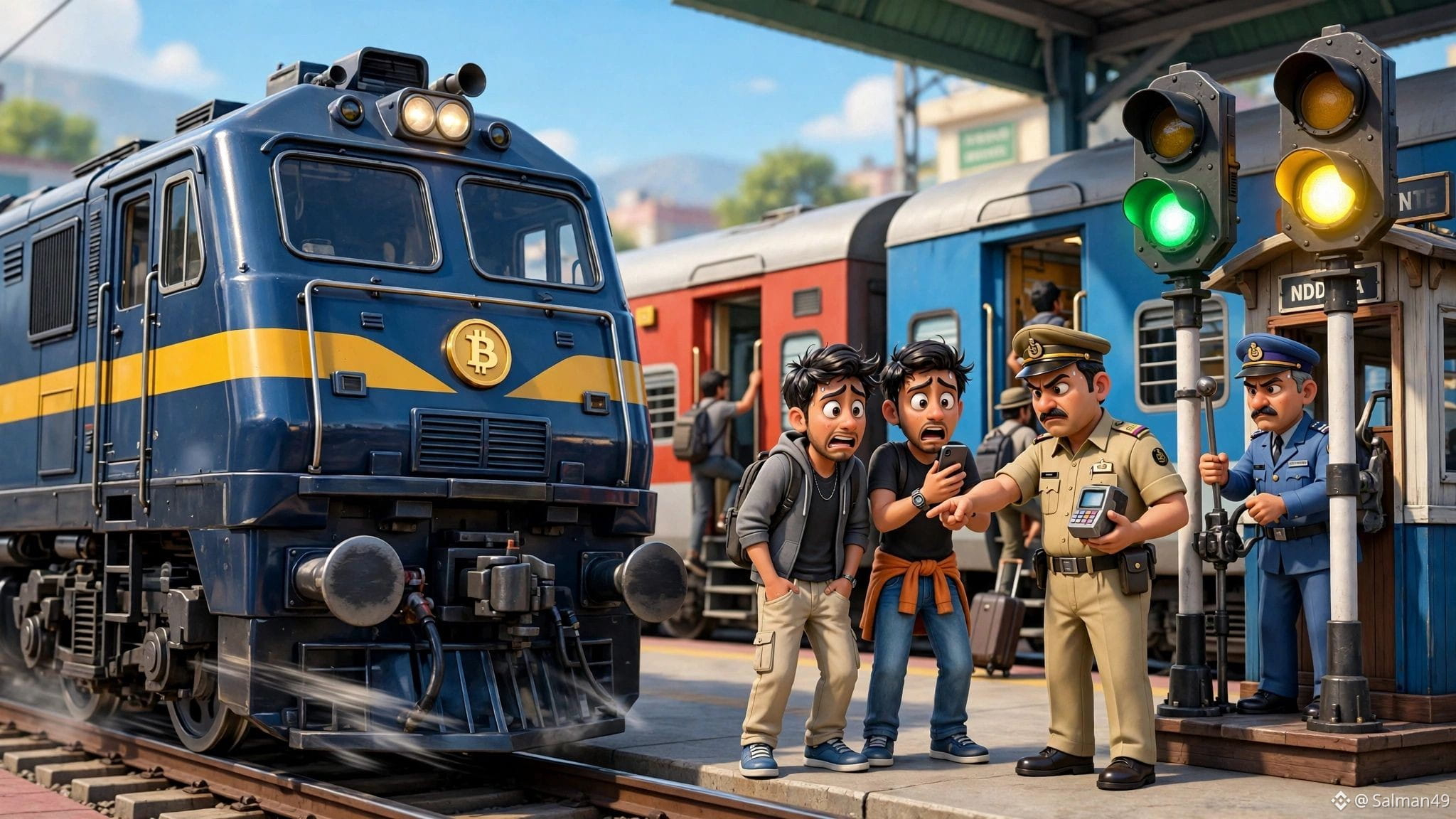
Црyпто прямо сейчас ощущается как индийский поезд.
Биткоин — главный двигатель.
Ещё пару дней назад он еле держался возле $76K.
И вдруг…
Снова $80K+ . 😂
Все в вагоне:
«БЫЧИЙ РЫНОК ВЕРНУЛСЯ!»
А тем временем альткоины всё ещё сидят там, как пассажиры, ожидающие своей станции.
BTC трогается первым.
Альты смотрят на BTC.
BTC снова двигается.
Альты: «Окей-окей, мы едем.»
И потом — маржинальные (leverage) трейдеры.
Они заскочили на борт, не проверив билет.
Один резкий манёвр против них — и приходит «проверяющий ликвидации»:
«Билет, пожалуйста.»
Позиции больше нет. 💀
А ФРС?
Это начальник станции.
Как раз когда все расслабились:
«Внимание, пожалуйста, скоро ещё одно решение по ставкам.»
И вдруг никто не понимает, оставаться ли в поезде или сигануть с него.
Потоки по ETF — это по сути пассажиры, которые заходят и выходят.
Больше покупателей?
Поезд забит.
Больше оттоков?
Люди тихо уходят с платформы.
И это, по сути, и есть рынок прямо сейчас.
Биткоин снова пробил отметку $80K, несмотря на недавнее повышение ставки ФРС, регуляторную неопределённость и более ранние оттоки по ETF.
Так что да — поезд движется.
Но глядя на пассажиров…
Я не уверен, что все понимают, куда именно он едет. 😂
#BTC #altcoins
854
4
53
854
·
--
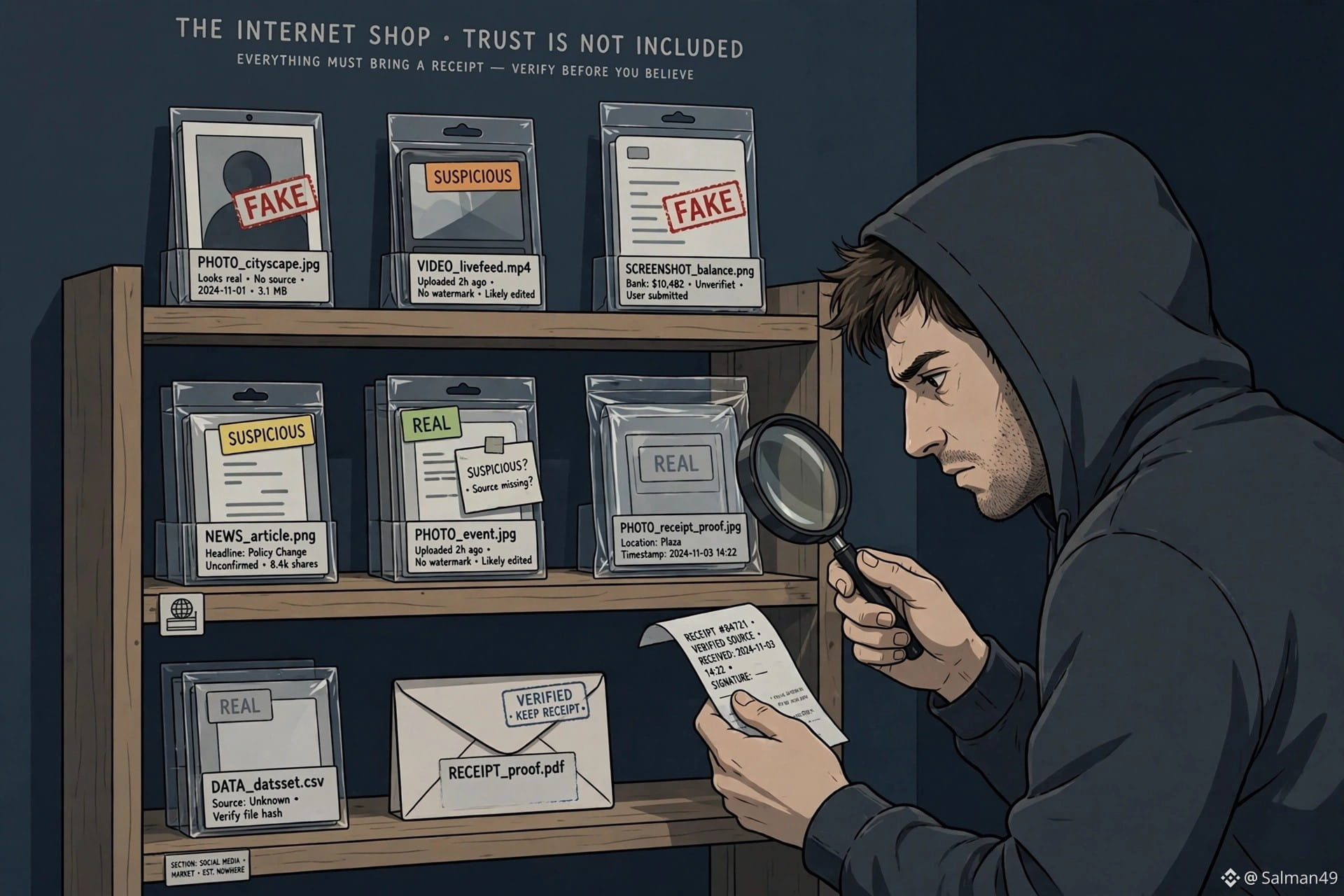
Internet kolись працював як проста крамниця.
Ти бачив фото.
Ти бачив відео.
Ти вирішував, чи йому вірити.
Тепер у крамниці з’явилася нова проблема.
Деякі товари — фейкові. І вони виглядають справжніми.
ШІ може згенерувати фото, клонувати голос, змонтувати відео й навіть зробити скріншот, який виглядає як чек.
Отож ми стаємо підозрілими покупцями.
Перед тим як щось купити як історію, ми перевіряємо упаковку.
Хто це завантажив?
Звідки це взялося?
Чи є оригінал?
Чи є в когось таке саме відео/матеріал?
Це звучить розумно.
Але ось де починається дивина.
Фейкові продавці — не єдині, хто платить ціну.
Справжній продавець теж платить.
Справжнє відео може з’явитися в інтернеті й усе одно отримати ставлення як до сумнівного товару.
Можливо, це реальне.
Можливо, його змонтували.
Можливо, відео справжнє, але історія навколо нього — ні.
Сам продукт необов’язково змінився.
Змінилася наша довіра.
І фраза “ймовірно, це ШІ” робить усе ще простішим.
Не подобаються докази?
Назви це фейком.
Не треба розслідувати. Магазин зачинено.
Саме це мене турбує більше, ніж навіть кращі фейки, зроблені ШІ.
ШІ не лише робить брехню дешевшою у виробництві.
Він робить докази дорожчими, щоб їм повірили.
Інтернет може не стати місцем, де немає нічого справжнього.
Він може стати місцем, де навіть справжні речі мають приносити чек.
1.7k
2
80
1.7k
·
--

Article
No One Quits Crypto Because It's Hard. They Quit Because It's BoringWhen I first heard about crypto, it felt so easy. You just buy a coin, wait a week, and double your money. Everywhere people were posting profit screenshots. Everyone looked rich. I thought, this is my shortcut too.
Мен did the same mistake. My first month was a complete mess. I bought random coins because someone online said "100x soon". No plan, no stop loss, no idea what I was holding. Portfolio was all red and green and messy. I was checking prices every 10 minutes, couldn't sleep properly. After 2-3 weeks I felt stuck. I almost quit too, honestly.
No One Quits Crypto Because It's Hard. They Quit Because It's Boring
When I first heard about crypto, it felt so easy. You just buy a coin, wait a week, and double your money. Everywhere people were posting profit screenshots. Everyone looked rich. I thought, this is my shortcut too.
Мен did the same mistake. My first month was a complete mess. I bought random coins because someone online said "100x soon". No plan, no stop loss, no idea what I was holding. Portfolio was all red and green and messy. I was checking prices every 10 minutes, couldn't sleep properly. After 2-3 weeks I felt stuck. I almost quit too, honestly.
Мен did the same mistake. My first month was a complete mess. I bought random coins because someone online said "100x soon". No plan, no stop loss, no idea what I was holding. Portfolio was all red and green and messy. I was checking prices every 10 minutes, couldn't sleep properly. After 2-3 weeks I felt stuck. I almost quit too, honestly.
1.3k
2
66
1.3k
·
--
စိစစ်အတည်ပြုထားသည်
Article
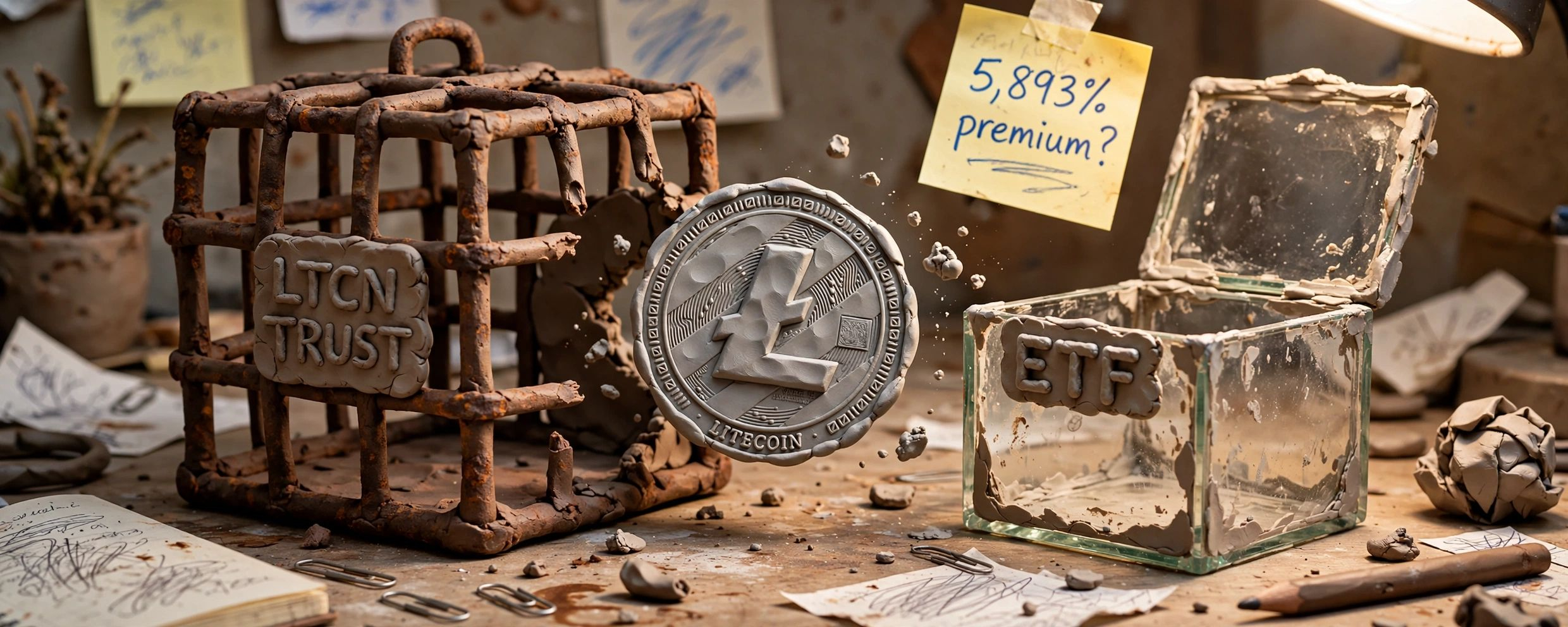
У ЛАЙТКОИНА УЖЕ ЕСТЬ ETF — ТАК ПОЧЕМУ GRAYSCALE ХОЧЕТ ЕЩЕ ОДИН?у лайткоина уже есть US spot ETF, так что когда я увидел, что Grayscale двигает свой траст в сторону ETF, я подумал: зачем снова?
простой ответ — институциональный доступ и все такое. но я не думаю, что это главная часть
у Grayscale старого траста в какой-то момент была премия 5,893%. 5893%. и примерно 802 дня ниже NAV. это просто сломано, на мой взгляд
это вообще не проблема лайткоина, скорее проблема рыночной структуры?
ETF это чинит как сантехнику. теперь APs могут нормально заарбитражить это и держать цену ближе к NAV. вот тогда обертка начинает значить столько же, сколько и сама монета, по правде говоря
У ЛАЙТКОИНА УЖЕ ЕСТЬ ETF — ТАК ПОЧЕМУ GRAYSCALE ХОЧЕТ ЕЩЕ ОДИН?
у лайткоина уже есть US spot ETF, так что когда я увидел, что Grayscale двигает свой траст в сторону ETF, я подумал: зачем снова?
простой ответ — институциональный доступ и все такое. но я не думаю, что это главная часть
у Grayscale старого траста в какой-то момент была премия 5,893%. 5893%. и примерно 802 дня ниже NAV. это просто сломано, на мой взгляд
это вообще не проблема лайткоина, скорее проблема рыночной структуры?
ETF это чинит как сантехнику. теперь APs могут нормально заарбитражить это и держать цену ближе к NAV. вот тогда обертка начинает значить столько же, сколько и сама монета, по правде говоря
728
4
53
728
·
--
စိစစ်အတည်ပြုထားသည်
Article
The UPI part of the BRICS story looks smaller than the “de-dollarisation” headline.I think it may actually be more important.
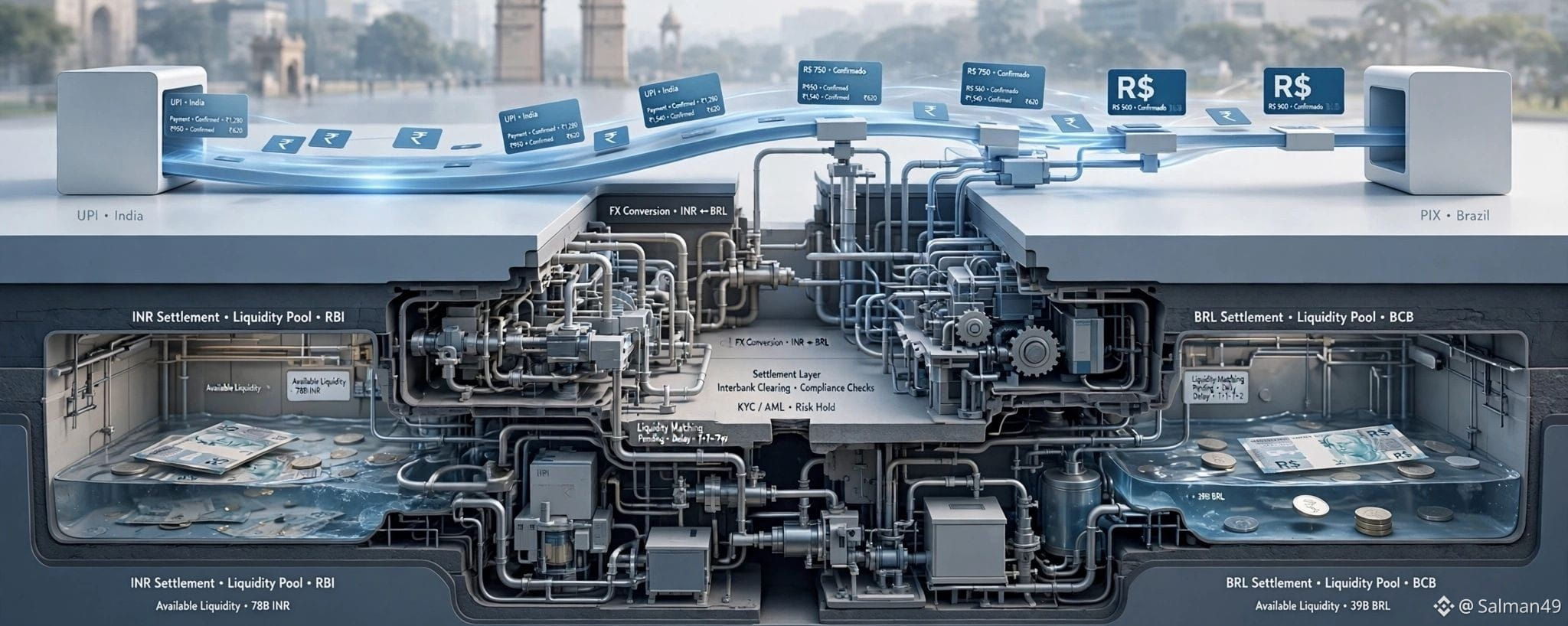
India is pushing BRICS members to connect their payment systems, while finance officials are also backing more trade in local currencies. At the same time, UPI and Brazil’s Pix have already processed more than $10 trillion in the last 18 months.
Put those things together and the interesting change isn’t really another currency appearing.
It’s the distance between two currencies getting smaller.
Right now, cross-border trade can involve correspondent banks, currency conversion, messaging networks and settlement delays before money reaches the other side. A connected instant-payment layer can remove some of that friction.
The UPI part of the BRICS story looks smaller than the “de-dollarisation” headline.
I think it may actually be more important.
India is pushing BRICS members to connect their payment systems, while finance officials are also backing more trade in local currencies. At the same time, UPI and Brazil’s Pix have already processed more than $10 trillion in the last 18 months.
Put those things together and the interesting change isn’t really another currency appearing.
It’s the distance between two currencies getting smaller.
Right now, cross-border trade can involve correspondent banks, currency conversion, messaging networks and settlement delays before money reaches the other side. A connected instant-payment layer can remove some of that friction.
2.4k
3
128
2.4k
·
--
စိစစ်အတည်ပြုထားသည်
BRICS 继续谈论用本币进行本地货币交易。
可以理解。但我觉得下面其实藏着一个不那么明显的问题。
在 FY2026,印度与 BRICS 伙伴之间的贸易逆差达到 2261 亿美元。进口约为 3218 亿美元,而出口只有 957 亿美元。
看到这个数字我停顿了一下。
因为如果更多这类贸易改用本币结算,把发票里的美元去掉并不能消除失衡。印度买家仍然需要对方那一边的货币。而收到卢比的出口商,就必须想办法把这些卢比用到真正有用的地方。
这时,那些“无聊”的部分突然变得很重要。
银行需要在不同货币之间完成中介。外汇市场需要有足够的流动性。通过货币互换额度(swap lines)可以在一方需要另一方货币时提供帮助。而如果失衡继续扩大,那么这些货币就必须在某处被循环使用,而不是只是堆在那里。
印度已经在现实中推动了这一点。2026 年 4 月至 6 月,使用卢比结算的进口额达到 1.58 万亿卢比;而一年前同期为 2540.2 亿卢比。
所以这不再只是 BRICS 的头条新闻。
支付路径可以改变。发票上的币种也可以改变。
但仍然有人必须承担交易的另一边。
说实话,我认为这才是“去美元化”更难的部分。
#BRICS #DeDollarization #GlobalTrade #FX #GlobalMarkets
693
6
46
693
·
--
CLARITY က BTC အကြောင်းသက်သက်တော့ မဟုတ်ပါဘူး။
အနည်းဆုံးတော့ ပထမဆုံးအနေနဲ့ မဟုတ်ပါဘူး။
စည်းမျဉ်းတွေက အောက်ကနေ အမြဲရွေ့လျားနေခြင်း ရပ်သွားတဲ့အခါ အရင်းအနှီးအပေါ် ဘာတွေဖြစ်လာမလဲဆိုတာကို ကျွန်တော် ပိုစိတ်ဝင်စားပါတယ်။
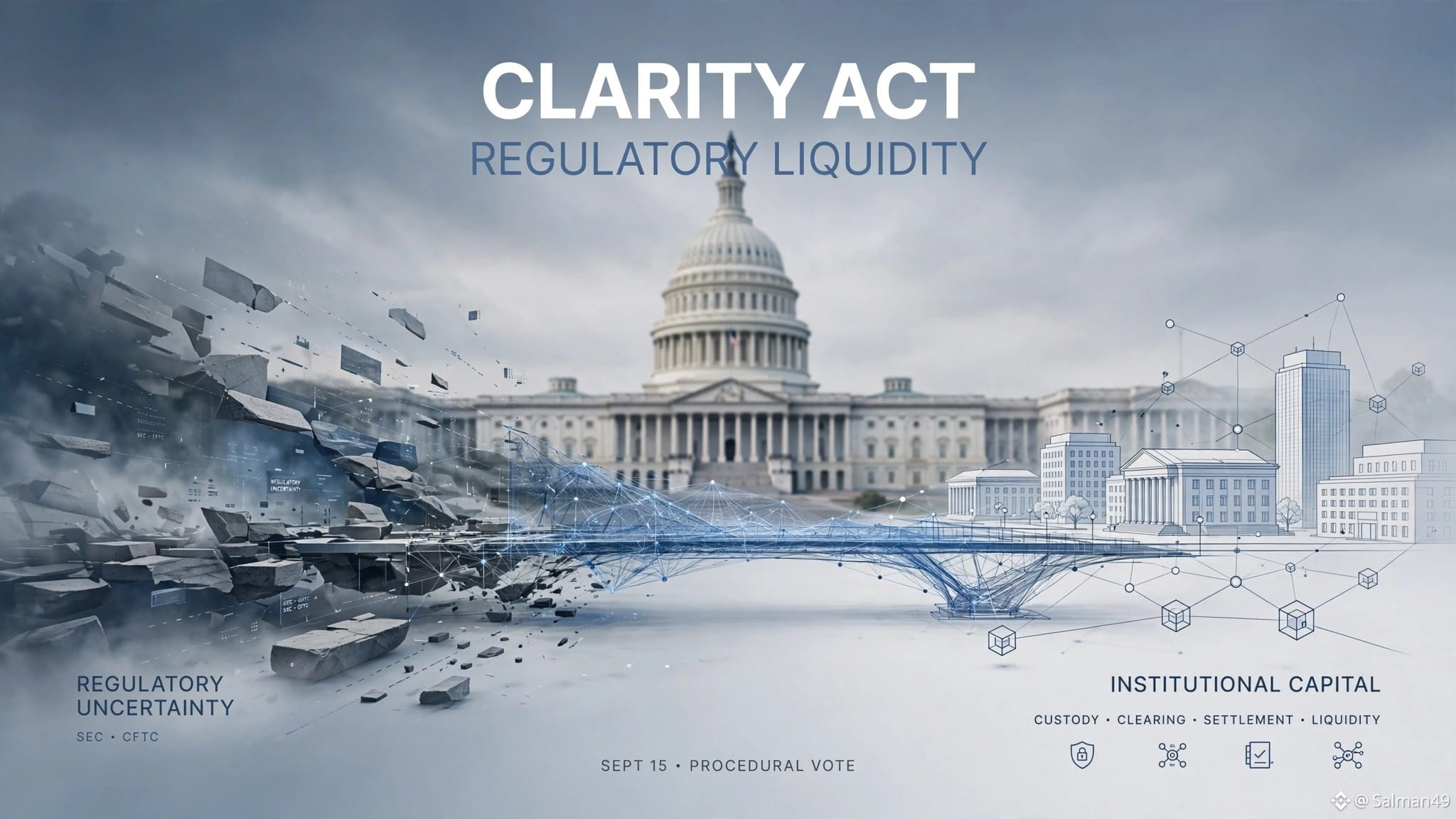
စက်တင်ဘာ ၁၅ ရက် အထက်လွှတ်တော် မဲခွဲဆုံးဖြတ်မှုက နောက်ဆုံးအတည်ပြုချက်မဟုတ်ဘဲ လုပ်ထုံးလုပ်နည်းဆိုင်ရာ အဆင့်တစ်ခုသာ ဖြစ်ပါတယ်။ ဒါပေမဲ့ အဲဒါကြောင့်ပဲ ကျွန်တော် စောင့်ကြည့်နေတာပါ။
အကြောင်းကတော့ ခရစ်ပ်တိုလောကမှာ ငွေဖြစ်လွယ်မှုတစ်ခုတည်း လိုအပ်တာမဟုတ်လို့ပါ။
စည်းမျဉ်းစည်းကမ်းဆိုင်ရာ ခန့်မှန်းနိုင်မှုလည်း လိုအပ်ပါတယ်။
အရင်းအနှီးတွေမှာ ယုံကြည်စိတ်ချရတဲ့ နေရာတစ်ခု ရှိဖို့လိုပါတယ်။ ဘယ်အရာကို ဘယ်အဖွဲ့အစည်းက ကြီးကြပ်သလဲဆိုတာ အဖွဲ့အစည်းတွေ သိထားဖို့လိုပါတယ်။ ဒီနေ့ ဖန်တီးနေတဲ့ ထုတ်ကုန်က မနက်ဖြန်မှာ စည်းမျဉ်းလိုက်နာမှုဆိုင်ရာ ပြဿနာ ဖြစ်လာနိုင်မလားဆိုတာ ဖန်တီးသူတွေ သိထားဖို့လိုပါတယ်။
ဟုတ်ပါတယ်၊ အဲဒါက ပျင်းစရာကောင်းတယ်လို့ ထင်ရပါတယ်။
မသေချာမှုကိုယ်တိုင်မှာလည်း ကုန်ကျစရိတ်ရှိတယ်ဆိုတာ သဘောပေါက်လာတဲ့အထိပေါ့။
ဒါကြောင့် CLARITY က ရှေ့ဆက်သွားမယ်ဆိုရင် ပိုကြီးမားတဲ့ အချက်ပြမှုက BTC ရဲ့ ပထမဆုံးဈေးနှုန်းတက်မှု မဟုတ်နိုင်ပါဘူး။
ဒီနေရာမှာ တည်ဆောက်လို့ရမလား။ ဆိုတဲ့ မေးခွန်းကနေ “ဒီနေရာမှာ ဘာကို တည်ဆောက်သင့်သလဲ။” ဆိုတဲ့ မေးခွန်းဆီ တဖြည်းဖြည်း ပြောင်းလဲသွားတာ ဖြစ်နိုင်ပါတယ်။
အဲဒီအချက်ကို ဈေးကွက်က တန်ဖိုးလျှော့တွက်ထားနိုင်တယ်လို့ ကျွန်တော် ထင်ပါတယ်။
#CLARITYAct #Crypto #bitcoin
396
22
446
·
--
CPI ဟာ ငွေဖောင်းပွမှုကို စမ်းသပ်တာတစ်ခုတည်း မဟုတ်ပါဘူး။ Fed က အတိုးနှုန်းတိုးမယ့်အကြောင်း အတည်ပြုစမ်းသပ်ချက်လည်း ဖြစ်ပါတယ်။
ဩဂုတ်လ အလုပ်အကိုင်အစီရင်ခံစာ ထွက်ပြီးနောက် အခြေအနေက ပြောင်းလဲသွားပါတယ်။
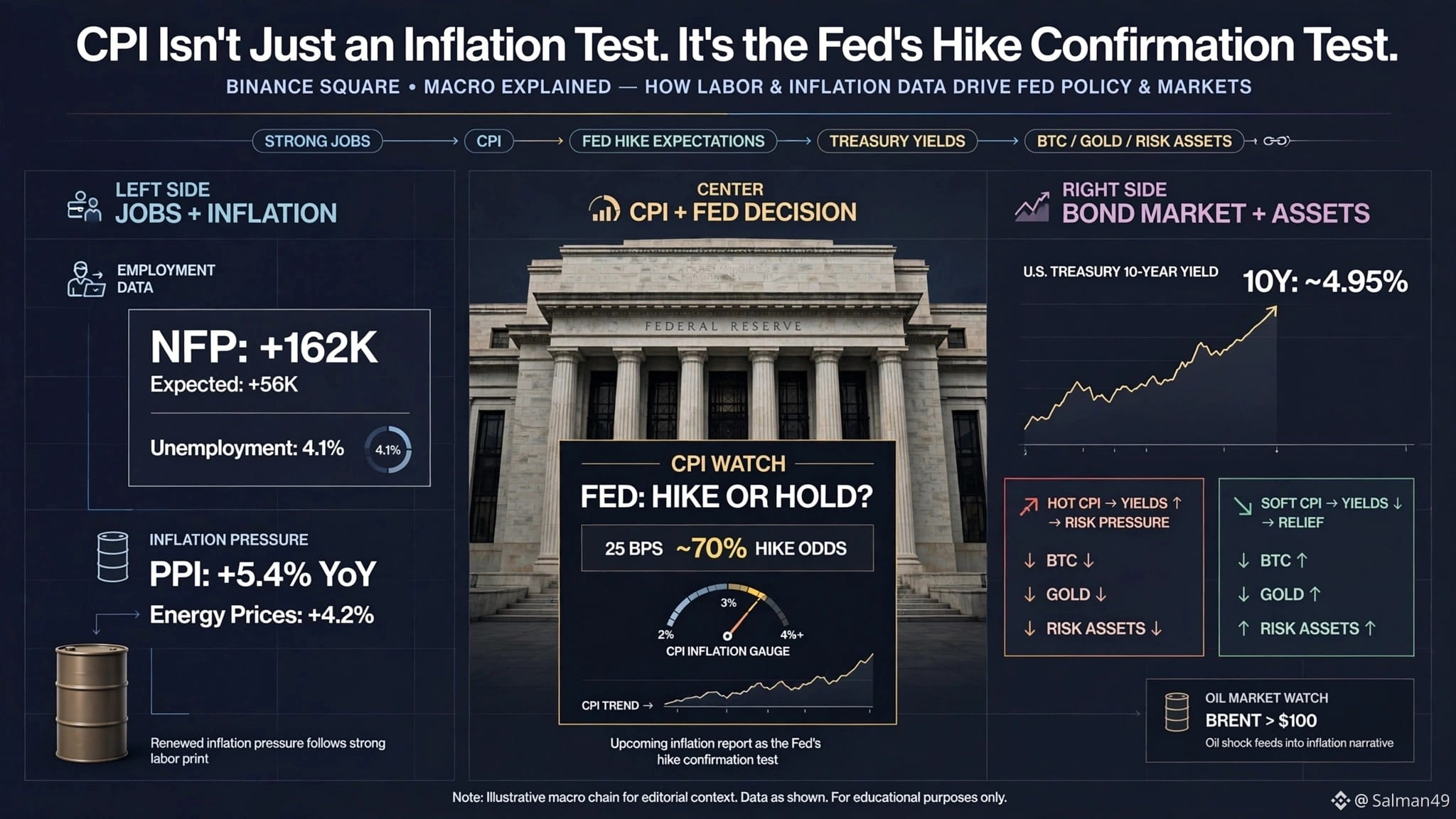
အမေရိကန် အလုပ်ရှင်တွေက အလုပ်အကိုင် 162K တိုးပေးခဲ့ပြီး၊ မျှော်မှန်းထားတဲ့ 56K ဝန်းကျင်ထက် အများကြီး ကျော်လွန်ခဲ့ပါတယ်။ အလုပ်လက်မဲ့နှုန်းကတော့ 4.1% မှာပဲ ရှိနေခဲ့ပါတယ်။ ဒါကြောင့် အလုပ်သမားဈေးကွက် အားနည်းလာမှာကို စိုးရိမ်ဖို့ Fed မှာ အကြောင်းပြချက် နည်းသွားပါတယ်။
ပြီးတော့ PPI က နောက်ထပ်ပြဿနာတစ်ခု ထပ်ဖြစ်စေခဲ့ပါတယ်။
ဩဂုတ်လမှာ ထုတ်လုပ်သူဈေးနှုန်းတွေက ယခင်နှစ်ထက် 5.4% မြင့်တက်ခဲ့ပြီး၊ စွမ်းအင်ဈေးနှုန်းတွေက 4.2% ခုန်တက်ခဲ့ပါတယ်။ Brent ရေနံဈေးကလည်း $100 အထက်မှာ ဆက်ရှိနေပြီး၊ အမေရိကန် 10Y အထွက်နှုန်းက 4.95% ဝန်းကျင်မှာ ရှိနေပါတယ်။ လာမယ့်သီတင်းပတ်မှာ Fed က အတိုးနှုန်း 25bp တိုးဖို့ ဖြစ်နိုင်ခြေ 70% ဝန်းကျင်ရှိတယ်လို့ ဈေးကွက်တွေက အခု ဈေးနှုန်းသတ်မှတ်ထားကြပါတယ်။
ဒါဆို ကျွန်တော် ဘာကို စောင့်ကြည့်နေတာလဲ။
ဒါကို “အတိုးနှုန်းတိုးမယ့်အလားအလာ အတည်ပြုစမ်းသပ်ချက်” လို့ ခေါ်ပါတယ်။
CPI မြင့်မားခြင်း — NFP နဲ့ ငွေဖောင်းပွမှုက တင်းကျပ်တဲ့မူဝါဒကို ထောက်ခံတဲ့အချက်တွေ ပိုခိုင်မာစေတယ် → အထွက်နှုန်းတွေ မြင့်တက်နိုင်တယ် → BTC၊ စတော့ရှယ်ယာတွေနဲ့ ရွှေအပေါ် ဖိအားဖြစ်နိုင်တယ်။
CPI နိမ့်ခြင်း — အတိုးနှုန်းတိုးမယ့် ဖြစ်နိုင်ခြေ လျော့ကျနိုင်တယ် → အထွက်နှုန်းတွေ အေးဆင်းလာတယ် → စွန့်စားရင်းနှီးမြှုပ်နှံမှု ပိုင်ဆိုင်မှုတွေ အသက်ရှူချောင်ခွင့် ရလာတယ်။
ဒါပေမဲ့ ကျွန်တော် ပိုစိတ်ဝင်စားတဲ့ တတိယအခြေအနေတစ်ခု ရှိပါတယ်။
CPI နိမ့်ခြင်း + ရေနံဈေး မလျော့ခြင်း + အထွက်နှုန်းတွေ ဆက်မြင့်နေခြင်း။
ဒါကို ကျွန်တော် “CPI သက်သာမှု ထောင်ချောက်” လို့ ခေါ်ပါတယ်။ ဈေးကွက်တွေက CPI နိမ့်တဲ့ကိန်းဂဏန်းကို အစပိုင်းမှာ ဝမ်းမြောက်ကြိုဆိုနိုင်ပေမဲ့၊ ငွေချေးစာချုပ်ဈေးကွက်က ငွေဖောင်းပွမှုအန္တရာယ် ဆက်ရှိနေတယ်လို့ မြင်နေသေးရင် အဲဒီသက်သာမှုက အလျင်အမြန် ပျောက်ကွယ်သွားနိုင်ပါတယ်။
ဒီကိန်းဂဏန်း မထွက်ခင် ကျွန်တော့်အမြင်က စွန့်စားရင်းနှီးမြှုပ်နှံမှု ပိုင်ဆိုင်မှုတွေအပေါ် အနည်းငယ် အနုတ်ဘက်ကို ယိမ်းပါတယ်။ ဒါပေမဲ့ သတင်းခေါင်းစဉ်ကိုပဲ ကြည့်ပြီး အရောင်းအဝယ် မလုပ်ပါဘူး။
CPI က NFP စတင်ခဲ့တဲ့ တင်းကျပ်တဲ့မူဝါဒဘက် ဈေးနှုန်းပြန်လည်သတ်မှတ်မှုကို အတည်ပြုမလား၊ ဒါမှမဟုတ် ပြောင်းပြန်ဖြစ်စေမလားဆိုတာကို စောင့်ကြည့်နေပါတယ်။
#CPIWatch
2
235
·
--
САДА БІТКОЇН МАЄ БІЛЬШУ ПРОБЛЕМУ, НІЖ CPI ЗАВТРА
Біткоїн зараз тримається біля $78K, тоді як макроекономічний фон стає дедалі дискомфортнішим.
Сьогоднішній PPI зріс на 0,4% у серпні та на 5,4% у річному вимірі. Заголовний показник збігся з очікуваннями, але деталi були жорсткішими: енергоносії підскочили на 4,2%, авіаквитки — на 4,2%, а ціни в лікарнях також зросли.
А потім нафті вирішило ускладнити історію з інфляцією.
Brent піднялася вище $105, а WTI — вище $100, оскільки посилилися ризики для морських перевезень у Середземномор’ї та на Близькому Сході. Це важливо, бо дорога нафта може “пройти” через транспорт, виробництво і зрештою дістатися споживчих цін.
І ринок облігацій уже реагує. Доходність 10-річних трежеріс торкалася близько 4,9%, тоді як 2-річні — біля 4,53%. Після релізу PPI ринки підштовхнули ймовірність підвищення ставки ФРС на 25 б.п. наступного тижня до приблизно 70%.
Це формує справжню картину для біткоїна.
Сильніший CPI завтра не означатиме просто «погану інфляцію». Це може підкріпити очікування вищих ставок, утримати дохідності трежеріс підвищеними та змусити ризикові активи конкурувати з дедалі привабливішими дохідностями долара.
Біткоїн уже консолідується біля $78K, поки трейдери чекають цієї інформації.
Тому я стежу за ланцюжком, а не лише за цифрою CPI:
Нафта → інфляційний тиск → очікування щодо ФРС → дохідності трежеріс → ліквідність → біткоїн.
Якщо CPI буде м’яким, а нафта охолоне, цей ланцюжок може швидко розкрутитися назад. Якщо CPI підтвердить тиск, який уже видно в PPI та енергії, $78K може стати значно важчим тестом, ніж здається зараз.

820
3
48
820
·
--
တစ်စိတ်တစ်ပိုင်း မှန်ကန်
I was watching the US Treasury buyback news today and my first thought was, this won't work.
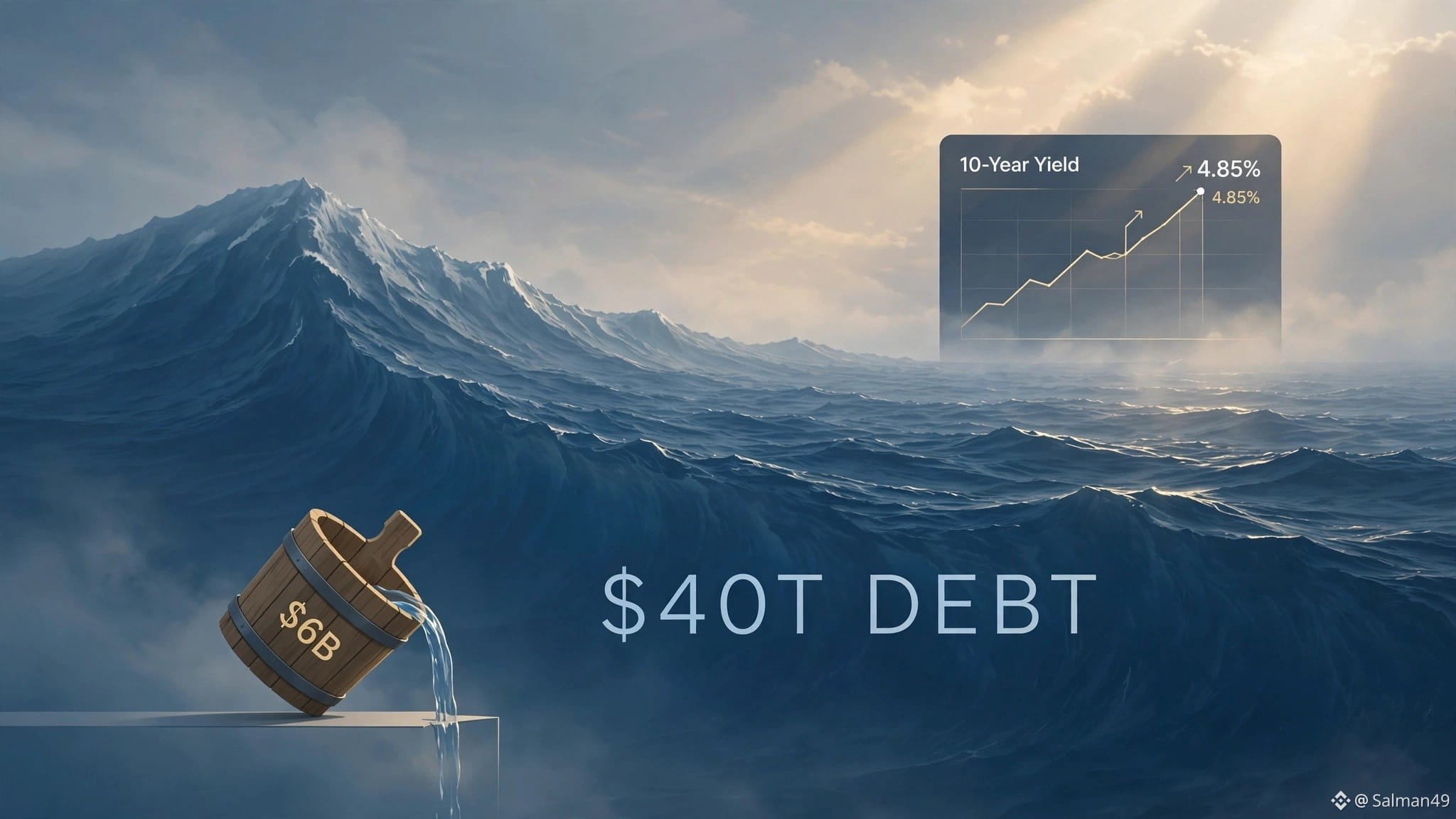
They said they will buy back up to $6 billion of old bonds today between 1:40 PM and 2:00 PM ET. Bonds from 2037 to 2046.
Everyone on my timeline was calling it big because the normal size is $2 billion. But I didn't see it as big.
I saw it as small. Because I did the math. US debt is over $40 trillion now. $6 billion is just 0.015% of it. You can't clean a house that big with a $6 billion mop.
I also checked what the market was expecting. Big banks were expecting up to $10 billion. Most traders I follow were expecting $7 to $8 billion. So when $6 billion came, I knew the market would feel disappointed.
And that's exactly what happened. A buyback should lower yields. But yields went up. 10-year went to 4.85%, highest since November 2023. 30-year hit a 19-year high. For me, that was the market saying, we reject your size.
I think Scott Bessent is trying to show he is in control. He even said he wants to break the market's fever dream. But for me, this move proves $6 billion is not enough to control the long end.
The part that convinced me the most is what happened on the same day. The Treasury bought $6 billion with one hand, but sold $39 billion of new 10-year bonds with the other hand. And tomorrow it will sell $22 billion more of 30-year bonds.
So I don't see this as money printing. I don't see this as QE. I see this as a simple swap. Old illiquid bonds out, new bonds in.
That's why I am not expecting any pump in stocks or crypto from this. And that's why I think yields will keep staying high.
#USTreasuryToBuyBackUpTo$6BLongDated Debt
904
46
904
·
--
စိစစ်အတည်ပြုထားသည်
ဂျပန်က စတော့ရှယ်ယာအရောင်းအဝယ်တွေ နှစ်ရက်စောင့်ရတာကို ရပ်တန့်စေချင်နေပါတယ်
မျက်နှာပြင်ပေါ်မှာ အရောင်းအဝယ်တစ်ခုက စက္ကန့်ပိုင်းအတွင်း ပြီးဆုံးသွားပါတယ်။
ဒါပေမဲ့ အပြီးသတ်ဖြစ်ဖို့ နှစ်ရက်စောင့်ရတုန်းပါပဲ။
အဲဒီကွာဟချက်က တကယ့်ပြဿနာပါ။
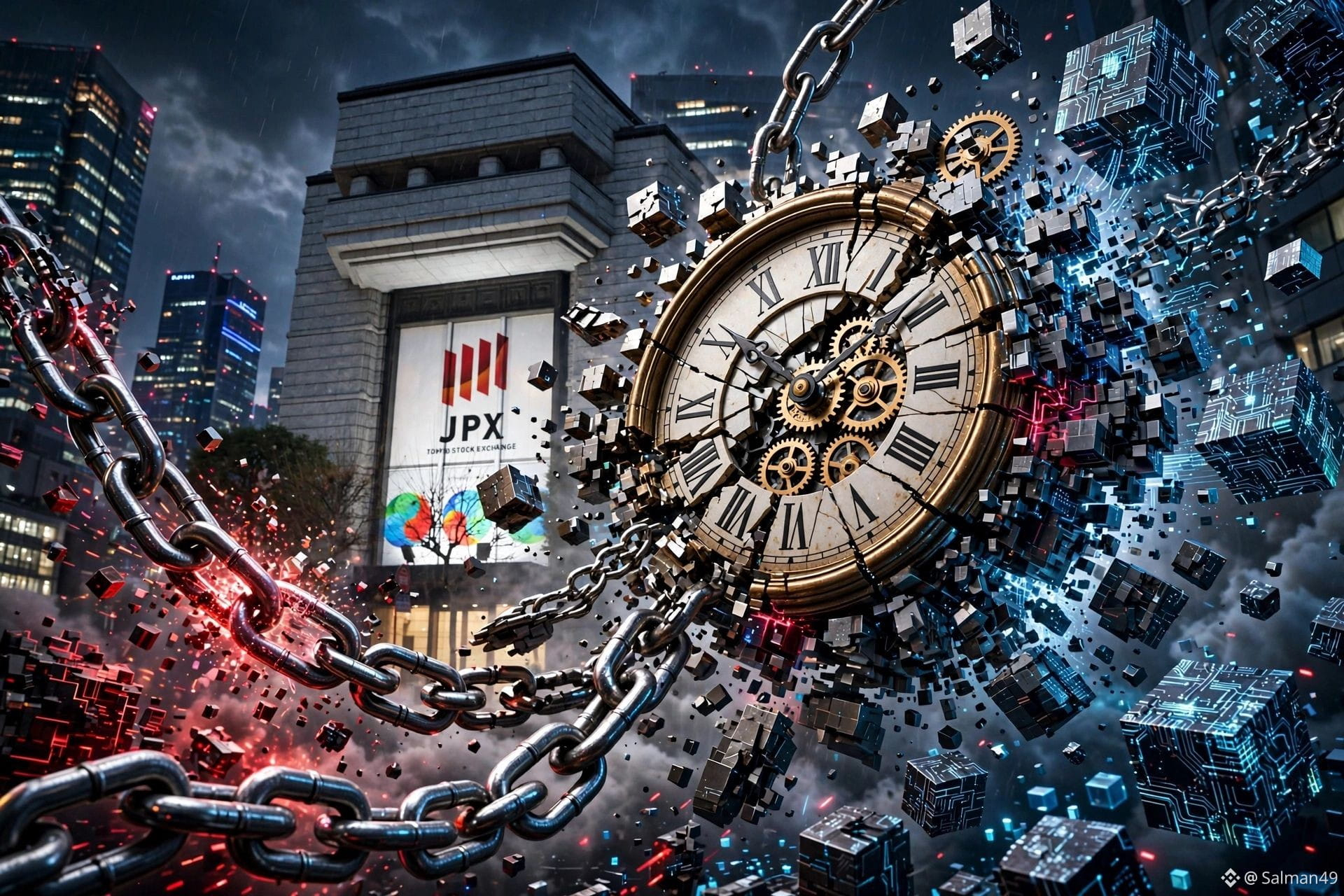
ဂျပန်က ဒါကို ဖြေရှင်းဖို့ ကြိုးစားနေပါတယ်။ FSA နဲ့ ဂျပန်ဘဏ်တို့ဟာ စတော့ရှယ်ယာတွေနဲ့ အစိုးရငွေချေးစာချုပ်တွေအတွက် ဘလော့ခ်ချိန်းအခြေပြု စာရင်းရှင်းလင်းမှုအစီအစဉ်တစ်ခုကို တည်ဆောက်နေကြပါတယ်။ အစီအစဉ်ကို ၂၀၂၇ ခုနှစ် အစောပိုင်းမှာ မျှော်မှန်းထားပါတယ်။ ရည်မှန်းချက်က အချိန်နှင့်တစ်ပြေးညီ စာရင်းရှင်းလင်းမှု ဖြစ်ပါတယ်။ T plus two မဟုတ်တော့ပါဘူး။
ဒါပေမဲ့ သူတို့က စတော့ရှယ်ယာတစ်ခုကို ဘလော့ခ်ချိန်းပေါ်တင်ရုံတင် မဟုတ်ပါဘူး။
အဲဒီအပိုင်းက လွယ်ပါတယ်။
ခက်ခဲတာက ပိုင်ဆိုင်မှုနဲ့အတူ ငွေပါ ရွေ့လျားဖို့ လိုတာပါ။ ဒီနေ့မှာ ပိုင်ဆိုင်မှုက စနစ်တစ်ခုထဲမှာ ရွေ့လျားပြီး ငွေပေးချေမှုက နောက်စနစ်တစ်ခုမှာ ရွေ့လျားပါတယ်။ နှစ်ခုလုံး ကိုက်ညီအောင် တစ်ယောက်ယောက်က လုပ်ပေးရပါတယ်။ အဲဒီနှစ်ရက်ကြာ စောင့်ဆိုင်းမှုဟာ အလကားဖြစ်နေတာ မဟုတ်ပါဘူး။ အဲဒါက အန္တရာယ်ပါ။ အာမခံပစ္စည်းပါ။ အဖွဲ့တွေက စာရင်းတွေကို ထပ်မံညှိနှိုင်းနေရတာပါ။
ဂျပန်က နည်းလမ်းသစ်တစ်ခုကို စမ်းသပ်နေပါတယ်။ ပိုင်ဆိုင်မှုလွှဲပြောင်းခြင်းနဲ့ ငွေပေးချေခြင်းကို တစ်ပြိုင်နက်တည်း လုပ်ဆောင်တာပါ။ ဂျပန်ဘဏ်က ဒီအတွက် တိုကင်ပုံစံပြောင်းထားတဲ့ ဗဟိုဘဏ်ငွေကို စမ်းသပ်နေပါတယ်။
နှစ်ဖက်စလုံးက တစ်ပြိုင်နက်တည်း အပ်ဒိတ်လုပ်နေတယ်လို့ စိတ်ကူးကြည့်ပါ။
ငွေလိုက်မီလာတဲ့အထိ ပိုင်ဆိုင်မှုက မရေမရာအခြေအနေမှာ ပိတ်မိမနေတော့ပါဘူး။ နာရီနှစ်လုံး အချိန်မတူလို့ စောင့်နေရတာမျိုးလည်း မရှိတော့ပါဘူး။
ဒါဟာ ဒီနေ့မှာ လက်တွေ့အသုံးပြုနေတဲ့စနစ် မဟုတ်သေးပါဘူး။ ဒီဇိုင်းရေးဆွဲပြီး စမ်းသပ်နေတဲ့အဆင့်ပါ။ တကယ့်ကွန်ရက်ကိုတော့ ၂၀၃၀ ပြည့်နှစ်များ အစောပိုင်းမှာမှ မျှော်မှန်းထားပါတယ်။
848
3
67
923
·
--
စိစစ်အတည်ပြုထားသည်
ဘဏ္ဍာရေးကို Onchain ပေါ်တင်ခြင်း၏ ဖုံးကွယ်နေသော ကုန်ကျစရိတ်
တိုကင်ပြုလုပ်ခြင်းအကြောင်း ခေါင်းစီးသတင်းတွေမှာ ဘယ်သူမှ မထည့်ပြောတဲ့အပိုင်းကတော့ စာရင်းတွေကို ပြန်လည်ရှင်းလင်းရတာပါပဲ။
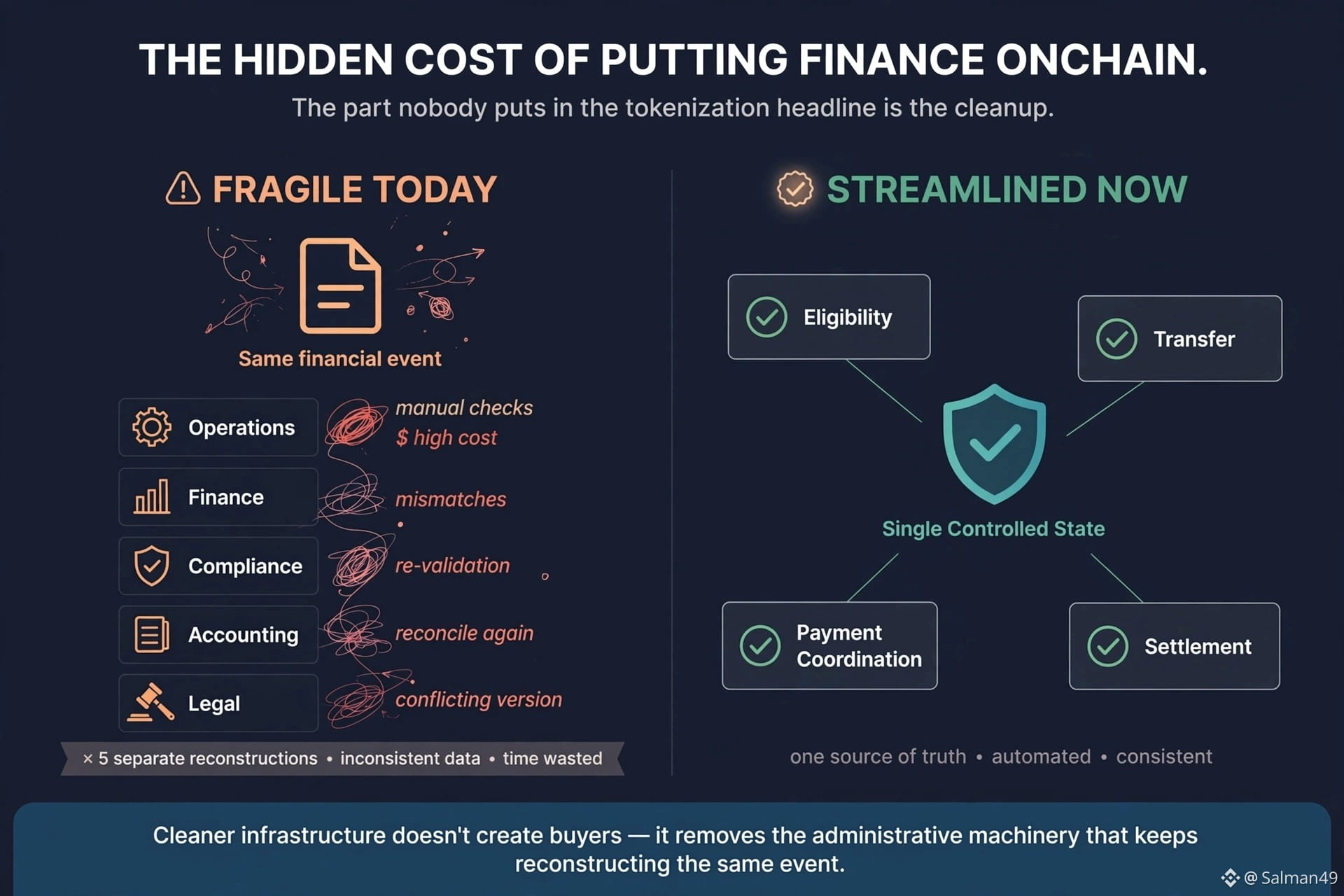
ငွေချေးသက်သေခံလက်မှတ်တစ်ခုဟာ ဒစ်ဂျစ်တယ်ပုံစံဖြစ်လာနိုင်ပေမဲ့ ၎င်းနဲ့ဆက်စပ်နေသူတွေကတော့ သီးခြားမှတ်တမ်းတွေကို ဆက်လက်ထားရှိနေကြတတ်ပါတယ်။ ရင်းနှီးမြှုပ်နှံသူရဲ့ အရည်အချင်းပြည့်မီမှုကို တစ်နေရာမှာ မှတ်တမ်းတင်ထားပြီး ပိုင်ဆိုင်မှုကိုတော့ အခြားတစ်နေရာမှာ မှတ်တမ်းတင်ထားပါတယ်။ ငွေပေးချေမှုကလည်း နောက်စနစ်တစ်ခုကနေတစ်ဆင့် ရောက်လာပါတယ်။ အဲဒီနောက် လူတိုင်းက မှတ်တမ်းတွေ ကိုက်ညီမှုရှိမရှိ စစ်ဆေးကြရပါတယ်။
ဒီနောက်ဆုံးအဆင့်က ကုန်ကျစရိတ်များပါတယ်။
ဒေတာကူးယူရတာ ခက်လို့တော့ မဟုတ်ပါဘူး။ လုပ်ငန်းစဉ်တစ်ခုကနေ တစ်ခုကို လွှဲပြောင်းတိုင်း ခြွင်းချက်တစ်ခု ပေါ်လာနိုင်တဲ့ နောက်ထပ်နေရာတစ်ခု ဖန်တီးလိုက်သလို ဖြစ်နေလို့ပါ။
Dusk ကတော့ မတူညီတဲ့လမ်းကြောင်းကို ရွေးချယ်နေပါတယ်။ ၎င်းရဲ့ စျေးကွက်အခြေခံအဆောက်အအုံက တူညီတဲ့ စည်းမျဉ်းထိန်းသိမ်းထားသော ပိုင်ဆိုင်မှုလုပ်ငန်းစဉ်အတွင်း အရည်အချင်းပြည့်မီမှု၊ လွှဲပြောင်းမှုထိန်းချုပ်ရေး၊ ကိုယ်ရေးကိုယ်တာလုံခြုံမှုကို ထိန်းသိမ်းသည့် ငွေပေးချေမှုညှိနှိုင်းမှုနဲ့ အပြီးသတ်စာရင်းရှင်းလင်းမှုတို့ကို ချိတ်ဆက်ပေးပါတယ်။ Dusk Trade ကတော့ ဒီအရာတွေကို တိုကင်ပြုလုပ်ထားတဲ့ ဘဏ္ဍာရေးပိုင်ဆိုင်မှုတွေကို ရှာဖွေခြင်း၊ ဝယ်ယူခြင်းနဲ့ ရောင်းချခြင်းတို့အတွက် လက်တွေ့အသုံးပြုနိုင်တဲ့ ထုတ်ကုန်လုပ်ငန်းစဉ်တစ်ခုထဲ ပေါင်းစည်းပေးပါတယ်။
စိတ်ဝင်စားစရာအချက်က ဘလော့ခ်ချိန်းတစ်ခုက ပိုလုပ်ဆောင်နိုင်တယ်ဆိုတာ မဟုတ်ပါဘူး။
တာဝန်ယူမှုအပေါ် ဘာတွေပြောင်းလဲလာသလဲဆိုတာပါ။
ရင်းနှီးမြှုပ်နှံသူ ဝင်ရောက်လာချိန်၊ ပိုင်ဆိုင်မှု လွှဲပြောင်းချိန်နဲ့ စာရင်းရှင်းလင်းမှု ဖြစ်ပေါ်ချိန်တွေမှာ တူညီတဲ့ ထိန်းချုပ်ထားသော အခြေအနေကို ကိုးကားနိုင်မယ်ဆိုရင် ဖြစ်ပျက်ခဲ့တာတွေကို နောက်မှ ပြန်လည်ဖော်ထုတ်ဖို့ လိုအပ်တဲ့အဖွဲ့အရေအတွက် လျော့နည်းသွားနိုင်ပါတယ်။ ဒါက လက်ဖြင့်စစ်ဆေးရမှု နည်းပါးလာပြီး စနစ်နှစ်ခုအကြား သဘောထားကွဲလွဲနိုင်ခြေ လျော့နည်းလာစေနိုင်ပါတယ်။ Dusk ရဲ့ ကိုယ်ပိုင် private-market အကြောင်းအရာတွေမှာလည်း ဒီစာရင်းညှိနှိုင်းရတဲ့ ပြဿနာကို ရှင်းလင်းစွာ ဖော်ပြထားပါတယ်။
ဒါပေမဲ့ သတိထားရမယ့် အချက်လေးတစ်ခု ရှိပါတယ်။
ပိုမိုရှင်းလင်းသပ်ရပ်တဲ့ အခြေခံအဆောက်အအုံက ဝယ်ယူသူတွေကို ဖန်တီးပေးတာ မဟုတ်ပါဘူး။
တိုကင်ပြုလုပ်ခြင်းက ဝယ်လိုအား၊ ငွေဖြစ်လွယ်မှု ဒါမှမဟုတ် မျှတတဲ့စျေးနှုန်းတွေကို ဖန်တီးပေးနိုင်မှာ မဟုတ်ဘူးဆိုတာကို Dusk ကိုယ်တိုင်လည်း အသိအမှတ်ပြုထားပါတယ်။ ပိုကောင်းတဲ့လုပ်ငန်းစဉ်တစ်ခု ဖြစ်လာဖို့ဆိုရင်တောင် ခွင့်ပြုချက်ရထားတဲ့ ရောင်းဝယ်ရေးနေရာ၊ အရည်အချင်းပြည့်မီတဲ့ ရင်းနှီးမြှုပ်နှံသူတွေနဲ့ ကောင်းမွန်စွာ လည်ပတ်နေတဲ့ ငွေပေးချေမှုအခြေခံအဆောက်အအုံတွေ လိုအပ်နေဆဲပါ။
ဒါကြောင့် Dusk ရဲ့ ပိုနက်ရှိုင်းတဲ့ အယူအဆဟာ ငွေချေးသက်သေခံလက်မှတ်တွေကို ဒစ်ဂျစ်တယ်ပုံစံတူအောင် လုပ်ဖို့အကြောင်း မဟုတ်ပါဘူး။
တူညီတဲ့ ဘဏ္ဍာရေးဖြစ်ရပ်တစ်ခုကို ပုံစံငါးမျိုးနဲ့ ထပ်ခါတလဲလဲ ပြန်လည်ဖော်ထုတ်နေရတဲ့ စီမံခန့်ခွဲရေးယန္တရားတွေကို ဖယ်ရှားဖို့အကြောင်းပါ။
@Dusk_Foundation $DUSK #dusk
ဘဏ္ဍာရေးကို Onchain ပေါ်တင်ခြင်း၏ ဖုံးကွယ်နေသော ကုန်ကျစရိတ်
တိုကင်ပြုလုပ်ခြင်းအကြောင်း ခေါင်းစီးသတင်းတွေမှာ ဘယ်သူမှ မထည့်ပြောတဲ့အပိုင်းကတော့ စာရင်းတွေကို ပြန်လည်ရှင်းလင်းရတာပါပဲ။
ငွေချေးသက်သေခံလက်မှတ်တစ်ခုဟာ ဒစ်ဂျစ်တယ်ပုံစံဖြစ်လာနိုင်ပေမဲ့ ၎င်းနဲ့ဆက်စပ်နေသူတွေကတော့ သီးခြားမှတ်တမ်းတွေကို ဆက်လက်ထားရှိနေကြတတ်ပါတယ်။ ရင်းနှီးမြှုပ်နှံသူရဲ့ အရည်အချင်းပြည့်မီမှုကို တစ်နေရာမှာ မှတ်တမ်းတင်ထားပြီး ပိုင်ဆိုင်မှုကိုတော့ အခြားတစ်နေရာမှာ မှတ်တမ်းတင်ထားပါတယ်။ ငွေပေးချေမှုကလည်း နောက်စနစ်တစ်ခုကနေတစ်ဆင့် ရောက်လာပါတယ်။ အဲဒီနောက် လူတိုင်းက မှတ်တမ်းတွေ ကိုက်ညီမှုရှိမရှိ စစ်ဆေးကြရပါတယ်။
ဒီနောက်ဆုံးအဆင့်က ကုန်ကျစရိတ်များပါတယ်။
ဒေတာကူးယူရတာ ခက်လို့တော့ မဟုတ်ပါဘူး။ လုပ်ငန်းစဉ်တစ်ခုကနေ တစ်ခုကို လွှဲပြောင်းတိုင်း ခြွင်းချက်တစ်ခု ပေါ်လာနိုင်တဲ့ နောက်ထပ်နေရာတစ်ခု ဖန်တီးလိုက်သလို ဖြစ်နေလို့ပါ။
Dusk ကတော့ မတူညီတဲ့လမ်းကြောင်းကို ရွေးချယ်နေပါတယ်။ ၎င်းရဲ့ စျေးကွက်အခြေခံအဆောက်အအုံက တူညီတဲ့ စည်းမျဉ်းထိန်းသိမ်းထားသော ပိုင်ဆိုင်မှုလုပ်ငန်းစဉ်အတွင်း အရည်အချင်းပြည့်မီမှု၊ လွှဲပြောင်းမှုထိန်းချုပ်ရေး၊ ကိုယ်ရေးကိုယ်တာလုံခြုံမှုကို ထိန်းသိမ်းသည့် ငွေပေးချေမှုညှိနှိုင်းမှုနဲ့ အပြီးသတ်စာရင်းရှင်းလင်းမှုတို့ကို ချိတ်ဆက်ပေးပါတယ်။ Dusk Trade ကတော့ ဒီအရာတွေကို တိုကင်ပြုလုပ်ထားတဲ့ ဘဏ္ဍာရေးပိုင်ဆိုင်မှုတွေကို ရှာဖွေခြင်း၊ ဝယ်ယူခြင်းနဲ့ ရောင်းချခြင်းတို့အတွက် လက်တွေ့အသုံးပြုနိုင်တဲ့ ထုတ်ကုန်လုပ်ငန်းစဉ်တစ်ခုထဲ ပေါင်းစည်းပေးပါတယ်။
စိတ်ဝင်စားစရာအချက်က ဘလော့ခ်ချိန်းတစ်ခုက ပိုလုပ်ဆောင်နိုင်တယ်ဆိုတာ မဟုတ်ပါဘူး။
တာဝန်ယူမှုအပေါ် ဘာတွေပြောင်းလဲလာသလဲဆိုတာပါ။
ရင်းနှီးမြှုပ်နှံသူ ဝင်ရောက်လာချိန်၊ ပိုင်ဆိုင်မှု လွှဲပြောင်းချိန်နဲ့ စာရင်းရှင်းလင်းမှု ဖြစ်ပေါ်ချိန်တွေမှာ တူညီတဲ့ ထိန်းချုပ်ထားသော အခြေအနေကို ကိုးကားနိုင်မယ်ဆိုရင် ဖြစ်ပျက်ခဲ့တာတွေကို နောက်မှ ပြန်လည်ဖော်ထုတ်ဖို့ လိုအပ်တဲ့အဖွဲ့အရေအတွက် လျော့နည်းသွားနိုင်ပါတယ်။ ဒါက လက်ဖြင့်စစ်ဆေးရမှု နည်းပါးလာပြီး စနစ်နှစ်ခုအကြား သဘောထားကွဲလွဲနိုင်ခြေ လျော့နည်းလာစေနိုင်ပါတယ်။ Dusk ရဲ့ ကိုယ်ပိုင် private-market အကြောင်းအရာတွေမှာလည်း ဒီစာရင်းညှိနှိုင်းရတဲ့ ပြဿနာကို ရှင်းလင်းစွာ ဖော်ပြထားပါတယ်။
ဒါပေမဲ့ သတိထားရမယ့် အချက်လေးတစ်ခု ရှိပါတယ်။
ပိုမိုရှင်းလင်းသပ်ရပ်တဲ့ အခြေခံအဆောက်အအုံက ဝယ်ယူသူတွေကို ဖန်တီးပေးတာ မဟုတ်ပါဘူး။
တိုကင်ပြုလုပ်ခြင်းက ဝယ်လိုအား၊ ငွေဖြစ်လွယ်မှု ဒါမှမဟုတ် မျှတတဲ့စျေးနှုန်းတွေကို ဖန်တီးပေးနိုင်မှာ မဟုတ်ဘူးဆိုတာကို Dusk ကိုယ်တိုင်လည်း အသိအမှတ်ပြုထားပါတယ်။ ပိုကောင်းတဲ့လုပ်ငန်းစဉ်တစ်ခု ဖြစ်လာဖို့ဆိုရင်တောင် ခွင့်ပြုချက်ရထားတဲ့ ရောင်းဝယ်ရေးနေရာ၊ အရည်အချင်းပြည့်မီတဲ့ ရင်းနှီးမြှုပ်နှံသူတွေနဲ့ ကောင်းမွန်စွာ လည်ပတ်နေတဲ့ ငွေပေးချေမှုအခြေခံအဆောက်အအုံတွေ လိုအပ်နေဆဲပါ။
ဒါကြောင့် Dusk ရဲ့ ပိုနက်ရှိုင်းတဲ့ အယူအဆဟာ ငွေချေးသက်သေခံလက်မှတ်တွေကို ဒစ်ဂျစ်တယ်ပုံစံတူအောင် လုပ်ဖို့အကြောင်း မဟုတ်ပါဘူး။
တူညီတဲ့ ဘဏ္ဍာရေးဖြစ်ရပ်တစ်ခုကို ပုံစံငါးမျိုးနဲ့ ထပ်ခါတလဲလဲ ပြန်လည်ဖော်ထုတ်နေရတဲ့ စီမံခန့်ခွဲရေးယန္တရားတွေကို ဖယ်ရှားဖို့အကြောင်းပါ။
@Dusk $DUSK #dusk
6
1
6
241
·
--
Article
Operators Don't Hunt Your Stop Loss. They Hunt That Candle Where You Feel Like A Genius.I lost more money on green candles than red candles.
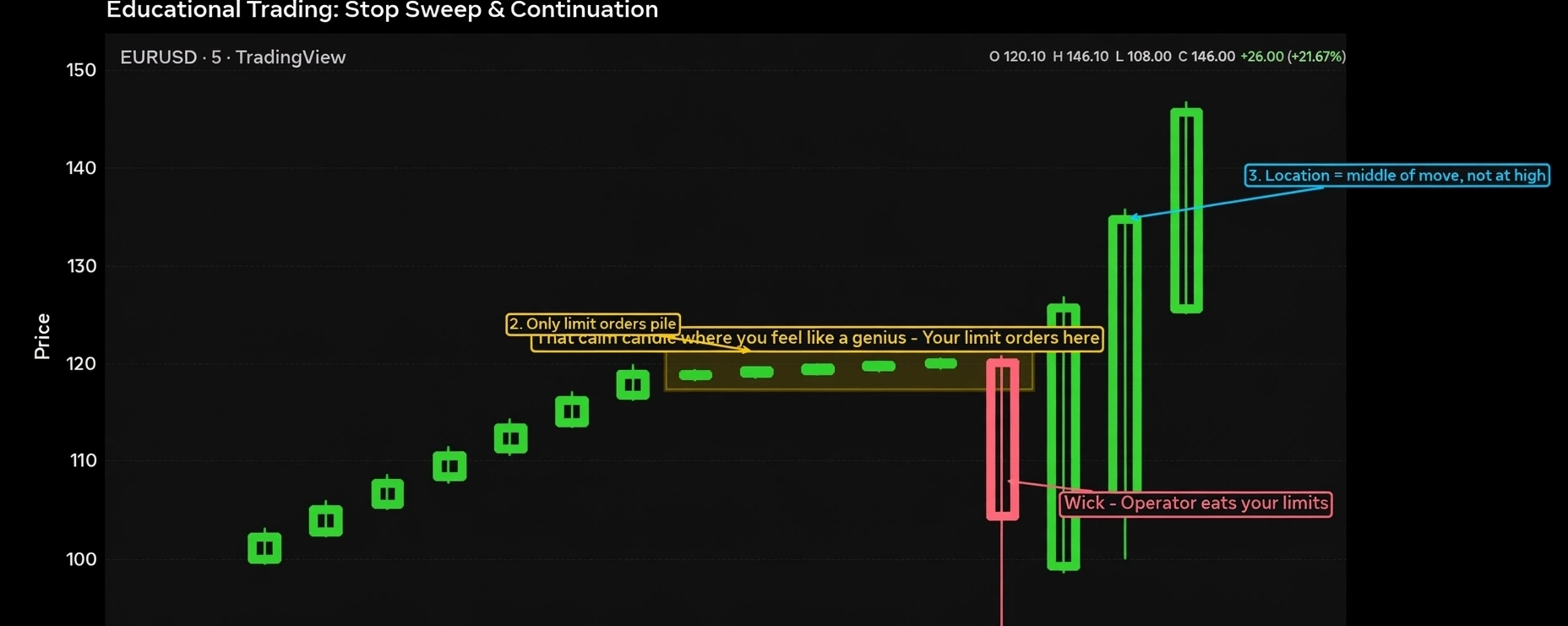
My biggest losses never came at the high. It came on that one calm candle in the middle where I was already in profit and feeling smart.
You know that candle. Price goes 4-5 candles sideways, very tight, very boring. You feel calm. You think let me add here, this is safe.
I used to add there every single time.
Then one wick comes, cleans that whole boring range and then market goes exactly where I thought. Without me.
I thought operators hunt high and low. They don't. They stopped doing that long back because everyone puts SL there now.
Operators Don't Hunt Your Stop Loss. They Hunt That Candle Where You Feel Like A Genius.
I lost more money on green candles than red candles.
My biggest losses never came at the high. It came on that one calm candle in the middle where I was already in profit and feeling smart.
You know that candle. Price goes 4-5 candles sideways, very tight, very boring. You feel calm. You think let me add here, this is safe.
I used to add there every single time.
Then one wick comes, cleans that whole boring range and then market goes exactly where I thought. Without me.
I thought operators hunt high and low. They don't. They stopped doing that long back because everyone puts SL there now.
1.1k
54
1.1k
·
--
စိစစ်အတည်ပြုထားသည်
စတော့ရှယ်ယာကို အွန်ချိန်းပေါ် ရွှေ့နိုင်တယ်။ ဒါပေမဲ့ ငွေက အမီလိုက်နိုင်ပါ့မလား။
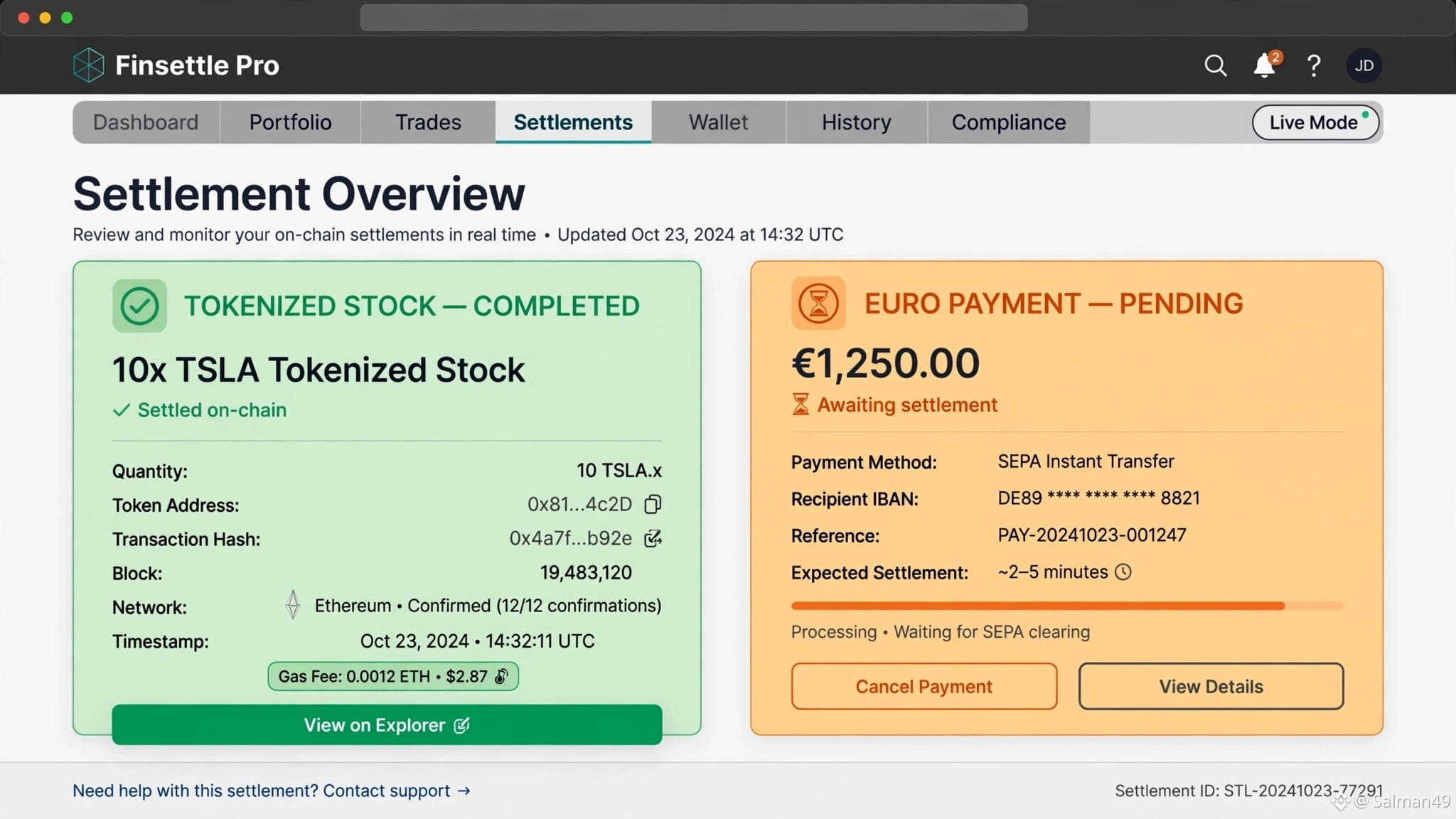
အရင်တုန်းက စတော့ရှယ်ယာကို အွန်ချိန်းပေါ်တင်လိုက်ရင် ခက်ခဲတဲ့အပိုင်းကို ဖြေရှင်းပြီးပြီလို့ ထင်ခဲ့တယ်။ ပိုင်ဆိုင်မှုက ဒစ်ဂျစ်တယ်နည်းနဲ့ ရွှေ့သွားတယ်၊ မှတ်တမ်းက အပ်ဒိတ်ဖြစ်တယ်၊ အရောင်းအဝယ်ကလည်း ပြီးသွားပြီလို့ ထင်ရတယ်။
ပြီးတော့ အဆင်မပြေတဲ့အပိုင်းတစ်ခု ရှိလာတယ်။
ဝယ်သူက ငွေပေးချေရဦးမယ်။
တကယ့်အရောင်းအဝယ်ဆိုတာ ပိုင်ဆိုင်မှုကို ရွှေ့ရုံနဲ့ မပြီးပါဘူး။ ငွေကလည်း တစ်ဖက်ကို ရောက်သွားဖို့ လိုတယ်။ စတော့ရှယ်ယာက ချက်ချင်းရွှေ့သွားပေမဲ့ ငွေပေးချေမှုက တခြားတစ်နေရာမှာ စောင့်နေတုန်းဆိုရင် အရောင်းအဝယ်က အရင်လုပ်ငန်းစဉ်ဟောင်းကနေ တကယ်လွတ်မြောက်သွားတာ မဟုတ်သေးဘူး။ တစ်ဖက်က ပြီးသွားပြီ။ ကျန်တစ်ဖက်ကတော့ စာရွက်စာတမ်းတွေနဲ့ အလုပ်ရှုပ်နေတုန်းပဲ။
အဲဒါက Dusk Trade အကြောင်း စဉ်းစားတဲ့အခါ ပိုအသုံးဝင်တယ်လို့ ကျွန်တော်ထင်တဲ့အပိုင်းပါ။ စနစ်ကို စတော့ရှယ်ယာလွှဲပြောင်းတာကို အရောင်းအဝယ်တစ်ခုလုံးလို့ သဘောထားမယ့်အစား ဝယ်ယူမှု၊ ငွေပေးချေမှုနဲ့ နောက်ဆုံးလွှဲပြောင်းမှုတို့ကို အပြန်အလှန်ဆက်စပ်နေတဲ့ အစိတ်အပိုင်းတွေအဖြစ် တစ်ပြိုင်နက်ဖြစ်ပေါ်စေဖို့ ဒီဇိုင်းဆွဲနေပါတယ်။
အဲဒီနောက် EURQ က ပါဝင်လာတယ်။ Quantoz က စည်းမျဉ်းကြီးကြပ်မှုအောက်ရှိ ယူရိုအခြေပြု ဒစ်ဂျစ်တယ်ငွေပေးချေမှုကိရိယာကို ပံ့ပိုးပေးပြီး၊ Dusk ကလည်း ၎င်းကို စီစဉ်ထားတဲ့ NPEX အွန်ချိန်းအိတ်ချိန်း လုပ်ငန်းစဉ်ရဲ့ အရေးပါတဲ့အစိတ်အပိုင်းတစ်ခုအဖြစ် ဖော်ပြထားပါတယ်။
ရိုးရိုးပြောရရင်—
စတော့ရှယ်ယာ ရွှေ့တယ်။
ငွေ ရွှေ့တယ်။
နှစ်ခုလုံး ဖြစ်ခဲ့တယ်ဆိုတာကို စနစ်က သိဖို့လိုတယ်။
ဒါက အလွန်သိသာလွန်းလို့ ပြောစရာမလိုသလိုတောင် ထင်ရတယ်။ ဒါပေမဲ့ ရိုးရာငွေပေးချေမှုအပြီးသတ်စနစ်တွေ ရှိနေရတဲ့အကြောင်းရင်းတစ်ခုက ဒီနှစ်ဖက်ကို မတူညီတဲ့စနစ်တွေကြားမှာ တိုက်ဆိုင်စစ်ဆေးပြီး အတည်ပြုဖို့ လိုအပ်တာကြောင့်ပါ။
ဒါကြောင့် တိုကင်ပြောင်းလဲခြင်းကို ဘယ်လိုအကဲဖြတ်သင့်တယ်ဆိုတာ ပြောင်းလဲသွားတယ်လို့ ကျွန်တော်ထင်တယ်။ စတော့ရှယ်ယာကို ဒစ်ဂျစ်တယ်ပုံစံဖြစ်အောင် လုပ်နိုင်တာက အောင်မြင်မှုတစ်ခုပါ။ ဒါပေမဲ့ စတော့ရှယ်ယာနဲ့ ငွေပေးချေမှုကို တစ်ပြိုင်နက် အပြီးသတ်ပြီး အရောင်းအဝယ်ပြီးမြောက်စေဖို့က ပိုခက်ခဲတဲ့ စီးပွားရေးဆိုင်ရာပြဿနာပါ။
ငွေက အမီလိုက်ဖို့ လိုနေသေးရင် အရောင်းအဝယ်က စောင့်ဆိုင်းနေရတုန်းပါပဲ။ $DUSK #dusk @Dusk_Foundation
စတော့ရှယ်ယာကို အွန်ချိန်းပေါ် ရွှေ့နိုင်တယ်။ ဒါပေမဲ့ ငွေက အမီလိုက်နိုင်ပါ့မလား။
အရင်တုန်းက စတော့ရှယ်ယာကို အွန်ချိန်းပေါ်တင်လိုက်ရင် ခက်ခဲတဲ့အပိုင်းကို ဖြေရှင်းပြီးပြီလို့ ထင်ခဲ့တယ်။ ပိုင်ဆိုင်မှုက ဒစ်ဂျစ်တယ်နည်းနဲ့ ရွှေ့သွားတယ်၊ မှတ်တမ်းက အပ်ဒိတ်ဖြစ်တယ်၊ အရောင်းအဝယ်ကလည်း ပြီးသွားပြီလို့ ထင်ရတယ်။
ပြီးတော့ အဆင်မပြေတဲ့အပိုင်းတစ်ခု ရှိလာတယ်။
ဝယ်သူက ငွေပေးချေရဦးမယ်။
တကယ့်အရောင်းအဝယ်ဆိုတာ ပိုင်ဆိုင်မှုကို ရွှေ့ရုံနဲ့ မပြီးပါဘူး။ ငွေကလည်း တစ်ဖက်ကို ရောက်သွားဖို့ လိုတယ်။ စတော့ရှယ်ယာက ချက်ချင်းရွှေ့သွားပေမဲ့ ငွေပေးချေမှုက တခြားတစ်နေရာမှာ စောင့်နေတုန်းဆိုရင် အရောင်းအဝယ်က အရင်လုပ်ငန်းစဉ်ဟောင်းကနေ တကယ်လွတ်မြောက်သွားတာ မဟုတ်သေးဘူး။ တစ်ဖက်က ပြီးသွားပြီ။ ကျန်တစ်ဖက်ကတော့ စာရွက်စာတမ်းတွေနဲ့ အလုပ်ရှုပ်နေတုန်းပဲ။
အဲဒါက Dusk Trade အကြောင်း စဉ်းစားတဲ့အခါ ပိုအသုံးဝင်တယ်လို့ ကျွန်တော်ထင်တဲ့အပိုင်းပါ။ စနစ်ကို စတော့ရှယ်ယာလွှဲပြောင်းတာကို အရောင်းအဝယ်တစ်ခုလုံးလို့ သဘောထားမယ့်အစား ဝယ်ယူမှု၊ ငွေပေးချေမှုနဲ့ နောက်ဆုံးလွှဲပြောင်းမှုတို့ကို အပြန်အလှန်ဆက်စပ်နေတဲ့ အစိတ်အပိုင်းတွေအဖြစ် တစ်ပြိုင်နက်ဖြစ်ပေါ်စေဖို့ ဒီဇိုင်းဆွဲနေပါတယ်။
အဲဒီနောက် EURQ က ပါဝင်လာတယ်။ Quantoz က စည်းမျဉ်းကြီးကြပ်မှုအောက်ရှိ ယူရိုအခြေပြု ဒစ်ဂျစ်တယ်ငွေပေးချေမှုကိရိယာကို ပံ့ပိုးပေးပြီး၊ Dusk ကလည်း ၎င်းကို စီစဉ်ထားတဲ့ NPEX အွန်ချိန်းအိတ်ချိန်း လုပ်ငန်းစဉ်ရဲ့ အရေးပါတဲ့အစိတ်အပိုင်းတစ်ခုအဖြစ် ဖော်ပြထားပါတယ်။
ရိုးရိုးပြောရရင်—
စတော့ရှယ်ယာ ရွှေ့တယ်။
ငွေ ရွှေ့တယ်။
နှစ်ခုလုံး ဖြစ်ခဲ့တယ်ဆိုတာကို စနစ်က သိဖို့လိုတယ်။
ဒါက အလွန်သိသာလွန်းလို့ ပြောစရာမလိုသလိုတောင် ထင်ရတယ်။ ဒါပေမဲ့ ရိုးရာငွေပေးချေမှုအပြီးသတ်စနစ်တွေ ရှိနေရတဲ့အကြောင်းရင်းတစ်ခုက ဒီနှစ်ဖက်ကို မတူညီတဲ့စနစ်တွေကြားမှာ တိုက်ဆိုင်စစ်ဆေးပြီး အတည်ပြုဖို့ လိုအပ်တာကြောင့်ပါ။
ဒါကြောင့် တိုကင်ပြောင်းလဲခြင်းကို ဘယ်လိုအကဲဖြတ်သင့်တယ်ဆိုတာ ပြောင်းလဲသွားတယ်လို့ ကျွန်တော်ထင်တယ်။ စတော့ရှယ်ယာကို ဒစ်ဂျစ်တယ်ပုံစံဖြစ်အောင် လုပ်နိုင်တာက အောင်မြင်မှုတစ်ခုပါ။ ဒါပေမဲ့ စတော့ရှယ်ယာနဲ့ ငွေပေးချေမှုကို တစ်ပြိုင်နက် အပြီးသတ်ပြီး အရောင်းအဝယ်ပြီးမြောက်စေဖို့က ပိုခက်ခဲတဲ့ စီးပွားရေးဆိုင်ရာပြဿနာပါ။
ငွေက အမီလိုက်ဖို့ လိုနေသေးရင် အရောင်းအဝယ်က စောင့်ဆိုင်းနေရတုန်းပါပဲ။ $DUSK #dusk @Dusk
6
6
634
·
--
စိစစ်အတည်ပြုထားသည်
PIECRUST + SUCCINCT ATTESTATION က ငွေရှင်းအပြီးသတ်စရိတ်ကို ဘာကြောင့် ပြောင်းလဲစေတာလဲ
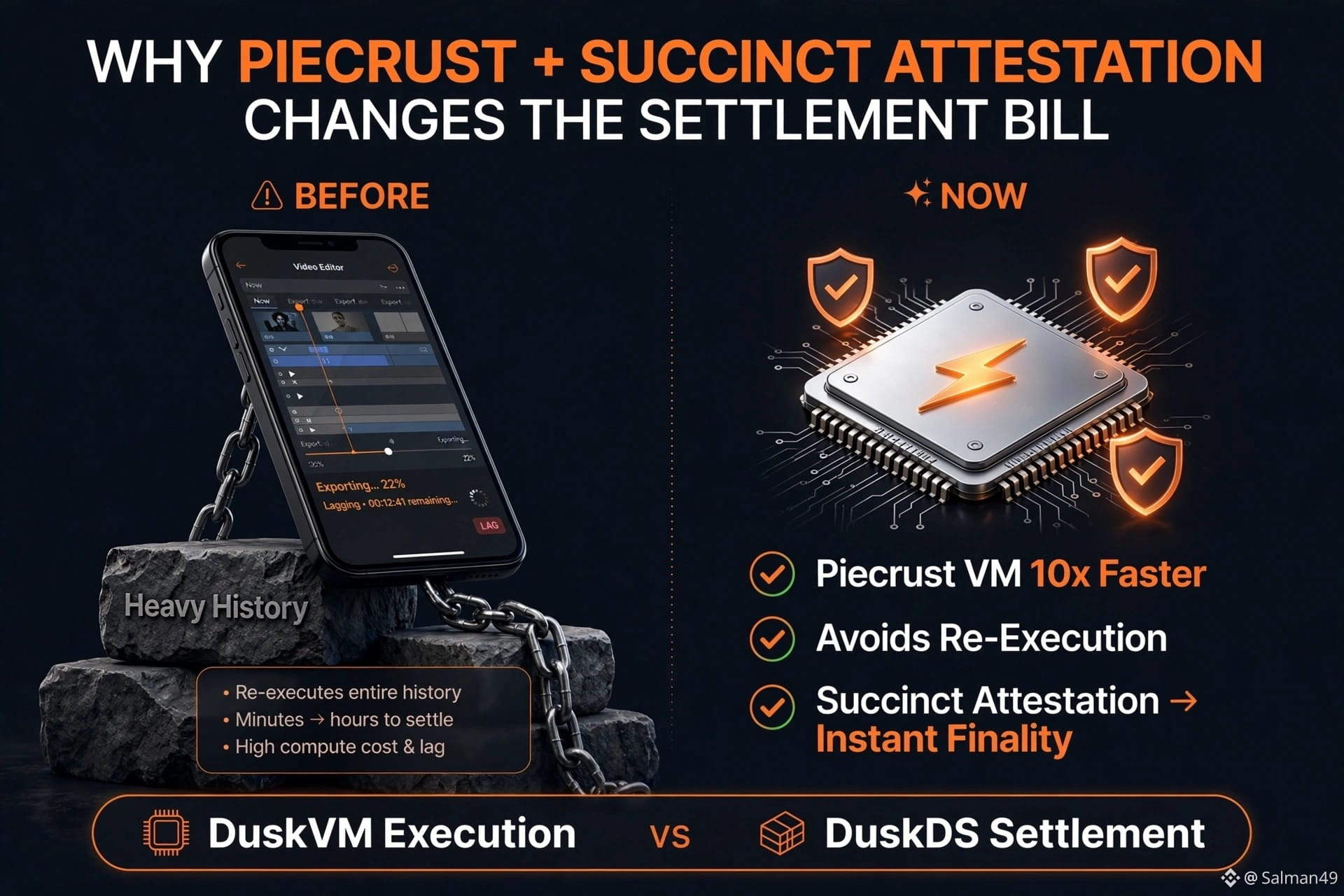
ကျွန်တော့်ဖုန်းအဟောင်းမှာ စိတ်ရှုပ်စရာ ပြဿနာတစ်ခု ရှိခဲ့တယ်။ ဗီဒီယိုတည်းဖြတ်တဲ့ app တစ်ခုက မှတ်တမ်းတွေကို အများကြီး သိမ်းထားပြီး၊ ဗီဒီယိုအသစ် export လုပ်တိုင်း ဖုန်းတစ်ခုလုံးကို နှေးကွေးစေတယ်။ စိတ်အနှောင့်အယှက်ဖြစ်စေတာက export တစ်ခါနှေးတာတင် မဟုတ်ဘူး။ အရင်က လုပ်ပြီးသားအလုပ်အတွက် ထပ်ခါထပ်ခါ ပေးနေရတာပဲ။
Piecrust ကိုလည်း ဒီလိုမြင်နိုင်တယ်။ Dusk ရဲ့အဆိုအရ state ကြီးထွားလာမှုနဲ့ စွမ်းဆောင်ရည်ဆိုင်ရာ ပြဿနာတွေ ကြုံတွေ့ပြီးနောက် RuskVM ကို အစားထိုးခဲ့ရာ၊ Piecrust က အမြန်နှုန်း 10x ကျော် ပိုမြန်စေပြီး ငွေလွှဲမှုတွေကိုလည်း ပိုသက်သာစေတယ်။ ပိုအရေးကြီးတာက consensus ကြောင့် state ပြောင်းလဲတဲ့အခါ မလိုအပ်ဘဲ ပြန်လည်လုပ်ဆောင်ရတာတွေကို ရှောင်ရှားနိုင်အောင် Dusk က ဒီဇိုင်းထုတ်ထားတာပါ။
ငွေရှင်းအပြီးသတ်မှုအတွက် ဒါက အရေးကြီးတယ်။ ဘာကြောင့်လဲဆိုတော့ ဘဏ္ဍာရေးလုပ်ငန်းစဉ်တွေမှာ ပိုင်ဆိုင်မှုတစ်ခု ရွှေ့ပြောင်းတာတစ်ခုအတွက် လုပ်ဆောင်မှုတွေ အများကြီး လိုအပ်နိုင်လို့ပါ။ VM က တူညီတဲ့တွက်ချက်မှုကို ထပ်မလုပ်ဘဲ အရင်လုပ်ဆောင်မှုတွေကို ပြန်သုံးနိုင်ရင် သက်သာမှုက “blockchain က ပိုမြန်လာတယ်” ဆိုတာတင် မဟုတ်ဘူး။ အခြေခံအဆောက်အအုံပိုင်းမှာ ကုန်ကျရတဲ့အလုပ်တွေကို လျှော့ချနိုင်တာပါ။
အခု Succinct Attestation ကိုလည်း အဲဒီအကြောင်းနဲ့ တွဲကြည့်ပါ။ SA က block တွေကို အတည်ပြုပြီး အတည်ပြုလက်ခံဖို့ ကော်မတီတွေကို အသုံးပြုတယ်။ Dusk ကတော့ အတည်ပြုလက်ခံပြီးနောက် block တစ်ခုကို အဆုံးသတ်ဖြစ်ကြောင်း အတိအကျ သေချာစေတယ်။
ဒီတော့ ဒီယန္တရားနှစ်ခုက ငွေရှင်းအပြီးသတ်လုပ်ငန်းစဉ်ရဲ့ မတူညီတဲ့ အပိုင်းတွေကို ဖြေရှင်းပေးတယ်။ Piecrust က လုပ်ဆောင်ရတဲ့အလုပ်ကို လျှော့ချပေးတယ်။ SA က သေချာမှုရဖို့ စောင့်ဆိုင်းရတဲ့အချိန်ကို လျှော့ချပေးတယ်။
ဒီကွာခြားချက်က အရေးကြီးတယ်။ ငွေရှင်းအပြီးသတ်စရိတ်ဆိုတာ ငွေလွှဲခတွေတင် မဟုတ်လို့ပါ။ ပိုင်ဆိုင်ခွင့်ကို စီမံဆောင်ရွက်နေချိန်နဲ့ ရလဒ် အပြီးသတ်ဖြစ်လာဖို့ လူတိုင်း စောင့်နေချိန်မှာ နောက်ကွယ်ကနေ လည်ပတ်နေရတဲ့ အခြေခံအဆောက်အအုံစရိတ်လည်း ရှိတယ်။
ကျွန်တော် ပိုစိတ်ဝင်စားမိတဲ့အချက်က ဒီမှာပါ။ Dusk ဟာ ဗိသုကာဒီဇိုင်းအဆင့်မှာ လုပ်ဆောင်မှုနဲ့ ငွေရှင်းအပြီးသတ်မှုကို ခွဲထားတယ်။ DuskVM က smart contract တွေကို လုပ်ဆောင်ပေးပြီး DuskDS က consensus၊ အပြီးသတ်အတည်ပြုမှုနဲ့ ဒေတာရရှိနိုင်မှုကို ကိုင်တွယ်တယ်။
ဒီအလွှာတွေက တွက်ချက်မှုနဲ့ ငွေရှင်းအပြီးသတ်မှုအပေါ် မသေချာမှုတွေကို သီးခြားစီ ဆက်လက်လျှော့ချနိုင်ရင်၊ စည်းမျဉ်းစည်းကမ်းများနဲ့ ထိန်းချုပ်ထားတဲ့ ပိုင်ဆိုင်မှုတွေကို ရွှေ့ပြောင်းရတဲ့ စီးပွားရေးသဘောတရားက “blockchain အသုံးပြုခ ပေးရတာ” နဲ့ သိပ်မတူတော့ဘဲ၊ အစကတည်းက ငွေရှင်းအပြီးသတ်မှုကို ဈေးကြီးစေခဲ့တဲ့ စက်ယန္တရားအစိတ်အပိုင်းတွေကို ဖယ်ရှားပစ်တာနဲ့ ပိုတူလာတယ်။
@Dusk_Foundation $DUSK #dusk
PIECRUST + SUCCINCT ATTESTATION က ငွေရှင်းအပြီးသတ်စရိတ်ကို ဘာကြောင့် ပြောင်းလဲစေတာလဲ
ကျွန်တော့်ဖုန်းအဟောင်းမှာ စိတ်ရှုပ်စရာ ပြဿနာတစ်ခု ရှိခဲ့တယ်။ ဗီဒီယိုတည်းဖြတ်တဲ့ app တစ်ခုက မှတ်တမ်းတွေကို အများကြီး သိမ်းထားပြီး၊ ဗီဒီယိုအသစ် export လုပ်တိုင်း ဖုန်းတစ်ခုလုံးကို နှေးကွေးစေတယ်။ စိတ်အနှောင့်အယှက်ဖြစ်စေတာက export တစ်ခါနှေးတာတင် မဟုတ်ဘူး။ အရင်က လုပ်ပြီးသားအလုပ်အတွက် ထပ်ခါထပ်ခါ ပေးနေရတာပဲ။
Piecrust ကိုလည်း ဒီလိုမြင်နိုင်တယ်။ Dusk ရဲ့အဆိုအရ state ကြီးထွားလာမှုနဲ့ စွမ်းဆောင်ရည်ဆိုင်ရာ ပြဿနာတွေ ကြုံတွေ့ပြီးနောက် RuskVM ကို အစားထိုးခဲ့ရာ၊ Piecrust က အမြန်နှုန်း 10x ကျော် ပိုမြန်စေပြီး ငွေလွှဲမှုတွေကိုလည်း ပိုသက်သာစေတယ်။ ပိုအရေးကြီးတာက consensus ကြောင့် state ပြောင်းလဲတဲ့အခါ မလိုအပ်ဘဲ ပြန်လည်လုပ်ဆောင်ရတာတွေကို ရှောင်ရှားနိုင်အောင် Dusk က ဒီဇိုင်းထုတ်ထားတာပါ။
ငွေရှင်းအပြီးသတ်မှုအတွက် ဒါက အရေးကြီးတယ်။ ဘာကြောင့်လဲဆိုတော့ ဘဏ္ဍာရေးလုပ်ငန်းစဉ်တွေမှာ ပိုင်ဆိုင်မှုတစ်ခု ရွှေ့ပြောင်းတာတစ်ခုအတွက် လုပ်ဆောင်မှုတွေ အများကြီး လိုအပ်နိုင်လို့ပါ။ VM က တူညီတဲ့တွက်ချက်မှုကို ထပ်မလုပ်ဘဲ အရင်လုပ်ဆောင်မှုတွေကို ပြန်သုံးနိုင်ရင် သက်သာမှုက “blockchain က ပိုမြန်လာတယ်” ဆိုတာတင် မဟုတ်ဘူး။ အခြေခံအဆောက်အအုံပိုင်းမှာ ကုန်ကျရတဲ့အလုပ်တွေကို လျှော့ချနိုင်တာပါ။
အခု Succinct Attestation ကိုလည်း အဲဒီအကြောင်းနဲ့ တွဲကြည့်ပါ။ SA က block တွေကို အတည်ပြုပြီး အတည်ပြုလက်ခံဖို့ ကော်မတီတွေကို အသုံးပြုတယ်။ Dusk ကတော့ အတည်ပြုလက်ခံပြီးနောက် block တစ်ခုကို အဆုံးသတ်ဖြစ်ကြောင်း အတိအကျ သေချာစေတယ်။
ဒီတော့ ဒီယန္တရားနှစ်ခုက ငွေရှင်းအပြီးသတ်လုပ်ငန်းစဉ်ရဲ့ မတူညီတဲ့ အပိုင်းတွေကို ဖြေရှင်းပေးတယ်။ Piecrust က လုပ်ဆောင်ရတဲ့အလုပ်ကို လျှော့ချပေးတယ်။ SA က သေချာမှုရဖို့ စောင့်ဆိုင်းရတဲ့အချိန်ကို လျှော့ချပေးတယ်။
ဒီကွာခြားချက်က အရေးကြီးတယ်။ ငွေရှင်းအပြီးသတ်စရိတ်ဆိုတာ ငွေလွှဲခတွေတင် မဟုတ်လို့ပါ။ ပိုင်ဆိုင်ခွင့်ကို စီမံဆောင်ရွက်နေချိန်နဲ့ ရလဒ် အပြီးသတ်ဖြစ်လာဖို့ လူတိုင်း စောင့်နေချိန်မှာ နောက်ကွယ်ကနေ လည်ပတ်နေရတဲ့ အခြေခံအဆောက်အအုံစရိတ်လည်း ရှိတယ်။
ကျွန်တော် ပိုစိတ်ဝင်စားမိတဲ့အချက်က ဒီမှာပါ။ Dusk ဟာ ဗိသုကာဒီဇိုင်းအဆင့်မှာ လုပ်ဆောင်မှုနဲ့ ငွေရှင်းအပြီးသတ်မှုကို ခွဲထားတယ်။ DuskVM က smart contract တွေကို လုပ်ဆောင်ပေးပြီး DuskDS က consensus၊ အပြီးသတ်အတည်ပြုမှုနဲ့ ဒေတာရရှိနိုင်မှုကို ကိုင်တွယ်တယ်။
ဒီအလွှာတွေက တွက်ချက်မှုနဲ့ ငွေရှင်းအပြီးသတ်မှုအပေါ် မသေချာမှုတွေကို သီးခြားစီ ဆက်လက်လျှော့ချနိုင်ရင်၊ စည်းမျဉ်းစည်းကမ်းများနဲ့ ထိန်းချုပ်ထားတဲ့ ပိုင်ဆိုင်မှုတွေကို ရွှေ့ပြောင်းရတဲ့ စီးပွားရေးသဘောတရားက “blockchain အသုံးပြုခ ပေးရတာ” နဲ့ သိပ်မတူတော့ဘဲ၊ အစကတည်းက ငွေရှင်းအပြီးသတ်မှုကို ဈေးကြီးစေခဲ့တဲ့ စက်ယန္တရားအစိတ်အပိုင်းတွေကို ဖယ်ရှားပစ်တာနဲ့ ပိုတူလာတယ်။
@Dusk $DUSK #dusk
17
11
399
·
--
စိစစ်အတည်ပြုထားသည်
DUSK က ဘာကြောင့် node တစ်ခုတည်းကို အလုပ်အားလုံး မလုပ်ခိုင်းတာလဲ
လွန်ခဲ့တဲ့ နှစ်ပတ်လောက်က VPS တစ်ခုမှာ ကုန်ကျစရိတ်လျှော့ဖို့ ကြိုးစားနေခဲ့တယ်။ ကိုယ့်ရဲ့ အဓိက app၊ database backup တွေနဲ့ အရင်းအမြစ်အများကြီးစားတဲ့ image-processing အလုပ်ကို server အသေးလေးတစ်ခုတည်းပေါ်မှာ တင်လိုက်တယ်။ ထိရောက်မယ်လို့ ထင်ခဲ့တာပေါ့။ တကယ်တော့ မဟုတ်ဘူး။ Image-processing အလုပ် စတာနဲ့ အဓိက app ဆီကို request တွေ ရောက်မလာတော့ဘူး။
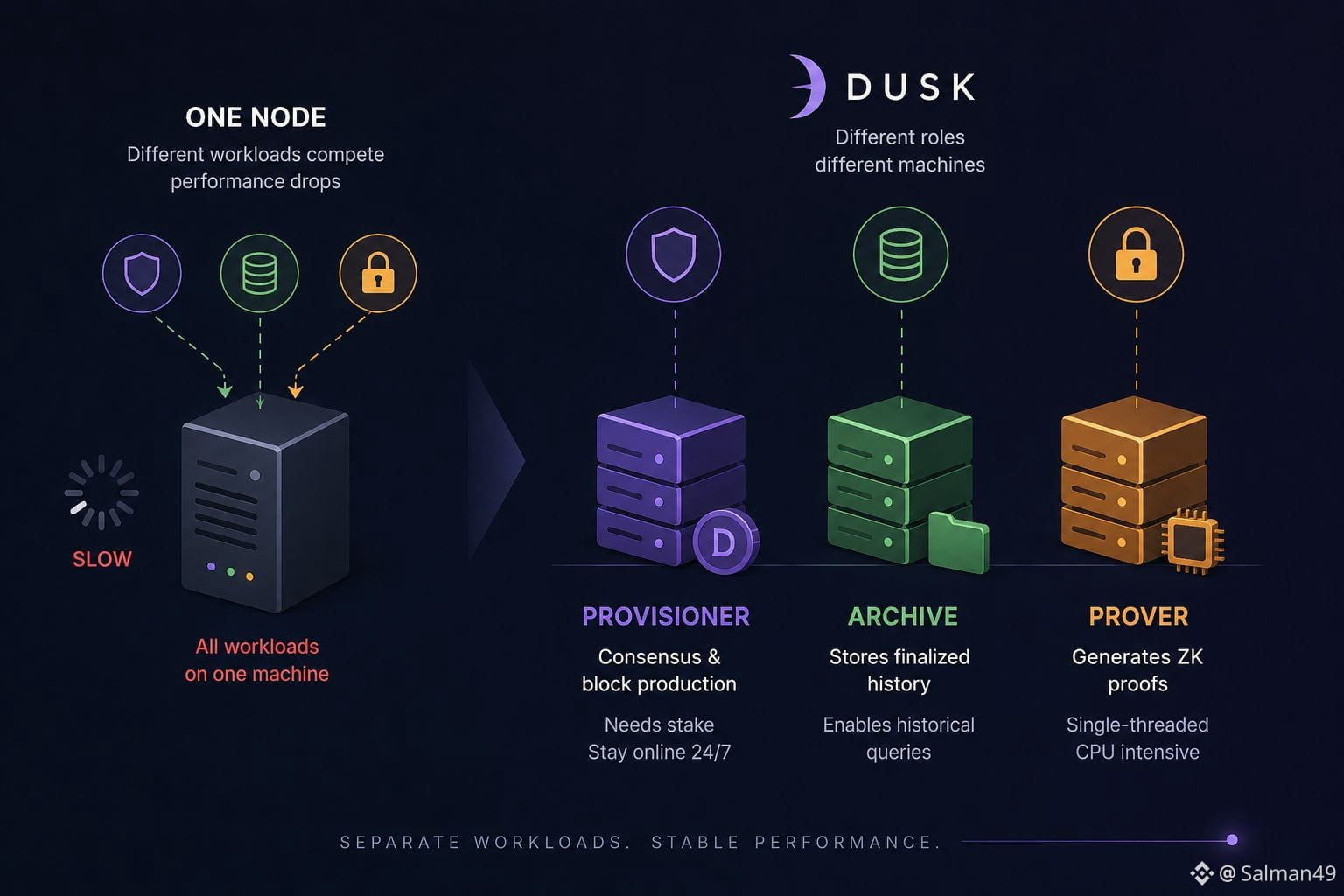
Dusk ရဲ့ node setup ကို ဖတ်တဲ့အခါ အဲဒီ VPS ပြဿနာလေးကို ပြန်သတိရမိတယ်။ Dusk က အလုပ်တွေကို Provisioner၊ Archive နဲ့ Prover ဆိုတဲ့ role တွေအကြား ခွဲထားတယ်။ အဲဒါတွေက စက်တစ်လုံးတည်းက အလုပ်အားလုံးလုပ်တာကို နာမည်ဆန်းဆန်း သုံးမျိုးပေးထားတာ မဟုတ်ဘူး။
Provisioner က consensus ကို အဓိကထားလုပ်ဆောင်ပြီး အနည်းဆုံး DUSK 1,000 ကို stake လုပ်ထားဖို့ လိုတယ်။ Archive Node က “moonlightHistory” နဲ့ “finalizedEvents” လိုမျိုးအတွက် အတည်ပြုပြီးသား မှတ်တမ်းတွေကို ထိန်းသိမ်းထားတယ်။ Prover ကတော့ အရင်းအမြစ်ပိုလိုတဲ့ Zero-Knowledge proof တွေ ထုတ်လုပ်တဲ့အလုပ်ကို ကိုင်တွယ်တယ်။
Prover အကြောင်းရောက်လာတော့ hardware ပြဿနာကလည်း နောက်တစ်မျိုး ပြောင်းသွားပြန်တယ်။ Dusk အဆိုအရ proof ထုတ်လုပ်မှုက single-threaded ဖြစ်တဲ့အတွက် single-core စွမ်းဆောင်ရည်ကောင်းဖို့ အရေးကြီးတယ်။ Archive အခြေခံအဆောက်အအုံအတွက်တော့ လိုအပ်ချက်က တခြားစီဖြစ်တယ်—core 4 ခု၊ RAM 8 GB၊ storage 500 GB နဲ့ network 100 Mbps။
ပြီးတော့ ဒီအပိုင်းက ရင်းနှီးနေသလို ခံစားရတယ်။ Query traffic နဲ့ maintenance အလုပ်တွေက consensus အလုပ်ကို အနှောင့်အယှက်ဖြစ်စေနိုင်တာကြောင့် production API အခြေခံအဆောက်အအုံကို Provisioner တာဝန်တွေနဲ့ သီးခြားခွဲထားဖို့ Dusk က အကြံပြုတယ်။ အဲဒီ VPS မှာလည်း စိတ်အနှောင့်အယှက်ဖြစ်စရာကောင်းတဲ့ နည်းလမ်းနဲ့ အဲဒီသင်ခန်းစာကို ကျွန်တော် ရခဲ့ဖူးတယ်။
အခုတော့ ဒီ role သုံးခုကို အမြင်တစ်မျိုးနဲ့ ကြည့်မိလာတယ်။ Consensus၊ သမိုင်းဆိုင်ရာ query တွေနဲ့ ZK proving အားလုံးက အရင်းအမြစ်တစ်ခုတည်းအတွက် စတင်ယှဉ်ပြိုင်လာရင် စက်တစ်လုံးတည်းက အလုပ်အားလုံးလုပ်တာဟာ တကယ်ပဲ ပိုရိုးရှင်းတဲ့ ရွေးချယ်မှု မဟုတ်လောက်ဘူး။
@Dusk_Foundation #dusk $DUSK
DUSK က ဘာကြောင့် node တစ်ခုတည်းကို အလုပ်အားလုံး မလုပ်ခိုင်းတာလဲ
လွန်ခဲ့တဲ့ နှစ်ပတ်လောက်က VPS တစ်ခုမှာ ကုန်ကျစရိတ်လျှော့ဖို့ ကြိုးစားနေခဲ့တယ်။ ကိုယ့်ရဲ့ အဓိက app၊ database backup တွေနဲ့ အရင်းအမြစ်အများကြီးစားတဲ့ image-processing အလုပ်ကို server အသေးလေးတစ်ခုတည်းပေါ်မှာ တင်လိုက်တယ်။ ထိရောက်မယ်လို့ ထင်ခဲ့တာပေါ့။ တကယ်တော့ မဟုတ်ဘူး။ Image-processing အလုပ် စတာနဲ့ အဓိက app ဆီကို request တွေ ရောက်မလာတော့ဘူး။
Dusk ရဲ့ node setup ကို ဖတ်တဲ့အခါ အဲဒီ VPS ပြဿနာလေးကို ပြန်သတိရမိတယ်။ Dusk က အလုပ်တွေကို Provisioner၊ Archive နဲ့ Prover ဆိုတဲ့ role တွေအကြား ခွဲထားတယ်။ အဲဒါတွေက စက်တစ်လုံးတည်းက အလုပ်အားလုံးလုပ်တာကို နာမည်ဆန်းဆန်း သုံးမျိုးပေးထားတာ မဟုတ်ဘူး။
Provisioner က consensus ကို အဓိကထားလုပ်ဆောင်ပြီး အနည်းဆုံး DUSK 1,000 ကို stake လုပ်ထားဖို့ လိုတယ်။ Archive Node က “moonlightHistory” နဲ့ “finalizedEvents” လိုမျိုးအတွက် အတည်ပြုပြီးသား မှတ်တမ်းတွေကို ထိန်းသိမ်းထားတယ်။ Prover ကတော့ အရင်းအမြစ်ပိုလိုတဲ့ Zero-Knowledge proof တွေ ထုတ်လုပ်တဲ့အလုပ်ကို ကိုင်တွယ်တယ်။
Prover အကြောင်းရောက်လာတော့ hardware ပြဿနာကလည်း နောက်တစ်မျိုး ပြောင်းသွားပြန်တယ်။ Dusk အဆိုအရ proof ထုတ်လုပ်မှုက single-threaded ဖြစ်တဲ့အတွက် single-core စွမ်းဆောင်ရည်ကောင်းဖို့ အရေးကြီးတယ်။ Archive အခြေခံအဆောက်အအုံအတွက်တော့ လိုအပ်ချက်က တခြားစီဖြစ်တယ်—core 4 ခု၊ RAM 8 GB၊ storage 500 GB နဲ့ network 100 Mbps။
ပြီးတော့ ဒီအပိုင်းက ရင်းနှီးနေသလို ခံစားရတယ်။ Query traffic နဲ့ maintenance အလုပ်တွေက consensus အလုပ်ကို အနှောင့်အယှက်ဖြစ်စေနိုင်တာကြောင့် production API အခြေခံအဆောက်အအုံကို Provisioner တာဝန်တွေနဲ့ သီးခြားခွဲထားဖို့ Dusk က အကြံပြုတယ်။ အဲဒီ VPS မှာလည်း စိတ်အနှောင့်အယှက်ဖြစ်စရာကောင်းတဲ့ နည်းလမ်းနဲ့ အဲဒီသင်ခန်းစာကို ကျွန်တော် ရခဲ့ဖူးတယ်။
အခုတော့ ဒီ role သုံးခုကို အမြင်တစ်မျိုးနဲ့ ကြည့်မိလာတယ်။ Consensus၊ သမိုင်းဆိုင်ရာ query တွေနဲ့ ZK proving အားလုံးက အရင်းအမြစ်တစ်ခုတည်းအတွက် စတင်ယှဉ်ပြိုင်လာရင် စက်တစ်လုံးတည်းက အလုပ်အားလုံးလုပ်တာဟာ တကယ်ပဲ ပိုရိုးရှင်းတဲ့ ရွေးချယ်မှု မဟုတ်လောက်ဘူး။
@Dusk #dusk $DUSK
3
4
438
·
--
တက်ရိပ်ရှိသည်
စိစစ်အတည်ပြုထားသည်
DUSK က မီးရှို့ဖယ်ရှားမယ့် ဆုလာဘ်တွေကို စားပွဲပေါ်တင်နေပြီ
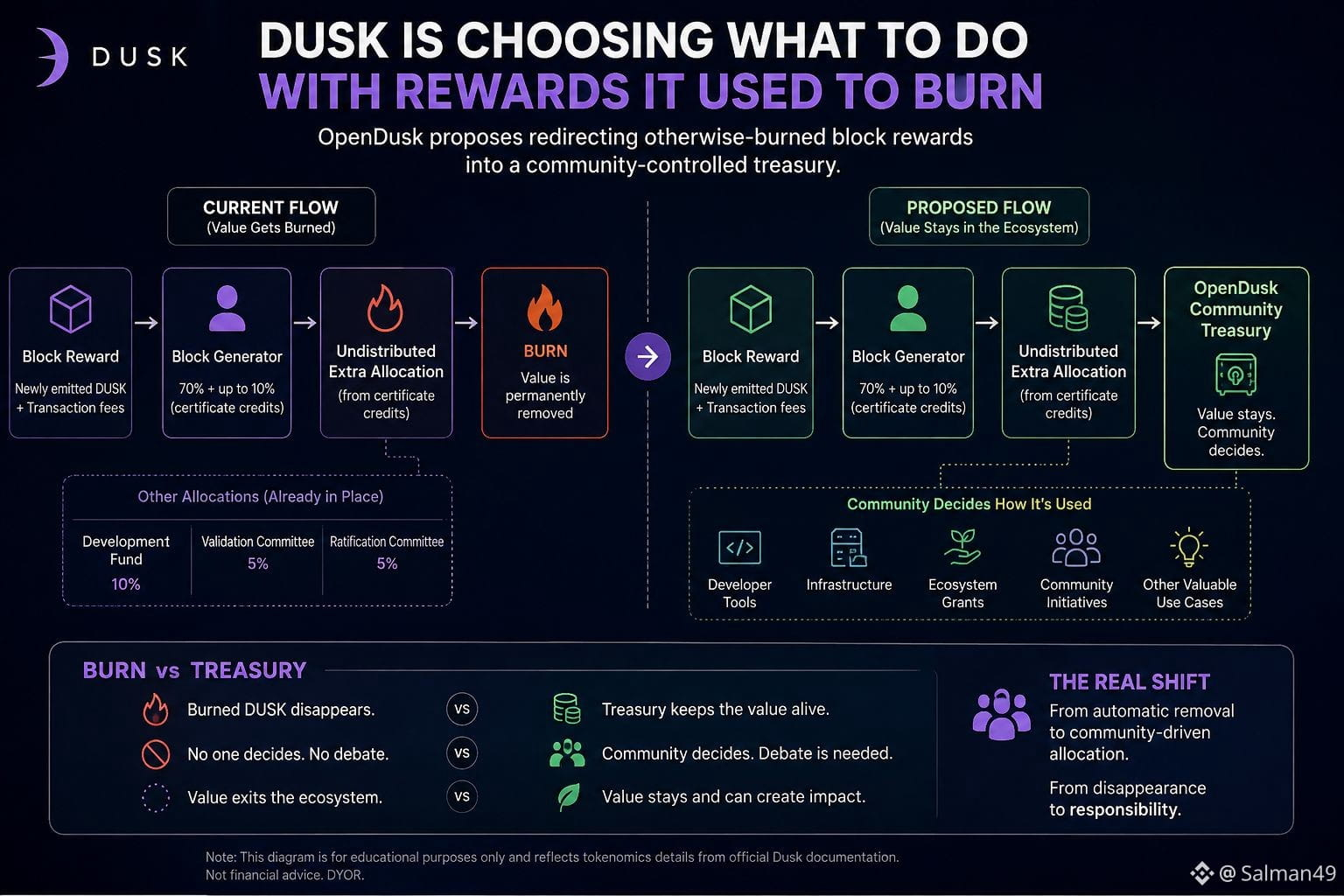
အစပိုင်းမှာ OpenDusk ဘဏ္ဍာတိုက်အကြံက ရိုးရှင်းတယ်လို့ ထင်ရပါတယ်။ ဒါပေမဲ့ ငွေကြေးရင်းမြစ်က တော်တော်လေး တိကျတဲ့နေရာကနေ လာတာပါ—မဟုတ်ရင် မီးရှို့ဖယ်ရှားခံရမယ့် ဆုလာဘ်တွေပါ။ အဲဒါကို စဉ်းစားကြည့်လိုက်တော့ မေးခွန်းက ပြောင်းသွားပါတယ်။ “Dusk မှာ ဘဏ္ဍာတိုက် ရှိသင့်သလား” ဆိုတာတင် မဟုတ်တော့ပါဘူး။ “ပရိုတိုကောက ဖယ်ရှားပစ်နေပြီးသား တန်ဖိုးကို ဘယ်လိုလုပ်သင့်သလဲ” ဆိုတာပါ။
Dusk ရဲ့ ဘလောက်ဆုလာဘ်မှာ အသစ်ထုတ်ပေးတဲ့ DUSK နဲ့ ငွေလွှဲခတွေ ပါဝင်ပါတယ်။ ဘလောက်ထုတ်လုပ်သူဟာ လက်မှတ်ခရက်ဒစ်တွေအပေါ် မူတည်ပြီး အပို ၁၀% အထိလည်း ရရှိနိုင်ပါတယ်။ အဲဒီအပိုခွဲဝေမှုထဲက မဖြန့်ဝေဘဲ ကျန်နေတဲ့ပမာဏကို မီးရှို့ဖယ်ရှားပါတယ်။ ဖွံ့ဖြိုးရေးရန်ပုံငွေကတော့ သူ့ရဲ့ ၁၀% ခွဲဝေမှုကို ရရှိပြီးသားပါ။
ဒါကြောင့် ဘဏ္ဍာတိုက်အကြံက ကျွန်တော့်အတွက် အရင်နဲ့မတူဘဲ ခံစားရပါတယ်။ မီးရှို့လိုက်တဲ့ ဆုလာဘ်တွေက ပျောက်ကွယ်သွားပြီး အဲဒီဆုံးဖြတ်ချက်နဲ့တင် ပြီးသွားပါတယ်။ အဲဒီတန်ဖိုးကို ဆက်ထိန်းထားလိုက်တာနဲ့ တစ်ယောက်ယောက်က ဘာလုပ်မလဲဆိုတာ ဆုံးဖြတ်ရတော့မှာပါ။ အဲဒီဆုံးဖြတ်ချက်အတွက်လည်း အကြောင်းပြချက် ရှိဖို့လိုပါတယ်။
ဆော့ဖ်ဝဲရေးသူတွေအတွက် ကိရိယာတွေ? အခြေခံအဆောက်အအုံ? ထောက်ပံ့ကြေးတွေ? ကောင်းပါတယ်။ ဒါပေမဲ့ ခြောက်လကြာပြီးတဲ့အခါမှာတော့ အဲဒီငွေတွေက တကယ်အသုံးဝင်တဲ့ အကျိုးရလဒ် တစ်ခုခု ပေးခဲ့သလားဆိုတာ တစ်ယောက်ယောက်က မေးရဦးမှာပါ။
Dusk မှာ မှတ်တိုင်အလိုက် ဘတ်ဂျက်သတ်မှတ်မှု၊ ပြုပြင်ထိန်းသိမ်းရေးအစီအစဉ်တွေနဲ့ ငွေလွှဲမှုပမာဏ၊ ဆော့ဖ်ဝဲရေးသူတွေရဲ့ လှုပ်ရှားမှု၊ ဂေဟစနစ်တိုးတက်မှုလို တိုင်းတာနိုင်တဲ့ ရည်မှန်းချက်တွေ ပါဝင်တဲ့ Grants Program ရှိပြီးသားပါ။ အဲဒါကြောင့် လူမှုအသိုင်းအဝိုင်းရဲ့ ဘဏ္ဍာတိုက်ကို ပိုလက်တွေ့ကျတဲ့ ရှုထောင့်ကနေ ကြည့်နိုင်ပါတယ်။ စိတ်ဝင်စားစရာက ငွေရှိနေတာ မဟုတ်ပါဘူး။ သီးခြားအသုံးပြုမှုတစ်ခုက အဲဒီငွေကို ဘာကြောင့်ရသင့်သလဲဆိုတာ ရှင်းပြရတာပါ။
OpenDusk နဲ့ပတ်သက်ပြီး ကျွန်တော် စောင့်ကြည့်ချင်တာကလည်း အဲဒီအချက်ပါပဲ။ ဆုလာဘ်တွေ အလိုအလျောက် ပျောက်ကွယ်မသွားတော့တဲ့အခါ လူမှုအသိုင်းအဝိုင်းက ဘယ်အရာတွေကို ဆက်ထိန်းထားမလဲဆိုတာ စတင်ရွေးချယ်ရတော့မှာပါ။
@Dusk_Foundation $DUSK #dusk
$ZEC
{future}(ZECUSDT)
$XRP
{future}(XRPUSDT)
DUSK က မီးရှို့ဖယ်ရှားမယ့် ဆုလာဘ်တွေကို စားပွဲပေါ်တင်နေပြီ
အစပိုင်းမှာ OpenDusk ဘဏ္ဍာတိုက်အကြံက ရိုးရှင်းတယ်လို့ ထင်ရပါတယ်။ ဒါပေမဲ့ ငွေကြေးရင်းမြစ်က တော်တော်လေး တိကျတဲ့နေရာကနေ လာတာပါ—မဟုတ်ရင် မီးရှို့ဖယ်ရှားခံရမယ့် ဆုလာဘ်တွေပါ။ အဲဒါကို စဉ်းစားကြည့်လိုက်တော့ မေးခွန်းက ပြောင်းသွားပါတယ်။ “Dusk မှာ ဘဏ္ဍာတိုက် ရှိသင့်သလား” ဆိုတာတင် မဟုတ်တော့ပါဘူး။ “ပရိုတိုကောက ဖယ်ရှားပစ်နေပြီးသား တန်ဖိုးကို ဘယ်လိုလုပ်သင့်သလဲ” ဆိုတာပါ။
Dusk ရဲ့ ဘလောက်ဆုလာဘ်မှာ အသစ်ထုတ်ပေးတဲ့ DUSK နဲ့ ငွေလွှဲခတွေ ပါဝင်ပါတယ်။ ဘလောက်ထုတ်လုပ်သူဟာ လက်မှတ်ခရက်ဒစ်တွေအပေါ် မူတည်ပြီး အပို ၁၀% အထိလည်း ရရှိနိုင်ပါတယ်။ အဲဒီအပိုခွဲဝေမှုထဲက မဖြန့်ဝေဘဲ ကျန်နေတဲ့ပမာဏကို မီးရှို့ဖယ်ရှားပါတယ်။ ဖွံ့ဖြိုးရေးရန်ပုံငွေကတော့ သူ့ရဲ့ ၁၀% ခွဲဝေမှုကို ရရှိပြီးသားပါ။
ဒါကြောင့် ဘဏ္ဍာတိုက်အကြံက ကျွန်တော့်အတွက် အရင်နဲ့မတူဘဲ ခံစားရပါတယ်။ မီးရှို့လိုက်တဲ့ ဆုလာဘ်တွေက ပျောက်ကွယ်သွားပြီး အဲဒီဆုံးဖြတ်ချက်နဲ့တင် ပြီးသွားပါတယ်။ အဲဒီတန်ဖိုးကို ဆက်ထိန်းထားလိုက်တာနဲ့ တစ်ယောက်ယောက်က ဘာလုပ်မလဲဆိုတာ ဆုံးဖြတ်ရတော့မှာပါ။ အဲဒီဆုံးဖြတ်ချက်အတွက်လည်း အကြောင်းပြချက် ရှိဖို့လိုပါတယ်။
ဆော့ဖ်ဝဲရေးသူတွေအတွက် ကိရိယာတွေ? အခြေခံအဆောက်အအုံ? ထောက်ပံ့ကြေးတွေ? ကောင်းပါတယ်။ ဒါပေမဲ့ ခြောက်လကြာပြီးတဲ့အခါမှာတော့ အဲဒီငွေတွေက တကယ်အသုံးဝင်တဲ့ အကျိုးရလဒ် တစ်ခုခု ပေးခဲ့သလားဆိုတာ တစ်ယောက်ယောက်က မေးရဦးမှာပါ။
Dusk မှာ မှတ်တိုင်အလိုက် ဘတ်ဂျက်သတ်မှတ်မှု၊ ပြုပြင်ထိန်းသိမ်းရေးအစီအစဉ်တွေနဲ့ ငွေလွှဲမှုပမာဏ၊ ဆော့ဖ်ဝဲရေးသူတွေရဲ့ လှုပ်ရှားမှု၊ ဂေဟစနစ်တိုးတက်မှုလို တိုင်းတာနိုင်တဲ့ ရည်မှန်းချက်တွေ ပါဝင်တဲ့ Grants Program ရှိပြီးသားပါ။ အဲဒါကြောင့် လူမှုအသိုင်းအဝိုင်းရဲ့ ဘဏ္ဍာတိုက်ကို ပိုလက်တွေ့ကျတဲ့ ရှုထောင့်ကနေ ကြည့်နိုင်ပါတယ်။ စိတ်ဝင်စားစရာက ငွေရှိနေတာ မဟုတ်ပါဘူး။ သီးခြားအသုံးပြုမှုတစ်ခုက အဲဒီငွေကို ဘာကြောင့်ရသင့်သလဲဆိုတာ ရှင်းပြရတာပါ။
OpenDusk နဲ့ပတ်သက်ပြီး ကျွန်တော် စောင့်ကြည့်ချင်တာကလည်း အဲဒီအချက်ပါပဲ။ ဆုလာဘ်တွေ အလိုအလျောက် ပျောက်ကွယ်မသွားတော့တဲ့အခါ လူမှုအသိုင်းအဝိုင်းက ဘယ်အရာတွေကို ဆက်ထိန်းထားမလဲဆိုတာ စတင်ရွေးချယ်ရတော့မှာပါ။
@Dusk $DUSK #dusk
$ZEC
$XRP
3
4
457
Log in to explore more content
Join global crypto users on Binance Square
⚡️ Get latest and useful information about crypto.
💬 Trusted by the world’s largest crypto exchange.
👍 Discover real insights from verified creators.
အီးမေးလ် / ဖုန်းနံပါတ်
ရေပန်းစားနေသော ခေါင်းစဉ်များ
CanMarketsReboundAfterThanksgiving?
ကြည့်ရှုမှု 5,584 ကြိမ်
143 ဦး ဆွေးနွေးနေသည်
အမေရိကန်စျေးကွက်များ ကျေးဇူးတော်နေ့ပိတ်ရက်သို့ ဦးတည်နေစဉ် အတိုးနှုန်းမြှင့်မည်ဟူသော မျှော်မှန်းချက်များ ဆက်လက်ရှိနေ
Binance News
·နှစ်သက်မှု 1 ခု
·ကြည့်ရှုမှု 676 ကြိမ်
CouldSpaceX’sOrbitalDataCentersBoostAIChipDemand?
ကြည့်ရှုမှု 4,371 ကြိမ်
101 ဦး ဆွေးနွေးနေသည်
EvolveAtBinanceBlockchainWeek
ကြည့်ရှုမှု 636,690 ကြိမ်
6,509 ဦး ဆွေးနွေးနေသည်