

Titan Hub
3k ပို့စ်များ

Titan Hub
 Square Verified+
တိုင်ကြားမည်
သုံးစွဲသူကို ဘလော့မည်
📊 Trader | Creator - Binance Square | 🕸 Web3 Pioneer | 🎥 Live Streamer | Binance Since - 2020 | X:- @SreenebashKumar
Open Trade

BNB Holder
Frequent Trader
5.4 Years
328 ဖော်လိုလုပ်ထားသည်
37.2K+ ဖော်လိုလုပ်သူများ
11.7K+ လိုက်ခ်လုပ်ထားသည်
ပို့စ်များ
ပိုင်ဆိုင်မှုစာရင်း
အားလုံး
Quotes
ဗီဒီယိုများ
တိုက်ရိုက်ထုတ်လွှင့်ခြင်း
·
--
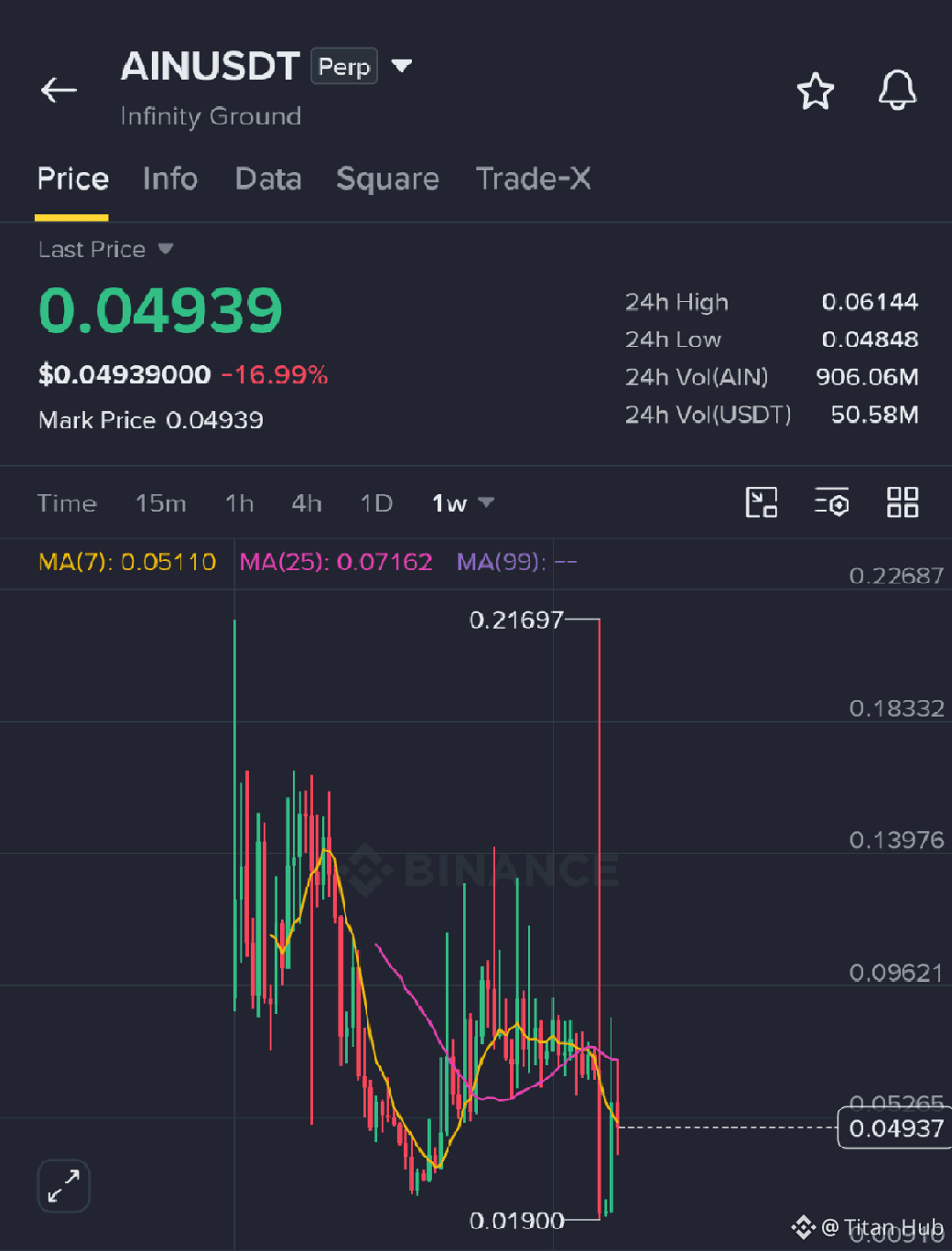
$AIN SHORT — BREAKDOWN SETUP
I’m following the breakdown on $AIN. Heavy selling pressure and the sharp breakdown are keeping the short-term structure bearish.
🎯 Entry: $0.0492 – $0.0500
✅ TP1: $0.0485
✅ TP2: $0.0475
✅ TP3: $0.0465
🛑 SL: $0.0512
I’m keeping the stop-loss tight because this setup could move quickly.
⚠️ Trade with proper risk management.
#FutureTarding #AIN
$AIN SHORT — BREAKDOWN SETUP
I’m following the breakdown on $AIN . Heavy selling pressure and the sharp breakdown are keeping the short-term structure bearish.
🎯 Entry: $0.0492 – $0.0500
✅ TP1: $0.0485
✅ TP2: $0.0475
✅ TP3: $0.0465
🛑 SL: $0.0512
I’m keeping the stop-loss tight because this setup could move quickly.
⚠️ Trade with proper risk management.
#FutureTarding #AIN
I’m following the breakdown on $AIN . Heavy selling pressure and the sharp breakdown are keeping the short-term structure bearish.
🎯 Entry: $0.0492 – $0.0500
✅ TP1: $0.0485
✅ TP2: $0.0475
✅ TP3: $0.0465
🛑 SL: $0.0512
I’m keeping the stop-loss tight because this setup could move quickly.
⚠️ Trade with proper risk management.
#FutureTarding #AIN
112

·
--
$BNB 65.3 USDT ကိုင်ဆောင်ထားမှု
{spot}(BNBUSDT)
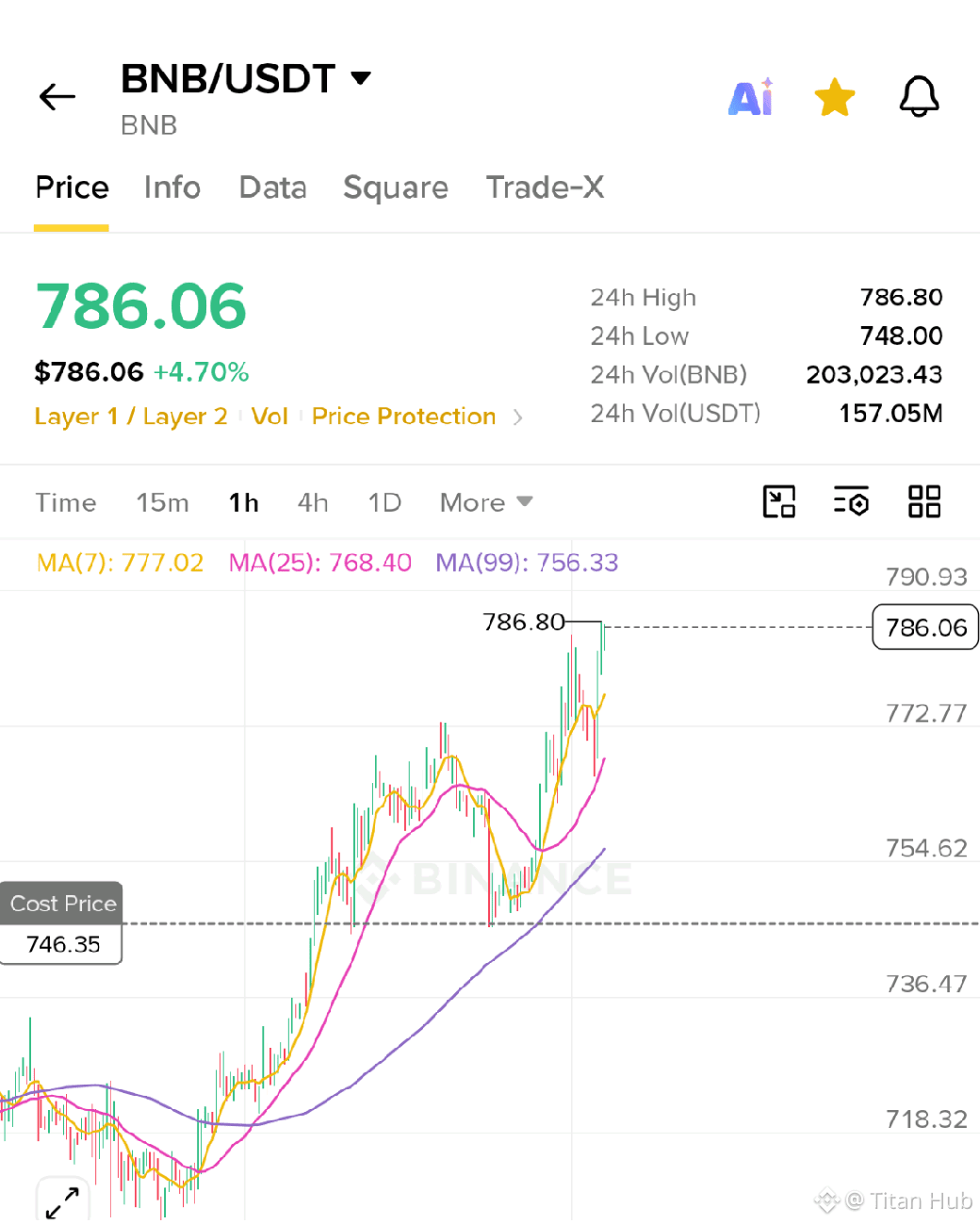
$BNB and $BTC markets 🔥🔥
দে আগুন লাগাইয়া 😄😄
$BNB and $BTC markets 🔥🔥
দে আগুন লাগাইয়া 😄😄
দে আগুন লাগাইয়া 😄😄
1
249
·
--
တက်ရိပ်ရှိသည်
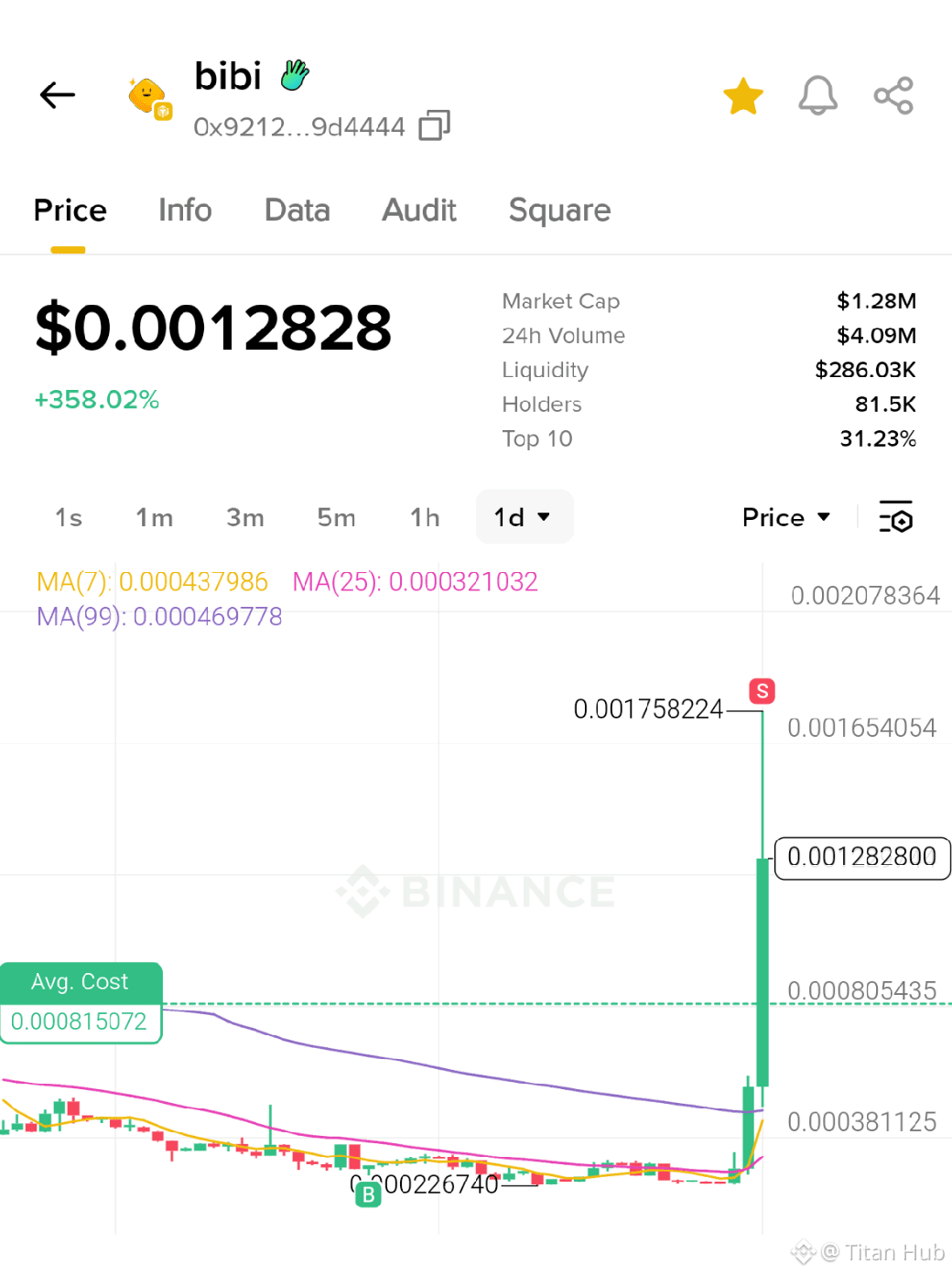
Today $bibi pump almost 600%
So all bibi holders make some noise 😂😂
Today $bibi pump almost 600%
So all bibi holders make some noise 😂😂
So all bibi holders make some noise 😂😂
1
5
327
·
--
Titan Hub
·
--
[ပြီးဆုံးပါပြီ] 🎙️ Good morning friends.
87 listens
2
144
·
--
Hello Friends .
Come back ☺️☺️
Join my Live Every night .
$4 $BTC
{future}(BTCUSDT)
{future}(4USDT)
Hello Friends .
Come back ☺️☺️
Join my Live Every night .
$4 $BTC
Come back ☺️☺️
Join my Live Every night .
$4 $BTC
2
4
56
·
--
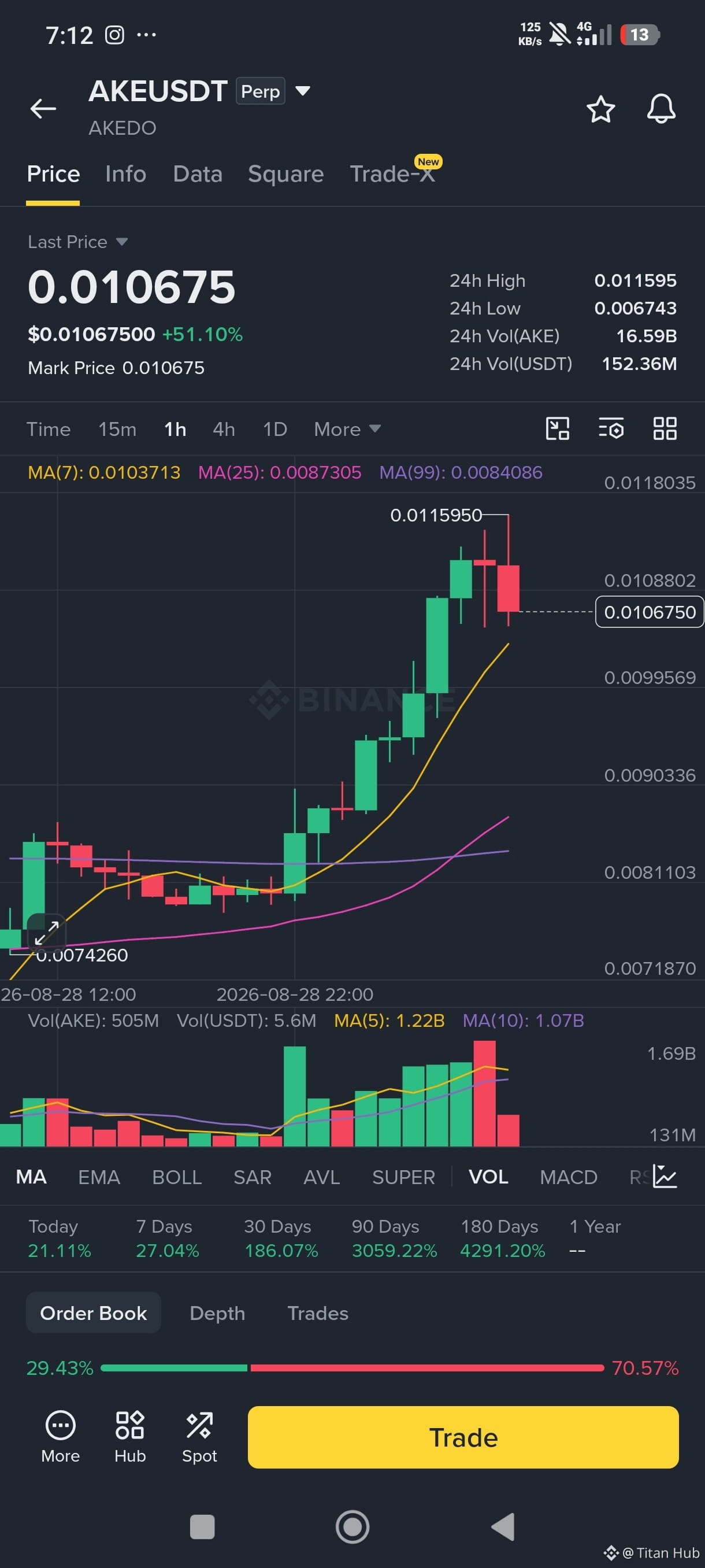
$AKE / USDT Future Update .
Position
🔴 Short
Stop loss : 20%
Profit 100%
Lets go...
#FutureTradingSignals
{future}(AKEUSDT)
$AKE / USDT Future Update .
Position
🔴 Short
Stop loss : 20%
Profit 100%
Lets go...
#FutureTradingSignals
Position
🔴 Short
Stop loss : 20%
Profit 100%
Lets go...
#FutureTradingSignals
251
·
--
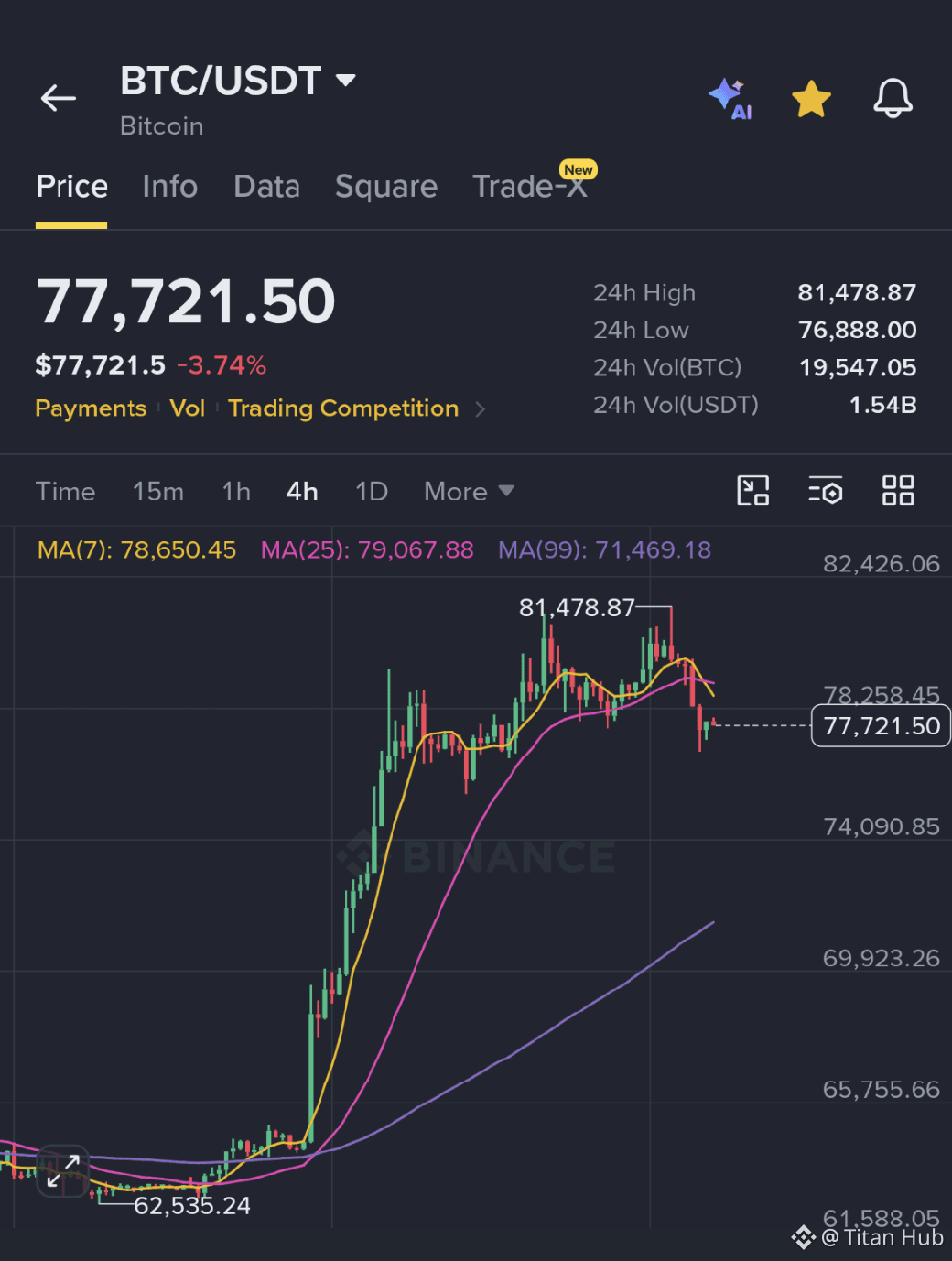
Ready for fake break down 😃😃
$BTC Now moving this way .
{future}(BTCUSDT)
Ready for fake break down 😃😃
$BTC Now moving this way .
$BTC Now moving this way .
3
309
·
--
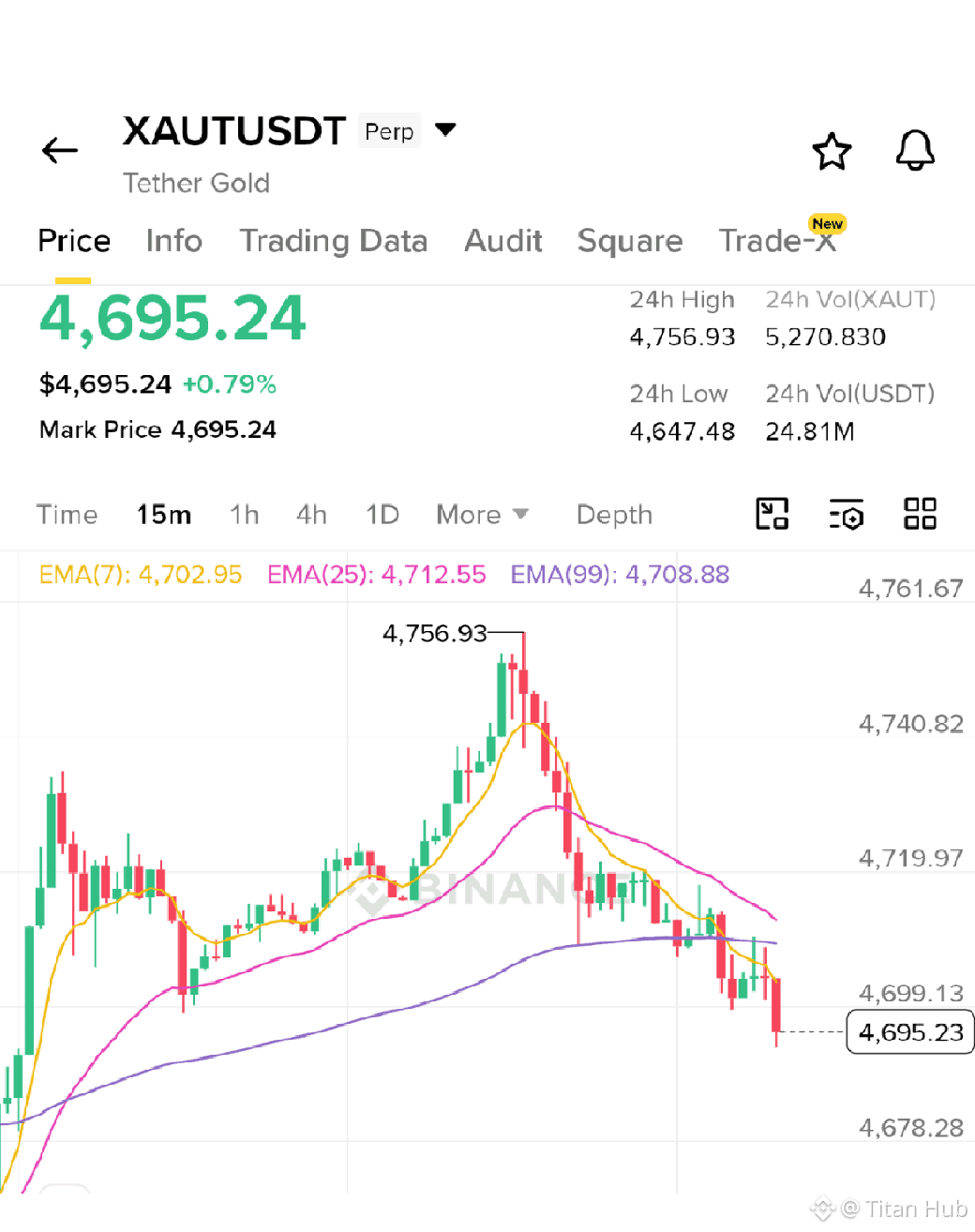
$XAUT Big Dump Soon...
Entry : $4700 to 4690 USD
Expected Zone : 4650 USD..
So, you can try..
{future}(XAUTUSDT)
$XAUT Big Dump Soon...
Entry : $4700 to 4690 USD
Expected Zone : 4650 USD..
So, you can try..
Entry : $4700 to 4690 USD
Expected Zone : 4650 USD..
So, you can try..
2
1
200
·
--
🎙️ Check out my copy trading, and follow it if you like it. Thank you.
ပြီး
04 နာရီ 06 မိနစ် 50 စက္ကန့်
669
4
0
·
--
I kept seeing players grind but not retain meaningful value across sessions.
It feels like renting tools instead of owning the workshop.
@pixels routes in-game actions through persistent assets and shared economy loops.
Design leans on interoperable items and off-session progression, not isolated gameplay.
$PIXEL mainly coordinates fees, staking, and governance across that system.
#pixel
I kept seeing players grind but not retain meaningful value across sessions.
It feels like renting tools instead of owning the workshop.
@Pixels routes in-game actions through persistent assets and shared economy loops.
Design leans on interoperable items and off-session progression, not isolated gameplay.
$PIXEL mainly coordinates fees, staking, and governance across that system.
#pixel
It feels like renting tools instead of owning the workshop.
@Pixels routes in-game actions through persistent assets and shared economy loops.
Design leans on interoperable items and off-session progression, not isolated gameplay.
$PIXEL mainly coordinates fees, staking, and governance across that system.
#pixel
7
8
150
·
--
Article
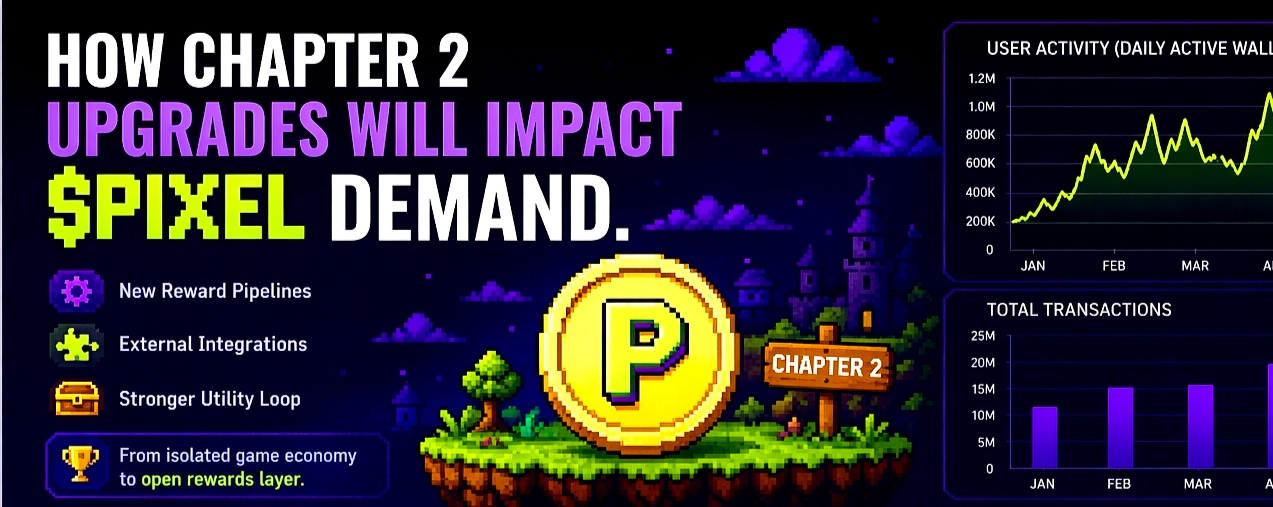
How Chapter 2 upgrades will impact $PIXEL demandI didn’t start looking deeper into this because I was excited. It was frustration, honestly. Watching players spend hours inside onchain games and still feel like temporary users rather than participants started to feel repetitive. Assets existed, tokens moved, but the loop between effort and retained value felt thin.
The underlying issue is simpler than it looks: most Web3 games built economies that only work inside themselves. Time goes in, rewards circulate, but very little escapes that loop in a meaningful way. So even if ownership is technically there, its usefulness feels limited.
It reminds me of a small town marketplace where everyone trades the same goods with each other, but nothing ever leaves the town. Activity exists, but growth stalls because there’s no external pull.
Chapter 2 is trying to push beyond that closed loop. In plain terms, the system starts linking gameplay actions to a broader rewards layer rather than just isolated in-game outcomes. Tasks, crafting, and progression aren’t only about local advancement anymore they can plug into external campaigns and partner incentives.
Two implementation details matter here. First, the introduction of task-based reward pipelines tied to external partners means in-game actions can trigger value flows from outside the core ecosystem. Second, the inventory and asset system is being adjusted to support more flexible utility, so items aren’t just static collectibles but can interact with different reward contexts.
The token sits in the middle of this, but not in an exaggerated way. It’s used for fees within these interactions, for staking in certain reward mechanisms, and for governance over how these systems evolve. It’s less about speculation and more about being a coordination layer between players, developers, and external campaigns.
From a market perspective, the game has already seen millions of wallet interactions and periods of high daily activity, but retention and value depth have been inconsistent. That context matters more than any single metric.
In the short term, this kind of upgrade often behaves like a narrative catalyst. Traders focus on attention cycles, user spikes, and unlock schedules. Demand can appear quickly, but it’s also fragile and reactive.
Longer term, the question is different. If this actually becomes a functional rewards layer across ecosystems, then demand doesn’t just come from players it comes from partners needing distribution and engagement. That’s a slower, less visible build, but structurally more meaningful.
There are real risks. If external integrations remain shallow, the system could fall back into the same closed-loop problem it’s trying to solve. Competing ecosystems are also moving toward similar “engagement-as-a-service” models, which reduces differentiation over time.
A clear failure mode would be if user activity increases but external reward sources don’t scale alongside it. In that case, more participants would simply dilute the same limited pool of value, weakening the entire experience.
There’s also uncertainty around how sustainable these reward flows are. It’s not obvious yet whether partners will consistently fund these loops or treat them as short-term marketing experiments.
So the impact on demand isn’t something that flips overnight. It’s tied to whether this shift from a game economy to a broader coordination layer actually holds under pressure.
For now, it feels less like a finished system and more like an early attempt to connect isolated pieces. Whether that connection strengthens or fades probably won’t be clear quickly. It’s the kind of change that only really shows itself over time.
@pixels #pixel $PIXEL
{spot}(PIXELUSDT)
How Chapter 2 upgrades will impact $PIXEL demand
I didn’t start looking deeper into this because I was excited. It was frustration, honestly. Watching players spend hours inside onchain games and still feel like temporary users rather than participants started to feel repetitive. Assets existed, tokens moved, but the loop between effort and retained value felt thin.
The underlying issue is simpler than it looks: most Web3 games built economies that only work inside themselves. Time goes in, rewards circulate, but very little escapes that loop in a meaningful way. So even if ownership is technically there, its usefulness feels limited.
It reminds me of a small town marketplace where everyone trades the same goods with each other, but nothing ever leaves the town. Activity exists, but growth stalls because there’s no external pull.
Chapter 2 is trying to push beyond that closed loop. In plain terms, the system starts linking gameplay actions to a broader rewards layer rather than just isolated in-game outcomes. Tasks, crafting, and progression aren’t only about local advancement anymore they can plug into external campaigns and partner incentives.
Two implementation details matter here. First, the introduction of task-based reward pipelines tied to external partners means in-game actions can trigger value flows from outside the core ecosystem. Second, the inventory and asset system is being adjusted to support more flexible utility, so items aren’t just static collectibles but can interact with different reward contexts.
The token sits in the middle of this, but not in an exaggerated way. It’s used for fees within these interactions, for staking in certain reward mechanisms, and for governance over how these systems evolve. It’s less about speculation and more about being a coordination layer between players, developers, and external campaigns.
From a market perspective, the game has already seen millions of wallet interactions and periods of high daily activity, but retention and value depth have been inconsistent. That context matters more than any single metric.
In the short term, this kind of upgrade often behaves like a narrative catalyst. Traders focus on attention cycles, user spikes, and unlock schedules. Demand can appear quickly, but it’s also fragile and reactive.
Longer term, the question is different. If this actually becomes a functional rewards layer across ecosystems, then demand doesn’t just come from players it comes from partners needing distribution and engagement. That’s a slower, less visible build, but structurally more meaningful.
There are real risks. If external integrations remain shallow, the system could fall back into the same closed-loop problem it’s trying to solve. Competing ecosystems are also moving toward similar “engagement-as-a-service” models, which reduces differentiation over time.
A clear failure mode would be if user activity increases but external reward sources don’t scale alongside it. In that case, more participants would simply dilute the same limited pool of value, weakening the entire experience.
There’s also uncertainty around how sustainable these reward flows are. It’s not obvious yet whether partners will consistently fund these loops or treat them as short-term marketing experiments.
So the impact on demand isn’t something that flips overnight. It’s tied to whether this shift from a game economy to a broader coordination layer actually holds under pressure.
For now, it feels less like a finished system and more like an early attempt to connect isolated pieces. Whether that connection strengthens or fades probably won’t be clear quickly. It’s the kind of change that only really shows itself over time.
@Pixels #pixel $PIXEL
The underlying issue is simpler than it looks: most Web3 games built economies that only work inside themselves. Time goes in, rewards circulate, but very little escapes that loop in a meaningful way. So even if ownership is technically there, its usefulness feels limited.
It reminds me of a small town marketplace where everyone trades the same goods with each other, but nothing ever leaves the town. Activity exists, but growth stalls because there’s no external pull.
Chapter 2 is trying to push beyond that closed loop. In plain terms, the system starts linking gameplay actions to a broader rewards layer rather than just isolated in-game outcomes. Tasks, crafting, and progression aren’t only about local advancement anymore they can plug into external campaigns and partner incentives.
Two implementation details matter here. First, the introduction of task-based reward pipelines tied to external partners means in-game actions can trigger value flows from outside the core ecosystem. Second, the inventory and asset system is being adjusted to support more flexible utility, so items aren’t just static collectibles but can interact with different reward contexts.
The token sits in the middle of this, but not in an exaggerated way. It’s used for fees within these interactions, for staking in certain reward mechanisms, and for governance over how these systems evolve. It’s less about speculation and more about being a coordination layer between players, developers, and external campaigns.
From a market perspective, the game has already seen millions of wallet interactions and periods of high daily activity, but retention and value depth have been inconsistent. That context matters more than any single metric.
In the short term, this kind of upgrade often behaves like a narrative catalyst. Traders focus on attention cycles, user spikes, and unlock schedules. Demand can appear quickly, but it’s also fragile and reactive.
Longer term, the question is different. If this actually becomes a functional rewards layer across ecosystems, then demand doesn’t just come from players it comes from partners needing distribution and engagement. That’s a slower, less visible build, but structurally more meaningful.
There are real risks. If external integrations remain shallow, the system could fall back into the same closed-loop problem it’s trying to solve. Competing ecosystems are also moving toward similar “engagement-as-a-service” models, which reduces differentiation over time.
A clear failure mode would be if user activity increases but external reward sources don’t scale alongside it. In that case, more participants would simply dilute the same limited pool of value, weakening the entire experience.
There’s also uncertainty around how sustainable these reward flows are. It’s not obvious yet whether partners will consistently fund these loops or treat them as short-term marketing experiments.
So the impact on demand isn’t something that flips overnight. It’s tied to whether this shift from a game economy to a broader coordination layer actually holds under pressure.
For now, it feels less like a finished system and more like an early attempt to connect isolated pieces. Whether that connection strengthens or fades probably won’t be clear quickly. It’s the kind of change that only really shows itself over time.
@Pixels #pixel $PIXEL
6
5
217
·
--
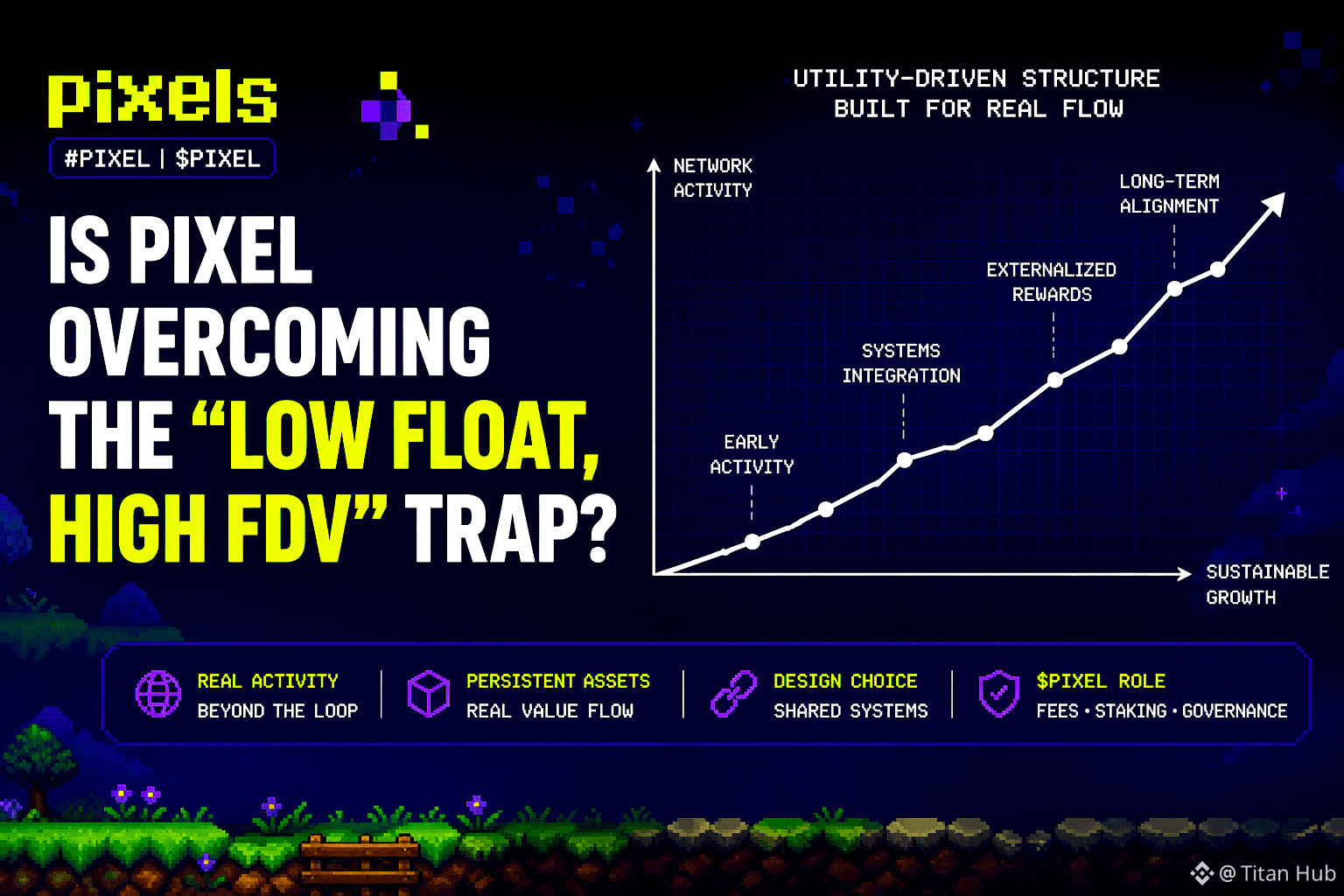
I keep seeing game tokens drift because their usage never escapes the loop, and it gets tiring.
It’s like building a city where every road just circles back inside.
@pixels routes player activity into shared systems, not isolated sinks.
Design leans on externalized rewards and persistent asset flows.
$PIXEL mainly coordinates fees and staking around that flow, not just in-game spending.
#pixel
{spot}(PIXELUSDT)
I keep seeing game tokens drift because their usage never escapes the loop, and it gets tiring.
It’s like building a city where every road just circles back inside.
@Pixels routes player activity into shared systems, not isolated sinks.
Design leans on externalized rewards and persistent asset flows.
$PIXEL mainly coordinates fees and staking around that flow, not just in-game spending.
#pixel
It’s like building a city where every road just circles back inside.
@Pixels routes player activity into shared systems, not isolated sinks.
Design leans on externalized rewards and persistent asset flows.
$PIXEL mainly coordinates fees and staking around that flow, not just in-game spending.
#pixel
20
16
204
·
--
Article
From Grinding to Gating: The Quiet Shift Redefining Value in Web3 GamingI didn’t start looking into this out of excitement. It was more of a slow, persistent irritation. Watching players spend hours in onchain games, only to see that effort fail to translate into anything lasting, began to feel repetitive. Ownership existed in theory, but the connection between time invested and value retained felt weak.
At its core, the issue is straightforward: most Web3 game economies function in isolation. Assets circulate, tokens get distributed, but real demand often relies on a steady flow of new users rather than built-in utility. It’s like a theme park where tickets can be traded, yet lose their purpose the moment you step outside.
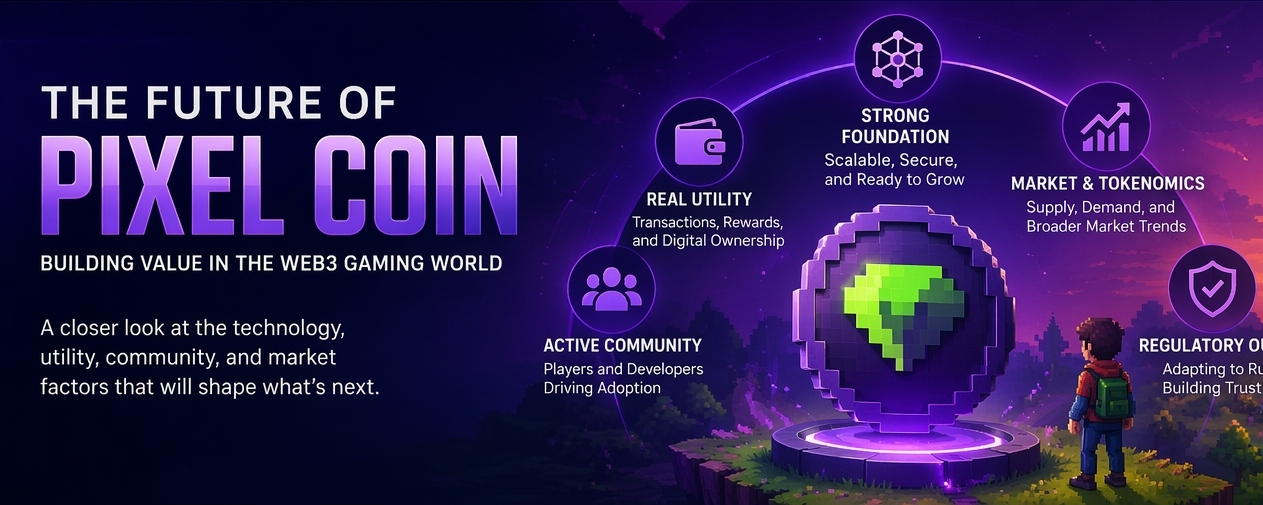
What’s shifting now is more nuanced. Instead of positioning the token purely as a reward, the system is gradually redefining it as a form of access. Certain features premium layers, guild participation, progression paths require holding or spending the token. Not in a speculative sense, but as a kind of permission layer. The interaction changes: you’re not just earning within the game, you’re navigating a structure where the token gates specific experiences.
A better way to think about it is not as arcade points, but as a membership card. The value isn’t just in collecting more, but in what that access unlocks over time.
Under the surface, two implementation choices stand out. First, a dual-loop design separates everyday gameplay from the token layer: soft in-game resources handle routine activity, while the token is tied to access, status, and higher-level mechanics. This helps reduce constant sell pressure from basic play. Second, early integrations with external marketplaces and identity layers suggest that assets and progress aren’t entirely confined, even if true interoperability is still developing.
In this setup, the token’s role becomes more functional than symbolic. It acts as a key sometimes spent on upgrades or fees, sometimes held for entry into guilds or premium tiers, and occasionally staked for longer-term positioning. This doesn’t ensure demand, but it does connect usage to real in-game decisions rather than abstract incentives.
From a market standpoint, peak daily active users have reached into the hundreds of thousands, though retention remains inconsistent. Token velocity is still a concern, particularly during unlock periods when new supply enters faster than demand mechanisms can absorb it.
Short term, it behaves like most gaming tokens sensitive to attention cycles, updates, and broader sentiment. Traders will continue to treat it as an event-driven asset. But infrastructure evolves on a different timeline. If this access-based model holds, long-term value will depend less on hype and more on whether players consistently find reasons to stay engaged.
There are clear risks. Competing ecosystems are experimenting with similar models, and player switching costs remain low. If premium features feel optional rather than essential, demand could weaken. A likely failure scenario is users optimizing around avoiding token usage altogether staying within free loops while liquidity exits through unlocks.
There’s also a deeper uncertainty: whether players truly value onchain ownership enough to justify added complexity, or if simpler, offchain experiences remain more appealing.
For now, it sits somewhere in between. Not fully a closed in-game economy, not yet a mature infrastructure layer. The direction is logical, but execution will take time and adoption rarely follows a straight line. At this stage, it feels less like a finished system and more like an evolving experiment still figuring out its final form.
@pixels #pixel $PIXEL
{spot}(PIXELUSDT)
From Grinding to Gating: The Quiet Shift Redefining Value in Web3 Gaming
I didn’t start looking into this out of excitement. It was more of a slow, persistent irritation. Watching players spend hours in onchain games, only to see that effort fail to translate into anything lasting, began to feel repetitive. Ownership existed in theory, but the connection between time invested and value retained felt weak.
At its core, the issue is straightforward: most Web3 game economies function in isolation. Assets circulate, tokens get distributed, but real demand often relies on a steady flow of new users rather than built-in utility. It’s like a theme park where tickets can be traded, yet lose their purpose the moment you step outside.
What’s shifting now is more nuanced. Instead of positioning the token purely as a reward, the system is gradually redefining it as a form of access. Certain features premium layers, guild participation, progression paths require holding or spending the token. Not in a speculative sense, but as a kind of permission layer. The interaction changes: you’re not just earning within the game, you’re navigating a structure where the token gates specific experiences.
A better way to think about it is not as arcade points, but as a membership card. The value isn’t just in collecting more, but in what that access unlocks over time.
Under the surface, two implementation choices stand out. First, a dual-loop design separates everyday gameplay from the token layer: soft in-game resources handle routine activity, while the token is tied to access, status, and higher-level mechanics. This helps reduce constant sell pressure from basic play. Second, early integrations with external marketplaces and identity layers suggest that assets and progress aren’t entirely confined, even if true interoperability is still developing.
In this setup, the token’s role becomes more functional than symbolic. It acts as a key sometimes spent on upgrades or fees, sometimes held for entry into guilds or premium tiers, and occasionally staked for longer-term positioning. This doesn’t ensure demand, but it does connect usage to real in-game decisions rather than abstract incentives.
From a market standpoint, peak daily active users have reached into the hundreds of thousands, though retention remains inconsistent. Token velocity is still a concern, particularly during unlock periods when new supply enters faster than demand mechanisms can absorb it.
Short term, it behaves like most gaming tokens sensitive to attention cycles, updates, and broader sentiment. Traders will continue to treat it as an event-driven asset. But infrastructure evolves on a different timeline. If this access-based model holds, long-term value will depend less on hype and more on whether players consistently find reasons to stay engaged.
There are clear risks. Competing ecosystems are experimenting with similar models, and player switching costs remain low. If premium features feel optional rather than essential, demand could weaken. A likely failure scenario is users optimizing around avoiding token usage altogether staying within free loops while liquidity exits through unlocks.
There’s also a deeper uncertainty: whether players truly value onchain ownership enough to justify added complexity, or if simpler, offchain experiences remain more appealing.
For now, it sits somewhere in between. Not fully a closed in-game economy, not yet a mature infrastructure layer. The direction is logical, but execution will take time and adoption rarely follows a straight line. At this stage, it feels less like a finished system and more like an evolving experiment still figuring out its final form.
@Pixels #pixel $PIXEL
At its core, the issue is straightforward: most Web3 game economies function in isolation. Assets circulate, tokens get distributed, but real demand often relies on a steady flow of new users rather than built-in utility. It’s like a theme park where tickets can be traded, yet lose their purpose the moment you step outside.
What’s shifting now is more nuanced. Instead of positioning the token purely as a reward, the system is gradually redefining it as a form of access. Certain features premium layers, guild participation, progression paths require holding or spending the token. Not in a speculative sense, but as a kind of permission layer. The interaction changes: you’re not just earning within the game, you’re navigating a structure where the token gates specific experiences.
A better way to think about it is not as arcade points, but as a membership card. The value isn’t just in collecting more, but in what that access unlocks over time.
Under the surface, two implementation choices stand out. First, a dual-loop design separates everyday gameplay from the token layer: soft in-game resources handle routine activity, while the token is tied to access, status, and higher-level mechanics. This helps reduce constant sell pressure from basic play. Second, early integrations with external marketplaces and identity layers suggest that assets and progress aren’t entirely confined, even if true interoperability is still developing.
In this setup, the token’s role becomes more functional than symbolic. It acts as a key sometimes spent on upgrades or fees, sometimes held for entry into guilds or premium tiers, and occasionally staked for longer-term positioning. This doesn’t ensure demand, but it does connect usage to real in-game decisions rather than abstract incentives.
From a market standpoint, peak daily active users have reached into the hundreds of thousands, though retention remains inconsistent. Token velocity is still a concern, particularly during unlock periods when new supply enters faster than demand mechanisms can absorb it.
Short term, it behaves like most gaming tokens sensitive to attention cycles, updates, and broader sentiment. Traders will continue to treat it as an event-driven asset. But infrastructure evolves on a different timeline. If this access-based model holds, long-term value will depend less on hype and more on whether players consistently find reasons to stay engaged.
There are clear risks. Competing ecosystems are experimenting with similar models, and player switching costs remain low. If premium features feel optional rather than essential, demand could weaken. A likely failure scenario is users optimizing around avoiding token usage altogether staying within free loops while liquidity exits through unlocks.
There’s also a deeper uncertainty: whether players truly value onchain ownership enough to justify added complexity, or if simpler, offchain experiences remain more appealing.
For now, it sits somewhere in between. Not fully a closed in-game economy, not yet a mature infrastructure layer. The direction is logical, but execution will take time and adoption rarely follows a straight line. At this stage, it feels less like a finished system and more like an evolving experiment still figuring out its final form.
@Pixels #pixel $PIXEL
19
14
308
·
--
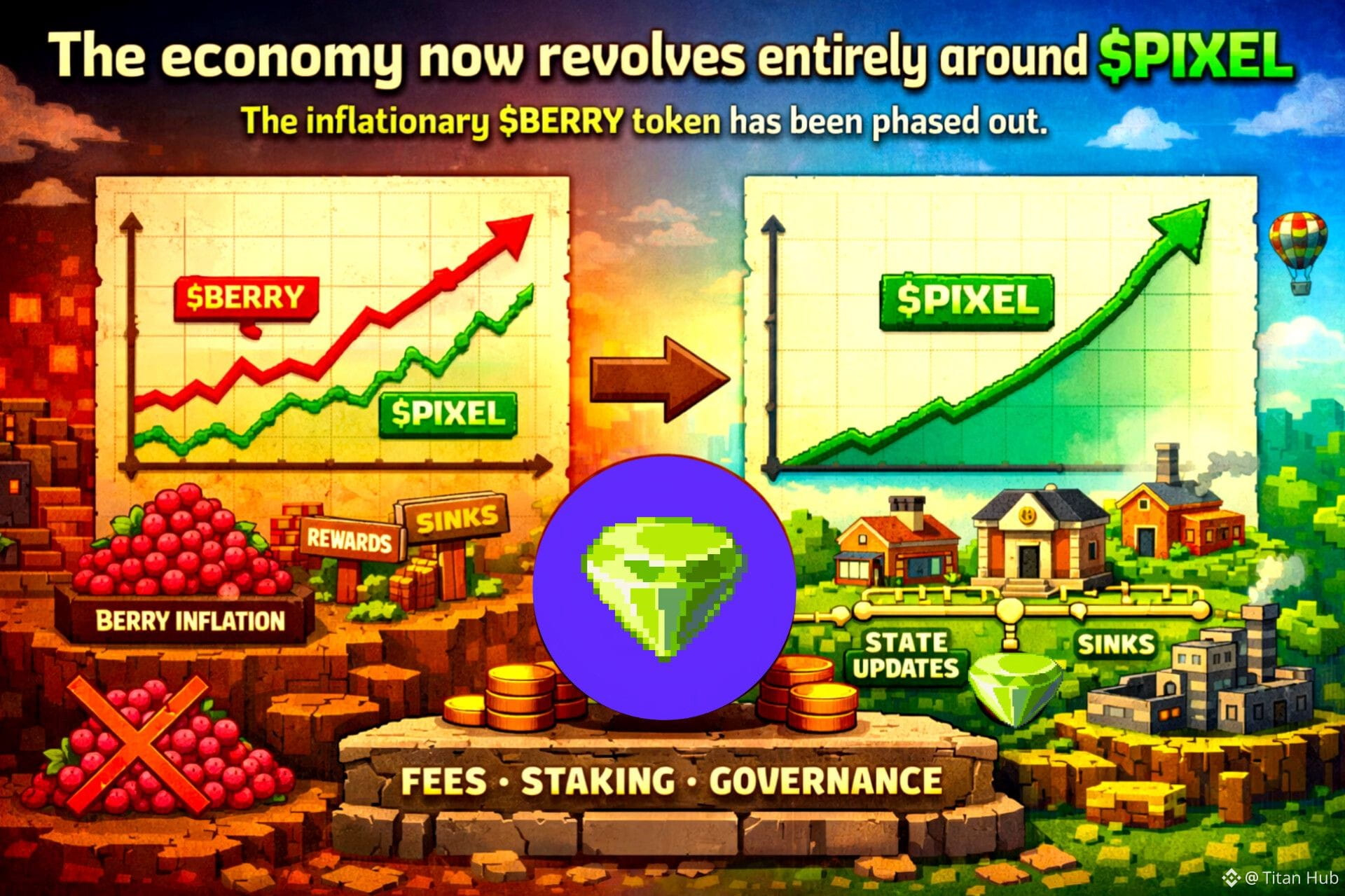
I kept seeing game loops break when dual tokens diluted purpose, it felt structurally messy.
Like running a city on two overlapping currencies that never quite align.
State changes, rewards, and sinks now route through one asset.
Emission pressure is reduced by removing the parallel inflation layer.
$PIXEL anchors fees, staking, and governance, acting as the system’s single accounting base.
@pixels #pixel
{spot}(PIXELUSDT)
I kept seeing game loops break when dual tokens diluted purpose, it felt structurally messy.
Like running a city on two overlapping currencies that never quite align.
State changes, rewards, and sinks now route through one asset.
Emission pressure is reduced by removing the parallel inflation layer.
$PIXEL anchors fees, staking, and governance, acting as the system’s single accounting base.
@Pixels #pixel
Like running a city on two overlapping currencies that never quite align.
State changes, rewards, and sinks now route through one asset.
Emission pressure is reduced by removing the parallel inflation layer.
$PIXEL anchors fees, staking, and governance, acting as the system’s single accounting base.
@Pixels #pixel
27
20
240
·
--

Article
From Crops to Code: How Pixels Is Evolving Into a Cross-Ecosystem Rewards LayerI didn’t start paying attention to this out of excitement. It came from frustration. Watching players spend hours in onchain games yet still feel like temporary users rather than true participants started to feel repetitive. Assets existed, tokens circulated, but the value loop felt closed contained within the game itself, with little connection to anything beyond it.
The issue is simpler than it appears: most Web3 games reward activity, but those rewards rarely travel. They remain locked inside a single ecosystem, creating circular demand instead of expanding utility. Over time, players notice that limitation.
A useful way to think about it is an arcade that gives out tickets redeemable only within its own walls. It works initially, but once players realize those tickets have no value outside, engagement begins to plateau.
What’s shifting here isn’t just content, it’s structure. The introduction of an AI-driven system called Stacked moves the focus from isolated rewards toward portable incentives. In practical terms, it acts as a coordination layer. Player actions generate data signals, those signals are processed, and rewards can be distributed across multiple environments instead of being confined to a single game loop.
Two implementation details stand out. First, reward distribution is dynamically adjusted using behavioral data both onchain and in-game rather than fixed emission schedules. Second, the system connects to external ecosystems through API-like integrations, allowing other platforms to tap into the reward flow without rebuilding infrastructure from scratch. This begins to look less like a game mechanic and more like network design.
The token sits in a relatively neutral role. It’s not just an output for rewards it becomes the medium through which value moves across environments. It facilitates certain fees, supports staking tied to participation quality, and contributes to governance decisions around how rewards are structured. Functional, but not overly complex.
From a market standpoint, the scale remains moderate. Daily active users have reached the hundreds of thousands during peak periods, though retention has been inconsistent. Spikes in activity tend to follow content updates rather than infrastructure changes, highlighting where user attention currently sits.
In the short term, it still behaves like a typical game-driven token. Attention cycles, updates, and liquidity shifts dominate. Traders tend to react to visible signals. Infrastructure, by contrast, rarely gets priced in immediately. If this system proves effective, its value will likely emerge gradually through integrations rather than speculation.
There are clear risks. If external platforms don’t adopt the reward layer, the idea of a “cross-ecosystem” system collapses back into a closed loop. Competition is also growing, with other projects building similar incentive networks some with stronger liquidity or more established developer bases.
A more subtle risk lies in reward design itself. If the AI system prioritizes surface-level engagement metrics over meaningful activity, it could recreate the same inefficiencies it aims to solve, only in a more complex form. Automated incentives are powerful, but also fragile.
There’s also uncertainty around how well this model extends beyond gaming. While the infrastructure suggests broader applications, user behavior doesn’t always align with technical potential.
For now, it feels like a project in transition no longer just a game, not yet a full infrastructure layer. Something in between, attempting to expand its reward system beyond its original boundaries.
Whether that expansion holds is something that will take time to unfold. These shifts rarely happen quickly.
@pixels #pixel $PIXEL
{future}(PIXELUSDT)
From Crops to Code: How Pixels Is Evolving Into a Cross-Ecosystem Rewards Layer
I didn’t start paying attention to this out of excitement. It came from frustration. Watching players spend hours in onchain games yet still feel like temporary users rather than true participants started to feel repetitive. Assets existed, tokens circulated, but the value loop felt closed contained within the game itself, with little connection to anything beyond it.
The issue is simpler than it appears: most Web3 games reward activity, but those rewards rarely travel. They remain locked inside a single ecosystem, creating circular demand instead of expanding utility. Over time, players notice that limitation.
A useful way to think about it is an arcade that gives out tickets redeemable only within its own walls. It works initially, but once players realize those tickets have no value outside, engagement begins to plateau.
What’s shifting here isn’t just content, it’s structure. The introduction of an AI-driven system called Stacked moves the focus from isolated rewards toward portable incentives. In practical terms, it acts as a coordination layer. Player actions generate data signals, those signals are processed, and rewards can be distributed across multiple environments instead of being confined to a single game loop.
Two implementation details stand out. First, reward distribution is dynamically adjusted using behavioral data both onchain and in-game rather than fixed emission schedules. Second, the system connects to external ecosystems through API-like integrations, allowing other platforms to tap into the reward flow without rebuilding infrastructure from scratch. This begins to look less like a game mechanic and more like network design.
The token sits in a relatively neutral role. It’s not just an output for rewards it becomes the medium through which value moves across environments. It facilitates certain fees, supports staking tied to participation quality, and contributes to governance decisions around how rewards are structured. Functional, but not overly complex.
From a market standpoint, the scale remains moderate. Daily active users have reached the hundreds of thousands during peak periods, though retention has been inconsistent. Spikes in activity tend to follow content updates rather than infrastructure changes, highlighting where user attention currently sits.
In the short term, it still behaves like a typical game-driven token. Attention cycles, updates, and liquidity shifts dominate. Traders tend to react to visible signals. Infrastructure, by contrast, rarely gets priced in immediately. If this system proves effective, its value will likely emerge gradually through integrations rather than speculation.
There are clear risks. If external platforms don’t adopt the reward layer, the idea of a “cross-ecosystem” system collapses back into a closed loop. Competition is also growing, with other projects building similar incentive networks some with stronger liquidity or more established developer bases.
A more subtle risk lies in reward design itself. If the AI system prioritizes surface-level engagement metrics over meaningful activity, it could recreate the same inefficiencies it aims to solve, only in a more complex form. Automated incentives are powerful, but also fragile.
There’s also uncertainty around how well this model extends beyond gaming. While the infrastructure suggests broader applications, user behavior doesn’t always align with technical potential.
For now, it feels like a project in transition no longer just a game, not yet a full infrastructure layer. Something in between, attempting to expand its reward system beyond its original boundaries.
Whether that expansion holds is something that will take time to unfold. These shifts rarely happen quickly.
@Pixels #pixel $PIXEL
The issue is simpler than it appears: most Web3 games reward activity, but those rewards rarely travel. They remain locked inside a single ecosystem, creating circular demand instead of expanding utility. Over time, players notice that limitation.
A useful way to think about it is an arcade that gives out tickets redeemable only within its own walls. It works initially, but once players realize those tickets have no value outside, engagement begins to plateau.
What’s shifting here isn’t just content, it’s structure. The introduction of an AI-driven system called Stacked moves the focus from isolated rewards toward portable incentives. In practical terms, it acts as a coordination layer. Player actions generate data signals, those signals are processed, and rewards can be distributed across multiple environments instead of being confined to a single game loop.
Two implementation details stand out. First, reward distribution is dynamically adjusted using behavioral data both onchain and in-game rather than fixed emission schedules. Second, the system connects to external ecosystems through API-like integrations, allowing other platforms to tap into the reward flow without rebuilding infrastructure from scratch. This begins to look less like a game mechanic and more like network design.
The token sits in a relatively neutral role. It’s not just an output for rewards it becomes the medium through which value moves across environments. It facilitates certain fees, supports staking tied to participation quality, and contributes to governance decisions around how rewards are structured. Functional, but not overly complex.
From a market standpoint, the scale remains moderate. Daily active users have reached the hundreds of thousands during peak periods, though retention has been inconsistent. Spikes in activity tend to follow content updates rather than infrastructure changes, highlighting where user attention currently sits.
In the short term, it still behaves like a typical game-driven token. Attention cycles, updates, and liquidity shifts dominate. Traders tend to react to visible signals. Infrastructure, by contrast, rarely gets priced in immediately. If this system proves effective, its value will likely emerge gradually through integrations rather than speculation.
There are clear risks. If external platforms don’t adopt the reward layer, the idea of a “cross-ecosystem” system collapses back into a closed loop. Competition is also growing, with other projects building similar incentive networks some with stronger liquidity or more established developer bases.
A more subtle risk lies in reward design itself. If the AI system prioritizes surface-level engagement metrics over meaningful activity, it could recreate the same inefficiencies it aims to solve, only in a more complex form. Automated incentives are powerful, but also fragile.
There’s also uncertainty around how well this model extends beyond gaming. While the infrastructure suggests broader applications, user behavior doesn’t always align with technical potential.
For now, it feels like a project in transition no longer just a game, not yet a full infrastructure layer. Something in between, attempting to expand its reward system beyond its original boundaries.
Whether that expansion holds is something that will take time to unfold. These shifts rarely happen quickly.
@Pixels #pixel $PIXEL
32
34
363
Log in to explore more content
Join global crypto users on Binance Square
⚡️ Get latest and useful information about crypto.
💬 Trusted by the world’s largest crypto exchange.
👍 Discover real insights from verified creators.
အီးမေးလ် / ဖုန်းနံပါတ်
ရေပန်းစားနေသော ခေါင်းစဉ်များ
FedMinutesFocusOnOctoberPause
15,324 views
361 Discussing
#fedminutesfocusonoctoberpause
🚨 OCTOBER FED HIKE ODDS COLLAPSE TO 21.6%… Is $BTC About to React? 👀
The Fed is about to give markets another major clue.
Investors are waiting for today’s FOMC minutes — and the biggest question is whether October brings another rate hike… or a pause.
Right now, the odds of a 25-basis-point October hike have fallen to just 21.6%.
That’s a huge shift in expectations.
But here’s what makes this interesting… 👀
The Fed raised rates to 3.75%–4.00% in September, but recent weakness in jobs data and softer inflation have made another immediate hike look less certain.
And for crypto, this matters.
A Fed pause could reduce pressure on financial conditions and potentially improve risk appetite.
That could become a tailwind for BTC
But there’s a catch…
Bitcoin is already under pressure as the dollar and Treasury yields move higher.
So tonight’s minutes could become a volatility trigger.
Dovish Fed → liquidity hopes → bullish .
BTC narrative?
Hawkish Fed → higher-rate fears → more pressure on risk assets?
The real question:
Is October becoming the pause Bitcoin bulls have been waiting for… or could the Fed surprise the market again? 👀
Watch BTC + Fed expectations + Treasury yields closely.
#FederalReserve #Fed #Crypto #InterestRates
$ETH
$SOL
Shae Cassler Sw9r
·နှစ်သက်မှု 12 ခု
·28.6k views
BinanceLaunchesBinanceIntelligence
925,923 views
5,633 Discussing
RobinhoodAdds$25MInBitcoinToBalanceSheet
787 views
28 Discussing