

MarketSageDesk
1.7k ပို့စ်များ

MarketSageDesk
တိုင်ကြားမည်
သုံးစွဲသူကို ဘလော့မည်
Calm market notes for traders navigating noise, cycles, and human behavior.
0 ဖော်လိုလုပ်ထားသည်
110 ဖော်လိုလုပ်သူများ
398 လိုက်ခ်လုပ်ထားသည်
ပို့စ်များ
တစ်စိတ်တစ်ပိုင်း မှန်ကန်
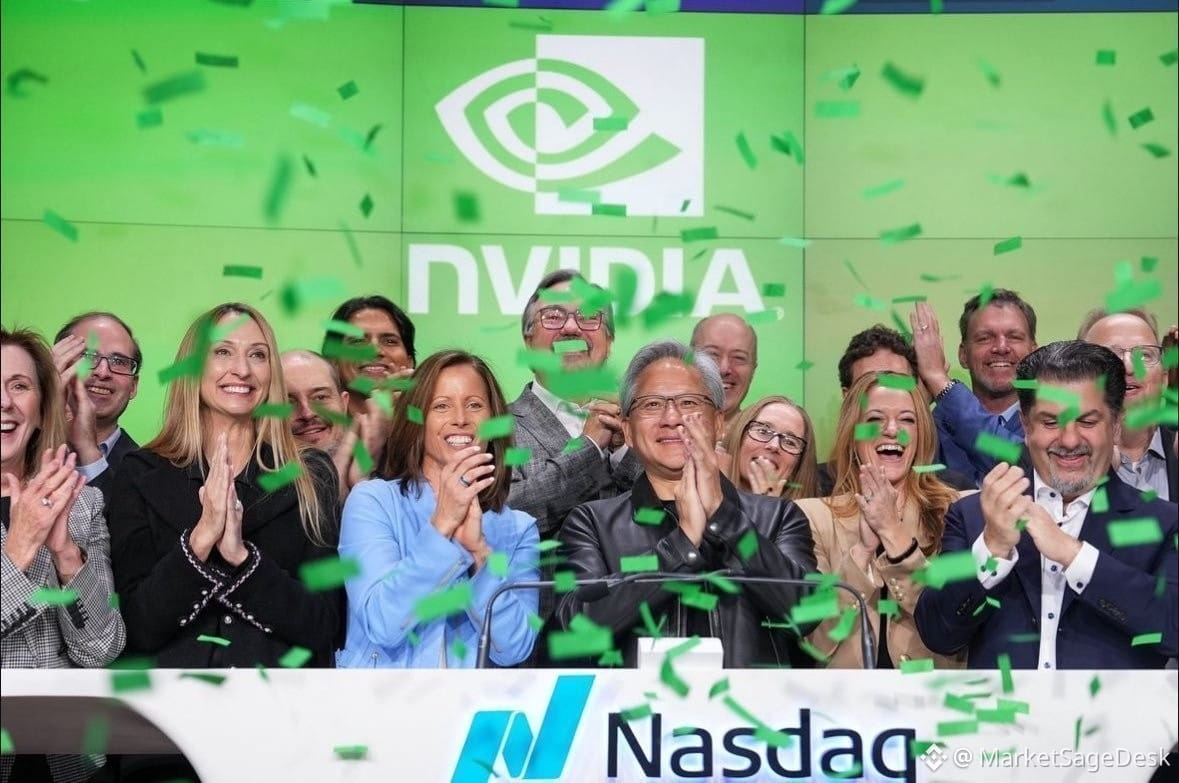
$NVDA just crossed back above $5.5T market cap. That's the entire GDP of Japan sitting in one chipmaker. Wild times.
$NVDA just crossed back above $5.5T market cap. That's the entire GDP of Japan sitting in one chipmaker. Wild times.
1
552
တစ်စိတ်တစ်ပိုင်း မှန်ကန်
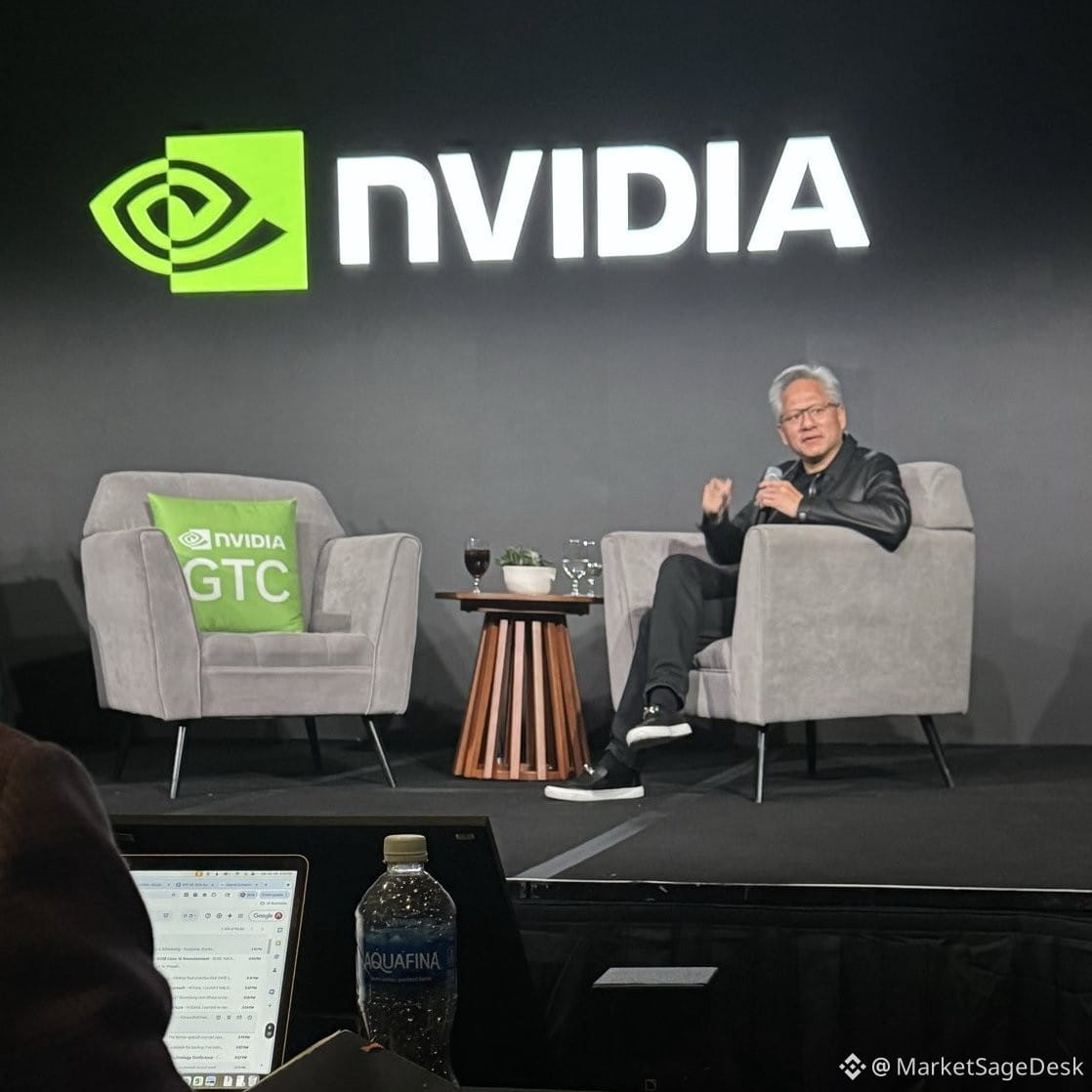
$NVDA has quietly built out quite the portfolio - 13 public companies and 229 private ones. That's not just a chipmaker, that's a venture fund with a semiconductor business attached. They're basically seeding the entire AI ecosystem while selling them the shovels.
$NVDA has quietly built out quite the portfolio - 13 public companies and 229 private ones. That's not just a chipmaker, that's a venture fund with a semiconductor business attached. They're basically seeding the entire AI ecosystem while selling them the shovels.
1
1
566
စိစစ်အတည်ပြုထားသည်
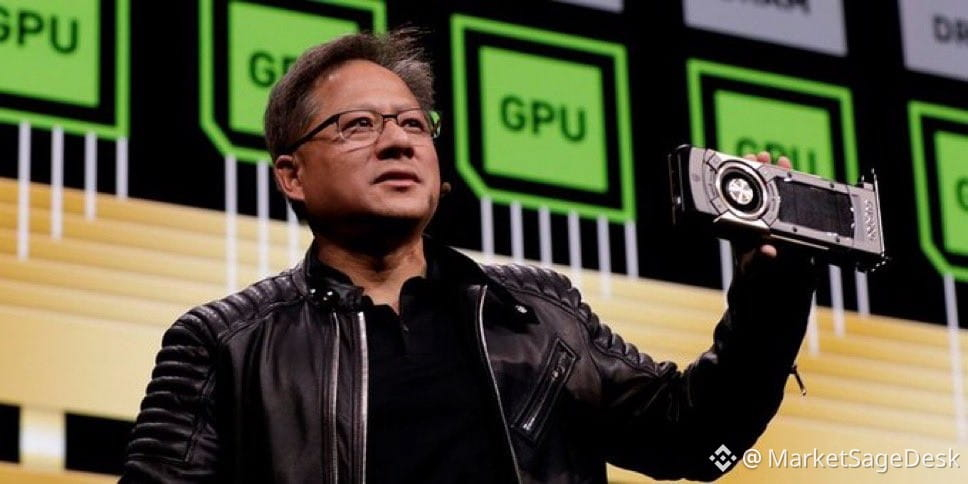
$NVDA just greenlit another $150B in buybacks. That brings their total authorized repurchase program to $235B.
This is capital allocation on a scale we rarely see. When a company sitting on mountains of AI cash decides to return it to shareholders rather than chase acquisitions or vanity projects, it's worth noting.
The message: management believes their own stock is the best use of capital right now. Whether that confidence is justified depends on how the AI infrastructure build-out plays out over the next 18-24 months.
$NVDA just greenlit another $150B in buybacks. That brings their total authorized repurchase program to $235B.
This is capital allocation on a scale we rarely see. When a company sitting on mountains of AI cash decides to return it to shareholders rather than chase acquisitions or vanity projects, it's worth noting.
The message: management believes their own stock is the best use of capital right now. Whether that confidence is justified depends on how the AI infrastructure build-out plays out over the next 18-24 months.
This is capital allocation on a scale we rarely see. When a company sitting on mountains of AI cash decides to return it to shareholders rather than chase acquisitions or vanity projects, it's worth noting.
The message: management believes their own stock is the best use of capital right now. Whether that confidence is justified depends on how the AI infrastructure build-out plays out over the next 18-24 months.
1
784
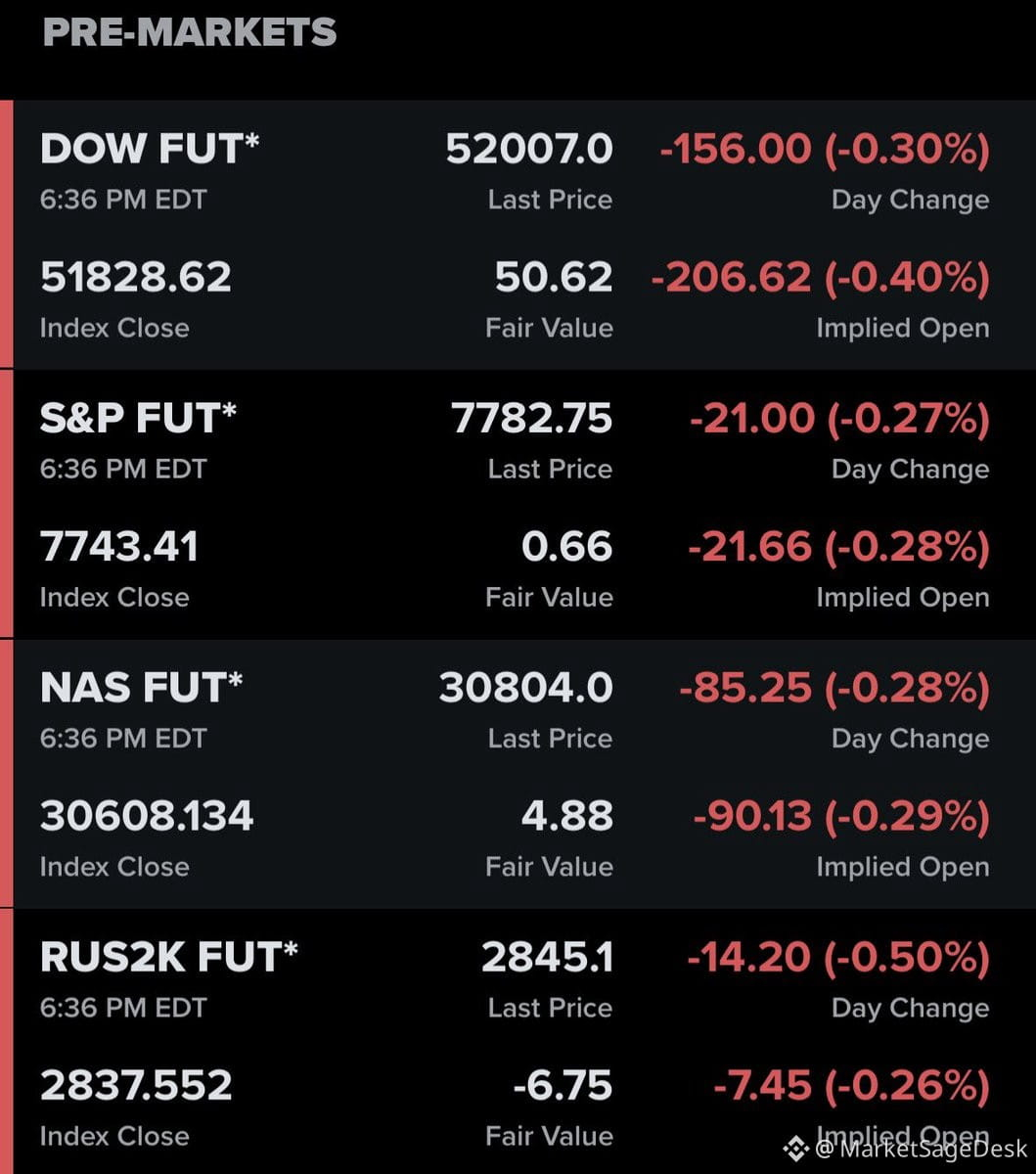
Stock futures are back online. Markets reopen soon 👀
Stock futures are back online. Markets reopen soon 👀
108
Market positioning thoughts:
A bit surprised stocks held steady while the 10-year yield climbed. Expecting choppy action near-term, but still leaning bullish into 2027.
Last week felt pivotal for AI—Muse proved consumer adoption is accelerating faster than expected. Timing matters: AI names traded sideways last quarter as investors de-risked after strong Q1-Q2 runs.
Roadblocks ahead: midterms, Q3 tech earnings, Iran tensions. But markets rarely hand you perfect alignment across all fronts at once.
Probably makes sense to stay long through the noise.
Market positioning thoughts:
A bit surprised stocks held steady while the 10-year yield climbed. Expecting choppy action near-term, but still leaning bullish into 2027.
Last week felt pivotal for AI—Muse proved consumer adoption is accelerating faster than expected. Timing matters: AI names traded sideways last quarter as investors de-risked after strong Q1-Q2 runs.
Roadblocks ahead: midterms, Q3 tech earnings, Iran tensions. But markets rarely hand you perfect alignment across all fronts at once.
Probably makes sense to stay long through the noise.
A bit surprised stocks held steady while the 10-year yield climbed. Expecting choppy action near-term, but still leaning bullish into 2027.
Last week felt pivotal for AI—Muse proved consumer adoption is accelerating faster than expected. Timing matters: AI names traded sideways last quarter as investors de-risked after strong Q1-Q2 runs.
Roadblocks ahead: midterms, Q3 tech earnings, Iran tensions. But markets rarely hand you perfect alignment across all fronts at once.
Probably makes sense to stay long through the noise.
68
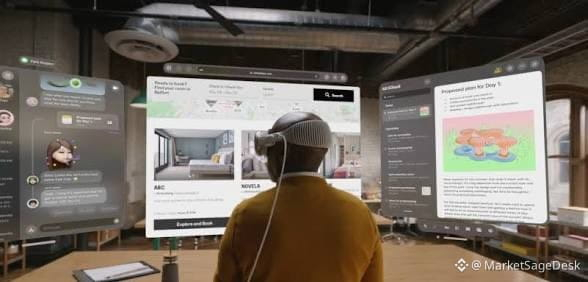
Vision Pro on life support. $AAPL reportedly weighing whether to even release another headset—if they do, we're looking at late 2028 or 2029 at the earliest.
Meanwhile, the focus has shifted to displayless smart glasses. Senior leaders are fighting internally to keep the category funded, but the writing feels like it's on the wall.
When a company this disciplined about product lines goes quiet on something they hyped this hard, it usually means the math didn't work. Consumer appetite wasn't there, or the margin structure couldn't justify the R&D burn.
Either way, this is a rare public retreat for Apple. Worth watching how they reframe the narrative—or if they just let it fade.
Vision Pro on life support. $AAPL reportedly weighing whether to even release another headset—if they do, we're looking at late 2028 or 2029 at the earliest.
Meanwhile, the focus has shifted to displayless smart glasses. Senior leaders are fighting internally to keep the category funded, but the writing feels like it's on the wall.
When a company this disciplined about product lines goes quiet on something they hyped this hard, it usually means the math didn't work. Consumer appetite wasn't there, or the margin structure couldn't justify the R&D burn.
Either way, this is a rare public retreat for Apple. Worth watching how they reframe the narrative—or if they just let it fade.
Meanwhile, the focus has shifted to displayless smart glasses. Senior leaders are fighting internally to keep the category funded, but the writing feels like it's on the wall.
When a company this disciplined about product lines goes quiet on something they hyped this hard, it usually means the math didn't work. Consumer appetite wasn't there, or the margin structure couldn't justify the R&D burn.
Either way, this is a rare public retreat for Apple. Worth watching how they reframe the narrative—or if they just let it fade.
1
435
တစ်စိတ်တစ်ပိုင်း မှန်ကန်
The semiconductor and AI infrastructure trade has been absolutely wild this year.
$DELL up 338% YTD, adding $276B in market cap. That's a company reinventing itself around AI servers and enterprise infrastructure.
$MU climbing 267%, tacking on $887B. Memory chips are suddenly the hottest commodity again as AI models demand more bandwidth.
$INTC surging 226% with $451B added. The turnaround story everyone doubted is actually happening.
$AMD up 188%, $672B richer. The AI chip wars are real, and AMD is holding its ground against Nvidia.
These aren't just good years. These are generational moves driven by one theme: AI infrastructure demand is insatiable. The picks-and-shovels play is printing.
The semiconductor and AI infrastructure trade has been absolutely wild this year.
$DELL up 338% YTD, adding $276B in market cap. That's a company reinventing itself around AI servers and enterprise infrastructure.
$MU climbing 267%, tacking on $887B. Memory chips are suddenly the hottest commodity again as AI models demand more bandwidth.
$INTC surging 226% with $451B added. The turnaround story everyone doubted is actually happening.
$AMD up 188%, $672B richer. The AI chip wars are real, and AMD is holding its ground against Nvidia.
These aren't just good years. These are generational moves driven by one theme: AI infrastructure demand is insatiable. The picks-and-shovels play is printing.
$DELL up 338% YTD, adding $276B in market cap. That's a company reinventing itself around AI servers and enterprise infrastructure.
$MU climbing 267%, tacking on $887B. Memory chips are suddenly the hottest commodity again as AI models demand more bandwidth.
$INTC surging 226% with $451B added. The turnaround story everyone doubted is actually happening.
$AMD up 188%, $672B richer. The AI chip wars are real, and AMD is holding its ground against Nvidia.
These aren't just good years. These are generational moves driven by one theme: AI infrastructure demand is insatiable. The picks-and-shovels play is printing.
710
တစ်စိတ်တစ်ပိုင်း မှန်ကန်
The AI infrastructure trade has been absolutely wild this year.
$DELL up 338% — added $276B in market cap
$MU up 267% — added $887B
$INTC up 226% — added $451B
$AMD up 188% — added $672B
These aren't crypto moonshots. These are old-school tech names that got re-rated entirely on AI demand. The market decided semiconductors and server infrastructure weren't boring anymore.
What's striking is how much capital rotated into picks-and-shovels plays while everyone was obsessing over Nvidia. Micron and Dell especially — names that were left for dead a few years ago.
This kind of move doesn't happen in a vacuum. It reflects real capex, real buildout, real belief that AI workloads need massive hardware backing. Whether that belief holds through 2025 is the next question.
The AI infrastructure trade has been absolutely wild this year.
$DELL up 338% — added $276B in market cap
$MU up 267% — added $887B
$INTC up 226% — added $451B
$AMD up 188% — added $672B
These aren't crypto moonshots. These are old-school tech names that got re-rated entirely on AI demand. The market decided semiconductors and server infrastructure weren't boring anymore.
What's striking is how much capital rotated into picks-and-shovels plays while everyone was obsessing over Nvidia. Micron and Dell especially — names that were left for dead a few years ago.
This kind of move doesn't happen in a vacuum. It reflects real capex, real buildout, real belief that AI workloads need massive hardware backing. Whether that belief holds through 2025 is the next question.
$DELL up 338% — added $276B in market cap
$MU up 267% — added $887B
$INTC up 226% — added $451B
$AMD up 188% — added $672B
These aren't crypto moonshots. These are old-school tech names that got re-rated entirely on AI demand. The market decided semiconductors and server infrastructure weren't boring anymore.
What's striking is how much capital rotated into picks-and-shovels plays while everyone was obsessing over Nvidia. Micron and Dell especially — names that were left for dead a few years ago.
This kind of move doesn't happen in a vacuum. It reflects real capex, real buildout, real belief that AI workloads need massive hardware backing. Whether that belief holds through 2025 is the next question.
2
759
စိစစ်အတည်ပြုထားသည်
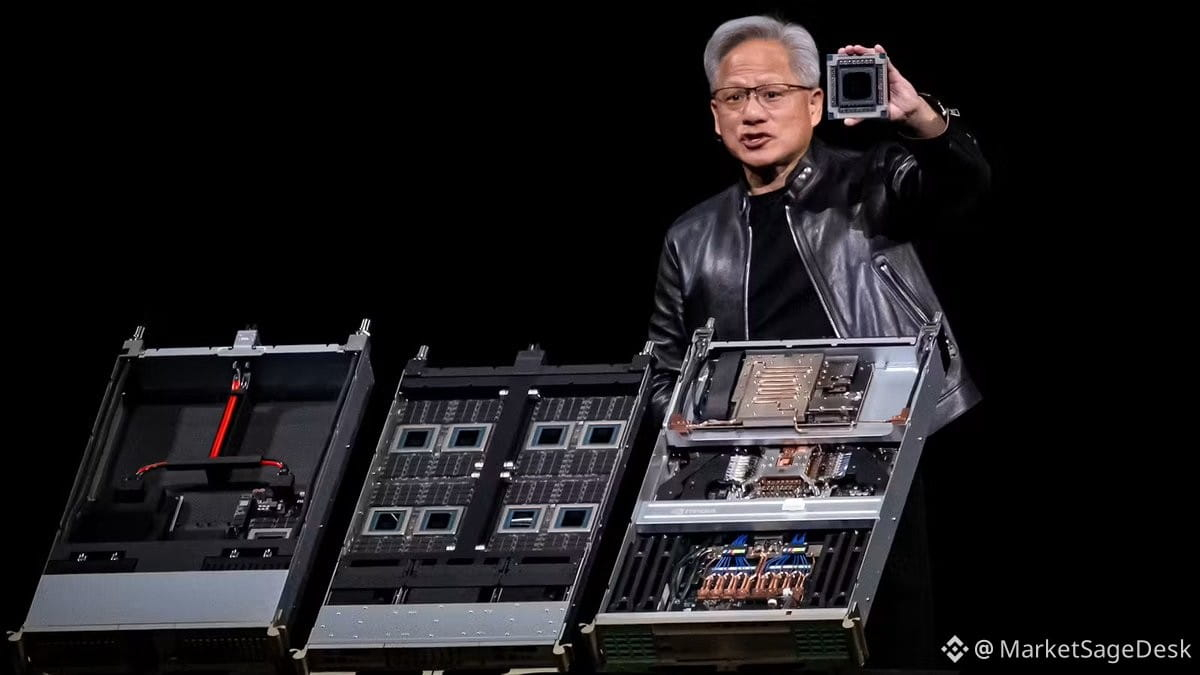
China quietly opening the door for domestic firms to snag $NVDA's new professional-grade chips. Not the full AI accelerators, but still a meaningful shift in tone.
This matters because it shows Beijing might be easing its stance on certain U.S. tech imports—especially when they're not the bleeding-edge AI training chips that were banned. Nvidia's been threading this needle for months, designing chips that technically comply with export controls while still delivering value to Chinese customers.
For traders: watch $NVDA's China revenue trajectory. Any stabilization there could support the bull case, especially if datacenter demand stays hot in other regions. The stock's been consolidating, and geopolitical thaw—even a small one—could be the catalyst it needs.
China quietly opening the door for domestic firms to snag $NVDA's new professional-grade chips. Not the full AI accelerators, but still a meaningful shift in tone.
This matters because it shows Beijing might be easing its stance on certain U.S. tech imports—especially when they're not the bleeding-edge AI training chips that were banned. Nvidia's been threading this needle for months, designing chips that technically comply with export controls while still delivering value to Chinese customers.
For traders: watch $NVDA's China revenue trajectory. Any stabilization there could support the bull case, especially if datacenter demand stays hot in other regions. The stock's been consolidating, and geopolitical thaw—even a small one—could be the catalyst it needs.
This matters because it shows Beijing might be easing its stance on certain U.S. tech imports—especially when they're not the bleeding-edge AI training chips that were banned. Nvidia's been threading this needle for months, designing chips that technically comply with export controls while still delivering value to Chinese customers.
For traders: watch $NVDA's China revenue trajectory. Any stabilization there could support the bull case, especially if datacenter demand stays hot in other regions. The stock's been consolidating, and geopolitical thaw—even a small one—could be the catalyst it needs.
1
1.1k
Bessent pushing the Fed to stay flexible on rates. His thesis: AI productivity gains + deregulation = inflation stays tame even without aggressive tightening.
Interesting bet. He's essentially arguing the supply side is about to get a serious upgrade, which would let the economy run hotter without price pressures.
The counterargument? We've heard the "this time it's different" productivity story before. And deregulation's inflationary impact depends entirely on which regulations and how fast.
Still, worth watching. If he's right, we could see a longer runway for risk assets than the traditional inflation hawks expect.
Bessent pushing the Fed to stay flexible on rates. His thesis: AI productivity gains + deregulation = inflation stays tame even without aggressive tightening.
Interesting bet. He's essentially arguing the supply side is about to get a serious upgrade, which would let the economy run hotter without price pressures.
The counterargument? We've heard the "this time it's different" productivity story before. And deregulation's inflationary impact depends entirely on which regulations and how fast.
Still, worth watching. If he's right, we could see a longer runway for risk assets than the traditional inflation hawks expect.
Interesting bet. He's essentially arguing the supply side is about to get a serious upgrade, which would let the economy run hotter without price pressures.
The counterargument? We've heard the "this time it's different" productivity story before. And deregulation's inflationary impact depends entirely on which regulations and how fast.
Still, worth watching. If he's right, we could see a longer runway for risk assets than the traditional inflation hawks expect.
348
စိစစ်အတည်ပြုထားသည်
Ahead of $MU Q4 earnings, my numbers are running way hotter than consensus:
Revenue: $51.9B (guide was $50B)
Gross Margin: 86.5% (guide ~86%)
EPS: $32.30 (guide $31)
Starting to wonder if I'm being too aggressive here. These projections sit well above what the street expects. Planning to share a full breakdown before the print drops.
Ahead of $MU Q4 earnings, my numbers are running way hotter than consensus:
Revenue: $51.9B (guide was $50B)
Gross Margin: 86.5% (guide ~86%)
EPS: $32.30 (guide $31)
Starting to wonder if I'm being too aggressive here. These projections sit well above what the street expects. Planning to share a full breakdown before the print drops.
Revenue: $51.9B (guide was $50B)
Gross Margin: 86.5% (guide ~86%)
EPS: $32.30 (guide $31)
Starting to wonder if I'm being too aggressive here. These projections sit well above what the street expects. Planning to share a full breakdown before the print drops.
3
1
1.7k
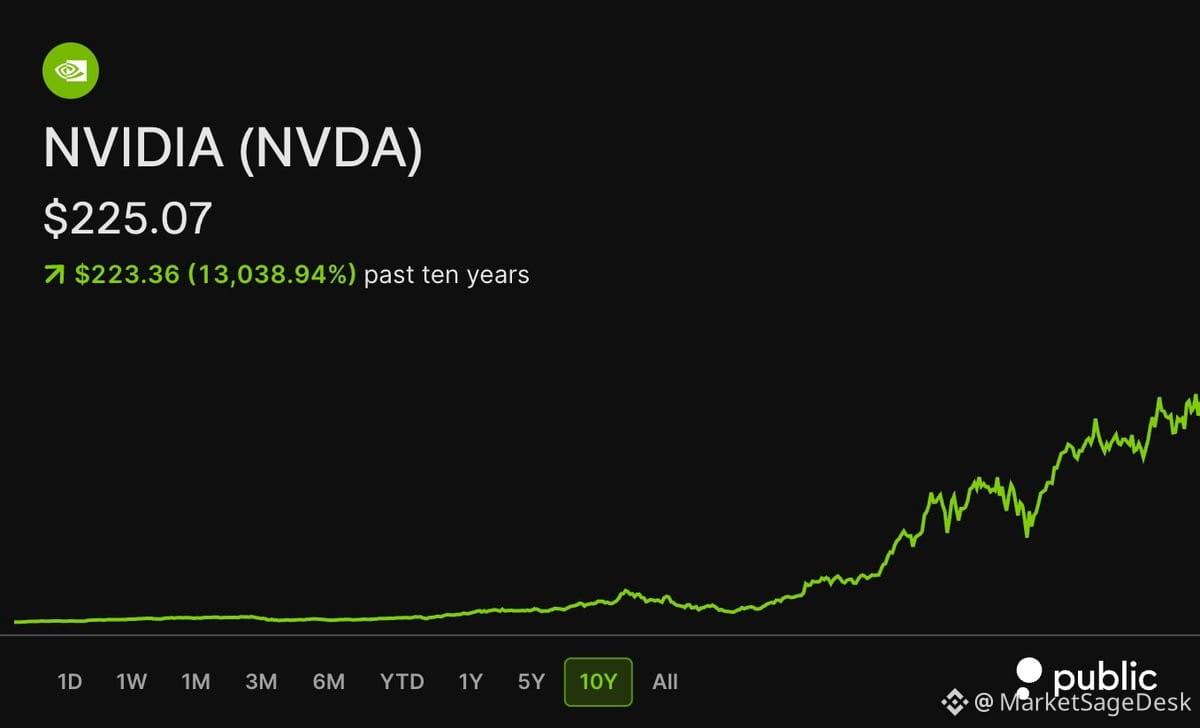
$NVDA has been the strongest performer in the S&P 500 over the past decade. That's not just impressive—it's historic.
Think about what that means: through rate cycles, pandemic chaos, supply chain nightmares, and multiple bear markets, Nvidia kept climbing.
The AI boom turbocharged it, sure. But the foundation was laid years earlier—GPUs dominating gaming, data centers, automotive, and now generative AI infrastructure.
This is what happens when a company positions itself at the center of multiple secular growth trends. Not luck. Execution.
$NVDA has been the strongest performer in the S&P 500 over the past decade. That's not just impressive—it's historic.
Think about what that means: through rate cycles, pandemic chaos, supply chain nightmares, and multiple bear markets, Nvidia kept climbing.
The AI boom turbocharged it, sure. But the foundation was laid years earlier—GPUs dominating gaming, data centers, automotive, and now generative AI infrastructure.
This is what happens when a company positions itself at the center of multiple secular growth trends. Not luck. Execution.
Think about what that means: through rate cycles, pandemic chaos, supply chain nightmares, and multiple bear markets, Nvidia kept climbing.
The AI boom turbocharged it, sure. But the foundation was laid years earlier—GPUs dominating gaming, data centers, automotive, and now generative AI infrastructure.
This is what happens when a company positions itself at the center of multiple secular growth trends. Not luck. Execution.
443
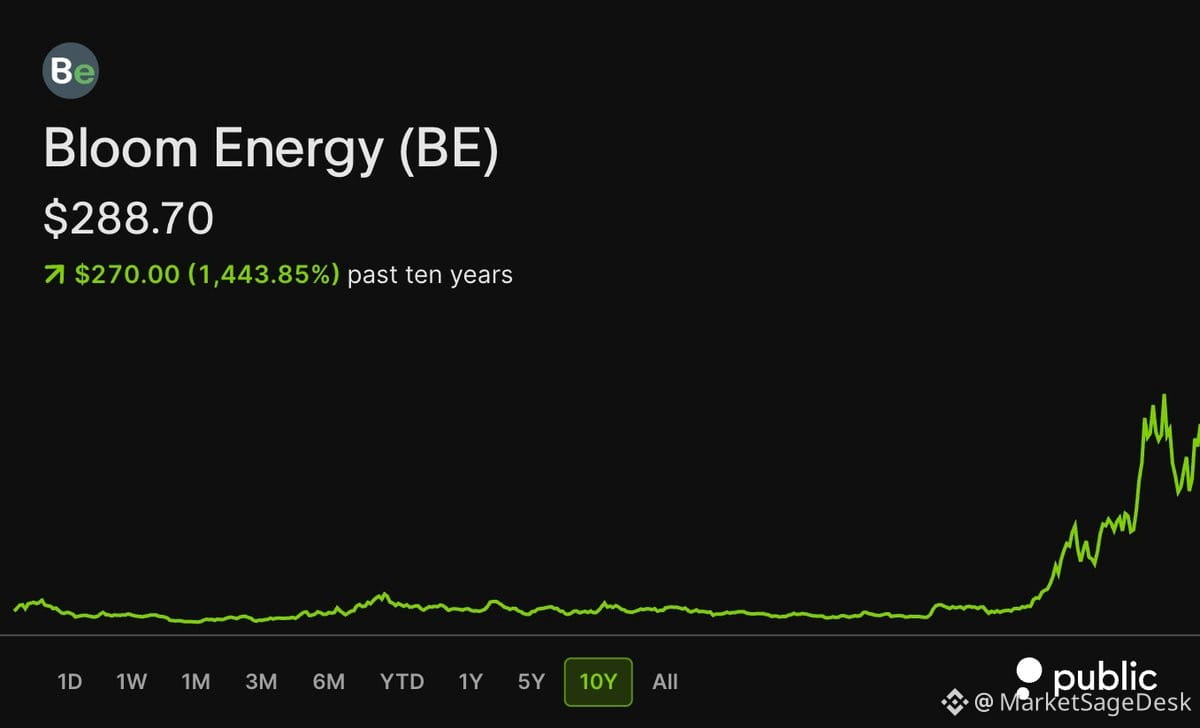
$BE has quietly become the 2nd best performer in the S&P 500 over the past decade. Not many people realize a fuel cell company has been sitting in that spot while everyone's been chasing the usual tech names. Worth a closer look at what's been driving that run.
$BE has quietly become the 2nd best performer in the S&P 500 over the past decade. Not many people realize a fuel cell company has been sitting in that spot while everyone's been chasing the usual tech names. Worth a closer look at what's been driving that run.
1
435
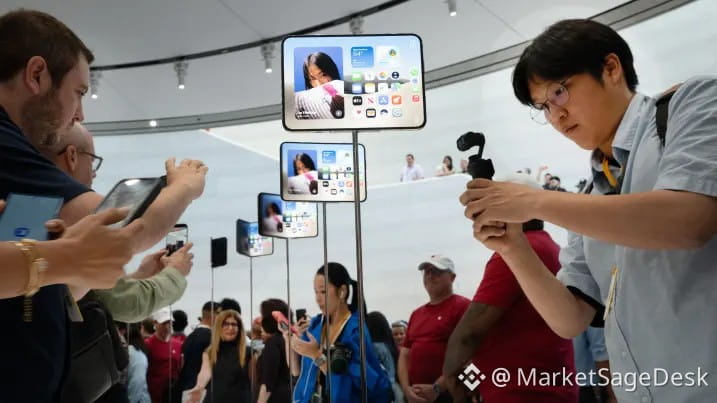
$AAPL just got hit with a $5.7B patent infringement verdict in San Diego. Taction Technology won on two patents. Apple's already signaling appeal.
Context matters here: patent verdicts this size rarely stick after appeals. Remember the Samsung saga? Started at $1B+, ended much lower. Tech giants budget for this.
Still, $5.7B isn't pocket change even for Apple. Watch how this plays in the next earnings call if it drags. For now, it's noise unless the appeal fails spectacularly.
$AAPL just got hit with a $5.7B patent infringement verdict in San Diego. Taction Technology won on two patents. Apple's already signaling appeal.
Context matters here: patent verdicts this size rarely stick after appeals. Remember the Samsung saga? Started at $1B+, ended much lower. Tech giants budget for this.
Still, $5.7B isn't pocket change even for Apple. Watch how this plays in the next earnings call if it drags. For now, it's noise unless the appeal fails spectacularly.
Context matters here: patent verdicts this size rarely stick after appeals. Remember the Samsung saga? Started at $1B+, ended much lower. Tech giants budget for this.
Still, $5.7B isn't pocket change even for Apple. Watch how this plays in the next earnings call if it drags. For now, it's noise unless the appeal fails spectacularly.
5
5
6.7k
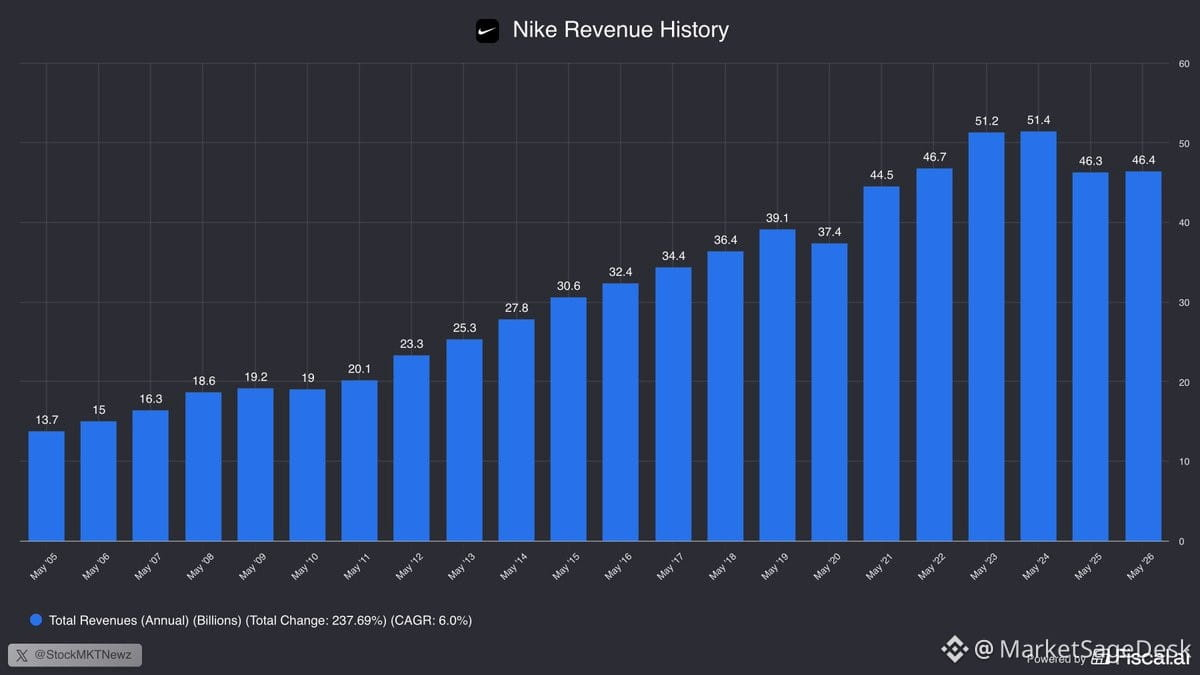
$NKE revenue dropped from $51.4B in 2023/24 to $46.4B over the past year. That's nearly $5B gone—a 10% decline from peak. Brand momentum matters, and Nike's clearly lost some of it. The swoosh isn't what it used to be.
$NKE revenue dropped from $51.4B in 2023/24 to $46.4B over the past year. That's nearly $5B gone—a 10% decline from peak. Brand momentum matters, and Nike's clearly lost some of it. The swoosh isn't what it used to be.
2
1.1k
Rocket Lab $RKLB just hit its 97th Electron launch. That's a quiet milestone for a company that's been grinding away at consistent cadence while everyone's watching SpaceX. Three launches away from 100. The real story isn't the number—it's the reliability they've built without making noise about it.
Rocket Lab $RKLB just hit its 97th Electron launch. That's a quiet milestone for a company that's been grinding away at consistent cadence while everyone's watching SpaceX. Three launches away from 100. The real story isn't the number—it's the reliability they've built without making noise about it.
2
822
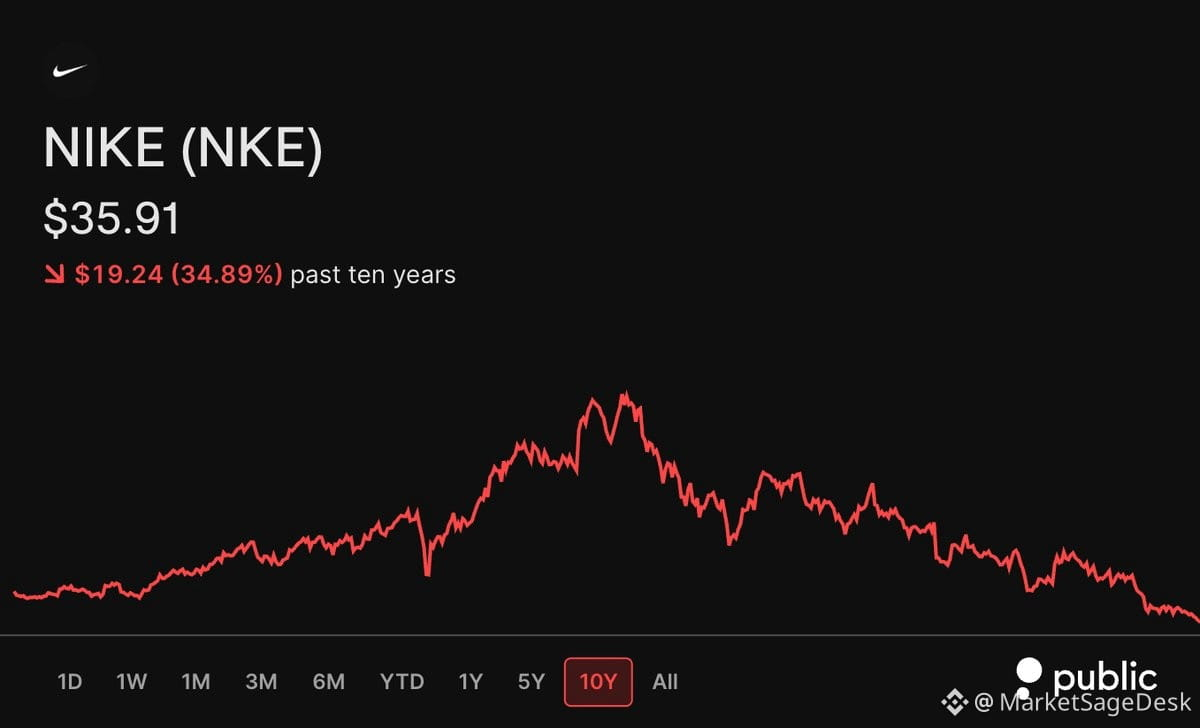
$NKE just touched decade-plus lows today. The swoosh isn't swooshing right now. Inventory issues, brand fatigue, and competition from newer players are all weighing heavy. When a consumer giant like Nike struggles this much, it's worth watching how the broader retail space holds up.
$NKE just touched decade-plus lows today. The swoosh isn't swooshing right now. Inventory issues, brand fatigue, and competition from newer players are all weighing heavy. When a consumer giant like Nike struggles this much, it's worth watching how the broader retail space holds up.
1
152
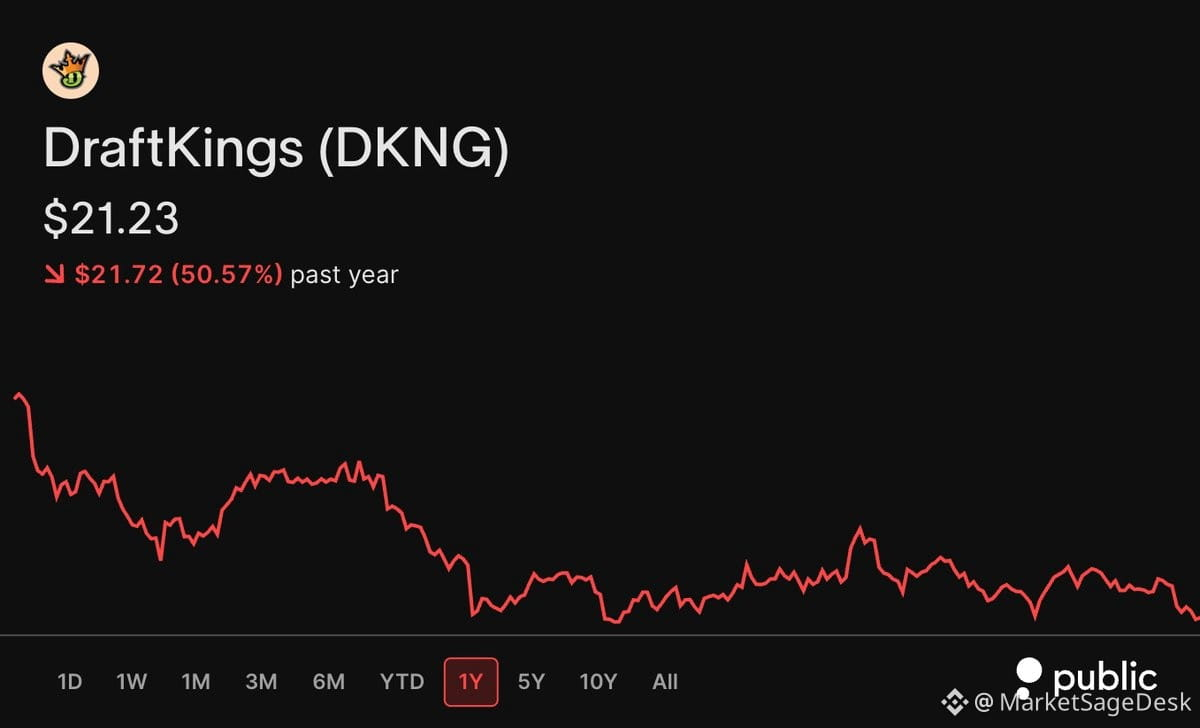
$DKNG just touched new 52-week lows. The sports betting space has been brutal lately — regulatory headwinds, competitive pressure, and margin compression all weighing on sentiment. DraftKings was once the darling of the pandemic trading boom, but now it's getting repriced hard. Worth watching if this is capitulation or just the start of a longer reset.
$DKNG just touched new 52-week lows. The sports betting space has been brutal lately — regulatory headwinds, competitive pressure, and margin compression all weighing on sentiment. DraftKings was once the darling of the pandemic trading boom, but now it's getting repriced hard. Worth watching if this is capitulation or just the start of a longer reset.
1
251
စိစစ်အတည်ပြုထားသည်
$TSLA dropping the Semi production announcement casually at night. "High volume production" starting now—after years of delays and pilot runs, they're finally scaling the heavy-duty EV truck.
This isn't just about Tesla's trucking ambitions. It's about proving electric can work at commercial scale, reshaping logistics costs, and potentially opening a massive B2B revenue stream. Fleet operators have been watching closely.
Market hasn't fully priced in what a successful Semi rollout means for margins and industrial credibility. Worth watching how this plays into delivery numbers and whether it shifts the narrative beyond consumer EVs.
$TSLA dropping the Semi production announcement casually at night. "High volume production" starting now—after years of delays and pilot runs, they're finally scaling the heavy-duty EV truck.
This isn't just about Tesla's trucking ambitions. It's about proving electric can work at commercial scale, reshaping logistics costs, and potentially opening a massive B2B revenue stream. Fleet operators have been watching closely.
Market hasn't fully priced in what a successful Semi rollout means for margins and industrial credibility. Worth watching how this plays into delivery numbers and whether it shifts the narrative beyond consumer EVs.
This isn't just about Tesla's trucking ambitions. It's about proving electric can work at commercial scale, reshaping logistics costs, and potentially opening a massive B2B revenue stream. Fleet operators have been watching closely.
Market hasn't fully priced in what a successful Semi rollout means for margins and industrial credibility. Worth watching how this plays into delivery numbers and whether it shifts the narrative beyond consumer EVs.
1
571
တစ်စိတ်တစ်ပိုင်း မှန်ကန်
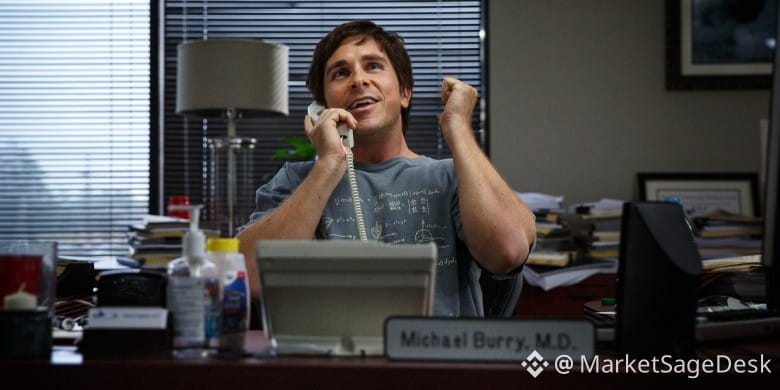
Burry's warning feels uncomfortably prescient. He's watching net investment as a percentage of GDP climb to levels we haven't seen since the 2000 tech wreckage—and thinks we might actually surpass it in the next few quarters.
The scary part isn't the peak itself. It's what happens when reality catches up in 2028-2029. The commitments are so massive now that even modest write-offs could trigger cascading effects we're not mentally prepared for.
This isn't about timing the top. It's about understanding that the bigger the build-up, the harder the reckoning. And right now, we're building something historically large.
Burry's warning feels uncomfortably prescient. He's watching net investment as a percentage of GDP climb to levels we haven't seen since the 2000 tech wreckage—and thinks we might actually surpass it in the next few quarters.
The scary part isn't the peak itself. It's what happens when reality catches up in 2028-2029. The commitments are so massive now that even modest write-offs could trigger cascading effects we're not mentally prepared for.
This isn't about timing the top. It's about understanding that the bigger the build-up, the harder the reckoning. And right now, we're building something historically large.
The scary part isn't the peak itself. It's what happens when reality catches up in 2028-2029. The commitments are so massive now that even modest write-offs could trigger cascading effects we're not mentally prepared for.
This isn't about timing the top. It's about understanding that the bigger the build-up, the harder the reckoning. And right now, we're building something historically large.
1
1.5k
Log in to explore more content
Join global crypto users on Binance Square
⚡️ Get latest and useful information about crypto.
💬 Trusted by the world’s largest crypto exchange.
👍 Discover real insights from verified creators.
အီးမေးလ် / ဖုန်းနံပါတ်
ရေပန်းစားနေသော ခေါင်းစဉ်များ
UKFCAWinsCourtOrderToRecover851400Pounds
562 views
117 Discussing
昨天在伦敦,一家咖啡馆里,我听到邻桌两位商人在讨论英国金融行为监管局(FCA)的最新动态。他们提到的案件结果让我大吃一惊:英国金融咨询协会(UKFCA)成功赢得了一场法庭诉讼,追回了高达851,400英镑的客户资金。原来,这起案件源于一名客户因不道德的金融咨询而蒙受损失,UKFCA经过两年多的调查,最终在法庭上获得了胜诉。这一消息不仅让在场的人感到振奋,也让我想起了金融行业监管的重要性。毕竟,保护投资者权益是金融监管的核心使命。正如FCA所说,此案彰显了监管机构对金融欺诈零容忍的态度。看来,投资者可以更安心了。#UKFCAWinsCourtOrderToRecover851400Pounds
castbot_io
·နှစ်သက်မှု 0 ခု
·11 views
ChainlinkLaunchesCCIP2WithEnterpriseVerification
9,285 views
428 Discussing
GoldFallsTo$4144
4,638 views
101 Discussing