
Selena09
2.6k ပို့စ်များ

Selena09
422 ဖော်လိုလုပ်ထားသည်
653 ဖော်လိုလုပ်သူများ
2.0K+ လိုက်ခ်လုပ်ထားသည်
ပို့စ်များ
အားလုံး
Quotes
ပုံသေထားသည်
#dusk $DUSK @Dusk
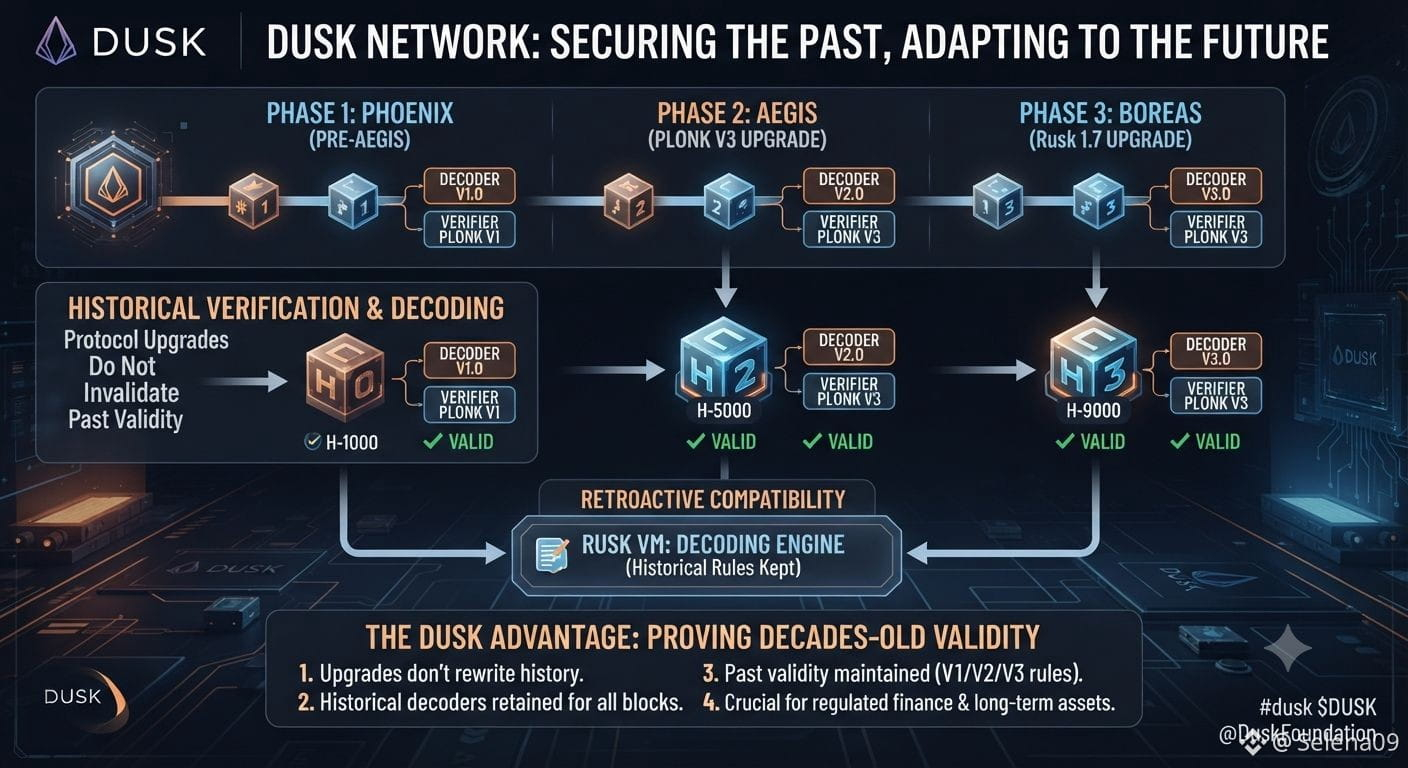
A signature that was valid 10 years ago shouldn’t become invalid just because the standard changed. That thought stuck with me while digging into Aegis and Boreas on Dusk. Aegis introduced PLONK V3, yet Rusk doesn’t use today’s verifier to judge the entire past. Verification follows block height: older blocks still use their corresponding PLONK V1/V2 rules, while newer proofs use V3.
Boreas goes even further. Rusk 1.7 changed transaction handling, execution, and state-transition ordering, yet historical decoders remain for pre-Aegis and pre-Boreas blocks. Phoenix may no longer accept new transactions, but the machinery needed to decode and execute its history remains. That made me stop.
A protocol can upgrade five times, ten times. Proof systems can change, and transaction models can disappear. But the past still has to be read by the rules that made it valid at the time. For regulated finance, that distinction matters more than it first appears.
A financial asset may remain on-chain long after the software and proof system that first recorded its history have been retired. Immutability isn’t just about not rewriting the past; it’s about not forgetting how to prove the past was valid. If Dusk becomes infrastructure for assets that live for decades, perhaps the real test isn’t how often the network can upgrade. It’s whether, ten years and ten upgrades later, Dusk can still prove why a transaction was valid on the day it happened.
$PROM $ONG
A signature that was valid 10 years ago shouldn’t become invalid just because the standard changed. That thought stuck with me while digging into Aegis and Boreas on Dusk. Aegis introduced PLONK V3, yet Rusk doesn’t use today’s verifier to judge the entire past. Verification follows block height: older blocks still use their corresponding PLONK V1/V2 rules, while newer proofs use V3.
Boreas goes even further. Rusk 1.7 changed transaction handling, execution, and state-transition ordering, yet historical decoders remain for pre-Aegis and pre-Boreas blocks. Phoenix may no longer accept new transactions, but the machinery needed to decode and execute its history remains. That made me stop.
A protocol can upgrade five times, ten times. Proof systems can change, and transaction models can disappear. But the past still has to be read by the rules that made it valid at the time. For regulated finance, that distinction matters more than it first appears.
A financial asset may remain on-chain long after the software and proof system that first recorded its history have been retired. Immutability isn’t just about not rewriting the past; it’s about not forgetting how to prove the past was valid. If Dusk becomes infrastructure for assets that live for decades, perhaps the real test isn’t how often the network can upgrade. It’s whether, ten years and ten upgrades later, Dusk can still prove why a transaction was valid on the day it happened.
$PROM $ONG
ပုံသေထားသည်
စိစစ်အတည်ပြုထားသည်
On Tuesday evening, I returned something I’d bought to a store. The item was already back where it belonged, but the transaction wasn’t finished until the money was too.
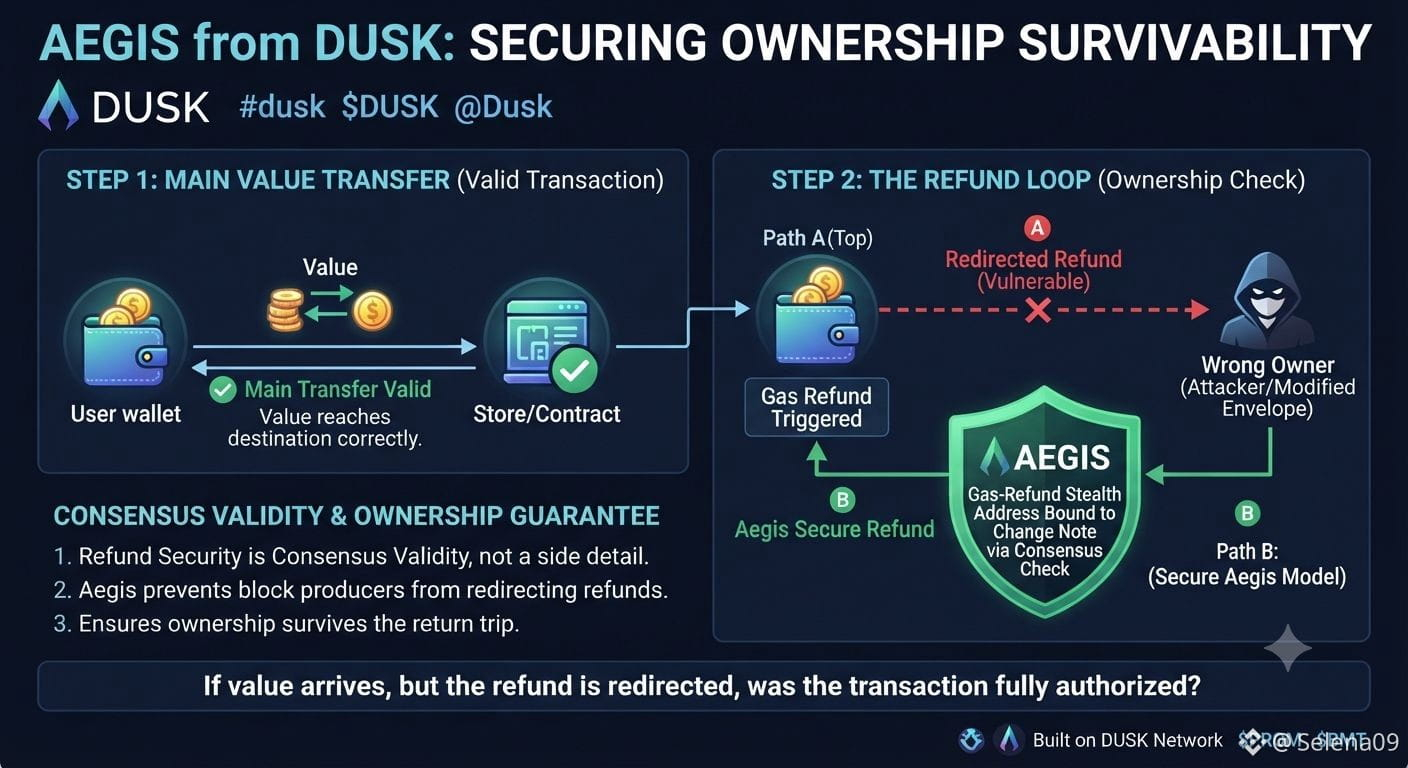
That thought came back while I was digging through Aegis from @Dusk . Buried in Phoenix is a tiny detail: the gas-refund stealth address is bound to the change note proven by the transaction. That consensus check prevents a block producer or modified transaction envelope from redirecting the refund of an otherwise valid transaction.
That last part is what caught me. Nothing has to happen to the main transfer. The transaction can remain valid. The value can arrive exactly where it should. Only the value coming back needs to be redirected for ownership to break.
So sending value safely is only half the path. Ownership has to survive the return trip too and Aegis pushes that guarantee all the way into consensus validity. A refund isn’t a side detail of a transaction. It’s ownership that hasn’t finished yet.
If value can reach the right destination while what remains returns to the wrong owner, was the transaction ever fully authorized in the first place?
$PROM $BMT $DUSK #dusk
That thought came back while I was digging through Aegis from @Dusk . Buried in Phoenix is a tiny detail: the gas-refund stealth address is bound to the change note proven by the transaction. That consensus check prevents a block producer or modified transaction envelope from redirecting the refund of an otherwise valid transaction.
That last part is what caught me. Nothing has to happen to the main transfer. The transaction can remain valid. The value can arrive exactly where it should. Only the value coming back needs to be redirected for ownership to break.
So sending value safely is only half the path. Ownership has to survive the return trip too and Aegis pushes that guarantee all the way into consensus validity. A refund isn’t a side detail of a transaction. It’s ownership that hasn’t finished yet.
If value can reach the right destination while what remains returns to the wrong owner, was the transaction ever fully authorized in the first place?
$PROM $BMT $DUSK #dusk
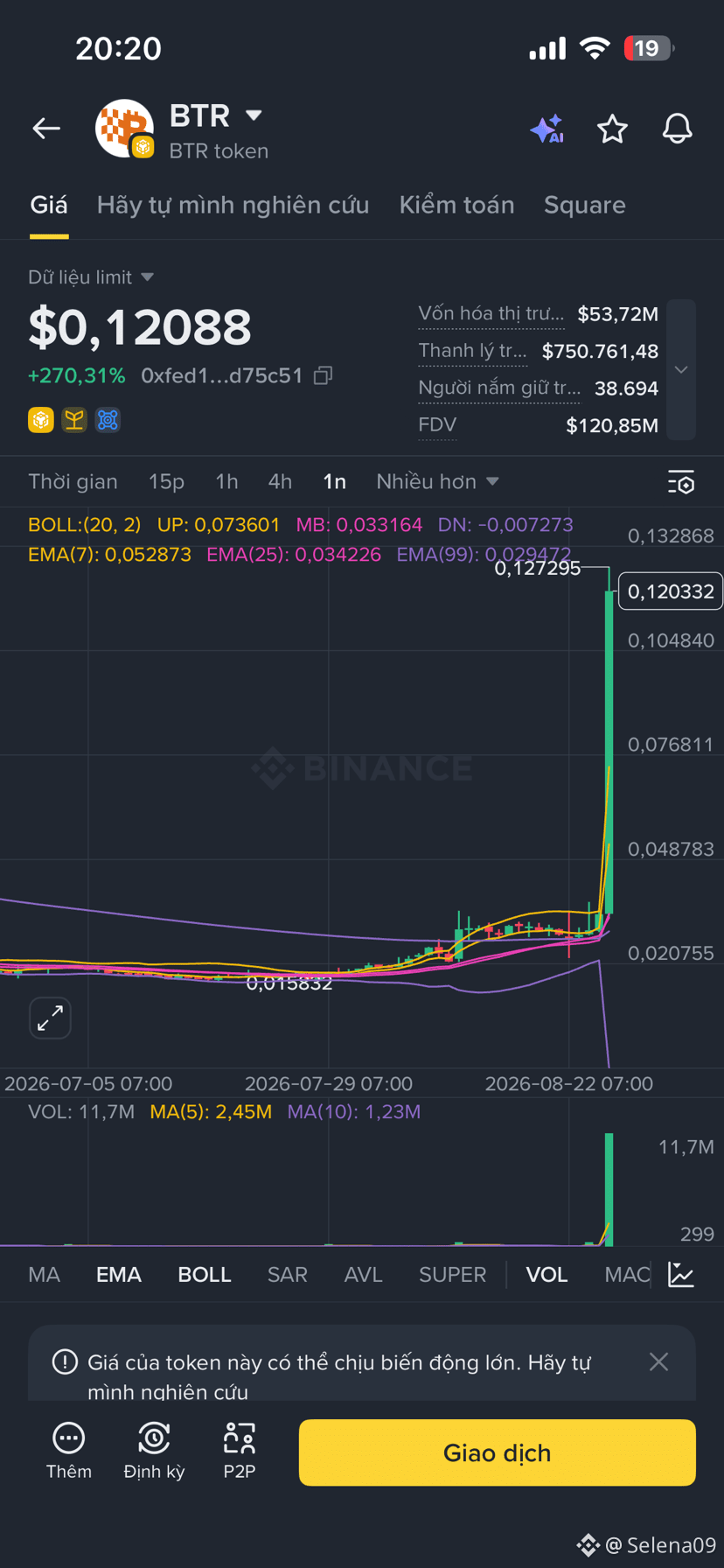
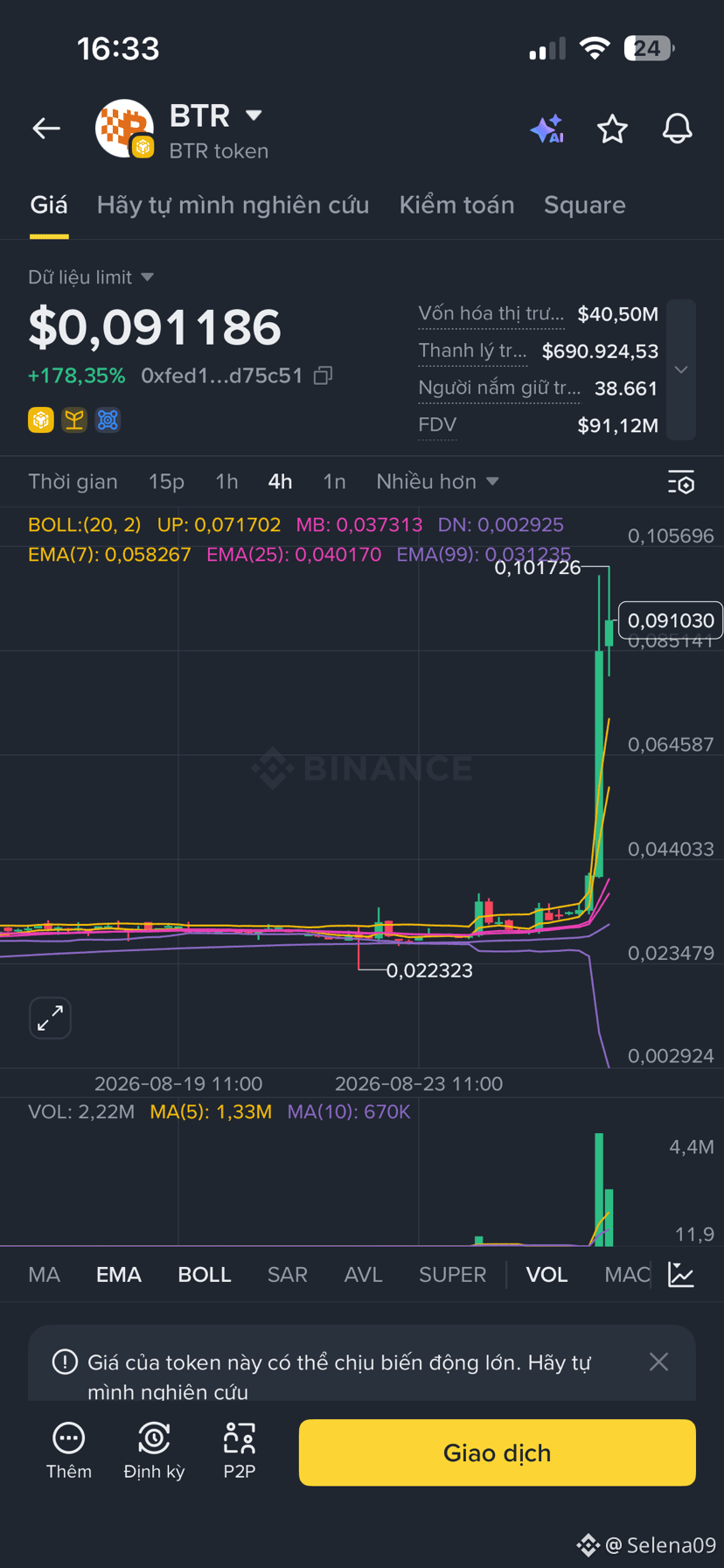
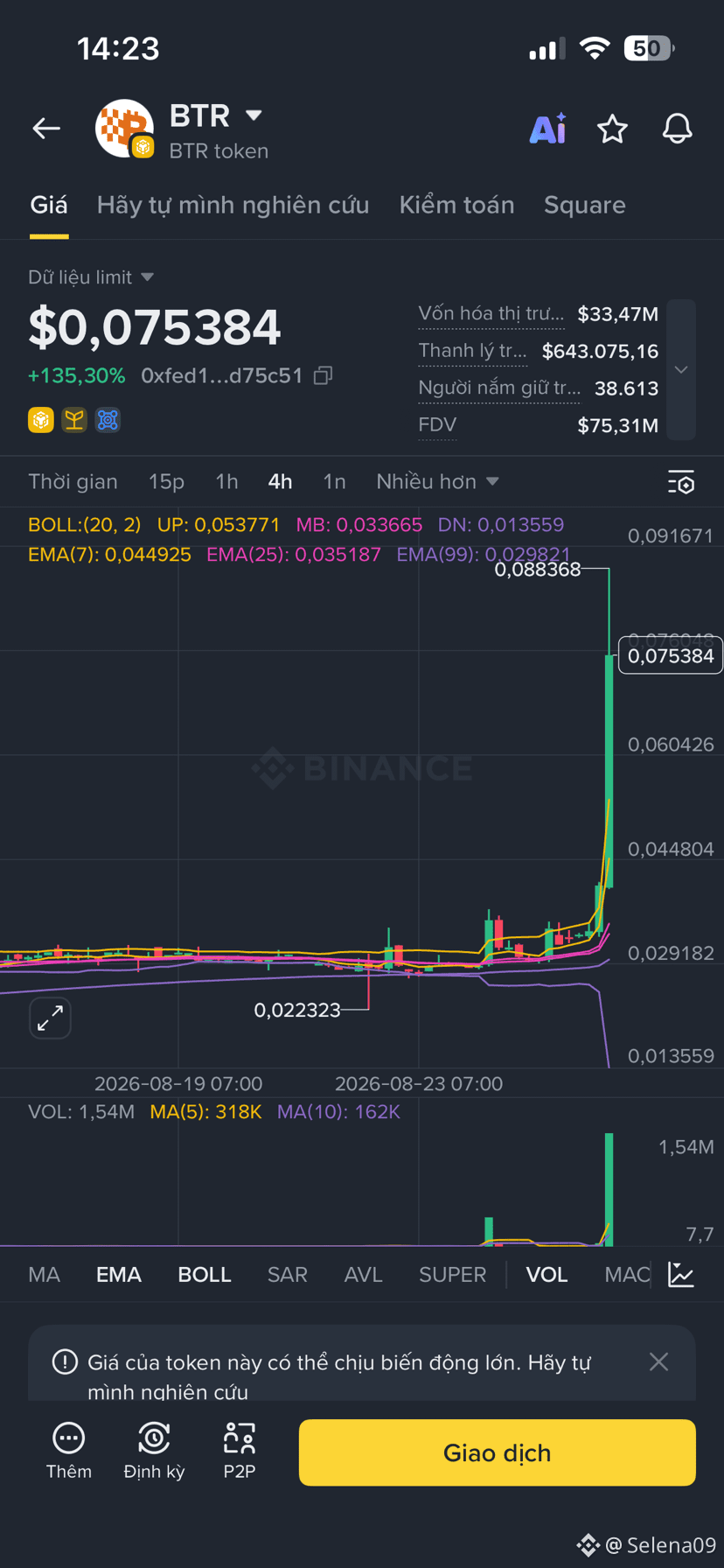
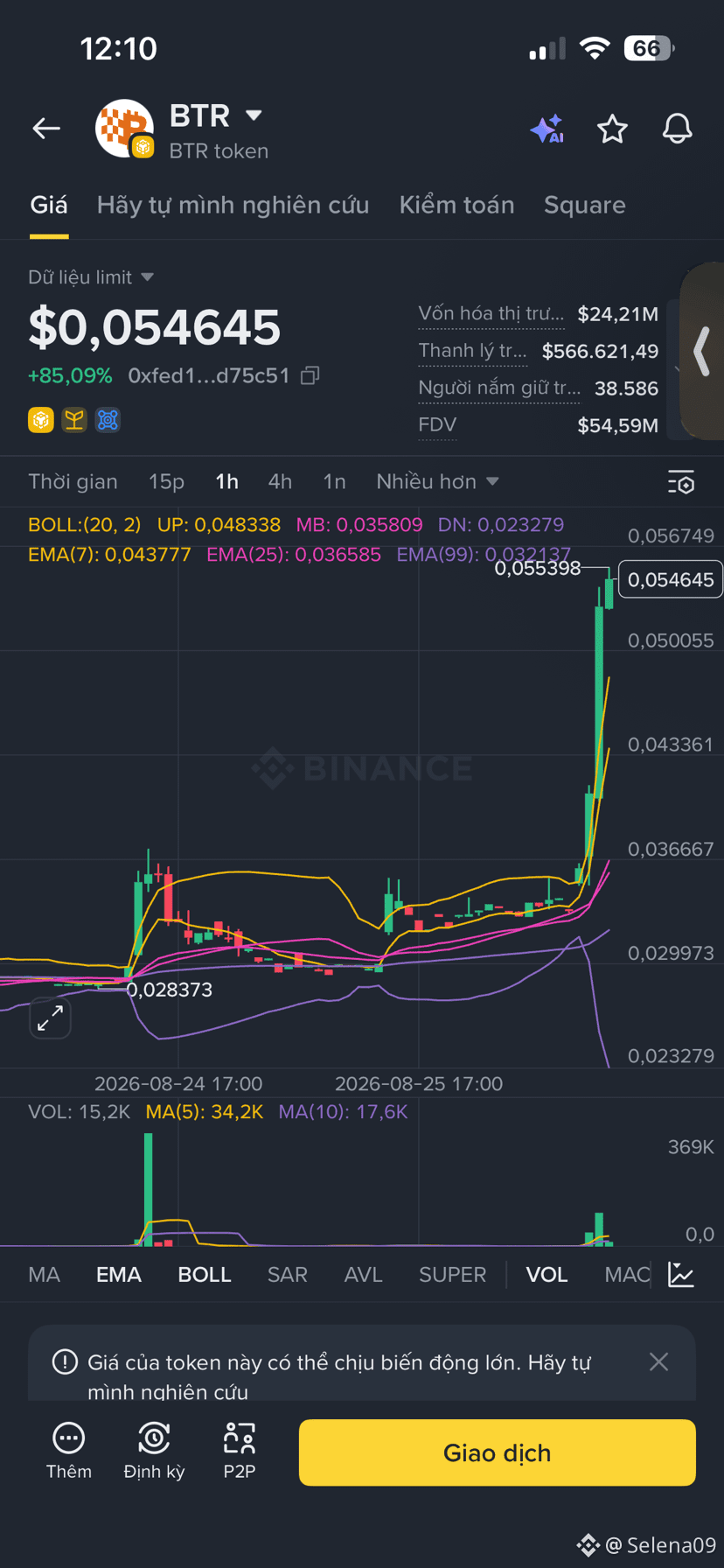
Con $BTR tăng x lần rồi :) con của mình mua vẫn không nhúc nhích
$TMX $DEBIT
$TMX $DEBIT
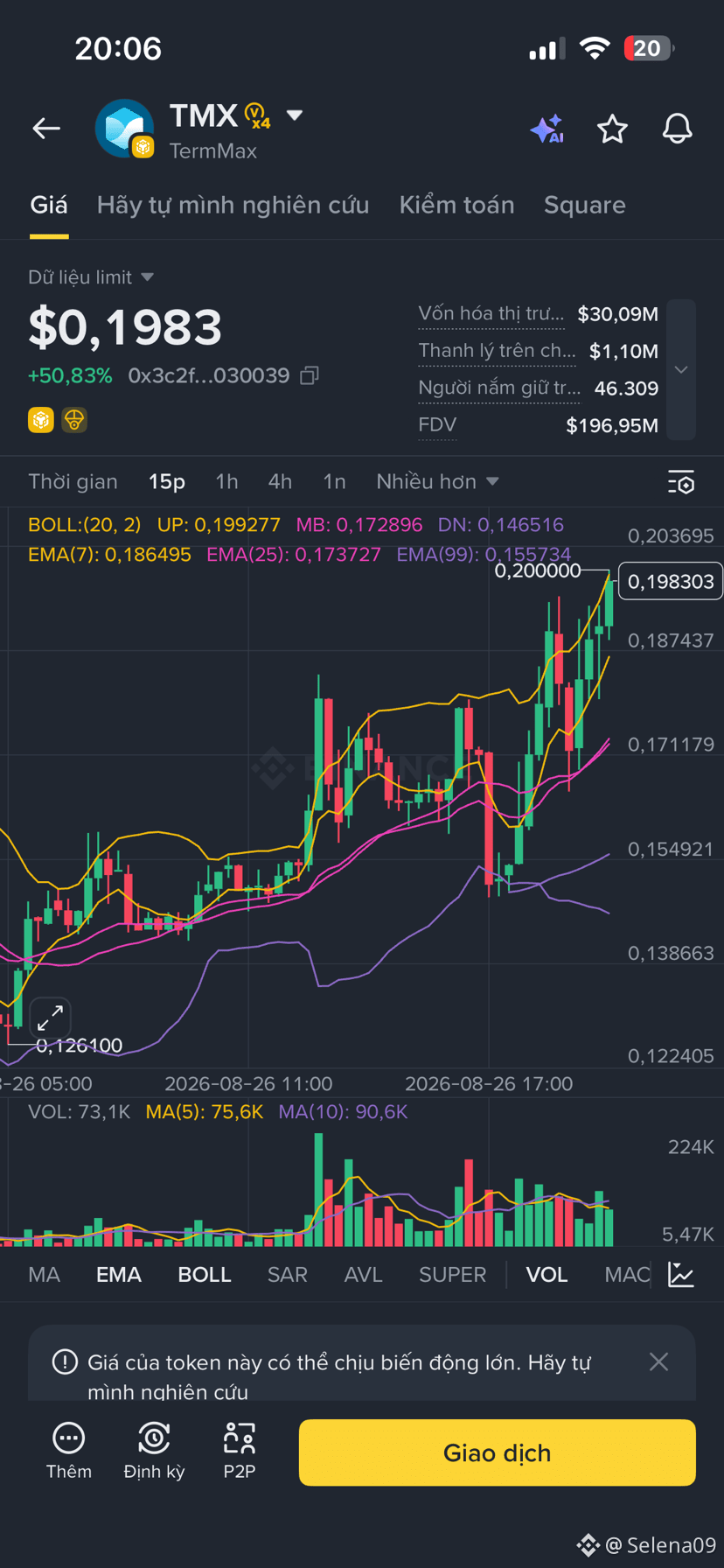
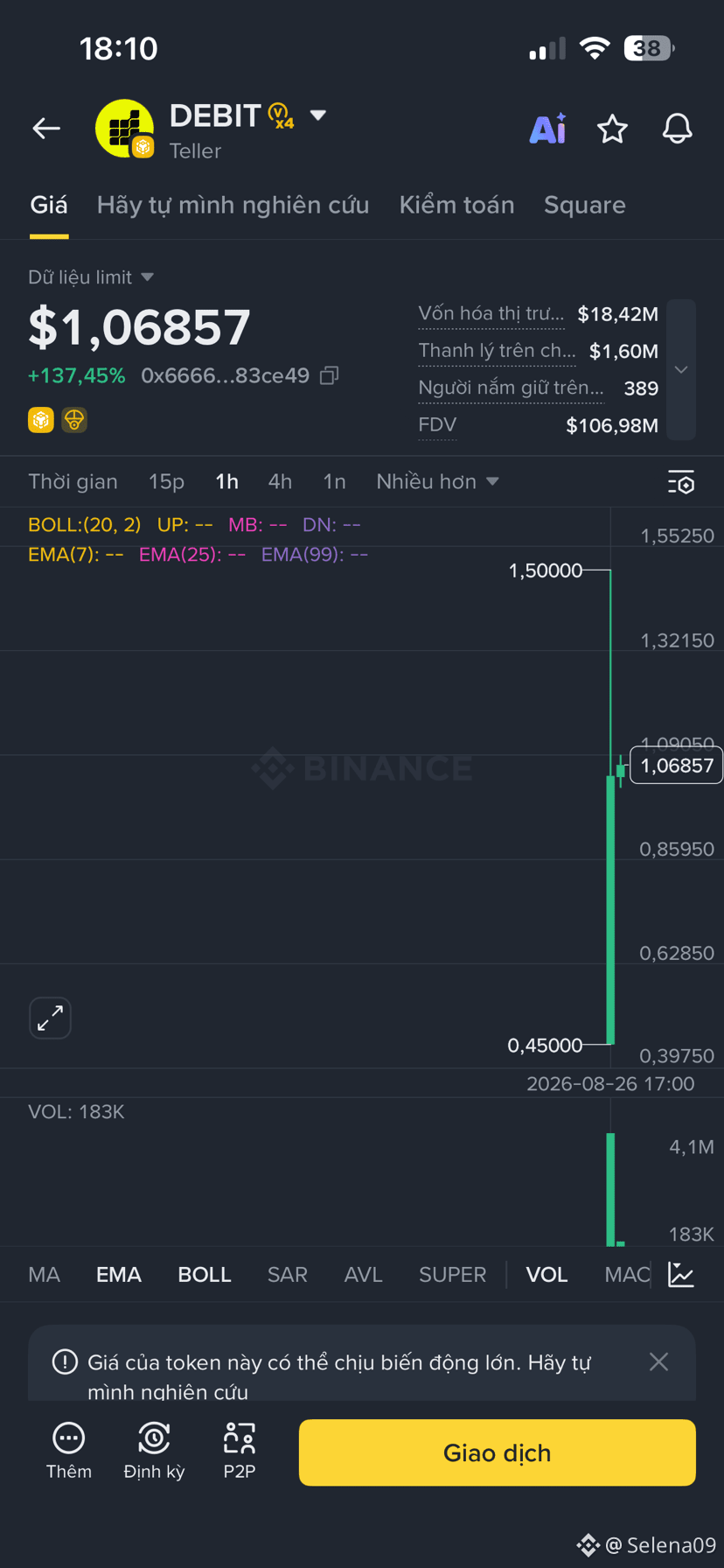
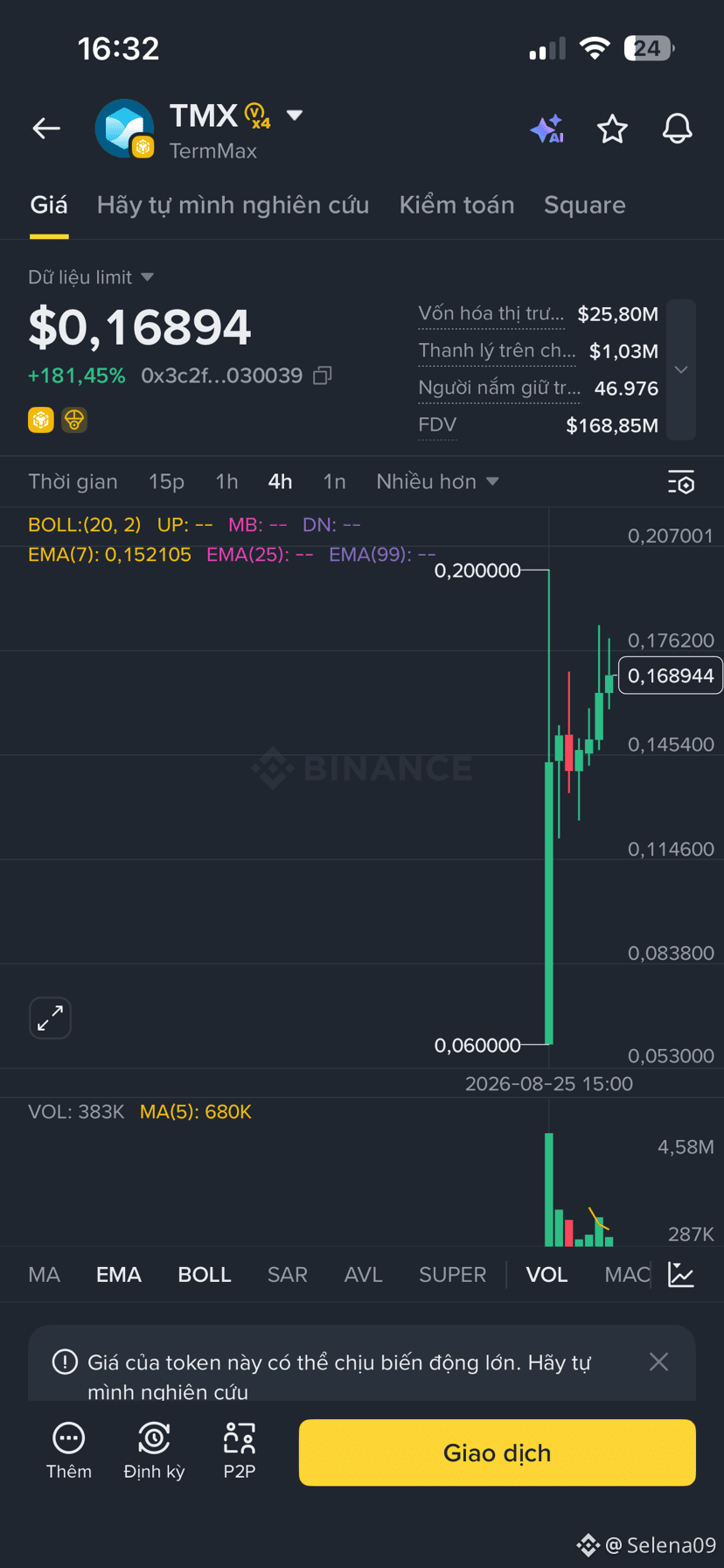
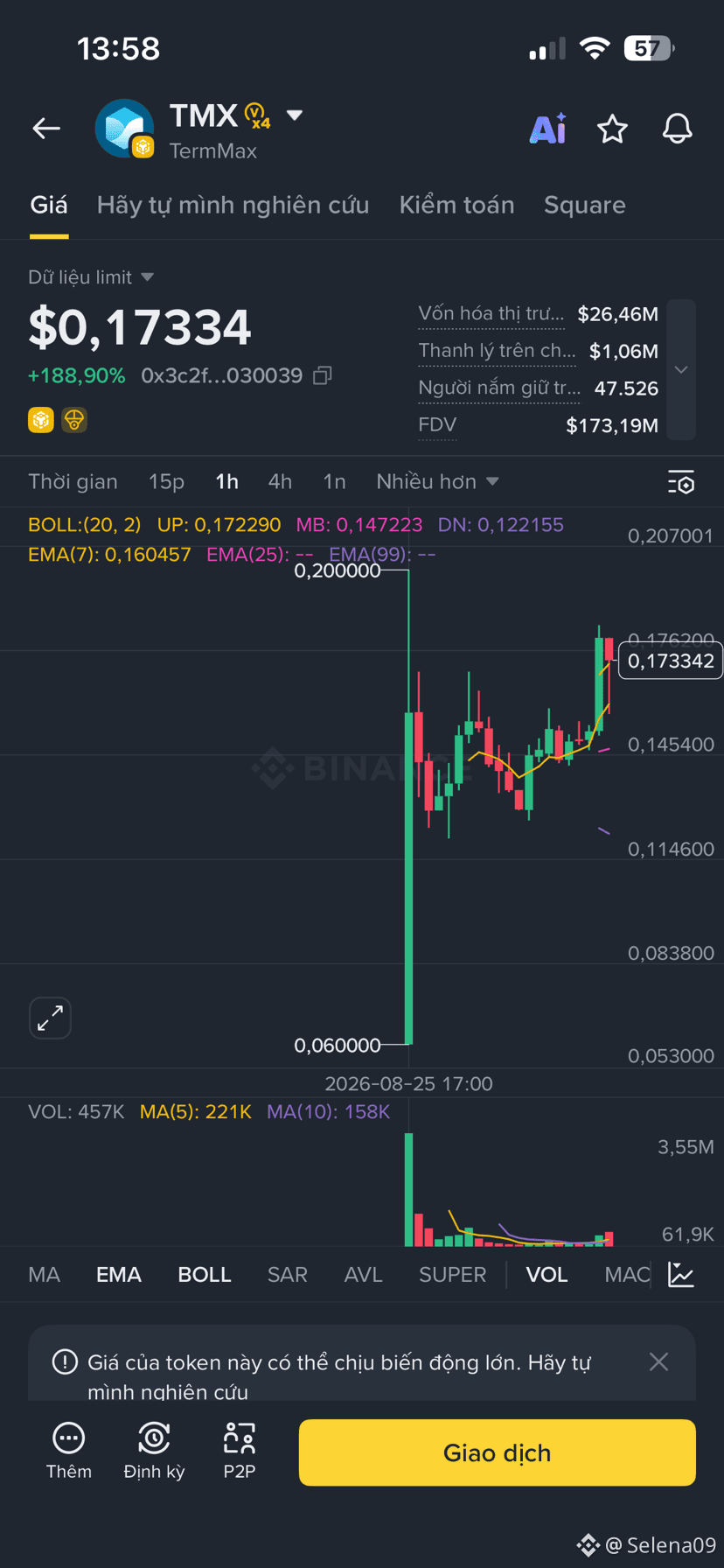
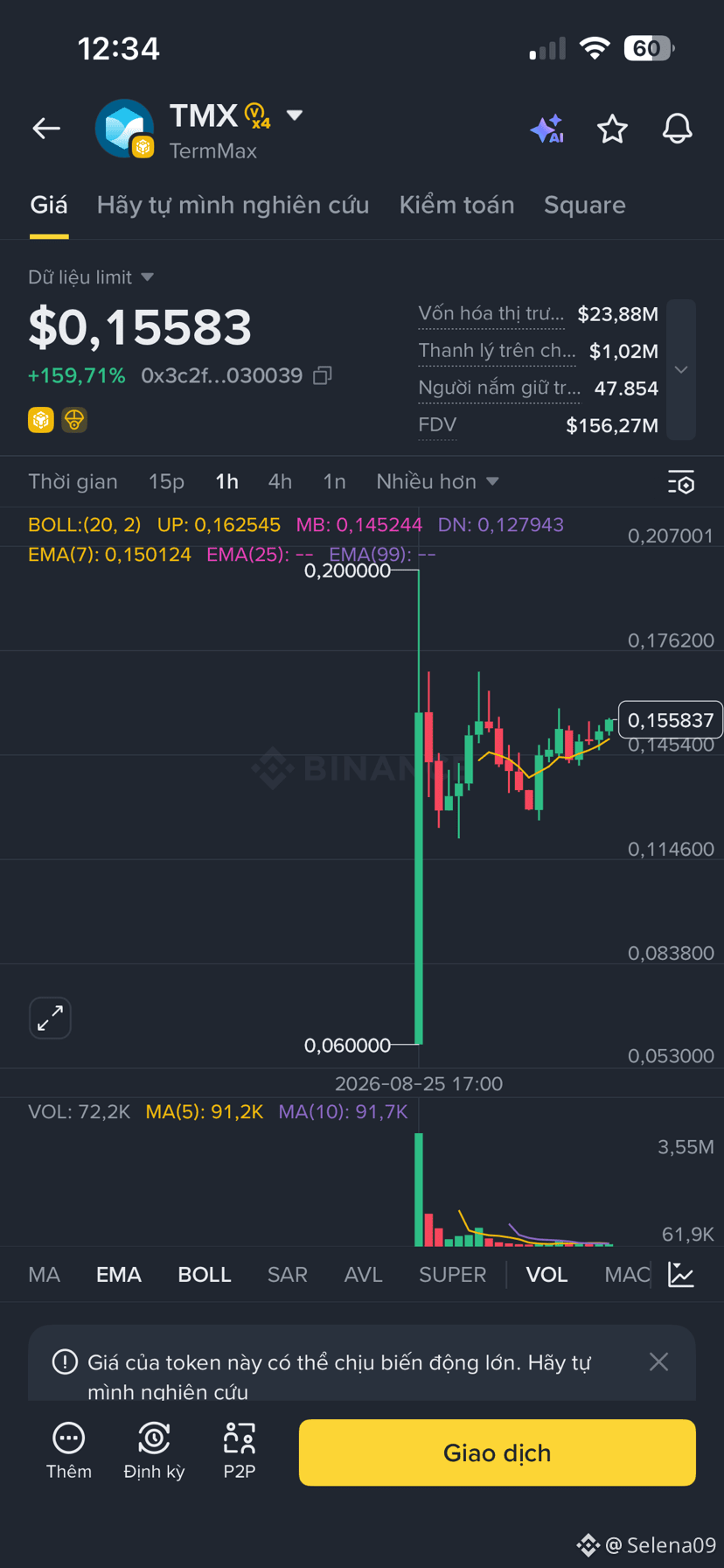
$TMX sắp vượt đỉnh cũ 0.2 ngày hôm qua, Liệu $DEBIT có làm được điều tương tự không?
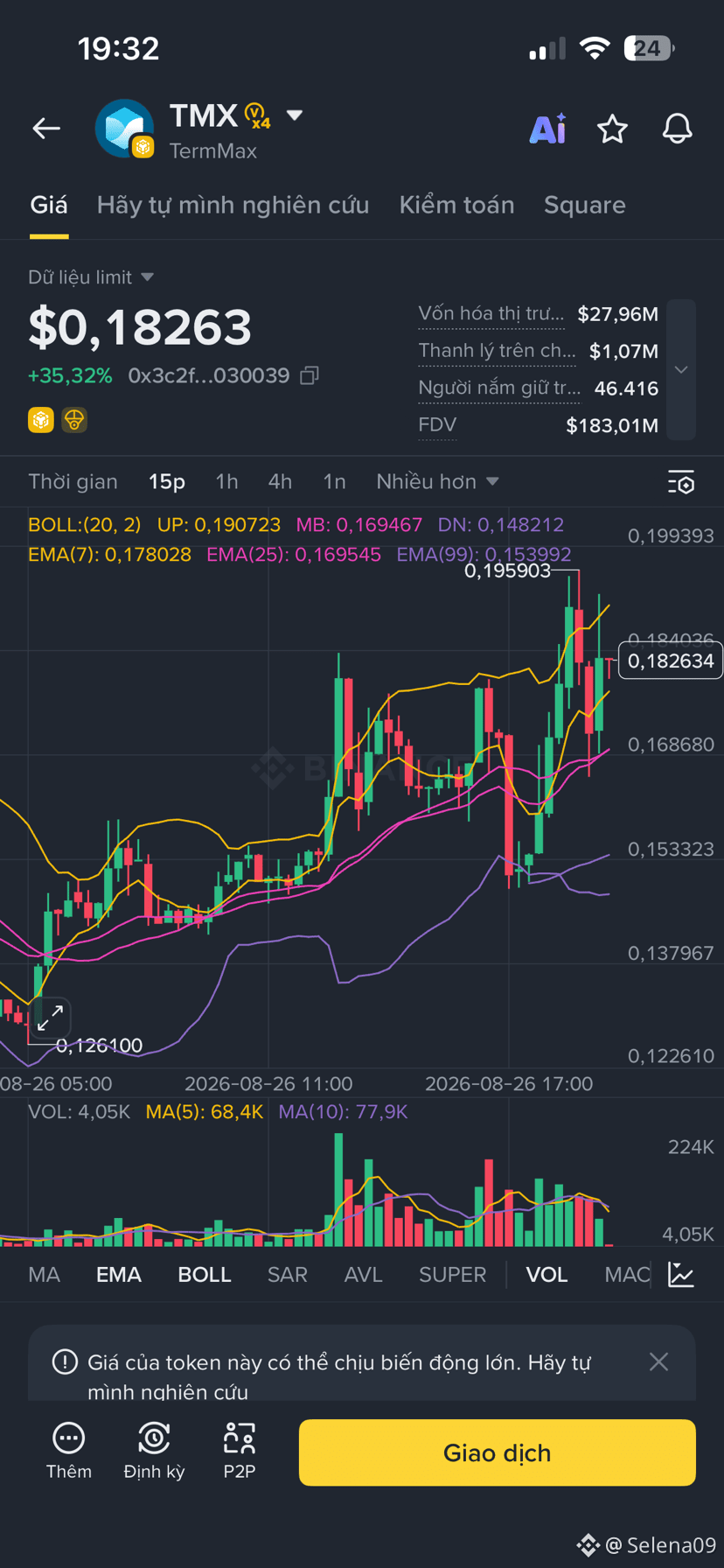
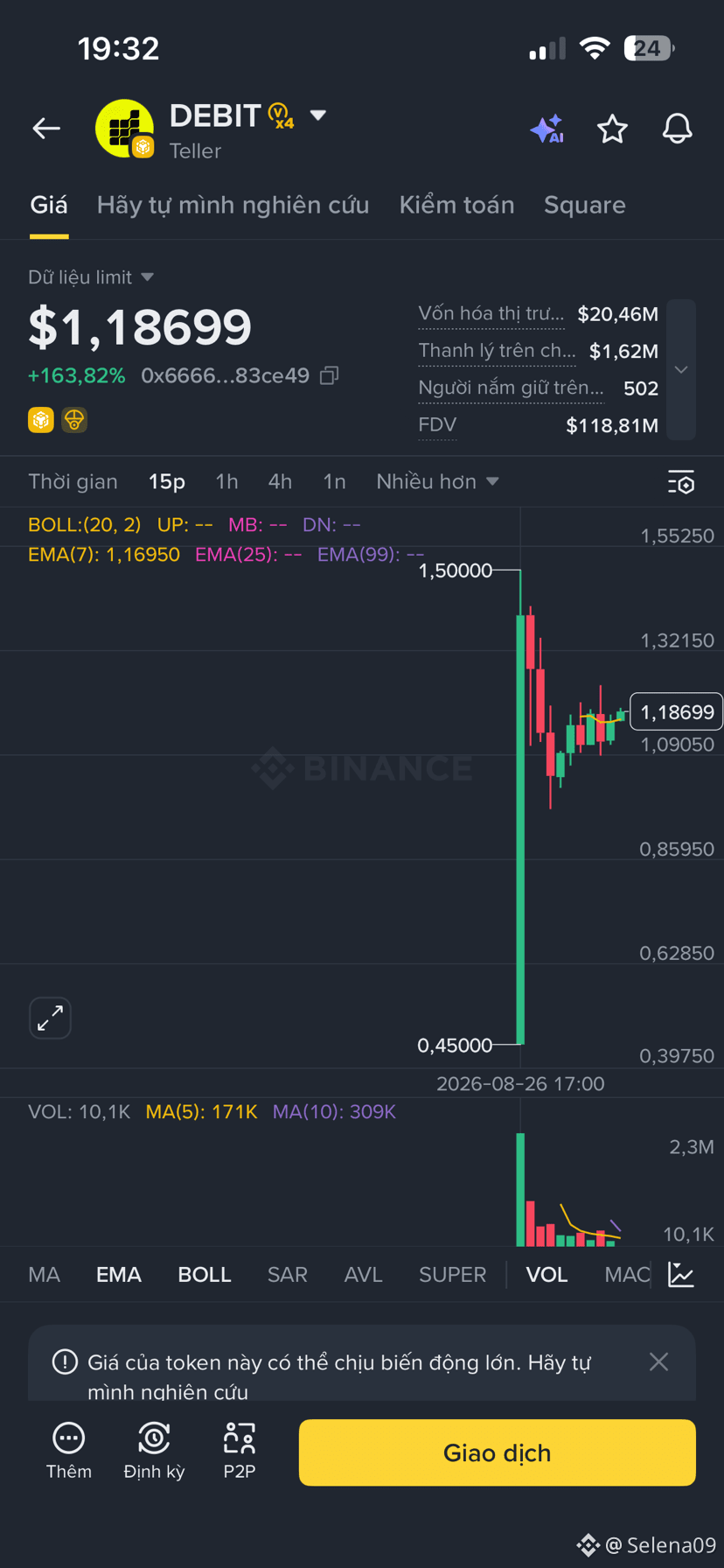
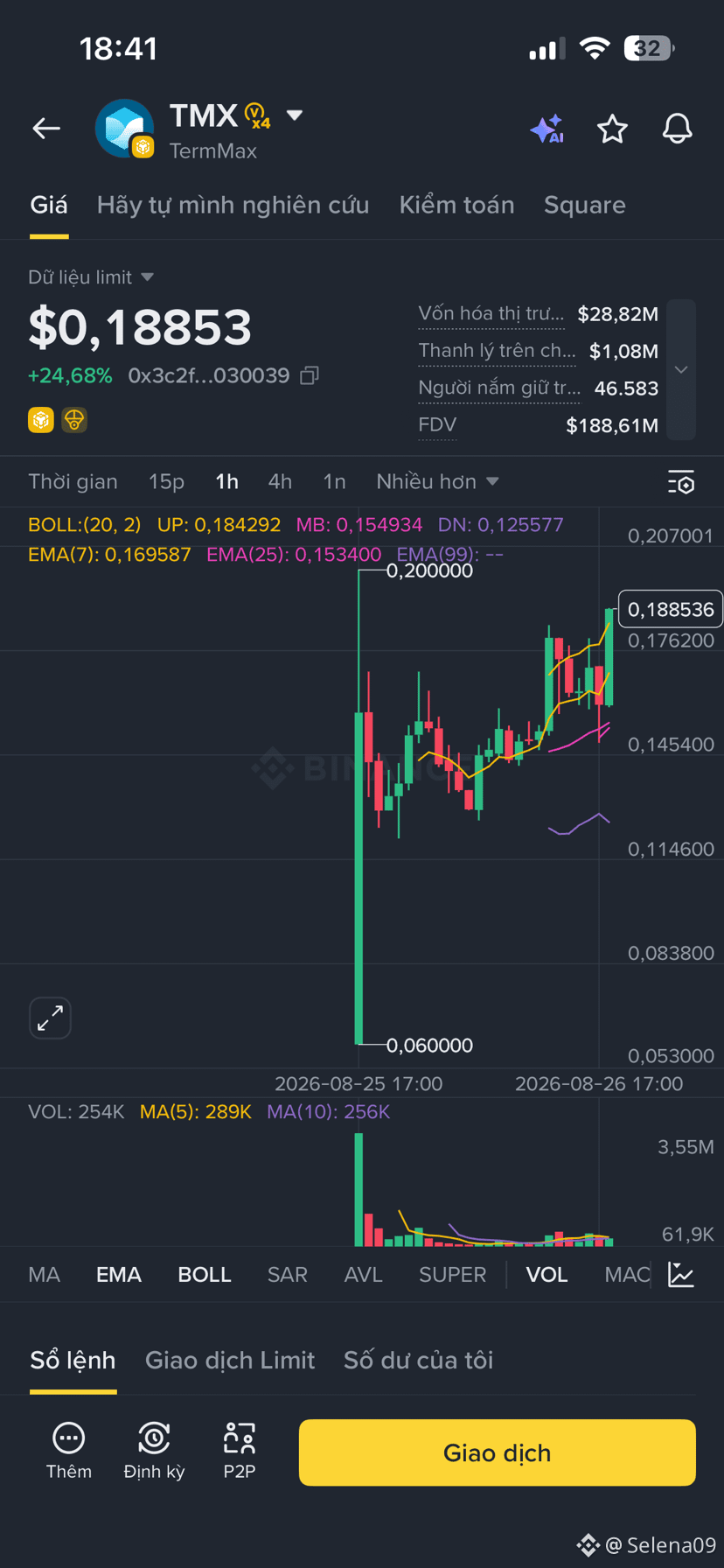
Các bác còn cày Binance Alpha không? 2 ngày 2 kèo ổn áp thế, lâu lắm rồi mới có liên tục 2 kèo thế này nhỉ
$TMX $DEBIT
$TMX $DEBIT
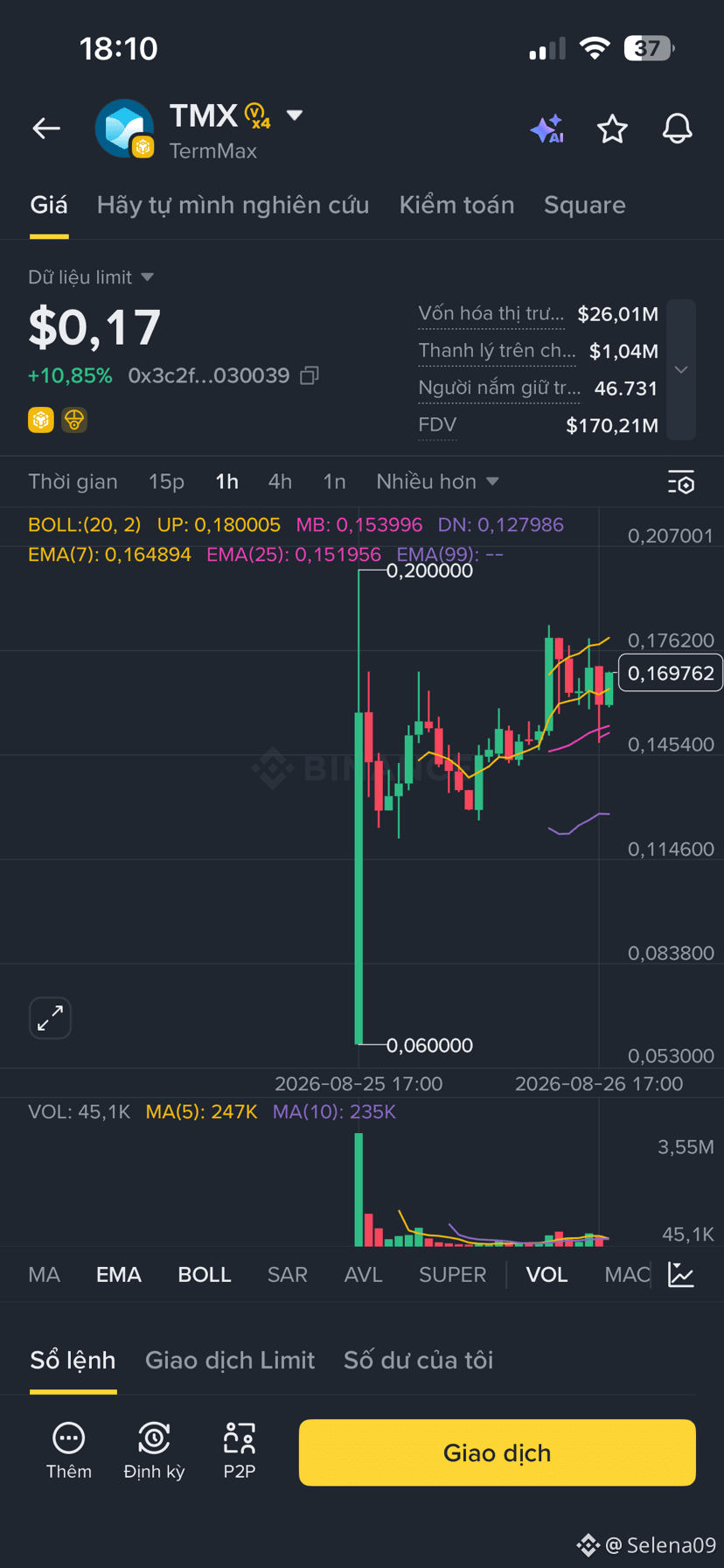
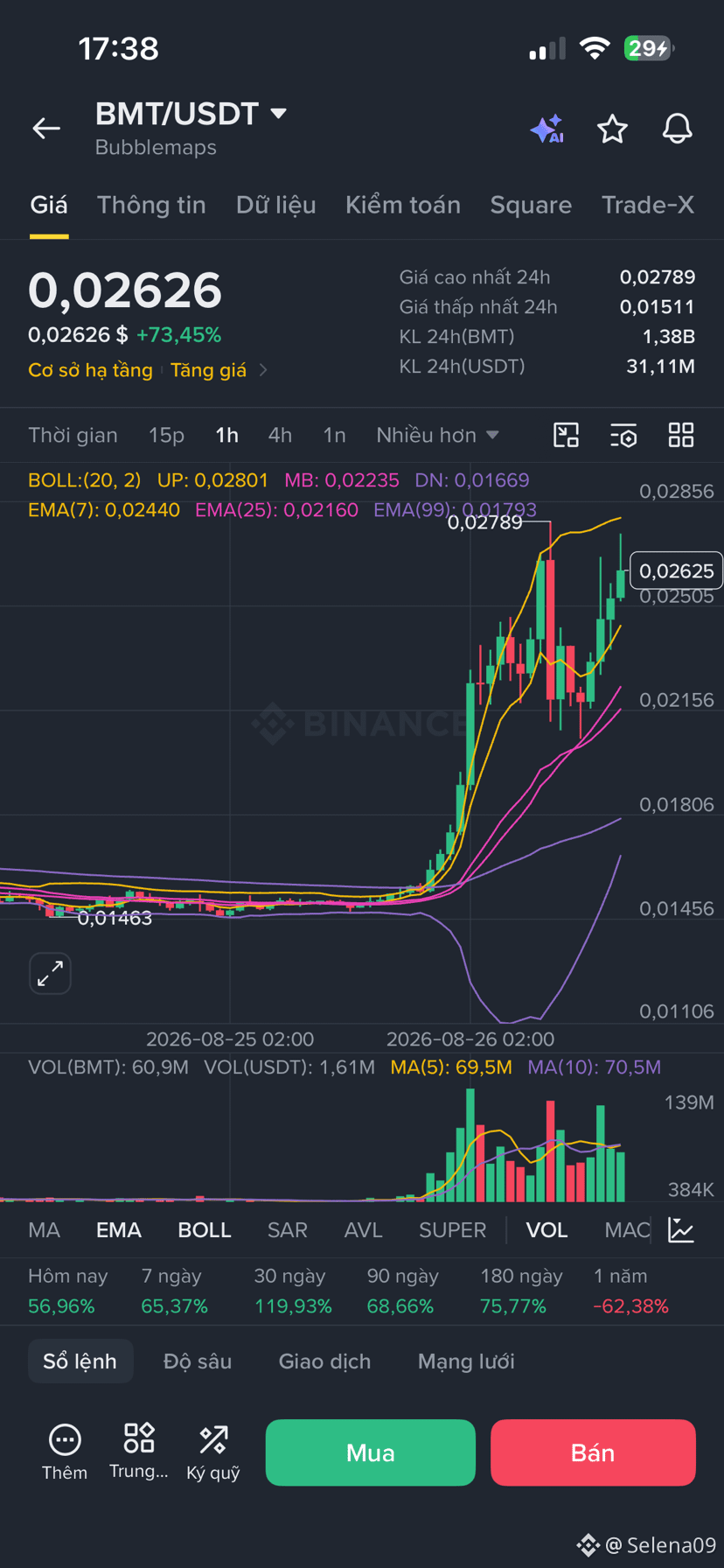
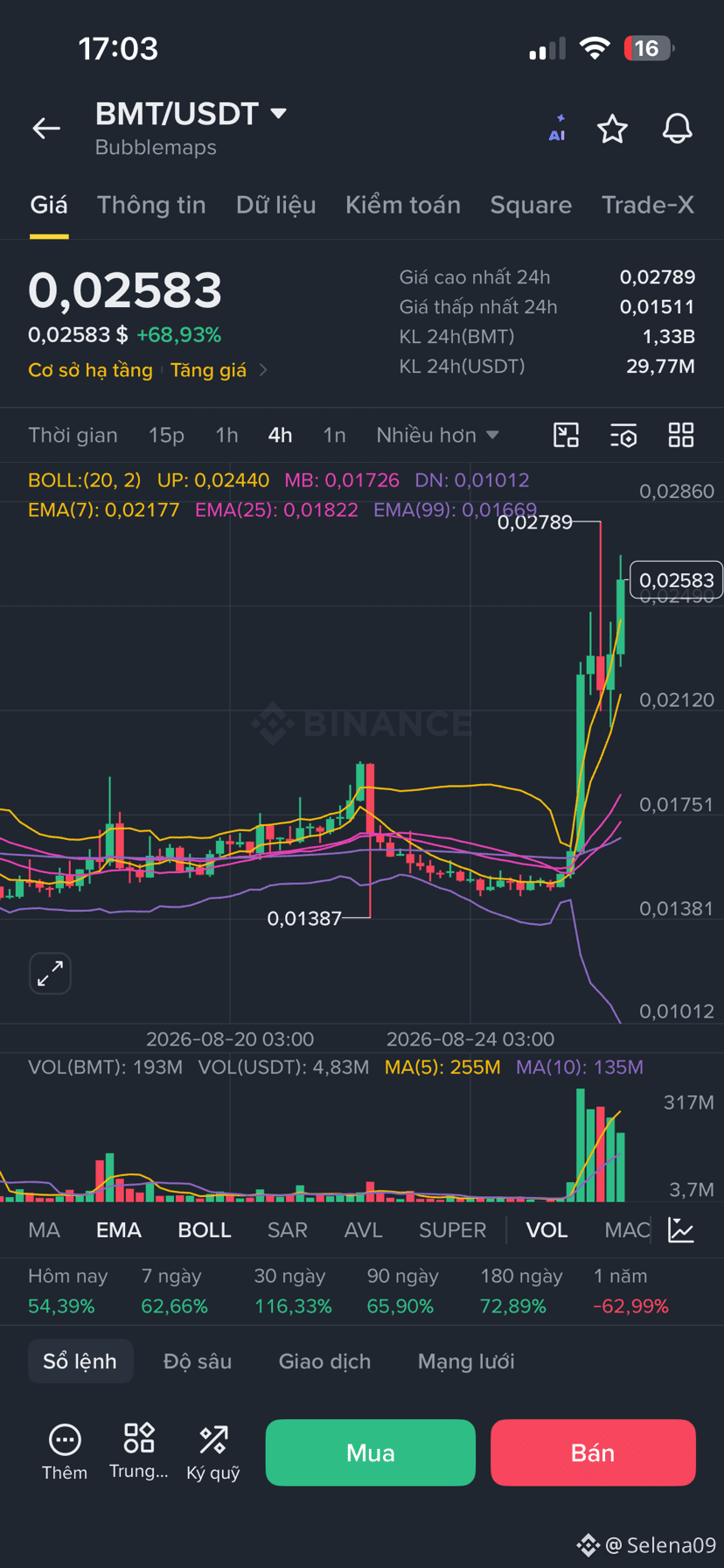
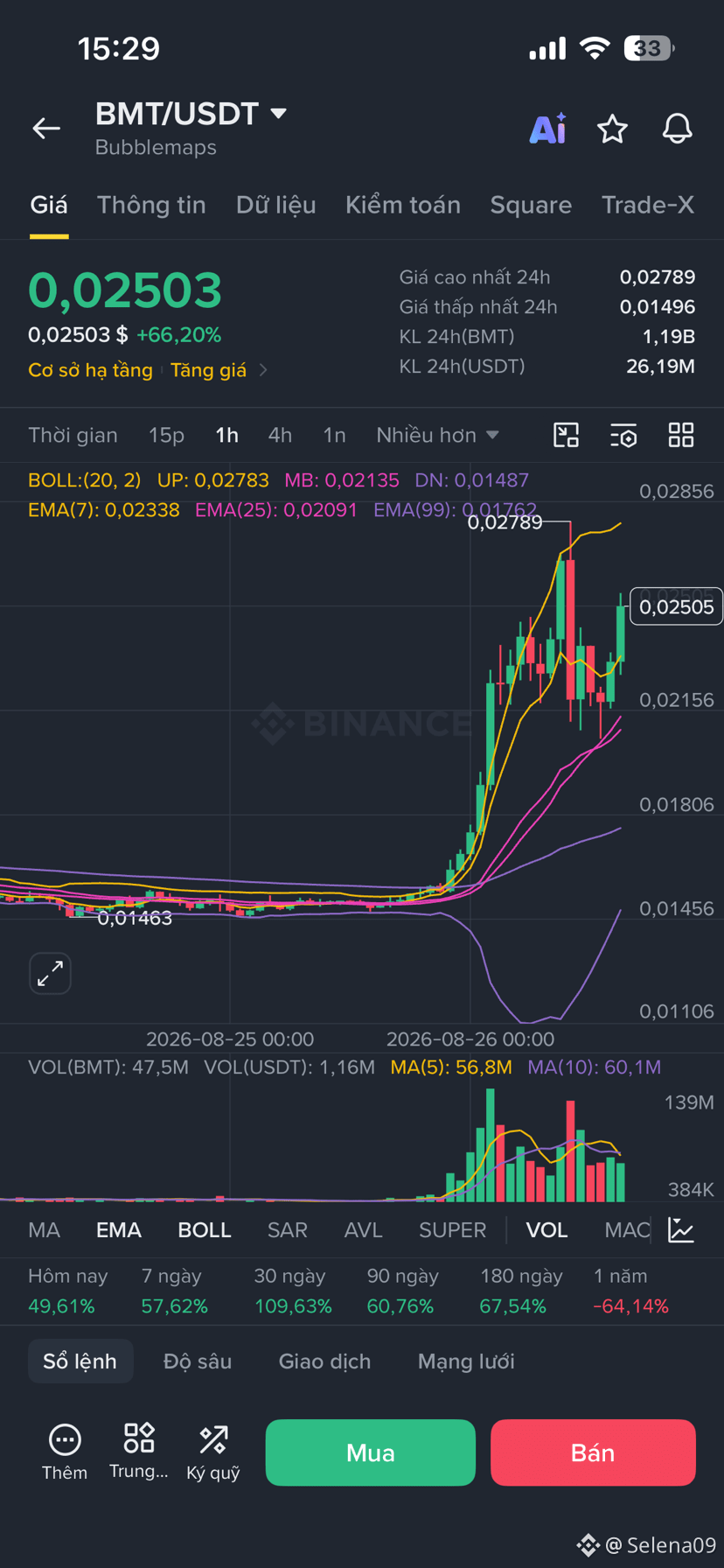
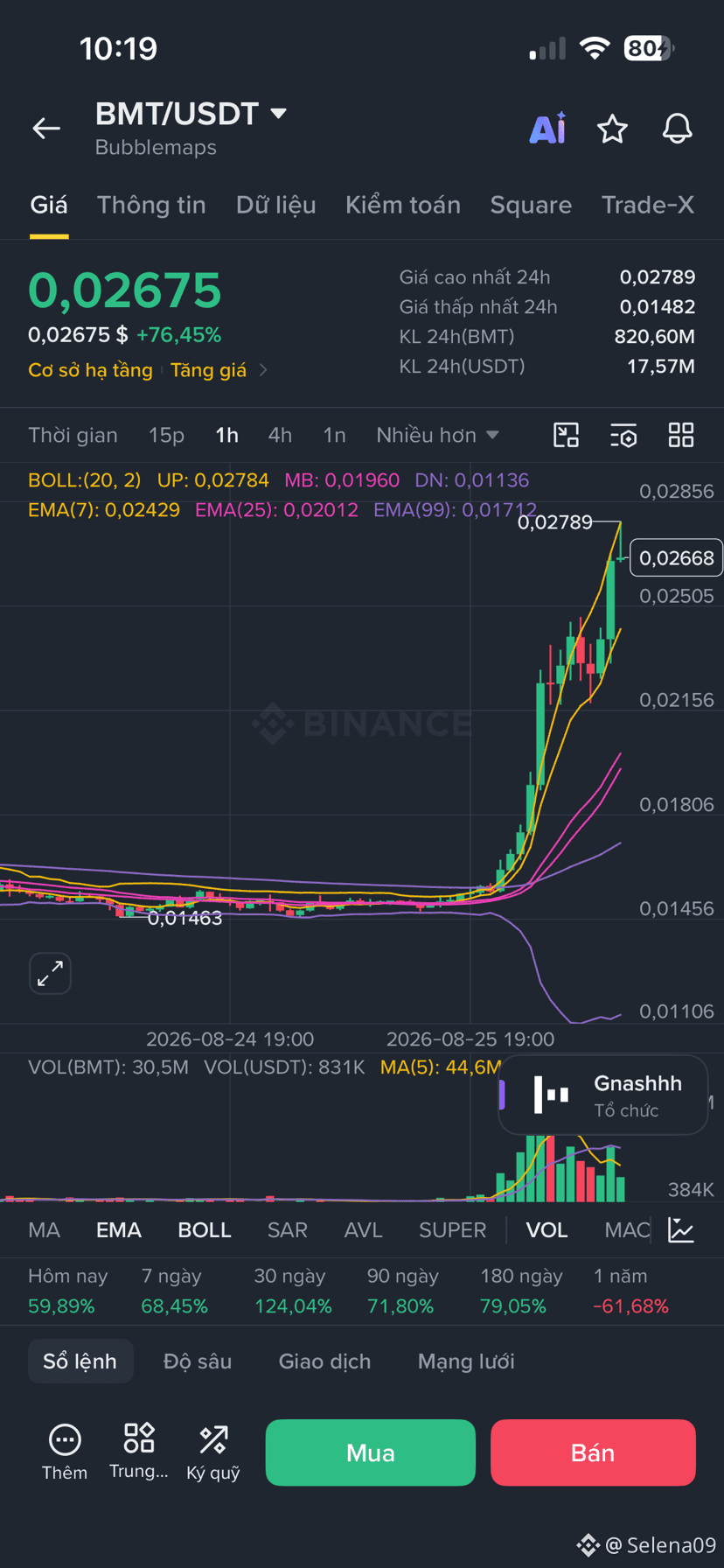
$BMT vẫn leo quá nhỉ, 0.026x rồi, đúng kiểu muốn đẩy thì khỏi phân tích luôn :) chỉ chờ cụ độ thôi
$TMX $DEBIT
$TMX $DEBIT
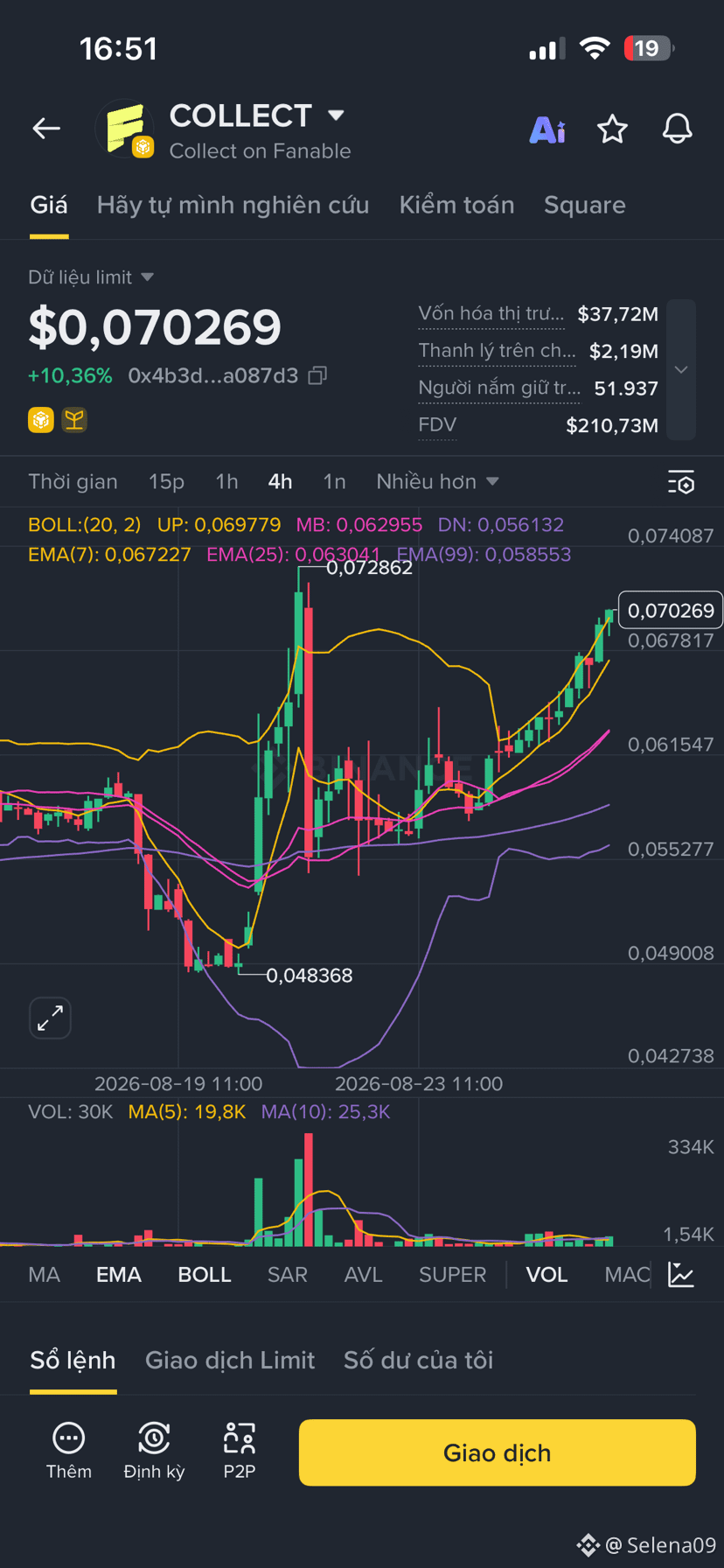
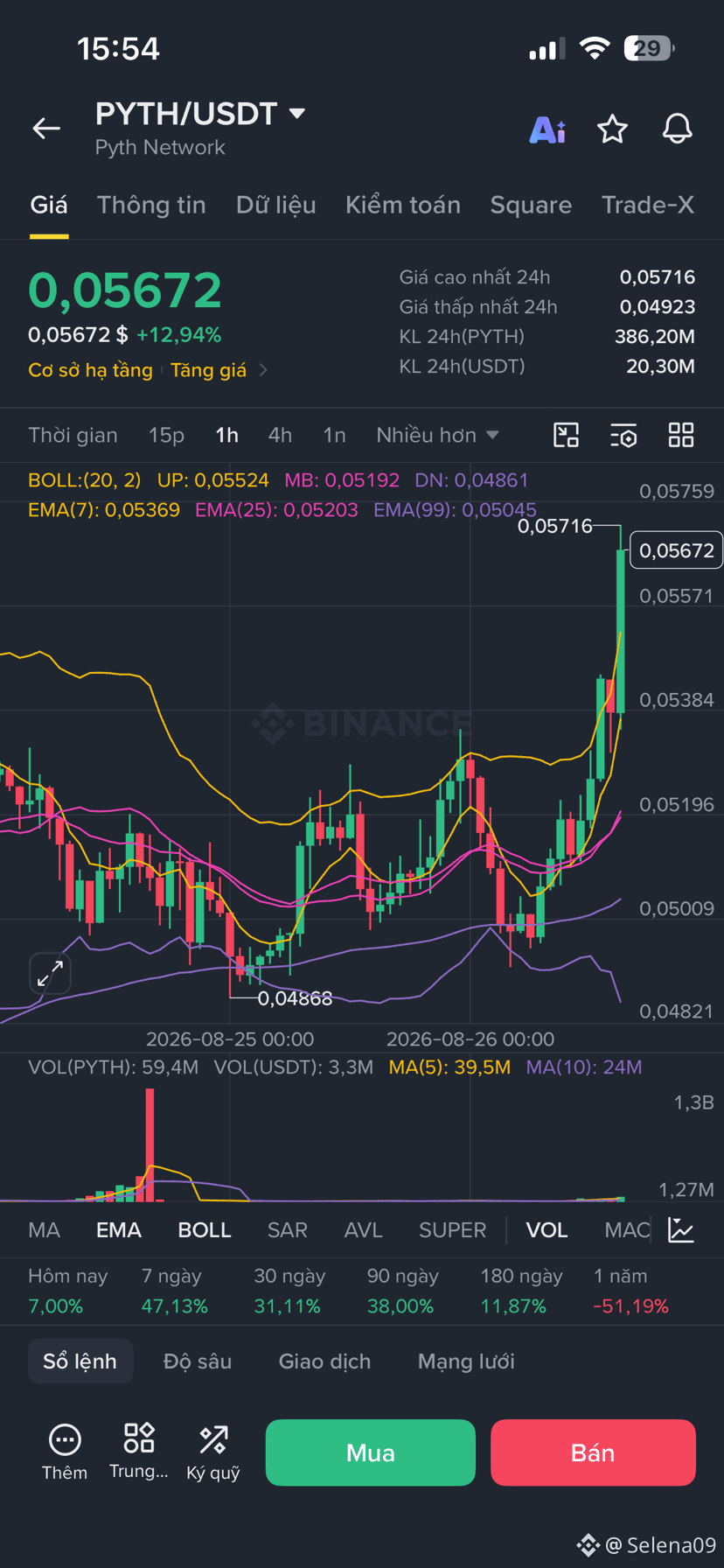
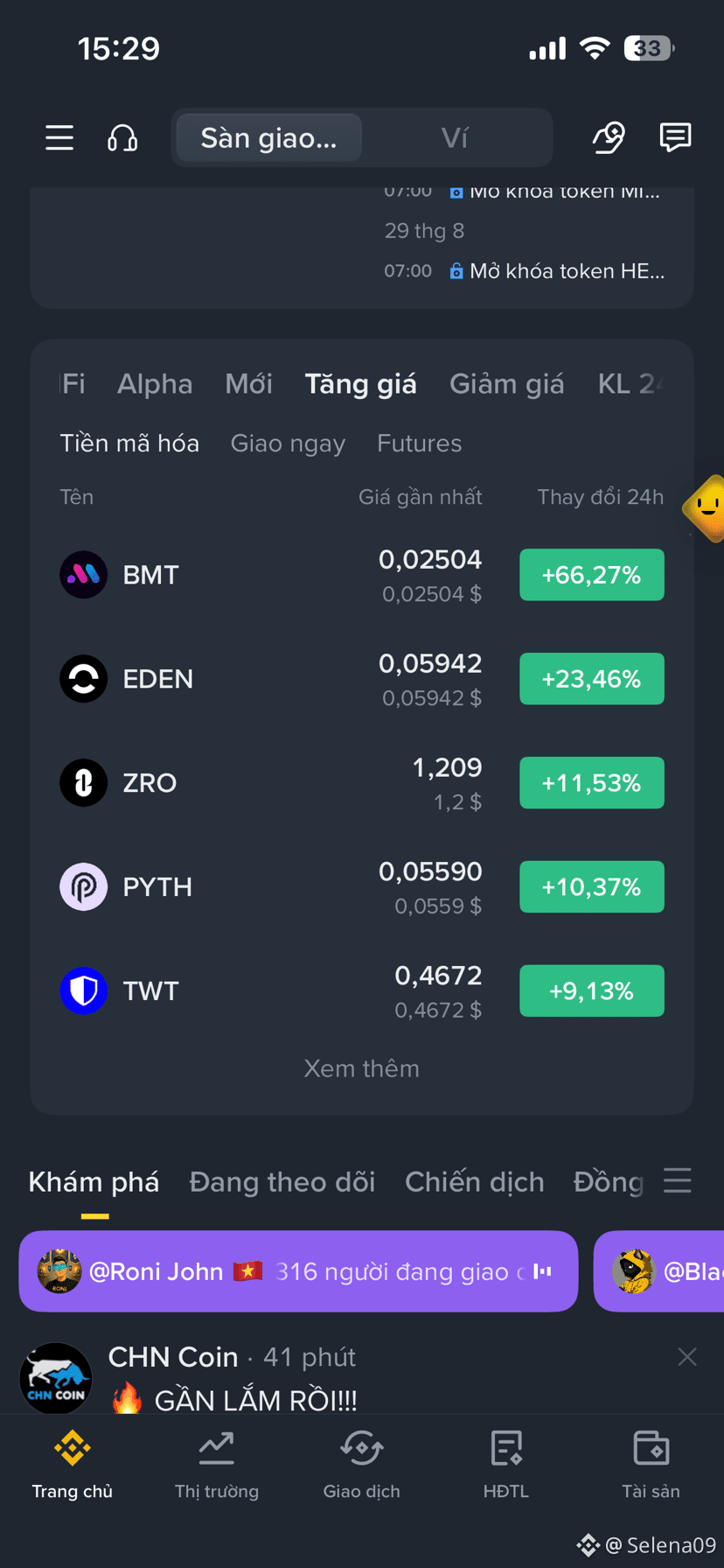
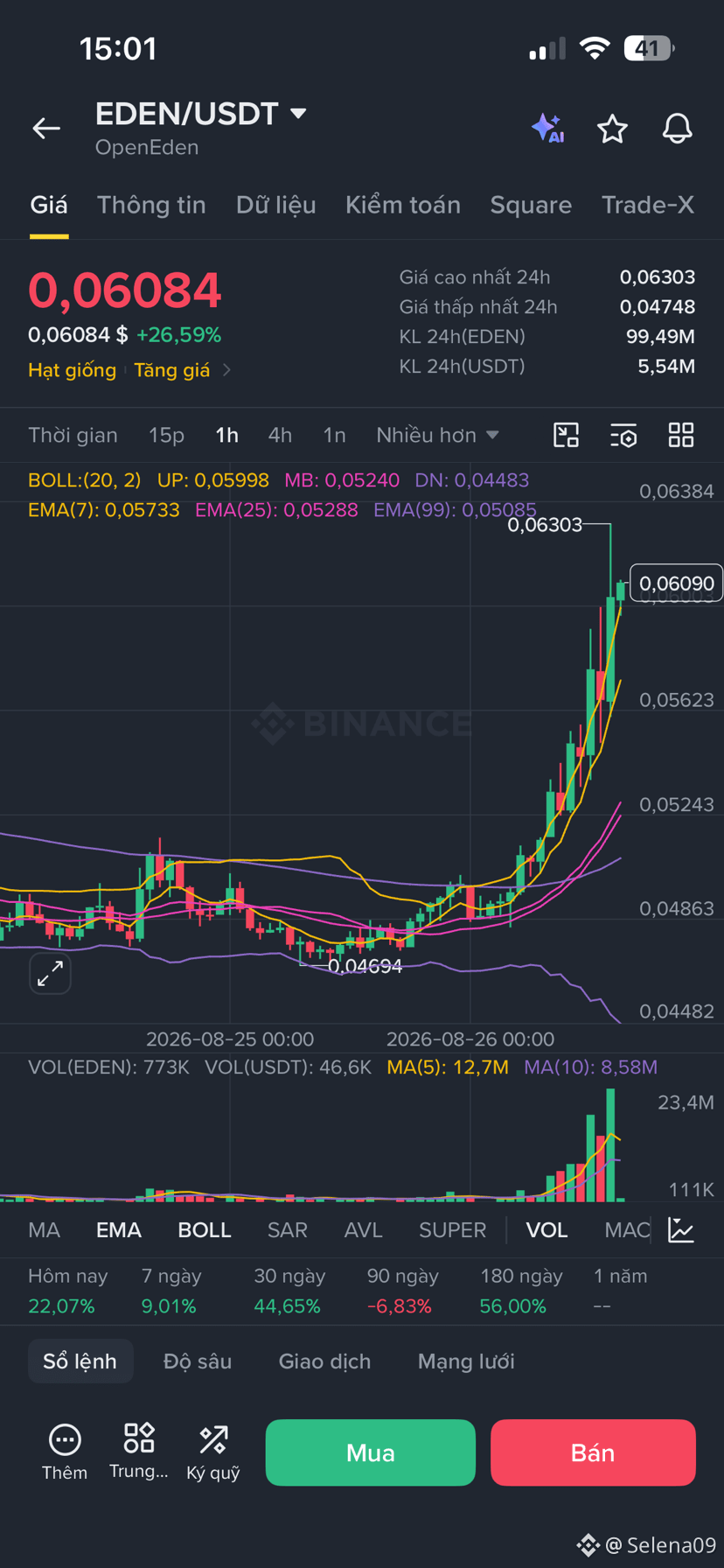
$EDEN con hàng mình từng nhận 50$ bên Binance Alpha đây mà :) sau 1 time giảm sấp mặt thì nay ngóc lên được chút
cả $BTR và $BMT
cả $BTR và $BMT
$BTR gần x3, không dám fomo thì nó cứ leo thôi, dẹp lẹ đi :(
$TMX $EDEN
$TMX $EDEN
Log in to explore more content