

HASEEB_CRPTO
4.5k ပို့စ်များ

HASEEB_CRPTO
တိုင်ကြားမည်
သုံးစွဲသူကို ဘလော့မည်
The perfect plan is not about luck,its is about perfect strategy.
Open Trade

TMX Holder
Frequent Trader
1.3 Years
891 ဖော်လိုလုပ်ထားသည်
33.4K+ ဖော်လိုလုပ်သူများ
16.2K+ လိုက်ခ်လုပ်ထားသည်
ပို့စ်များ
ပိုင်ဆိုင်မှုစာရင်း
အားလုံး
Quotes
တိုက်ရိုက်ထုတ်လွှင့်ခြင်း
·
--
တက်ရိပ်ရှိသည်
🟢 LONG —$LAB USDT.P
SL: 0.05126
TP1: 0.0558
TP2: 0.0665
Risk: 1% max
🟢 LONG —$LAB USDT.P
SL: 0.05126
TP1: 0.0558
TP2: 0.0665
Risk: 1% max
SL: 0.05126
TP1: 0.0558
TP2: 0.0665
Risk: 1% max
1
74
·
--
$KAITO /USDT — 15M
Entry: 0.3385 – 0.3395
SL: 0.3309
TP1: 0.3635
TP2: 0.3490
TP3: 0.3520
$KAITO /USDT — 15M
Entry: 0.3385 – 0.3395
SL: 0.3309
TP1: 0.3635
TP2: 0.3490
TP3: 0.3520
Entry: 0.3385 – 0.3395
SL: 0.3309
TP1: 0.3635
TP2: 0.3490
TP3: 0.3520
1
274
·
--
တက်ရိပ်ရှိသည်
BUY SIGNAL — $BEAT /USDT.P
🟢 Entry: 0.0920 – 0.0923
🛑SL: 0.0878
🎯 TP1: 0.0978
🎯 TP2: 0.0995+
📌 Risk: 1% max per trade
⚠️ Always use Stop Loss.
BUY SIGNAL — $BEAT /USDT.P
🟢 Entry: 0.0920 – 0.0923
🛑SL: 0.0878
🎯 TP1: 0.0978
🎯 TP2: 0.0995+
📌 Risk: 1% max per trade
⚠️ Always use Stop Loss.
🟢 Entry: 0.0920 – 0.0923
🛑SL: 0.0878
🎯 TP1: 0.0978
🎯 TP2: 0.0995+
📌 Risk: 1% max per trade
⚠️ Always use Stop Loss.
66
·
--
$ETH /USD — SHORT SETUP
📉 Entry: 2,681 – 2,692
🛑 SL: 2,723
🎯 TP1: 2,655
🎯 TP2: 2,639
🎯 TP3: 2,625
$QNT $BTW
$ETH /USD — SHORT SETUP
📉 Entry: 2,681 – 2,692
🛑 SL: 2,723
🎯 TP1: 2,655
🎯 TP2: 2,639
🎯 TP3: 2,625
$QNT $BTW
📉 Entry: 2,681 – 2,692
🛑 SL: 2,723
🎯 TP1: 2,655
🎯 TP2: 2,639
🎯 TP3: 2,625
$QNT $BTW
152
·
--
ကျရိပ်ရှိသည်
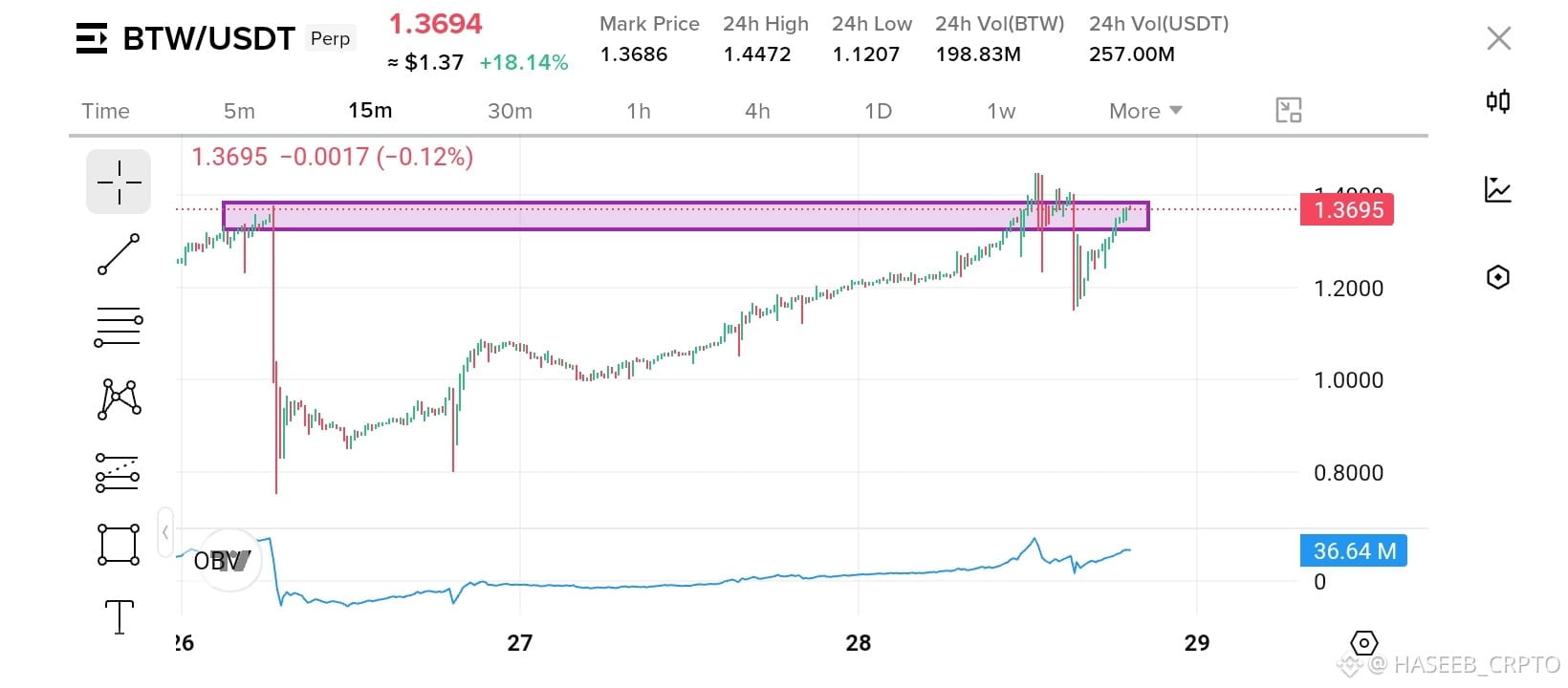
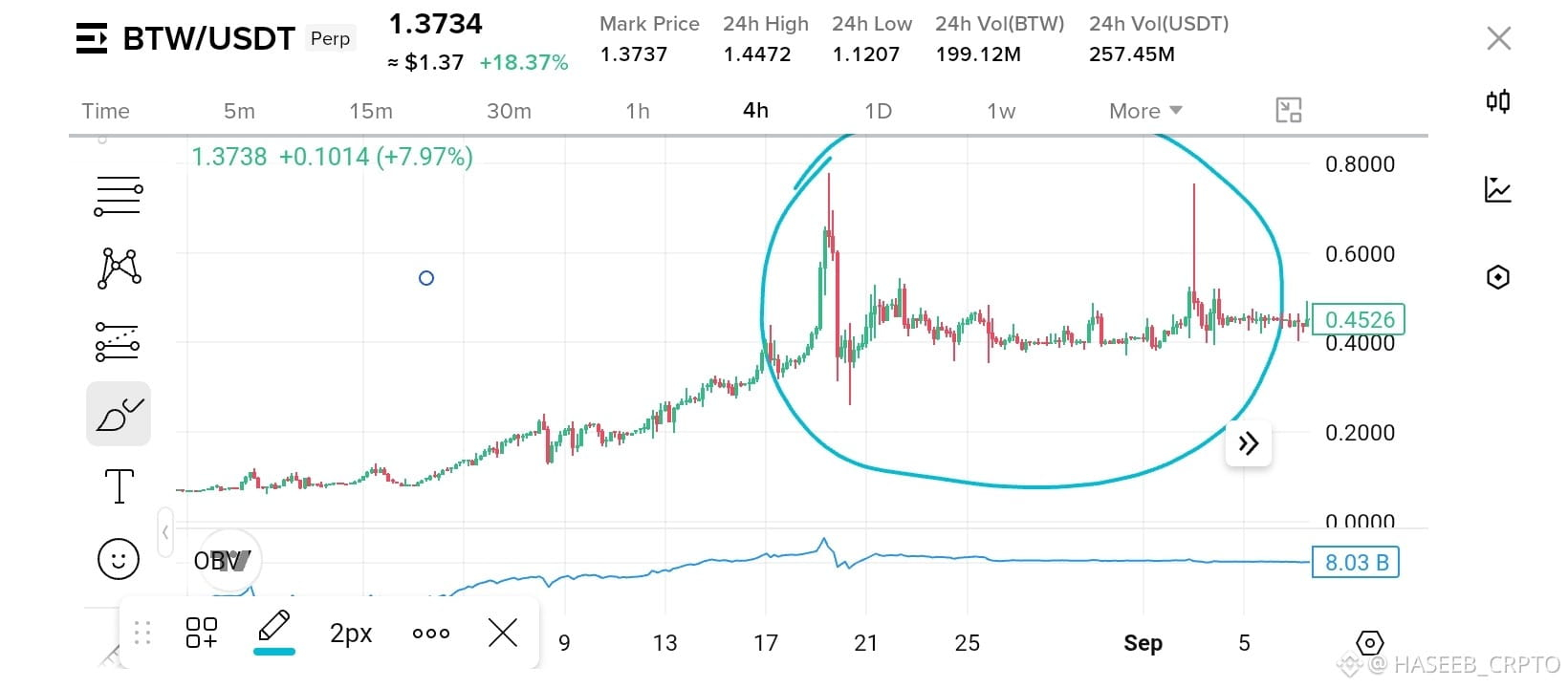
$BTW is facing a massive berish divergence which might cause a huge selling pressure as we have seen many times in btw previously .I am heavily bearish right now on it .
$QNT
$BTW is facing a massive berish divergence which might cause a huge selling pressure as we have seen many times in btw previously .I am heavily bearish right now on it .
$QNT
$QNT
665
·
--
ကျရိပ်ရှိသည်
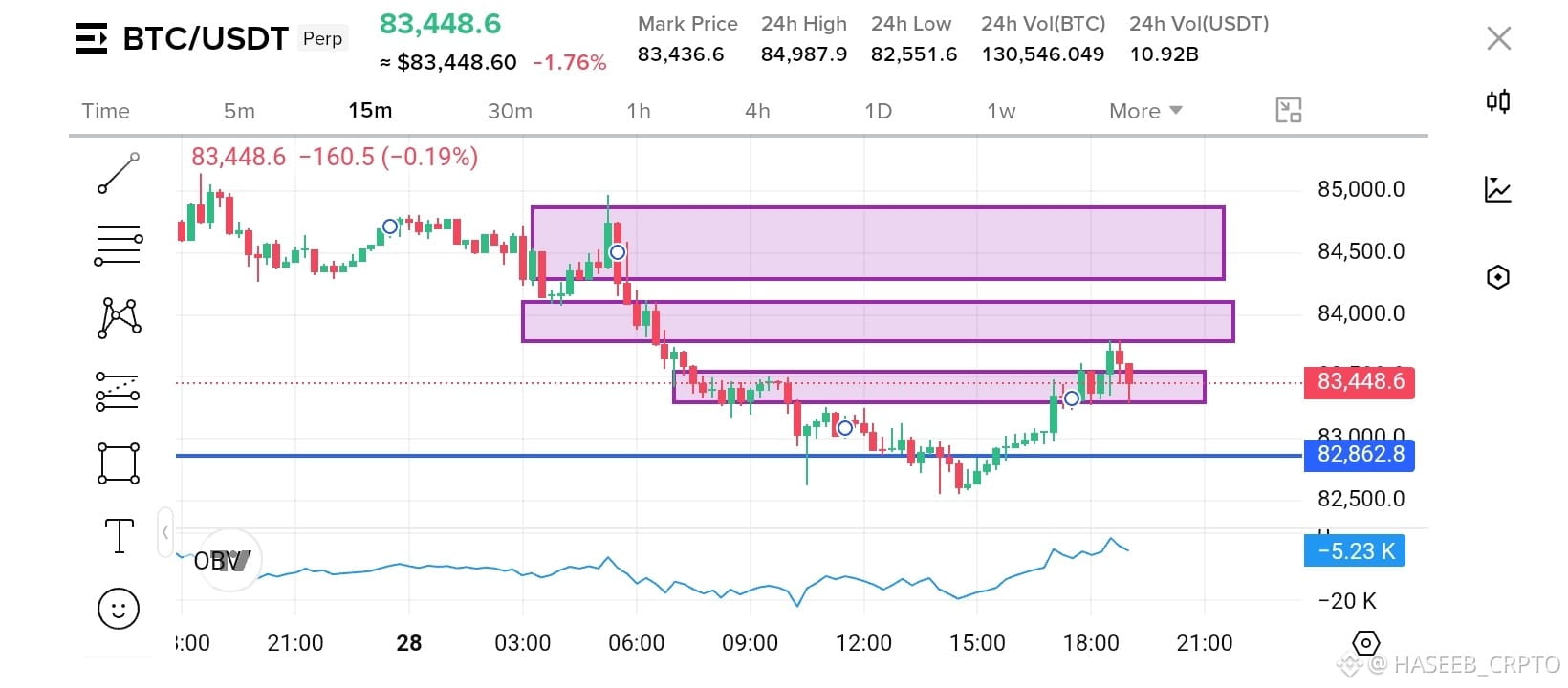
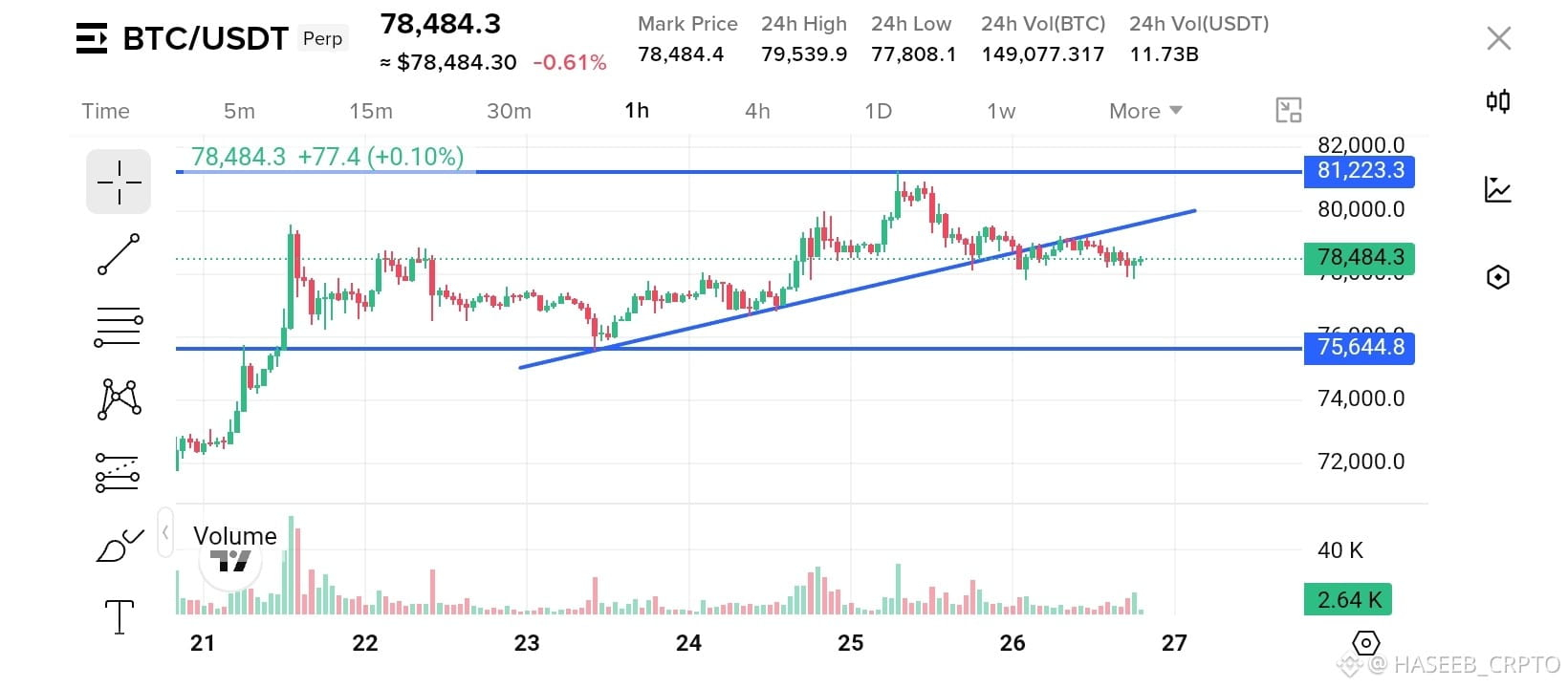
$BTC has created a lower low and the sell side has become more prominent .I am waiting for the price to you h my point interests which are clear supply zones so can open my short positions .
$BTC has created a lower low and the sell side has become more prominent .I am waiting for the price to you h my point interests which are clear supply zones so can open my short positions .
1
139
·
--
ကျရိပ်ရှိသည်
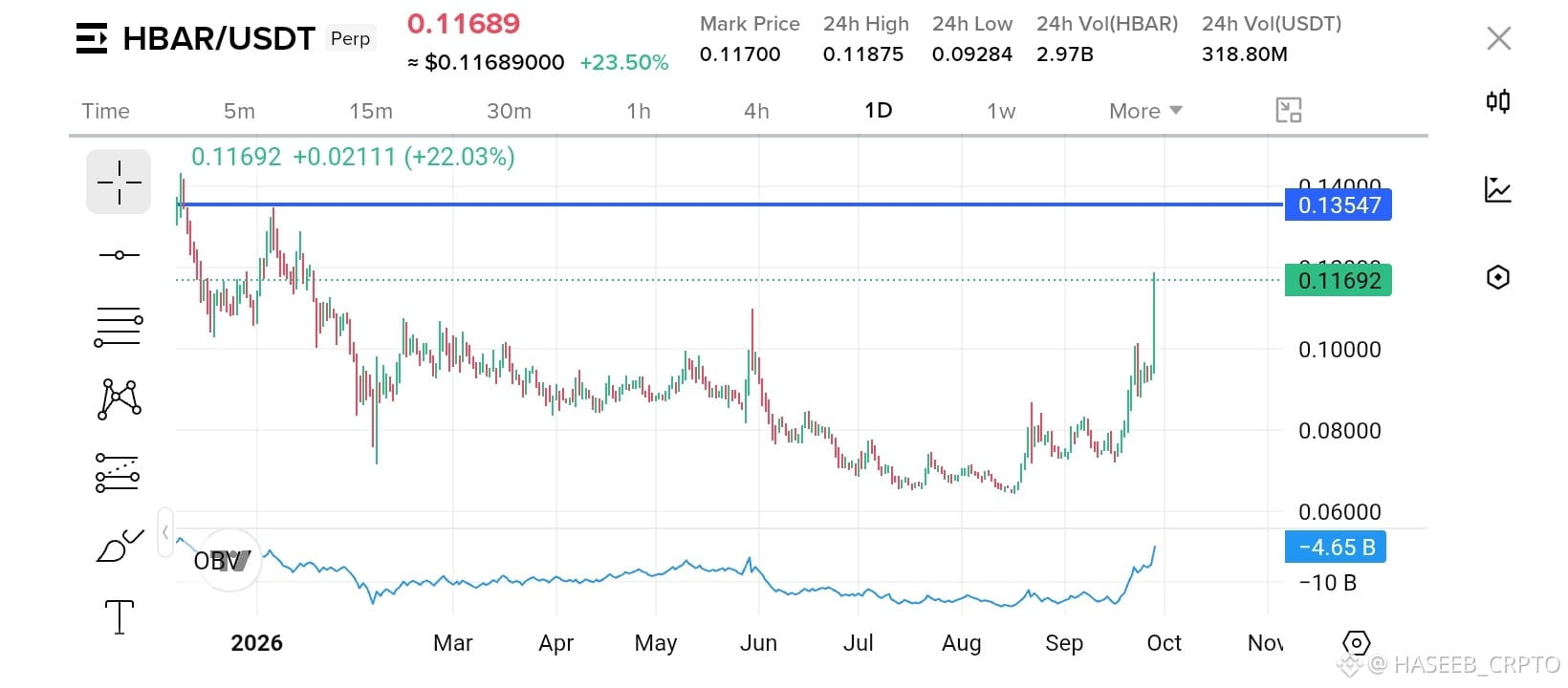
$HBAR /ustd is approaching a day resistance zone .This resistance zone will probably suppress the buying pressure and we might see a shift in structure from buying to selling . Breaking of day resistance might increase the buying pressure .
$HBAR /ustd is approaching a day resistance zone .This resistance zone will probably suppress the buying pressure and we might see a shift in structure from buying to selling . Breaking of day resistance might increase the buying pressure .
393
·
--
$HYPE /USDT.P — 15M SHORT SETUP
🔴 SHORT
📍 Entry: 90.20 – 90.45
🛑 SL: 92.90
🎯 TP1: 88.65
🎯 TP2: 87.00
🎯 TP3: 84.45
$HYPE /USDT.P — 15M SHORT SETUP
🔴 SHORT
📍 Entry: 90.20 – 90.45
🛑 SL: 92.90
🎯 TP1: 88.65
🎯 TP2: 87.00
🎯 TP3: 84.45
🔴 SHORT
📍 Entry: 90.20 – 90.45
🛑 SL: 92.90
🎯 TP1: 88.65
🎯 TP2: 87.00
🎯 TP3: 84.45
239
·
--
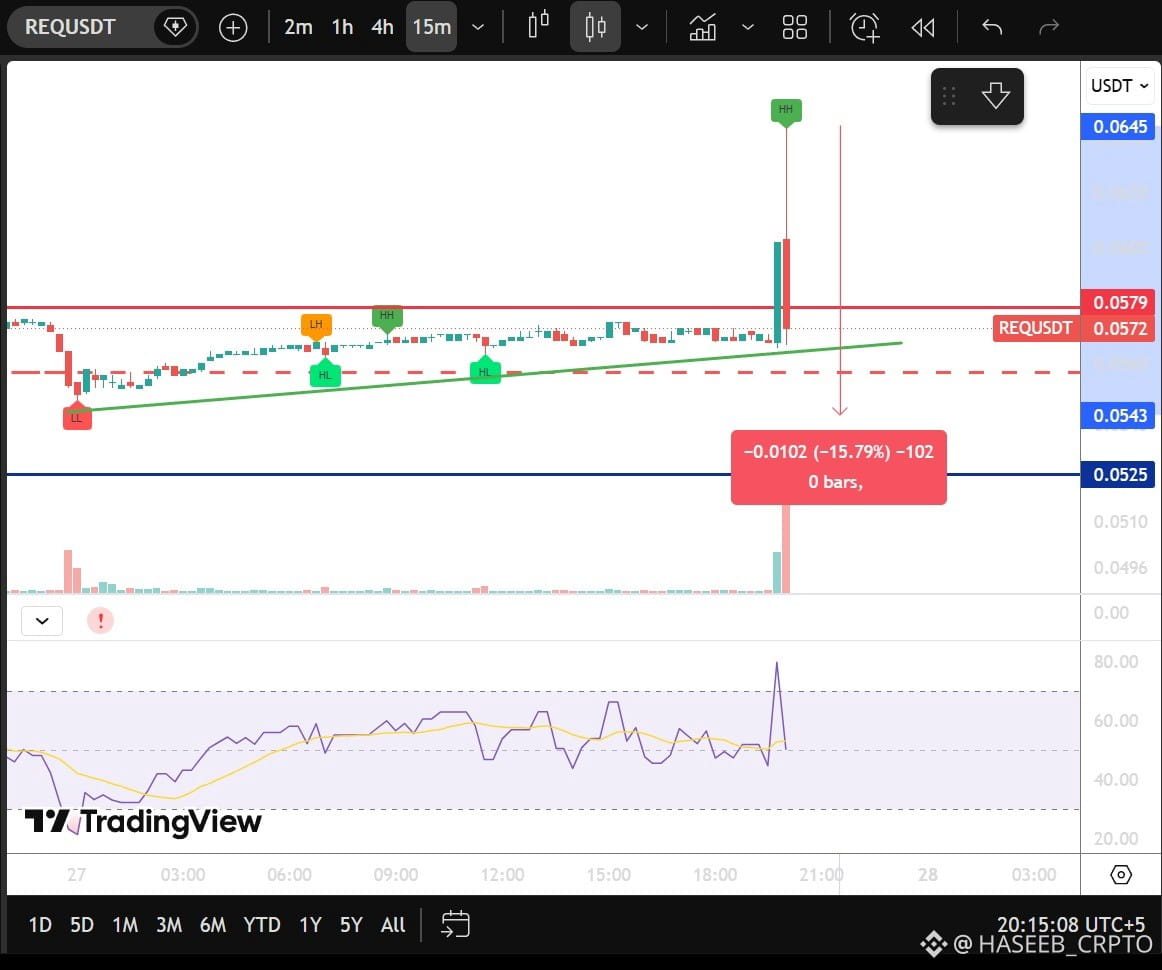
$REQ /USDT — BUY SETUP
📍 BUY ENTRY: 0.0558–0.0564
🛑 SL: 0.0553
🎯 TP1: 0.0579
🎯 TP2: 0.0600
🎯 TP3: 0.0645
$REQ /USDT — BUY SETUP
📍 BUY ENTRY: 0.0558–0.0564
🛑 SL: 0.0553
🎯 TP1: 0.0579
🎯 TP2: 0.0600
🎯 TP3: 0.0645
📍 BUY ENTRY: 0.0558–0.0564
🛑 SL: 0.0553
🎯 TP1: 0.0579
🎯 TP2: 0.0600
🎯 TP3: 0.0645
192
·
--
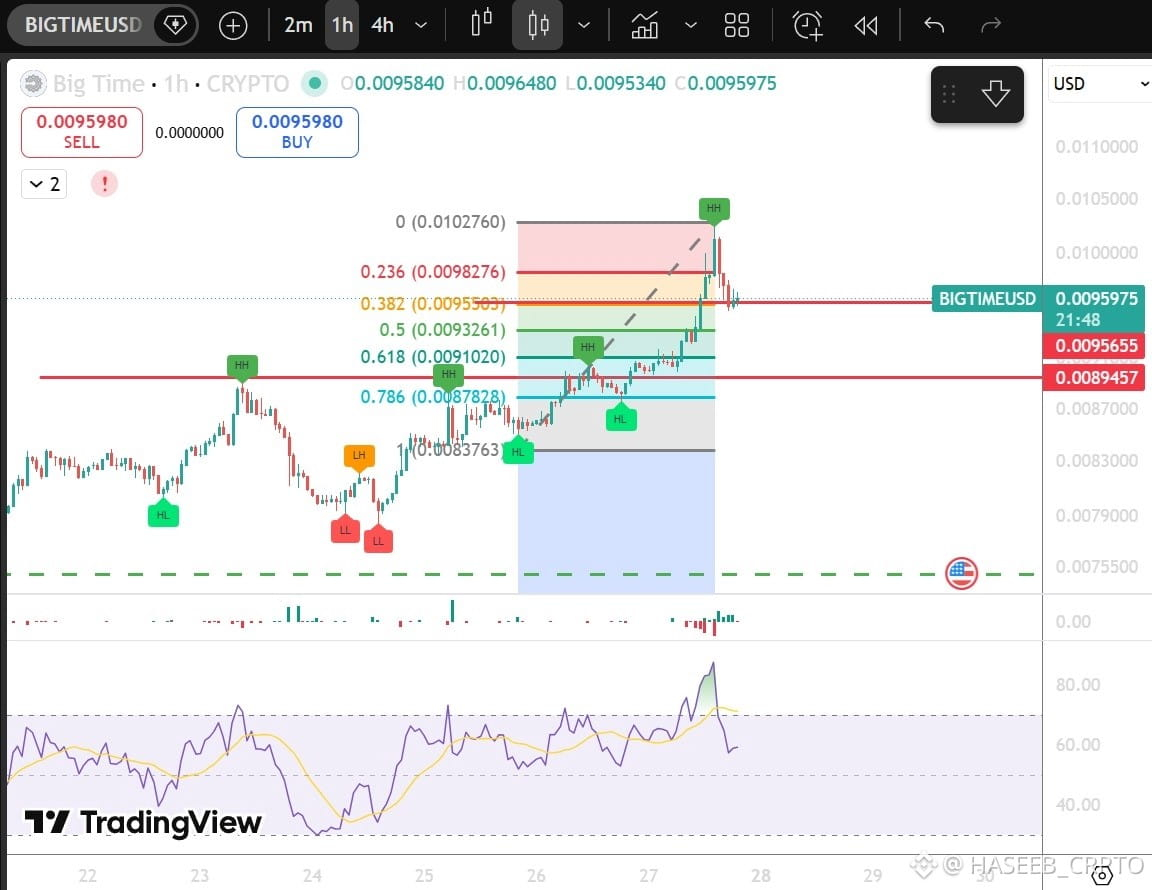
$BIGTIME /USD — 1H BUY SETUP
📍 BUY ENTRY: now
🛑 SL: 0.0088132
🎯 TP1: 0.01010
🎯 TP2: 0.01027
$BIGTIME /USD — 1H BUY SETUP
📍 BUY ENTRY: now
🛑 SL: 0.0088132
🎯 TP1: 0.01010
🎯 TP2: 0.01027
📍 BUY ENTRY: now
🛑 SL: 0.0088132
🎯 TP1: 0.01010
🎯 TP2: 0.01027
390
·
--
တက်ရိပ်ရှိသည်
$AVAAI /USDT.P LONG
Entry: 0.00995–0.01003
🛑 SL: 0.009543
🎯 TP1: 0.01028
🎯 TP2: 0.01035
🎯 TP3: 0.02047
$AVAAI /USDT.P LONG
Entry: 0.00995–0.01003
🛑 SL: 0.009543
🎯 TP1: 0.01028
🎯 TP2: 0.01035
🎯 TP3: 0.02047
Entry: 0.00995–0.01003
🛑 SL: 0.009543
🎯 TP1: 0.01028
🎯 TP2: 0.01035
🎯 TP3: 0.02047
1
1k
·
--
တက်ရိပ်ရှိသည်
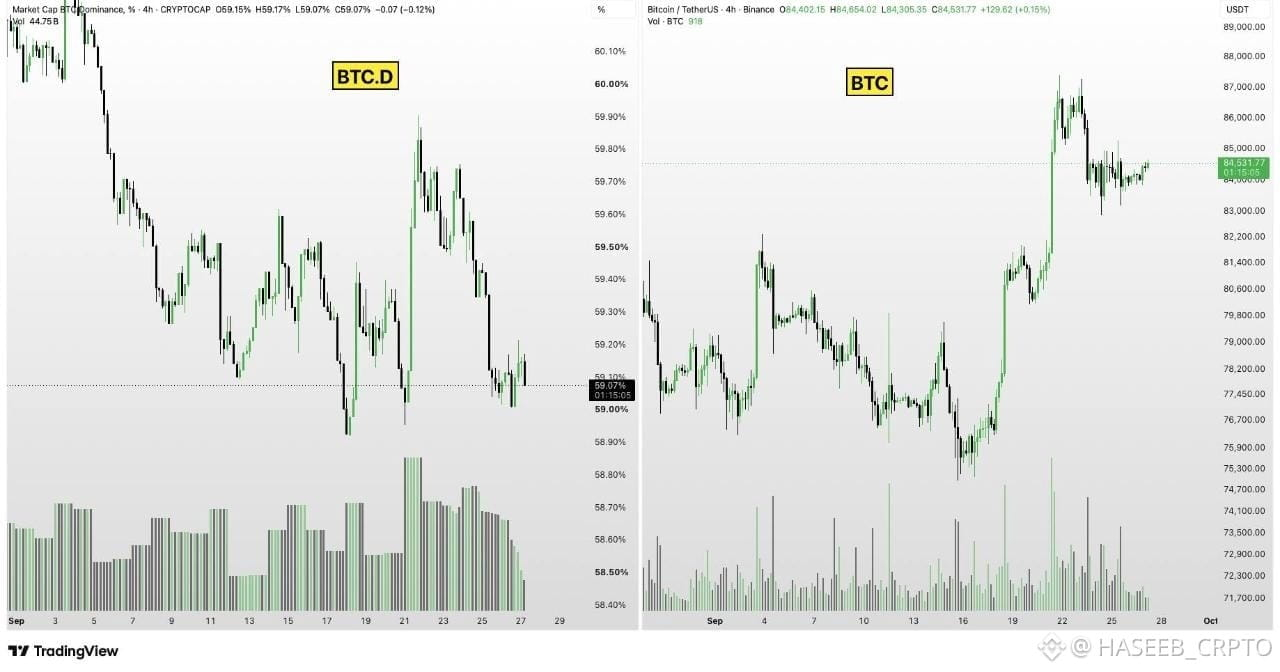
$BTC Rising while SBTC.D falling, ALTS getting strong
$BTC Rising while SBTC.D falling, ALTS getting strong
81
·
--
တက်ရိပ်ရှိသည်
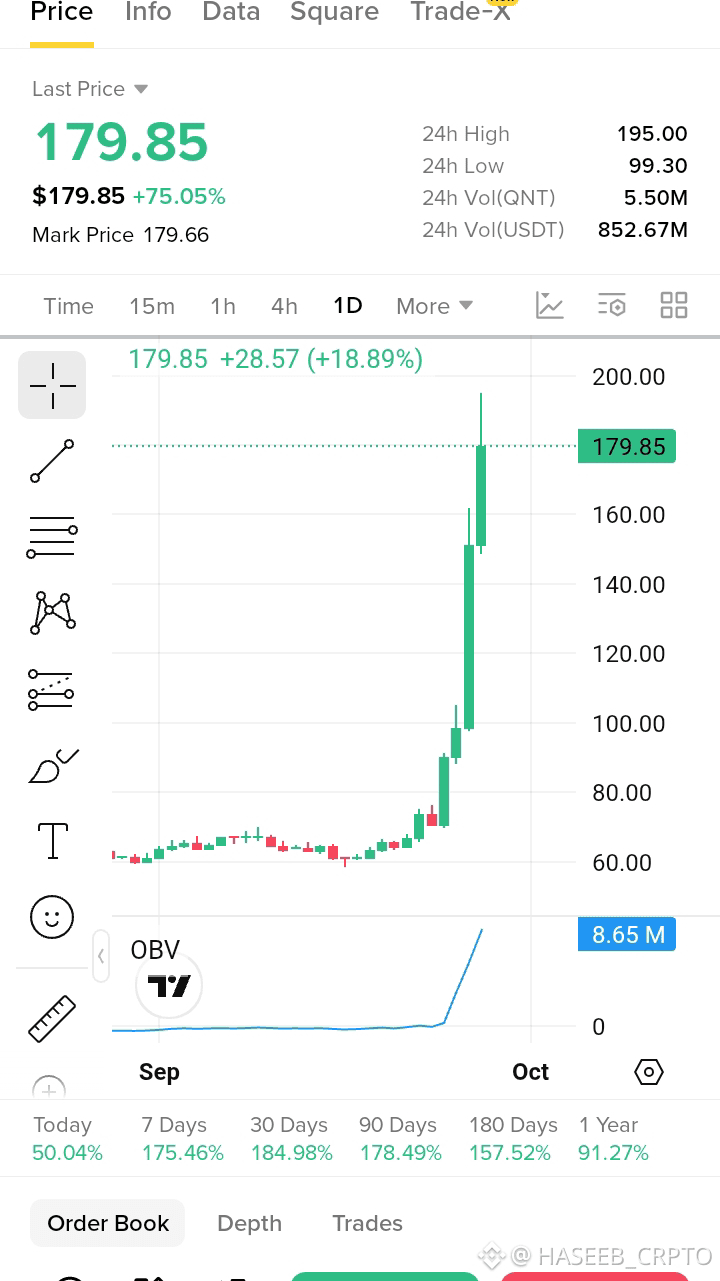
$QNT massive pump . Could it touch it's ath and make a new ath . let's see
$QNT massive pump . Could it touch it's ath and make a new ath . let's see
597
·
--
ကျရိပ်ရှိသည်
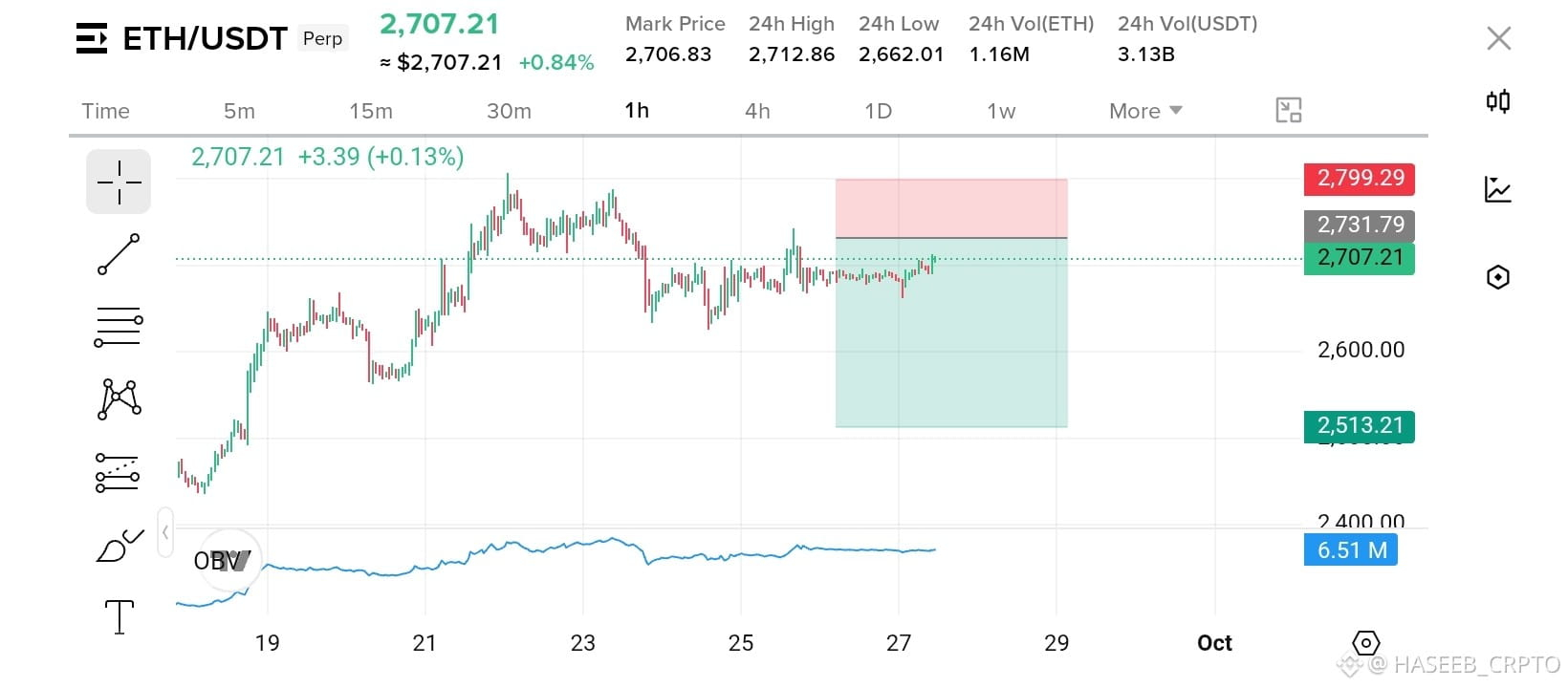
$ETH /USDT SHORT SIGNAL* 🚨
💰 *Entry Zone:* *2710$ – 2760$*
🎯 *Take Profit Targets:*
✅ *TP1:* 2680$
✅ *TP2:* 2640$
✅ *TP3:* 2600$
🚀 *Final TP:* 2540$
🛑 *Stop Loss:* *2810$*
⚠️ *Risk Management:*
Secure profit on each TP & move *SL to Break Even (BE)* after TP1.
🔥 *High Probability Setup — Follow Entry Zone Properly*
$ETH /USDT SHORT SIGNAL* 🚨
💰 *Entry Zone:* *2710$ – 2760$*
🎯 *Take Profit Targets:*
✅ *TP1:* 2680$
✅ *TP2:* 2640$
✅ *TP3:* 2600$
🚀 *Final TP:* 2540$
🛑 *Stop Loss:* *2810$*
⚠️ *Risk Management:*
Secure profit on each TP & move *SL to Break Even (BE)* after TP1.
🔥 *High Probability Setup — Follow Entry Zone Properly*
💰 *Entry Zone:* *2710$ – 2760$*
🎯 *Take Profit Targets:*
✅ *TP1:* 2680$
✅ *TP2:* 2640$
✅ *TP3:* 2600$
🚀 *Final TP:* 2540$
🛑 *Stop Loss:* *2810$*
⚠️ *Risk Management:*
Secure profit on each TP & move *SL to Break Even (BE)* after TP1.
🔥 *High Probability Setup — Follow Entry Zone Properly*
134
·
--
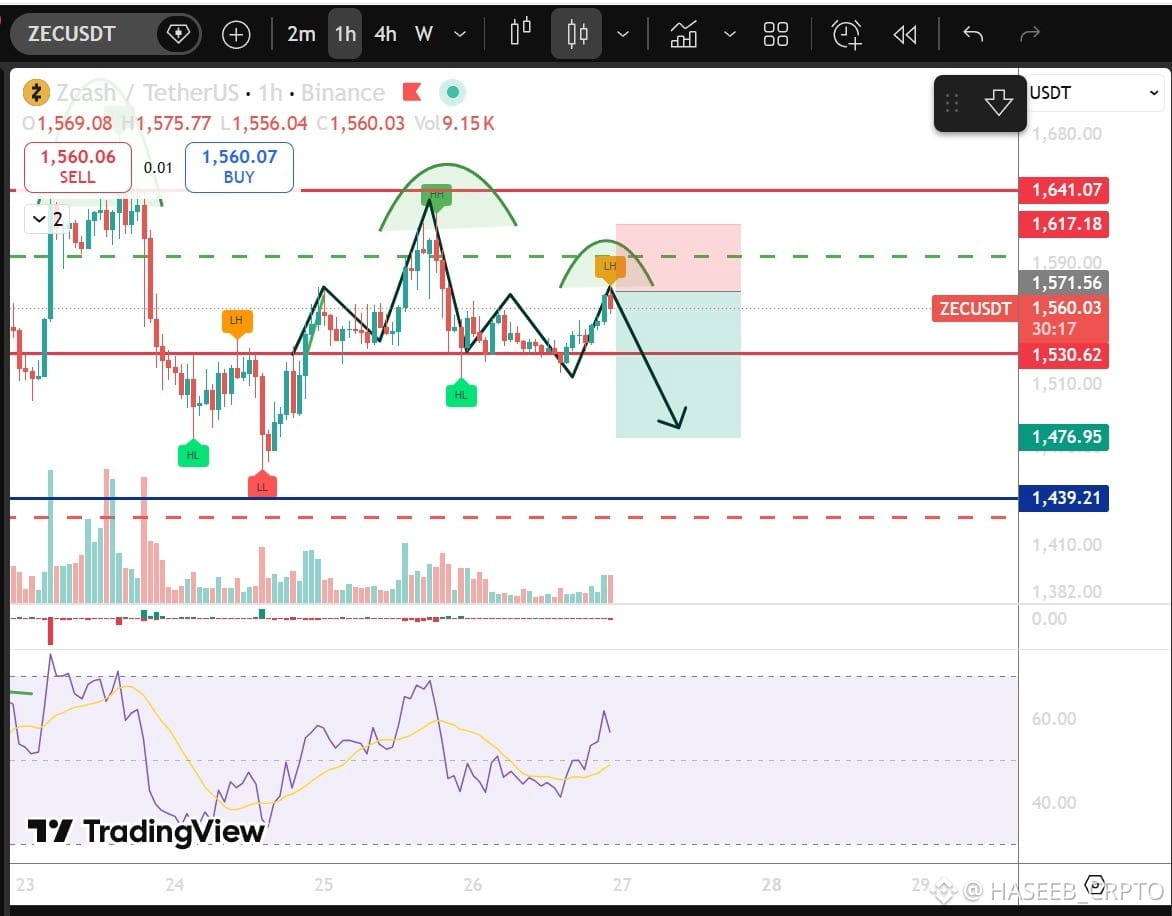
ZEC/USDT — SHORT SCALP
Entry: 1,565 – 1,575
SL: 1,618
TP1: 1,530
TP2: 1,477
TP3: 1,439
ZEC/USDT — SHORT SCALP
Entry: 1,565 – 1,575
SL: 1,618
TP1: 1,530
TP2: 1,477
TP3: 1,439
Entry: 1,565 – 1,575
SL: 1,618
TP1: 1,530
TP2: 1,477
TP3: 1,439
272
·
--
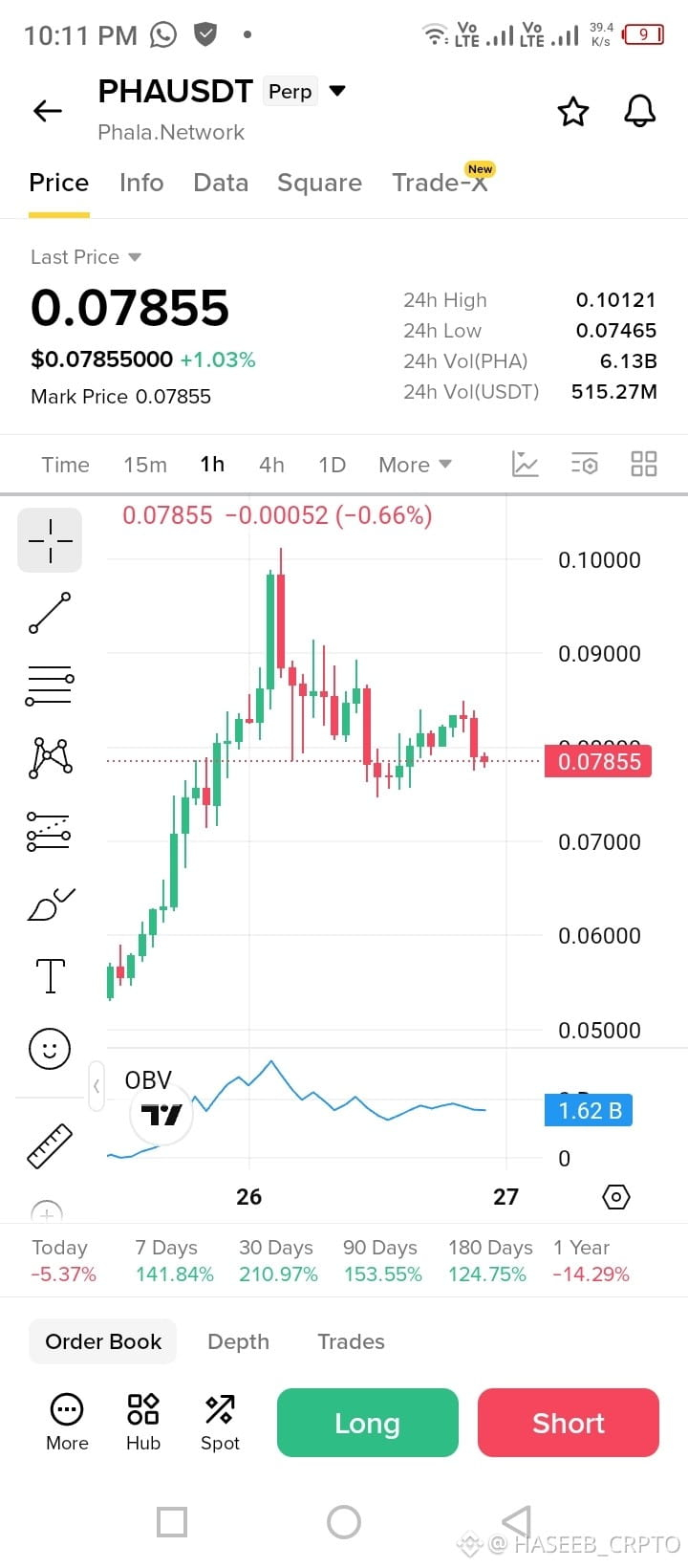
$PHA /USDT — SHORT
Entry: now
SL: 0.0912
TP1: 0.0770
TP2: 0.0620
$PHA /USDT — SHORT
Entry: now
SL: 0.0912
TP1: 0.0770
TP2: 0.0620
Entry: now
SL: 0.0912
TP1: 0.0770
TP2: 0.0620
199
·
--
တက်ရိပ်ရှိသည်
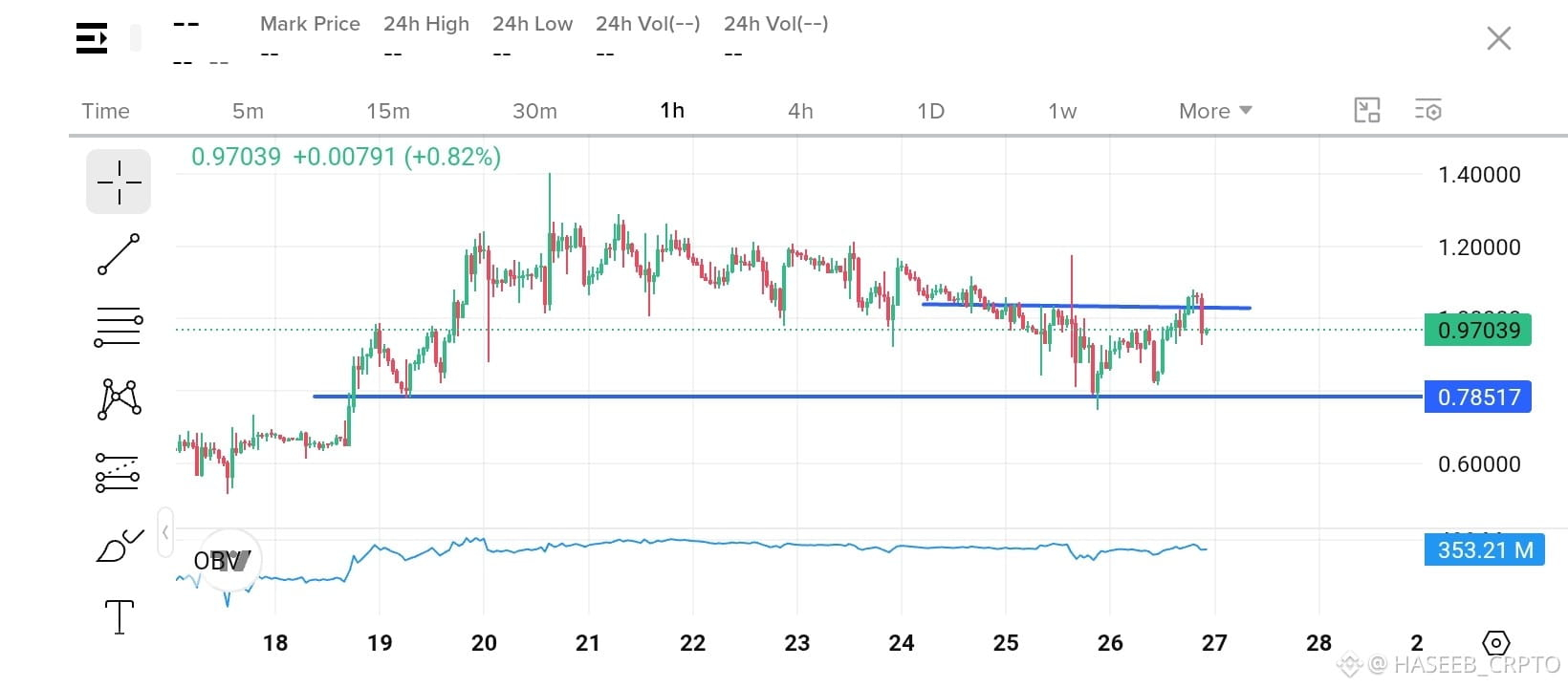
$BR is heading towards new ath it could be either $1.5 or $2 .
$BR is heading towards new ath it could be either $1.5 or $2 .
574
·
--
တက်ရိပ်ရှိသည်
236
·
--
တက်ရိပ်ရှိသည်
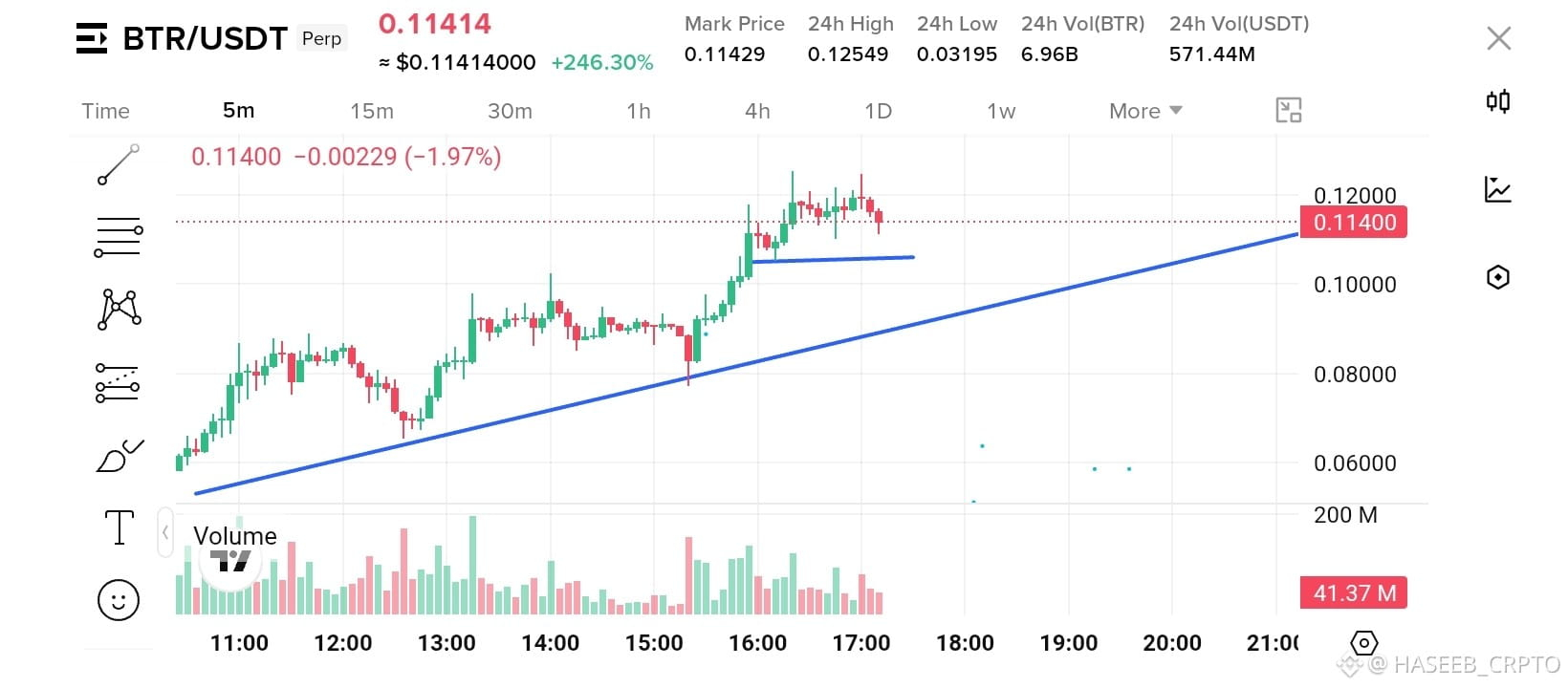
$BTR is heavily exploded with a strong volume and gains 256%massive pump .I am waiting for btr to respect this trend line to ride the next big wave of tgis bullish trend .But now at 15 minutes chart double top is formed and the new higher lower formed is about which suggest a short pullback .For this bullish trend to continue the trend line must be respested or in case it does respect trend line then the support at $0.08 must be respected other wise the scenario is berish .
dyor
$BTR is heavily exploded with a strong volume and gains 256%massive pump .I am waiting for btr to respect this trend line to ride the next big wave of tgis bullish trend .But now at 15 minutes chart double top is formed and the new higher lower formed is about which suggest a short pullback .For this bullish trend to continue the trend line must be respested or in case it does respect trend line then the support at $0.08 must be respected other wise the scenario is berish .
dyor
dyor
1
4
2.6k
·
--
that audit report still gives me chills.
remember watching a protocol i'd staked on get absolutely wrecked. not by a hack—by a mathematical breakthrough. someone found a subtle weakness in the pairing curve. nothing catastrophic at first. just... cracks. then everything built on it started crumbling. signatures failed. proofs invalidated. positions? liquidated. 💀
that memory resurfaced when i mapped Dusk's cryptographic stack.
here's what jumps out. At the foundation of Dusk's architecture are primitives like BLS12-381, JubJub, Schnorr, and Poseidon. BLS12-381 is a pairing-friendly elliptic curve used in many modern proof systems. JubJub is a twisted Edwards curve defined over GF(q)—and here's the kicker: the choice of GF(q) is made to be the scalar field of the BLS12-381 elliptic curve construction. Poseidon hash operates over the BLS12-381 scalar field. PLONK? A pure Rust implementation of the PLONK proving system over BLS12-381. Schnorr signatures use JubJub and Poseidon.
not independent pieces. a tightly coupled system. one dependency chain.
and here's what i actually appreciate about Dusk's approach. they don't pretend this doesn't exist. the AGENTS.md file openly warns: "A bug here affects consensus and privacy". changes to the permutation constants, round structure, or sponge logic can silently break nullifier derivation, Merkle proofs, and on-chain encryption. that's not negligence—that's engineering maturity.
you don't build institutional infrastructure by pretending single points don't exist. you build by acknowledging them, designing for flexibility, and keeping doors open.
$DUSK isn't hiding the dependency chain. they're building so you understand it.
so here's the question that keeps me up: if the foundation shifts, is your infrastructure ready to move with it?@Dusk_Foundation #dusk $BTR $BMT
that audit report still gives me chills.
remember watching a protocol i'd staked on get absolutely wrecked. not by a hack—by a mathematical breakthrough. someone found a subtle weakness in the pairing curve. nothing catastrophic at first. just... cracks. then everything built on it started crumbling. signatures failed. proofs invalidated. positions? liquidated. 💀
that memory resurfaced when i mapped Dusk's cryptographic stack.
here's what jumps out. At the foundation of Dusk's architecture are primitives like BLS12-381, JubJub, Schnorr, and Poseidon. BLS12-381 is a pairing-friendly elliptic curve used in many modern proof systems. JubJub is a twisted Edwards curve defined over GF(q)—and here's the kicker: the choice of GF(q) is made to be the scalar field of the BLS12-381 elliptic curve construction. Poseidon hash operates over the BLS12-381 scalar field. PLONK? A pure Rust implementation of the PLONK proving system over BLS12-381. Schnorr signatures use JubJub and Poseidon.
not independent pieces. a tightly coupled system. one dependency chain.
and here's what i actually appreciate about Dusk's approach. they don't pretend this doesn't exist. the AGENTS.md file openly warns: "A bug here affects consensus and privacy". changes to the permutation constants, round structure, or sponge logic can silently break nullifier derivation, Merkle proofs, and on-chain encryption. that's not negligence—that's engineering maturity.
you don't build institutional infrastructure by pretending single points don't exist. you build by acknowledging them, designing for flexibility, and keeping doors open.
$DUSK isn't hiding the dependency chain. they're building so you understand it.
so here's the question that keeps me up: if the foundation shifts, is your infrastructure ready to move with it?@Dusk #dusk $BTR $BMT
remember watching a protocol i'd staked on get absolutely wrecked. not by a hack—by a mathematical breakthrough. someone found a subtle weakness in the pairing curve. nothing catastrophic at first. just... cracks. then everything built on it started crumbling. signatures failed. proofs invalidated. positions? liquidated. 💀
that memory resurfaced when i mapped Dusk's cryptographic stack.
here's what jumps out. At the foundation of Dusk's architecture are primitives like BLS12-381, JubJub, Schnorr, and Poseidon. BLS12-381 is a pairing-friendly elliptic curve used in many modern proof systems. JubJub is a twisted Edwards curve defined over GF(q)—and here's the kicker: the choice of GF(q) is made to be the scalar field of the BLS12-381 elliptic curve construction. Poseidon hash operates over the BLS12-381 scalar field. PLONK? A pure Rust implementation of the PLONK proving system over BLS12-381. Schnorr signatures use JubJub and Poseidon.
not independent pieces. a tightly coupled system. one dependency chain.
and here's what i actually appreciate about Dusk's approach. they don't pretend this doesn't exist. the AGENTS.md file openly warns: "A bug here affects consensus and privacy". changes to the permutation constants, round structure, or sponge logic can silently break nullifier derivation, Merkle proofs, and on-chain encryption. that's not negligence—that's engineering maturity.
you don't build institutional infrastructure by pretending single points don't exist. you build by acknowledging them, designing for flexibility, and keeping doors open.
$DUSK isn't hiding the dependency chain. they're building so you understand it.
so here's the question that keeps me up: if the foundation shifts, is your infrastructure ready to move with it?@Dusk #dusk $BTR $BMT
2
3
125
Log in to explore more content
Join global crypto users on Binance Square
⚡️ Get latest and useful information about crypto.
💬 Trusted by the world’s largest crypto exchange.
👍 Discover real insights from verified creators.
အီးမေးလ် / ဖုန်းနံပါတ်
ရေပန်းစားနေသော ခေါင်းစဉ်များ
BitcoinClears$85200
7,168 views
182 Discussing
We got the move, and $BTC is standing exactly where we were before the data. That’s what actual patience for a trade looks like.
The data came in mixed but with some important numbers. ADP Non-Farm Employment Change came at 90K vs 73K forecast, while Core PCE came in at 0.2% vs 0.3% expected. Final GDP was also stronger at 2.2% vs 1.5% forecast, while Personal Spending came in at 0.9% vs 0.8% expected. At the same time, Personal Income missed at 0.2% vs 0.5% forecast.
BTC initially surged to $85,600 and is now back where it needs to be. I’m still looking toward the lower ranges at $82,759 and the $80,000 liquidity, because the overhead liquidity is done and dusted.
We had a live session during the data, and during that session we saw the market at $83,800, then $85,600, and then back toward $83,000 and we still didn’t enter a trade.
That’s what patience is.
We can’t force an entry when the market has no clear direction. The same range is still in focus, and we’ll wait for the market to give us the setup.
Let me know, guys, how was the session? And should we have more regular sessions with our respected members so we can have proper discussions regarding the market?
#BitcoinClears$85200 #AltcoinSeasonIndexHoldsAbove60For5Days #USADPAdds90000JobsInSeptember #BitcoinSlipsBelow$84000 #SECToClarifyOnChainFundraisingRules
Crypto_LUX
·နှစ်သက်မှု 24 ခု
·13.8k views
AltcoinSeasonIndexHoldsAbove60For5Days
38,837 views
991 Discussing
USADPAdds90000JobsInSeptember
17,534 views
564 Discussing