

Kabbo Da
2.7k ပို့စ်များ

Kabbo Da
superhero
Open Trade
Occasional Trader
3.2 Years
4.9K+ ဖော်လိုလုပ်ထားသည်
17.1K+ ဖော်လိုလုပ်သူများ
16.9K+ လိုက်ခ်လုပ်ထားသည်
ပို့စ်များ
ပိုင်ဆိုင်မှုစာရင်း
အားလုံး
Quotes
ဗီဒီယိုများ
တိုက်ရိုက်ထုတ်လွှင့်ခြင်း
ပုံသေထားသည်


will win 张
·
--
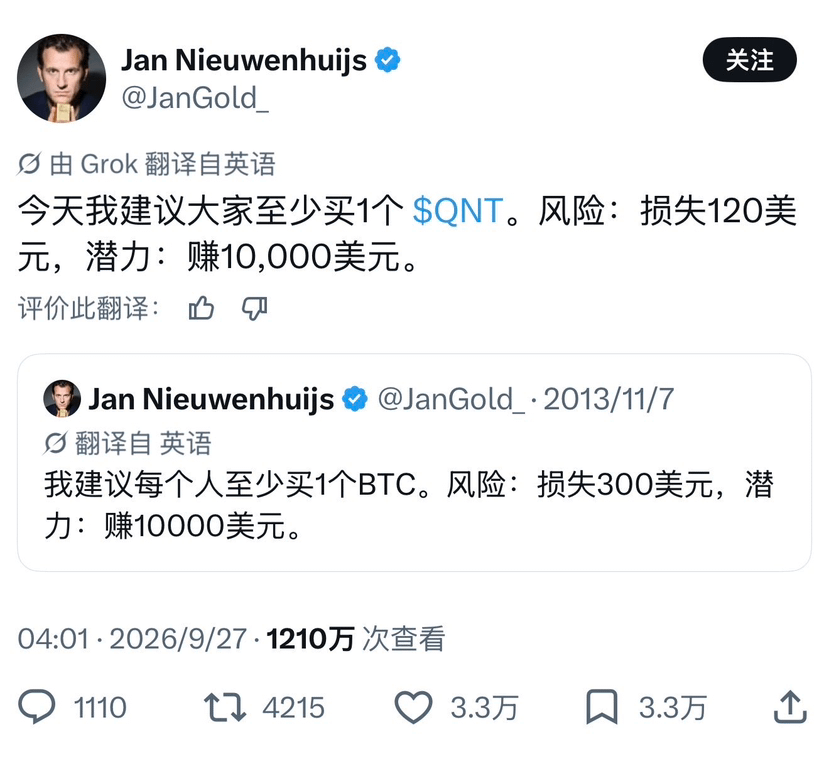
တက်ရိပ်ရှိသည်没事多喊喊单,特别一些早期的币,万一成了就一喊封神😂
比如👇🏻这位老哥,13年喊单买300美金的$BTC 封神,昨天喊单$QNT 直接翻倍😂
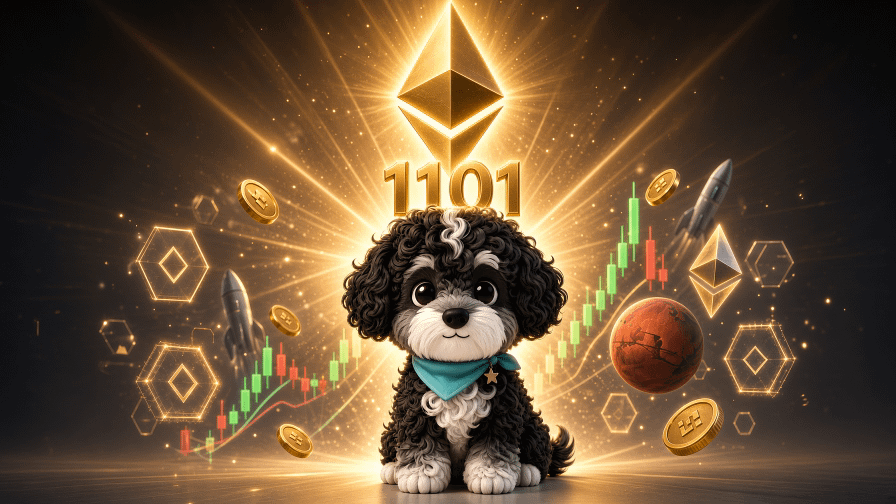
$ETH 链上有一只马斯克养的养的🐕🦺为原型的meme币,通过不断创作🐕🦺主题的音乐MTV在各平台传播,也许哪一天就🔥了呢?可以关注一下👇👇
比如👇🏻这位老哥,13年喊单买300美金的$BTC 封神,昨天喊单$QNT 直接翻倍😂
$ETH 链上有一只马斯克养的养的🐕🦺为原型的meme币,通过不断创作🐕🦺主题的音乐MTV在各平台传播,也许哪一天就🔥了呢?可以关注一下👇👇
MrStar
·
--
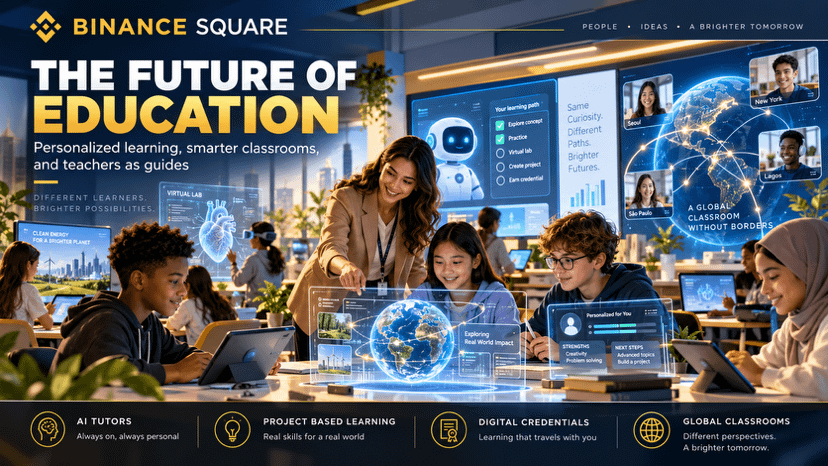
The classroom of the future may have 30 students but 30 different learning paths.
AI tutors could identify where each student struggles and adapt lessons in real time. One student may understand a concept in ten minutes while another may need an hour. Both could learn at their own pace.
Teachers will not disappear. Their role may become even more important as mentors, learning designers and human guides focused on creativity, judgment and teamwork.
Classrooms may also change. Less memorization. More projects. More virtual labs. More global collaboration.
The biggest challenge will be using #AI without allowing students to outsource their thinking.
#crypto may also play a role in this future.
$EDU : Open Campus is building a Web3 education ecosystem designed to give teachers, learners and institutions more ownership over education. Its EDU Chain is a Layer 3 blockchain focused specifically on educational applications.
The ecosystem is exploring verifiable digital credentials so diplomas, certificates and badges can be stored onchain and checked anywhere. It also includes EduFi, which can support scholarships, student financing and rewards through smart contracts.
Another important part is educational content ownership. Teachers and creators can tokenize learning materials through Publisher NFTs and potentially earn a share of the revenue generated by their content. EDU is used for payments, rewards and governance across the ecosystem.
That is why I find EDU interesting in this discussion.
The future of education may not only be about smarter classrooms.
It may also be about giving students portable credentials and giving teachers real ownership of the knowledge they create.
The real revolution may not be replacing teachers with machines. It may be giving every teacher the ability to teach every student differently.
#EducationalContent
AI tutors could identify where each student struggles and adapt lessons in real time. One student may understand a concept in ten minutes while another may need an hour. Both could learn at their own pace.
Teachers will not disappear. Their role may become even more important as mentors, learning designers and human guides focused on creativity, judgment and teamwork.
Classrooms may also change. Less memorization. More projects. More virtual labs. More global collaboration.
The biggest challenge will be using #AI without allowing students to outsource their thinking.
#crypto may also play a role in this future.
$EDU : Open Campus is building a Web3 education ecosystem designed to give teachers, learners and institutions more ownership over education. Its EDU Chain is a Layer 3 blockchain focused specifically on educational applications.
The ecosystem is exploring verifiable digital credentials so diplomas, certificates and badges can be stored onchain and checked anywhere. It also includes EduFi, which can support scholarships, student financing and rewards through smart contracts.
Another important part is educational content ownership. Teachers and creators can tokenize learning materials through Publisher NFTs and potentially earn a share of the revenue generated by their content. EDU is used for payments, rewards and governance across the ecosystem.
That is why I find EDU interesting in this discussion.
The future of education may not only be about smarter classrooms.
It may also be about giving students portable credentials and giving teachers real ownership of the knowledge they create.
The real revolution may not be replacing teachers with machines. It may be giving every teacher the ability to teach every student differently.
#EducationalContent
MrStar
·
--
[ပြန်ဖွင့်မည်] 🎙️ Memes Ready to Fly? | Binance Rewards | Weekly Datas | Marvin
02 နာရီ 06 မိနစ် 40 စက္ကန့် · 6.6k listens

Binance TG Community
·
--
တက်ရိပ်ရှိသည်Binance Mid Autumn Moon Cake contest , and now we want to see your creativity! Design a Binance Moon cake to celebrate 💛
Winners by us win a share of $500 in USDC. ( $4 x 125)
Activity period: 24 September – 30 September, 5:00 PM UTC.
🔸 Follow @Binance TG Community ( Square )
🔸 Make your Binance Branded Moon Cake cake on Square with 💛 #BinanceMidAutumn #BinanceSquareTG
🔸 Fill out the survey: here
🔸 subscribe to our next live stream here
$BNB
Winners by us win a share of $500 in USDC. ( $4 x 125)
Activity period: 24 September – 30 September, 5:00 PM UTC.
🔸 Follow @Binance TG Community ( Square )
🔸 Make your Binance Branded Moon Cake cake on Square with 💛 #BinanceMidAutumn #BinanceSquareTG
🔸 Fill out the survey: here
🔸 subscribe to our next live stream here
$BNB

MrStar
·
--
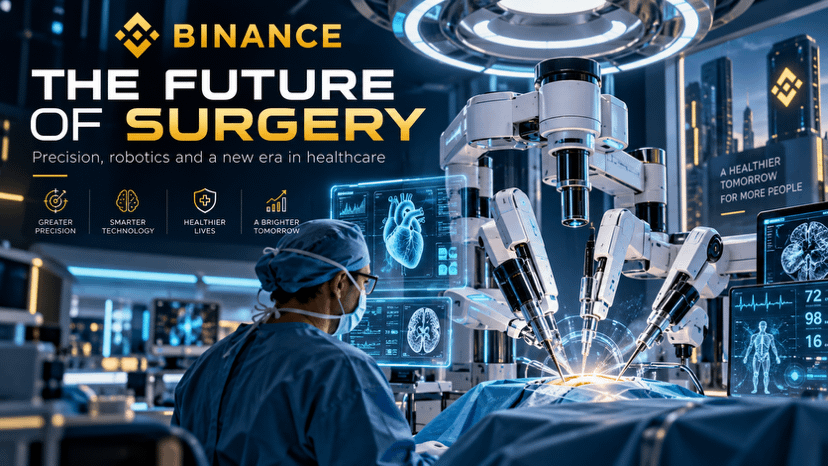
The operating room of the future may look very different from the one we know today.
Some surgeries are already limited by something very human: the precision of our hands.
Microsurgery can involve blood vessels and nerves smaller than 1 millimeter. Even the best surgeons still face natural tremor, fatigue and restricted movement in deep or difficult areas of the body. New robotic microsurgery systems are being developed to reduce those limitations through motion scaling and tremor filtration. Recent clinical research shows that these systems can already improve precision in extremely delicate procedures.
Now imagine what happens when #Robotics becomes smaller, more precise and combined with artificial intelligence.
The first major step will probably not be robots replacing surgeons.
It will be robots helping surgeons see more clearly, recognize anatomy, detect possible errors and perform movements that are difficult for the human hand. Current research suggests AI assisted surgical systems could improve perception and intraoperative guidance while keeping the surgeon in control.
Further ahead we may see microrobots operating inside parts of the body that are extremely difficult to reach today. Researchers are already studying autonomous robotic surgery and microrobotic surgery as long term directions.
For crypto there is also an interesting connection.
Projects such as $BIO are building blockchain based infrastructure around biotechnology research and decentralized scientific funding. That does not make $BIO a robotic surgery token. But it represents another part of the same future where medical research, funding and technology become more connected.
#Biotech
My view is simple:
The next revolution in healthcare may not come from one new medicine. It may come from giving doctors capabilities the human body never had before.
Will you trust a surgeon using an #AI assisted robot for a procedure that could not be performed safely by hand?
I think I will not :) This makes me so scared.
Some surgeries are already limited by something very human: the precision of our hands.
Microsurgery can involve blood vessels and nerves smaller than 1 millimeter. Even the best surgeons still face natural tremor, fatigue and restricted movement in deep or difficult areas of the body. New robotic microsurgery systems are being developed to reduce those limitations through motion scaling and tremor filtration. Recent clinical research shows that these systems can already improve precision in extremely delicate procedures.
Now imagine what happens when #Robotics becomes smaller, more precise and combined with artificial intelligence.
The first major step will probably not be robots replacing surgeons.
It will be robots helping surgeons see more clearly, recognize anatomy, detect possible errors and perform movements that are difficult for the human hand. Current research suggests AI assisted surgical systems could improve perception and intraoperative guidance while keeping the surgeon in control.
Further ahead we may see microrobots operating inside parts of the body that are extremely difficult to reach today. Researchers are already studying autonomous robotic surgery and microrobotic surgery as long term directions.
For crypto there is also an interesting connection.
Projects such as $BIO are building blockchain based infrastructure around biotechnology research and decentralized scientific funding. That does not make $BIO a robotic surgery token. But it represents another part of the same future where medical research, funding and technology become more connected.
#Biotech
My view is simple:
The next revolution in healthcare may not come from one new medicine. It may come from giving doctors capabilities the human body never had before.
Will you trust a surgeon using an #AI assisted robot for a procedure that could not be performed safely by hand?
I think I will not :) This makes me so scared.
MrStar
·
--
[ပြန်ဖွင့်မည်] 🎙️ Crypto Talks | #Binance Rewards | Bull run started or not? | Marvin
02 နာရီ 01 မိနစ် 44 စက္ကန့် · 4k listens

Manta 甜心
·
--
悉尼的晨跑者抬腕看表的时候,迪拜的商人还没睡。
8座城市,8个时区,同一个市场。
这就是"天涯共此时"的意义。
古人用月亮丈量思念的距离,
币安用连接消灭时区的距离。
#币安中秋故事
8座城市,8个时区,同一个市场。
这就是"天涯共此时"的意义。
古人用月亮丈量思念的距离,
币安用连接消灭时区的距离。
#币安中秋故事

星辰大海_
·
--
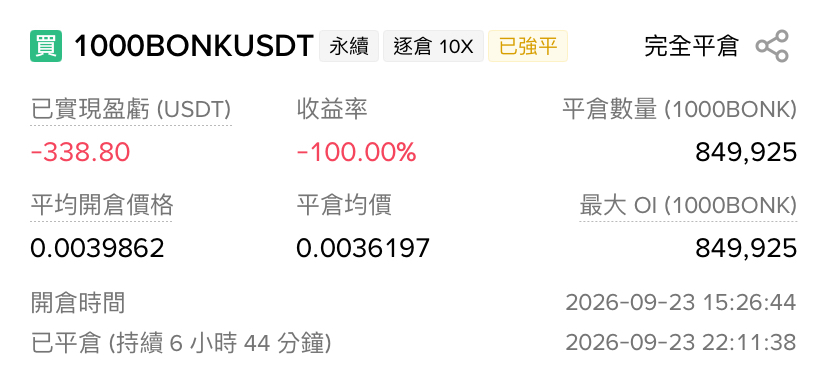
တက်ရိပ်ရှိသည်我爆了各位
我被爆了就代表要開始拉了
我宣佈迷因季正式開始!
繼續佈局馬斯克概念Meme
$BTC $DOGE $ETH
我被爆了就代表要開始拉了
我宣佈迷因季正式開始!
繼續佈局馬斯克概念Meme
$BTC $DOGE $ETH
MrStar
·
--
[ပြန်ဖွင့်မည်] 🎙️ Bull Run / Bull Trap ? | Crypto Talks $BNB | Marvin | Weekly Datas
02 နာရီ 13 မိနစ် 49 စက္ကန့် · 3.9k listens
MrStar
·
--
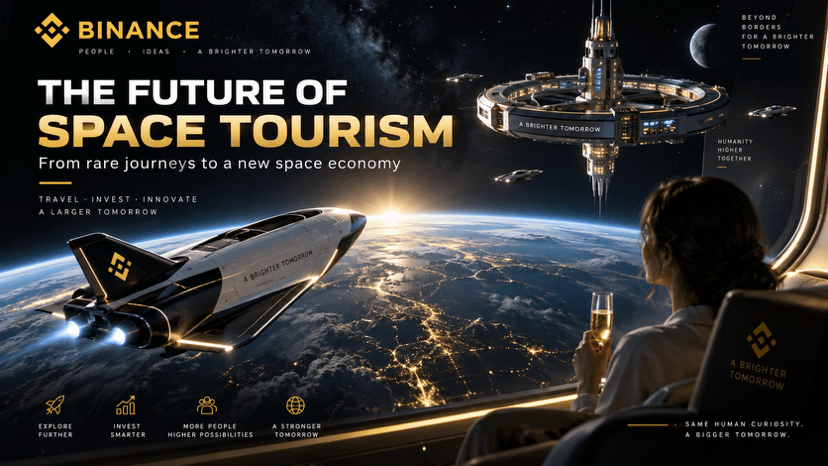
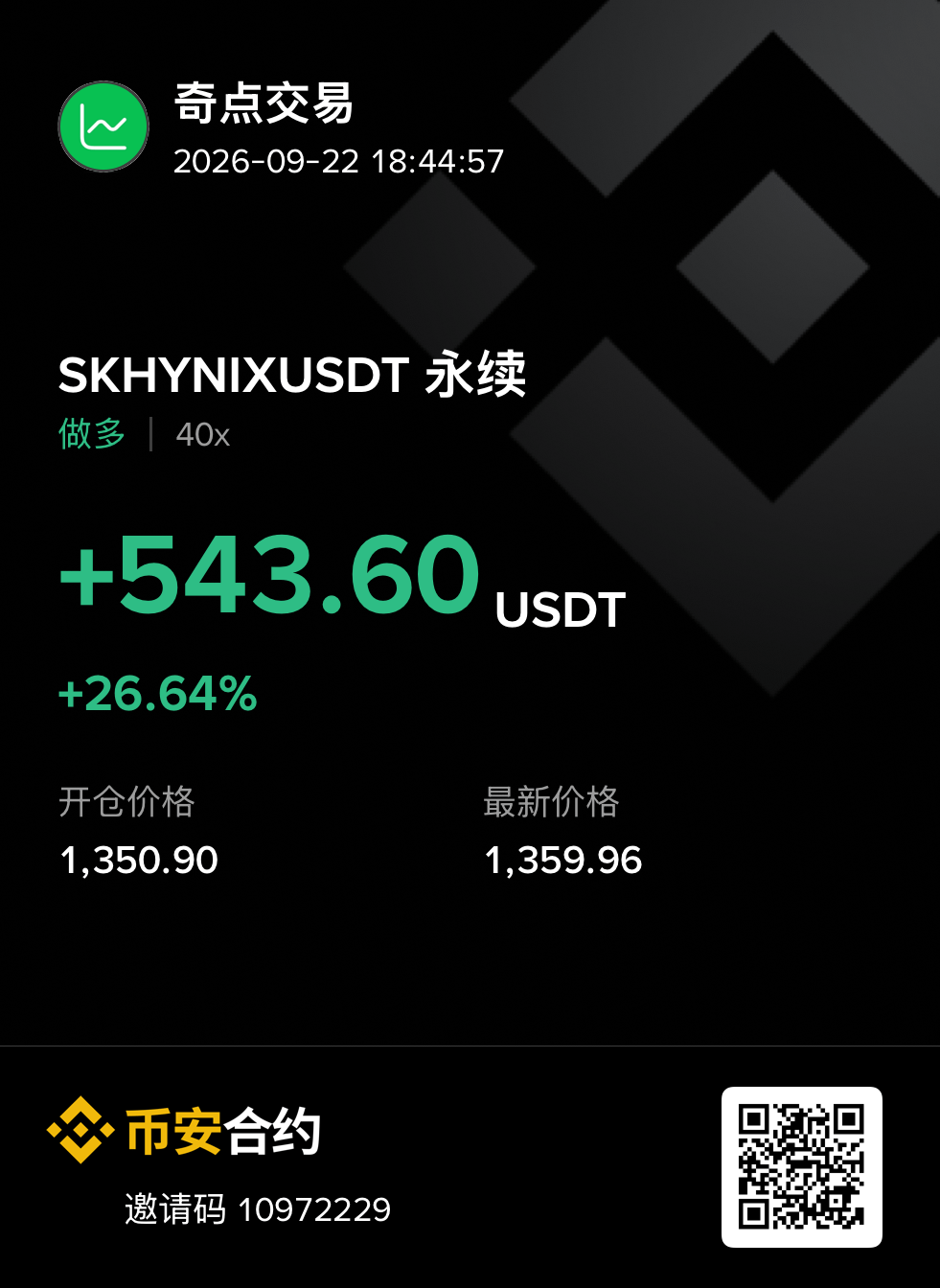
The next luxury destination may not be another country. It may be orbit.
Private astronaut missions are growing while commercial space stations prepare for a future beyond the International #Space Station.
Today space tourism is still expensive and limited to very few people. But aviation once started the same way.
The real opportunity may not be the ticket itself.
It may be everything travelers will need once more people begin living and working beyond Earth: transportation, energy, communications, food, medical services and digital infrastructure.
That is when space tourism stops being a spectacle and starts becoming an economy.
The biggest question is not when ordinary people will visit space. It is what industries will be created when thousands of people start living beyond Earth.
$SPCX
The next stage may be very different.
Imagine orbital hotels.
Private research stations.
Zero gravity entertainment.
Space based manufacturing.
Trips around the Moon.
#SpaceX
Perhaps one day even regular transport between Earth and permanent settlements beyond it.
The biggest opportunity may not be selling tickets.
It may be building everything those travelers will need.
Transportation. Energy. Communications. Insurance. Food. Medical services. Entertainment and digital infrastructure.
That is when space tourism stops being a spectacle and starts becoming an economy.
I do not think the most important question is when ordinary people will visit space.
The better question is:
What industries will be created when thousands of people start living and working beyond Earth?
The space tourism era may begin with wealthy passengers.
But history suggests the infrastructure built for a few can eventually reshape life for millions.
Would you take a trip to orbit if it became affordable and safe enough?
$SPACE
Private astronaut missions are growing while commercial space stations prepare for a future beyond the International #Space Station.
Today space tourism is still expensive and limited to very few people. But aviation once started the same way.
The real opportunity may not be the ticket itself.
It may be everything travelers will need once more people begin living and working beyond Earth: transportation, energy, communications, food, medical services and digital infrastructure.
That is when space tourism stops being a spectacle and starts becoming an economy.
The biggest question is not when ordinary people will visit space. It is what industries will be created when thousands of people start living beyond Earth.
$SPCX
The next stage may be very different.
Imagine orbital hotels.
Private research stations.
Zero gravity entertainment.
Space based manufacturing.
Trips around the Moon.
#SpaceX
Perhaps one day even regular transport between Earth and permanent settlements beyond it.
The biggest opportunity may not be selling tickets.
It may be building everything those travelers will need.
Transportation. Energy. Communications. Insurance. Food. Medical services. Entertainment and digital infrastructure.
That is when space tourism stops being a spectacle and starts becoming an economy.
I do not think the most important question is when ordinary people will visit space.
The better question is:
What industries will be created when thousands of people start living and working beyond Earth?
The space tourism era may begin with wealthy passengers.
But history suggests the infrastructure built for a few can eventually reshape life for millions.
Would you take a trip to orbit if it became affordable and safe enough?
$SPACE

MrStar
·
--
Artificial intelligence is moving from being a tool to becoming an invisible layer of everyday life.
$NEAR
The biggest change may not be that machines become “smarter.”
It may be that intelligence becomes embedded everywhere.
In the coming years AI could quietly shape how we work, learn, design, communicate, trade, travel and make decisions. Many people may stop thinking of it as a separate technology because it will simply become part of the systems around them.
That shift will create enormous opportunities.
Small teams may be able to build what once required large companies. Individuals may gain access to research, analysis and creative tools that were previously expensive or difficult to use. Productivity could rise sharply in sectors that still depend on repetitive manual work.
$IO
But there is another side.
When intelligence becomes cheap and widely available, judgment becomes more valuable.
Knowing what to ask, what to trust, what to verify and when not to automate may become more important than simply having access to powerful tools.
The future may not belong to people who use AI the most.
It may belong to people who know when to use it and when to think for themselves.
That is the part of the AI revolution I find most interesting.
$WLD
Not whether machines can replace humans.
But how humans will redefine their value once intelligence is available almost everywhere.
AI may become common. Good judgment may become rare.
#AI
$NEAR
The biggest change may not be that machines become “smarter.”
It may be that intelligence becomes embedded everywhere.
In the coming years AI could quietly shape how we work, learn, design, communicate, trade, travel and make decisions. Many people may stop thinking of it as a separate technology because it will simply become part of the systems around them.
That shift will create enormous opportunities.
Small teams may be able to build what once required large companies. Individuals may gain access to research, analysis and creative tools that were previously expensive or difficult to use. Productivity could rise sharply in sectors that still depend on repetitive manual work.
$IO
But there is another side.
When intelligence becomes cheap and widely available, judgment becomes more valuable.
Knowing what to ask, what to trust, what to verify and when not to automate may become more important than simply having access to powerful tools.
The future may not belong to people who use AI the most.
It may belong to people who know when to use it and when to think for themselves.
That is the part of the AI revolution I find most interesting.
$WLD
Not whether machines can replace humans.
But how humans will redefine their value once intelligence is available almost everywhere.
AI may become common. Good judgment may become rare.
#AI
MrStar
·
--
[ပြန်ဖွင့်မည်] 🎙️ Bull Run or Bull Trap? | Weekly Datas | Marvin 1101 | Crypto Talks
02 နာရီ 05 မိနစ် 30 စက္ကန့် · 4.7k listens
Manta 甜心
·
--
币圈三大未解之谜:
中本聪是谁?
明天涨还是跌?
现在到底是不是牛市?
前两个我不会,第三个今天免费教。
10个问题,答完自己就有数了:
1. 大饼站上年线了吗?——站上了。
(就像天气回暖了,棉袄可以脱了)
2. 短期均线超过长期均线了吗?——超过了。
(短线的人比长线的人更看好,这是好兆头)
3. 只有大饼涨,还是大家都涨?——大家都涨了。
(95个币里70个都在涨,不是独角戏)
4. 有新高的币吗?——基本没有。
(95个币里只有5个接近前高,大部分还在爬坡)
5. 大饼创新高了吗?——没有。
(离最高点还差36%呢,远着呢)
6. 二饼比大饼强吗?——强了,90天涨了18%。
(老二开始发力,后面的小弟才有肉吃)
7. 钱还扎堆在大饼里吗?——是,占了59%。
(大家还抱着最安全的不放,说明还没到疯狂的时候)
8. 链上的钱变多了吗?——多了,90天涨了29%。
(池子里的水在涨)
9. 外面的新钱进来了吗?——没有。
(稳定币总量90天没动,门口还有人没进场)
10. 杠杆疯了吗?——没有,好得很。
(借钱炒币的人很少,说明泡沫还不大)
现在冲的人,赌的是提前交卷;
等4.7.9三条也绿了再动的人,买的是确定性。
恐惧贪婪指数已经71,指标还在半山腰,情绪已经上山顶了。
记住一句话:牛市里最贵的5个字——我感觉要涨。
等哪天10条全绿,你不需要任何人告诉你牛市来了——你的表格会先举手。
评论区报分:你数出来几条绿?我猜大部分人数出来的是情绪,不是指标。😏
$BTC $ETH $SOL #牛市
中本聪是谁?
明天涨还是跌?
现在到底是不是牛市?
前两个我不会,第三个今天免费教。
10个问题,答完自己就有数了:
1. 大饼站上年线了吗?——站上了。
(就像天气回暖了,棉袄可以脱了)
2. 短期均线超过长期均线了吗?——超过了。
(短线的人比长线的人更看好,这是好兆头)
3. 只有大饼涨,还是大家都涨?——大家都涨了。
(95个币里70个都在涨,不是独角戏)
4. 有新高的币吗?——基本没有。
(95个币里只有5个接近前高,大部分还在爬坡)
5. 大饼创新高了吗?——没有。
(离最高点还差36%呢,远着呢)
6. 二饼比大饼强吗?——强了,90天涨了18%。
(老二开始发力,后面的小弟才有肉吃)
7. 钱还扎堆在大饼里吗?——是,占了59%。
(大家还抱着最安全的不放,说明还没到疯狂的时候)
8. 链上的钱变多了吗?——多了,90天涨了29%。
(池子里的水在涨)
9. 外面的新钱进来了吗?——没有。
(稳定币总量90天没动,门口还有人没进场)
10. 杠杆疯了吗?——没有,好得很。
(借钱炒币的人很少,说明泡沫还不大)
现在冲的人,赌的是提前交卷;
等4.7.9三条也绿了再动的人,买的是确定性。
恐惧贪婪指数已经71,指标还在半山腰,情绪已经上山顶了。
记住一句话:牛市里最贵的5个字——我感觉要涨。
等哪天10条全绿,你不需要任何人告诉你牛市来了——你的表格会先举手。
评论区报分:你数出来几条绿?我猜大部分人数出来的是情绪,不是指标。😏
$BTC $ETH $SOL #牛市

First Molvi
·
--
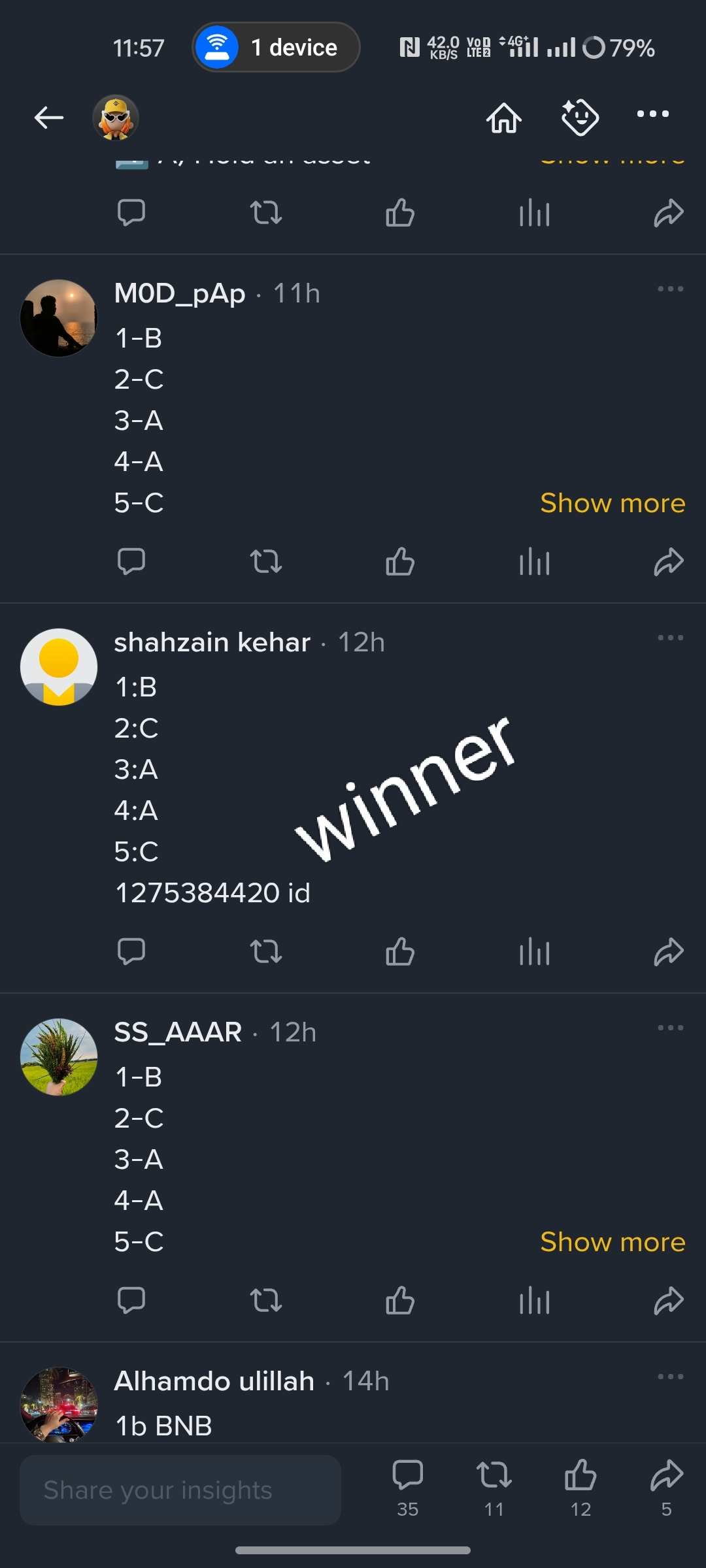
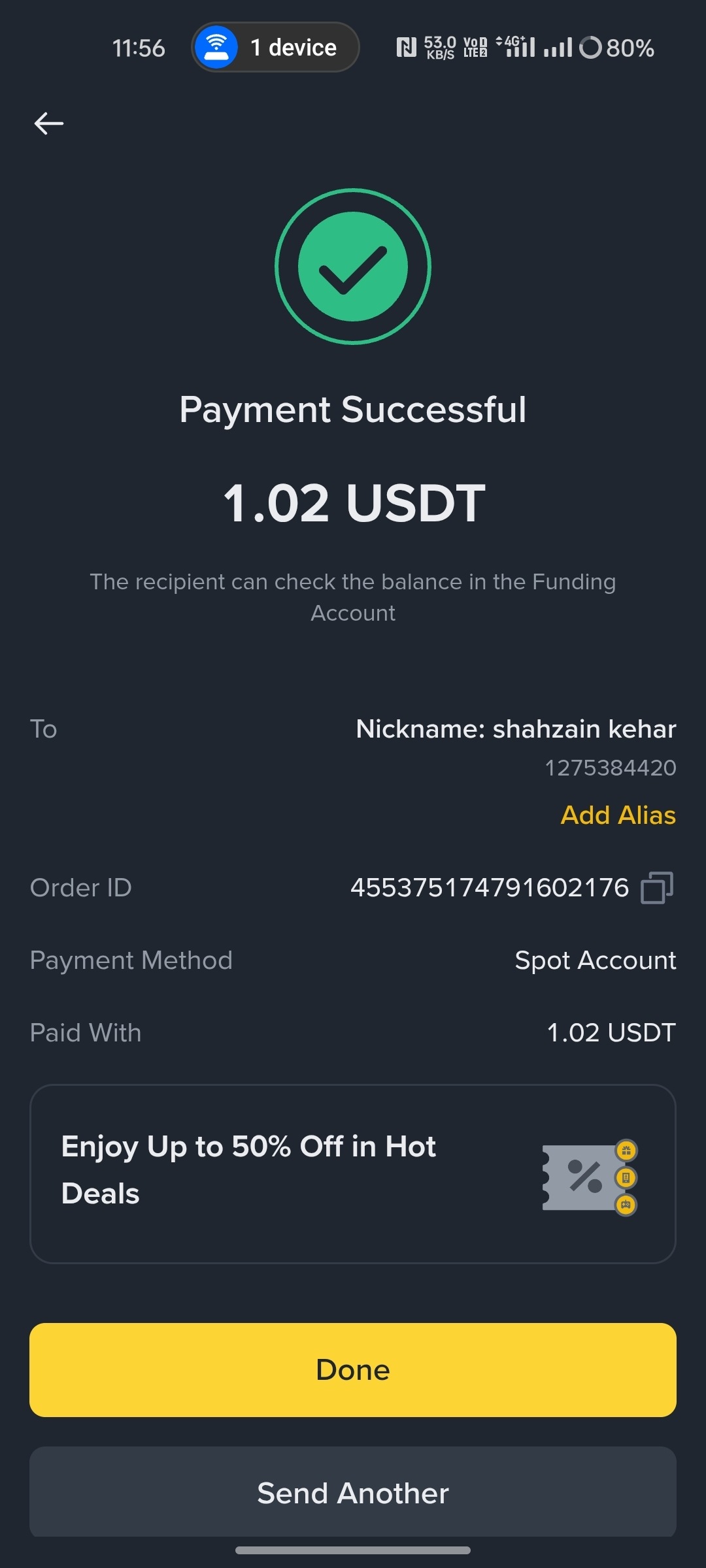
yesterday quiz winner send his price 1.02
congratulations bro Mr Shahzain Ahmed keep it up
#FirstMolvi #BinanceSquareTalks #BNB走势
congratulations bro Mr Shahzain Ahmed keep it up
#FirstMolvi #BinanceSquareTalks #BNB走势
ကိုးကားထားသော အကြောင်းအရာကို ဖယ်ရှားလိုက်ပါပြီ
MrStar
·
--
[ပြန်ဖွင့်မည်] 🎙️ Binance Talks | Weekly Datas | Marvin | $BTC Holds 80000
02 နာရီ 18 မိနစ် 14 စက္ကန့် · 4.5k listens
Log in to explore more content