Apro Oracle and the Tokenization Moment: How One AI-Native Oracle Makes Real-World Assets Programma
Apro Oracle (AT) is staking its claim on a clear, high-stakes promise: to make real-world assets—legal contracts, property records, corporate filings, environmental data—first-class participants in decentralized finance by converting messy, off-chain information into verifiable on-chain facts. This isn’t a small tweak to existing price feeds; it’s a reimagining of what an oracle does for tokenized assets.
Why tokenization needs more than price feeds Most oracle providers began life solving a single problem: deliver reliable asset prices to smart contracts. Tokenization demands more. When you tokenize a commercial loan, a deed, or a carbon credit, the useful inputs are not just spot prices but ownership documents, legal clauses, inspection reports, and attestations. Apro’s core idea is that these non-standard, unstructured inputs must be ingested, validated, and attested in a way that smart contracts can trust—and that requires AI plus cryptographic proofs, not just median aggregators.
How Apro turns messy documents into on-chain truth At the heart of Apro’s stack is an AI-driven ingestion layer that digests PDFs, APIs, web sources, and even images, extracts structured facts, and applies anomaly detection and provenance checks before publishing verifiable outputs on chain. This “document to datum” pipeline is augmented with a proof-of-record design that links the original source, the AI transform, and the signed oracle response—so parties can audit where a piece of on-chain data came from and how it was processed. That auditability matters when legal or financial obligations hinge on a single oracle output.
Real use cases that signal practical product-market fit Apro’s design targets a handful of high-value applications where trust and complexity intersect. Tokenized real estate needs title and inspection feeds; tokenized securities require corporate filings, dividend schedules, and custody confirmations; environmental credit markets demand sensor and certification data. Apro has already positioned integrations and partnerships that map to these verticals—meaning its roadmap is focused less on novelty and more on delivering the exact data flows businesses need.
AI validation as a defensive moat Oracle attacks historically exploit predictable aggregation patterns or feed-manipulation. Apro’s added layer of machine learning does two things: it identifies outlier inputs and it assesses source credibility across modalities (text, image, API). This reduces the surface area for simple price-oracle exploits and makes it harder to inject fabricated legal documents into a tokenization workflow without leaving detectable traces. It’s not a silver bullet, but it’s a meaningful escalation of oracle security for RWA use cases.
Tokenomics tuned toward long-term infrastructure demand The AT token underpins payments for data requests, staking for node operators, and governance—designed to align incentives for nodes that commit compute and curation to complex RWA tasks. With a capped supply and staged distribution meant to reward stakers and ecosystem builders, Apro’s economic model emphasizes sustainable service provisioning over short-run speculation. That alignment matters if institutions are to rely on the oracle for regulated products.
Multichain reach and developer ergonomics Apro’s network is already engineered to publish verified data across dozens of chains and Layer-2s, so a tokenized security on an EVM chain and a mortgage token on an L2 can both consume the same attested feed. For developers, that consistency reduces integration friction and widens market reach—two practical requirements for any middleware that expects real volume.
Partnerships that reveal the playbook Partnerships with infrastructure and data providers show how Apro expects to grow: wallet integrations that bring oracle access closer to end users, collaboration with RWA platforms for price and attestation inputs, and alliances with AI data networks that deepen the kinds of inputs the oracle can verify. These pragmatic, layered collaborations point to a methodical go-to-market: secure the pipes that feed tokenized assets, then sell reliability to issuers and custodians.
Where complexity becomes product: key engineering bets Apro is making several engineering bets that determine its usefulness: reliable extraction of facts from heterogeneous documents, deterministic and auditable AI transforms, low-latency yet secure confirmations, and economic incentives that sustain nodes performing expensive off-chain verification. If these components interlock, the result is not merely a new oracle but a new data category: certified on-chain attestations derived from real-world records. The whitepaper calls this “proof of record,” and it’s the mechanism that will decide whether tokenization becomes safe enough for mainstream capital.
Risks and the realistic timeline for adoption Expect adoption to be gradual. Regulated institutions will pilot tokenization with tightly scoped use cases and trusted counterparties before broad permissionless markets arise. Apro must demonstrate not only technical robustness but also legal defensibility—can an oracle attestation stand up under audit or in a court? That’s a non-technical requirement that will shape enterprise uptake. Meanwhile, competition from established oracle networks and the evolving regulatory landscape for data and tokenized securities are real headwinds.
Why this matters beyond crypto If oracles like Apro can reliably turn real-world records into immutable, auditable on-chain facts, the implications extend beyond trading or DeFi. Tradable real-estate fractions, instant settlement of tokenized invoices, conditional insurance that pays automatically on verified inspection reports—these workflows become possible and programmable. That is the larger thesis: making trust programmable at scale.
Bottom line: an infrastructure play with a specific, measurable promise Apro Oracle’s strongest claim is not broad, vague superiority—it’s specificity. By focusing on the high-value problem of converting unstructured real-world information into verified on-chain attestations, pairing AI validation with cryptographic records, and building payments and economic incentives around that service, Apro is positioning itself as infrastructure for the tokenization economy. If it executes on accuracy, auditability, and integrations, it’s playing the long game: a utility layer that institutions might eventually rely on when real money and legal obligations are involved. @APRO Oracle #APRO $AT
Kite: Where AI Agents Become Self-Sufficient Traders in a Stablecoin-Driven World
Most discussions around AI trading stop at execution speed or prediction accuracy. Kite takes a different path by positioning AI agents not just as traders, but as full economic service providers. These agents do not only trade assets; they sell insights, manage liquidity, hedge risk, and charge for their services using stablecoins. This shift turns the Kite network into a marketplace where value flows between machines in a structured and measurable way.
The rise of an agent service economy Kite is designed around the idea that AI agents will increasingly specialize. One agent might be exceptional at analyzing order flow, another at managing stablecoin yield, and another at detecting arbitrage opportunities across decentralized exchanges. Instead of bundling everything into a single monolithic bot, Kite allows these agents to operate independently and transact with each other. Stablecoins make this possible by providing a neutral and predictable unit of payment between agents.
Why stablecoins enable agent to agent commerce Volatile assets are poor tools for service pricing. An agent charging another agent for data analysis cannot operate efficiently if the value of its earnings fluctuates wildly. Kite’s stablecoin first design solves this by letting agents price their services in stable value terms. This creates clarity. An execution agent knows exactly how much it will pay for a signal, and an analytics agent knows exactly how much revenue it earns per task.
How agent services are structured on Kite Each agent on Kite operates with a defined role and capability set. These capabilities can be exposed as services. For example, a volatility monitoring agent may offer real time alerts for a fixed stablecoin fee. A treasury optimization agent may charge a percentage of profits it helps generate. Payments are handled automatically, with smart contracts enforcing delivery conditions and settlement without human approval.
Self-sufficient revenue generation One of Kite’s most novel aspects is that agents can generate their own revenue. A successful agent does not rely on continuous funding from its creator. Instead, it earns stablecoins by providing useful services to other agents or users. Over time, this allows agents to sustain their own operations, pay for infrastructure, and even reinvest in better models or expanded capabilities.
Reputation as a pricing signal In a machine driven economy, trust still matters. Kite addresses this through agent level reputation. Each agent’s history of performance, reliability, and dispute resolution is recorded onchain. Agents with strong track records can charge higher fees, while unreliable agents are naturally filtered out. This reputation driven pricing mirrors human markets but operates without subjective judgment.
Composing complex trading systems from simple agents Instead of deploying a single complex trading system, Kite encourages composition. A trading setup might involve one agent that scans markets, another that evaluates risk, and a third that executes trades. Each agent pays the others for their services using stablecoins. This modular structure makes systems more resilient. If one agent underperforms, it can be replaced without shutting down the entire operation.
Autonomous expense management Because agents earn and spend stablecoins, they also manage expenses autonomously. An agent can allocate part of its income to pay for better data feeds, higher priority execution, or insurance mechanisms. This creates a feedback loop where agents optimize not just trading outcomes but also operational efficiency.
The role of KITE in service coordination While stablecoins handle payments, the KITE token plays a coordination role within this service economy. Staking KITE can be used to signal seriousness and reliability. Agents that stake KITE may gain higher visibility or access to premium service registries. Governance decisions about service standards, dispute mechanisms, and network upgrades are tied to KITE, aligning long term incentives.
Dispute resolution without human arbitration Service based systems inevitably face disputes. Kite introduces programmable dispute logic where conditions for payment are clearly defined upfront. If an agent fails to deliver a promised service, payment can be withheld automatically. In more complex cases, governance frameworks allow escalation. This reduces reliance on human arbitration while maintaining fairness.
DAO treasuries as agent customers One practical application of this agent service economy is DAO treasury management. Instead of hiring teams or relying on single vendors, a DAO can deploy agents that purchase services from the Kite network. A treasury agent might pay for market analysis, hedging strategies, and yield optimization, all settled in stablecoins with transparent accounting.
Reducing coordination costs Human organizations spend enormous resources on coordination. Meetings, approvals, and reporting slow everything down. Kite replaces much of this overhead with automated service contracts between agents. Decisions are executed instantly once conditions are met, allowing capital to move efficiently without bureaucratic friction.
Economic scalability through automation As the number of agents grows, the Kite economy scales horizontally. New agents can enter, offer niche services, and find customers without centralized matchmaking. Stablecoin based pricing ensures that even microservices remain economically viable, supporting high frequency and low value interactions that would be impractical with humans.
Risks and safeguards An autonomous service economy introduces new risks. Collusion between agents, flawed incentives, or cascading failures must be considered. Kite addresses these through transparent records, staking requirements, and the ability to revoke or limit agent permissions. While no system is risk free, these safeguards create a controlled environment for experimentation.
Why this model is different from traditional automation Traditional automation focuses on replacing tasks. Kite focuses on creating participants. Agents are not tools owned and operated moment to moment by humans. They are semi independent entities that interact economically. This distinction is crucial because it allows markets to form between machines, unlocking efficiencies that static automation cannot achieve.
Long term implications If agent to agent commerce becomes reliable, the structure of digital markets changes fundamentally. Services become composable, capital becomes autonomous, and value exchange becomes continuous. Kite positions itself as infrastructure for this future, where machines not only execute trades but also negotiate, transact, and specialize. Kite’s vision extends beyond self sufficient trading into the creation of a full agent service economy. By anchoring interactions in stablecoins and reinforcing accountability through identity and reputation, it enables AI agents to operate as independent economic actors. This approach transforms automation into participation and sets the foundation for a new kind of market driven by logic, transparency, and continuous value exchange @KITE AI #KITE $KITE
Lorenzo Protocol and the Governance Economy Built Around BANK
Lorenzo Protocol ( BANK ) is often described through its Bitcoin yield products, but one of its most strategic innovations sits quietly underneath: a governance system designed to turn passive token holders into long term decision makers. This article focuses on how BANK and veBANK reshape protocol governance and why that structure matters for sustainability, trust, and capital discipline in decentralized finance.
Why governance matters in Bitcoin focused DeFi Most Bitcoin based DeFi platforms struggle with governance because BTC holders traditionally avoid active participation. Lorenzo approaches this differently by tying governance directly to economic alignment. Decisions are not made by short term voters chasing emissions but by participants who lock value and commit time. This is especially important for products involving Bitcoin derivatives, cross chain exposure, and real world assets where poor governance can create systemic risk.
BANK as more than a voting token BANK is designed to represent influence, not just ownership. Holding BANK alone gives exposure to the ecosystem, but real power comes from locking it into veBANK. This mechanism slows down speculative behavior and encourages holders to think in terms of months and years rather than days. Governance proposals around yield strategies, asset onboarding, and fee distribution require veBANK, meaning influence is earned through commitment.
veBANK and long term alignment When users convert BANK into veBANK, they sacrifice liquidity in exchange for influence. This tradeoff filters out short term actors and creates a governance base that benefits from careful risk management. veBANK holders participate in decisions such as approving new Bitcoin yield routes, adjusting protocol fees, and defining risk parameters for structured products. The longer the lock period, the stronger the governance weight, reinforcing long term alignment.
Governance shaped by product complexity Lorenzo’s products are not simple staking pools. They include liquid Bitcoin derivatives, on chain traded funds, and multi source yield instruments. Each product introduces different layers of risk including smart contracts, counterparties, and market exposure. Governance is therefore not symbolic. veBANK holders effectively act as stewards, deciding how much risk the protocol should take in pursuit of yield and growth.
Revenue sharing and incentive balance Governance in Lorenzo is closely linked to revenue flows. Protocol fees generated from vaults, Bitcoin derivatives, and structured products are partially directed toward veBANK aligned incentives. This creates a feedback loop where good governance improves product quality, which increases usage, which then benefits long term participants. It shifts the focus away from inflationary rewards and toward sustainable income.
Governance as a signal to institutions Institutional players care deeply about decision making processes. Lorenzo’s veBANK model sends a clear signal that governance is not easily captured or manipulated. Institutions exploring on chain exposure to Bitcoin yield and tokenized funds can evaluate governance participation, proposal history, and voting distribution as part of their risk assessment. This transparency gives Lorenzo an edge over platforms with shallow or inactive governance layers.
Adaptability in a changing regulatory environment As regulations around real world assets and on chain funds evolve, governance flexibility becomes critical. Lorenzo’s model allows veBANK holders to adapt product structures, limit exposure, or pause strategies when external conditions change. Instead of hard coded rules, the protocol relies on informed human decisions backed by economic commitment. This adaptability could prove decisive as compliance standards tighten globally.
Community driven evolution instead of founder control Another strength of Lorenzo’s governance is the gradual shift away from founder dominance. As more BANK transitions into veBANK, influence spreads across active participants rather than remaining concentrated. Over time, this reduces key person risk and strengthens the protocol’s credibility as neutral financial infrastructure rather than a founder led experiment.
Why governance may define Lorenzo’s future Many DeFi projects fail not because of technology, but because of poor decision making under pressure. Lorenzo’s emphasis on veBANK governance recognizes that capital efficiency and trust are inseparable. By forcing participants to lock value to gain influence, the protocol aligns incentives with long term health. If Bitcoin is to play a larger role in decentralized finance, governance systems like this may be just as important as yield itself. @Lorenzo Protocol #lorenzoprotocol $BANK
Falcon Finance: Turning Collateral Diversity Into Real DeFi Stability and Yields
Falcon Finance ( FF ) is introducing a major rethink of how decentralized finance treats stability. Instead of depending on a single asset class or narrow collateral type, Falcon embraces the idea that strength in DeFi should come from diversity. Its infrastructure brings together crypto assets, stablecoins, and tokenized real-world assets into one system that produces a more balanced, resilient form of liquidity. The result is a protocol where market shocks are absorbed rather than amplified. The Foundation: Multi-Asset Collateralization Traditional stablecoin systems often rely on just one or two assets as backing, which can create hidden fragility. Falcon Finance solves this with its universal collateral model. Users can deposit a wide range of assets to mint USDf, a synthetic dollar that represents the combined power of those assets. By spreading exposure, Falcon prevents any single market from dictating stability. This diversity of collateral gives USDf the ability to remain reliable even when individual sectors experience volatility. USDf and sUSDf: Two Sides of One Economy Falcon’s stablecoin system is divided into two layers. The first, USDf, functions as a transactional stable asset—ideal for lending, payments, and trading. The second, sUSDf, is a yield-bearing version that rewards holders who stake USDf within the protocol. This design allows users to choose between stability and growth, creating a flexible ecosystem that can serve both passive users and active investors without fragmenting liquidity. Where the Yield Comes From Falcon Finance focuses on real yield instead of unsustainable token emissions. Income for sUSDf holders comes from strategies like cross-market arbitrage, lending spreads, and yield from tokenized real-world assets. The protocol allocates these earnings transparently, giving users confidence that returns are rooted in productive activity. This model ensures that Falcon can sustain yields even when speculative inflows fade, making it one of the few projects pushing for long-term balance in DeFi returns. The Role of FF Token in Governance and Utility The FF token powers Falcon’s ecosystem through governance and utility. Holders can participate in decisions that shape collateral types, protocol parameters, and strategy selection. At the same time, FF offers tangible advantages—lower transaction fees, boosted APYs, and exclusive staking opportunities. This integration gives FF real purpose beyond speculation and aligns community incentives with protocol performance. Independent Governance Through the FF Foundation To strengthen credibility, Falcon established the FF Foundation as an independent oversight entity. It manages token unlocks, distribution schedules, and ecosystem grants with a transparent framework. This structure prevents centralization of control and ensures that Falcon evolves as a community-governed system. Institutional players value this level of structure because it mirrors the governance maturity seen in traditional finance. Real-World Assets: Falcon’s Gateway to Institutional DeFi Falcon Finance isn’t just a DeFi project—it’s a bridge to traditional capital markets. By supporting tokenized real-world assets like short-term treasuries and commercial debt, Falcon invites institutional liquidity into DeFi. This not only increases total collateral but also introduces predictable income streams, improving overall yield stability. As more regulated assets become tokenized, Falcon’s model positions it as one of the few platforms ready to merge both financial worlds under one protocol. Advanced Risk Management for Sustainable Growth Every collateral asset in Falcon has its own risk parameters and liquidation thresholds. The system dynamically adjusts to maintain overcollateralization, protecting users during volatile conditions. Additionally, an onchain insurance fund provides another layer of security, ensuring that any unexpected event is absorbed by the system rather than by users. This proactive approach to risk makes Falcon one of the most transparent and defensible DeFi platforms. The Falcon Flywheel: Liquidity, Stability, and Yield Falcon Finance’s design naturally reinforces itself. Diverse collateral enhances stability, stability attracts liquidity, and liquidity generates yield. That yield then incentivizes more participation, further strengthening the system. This flywheel creates a sustainable economic loop that can grow organically, without constant reliance on external token rewards or speculative hype. It’s a methodical approach that favors long-term participants over short-term speculators. Market Growth and Expanding Reach Since its launch, Falcon Finance has experienced steady growth in total value locked (TVL) and an expanding base of strategic partnerships. Its ecosystem now supports integrations with lending protocols, liquidity markets, and treasury platforms. These collaborations reflect growing trust in Falcon’s model, proving that collateral diversity and yield sustainability can coexist. With USDf adoption increasing and institutional interest rising, Falcon is steadily carving out its place among leading DeFi infrastructures. Future Outlook: The Next Layer of DeFi Maturity As DeFi matures, protocols that balance innovation with responsibility will lead the next phase. Falcon Finance is one of those few projects demonstrating that decentralized systems can be both profitable and stable. By merging diverse collateral assets, transparent governance, and yield mechanisms rooted in real economic activity, Falcon sets a new benchmark for what sustainable DeFi can look like. Its success could mark the transition from speculative finance to structured, institution-ready DeFi. @Falcon Finance #FalconFinance $FF
Apro Oracle and the Tokenization Moment: How One AI-Native Oracle Makes Real-World Assists
Apro Oracle ( AT ) is staking its claim on a clear, high-stakes promise: to make real-world assets—legal contracts, property records, corporate filings, environmental data—first-class participants in decentralized finance by converting messy, off-chain information into verifiable on-chain facts. This isn’t a small tweak to existing price feeds; it’s a reimagining of what an oracle does for tokenized assets.
Why tokenization needs more than price feeds Most oracle providers began life solving a single problem: deliver reliable asset prices to smart contracts. Tokenization demands more. When you tokenize a commercial loan, a deed, or a carbon credit, the useful inputs are not just spot prices but ownership documents, legal clauses, inspection reports, and attestations. Apro’s core idea is that these non-standard, unstructured inputs must be ingested, validated, and attested in a way that smart contracts can trust—and that requires AI plus cryptographic proofs, not just median aggregators.
How Apro turns messy documents into on-chain truth At the heart of Apro’s stack is an AI-driven ingestion layer that digests PDFs, APIs, web sources, and even images, extracts structured facts, and applies anomaly detection and provenance checks before publishing verifiable outputs on chain. This “document to datum” pipeline is augmented with a proof-of-record design that links the original source, the AI transform, and the signed oracle response—so parties can audit where a piece of on-chain data came from and how it was processed. That auditability matters when legal or financial obligations hinge on a single oracle output.
Real use cases that signal practical product-market fit Apro’s design targets a handful of high-value applications where trust and complexity intersect. Tokenized real estate needs title and inspection feeds; tokenized securities require corporate filings, dividend schedules, and custody confirmations; environmental credit markets demand sensor and certification data. Apro has already positioned integrations and partnerships that map to these verticals—meaning its roadmap is focused less on novelty and more on delivering the exact data flows businesses need.
AI validation as a defensive moat Oracle attacks historically exploit predictable aggregation patterns or feed-manipulation. Apro’s added layer of machine learning does two things: it identifies outlier inputs and it assesses source credibility across modalities (text, image, API). This reduces the surface area for simple price-oracle exploits and makes it harder to inject fabricated legal documents into a tokenization workflow without leaving detectable traces. It’s not a silver bullet, but it’s a meaningful escalation of oracle security for RWA use cases.
Tokenomics tuned toward long-term infrastructure demand The AT token underpins payments for data requests, staking for node operators, and governance—designed to align incentives for nodes that commit compute and curation to complex RWA tasks. With a capped supply and staged distribution meant to reward stakers and ecosystem builders, Apro’s economic model emphasizes sustainable service provisioning over short-run speculation. That alignment matters if institutions are to rely on the oracle for regulated products.
Multichain reach and developer ergonomics Apro’s network is already engineered to publish verified data across dozens of chains and Layer-2s, so a tokenized security on an EVM chain and a mortgage token on an L2 can both consume the same attested feed. For developers, that consistency reduces integration friction and widens market reach—two practical requirements for any middleware that expects real volume.
Partnerships that reveal the playbook Partnerships with infrastructure and data providers show how Apro expects to grow: wallet integrations that bring oracle access closer to end users, collaboration with RWA platforms for price and attestation inputs, and alliances with AI data networks that deepen the kinds of inputs the oracle can verify. These pragmatic, layered collaborations point to a methodical go-to-market: secure the pipes that feed tokenized assets, then sell reliability to issuers and custodians.
Where complexity becomes product: key engineering bets Apro is making several engineering bets that determine its usefulness: reliable extraction of facts from heterogeneous documents, deterministic and auditable AI transforms, low-latency yet secure confirmations, and economic incentives that sustain nodes performing expensive off-chain verification. If these components interlock, the result is not merely a new oracle but a new data category: certified on-chain attestations derived from real-world records. The whitepaper calls this “proof of record,” and it’s the mechanism that will decide whether tokenization becomes safe enough for mainstream capital.
Risks and the realistic timeline for adoption Expect adoption to be gradual. Regulated institutions will pilot tokenization with tightly scoped use cases and trusted counterparties before broad permissionless markets arise. Apro must demonstrate not only technical robustness but also legal defensibility—can an oracle attestation stand up under audit or in a court? That’s a non-technical requirement that will shape enterprise uptake. Meanwhile, competition from established oracle networks and the evolving regulatory landscape for data and tokenized securities are real headwinds.
Why this matters beyond crypto If oracles like Apro can reliably turn real-world records into immutable, auditable on-chain facts, the implications extend beyond trading or DeFi. Tradable real-estate fractions, instant settlement of tokenized invoices, conditional insurance that pays automatically on verified inspection reports—these workflows become possible and programmable. That is the larger thesis: making trust programmable at scale.
Bottom line: an infrastructure play with a specific, measurable promise Apro Oracle’s strongest claim is not broad, vague superiority—it’s specificity. By focusing on the high-value problem of converting unstructured real-world information into verified on-chain attestations, pairing AI validation with cryptographic records, and building the payments and economic incentives around that service, Apro is positioning itself as infrastructure for the tokenization economy. If it executes on accuracy, auditability, and integrations, it’s playing the long game: a utility layer that institutions might eventually rely on when real money and legal obligations are involved. @APRO Oracle #APRO $AT
Kite AI Redefines Trading by Letting Autonomous Agents Manage Capital with Stablecoin Precision
Kite AI is not trying to make trading faster for humans. Its core idea is more disruptive: turning AI agents into independent economic actors that can trade, earn, and manage capital on their own. Instead of bots that wait for commands, Kite focuses on agents that understand objectives, operate within rules, and continuously adapt to market conditions without constant human supervision.
One clear focus: autonomous capital management This article focuses on a single theme inside the Kite ecosystem: autonomous capital management using stablecoins. Kite is designed for a world where AI agents are trusted to manage funds responsibly, not just execute single trades. These agents can hold balances, assess risk, allocate liquidity, and protect capital over long periods, behaving more like portfolio managers than short term bots.
Why stablecoins are central to Kite’s design Autonomous systems require predictability. If an agent is expected to manage funds for weeks or months, volatility in the base currency introduces unnecessary complexity. Kite prioritizes stablecoins so agents can measure performance, drawdowns, and returns in consistent value terms. This makes long term decision making possible and allows agents to reason about capital preservation, not just profit extraction.
Agents that understand capital limits On Kite, an AI agent is deployed with explicit capital rules. These rules define how much it can risk, how much it can allocate per position, and when it must reduce exposure. Because these constraints are enforced at the protocol level, the agent cannot exceed its authority. This transforms risk management from a human responsibility into a programmable behavior that runs continuously.
Self-sufficient portfolio rebalancing One of the most practical applications of Kite agents is automated portfolio rebalancing. An agent can monitor asset allocations across decentralized markets and rebalance when thresholds are crossed. Profits are realized into stablecoins, losses are capped by predefined rules, and idle capital can be redirected to yield strategies. All of this happens without manual intervention, creating a self maintaining portfolio system.
Using stablecoins for internal accounting Kite agents use stablecoins not only for settlement but also for internal accounting. Performance metrics, fees, and incentives are calculated in stable value terms. This simplifies reporting for human owners and makes it easier to compare agent performance objectively. An agent’s success is measured by how well it preserves and grows purchasing power, not by exposure to speculative volatility.
Economic identity and accountability Each Kite agent operates with its own onchain identity. This identity tracks its trading history, capital efficiency, and rule compliance. Over time, this creates accountability. Agents that consistently manage funds well build a reputation, while poorly performing agents can be paused or retired. This reputation layer is essential for scaling autonomous capital management beyond individual users.
Delegating capital without micromanagement Kite enables a new relationship between humans and capital. Instead of checking charts or approving trades, a user defines goals and limits once. The agent handles execution, monitoring, and adjustment. This is especially relevant for DAOs and treasuries that require disciplined capital management but cannot rely on constant human coordination.
Interaction between capital management agents Capital management becomes more powerful when agents specialize. One agent may focus on conservative yield generation, another on hedging exposure, and another on opportunistic trading. On Kite, these agents can coordinate and transfer stablecoins between each other based on predefined logic. This creates an autonomous financial structure that resembles an investment firm, but without employees.
The role of KITE in long term alignment While stablecoins are used for capital operations, the KITE token aligns long term incentives. Agents or their operators may stake KITE to access advanced features or signal reliability. Governance decisions that affect risk parameters and protocol upgrades are tied to KITE, ensuring that those shaping the system are economically invested in its stability.
Governance as a safety net Autonomous capital management cannot exist without oversight mechanisms. Kite’s governance framework allows humans to intervene at the system level if market conditions change dramatically. Parameters can be adjusted, risk models updated, and emergency controls activated. This layered approach ensures that autonomy operates within a broader safety structure.
Reducing emotional decision making One often overlooked advantage of Kite agents is emotional neutrality. Human traders are influenced by fear, greed, and fatigue. Autonomous agents operate strictly on logic and data. When managing capital over long periods, this consistency can be more valuable than aggressive optimization. Kite’s design embraces this by emphasizing discipline over speed.
Realistic paths to adoption Kite is not built only for high frequency traders. Its capital management model fits long term holders, DAO treasuries, and protocol funds that want steady optimization without daily involvement. Stablecoin based logic makes returns predictable and reporting simple, lowering the barrier for institutional and semi institutional adoption.
Limitations and open questions Autonomous capital management is not without risk. Market black swan events, oracle failures, and unexpected correlations can challenge any system. Kite addresses this through constraints and transparency, but it does not eliminate risk entirely. The real test will be how these agents behave under extreme conditions.
Why Kite’s approach stands out Many AI trading projects focus on signals or prediction accuracy. Kite focuses on responsibility. By centering its design on capital protection, stablecoin accounting, and enforceable limits, it treats autonomy as a financial responsibility rather than a technical experiment. This makes the vision more practical and sustainable.
The long term implication If AI agents can reliably manage capital, the structure of finance changes. Capital becomes programmable, persistent, and less dependent on human availability. Kite positions itself as infrastructure for that future, where autonomous systems manage value with discipline and transparency. Kite AI presents a grounded vision of autonomous finance by focusing on self sufficient capital management through stablecoins. Instead of chasing hype, it addresses real constraints around risk, accountability, and long term operation. As AI agents continue to evolve, Kite’s emphasis on stable value and disciplined autonomy may define how machines responsibly participate in global markets @KITE AI #KITE $KITE
Lorenzo Protocol: Turning Bitcoin into an Active DeFi Engine
Lorenzo Protocol (BANK) tackles a simple but powerful problem: most Bitcoin sits idle because using BTC in DeFi usually means wrapping, locking, or giving up custody. Lorenzo’s approach is to create tokenized, yield-bearing instruments that let Bitcoin holders keep exposure to BTC while using their holdings as productive capital across blockchains and DeFi products. This article focuses on Lorenzo’s single driving idea — unlocking Bitcoin liquidity without forcing users to choose between custody and yield — and explains why that matters now.
The core idea: financial abstraction for Bitcoin Instead of one off-ramps or bespoke bridges, Lorenzo builds a Financial Abstraction Layer (FAL) that standardizes yield strategies into tradeable tokens and on-chain funds. That lets the protocol package complex strategies — such as liquid staking, cross-chain wrapping, and real world asset income — into simple tokens users can buy, hold, or use as collateral. The result: Bitcoin becomes a fluid, composable asset inside the wider DeFi economy rather than a static store of value.
Liquid Bitcoin products that preserve optionality Lorenzo issues derivatives like enzoBTC (a fully collateralized wrapped BTC) and stBTC (a liquid staking derivative) to give BTC holders options. enzoBTC lets users move Bitcoin into Ethereum or BNB Smart Chain ecosystems without losing price correlation; stBTC captures staking yields while remaining usable in vaults, pools, and lending markets. Those tokens are central to Lorenzo’s vision: let BTC earn yield and still be useful across chains.
On-Chain Traded Funds and multi strategy exposure Rather than forcing users to pick one yield source, Lorenzo packages diversified yield into On-Chain Traded Funds (OTFs) such as USD1+. These OTFs combine DeFi returns, algorithmic strategies, and exposures to real-world assets (RWA) so a single token can represent a balanced, risk-aware income stream. For investors who want passive, multi-source yield without active rebalancing, OTFs are Lorenzo’s bridge between traditional fund structures and open-finance transparency.
Governance token and participant incentives BANK is Lorenzo’s governance and utility token. Holders can lock BANK to receive veBANK — a vested form that unlocks governance rights, fee sharing, and priority access to new vaults and strategies. The token design aims to align long-term participants with protocol growth while providing mechanisms to direct how yield strategies evolve. BANK’s launch and early distribution were executed through an exclusive Token Generation Event (TGE) that made a portion of supply available to Binance Wallet users.
Why this matters for institutional and retail flows Institutional investors demand familiar risk controls and diversified exposures; retail users want simplicity and liquidity. Lorenzo tries to satisfy both by offering audited, tokenized strategies and by making those strategies usable across chains and apps. If institutions can route idle BTC into regulated, on-chain vehicles that still provide liquidity, and retail users can access those same vehicles in small sizes, the inflow of previously idle capital could be meaningful for DeFi markets.
Risks and the tradeoffs to understand No innovation is free from tradeoffs. Tokenized BTC depends on the security of wrapping mechanisms and cross-chain bridges, and yield packages add counterparty and strategy risk. Regulatory treatment of tokenized yield and real-world asset exposure is still evolving. Users should understand that yield is not guaranteed and that protocol design, oracle integrity, and custody arrangements matter. Lorenzo’s audits and multi-chain architecture reduce some risks, but they do not eliminate them.
What’s new and why to watch next Recent moves show Lorenzo shifting from proof-of-concept vaults to broader market tools: multi-chain integrations, partnerships with bridge and staking networks, and OTF expansions that include RWAs. Watch for adoption signals such as TVL growth in BTC-linked vaults, listings of enzoBTC on major DEXs, and governance activity with veBANK holders — these will indicate real utility rather than hype. Early on-chain metrics and continued product audits will be the best way to separate durable innovation from short-lived momentum.
A simple takeaway Lorenzo isn’t trying to remake Bitcoin; it’s trying to make Bitcoin more useful inside decentralized finance without forcing holders to give up control. By standardizing yield strategies into tradeable tokens and funds, Lorenzo offers a pragmatic path to converting idle BTC into productive capital. If the project continues to execute secure token mechanics, transparent funds, and reliable cross chain rails it could shift how both retail and institutional holders think about Bitcoin’s role in DeFi. @Lorenzo Protocol #lorenzoprotocol $BANK
Falcon Finance: Turning Collateral Diversity Into Real DeFi Stability and Yields
Falcon Finance ( FF ) is built on the belief that most DeFi instability comes from concentration, not from decentralization itself. When protocols rely on a narrow group of assets to back liquidity, shocks travel fast and liquidations cascade. Falcon approaches this problem by spreading risk across many collateral types, treating diversity not as a bonus feature but as the foundation of stability. This shift in thinking places Falcon closer to how modern financial systems manage risk, while remaining fully onchain and transparent. Why Collateral Diversity Matters More Than High APY Many DeFi platforms attract users with short term yields that disappear once incentives dry up. Falcon Finance takes a quieter approach. By allowing different asset classes to coexist as backing for USDf, the protocol reduces dependency on any single market condition. Volatile crypto assets, stable instruments, and yield producing tokenized assets balance each other. The result is a system where yield is a byproduct of structure rather than aggressive incentives. USDf as a Functional Dollar Layer USDf is not designed to compete with every stablecoin on marketing or integrations alone. Its role is functional. It acts as a settlement layer inside the Falcon ecosystem and across connected DeFi applications. Because USDf is minted through overcollateralization rules that adapt to asset risk, it reflects a more dynamic understanding of market conditions. This makes USDf suitable for traders, treasuries, and long term holders who care more about consistency than hype. sUSDf and the Logic of Earned Yield When users stake USDf and receive sUSDf, they are not simply locking tokens for emissions. sUSDf represents participation in the protocol’s economic engine. Yield flows from deployed capital strategies that aim to stay market neutral, collect spreads, and benefit from assets that produce predictable returns. This model favors patience. Instead of chasing spikes, sUSDf holders benefit from slow accumulation driven by actual economic activity. FF Token as a Coordination Tool The FF token exists to coordinate the system rather than dominate it. Governance rights allow holders to influence collateral parameters, strategy selection, and protocol upgrades. At the same time, FF provides economic advantages such as improved staking conditions and reduced friction within the ecosystem. This dual role encourages informed participation instead of passive speculation, pushing the community to think like stewards rather than short term traders. Tokenized Real World Assets as a Structural Upgrade One of Falcon Finance’s most important long term directions is its openness to tokenized real world assets. These instruments bring different risk profiles and cash flow characteristics compared to native crypto assets. By integrating them carefully, Falcon creates bridges between decentralized liquidity and traditional capital markets. This is not about replacing crypto with traditional finance, but about expanding the palette of tools DeFi can use to remain stable across cycles. Risk Management Without Complexity for Users From a user perspective, Falcon Finance aims to keep complexity under the hood. Collateral ratios, liquidation thresholds, and insurance mechanisms are handled at the protocol level. Users interact with simple actions like minting, staking, or holding. This abstraction is important because sustainable DeFi adoption depends on systems that are robust without requiring constant micromanagement from participants. Governance Structure and Long Term Trust The separation between protocol operations and token oversight through an independent foundation reflects a focus on long term credibility. Clear unlock schedules and predefined governance processes reduce uncertainty. In a space where trust is often broken by sudden changes, Falcon’s emphasis on predictability can become a competitive advantage, especially for larger capital participants who value clarity over speed. Ecosystem Growth Through Utility, Not Noise Falcon Finance does not rely heavily on viral campaigns or short lived reward programs. Growth is expected to come from integrations, treasury use cases, and users who see USDf and sUSDf as practical tools. As more protocols accept USDf and as yield strategies mature, Falcon’s ecosystem can expand organically without sacrificing its core principles. The real test for Falcon Finance will be time. If collateral diversity continues to absorb volatility, if yields remain tied to real activity, and if governance stays transparent, the protocol could represent a more mature phase of DeFi. One where stability is engineered, not promised, and where yield is earned, not inflated. @Falcon Finance #FalconFinance $FF
A Deep Look at Apro Oracle (AT): How It’s Shaping the Future of Web3 Data Infrastructure
In the expanding universe of blockchain, data is the backbone that keeps smart contracts, decentralized apps, and financial systems running smoothly. Apro Oracle (AT) enters this space not just as one more oracle project, but as a next‑generation data layer that bridges real‑world information with on‑chain decision‑making in an intelligent, scalable way. What sets Apro apart is its focus on AI‑enhanced data, real‑world asset integration, and practical enterprise usage, making it more than a generic price feed provider.
What Makes Apro Oracle Different from Other Oracles? Traditional oracle networks have focused mainly on delivering price data for tokens and assets. Apro goes beyond that by providing deep real‑world data, AI‑validated feeds, and multi‑modal input types including documents, APIs, and even environmental datasets. This approach allows smart contracts not just to know the current price of BTC or ETH, but also to react to real‑world occurrences, audit compliance data, or verify legal and financial documents in a programmable way.
An Oracle Built for Real‑World Assets and Multichain Web3 The rise of tokenized real‑world assets (RWA) opens up markets where traditional finance meets blockchain. Apro’s architecture is purpose‑built to serve these markets by converting documents, legal contracts, and structured economic data into on‑chain facts through AI pipelines. This capability dramatically extends the usefulness of oracle networks beyond DeFi into areas like tokenized equities, real‑estate records, or logistics data, creating programmable trust for unstructured real‑world information.
Furthermore, the protocol supports over 40 public blockchains, ensuring developers can access reliable data whether they’re building on Bitcoin L2s, EVM chains, or emerging ecosystems. This broad coverage isn’t just impressive—it’s essential as decentralized systems proliferate across different chains.
AI‑Driven Validation and Data Integrity Where many oracle networks rely heavily on simple aggregation or unverified sources, Apro integrates artificial intelligence into its core data validation processes. By using machine learning to filter noise, detect anomalies, and verify the authenticity of input sources, the network reduces the risk of manipulated or false data entering smart contracts. This level of sophistication is particularly valuable when feeding data into sensitive applications like prediction markets, AI agents, or financial instruments.
How the AT Token Powers the Network At the center of the Apro ecosystem is the native AT token. With a fixed maximum supply of 1 billion, AT tokens are used for staking, governance, ecosystem incentives, and paying for oracle services. Stakers help secure the network and ensure the accuracy of data feeds, earning rewards in return, while governance allows token holders to shape the future direction of the protocol.
Unlike projects that distribute tokens only for speculative purposes, Apro’s tokenomics are structured to support long‑term growth and sustainable usage. A meaningful portion of tokens are allocated to staking incentives, ecosystem funds, and team development—ensuring that infrastructure can grow while remaining robust.
Strategic Partnerships That Add Real Utility Apro isn’t building in isolation. Recent strategic collaborations demonstrate its ambition to become a foundational data layer for Web3. For example, its partnership with OKX Wallet integrates oracle services into secure user wallets, making it easier for users and developers to access trusted data.
In the RWA space, partnerships like the one with MyStonks aim to provide dependable asset pricing for tokenized stocks and commodities, strengthening decentralized financial infrastructure for real‑asset markets.
Another standout collaboration with Nubila focuses on building an AI‑native oracle layer that empowers intelligent agents with real‑world data. This is a clear signal that Apro is positioning itself at the intersection of blockchain and autonomous AI — a frontier many consider the future of decentralized technology.
Mainstream Accessibility Through Major Exchange Listings Apro’s AT token has gained visibility and liquidity by listing on major exchanges. It debuted on platforms like Poloniex and was featured in Binance’s HODLer Airdrops program, where eligible users received AT as part of community incentives. These listings not only enhance trading access but also introduce the network to broader audiences.
Beyond access, being part of programs like Binance’s HODLer Airdrops highlights institutional confidence in the project and helps grow its user base.
Roadmap and Future Potential The project’s development roadmap suggests a future where Apro evolves into a full‑featured AI data layer for Web3 and decentralized finance, with technologies like advanced validator consensus mechanisms, decentralized certification authorities, and broader support for AI‑driven dApps. This direction aligns with the increasing demand for trusted data across sophisticated blockchain use cases.
As blockchain ecosystems continue to diversify and mature, the need for reliable, real‑world data will only grow. Apro’s AI‑first approach and strategic positioning across DeFi, AI, and RWA markets make it a project worth watching for developers and investors alike. Its technical depth and ecosystem partnerships give it an edge in what’s becoming one of the most critical infrastructure layers in Web3. @APRO Oracle #APRO $AT
Kite: Where AI Agents Become Self-Sufficient Traders in a Stablecoin-Driven World
Kite arrives at an inflection point where AI, payments, and blockchains converge. Rather than another platform that boltons AI tools onto existing rails, Kite builds payment and identity infrastructure purpose built for autonomous agents — software entities that act, decide, and transact on behalf of people or organizations. The core promise is simple yet radical: let agents earn, spend, stake, and govern without human micromanagement, using stablecoins as predictable monetary rails so agents can operate reliably at scale.
Why agent native payments matter Traditional payments assume a human in the loop: know your customer processes, manual approvals, and settlement delays. Agents need a different model. They require instant finality, programmable escrow, verifiable identity for accountability, and stable unit of account so small microtransactions make economic sense. Kite designs those primitives into the chain itself so agents can issue invoices, receive micro royalties, and coordinate complex multi party flows with deterministic settlement. This reduces latency and operational friction that currently makes agent economies brittle.
A single topic focus: stablecoin rails as the foundation of agentic finance Kite’s bet is pragmatic: if autonomous agents are going to trade, subscribe, and settle value autonomously, they must do so on stable rails. Stablecoins give agents predictable purchasing power, which is crucial when actions are encoded into contracts and decisions are automated. Kite couples low friction payments with identity and session models so an agent’s wallet, its reputation, and its current task are all verifiable on chain. This makes recurring agent payments reliable and audit friendly for human principals.
How Kite uses stablecoins in real world examples Look at a supply chain flow: an agent monitors GPS and customs feeds. The moment a container clears, that agent triggers a programmable payment to the carrier and a separate micropayment to an analytics agent. With stablecoin rails, those payments can be immediate, tiny, and predictable, avoiding the need to batch or wait for reconciliation windows. Similarly, content creators can reward streaming agents per view or per second, with stablecoin micropayments that make real time royalties economically feasible. Early industry examples are already being explored by teams experimenting with autonomous arbitration and instant royalty payments on Kite compatible rails.
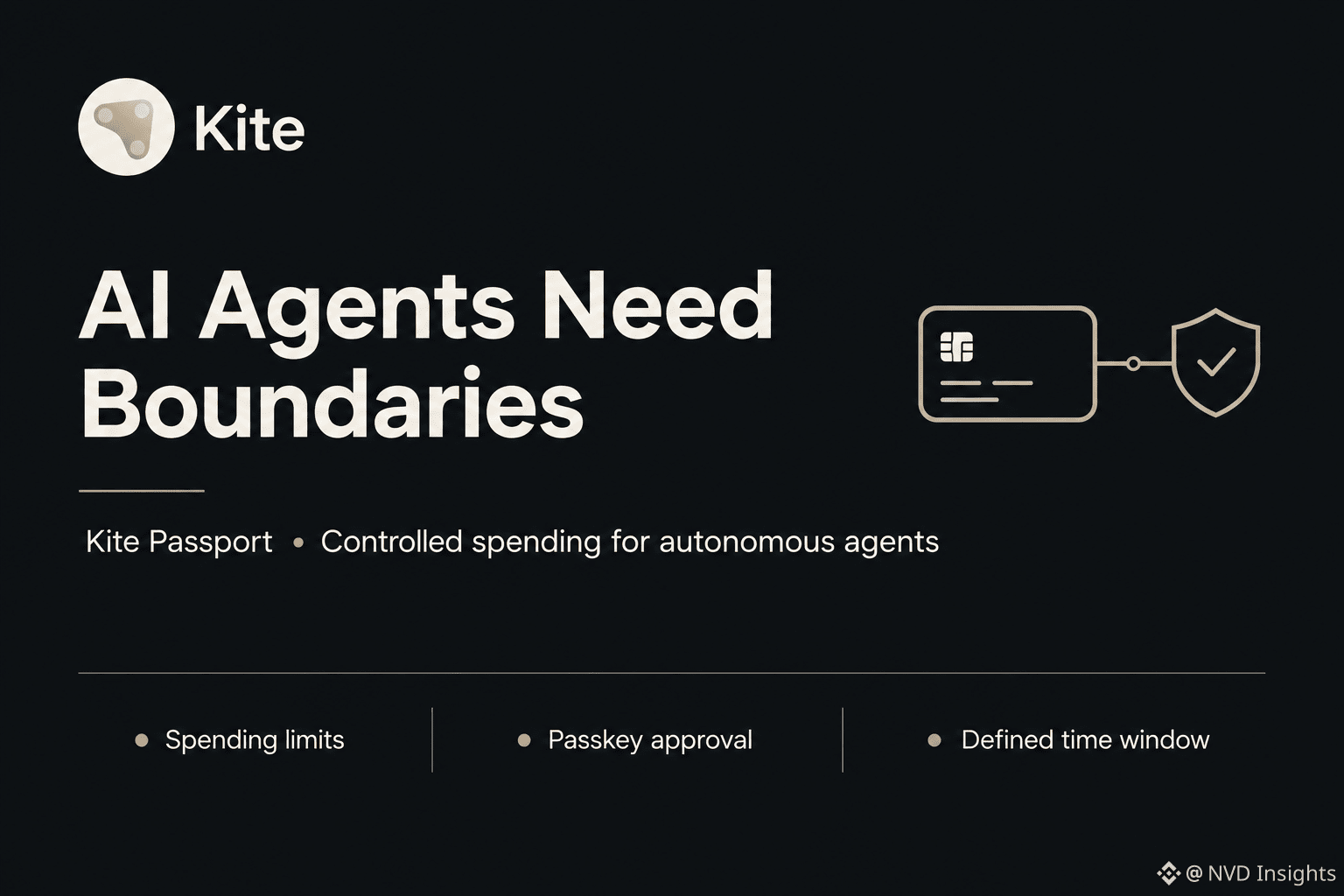
Technical building blocks that enable agent self sufficiency Kite assembles several integrated layers: a three layer identity model that separates user, agent, and session; a payments layer optimized for stablecoin transfers and fast finality; and on chain governance that allows agents and their principals to stake, vote, or delegate rights. The whitepaper describes cryptographic mechanisms tailored to ephemeral agent sessions so an agent’s authority can be limited to a time window or a task scope, protecting principals while preserving automation. These engineering choices make it possible for an agent to autonomously open an escrow, perform work, and release payment when conditions are verified.
Token role and economics without confusing the story KITE the token is described as the utility fuel and coordination asset for the Kite network. It powers settlement, staking for network security, gas for agent operations, and governance. Tokenomics documents explain supply caps and distribution policies aimed at long term alignment between builders, users, and governance participants. Importantly for our stablecoin focused theme, the token exists alongside stablecoins rather than replacing them as a unit of account for agent transactions. That separation helps agents avoid volatility risk while KITE remains a native incentivization mechanism for network health.
Governance and safety when non humans control value If agents are autonomous, governance and safeguards become paramount. Kite outlines programmable governance primitives that let principals specify risk boundaries and revoke agent keys. Reputation layers and staking requirements penalize malicious or negligent agent behavior, while verifiable audit trails let humans inspect agent decisions after the fact. Combined with stablecoin rails for predictable settlement, this governance fabric reduces systemic risk while enabling agents to act quickly with economic consequences that are bounded and visible.
Practical adoption paths and the role of partners Kite is not asking every developer to rewrite all their systems. The practical path to adoption begins with discrete agent use cases that benefit heavily from instant micropayments: supply chain automation, streaming royalties, automated market making bots with predefined risk envelopes, and IoT devices that need to autonomously pay for services. Strategic partnerships and integrations with exchanges and stablecoin issuers accelerate this path; industry writeups and exchange research note growing experimentation and institutional interest in agentic payment rails.
Challenges and what to watch for Agentic finance raises regulatory, privacy, and UX challenges. Regulators will ask who is responsible when an agent misbehaves, and how KYC/AML rules apply to autonomous wallets. Privacy design must balance auditability with protection of user data. UX challenges include making it simple for nontechnical principals to set safe limits and understand what their agents are authorized to do. Kite’s roadmap acknowledges these issues and invests in layered identity, session scoping, and clear dispute mechanisms. Watching how Kite navigates regulatory engagement and builds easy delegation tools will be crucial to its real world traction.
Why stablecoin centric design is a practical advantage today Stablecoins are the most efficient way to move value instantly in on chain contexts. By architecting the chain to expect stablecoin flows and by making settlement predictable, Kite lowers the barrier for developers to create agentic services that scale. This focus does not ignore native token utility; instead it pragmatically separates medium of exchange from coordination token so agents can operate with stable purchasing power while the network captures value through KITE staking and fees. The result is a design that favors real engineering outcomes over theoretical purity.
Conclusion Kite’s proposition is clear: if the next wave of digital value will be created and captured by software agents, those agents need native payment rails that are fast, cheap, and predictable. A stablecoin centric architecture paired with agent native identity and governance offers a path to that future. The ambition is large, and the prize is a new layer of economic coordination where machines execute trusted payments and humans supervise through policy and reputation. For anyone building or studying autonomous systems, Kite is worth watching because it reframes payments as infrastructure for agency rather than a human chore. @KITE AI #KITE $KITE
Lorenzo Protocol (BANK) A New Era for Bitcoin in DeFi
Crypto investors are increasingly searching for ways to put dormant Bitcoin to work without giving up custody or compromising liquidity. Lorenzo Protocol targets exactly that challenge by offering a suite of structured financial products that let BTC holders earn yield, participate in governance, and engage with decentralized finance across multiple blockchains. Unlike simple yield farms, Lorenzo blends institutional‑grade asset management with DeFi transparency and flexibility.
What Makes Lorenzo Different from Other DeFi Projects Lorenzo Protocol isn’t just another DeFi yield aggregator; it builds an entire on‑chain asset management layer that mirrors traditional financial products in a decentralized way. Its core offerings include yield‑bearing Bitcoin derivatives, institutional‑style funds, and liquid assets that can be used across DeFi apps. The protocol’s Financial Abstraction Layer (FAL) standardizes complex strategies into tokens that users can hold, trade, or stake with ease.
Unlocking Bitcoin Liquidity with stBTC and enzoBTC One of Lorenzo’s most talked‑about innovations is stBTC, a liquid staking derivative for Bitcoin. Users can stake BTC via integrated networks like Babylon and receive stBTC in return, which keeps liquid while earning yield. Another product, enzoBTC, is a wrapped BTC meant for cross‑chain activity and DeFi use cases. These tokens are crucial because they let Bitcoin holders participate in decentralized markets without sacrificing their core asset.
The Purpose Behind USD1+ and Other Structured Products Beyond Bitcoin liquidity, Lorenzo also offers USD1+ OTF, an on‑chain traded fund that packages multiple yield sources, including real‑world assets (RWA), algorithmic strategies, and DeFi yields, into a single token. This multi‑strategy approach aims to provide a more stable, diversified return compared with single‑source yield farms. It’s a move toward bringing traditional financial structures into the transparent world of blockchain.
BANK Token Fundamentals and Utility The BANK token sits at the heart of the Lorenzo ecosystem as the governance and utility token. Holders can stake BANK to earn veBANK, a vested version that unlocks voting rights on protocol decisions such as product configurations, fee models, and strategy approvals. BANK also ties participants to the growth of the protocol through incentives, staking benefits, and priority access to new vaults and products.
Strategic Launches and Market Integration Lorenzo’s initial launch included a Token Generation Event (TGE) hosted through Binance Wallet in collaboration with PancakeSwap, where 42,000,000 BANK tokens were released without a vesting period. “No vesting” made the tokens fully claimable immediately, a rarity in early crypto events that helped generate market buzz and early participation.
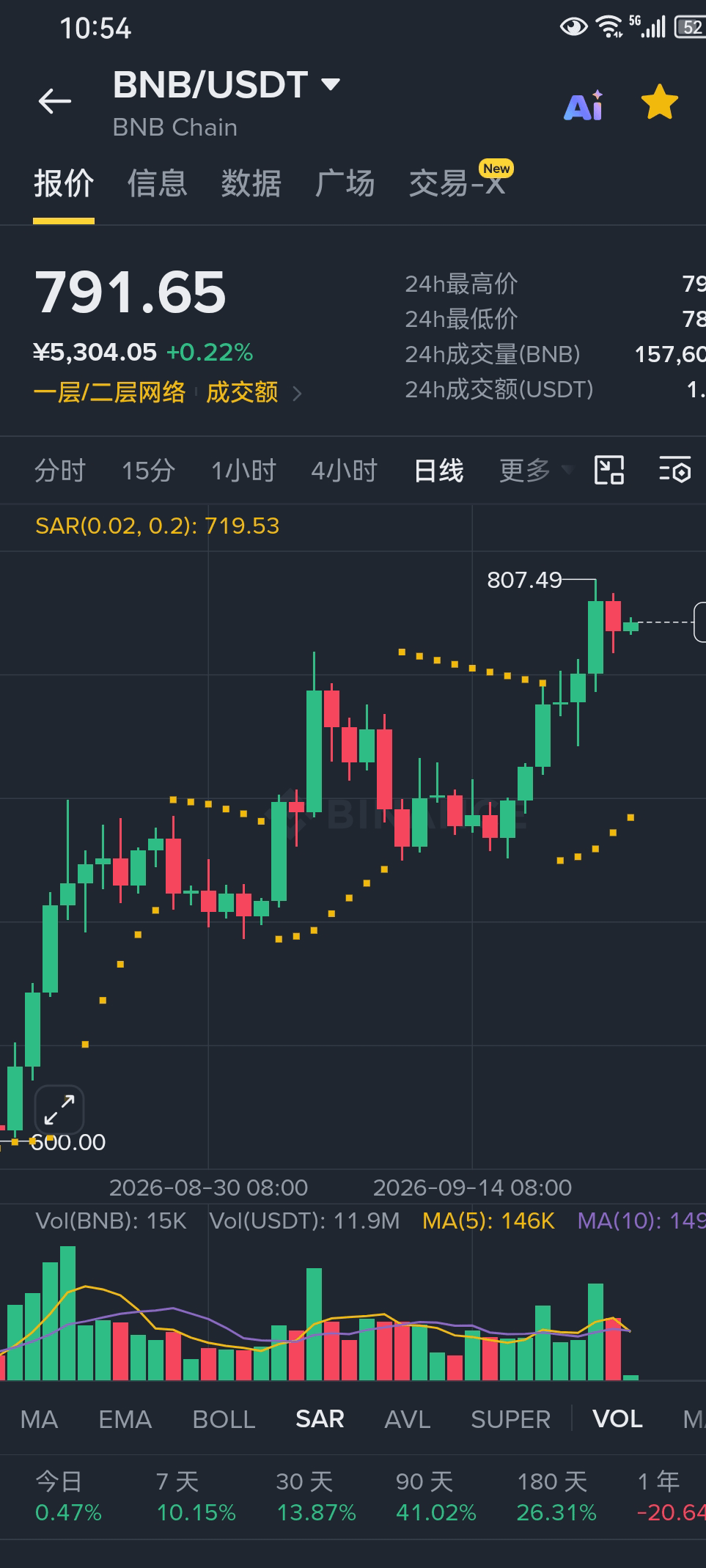
Market Reception and Price Momentum Following its launch, the BANK token saw a significant price surge, reportedly up to 150–160% shortly after listings on major platforms like Binance Futures. This rapid price action highlighted market interest in Lorenzo’s vision for unlocking Bitcoin’s passive capital and bringing it into an active DeFi environment.
Cross‑Chain Expansion and Real‑World Asset Integration Lorenzo has emphasized multi‑chain compatibility, with support spanning Ethereum, BNB Smart Chain, and other major networks. This cross‑chain approach helps expand liquidity and usability for tokens like stBTC and enzoBTC. Partnerships with stablecoin issuers and real‑world asset platforms aim to bridge the gap between traditional finance and decentralized asset management.
Risks and Considerations for Users Despite its innovative structure, Lorenzo Protocol carries risks typical of structured DeFi products. Users should understand that yield depends on market dynamics, interest rates, and the performance of integrated strategies. Regulatory uncertainty around on‑chain asset management and volatility in BTC markets can affect outcomes, making informed risk management essential for participants.
Lorenzo’s Potential Impact on Bitcoin Utility in DeFi What sets Lorenzo apart is its effort to change how Bitcoin participates in decentralized finance. By tokenizing BTC positions and building yield‑bearing instruments without sacrificing liquidity, Lorenzo reshapes the narrative that Bitcoin must be idle or locked to earn yield. If successful, its products could influence how institutional and retail Bitcoin holders interact with DeFi in the years ahead. @Lorenzo Protocol #lorenzoprotocol $BANK
Falcon Finance: Turning Collateral Diversity Into Real DeFi Stability and Yields
A Single Focus: How Falcon Finance Rebuilds Yield Stability Through Collateral Design Falcon Finance ( FF ) is not trying to win attention by promising extreme yields or complicated incentives. Its core idea is quieter and more important for long term DeFi growth. The project focuses on how different types of collateral can work together to reduce risk while still producing sustainable returns. Instead of depending on one asset class, Falcon Finance designs its system around diversity, balance, and smart allocation.
Why Collateral Diversity Matters More Than Ever Most DeFi failures in recent years did not collapse because yields were too low. They collapsed because systems relied on narrow collateral structures. When one asset dropped, everything broke. Falcon Finance approaches this problem from the base layer. By allowing multiple collateral types with different risk profiles, the protocol avoids concentration risk and creates a more resilient financial environment.
Falcon Finance Risk Logic Explained Simply Falcon Finance treats collateral like a portfolio, not a single bet. Each asset added to the system is evaluated for volatility behavior, liquidity depth, correlation with other assets, and stress performance during market shocks. This means the protocol is designed to respond smoothly instead of violently when markets turn unstable. This approach makes Falcon Finance feel closer to structured finance than experimental DeFi.
Dynamic Collateral Weighting One of the less discussed but powerful aspects of Falcon Finance is how collateral weightings are adjusted over time. Assets are not locked into static roles. As market conditions change, Falcon Finance can rebalance exposure, reducing reliance on risky collateral and increasing stability focused assets. This adaptive design helps protect both liquidity providers and yield participants.
Yield That Comes From Structure Not Speculation Falcon Finance does not rely on inflationary rewards to generate returns. Yields are produced from protocol activity, capital efficiency, and structured allocation. Because the system is built on diversified collateral, returns are smoother and more predictable. This makes Falcon Finance attractive to users who want consistency rather than short term hype.
How Falcon Finance ( FF ) Uses Capital Efficiently Capital efficiency is where Falcon Finance quietly outperforms many competitors. By accepting multiple collateral types and optimizing how they are deployed, the protocol reduces idle capital. Funds are continuously routed where they are most effective, improving yield output without increasing systemic risk. This efficiency directly supports sustainable returns.
FF Token Utility Within the System The FF token is not positioned as a speculative centerpiece. Its role is tied to governance, risk parameters, and incentive alignment. Token holders influence how collateral types are managed, which assets are prioritized, and how yield strategies evolve. This creates a feedback loop where long term holders are motivated to support protocol stability rather than short term volatility.
Governance That Reflects Risk Awareness Falcon Finance governance is structured around responsibility. Decisions are less about chasing aggressive expansion and more about protecting system health. This governance philosophy reflects the protocol’s belief that DeFi needs maturity, not constant reinvention. Over time, this approach may prove more valuable than rapid feature releases.
A Different Vision of DeFi Growth Falcon Finance represents a shift in how success is measured in decentralized finance. Instead of total value locked spikes or temporary yield campaigns, the protocol focuses on durability. Growth is expected to be steady, supported by reliable infrastructure and diversified collateral flows. This makes Falcon Finance particularly relevant for users thinking beyond short market cycles.
Why Falcon Finance Stands Out Quietly Falcon Finance does not rely on loud marketing narratives. Its strength lies in architecture, discipline, and risk aware design. In a space crowded with experiments, Falcon Finance feels intentionally conservative in the best sense. It builds systems that aim to last, even when market conditions become unpredictable.
The Long Term Role of Falcon Finance As DeFi moves toward broader adoption, protocols that manage risk intelligently will become more important. Falcon Finance positions itself as an infrastructure layer for stability focused yield generation. If decentralized finance is to support real economic activity, projects like Falcon Finance may form the backbone of that future. Final Perspective Falcon Finance is not trying to reinvent finance overnight. It is rebuilding trust step by step by focusing on collateral diversity, structured risk management, and realistic yield expectations. This approach may not attract instant hype, but it creates something more valuable. A system designed to survive. @Falcon Finance #FalconFinance $FF
Apro Oracle and the Shift Toward Verifiable Data Integrity in DeFi
Apro Oracle ( AT ) has been steadily positioning itself around one core idea that is becoming impossible to ignore in decentralized finance: data integrity matters as much as liquidity. While many oracle projects focus on speed or chain coverage, Apro Oracle is centered on making sure the data itself can be trusted, audited, and economically aligned with the protocols that rely on it. This focus is shaping how the project is being integrated into modern DeFi stacks, especially where precision and accountability are critical.
Why Data Integrity Is the Real Bottleneck in DeFi Most DeFi failures over the past cycles did not happen because smart contracts were poorly written. They happened because contracts consumed bad or manipulated data. Apro Oracle addresses this exact weakness by designing its oracle system around validation layers that reduce single source dependency. Instead of assuming one feed is correct, the network emphasizes cross verification and reputation weighted reporting, making manipulation significantly more expensive.
Apro Oracle $AT Architecture Explained Simply At its core, Apro Oracle uses a modular oracle design. Data providers are not just broadcasting numbers; they are staking economic value behind the accuracy of what they deliver. This creates a feedback loop where honest behavior is rewarded and inaccurate reporting becomes costly. This model is particularly important for derivatives, lending protocols, and synthetic assets where even small data deviations can trigger liquidations or systemic losses.
How AT Token Fits Into the System The AT token is not positioned as a speculative add on but as an operational asset inside the oracle economy. It is used for staking by data providers, governance voting on feed parameters, and incentivizing accurate reporting. This ties the long term value of AT directly to the reliability and adoption of Apro Oracle rather than short term market hype. As more protocols depend on its feeds, demand for AT as collateral and governance weight naturally increases.
Apro Oracle and Institutional Grade DeFi One of the more interesting directions Apro Oracle is moving toward is institutional readiness. Institutions require transparency, traceability, and predictable risk models. Apro Oracle supports this by making data sources and validation methods visible on chain. This level of openness allows risk teams to audit oracle behavior in real time, something that traditional oracle systems rarely prioritize.
Reducing Oracle Related Liquidation Cascades A unique advantage of Apro Oracle is how it mitigates sudden liquidation cascades. By smoothing data updates and filtering out anomalous price spikes, the system helps protocols avoid reacting to momentary distortions. This does not slow markets down but instead makes them more reflective of true conditions. For borrowers and lenders alike, this translates into fewer unfair liquidations and more stable positions.
Cross Chain Relevance Without Overextension Rather than racing to integrate with every chain available, Apro Oracle has taken a selective approach. The focus is on chains where high value DeFi activity already exists and where oracle accuracy directly impacts large amounts of capital. This strategy allows the team to maintain quality control while expanding in a sustainable way, avoiding the dilution of resources that has hurt other oracle projects.
Governance as a Living Process Apro Oracle governance is structured to evolve alongside the ecosystem. AT holders can propose changes to data sources, validation thresholds, and incentive structures. This means the oracle does not become outdated as markets change. Governance is not just symbolic here; it actively shapes how risk is managed across connected protocols.
Why Apro Oracle Matters in the Next DeFi Cycle As DeFi matures, the market is shifting away from flashy features and toward infrastructure that quietly works. Apro Oracle fits this phase perfectly. Its emphasis on verifiable data, aligned incentives, and transparency makes it less visible to retail hype but more valuable to serious builders. Projects that survive the next cycle will be those built on reliable foundations, and oracle integrity will be non negotiable.
Long Term Outlook for Apro Oracle The real growth path for Apro Oracle is not measured by short term price movement but by how deeply it becomes embedded into critical financial protocols. Each new integration strengthens the network effect around AT and reinforces trust in the system. Over time, this positions Apro Oracle as a core utility layer rather than a replaceable service.
Kite: Building a Stablecoin-Native Economy Where AI Agents Trade, Spend, and Act Independently
Kite: Where AI Agents Become Self-Sufficient Traders in a Stablecoin-Driven World Kite is staking a claim to a new class of blockchain use case: not just stores of value or programmable money for humans, but a payments and identity layer designed for autonomous AI agents to act, transact, and coordinate as first class economic participants. Seen through the lens of trading, Kite reframes what a “bot” can be — not an offchain script with keys, but an onchain agent with a verifiable passport, enforceable spending rules, and stablecoin rails that make micropayments predictable and auditable.
Why stablecoins matter for autonomous trading Traditional crypto payments expose agents to volatile gas fees and settlement risk. Kite’s core proposition is that the agent economy should settle in stablecoins by default so an agent’s decision logic and risk limits aren’t constantly distorted by token price swings. That means trading agents can be built with predictable unit economics — fees measured in stable value, per-session caps enforced cryptographically, and composable accounting across agents and services. The whitepaper frames this as the S in the SPACE design: stablecoin native settlements that make agent finance practical.
Three layer identity: users agents sessions One of Kite’s more practical breakthroughs is a three layer identity architecture that separates the human owner from the agent and the agent from its execution window. Users keep the master identity and never expose raw private keys to agents. Agents get their own derived identity and permissions. Sessions are temporary, limited windows with narrowly scoped authority — for example, a trading agent that can only spend up to a daily USDC cap and only execute a fixed set of strategies. This model removes trust assumptions and converts policy enforcement into onchain cryptography rather than offchain rules. The approach has direct safety benefits for self-funding trading agents.
Self sufficient traders: how an agent trades without human babysitting Picture a deployed agent that scans multiexchange liquidity, posts limit orders, rebalances between strategies, pays for oracle data, and settles wins and losses in stablecoins — all without exposing the user to runaway risk. Kite’s programmable constraints allow devs to embed spending rules up front: per trade caps, per oracle spend limits, maximum exposure, and explicit kill-switch conditions. Combined with session based execution, a user can spin up an agent for a market making run and be certain it cannot move funds beyond the encoded limits. This moves AI trading from opaque scripts to auditable economic actors.
Real world traction and integrations Kite has been discussed widely by exchanges and ecosystem outlets as the first chain purpose built for agentic payments. Exchanges are already testing patterns where agent sessions have explicit caps — for instance a capped trading agent that limits daily execution size so it cannot create new agents or transfer funds off platform. Those early integrations show how exchanges, custody providers, and marketplaces can interoperate with agent identities and session constraints.
Token design and incentives for an agentic economy The $KITE token plays multiple roles: coordination, staking for validator security, payments for privileged network services, and economic alignment for contributors to models and datasets. Kite’s tokenomics documentation outlines a fixed maximum supply and phased incentive mechanisms that pivot from emissions to protocol revenue as adoption matures. In practice this means token holders help secure the network while agents pay stablecoin fees for predictable microtransactions, creating two coexisting value streams: utility fees in stablecoins and platform incentives denominated in $KITE .
What self sufficient trading agents bring to markets Autonomous trading agents built on Kite can unlock several market improvements. First, more reliable liquidity provision: agents that can coordinate to provide continuous quotes and share risk rules reduce sudden withdrawal shocks. Second, granular marketplace services: micropay oracles and reputation checks let agents select higher quality price feeds at prices they can afford. Third, programmable market access: agents can be restricted to particular pools or counterparty classes, enabling regulated or marketplace specific deployments. The net effect is a market ecosystem where machine participants follow verifiable contracts rather than implicit trust.
Safety layers and auditability Security for agentic finance is not just about private key safety. Kite’s identity separation and session constraints give risk managers clear audit trails: which agent executed what, which session was authorized, and which spending rules were in effect. All fees and transfers use stablecoins and are recorded onchain, making reconciliation straightforward. For institutional participants who worry about operational risk, that level of determinism is crucial. Kite’s docs and protocol design emphasize auditability as a first principle.
Developer experience and composability Kite aims to be EVM compatible and provide SDKs and developer tooling to build agent strategies, orchestration layers, and marketplaces. That lowers the barrier for teams that already write smart contracts and want to extend them with agent identity primitives. Because agents are onchain entities, strategies can be composed: a market making agent can call a liquidity aggregation agent, which can in turn call a risk assessment agent — and each call is governed by permissions and stablecoin settlements. This composability is the technical infrastructure that makes diverse agent ecosystems possible.
Practical concerns and adoption hurdles Agentic finance raises new questions: who underwrites catastrophic model failure, how are liability and governance handled when agents misbehave, and how do privacy and intellectual property interact with onchain agent identities? Kite’s model addresses some concerns through constrained sessions and programmable governance, but broader legal and regulatory frameworks will likely be needed as agents begin to manage meaningful capital on behalf of humans and institutions. In short, the technology lowers the engineering barrier; regulation and legal clarity remain adoption gating factors.
Why traders should pay attention now If you build trading automation, Kite’s approach changes the primitives you program against. Instead of offchain schedulers and hidden key management, you get onchain agent identities, verifiable limits, and stablecoin economics. Traders and quant teams should monitor developer tooling, exchange integrations, and early mainnet staking models because those will determine where agentic strategies become practical and cost efficient. Real time price and ecosystem data already show $KITE in market listings and liquidity pools, signaling that the infrastructure and market interest are coalescing. A final word: agents as accountable market participants Kite reframes automation not as ungoverned bots but as accountable economic actors: identifiable, constrained, and auditable. For trading this is a meaningful shift. Self sufficient agents on a stablecoin native chain let developers design strategies with measurable unit economics, let risk teams set cryptographic guardrails, and let markets benefit from predictable micropayment structures. If the agentic economy grows as proponents predict, Kite’s architecture could be the foundation for machine driven liquidity and services that are both autonomous and auditable. @KITE AI #KITE $KITE
Lorenzo Protocol: Building a Bitcoin Yield Layer Without Sacrificing Control
Most DeFi platforms try to pull Bitcoin into their ecosystems by wrapping it, bridging it, and pushing it through aggressive yield strategies. Lorenzo Protocol takes a different route. Instead of turning Bitcoin into a high risk asset chasing unsustainable APYs, Lorenzo is designed to preserve Bitcoin’s conservative nature while still unlocking steady, structured yield. This balance between productivity and control is the core idea that defines the protocol.
Bitcoin is productive but not reckless Lorenzo Protocol ( BANK ) is built around the belief that Bitcoin holders should not be forced to choose between safety and yield. The protocol structures Bitcoin based products that focus on capital efficiency rather than leverage. By routing BTC liquidity into carefully selected onchain strategies, Lorenzo aims to generate yield without exposing users to unnecessary smart contract or counterparty risks. This philosophy makes Lorenzo fundamentally different from experimental yield farms that prioritize speed over durability.
Structured products instead of fragmented strategies One of Lorenzo’s strongest design choices is product simplicity. Rather than asking users to manage multiple positions across chains, Lorenzo bundles strategies into structured assets. These products represent claims on diversified yield sources, allowing users to hold a single token while the protocol manages allocation behind the scenes. This approach reduces user error, lowers operational complexity, and aligns well with institutional workflows that prefer clean balance sheet assets.
Why institutions care about Lorenzo’s architecture Institutional players require clarity. Lorenzo Protocol emphasizes transparency in how funds are deployed, how yields are generated, and how risks are mitigated. Vault logic, fee structures, and reward flows are designed to be auditable and predictable. This makes Lorenzo attractive to funds and treasuries that want Bitcoin exposure with income generation but without relying on opaque third party operators.
Cross chain design as a growth lever Lorenzo is not limited to a single chain environment. Its architecture allows Bitcoin based assets to move across ecosystems while maintaining consistent yield logic. This cross chain flexibility allows Lorenzo products to tap into liquidity and opportunities wherever conditions are most favorable. Instead of fragmenting liquidity, Lorenzo acts as a coordination layer that redirects Bitcoin capital efficiently across networks.
Risk management is a product feature In Lorenzo Protocol, risk management is not an afterthought. Strategies are selected based on historical performance, protocol maturity, and stress testing assumptions. Exposure caps and diversification rules are enforced at the protocol level. This design reduces dependency on any single yield source and protects users from sudden failures that can occur in more aggressive DeFi models.
The role of the BANK token BANK is not positioned as a speculative add on but as a governance and alignment tool. Token holders influence strategic decisions such as supported assets, yield allocation frameworks, and treasury usage. This governance structure encourages long term participation rather than short term farming. The token economy is structured to reward those who contribute to protocol stability and growth over time.
Sustainability over hype Lorenzo does not attempt to win attention through exaggerated yield promises. Its roadmap focuses on expanding Bitcoin yield use cases, improving capital efficiency, and integrating with established DeFi primitives. This slower but deliberate approach may appear less exciting in the short term, but it positions the protocol for longevity in an industry where many projects fade after initial hype cycles.
Where Lorenzo fits in the DeFi landscape Lorenzo Protocol sits at the intersection of Bitcoin finance and structured DeFi products. It is neither a pure Bitcoin bridge nor a generic yield aggregator. Instead, it functions as a financial layer that transforms passive Bitcoin into a yield bearing asset class suitable for both retail users and professional capital managers. This positioning gives Lorenzo a clear identity in a crowded market.
Looking ahead The future of Lorenzo depends on adoption of its structured Bitcoin products and the depth of liquidity they attract. As Bitcoin continues to be integrated into broader DeFi systems, protocols that prioritize security, clarity, and sustainability are likely to stand out. Lorenzo’s focus on controlled yield generation and institutional readiness gives it a realistic path toward becoming a core Bitcoin liquidity platform.
Final thoughts Lorenzo Protocol is not trying to reinvent Bitcoin. It is refining how Bitcoin capital behaves onchain. By emphasizing structured yield, transparent risk management, and cross chain efficiency, Lorenzo offers a practical solution for Bitcoin holders who want more than idle storage but less than reckless exposure. In a market driven by cycles, this disciplined approach may prove to be its greatest strength. @Lorenzo Protocol #lorenzoprotocol $BANK
Falcon Finance: Building DeFi Liquidity That Survives Market Stress
Falcon Finance ( FF ) approaches decentralized finance from a practical angle where liquidity is treated as infrastructure rather than an afterthought. Instead of chasing temporary volume spikes, the protocol focuses on liquidity that stays active during calm markets and remains functional during volatility. This philosophy shapes every design decision inside Falcon Finance. Why Most DeFi Liquidity Fails Under Pressure In many DeFi systems, liquidity looks deep only when markets are stable. Once volatility increases, capital exits quickly, spreads widen, and yields collapse. Falcon Finance ( FF ) recognizes that this behavior comes from incentives that reward speed over commitment. The protocol redesigns liquidity participation so providers benefit from staying rather than fleeing. Liquidity Anchored by Diverse Collateral Pools Falcon Finance links liquidity strength directly to its collateral framework. Because liquidity pools are backed by diversified collateral, sudden price movements in a single asset do not drain the system. This structure allows liquidity to remain available even when individual markets experience sharp moves. Adaptive Liquidity Allocation Instead of locking liquidity into rigid pools, Falcon Finance uses adaptive allocation. Capital flows toward areas of highest demand while respecting risk thresholds. This ensures that liquidity is not wasted during low activity periods and not overstretched during high demand cycles. Reducing Liquidity Fragmentation Fragmentation is a hidden cost in DeFi. When liquidity is scattered across too many pools, efficiency drops and users suffer from slippage. Falcon Finance reduces fragmentation by consolidating liquidity exposure through unified collateral logic, improving execution quality without sacrificing decentralization. Incentives Designed for Stability Liquidity incentives in Falcon Finance are structured to reward duration rather than speed. Participants who support liquidity over longer periods gain access to better yield consistency and reduced risk exposure. This discourages short term farming behavior that often destabilizes protocols. Yield That Reflects Real Usage Falcon Finance ties liquidity rewards to actual protocol usage instead of artificial emission schedules. When demand rises, yields adjust naturally. When activity slows, incentives normalize. This keeps liquidity aligned with real economic value rather than speculative expectations. Market Neutral Liquidity Strategies One of the strengths of Falcon Finance is its ability to support market neutral liquidity participation. Through diversified collateral backing and controlled exposure, liquidity providers can earn yield without relying entirely on bullish price movements. This broadens participation beyond speculative traders. Liquidity During Extreme Volatility Stress scenarios are where Falcon Finance aims to prove its design. During sharp market moves, the protocol prioritizes liquidity continuity over aggressive growth. Parameters adjust automatically to preserve depth, reduce panic withdrawals, and prevent cascading failures across pools. Transparent Liquidity Risk Metrics Falcon Finance emphasizes transparency in liquidity risk. Participants can see how collateral composition, utilization rates, and volatility influence liquidity conditions. This visibility builds trust and allows users to make informed decisions rather than reacting blindly to market noise. Supporting Long Term Capital Providers Large capital providers often avoid DeFi due to unpredictable liquidity conditions. Falcon Finance addresses this by offering a clearer risk framework and smoother yield behavior. This creates an environment where long term capital can operate without constant repositioning. Liquidity as a Service Layer Falcon Finance is evolving toward a model where liquidity becomes a service layer for other protocols. By offering stable and resilient liquidity access, it positions itself as a foundational component within the broader DeFi ecosystem rather than a standalone application. Cross Protocol Liquidity Compatibility The architecture of Falcon Finance allows liquidity to interact with external protocols without excessive risk leakage. This enables partnerships and integrations that extend utility while maintaining internal stability standards. Why This Approach Changes DeFi Economics By redefining how liquidity is sourced, rewarded, and protected, Falcon Finance shifts DeFi economics away from short lived incentives toward sustainable participation. Liquidity becomes something users trust rather than exploit. A More Predictable DeFi Experience For everyday users, this means tighter spreads, smoother borrowing costs, and fewer surprises during market swings. Falcon Finance turns liquidity from a speculative resource into a reliable feature of the protocol. Looking Forward As DeFi continues to mature, protocols that prioritize resilient liquidity will define the next phase of growth. Falcon Finance is building toward that future by making liquidity durable, transparent, and aligned with real usage rather than hype. @Falcon Finance #FalconFinance $FF
Falcon Finance: Turning Collateral Diversity Into Real DeFi Stability and Yields
Falcon Finance is not trying to reinvent DeFi with flashy promises. Instead, it focuses on a core weakness that has haunted the sector for years: over reliance on narrow and fragile collateral models. While many protocols still depend on a single asset class, Falcon Finance is building a system where diversified collateral is treated as a strength, not a risk. This shift changes how stability, liquidity, and sustainable yield are created inside DeFi.
Why Collateral Diversity Matters More Than Ever
Most DeFi failures during market downturns did not happen because yields were too low. They happened because collateral structures were too rigid. When one asset collapsed, entire lending or yield systems followed. Falcon Finance approaches this problem by supporting multiple collateral types with different volatility profiles, liquidity behaviors, and market correlations. This creates a buffer effect that absorbs shocks rather than amplifying them.
From Single Asset Risk to Portfolio Thinking
Falcon Finance treats collateral like a managed portfolio instead of a static deposit. Each supported asset plays a specific role inside the system. Stable assets reduce drawdowns, liquid assets support fast exits, and productive assets help generate yield. This portfolio based thinking allows Falcon Finance to adjust exposure dynamically rather than forcing liquidations at the worst possible moments.
Risk Weighted Collateral Evaluation
Not all collateral is treated equally in Falcon Finance. Each asset is evaluated through a risk weighted framework that considers historical volatility, liquidity depth, correlation with other assets, and stress performance during market shocks. This approach ensures that higher risk assets do not silently undermine protocol stability while still allowing users to unlock value from a broader range of holdings.
Yield That Comes From Structure, Not Leverage
One of the most important ideas behind Falcon Finance is that yield should come from system design, not excessive leverage. By using diversified collateral pools, Falcon Finance reduces the need for aggressive leverage loops that often end badly. Yields are generated through controlled capital efficiency, optimized utilization, and balanced incentive distribution rather than unsustainable emissions.
Capital Efficiency Without Fragility
Diversified collateral allows Falcon Finance to maintain higher capital efficiency without increasing systemic risk. When multiple assets back the system, liquidity pressure is spread instead of concentrated. This means users can access better borrowing terms and steadier yields while the protocol remains resilient during volatility spikes.
Smarter Liquidation Mechanics
Liquidations are often where DeFi protocols fail users the most. Falcon Finance uses collateral diversity to soften liquidation pressure. Instead of forcing immediate full liquidations, the system can rebalance exposure across collateral types, reducing the impact on users and minimizing cascading sell pressure across markets.
A More Sustainable Incentive Model
Falcon Finance ( FF ) aligns incentives around long term participation rather than short term farming. Because collateral diversity stabilizes yields, the protocol does not need extreme reward inflation to attract liquidity. This creates a healthier environment where participants are rewarded for consistency and contribution instead of timing and speculation.
Institutional Friendly DeFi Infrastructure
Diversified collateral frameworks are also more attractive to institutions. Falcon Finance is building infrastructure that aligns more closely with traditional risk management standards while preserving DeFi transparency. This opens the door for larger pools of capital that require predictable behavior and clearly defined risk boundaries.
Cross Market Resilience During Volatility
When crypto markets move fast, correlations tend to rise. Falcon Finance accounts for this reality by continuously monitoring how collateral assets behave during stress. The protocol adjusts parameters to prevent one market shock from draining liquidity or collapsing yield structures across the system.
Unlocking Value From Idle Assets
Many users hold assets that remain idle because they are not accepted as collateral elsewhere. Falcon Finance expands the usable asset base while maintaining safety through strict evaluation and dynamic controls. This unlocks dormant value across the ecosystem without compromising protocol health.
A Foundation for Long Term DeFi Growth
Falcon Finance is not designed for one cycle. Its focus on collateral diversity creates a foundation that can adapt as new asset classes emerge. Whether real world assets, yield bearing tokens, or new liquidity primitives, the system is built to integrate evolution rather than resist it.
Why Falcon Finance FF Stands Apart
What separates Falcon Finance from many DeFi protocols is not a single feature but a philosophy. Stability is not treated as a marketing term. It is engineered through structure, balance, and disciplined risk management. Collateral diversity is the core engine that makes this possible.
The Road Ahead for Falcon Finance
As DeFi matures, protocols that survive will be those that respect risk as much as opportunity. Falcon Finance is positioning itself as a protocol that understands this balance. By turning collateral diversity into a real stability and yield mechanism, it offers a path forward that feels practical, resilient, and built for the long run.
A Deep Look at APRO Oracle (AT) and Its Real‑World Impact
Apro Oracle ( AT ) is quickly emerging as one of the most talked‑about projects in the blockchain infrastructure space, but to understand its real significance we need to focus on one central theme: how it bridges real‑world data and blockchain in a way that could reshape decentralized systems. At its core, APRO isn’t just another oracle. It’s a next‑generation decentralized data network that uses artificial intelligence, multi‑chain support, and institutional‑grade integrations to deliver trusted data to smart contracts, DeFi, real‑world assets (RWA) and emerging on‑chain sectors like AI agents and prediction markets.
Why Real‑World Data Matters in Blockchain Smart contracts are deterministic by design, meaning they can only operate on data that already exists within the blockchain. To do anything useful in the real world — like settling financial contracts, tracking asset prices, or executing based on real‑time events — they need accurate off‑chain data. That’s where oracles come in. Oracles fetch, verify and deliver external information on‑chain in a secure way. Without reliable oracles, DeFi protocols, tokenized assets and even decentralized insurance systems can fail due to inaccurate or stale data. APRO Oracle tackles this problem with an advanced architecture that aims to be more secure, scalable and flexible than legacy solutions.
AI‑Driven Data Validation and Security One of APRO’s standout features is its use of machine learning and AI to validate data before it goes on‑chain. Instead of simply aggregating feeds, APRO’s system analyzes multiple external sources — exchanges, markets, regulatory filings and even specialized datasets — to detect anomalies and flag inconsistencies. This reduces the risk of bad or malicious data making it into critical smart contract executions. The result is data that developers and decentralized applications can trust with greater confidence.
How APRO’s Hybrid Architecture Works APRO’s infrastructure is built around a hybrid oracle model that combines off‑chain computation with on‑chain verification. This design helps balance performance with security: the heavy lifting of data gathering and initial checks happens off the blockchain, while cryptographic proofs and consensus validations occur on‑chain to cement trust. The network supports both data pull (on‑demand requests) and data push (automatic updates at predefined triggers) models, giving developers flexibility depending on their use case.
Multi‑Chain and Cross‑Sector Integration Another major strength of APRO Oracle is its breadth of integration. The protocol currently supports over 40 blockchain ecosystems, ranging from Ethereum and BNB Chain to Solana and Bitcoin‑related networks. By bridging so many networks, APRO makes it possible for decentralized applications to operate across chains without worrying about fragmented or inconsistent data. This is especially important as DeFi grows more interconnected and users expect seamless experiences across multiple platforms.
Support for Real‑World Assets and New Markets Beyond traditional price feeds, APRO’s data network also feeds real‑world asset tokenization, prediction markets, and AI‑driven contract executables. For example, oracle feeds can verify conditions for RWA contracts (like interest rates or asset valuations), enable prediction markets that settle based on real events, or power AI systems that make autonomous market decisions. These capabilities open up new economic layers on the blockchain that weren’t possible before with legacy oracles.
Ecosystem Growth and Institutional Backing APRO Oracle has attracted attention beyond the decentralized community. The project completed a meaningful seed funding round with participation from institutional players like Polychain Capital and Franklin Templeton, signaling confidence from traditional finance sectors. On the exchange front, the native AT token has been listed on multiple platforms, including Binance’s HODLer Airdrops program, which provided early distribution to participating users.
Token Dynamics and Governance The AT token is central to APRO’s network economics. It’s used for staking, governance, rewards and ecosystem incentives. Staking helps secure the oracle network by having participants commit tokens as collateral, reinforcing accountability and discouraging malicious behavior. Meanwhile, token holders can participate in governance decisions, influencing future protocol improvements and integrations.
Recent Technological Enhancements APRO continues to evolve beyond its launch. Recent updates to the codebase have focused on expanding oracle capabilities for real‑world asset compliance, cross‑chain payment verification and partnerships that enhance ecosystem utility. These advancements aren’t just incremental; they broaden the scope of what decentralized applications can do with high‑quality, real‑time data.
A New Standard for Oracle Networks? What sets APRO Oracle apart from older oracle solutions is its blend of AI validation, multi‑chain connectivity, institutional collaboration and practical developer tools. Instead of merely providing data, it strives to be an active infrastructure layer that supports a wide range of blockchain applications. In doing so, APRO is positioning itself as a foundation for the next wave of decentralized innovation where reliable external information is a prerequisite for growth. @APRO Oracle #APRO $AT