
Rahi Crypto Intel Pro
9.6k ပို့စ်များ

Rahi Crypto Intel Pro
တိုင်ကြားမည်
သုံးစွဲသူကို ဘလော့မည်
Spot Trader | Intraday • Swing • DCA 📊 Market insights, trade setups & Binance campaigns. Follow for clear crypto updates, research & opportunities.
အမှန်တကယ်ရောင်းဝယ်နေ
Frequent Trader
5.5 နှစ်
67 ဖော်လိုလုပ်ထားသည်
1.7K+ ဖော်လိုလုပ်သူများ
11.3K+ လိုက်ခ်လုပ်ထားသည်
ပို့စ်များ
ပိုင်ဆိုင်မှုစာရင်း
အားလုံး
ဆိုဈေးများ
ဗီဒီယိုများ
ဘာသာပြန်ဆိုချက် ကြည့်မည်
$BTC
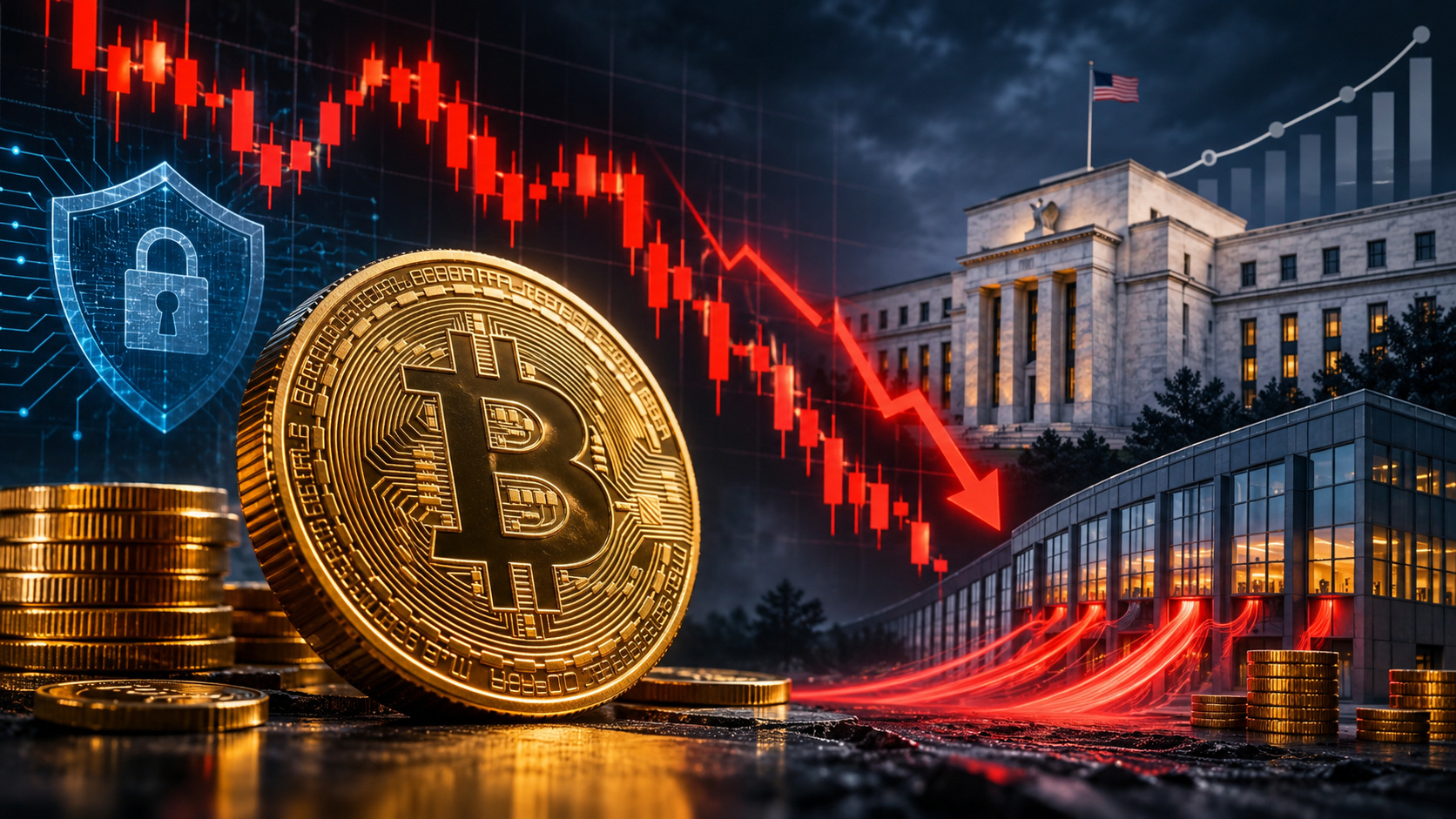
Why Is the Crypto Market Falling? There May Be More Than One Reason.
The recent crypto market decline is a reminder that prices don't move in isolation. Several factors may be putting pressure on Bitcoin and the wider crypto market.
Here are five developments worth watching:
1. Bitcoin ETF Outflows: Institutional investors have withdrawn significant capital from spot Bitcoin ETFs, potentially adding selling pressure.
2. Security Concerns: Recent crypto-related security incidents may be affecting investor confidence and risk appetite.
3. Federal Reserve Expectations: Persistent inflation concerns are increasing uncertainty around interest rates. Higher yields can make risky assets less attractive.
4. Capital Rotation: Money flowing toward other investment opportunities could temporarily reduce demand for crypto assets.
5. Regulatory Uncertainty: Concerns about future U.S. crypto policies may be making some investors more cautious.
But one important point deserves attention:
A combination of negative developments does not automatically mean the long-term crypto outlook has changed.
Instead of reacting emotionally to every red candle, investors should monitor ETF flows, macroeconomic data, market liquidity, and Bitcoin's key support levels.
The market is testing investor confidence. Smart risk management matters more than trying to predict every move.
What do you think is putting the most pressure on crypto right now: ETF outflows, macroeconomic conditions, or declining investor confidence?
Not financial advice.
{future}(BTCUSDT)
$GLMR
{spot}(GLMRUSDT)
$INIT
{future}(INITUSDT)
$BTC
Why Is the Crypto Market Falling? There May Be More Than One Reason.
The recent crypto market decline is a reminder that prices don't move in isolation. Several factors may be putting pressure on Bitcoin and the wider crypto market.
Here are five developments worth watching:
1. Bitcoin ETF Outflows: Institutional investors have withdrawn significant capital from spot Bitcoin ETFs, potentially adding selling pressure.
2. Security Concerns: Recent crypto-related security incidents may be affecting investor confidence and risk appetite.
3. Federal Reserve Expectations: Persistent inflation concerns are increasing uncertainty around interest rates. Higher yields can make risky assets less attractive.
4. Capital Rotation: Money flowing toward other investment opportunities could temporarily reduce demand for crypto assets.
5. Regulatory Uncertainty: Concerns about future U.S. crypto policies may be making some investors more cautious.
But one important point deserves attention:
A combination of negative developments does not automatically mean the long-term crypto outlook has changed.
Instead of reacting emotionally to every red candle, investors should monitor ETF flows, macroeconomic data, market liquidity, and Bitcoin's key support levels.
The market is testing investor confidence. Smart risk management matters more than trying to predict every move.
What do you think is putting the most pressure on crypto right now: ETF outflows, macroeconomic conditions, or declining investor confidence?
Not financial advice.
$GLMR
$INIT
19
ဘာသာပြန်ဆိုချက် ကြည့်မည်
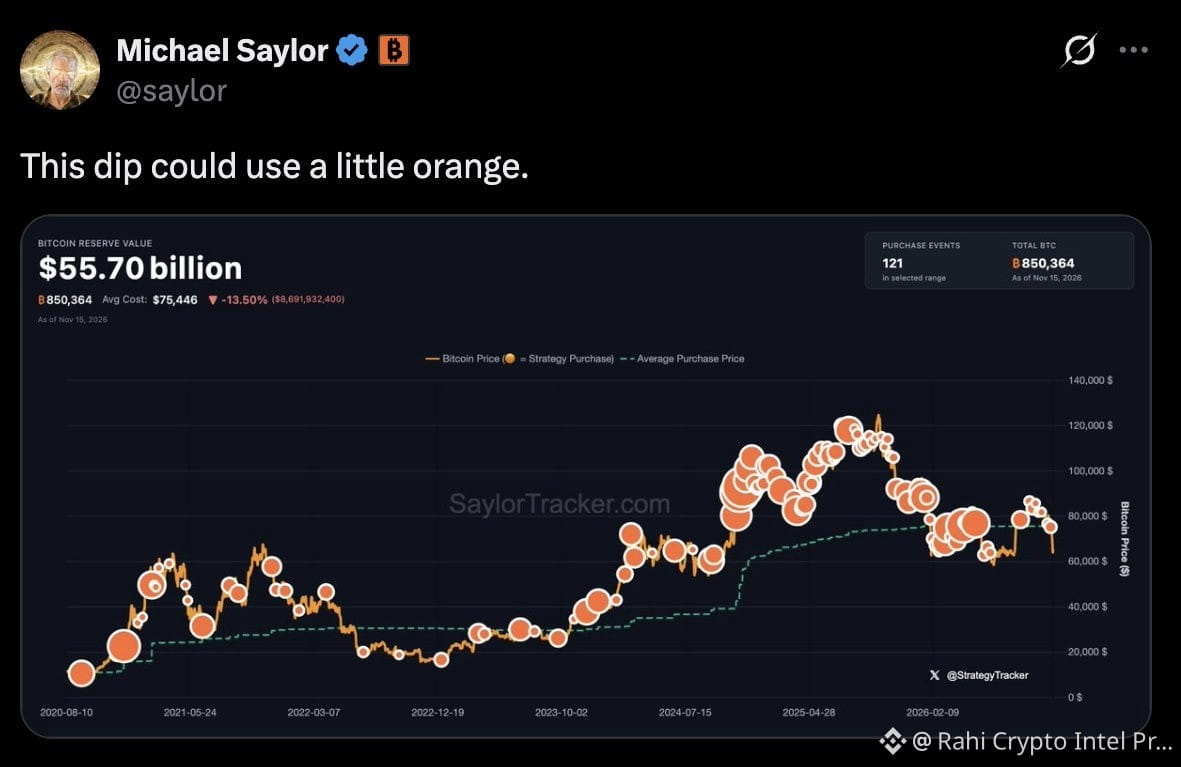
Michael Saylor May Be Signaling Another Bitcoin Purchase.
Michael Saylor has once again sparked speculation among Bitcoin watchers with a short but interesting message:
“This dip could use a little orange.”
The comment has caught attention because of Saylor's well-known strategy of accumulating Bitcoin during market weakness.
Here's why this matters:
1\. Market Sentiment: His message suggests he may see the current price decline as an opportunity rather than a reason to panic.
2\. Strategy's Approach: The company has consistently used market opportunities to expand its Bitcoin holdings.
3\. Institutional Confidence: Continued accumulation by major Bitcoin holders can attract attention from long-term investors.
4\. Investor Psychology: While some traders become cautious during corrections, long-term Bitcoin believers often focus on accumulation.
But there's an important distinction: a hint is not confirmation of a purchase. Investors should wait for an official announcement before treating it as another Bitcoin acquisition.
The bigger question is whether Strategy will actually use this market dip to add more BTC.
Would another Saylor purchase strengthen confidence in Bitcoin during this correction?
$BTC
{future}(BTCUSDT)
$BNB
{future}(BNBUSDT)
$SYN
{future}(SYNUSDT)
Michael Saylor May Be Signaling Another Bitcoin Purchase.
Michael Saylor has once again sparked speculation among Bitcoin watchers with a short but interesting message:
“This dip could use a little orange.”
The comment has caught attention because of Saylor's well-known strategy of accumulating Bitcoin during market weakness.
Here's why this matters:
1\. Market Sentiment: His message suggests he may see the current price decline as an opportunity rather than a reason to panic.
2\. Strategy's Approach: The company has consistently used market opportunities to expand its Bitcoin holdings.
3\. Institutional Confidence: Continued accumulation by major Bitcoin holders can attract attention from long-term investors.
4\. Investor Psychology: While some traders become cautious during corrections, long-term Bitcoin believers often focus on accumulation.
But there's an important distinction: a hint is not confirmation of a purchase. Investors should wait for an official announcement before treating it as another Bitcoin acquisition.
The bigger question is whether Strategy will actually use this market dip to add more BTC.
Would another Saylor purchase strengthen confidence in Bitcoin during this correction?
$BTC
$BNB
$SYN
78
ဘာသာပြန်ဆိုချက် ကြည့်မည်
What if AI could access data that anyone can independently verify?
That's one of the problems Space and Time is working to solve.
Space and Time is building infrastructure that brings verifiable data to AI, tokenization, and DeFi applications.
Why does this matter?
1. AI needs reliable data to produce trustworthy results.
2. DeFi applications depend on accurate and verifiable information.
3. Tokenization needs transparent data that users and developers can trust.
The bigger idea is simple: making data more transparent, verifiable, and useful for the next generation of blockchain applications.
As AI and blockchain continue to evolve, verifiable data could become increasingly important.
What do you think: Will verifiable data become a key part of the future of AI and DeFi?
#sxt $SXT @SpaceandTimeDB
What if AI could access data that anyone can independently verify?
That's one of the problems Space and Time is working to solve.
Space and Time is building infrastructure that brings verifiable data to AI, tokenization, and DeFi applications.
Why does this matter?
1. AI needs reliable data to produce trustworthy results.
2. DeFi applications depend on accurate and verifiable information.
3. Tokenization needs transparent data that users and developers can trust.
The bigger idea is simple: making data more transparent, verifiable, and useful for the next generation of blockchain applications.
As AI and blockchain continue to evolve, verifiable data could become increasingly important.
What do you think: Will verifiable data become a key part of the future of AI and DeFi?
#sxt $SXT @SpaceandTime

91
ဘာသာပြန်ဆိုချက် ကြည့်မည်
Binance Square Ready
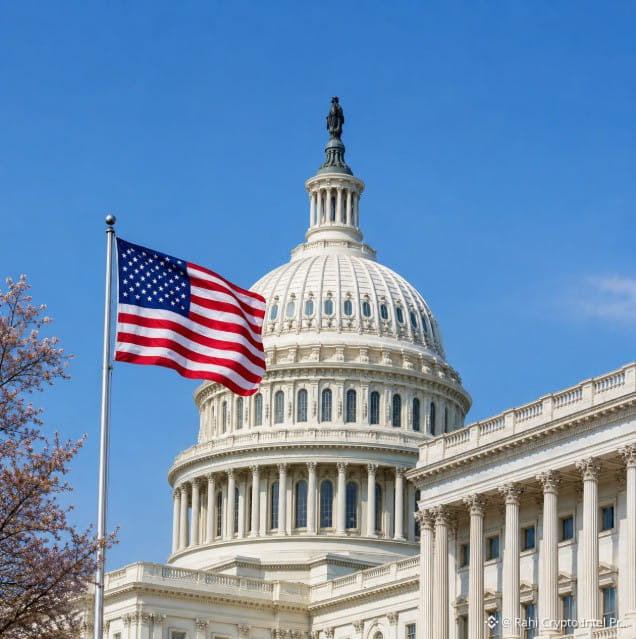
Is Washington About to Change the Rules of the Global AI Chip Market?
The Nvidia controversy is now turning into a major policy battle in the United States.
Congress is pushing forward with four proposed bills that could significantly tighten China's access to advanced American AI chips.
Here's what makes this development important:
1\. Congressional Oversight: One proposal would give lawmakers greater authority to review or block certain chip-export approvals, even when the administration supports the deal.
2\. Chip Tracking: Another proposal aims to improve tracking of advanced AI processors to prevent restricted chips from reaching unauthorized buyers.
3\. China Restrictions: Lawmakers also want tighter controls on chipmaking equipment and access to AI computing power through overseas data centers.
4\. Nvidia Under Scrutiny: Singapore-based Megaspeed has become a central part of the controversy, raising questions about how advanced Nvidia chips reached companies linked to China.
The bigger picture:
This is no longer just about one company's business decisions. It highlights the growing connection between artificial intelligence, national security, international trade and global technology competition.
If these proposals become law, they could reshape how American AI chipmakers conduct business internationally.
However, these are still proposed measures, not enacted laws. Their final impact will depend on what Congress approves.
One thing is becoming increasingly clear: access to advanced AI chips is turning into a major geopolitical issue.
Do you think tighter export restrictions will slow China's AI development, or accelerate its efforts to build its own semiconductor industry?
News context: Financial Times, November 15, 2026; congressional reporting and proposed legislation. Financial Times +2
$FF
{future}(FFUSDT)
$KITE
{future}(KITEUSDT)
$MEGA
{future}(MEGAUSDT)
Binance Square Ready
Is Washington About to Change the Rules of the Global AI Chip Market?
The Nvidia controversy is now turning into a major policy battle in the United States.
Congress is pushing forward with four proposed bills that could significantly tighten China's access to advanced American AI chips.
Here's what makes this development important:
1\. Congressional Oversight: One proposal would give lawmakers greater authority to review or block certain chip-export approvals, even when the administration supports the deal.
2\. Chip Tracking: Another proposal aims to improve tracking of advanced AI processors to prevent restricted chips from reaching unauthorized buyers.
3\. China Restrictions: Lawmakers also want tighter controls on chipmaking equipment and access to AI computing power through overseas data centers.
4\. Nvidia Under Scrutiny: Singapore-based Megaspeed has become a central part of the controversy, raising questions about how advanced Nvidia chips reached companies linked to China.
The bigger picture:
This is no longer just about one company's business decisions. It highlights the growing connection between artificial intelligence, national security, international trade and global technology competition.
If these proposals become law, they could reshape how American AI chipmakers conduct business internationally.
However, these are still proposed measures, not enacted laws. Their final impact will depend on what Congress approves.
One thing is becoming increasingly clear: access to advanced AI chips is turning into a major geopolitical issue.
Do you think tighter export restrictions will slow China's AI development, or accelerate its efforts to build its own semiconductor industry?
News context: Financial Times, November 15, 2026; congressional reporting and proposed legislation. Financial Times +2
$FF
$KITE
$MEGA

149
ဘာသာပြန်ဆိုချက် ကြည့်မည်
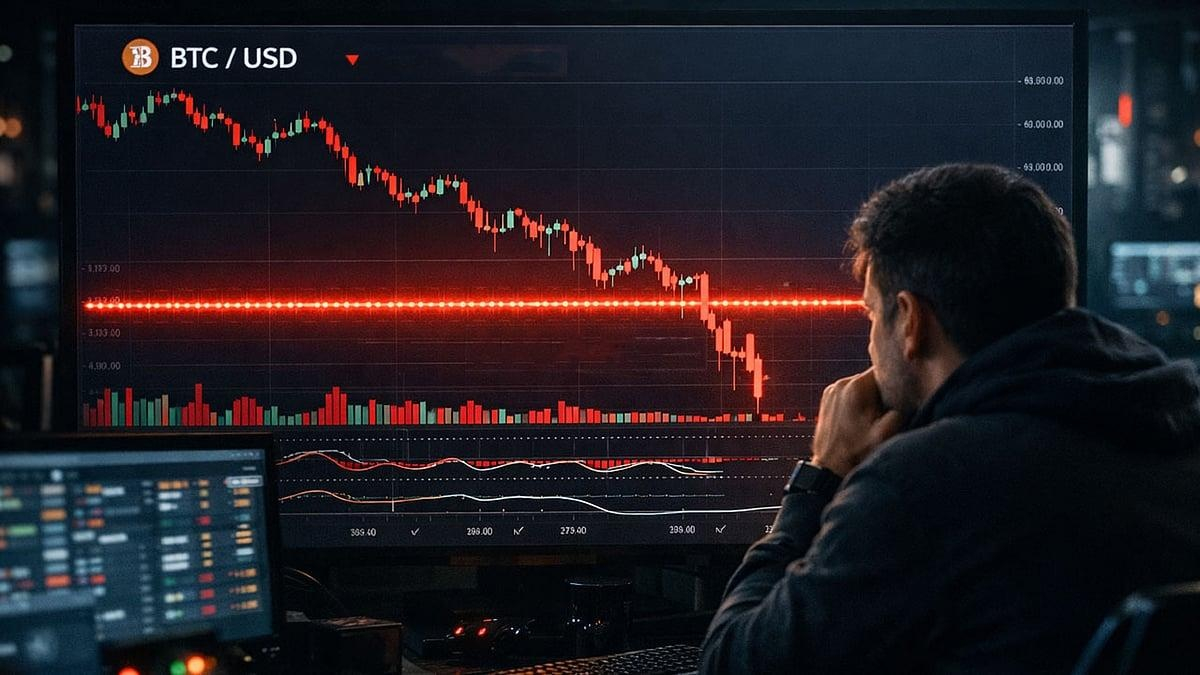
Bitcoin Is Approaching a Critical Zone, and Traders Need to Pay Attention.
Bitcoin recently dropped to around $62,000, its weakest level since July.
But the bigger concern isn't just the price decline.
Here's what's happening:
1. Around $2 billion in crypto positions were liquidated within 24 hours.
2. Bitcoin ETFs have experienced significant institutional outflows.
3. The $60,000 area is attracting attention as a potential liquidation zone.
This combination creates a challenging environment for traders.
A strong recovery needs more than a temporary bounce. Buyers need to demonstrate that demand is returning.
Do you think Bitcoin will defend the $60K zone, or could sellers push the market lower?
$币安人生
{future}(币安人生USDT)
$ZEC
{future}(ZECUSDT)
$SENT
{future}(SENTUSDT)
Bitcoin Is Approaching a Critical Zone, and Traders Need to Pay Attention.
Bitcoin recently dropped to around $62,000, its weakest level since July.
But the bigger concern isn't just the price decline.
Here's what's happening:
1. Around $2 billion in crypto positions were liquidated within 24 hours.
2. Bitcoin ETFs have experienced significant institutional outflows.
3. The $60,000 area is attracting attention as a potential liquidation zone.
This combination creates a challenging environment for traders.
A strong recovery needs more than a temporary bounce. Buyers need to demonstrate that demand is returning.
Do you think Bitcoin will defend the $60K zone, or could sellers push the market lower?
$币安人生
$ZEC
$SENT
234
ဘာသာပြန်ဆိုချက် ကြည့်မည်
XRP Has Lost the $1 Level. Is This a Warning Sign for Bulls?
XRP recently dropped to around $0.89, reaching its lowest level since November 2024.
But there's another development worth watching.
U.S. spot XRP ETFs recorded approximately $19.13 million in weekly net outflows, their largest weekly withdrawals in around eight months.
Three important signals:
1. XRP has struggled to maintain the $1 psychological level.
2. ETF outflows suggest institutional demand has weakened.
3. A sustained recovery above $1 would be an important development to watch.
The key question now is whether buyers will step in or continue waiting for stronger market conditions.
Are you still bullish on XRP, or has your outlook changed?
$XRP
{future}(XRPUSDT)
XRP Has Lost the $1 Level. Is This a Warning Sign for Bulls?
XRP recently dropped to around $0.89, reaching its lowest level since November 2024.
But there's another development worth watching.
U.S. spot XRP ETFs recorded approximately $19.13 million in weekly net outflows, their largest weekly withdrawals in around eight months.
Three important signals:
1. XRP has struggled to maintain the $1 psychological level.
2. ETF outflows suggest institutional demand has weakened.
3. A sustained recovery above $1 would be an important development to watch.
The key question now is whether buyers will step in or continue waiting for stronger market conditions.
Are you still bullish on XRP, or has your outlook changed?
$XRP
63
ဘာသာပြန်ဆိုချက် ကြည့်မည်
Binance Is Working to Restore Full Withdrawals After a Major Security Incident.
Binance is targeting the reopening of withdrawals across its remaining networks and assets by next week.
The exchange has already reopened withdrawals on 87 networks in phases.
This development matters for three reasons:
Users want reliable access to their crypto assets.
Exchange security remains a major concern across the industry.
Restoring services is important, but rebuilding user confidence takes time.
The bigger lesson is simple: Security and transparency matter just as much as trading features when choosing a crypto exchange.
Do you think this incident will change how users manage their exchange funds?
$INIT
{future}(INITUSDT)
$NIGHT
{future}(NIGHTUSDT)
$KITE
{future}(KITEUSDT)
Binance Is Working to Restore Full Withdrawals After a Major Security Incident.
Binance is targeting the reopening of withdrawals across its remaining networks and assets by next week.
The exchange has already reopened withdrawals on 87 networks in phases.
This development matters for three reasons:
Users want reliable access to their crypto assets.
Exchange security remains a major concern across the industry.
Restoring services is important, but rebuilding user confidence takes time.
The bigger lesson is simple: Security and transparency matter just as much as trading features when choosing a crypto exchange.
Do you think this incident will change how users manage their exchange funds?
$INIT
$NIGHT
$KITE
65
ဘာသာပြန်ဆိုချက် ကြည့်မည်
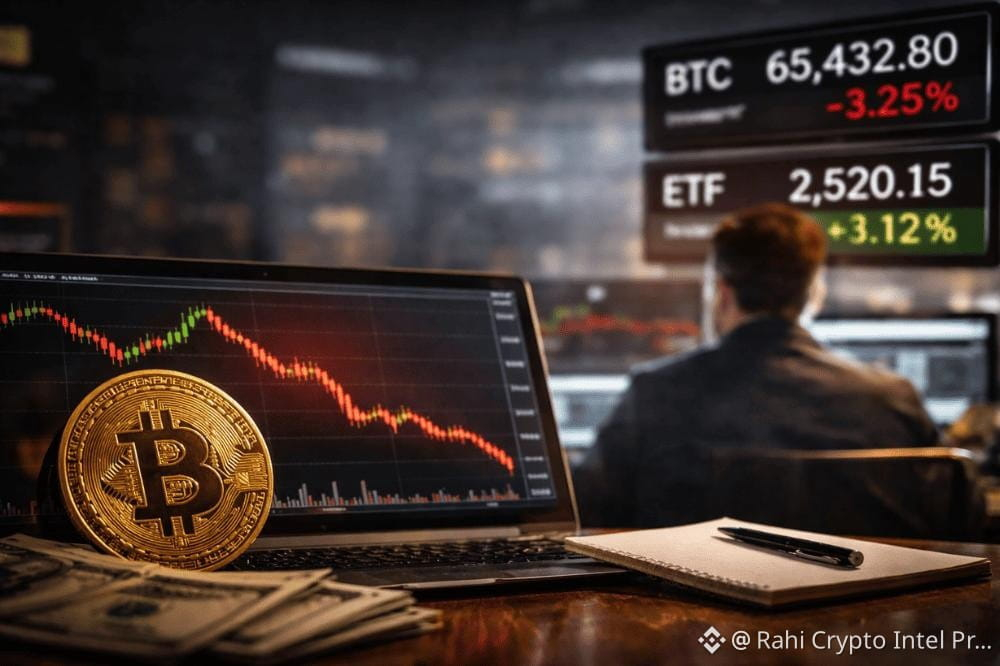
Bitcoin Is Facing a Bigger Challenge Than Just a Price Drop.
Bitcoin's recent weakness is raising an important question: Are institutional investors stepping back?
BTC has extended its weekly losses to nearly 15%, while spot Bitcoin ETFs are facing outflows.
This matters because ETF flows provide an important signal of institutional demand.
Here are three things worth watching:
1. Whether ETF outflows continue or begin to slow down.
2. Whether Bitcoin can attract fresh buying demand.
3. Whether buyers can defend important market levels.
A falling price doesn't automatically mean the long-term Bitcoin story is over. But ignoring weakening demand can be a costly mistake.
Do you think institutional buyers will return, or is more downside still possible?
$NIGHT
{future}(NIGHTUSDT)
$MEGA
{future}(MEGAUSDT)
$INIT
{future}(INITUSDT)
Bitcoin Is Facing a Bigger Challenge Than Just a Price Drop.
Bitcoin's recent weakness is raising an important question: Are institutional investors stepping back?
BTC has extended its weekly losses to nearly 15%, while spot Bitcoin ETFs are facing outflows.
This matters because ETF flows provide an important signal of institutional demand.
Here are three things worth watching:
1. Whether ETF outflows continue or begin to slow down.
2. Whether Bitcoin can attract fresh buying demand.
3. Whether buyers can defend important market levels.
A falling price doesn't automatically mean the long-term Bitcoin story is over. But ignoring weakening demand can be a costly mistake.
Do you think institutional buyers will return, or is more downside still possible?
$NIGHT
$MEGA
$INIT
144
ဘာသာပြန်ဆိုချက် ကြည့်မည်
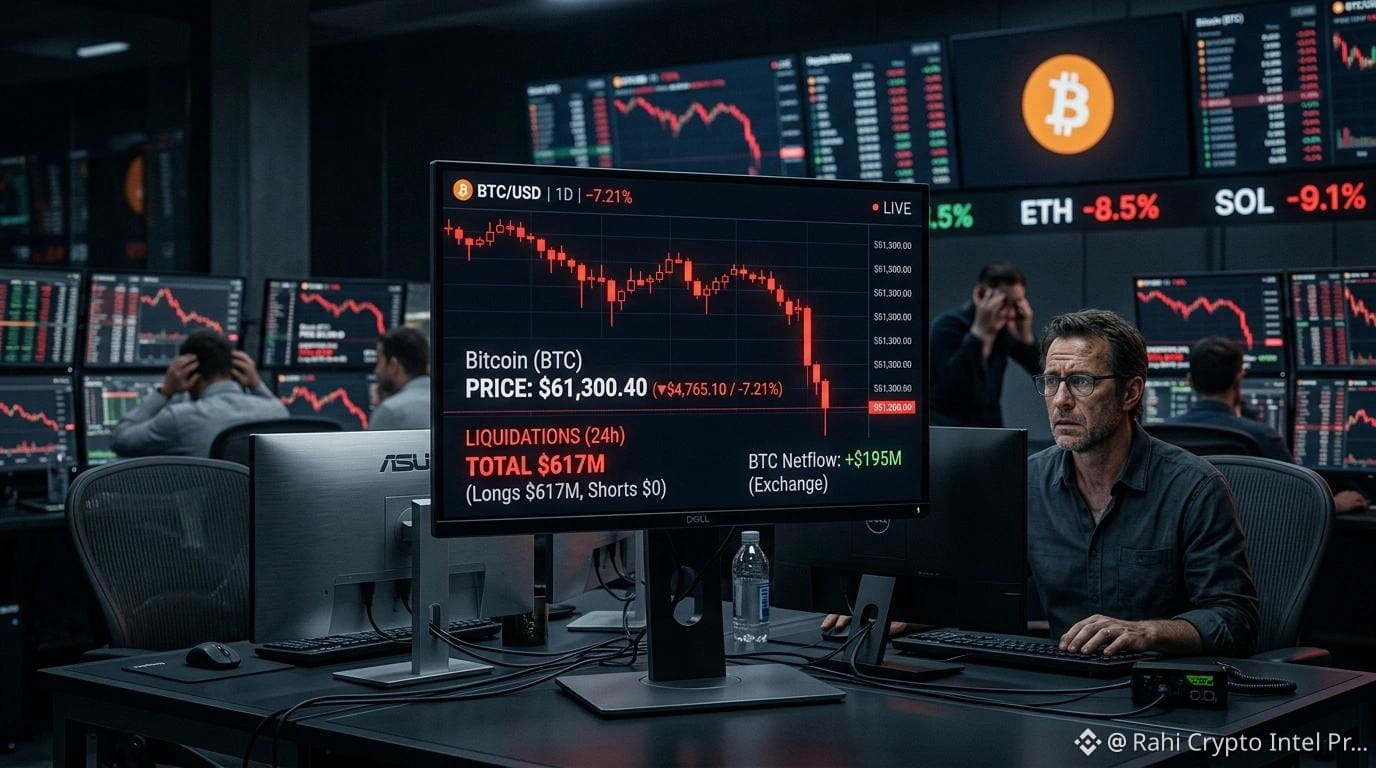
Crypto Traders Just Got Another Reminder About the Danger of Leverage.
Nearly $784 million in crypto futures liquidations were recorded across major exchanges, with approximately $735.7 million coming from long positions.
That's a serious warning for traders who are using excessive leverage.
Here's what this tells us:
Too many leveraged bullish positions can increase downside pressure.
Liquidations can accelerate an already weak market.
Being right about market direction isn't enough if risk management is poor.
Sometimes, the biggest trading mistake isn't choosing the wrong coin. It's taking too much risk with a position.
Are traders using too much leverage in the current market?
$KITE
{future}(KITEUSDT)
$INIT
{future}(INITUSDT)
$MEGA
{future}(MEGAUSDT)
Crypto Traders Just Got Another Reminder About the Danger of Leverage.
Nearly $784 million in crypto futures liquidations were recorded across major exchanges, with approximately $735.7 million coming from long positions.
That's a serious warning for traders who are using excessive leverage.
Here's what this tells us:
Too many leveraged bullish positions can increase downside pressure.
Liquidations can accelerate an already weak market.
Being right about market direction isn't enough if risk management is poor.
Sometimes, the biggest trading mistake isn't choosing the wrong coin. It's taking too much risk with a position.
Are traders using too much leverage in the current market?
$KITE
$INIT
$MEGA
241
ဘာသာပြန်ဆိုချက် ကြည့်မည်
#BinancePick
Crypto markets move fast, but making smart decisions requires more than simply following the crowd.
That's what makes Binance Pick interesting. It gives users a chance to test their market knowledge, analyze different outcomes, and improve their understanding of market movements.
Here are three things I believe matter most:
Research before making any prediction.
Understand the risks instead of blindly following trends.
Learn from every outcome, whether you're right or wrong.
The real value isn't just getting a prediction right. It's developing a better understanding of how the market works.
What matters more in Binance Pick: accurate research or good market timing?
$INIT
{future}(INITUSDT)
$MEGA
{future}(MEGAUSDT)
$SOXSB
{spot}(SOXSBUSDT)
#BinancePick
Crypto markets move fast, but making smart decisions requires more than simply following the crowd.
That's what makes Binance Pick interesting. It gives users a chance to test their market knowledge, analyze different outcomes, and improve their understanding of market movements.
Here are three things I believe matter most:
Research before making any prediction.
Understand the risks instead of blindly following trends.
Learn from every outcome, whether you're right or wrong.
The real value isn't just getting a prediction right. It's developing a better understanding of how the market works.
What matters more in Binance Pick: accurate research or good market timing?
$INIT
$MEGA
$SOXSB

1
93
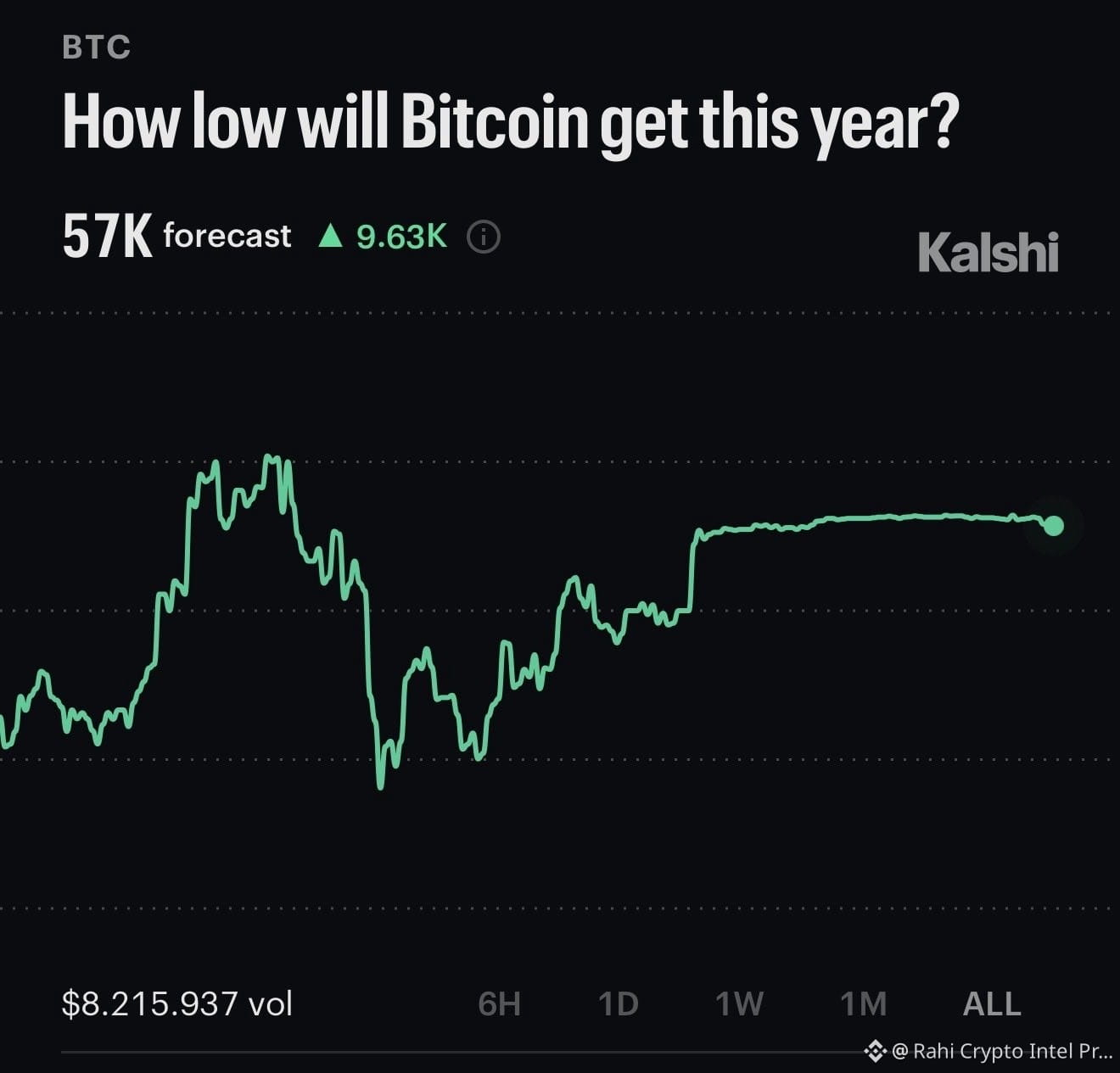
ဘစ်ကွိုင်းသည် နောက်ထပ် အကြီးအကျယ် ကျဆင်းတော့မလား — ရင်းနှီးမြှုပ်နှံသူတွေ ပြင်ဆင်ထားကြပြီလား?
လက်ရှိ ခရစ်ပတိုဈေးကွက်မှာ အကြီးမားဆုံး အန္တရာယ်က ဈေးနှုန်းကျဆင်းတာတစ်ခုတည်း မဟုတ်ပါဘူး။ ဈေးကွက်အခြေအနေတွေ ပြောင်းလဲသွားတဲ့အခါ ကြိုတင်မပြင်ဆင်ထားမိတာလည်း အန္တရာယ်ပါပဲ။
ဒီနှစ်မကုန်ခင် ဘစ်ကွိုင်းဟာ ထပ်မံကျဆင်းနိုင်ပြီး ရင်းနှီးမြှုပ်နှံသူတွေက အဲဒီဖြစ်နိုင်ခြေကို လျစ်လျူမရှုသင့်ပါဘူး။
စောင့်ကြည့်သင့်တဲ့ အရေးကြီးအချက် ၃ ချက်ကတော့—
1. အဓိက ပံ့ပိုးမှုအဆင့်များ: ဘစ်ကွိုင်းဟာ အရေးကြီးတဲ့ ပံ့ပိုးမှုအဆင့်တွေကို ကျော်လွန်ပြီး ကျဆင်းသွားရင် ရောင်းအားဖိအား ပိုတိုးလာနိုင်ပါတယ်။
2. ဈေးကွက်ငွေဖြစ်လွယ်မှု: လောင်းရာထူးများ အတင်းအကျပ် ဖျက်သိမ်းမှုတွေ ဖြစ်ပေါ်လာရင် ဈေးကျဆင်းမှုကို ပိုမြန်စေနိုင်ပါတယ်။
3. ရင်းနှီးမြှုပ်နှံသူတို့၏ စိတ်ဓာတ်: ကြောက်ရွံ့မှု ဆက်လက်မြင့်တက်လာရင် ကုန်သည်တွေ ပိုသတိထားလာပြီး ရင်းနှီးမြှုပ်နှံမှုပမာဏကို လျှော့ချနိုင်ပါတယ်။
ဒါပေမဲ့ အရေးကြီးတာတစ်ခုရှိပါတယ်။ ဈေးကျမယ်လို့ ခန့်မှန်းထားတာဟာ ဈေးကွက်ပြိုလဲမယ်လို့ အာမခံတာ မဟုတ်ပါဘူး။
ထက်မြက်တဲ့ ရင်းနှီးမြှုပ်နှံသူတွေဟာ ခန့်မှန်းချက်တွေကို မျက်စိမှိတ်လိုက်နာမယ့်အစား အခြေအနေနှစ်မျိုးလုံးအတွက် ပြင်ဆင်ထားကြပါတယ်။
တကယ့်မေးခွန်းက ဘစ်ကွိုင်း ပြိုလဲမလား၊ ပြန်တက်လာမလား ဆိုတာမဟုတ်ပါဘူး။ ဘယ်လိုရလဒ်မျိုးပဲ ဖြစ်လာပါစေ သင် ပြင်ဆင်ထားပြီလား ဆိုတာပါ။
သင်ကရော ဘယ်လိုထင်ပါသလဲ?
၂၀၂၆ ခုနှစ် မကုန်ခင် ဘစ်ကွိုင်းဟာ အနိမ့်ဆုံးဈေးနှုန်းအသစ်တွေကို ရောက်သွားမလား၊ ဒါမှမဟုတ် ဝယ်လက်တွေ ဝင်လာပြီး ဈေးလမ်းကြောင်းကို ပြောင်းပြန်လှန်နိုင်မလား?
$BTC
{future}(BTCUSDT)
$SOL
{future}(SOLUSDT)
$XRP
{future}(XRPUSDT)
ဘစ်ကွိုင်းသည် နောက်ထပ် အကြီးအကျယ် ကျဆင်းတော့မလား — ရင်းနှီးမြှုပ်နှံသူတွေ ပြင်ဆင်ထားကြပြီလား?
လက်ရှိ ခရစ်ပတိုဈေးကွက်မှာ အကြီးမားဆုံး အန္တရာယ်က ဈေးနှုန်းကျဆင်းတာတစ်ခုတည်း မဟုတ်ပါဘူး။ ဈေးကွက်အခြေအနေတွေ ပြောင်းလဲသွားတဲ့အခါ ကြိုတင်မပြင်ဆင်ထားမိတာလည်း အန္တရာယ်ပါပဲ။
ဒီနှစ်မကုန်ခင် ဘစ်ကွိုင်းဟာ ထပ်မံကျဆင်းနိုင်ပြီး ရင်းနှီးမြှုပ်နှံသူတွေက အဲဒီဖြစ်နိုင်ခြေကို လျစ်လျူမရှုသင့်ပါဘူး။
စောင့်ကြည့်သင့်တဲ့ အရေးကြီးအချက် ၃ ချက်ကတော့—
1. အဓိက ပံ့ပိုးမှုအဆင့်များ: ဘစ်ကွိုင်းဟာ အရေးကြီးတဲ့ ပံ့ပိုးမှုအဆင့်တွေကို ကျော်လွန်ပြီး ကျဆင်းသွားရင် ရောင်းအားဖိအား ပိုတိုးလာနိုင်ပါတယ်။
2. ဈေးကွက်ငွေဖြစ်လွယ်မှု: လောင်းရာထူးများ အတင်းအကျပ် ဖျက်သိမ်းမှုတွေ ဖြစ်ပေါ်လာရင် ဈေးကျဆင်းမှုကို ပိုမြန်စေနိုင်ပါတယ်။
3. ရင်းနှီးမြှုပ်နှံသူတို့၏ စိတ်ဓာတ်: ကြောက်ရွံ့မှု ဆက်လက်မြင့်တက်လာရင် ကုန်သည်တွေ ပိုသတိထားလာပြီး ရင်းနှီးမြှုပ်နှံမှုပမာဏကို လျှော့ချနိုင်ပါတယ်။
ဒါပေမဲ့ အရေးကြီးတာတစ်ခုရှိပါတယ်။ ဈေးကျမယ်လို့ ခန့်မှန်းထားတာဟာ ဈေးကွက်ပြိုလဲမယ်လို့ အာမခံတာ မဟုတ်ပါဘူး။
ထက်မြက်တဲ့ ရင်းနှီးမြှုပ်နှံသူတွေဟာ ခန့်မှန်းချက်တွေကို မျက်စိမှိတ်လိုက်နာမယ့်အစား အခြေအနေနှစ်မျိုးလုံးအတွက် ပြင်ဆင်ထားကြပါတယ်။
တကယ့်မေးခွန်းက ဘစ်ကွိုင်း ပြိုလဲမလား၊ ပြန်တက်လာမလား ဆိုတာမဟုတ်ပါဘူး။ ဘယ်လိုရလဒ်မျိုးပဲ ဖြစ်လာပါစေ သင် ပြင်ဆင်ထားပြီလား ဆိုတာပါ။
သင်ကရော ဘယ်လိုထင်ပါသလဲ?
၂၀၂၆ ခုနှစ် မကုန်ခင် ဘစ်ကွိုင်းဟာ အနိမ့်ဆုံးဈေးနှုန်းအသစ်တွေကို ရောက်သွားမလား၊ ဒါမှမဟုတ် ဝယ်လက်တွေ ဝင်လာပြီး ဈေးလမ်းကြောင်းကို ပြောင်းပြန်လှန်နိုင်မလား?
$BTC
$SOL
$XRP
146
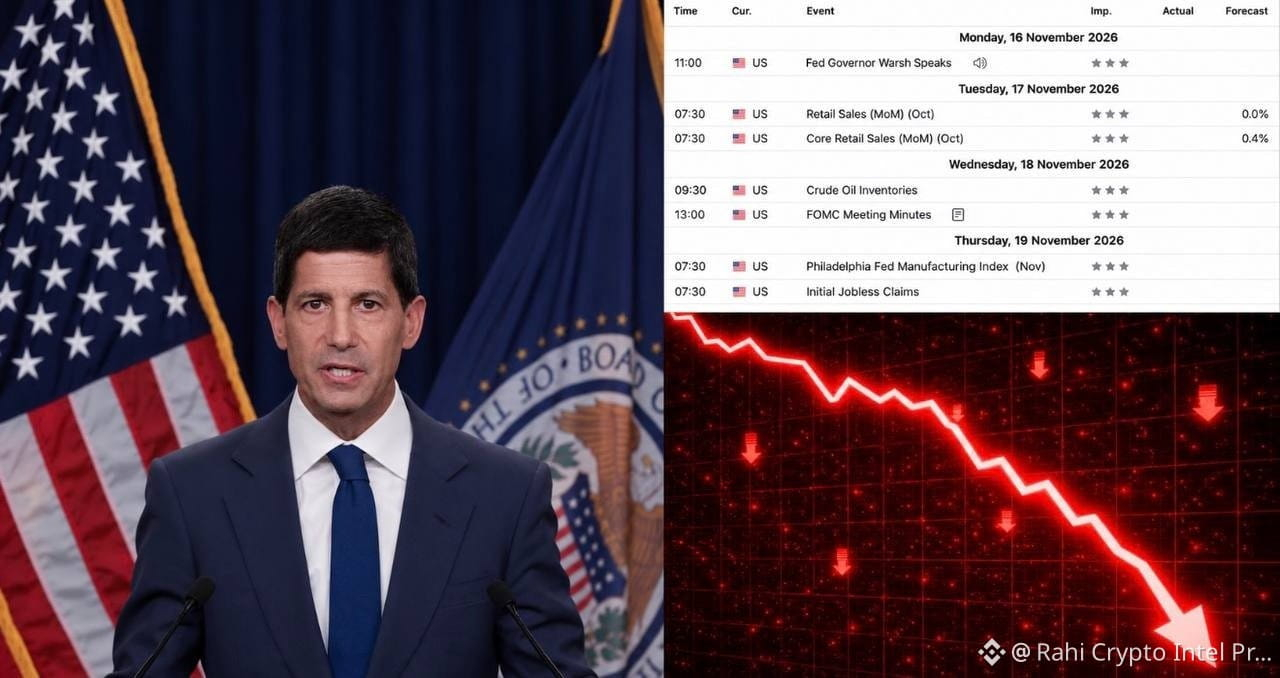
စျေးကွက်များသည် အရေးကြီးသော ရက်သတ္တပတ်တစ်ခုကို ရင်ဆိုင်နေရသည် — Fed က နောက်ထပ် Crypto အရောင်းအထွက်ကို ဖြစ်စေနိုင်မလား။
Crypto စျေးကွက်သည် ဖိအားများအောက်တွင် ရှိနေပြီးဖြစ်သော်လည်း လာမည့်စီးပွားရေးအချက်အလက်လှိုင်းသစ်က မတည်ငြိမ်မှုကို ပိုမိုဖြစ်စေနိုင်သည်။
လာမည့်အပတ်တွင် Bitcoin၊ altcoin များနှင့် ရိုးရာဘဏ္ဍာရေးစျေးကွက်များကို သက်ရောက်စေနိုင်သည့် အရေးကြီးသောဖြစ်ပေါ်တိုးတက်မှုများစွာကို ကုန်သည်များ စောင့်ကြည့်ကြမည်ဖြစ်သည်။
သတိထားစောင့်ကြည့်ရမည့် အဓိကဖြစ်ရပ် ၅ ခုမှာ—
၁။ တနင်္လာနေ့ — Fed ဥက္ကဋ္ဌ Kevin Warsh ၏ မိန့်ခွန်းနှင့် ဂျပန်နိုင်ငံ၏ တတိယသုံးလပတ် GDP အစီရင်ခံစာ။
၂။ အင်္ဂါနေ့ — အမေရိကန် လက်လီရောင်းချမှု၊ အလုပ်အကိုင်အချက်အလက်နှင့် စက်မှုထုတ်လုပ်မှု။
၃။ ဗုဒ္ဓဟူးနေ့ — အမေရိကန် အိမ်ရာကဏ္ဍအချက်အလက်နှင့် FOMC အစည်းအဝေးမှတ်တမ်း။
၄။ ကြာသပတေးနေ့ — အမေရိကန် အလုပ်လက်မဲ့ခံစားခွင့် တောင်းဆိုမှုများနှင့် ဂျပန်နိုင်ငံ၏ ငွေကြေးဖောင်းပွမှုကိန်းဂဏန်းများ။
၅။ သောကြာနေ့ — Fed တာဝန်ရှိသူများ၏ ထပ်မံပြောကြားချက်များနှင့် အမေရိကန် စားသုံးသူစိတ်ဓာတ်ဆိုင်ရာ အချက်အလက်။
ဒါတွေက Crypto အတွက် ဘာကြောင့် အရေးကြီးတာလဲ။
အတိုးနှုန်းမျှော်မှန်းချက်များ၊ ငွေကြေးဖောင်းပွမှုနှင့် စီးပွားရေးအင်အားတို့သည် ရင်းနှီးမြှုပ်နှံသူများ၏ စွန့်စားလိုစိတ်ကို တိုက်ရိုက်သက်ရောက်နိုင်သောကြောင့် ဖြစ်သည်။
Fed က ပိုမိုတင်းကျပ်သော ငွေကြေးမူဝါဒကို အရိပ်အမြွက်ပြပါက Bitcoin နှင့် altcoin များသည် ထပ်မံရောင်းချဖိအားနှင့် ရင်ဆိုင်ရနိုင်သည်။
တစ်ဖက်တွင် စီးပွားရေးအချက်အလက်များ အားနည်းလာခြင်း သို့မဟုတ် Fed ၏ တင်းကျပ်မှုနည်းသော အမြင်က စွန့်စားပိုင်ဆိုင်မှုများအတွက် သက်သာရာရစေနိုင်သည်။
လာမည့်အပတ်တွင် ကျွန်ုပ် အာရုံစိုက်မည့်အချက်များ—
- အရေးကြီးသော စီးပွားရေးအချက်အလက်များ ထုတ်ပြန်ပြီးနောက် Bitcoin ၏ တုံ့ပြန်မှု။
- Fed ၏ အတိုးနှုန်းမျှော်မှန်းချက်များ ပြောင်းလဲမှု။
- အဖွဲ့အစည်းဆိုင်ရာ ရင်းနှီးမြှုပ်နှံသူများ၏ စွန့်စားလိုစိတ် တိုးတက်လာမလား သို့မဟုတ် လျော့နည်းသွားမလား။
- Altcoin စျေးကွက်တွင် မတည်ငြိမ်မှု မည်မျှဖြစ်ပေါ်လာမလဲ။
အရေးကြီးတဲ့ သတိပေးချက်တစ်ခု — သတင်းခေါင်းစဉ်တိုင်းကိုကြည့်ပြီး အရောင်းအဝယ်မလုပ်ပါနှင့်။ အမှန်တကယ်ထွက်ပေါ်လာမည့် အချက်အလက်၊ စျေးကွက်တုံ့ပြန်မှုနှင့် အတည်ပြုချက်ကို စောင့်ပါ။
လာမည့်အပတ်တွင် Crypto ကို အကြီးမားဆုံး သက်ရောက်စေမည်ဟု သင်ထင်သည့်အရာက ဘာလဲ — Fed ၏ ဆုံးဖြတ်ချက်များ၊ အမေရိကန် စီးပွားရေးအချက်အလက်များ၊ ဒါမှမဟုတ် ငွေကြေးဖောင်းပွမှုလား။
သင့်အမြင်ကို အောက်တွင် မျှဝေပါ။
$SKDDB
{spot}(SKDDBUSDT)
$SOXSB
{spot}(SOXSBUSDT)
$SQQQ
{future}(SQQQUSDT)
စျေးကွက်များသည် အရေးကြီးသော ရက်သတ္တပတ်တစ်ခုကို ရင်ဆိုင်နေရသည် — Fed က နောက်ထပ် Crypto အရောင်းအထွက်ကို ဖြစ်စေနိုင်မလား။
Crypto စျေးကွက်သည် ဖိအားများအောက်တွင် ရှိနေပြီးဖြစ်သော်လည်း လာမည့်စီးပွားရေးအချက်အလက်လှိုင်းသစ်က မတည်ငြိမ်မှုကို ပိုမိုဖြစ်စေနိုင်သည်။
လာမည့်အပတ်တွင် Bitcoin၊ altcoin များနှင့် ရိုးရာဘဏ္ဍာရေးစျေးကွက်များကို သက်ရောက်စေနိုင်သည့် အရေးကြီးသောဖြစ်ပေါ်တိုးတက်မှုများစွာကို ကုန်သည်များ စောင့်ကြည့်ကြမည်ဖြစ်သည်။
သတိထားစောင့်ကြည့်ရမည့် အဓိကဖြစ်ရပ် ၅ ခုမှာ—
၁။ တနင်္လာနေ့ — Fed ဥက္ကဋ္ဌ Kevin Warsh ၏ မိန့်ခွန်းနှင့် ဂျပန်နိုင်ငံ၏ တတိယသုံးလပတ် GDP အစီရင်ခံစာ။
၂။ အင်္ဂါနေ့ — အမေရိကန် လက်လီရောင်းချမှု၊ အလုပ်အကိုင်အချက်အလက်နှင့် စက်မှုထုတ်လုပ်မှု။
၃။ ဗုဒ္ဓဟူးနေ့ — အမေရိကန် အိမ်ရာကဏ္ဍအချက်အလက်နှင့် FOMC အစည်းအဝေးမှတ်တမ်း။
၄။ ကြာသပတေးနေ့ — အမေရိကန် အလုပ်လက်မဲ့ခံစားခွင့် တောင်းဆိုမှုများနှင့် ဂျပန်နိုင်ငံ၏ ငွေကြေးဖောင်းပွမှုကိန်းဂဏန်းများ။
၅။ သောကြာနေ့ — Fed တာဝန်ရှိသူများ၏ ထပ်မံပြောကြားချက်များနှင့် အမေရိကန် စားသုံးသူစိတ်ဓာတ်ဆိုင်ရာ အချက်အလက်။
ဒါတွေက Crypto အတွက် ဘာကြောင့် အရေးကြီးတာလဲ။
အတိုးနှုန်းမျှော်မှန်းချက်များ၊ ငွေကြေးဖောင်းပွမှုနှင့် စီးပွားရေးအင်အားတို့သည် ရင်းနှီးမြှုပ်နှံသူများ၏ စွန့်စားလိုစိတ်ကို တိုက်ရိုက်သက်ရောက်နိုင်သောကြောင့် ဖြစ်သည်။
Fed က ပိုမိုတင်းကျပ်သော ငွေကြေးမူဝါဒကို အရိပ်အမြွက်ပြပါက Bitcoin နှင့် altcoin များသည် ထပ်မံရောင်းချဖိအားနှင့် ရင်ဆိုင်ရနိုင်သည်။
တစ်ဖက်တွင် စီးပွားရေးအချက်အလက်များ အားနည်းလာခြင်း သို့မဟုတ် Fed ၏ တင်းကျပ်မှုနည်းသော အမြင်က စွန့်စားပိုင်ဆိုင်မှုများအတွက် သက်သာရာရစေနိုင်သည်။
လာမည့်အပတ်တွင် ကျွန်ုပ် အာရုံစိုက်မည့်အချက်များ—
- အရေးကြီးသော စီးပွားရေးအချက်အလက်များ ထုတ်ပြန်ပြီးနောက် Bitcoin ၏ တုံ့ပြန်မှု။
- Fed ၏ အတိုးနှုန်းမျှော်မှန်းချက်များ ပြောင်းလဲမှု။
- အဖွဲ့အစည်းဆိုင်ရာ ရင်းနှီးမြှုပ်နှံသူများ၏ စွန့်စားလိုစိတ် တိုးတက်လာမလား သို့မဟုတ် လျော့နည်းသွားမလား။
- Altcoin စျေးကွက်တွင် မတည်ငြိမ်မှု မည်မျှဖြစ်ပေါ်လာမလဲ။
အရေးကြီးတဲ့ သတိပေးချက်တစ်ခု — သတင်းခေါင်းစဉ်တိုင်းကိုကြည့်ပြီး အရောင်းအဝယ်မလုပ်ပါနှင့်။ အမှန်တကယ်ထွက်ပေါ်လာမည့် အချက်အလက်၊ စျေးကွက်တုံ့ပြန်မှုနှင့် အတည်ပြုချက်ကို စောင့်ပါ။
လာမည့်အပတ်တွင် Crypto ကို အကြီးမားဆုံး သက်ရောက်စေမည်ဟု သင်ထင်သည့်အရာက ဘာလဲ — Fed ၏ ဆုံးဖြတ်ချက်များ၊ အမေရိကန် စီးပွားရေးအချက်အလက်များ၊ ဒါမှမဟုတ် ငွေကြေးဖောင်းပွမှုလား။
သင့်အမြင်ကို အောက်တွင် မျှဝေပါ။
$SKDDB
$SOXSB
$SQQQ
173
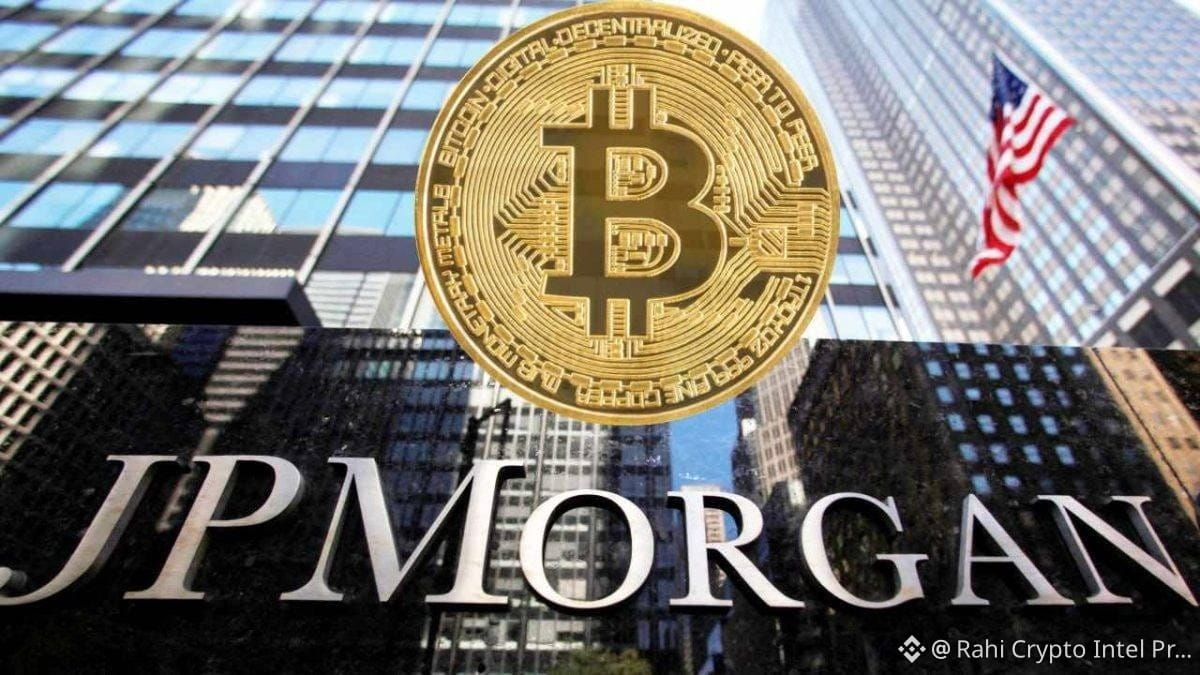
JPMorgan ၏ Crypto ဆက်စပ် ရင်းနှီးမြှုပ်နှံမှုများ ဒေါ်လာ ၁ ဘီလီယံနီးပါးရှိလာ: ၎င်း၏ နောက်ဆုံးတင်ပြချက်က ဘာကိုဖော်ပြသလဲ။
Crypto လုပ်ငန်းတွင် အဖွဲ့အစည်းများ ပါဝင်လာမှုကို ဆက်လက်စိတ်ဝင်စားနေကြပြီး JPMorgan ၏ နောက်ဆုံး ရင်းနှီးမြှုပ်နှံမှုစာရင်း ထုတ်ဖော်ချက်က စိတ်ဝင်စားဖွယ် အခြေအနေတစ်ရပ်ကို ဖော်ပြထားသည်။
စက်တင်ဘာ ၃၀ ရက်တွင် ကုန်ဆုံးသည့် သုံးလပတ်ကို လွှမ်းခြုံထားသော ၎င်း၏ နောက်ဆုံး 13F တင်ပြချက်အရ ပိုင်ဆိုင်မှုများမှာ ခန့်မှန်းခြေအားဖြင့်—
- Spot Bitcoin ETF များတွင် ဒေါ်လာ ၅၄၉ သန်း ရင်းနှီးမြှုပ်နှံထားသည်။
- Strategy ရှယ်ယာများတွင် ဒေါ်လာ ၁၃၁.၃ သန်း ရင်းနှီးမြှုပ်နှံထားသည်။
- Coinbase ရှယ်ယာများတွင် ဒေါ်လာ ၃၀၁ သန်း ရင်းနှီးမြှုပ်နှံထားသည်။
JPMorgan သည် ထိုသုံးလပတ်အတွင်း Strategy ရှယ်ယာပိုင်ဆိုင်မှုကိုလည်း ၃၆% တိုးမြှင့်ခဲ့သည်။
ဤရင်းနှီးမြှုပ်နှံမှု သုံးခုကို စုစုပေါင်းတွက်လျှင် ဒေါ်လာ ၉၈၁ သန်းခန့် ရှိသည်။
သို့သော် အရေးကြီးသော ခြားနားချက်တစ်ခု ရှိသည်။
ဘဏ်တစ်ခုက Crypto နှင့် ဆက်စပ်သော ရှယ်ယာများ၊ ETF ရှယ်ယာများကို ပိုင်ဆိုင်ထားခြင်းသည် Bitcoin ကို တိုက်ရိုက်ဝယ်ယူနေသည် သို့မဟုတ် ဈေးကွက်အပေါ် အတက်ဘက်ခန့်မှန်းချက် ပြုလုပ်နေသည်ဟု မဆိုလိုပါ။
သို့တိုင် ဤထုတ်ဖော်ချက်များက Crypto လုပ်ငန်းအပေါ် အဖွဲ့အစည်းများ၏ ရင်းနှီးမြှုပ်နှံမှုအတိုင်းအတာကို သိမြင်ရန် အသုံးဝင်သော အချက်အလက်များ ပေးစွမ်းသည်။
သင့်အတွက် ဘယ်အရာက ပိုစိတ်ဝင်စားစရာကောင်းသလဲ—အဖွဲ့အစည်းများ၏ Bitcoin ETF ပိုင်ဆိုင်မှုလား၊ Crypto နှင့် ဆက်စပ်သော ကုမ္ပဏီများအပေါ် တိုးလာသည့် ရင်းနှီးမြှုပ်နှံမှုလား။
$UVXYB
{spot}(UVXYBUSDT)
$SKDDB
{spot}(SKDDBUSDT)
$DODO
{spot}(DODOUSDT)
JPMorgan ၏ Crypto ဆက်စပ် ရင်းနှီးမြှုပ်နှံမှုများ ဒေါ်လာ ၁ ဘီလီယံနီးပါးရှိလာ: ၎င်း၏ နောက်ဆုံးတင်ပြချက်က ဘာကိုဖော်ပြသလဲ။
Crypto လုပ်ငန်းတွင် အဖွဲ့အစည်းများ ပါဝင်လာမှုကို ဆက်လက်စိတ်ဝင်စားနေကြပြီး JPMorgan ၏ နောက်ဆုံး ရင်းနှီးမြှုပ်နှံမှုစာရင်း ထုတ်ဖော်ချက်က စိတ်ဝင်စားဖွယ် အခြေအနေတစ်ရပ်ကို ဖော်ပြထားသည်။
စက်တင်ဘာ ၃၀ ရက်တွင် ကုန်ဆုံးသည့် သုံးလပတ်ကို လွှမ်းခြုံထားသော ၎င်း၏ နောက်ဆုံး 13F တင်ပြချက်အရ ပိုင်ဆိုင်မှုများမှာ ခန့်မှန်းခြေအားဖြင့်—
- Spot Bitcoin ETF များတွင် ဒေါ်လာ ၅၄၉ သန်း ရင်းနှီးမြှုပ်နှံထားသည်။
- Strategy ရှယ်ယာများတွင် ဒေါ်လာ ၁၃၁.၃ သန်း ရင်းနှီးမြှုပ်နှံထားသည်။
- Coinbase ရှယ်ယာများတွင် ဒေါ်လာ ၃၀၁ သန်း ရင်းနှီးမြှုပ်နှံထားသည်။
JPMorgan သည် ထိုသုံးလပတ်အတွင်း Strategy ရှယ်ယာပိုင်ဆိုင်မှုကိုလည်း ၃၆% တိုးမြှင့်ခဲ့သည်။
ဤရင်းနှီးမြှုပ်နှံမှု သုံးခုကို စုစုပေါင်းတွက်လျှင် ဒေါ်လာ ၉၈၁ သန်းခန့် ရှိသည်။
သို့သော် အရေးကြီးသော ခြားနားချက်တစ်ခု ရှိသည်။
ဘဏ်တစ်ခုက Crypto နှင့် ဆက်စပ်သော ရှယ်ယာများ၊ ETF ရှယ်ယာများကို ပိုင်ဆိုင်ထားခြင်းသည် Bitcoin ကို တိုက်ရိုက်ဝယ်ယူနေသည် သို့မဟုတ် ဈေးကွက်အပေါ် အတက်ဘက်ခန့်မှန်းချက် ပြုလုပ်နေသည်ဟု မဆိုလိုပါ။
သို့တိုင် ဤထုတ်ဖော်ချက်များက Crypto လုပ်ငန်းအပေါ် အဖွဲ့အစည်းများ၏ ရင်းနှီးမြှုပ်နှံမှုအတိုင်းအတာကို သိမြင်ရန် အသုံးဝင်သော အချက်အလက်များ ပေးစွမ်းသည်။
သင့်အတွက် ဘယ်အရာက ပိုစိတ်ဝင်စားစရာကောင်းသလဲ—အဖွဲ့အစည်းများ၏ Bitcoin ETF ပိုင်ဆိုင်မှုလား၊ Crypto နှင့် ဆက်စပ်သော ကုမ္ပဏီများအပေါ် တိုးလာသည့် ရင်းနှီးမြှုပ်နှံမှုလား။
$UVXYB
$SKDDB
$DODO
2
1
265
နေ့စဉ်အက်ပ်ဝင်ငွေတွင် TON က Robinhood Chain ကို ကျော်တက်လာ: တိုးတက်မှုကို ဘာက တွန်းအားပေးနေသလဲ?
နိုဝင်ဘာ 14 ရက်တွင် 24 နာရီအတွင်း ရရှိသော အက်ပ်ဝင်ငွေ၌ Robinhood Chain ကို အနည်းငယ်မျှ ကျော်တက်သွားပြီးနောက် TON သည် အာရုံစိုက်မှုအသစ်များ ရရှိလာသည်။
ယနေ့ ဖော်ပြခဲ့သော DeFiLlama ၏ ကိန်းဂဏန်းများအရ:
- TON: ခန့်မှန်းခြေ $334,862
- Robinhood Chain: ခန့်မှန်းခြေ $332,565
ကွာခြားချက်မှာ အတော်လေးနည်းပါးသော်လည်း ဤကိန်းဂဏန်းများ၏ နောက်ကွယ်တွင် စိတ်ဝင်စားဖွယ်အချက်တစ်ခု ရှိသည်။
TON ၏ ဖော်ပြထားသော အက်ပ်ဝင်ငွေ၏ 99% နီးပါးသည် Telegram နှင့် ဆက်စပ်သည့် အသုံးပြုသူအမည်များနှင့် ဒစ်ဂျစ်တယ်စုဆောင်းပစ္စည်းများ ရောင်းဝယ်ရာဈေးကွက်ဖြစ်သော Fragment မှ ရရှိခဲ့သည်။
ယင်းက TON ၏ တိုးတက်မှု ရေရှည်တည်တံ့နိုင်မှုနှင့် ပတ်သက်၍ အရေးကြီးသော မေးခွန်းတစ်ခုကို ဖြစ်ပေါ်စေသည်။
စောင့်ကြည့်သင့်သည့် အချက်သုံးချက်:
- အခြား TON အက်ပ်များက ဝင်ငွေပိုမိုရရှိနိုင်ခြင်း ရှိ၊ မရှိ။
- အသုံးပြုသူများ၏ လှုပ်ရှားမှု ဆက်လက်တိုးချဲ့လာခြင်း ရှိ၊ မရှိ။
- အနာဂတ်ဝင်ငွေအဆင့်သတ်မှတ်ချက်များတွင် TON က ၎င်း၏နေရာကို ဆက်လက်ထိန်းသိမ်းနိုင်ခြင်း ရှိ၊ မရှိ။
တစ်ရက်တာ ဝင်ငွေအဆင့်သတ်မှတ်ချက်တစ်ခုတည်းဖြင့် ရေရှည်လွှမ်းမိုးနိုင်မှုကို မသတ်မှတ်နိုင်ပါ။
Fragment အပြင်ဘက်တွင် ပိုမိုအားကောင်းသော အက်ပ်ဂေဟစနစ်တစ်ခုကို TON တည်ဆောက်နိုင်မလား?
$TON $NIGHT
{future}(NIGHTUSDT)
$SHELL
{future}(SHELLUSDT)
နေ့စဉ်အက်ပ်ဝင်ငွေတွင် TON က Robinhood Chain ကို ကျော်တက်လာ: တိုးတက်မှုကို ဘာက တွန်းအားပေးနေသလဲ?
နိုဝင်ဘာ 14 ရက်တွင် 24 နာရီအတွင်း ရရှိသော အက်ပ်ဝင်ငွေ၌ Robinhood Chain ကို အနည်းငယ်မျှ ကျော်တက်သွားပြီးနောက် TON သည် အာရုံစိုက်မှုအသစ်များ ရရှိလာသည်။
ယနေ့ ဖော်ပြခဲ့သော DeFiLlama ၏ ကိန်းဂဏန်းများအရ:
- TON: ခန့်မှန်းခြေ $334,862
- Robinhood Chain: ခန့်မှန်းခြေ $332,565
ကွာခြားချက်မှာ အတော်လေးနည်းပါးသော်လည်း ဤကိန်းဂဏန်းများ၏ နောက်ကွယ်တွင် စိတ်ဝင်စားဖွယ်အချက်တစ်ခု ရှိသည်။
TON ၏ ဖော်ပြထားသော အက်ပ်ဝင်ငွေ၏ 99% နီးပါးသည် Telegram နှင့် ဆက်စပ်သည့် အသုံးပြုသူအမည်များနှင့် ဒစ်ဂျစ်တယ်စုဆောင်းပစ္စည်းများ ရောင်းဝယ်ရာဈေးကွက်ဖြစ်သော Fragment မှ ရရှိခဲ့သည်။
ယင်းက TON ၏ တိုးတက်မှု ရေရှည်တည်တံ့နိုင်မှုနှင့် ပတ်သက်၍ အရေးကြီးသော မေးခွန်းတစ်ခုကို ဖြစ်ပေါ်စေသည်။
စောင့်ကြည့်သင့်သည့် အချက်သုံးချက်:
- အခြား TON အက်ပ်များက ဝင်ငွေပိုမိုရရှိနိုင်ခြင်း ရှိ၊ မရှိ။
- အသုံးပြုသူများ၏ လှုပ်ရှားမှု ဆက်လက်တိုးချဲ့လာခြင်း ရှိ၊ မရှိ။
- အနာဂတ်ဝင်ငွေအဆင့်သတ်မှတ်ချက်များတွင် TON က ၎င်း၏နေရာကို ဆက်လက်ထိန်းသိမ်းနိုင်ခြင်း ရှိ၊ မရှိ။
တစ်ရက်တာ ဝင်ငွေအဆင့်သတ်မှတ်ချက်တစ်ခုတည်းဖြင့် ရေရှည်လွှမ်းမိုးနိုင်မှုကို မသတ်မှတ်နိုင်ပါ။
Fragment အပြင်ဘက်တွင် ပိုမိုအားကောင်းသော အက်ပ်ဂေဟစနစ်တစ်ခုကို TON တည်ဆောက်နိုင်မလား?
$TON $NIGHT
$SHELL

214
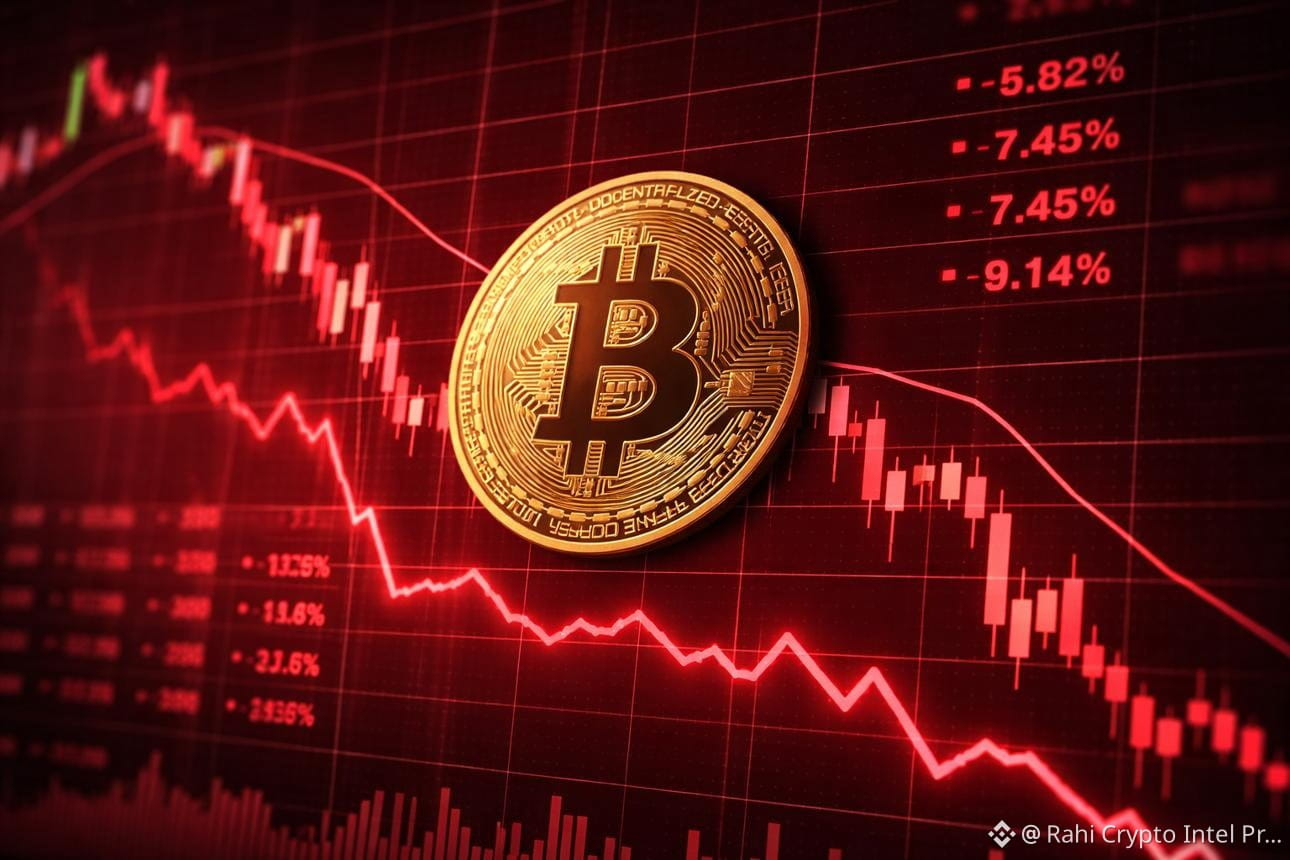
Bitcoin ETF မှ ငွေထွက်မှု ဒေါ်လာ ၂.၃၅ ဘီလီယံအထိ ရှိလာပြီ—အဖွဲ့အစည်းဆိုင်ရာ ဝယ်လိုအား အားလျော့လာနေပြီလား။
အဖွဲ့အစည်းဆိုင်ရာ ရင်းနှီးမြှုပ်နှံမှုစီးဆင်းမှုများက ဆန့်ကျင်ဘက်ဦးတည်ချက်အတိုင်း ဆက်လက်ရွေ့လျားနေသဖြင့် Bitcoin သည် နောက်ထပ်အရေးကြီးသော စိန်ခေါ်မှုတစ်ခုနှင့် ရင်ဆိုင်နေရသည်။
နိုဝင်ဘာ ၁၄ ရက်နေ့ နောက်ဆုံးထုတ်ပြန်ချက်အရ အမေရိကန်ရှိ spot Bitcoin ETF များမှ နှစ်ပတ်အတွင်း အသားတင် ငွေထွက်မှု ဒေါ်လာ ၂.၃၅ ဘီလီယံခန့် ရှိခဲ့သည်။
BlackRock ၏ IBIT သည်လည်း ဆက်တိုက်အရှုံးပေါ်နေသည့် ကုန်သွယ်ရေးကာလကို ၁၁ ကြိမ်ဆက်အထိ တိုးမြှင့်ခဲ့သည်။
သို့သော် ဤအကြောင်းအရာတွင် ငွေထုတ်ယူမှုများထက် ပိုမိုစိတ်ဝင်စားစရာကောင်းသည့်အချက်များ ရှိနေသည်။
စောင့်ကြည့်သင့်သည့် အချက်သုံးချက်မှာ—
- ETF စီးဆင်းမှုများ: အဖွဲ့အစည်းဆိုင်ရာ ငွေကြေးများ မည်သည့်အချိန်တွင် ပြန်လည်ဝင်ရောက်လာမည်နည်း။
- ဈေးကွက်သဘောထား: မကြာသေးမီက ရောင်းချမှုဖိအားများအပြီး Bitcoin ပြန်လည်နာလန်ထူနိုင်မည်လား။
- ဈေးနှုန်းဖွဲ့စည်းပုံ: ဝယ်ယူသူများက အရေးကြီးသော ပံ့ပိုးမှုဈေးနှုန်းအဆင့်များကို ကာကွယ်နိုင်မည်လား။
ETF မှ ငွေထွက်မှုများရှိခြင်းသည် အဖွဲ့အစည်းများက Bitcoin ကို စွန့်လွှတ်လိုက်ပြီဟု အလိုအလျောက် မဆိုလိုပါ။ သို့သော် ငွေထုတ်ယူမှုများ ဆက်လက်ဖြစ်ပေါ်ပါက ဈေးကွက်ပြန်လည်နာလန်ထူရန် ပိုမိုခက်ခဲလာနိုင်သည်။
လာမည့် ကုန်သွယ်ရေးကာလအနည်းငယ်အတွင်း အဖွဲ့အစည်းများ၏ ယုံကြည်မှုအခြေအနေကို သိရှိနိုင်မည့် အရေးကြီးသော သဲလွန်စများ ရရှိလာနိုင်သည်။
Bitcoin ETF များသို့ ငွေပြန်လည်ဝင်ရောက်မှုများ မကြာမီ ပြန်ဖြစ်လာမည်ဟု ထင်ပါသလား၊ သို့မဟုတ် ရောင်းချမှုဖိအား ဆက်လက်ရှိနေနိုင်ပါသလား။
$SOPH
{future}(SOPHUSDT)
$SHELL
{future}(SHELLUSDT)
$DODO
{spot}(DODOUSDT)
Bitcoin ETF မှ ငွေထွက်မှု ဒေါ်လာ ၂.၃၅ ဘီလီယံအထိ ရှိလာပြီ—အဖွဲ့အစည်းဆိုင်ရာ ဝယ်လိုအား အားလျော့လာနေပြီလား။
အဖွဲ့အစည်းဆိုင်ရာ ရင်းနှီးမြှုပ်နှံမှုစီးဆင်းမှုများက ဆန့်ကျင်ဘက်ဦးတည်ချက်အတိုင်း ဆက်လက်ရွေ့လျားနေသဖြင့် Bitcoin သည် နောက်ထပ်အရေးကြီးသော စိန်ခေါ်မှုတစ်ခုနှင့် ရင်ဆိုင်နေရသည်။
နိုဝင်ဘာ ၁၄ ရက်နေ့ နောက်ဆုံးထုတ်ပြန်ချက်အရ အမေရိကန်ရှိ spot Bitcoin ETF များမှ နှစ်ပတ်အတွင်း အသားတင် ငွေထွက်မှု ဒေါ်လာ ၂.၃၅ ဘီလီယံခန့် ရှိခဲ့သည်။
BlackRock ၏ IBIT သည်လည်း ဆက်တိုက်အရှုံးပေါ်နေသည့် ကုန်သွယ်ရေးကာလကို ၁၁ ကြိမ်ဆက်အထိ တိုးမြှင့်ခဲ့သည်။
သို့သော် ဤအကြောင်းအရာတွင် ငွေထုတ်ယူမှုများထက် ပိုမိုစိတ်ဝင်စားစရာကောင်းသည့်အချက်များ ရှိနေသည်။
စောင့်ကြည့်သင့်သည့် အချက်သုံးချက်မှာ—
- ETF စီးဆင်းမှုများ: အဖွဲ့အစည်းဆိုင်ရာ ငွေကြေးများ မည်သည့်အချိန်တွင် ပြန်လည်ဝင်ရောက်လာမည်နည်း။
- ဈေးကွက်သဘောထား: မကြာသေးမီက ရောင်းချမှုဖိအားများအပြီး Bitcoin ပြန်လည်နာလန်ထူနိုင်မည်လား။
- ဈေးနှုန်းဖွဲ့စည်းပုံ: ဝယ်ယူသူများက အရေးကြီးသော ပံ့ပိုးမှုဈေးနှုန်းအဆင့်များကို ကာကွယ်နိုင်မည်လား။
ETF မှ ငွေထွက်မှုများရှိခြင်းသည် အဖွဲ့အစည်းများက Bitcoin ကို စွန့်လွှတ်လိုက်ပြီဟု အလိုအလျောက် မဆိုလိုပါ။ သို့သော် ငွေထုတ်ယူမှုများ ဆက်လက်ဖြစ်ပေါ်ပါက ဈေးကွက်ပြန်လည်နာလန်ထူရန် ပိုမိုခက်ခဲလာနိုင်သည်။
လာမည့် ကုန်သွယ်ရေးကာလအနည်းငယ်အတွင်း အဖွဲ့အစည်းများ၏ ယုံကြည်မှုအခြေအနေကို သိရှိနိုင်မည့် အရေးကြီးသော သဲလွန်စများ ရရှိလာနိုင်သည်။
Bitcoin ETF များသို့ ငွေပြန်လည်ဝင်ရောက်မှုများ မကြာမီ ပြန်ဖြစ်လာမည်ဟု ထင်ပါသလား၊ သို့မဟုတ် ရောင်းချမှုဖိအား ဆက်လက်ရှိနေနိုင်ပါသလား။
$SOPH
$SHELL
$DODO
74
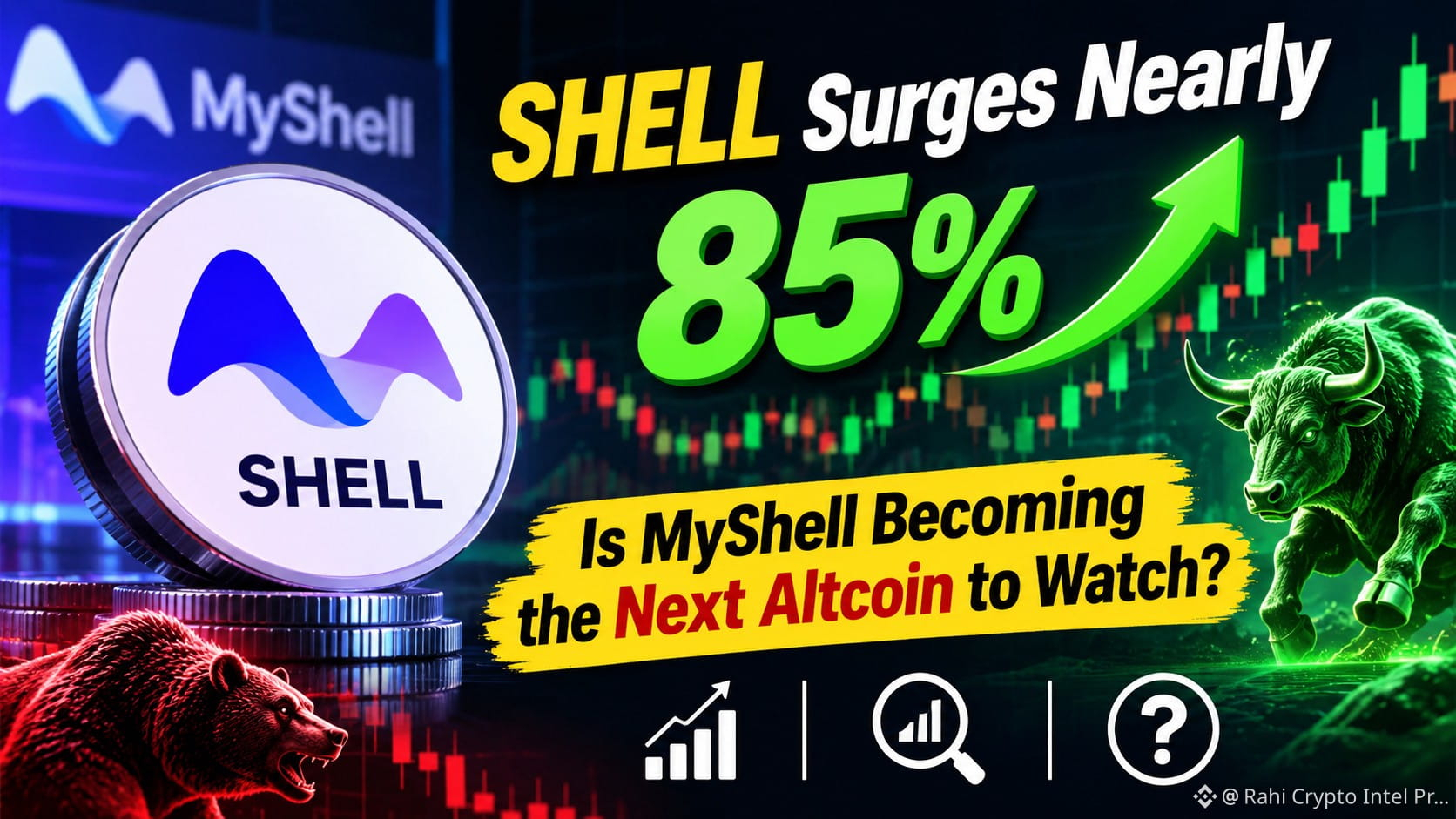
SHELL ၈၅% နီးပါး အတက်ပြင်းပြင်း ဖြစ်လာ: MyShell က စောင့်ကြည့်သင့်တဲ့ နောက်ထပ် Altcoin ဖြစ်လာပြီလား?
နိုဝင်ဘာ ၁၃ ရက်နေ့တွင် ၂၄ နာရီအတွင်း ၈၅% ခန့် အထင်ကြီးလောက်ဖွယ် မြင့်တက်မှုကို မှတ်တမ်းတင်ခဲ့ပြီးနောက် MyShell (SHELL) သည် ဈေးကွက်၏ အာရုံစိုက်မှုကို ရုတ်တရက် ရရှိလာခဲ့သည်။
သို့သော် အရှိန်အဟုန်ပြင်းပြင်း မြင့်တက်မှုတိုင်းက အရေးကြီးသော မေးခွန်းတစ်ခုကို ဖြစ်ပေါ်စေသည်။ ဝယ်သူများက ဒီအရှိန်ကို ဆက်ထိန်းထားနိုင်မလား၊ ဒါမှမဟုတ် အမြတ်ယူရောင်းချမှု စတင်တော့မလား။
စောင့်ကြည့်သင့်တဲ့ အချက် ၃ ချက်ကတော့—
1. ကုန်သွယ်မှုပမာဏ: ဈေးတက်မှုကို ထောက်ပံ့ဖို့ ဝယ်ယူမှု လုံလောက်အောင် အားကောင်းနေသလား။
2. ဈေးနှုန်းတည်ငြိမ်မှု: SHELL က မကြာသေးမီက ရရှိထားတဲ့ ဈေးတက်မှုတွေကို ပြန်မဆုံးရှုံးဘဲ ထိန်းထားနိုင်မလား။
3. ဈေးကွက်ဖွဲ့စည်းပုံ: ဝယ်သူတွေက ယခင်အနိမ့်ဆုံးဈေးတွေထက် ပိုမြင့်တဲ့ အနိမ့်ဆုံးဈေးတွေကို ဖန်တီးပြီး အတက်အရှိန်ကို ထိန်းထားနိုင်မလား။
ကုန်သည်တွေ သတိရသင့်တဲ့ အချက်တစ်ခုကတော့: အစိမ်းရောင်ဖယောင်းတိုင်ကြီးတစ်ချောင်း ပေါ်လာတာနဲ့ ရေရှည်အတက်လမ်းကြောင်း ဖြစ်ကြောင်း အလိုအလျောက် အတည်ပြုနိုင်တာ မဟုတ်ပါဘူး။
ဒီလို အရှိန်ပြင်းပြင်း ရွေ့လျားပြီးနောက် ဈေးနှုန်းအတက်အကျ ပြင်းထန်မှုနဲ့ ရုတ်တရက် ပြန်ကျမှုတွေက အရေးကြီးတဲ့ အန္တရာယ်တွေအဖြစ် ရှိနေဆဲပါ။
လာမယ့် ကုန်သွယ်ရေးကာလအနည်းငယ်က SHELL မှာ အမှန်တကယ် ဆက်လက်မြင့်တက်နိုင်မယ့် အားရှိသလား၊ ဒါမှမဟုတ် ဒီဈေးတက်မှုဟာ ရေတိုဈေးကစားမှုကြောင့် အဓိက ဖြစ်ပေါ်လာတာလားဆိုတာ ဖော်ပြပေးနိုင်ပါတယ်။
SHELL နဲ့ပတ်သက်ပြီး သင်ဘယ်လိုထင်ပါသလဲ။
ဒီအရှိန်ကို ဆက်ထိန်းထားနိုင်မလား၊ ဒါမှမဟုတ် ကုန်သည်တွေက အမြတ်ယူဖို့ ပြင်ဆင်နေကြပြီလား။
$SHELL
{future}(SHELLUSDT)
$SOPH
{future}(SOPHUSDT)
$SOXSB
{spot}(SOXSBUSDT)
SHELL ၈၅% နီးပါး အတက်ပြင်းပြင်း ဖြစ်လာ: MyShell က စောင့်ကြည့်သင့်တဲ့ နောက်ထပ် Altcoin ဖြစ်လာပြီလား?
နိုဝင်ဘာ ၁၃ ရက်နေ့တွင် ၂၄ နာရီအတွင်း ၈၅% ခန့် အထင်ကြီးလောက်ဖွယ် မြင့်တက်မှုကို မှတ်တမ်းတင်ခဲ့ပြီးနောက် MyShell (SHELL) သည် ဈေးကွက်၏ အာရုံစိုက်မှုကို ရုတ်တရက် ရရှိလာခဲ့သည်။
သို့သော် အရှိန်အဟုန်ပြင်းပြင်း မြင့်တက်မှုတိုင်းက အရေးကြီးသော မေးခွန်းတစ်ခုကို ဖြစ်ပေါ်စေသည်။ ဝယ်သူများက ဒီအရှိန်ကို ဆက်ထိန်းထားနိုင်မလား၊ ဒါမှမဟုတ် အမြတ်ယူရောင်းချမှု စတင်တော့မလား။
စောင့်ကြည့်သင့်တဲ့ အချက် ၃ ချက်ကတော့—
1. ကုန်သွယ်မှုပမာဏ: ဈေးတက်မှုကို ထောက်ပံ့ဖို့ ဝယ်ယူမှု လုံလောက်အောင် အားကောင်းနေသလား။
2. ဈေးနှုန်းတည်ငြိမ်မှု: SHELL က မကြာသေးမီက ရရှိထားတဲ့ ဈေးတက်မှုတွေကို ပြန်မဆုံးရှုံးဘဲ ထိန်းထားနိုင်မလား။
3. ဈေးကွက်ဖွဲ့စည်းပုံ: ဝယ်သူတွေက ယခင်အနိမ့်ဆုံးဈေးတွေထက် ပိုမြင့်တဲ့ အနိမ့်ဆုံးဈေးတွေကို ဖန်တီးပြီး အတက်အရှိန်ကို ထိန်းထားနိုင်မလား။
ကုန်သည်တွေ သတိရသင့်တဲ့ အချက်တစ်ခုကတော့: အစိမ်းရောင်ဖယောင်းတိုင်ကြီးတစ်ချောင်း ပေါ်လာတာနဲ့ ရေရှည်အတက်လမ်းကြောင်း ဖြစ်ကြောင်း အလိုအလျောက် အတည်ပြုနိုင်တာ မဟုတ်ပါဘူး။
ဒီလို အရှိန်ပြင်းပြင်း ရွေ့လျားပြီးနောက် ဈေးနှုန်းအတက်အကျ ပြင်းထန်မှုနဲ့ ရုတ်တရက် ပြန်ကျမှုတွေက အရေးကြီးတဲ့ အန္တရာယ်တွေအဖြစ် ရှိနေဆဲပါ။
လာမယ့် ကုန်သွယ်ရေးကာလအနည်းငယ်က SHELL မှာ အမှန်တကယ် ဆက်လက်မြင့်တက်နိုင်မယ့် အားရှိသလား၊ ဒါမှမဟုတ် ဒီဈေးတက်မှုဟာ ရေတိုဈေးကစားမှုကြောင့် အဓိက ဖြစ်ပေါ်လာတာလားဆိုတာ ဖော်ပြပေးနိုင်ပါတယ်။
SHELL နဲ့ပတ်သက်ပြီး သင်ဘယ်လိုထင်ပါသလဲ။
ဒီအရှိန်ကို ဆက်ထိန်းထားနိုင်မလား၊ ဒါမှမဟုတ် ကုန်သည်တွေက အမြတ်ယူဖို့ ပြင်ဆင်နေကြပြီလား။
$SHELL
$SOPH
$SOXSB
269
PEPE သည် မီမီတစ်ခုမျှသာ မဟုတ်ပါ — ကုန်သည်များက ၎င်းကို ဘာကြောင့် ဆက်လက်စောင့်ကြည့်နေကြသနည်း
ခရစ်ပတိုဈေးကွက်တွင် အခွင့်အလမ်းများကို မီမီကွိုင်ကုန်သည်များ ရှာဖွေနေကြသည့်အတွက် PEPE သည် လူအများ၏အာရုံစိုက်မှုကို ဆက်လက်ရရှိနေသည်။
နိုဝင်ဘာ ၁၃ ရက်တွင် ၂၄ နာရီအတွင်း အရောင်းအဝယ်ပမာဏ အမေရိကန်ဒေါ်လာ ၄၆၂ သန်းခန့်ရှိခဲ့ကြောင်း ဖော်ပြထားရာ၊ ဈေးကွက်တွင် ပါဝင်သူများက PEPE ကို အာရုံစိုက်နေဆဲဖြစ်ကြောင်း ပြသနေသည်။
သို့သော် ကုန်သည်များ လျစ်လျူမရှုသင့်သည့် အချက်တစ်ခုရှိသည်။
အရောင်းအဝယ်ပမာဏ မြင့်မားခြင်းက အခွင့်အလမ်းများ ဖန်တီးပေးနိုင်သော်လည်း ဈေးနှုန်းရုတ်တရက် အတက်အကျများကိုလည်း ဖြစ်စေနိုင်သည်။
အောက်ပါအချက်ပြမှု သုံးခုက PEPE ၏ နောက်တစ်ဆင့် ရွေ့လျားမှုကို နားလည်စေရန် အထောက်အကူပြုနိုင်သည်-
- ဝယ်ယူမှုဖိအား: ဝယ်ယူသူများ ပိုမိုတက်ကြွလာနေသလား။
- ဈေးကွက်ဖွဲ့စည်းပုံ: PEPE သည် အရေးကြီးသော ထောက်ပံ့မှုဇုန်ကို ထိန်းထားနိုင်သလား။
- အသိုင်းအဝိုင်း၏ လှုပ်ရှားမှု: လူမှုကွန်ရက်များပေါ်ရှိ စိတ်ဝင်စားမှု တိုးလာနေသလား၊ သို့မဟုတ် လျော့နည်းစပြုနေသလား။
အကြီးမားဆုံး အမှားမှာ လူကြိုက်များမှုက ဈေးနှုန်းကို အလိုအလျောက် မြင့်တက်စေမည်ဟု ယူဆခြင်းဖြစ်သည်။
PEPE သည် အန္တရာယ်မြင့်ပိုင်ဆိုင်မှုတစ်ခုအဖြစ် ရှိနေဆဲဖြစ်ပြီး ကုန်သည်များအနေဖြင့် လူကြိုက်များမှုကြောင့် ဖြစ်ပေါ်လာသော စိတ်လှုပ်ရှားမှုတစ်ခုတည်းအပေါ် အခြေခံ၍ ဆုံးဖြတ်ချက်များချခြင်းကို ရှောင်ကြဉ်သင့်သည်။
သင်ဘယ်လိုထင်ပါသလဲ။ PEPE သည် ၎င်း၏လူကြိုက်များမှုကို ဆက်လက်ထိန်းထားနိုင်မလား၊ ဒါမှမဟုတ် ကုန်သည်များသည် နောက်ထပ်ခေတ်စားလာမည့် မီမီကွိုင်ဘက်သို့ ပြောင်းရွှေ့သွားကြမလား။
$PEPE
{spot}(PEPEUSDT)
$SHIB
{spot}(SHIBUSDT)
$DOGE
{future}(DOGEUSDT)
PEPE သည် မီမီတစ်ခုမျှသာ မဟုတ်ပါ — ကုန်သည်များက ၎င်းကို ဘာကြောင့် ဆက်လက်စောင့်ကြည့်နေကြသနည်း
ခရစ်ပတိုဈေးကွက်တွင် အခွင့်အလမ်းများကို မီမီကွိုင်ကုန်သည်များ ရှာဖွေနေကြသည့်အတွက် PEPE သည် လူအများ၏အာရုံစိုက်မှုကို ဆက်လက်ရရှိနေသည်။
နိုဝင်ဘာ ၁၃ ရက်တွင် ၂၄ နာရီအတွင်း အရောင်းအဝယ်ပမာဏ အမေရိကန်ဒေါ်လာ ၄၆၂ သန်းခန့်ရှိခဲ့ကြောင်း ဖော်ပြထားရာ၊ ဈေးကွက်တွင် ပါဝင်သူများက PEPE ကို အာရုံစိုက်နေဆဲဖြစ်ကြောင်း ပြသနေသည်။
သို့သော် ကုန်သည်များ လျစ်လျူမရှုသင့်သည့် အချက်တစ်ခုရှိသည်။
အရောင်းအဝယ်ပမာဏ မြင့်မားခြင်းက အခွင့်အလမ်းများ ဖန်တီးပေးနိုင်သော်လည်း ဈေးနှုန်းရုတ်တရက် အတက်အကျများကိုလည်း ဖြစ်စေနိုင်သည်။
အောက်ပါအချက်ပြမှု သုံးခုက PEPE ၏ နောက်တစ်ဆင့် ရွေ့လျားမှုကို နားလည်စေရန် အထောက်အကူပြုနိုင်သည်-
- ဝယ်ယူမှုဖိအား: ဝယ်ယူသူများ ပိုမိုတက်ကြွလာနေသလား။
- ဈေးကွက်ဖွဲ့စည်းပုံ: PEPE သည် အရေးကြီးသော ထောက်ပံ့မှုဇုန်ကို ထိန်းထားနိုင်သလား။
- အသိုင်းအဝိုင်း၏ လှုပ်ရှားမှု: လူမှုကွန်ရက်များပေါ်ရှိ စိတ်ဝင်စားမှု တိုးလာနေသလား၊ သို့မဟုတ် လျော့နည်းစပြုနေသလား။
အကြီးမားဆုံး အမှားမှာ လူကြိုက်များမှုက ဈေးနှုန်းကို အလိုအလျောက် မြင့်တက်စေမည်ဟု ယူဆခြင်းဖြစ်သည်။
PEPE သည် အန္တရာယ်မြင့်ပိုင်ဆိုင်မှုတစ်ခုအဖြစ် ရှိနေဆဲဖြစ်ပြီး ကုန်သည်များအနေဖြင့် လူကြိုက်များမှုကြောင့် ဖြစ်ပေါ်လာသော စိတ်လှုပ်ရှားမှုတစ်ခုတည်းအပေါ် အခြေခံ၍ ဆုံးဖြတ်ချက်များချခြင်းကို ရှောင်ကြဉ်သင့်သည်။
သင်ဘယ်လိုထင်ပါသလဲ။ PEPE သည် ၎င်း၏လူကြိုက်များမှုကို ဆက်လက်ထိန်းထားနိုင်မလား၊ ဒါမှမဟုတ် ကုန်သည်များသည် နောက်ထပ်ခေတ်စားလာမည့် မီမီကွိုင်ဘက်သို့ ပြောင်းရွှေ့သွားကြမလား။
$PEPE
$SHIB
$DOGE
68
PROM 8% ခန့် တက်လာသည် — ပိုမိုကြီးမားသော အတက်လှုပ်ရှားမှု၏ အစလား?
ပြီးခဲ့သည့် ၂၄ နာရီအတွင်း ၈.၃% ခန့် တက်လာပြီးနောက် PROM သည် ဈေးကွက်၏ အာရုံစိုက်မှုကို ရရှိနေသည်။
နိုဝင်ဘာ ၁၃ ရက် နောက်ဆုံးဈေးကွက်အစီရင်ခံစာတွင် စွမ်းဆောင်ရည်အကောင်းဆုံး cryptocurrency များထဲမှ တစ်ခုဖြစ်ခဲ့သည်။
သို့သော် အစိမ်းရောင် နေ့စဉ်ဖယောင်းတိုင်တစ်တိုင်တည်းဖြင့် လမ်းကြောင်းပြောင်းပြန်ဖြစ်ကြောင်း အတည်ပြုရန် မလုံလောက်ပါ။
ကုန်သည်များ စစ်ဆေးသင့်သည့်အချက်များမှာ အောက်ပါအတိုင်းဖြစ်သည်-
အရောင်းအဝယ်ပမာဏ- ဝယ်ယူမှုလှုပ်ရှားမှုက ဈေးတက်မှုကို ထောက်ပံ့ပေးနေသလား။
ခုခံဈေးတန်း- PROM သည် အနီးအနားရှိ ရောင်းအားဖိအားကို ကျော်ဖြတ်နိုင်မလား။
ဈေးကွက်ဖွဲ့စည်းပုံ- ပိုမိုမြင့်မားသော အမြင့်ဈေးများနှင့် အနိမ့်ဈေးများ ဖြစ်ပေါ်လာနေသလား။
Bitcoin ၏ ဦးတည်ချက်- ပိုမိုကျယ်ပြန့်သော ဈေးကွက်အခြေအနေက altcoin များ၏ အရှိန်အဟုန်ကို ထောက်ပံ့ပေးနိုင်မလား။
အရေးကြီးသည့် မေးခွန်းမှာ ဤဈေးတက်မှု ဆက်လက်အားကောင်းလာမလား၊ ဒါမှမဟုတ် ရေတိုပြန်တက်မှုသာ ဖြစ်မလား ဆိုသည်ပင်ဖြစ်သည်။
ဤဈေးတက်မှုနောက်ပိုင်း PROM ကို စောင့်ကြည့်မလား၊ ဒါမှမဟုတ် ပြန်လည်စမ်းသပ်မှု အတည်ပြုသည်အထိ စောင့်မလား။
$PROM
{future}(PROMUSDT)
PROM 8% ခန့် တက်လာသည် — ပိုမိုကြီးမားသော အတက်လှုပ်ရှားမှု၏ အစလား?
ပြီးခဲ့သည့် ၂၄ နာရီအတွင်း ၈.၃% ခန့် တက်လာပြီးနောက် PROM သည် ဈေးကွက်၏ အာရုံစိုက်မှုကို ရရှိနေသည်။
နိုဝင်ဘာ ၁၃ ရက် နောက်ဆုံးဈေးကွက်အစီရင်ခံစာတွင် စွမ်းဆောင်ရည်အကောင်းဆုံး cryptocurrency များထဲမှ တစ်ခုဖြစ်ခဲ့သည်။
သို့သော် အစိမ်းရောင် နေ့စဉ်ဖယောင်းတိုင်တစ်တိုင်တည်းဖြင့် လမ်းကြောင်းပြောင်းပြန်ဖြစ်ကြောင်း အတည်ပြုရန် မလုံလောက်ပါ။
ကုန်သည်များ စစ်ဆေးသင့်သည့်အချက်များမှာ အောက်ပါအတိုင်းဖြစ်သည်-
အရောင်းအဝယ်ပမာဏ- ဝယ်ယူမှုလှုပ်ရှားမှုက ဈေးတက်မှုကို ထောက်ပံ့ပေးနေသလား။
ခုခံဈေးတန်း- PROM သည် အနီးအနားရှိ ရောင်းအားဖိအားကို ကျော်ဖြတ်နိုင်မလား။
ဈေးကွက်ဖွဲ့စည်းပုံ- ပိုမိုမြင့်မားသော အမြင့်ဈေးများနှင့် အနိမ့်ဈေးများ ဖြစ်ပေါ်လာနေသလား။
Bitcoin ၏ ဦးတည်ချက်- ပိုမိုကျယ်ပြန့်သော ဈေးကွက်အခြေအနေက altcoin များ၏ အရှိန်အဟုန်ကို ထောက်ပံ့ပေးနိုင်မလား။
အရေးကြီးသည့် မေးခွန်းမှာ ဤဈေးတက်မှု ဆက်လက်အားကောင်းလာမလား၊ ဒါမှမဟုတ် ရေတိုပြန်တက်မှုသာ ဖြစ်မလား ဆိုသည်ပင်ဖြစ်သည်။
ဤဈေးတက်မှုနောက်ပိုင်း PROM ကို စောင့်ကြည့်မလား၊ ဒါမှမဟုတ် ပြန်လည်စမ်းသပ်မှု အတည်ပြုသည်အထိ စောင့်မလား။
$PROM
151
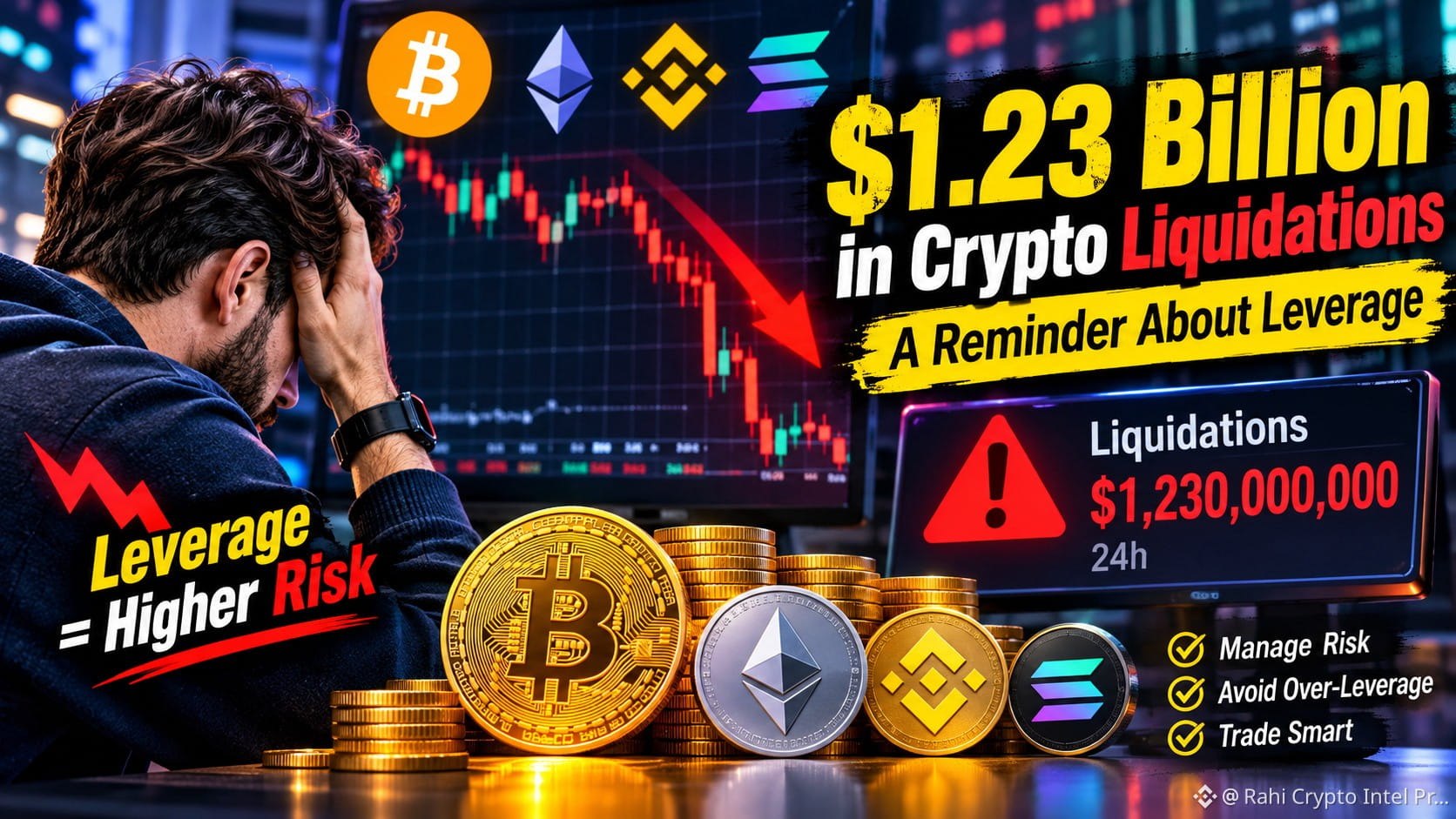
Crypto တွင် ဒေါ်လာ ၁.၂၃ ဘီလီယံဖိုး ရာထူးများ အတင်းအကျပ်ဖျက်သိမ်းခံရခြင်း — Leverage အသုံးပြုမှုအကြောင်း သတိပေးချက်
Crypto စျေးကွက်က Leverage အသုံးပြုသော ကုန်သည်များအတွက် နာကျင်စရာ သင်ခန်းစာတစ်ခုကို ထပ်မံပေးခဲ့သည်။
နိုဝင်ဘာ ၁၃ ရက်တွင် ၂၄ နာရီအတွင်း Crypto Futures ရာထူးများမှ ဒေါ်လာ ၁.၂၃ ဘီလီယံခန့် အတင်းအကျပ်ဖျက်သိမ်းခံခဲ့ရသည်။
အတင်းအကျပ်ဖျက်သိမ်းမှုတွေ ဘာကြောင့် ဒီလောက်မြန်မြန် တိုးလာတာလဲ။
ကုန်သည်များက Leverage မြင့်မြင့်အသုံးပြုသောအခါ စျေးနှုန်းအနည်းငယ်သာ ရွေ့လျားသော်လည်း ၎င်းတို့၏ ရာထူးများသည် လိုအပ်သော အာမခံပမာဏအဆင့်အောက်သို့ ကျဆင်းသွားနိုင်သည်။
အတင်းအကျပ်ဖျက်သိမ်းရမည့် အဆင့်သို့ ရောက်သည်နှင့် Exchange များက ရာထူးများကို အလိုအလျောက် ပိတ်သိမ်းကြသည်။
ဒါက ကွင်းဆက်တုံ့ပြန်မှုကို ဖြစ်စေနိုင်သည်။
စျေးနှုန်းများသည် Leverage အသုံးပြုသော ကုန်သည်များကို ဆန့်ကျင်ဘက်သို့ ရွေ့လျားသည်။
ရာထူးများ အတင်းအကျပ်ဖျက်သိမ်းခံရသည်။
အတင်းအကျပ် ဝယ်ယူခြင်း သို့မဟုတ် ရောင်းချခြင်းက ဖိအားကို ပိုမိုတိုးစေသည်။
စျေးကွက်တစ်ခုလုံးတွင် စျေးနှုန်းအတက်အကျ ပိုမိုပြင်းထန်လာသည်။
ဒါကြောင့် စျေးကွက်ရဲ့ လှုပ်ရှားမှုတိုင်းကို ခန့်မှန်းဖို့ ကြိုးစားခြင်းထက် အန္တရာယ်စီမံခန့်ခွဲမှုက ပိုအရေးကြီးပါတယ်။
Leverage မြင့်မြင့်သုံးခြင်းက အမြတ်ကို တိုးစေနိုင်ပေမယ့် ကုန်သွယ်ရေးအရင်းအနှီးကိုလည်း အလွန်လျင်မြန်စွာ ဆုံးရှုံးစေနိုင်ပါတယ်။
စျေးကွက်အတက်အကျ ပြင်းထန်နေချိန်မှာ Spot Trading နဲ့ Futures Trading ထဲက ဘယ်ဟာကို ပိုနှစ်သက်ပါသလဲ။
Rahi Crypto Intel Pro
$INJ
{future}(INJUSDT)
$UVXYB
{future}(UVXYUSDT)
$SKDDB
{future}(SKDDUSDT)
Crypto တွင် ဒေါ်လာ ၁.၂၃ ဘီလီယံဖိုး ရာထူးများ အတင်းအကျပ်ဖျက်သိမ်းခံရခြင်း — Leverage အသုံးပြုမှုအကြောင်း သတိပေးချက်
Crypto စျေးကွက်က Leverage အသုံးပြုသော ကုန်သည်များအတွက် နာကျင်စရာ သင်ခန်းစာတစ်ခုကို ထပ်မံပေးခဲ့သည်။
နိုဝင်ဘာ ၁၃ ရက်တွင် ၂၄ နာရီအတွင်း Crypto Futures ရာထူးများမှ ဒေါ်လာ ၁.၂၃ ဘီလီယံခန့် အတင်းအကျပ်ဖျက်သိမ်းခံခဲ့ရသည်။
အတင်းအကျပ်ဖျက်သိမ်းမှုတွေ ဘာကြောင့် ဒီလောက်မြန်မြန် တိုးလာတာလဲ။
ကုန်သည်များက Leverage မြင့်မြင့်အသုံးပြုသောအခါ စျေးနှုန်းအနည်းငယ်သာ ရွေ့လျားသော်လည်း ၎င်းတို့၏ ရာထူးများသည် လိုအပ်သော အာမခံပမာဏအဆင့်အောက်သို့ ကျဆင်းသွားနိုင်သည်။
အတင်းအကျပ်ဖျက်သိမ်းရမည့် အဆင့်သို့ ရောက်သည်နှင့် Exchange များက ရာထူးများကို အလိုအလျောက် ပိတ်သိမ်းကြသည်။
ဒါက ကွင်းဆက်တုံ့ပြန်မှုကို ဖြစ်စေနိုင်သည်။
စျေးနှုန်းများသည် Leverage အသုံးပြုသော ကုန်သည်များကို ဆန့်ကျင်ဘက်သို့ ရွေ့လျားသည်။
ရာထူးများ အတင်းအကျပ်ဖျက်သိမ်းခံရသည်။
အတင်းအကျပ် ဝယ်ယူခြင်း သို့မဟုတ် ရောင်းချခြင်းက ဖိအားကို ပိုမိုတိုးစေသည်။
စျေးကွက်တစ်ခုလုံးတွင် စျေးနှုန်းအတက်အကျ ပိုမိုပြင်းထန်လာသည်။
ဒါကြောင့် စျေးကွက်ရဲ့ လှုပ်ရှားမှုတိုင်းကို ခန့်မှန်းဖို့ ကြိုးစားခြင်းထက် အန္တရာယ်စီမံခန့်ခွဲမှုက ပိုအရေးကြီးပါတယ်။
Leverage မြင့်မြင့်သုံးခြင်းက အမြတ်ကို တိုးစေနိုင်ပေမယ့် ကုန်သွယ်ရေးအရင်းအနှီးကိုလည်း အလွန်လျင်မြန်စွာ ဆုံးရှုံးစေနိုင်ပါတယ်။
စျေးကွက်အတက်အကျ ပြင်းထန်နေချိန်မှာ Spot Trading နဲ့ Futures Trading ထဲက ဘယ်ဟာကို ပိုနှစ်သက်ပါသလဲ။
Rahi Crypto Intel Pro
$INJ
$UVXYB
$SKDDB
136
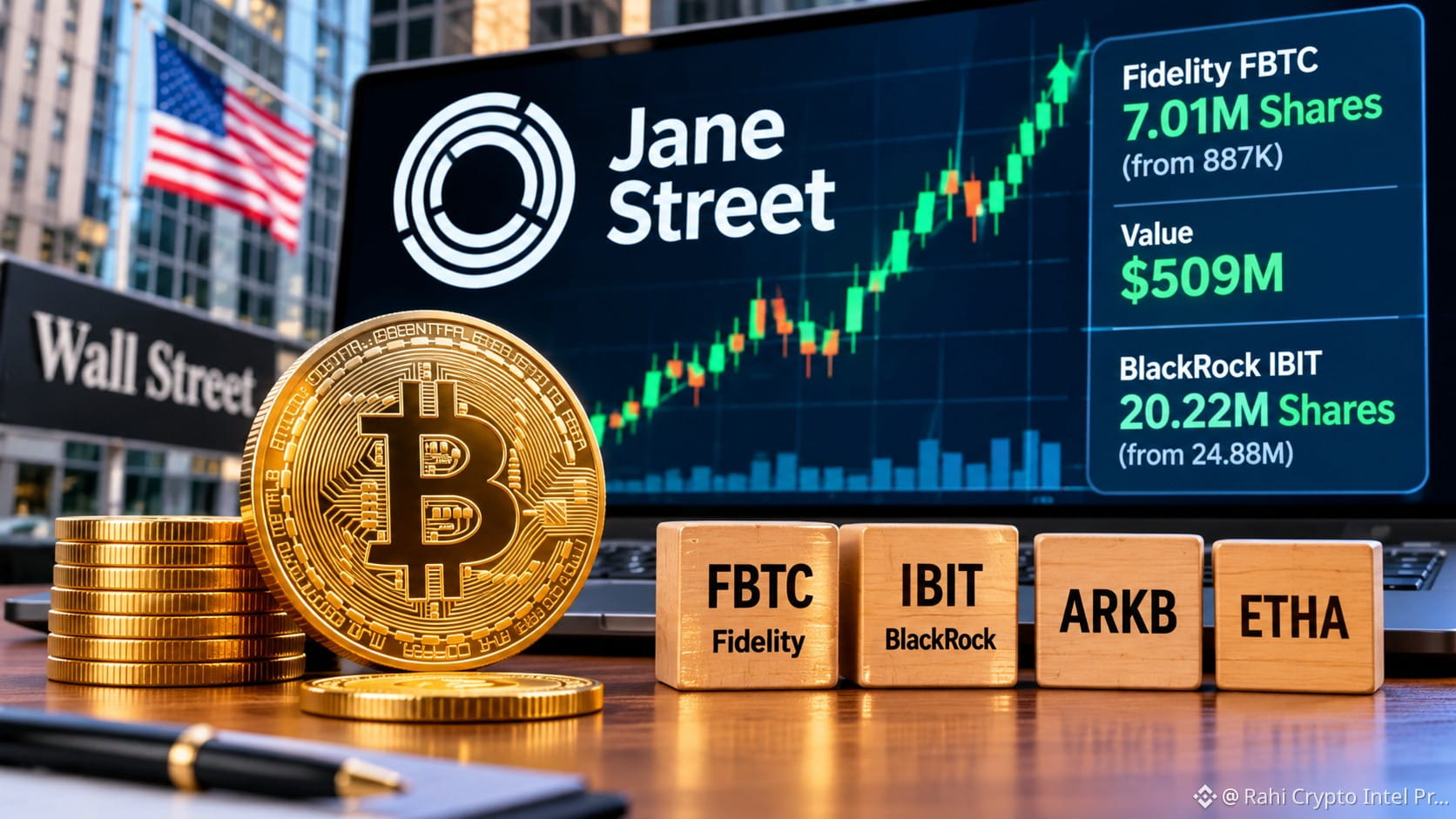
Jane Street က Bitcoin ETF များတွင် ကြီးမားသော ခြေလှမ်းတစ်ရပ် လှမ်းလိုက်သည်—၎င်း၏ နောက်ဆုံးတင်သွင်းချက်က ဖော်ပြနေသည်များ
အဖွဲ့အစည်းဆိုင်ရာ ရင်းနှီးမြှုပ်နှံသူများသည် Bitcoin ETF ဈေးကွက်တွင် ကြီးမားသော လှုပ်ရှားမှုများ ပြုလုပ်နေဆဲဖြစ်သည်။
Jane Street Group ၏ သုံးလတစ်ကြိမ် တင်သွင်းချက်အသစ်အရ Fidelity ၏ spot Bitcoin ETF တွင် ၎င်း၏ ရင်းနှီးမြှုပ်နှံထားမှု သိသိသာသာ တိုးလာကြောင်း သိရသည်။
၎င်း၏ 2026 ခုနှစ် Q3 ပိုင်ဆိုင်မှုဆိုင်ရာ ထုတ်ဖော်ချက်အရ—
စက်တင်ဘာလကုန်တွင် Jane Street သည် Fidelity ၏ FBTC ရှယ်ယာ ခန့်မှန်းခြေ 7.01 သန်းကို ပိုင်ဆိုင်ထားသည်။
ဇွန်လကုန်တွင် ပိုင်ဆိုင်ထားသည့် ခန့်မှန်းခြေ ရှယ်ယာ 887,000 မှ တိုးလာခြင်းဖြစ်သည်။
စက်တင်ဘာ 30 ရက်နေ့တွင် ထုတ်ဖော်ထားသော ရင်းနှီးမြှုပ်နှံမှုတန်ဖိုးမှာ ဒေါ်လာ 509 သန်းခန့် ရှိသည်။
သို့သော် စိတ်ဝင်စားစရာကောင်းသည့် အခြားအချက်တစ်ခုလည်း ရှိသည်။
Jane Street သည် BlackRock ၏ IBIT ETF ရှယ်ယာပမာဏကို ခန့်မှန်းခြေ 24.88 သန်းမှ 20.22 သန်းသို့ လျှော့ချခဲ့သည်။
ထို့အပြင် ARKB နှင့် ETHA အပါအဝင် အခြားသော crypto နှင့်ဆက်စပ်သည့် ETF များတွင်လည်း ရင်းနှီးမြှုပ်နှံမှုကို တိုးမြှင့်ခဲ့သည်။
ဒါက ဘာကြောင့် အရေးကြီးတာလဲ။
အဖွဲ့အစည်းဆိုင်ရာ ရင်းနှီးမြှုပ်နှံမှု လှုပ်ရှားမှုများက ဘဏ္ဍာရေးကုမ္ပဏီကြီးများသည် ဒစ်ဂျစ်တယ်ပိုင်ဆိုင်မှုဈေးကွက်တွင် မည်သို့ရပ်တည်နေကြသည်ကို နားလည်ရန် အခြားနည်းလမ်းတစ်ခု ပေးသည်။
သို့သော် အရေးကြီးသည့် ကွာခြားချက်တစ်ခု ရှိသည်။
သုံးလတစ်ကြိမ် တင်သွင်းသည့် 13F အစီရင်ခံစာသည် ယခင်က ပိုင်ဆိုင်ထားမှုများကို ဖော်ပြခြင်းဖြစ်ပြီး အချိန်နှင့်တစ်ပြေးညီ ဝယ်ယူလှုပ်ရှားမှုများကို မဖော်ပြပါ။ ဤကိန်းဂဏန်းများသည် စက်တင်ဘာ 30 ရက်နေ့ရှိ ပိုင်ဆိုင်မှုအခြေအနေကိုသာ ဖော်ပြခြင်းဖြစ်ပြီး ယနေ့ Jane Street ပိုင်ဆိုင်ထားသည့်အရာများနှင့် မတူနိုင်ပါ။
အဓိက ကောက်ချက်မှာ Bitcoin နှင့် Ethereum ETF များအပေါ် အဖွဲ့အစည်းဆိုင်ရာ ရင်းနှီးမြှုပ်နှံမှုများ ဆက်လက်ပြောင်းလဲနေခြင်းဖြစ်သည်။
Rahi Crypto Intel Pro
$BTC
{future}(BTCUSDT)
$ETH
{future}(ETHUSDT)
$BNB
{future}(BNBUSDT)
Jane Street က Bitcoin ETF များတွင် ကြီးမားသော ခြေလှမ်းတစ်ရပ် လှမ်းလိုက်သည်—၎င်း၏ နောက်ဆုံးတင်သွင်းချက်က ဖော်ပြနေသည်များ
အဖွဲ့အစည်းဆိုင်ရာ ရင်းနှီးမြှုပ်နှံသူများသည် Bitcoin ETF ဈေးကွက်တွင် ကြီးမားသော လှုပ်ရှားမှုများ ပြုလုပ်နေဆဲဖြစ်သည်။
Jane Street Group ၏ သုံးလတစ်ကြိမ် တင်သွင်းချက်အသစ်အရ Fidelity ၏ spot Bitcoin ETF တွင် ၎င်း၏ ရင်းနှီးမြှုပ်နှံထားမှု သိသိသာသာ တိုးလာကြောင်း သိရသည်။
၎င်း၏ 2026 ခုနှစ် Q3 ပိုင်ဆိုင်မှုဆိုင်ရာ ထုတ်ဖော်ချက်အရ—
စက်တင်ဘာလကုန်တွင် Jane Street သည် Fidelity ၏ FBTC ရှယ်ယာ ခန့်မှန်းခြေ 7.01 သန်းကို ပိုင်ဆိုင်ထားသည်။
ဇွန်လကုန်တွင် ပိုင်ဆိုင်ထားသည့် ခန့်မှန်းခြေ ရှယ်ယာ 887,000 မှ တိုးလာခြင်းဖြစ်သည်။
စက်တင်ဘာ 30 ရက်နေ့တွင် ထုတ်ဖော်ထားသော ရင်းနှီးမြှုပ်နှံမှုတန်ဖိုးမှာ ဒေါ်လာ 509 သန်းခန့် ရှိသည်။
သို့သော် စိတ်ဝင်စားစရာကောင်းသည့် အခြားအချက်တစ်ခုလည်း ရှိသည်။
Jane Street သည် BlackRock ၏ IBIT ETF ရှယ်ယာပမာဏကို ခန့်မှန်းခြေ 24.88 သန်းမှ 20.22 သန်းသို့ လျှော့ချခဲ့သည်။
ထို့အပြင် ARKB နှင့် ETHA အပါအဝင် အခြားသော crypto နှင့်ဆက်စပ်သည့် ETF များတွင်လည်း ရင်းနှီးမြှုပ်နှံမှုကို တိုးမြှင့်ခဲ့သည်။
ဒါက ဘာကြောင့် အရေးကြီးတာလဲ။
အဖွဲ့အစည်းဆိုင်ရာ ရင်းနှီးမြှုပ်နှံမှု လှုပ်ရှားမှုများက ဘဏ္ဍာရေးကုမ္ပဏီကြီးများသည် ဒစ်ဂျစ်တယ်ပိုင်ဆိုင်မှုဈေးကွက်တွင် မည်သို့ရပ်တည်နေကြသည်ကို နားလည်ရန် အခြားနည်းလမ်းတစ်ခု ပေးသည်။
သို့သော် အရေးကြီးသည့် ကွာခြားချက်တစ်ခု ရှိသည်။
သုံးလတစ်ကြိမ် တင်သွင်းသည့် 13F အစီရင်ခံစာသည် ယခင်က ပိုင်ဆိုင်ထားမှုများကို ဖော်ပြခြင်းဖြစ်ပြီး အချိန်နှင့်တစ်ပြေးညီ ဝယ်ယူလှုပ်ရှားမှုများကို မဖော်ပြပါ။ ဤကိန်းဂဏန်းများသည် စက်တင်ဘာ 30 ရက်နေ့ရှိ ပိုင်ဆိုင်မှုအခြေအနေကိုသာ ဖော်ပြခြင်းဖြစ်ပြီး ယနေ့ Jane Street ပိုင်ဆိုင်ထားသည့်အရာများနှင့် မတူနိုင်ပါ။
အဓိက ကောက်ချက်မှာ Bitcoin နှင့် Ethereum ETF များအပေါ် အဖွဲ့အစည်းဆိုင်ရာ ရင်းနှီးမြှုပ်နှံမှုများ ဆက်လက်ပြောင်းလဲနေခြင်းဖြစ်သည်။
Rahi Crypto Intel Pro
$BTC
$ETH
$BNB
IBITETF-၆.၁၄%
ARKBETF-၆.၂၃%
FBTCETF-၀.၈၇%
31
Log in to explore more content
Join global crypto users on Binance Square
⚡️ Get latest and useful information about crypto.
💬 Trusted by the world’s largest crypto exchange.
👍 Discover real insights from verified creators.
အီးမေးလ် / ဖုန်းနံပါတ်
ရေပန်းစားနေသော ခေါင်းစဉ်များ
A Packed Week of Earnings and Data Tests Markets
ကြည့်ရှုမှု 11,552 ကြိမ်
133 ဦး ဆွေးနွေးနေသည်
🚨🇺🇸 စျေးကွက်တွေအတွက် အရေးကြီးတဲ့ ရက်သတ္တပတ်တစ်ခု လာတော့မယ်!
ဒီဇင်ဘာလမှာ Fed က အတိုးနှုန်းမြှင့်မယ်လို့ စျေးကွက်က မျှော်မှန်းထားပြီး $BTC လာမယ့်အပတ်မှာ အပြောင်းအလဲကြီးတွေ ဖြစ်လာနိုင်ပါတယ်။
လာမယ့်အစီအစဉ်တွေကတော့—
• တနင်္လာနေ့: Fed ဥက္ကဋ္ဌ Warsh မိန့်ခွန်းပြောမည်
• အင်္ဂါနေ့: အမေရိကန် လက်လီရောင်းအား + $NVDA ဝင်ငွေအစီရင်ခံစာ
• ဗုဒ္ဓဟူးနေ့: FOMC အစည်းအဝေးမှတ်တမ်း
• ကြာသပတေးနေ့: အလုပ်လက်မဲ့ထောက်ပံ့ကြေး တောင်းခံမှုများ + Philadelphia Fed အညွှန်းကိန်း
• သောကြာနေ့: စားသုံးသူယုံကြည်မှု + Fed မိန့်ခွန်းများ
နောက်ထပ် အရေးကြီးတဲ့ ရက်သတ္တပတ်တစ်ခု စတင်လာပြီဖြစ်လို့ $BTC ကို အားလုံးက စောင့်ကြည့်နေကြပါတယ်။
#bitcoin
Mookie
·နှစ်သက်မှု 6 ခု
·ကြည့်ရှုမှု 3.3k ကြိမ်
AnthropicIPOTestsInvestorAppetiteForAI
ကြည့်ရှုမှု 7,912 ကြိမ်
248 ဦး ဆွေးနွေးနေသည်
HuangReportedlyConsidersReturnToNvidia
ကြည့်ရှုမှု 28,359 ကြိမ်
446 ဦး ဆွေးနွေးနေသည်