
Cåshtime265
127 ပို့စ်များ

Cåshtime265
တိုင်ကြားမည်
သုံးစွဲသူကို ဘလော့မည်
အမှန်တကယ်ရောင်းဝယ်နေ
Occasional Trader
3.8 နှစ်
39 ဖော်လိုလုပ်ထားသည်
13 ဖော်လိုလုပ်သူများ
12 လိုက်ခ်လုပ်ထားသည်
ပို့စ်များ
ပိုင်ဆိုင်မှုစာရင်း
အားလုံး
ဆိုဈေးများ
·
--
ဘာသာပြန်ဆိုချက် ကြည့်မည်
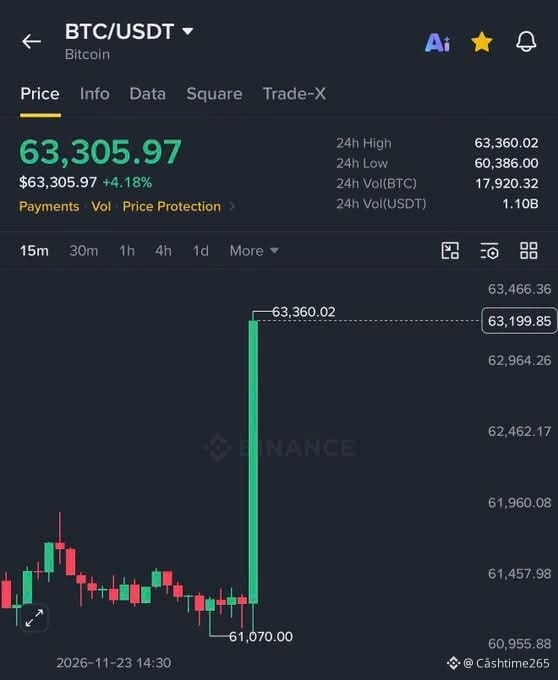
WHAT JUST HAPPENED?! Bitcoin ($BTC) surged $2,700 in just five minutes following reports that NVIDIA brought Jensen Huang back as CEO.
Crypto markets are reacting violently to the news. What a move!
WHAT JUST HAPPENED?! Bitcoin ($BTC) surged $2,700 in just five minutes following reports that NVIDIA brought Jensen Huang back as CEO.
Crypto markets are reacting violently to the news. What a move!
Crypto markets are reacting violently to the news. What a move!

137
·
--
ဘာသာပြန်ဆိုချက် ကြည့်မည်
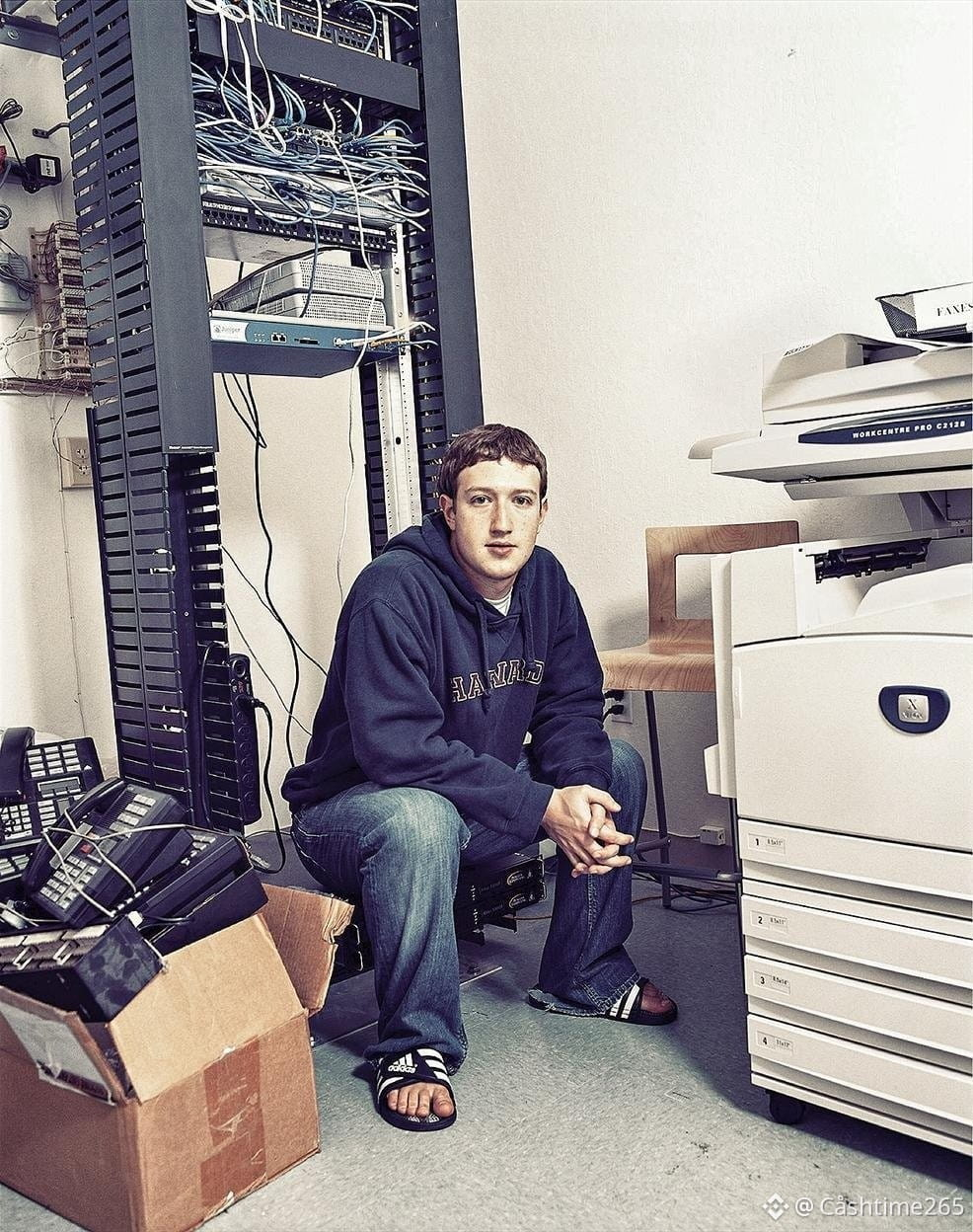
In 2006, Yahoo offered $1 billion to buy Facebook.
Mark Zuckerberg was just 22.
He said no.
Facebook was only two years old.
It was still mostly for college students, with about 8 or 9 million users.
It made about $30 million a year, but it wasn't making a profit.
Yahoo was one of the biggest companies on the internet.
And it wanted Facebook.
Facebook's board had just three people: Zuckerberg, Peter Thiel and Jim Breyer.
Thiel and Breyer both thought they should probably take the money.
But Zuckerberg had already made up his mind.
Here's how he started the meeting, as Thiel remembers it.
"This is kind of a formality, just a quick board meeting, it shouldn't take more than 10 minutes. We're obviously not going to sell here."
Thiel pushed back.
"A billion dollars is a lot of money."
Zuckerberg owned about 25% of the company.
That was about $250 million for a 22-year-old.
His answer:
"I don't know what I could do with the money. I'd just start another social networking site. I kind of like the one I already have."
Most of his team wanted to sell.
One of his closest advisers sat him down at 11 at night.
"Mark, if you don't sell the company, you are going to regret this decision for the rest of your life."
He still said no, and it cost him.
He later said the board even tried to fire him.
"Within 18 months, every single person on the management team left," he said.
Was he scared?
"Oh, yes," he said. "I was 22. I didn't have an exact plan of what was going to happen. It was incredibly scary."
But he kept building.
That September, Facebook opened up to anyone with an email address.
In October 2007, Microsoft put $240 million into Facebook, valuing it at $15 billion.
That's 15 times what Yahoo had offered.
And in 2008, Yahoo said no to Microsoft's $44.6 billion offer to buy Yahoo.
Thiel later called it "the most important moment" in Facebook's history.
Would you have taken $250 million at 22, or kept going?
3
·
--
ဘာသာပြန်ဆိုချက် ကြည့်မည်
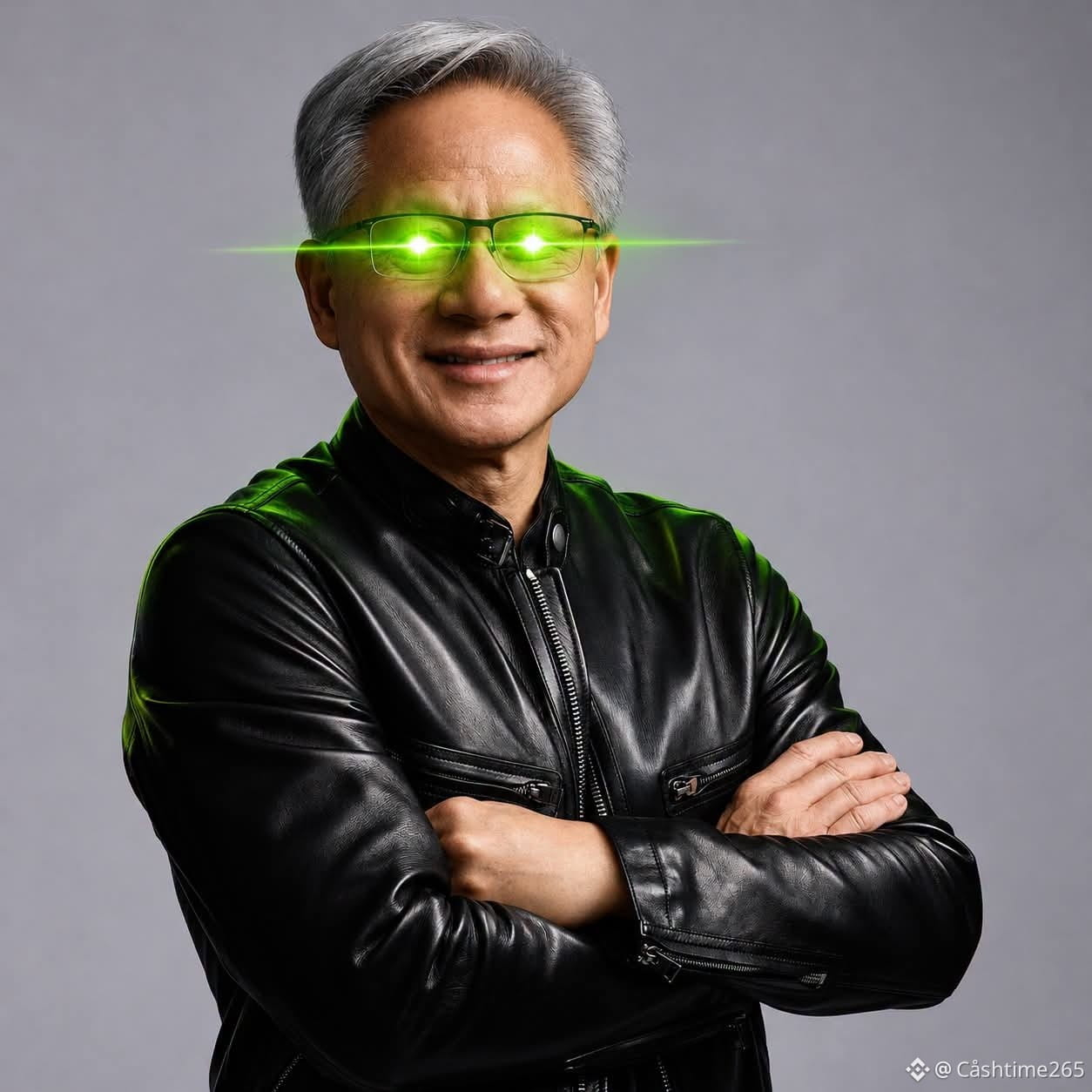
Jensen Huang just pulled off one of the fastest founder comebacks in corporate history.
> Steve Jobs took 12 years to return to Apple.
> Larry Page took 10 years to return to Google.
> Howard Schultz took 8 years to return to Starbucks.
> Jack Dorsey took 7 years to return to Twitter.
> Michael Dell took 3 years to return to Dell.
> Jensen Huang took 11 days to return to Nvidia.
Nov 12, he resigned as CEO.
Nov 17, the board said it "does not intend to reinstate" him.
Nov 23, the same board voted unanimously to bring him back.
$NVDA is up +26% premarket, adding roughly $790B. US stock market adds $3T in market cap following Huang's reinstatement.
Founders aren't easily replaced.
35
·
--
ဘာသာပြန်ဆိုချက် ကြည့်မည်
🚨BREAKING: SOLANA ETFS DEFY BROADER ETF OUTFLOWS — ATTRACTING $4.38M LAST WEEK AS OVER $2.1B LEFT BTC, ETH AND XRP ETFS!!!🚨
🚨BREAKING: SOLANA ETFS DEFY BROADER ETF OUTFLOWS — ATTRACTING $4.38M LAST WEEK AS OVER $2.1B LEFT BTC, ETH AND XRP ETFS!!!🚨
1
·
--
ဘာသာပြန်ဆိုချက် ကြည့်မည်
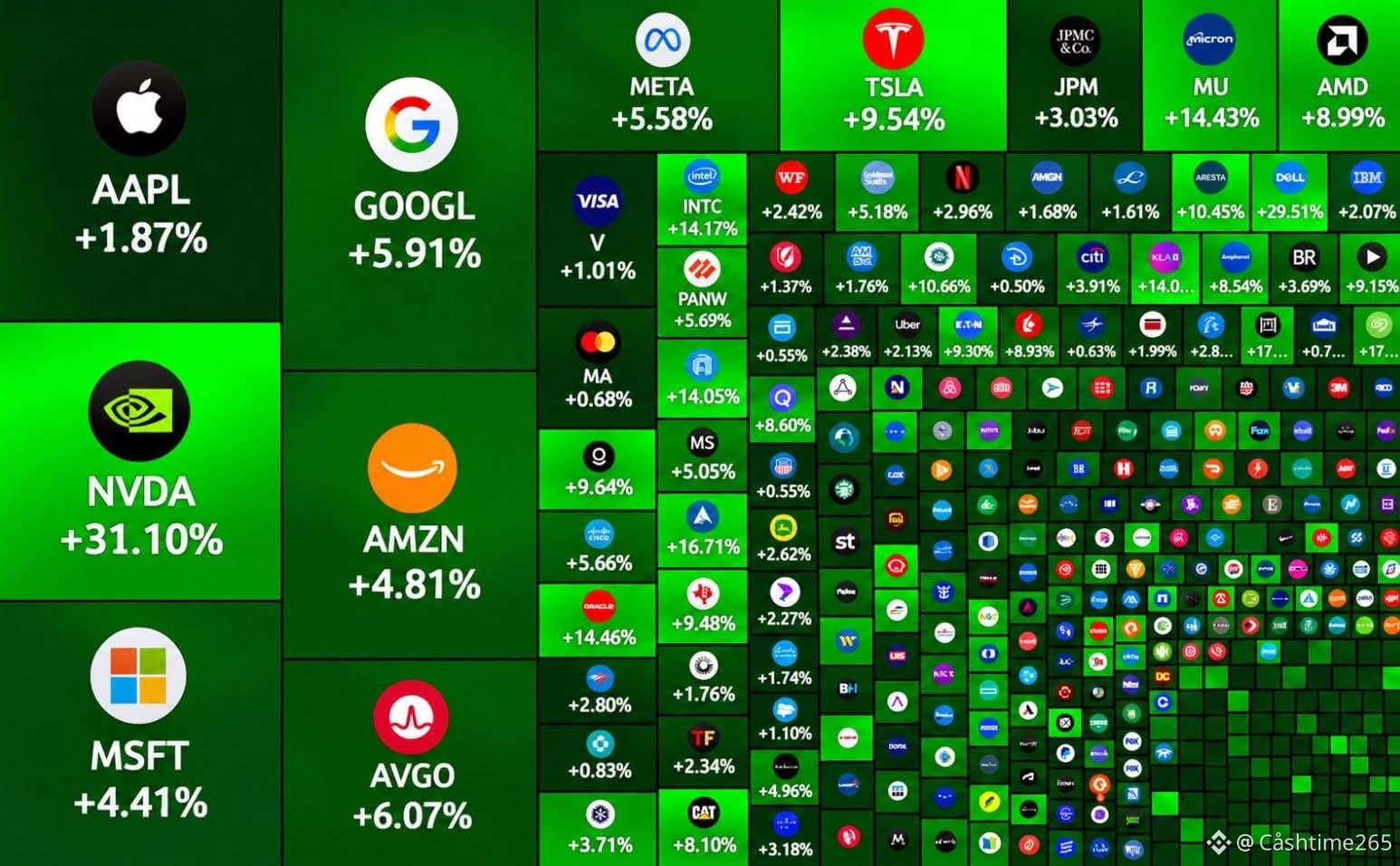
$3.5 trillion added to the US market at open.
$3.5 trillion added to the US market at open.
443
·
--
ဘာသာပြန်ဆိုချက် ကြည့်မည်
🇰🇷 LATEST: South Korea's top financial regulator plans to tighten oversight of crypto transfers to high-risk overseas exchanges and private wallets.
FSC Chairman Lee Eok-won says the move aims to curb money laundering.
🇰🇷 LATEST: South Korea's top financial regulator plans to tighten oversight of crypto transfers to high-risk overseas exchanges and private wallets.
FSC Chairman Lee Eok-won says the move aims to curb money laundering.
FSC Chairman Lee Eok-won says the move aims to curb money laundering.

1
1
21
·
--
ဘာသာပြန်ဆိုချက် ကြည့်မည်
🇰🇷 ALERT: South #Korea's #Samsung #Securities says a breach exposed the personal data of more than 8,000 clients, including names and home addresses, per Yonhap.
It's the latest #cyberattack on the country's #financial firms.
🇰🇷 ALERT: South #Korea's #Samsung #Securities says a breach exposed the personal data of more than 8,000 clients, including names and home addresses, per Yonhap.
It's the latest #cyberattack on the country's #financial firms.
It's the latest #cyberattack on the country's #financial firms.
·
--
42
·
--
ဘာသာပြန်ဆိုချက် ကြည့်မည်
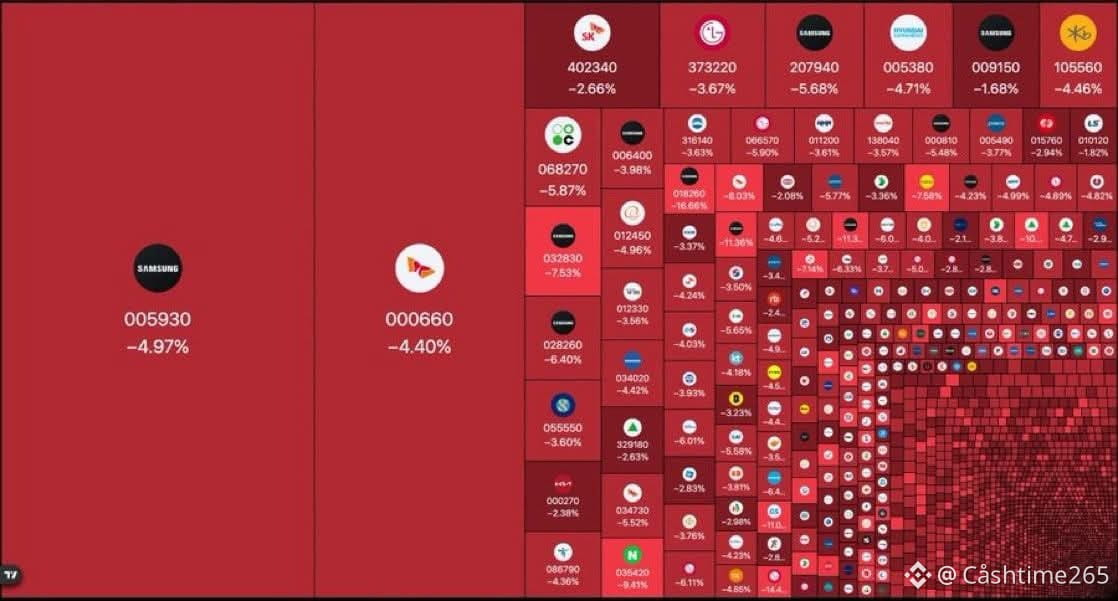
🚨BREAKING: ₩316,000,000,000,000 wiped out from South #Korean #stocks as the #KOSPI crashes to a 10-month low.
Program selling halted for 5 minutes after the index plunged 5%, despite emergency stabilization measures.
The KOSPI is now just 274 points (6.1%) away from turning negative for the year.
#crash #stockmarket #BreakingNews
Program selling halted for 5 minutes after the index plunged 5%, despite emergency stabilization measures.
The KOSPI is now just 274 points (6.1%) away from turning negative for the year.
#crash #stockmarket #BreakingNews
39
·
--
ဘာသာပြန်ဆိုချက် ကြည့်မည်
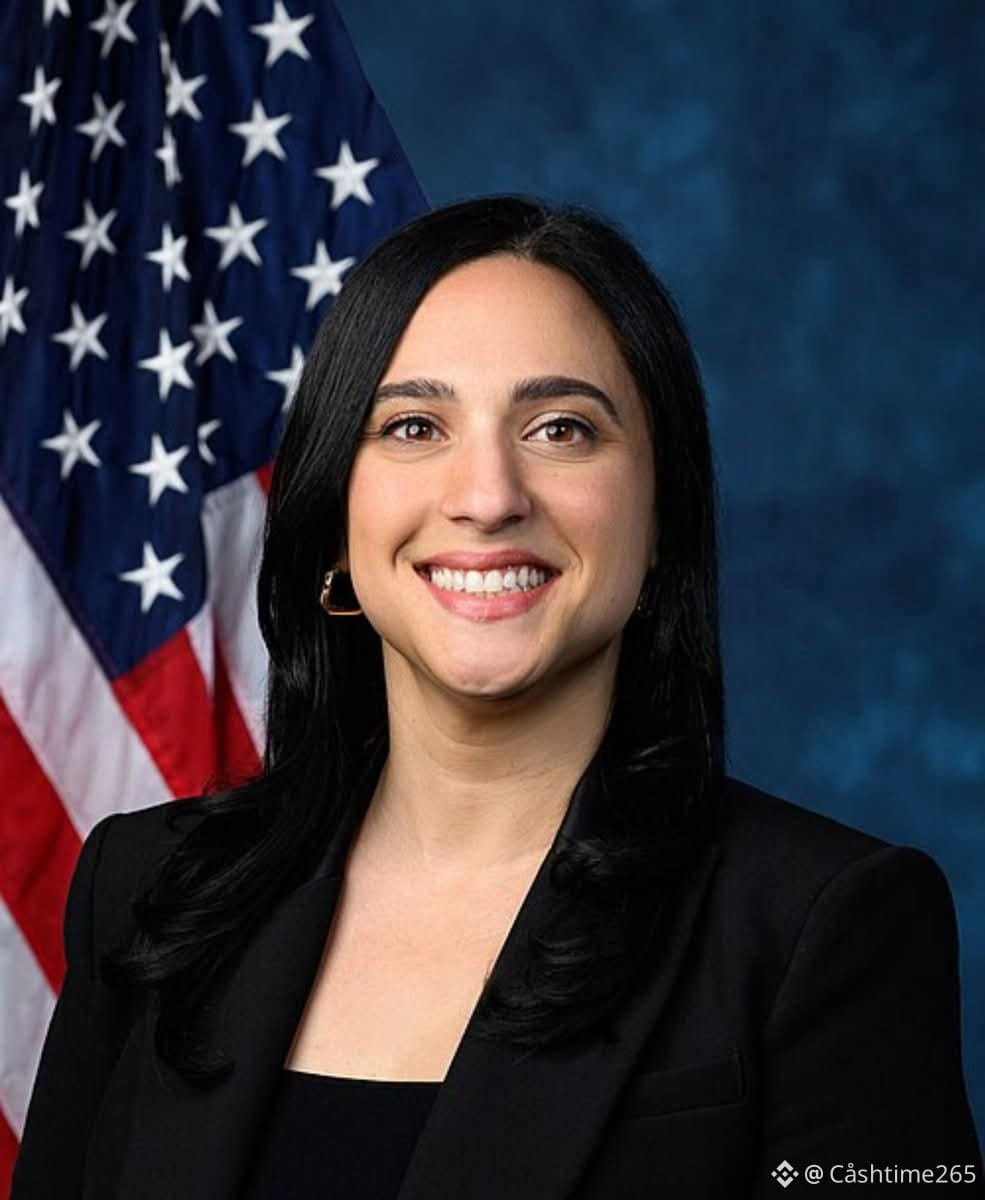
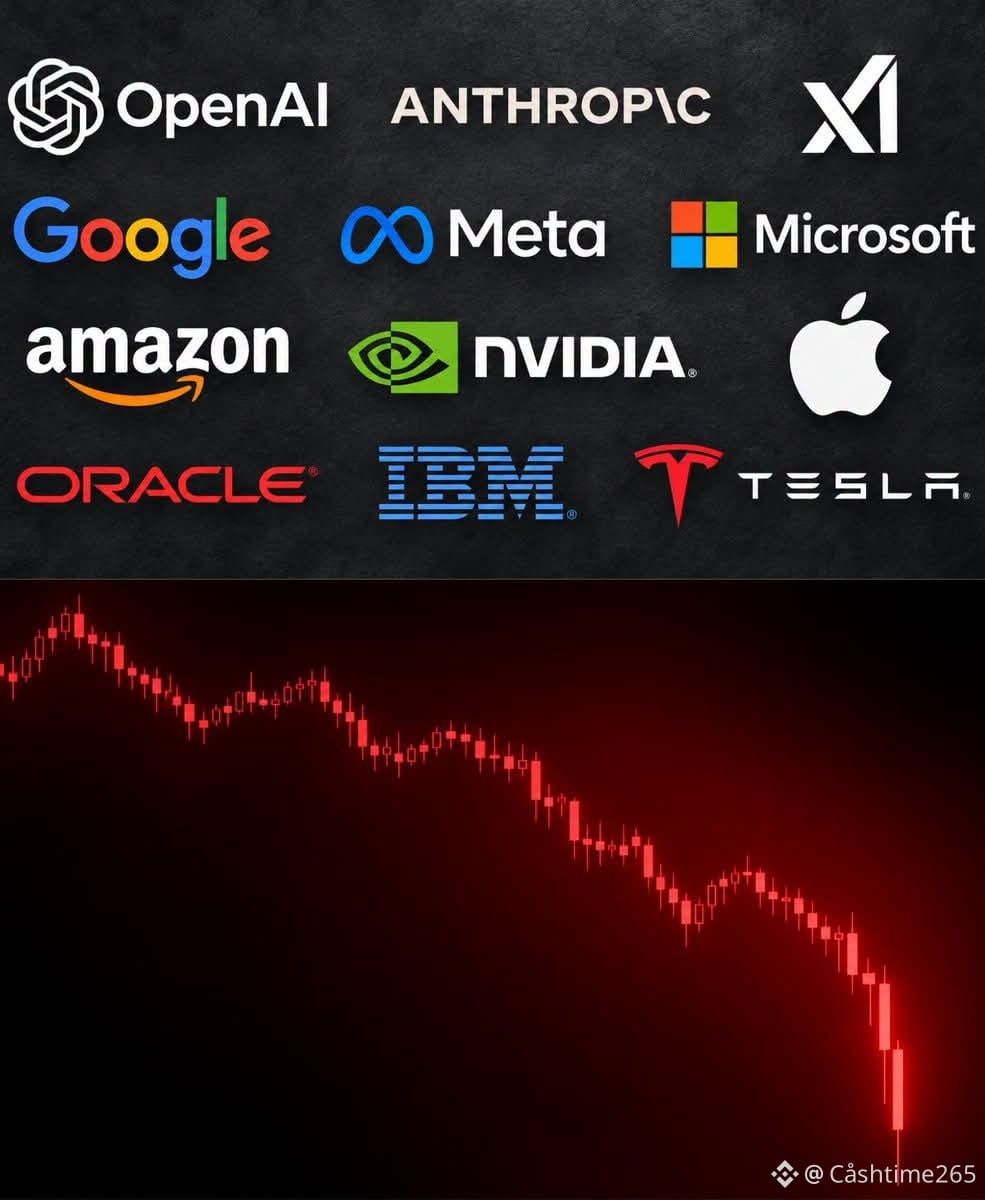
🚨 BREAKING: Congresswoman Yassamin Ansari says pausing advanced #AI development and banning superintelligence must be Congress's top priority and "can't wait until 2027."
Her warning comes as #Meta's Chief AI Officer warns that humanity may struggle to control AI systems 1,000 times more capable than humans....
sidenote : what's your take folks?
Her warning comes as #Meta's Chief AI Officer warns that humanity may struggle to control AI systems 1,000 times more capable than humans....
sidenote : what's your take folks?
36
·
--
ဘာသာပြန်ဆိုချက် ကြည့်မည်
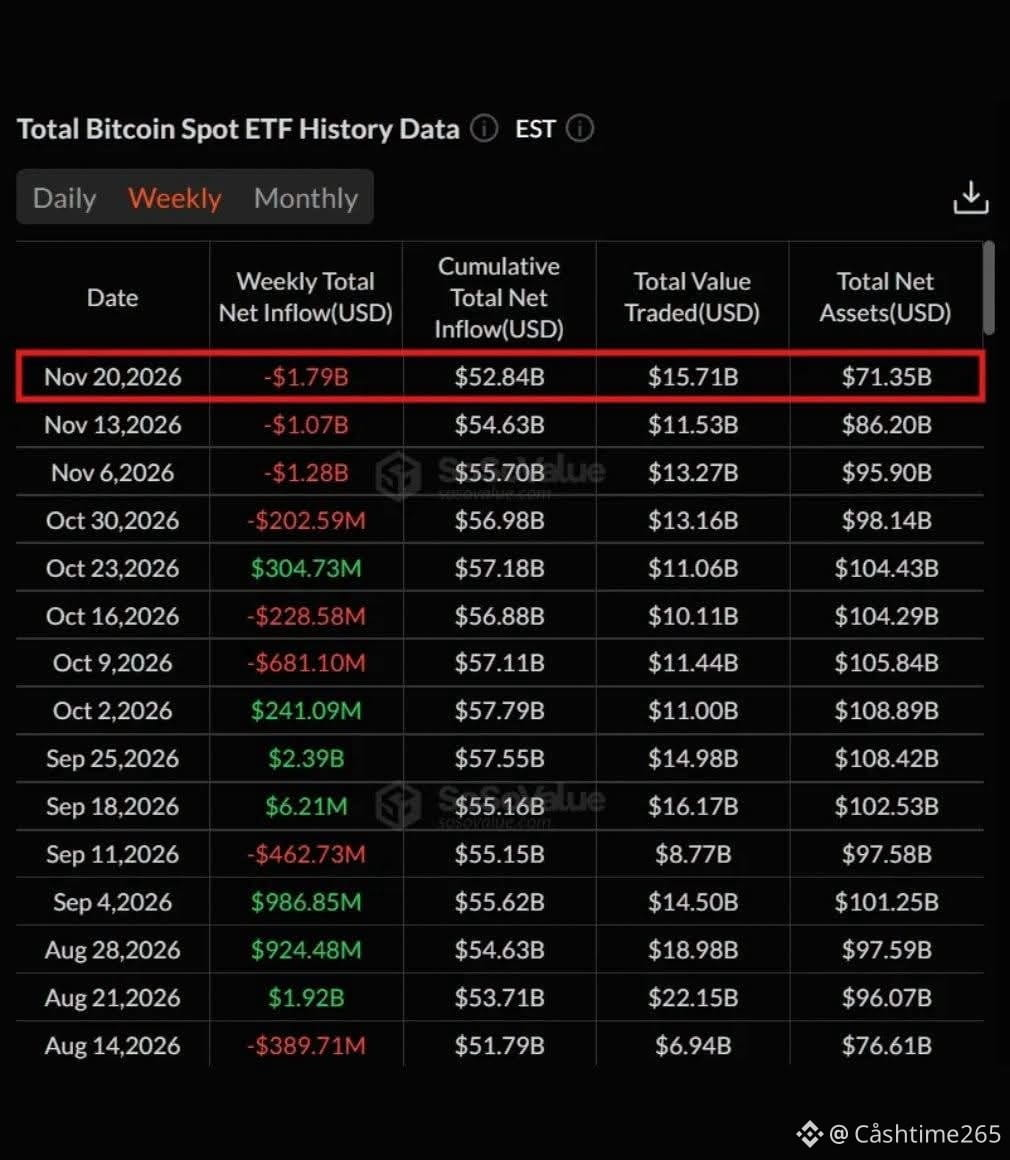
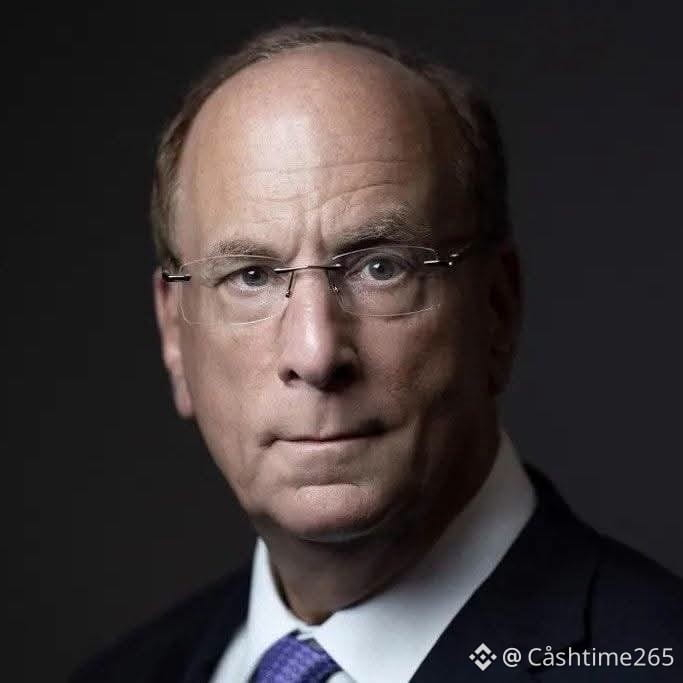
🚨BREAKING: BlackRock and other ETFs sold $1.79 Billion worth of Bitcoin last week.
Largest weekly outflow in 21 weeks.
🚨BREAKING: BlackRock and other ETFs sold $1.79 Billion worth of Bitcoin last week.
Largest weekly outflow in 21 weeks.
Largest weekly outflow in 21 weeks.
BTC+၁.၄၅%
BLKUS+၄.၅၆%
56
·
--
ဘာသာပြန်ဆိုချက် ကြည့်မည်
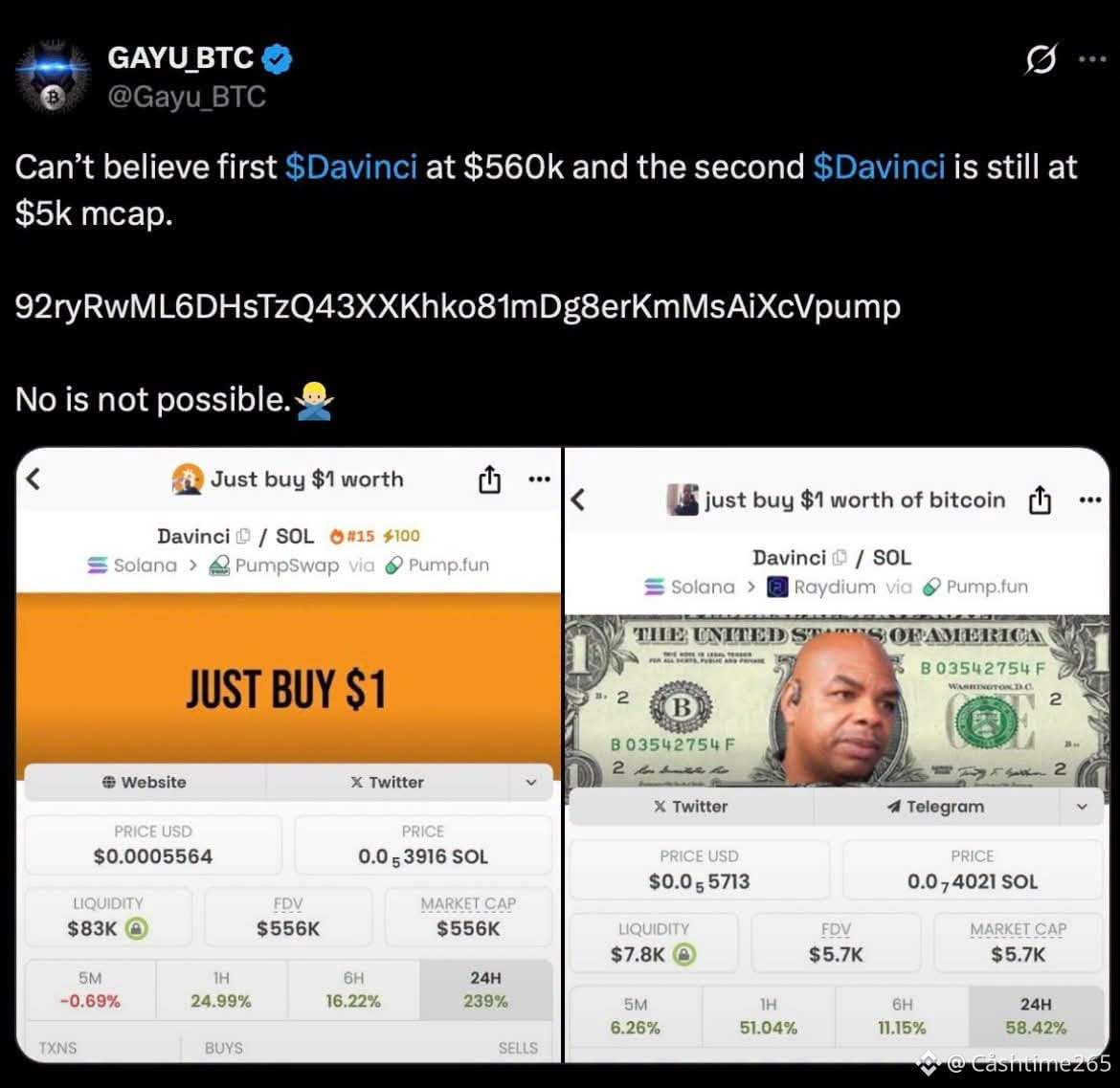
2/ Gayu BTC regularly posts meme coins to his 70K followers with contract addresses, appearing to share Alphas with his community.
However, a pattern emerged: every time he posted, prices would briefly pump then crash hard.
On November 27th, he posted: "Can't believe the first Da Vinci is at 10K market cap and the second one is still at 5K!" with the contract address.
This post became the breakthrough that exposed his operation.
69
·
--
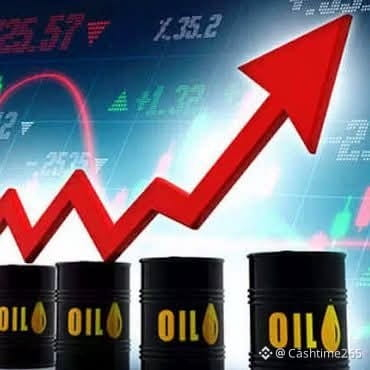
အရေးပေါ်သတင်း 🇭🇰🇳🇴🇮🇱: အီရန်နှင့် ယူကရိန်းစစ်ပွဲများကြောင့် ဟောင်ကောင်၊ နော်ဝေနှင့် အစ္စရေးတို့တွင် ပြင်းထန်သော စွမ်းအင်အကျပ်အတည်းနှင့် ရင်ဆိုင်နေရပြီး ဓာတ်ဆီနှင့် ဒီဇယ်ဈေးနှုန်းများသည် တစ်ဂါလံလျှင် ဒေါ်လာ ၁၈ အထိ မြင့်တက်လာသည်—အမေရိကန်၊ ဥရောပသမဂ္ဂနှင့် အာရှဒေသ၏ ကျန်နိုင်ငံများထက် များစွာပိုမိုမြင့်မားနေသည်။
- တစ်ချိန်တည်းမှာပင် အမေရိကန်နှင့် ဥရောပနိုင်ငံအချို့တွင် ဈေးနှုန်းများသည် တစ်ဂါလံလျှင် ဒေါ်လာ ၇ ဝန်းကျင်သာ ရှိနေဆဲဖြစ်သည် (၆၀% သက်သာသည်။)
- တစ်ချိန်တည်းမှာပင် အမေရိကန်နှင့် ဥရောပနိုင်ငံအချို့တွင် ဈေးနှုန်းများသည် တစ်ဂါလံလျှင် ဒေါ်လာ ၇ ဝန်းကျင်သာ ရှိနေဆဲဖြစ်သည် (၆၀% သက်သာသည်။)


2
304
·
--
🇷🇺 ယခုလေးတင် — ရုရှားကွန်မြူနစ်ပါတီ လွှတ်တော်အမတ်များက ရာဇဝတ်မှုများနှင့်ဆက်နွှယ်၍ သိမ်းဆည်းရမိသော ခရစ်ပတိုငွေကြေးများကို နိုင်ငံတော်၏ ရွှေနှင့် နိုင်ငံခြားငွေ အရန်ငွေများထဲသို့ ထည့်သွင်းရန် လိုလားနေကြပြီး၊ “နိုင်ငံတော်ဘဏ္ဍာတိုက်ဟာ လောင်းကစားလုပ်ဖို့ ပလက်ဖောင်းတစ်ခု မဟုတ်ဘူး” ဟု အခိုင်အမာ ပြောဆိုနေကြသည်။
🇷🇺 ယခုလေးတင် — ရုရှားကွန်မြူနစ်ပါတီ လွှတ်တော်အမတ်များက ရာဇဝတ်မှုများနှင့်ဆက်နွှယ်၍ သိမ်းဆည်းရမိသော ခရစ်ပတိုငွေကြေးများကို နိုင်ငံတော်၏ ရွှေနှင့် နိုင်ငံခြားငွေ အရန်ငွေများထဲသို့ ထည့်သွင်းရန် လိုလားနေကြပြီး၊ “နိုင်ငံတော်ဘဏ္ဍာတိုက်ဟာ လောင်းကစားလုပ်ဖို့ ပလက်ဖောင်းတစ်ခု မဟုတ်ဘူး” ဟု အခိုင်အမာ ပြောဆိုနေကြသည်။


29
·
--
စိတ်မပူပါနဲ့။ အခြေအနေတွေ စတင်နားလည်လာတဲ့အခါ တစ်လစာအမြတ်က နှစ်ပေါင်းများစွာရဲ့ အရှုံးတွေကို ကာမိပါလိမ့်မယ်။
ဆက်လုပ်ပါ။
စိတ်မပူပါနဲ့။ အခြေအနေတွေ စတင်နားလည်လာတဲ့အခါ တစ်လစာအမြတ်က နှစ်ပေါင်းများစွာရဲ့ အရှုံးတွေကို ကာမိပါလိမ့်မယ်။
ဆက်လုပ်ပါ။
ဆက်လုပ်ပါ။
54
·
--
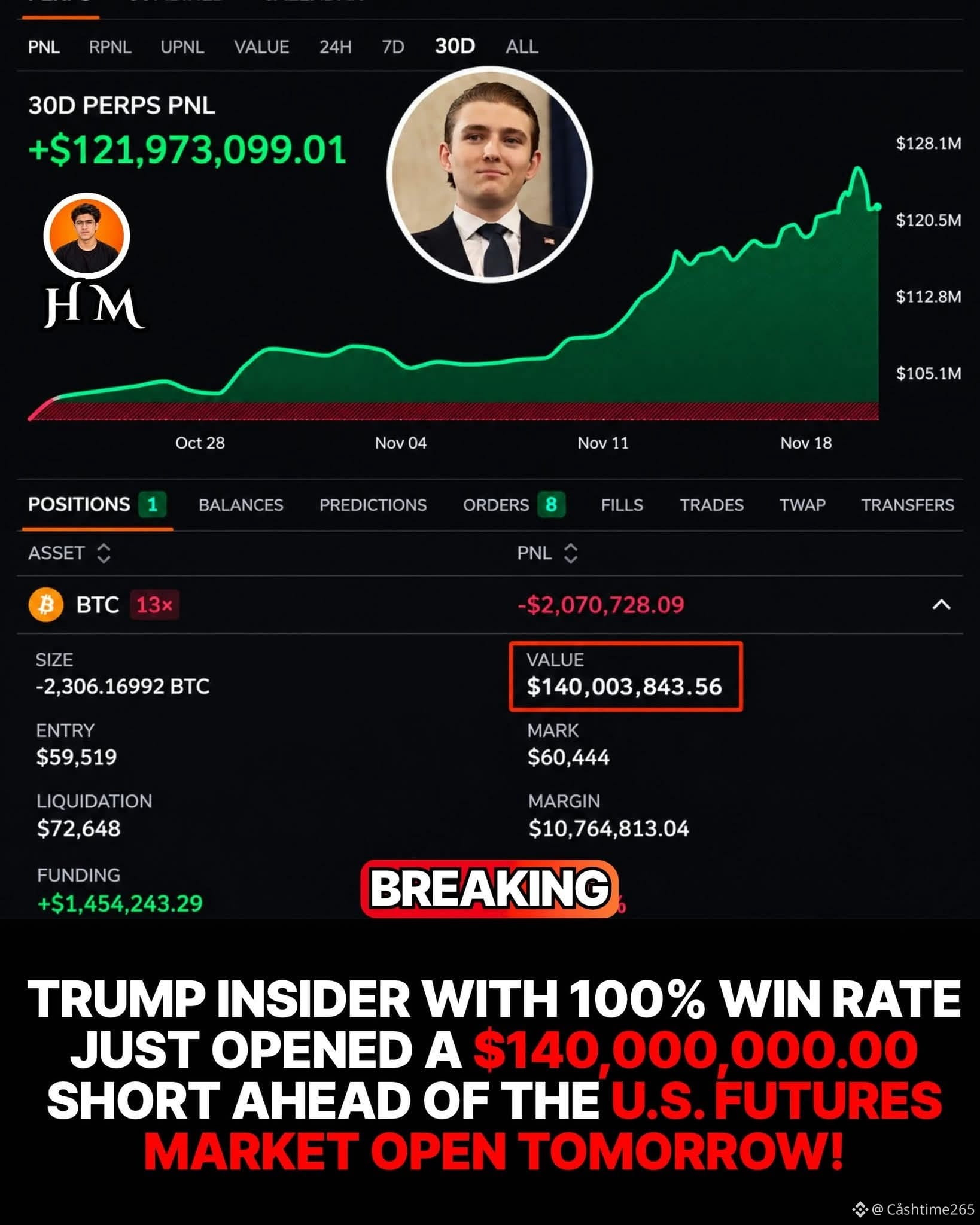
သတင်းထူး: အမေရိကန်ဈေးကွက် မဖွင့်မီ ဒေါ်လာ သန်း ၁၄၀ တန် ရှော့အနေအထား။ စိတ်ဝင်စားစရာကောင်းလာပြီ။
အွန်လိုင်းတွင် ထူးခြားလောက်အောင် အနိုင်ရခဲ့သည့် မှတ်တမ်းကြောင့် လူသိများသည်ဟု သတင်းထွက်နေသော ကုန်သည်တစ်ဦးသည် ကြီးမားသည့် ဈေးကျမည်ဟု လောင်းကြေးထပ်ထားသော အနေအထားတစ်ခုဖြင့် ပြန်ပေါ်လာသည်။
ပျံ့နှံ့နေသော ပို့စ်အရ၊ ထိုကုန်သည်သည် လာမည့် အမေရိကန်ဖျူးချားဈေးကွက် အရောင်းအဝယ်ကဏ္ဍ မစတင်မီ ဒေါ်လာ သန်း ၁၄၀ ခန့်တန်ဖိုးရှိသည်ဟု ဆိုသော ရှော့အနေအထားတစ်ခုကို ဖွင့်လှစ်ထားသည်။
ဤကိစ္စကို စိတ်ဝင်စားစရာဖြစ်စေသည်မှာ ထိုအကောင့်နှင့် ဆက်စပ်နေသည်ဟု ဆိုသော အနိုင်ရမှတ်တမ်းဖြစ်သည်။
အွန်လိုင်းကုန်သည်များက ဤပုဂ္ဂိုလ်သည် ၂၀၂၄ ခုနှစ်မှစ၍ ဈေးကွက်အကြီးအကျယ်ကျဆင်းမှုများစွာကို ကြိုတင်ခန့်မှန်းနိုင်ခဲ့သည်ဟု ဆိုကြပြီး၊ အချို့က ထိုအကောင့်ကို “အနိုင်ရနှုန်း ၁၀၀% ရှိသော” ကုန်သည်ဟုပင် ခေါ်ဆိုကြသည်။
ထိုပြောဆိုချက်ကို အတည်မပြုရသေးသလို၊ အဆိုပါအနေအထား၏ နောက်ကွယ်မှသူ၏ အထောက်အထားကိုလည်း သီးခြားအတည်ပြုနိုင်ခြင်း မရှိသေးပါ။
သို့သော် ဤမျှကြီးမားသော အနေအထားတစ်ခုက သဘာဝအတိုင်း အာရုံစိုက်မှုကို ဆွဲဆောင်သည်။
တစ်စုံတစ်ယောက်က ဈေးကျမည်ဟု လောင်းကြေးထပ်ထားသည့် အရောင်းအဝယ်တစ်ခုတွင် ဒေါ်လာ သန်း ၁၄၀ ရင်းနှီးထားသောအခါ ဈေးကွက်က မေးခွန်းများ စတင်မေးလာသည်။
သူတို့ ဘာကို မြင်နေကြသလဲ။
ရှိပြီးသား ရင်းနှီးမြှုပ်နှံမှုအန္တရာယ်ကို လျှော့ချရန် အကာအကွယ်ယူနေခြင်းလား။
မက်ခရိုစီးပွားရေးဆိုင်ရာ အကြောင်းရင်းတစ်ခု၊ ငွေဖြစ်လွယ်မှုပြဿနာတစ်ခုကို ကြိုမျှော်နေခြင်းလား၊ ဒါမှမဟုတ် အချိန်ကြာမြင့်စွာ ဈေးတက်လာပြီးနောက် ကာလတို ပြန်လည်ပြင်ဆင်ကျဆင်းမှုတစ်ခု ဖြစ်မည်ဟု မျှော်လင့်နေခြင်းလား။
သေချာသည်မှာ ကြီးမားသော ရှော့အနေအထားတစ်ခု ရှိရုံဖြင့် ဈေးကွက်ကျဆင်းမည်ဟု အာမခံမပေးနိုင်ပါ။
အတွေ့အကြုံရှိသော ကုန်သည်များပင် မှားနိုင်ပြီး၊ အနေအထားများကိုလည်း အများပြည်သူမသိဘဲ ပိတ်သိမ်းခြင်း၊ အကာအကွယ်ယူခြင်း သို့မဟုတ် ပြောင်းလဲခြင်းများ ပြုလုပ်နိုင်သည်။
သို့သော် အမေရိကန်ဖျူးချားဈေးကွက် မဖွင့်မီ ယခုလို အချိန်ကိုက်ဖြစ်နေသောကြောင့် ဤကိစ္စကို စောင့်ကြည့်သင့်သည်။
အခြားသူတစ်ဦး၏ အနေအထားကို မျက်စိမှိတ်လိုက်ခြင်းထက် အရောင်းအဝယ်စတင်သည့်အခါ ဈေးကွက်က တကယ်ဘာလုပ်မည်ကို ကျွန်ုပ် ပိုစိတ်ဝင်စားသည်။
ငွေအင်အားကြီးသူများ၏ လုပ်ဆောင်ချက်က အရိပ်အမြွက်ပေးနိုင်သည်။ ဈေးနှုန်းလှုပ်ရှားမှုကသာ အတည်ပြုချက်ကို ပေးနေဆဲဖြစ်သည်။
128
·
--
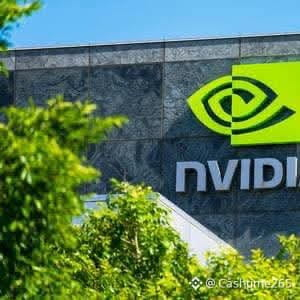
🚨ယခုလေးတင်: Financial Times ၏ ဖော်ပြချက်အရ Alice Huang သည် Nvidia ၏ $NVDA AI ချစ်ပ်များကို တရုတ်နိုင်ငံသို့ မှောင်ခိုတင်သွင်းသည်ဟု စွပ်စွဲခံထားရသော ကမ္ဘောဒီးယား ရာဇဝတ်ဂိုဏ်းတစ်ခုနှင့် ဆက်နွှယ်မှုရှိကြောင်း သတင်းထွက်ပေါ်နေသည်။
FT ၏ စုံစမ်းစစ်ဆေးမှုတွင် Huang သည် Jensen Huang ၏ နုတ်ထွက်မှုနှင့် ဆက်စပ်နေသော Megaspeed ၏ အမှုဆောင်ဟောင်းဖြစ်ပြီး၊ တရုတ်ဂိမ်းကုမ္ပဏီများ၊ အခွံကုမ္ပဏီများနှင့် ချစ်ပ်မှောင်ခိုကူးသူဟု သံသယရှိသူများပါဝင်သည့် ကွန်ရက်တစ်ခုနှင့် ဆက်စပ်နေကြောင်း ဖော်ပြထားသည်။
ကန့်သတ်ထားသော Nvidia ချစ်ပ်များသည် အရှေ့တောင်အာရှရှိ ကြားခံများမှတစ်ဆင့် တရုတ်ဒေတာစင်တာများသို့ ရောက်ရှိသွားခဲ့သည်ဟု စွပ်စွဲထားသည်။
Nvidia က Megaspeed ကို ပိတ်ပင်လိုက်ပြီး စုံစမ်းစစ်ဆေးမှုတွင် ပါဝင်ပတ်သက်နေသော အခြားပေးသွင်းသူတစ်ဦးထံ ရောင်းချမှုများကိုလည်း ကန့်သတ်လိုက်ပြီဖြစ်ကြောင်း ပြောကြားသည်။

74
·
--
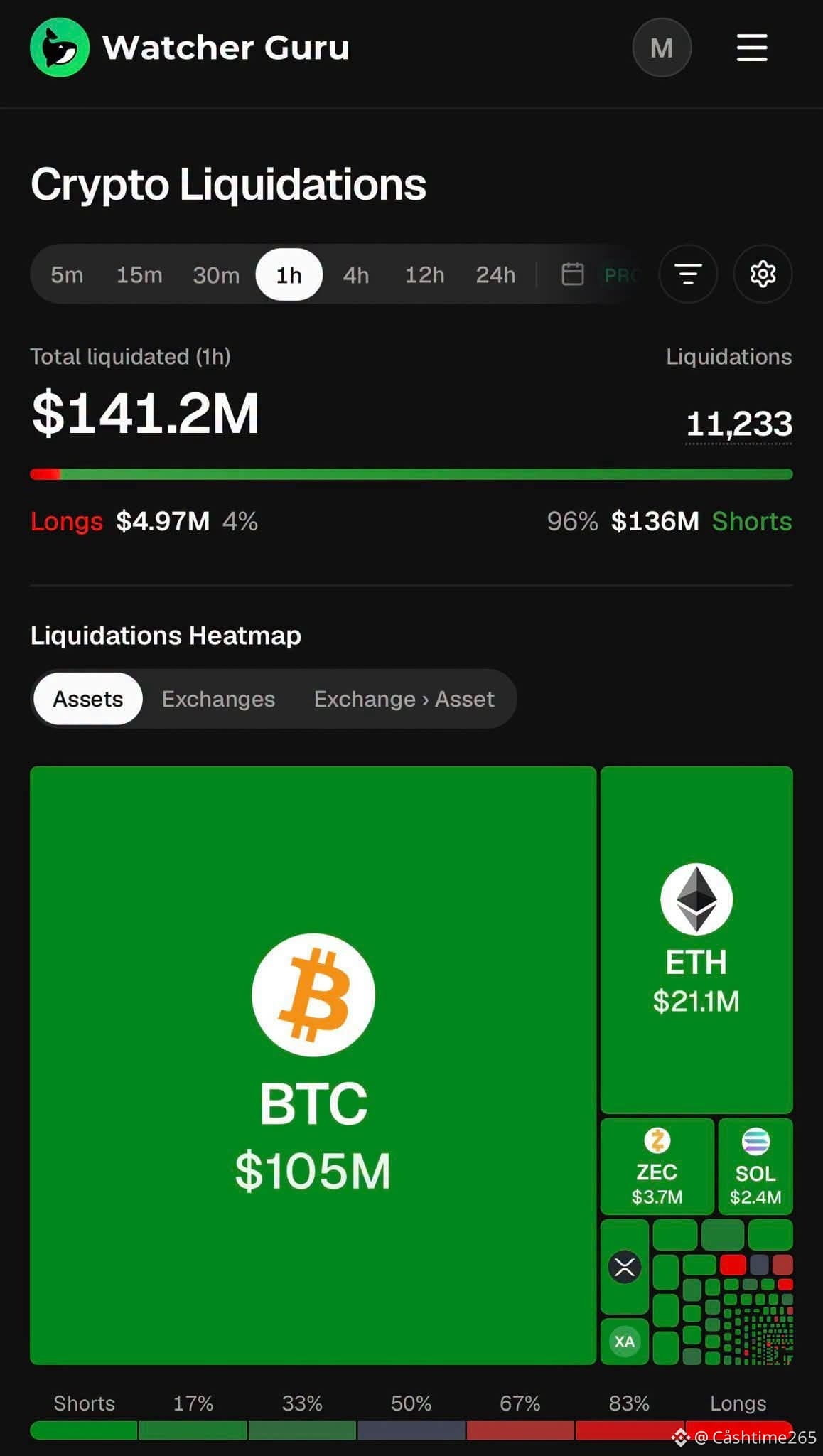
🔥အပ်ဒိတ်: ပြီးခဲ့သည့် ၃ နာရီအတွင်း ခရစ်ပတိုဈေးကွက်မှ ဒေါ်လာ ၁၃၆,၀၀၀,၀၀၀ တန်ဖိုးရှိသော short position များကို ဖျက်သိမ်းခဲ့သည်။
🔥အပ်ဒိတ်: ပြီးခဲ့သည့် ၃ နာရီအတွင်း ခရစ်ပတိုဈေးကွက်မှ ဒေါ်လာ ၁၃၆,၀၀၀,၀၀၀ တန်ဖိုးရှိသော short position များကို ဖျက်သိမ်းခဲ့သည်။
1
·
--
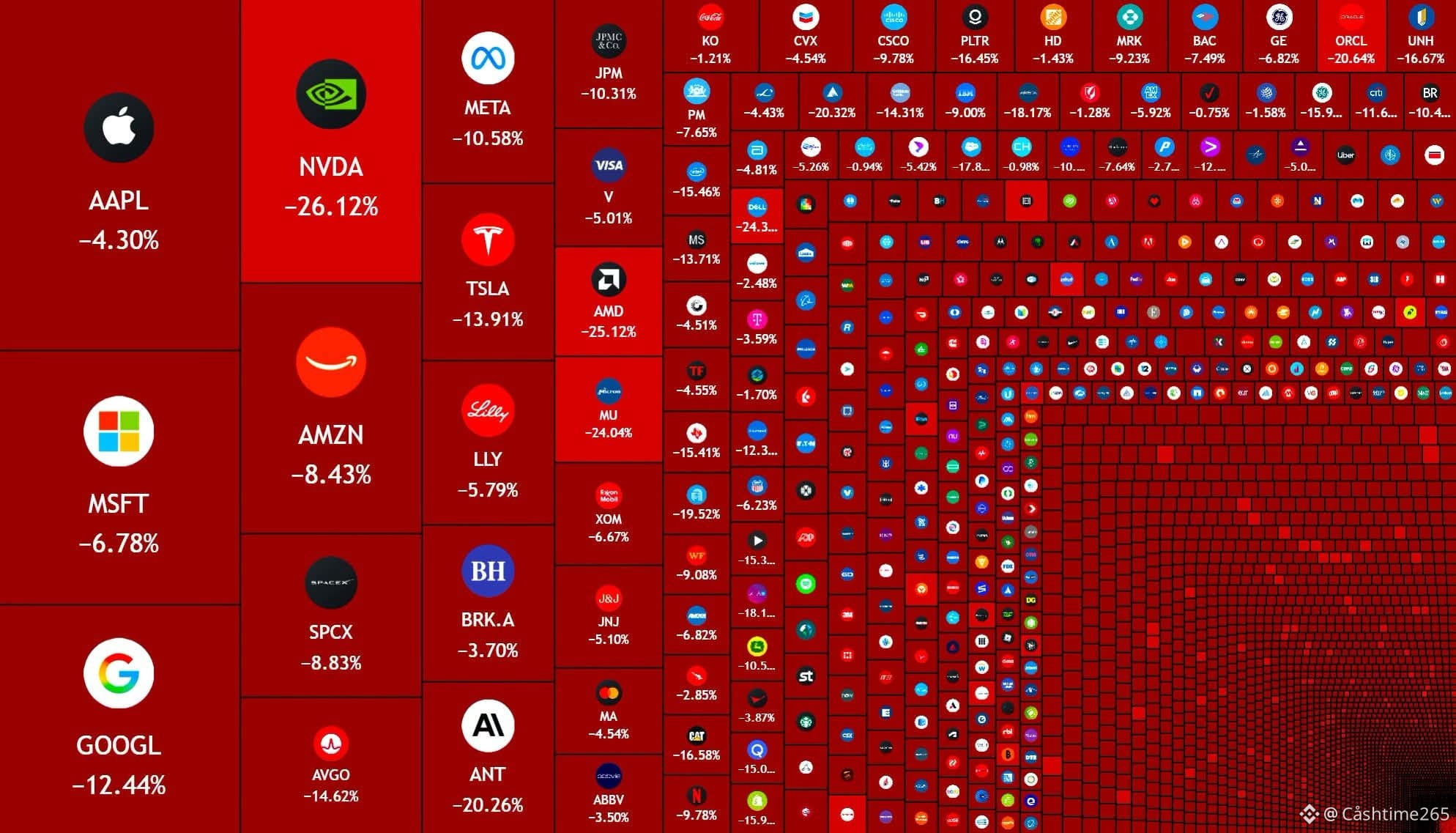
🚨 AI အပေါ် စိုးရိမ်မှုများကြောင့် ယခုအပတ် အမေရိကန် စတော့ဈေးကွက်မှ ဒေါ်လာ $6,200,000,000,000 ကျော် ဆုံးရှုံးခဲ့သည်။
S&P 500: -8.61%
Nasdaq Composite: -10.02%
🚨 AI အပေါ် စိုးရိမ်မှုများကြောင့် ယခုအပတ် အမေရိကန် စတော့ဈေးကွက်မှ ဒေါ်လာ $6,200,000,000,000 ကျော် ဆုံးရှုံးခဲ့သည်။
S&P 500: -8.61%
Nasdaq Composite: -10.02%
S&P 500: -8.61%
Nasdaq Composite: -10.02%
314
·
--
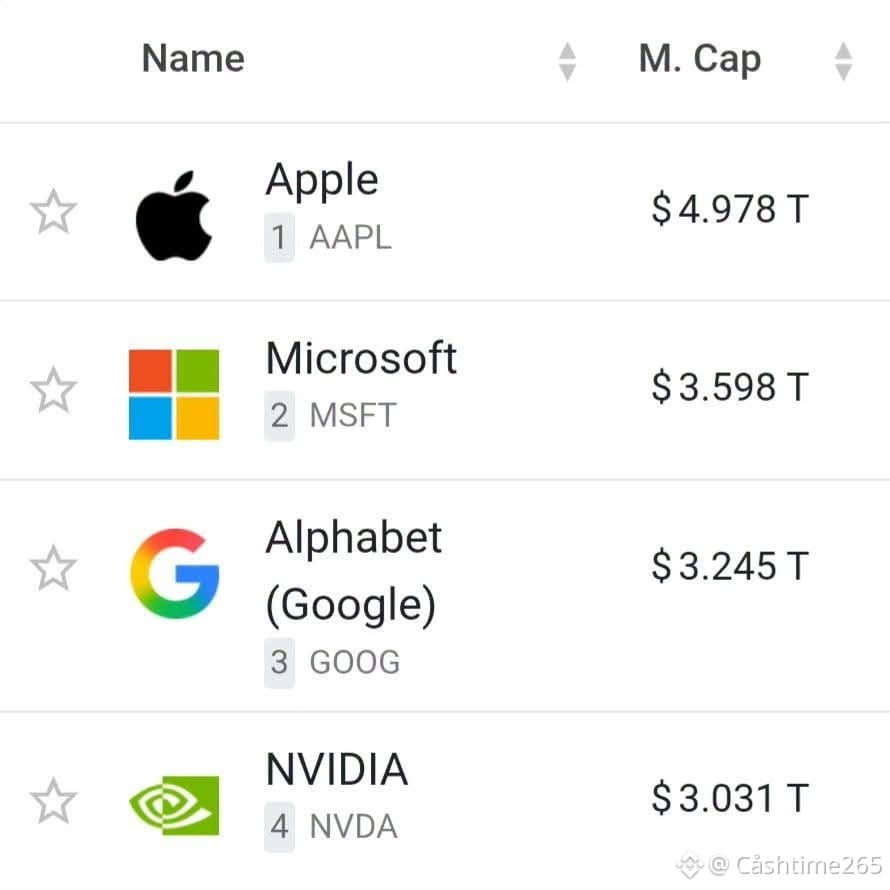
🚨 အံ့ဩစရာ: Nvidia သည် စျေးကွက်တန်ဖိုးအရ အဆင့်သတ်မှတ်ထားသော ထိပ်တန်းကုမ္ပဏီနေရာမှ တစ်လမပြည့်မီ အဆင့် ၄ သို့ ကျဆင်းသွားခဲ့သည်။
🚨 အံ့ဩစရာ: Nvidia သည် စျေးကွက်တန်ဖိုးအရ အဆင့်သတ်မှတ်ထားသော ထိပ်တန်းကုမ္ပဏီနေရာမှ တစ်လမပြည့်မီ အဆင့် ၄ သို့ ကျဆင်းသွားခဲ့သည်။
1
138
Log in to explore more content
Join global crypto users on Binance Square
⚡️ Get latest and useful information about crypto.
💬 Trusted by the world’s largest crypto exchange.
👍 Discover real insights from verified creators.
အီးမေးလ် / ဖုန်းနံပါတ်
ရေပန်းစားနေသော ခေါင်းစဉ်များ
NVIDIAReinstatesJensenHuangasCEO
ကြည့်ရှုမှု 30,585 ကြိမ်
603 ဦး ဆွေးနွေးနေသည်
TradFi သတင်း | Nvidia ဘုတ်အဖွဲ့က Jensen Huang ကို CEO အဖြစ် တညီတညွတ်တည်း ပြန်လည်ခန့်အပ်၊ ကြိုတင်ဈေးကွက်တွင် ရှယ်ယာဈေး ၃၀% ခုန်တက်
Binance News
·နှစ်သက်မှု 31 ခု
·ကြည့်ရှုမှု 28.7k ကြိမ်
WillMarketsStageAThanksgivingReliefRally?
ကြည့်ရှုမှု 132,732 ကြိမ်
1,693 ဦး ဆွေးနွေးနေသည်
WillOctCorePCEShiftFedHikeExpectations?
ကြည့်ရှုမှု 50,411 ကြိမ်
709 ဦး ဆွေးနွေးနေသည်