
Arti Shade
84 ပို့စ်များ

Arti Shade
တိုင်ကြားမည်
သုံးစွဲသူကို ဘလော့မည်
အမှန်တကယ်ရောင်းဝယ်နေ
Frequent Trader
15 Days
10 ဖော်လိုလုပ်ထားသည်
1 ဖော်လိုလုပ်သူများ
11 လိုက်ခ်လုပ်ထားသည်
ပို့စ်များ
ပိုင်ဆိုင်မှုစာရင်း
·
--
ဘာသာပြန်ဆိုချက် ကြည့်မည်
Yesterday's top gainer is today's biggest warning. That is how fast this market eats momentum.
CFG is trading near $0.0586, down 1.2 percent on the day, after ranging between $0.0565 and $0.0684 on $3.4 million of volume. Just yesterday it was the top gainer on Binance, up 31.9 percent. Most of that move is already gone.
Nothing changed in the story overnight. The same two forces are still pulling in opposite directions. On one side, Centrifuge's N1EMA and Project Harmonia cohort, announced November 24, brings real world asset issuers toward launches in the first quarter of 2027. On the other, Coinbase is suspending CFG on December 18, and the CP172 equity conversion still waits on approvals.
The lesson is the same one this market teaches every week. A 30 percent day without follow through is not a breakout, it is an exit door, and it closes fast.
Did you take the profit yesterday, or are you still holding the round trip?
$CFG
#CFG #RWA #BinanceSquare

·
--
ဘာသာပြန်ဆိုချက် ကြည့်မည်
The privacy bid is cooling, but the volume says traders have not left yet.
ZEC is trading near $714.78, down 0.4 percent on the day, after ranging between $690.11 and $734.78 on $79.5 million of volume. That is still the heaviest altcoin flow on Binance, even on a red day, and the third day running that ZEC has led alt volume.
Context matters here. ZEC closed near $769 two days ago after a strong run, and it is still holding well above $690 after three days of outsized trading. This looks like a breather after a sprint, not a breakdown, though the whole market is soft and privacy names are not immune.
Privacy cooling off, or just catching its breath before the next leg?
$ZEC
#ZEC #Privacy #BinanceSquare

4
·
--
ဘာသာပြန်ဆိုချက် ကြည့်မည်
Ethereum is quietly having one of its worst months ever, and nobody is talking about it.
ETH is trading near $1,615, down 1.9 percent on the day, after ranging between $1,603.23 and $1,657.25 on $271.6 million of volume. It has now fallen about 28.8 percent in November, nearly matching Bitcoin's 26 percent drawdown, and it keeps grinding lower without a bounce worth naming.
The flows tell the story. US spot Ethereum ETFs lost another $69.27 million on November 27, the ninth straight session of outflows, taking November's total past $1.30 billion. The bid that carried ETH through the summer is simply gone.
Support sits at $1,603, the day's low, after the $1,634 shelf already gave way. Lose it and the next shelf is a long way down. Reclaim $1,657 and the sellers at least have to pause.
Is ETH a bargain at these levels, or is the ETF exit still early?
$ETH
#Ethereum #Crypto #BinanceSquare
·
--
ဘာသာပြန်ဆိုချက် ကြည့်မည်
The WLFI blowup is not staying contained. The whole Trump basket is repricing.
TRUMP is trading near $0.744, down 2.6 percent on the day, after ranging between $0.728 and $0.775 on $10.7 million of volume. There is no TRUMP-specific headline behind the move.
This is pure contagion. When WLFI lost more than half its value overnight, its stablecoin USD1 slipped to $0.94, and Justin Sun publicly accused World Liberty insiders of circular lending and urged exchanges to delist the project's tokens, traders did not wait to sort out which Trump name was guilty. They sold the basket.
Bitcoin is down 1.6 percent today. TRUMP is down about one and a half times that. When the theme turns, the beta works both ways, and the downside is always faster.
Are political tokens a trade, or a trap dressed as one?
$TRUMP
#TRUMP #Crypto #BinanceSquare

23
·
--

Article
ဘာသာပြန်ဆိုချက် ကြည့်မည်
The Night WLFI Lost Half Its ValueThe Night WLFI Lost Half Its Value
At 11:30 on Friday night, WLFI was trading near $0.0345. Fifteen minutes later it was at $0.0211. By the early hours of Saturday it had touched $0.0158, an all time low, down more than half in a single night and about 95 percent below its $0.33 peak from September 2025. Roughly $443 million of market value vanished before most traders woke up.
This was not a random wick. The crash had a visible fuse, lit hours earlier, on chain, in public. Understanding what happened matters, because the same machinery sits underneath a dozen other tokens right now.
The fuse was a loan. Back in April, World Liberty Financial pledged about 5 billion WLFI tokens as collateral to borrow $75 million in USD1 and USDC from Dolomite, a decentralised lending protocol co-founded by Corey Caplan. Pledging your own governance token as collateral for a loan is a bet that the token's price holds. If it does not, the loan needs topping up, and topping up means selling something else.
On Friday afternoon, that moment arrived. A wallet labelled World Liberty Financial Strategic Reserve sold about 12,121 ETH through CoW Swap for roughly $20 million in stablecoins, $17.58 million in USDC and $2.48 million in USD1. The ETH went at an average near $1,655. The project had accumulated it last year at about $3,244. The realised loss was roughly $19.26 million, close to half the position's cost.
A strategic reserve selling at half its cost basis is capitulation, not strategy, and it was executed on chain, not announced. The market read it exactly that way.
For hours, the price held. Then, in the 15 minutes after 11:30 p.m. ET, heavy selling on Binance drove WLFI down nearly 40 percent. Large sales continued into the early morning, and the token printed its record low shortly before 1 a.m. ET. Binance triggered auto-deleveraging on WLFI perpetual futures, forcibly closing profitable positions on the opposite side of the trade. More than $15 million in leveraged positions was liquidated within 24 hours, and total derivatives liquidations reached about $16.89 million.
Then the damage spread to the stablecoin. USD1, World Liberty's dollar pegged token, slipped to $0.94 on Binance, about 6 percent below its target, before recovering to near $0.997 within about an hour. A stablecoin depegging, even briefly, is the moment a token crash becomes a system scare. USD1's market capitalisation has already fallen about $1 billion in November, down 26 percent from $3.8 billion to around $2.8 billion.
The timing made it worse. The crash came one day after Binance's WLFI rewards program for USD1 holders ended. The accumulation period had run from October 30 to November 27, and with the incentive gone, one more reason to hold disappeared on the same weekend the loan blew up. Reward distributions are still scheduled for December 2026 and January 2027, but the market did not wait for them.
Then came the public feud. Justin Sun, the Tron founder who says he invested at least $45 million in WLFI, accused World Liberty insiders on X of using lending arrangements to cash out, selling insider tokens, freezing assets and defrauding investors. He urged exchanges to delist WLFI and USD1 and called on regulators to investigate the project's fund flows. World Liberty replied that it had sold a portion of its treasury owned coins and consolidated its collateral to manage risks, and said Binance operates its own futures market independently and that the company had no involvement in the position liquidations.
Both things can be true at once. Binance did run its own market, and the auto-deleveraging was mechanical. But the selling that triggered it followed a reserve wallet dumping ETH at a huge loss to service a loan collateralised by the project's own token. Mechanical liquidations do not start themselves. Somebody lights the fuse.
There are three lessons here, and they apply far beyond one token.
First, a governance token pledged as loan collateral is a loaded spring. The loan looks safe while the token holds, and the moment it slips, the borrower has to sell something else to top it up, which pushes the price down further. It is a feedback loop with no natural floor, and it runs fastest at night, when liquidity is thin.
Second, leverage turns a bad day into a wipeout. The 40 percent fall in 15 minutes was not spot holders calmly reassessing value. It was forced selling meeting thin books, with auto-deleveraging closing out the other side. More than $15 million in positions gone in a day is the cost of trading a politically charged token with leverage.
Third, the stablecoin is the tell. When USD1 slipped to $0.94, the market was asking whether the whole structure, token, loan and stablecoin, was sound. It recovered, but the question does not go away, and the next test may come with less warning.
None of this makes WLFI worthless. The token still trades near $0.0171 with a market capitalisation around $555 million, and World Liberty says it has consolidated its collateral. But the trust that supported a $0.33 price is gone, and trust is the only thing a governance token really sells.
Bitcoin, meanwhile, is trading near $58,725, down 1.4 percent, after slipping below $59,000 while November's record ETF outflows continue. The WLFI crash did not move Bitcoin much, and that is the point. The market can now watch a political token lose half its value overnight and keep trading. Contagion stayed inside the theme.
For traders, the practical read is simple. Tokens whose teams pledge their own supply as loan collateral carry a hidden liquidation level that no chart shows. Check the loans before you check the chart, and never use leverage on a token whose own reserve wallet is selling at a loss.
The night WLFI lost half its value started with a loan signed in April. The next one is already signed somewhere. The only question is which token it belongs to.
Would you hold a token whose own team is selling its reserves to save its loan?
$WLFI $BTC
#WLFI #Crypto #BinanceSquare
The Night WLFI Lost Half Its Value
The Night WLFI Lost Half Its Value
At 11:30 on Friday night, WLFI was trading near $0.0345. Fifteen minutes later it was at $0.0211. By the early hours of Saturday it had touched $0.0158, an all time low, down more than half in a single night and about 95 percent below its $0.33 peak from September 2025. Roughly $443 million of market value vanished before most traders woke up.
This was not a random wick. The crash had a visible fuse, lit hours earlier, on chain, in public. Understanding what happened matters, because the same machinery sits underneath a dozen other tokens right now.
The fuse was a loan. Back in April, World Liberty Financial pledged about 5 billion WLFI tokens as collateral to borrow $75 million in USD1 and USDC from Dolomite, a decentralised lending protocol co-founded by Corey Caplan. Pledging your own governance token as collateral for a loan is a bet that the token's price holds. If it does not, the loan needs topping up, and topping up means selling something else.
On Friday afternoon, that moment arrived. A wallet labelled World Liberty Financial Strategic Reserve sold about 12,121 ETH through CoW Swap for roughly $20 million in stablecoins, $17.58 million in USDC and $2.48 million in USD1. The ETH went at an average near $1,655. The project had accumulated it last year at about $3,244. The realised loss was roughly $19.26 million, close to half the position's cost.
A strategic reserve selling at half its cost basis is capitulation, not strategy, and it was executed on chain, not announced. The market read it exactly that way.
For hours, the price held. Then, in the 15 minutes after 11:30 p.m. ET, heavy selling on Binance drove WLFI down nearly 40 percent. Large sales continued into the early morning, and the token printed its record low shortly before 1 a.m. ET. Binance triggered auto-deleveraging on WLFI perpetual futures, forcibly closing profitable positions on the opposite side of the trade. More than $15 million in leveraged positions was liquidated within 24 hours, and total derivatives liquidations reached about $16.89 million.
Then the damage spread to the stablecoin. USD1, World Liberty's dollar pegged token, slipped to $0.94 on Binance, about 6 percent below its target, before recovering to near $0.997 within about an hour. A stablecoin depegging, even briefly, is the moment a token crash becomes a system scare. USD1's market capitalisation has already fallen about $1 billion in November, down 26 percent from $3.8 billion to around $2.8 billion.
The timing made it worse. The crash came one day after Binance's WLFI rewards program for USD1 holders ended. The accumulation period had run from October 30 to November 27, and with the incentive gone, one more reason to hold disappeared on the same weekend the loan blew up. Reward distributions are still scheduled for December 2026 and January 2027, but the market did not wait for them.
Then came the public feud. Justin Sun, the Tron founder who says he invested at least $45 million in WLFI, accused World Liberty insiders on X of using lending arrangements to cash out, selling insider tokens, freezing assets and defrauding investors. He urged exchanges to delist WLFI and USD1 and called on regulators to investigate the project's fund flows. World Liberty replied that it had sold a portion of its treasury owned coins and consolidated its collateral to manage risks, and said Binance operates its own futures market independently and that the company had no involvement in the position liquidations.
Both things can be true at once. Binance did run its own market, and the auto-deleveraging was mechanical. But the selling that triggered it followed a reserve wallet dumping ETH at a huge loss to service a loan collateralised by the project's own token. Mechanical liquidations do not start themselves. Somebody lights the fuse.
There are three lessons here, and they apply far beyond one token.
First, a governance token pledged as loan collateral is a loaded spring. The loan looks safe while the token holds, and the moment it slips, the borrower has to sell something else to top it up, which pushes the price down further. It is a feedback loop with no natural floor, and it runs fastest at night, when liquidity is thin.
Second, leverage turns a bad day into a wipeout. The 40 percent fall in 15 minutes was not spot holders calmly reassessing value. It was forced selling meeting thin books, with auto-deleveraging closing out the other side. More than $15 million in positions gone in a day is the cost of trading a politically charged token with leverage.
Third, the stablecoin is the tell. When USD1 slipped to $0.94, the market was asking whether the whole structure, token, loan and stablecoin, was sound. It recovered, but the question does not go away, and the next test may come with less warning.
None of this makes WLFI worthless. The token still trades near $0.0171 with a market capitalisation around $555 million, and World Liberty says it has consolidated its collateral. But the trust that supported a $0.33 price is gone, and trust is the only thing a governance token really sells.
Bitcoin, meanwhile, is trading near $58,725, down 1.4 percent, after slipping below $59,000 while November's record ETF outflows continue. The WLFI crash did not move Bitcoin much, and that is the point. The market can now watch a political token lose half its value overnight and keep trading. Contagion stayed inside the theme.
For traders, the practical read is simple. Tokens whose teams pledge their own supply as loan collateral carry a hidden liquidation level that no chart shows. Check the loans before you check the chart, and never use leverage on a token whose own reserve wallet is selling at a loss.
The night WLFI lost half its value started with a loan signed in April. The next one is already signed somewhere. The only question is which token it belongs to.
Would you hold a token whose own team is selling its reserves to save its loan?
$WLFI $BTC
#WLFI #Crypto #BinanceSquare
3
·
--
ဘာသာပြန်ဆိုချက် ကြည့်မည်
Tomorrow is the biggest launch of the month, and the token is drifting down into it.
ZRO is trading near $1.045, down 4.7 percent, after ranging between $1.044 and $1.100 on $2.6 million of volume. It is down about 31 percent in 30 days, even with mainnet a day away.
Zero, LayerZero's new Layer 1, goes live Monday, November 30, with ATLAS as its first application. ATLAS is a headless trading engine that venues build on, offering markets that run around the clock with instant settlement and every trade proven on chain. Open ATLAS launches across more than a dozen venues, with capacity above 250,000 transactions per second.
More than 40 genesis validators secure the chain from the first block, including Kakao Pay, Samsung Card and ZAN. Rewards start November 30, and staked tokens stay locked until March 31, 2027. After venues take their rebate, 75 percent of ATLAS fees go to buying back and burning ZRO.
Buy the launch, or sell the news?
$ZRO
#ZRO #LayerZero #BinanceSquare

70
·
--
ဘာသာပြန်ဆိုချက် ကြည့်မည်
While the market bleeds, one privacy chain keeps climbing, and Japan just gave it a reason.
NIGHT is trading near $0.0560, up 11.2 percent, after ranging between $0.0499 and $0.0578 on $9.9 million of volume. It is testing the $0.053 ceiling for the third time in two months.
The fresh catalyst is a memorandum of understanding signed November 27 with WEA Japan and Netstars, a payments processor reaching about 700,000 merchant points and roughly 2.1 trillion yen in annual volume, to explore private stablecoin payments for merchants. The pitch is simple: prove a settlement to an auditor without exposing customer data.
NIGHT has now beaten Cardano's ADA for three straight months, while ADA lost 25 percent in November alone. Cardano founder Charles Hoskinson presents Midnight's 2026 results and 2027 roadmap on December 15.
Support sits near $0.0416. A daily close above $0.0532 opens the October high.
Is privacy finally becoming a real payments story, or is this just another ceiling rejection?
$NIGHT
#NIGHT #Privacy #BinanceSquare

183
·
--
ဘာသာပြန်ဆိုချက် ကြည့်မည်
The day's top gainer has no headline at all, and that is the story.
PARTI is trading near $0.0411, up 18.8 percent, after ranging between $0.0337 and $0.0444 on $9.6 million of spot volume. It is the strongest mover on Binance today, and no verified announcement explains it.
What the derivatives tape does show is leverage piling in. PARTI futures volume ran near $76.4 million, several times spot, and open interest jumped more than 40 percent to about $16.06 million, mostly new longs.
Futures-led rallies without news are the fastest kind of trade and the fastest kind of trap. Open interest this hot can unwind in an afternoon, and there is no headline to catch the fall.
Chasing a 19 percent green candle with no story, or waiting to see if it holds?
$PARTI
#PARTI #Altcoins #BinanceSquare

99
·
--
ဘာသာပြန်ဆိုချက် ကြည့်မည်
Half a token's value vanished in one night, and the stablecoin went with it.
WLFI is trading near $0.0172, down about 50 percent, after ranging between $0.0150 and $0.0265 on $137.9 million of volume. It hit an all time low near $0.0150 and is now about 95 percent below its $0.33 peak from September 2025. The trigger was visible on chain before the crash. World Liberty's reserve wallet sold about 12,121 ETH, worth roughly $20 million, at an average near $1,655, locking in an estimated $19.26 million loss against a $3,244 cost basis. The sale serviced a Dolomite loan backed by 5 billion WLFI.
Then the tape broke. In 15 minutes WLFI fell nearly 40 percent, from $0.0345 to $0.0211, and Binance triggered auto-deleveraging on WLFI perpetuals. Over $15 million in leveraged positions was liquidated, and USD1 slipped to $0.94 before recovering near $0.997.
Would you touch a token whose own team is selling into its own loan?
$WLFI
#WLFI #Crypto #BinanceSquare

298
·
--
ဘာသာပြန်ဆိုချက် ကြည့်မည်
$59,000 is holding by a thread, and the whole market knows it.
Bitcoin is trading near $59,294, down 1.1 percent on the day, after ranging between $58,935 and $60,088 on $526.5 million of volume. It slipped back under $60,000 and has not taken it back yet. November is now a 26 percent drawdown, the worst November for Bitcoin since 2018, and the tape still looks heavy.
BNB is holding up better, near $550.90, down 0.7 percent, after dipping to $547.92 and recovering toward $556.09.
The bigger story is still the exits. US spot Bitcoin ETFs have now logged a record $5.39 billion of outflows in November, with $389 million leaving on November 27 alone and BlackRock's IBIT carrying $327 million of it. November is already the worst month on record for ETF flows, beating June's $4.51 billion.
But the other side of the tape is buying. Wallets holding 1,000 to 10,000 BTC have added more than 121,000 coins since September 30, and new wallets are still piling in. JPMorgan puts the average cost to mine one Bitcoin near $86,000, far above today's price.
Overnight, WLFI lost more than half its value in a few hours, a reminder that leverage and borrowed collateral can unwind fast in this market.
Support sits at $58,733. Lose it and $53,000 comes into view. Reclaim $60,088 and the squeeze story gets a second chapter.
Are you buying this dip, or waiting for the sellers to finish first?
$BTC $BNB
#Bitcoin #Crypto #BinanceSquare
73
·
--
ဘာသာပြန်ဆိုချက် ကြည့်မည်
The wick got sold, and PORTAL gave the whole move back.
PORTAL is down about 34 percent today, trading near $0.0151 after printing a high of $0.0562 and a low of $0.0143. The high sits nearly four times above the low, and spot volume ran past $90 million with more than 3.3 billion tokens changing hands. This was the wildest tape on Binance this morning, and by evening it is the biggest warning sign instead.
There is still no headline. No listing, no launch, no partnership. What moved it was leverage, and what finished it was the same leverage unwinding. A wick that tall with no news behind it almost always gets sold, and the late longs who chased the top are now holding the loss.
The token is still about 99 percent below its $4.41 all time high, so nothing about today changes the bigger picture. Volatility is not a comeback story.
Did you catch the wick, or watch it fade from a safe distance?
$PORTAL
#Portal #Crypto #BinanceSquare

1
1
252
·
--
Momentum ရဲ့ အတက်အကျတစ်ပတ်လည်ဟာ အခုတော့ နှစ်ရက်အတွင်း တန်ဖိုးအကြီးအကျယ် ကျဆင်းမှု ဖြစ်သွားပါပြီ။
နှစ်ရက်အရင်က MMT ဟာ Binance မှာ အမြတ်အများဆုံးရတဲ့ coin ဖြစ်ပြီး 37 percent တက်ကာ $0.3062 အနီးမှာ ဈေးပိတ်ခဲ့ပါတယ်။ မနေ့ကတော့ အရှုံးအများဆုံးဖြစ်ပြီး 38.5 percent ကျဆင်းခဲ့ပါတယ်။ ဒီနေ့လည်း ထပ်ကျနေပြီး $0.1397 အနီးမှာ ရှိကာ 18.9 percent ကျဆင်းနေပါတယ်။ $10.5 million တန်ဖိုးရှိ အရောင်းအဝယ်ပမာဏနဲ့ $0.1384 ကနေ $0.1799 ကြား အတက်အကျရှိခဲ့ပါတယ်။ အမြင့်ဆုံးဈေးကနေတွက်ရင် နှစ်ရက်အတွင်း တန်ဖိုးတစ်ဝက်ကျော် ပျောက်သွားပါပြီ။
ဈေးတက်တုန်းကလည်း သတင်းထူးမရှိခဲ့သလို ဈေးကျချိန်မှာလည်း သတင်းထူးမရှိပါဘူး။ စာရင်းသွင်းမှုလည်းမရှိ၊ မိတ်ဖက်ဖွဲ့မှုလည်းမရှိ၊ token unlock လည်းမရှိပါဘူး။ ဒီအတက်အကျဟာ momentum သက်သက်ကြောင့်ဖြစ်ပြီး ဇာတ်ကြောင်းမရှိတဲ့ momentum ဟာ အမြဲတမ်း ဒီလိုပဲ အဆုံးသတ်တတ်ပါတယ်။
MMT ဟာ အရောင်းအဝယ်အများဆုံး coin တွေထဲမှာ ပါဝင်တာ သုံးရက်ဆက်တိုက်ရှိပါပြီ။ ဒါဟာ လူအုပ်ကြီးက ကျဉ်းမြောင်းတဲ့ထွက်ပေါက်ကနေ ထွက်ခွာနေတဲ့ပုံပါပဲ။
အပေါ်ဘက်မှာ $0.1799 က အရေးကြီးတဲ့ ပထမဆုံးဈေးတန်းပါ။ အောက်ဘက်မှာတော့ $0.1384 ကို မနည်းထိန်းထားရပါတယ်။
ဒီအတက်မှာ သင်လည်း လိုက်ပါခဲ့လား၊ ဒါမှမဟုတ် ပထမဆုံးအနီရောင်နေ့မှာပဲ မဝင်ဖို့ ဆုံးဖြတ်ခဲ့လား။
$MMT
#Crypto #Altcoins #BinanceSquare

1
459
·
--
ဒီနေ့ Ether ဟာ Bitcoin ထက် ပိုမိုကျဆင်းခဲ့ပြီး၊ အရင်ကတည်းက ကိုင်ထားတဲ့ coin တွေ ရွေ့လျားလာနေပါတယ်။
ETH ဟာ $1,647 ဝန်းကျင်မှာ အရောင်းအဝယ်ဖြစ်နေပြီး 4.8 percent ကျဆင်းထားပါတယ်။ အရောင်းအဝယ်ပမာဏ $502.5 million ရှိခဲ့ပြီး $1,634 နဲ့ $1,732 ကြား အတက်အကျဖြစ်ခဲ့ပါတယ်။ ဒါဟာ Binance မှာ ဒုတိယအများဆုံး ငွေစီးဆင်းမှုပမာဏဖြစ်ပြီး၊ အားလုံးက အရောင်းဘက်ကို ဦးတည်နေပါတယ်။ မနေ့က ပြန်တက်ခဲ့သမျှနီးပါးကို Ether က ပြန်လည်ဆုံးရှုံးခဲ့ပါတယ်။
အမေရိကန် spot Ether ETF တွေဟာ တနင်္လာနေ့ကနေ ဗုဒ္ဓဟူးနေ့အထိ သုံးရက်အတွင်း $217.5 million ဆုံးရှုံးခဲ့ပြီး၊ အရင်အပတ်ကထက် သုံးဆနီးပါး အရှိန်မြင့်လာပါတယ်။ အဲဒီမတိုင်ခင် ငါးရက်တာ အပတ်အတွင်းမှာလည်း ငွေထွက်မှု $305.9 million ရှိခဲ့ပါတယ်။ Onchain ဒေတာက ပိုထူးဆန်းတဲ့အချက်တစ်ခုကို ထပ်ပြနေပါတယ်။ အချိန်ကြာမြင့်စွာ ကိုင်ထားတဲ့ ether တွေ စတင်ရွေ့လျားလာပြီး coin days destroyed ပမာဏက ရက် 90 ပျမ်းမျှထက် မြင့်နေပါတယ်။ ဈေးကွက်ကျဆင်းနေချိန်မှာ အရင်ကတည်းက ရှိနေတဲ့ coin တွေ ပြန်နိုးထလာတာဟာ ဈေးကွက်က အောက်ဆုံးကို ရောက်ပြီလို့ ယုံကြည်ရတဲ့ အခြေအနေမျိုးမှာ တွေ့ရတတ်တဲ့ အပြုအမူ မဟုတ်ပါဘူး။
အောက်ဘက်မှာ $1,634 က ထိန်းထားရမယ့် အဆင့်ဖြစ်ပါတယ်။ အပေါ်ဘက်မှာတော့ $1,732 က ပထမဆုံး ခုခံမှုအဆင့်ပါ။
ဒီအခြေအနေတစ်လျှောက် Ether ကို ဆက်ကိုင်ထားသလား၊ ဒါမှမဟုတ် အရင်ကတည်းက ရှိနေတဲ့ coin တွေ ရွေ့လျားလာတာက သင့်အမြင်ကို ပြောင်းလဲစေခဲ့သလား။
$ETH
#Ethereum #Crypto #BinanceSquare
2
101
·
--
Zcash မှာ ဒေါ်လာ သန်း ၁၂၀ ကျော်တန်ဖိုးရှိတဲ့ အရောင်းအဝယ်တွေ ထပ်မံဖြစ်ပွားခဲ့ပြီး၊ ဒီတစ်ခါတော့ coin က အမြတ်တချို့ ပြန်လျော့သွားပါတယ်။
ZEC ဟာ ဒေါ်လာ 731.66 အနီးမှာ အရောင်းအဝယ်ဖြစ်နေပြီး 3 ရာခိုင်နှုန်းနီးပါး ကျဆင်းနေပါတယ်။ ဒေါ်လာ 122.5 သန်းဖိုး အရောင်းအဝယ်ပမာဏနဲ့ ဒေါ်လာ 711.78 နဲ့ 764.54 ကြား အတက်အကျရှိခဲ့ပါတယ်။ ဒါဟာ Binance မှာ altcoin တွေထဲ အရောင်းအဝယ်စီးဆင်းမှုပမာဏ အများဆုံးဖြစ်တာ ထပ်မံဖြစ်ပါတယ်။ ဈေးကွက်တစ်ခုလုံး ပြိုလဲနေချိန်မှာ Zcash က ဒေါ်လာ 700 ဝန်းကျင်အဆင့်ကို ထိန်းထားနိုင်ခဲ့ပါတယ်။
ZEC ဟာ အရောင်းအဝယ်ပမာဏအရ အဓိကသတင်းဖြစ်နေတဲ့ သုံးရက်ဆက်တိုက် ဖြစ်ပါတယ်။ မနေ့က ဒေါ်လာ 200.5 သန်းဖိုး အရောင်းအဝယ်ဖြစ်ပြီး အပိတ်ဈေး ကျဆင်းခဲ့ပါတယ်။ အဲဒီမတိုင်ခင်တစ်ရက်ကတော့ ဒေါ်လာ 769 ဝန်းကျင်မှာ ပိတ်ခဲ့ပြီး 6 ရာခိုင်နှုန်းနီးပါး တက်ခဲ့ပါတယ်။ ဒီ coin ဟာ တစ်ရက်အတွင်း ဒေါ်လာ 50 ကျော် အတက်အကျဖြစ်တာ နှစ်ရက်ဆက်တိုက် ရှိခဲ့ပေမယ့် အခုထိ ဈေးနှုန်းအကွာအဝေးတူတူထဲမှာပဲ ရှိနေပါတယ်။ ဒါဟာ ဈေးနှုန်းလမ်းကြောင်းတစ်ခုထက် အားပြိုင်မှုတစ်ခုပါ။
ဒီနေရာမှာ အဓိကဝယ်လိုအားက ကိုယ်ရေးလုံခြုံမှုပါ။ တခြားဇာတ်ကြောင်းတွေ အားလုံး အားကုန်နေတဲ့ ဈေးကွက်ထဲမှာ privacy coin က အများဆုံးအရောင်းအဝယ်စီးဆင်းမှုကို ဆက်လက်ဆွဲဆောင်နေပါတယ်။ ပမာဏကြီးကြီးနဲ့ အရောင်းအဝယ်လုပ်နေသူတစ်ဦး ရှိနေပါတယ်။
အပေါ်ဘက်မှာ ဒေါ်လာ 764.54 ကို ကျော်တက်ဖို့ လိုပါတယ်။ အောက်ဘက်မှာတော့ ဒေါ်လာ 711.78 က ထိန်းထားရမယ့် အဆင့်ပါ။
Zcash ဟာ ဒီဈေးကွက်ထဲက နောက်ဆုံးလုံခြုံရာထောင့်လေးလား၊ ဒါမှမဟုတ် မကြာခင် ပြန်လည်ဖျက်သိမ်းရမယ့် လူပြည့်ကျပ်နေတဲ့ အရောင်းအဝယ်တစ်ခုလား။
$ZEC
#Zcash #Privacy #BinanceSquare

77
·
--

Article
Bitcoin က ဒေါ်လာ ၆၀,၀၀၀ အောက် ပြန်ကျသွားတယ်။ ဝေလငါးတွေကတော့ ဆက်ဝယ်နေခဲ့တယ်။စနေနေ့မနက်မှာ Bitcoin က ဒေါ်လာ ၆၀,၀၀၀ အောက် ကျဆင်းသွားခဲ့ပြီး လူအများစုကတော့ အံ့ဩခဲ့ကြခြင်းမရှိပါဘူး။ အံ့ဩစရာက အရောင်းအဝယ်ရဲ့ တစ်ဖက်မှာ ဖြစ်ပျက်ခဲ့တာပါ။
ဈေးနှုန်းဟာ ဒေါ်လာ ၅၉,၅၆၉ ဝန်းကျင်မှာ ရှိနေပြီး တစ်နေ့တာအတွင်း ၃.၅ ရာခိုင်နှုန်း ကျဆင်းခဲ့ပါတယ်။ အရင်က ဒေါ်လာ ၅၈,၇၉၂ နဲ့ ဒေါ်လာ ၆၁,၈၆၂ ကြား အရောင်းအဝယ် ဖြစ်ခဲ့ပါတယ်။ မနေ့က Thanksgiving ကာလအတွင်း ဖြစ်ပေါ်ခဲ့တဲ့ ဈေးနှုန်းတက်မှုဟာ အပြည့်အဝ ပြန်လည်ပျောက်ကွယ်သွားပါပြီ။ Bitcoin ကို ဒေါ်လာ ၆၂,၂၄၉ အထိ တင်ပို့ခဲ့တဲ့ short squeeze က ဈေးကွက်ကို ရောင်းသူတွေလက်ထဲ တန်းပြန်အပ်လိုက်ပြီး သောကြာနေ့မှာ သက်တမ်းကုန်ဆုံးခဲ့တဲ့ ဒေါ်လာ ၆.၈ ဘီလီယံတန် options တွေကလည်း ဈေးနှုန်းကို ထိန်းထားနိုင်ဖို့ ဘာမှမလုပ်နိုင်ခဲ့ပါဘူး။ တစ်ပတ်အတွင်း ဒေါ်လာ ၆၀,၀၀၀ ကို ဈေးကွက်က ထိန်းထားဖို့ မအောင်မြင်တာ ဒါဟာ ဒုတိယအကြိမ်ဖြစ်ပြီး၊ အဲဒီလို မအောင်မြင်မှုဟာ အရောင်းအဝယ်ပမာဏ များပြားနေချိန်မှာ ဖြစ်ခဲ့တာလည်း ဒုတိယအကြိမ်ပါ။
Bitcoin က ဒေါ်လာ ၆၀,၀၀၀ အောက် ပြန်ကျသွားတယ်။ ဝေလငါးတွေကတော့ ဆက်ဝယ်နေခဲ့တယ်။
စနေနေ့မနက်မှာ Bitcoin က ဒေါ်လာ ၆၀,၀၀၀ အောက် ကျဆင်းသွားခဲ့ပြီး လူအများစုကတော့ အံ့ဩခဲ့ကြခြင်းမရှိပါဘူး။ အံ့ဩစရာက အရောင်းအဝယ်ရဲ့ တစ်ဖက်မှာ ဖြစ်ပျက်ခဲ့တာပါ။
ဈေးနှုန်းဟာ ဒေါ်လာ ၅၉,၅၆၉ ဝန်းကျင်မှာ ရှိနေပြီး တစ်နေ့တာအတွင်း ၃.၅ ရာခိုင်နှုန်း ကျဆင်းခဲ့ပါတယ်။ အရင်က ဒေါ်လာ ၅၈,၇၉၂ နဲ့ ဒေါ်လာ ၆၁,၈၆၂ ကြား အရောင်းအဝယ် ဖြစ်ခဲ့ပါတယ်။ မနေ့က Thanksgiving ကာလအတွင်း ဖြစ်ပေါ်ခဲ့တဲ့ ဈေးနှုန်းတက်မှုဟာ အပြည့်အဝ ပြန်လည်ပျောက်ကွယ်သွားပါပြီ။ Bitcoin ကို ဒေါ်လာ ၆၂,၂၄၉ အထိ တင်ပို့ခဲ့တဲ့ short squeeze က ဈေးကွက်ကို ရောင်းသူတွေလက်ထဲ တန်းပြန်အပ်လိုက်ပြီး သောကြာနေ့မှာ သက်တမ်းကုန်ဆုံးခဲ့တဲ့ ဒေါ်လာ ၆.၈ ဘီလီယံတန် options တွေကလည်း ဈေးနှုန်းကို ထိန်းထားနိုင်ဖို့ ဘာမှမလုပ်နိုင်ခဲ့ပါဘူး။ တစ်ပတ်အတွင်း ဒေါ်လာ ၆၀,၀၀၀ ကို ဈေးကွက်က ထိန်းထားဖို့ မအောင်မြင်တာ ဒါဟာ ဒုတိယအကြိမ်ဖြစ်ပြီး၊ အဲဒီလို မအောင်မြင်မှုဟာ အရောင်းအဝယ်ပမာဏ များပြားနေချိန်မှာ ဖြစ်ခဲ့တာလည်း ဒုတိယအကြိမ်ပါ။
ဈေးနှုန်းဟာ ဒေါ်လာ ၅၉,၅၆၉ ဝန်းကျင်မှာ ရှိနေပြီး တစ်နေ့တာအတွင်း ၃.၅ ရာခိုင်နှုန်း ကျဆင်းခဲ့ပါတယ်။ အရင်က ဒေါ်လာ ၅၈,၇၉၂ နဲ့ ဒေါ်လာ ၆၁,၈၆၂ ကြား အရောင်းအဝယ် ဖြစ်ခဲ့ပါတယ်။ မနေ့က Thanksgiving ကာလအတွင်း ဖြစ်ပေါ်ခဲ့တဲ့ ဈေးနှုန်းတက်မှုဟာ အပြည့်အဝ ပြန်လည်ပျောက်ကွယ်သွားပါပြီ။ Bitcoin ကို ဒေါ်လာ ၆၂,၂၄၉ အထိ တင်ပို့ခဲ့တဲ့ short squeeze က ဈေးကွက်ကို ရောင်းသူတွေလက်ထဲ တန်းပြန်အပ်လိုက်ပြီး သောကြာနေ့မှာ သက်တမ်းကုန်ဆုံးခဲ့တဲ့ ဒေါ်လာ ၆.၈ ဘီလီယံတန် options တွေကလည်း ဈေးနှုန်းကို ထိန်းထားနိုင်ဖို့ ဘာမှမလုပ်နိုင်ခဲ့ပါဘူး။ တစ်ပတ်အတွင်း ဒေါ်လာ ၆၀,၀၀၀ ကို ဈေးကွက်က ထိန်းထားဖို့ မအောင်မြင်တာ ဒါဟာ ဒုတိယအကြိမ်ဖြစ်ပြီး၊ အဲဒီလို မအောင်မြင်မှုဟာ အရောင်းအဝယ်ပမာဏ များပြားနေချိန်မှာ ဖြစ်ခဲ့တာလည်း ဒုတိယအကြိမ်ပါ။
14
·
--
Centrifuge သည် ၂၁ ရာခိုင်နှုန်း မြင့်တက်နေချိန်တွင် ၎င်း၏ အကြီးဆုံးအိတ်ချိန်းက အရောင်းအဝယ်ကို ရပ်ဆိုင်းတော့မည်။
CFG သည် ဒေါ်လာ ၀.၀၆၂၈ ဝန်းကျင်ဖြင့် အရောင်းအဝယ်ဖြစ်နေပြီး ၂၁.၀ ရာခိုင်နှုန်း မြင့်တက်လာသည်။ ဒေါ်လာ ၁၁.၆ သန်းဖိုး အရောင်းအဝယ်ဖြစ်ခဲ့ကာ ဈေးနှုန်းမှာ ဒေါ်လာ ၀.၀၅၁၃ နှင့် ဒေါ်လာ ၀.၀၇၃၅ ကြား အတက်အကျရှိခဲ့သည်။ ဇာတ်လမ်းနှစ်ခုက ဆန့်ကျင်ဘက်ဦးတည်နေသည်။
အကောင်းဘက်သို့ ညွှန်ပြသည့်သတင်းကို နိုဝင်ဘာ ၂၄ ရက်တွင် ကြားသိခဲ့ရသည်။ Centrifuge ၏ တိုကင်ပြုလုပ်ခြင်းနည်းပညာကို အသုံးပြုတည်ဆောက်ထားသည့် Ninety One ၏ မကြာမီထွက်ရှိမည့် N1EMA ထွန်းသစ်စဈေးကွက်ကြွေးမြီရန်ပုံငွေသည် Project Harmonia ၏ ပထမဆုံး ရန်ပုံငွေဖြန့်ဝေမှုအုပ်စုတွင် ပါဝင်လာခဲ့သည်။ ယင်းက Centrifuge ကို Allfunds ၏ ဖြန့်ဝေမှုကွန်ရက်နှင့် ချိတ်ဆက်ပေးနိုင်ပြီး ၂၀၂၇ ခုနှစ် ပထမသုံးလပတ်တွင် စတင်မည်ဟု မျှော်လင့်ထားသည်။
အဆိုးဘက်သို့ ညွှန်ပြသည့်သတင်းကတော့ ပိုနီးကပ်နေသည်။ Coinbase သည် ဒီဇင်ဘာ ၁၈ ရက်တွင် CFG အရောင်းအဝယ်ကို ရပ်ဆိုင်းရန် စီစဉ်ထားပြီး၊ CFG ကို ကုမ္ပဏီရှယ်ယာအဖြစ် ပြောင်းလဲခွင့်ပေးမည့် CP172 အဆိုပြုချက်ကို ထောက်ခံမှု ၉၈.၅၃ ရာခိုင်နှုန်း ရရှိခဲ့သော်လည်း အတည်ပြုချက်များကို စောင့်ဆိုင်းနေရဆဲဖြစ်သည်။
အပေါ်ဘက်တွင် ဒေါ်လာ ၀.၀၇၃၅ သည် အတက်ဘက်မျှော်လင့်သူများ ကျော်ဖြတ်ရန်လိုသည့် အဆင့်ဖြစ်သည်။ အောက်ဘက်တွင် ဒေါ်လာ ၀.၀၅၁၃ သည် ဈေးတက်မှု စတင်ခဲ့သည့်နေရာဖြစ်သည်။
ရှယ်ယာအဖြစ် ပြောင်းလဲနိုင်မည့်အလားအလာကြောင့် အိတ်ချိန်းမှ ပယ်ဖျက်ခံရမည့်အချိန်အထိ တိုကင်ကို ကိုင်ထားမလား၊ ဒါမှမဟုတ် အခုထွက်ခြင်းကပဲ အကောင်းဆုံးလား။
$CFG
#Centrifuge #RWA #BinanceSquare

392
·
--
ကုန်သည်အများစု ကော်ဖီမသောက်ရသေးခင် Blur ဟာ 22 ရာခိုင်နှုန်း ကျဆင်းသွားခဲ့ပါတယ်။
BLUR ဟာ ယခု $0.0069 ဝန်းကျင်မှာ အရောင်းအဝယ်ဖြစ်နေပြီး 22.2 ရာခိုင်နှုန်း ကျဆင်းထားပါတယ်။ $9.2 million ရှိတဲ့ spot volume နဲ့အတူ $0.0066 နဲ့ $0.0106 ကြား အတက်အကျဖြစ်ခဲ့ပါတယ်။ 05:15 UTC မှာ ဈေးနှုန်းဟာ ပုံမှန်ထက် လေးဆနီးပါးရှိတဲ့ volume နဲ့ $0.009385 ထောက်ပံ့မှုအဆင့်ကို ချိုးဖောက်ကျဆင်းသွားချိန်မှာ အရောင်းအဝယ်ပြတ်တောက်မှု ဖြစ်ပေါ်ခဲ့ပါတယ်။ တစ်ရက်အတွင်း open interest ဟာ 29 ရာခိုင်နှုန်း ကျဆင်းခဲ့ပါတယ်။
Perps တွေကလည်း အဲဒီအကြောင်းကို ပိုကျယ်လောင်စွာ ပြောနေပါတယ်။ BLUR perpetuals တွေမှာ တစ်ရက်အတွင်း $245.9 million အရောင်းအဝယ်ဖြစ်ခဲ့ပြီး 185 ရာခိုင်နှုန်း မြင့်တက်ခဲ့ပါတယ်။ Funding rate ကလည်း ရှစ်နာရီလျှင် 1.6 ရာခိုင်နှုန်းအထိ အတော်လေး အနုတ်ဘက်ရောက်နေပါတယ်။ ဆိုလိုတာက short position ကိုင်ထားသူတွေက ဆက်ကိုင်ထားနိုင်ဖို့ အများကြီး ပေးချေနေရတာပါ။ လူပြည့်ကျပ်နေတဲ့ trade တွေဟာ နောက်ဆုံးမှာ ပြန်လှန်တတ်ပါတယ်။
နောက်ထပ် ရေရှည်ဖိအားတစ်ခုလည်း ရှိနေပါတယ်။ Blur က ၎င်းတို့ရဲ့ frontend ကို ရပ်ဆိုင်းတော့မှာဖြစ်ပြီး Blend ကလည်း နိုဝင်ဘာ 12 ရက်နေ့မှာ ချေးငွေအသစ်တွေကို တွဲဖက်ပေးတာ ရပ်တော့မယ်လို့ ပြောထားပါတယ်။ BLUR ဟာ ပြီးခဲ့တဲ့နှစ်အတွင်း 82 ရာခိုင်နှုန်း ကျဆင်းခဲ့ပါတယ်။
$0.009385 ကို ပြန်လည်ရယူနိုင်ရင် အထိတ်တလန့်အခြေအနေ ပြီးဆုံးသွားပြီလို့ ဆိုနိုင်ပါတယ်။ $0.0066 အောက်ကျသွားရင်တော့ အနိမ့်ဆုံးအသစ်တွေ ထပ်မြင်ရနိုင်ပါတယ်။
ပြန်တက်လာမယ့်အခြေအနေကို စောင့်ကြည့်နေတာလား၊ ဒါမှမဟုတ် ဒီတစ်ခုကို မျှော်လင့်ချက်မရှိတော့ဘူးလို့ ထင်ပါသလား။
$BLUR
#Blur #Crypto #BinanceSquare

273
·
--
Initia က တစ်ရက်တည်းအတွင်း တက်ခဲ့သမျှ အမြတ်အားလုံးကို ပြန်ပေးလိုက်ပါတယ်။
မနေ့က INIT ဟာ ဘာသတင်းကြီးမှ မရှိဘဲ 62 ရာခိုင်နှုန်း ခုန်တက်ပြီး $0.1507 ရောက်ခဲ့ပါတယ်။ ဒီနေ့မှာတော့ $0.0827 ဝန်းကျင်အထိ ရောက်လာပြီး 40.8 ရာခိုင်နှုန်း ကျဆင်းခဲ့ပါတယ်။ ကုန်သွယ်မှုပမာဏ $12.2 million နဲ့ $0.0823 မှ $0.1401 ကြား အတက်အကျဖြစ်ခဲ့ပါတယ်။ 24 နာရီလောက်အတွင်း တက်ခဲ့သမျှ အားလုံး ပြန်ပျောက်သွားပါပြီ။
ဒါက အပေါ်တည့်တည့် ထိုးတက်တဲ့ ဖယောင်းတိုင်တစ်ချောင်းရဲ့ နောက်တစ်နေ့ မနက်ခင်းပုံစံပါပဲ။ မနေ့က perpetual futures ကုန်သွယ်မှုပမာဏဟာ $826 million ရှိခဲ့ပြီး၊ open interest က 150 ရာခိုင်နှုန်း ခုန်တက်ကာ $51.7 million ရောက်ခဲ့ပါတယ်။ RSI ကလည်း 92 နီးပါးအထိ တက်ခဲ့ပါတယ်။ ဒါဟာ စျေးကွက်က တန်ဖိုးကို ရှာဖွေတွေ့ရှိနေတာ မဟုတ်ပါဘူး။ အရှိန်အဟုန်နောက်လိုက် ကုန်သည်တွေဟာ တံခါးတစ်ပေါက်တည်းကို အလုအယက် ဝင်လာပြီးနောက် တစ်ပြိုင်နက်တည်း ပြန်ထွက်ဖို့ ကြိုးစားနေကြတာပါ။
ဒီတိုကင်ဟာ အချိန်တိုင်းအမြင့်ဆုံး $1.42 ထက် 90 ရာခိုင်နှုန်း နိမ့်နေဆဲဖြစ်တဲ့အတွက် ဒီအတက်အကျဟာ အကျဘက်လမ်းကြောင်းအတွင်း အတက်အကျတစ်ပတ်လှည့်တာသာ ဖြစ်ပြီး ထိပ်ဆုံးကနေ ပြိုကျတာ မဟုတ်ပါဘူး။ အပေါ်ဘက်မှာတော့ အတက်ဘက်သမားတွေ ပြန်လည်ရယူဖို့လိုတဲ့ အဆင့်က $0.1401 ဖြစ်ပါတယ်။ အောက်ဘက်မှာတော့ $0.0823 အောက်ကျသွားရင် အနိမ့်ဆုံးအသစ်တွေ ဖြစ်ပေါ်လာဖို့ လမ်းပွင့်သွားပါလိမ့်မယ်။
မနေ့က အတက်ကို လိုက်ဝယ်ခဲ့သလား၊ ဒါမှမဟုတ် ဘေးကနေ စောင့်ကြည့်နေခဲ့သလား။
$INIT
#Initia #Crypto #BinanceSquare
688
·
--
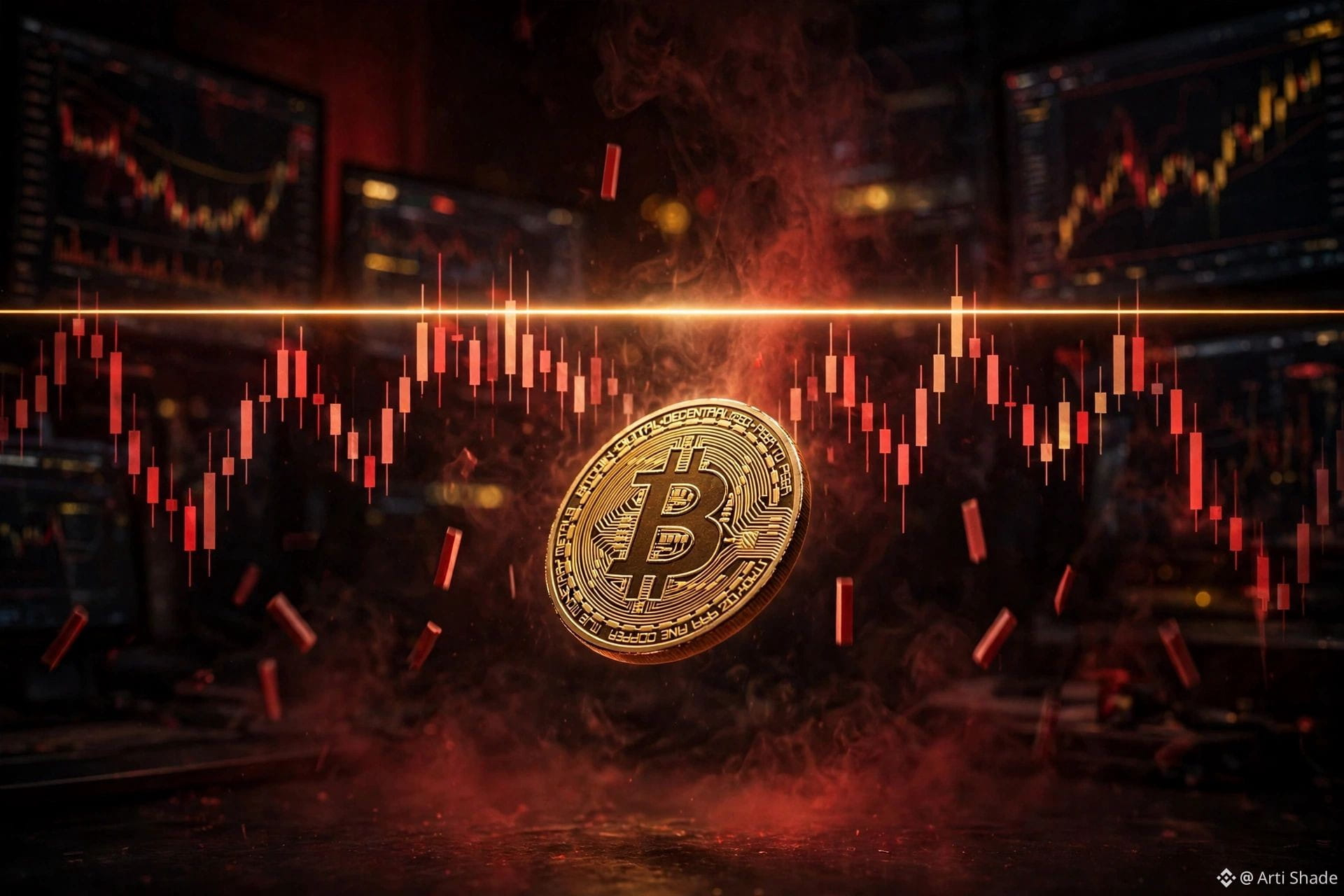
$60,000 က အဆုံးအဖြတ်မျဉ်းဖြစ်ပြီး Bitcoin က အခုအချိန်မှာ အဲဒီအဆင့်ကို ထိန်းထားနိုင်ဖို့ ရုန်းကန်နေပါတယ်။
Bitcoin ဟာ $60,069 ဝန်းကျင်မှာ အရောင်းအဝယ်ဖြစ်နေပြီး တစ်နေ့တာအတွင်း 2.2 percent ကျဆင်းထားပါတယ်။ $1.13 billion တန်ဖိုးရှိ အရောင်းအဝယ်ပမာဏနဲ့အတူ $58,792 နဲ့ $62,249 ကြား အတက်အကျဖြစ်ခဲ့ပါတယ်။ ဒီနေ့မှာ $60,000 အောက်တစ်ကြိမ် ကျသွားခဲ့ပြီး ပြန်တက်လာနိုင်ခဲ့ပေမယ့် အားပြိုင်မှုက မပြီးသေးပါဘူး။ မနေ့က Thanksgiving ကာလအတွင်း ဖြစ်ခဲ့တဲ့ ဈေးနှုန်းမြင့်တက်မှုက အပြည့်အဝ ပြန်လည်ပျောက်ကွယ်သွားပါပြီ။ Bitcoin ကို $62,249 အထိ တွန်းပို့ခဲ့တဲ့ short squeeze က ဈေးကွက်ကို ရောင်းသူတွေလက်ထဲ ပြန်ရောက်စေခဲ့ပြီး သောကြာနေ့မှာ သက်တမ်းကုန်ဆုံးခဲ့တဲ့ $6.8 billion တန်ဖိုးရှိ options တွေကလည်း ဒီအဆင့်ကို ထိန်းထားနိုင်ဖို့ ဘာမှမကူညီခဲ့ပါဘူး။
BNB ကတော့ ပိုမိုကြံ့ခိုင်နေပြီး $555.80 ဝန်းကျင်မှာ ရှိပါတယ်။ $542.85 အထိ ကျဆင်းပြီးနောက် $568.30 ဝန်းကျင်အထိ ပြန်တက်လာခဲ့ပေမယ့် 1.1 percent ကျဆင်းထားပါတယ်။
အဓိကပြဿနာကတော့ ရင်းနှီးမြှုပ်နှံသူတွေ ထွက်ခွာနေကြတာပါပဲ။ အမေရိကန် spot Bitcoin ETF တွေမှာ ငွေထွက်မှု ဆက်တိုက် 7 ကြိမ်ရှိလာပြီဖြစ်ပြီး နိုဝင်ဘာလအတွက် စုစုပေါင်းငွေထွက်မှုပမာဏဟာ စံချိန်တင် $5.39 billion ရှိလာပါတယ်။ အဲဒီထဲက 85 percent ခန့်ကို BlackRock ရဲ့ IBIT က ကိုယ်စားပြုပါတယ်။ ဒီရောင်းချမှုဟာ ရုတ်တရက် ထိတ်လန့်ရောင်းချတာမဟုတ်ဘဲ ETF လမ်းကြောင်းကနေတစ်ဆင့် ချေးငွေယူထားသူတွေက အကြွေးပြန်ဆပ်နေတဲ့အတွက် ဖြစ်ပေါ်လာတဲ့ လက်ကျန်ရှင်းတမ်း လျှော့ချမှုပါ။
ဒါပေမယ့် ဈေးကွက်ရဲ့ တစ်ဖက်မှာတော့ ဝယ်ယူမှုတွေ ရှိနေပါတယ်။ BTC 1,000 မှ 10,000 အထိ ကိုင်ဆောင်ထားတဲ့ ပိုက်ဆံအိတ်တွေဟာ စက်တင်ဘာ 30 ကတည်းက coin 121,000 ကျော် ထပ်မံဝယ်ယူထားပြီး ပိုက်ဆံအိတ်အသစ်တွေကလည်း ဆက်လက်ဝင်ရောက်နေပါတယ်။ Coinbase အမှုဆောင်အရာရှိချုပ် Brian Armstrong က ဈေးကွက်အောက်ခြေ ရောက်ပြီလို့ ပြောပြီး 2030 မှာ $400,000 အထိ ရောက်မယ်လို့ ခန့်မှန်းထားပါတယ်။ JPMorgan ရဲ့ ခန့်မှန်းချက်အရ Bitcoin တစ်ခု တူးဖော်ဖို့ ပျမ်းမျှကုန်ကျစရိတ်ဟာ $86,000 ဝန်းကျင်ရှိပြီး လက်ရှိဈေးထက် အများကြီး မြင့်ပါတယ်။
အထောက်အပံ့အဆင့်က $58,733 မှာ ရှိပါတယ်။ အဲဒီအဆင့်ကို ကျော်လွန်ပြီး ကျသွားရင် $53,000 အထိ မြင်လာနိုင်ပါတယ်။ $62,323 ကို ပြန်လည်ရယူနိုင်ရင်တော့ squeeze ဇာတ်လမ်းမှာ ဒုတိယအခန်း စတင်လာပါလိမ့်မယ်။
ဒီဈေးကျချိန်မှာ ဝယ်ယူနေပါသလား၊ ဒါမှမဟုတ် ရောင်းသူတွေ အရင်ဆုံး ရောင်းချပြီးဆုံးတဲ့အထိ စောင့်နေပါသလား။
$BTC $BNB
#Bitcoin #Crypto #BinanceSquare
99
·
--
Solana က $73 ကို ကျော်တက်ခဲ့ပြီး ဒီတစ်ကြိမ်မှာတော့ အလျင်စလို မလုပ်ခဲ့ပါ။
SOL သည် $73.10 ဝန်းကျင်တွင် အရောင်းအဝယ်ဖြစ်နေပြီး 3.0 ရာခိုင်နှုန်း မြင့်တက်ထားသည်။ $137.6 သန်းဖိုး အရောင်းအဝယ်ပမာဏဖြင့် $69.71 နှင့် $73.93 ကြား အတက်အကျ ဖြစ်ခဲ့သည်။ မနေ့ကတော့ $70 ကို ထိန်းထားနိုင်ဖို့ ကြိုးစားနေခဲ့ရသည်။ ဒီနေ့မှာတော့ ဈေးကွက်တစ်ခုလုံးက Bitcoin အကြောင်း အငြင်းပွားနေချိန်တွင် အေးအေးဆေးဆေး $70 အထက်၌ ရှိနေသည်။
ဒီတည်ငြိမ်မှုက အရေးကြီးသည်။ Solana သည် ဒီလတစ်လျှောက်လုံး ဈေးကွက်၏ လှုပ်ရှားမှုကို ပိုမိုပြင်းထန်စေခဲ့ပြီး ဈေးကျသည့်နေ့များတွင် Bitcoin ထက် ပိုကျကာ ဈေးတက်သည့်နေ့များတွင် ပိုပြန်တက်ခဲ့သည်။ ဒီနေ့တော့ အဲဒီနှစ်မျိုးစလုံး မလုပ်ပါ။ သူ့နေရာမှာပဲ ရပ်တည်နေသည်။ ရောင်းချမှုလှိုင်းတစ်ခုအပြီး နေရာကို ထိန်းထားနိုင်ခြင်းက အခြေခံဈေးတန်း တည်ဆောက်ပုံဖြစ်သည်။
အပေါ်ဘက်တွင် နွားဈေးကွက်ဘက်က ကျော်ဖြတ်ဖို့လိုသည့် အဆင့်မှာ $73.93 ဖြစ်သည်။ အောက်ဘက်တွင်တော့ မဖြစ်မနေ ထိန်းထားရမည့် အမှတ်မှာ $69.71 ဖြစ်သည်။
$73 ကို ထိန်းထားနိုင်နေချိန်မှာ ဒီနေရာတွင် Solana ကို ဝယ်မလား၊ ဒါမှမဟုတ် $74 ကို အရင်သက်သေပြနိုင်တဲ့အထိ စောင့်မလား?
$SOL
#Solana #Crypto #BinanceSquare
1
Log in to explore more content
Join global crypto users on Binance Square
⚡️ Get latest and useful information about crypto.
💬 Trusted by the world’s largest crypto exchange.
👍 Discover real insights from verified creators.
အီးမေးလ် / ဖုန်းနံပါတ်
ရေပန်းစားနေသော ခေါင်းစဉ်များ
EvolveAtBinanceBlockchainWeek
ကြည့်ရှုမှု 2.7M ကြိမ်
21,668 ဦး ဆွေးနွေးနေသည်
Binance Blockchain Week ကို တရားဝင် စတင်ကျင်းပနေပါပြီ! 🌍
နိုဝင်ဘာ ၂၈–၂၉ ရက်နေ့တွေမှာ ဘန်ကောက်မှာရှိနေတာပဲဖြစ်ဖြစ်၊ အဝေးကနေ ပါဝင်တာပဲဖြစ်ဖြစ်၊ တိုက်ရိုက်ထုတ်လွှင့်မှုတွေကို ကြည့်ရှုပြီး Binance Square မှာ ဆွေးနွေးမှုတွေမှာ ပါဝင်လိုက်ပါ!
ဒီမှာ စောင့်ကြိုနေတဲ့ အစီအစဉ်တွေကို ကြည့်လိုက်ပါ 👇
📺 main stage live ကို ကြည့်ရှုပါ
ဒီနှစ်ရဲ့ “တိုးတက်ပြောင်းလဲခြင်း” ဆိုတဲ့ ဆောင်ပုဒ်နဲ့ပတ်သက်ပြီး လုပ်ငန်းနယ်ပယ်က ဟောပြောသူတွေ သူတို့ရဲ့ အမြင်တွေကို မျှဝေကြမယ့် အစီအစဉ်ကို နှစ်ရက်လုံး ကြည့်ရှုလိုက်ပါ။ နည်းပညာဆန်းသစ်တီထွင်မှုကနေ လက်တွေ့အသုံးချမှုတွေအထိ၊ crypto ရဲ့ နောက်ထပ်အနာဂတ်ကို လေ့လာလိုက်ပါ။
⚔️ ကုန်သွယ်မှုပြိုင်ပွဲ ၂ ခုကို ကြည့်ရှုပါ
Aster Open Qualifier နဲ့ Binance Trading Master Tournament တို့ကို တိုက်ရိုက်ထုတ်လွှင့်သွားမှာပါ။ ကုန်သည်တွေ ယှဉ်ပြိုင်နေကြတာကို ကြည့်ရှုလိုက်ပါ။
🏆 Blockchain 100 Awards Ceremony ကို ကြည့်ရှုပါ
Blockchain 100 စာရင်းကို အသိုင်းအဝိုင်းက ရွေးချယ်ထားတာပါ။ ဖန်တီးသူတွေနဲ့ သူတို့မျှဝေတဲ့ အတွေးအခေါ်တွေကို အတူတကွ ဂုဏ်ပြုလိုက်ပါ!
💬 အသိုင်းအဝိုင်းရဲ့ ဆွေးနွေးမှုမှာ ပါဝင်ပါ
သင်မျှော်လင့်နေတဲ့အရာတွေ၊ လုပ်ငန်းနယ်ပယ်အပေါ် အမြင်တွေ၊ ဒါမှမဟုတ် ပွဲက သင်အကြိုက်ဆုံးအချိန်တွေကို မျှဝေဖို့ ဓာတ်ပုံနဲ့အတူ ပို့စ်တစ်ခုမှာ #EvolveAtBinanceBlockchainWeek ကို အသုံးပြုပါ။
event page ကို ယခု တိုက်ရိုက်ကြည့်ရှုနိုင်ပါပြီ! တိုက်ရိုက်ထုတ်လွှင့်မှုအားလုံးကို ကလစ်တစ်ချက်နှိပ်ပြီး စာရင်းသွင်းထားလိုက်ပါ၊ အခိုက်အတန့်တစ်ခုတောင် လက်မလွတ်စေဖို့ 👏
Binance Blockchain Week
·နှစ်သက်မှု 641 ခု
·ကြည့်ရှုမှု 1M ကြိမ်
IBSGovAccountMints1BTokensDrains5.71M
ကြည့်ရှုမှု 28,539 ကြိမ်
326 ဦး ဆွေးနွေးနေသည်
OPECReportedlyKeepsOilQuotasUnchangedForQ1
ကြည့်ရှုမှု 3,824 ကြိမ်
99 ဦး ဆွေးနွေးနေသည်