
Avalokiteshvara
51 ပို့စ်များ

Avalokiteshvara
တိုင်ကြားမည်
သုံးစွဲသူကို ဘလော့မည်
I be come the top 🚀
အမှန်တကယ်ရောင်းဝယ်နေ
High-Frequency Trader
4.3 နှစ်
1 ဖော်လိုလုပ်ထားသည်
20 ဖော်လိုလုပ်သူများ
21 လိုက်ခ်လုပ်ထားသည်
ပို့စ်များ
ပိုင်ဆိုင်မှုစာရင်း
ဘာသာပြန်ဆိုချက် ကြည့်မည်
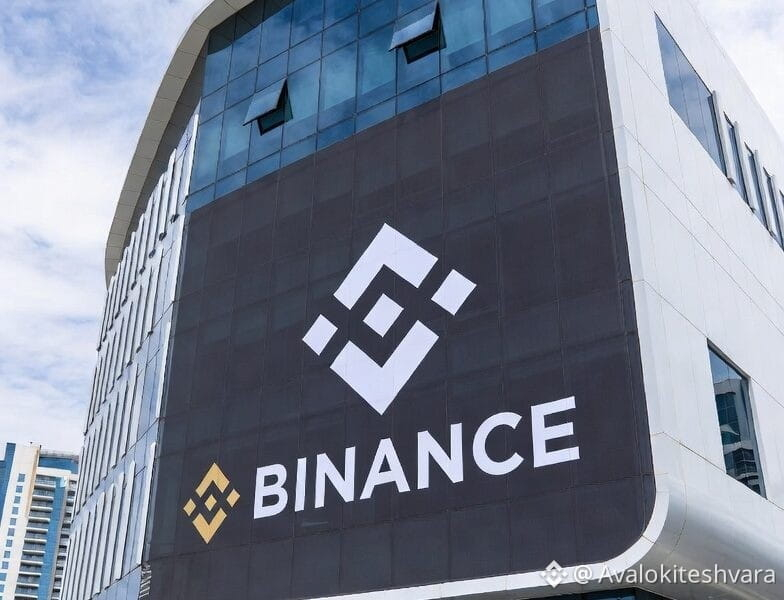
Binance just scored a major legal win in the hunt for its stolen crypto — but the headline number needs careful reading.
The Abu Dhabi Global Market Courts granted Binance a $6.5 billion worldwide freezing order against the unidentified people behind its October 29 hack, the largest crypto theft on record at about $6.34 billion. The order, issued by Justice William Stone, bars the attackers from moving or spending assets anywhere in the world. Binance's lawyers have identified about 26,000 wallet addresses holding stolen funds, and the orders can even be served via blockchain.
Here is the important part: $6.5 billion is the ceiling covered by the injunction, not money already recovered. About $2.85 billion has been frozen or intercepted so far — roughly 45% of what was taken. Tether alone froze more than $1.56 billion. The court will decide on December 1 whether 18 firms must hand over assets they have already frozen.
Binance says it has already covered customer losses from its own funds, and $BNB trades near $549, up 1.7% in the last 24 hours. For the industry, the case sets a precedent: courts are now willing to freeze crypto globally, fast. Recovery, though, is a much longer road.
524
ဘာသာပြန်ဆိုချက် ကြည့်မည်
While the market was busy watching Bitcoin's crash and rebound, Uniswap quietly posted one of the strongest recoveries of the weekend.
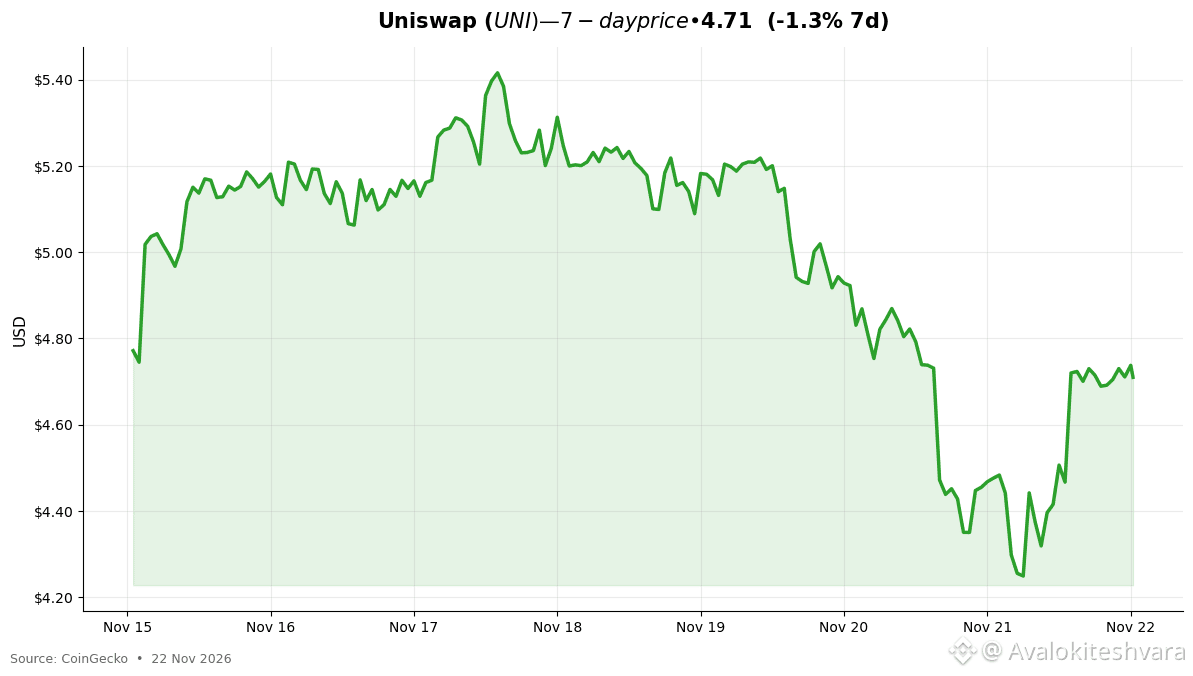
$UNI trades near $4.71, up about 5.9% in the last 24 hours, and at one point on Saturday it was the biggest gainer among the 30 largest coins, up 8.3%. Its market value is around $2.9 billion. Over the past seven days it has traded between $4.25 and $5.42 — a wide range that shows just how choppy this market has been.
The move is worth noting because UNI had been lagging. Over seven days it is still down about 1.3%, even after the bounce. That makes the rebound a catch-up move rather than a breakout: the token is recovering lost ground, not setting new highs.
There is a broader context, too. The weekend brought two reminders of centralized-exchange risk — the Kraken CAD price dislocation and the ongoing fallout from Binance's $6.3 billion October hack. When traders question CEX reliability, attention drifts toward decentralized alternatives, and Uniswap is the largest DEX by volume. Whether that attention turns into sustained flow is the open question. Resistance is $5.42, the week's high.
46
ဘာသာပြန်ဆိုချက် ကြည့်မည်
Privacy coins are leading the rebound — and Monero is at the front of the pack.
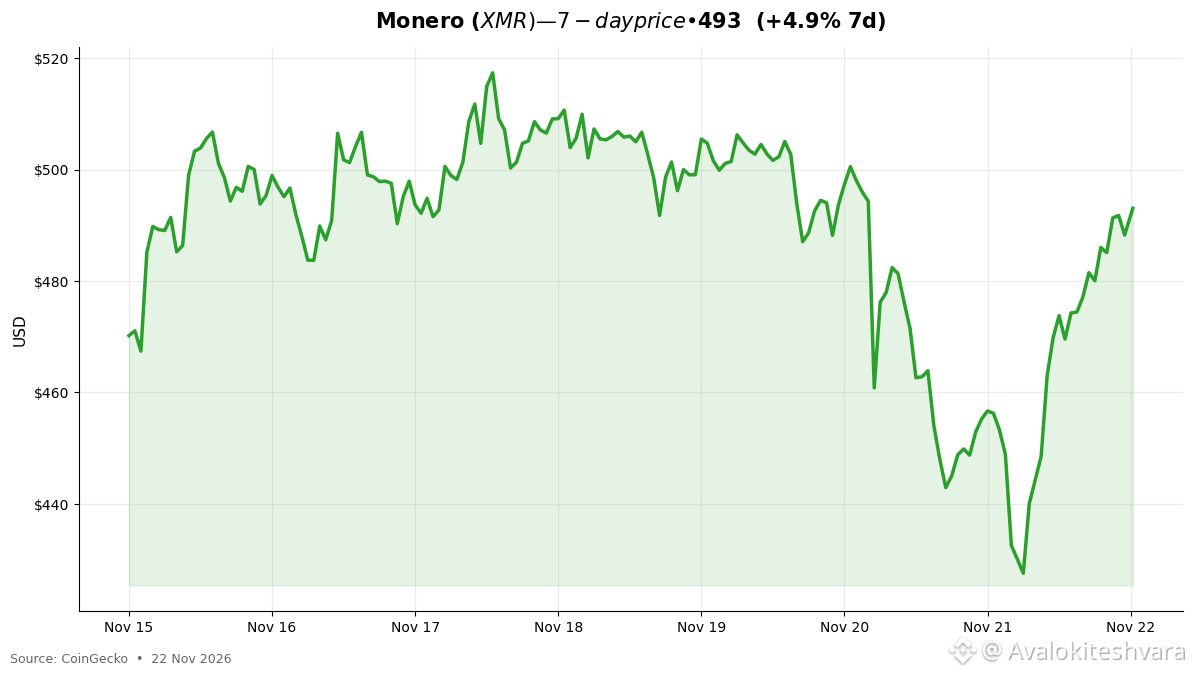
$XMR trades near $493, up 8.4% in the last 24 hours, making it one of the strongest performers among the 30 largest coins. Over the past week it has ranged between about $428 and $517, and it is now sitting near the top of that range. Zcash is also up about 6%, so this is a sector move, not a single-coin story.
The timing is notable. The rally comes days after Binance secured a $6.5 billion worldwide freezing order over its October hack, with 26,000 wallets identified — a reminder of how closely on-chain flows are now tracked. At the same time, exchange users are watching order-book dislocations like the Kraken CAD incident. In that climate, demand for assets designed to be untraceable is easy to understand.
None of this makes privacy coins a safe haven — XMR fell with everything else during the week and remains volatile. But the relative strength is real: while most of the market is still below last week's levels, Monero has nearly recovered its seven-day range. The key level to watch is $517, the week's high. A break above it would put the privacy trade back in the spotlight.
134
ဘာသာပြန်ဆိုချက် ကြည့်မည်
One token is quietly outrunning the whole market — and most traders only noticed it when it topped the search charts.
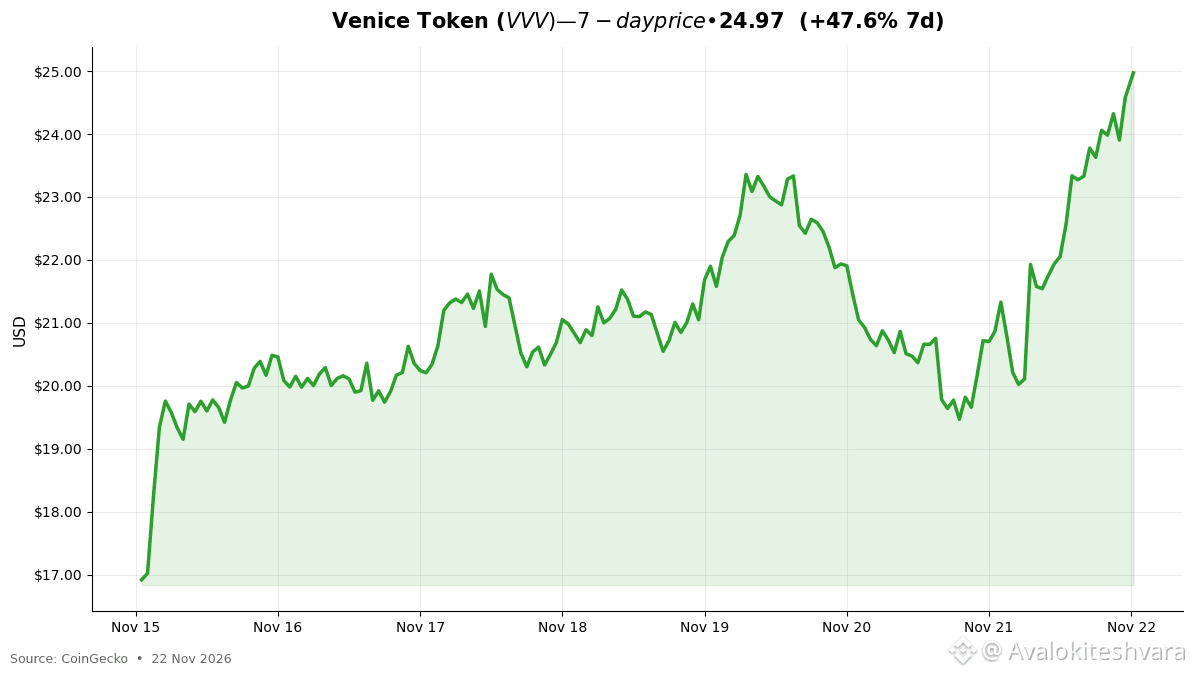
$VVV, Venice Token, trades near $24.97, up 21.2% in the last 24 hours and 47.6% over the past seven days. Its market value is now around $1.2 billion. It is the second most-searched coin on CoinGecko over the last 24 hours, behind only a small memecoin, while Bitcoin itself sits third.
The move stands out because it happened against a brutal backdrop. Bitcoin fell to its lowest level since September 2024 on Saturday before rebounding, and most large caps are still nursing double-digit weekly losses. VVV, by contrast, has climbed almost every day this week, from about $16.92 seven days ago to nearly $25 today.
Venice is the token of Venice.ai, a privacy-focused AI platform, and the token has been riding the intersection of two hot narratives: AI and privacy. Whether the momentum holds depends on the same thing as everything else right now — whether Bitcoin can hold above $60,000. If the broader market rolls over again, even the strongest charts get dragged along. For now, though, VVV is the clearest outperformer of the weekend.
One token is quietly outrunning the whole market — and most traders only noticed it when it topped the search charts.
$VVV , Venice Token, trades near $24.97, up 21.2% in the last 24 hours and 47.6% over the past seven days. Its market value is now around $1.2 billion. It is the second most-searched coin on CoinGecko over the last 24 hours, behind only a small memecoin, while Bitcoin itself sits third.
The move stands out because it happened against a brutal backdrop. Bitcoin fell to its lowest level since September 2024 on Saturday before rebounding, and most large caps are still nursing double-digit weekly losses. VVV, by contrast, has climbed almost every day this week, from about $16.92 seven days ago to nearly $25 today.
Venice is the token of Venice.ai, a privacy-focused AI platform, and the token has been riding the intersection of two hot narratives: AI and privacy. Whether the momentum holds depends on the same thing as everything else right now — whether Bitcoin can hold above $60,000. If the broader market rolls over again, even the strongest charts get dragged along. For now, though, VVV is the clearest outperformer of the weekend.
219
ဘာသာပြန်ဆိုချက် ကြည့်မည်
While Bitcoin was crashing on Saturday, something strange happened on Kraken — and it is a reminder of how fragile exchange order books can be.
Around 20:00 UTC on Friday, heavy selling hit Kraken's Canadian dollar pairs. The BTC/CAD price depegged sharply from the US dollar price, with users reporting prints as low as about $27,000 — less than half the global price at the time. Kraken's support team confirmed the incident on Saturday, saying the dislocation was limited to CAD pairs. Market makers caught in the move reportedly lost around $23.5 million.
The BTC/USD pair was not directly affected, and prices on other exchanges stayed in line with the global market. But the episode shows what happens when a thin fiat pair meets aggressive selling: a local price can detach from the global one in minutes, and anyone with resting orders there can be filled at prices that look impossible on a chart.
For traders, the lesson is practical. Keep an eye on the pair you actually trade, not just the headline BTC price — and know that during fast markets, a quote on one exchange is not the same as the market. Kraken has not announced compensation, and the cause of the selling remains under review.

163
ဘာသာပြန်ဆိုချက် ကြည့်မည်
Bitcoin just staged one of the wildest 24-hour swings of the year — and the numbers tell the story.
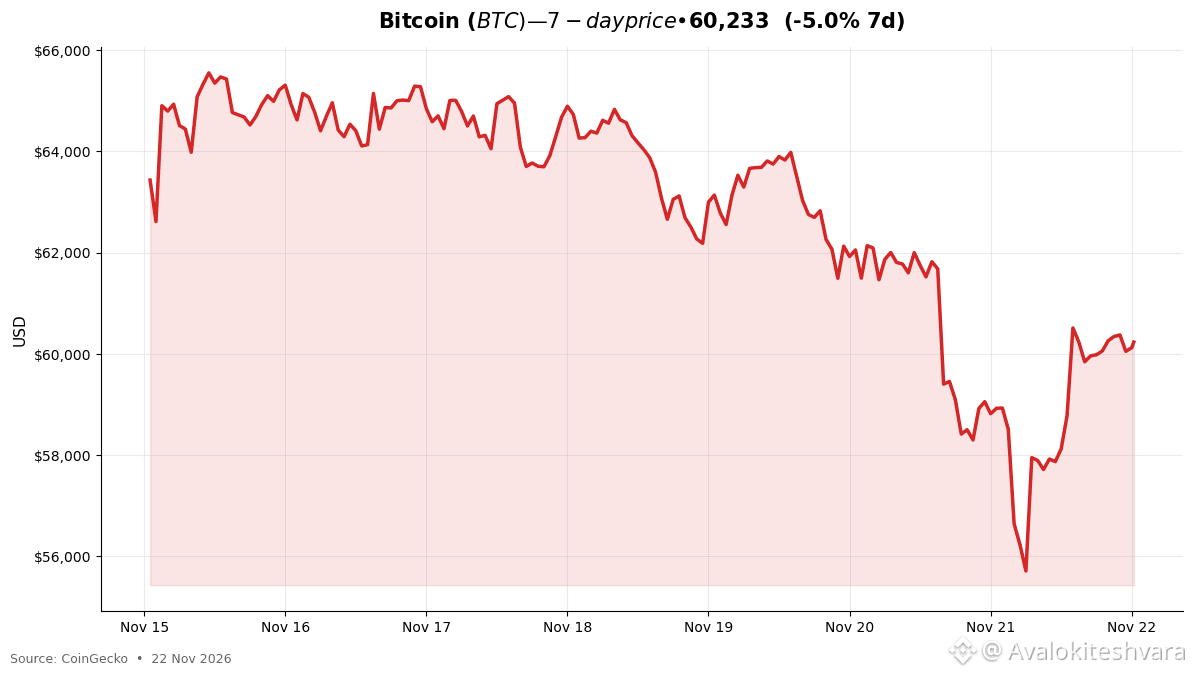
$BTC fell to about $55,127 on Saturday, its lowest level since September 2024, after breaking the $57,700 floor that had held since July 1. Hours later it was back above $60,000, trading near $60,240 this morning — a rebound of almost 10% from the trough. The move wiped out about $2.4 billion in leveraged positions in 24 hours, with 92.6% of them longs. The largest single liquidation was a $51.7 million BTC long.
The selling had been building all week. US spot Bitcoin ETFs saw $582.3 million in net outflows on Thursday, including a record $541.1 million from BlackRock's IBIT, and Friday added another round of redemptions. A 5.3% drop in the Nasdaq on Friday, driven by AI stocks, dragged risk assets down with it.
What to watch now: $55,000 is the last mapped support — below it, there is little structure on the chart. Resistance sits at $62,000, then $75,000. The Fear & Greed Index is deep in extreme fear territory. QCP Capital argues a lasting recovery needs steadier tech shares, calmer rates and returning institutional flows. The next US inflation report lands November 25. Until then, this market is trading on sentiment, not certainty.
99
ထိပ်တန်း coin ၁၀၀ ထဲက ၈၇ ခု ဈေးကျခဲ့တဲ့ ဈေးကွက်မှာ အစိမ်းရောင်ဖြစ်နေတာတောင် ထူးခြားပါတယ်။ ဈေးအတက်ဆုံးဖြစ်နေတာဆိုရင်တော့ ပိုပြီး အနီးကပ်စောင့်ကြည့်ဖို့ ထိုက်တန်ပါတယ်။
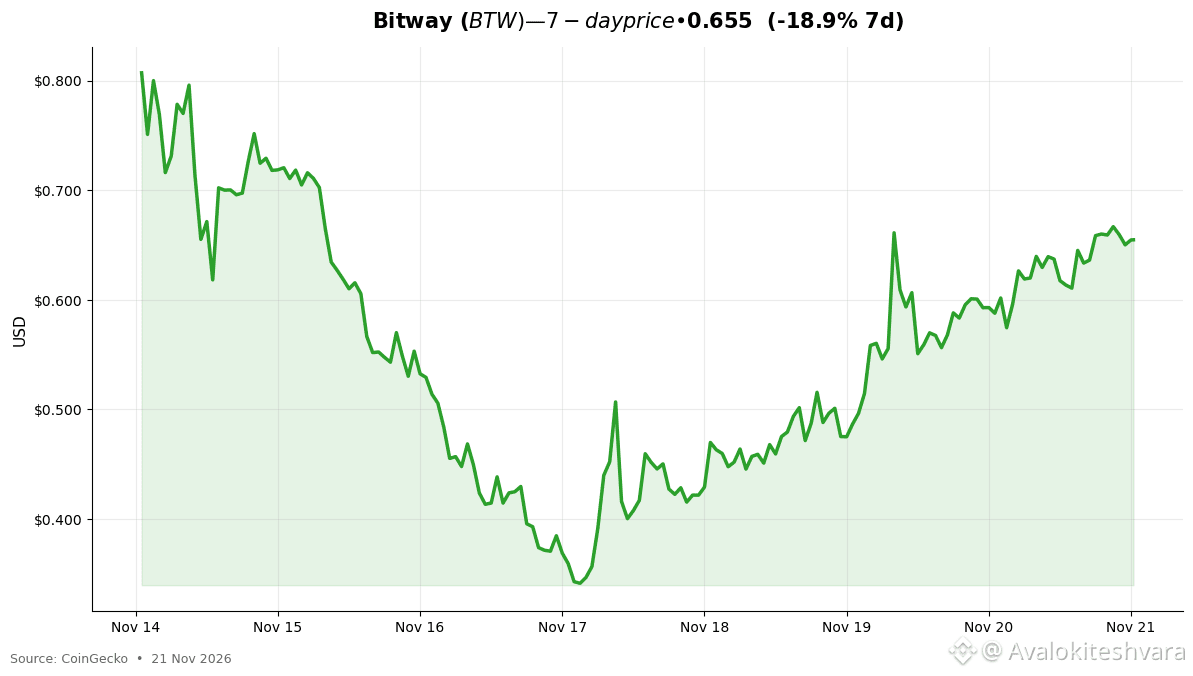
$BTW ဖြစ်တဲ့ Bitway ဟာ လက်ရှိ $0.655 ဝန်းကျင်မှာ အရောင်းအဝယ်ဖြစ်နေပြီး၊ ပြီးခဲ့တဲ့ ၂၄ နာရီအတွင်း ၁၃% ခန့် တက်လာခဲ့ပါတယ်။ ထိပ်တန်း coin ၁၀၀ ထဲမှာ အတက်အများဆုံးလည်း ဖြစ်ပါတယ်။ ၎င်းရဲ့ ဈေးကွက်တန်ဖိုးဟာ ဒေါ်လာ ၉၈၆ သန်းဝန်းကျင်ရှိပြီး Bitcoin ၅.၃% ကျဆင်းကာ crypto ဈေးကွက်တစ်ခုလုံးရဲ့ တန်ဖိုး ၇.၄% ကျဆင်းခဲ့တဲ့နေ့မှာ ထင်ရှားခဲ့ပါတယ်။
ဒါပေမဲ့ အခြေအနေတစ်ခုလုံးကို ကြည့်ရင် ဒီလောက်မရိုးရှင်းပါဘူး။ ခုနစ်ရက်အတွင်းမှာတော့ $BTW ဟာ ၁၉% ခန့် ကျဆင်းနေဆဲဖြစ်ပြီး ရက် ၃၀ အတွင်းဆိုရင် ၆၀% ဝန်းကျင် ကျဆင်းထားပါတယ်။ ရက်သတ္တပတ်အလယ်မှာ ဈေးဟာ $0.34 အထိ ကျဆင်းသွားပြီးနောက် ပြန်တက်လာခဲ့ပါတယ်။ ဇယားမှာ V ပုံစံအချွန်အတက်ကို တွေ့ရပြီး၊ အပြင်းအထန်ကျဆင်းပြီးနောက် လျင်မြန်စွာ ပြန်တက်လာတာဖြစ်ကာ တည်ငြိမ်စွာ တက်လာတာမျိုး မဟုတ်ပါဘူး။
အလွန်ဆိုးရွားတဲ့လတစ်လပြီးနောက် တစ်ရက်တာ ဈေးတက်တာဟာ တခြားအထောက်အထား မတွေ့ရမချင်း ပြန်တက်မှုတစ်ခုသာ ဖြစ်ပါတယ်။ ကုန်သည်တွေ အနီးကပ်စောင့်ကြည့်လေ့ရှိတဲ့ ဈေးရွေ့လျားမှုမျိုးပါ။ တကယ့်လမ်းကြောင်းပြောင်းလဲမှုရဲ့ အစဖြစ်နိုင်သလို၊ လက်ရှိလမ်းကြောင်း ပြန်မစခင် ခဏတာ ရပ်တန့်မှုလည်း ဖြစ်နိုင်ပါတယ်။ နောက်ရက်အနည်းငယ်အတွင်း ဘယ်လိုဖြစ်မလဲဆိုတာ သိရပါလိမ့်မယ်။
212
မနေ့က သူရဲကောင်းဟာ ဒီနေ့မှာ အကြီးမားဆုံး အရှုံးသမားဖြစ်လာပြီး—ဒီအလှည့်အပြောင်းက ဇာတ်ကြောင်းတွေ ဘယ်လောက်မြန်မြန် ပြောင်းလဲနိုင်တယ်ဆိုတာ သင်ခန်းစာပေးနေပါတယ်။
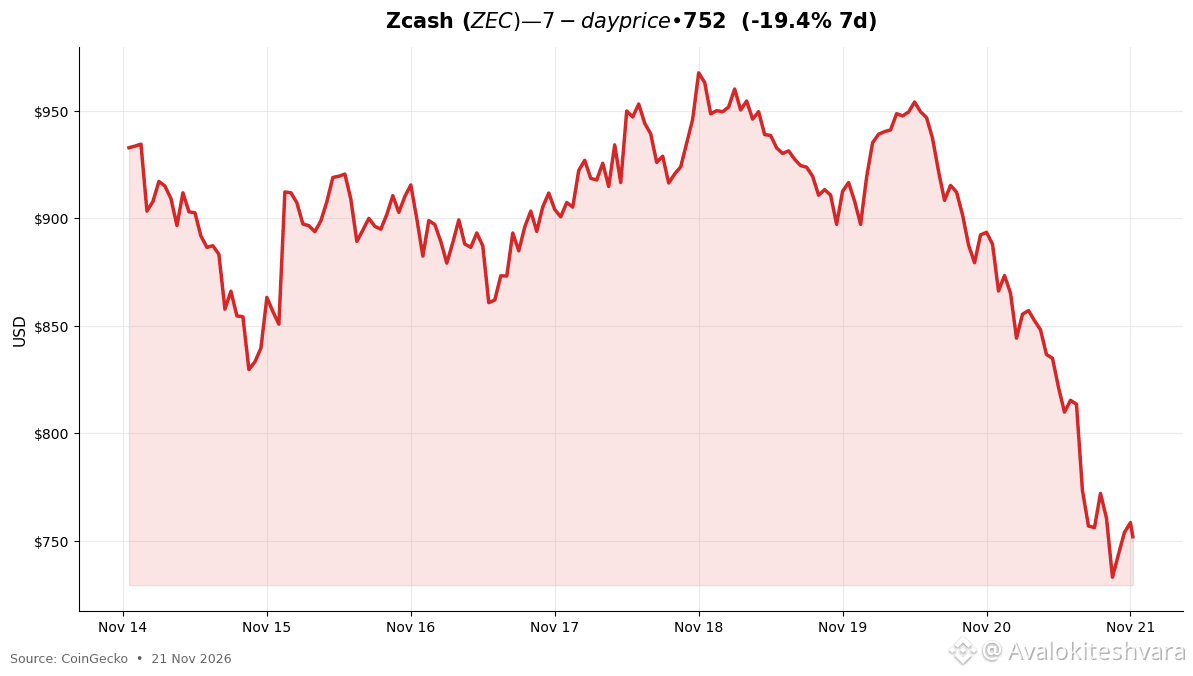
$ZEC သည် $752 ဝန်းကျင်တွင် အရောင်းအဝယ်ဖြစ်နေပြီး 24 နာရီအတွင်း 16% ကျဆင်းခဲ့ကာ အကြီးဆုံး coin 30 ခုအနက် အကျဆင်းဆုံးဖြစ်လာသည်။ ခုနစ်ရက်အတွင်း 19% ခန့်၊ ရက် 30 အတွင်း 43% ခန့် ကျဆင်းခဲ့သည်။ တစ်ရက်မတိုင်မီက 2026 ခုနှစ်၏ စွမ်းဆောင်ရည်အကောင်းဆုံး အဓိက coin အဖြစ် $896 ဝန်းကျင်တွင် အရောင်းအဝယ်ဖြစ်နေခဲ့ပြီး၊ ယခုနှစ်တွင် privacy က အသာစီးရနေသော ဇာတ်ကြောင်းဖြစ်ခဲ့သည်။
Zcash ကိုယ်တိုင်မှာ တစ်ညတည်းနဲ့ ဘာမှမပြောင်းလဲခဲ့ပါ။ ပြောင်းလဲသွားတာက ၎င်းပတ်ဝန်းကျင်က ဈေးကွက်ပါ—Bitcoin က $60,000 အောက်ကျိုးကျော်သွားပြီး၊ ရင်းနှီးမြှုပ်နှံမှုနေရာယူမှုများထဲမှ $1.9 ဘီလီယံ ဖျက်သိမ်းခံခဲ့ရကာ ETF ငွေထွက်မှုက စံချိန်တင်အရှိန်ကို ရောက်ခဲ့သည်။ ဈေးကွက်တစ်ခုလုံး ရောင်းချဖိအားကြုံရချိန်မှာ အားအကောင်းဆုံး ဇာတ်ကြောင်းကိုတောင် ရောင်းချကြသည်—အမြတ်အစွန်းကို ကာကွယ်ဖို့ ပိုများတဲ့အတွက် မကြာခဏဆိုသလို အပြင်းထန်ဆုံး ရောင်းချခံရသည်။
ဒါက privacy ဇာတ်ကြောင်းကို ဖျက်ပစ်တာတော့ မဟုတ်ပေမယ့် ဈေးနှုန်းဇယားကို ပြန်လည်သတ်မှတ်ပေးလိုက်သည်။ ဈေးကွက်ကို အတက်ဦးဆောင်ခဲ့တဲ့ coin ဟာ အခု အကျဘက်ကို ဦးဆောင်နေပြီ။ ဒီဈေးကွက်မှာ အရှိန်အဟုန်ဆိုတာ နှစ်ဖက်သွားလမ်းပါ—အခုတော့ $ZEC ကိုင်ဆောင်သူတွေအတွက် မှားယွင်းတဲ့ဘက်ကို ဦးတည်နေပါတယ်။
206
ထိပ်တန်းဒင်္ဂါး ၁၀၀ ထဲက ၈၇ ခု ဈေးကျနေချိန်မှာ၊ မီမ်းဒင်္ဂါးအသေးလေးတစ်ခုက တခြားဒင်္ဂါးအများစု မလုပ်နိုင်တာကို လုပ်ပြခဲ့ပါတယ်—ဈေးတက်ခဲ့ပြီး အတော်လေးတက်ခဲ့ပါတယ်။
$CHUNKEE၊ Chunkee The Manatee ဟာ လက်ရှိ $0.0137 ဝန်းကျင်မှာ အရောင်းအဝယ်ဖြစ်နေပြီး ပြီးခဲ့တဲ့ ၂၄ နာရီအတွင်း ၂၈% ခန့် တက်လာပါတယ်။ အချိန်ကာလပိုရှည်ကြည့်ရင် ဒီအပြောင်းအလဲက ပိုတောင် အံ့ဩစရာကောင်းပါတယ်။ လွန်ခဲ့တဲ့တစ်ပတ်က $0.0013 ဝန်းကျင်မှာရှိခဲ့တာကြောင့် ခုနစ်ရက်အတွင်း ၉၅၀% ခန့် တက်လာတာပါ။ လက်ရှိမှာ CoinGecko မှာ ရှာဖွေမှုအများဆုံး ဒင်္ဂါးတွေထဲက တစ်ခုဖြစ်ပြီး ဈေးကွက်တန်ဖိုးက ဒေါ်လာ ၁၃.၇ သန်းခန့် ရှိပါတယ်။
Bitcoin က ဒေါ်လာ ၆၀,၀၀၀ အဆင့်အောက် ကျသွားပြီး တစ်ရက်အတွင်း စုစုပေါင်းဈေးကွက်တန်ဖိုး ၇.၄% ကျဆင်းခဲ့တဲ့ ဈေးကွက်မှာ ဒီလိုအတက်အကျမျိုးက လူတွေရဲ့အာရုံကို ဆွဲဆောင်ပါတယ်။ အာရုံစိုက်မှုတစ်နေရာတည်း စုစည်းလာတဲ့အခါ ဒင်္ဂါးအသေးတွေ ဈေးတက်နိုင်ပြီး ရှာဖွေမှုများလာတာက လူတွေ စိတ်ဝင်စားနေကြောင်း ပြသပါတယ်။
ဒါပေမဲ့ အခြေအနေကို အရှိအတိုင်း သုံးသပ်ပါ။ ဈေးကွက်တန်ဖိုး ဒေါ်လာ ၁၃.၇ သန်းသာရှိတဲ့ ဒီဒင်္ဂါးရဲ့ ဈေးတက်မှုဟာ အခြေခံတန်ဖိုး ပြန်လည်သတ်မှတ်ခံရတာမဟုတ်ဘဲ ငွေဖြစ်လွယ်မှုနည်းတဲ့ ဈေးကွက်မှာ အရှိန်အဟုန်ကြောင့် ဖြစ်တာပါ။ တစ်ပတ်အတွင်း ဆယ်ဆတက်တဲ့ ဒင်္ဂါးတစ်ခုဟာ အဲဒီတက်နှုန်းကို အလားတူမြန်ဆန်စွာ ပြန်ဆုံးရှုံးနိုင်ပါတယ်။ ဈေးနှုန်းဇယားက အံ့မခန်းပါပဲ—အတက်အကျ နှစ်ဖက်စလုံးမှာ အံ့မခန်းပါပဲ။

38
ဖျော်ဖြေရေးသမိုင်းတစ်လျှောက် အကြီးမားဆုံး မိတ်ဆက်ဖြန့်ချိမှုကြီး ဖြစ်ပွားခဲ့သည့်နေ့မှာပင် စျေးကွက်များသည် ကိုဗစ်ကာလနောက်ပိုင်း အဆိုးရွားဆုံး သီတင်းပတ်ကို ကြုံတွေ့ခဲ့ရသည်။
Grand Theft Auto VI သည် ပထမနေ့ လက်လီရောင်းအား ဒေါ်လာ ၃.၇၉ ဘီလီယံ ရရှိခဲ့ကြောင်း သတင်းများက ဖော်ပြကြပြီး၊ ယင်းသည် လုပ်ငန်းနယ်ပယ်အတွက် စံချိန်တင်ပမာဏဖြစ်သည်။ ထုတ်ဝေပြီး နာရီပိုင်းအတွင်း အရင်ဆုံး အပြီးသတ်နိုင်ရန် တိုက်ရိုက်ထုတ်လွှင့်သူများ အပြိုင်အဆိုင် ကြိုးစားခဲ့ကြပြီး၊ ဂိမ်းမိတ်ဆက်မှုသည် ကမ္ဘာတစ်ဝန်းရှိ လူမှုကွန်ရက်ဖိဒ်များကို လွှမ်းမိုးခဲ့သည်။
သို့သော် ထိုအောင်ပွဲခံမှု၏ နောက်ခံအခြေအနေမှာ လုံးဝဆန့်ကျင်ဘက်ဖြစ်နေသည်။ သောကြာနေ့တွင် Nasdaq သည် ၅.၃% ကျဆင်းခဲ့ပြီး S&P 500 သည် ၃.၇% ကျဆင်းကာ Bitcoin သည် ဒေါ်လာ ၅၈,၀၀၀ အောက်သို့ လျှောကျခဲ့သည်။ ယဉ်ကျေးမှုနှင့် စျေးကွက်များသည် တစ်နေ့တည်းမှာပင် ဆန့်ကျင်ဘက်ဦးတည်ရာများသို့ ရွေ့လျားခဲ့ကြသည်။
ဒီဇာတ်လမ်းမှာ တိတ်ဆိတ်တဲ့ဘက်ခြမ်းတစ်ခုလည်း ရှိနေသည်။ စံချိန်တင်ကိန်းဂဏန်းများရှိသော်လည်း Rockstar ဝန်ထမ်းများ၏ အနာဂတ်မှာ မရေရာသေးကြောင်း သတင်းများက ဖော်ပြကြသည်။ ယင်းက အောင်မြင်မှုကြီးမားသော ဂိမ်းမိတ်ဆက်မှုတစ်ခုဖြစ်ရုံဖြင့် ၎င်းကို ဖန်တီးခဲ့သူများနှင့်ပတ်သက်သည့် မေးခွန်းများ အလိုအလျောက် ပြေလည်သွားခြင်းမရှိကြောင်း သတိပေးနေသည်။
ခရစ်ပတိုကို စောင့်ကြည့်သူများအတွက် သင်ခန်းစာက ရိုးရှင်းသည်။ စျေးကွက်များတွင် အာရုံစိုက်မှုသည် အရှားပါးဆုံး အရင်းအမြစ်ဖြစ်ပြီး၊ ယခုသီတင်းပတ်တွင်တော့ ၎င်းကို ဗီဒီယိုဂိမ်းတစ်ခုက ရယူထားစဉ် စွန့်စားရနိုင်ခြေမြင့် ပိုင်ဆိုင်မှုများမှာ တိတ်တဆိတ် တန်ဖိုးကျဆင်းနေခဲ့သည်။ လူအများ၏ အာရုံစိုက်မှု အခြားဘက်သို့ ရောက်သွားသည့်အခါ မတည်ငြိမ်မှုက ထိုနေရာလွတ်ကို ဖြည့်တတ်သည်။

31
လွန်ခဲ့သည့် ၂၄ နာရီက Anthropic သည် သမိုင်းတစ်လျှောက် အကြီးမားဆုံး IPO ဖြစ်ခဲ့သည်။ ယနေ့တွင်မူ စိတ်လှုပ်ရှားမှု မည်မျှလျင်မြန်စွာ လျော့ပါးသွားနိုင်သည်ကို ပြသသည့် ဖြစ်ရပ်လေ့လာမှုတစ်ခု ဖြစ်လာသည်။
Anthropic သည် ရှယ်ယာတစ်ခုလျှင် $83 ဖြင့် ဈေးသတ်မှတ်ခဲ့ပြီး၊ $111.50 ဖြင့် စတင်ဖွင့်လှစ်ခဲ့ကာ $115.10 အထိ အမြင့်ဆုံးရောက်ခဲ့ပြီး ပထမနေ့ကို $97.17 ဖြင့် ပိတ်သိမ်းခဲ့သည်။ ဒုတိယနေ့တွင် ရှယ်ယာဈေးသည် 9.1% ကျဆင်းကာ $88.30 ဖြစ်ခဲ့ပြီး၊ အနိမ့်ဆုံး $83.05 အထိ အရောင်းအဝယ်ဖြစ်ခဲ့သည်။ ဆိုလိုသည်မှာ IPO ဈေးနှုန်းသို့ ပြန်ရောက်လုနီးပါး ဖြစ်သည်။
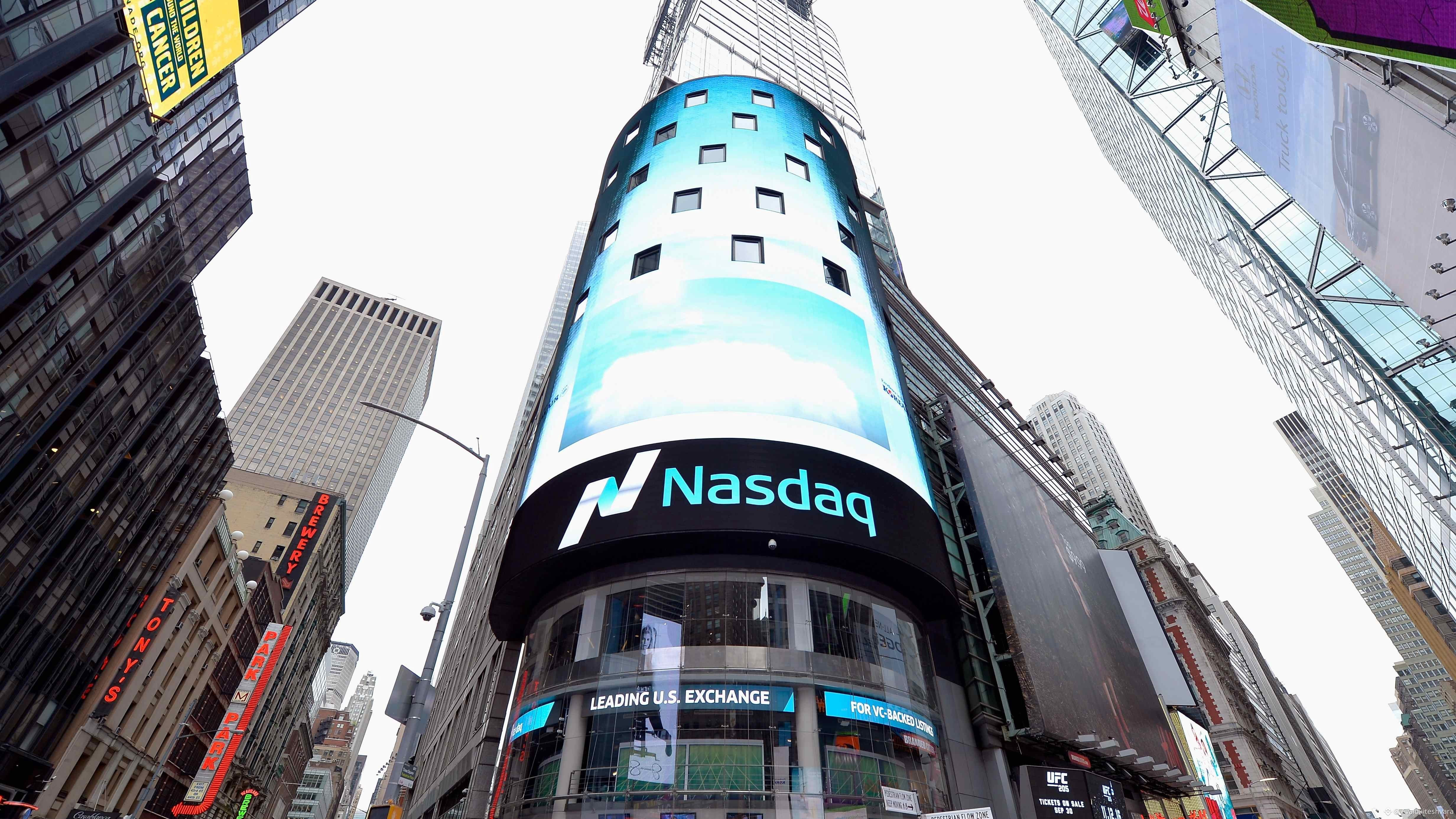
အရောင်းဖိအားသည် ရှယ်ယာတစ်ခုတည်းအပေါ်တွင် ဖြစ်ပေါ်သည်ထက် များစွာပိုကြီးမားခဲ့သည်။ Nasdaq သည် 5.3%၊ သို့မဟုတ် အမှတ် 1,260 ကျော် ကျဆင်းခဲ့ပြီး—တစ်ရက်အတွင်း အမှတ်ကျဆင်းမှု ဒုတိယအများဆုံး စံချိန်ဖြစ်သည်—ယခုတစ်ပတ်အတွင်း 10% ကျဆင်းကာ 2020 မတ်လနောက်ပိုင်း အဆိုးရွားဆုံး ဖြစ်ခဲ့သည်။ S&P 500 သည် ခုနစ်ရက်ဆက်တိုက် ကျဆင်းမှုအဖြစ် 3.7% ကျဆင်းခဲ့ပြီး၊ Dow သည် 1.9% ကျဆင်းခဲ့သည်။ Nvidia သည် တစ်ရက်အတွင်း 14% ထိုးကျခဲ့ပြီး၊ မတည်ငြိမ်မှုညွှန်းကိန်းသည် 33% ခုန်တက်ကာ 37 သို့ ရောက်ရှိခဲ့သည်။
ခြားနားချက်မှာ ထင်ရှားသည်။ ထိုရက်သတ္တပတ်တစ်ပတ်တည်းတွင်ပင် Claude သည် သမိုင်းဝင် သင်္ချာဆိုင်ရာ အောင်မြင်မှုတစ်ခု ရရှိခဲ့ကြောင်း သတင်းထွက်ခဲ့သည်။ ထုတ်ကုန်အကြောင်း ဇာတ်ကြောင်းက အားကောင်းနေဆဲဖြစ်သော်လည်း ဈေးကွက်က ၎င်းနှင့်ဆက်စပ်သည့် စီးပွားရေးတွက်ချက်မှုများကို ပြန်လည်သတ်မှတ်နေသည်။
Crypto ဈေးကွက်လည်း အလားတူ စွန့်စားမှုလျှော့ချသည့် လှိုင်းဂယက်ကို ခံစားခဲ့ရသည်။ AI ရင်းနှီးမြှုပ်နှံမှုလမ်းကြောင်းက ဒီလောက်ပြင်းပြင်းထန်ထန် ပြောင်းပြန်လှန်သွားသည့်အခါ စွန့်စားမှုရှိသော ပိုင်ဆိုင်မှု မည်သည့်အရာမျှ ထိခိုက်မှုမှ ကင်းလွတ်မနေပါ—$BTC နှင့် $ETH လည်း ပါဝင်သည်။
243
Bitcoin ဘာကြောင့် ကျဆင်းနေလဲဆိုတာ နားလည်ချင်ရင် ETF ငွေဝင်ငွေထွက်ကို လိုက်ကြည့်ပါ — ကိန်းဂဏန်းတွေက အဖြစ်အပျက်ကို ရှင်းရှင်းလင်းလင်း ပြောပြနေပါတယ်။
နိုဝင်ဘာ 19 ရက်နေ့မှာ အမေရိကန် spot Bitcoin ETF တွေက အသားတင် ငွေထွက်မှု ဒေါ်လာ 582.3 သန်း ရှိခဲ့ပြီး၊ အရင်နေ့က ဒေါ်လာ 306.5 သန်းရဲ့ နှစ်ဆနီးပါး ဖြစ်ပါတယ်။ အဲဒီထဲက ဒေါ်လာ 541.1 သန်းကို BlackRock ရဲ့ IBIT ကနေ ထုတ်ယူခဲ့တာပါ — စတင်ဖွင့်လှစ်ချိန်ကစပြီး တစ်ရက်တာ ငွေထွက်မှု အများဆုံး ဖြစ်ပါတယ်။ နိုဝင်ဘာလအတွင်း စုစုပေါင်း ငွေထွက်မှုက အခု ဒေါ်လာ 3.47 ဘီလီယံခန့်အထိ ရောက်ရှိလာပြီး၊ ပြီးဆုံးခဲ့တဲ့ အရောင်းအဝယ်ရက် 14 ရက်အနက် 12 ရက်မှာ ငွေထုတ်ယူမှုတွေ ရှိခဲ့ပါတယ်။
ဒါဟာ ဈေးနှုန်းအပေါ် ဖိအားဖြစ်စေတဲ့ အကြောင်းရင်းပါ။ စျေးကွက်ထဲက အကြီးဆုံး ကိုင်ဆောင်သူအုပ်စုက ရက်သတ္တပတ်ပေါင်းများစွာ ဒီနှုန်းနဲ့ ရောင်းချနေတဲ့အခါ spot စျေးကွက်က အဲဒီရောင်းအားကို စုပ်ယူရပြီး၊ လီဗာရေ့ချ်သုံး အဝယ်ဘက် ရင်းနှီးမြှုပ်နှံသူတွေက အလယ်မှာ ညပ်မိကြပါတယ် — တစ်ရက်တည်းမှာ ဒေါ်လာ 1.9 ဘီလီယံဖိုး ရှင်းလင်းဖျက်သိမ်းခံခဲ့ရပါတယ်။
ဒါပေမဲ့ လူတိုင်း ထွက်ခွာဖို့ ပြင်နေကြတာတော့ မဟုတ်ပါဘူး။ Twenty One Capital က နိုဝင်ဘာ 20 ရက်နေ့မှာ BTC 172.25 ကို ဒေါ်လာ 10 သန်းခန့်နဲ့ ဝယ်ယူခဲ့ပြီး၊ ပျမ်းမျှဈေးနှုန်းက ဒေါ်လာ 58,054 ခန့် ဖြစ်ပါတယ်။ ဝယ်ယူသူတစ်ဦးတည်းက တစ်လတာ ငွေထွက်မှု ဒေါ်လာ 3.47 ဘီလီယံကို ပြောင်းပြန်လှန်နိုင်မှာ မဟုတ်ပေမဲ့၊ အရောင်းအဝယ်ရဲ့ တစ်ဖက်မှာ ဝယ်ယူသူတွေ ရှိနေသေးတယ်ဆိုတာကို ပြသနေပါတယ်။
ETF ငွေဝင်ငွေထွက်က စျေးကွက်ရဲ့ နေ့စဉ်ရမှတ်ဘုတ်လို ဖြစ်လာပါပြီ။ အနီရောင်ကနေ အစိမ်းရောင်ပြောင်းတဲ့နေ့ကို စောင့်ကြည့်ပါ — အဲဒီအချိန်မှာ စျေးကွက်ရဲ့ သဘောထား ပြောင်းလဲလာပါလိမ့်မယ်။

84
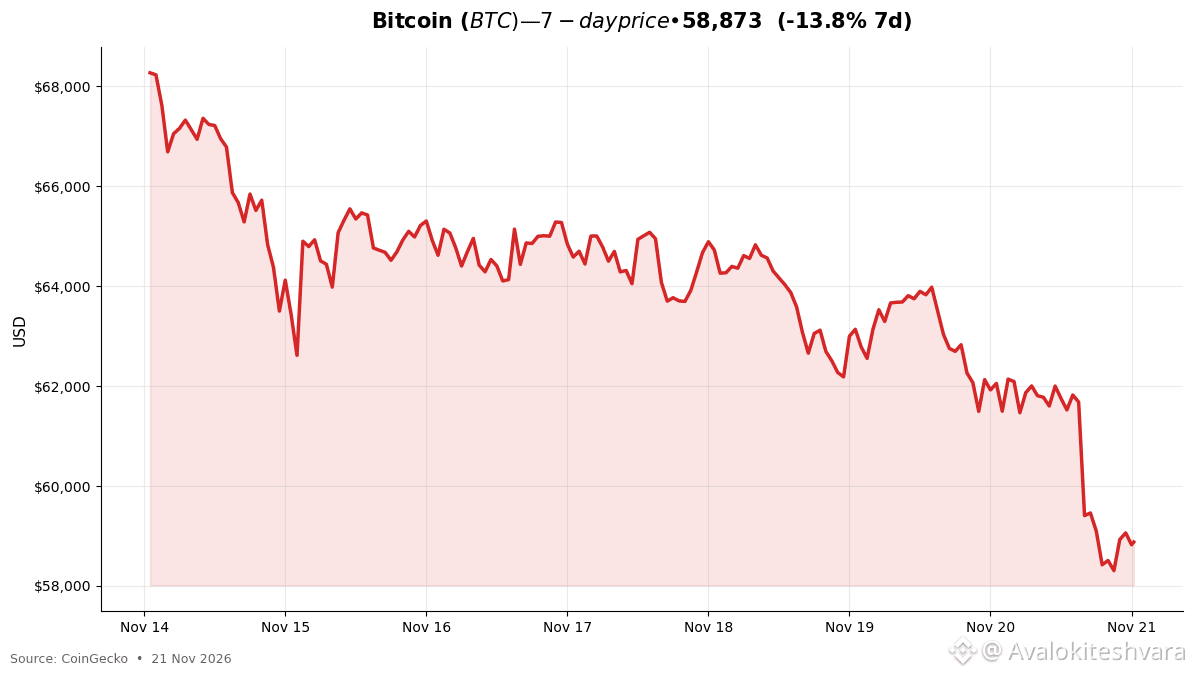
ဈေးကွက်က လပေါင်းများစွာ ကာကွယ်ထားခဲ့တဲ့ အဆင့်တစ်ခုကို Bitcoin က အခုလေးတင် ဆုံးရှုံးသွားခဲ့ပြီး၊ ထိခိုက်မှုကို လျစ်လျူရှုဖို့ ခက်ခဲနေပါတယ်။
$BTC သည် ယနေ့မနက်တွင် $58,850 ဝန်းကျင်၌ အရောင်းအဝယ်ဖြစ်နေပြီး၊ 24 နာရီအတွင်း 5.3%၊ ခုနစ်ရက်အတွင်း 13.8%၊ ပြီးခဲ့သည့်တစ်လအတွင်း 30% ခန့် ကျဆင်းခဲ့သည်။ သောကြာနေ့တွင် တစ်နေ့တာအတွင်း အနိမ့်ဆုံး $57,716 သို့ ထိကျခဲ့ပြီး၊ 2024 ခုနှစ် စက်တင်ဘာလနောက်ပိုင်း အနိမ့်ဆုံးအဆင့် ဖြစ်သည်။ ယခုအခါ 2025 ခုနှစ် အောက်တိုဘာလတွင် စံချိန်တင်ရောက်ရှိခဲ့သည့် $126,000 ကျော်အမြင့်ဆုံးတန်ဖိုးမှ 50% ကျော် ကျဆင်းနေပြီဖြစ်သည်။
ဈေးနှုန်းထိုးကျမှုက ပြင်းထန်ခဲ့သည်။ 24 နာရီအတွင်း ခရစ်ပတိုငွေကြေးဆိုင်ရာ ရင်းနှီးမြှုပ်နှံမှုနေရာယူမှုများမှ ဒေါ်လာ 1.9 ဘီလီယံခန့် ဖျက်သိမ်းခံခဲ့ရပြီး၊ ယင်းအနက် ဒေါ်လာ 736 သန်းခန့်မှာ Bitcoin တစ်ခုတည်းမှ ဖြစ်သည်။ ယခုအခြေအနေအရ အပတ်စဉ် ဆက်တိုက်ကျဆင်းမှု ခုနစ်ပတ်မြောက် ဖြစ်လာနိုင်ဖွယ်ရှိပြီး၊ 2022 ခုနှစ်က ကိုးပတ်ကြာ ကျဆင်းမှုနောက်တွင် ဒုတိယအရှည်ကြာဆုံး ကျဆင်းမှုဖြစ်လာမည်ဖြစ်သည်။
ယခု အရေးကြီးနေသည့်အဆင့်မှာ ဇူလိုင် 1 ရက်နေ့က အနိမ့်ဆုံးဖြစ်သော $57,717 ဝန်းကျင်ဖြစ်ပြီး၊ နှစ်အတွင်း တစ်နေ့တာအနိမ့်ဆုံးဖြစ်သော $57,800 ဝန်းကျင်က ၎င်းအောက်တွင် ရှိနေသည်။ ခရစ်ပတိုဈေးကွက်တစ်ခုလုံး၏ တန်ဖိုးမှာ ဒေါ်လာ 2.04 ထရီလီယံခန့်အထိ ကျဆင်းသွားပြီး၊ အကြောက်တရားနှင့် လောဘအညွှန်းကိန်းမှာ 12 ရှိကာ — အလွန်အမင်း ကြောက်ရွံ့နေသည့်အခြေအနေကို ပြသနေသည်။
လက်လျှော့ရောင်းချမှုကာလများတွင် စနစ်အတွင်းရှိ အကြွေးသုံးအရောင်းအဝယ်များကို ဖယ်ရှားပစ်လေ့ရှိသည်။ အမှန်တကယ် မေးရမည့်မေးခွန်းမှာ ဝယ်လက်များက ဇူလိုင်လအနိမ့်ဆုံးအဆင့်ကို ကာကွယ်နိုင်မလား၊ ဒါမှမဟုတ် ဈေးနှုန်းကျဆင်းမှုက နောက်ထပ်ထောက်ပံ့မှုဇုန်အထိ ဆက်လက်ကျဆင်းသွားမလား ဆိုတာဖြစ်သည်။
110
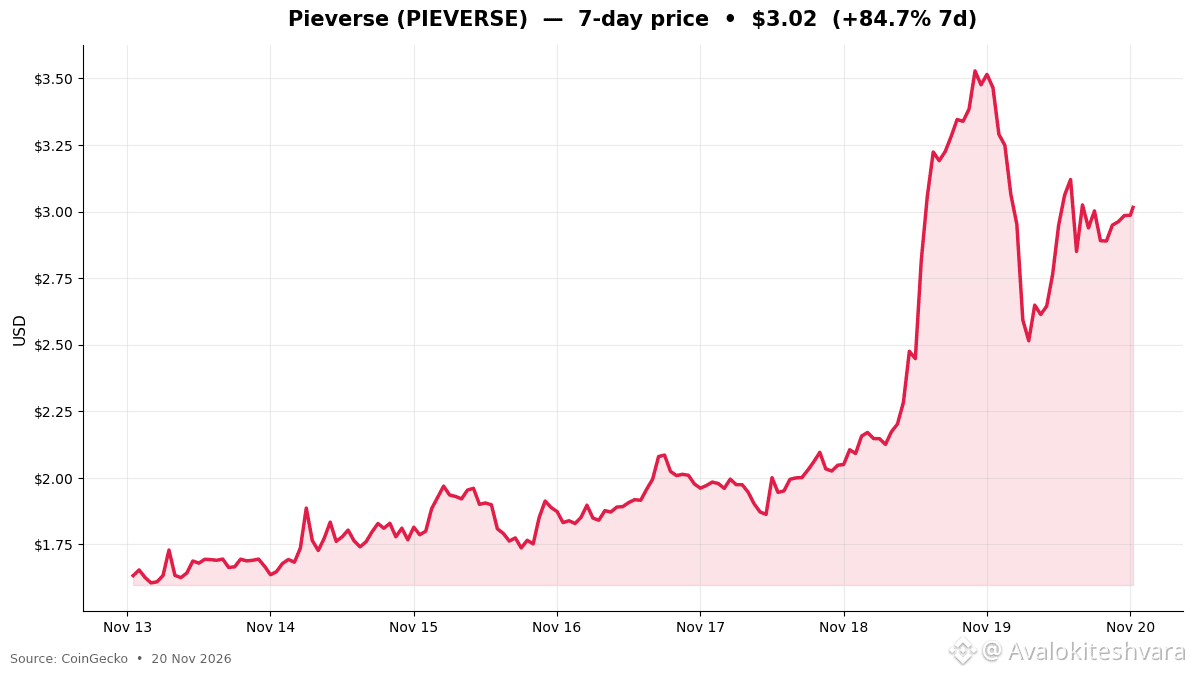
မနေ့က အမြတ်အများဆုံးတက်ခဲ့တဲ့ ဒင်္ဂါးက ဒီနေ့မှာ အရှုံးအများဆုံးဖြစ်နေပါတယ်။ ဒါဟာ တိုက်ဆိုင်မှုမဟုတ်ပါဘူး — ဈေးကွက်အရှိန်အဟုန်ဆိုတာ ဒီလိုအလုပ်လုပ်တာပါ။
$PIEVERSE ဟာ ခြောက်ရက်အတွင်း ဒေါ်လာ ၁.၆၃ ဝန်းကျင်ကနေ အမြင့်ဆုံး ဒေါ်လာ ၃.၅၃ နီးပါးအထိ တက်ခဲ့ပြီး၊ နိုဝင်ဘာ ၁၉ ရက်မှာ တစ်ရက်အတွင်း ၂၆% ခုန်တက်ကာ ၂၄ နာရီအတွင်း အတက်အများဆုံးစာရင်းကို ထိပ်ဆုံးက ဦးဆောင်ခဲ့ပါတယ်။ ဒီနေ့မှာတော့ အကြီးဆုံး ဒင်္ဂါး ၁၀၀ ထဲက အရှုံးအများဆုံးဖြစ်ပြီး၊ တစ်ရက်အတွင်း ၁၄% ဝန်းကျင် ကျဆင်းကာ ဒေါ်လာ ၃.၀၀ ခန့် ရောက်နေပါတယ်။ ဒင်္ဂါးတစ်ခုတည်း၊ တစ်ပတ်တည်းမှာ ဦးဆောင်စာရင်းရဲ့ ဆန့်ကျင်ဘက်အစွန်းနှစ်ဖက်ကို ရောက်ခဲ့တာပါ။
နောက်ဆုတ်ကြည့်ရင် ဒီလှုပ်ရှားမှုက အံ့မခန်းနေဆဲပါပဲ။ Pieverse ဟာ ခုနစ်ရက်အတွင်း ၈၅% ခန့် တက်လာပြီး၊ ဈေးကွက်တန်ဖိုးက ဒေါ်လာ ၈၂၅ သန်းနီးပါး ရှိပါတယ်။ ပြန်ကျတာက အရှိန်ပြင်းပြင်းတက်ခဲ့တဲ့ လမ်းကြောင်းရဲ့ တစ်စိတ်တစ်ပိုင်းကိုပဲ ပြန်ပေးလိုက်တာပါ။ ဒါပေမဲ့ အဓိကအချက်က ပြန်လှည့်ကျဆင်းတဲ့ အရှိန်ပါပဲ — တစ်ပတ်အတွင်း ၈၅% တက်ထားတဲ့ ဒင်္ဂါးတစ်ခုဟာ နေ့လယ်စာမစားခင်မှာပဲ တန်ဖိုးရဲ့ ခုနစ်ပုံတစ်ပုံကို ပြန်ဆုံးရှုံးနိုင်ပါတယ်။
ဒါဟာ ဦးဆောင်စာရင်းရဲ့ ထောင်ချောက်ပါပဲ။ တိုကင်တစ်ခုက အတက်အများဆုံးစာရင်းရဲ့ ထိပ်ဆုံးကို ရောက်ချိန်မှာ ဈေးတက်မှုရဲ့ အလွယ်ဆုံးအပိုင်းက များသောအားဖြင့် ပြီးဆုံးနေတတ်ပြီး၊ နောက်ကျမှ ဝယ်သူတွေက စောစောဝင်ထားသူတွေအတွက် ထွက်ပေါက်ဖြစ်လာတတ်ပါတယ်။ ဒါက ပရောဂျက်ပြီးဆုံးသွားပြီလို့ မဆိုလိုပါဘူး — အရှိန်အဟုန်နဲ့ တက်တဲ့ ဒင်္ဂါးတွေဟာ မကြာခဏ ပြန်တက်တတ်ပါတယ် — ဒါပေမဲ့ ဇယားက ထောင်မတ်သွားတဲ့အခါ အန္တရာယ်က လုံးဝပြောင်းလဲသွားတယ်ဆိုတာကိုတော့ ဆိုလိုပါတယ်။
ဒီတစ်ပတ် Pieverse ဆီက ရရှိတဲ့ ရိုးသားတဲ့ သင်ခန်းစာကတော့ မနေ့က အတက်အများဆုံးဒင်္ဂါးကို လိုက်ဝယ်တာဟာ အမြင့်ဆုံးဈေးမှာ ဝယ်မိဖို့ အမြန်ဆုံးနည်းလမ်းပါပဲ။ ဦးဆောင်စာရင်းက စိတ်ရှည်စွာ စောင့်ကြည့်သူကို ဆုချီးမြှင့်တာပါ၊ နောက်ကျမှ လိုက်ဝယ်သူကို မဟုတ်ပါဘူး။
265
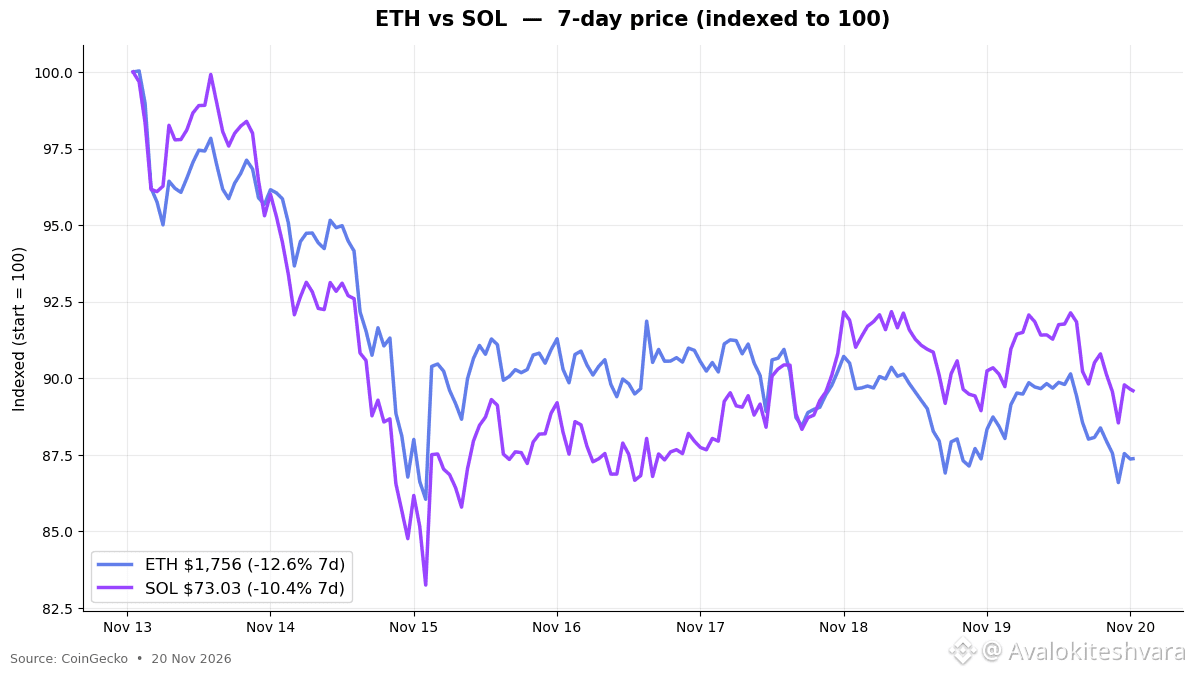
အဓိကဒင်္ဂါးကြီးတွေဟာ တစ်လအတွင်း သူတို့ရဲ့တန်ဖိုး သုံးပုံတစ်ပုံနီးပါး ပြန်လည်ကျဆင်းသွားခဲ့ပါတယ်။ ဒီဈေးကွက်ရဲ့ တကယ့်အကြောင်းအရာက အဲဒါပါပဲ — တစ်ရက်တည်း ပြန်တက်တာမျိုး မဟုတ်ပါဘူး။
$ETH ဟာ $1,758 ဝန်းကျင်မှာ အရောင်းအဝယ်ဖြစ်နေပြီး ခုနစ်ရက်အတွင်း 12.6%၊ ရက်သုံးဆယ်အတွင်း 28.7% ကျဆင်းခဲ့ပါတယ်။ $SOL ဟာ $73.14 ဝန်းကျင်မှာ ရှိနေပြီး တစ်ပတ်အတွင်း 10.4%၊ တစ်လအတွင်း 32.3% ကျဆင်းခဲ့ပါတယ်။ ရက်ကိုးဆယ်အထိ ကြည့်လိုက်ရင် ကျဆင်းမှုက ပိုပြင်းထန်လာပါတယ်။ Ethereum က 41% ဝန်းကျင်၊ Solana က 46% ဝန်းကျင် ကျဆင်းနေပါတယ်။
နှစ်ခုစလုံးဟာ သီတင်းပတ်အလယ်မှာ ပြင်းပြင်းထန်ထန် ကျဆင်းခဲ့ပါတယ်။ လွန်ခဲ့တဲ့ ခုနစ်ရက်အတွင်း အနိမ့်ဆုံးအချိန်မှာ Ethereum ဟာ $1,729 ဝန်းကျင်၊ Solana ဟာ $67.86 ဝန်းကျင်အထိ ထိခဲ့ပြီးနောက် ဈေးနှုန်းတွေ တည်ငြိမ်လာခဲ့ပါတယ်။ နှစ်ခုစလုံးဟာ နိုဝင်ဘာလအစပိုင်းက အရောင်းအဝယ်အပိုင်းအခြားကို ပြန်မရောက်သေးသလို 2025 ခုနှစ် အမြင့်ဆုံးဈေးနှုန်းတွေထက်လည်း အတော်လေး နိမ့်နေပါတယ်။
ဒါပေမဲ့ ခေါင်းစီးမှာ မပါဝင်တဲ့ အချက်တစ်ခု ရှိပါတယ်။ လွန်ခဲ့တဲ့ 24 နာရီအတွင်း ထိပ်တန်းဒင်္ဂါး 100 ထဲက 55 ခုဟာ ဈေးတက်ခဲ့ပြီး Bitcoin၊ Ethereum နဲ့ Solana တို့လည်း တစ်နေ့တာအတွင်း အနည်းငယ် မြင့်တက်ခဲ့ပါတယ်။ အရောင်းဖိအားဟာ နေရာတိုင်းမှာ ပိုပြင်းထန်လာတာမဟုတ်ဘဲ ခဏရပ်တန့်နေပါတယ်။ စိုးရိမ်မှုအဆင့်က အလွန်မြင့်မားနေဆဲဖြစ်ပေမဲ့ ဈေးကွက်ဟာ တစ်ဖြောင့်တည်း ဆက်လက်ကျဆင်းနေတာတော့ မဟုတ်တော့ပါဘူး။
စောင့်ကြည့်ရမယ့်အချက်တွေကတော့ Ethereum က $1,750 အထက်၊ Solana က $70 အထက်မှာ ဆက်ထိန်းထားနိုင်ရင် ဒီခဏရပ်တန့်မှုကို ဆက်ထိန်းထားနိုင်ပါလိမ့်မယ်။ အဲဒီအဆင့်တွေကို ဆုံးရှုံးသွားရင် မကြာသေးမီက အနိမ့်ဆုံးဈေးနှုန်းတွေကို ပြန်ရောက်နိုင်ပါတယ်။ အဓိကဒင်္ဂါးကြီးတွေဟာ ဈေးကွက်ရဲ့ တည်ငြိမ်မှုကို ထိန်းပေးတဲ့ အားထားရာတွေပါ — သူတို့တည်ငြိမ်လာတဲ့အခါ ကျန်တဲ့ဒင်္ဂါးတွေ အသက်ရှူချောင်လာနိုင်ပါတယ်။
25
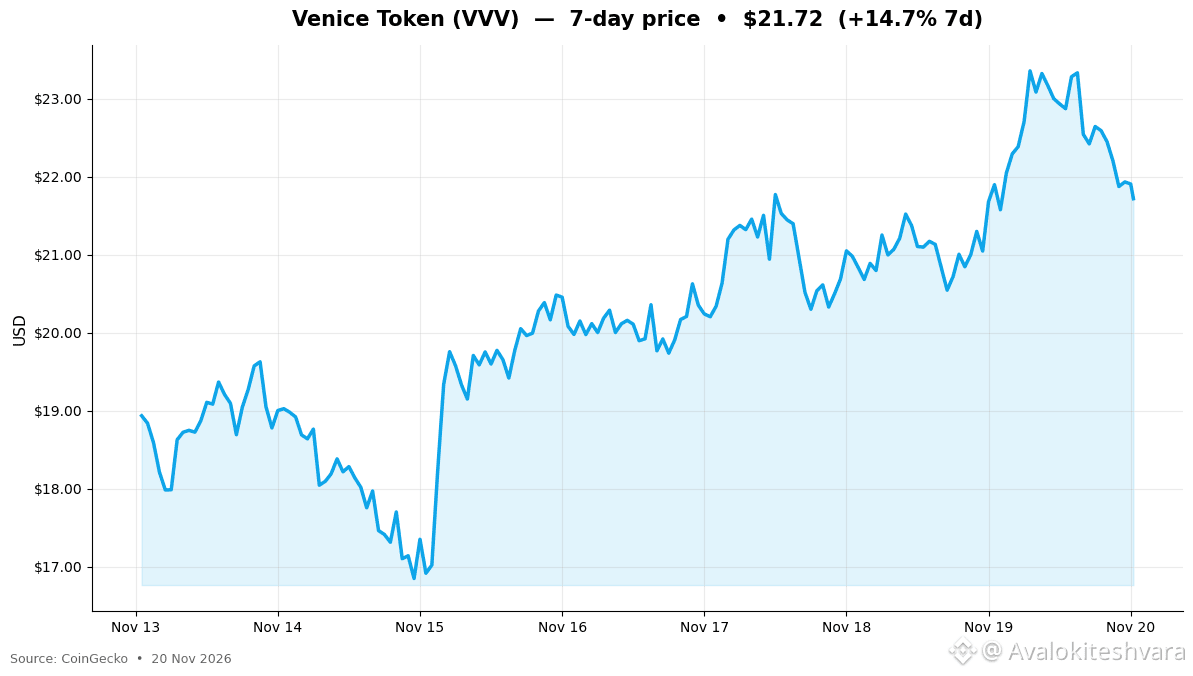
AI တိုကင်တစ်ခုကတော့ ရေစီးကြောင်းကို ဆန့်ကျင်ပြီး တိတ်တဆိတ် ရေကူးနေပါတယ် — ဘာကြောင့်လဲဆိုတာ နားလည်ထားသင့်ပါတယ်။
Venice AI ရဲ့ တိုကင်ဖြစ်တဲ့ $VVV ဟာ $21.75 ဝန်းကျင်မှာ အရောင်းအဝယ်ဖြစ်နေပြီး လွန်ခဲ့တဲ့ ခုနစ်ရက်အတွင်း 15% ခန့် မြင့်တက်ခဲ့ပါတယ်။ တစ်ချိန်တည်းမှာပဲ Bitcoin က 12.6% ကျဆင်းခဲ့ပါတယ်။ ဒီနေ့ CoinGecko မှာ ရှာဖွေမှုအများဆုံး ဒင်္ဂါးတွေထဲက တစ်ခုဖြစ်ပြီး စျေးကွက်တန်ဖိုး ဒေါ်လာ 1.07 ဘီလီယံဝန်းကျင်၊ နေ့စဉ်ကုန်သွယ်မှုပမာဏ ဒေါ်လာ သန်း 50 ခန့် ရှိပါတယ်။
Venice ဟာ Base ပေါ်မှာ တည်ဆောက်ထားတဲ့ ကိုယ်ရေးအချက်အလက်လုံခြုံရေးကို အလေးထားတဲ့ မျိုးဆက်သစ် AI ပလက်ဖောင်းဖြစ်ပြီး ၎င်းရဲ့ တိုကင်က ပလက်ဖောင်းအတွက် အသုံးဝင်မှုနဲ့ အရင်းအနှီးဆိုင်ရာ ပိုင်ဆိုင်မှုတစ်ခု ဖြစ်ပါတယ်။ AI နဲ့ ကိုယ်ရေးအချက်အလက်လုံခြုံရေးကို ပေါင်းစပ်ထားတဲ့ ဒီဇာတ်ကြောင်းဟာ ဒီနှစ် Zcash ကို မြှင့်တင်ပေးနေတဲ့ ဇာတ်ကြောင်းနဲ့ တူညီပြီး Venice ကတော့ ပိုသေးငယ်ကာ ပိုလျင်မြန်စွာ လှုပ်ရှားတဲ့ ညီအစ်ကိုဝမ်းကွဲလိုပါပဲ။ တိုကင်ဟာ တစ်ပတ်ခန့်အရင်က $18.93 ဝန်းကျင်ကနေ တက်လာပြီး $23.35 အနီး အမြင့်ဆုံးကို ရောက်ခဲ့ကာ ယခုလက်ရှိအဆင့်တွေဆီ ပြန်ကျဆင်းလာခဲ့ပါတယ်။
ဒါတွေကြောင့်တော့ ဒီတိုကင်ဟာ ဘေးကင်းတယ်လို့ မဆိုလိုပါဘူး။ စိုးရိမ်မှုများနေတဲ့ စျေးကွက်ထဲက ဒေါ်လာ 1 ဘီလီယံတန်ဖိုးရှိ တိုကင်တစ်ခုဟာ တစ်ပတ်စာ အမြတ်တွေကို တစ်ရက်တည်းနဲ့ ပြန်ဆုံးရှုံးနိုင်ပြီး 7 ရက်တာဇယားမှာလည်း အတက်အကျ နှစ်ဖက်စလုံးကို လှုပ်ခတ်နေတဲ့ ပုံစံကို အတိအကျ တွေ့ရပါတယ်။ ဒါပေမဲ့ အချက်ပြမှုကတော့ တကယ်ရှိပါတယ် — စျေးကွက်အများစု ရောင်းချနေချိန်မှာတောင် ကုန်သည်တွေက AI နဲ့ ကိုယ်ရေးအချက်အလက်လုံခြုံရေး ဇာတ်ကြောင်းအတွက် ပိုမိုပေးချေနေဆဲပါ။
အနှစ်ချုပ်ကတော့ တိတိကျကျနဲ့ ရိုးသားပါတယ် — ဇာတ်ကြောင်းရဲ့ အားကောင်းမှုဟာ စျေးကွက်နဲ့ နှိုင်းယှဉ်တဲ့ စွမ်းဆောင်ရည်မှာ ပေါ်လွင်နေပြီး စျေးကွက်အန္တရာယ်ကနေ ကင်းလွတ်နေခြင်းမှာ မဟုတ်ပါဘူး။ VVV ဟာ ကျဆင်းနေတဲ့ စျေးကွက်ထက် ပိုကောင်းအောင် စွမ်းဆောင်နေတယ် — စျေးကွက်ကနေ လွတ်မြောက်နေတာတော့ မဟုတ်ပါဘူး။
111
ဈေးကွက်တစ်ခုလုံး ကျဆင်းနေချိန်မှာ ဒီနှစ်အတွင်း စွမ်းဆောင်ရည်အကောင်းဆုံး အဓိက crypto တစ်ခုကတော့ မတူညီတဲ့ဇာတ်လမ်းတစ်ပုဒ်ကို တိတ်တဆိတ် ပြောပြနေပါတယ်။
$ZEC ဟာ ဒီနေ့မှာ $896 ဝန်းကျင်နဲ့ အရောင်းအဝယ်ဖြစ်နေပါတယ်။ ပိုကျယ်ပြန့်တဲ့အမြင်နဲ့ကြည့်လိုက်ရင် ကွာခြားချက်က သိသာထင်ရှားပါတယ်။ ယခုနှစ်အစမှ ယနေ့အထိ Zcash ဟာ 73% ဝန်းကျင်တက်ခဲ့ပြီး၊ အဲဒီကာလအတွင်း Bitcoin ကတော့ 26% ခန့်ကျဆင်းခဲ့ပါတယ်။ 2026 ခုနှစ်မှာ စျေးကွက်ထက် ပိုမိုကောင်းမွန်စွာ စွမ်းဆောင်ခဲ့တဲ့ အကြောင်းအရာက privacy ဖြစ်ပြီး Zcash က အဲဒီကဏ္ဍရဲ့ အထင်ကရဖြစ်ပါတယ်။
ပိုနီးကပ်ပြီးကြည့်ရင်တော့ အခြေအနေမှန်ကို ပိုမြင်ရပါတယ်။ ZEC ဟာ ပြီးခဲ့တဲ့တစ်လအတွင်း 28% ခန့်ကျဆင်းခဲ့ပြီး၊ စက်တင်ဘာလက $1,653 ဝန်းကျင်ရှိခဲ့တဲ့ အမြင့်ဆုံးဈေးကနေ လျှောကျလာတာပါ။ အားအကောင်းဆုံး လမ်းကြောင်းတစ်ခုတောင် ပြင်ဆင်ကျဆင်းမှုတွေ ကြုံရတတ်ပါတယ် — ဒီတစ်ကြိမ်မှာတော့ ဆောင်းဦးရာသီက ရရှိခဲ့တဲ့ အမြတ်တွေထဲက အတော်များများကို ပြန်ပေးလိုက်ရပါတယ်။
ဒီအာရုံစိုက်မှုနောက်ကွယ်မှာ တကယ့်အကြောင်းရင်းတွေ ရှိနေပါတယ်။ NU7 ကွန်ရက်အဆင့်မြှင့်တင်မှုကို နိုဝင်ဘာ 5 ရက်မှာ စတင်အသုံးပြုခဲ့ပြီး၊ ရည်မှန်းထားတဲ့ block အချိန်ကို 75 စက္ကန့်ကနေ 25 စက္ကန့်အထိ လျှော့ချခဲ့ပါတယ်။ နိုဝင်ဘာ 16–30 ရက်အတွင်း ပြုလုပ်နေတဲ့ အသိုင်းအဝိုင်းမဲပေးမှုက ZEC 50,000 — ဒေါ်လာ 49 သန်းခန့်တန်ဖိုး — ကို ထောက်ပံ့ကြေးဘဏ္ဍာတိုက်ထဲက ဖယ်ရှားပြီး အချိန်နှင့်အမျှ မိုင်းလုပ်သားများထံ ပြန်လည်ပေးအပ်မလားဆိုတာ ဆုံးဖြတ်မှာဖြစ်ပါတယ်။ ထို့အပြင် Grayscale ၏အဆိုအရ Zcash မှာ လစဉ်တက်ကြွစွာ ဖွံ့ဖြိုးတိုးတက်ရေးလုပ်ဆောင်နေသူ အရေအတွက်ဟာ နှစ်နှစ်အတွင်း နှစ်ဆခန့် တိုးလာခဲ့ပါတယ်။
ဈေးနှုန်းအဆင့်များအနေနဲ့ အပေါ်ဘက်မှာ $1,000 က စိတ်ပိုင်းဆိုင်ရာ အရေးပါတဲ့ အဆင့်ဖြစ်ပြီး၊ အောက်ဘက်မှာတော့ ရက် 200 ပျမ်းမျှတန်ဖိုးဖြစ်တဲ့ $874 ဝန်းကျင်က ထောက်ခံမှုအဆင့် ဖြစ်ပါတယ်။ သတိပြုစရာတစ်ခုက Grayscale ရဲ့ ကိုယ်ပိုင် Zcash Trust မှာ နှစ်ပတ်အတွင်း ဒေါ်လာ 44 သန်းခန့် ငွေထွက်ခဲ့ပါတယ်။ နိုဝင်ဘာ 30 ရက် မဲရလဒ်က ဒီနေ့ဈေးနှုန်းထက် ပိုအရေးကြီးပါတယ်။

191
ဒီအပတ် crypto လူမှုကွန်ရက်လောကမှာ AI coin တွေက အပြောအများဆုံးကဏ္ဍ ဖြစ်နေပါတယ်။ ဒါပေမဲ့ ဈေးနှုန်းဇယားကတော့ ပိုအေးဆေးတဲ့ ဇာတ်လမ်းကို ပြောပြနေပြီး အဲဒီကွာဟချက်ကပဲ သင်ခန်းစာ ဖြစ်ပါတယ်။
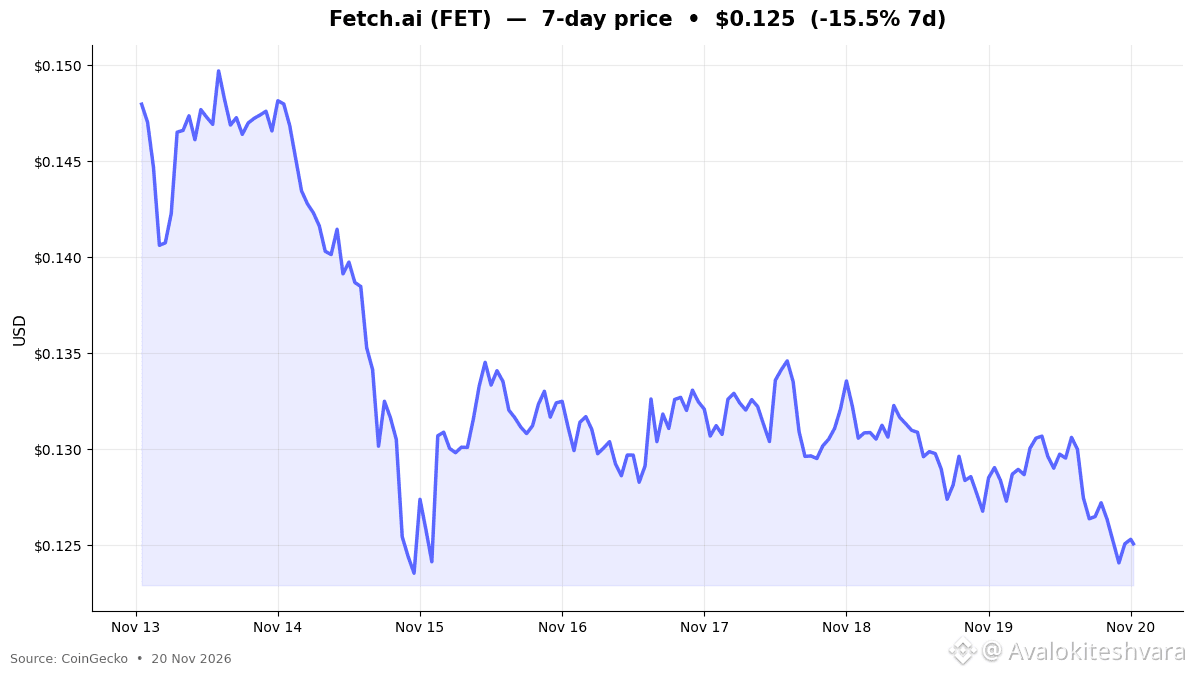
$FET က အရှင်းလင်းဆုံး ဥပမာပါ။ LunarCrush ရဲ့ လူမှုကွန်ရက်ဒေတာအရ ၎င်းဟာ crypto လောကတစ်ခုလုံးမှာ AltRank #2 ရရှိထားပြီး တစ်ရက်တည်းမှာ engagement 1.87 သန်း ရှိခဲ့ပါတယ် — ၎င်းရဲ့ နေ့စဉ်ပျမ်းမျှထက် 283% ပိုများပြီး အရောင်းအဝယ်ပမာဏကလည်း ပုံမှန်ထက် 154% ပိုများနေပါတယ်။ Nosana, Qubic နဲ့ Oraichain တို့လည်း လူမှုကွန်ရက်မှာ အာရုံစိုက်မှု အများအပြား ရရှိနေပါတယ်။ လူမှုကွန်ရက်တွေပေါ်မှာတော့ ဒီအပတ်ရဲ့ အရောင်းအဝယ်ရေပန်းစားမှုက AI ဖြစ်ပါတယ်။
ဒါပေမဲ့ ဈေးနှုန်းကို ကြည့်ပါ။ FET ဟာ $0.125 ဝန်းကျင်မှာ ရှိနေပြီး လွန်ခဲ့တဲ့ 7 ရက်အတွင်း 15.5% ခန့် ကျဆင်းကာ $0.148 ဝန်းကျင်ကနေ အောက်ဘက်ကို ဆက်ရွေ့နေပါတယ်။ လူတွေဟာ AI token တွေအကြောင်း အရင်ကထက် ပိုပြောနေကြပေမဲ့ token ကိုယ်တိုင်ကတော့ ကျန်တဲ့ဈေးကွက်နဲ့အတူ တန်ဖိုးကျဆင်းနေပါတယ်။
ဒီလို ကွာဟနေတာဟာ ဆန့်ကျင်ဘက်ဖြစ်နေတာ မဟုတ်ပါဘူး — ပုံမှန်ပါပဲ။ လူမှုကွန်ရက်ပေါ်က စိတ်ဝင်စားမှုဟာ အာရုံစိုက်မှုကို တိုင်းတာတာဖြစ်ပြီး ဈေးနှုန်းဦးတည်ရာကို တိုင်းတာတာ မဟုတ်ပါဘူး။ ဈေးနှုန်းက လိုက်မတက်ခင် အာရုံစိုက်မှုဟာ ရက်သတ္တပတ်များစွာ မြင့်တက်နေနိုင်သလို ဈေးတက်လှုပ်ရှားမှု ပြီးဆုံးခါနီးမှာလည်း အမြင့်ဆုံးကို ရောက်သွားနိုင်ပါတယ်။ အမှန်အတိုင်း သုံးသပ်ရရင် AI ဟာ အခုအချိန်မှာ အာရုံစိုက်မှုအများဆုံး ရရှိနေတဲ့ ဇာတ်ကြောင်းဖြစ်နေဆဲဖြစ်ပြီး FET ကလည်း အဲဒီထဲမှာ အပြောအများဆုံး နာမည်ပါ။ ဒါပေမဲ့ အပြောများတယ်ဆိုတာ ဈေးတက်မယ်လို့ မဆိုလိုပါဘူး။ ဒီကဏ္ဍကို စောင့်ကြည့်နေတယ်ဆိုရင် ဈေးတွေ ဆက်မကျတော့တဲ့အခါ လူမှုကွန်ရက်ပေါ်က engagement ဆက်ထိန်းထားနိုင်မလားဆိုတာ စောင့်ကြည့်ပါ — အဲဒီအချိန်ကျမှ အာရုံစိုက်မှုက အဓိပ္ပာယ်ရှိလာမှာပါ။
2
1.1k
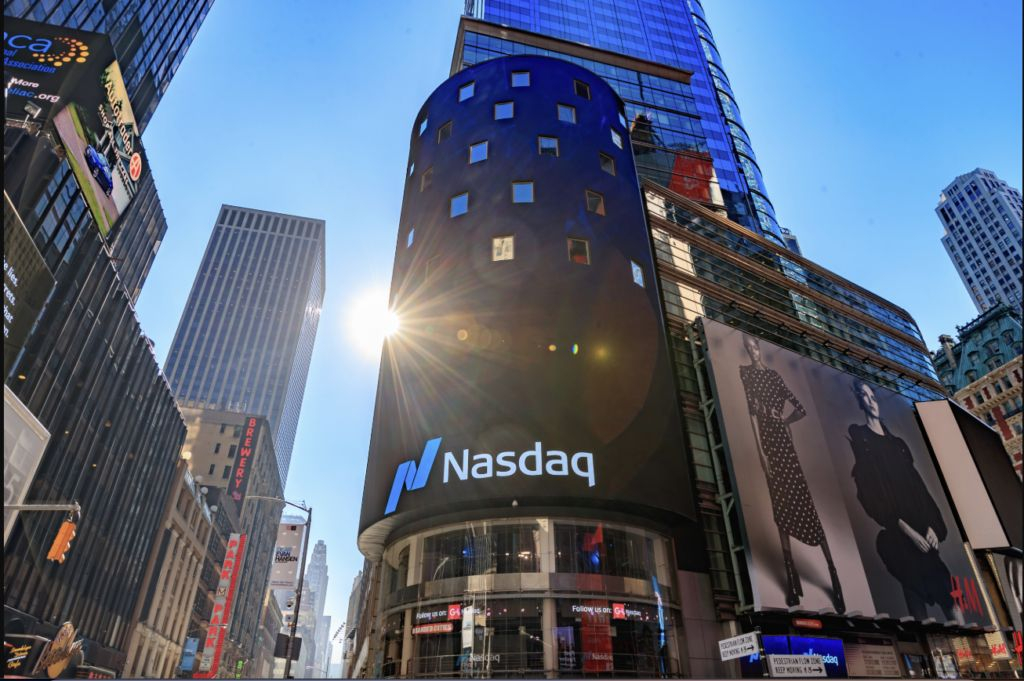
ယခုနှစ် Wall Street ၏ အကြီးဆုံး IPO ကို Nasdaq တွင် စာရင်းမဝင်မီကတည်းက crypto ဈေးကွက်တွင် ဈေးနှုန်းသတ်မှတ်ခဲ့ပြီး၊ crypto ဈေးကွက်၏ ခန့်မှန်းချက်မှာလည်း အံ့ဩဖွယ် တိကျလုနီးပါး ဖြစ်ခဲ့သည်။
Anthropic ၏ IPO ကို ရှယ်ယာတစ်စုလျှင် $83 ဖြင့် ဈေးသတ်မှတ်ခဲ့ပြီး၊ ထို့နောက် Nasdaq တွင် $111.50 ဖြင့် စတင်အရောင်းအဝယ်ဖြစ်ခဲ့ရာ 34% မြင့်တက်ခဲ့သည်။ စာရင်းဝင်မှုအတွက် လျှောက်ထားမှုသည် ခန့်မှန်းခြေ ခုနစ်ဆ ပိုများခဲ့ပြီး၊ $107.3 billion ရရှိရန်အတွက် ခန့်မှန်းခြေ $500 billion တန်ဖိုးရှိ လေလံများ ရှိခဲ့သည်။ အရောင်းအဝယ်ကာလ နှောင်းပိုင်းတွင် ရှယ်ယာဈေးသည် $98.49 ဝန်းကျင်အထိ ပြန်ကျသွားခဲ့သော်လည်း IPO ဈေးနှုန်းထက် 19% နီးပါး မြင့်နေဆဲဖြစ်ပြီး၊ စတင်ဈေးထက် 12% ကျဆင်းခဲ့သည်။
Crypto အတွက် အရေးကြီးသည့်အချက်မှာ ဤနေရာတွင် ရှိသည်။ Hyperliquid ပေါ်တွင် Anthropic နှင့် ချိတ်ဆက်ထားသော အဆုံးမဲ့အနာဂတ်စာချုပ်များသည် ရှယ်ယာဈေး စတင်မဖွင့်မီလေးတွင် $110.48 ဖြင့် အရောင်းအဝယ်ဖြစ်နေခဲ့ပြီး၊ ငွေသားဈေးကွက်၏ စတင်ဈေး $111.50 နှင့် 1% အတွင်း ကွာခြားခဲ့သည်။ ထိုစာချုပ်၏ 24 နာရီအတွင်း အရောင်းအဝယ်ပမာဏမှာ $545.7 million ရှိပြီး၊ ဖွင့်လက်ကျန်ပမာဏမှာ $303.3 million ရှိခဲ့သည်။ Anthropic အဆုံးမဲ့အနာဂတ်စာချုပ် အရောင်းအဝယ်ပမာဏတွင် Binance က ခန့်မှန်းခြေ $741 million ဖြင့် အခြားဈေးကွက်များထက် ဦးဆောင်ခဲ့သည်။ ကုန်သည်အများစုမှာ ဈေးတက်မည်ဟု မျှော်လင့်ထားကြပြီး၊ စတင်ဈေးမဖွင့်မီ အတက်ဘက် ရာထူး 5,567 ခုနှင့် အကျဘက် ရာထူး 1,996 ခု ရှိခဲ့သည်။
ဤအရာသည် အသစ်အဆန်းမဟုတ်ပါ။ Grayscale ၏ လေ့လာချက်အရ မကြာသေးမီက IPO ရှစ်ခုအနက် ခုနစ်ခုတွင် IPO မတိုင်မီ အဆုံးမဲ့အနာဂတ်စာချုပ်များက စတင်ဈေး၏ ဦးတည်ရာကို မှန်ကန်စွာ ခန့်မှန်းနိုင်ခဲ့သည်။ ဤပုံစံသည် ကြီးမားသော စာရင်းဝင်မှုများအတွက် ဈေးနှုန်းရှာဖွေရာ အမှန်တကယ်နေရာတစ်ခု ဖြစ်လာနေသည်—ယခုနှစ်အစောပိုင်းက SpaceX၊ ယခု Anthropic။
ရိုးသားစွာ ဝန်ခံရမည့်အချက်တစ်ခုရှိသည်။ ဤအဆုံးမဲ့အနာဂတ်စာချုပ်များသည် ဓာတုအခြေခံ စာချုပ်များဖြစ်သည်။ ၎င်းတို့က တည်ငြိမ်ဒင်္ဂါးများဖြင့် ပေးချေပြီး၊ ရှယ်ယာ၊ မဲပေးခွင့် သို့မဟုတ် အမြတ်ဝေစု မပါဝင်ပါ။ $HYPE က ဈေးကွက်နေရာဖြစ်ပြီး၊ ရှယ်ယာမဟုတ်ပါ။ သို့သော် စာရင်းဝင်မှုစတင်ချိန်တွင် ဈေးကွက်က မည်သည့်ဈေးနှုန်းဖြစ်မည်ဟု ယူဆနေကြောင်း ပြသသည့် အချက်ပြတစ်ခုအဖြစ်တော့ crypto ၏ IPO မတိုင်မီ ဈေးကွက်သည် ယခုအခါ ပိုမိုလေးစားအသိအမှတ်ပြုခံရရန် ထိုက်တန်လာခဲ့သည်။
307
Bitcoin သည် ဒေါ်လာ ၆၀,၀၀၀ အဆင့်ကို ရင်ဆိုင်နေရပြီး ဈေးကွက်ကလည်း ယင်းအချက်ကို သတိပြုမိနေသည်။
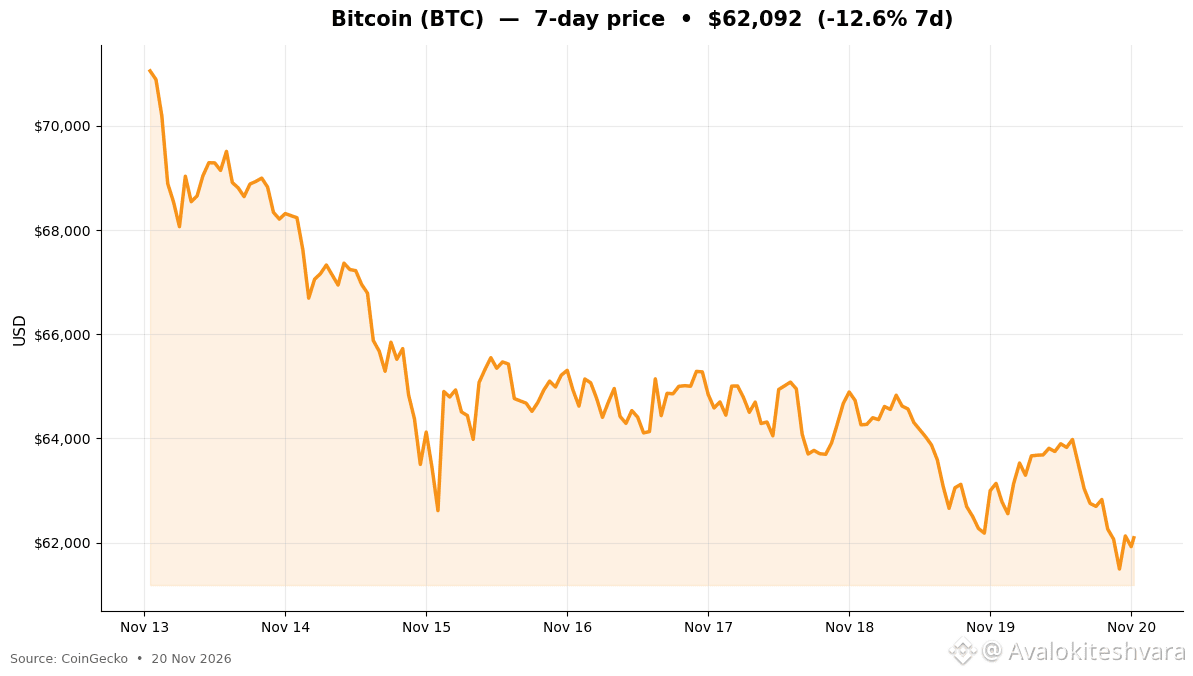
$BTC သည် ယနေ့နံနက်တွင် ဒေါ်လာ ၆၂,၁၀၀ ဝန်းကျင်၌ အရောင်းအဝယ်ဖြစ်နေပြီး ၂၄ နာရီအတွင်း ၁.၂% ခန့်၊ ပြီးခဲ့သည့် ခုနစ်ရက်အတွင်း ၁၂.၆% ကျဆင်းခဲ့သည်။ တစ်လတာအခြေအနေမှာ ပိုမိုဆိုးရွားပြီး ၂၃% ခန့် ကျဆင်းနေသည်။ Fear & Greed Index သည် ၁၀ — အလွန်အမင်းကြောက်ရွံ့မှု — တွင် ရှိနေပြီး စုစုပေါင်း ခရစ်ပ်တိုဈေးကွက်တန်ဖိုးမှာ ဒေါ်လာ ၂.၁၅ ထရီလီယံခန့်အထိ ကျဆင်းသွားသည်။
ညတွင်းချင်း ဈေးနှုန်းလှုပ်ရှားမှုမှာ ပြင်းထန်ခဲ့သည်။ ယနေ့အစောပိုင်းတွင် Bitcoin သည် ဒေါ်လာ ၆၂,၀၀၀ အောက်သို့ ကျဆင်းခဲ့ပြီး တစ်နာရီအတွင်း ဒေါ်လာ ၆၂,၇၈၆ မှ ဒေါ်လာ ၆၁,၉၃၀ သို့ ရောက်သွားသည်။ ထိုတစ်နာရီအတွင်း လောင်းကြေးအတက်ဘက်ယူထားသည့် ရာထူးများမှ ဒေါ်လာ ၁၃ သန်းခန့်ကိုလည်း အတင်းအကျပ် ဖျက်သိမ်းခဲ့ရသည်။ ကိန်းပြည့်အဆင့်တစ်ခုကို ဈေးနှုန်းက ချဉ်းကပ်လာပြီး အကြွေးဖြင့် အရောင်းအဝယ်လုပ်သူများက ဈေးကွက်၏ ဆန့်ကျင်ဘက်ဘက်တွင် မိနေသည့်အခါမျိုးတွင် ထိုသို့သော ဈေးနှုန်းသုတ်သင်မှုများ ဖြစ်လေ့ရှိသည်။
ယနေ့ အရေးကြီးသည့်အချက် နှစ်ချက်ရှိသည်။ ပထမအချက်မှာ အမေရိကန်ရှယ်ယာရွေးချယ်ခွင့် စာချုပ်များသည် ယနေ့ညနေ (UTC 20:00) တွင် သက်တမ်းကုန်မည်ဖြစ်ပြီး၊ ယင်းက ဈေးကွက်ပိတ်ခါနီးတွင် မတည်ငြိမ်မှုကို မကြာခဏ တိုးစေသည်။ ဒုတိယအချက်မှာ ကြိုတင်ခန့်မှန်းဈေးကွက်ဈေးနှုန်းအရ Bitcoin သည် သောကြာနေ့တွင် ဒေါ်လာ ၆၅,၀၀၀ သို့မဟုတ် ထို့ထက်မြင့်သောဈေးဖြင့် ပိတ်နိုင်ခြေမှာ ၅၄% သာရှိသည် — ဈေးကွက်က အမှန်တကယ်ပင် မသေချာဖြစ်နေသည်။
စောင့်ကြည့်ရမည့် အဓိကအဆင့်များမှာ ဒေါ်လာ ၆၀,၀၀၀ သည် စိတ်ပိုင်းဆိုင်ရာအရ အရေးပါသည့်အဆင့်ဖြစ်ပြီး၊ ၎င်းအောက်တွင် ဒေါ်လာ ၅၈,၃၇၇ ရှိသည်။ ခုခံမှုအဆင့်မှာ ဒေါ်လာ ၆၄,၂၇၂ ဝန်းကျင်တွင် ရှိသည်။ နေ့စဉ်ပိတ်ဈေး ဒေါ်လာ ၆၀,၀၀၀ အောက်ရောက်ပါက ရေတိုအခြေအနေ ပြောင်းလဲသွားမည်။ ထိုအဆင့်ကို ထိန်းထားနိုင်ပါက ဈေးနှုန်းအကွာအဝေးအတွင်း အရောင်းအဝယ်ဖြစ်နေမှု ဆက်လက်တည်ရှိမည်။ ဘယ်လိုပဲဖြစ်ဖြစ်၊ ယခုဈေးကွက်သည် စိတ်လှုပ်ရှားတက်ကြွမှုထက် ကြောက်ရွံ့မှုအပေါ် အခြေခံလှုပ်ရှားနေခြင်းဖြစ်ပြီး၊ ဈေးနှုန်းတစ်ကြိမ်တည်း ပြန်တက်မှုကို အလွန်အကျွံ အဓိပ္ပာယ်ဖွင့်ဆိုမီ ယင်းကို သတိရထားသင့်သည်။
120
Log in to explore more content
Join global crypto users on Binance Square
⚡️ Get latest and useful information about crypto.
💬 Trusted by the world’s largest crypto exchange.
👍 Discover real insights from verified creators.
အီးမေးလ် / ဖုန်းနံပါတ်
ရေပန်းစားနေသော ခေါင်းစဉ်များ
BTCReboundsAbove$60KAmidWhaleDipBuying
ကြည့်ရှုမှု 13,421 ကြိမ်
118 ဦး ဆွေးနွေးနေသည်
Bitcoin က ဒေါ်လာ ၆၀,၀၀၀ ကို ခဏတာ ပြန်လည်ကျော်တက်ချိန် Abraxas Capital နှင့် အခြားဝေလငါးများက BTC ဈေးကျချိန်တွင် ဝယ်ယူ
Binance News
·နှစ်သက်မှု 19 ခု
·ကြည့်ရှုမှု 26.2k ကြိမ်
SolanaSets2027RoadmapToDoubleComputeCapacity
ကြည့်ရှုမှု 1,101 ကြိမ်
86 ဦး ဆွေးနွေးနေသည်
CaliforniaNvidiaProbeExaminesPotentialCriminalViolations
ကြည့်ရှုမှု 1,339 ကြိမ်
32 ဦး ဆွေးနွေးနေသည်