
bobobledi
32 Posts

bobobledi
Open Trade
Occasional Trader
3 Years
96 Following
143 Followers
63 Liked
Posts
Portfolio
All
Quotes
Live
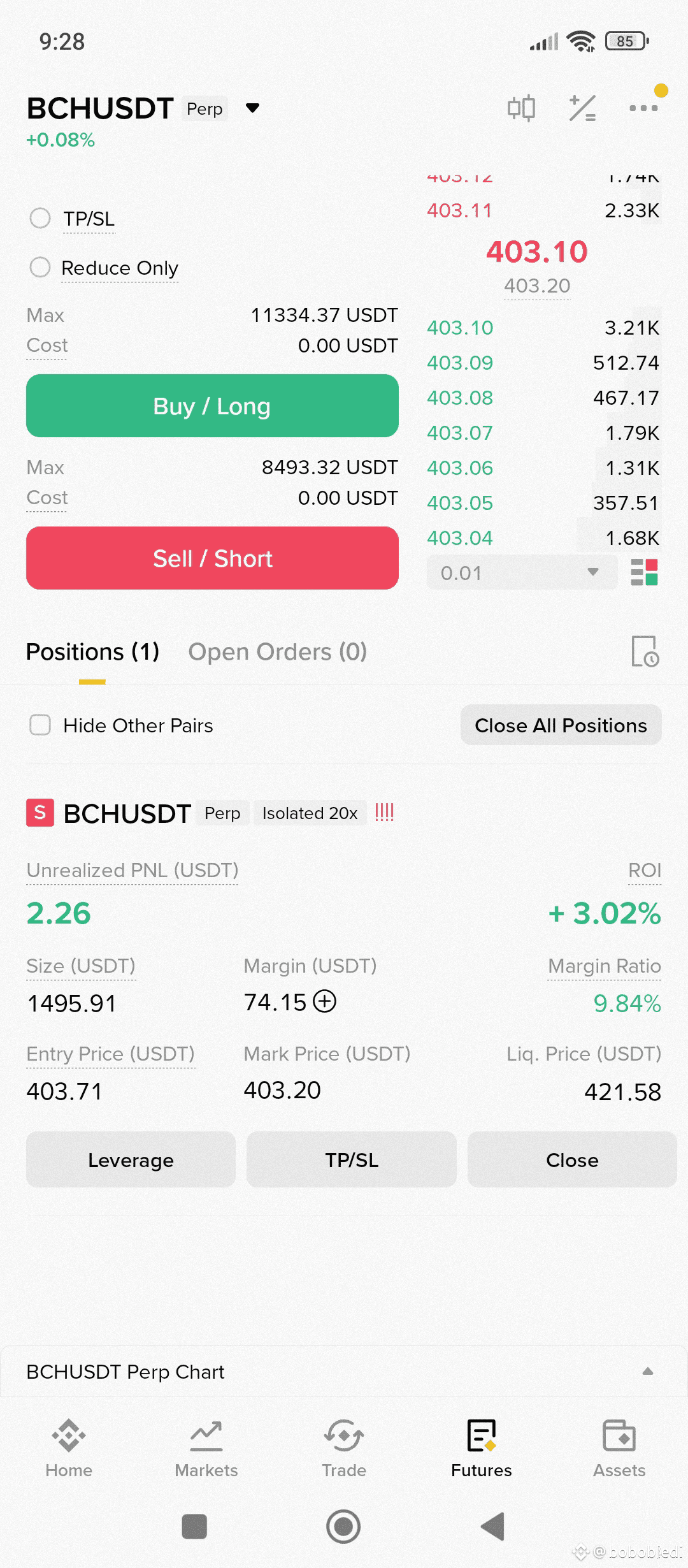
if you dont needed give it to me 😁 i have only 2.66$ from red boxes ✌️🥳🥳🥳
Quoted content has been removed
pass key


Madu_6
·
--
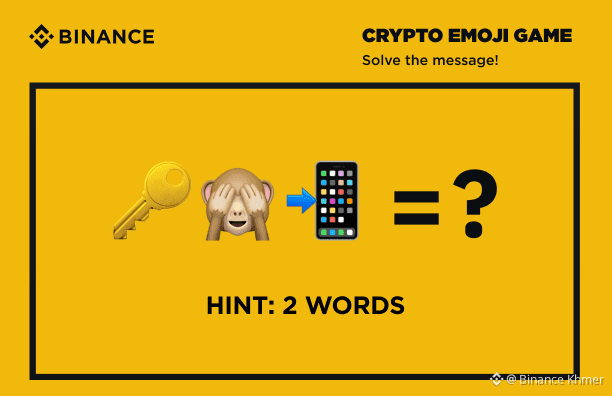
💥Guess the Emoji word for and win a share of the total prize of 100 USDC! 🎉💰
🔍 Question Day 1
Please look at the Banner image above. What do these Emojis represent in the Crypto word?
💡 Hint: "I am something you shouldn't share with others completely".
📝 To submit your answe watch official @Binance Khmer
🗓 Date: 17-23 December 2025
⏰ Time: 1:00 PM – 8:00 PM (UTC+7)
🔍 Question Day 1
Please look at the Banner image above. What do these Emojis represent in the Crypto word?
💡 Hint: "I am something you shouldn't share with others completely".
📝 To submit your answe watch official @Binance Khmer
🗓 Date: 17-23 December 2025
⏰ Time: 1:00 PM – 8:00 PM (UTC+7)
dont worry for some days it will hit 150-180 $

BlockchainBillar
·
--
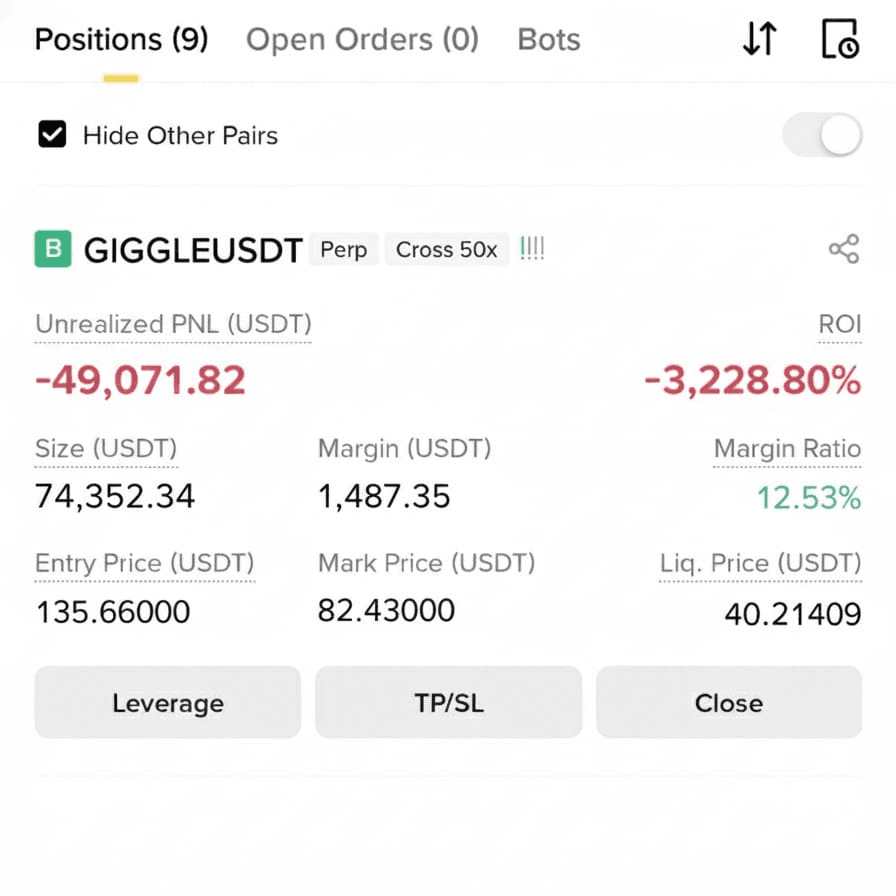
Bad Day big Loss😖😖😭
$GIGGLE
$GIGGLE
hey my friend thing a bit for poor people 🥳🥁🥁💝♥️💟😁

Wander Maruf786
·
--
good
“Moments to think about where we should invest… don’t forget the older cryptocurrencies such as BCH, LTC, NANO, DASH, because at the moment I believe they are undervalued but have potential to appreciate in the future, just like what happened with the huge price surge of ZEC, which a few months ago was worth around $20–30.”
#BCH #LTC #DASH #NANO $BTC
#BCH #LTC #DASH #NANO $BTC
hello everyone... according to the angles and the moment I believe that the situation will continue to decline for cryptocurrencies in general I think that bitcoin will continue to drop this week by at least 5-7% it is predicted that at least for this week it will fluctuate in prices between 90k and the lowest at 83k ..I wish you success and be careful in trading..
BPRJM9OMMU

BnbTraderX
·
--
Bullish$BTTC 😱😱😱😱😱😱😱😱😱😱😱😱😱😱
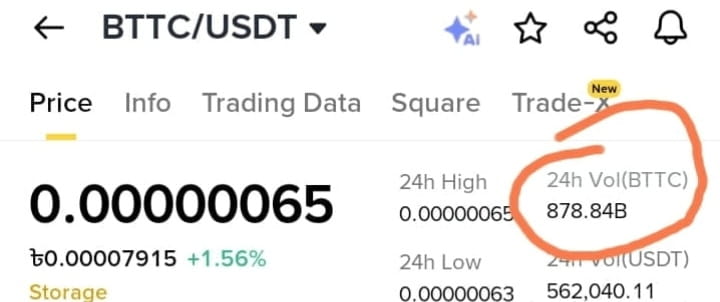
People say: $BTTC is DEAD ‼️‼️‼️
878.84B volume is the Signal 🔥 that $BTTC is almost Dead 😅
Congratulations #haters 🎉
People say: $BTTC is DEAD ‼️‼️‼️
878.84B volume is the Signal 🔥 that $BTTC is almost Dead 😅
Congratulations #haters 🎉
BPRJM9OMMU red pack
"If someone would like to send me a tip, I would really appreciate it." 773979289

Suleman_
·
--
$BTC $ETH $BNB
🚨 BREAKING: $PWC – Puppies Web3 Coin is LIVE! 🐶🔥
The cutest project on the blockchain just dropped —
and early believers are already howling! 🐾
💰 100% Community Driven
⚡ Fast • Secure • Transparent
🎨 NFTs + Fetch-to-Earn Rewards Coming Soon
🌕 Contract: ...6eb2
This isn’t a meme… it’s the next Web3 movement. 🚀
Join the pack before it’s too late! 💎
#PowellRemarks #crypto #puppies #Binance #StarLineTeam
🚨 BREAKING: $PWC – Puppies Web3 Coin is LIVE! 🐶🔥
The cutest project on the blockchain just dropped —
and early believers are already howling! 🐾
💰 100% Community Driven
⚡ Fast • Secure • Transparent
🎨 NFTs + Fetch-to-Earn Rewards Coming Soon
🌕 Contract: ...6eb2
This isn’t a meme… it’s the next Web3 movement. 🚀
Join the pack before it’s too late! 💎
#PowellRemarks #crypto #puppies #Binance #StarLineTeam

if this is real than 1000$ for me 🤪😁✌️

ANAYA KHAN 001
·
--
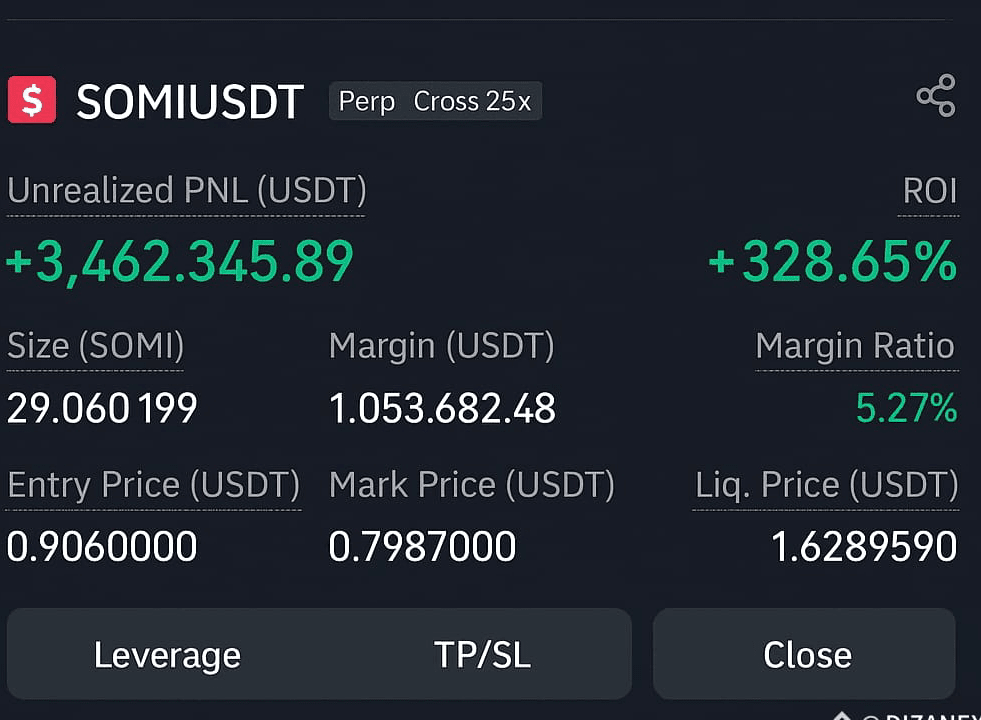
Bullish$SOMI
Big profit I think it's a good profit from me 😀😀😀😀😀😀😀😀😀😀😀😀😀😀😀😀😀😀😀😀😀😀
Big profit I think it's a good profit from me 😀😀😀😀😀😀😀😀😀😀😀😀😀😀😀😀😀😀😀😀😀😀
everything is going down..take carrefully
Bitcoin faces meaningful cryptographic and operational risks from large-scale quantum computers. While full-scale quantum attacks remain speculative in timing, their potential to break ECDSA/Schnorr signatures and to accelerate hashing tasks forces the Bitcoin ecosystem to plan migrations to quantum-resistant primitives and to adopt wallet/operational practices that minimize exposure.
Expanded formulation (polished paragraph)
Bitcoin’s security model depends critically on classical public-key cryptography (ECDSA / Schnorr) and the computational hardness of SHA-256 for proof-of-work. A sufficiently powerful quantum computer running Shor’s algorithm could derive a user’s private key from any revealed public key, enabling theft of funds from addresses that have previously published signatures. Grover-type quantum speedups also reduce the effective cost of brute-forcing hash preimages, which could affect mining dynamics and certain cryptographic proofs — although Grover offers only a quadratic, not exponential, advantage. The most immediate practical risk is to spent addresses: any address whose public key has appeared on-chain becomes vulnerable if a quantum adversary can act before funds are moved. Mitigations include migrating to post-quantum signature schemes (lattice- or hash-based), minimizing address reuse, delaying public-key exposure where possible, using multi-signature setups that mix classical and post-quantum keys, and coordinating protocol upgrades (soft or hard forks) to introduce quantum-resistant primitives. Planning and tooling are required now because wide deployment and user migration will take years, even if large quantum machines remain uncertain in arrival time.
BP4NVUR9XS hello help me by opening my red box thank you very much and success in trading
$PEPE
Quoted content has been removed
greetings to all cryptoholders and do not worry the market will rise and fall just be careful not to panic
Log in to explore more content