
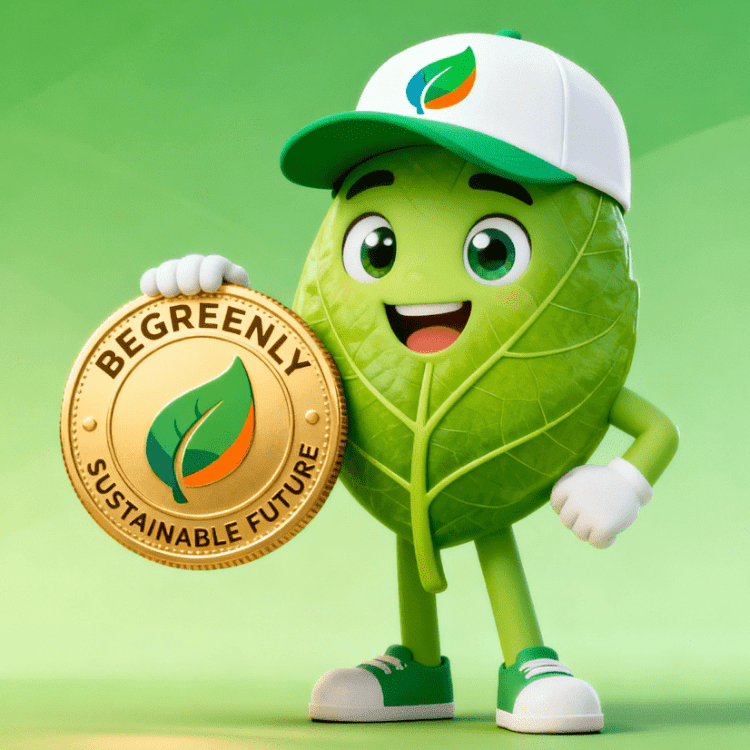
BeGreenly Coin Official
BeGreenly Coin – First Proof-of-Green Blockhain
Green innovations | Community first | Crypto with Conscience
Let’s build a sustainable chain
X: @begreenlyapp
Tirgo bieži
8.1 gadi
177 Seko
17.6K+ Sekotāji
8.2K+ Patika
607 Kopīgots
Publikācijas
Visi
Cenu piedāvājumi
Video
Tiešraides
PINNED
🌱 BeGreenly Coin $BGREEN veiksmīgi migrējis uz BNB ķēdi!
Mēs esam priecīgi paziņot, ka BeGreenly Coin oficiāli migrējis no Polygon uz BNB ķēdi, lai nodrošinātu ātrākas darījumu veikšanas, zemākas maksas un labāku mērogojamību mūsu kopienai.
BNB ķēde nodrošina spēcīgāku ekosistēmu un plašāku redzamību, palīdzot BeGreenly augt vēl ātrāk, vienlaikus saglabājot fokusu uz ilgtspējību un inovācijām.
✅ Jaunā līguma adrese (BNB ķēde):
0x791a856ccc3e2b8d990bd8cb30da823104accab8
Lūdzu, atjauniniet savas makus un grāmatzīmes, lai izvairītos no jebkādas neskaidrības. Vecais Polygon līgums vairs nav galvenais tokens.
Šī migrācija ir būtisks solis uz priekšu, veidojot spēcīgāku, zaļāku un gudrāku blokķēdes nākotni ar BeGreenly.
Paldies par jūsu nepārtrauktu atbalstu — lielas lietas nāk!
#BeGreenly #BNBChain #CryptoMigration #GreenBlockchain #BeGreenCoin #Web3Future
Mēs esam priecīgi paziņot, ka BeGreenly Coin oficiāli migrējis no Polygon uz BNB ķēdi, lai nodrošinātu ātrākas darījumu veikšanas, zemākas maksas un labāku mērogojamību mūsu kopienai.
BNB ķēde nodrošina spēcīgāku ekosistēmu un plašāku redzamību, palīdzot BeGreenly augt vēl ātrāk, vienlaikus saglabājot fokusu uz ilgtspējību un inovācijām.
✅ Jaunā līguma adrese (BNB ķēde):
0x791a856ccc3e2b8d990bd8cb30da823104accab8
Lūdzu, atjauniniet savas makus un grāmatzīmes, lai izvairītos no jebkādas neskaidrības. Vecais Polygon līgums vairs nav galvenais tokens.
Šī migrācija ir būtisks solis uz priekšu, veidojot spēcīgāku, zaļāku un gudrāku blokķēdes nākotni ar BeGreenly.
Paldies par jūsu nepārtrauktu atbalstu — lielas lietas nāk!
#BeGreenly #BNBChain #CryptoMigration #GreenBlockchain #BeGreenCoin #Web3Future
PINNED
🎉 8 gadu kopā ar Binance 🎉
Šodien ir 8. gads, kopš esmu kopā ar Binance.
Tas ir bijis vairāk nekā tikai laiks — tas ir bijis mācīšanās, augšana, inovācijas un uzticības ceļš.
Liels paldies Binance komandai par platformas izveidi, kas patiesi iespējo kopienas izaugsmi, atbalsta inovācijas un turpina attīstīties kopā ar kriptospēku.
Arī pateicība visiem draugiem, brāļiem un kopienas locekļiem, kas ir bijuši daļa no šī ceļa — jūsu atbalsts, diskusijas un motivācija ir ļoti nozīmīgas.
Vēl mācos. Vēl veidoju. Vēl kustamies uz priekšu. 🚀
#Binance #8YearsWithBinance #CryptoJourney #Grateful #BinanceCommunity
@CZ @Binance Labs @Yi He @Richard Teng @Daniel Zou (DZ) 🔶 @Binance Angels @ribka_bitcoiner
Šodien ir 8. gads, kopš esmu kopā ar Binance.
Tas ir bijis vairāk nekā tikai laiks — tas ir bijis mācīšanās, augšana, inovācijas un uzticības ceļš.
Liels paldies Binance komandai par platformas izveidi, kas patiesi iespējo kopienas izaugsmi, atbalsta inovācijas un turpina attīstīties kopā ar kriptospēku.
Arī pateicība visiem draugiem, brāļiem un kopienas locekļiem, kas ir bijuši daļa no šī ceļa — jūsu atbalsts, diskusijas un motivācija ir ļoti nozīmīgas.
Vēl mācos. Vēl veidoju. Vēl kustamies uz priekšu. 🚀
#Binance #8YearsWithBinance #CryptoJourney #Grateful #BinanceCommunity
@CZ @Binance Labs @Yi He @Richard Teng @Daniel Zou (DZ) 🔶 @Binance Angels @ribka_bitcoiner
Skatīt tulkojumu
I listed the set of the validators of Fogo and it shows the underlying bet in the project.
The operational excellence rather than the decentralization optic only selects 19 to 30 curated validators. The priority of Fogo corresponds to a steady execution time of about 40ms, which is similar to the traditional finance systems that are performance optimized, but not ideologically driven. When it becomes adopted, speed prevails, otherwise, the criticism of centralization can prevail. The market hasn’t decided yet.
$FOGO #fogo @Fogo Official
The operational excellence rather than the decentralization optic only selects 19 to 30 curated validators. The priority of Fogo corresponds to a steady execution time of about 40ms, which is similar to the traditional finance systems that are performance optimized, but not ideologically driven. When it becomes adopted, speed prevails, otherwise, the criticism of centralization can prevail. The market hasn’t decided yet.
$FOGO #fogo @Fogo Official
Skatīt tulkojumu
Wrong Metrics (Everyone) is Watching.
Traders fixate on price. Curious Technology argues about the transaction throughput per second (TPS). There are a lot of people who analyze TVL and tokenomics charts. But on examining what brings blockchains success and failure more closely, I have come to the conclusion that we are measuring the wrong thing. The developer adoption has always been the real pointer. At the present, I think that Fogo is one of the tragedies that are underestimated.
Fogo is a blockchain that operates on Solana Virtual Machine (SVM), and is a layer-one blockchain. To the developers, that is a huge benefit: they can use the old tooling, a language they are already familiar with and do not have to rebuild all that. What impressed me the most is its colocation strategy. Fogo locates its validators directly beside the daily trading infrastructure, a strategy that the high-frequency trading (HFT) companies employ to cut down the execution by microservices. It is not a whitepaper pledge; it is an air architecture that enhances latency of tremors protocols and order books on-chain. By the time I saw the article, I realized that it was not intended to be hyped to retailers, but to committed Constructors.
This was my most interesting statistic since six DApps are already under construction on Fogo. That is not a huge number but considering that it is a chain so young this is a big number. These are not amateurs; they are groups that assessed the technology, considered alternatives, and did more time and product into the ecosystem. The developers are ordering platforms on which the infrastructure suits their interests, rather than which platform they are loyal to. The certification of Fogo by six independent teams gives a better completion than any TPS figure.
This trend has always been proved in history. Ethereum was not taking over by marketing but its developers were taken first, and users came second behind the applications. The resurgence of Solana is due not to price but to the builders. As soon as serious ships were shipped, users came back, and cost increased. This process continues: builders- to-apps-to-users-to price. Fogo at present is in the builder phase. Majority of the crypto community will pay attention at the fourth stage when the price increases and this will create an opportunity.
My gut feeling: I am not saying that Fogo is a surety. No chain is. However, it is difficult to ignore the fusion of SVM architecture, colocation, and six operating groups on an obscure chain. Manipulation of price is achievable, overstating of TPS is achievable, but authentic adoption of real developers is hard to imitate. A significant number of them will find Fogo when the price increases sharply. I would prefer to see the constructionists at this time.
$FOGO #fogo @fogo
Fogo is a blockchain that operates on Solana Virtual Machine (SVM), and is a layer-one blockchain. To the developers, that is a huge benefit: they can use the old tooling, a language they are already familiar with and do not have to rebuild all that. What impressed me the most is its colocation strategy. Fogo locates its validators directly beside the daily trading infrastructure, a strategy that the high-frequency trading (HFT) companies employ to cut down the execution by microservices. It is not a whitepaper pledge; it is an air architecture that enhances latency of tremors protocols and order books on-chain. By the time I saw the article, I realized that it was not intended to be hyped to retailers, but to committed Constructors.
This was my most interesting statistic since six DApps are already under construction on Fogo. That is not a huge number but considering that it is a chain so young this is a big number. These are not amateurs; they are groups that assessed the technology, considered alternatives, and did more time and product into the ecosystem. The developers are ordering platforms on which the infrastructure suits their interests, rather than which platform they are loyal to. The certification of Fogo by six independent teams gives a better completion than any TPS figure.
This trend has always been proved in history. Ethereum was not taking over by marketing but its developers were taken first, and users came second behind the applications. The resurgence of Solana is due not to price but to the builders. As soon as serious ships were shipped, users came back, and cost increased. This process continues: builders- to-apps-to-users-to price. Fogo at present is in the builder phase. Majority of the crypto community will pay attention at the fourth stage when the price increases and this will create an opportunity.
My gut feeling: I am not saying that Fogo is a surety. No chain is. However, it is difficult to ignore the fusion of SVM architecture, colocation, and six operating groups on an obscure chain. Manipulation of price is achievable, overstating of TPS is achievable, but authentic adoption of real developers is hard to imitate. A significant number of them will find Fogo when the price increases sharply. I would prefer to see the constructionists at this time.
$FOGO #fogo @fogo
Skatīt tulkojumu
Join Everyone for Ramadan Giveaways ......
[Atkārtojums] 🎙️ Ramadan Mubarak Everyone..!!
03 h 41 m 24 s · 1.1k klausītāji
Skatīt tulkojumu
🌙 Ramadan Mubarak from BeGreenly 💚
May this blessed month bring peace, kindness, and prosperity into your lives. 🤲
Wishing our entire $BGREEN community a joyful and meaningful Ramadan filled with positivity, reflection, and growth.
Stay blessed. Stay green. 🌱
#RamadanMubarak #BGREEN #BeGreenly
May this blessed month bring peace, kindness, and prosperity into your lives. 🤲
Wishing our entire $BGREEN community a joyful and meaningful Ramadan filled with positivity, reflection, and growth.
Stay blessed. Stay green. 🌱
#RamadanMubarak #BGREEN #BeGreenly
Steidzams brīdinājums: Kvantu datoru draudi Bitcoin mantojuma adresēm – Ko saka CryptoQuant izpilddirektors?
CryptoQuant izpilddirektors Ki Young Ju šodien izteica brīdinājumu, kas ātri izplatījās kriptonaudu pasaulē. Viņa apgalvojums: aptuveni 6.89 miljoni Bitcoin, kuru vērtība pašreizējās cenās ir simtiem miljardu, atrodas vecās, neaktīvās adresēs, kuras kādā dienā varētu atvērt kvantu datori. Tas izklausās dramatīgi. Bet vai tas ir reāli? Un, ja tā ir, cik ļoti jums patiesībā būtu jāuztraucas?
Kas ir tieši problēma?
Bitcoin sākuma dienās tika izmantots specifisks adreses formāts, kas saucās P2PK -- Pay-to-Public-Key. Problēma ar šo formātu ir vienkārša: tas tieši atklāj publisko atslēgu blokķēdē. Normālos apstākļos tas nav problēma, jo iegūt privāto atslēgu no publiskās atslēgas ir aprēķināšanas ziņā neiespējami jebkuram klasiskajam datoram.
Kas ir tieši problēma?
Bitcoin sākuma dienās tika izmantots specifisks adreses formāts, kas saucās P2PK -- Pay-to-Public-Key. Problēma ar šo formātu ir vienkārša: tas tieši atklāj publisko atslēgu blokķēdē. Normālos apstākļos tas nav problēma, jo iegūt privāto atslēgu no publiskās atslēgas ir aprēķināšanas ziņā neiespējami jebkuram klasiskajam datoram.
BeGreenly ($BGREEN) izceļas zaļajā kriptovalūtu telpā: Balvas saistītas ar pārbaudītām ekoloģiskām darbībām (mežu atjaunošana, atjaunojamie resursi), krāpniecības pierādījums ar 2% tirdzniecības ierobežojumiem, lai apturētu kritumus. Pārgājusi uz BNB mērogojamības + caurredzamības dēļ. Katrs tokens = reāla ietekme uz vidi! Ilgtspēja satiekas ar blokķēdi.
🌍💚
#BeGreenly #IlgtspējīgaKriptovalūta #EkoloģiskaisTokens
🌍💚
#BeGreenly #IlgtspējīgaKriptovalūta #EkoloģiskaisTokens
Fogo padara gāzi neredzamu - nepiedodot, ka tā ir bezmaksas.
Ilgtermiņā kripto nozare ir uzskatījusi gāzes maksājumus par vienkāršu decentralizācijas izmaksu. Jūs iegādājaties un izmantojat vietējo tokenu, uzkrājat dažus no tiem, lai izmantotu vēlāk, un pāriet tālāk. Tas kļuva par rutīnu. Rutīna pati par sevi nav efektīva un nekādā ziņā nav lietotājam draudzīga. Padarot iespējamu gāzes maksājumu veikšanu ar SPL tokenu palīdzību, Fogo rīcība nav noderīga vecajai pieejai.
Reāla gāzes problēma nekad nav bijusi tas, cik daudz tas maksā. Tā bija raksturīga tam, kā tas iejaucas pieredzē. Herofiliti un Saeed gūst patiesu spiedienu, piespiežot lietotājus turēt atsevišķu bilanci gadījumā, ja darījums neizdodas. Nekad nav brīža, kad jūs nedomājat, vai jums ir pietiekami. Un aizmirstiet par to visu, un pasaule apstājas. Tieši šis straujais apstāšanās brīdis ir tas, ko cilvēki atceras. Tas pat padara uzticamus uz blokķēdes balstītus lietojumprogrammas neuzticamus.
Reāla gāzes problēma nekad nav bijusi tas, cik daudz tas maksā. Tā bija raksturīga tam, kā tas iejaucas pieredzē. Herofiliti un Saeed gūst patiesu spiedienu, piespiežot lietotājus turēt atsevišķu bilanci gadījumā, ja darījums neizdodas. Nekad nav brīža, kad jūs nedomājat, vai jums ir pietiekami. Un aizmirstiet par to visu, un pasaule apstājas. Tieši šis straujais apstāšanās brīdis ir tas, ko cilvēki atceras. Tas pat padara uzticamus uz blokķēdes balstītus lietojumprogrammas neuzticamus.
Fogo ir vairāk nekā tikai ātrums; tas ir par to, kā pārvērst izstrādātāju saskarsmi reālā iespējā. Tas ir tas, kas mani visvairāk pārsteidz.
Pateicoties atbalstam Solana virtuālajai mašīnai, izstrādātāji var pārvietot savas esošās lietotnes uz Fogo, nemainot nevienu koda rindu. Nav pārrakstīšanas, nav nevajadzīgas sarežģītības. Tikai vienkārša piekļuve reāllaika tirdzniecībai, izsolēm un zemas latentības DeFi.
Dažas platformas to padara tik viegli.
Noņemot saskarsmi no pieņemšanas, Fogo ļauj visai ekosistēmai ātrāk pieņemt on-chain funkcionalitāti.
#fogo @Fogo Official
$FOGO
Pateicoties atbalstam Solana virtuālajai mašīnai, izstrādātāji var pārvietot savas esošās lietotnes uz Fogo, nemainot nevienu koda rindu. Nav pārrakstīšanas, nav nevajadzīgas sarežģītības. Tikai vienkārša piekļuve reāllaika tirdzniecībai, izsolēm un zemas latentības DeFi.
Dažas platformas to padara tik viegli.
Noņemot saskarsmi no pieņemšanas, Fogo ļauj visai ekosistēmai ātrāk pieņemt on-chain funkcionalitāti.
#fogo @Fogo Official
$FOGO
Pievienojies visiem
[Atkārtojums] 🎙️ Welcome Everyone :)
02 h 24 m 27 s · 857 klausītāji
Es esmu pētījis katru galveno DEX arhitektūru šajā ciklā, un lielākā daļa cilvēku pat nav reģistrējuši $FOGO ieviesto apmaiņas modeli. Izvairieties no trešo pušu protokolu izvietošanas virs ķēdes. @Fogo Official iekļauj DEX tieši tās pamatlīmenī kopā ar vietējiem Pyth cenu barotājiem un blakus esošajiem likviditātes sniedzējiem.
Tas nav blokķēde, cerot, ka tirgotāji parādīsies; drīzāk tas ir finanšu vieta, kas maskēta kā infrastruktūra, kas ir vertikāli integrēta tirdzniecības kaudze. Padomājiet par praktiskajām sekām. Cenu barotāji netiek aizkavēti, kad tiek iegūti no ārējiem orakuliem.
Nav nejaušas likviditātes sniedzēju sadales visā līgumos. Validētāju komplekts ir izvēlēts ar izpildes kvalitāti prātā. Ar 40 ms bloku laikiem viss no pasūtījumu iesniegšanas līdz norēķinam notiek vienā optimizētā cauruļvadā. Pašlaik apmaiņas infrastruktūra tiek uzskatīta par protokola līmeņa primitivu, ko citi L1 nav piegādājuši. Solana ļauj jums izveidot DEX virsū.
Fogo saka, ka DEX ir ķēde. Tirgus vēl nav novērtējis šo atšķirību ar tirgus kapitalizāciju 85 miljonu dolāru apmērā.
$FOGO #Fogo #fogo
Tas nav blokķēde, cerot, ka tirgotāji parādīsies; drīzāk tas ir finanšu vieta, kas maskēta kā infrastruktūra, kas ir vertikāli integrēta tirdzniecības kaudze. Padomājiet par praktiskajām sekām. Cenu barotāji netiek aizkavēti, kad tiek iegūti no ārējiem orakuliem.
Nav nejaušas likviditātes sniedzēju sadales visā līgumos. Validētāju komplekts ir izvēlēts ar izpildes kvalitāti prātā. Ar 40 ms bloku laikiem viss no pasūtījumu iesniegšanas līdz norēķinam notiek vienā optimizētā cauruļvadā. Pašlaik apmaiņas infrastruktūra tiek uzskatīta par protokola līmeņa primitivu, ko citi L1 nav piegādājuši. Solana ļauj jums izveidot DEX virsū.
Fogo saka, ka DEX ir ķēde. Tirgus vēl nav novērtējis šo atšķirību ar tirgus kapitalizāciju 85 miljonu dolāru apmērā.
$FOGO #Fogo #fogo
Fogo: Jauna rītausma blokķēdes Universā
Kripto telpa ir redzējusi neskaitāmus projektus, kas sola revolucionāru sniegumu, bet Fogo ienāk arēnā ar 40 milisekundēm bloku laiku un sub-sekundu galīgumu, kas patiešām eksistē testnet formā. Uzbūvēts kā Solana virtuālās mašīnas saderīgs 1. slāņa blokķēde, Fogo pārstāv ambiciozu mēģinājumu ieviest tradicionālo finanšu izpildes ātrumus decentralizētajā infrastruktūrā. Jautājums nav par to, vai tehnoloģija darbojas kontrolētā vidē, bet vai tā var piepildīt savus solījumus, saskaroties ar reālās pasaules spiedienu.
🎙️ Where Is the Crypto Market Headed Right Now?

Beigas
05 h 59 m 44 s
3.1k
4
Fogo blockchain nesen piesaistīja manu uzmanību. Tas, kas izceļas, ir viņu fokuss uz mērogojamību, nesamazinot decentralizāciju - līdzsvars, ar kuru daudzi projekti cīnās. Konsensa mehānisms šķiet solīgs reālām lietojumprogrammām. Tomēr es uzmanīgi sekoju viņu validētāju sadalījumam. Patiesa decentralizācija prasa vairāk nekā tehnoloģijas; tai ir nepieciešama kopienas uzticība. Agrīni laiki, bet pamati izskatās stipri. Vērts turēt savā redzeslokā, ja esi ieinteresēts jaunajos L1s.
$FOGO @Fogo Official #fogo
$FOGO @Fogo Official #fogo
Vēl viens sasniegums BeGreenly!
Mūsu jauniegūtais viedais līgums tagad oficiāli tiek atzīts BSCScan Explorer
Tas iezīmē svarīgu soli uz lielāku caurspīdību, uzticību un ekosistēmas izaugsmi.
Mēs turpinām būvēt spēcīgākus, gudrākus un pilnībā uz blokķēdes.
Vairāk atjauninājumu drīzumā. Sekojiet līdzi!
#BeGreenly #BSC #Crypto #Web3 #blockchain
Mūsu jauniegūtais viedais līgums tagad oficiāli tiek atzīts BSCScan Explorer
Tas iezīmē svarīgu soli uz lielāku caurspīdību, uzticību un ekosistēmas izaugsmi.
Mēs turpinām būvēt spēcīgākus, gudrākus un pilnībā uz blokķēdes.
Vairāk atjauninājumu drīzumā. Sekojiet līdzi!
#BeGreenly #BSC #Crypto #Web3 #blockchain
🚨 CZ saka, ka privātums ir trūkstošais posms, kas palēnina kripto maksājumus — bet kas par veiktspēju un izpildi?
Kad narratīvi mainās, infrastruktūras fokusētie projekti var novest pie nākamās viļņa. FOGO pozicionē sevi kā augstas veiktspējas ekosistēmu, kas veidota reālai izpildei, nevis hype.
Vai mēs vērojam agrīno posmu pirms FOGO saņem reālu tirgus uzmanību? 👀
@Fogo Official
#fogo #Crypto #Web3 $FOGO
Kad narratīvi mainās, infrastruktūras fokusētie projekti var novest pie nākamās viļņa. FOGO pozicionē sevi kā augstas veiktspējas ekosistēmu, kas veidota reālai izpildei, nevis hype.
Vai mēs vērojam agrīno posmu pirms FOGO saņem reālu tirgus uzmanību? 👀
@Fogo Official
#fogo #Crypto #Web3 $FOGO
Pirmais brīdis, kad es redzēju FOGO veiktspēju
2024. gada beigās es biju dziļi savā ikdienas darbā, kad kāds jaunākais izstrādātājs nejauši pieminēja: "Hei, vai tu esi pārbaudījis FOGO ķēdi? Viņi apgalvo, ka bloku laiki ir 40ms."
Godīgi sakot, mana pirmā reakcija bija skeptiska. Esmu blockchain inženierijas jomā kopš 2014. gada — no Bitcoin agrīnām dienām līdz Ethereum uzplaukumam, un pēc tam troksnim ap Solana, Avalanche un neskaitāmām "nākamās paaudzes" ķēdēm. Ikviens apgalvo, ka ir "ātrākais", "visvairāk mērogojams", "revolucionārs". Kad tu dzirdi veiktspējas apgalvojumus tagad, tūlītējā doma ir: "Labi, kādi ir testnet skaitļi salīdzinājumā ar mainnet realitāti?"
Godīgi sakot, mana pirmā reakcija bija skeptiska. Esmu blockchain inženierijas jomā kopš 2014. gada — no Bitcoin agrīnām dienām līdz Ethereum uzplaukumam, un pēc tam troksnim ap Solana, Avalanche un neskaitāmām "nākamās paaudzes" ķēdēm. Ikviens apgalvo, ka ir "ātrākais", "visvairāk mērogojams", "revolucionārs". Kad tu dzirdi veiktspējas apgalvojumus tagad, tūlītējā doma ir: "Labi, kādi ir testnet skaitļi salīdzinājumā ar mainnet realitāti?"
🎙️ Pakistan India Live Match Streaming ......
Beigas
01 h 16 m 09 s
185
1
🎙️ Today market update.
Beigas
02 h 04 m 15 s
443
2
Pieraksties, lai skatītu citu saturu