
Moeed-Khalid معيد خالد
144 ໂພສ

Moeed-Khalid معيد خالد
ລາຍງານ
ບລັອກຜູ້ໃຊ້
ເປີດການຊື້ຂາຍ
ຜູ້ຊື້ຂາຍຊົ່ວຄາວ
5.6 ປີ
20 ກໍາລັງຕິດຕາມ
22 ຜູ້ຕິດຕາມ
104 Liked
ໂພສ
Portfolio
ທັງໝົດ
ວົງຢືມ
ເບິ່ງການແປ
#2025withBinance Start your crypto story with the @Binance Year in Review and share your highlights! #2025withBinance.
👉 Sign up with my link and get 100 USD rewards! https://www.binance.com/year-in-review/2025-with-binance?ref=68291941
#2025withBinance Start your crypto story with the @Binance Year in Review and share your highlights! #2025withBinance.
👉 Sign up with my link and get 100 USD rewards! https://www.binance.com/year-in-review/2025-with-binance?ref=68291941
👉 Sign up with my link and get 100 USD rewards! https://www.binance.com/year-in-review/2025-with-binance?ref=68291941
4
ເບິ່ງການແປ
#2025withBinance Start your crypto story with the @Binance Year in Review and share your highlights! #2025withBinance.
👉 Sign up with my link and get 100 USD rewards! https://www.binance.com/year-in-review/2025-with-binance?ref=68291941
#2025withBinance Start your crypto story with the @Binance Year in Review and share your highlights! #2025withBinance.
👉 Sign up with my link and get 100 USD rewards! https://www.binance.com/year-in-review/2025-with-binance?ref=68291941
👉 Sign up with my link and get 100 USD rewards! https://www.binance.com/year-in-review/2025-with-binance?ref=68291941
2
ເບິ່ງການແປ
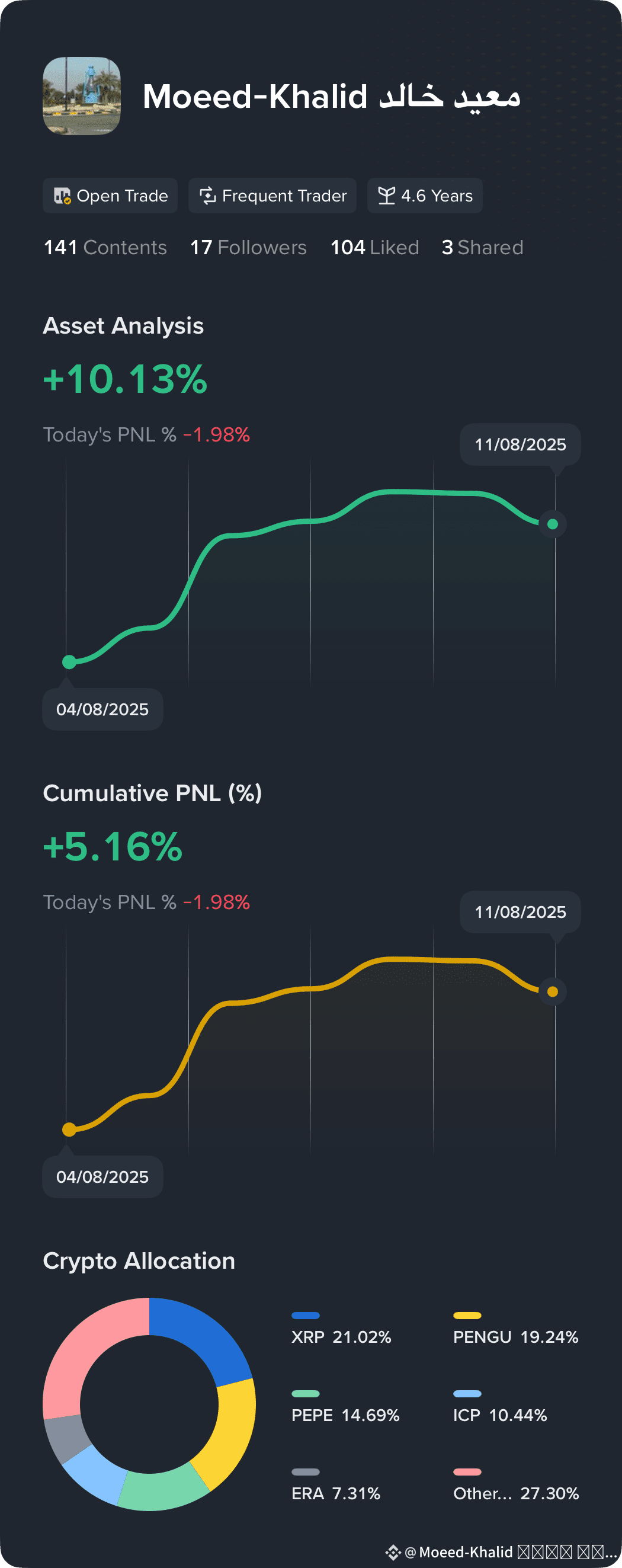
See my returns and portfolio breakdown. Follow for investment tips
$XRP $PEPE
See my returns and portfolio breakdown. Follow for investment tips
$XRP $PEPE
$XRP $PEPE
11
ເບິ່ງການແປ
$TREE Check out my latest trade. Let's see if you can top it! #TREE
$TREE Check out my latest trade. Let's see if you can top it! #TREE
·
--
ສັນຍານໝີ
ເບິ່ງການແປ
$TREE Check out my latest trade. Let's see if you can top it!
$TREE Check out my latest trade. Let's see if you can top it!
1
ເບິ່ງການແປ
#BTCHashratePeak
What’s Behind the Hashtag #BTCHashratePeak?
The hashtag #BTCHashratePeak generally points to moments when Bitcoin’s overall mining hashrate reaches new high-water marks. These peaks often signal:
• Rising mining activity, typically driven by increased miner profitability or adoption of better hardware.
• Greater network security, as more computational power makes it harder to attack the network.
Recent Notable Peak
• Bitcoin’s hashrate recently surged to an all-time high of around 700 EH/s, before settling back to approximately 670 EH/s. Meanwhile, the mining difficulty climbed to a record 92.67 trillion.
This jump in difficulty reflects how the Bitcoin protocol adjusts to ensure that blocks continue to be mined roughly every 10 minutes, regardless of fluctuations in hashpower.
#BTCHashratePeak
What’s Behind the Hashtag #BTCHashratePeak?
The hashtag #BTCHashratePeak generally points to moments when Bitcoin’s overall mining hashrate reaches new high-water marks. These peaks often signal:
• Rising mining activity, typically driven by increased miner profitability or adoption of better hardware.
• Greater network security, as more computational power makes it harder to attack the network.
Recent Notable Peak
• Bitcoin’s hashrate recently surged to an all-time high of around 700 EH/s, before settling back to approximately 670 EH/s. Meanwhile, the mining difficulty climbed to a record 92.67 trillion.
This jump in difficulty reflects how the Bitcoin protocol adjusts to ensure that blocks continue to be mined roughly every 10 minutes, regardless of fluctuations in hashpower.
What’s Behind the Hashtag #BTCHashratePeak?
The hashtag #BTCHashratePeak generally points to moments when Bitcoin’s overall mining hashrate reaches new high-water marks. These peaks often signal:
• Rising mining activity, typically driven by increased miner profitability or adoption of better hardware.
• Greater network security, as more computational power makes it harder to attack the network.
Recent Notable Peak
• Bitcoin’s hashrate recently surged to an all-time high of around 700 EH/s, before settling back to approximately 670 EH/s. Meanwhile, the mining difficulty climbed to a record 92.67 trillion.
This jump in difficulty reflects how the Bitcoin protocol adjusts to ensure that blocks continue to be mined roughly every 10 minutes, regardless of fluctuations in hashpower.
15
ເບິ່ງການແປ
#CreatorPad
“CreatorPad” in the context of Binance doesn’t produce clear results in public web searches, which might mean:
1. It’s an internal or niche tool or feature—perhaps used within Binance’s ecosystem or by a smaller community.
2. It’s a newly introduced feature, not yet documented broadly online.
3. There may be a misunderstanding or typo—maybe it’s meant to refer to something like “Creator Dashboard,” “Creator Program,” or a similar initiative.
Could you clarify a bit more? For example:
• Where did you come across the term “CreatorPad” related to Binance?
• Was it mentioned in an article, a Binance dashboard, a social media announcement, or something else?
• Were you referring to content creation, development tools, or something completely different within the Binance ecosystem?
#CreatorPad
“CreatorPad” in the context of Binance doesn’t produce clear results in public web searches, which might mean:
1. It’s an internal or niche tool or feature—perhaps used within Binance’s ecosystem or by a smaller community.
2. It’s a newly introduced feature, not yet documented broadly online.
3. There may be a misunderstanding or typo—maybe it’s meant to refer to something like “Creator Dashboard,” “Creator Program,” or a similar initiative.
Could you clarify a bit more? For example:
• Where did you come across the term “CreatorPad” related to Binance?
• Was it mentioned in an article, a Binance dashboard, a social media announcement, or something else?
• Were you referring to content creation, development tools, or something completely different within the Binance ecosystem?
“CreatorPad” in the context of Binance doesn’t produce clear results in public web searches, which might mean:
1. It’s an internal or niche tool or feature—perhaps used within Binance’s ecosystem or by a smaller community.
2. It’s a newly introduced feature, not yet documented broadly online.
3. There may be a misunderstanding or typo—maybe it’s meant to refer to something like “Creator Dashboard,” “Creator Program,” or a similar initiative.
Could you clarify a bit more? For example:
• Where did you come across the term “CreatorPad” related to Binance?
• Was it mentioned in an article, a Binance dashboard, a social media announcement, or something else?
• Were you referring to content creation, development tools, or something completely different within the Binance ecosystem?
1
8


1
ເບິ່ງການແປ
OM is not good
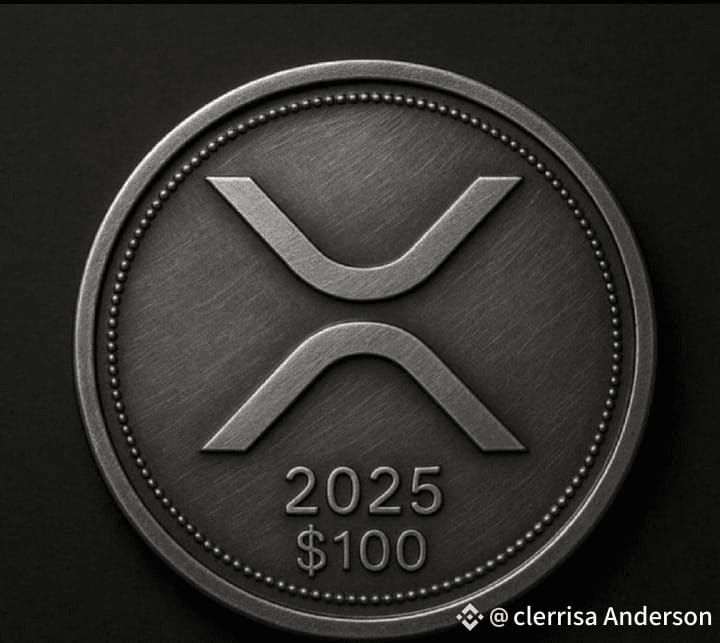
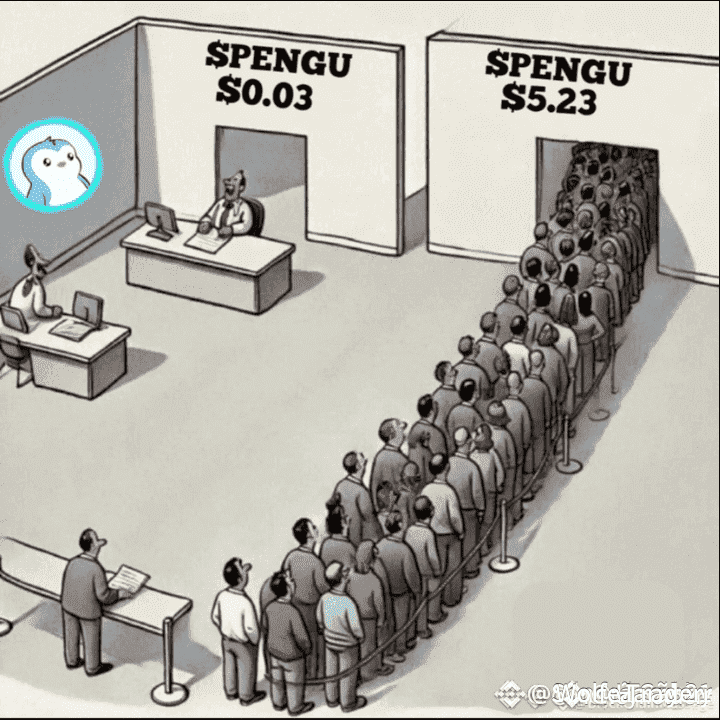
#XRP #Pepe #Solana #pengu good
OM is not good
#XRP #Pepe #Solana #pengu good
#XRP #Pepe #Solana #pengu good

Mohit108
·
--
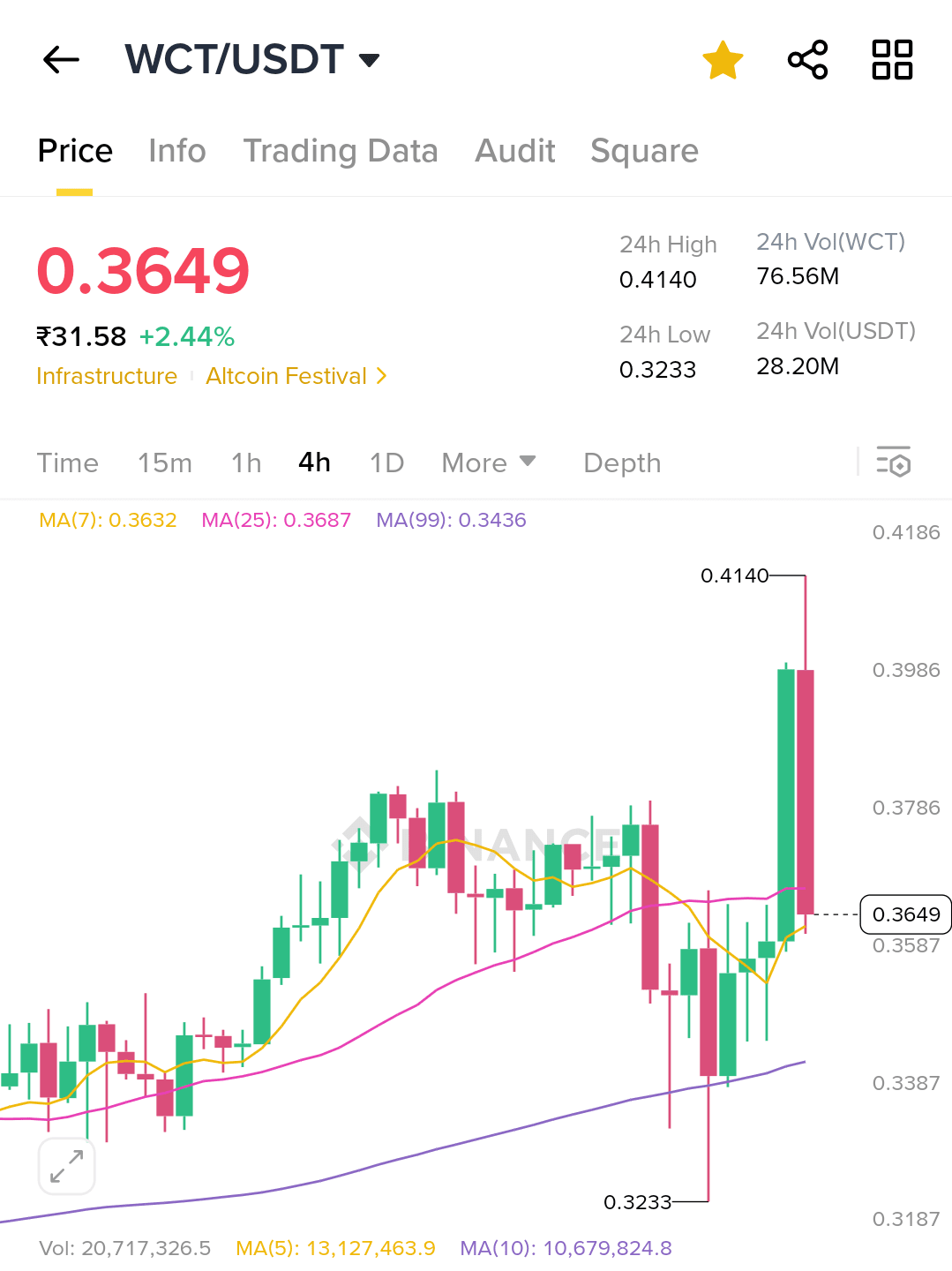
$WCT pumped from 0.3233 to 0.4140 after that it again started falling continuously, now it is trending at 0.3648, why did the pump come suddenly in $WCT .
115


5
ເບິ່ງການແປ
yess
yess

Derki Trading
·
--
$MUBARAK if you can't hold you won't be rich never.... don't miss this chance we are in a good point...

3
·
--
ສັນຍານກະທິງ
ເບິ່ງການແປ
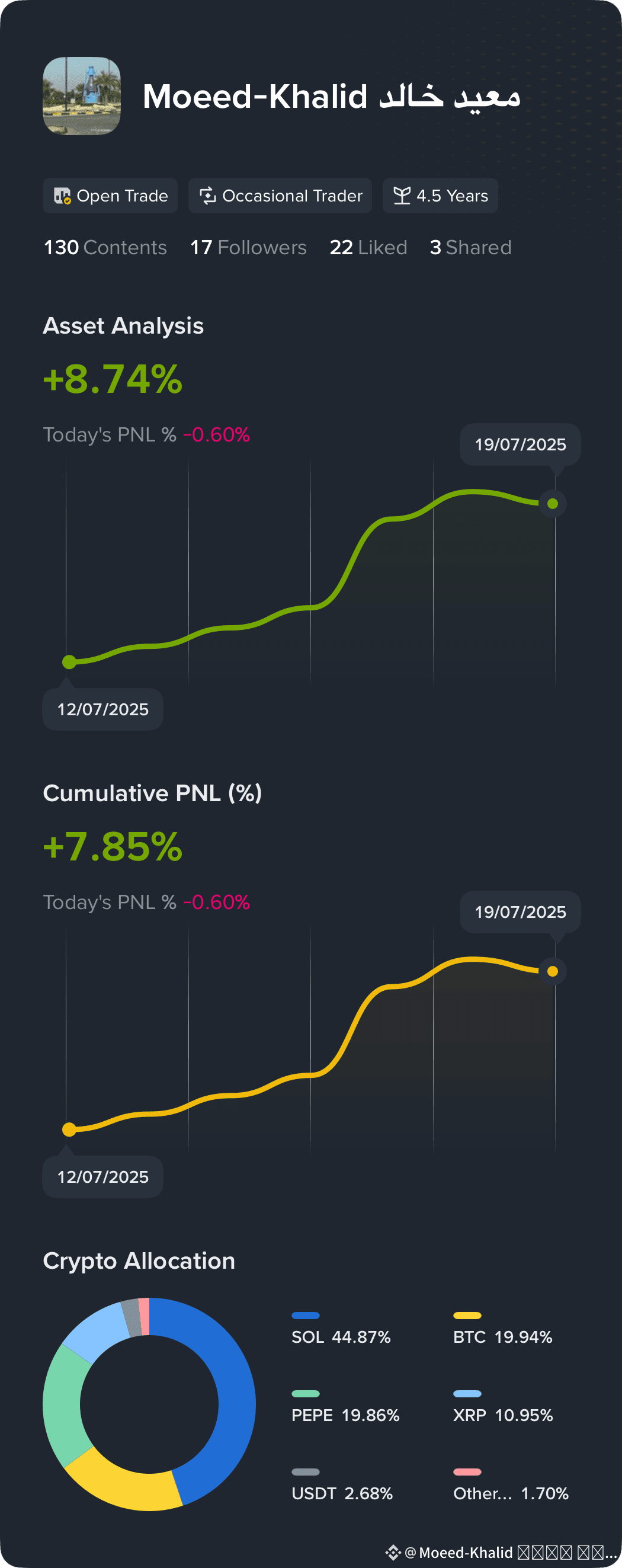
See my returns and portfolio breakdown. Follow for investment tips $PEPE
See my returns and portfolio breakdown. Follow for investment tips $PEPE
1
1
1
8
ເບິ່ງການແປ
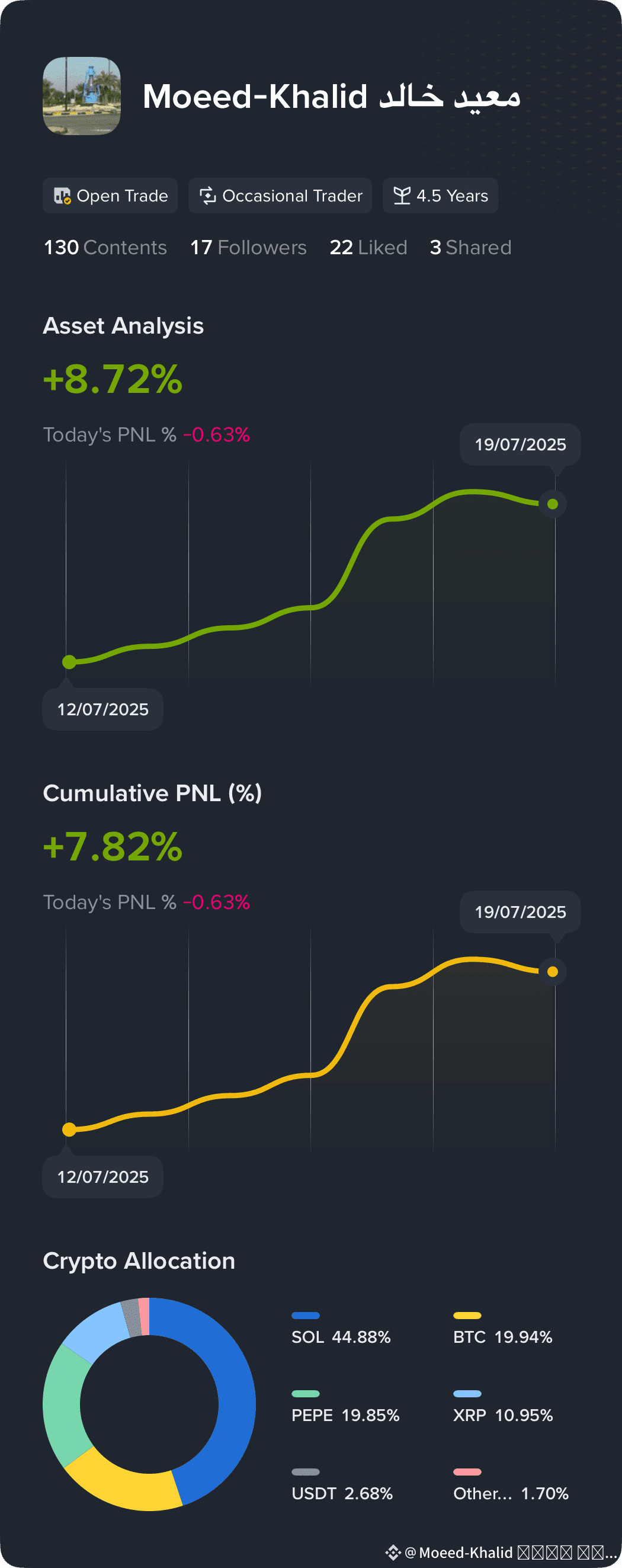
See my returns and portfolio breakdown. Follow for investment tips
See my returns and portfolio breakdown. Follow for investment tips
1
8
ເບິ່ງການແປ
#MyStrategyEvolution
What is #MyStrategyEvolution?
It’s a self-reflection on how your trading or investing approach has transformed — from beginner mistakes to more refined, disciplined methods. It shows your journey, experience, and what you’ve learned along the way.
⸻
🔄 Example Phases of Strategy Evolution:
🚼 Beginner Phase:
• Random entries (influencer tweets, hype coins, FOMO)
• No stop-loss, no risk management
• Emotional trading: panic selling, revenge trading
“I used to buy coins just because they were trending on Twitter.”
📘 Learning Phase:
• Start watching YouTube, reading books, learning charts
• Trying out indicators like RSI, MACD, Moving Averages
• Realize importance of patience & journaling
“I started using RSI and learned what support/resistance really means.”
🛠️ Testing Phase:
• Backtesting strategies on TradingView
• Creating a trading plan with rules
• Understanding risk/reward, setting goals
“I tested different setups for swing trading and figured out what works for me.”
📊 Consistent Phase:
• Following a system consistently
• Less emotional decisions, more data-based trades
• Focusing on 1–2 strategies only
“Now I only trade breakouts with volume confirmation and proper stop-loss.”
🧠 Mastery Phase (ongoing):
• Customizing indicators, coding bots, building edge
• Teaching others, sharing insights
“I’m still learning daily, but now I trust my system and let my trades play out.”
⸻
🔑 Tips for Your Own #MyStrategyEvolution Post:
• Be honest about your struggles and wins
• Share lessons you wish you knew earlier
• Inspire others by showing how you grew
• Add before/after screenshots if possible
⸻
✍️ Example Caption:
“I used to blindly chase pumps with no plan. Now I trade using breakouts with volume + EMA confluence and strict risk management. Still learning every day, but the growth is real. #MyStrategyEvolution #CryptoJourney #TradingMindset”
#MyStrategyEvolution
What is #MyStrategyEvolution?
It’s a self-reflection on how your trading or investing approach has transformed — from beginner mistakes to more refined, disciplined methods. It shows your journey, experience, and what you’ve learned along the way.
⸻
🔄 Example Phases of Strategy Evolution:
🚼 Beginner Phase:
• Random entries (influencer tweets, hype coins, FOMO)
• No stop-loss, no risk management
• Emotional trading: panic selling, revenge trading
“I used to buy coins just because they were trending on Twitter.”
📘 Learning Phase:
• Start watching YouTube, reading books, learning charts
• Trying out indicators like RSI, MACD, Moving Averages
• Realize importance of patience & journaling
“I started using RSI and learned what support/resistance really means.”
🛠️ Testing Phase:
• Backtesting strategies on TradingView
• Creating a trading plan with rules
• Understanding risk/reward, setting goals
“I tested different setups for swing trading and figured out what works for me.”
📊 Consistent Phase:
• Following a system consistently
• Less emotional decisions, more data-based trades
• Focusing on 1–2 strategies only
“Now I only trade breakouts with volume confirmation and proper stop-loss.”
🧠 Mastery Phase (ongoing):
• Customizing indicators, coding bots, building edge
• Teaching others, sharing insights
“I’m still learning daily, but now I trust my system and let my trades play out.”
⸻
🔑 Tips for Your Own #MyStrategyEvolution Post:
• Be honest about your struggles and wins
• Share lessons you wish you knew earlier
• Inspire others by showing how you grew
• Add before/after screenshots if possible
⸻
✍️ Example Caption:
“I used to blindly chase pumps with no plan. Now I trade using breakouts with volume + EMA confluence and strict risk management. Still learning every day, but the growth is real. #MyStrategyEvolution #CryptoJourney #TradingMindset”
What is #MyStrategyEvolution?
It’s a self-reflection on how your trading or investing approach has transformed — from beginner mistakes to more refined, disciplined methods. It shows your journey, experience, and what you’ve learned along the way.
⸻
🔄 Example Phases of Strategy Evolution:
🚼 Beginner Phase:
• Random entries (influencer tweets, hype coins, FOMO)
• No stop-loss, no risk management
• Emotional trading: panic selling, revenge trading
“I used to buy coins just because they were trending on Twitter.”
📘 Learning Phase:
• Start watching YouTube, reading books, learning charts
• Trying out indicators like RSI, MACD, Moving Averages
• Realize importance of patience & journaling
“I started using RSI and learned what support/resistance really means.”
🛠️ Testing Phase:
• Backtesting strategies on TradingView
• Creating a trading plan with rules
• Understanding risk/reward, setting goals
“I tested different setups for swing trading and figured out what works for me.”
📊 Consistent Phase:
• Following a system consistently
• Less emotional decisions, more data-based trades
• Focusing on 1–2 strategies only
“Now I only trade breakouts with volume confirmation and proper stop-loss.”
🧠 Mastery Phase (ongoing):
• Customizing indicators, coding bots, building edge
• Teaching others, sharing insights
“I’m still learning daily, but now I trust my system and let my trades play out.”
⸻
🔑 Tips for Your Own #MyStrategyEvolution Post:
• Be honest about your struggles and wins
• Share lessons you wish you knew earlier
• Inspire others by showing how you grew
• Add before/after screenshots if possible
⸻
✍️ Example Caption:
“I used to blindly chase pumps with no plan. Now I trade using breakouts with volume + EMA confluence and strict risk management. Still learning every day, but the growth is real. #MyStrategyEvolution #CryptoJourney #TradingMindset”
1
1
ເບິ່ງການແປ
#TradingStrategyMistakes
these are the common errors traders make when using any trading strategy (especially in crypto), and avoiding them can seriously level up your performance. 💯
⸻
❌ Common #TradingStrategyMistakes
1. No Clear Strategy
Jumping into trades based on emotions, news, or Twitter hype without a defined plan.
Fix: Always have a written strategy with entry, exit, stop-loss, and target rules.
⸻
2. Overtrading
Taking too many trades, often in the same day, due to FOMO or revenge trading.
Fix: Quality > Quantity. Stick to 1–3 high-probability setups per day or week.
⸻
3. Ignoring Risk Management
Trading big positions without a stop-loss or risking too much capital on one trade.
Fix: Use the 1-2% rule — never risk more than 1-2% of your account on a single trade.
⸻
4. Moving Stop-Loss Too Soon (or Not at All)
Letting losses run and hoping the market will reverse.
Fix: Set your stop-loss and stick to it. It protects your capital.
⸻
5. No Backtesting or Practice
Using a strategy in live markets without testing it first.
Fix: Backtest your strategy on historical data and practice in a demo account.
⸻
6. Trading Against the Trend
Trying to “catch the bottom” or “short the top.”
Fix: Follow the trend — it’s your best friend. Trend trading is usually safer.
⸻
7. Not Journaling Trades
Forgetting why you took a trade, so you repeat the same mistakes.
Fix: Keep a trade journal — record entry, exit, reason, result, and lesson.
⸻
8. Getting Emotional
Letting fear, greed, or frustration control your decisions.
Fix: Stick to your strategy like a robot. Emotions = enemy of profits.
⸻
🧠 Pro Tip:
Even a perfect strategy can fail if you don’t respect discipline and risk management.
Strategy + Mindset = Success 🧠💹
#TradingStrategyMistakes
these are the common errors traders make when using any trading strategy (especially in crypto), and avoiding them can seriously level up your performance. 💯
⸻
❌ Common #TradingStrategyMistakes
1. No Clear Strategy
Jumping into trades based on emotions, news, or Twitter hype without a defined plan.
Fix: Always have a written strategy with entry, exit, stop-loss, and target rules.
⸻
2. Overtrading
Taking too many trades, often in the same day, due to FOMO or revenge trading.
Fix: Quality > Quantity. Stick to 1–3 high-probability setups per day or week.
⸻
3. Ignoring Risk Management
Trading big positions without a stop-loss or risking too much capital on one trade.
Fix: Use the 1-2% rule — never risk more than 1-2% of your account on a single trade.
⸻
4. Moving Stop-Loss Too Soon (or Not at All)
Letting losses run and hoping the market will reverse.
Fix: Set your stop-loss and stick to it. It protects your capital.
⸻
5. No Backtesting or Practice
Using a strategy in live markets without testing it first.
Fix: Backtest your strategy on historical data and practice in a demo account.
⸻
6. Trading Against the Trend
Trying to “catch the bottom” or “short the top.”
Fix: Follow the trend — it’s your best friend. Trend trading is usually safer.
⸻
7. Not Journaling Trades
Forgetting why you took a trade, so you repeat the same mistakes.
Fix: Keep a trade journal — record entry, exit, reason, result, and lesson.
⸻
8. Getting Emotional
Letting fear, greed, or frustration control your decisions.
Fix: Stick to your strategy like a robot. Emotions = enemy of profits.
⸻
🧠 Pro Tip:
Even a perfect strategy can fail if you don’t respect discipline and risk management.
Strategy + Mindset = Success 🧠💹
these are the common errors traders make when using any trading strategy (especially in crypto), and avoiding them can seriously level up your performance. 💯
⸻
❌ Common #TradingStrategyMistakes
1. No Clear Strategy
Jumping into trades based on emotions, news, or Twitter hype without a defined plan.
Fix: Always have a written strategy with entry, exit, stop-loss, and target rules.
⸻
2. Overtrading
Taking too many trades, often in the same day, due to FOMO or revenge trading.
Fix: Quality > Quantity. Stick to 1–3 high-probability setups per day or week.
⸻
3. Ignoring Risk Management
Trading big positions without a stop-loss or risking too much capital on one trade.
Fix: Use the 1-2% rule — never risk more than 1-2% of your account on a single trade.
⸻
4. Moving Stop-Loss Too Soon (or Not at All)
Letting losses run and hoping the market will reverse.
Fix: Set your stop-loss and stick to it. It protects your capital.
⸻
5. No Backtesting or Practice
Using a strategy in live markets without testing it first.
Fix: Backtest your strategy on historical data and practice in a demo account.
⸻
6. Trading Against the Trend
Trying to “catch the bottom” or “short the top.”
Fix: Follow the trend — it’s your best friend. Trend trading is usually safer.
⸻
7. Not Journaling Trades
Forgetting why you took a trade, so you repeat the same mistakes.
Fix: Keep a trade journal — record entry, exit, reason, result, and lesson.
⸻
8. Getting Emotional
Letting fear, greed, or frustration control your decisions.
Fix: Stick to your strategy like a robot. Emotions = enemy of profits.
⸻
🧠 Pro Tip:
Even a perfect strategy can fail if you don’t respect discipline and risk management.
Strategy + Mindset = Success 🧠💹
1
81
ເບິ່ງການແປ
#TrendTradingStrategy
Trend Trading Strategy is a method where traders identify the direction of the market (uptrend or downtrend) and make trades in the direction of that trend — with the idea that “the trend is your friend.”
⸻
🔍 Key Concepts in Trend Trading:
1. Trend Direction
• Uptrend: Higher highs and higher lows → Buy (go long)
• Downtrend: Lower highs and lower lows → Sell (go short)
2. Timeframes
Trend trading works best on longer timeframes (4H, Daily, Weekly) — but can also be used on shorter ones with faster trades.
3. Indicators Used in Trend Trading:
• Moving Averages (MA) — 50/100/200 EMA or SMA
• MACD — for trend strength and crossovers
• ADX (Average Directional Index) — to confirm if the trend is strong
• Trendlines — drawn manually on charts to spot breakout/bounce points
4. Entry Signals
• Price bounces off a moving average in an uptrend
• Bullish/bearish crossover (e.g. 50 MA crosses 200 MA = golden/death cross)
5. Exit Strategy
• Set trailing stop-loss to ride the trend
• Take profit when trend weakens (e.g. RSI divergence or trendline breaks)
⸻
✅ Example Trade:
$SOL is in a strong uptrend, bouncing on the 50-day EMA.
You enter a long position when it bounces again at support, and ride it until the trend weakens.
This is classic #TrendTradingStrategy
⸻
📊 Advantages:
• Works well in bull or bear markets
• Less stressful than short-term trading
• Potential for big profits by riding long trends
⸻
⚠️ Risks:
• Not good in sideways/choppy markets
• Late entries can reduce profit
• Requires patience and discipline
#TrendTradingStrategy
Trend Trading Strategy is a method where traders identify the direction of the market (uptrend or downtrend) and make trades in the direction of that trend — with the idea that “the trend is your friend.”
⸻
🔍 Key Concepts in Trend Trading:
1. Trend Direction
• Uptrend: Higher highs and higher lows → Buy (go long)
• Downtrend: Lower highs and lower lows → Sell (go short)
2. Timeframes
Trend trading works best on longer timeframes (4H, Daily, Weekly) — but can also be used on shorter ones with faster trades.
3. Indicators Used in Trend Trading:
• Moving Averages (MA) — 50/100/200 EMA or SMA
• MACD — for trend strength and crossovers
• ADX (Average Directional Index) — to confirm if the trend is strong
• Trendlines — drawn manually on charts to spot breakout/bounce points
4. Entry Signals
• Price bounces off a moving average in an uptrend
• Bullish/bearish crossover (e.g. 50 MA crosses 200 MA = golden/death cross)
5. Exit Strategy
• Set trailing stop-loss to ride the trend
• Take profit when trend weakens (e.g. RSI divergence or trendline breaks)
⸻
✅ Example Trade:
$SOL is in a strong uptrend, bouncing on the 50-day EMA.
You enter a long position when it bounces again at support, and ride it until the trend weakens.
This is classic #TrendTradingStrategy
⸻
📊 Advantages:
• Works well in bull or bear markets
• Less stressful than short-term trading
• Potential for big profits by riding long trends
⸻
⚠️ Risks:
• Not good in sideways/choppy markets
• Late entries can reduce profit
• Requires patience and discipline
Trend Trading Strategy is a method where traders identify the direction of the market (uptrend or downtrend) and make trades in the direction of that trend — with the idea that “the trend is your friend.”
⸻
🔍 Key Concepts in Trend Trading:
1. Trend Direction
• Uptrend: Higher highs and higher lows → Buy (go long)
• Downtrend: Lower highs and lower lows → Sell (go short)
2. Timeframes
Trend trading works best on longer timeframes (4H, Daily, Weekly) — but can also be used on shorter ones with faster trades.
3. Indicators Used in Trend Trading:
• Moving Averages (MA) — 50/100/200 EMA or SMA
• MACD — for trend strength and crossovers
• ADX (Average Directional Index) — to confirm if the trend is strong
• Trendlines — drawn manually on charts to spot breakout/bounce points
4. Entry Signals
• Price bounces off a moving average in an uptrend
• Bullish/bearish crossover (e.g. 50 MA crosses 200 MA = golden/death cross)
5. Exit Strategy
• Set trailing stop-loss to ride the trend
• Take profit when trend weakens (e.g. RSI divergence or trendline breaks)
⸻
✅ Example Trade:
$SOL is in a strong uptrend, bouncing on the 50-day EMA.
You enter a long position when it bounces again at support, and ride it until the trend weakens.
This is classic #TrendTradingStrategy
⸻
📊 Advantages:
• Works well in bull or bear markets
• Less stressful than short-term trading
• Potential for big profits by riding long trends
⸻
⚠️ Risks:
• Not good in sideways/choppy markets
• Late entries can reduce profit
• Requires patience and discipline
1
124
ເບິ່ງການແປ
#BreakoutTradingStrategy
What is #BreakoutTradingStrategy?
Breakout Trading Strategy is a popular trading method where you enter a trade when the price breaks through a key level of support or resistance, expecting a strong move in that direction.
It’s called a “breakout” because the price “breaks out” of its previous range or pattern.
⸻
📊 Key Elements of Breakout Trading:
1. Support/Resistance Zones
Look for price levels where the market has struggled to move past before.
• Resistance = top line (ceiling)
• Support = bottom line (floor)
2. Volume Confirmation
A true breakout usually happens with high volume. Low volume breakouts can be fakeouts.
3. Chart Patterns to Watch:
• Triangles (ascending, descending, symmetrical)
• Rectangles (consolidation zones)
• Flags & Pennants
• Cup & Handle
4. Entry Point
Enter the trade once the price closes above resistance or below support.
5. Stop-Loss
Place it below the breakout level (in a long trade) or above (in a short trade), to protect against fake breakouts.
6. Profit Target
Use measured move targets, Fibonacci levels, or previous highs/lows.
⸻
✅ Example:
Chart setup: $MATIC is stuck between $0.60–$0.68 for 2 weeks.
Breakout: Price breaks above $0.68 with strong volume.
Strategy: Buy at $0.69, stop-loss at $0.66, take profit at $0.75+
#BreakoutTradingStrategy in action 🚀
⸻
⚠️ Tips for Success:
• Confirm with RSI, MACD, or Moving Averages.
• Don’t jump in early — wait for confirmation (e.g. candle close).
• Use alerts to catch live breakouts.
#BreakoutTradingStrategy
What is #BreakoutTradingStrategy?
Breakout Trading Strategy is a popular trading method where you enter a trade when the price breaks through a key level of support or resistance, expecting a strong move in that direction.
It’s called a “breakout” because the price “breaks out” of its previous range or pattern.
⸻
📊 Key Elements of Breakout Trading:
1. Support/Resistance Zones
Look for price levels where the market has struggled to move past before.
• Resistance = top line (ceiling)
• Support = bottom line (floor)
2. Volume Confirmation
A true breakout usually happens with high volume. Low volume breakouts can be fakeouts.
3. Chart Patterns to Watch:
• Triangles (ascending, descending, symmetrical)
• Rectangles (consolidation zones)
• Flags & Pennants
• Cup & Handle
4. Entry Point
Enter the trade once the price closes above resistance or below support.
5. Stop-Loss
Place it below the breakout level (in a long trade) or above (in a short trade), to protect against fake breakouts.
6. Profit Target
Use measured move targets, Fibonacci levels, or previous highs/lows.
⸻
✅ Example:
Chart setup: $MATIC is stuck between $0.60–$0.68 for 2 weeks.
Breakout: Price breaks above $0.68 with strong volume.
Strategy: Buy at $0.69, stop-loss at $0.66, take profit at $0.75+
#BreakoutTradingStrategy in action 🚀
⸻
⚠️ Tips for Success:
• Confirm with RSI, MACD, or Moving Averages.
• Don’t jump in early — wait for confirmation (e.g. candle close).
• Use alerts to catch live breakouts.
What is #BreakoutTradingStrategy?
Breakout Trading Strategy is a popular trading method where you enter a trade when the price breaks through a key level of support or resistance, expecting a strong move in that direction.
It’s called a “breakout” because the price “breaks out” of its previous range or pattern.
⸻
📊 Key Elements of Breakout Trading:
1. Support/Resistance Zones
Look for price levels where the market has struggled to move past before.
• Resistance = top line (ceiling)
• Support = bottom line (floor)
2. Volume Confirmation
A true breakout usually happens with high volume. Low volume breakouts can be fakeouts.
3. Chart Patterns to Watch:
• Triangles (ascending, descending, symmetrical)
• Rectangles (consolidation zones)
• Flags & Pennants
• Cup & Handle
4. Entry Point
Enter the trade once the price closes above resistance or below support.
5. Stop-Loss
Place it below the breakout level (in a long trade) or above (in a short trade), to protect against fake breakouts.
6. Profit Target
Use measured move targets, Fibonacci levels, or previous highs/lows.
⸻
✅ Example:
Chart setup: $MATIC is stuck between $0.60–$0.68 for 2 weeks.
Breakout: Price breaks above $0.68 with strong volume.
Strategy: Buy at $0.69, stop-loss at $0.66, take profit at $0.75+
#BreakoutTradingStrategy in action 🚀
⸻
⚠️ Tips for Success:
• Confirm with RSI, MACD, or Moving Averages.
• Don’t jump in early — wait for confirmation (e.g. candle close).
• Use alerts to catch live breakouts.
1
4
·
--
ສັນຍານກະທິງ
ເບິ່ງການແປ
#AltcoinBreakout
altcoin (i.e., any cryptocurrency other than Bitcoin) suddenly breaks above a key resistance level or shows a strong price surge.
⸻
📈 When Is It Used?
You’ll typically see this hashtag when:
• An altcoin gains 10%, 20%, or more in a short time.
• A coin breaks out of a sideways trading range or resistance zone.
• A technical analysis chart pattern (like a triangle or wedge) is completed.
• Influencers or crypto analysts start noticing and sharing signals.
• Traders get excited and FOMO (Fear of Missing Out) kicks in.
⸻
💡 Example Tweet:
“$PEPE just broke above key resistance with massive volume!
#AltcoinBreakout #CryptoPump”
⸻
⚠️ For Traders and Investors:
A breakout can signal a bullish opportunity, but it also carries risk of false breakouts. Always:
• Set stop-loss orders
• Confirm with volume and momentum indicators
• Avoid chasing pumps blindly
#AltcoinBreakout
altcoin (i.e., any cryptocurrency other than Bitcoin) suddenly breaks above a key resistance level or shows a strong price surge.
⸻
📈 When Is It Used?
You’ll typically see this hashtag when:
• An altcoin gains 10%, 20%, or more in a short time.
• A coin breaks out of a sideways trading range or resistance zone.
• A technical analysis chart pattern (like a triangle or wedge) is completed.
• Influencers or crypto analysts start noticing and sharing signals.
• Traders get excited and FOMO (Fear of Missing Out) kicks in.
⸻
💡 Example Tweet:
“$PEPE just broke above key resistance with massive volume!
#AltcoinBreakout #CryptoPump”
⸻
⚠️ For Traders and Investors:
A breakout can signal a bullish opportunity, but it also carries risk of false breakouts. Always:
• Set stop-loss orders
• Confirm with volume and momentum indicators
• Avoid chasing pumps blindly
altcoin (i.e., any cryptocurrency other than Bitcoin) suddenly breaks above a key resistance level or shows a strong price surge.
⸻
📈 When Is It Used?
You’ll typically see this hashtag when:
• An altcoin gains 10%, 20%, or more in a short time.
• A coin breaks out of a sideways trading range or resistance zone.
• A technical analysis chart pattern (like a triangle or wedge) is completed.
• Influencers or crypto analysts start noticing and sharing signals.
• Traders get excited and FOMO (Fear of Missing Out) kicks in.
⸻
💡 Example Tweet:
“$PEPE just broke above key resistance with massive volume!
#AltcoinBreakout #CryptoPump”
⸻
⚠️ For Traders and Investors:
A breakout can signal a bullish opportunity, but it also carries risk of false breakouts. Always:
• Set stop-loss orders
• Confirm with volume and momentum indicators
• Avoid chasing pumps blindly
1
9
ເບິ່ງການແປ
#ArbitrageTradingStrategy
detailed breakdown of a solid #ArbitrageTradingStrategy for crypto trading
🕵️♂️ What is Arbitrage Trading?
Arbitrage trading is the practice of exploiting price differences of the same asset across different markets or exchanges to earn a risk-free or low-risk profit.
Example: Buying Bitcoin at a lower price on Exchange A and simultaneously selling it at a higher price on Exchange B.
⸻
⚙️ Types of Crypto Arbitrage
1. Spatial Arbitrage (Inter-exchange)
Buy low on one exchange, sell high on another (investopedia.com).
2. Triangular Arbitrage
Exploit price discrepancies among three currency pairs on the same exchange (e.g., BTC/ETH, ETH/USDT, BTC/USDT) (binance.com).
3. Statistical Arbitrage
Use quantitative models to find temporary mispricings in correlated assets (quantconnect.com).
4. Decentralized Exchange (DEX) Arbitrage
Price differences between DEXs like Uniswap and centralized exchanges (coindesk.com).
⸻
🚀 How to Execute an Arbitrage Strategy
Step 1: Identify Price Differences
• Monitor multiple exchanges in real time using tools like CoinMarketCap, CryptoCompare, or custom APIs.
• Use scanners and bots to detect arbitrage opportunities (cryptoscout.io).
Step 2: Consider Fees & Transfer Times
• Include trading fees, withdrawal, and deposit fees in your calculations.
• Account for blockchain transfer times (can be minutes to hours) which introduce risk (blockchain.com).
Step 3: Use Fast Transfers or Pre-Fund Accounts
• Maintain balances on multiple exchanges to avoid transfer delays.
• Use stablecoins for quick transfers and reduced volatility risk (binance.com).
Step 4: Automate with Bots
• Develop or subscribe to arbitrage bots that execute trades quickly (cryptohopper.com).
Step 5: Monitor Market Conditions
• Arbitrage opportunities are fleeting; latency matters.
• Avoid volatile markets or when spreads narrow too fast.
⸻
⚠️ Risks and Challenges
• Execution risk: Prices can change before trades complete.
#ArbitrageTradingStrategy
detailed breakdown of a solid #ArbitrageTradingStrategy for crypto trading
🕵️♂️ What is Arbitrage Trading?
Arbitrage trading is the practice of exploiting price differences of the same asset across different markets or exchanges to earn a risk-free or low-risk profit.
Example: Buying Bitcoin at a lower price on Exchange A and simultaneously selling it at a higher price on Exchange B.
⸻
⚙️ Types of Crypto Arbitrage
1. Spatial Arbitrage (Inter-exchange)
Buy low on one exchange, sell high on another (investopedia.com).
2. Triangular Arbitrage
Exploit price discrepancies among three currency pairs on the same exchange (e.g., BTC/ETH, ETH/USDT, BTC/USDT) (binance.com).
3. Statistical Arbitrage
Use quantitative models to find temporary mispricings in correlated assets (quantconnect.com).
4. Decentralized Exchange (DEX) Arbitrage
Price differences between DEXs like Uniswap and centralized exchanges (coindesk.com).
⸻
🚀 How to Execute an Arbitrage Strategy
Step 1: Identify Price Differences
• Monitor multiple exchanges in real time using tools like CoinMarketCap, CryptoCompare, or custom APIs.
• Use scanners and bots to detect arbitrage opportunities (cryptoscout.io).
Step 2: Consider Fees & Transfer Times
• Include trading fees, withdrawal, and deposit fees in your calculations.
• Account for blockchain transfer times (can be minutes to hours) which introduce risk (blockchain.com).
Step 3: Use Fast Transfers or Pre-Fund Accounts
• Maintain balances on multiple exchanges to avoid transfer delays.
• Use stablecoins for quick transfers and reduced volatility risk (binance.com).
Step 4: Automate with Bots
• Develop or subscribe to arbitrage bots that execute trades quickly (cryptohopper.com).
Step 5: Monitor Market Conditions
• Arbitrage opportunities are fleeting; latency matters.
• Avoid volatile markets or when spreads narrow too fast.
⸻
⚠️ Risks and Challenges
• Execution risk: Prices can change before trades complete.
detailed breakdown of a solid #ArbitrageTradingStrategy for crypto trading
🕵️♂️ What is Arbitrage Trading?
Arbitrage trading is the practice of exploiting price differences of the same asset across different markets or exchanges to earn a risk-free or low-risk profit.
Example: Buying Bitcoin at a lower price on Exchange A and simultaneously selling it at a higher price on Exchange B.
⸻
⚙️ Types of Crypto Arbitrage
1. Spatial Arbitrage (Inter-exchange)
Buy low on one exchange, sell high on another (investopedia.com).
2. Triangular Arbitrage
Exploit price discrepancies among three currency pairs on the same exchange (e.g., BTC/ETH, ETH/USDT, BTC/USDT) (binance.com).
3. Statistical Arbitrage
Use quantitative models to find temporary mispricings in correlated assets (quantconnect.com).
4. Decentralized Exchange (DEX) Arbitrage
Price differences between DEXs like Uniswap and centralized exchanges (coindesk.com).
⸻
🚀 How to Execute an Arbitrage Strategy
Step 1: Identify Price Differences
• Monitor multiple exchanges in real time using tools like CoinMarketCap, CryptoCompare, or custom APIs.
• Use scanners and bots to detect arbitrage opportunities (cryptoscout.io).
Step 2: Consider Fees & Transfer Times
• Include trading fees, withdrawal, and deposit fees in your calculations.
• Account for blockchain transfer times (can be minutes to hours) which introduce risk (blockchain.com).
Step 3: Use Fast Transfers or Pre-Fund Accounts
• Maintain balances on multiple exchanges to avoid transfer delays.
• Use stablecoins for quick transfers and reduced volatility risk (binance.com).
Step 4: Automate with Bots
• Develop or subscribe to arbitrage bots that execute trades quickly (cryptohopper.com).
Step 5: Monitor Market Conditions
• Arbitrage opportunities are fleeting; latency matters.
• Avoid volatile markets or when spreads narrow too fast.
⸻
⚠️ Risks and Challenges
• Execution risk: Prices can change before trades complete.
1
18
ເຂົ້າສູ່ລະບົບເພື່ອສຳຫຼວດເນື້ອຫາເພີ່ມເຕີມ
ເຂົ້າຮ່ວມກຸ່ມຜູ້ໃຊ້ຄຣິບໂຕທົ່ວໂລກໃນ Binance Square.
⚡️ ໄດ້ຮັບຂໍ້ມູນຫຼ້າສຸດ ແລະ ທີ່ມີປະໂຫຍດກ່ຽວກັບຄຣິບໂຕ.
💬 ໄດ້ຮັບຄວາມໄວ້ວາງໃຈຈາກຕະຫຼາດແລກປ່ຽນຄຣິບໂຕທີ່ໃຫຍ່ທີ່ສຸດໃນໂລກ.
👍 ຄົ້ນຫາຂໍ້ມູນເຊີງເລິກທີ່ແທ້ຈາກນັກສ້າງທີ່ໄດ້ຮັບການຢືນຢັນ.
ອີເມວ / ເບີໂທລະສັບ