
Raven_9
2.2k ໂພສ

Raven_9
ລາຍງານ
ບລັອກຜູ້ໃຊ້
open tried _ full time crypto
265 ກໍາລັງຕິດຕາມ
14.2K+ ຜູ້ຕິດຕາມ
2.9K+ Liked
ໂພສ
ທັງໝົດ
ວົງຢືມ
ຖ່າຍທອດສົດ
·
--
ສັນຍານກະທິງ
ເບິ່ງການແປ
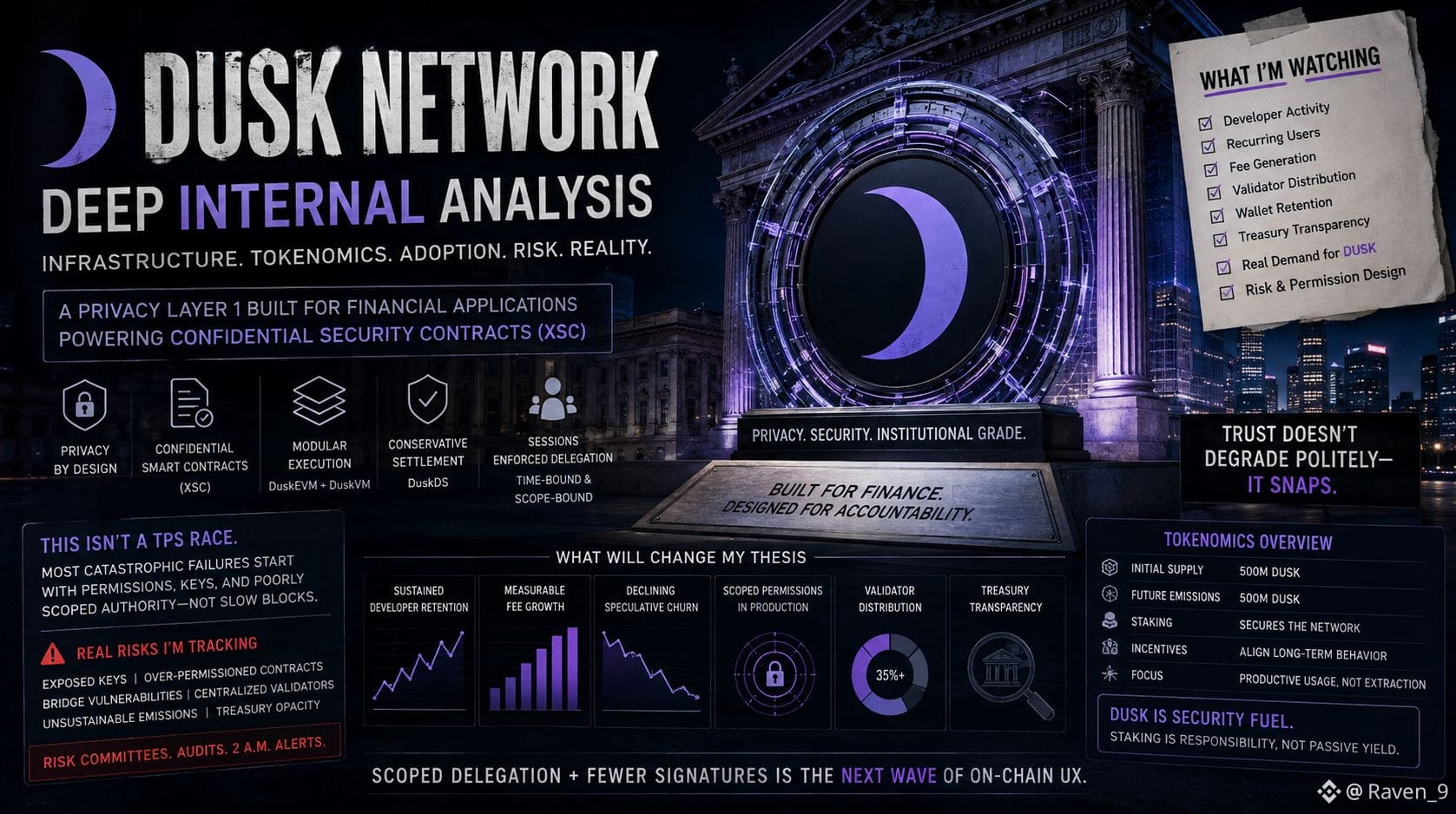
i’ve been looking at Dusk less as a speed story and more as an infrastructure risk test. What matters to me is whether its modular design, with DuskDS settlement, DuskEVM, and DuskVM, can turn privacy and execution into durable usage rather than narrative. I’m watching staking, validator distribution, wallet retention, developer activity, fee growth, and how emissions shape long-term holder alignment. DUSK is security fuel, but staking should represent responsibility, not passive yield. I also care about bridge design, signer exposure, permissions, and whether operational boundaries reduce blast radius during real incidents. EVM compatibility matters because it reduces tooling friction, not because compatibility itself creates adoption. Project Sessions are most interesting when delegation is enforced, time-bound, and scope-bound. Scoped delegation + fewer signatures is the next wave of on-chain UX. Trust doesn’t degrade politely—it snaps. The thesis strengthens only when recurring usage, productive developers, transparent treasury activity, stronger validator distribution, and real fee demand compound without relying on speculative rotation.
@Dusk_Foundation #dusk $DUSK
{spot}(DUSKUSDT)
i’ve been looking at Dusk less as a speed story and more as an infrastructure risk test. What matters to me is whether its modular design, with DuskDS settlement, DuskEVM, and DuskVM, can turn privacy and execution into durable usage rather than narrative. I’m watching staking, validator distribution, wallet retention, developer activity, fee growth, and how emissions shape long-term holder alignment. DUSK is security fuel, but staking should represent responsibility, not passive yield. I also care about bridge design, signer exposure, permissions, and whether operational boundaries reduce blast radius during real incidents. EVM compatibility matters because it reduces tooling friction, not because compatibility itself creates adoption. Project Sessions are most interesting when delegation is enforced, time-bound, and scope-bound. Scoped delegation + fewer signatures is the next wave of on-chain UX. Trust doesn’t degrade politely—it snaps. The thesis strengthens only when recurring usage, productive developers, transparent treasury activity, stronger validator distribution, and real fee demand compound without relying on speculative rotation.
@Dusk #dusk $DUSK
@Dusk #dusk $DUSK
1
2
196
·
--
ສັນຍານກະທິງ
ເບິ່ງການແປ
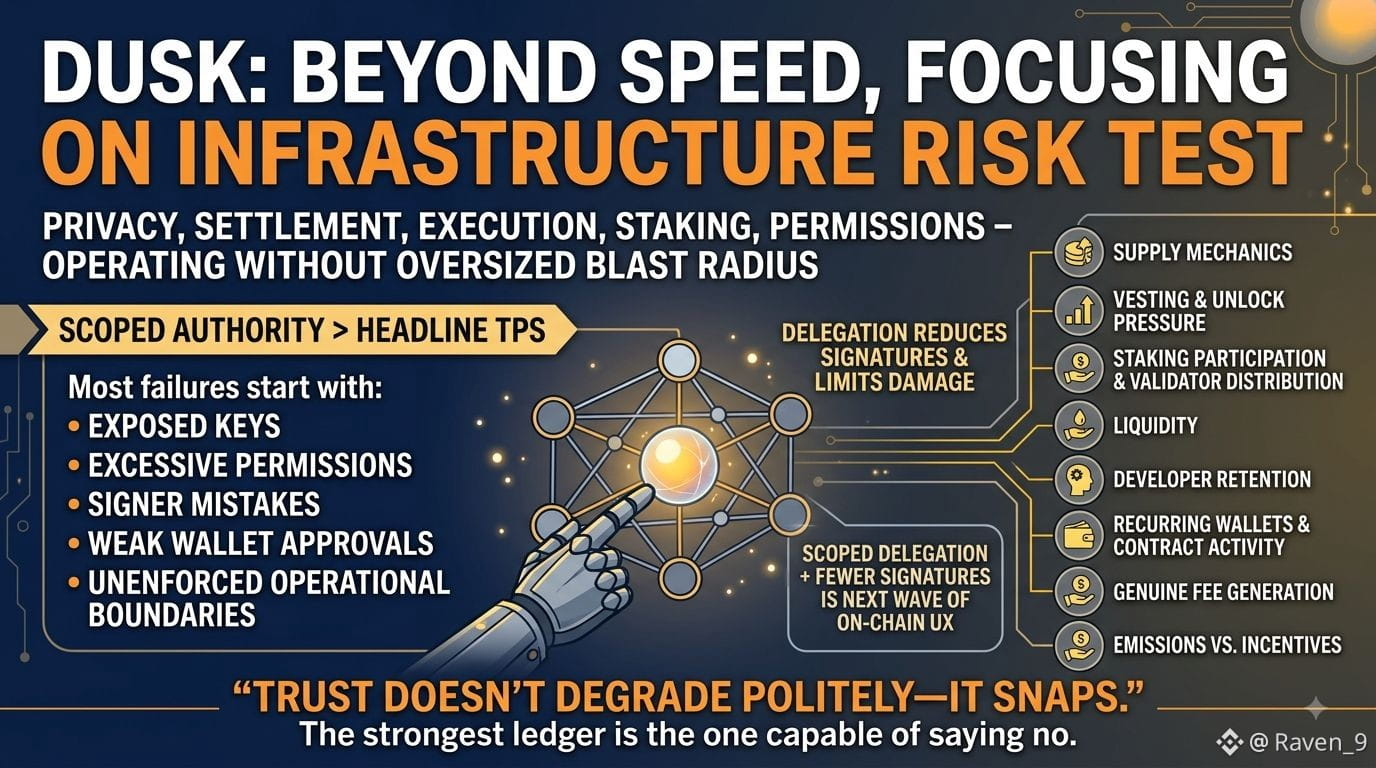
I’ve been looking at Dusk less as a speed story and more as an infrastructure risk test. What matters to me is whether privacy, settlement, execution, staking, and permissions can operate without creating an oversized blast radius.
I don’t believe most catastrophic failures begin with slow blocks. They begin with exposed keys, excessive permissions, signer mistakes, weak wallet approvals, and operational boundaries that were never properly enforced. That is why I care more about scoped authority than headline TPS.
I’m watching DUSK’s supply mechanics, vesting, unlock pressure, staking participation, validator distribution, liquidity, developer retention, recurring wallets, contract activity, and genuine fee generation. Emissions can secure infrastructure, but they can also attract short-term capital that disappears when incentives fade.
I also want evidence that delegation can reduce signatures and limit damage when something goes wrong. “Scoped delegation + fewer signatures is the next wave of on-chain UX.”
Ultimately, “Trust doesn’t degrade politely—it snaps.” The strongest ledger is the one capable of saying no.
@Dusk_Foundation #dusk $DUSK
{spot}(DUSKUSDT)
I’ve been looking at Dusk less as a speed story and more as an infrastructure risk test. What matters to me is whether privacy, settlement, execution, staking, and permissions can operate without creating an oversized blast radius.
I don’t believe most catastrophic failures begin with slow blocks. They begin with exposed keys, excessive permissions, signer mistakes, weak wallet approvals, and operational boundaries that were never properly enforced. That is why I care more about scoped authority than headline TPS.
I’m watching DUSK’s supply mechanics, vesting, unlock pressure, staking participation, validator distribution, liquidity, developer retention, recurring wallets, contract activity, and genuine fee generation. Emissions can secure infrastructure, but they can also attract short-term capital that disappears when incentives fade.
I also want evidence that delegation can reduce signatures and limit damage when something goes wrong. “Scoped delegation + fewer signatures is the next wave of on-chain UX.”
Ultimately, “Trust doesn’t degrade politely—it snaps.” The strongest ledger is the one capable of saying no.
@Dusk #dusk $DUSK
I don’t believe most catastrophic failures begin with slow blocks. They begin with exposed keys, excessive permissions, signer mistakes, weak wallet approvals, and operational boundaries that were never properly enforced. That is why I care more about scoped authority than headline TPS.
I’m watching DUSK’s supply mechanics, vesting, unlock pressure, staking participation, validator distribution, liquidity, developer retention, recurring wallets, contract activity, and genuine fee generation. Emissions can secure infrastructure, but they can also attract short-term capital that disappears when incentives fade.
I also want evidence that delegation can reduce signatures and limit damage when something goes wrong. “Scoped delegation + fewer signatures is the next wave of on-chain UX.”
Ultimately, “Trust doesn’t degrade politely—it snaps.” The strongest ledger is the one capable of saying no.
@Dusk #dusk $DUSK
185
·
--
ສັນຍານກະທິງ
ເບິ່ງການແປ
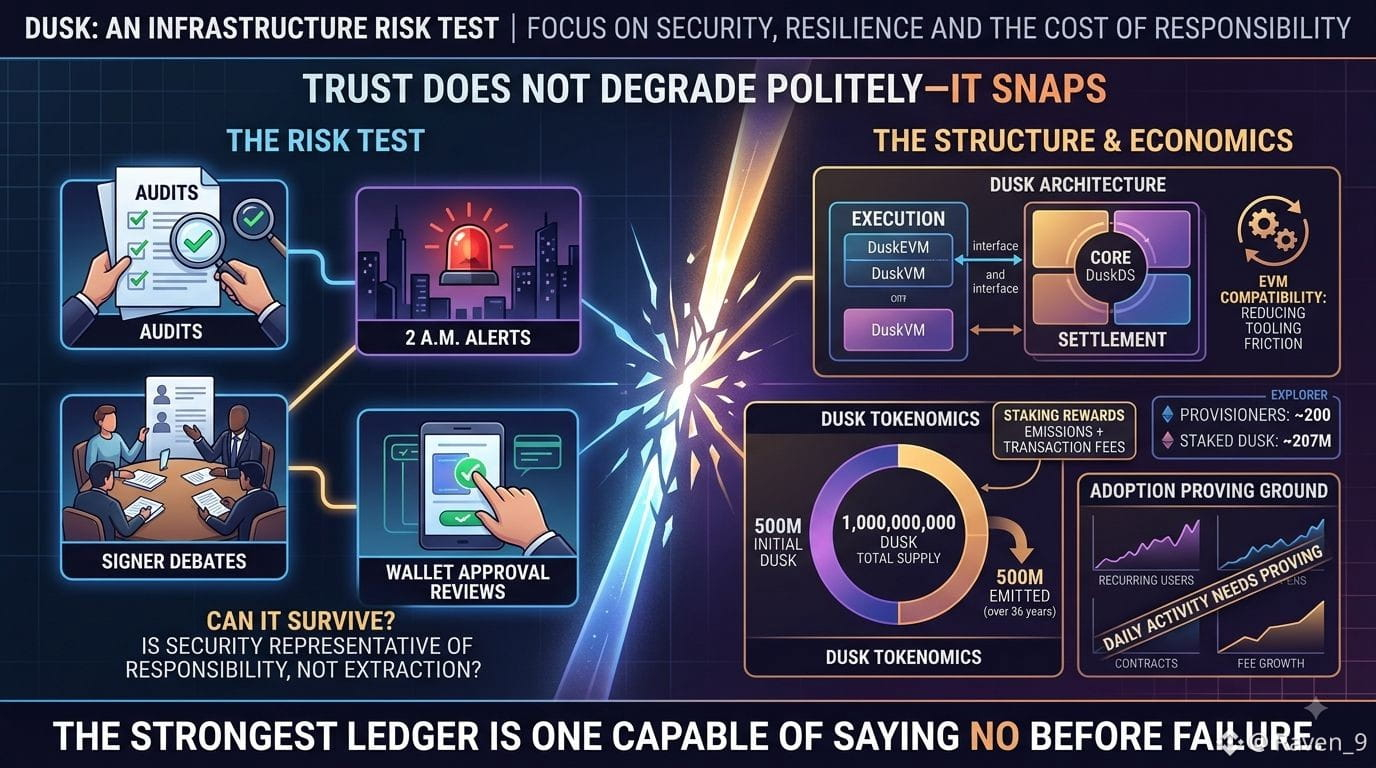
I’m looking at Dusk less as a speed story and more as an infrastructure risk test. I care about what survives audits, 2 a.m. alerts, signer debates and wallet approval reviews. Dusk separates settlement from execution through DuskDS, DuskVM and DuskEVM, with EVM compatibility mainly reducing tooling friction. Its economics matter: 500 million initial DUSK, with another 500 million emitted over 36 years, while staking rewards combine emissions and transaction fees. Current explorer data shows roughly 207 million DUSK actively staked across about 200 provisioners, but daily activity remains modest, so adoption needs proving through recurring users, developers, contracts and fee growth.
I would also correct one premise: Dusk is not SVM-based, and I cannot verify a Dusk feature called Project Sessions. I would not invent either claim.
For me, the real question is whether Dusk can make security fuel represent responsibility, not extraction. “Trust doesn’t degrade politely—it snaps.” The strongest ledger is one capable of saying no before failure.
@Dusk_Foundation #dusk $DUSK
{spot}(DUSKUSDT)
I’m looking at Dusk less as a speed story and more as an infrastructure risk test. I care about what survives audits, 2 a.m. alerts, signer debates and wallet approval reviews. Dusk separates settlement from execution through DuskDS, DuskVM and DuskEVM, with EVM compatibility mainly reducing tooling friction. Its economics matter: 500 million initial DUSK, with another 500 million emitted over 36 years, while staking rewards combine emissions and transaction fees. Current explorer data shows roughly 207 million DUSK actively staked across about 200 provisioners, but daily activity remains modest, so adoption needs proving through recurring users, developers, contracts and fee growth.
I would also correct one premise: Dusk is not SVM-based, and I cannot verify a Dusk feature called Project Sessions. I would not invent either claim.
For me, the real question is whether Dusk can make security fuel represent responsibility, not extraction. “Trust doesn’t degrade politely—it snaps.” The strongest ledger is one capable of saying no before failure.
@Dusk #dusk $DUSK
I would also correct one premise: Dusk is not SVM-based, and I cannot verify a Dusk feature called Project Sessions. I would not invent either claim.
For me, the real question is whether Dusk can make security fuel represent responsibility, not extraction. “Trust doesn’t degrade politely—it snaps.” The strongest ledger is one capable of saying no before failure.
@Dusk #dusk $DUSK
1
144
·
--
ສັນຍານໝີ
ເບິ່ງການແປ
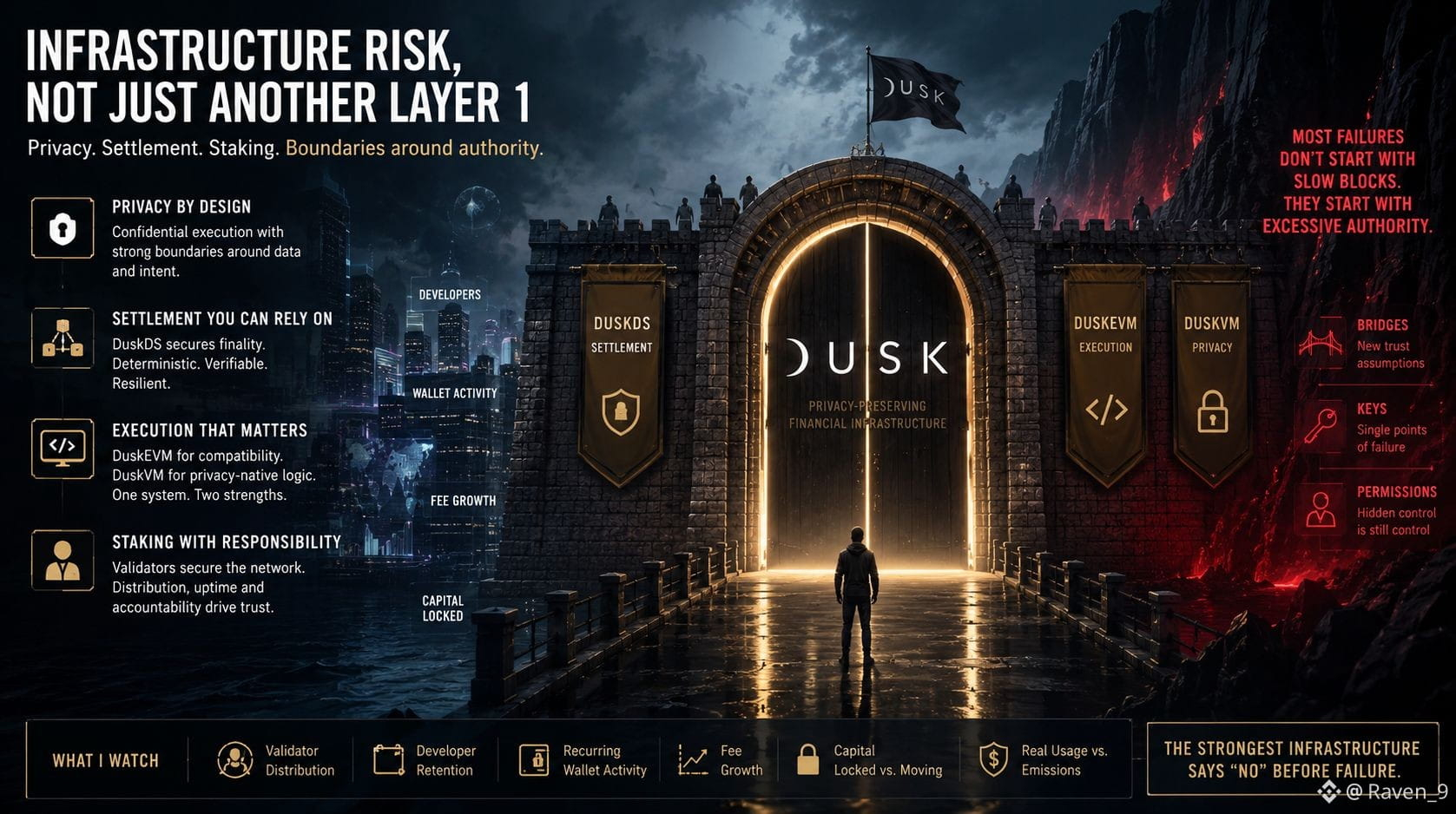
I’m looking at Dusk as an infrastructure risk test, not simply another Layer 1. What matters to me is whether privacy, settlement and staking can operate with strong boundaries around authority. Dusk’s current architecture combines DuskDS settlement with DuskEVM and DuskVM execution, which makes the system more interesting than a simple speed narrative. I’m watching whether real usage can justify its long-term token economics, because emissions alone are not organic demand. I also care about validator distribution, developer retention, recurring wallet activity, fee growth and how much capital remains locked versus actually moving through applications. The biggest question for me is operational: can privacy and programmable financial workflows reduce exposure without creating new trust assumptions around bridges, keys and permissions? I’ve learned that most serious failures do not start with slow blocks. They start with excessive authority. For me, the strongest infrastructure is not the ledger that processes everything fastest. It is the one capable of rejecting dangerous behavior before predictable failure.
@Dusk_Foundation #dusk $DUSK
{future}(DUSKUSDT)
I’m looking at Dusk as an infrastructure risk test, not simply another Layer 1. What matters to me is whether privacy, settlement and staking can operate with strong boundaries around authority. Dusk’s current architecture combines DuskDS settlement with DuskEVM and DuskVM execution, which makes the system more interesting than a simple speed narrative. I’m watching whether real usage can justify its long-term token economics, because emissions alone are not organic demand. I also care about validator distribution, developer retention, recurring wallet activity, fee growth and how much capital remains locked versus actually moving through applications. The biggest question for me is operational: can privacy and programmable financial workflows reduce exposure without creating new trust assumptions around bridges, keys and permissions? I’ve learned that most serious failures do not start with slow blocks. They start with excessive authority. For me, the strongest infrastructure is not the ledger that processes everything fastest. It is the one capable of rejecting dangerous behavior before predictable failure.
@Dusk #dusk $DUSK
@Dusk #dusk $DUSK
1
111
·
--
ສັນຍານໝີ
ເບິ່ງການແປ
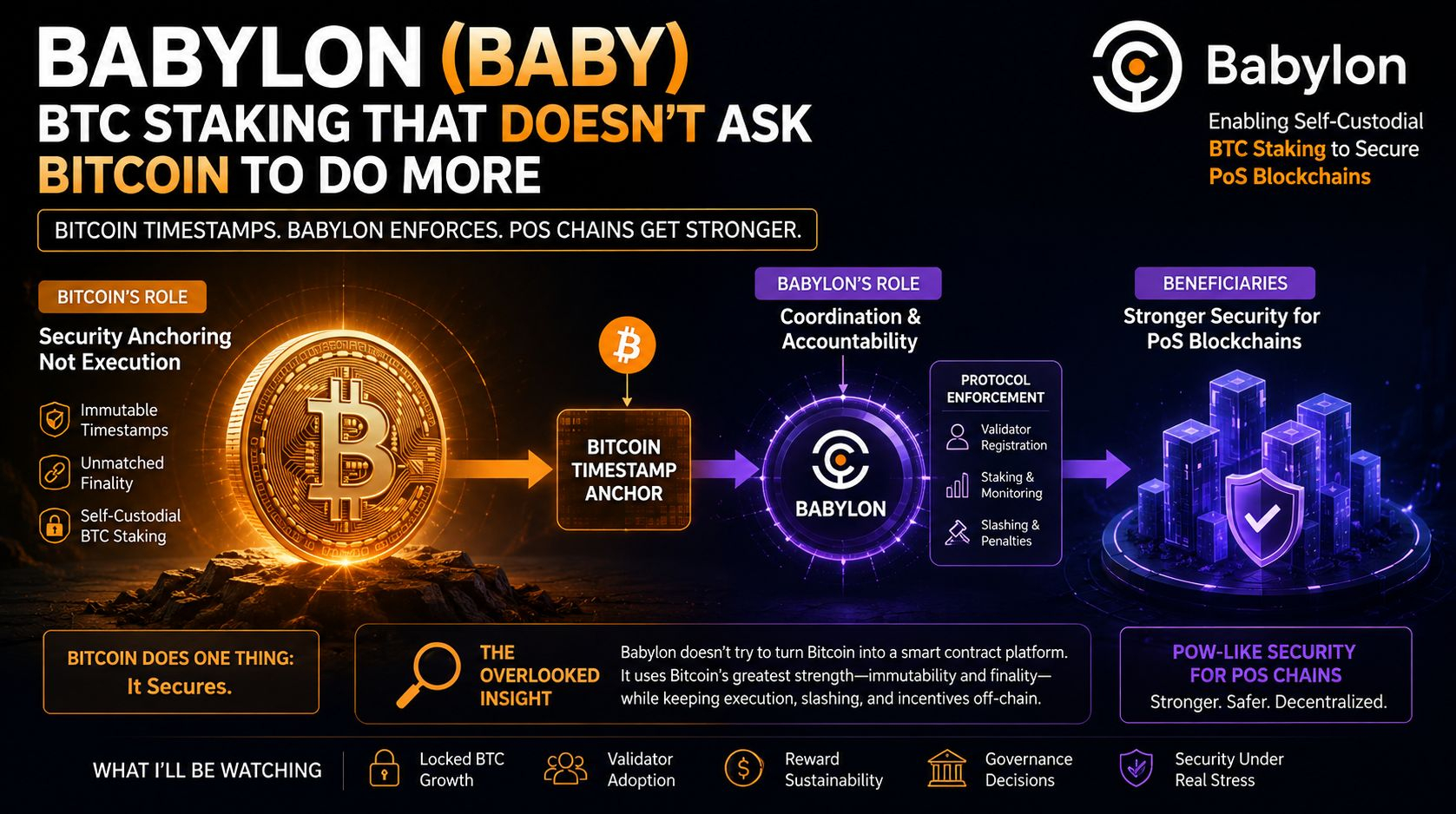
I kept assuming Babylon's biggest innovation was letting Bitcoin earn yield without leaving self-custody. After reading the documentation more carefully, I think the more interesting design choice is that Bitcoin is not asked to execute staking logic at all. Instead, Babylon uses Bitcoin as a source of timestamped security, while validator accountability and slashing are coordinated through Babylon's own protocol. That separation feels subtle, but it changes the trust model. Bitcoin provides immutable ordering and stronger security guarantees without becoming a smart contract platform. It also means Babylon's long-term success depends less on Bitcoin's technical changes and more on whether its validator incentives, slashing conditions, and finality architecture remain economically sound. For me, that shifts the discussion away from headline TVL and toward protocol design. I will be watching validator participation, locked BTC growth, reward sustainability, governance decisions, and whether the security assumptions continue to hold under real network stress. Does this architecture create a stronger security model, or simply move complexity into another layer?
@babylonlabs_io #baby $BABY
{spot}(BABYUSDT)
I kept assuming Babylon's biggest innovation was letting Bitcoin earn yield without leaving self-custody. After reading the documentation more carefully, I think the more interesting design choice is that Bitcoin is not asked to execute staking logic at all. Instead, Babylon uses Bitcoin as a source of timestamped security, while validator accountability and slashing are coordinated through Babylon's own protocol. That separation feels subtle, but it changes the trust model. Bitcoin provides immutable ordering and stronger security guarantees without becoming a smart contract platform. It also means Babylon's long-term success depends less on Bitcoin's technical changes and more on whether its validator incentives, slashing conditions, and finality architecture remain economically sound. For me, that shifts the discussion away from headline TVL and toward protocol design. I will be watching validator participation, locked BTC growth, reward sustainability, governance decisions, and whether the security assumptions continue to hold under real network stress. Does this architecture create a stronger security model, or simply move complexity into another layer?
@BabylonLabs_io #baby $BABY
@BabylonLabs_io #baby $BABY
4
1
92
·
--
ສັນຍານໝີ
ເບິ່ງການແປ
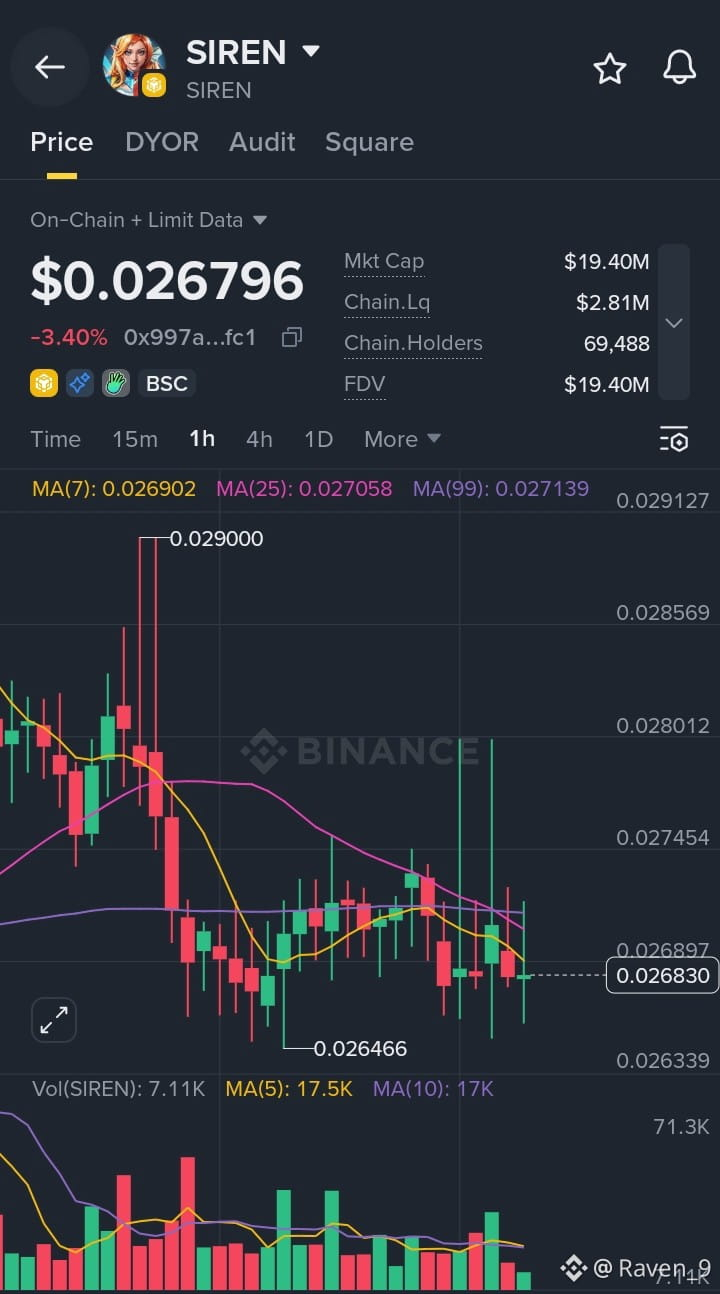
🚨 $SIREN Ready to Sing?
Price is testing support after a pullback. If buyers defend this zone, a relief bounce could follow. Manage risk and wait for confirmation.
Entry: $0.02670 – $0.02685
TP1: $0.02740
TP2: $0.02790
TP3: $0.02890
SL: $0.02640
Thrilling caption:
"The calm before the breakout? 👀 SIREN is sitting at a key level. If bulls reclaim momentum, this move could surprise everyone. Trade smart, protect your capital, and let the chart confirm the story."
{alpha}(560x997a58129890bbda032231a52ed1ddc845fc18e1)
🚨 $SIREN Ready to Sing?
Price is testing support after a pullback. If buyers defend this zone, a relief bounce could follow. Manage risk and wait for confirmation.
Entry: $0.02670 – $0.02685
TP1: $0.02740
TP2: $0.02790
TP3: $0.02890
SL: $0.02640
Thrilling caption:
"The calm before the breakout? 👀 SIREN is sitting at a key level. If bulls reclaim momentum, this move could surprise everyone. Trade smart, protect your capital, and let the chart confirm the story."
Price is testing support after a pullback. If buyers defend this zone, a relief bounce could follow. Manage risk and wait for confirmation.
Entry: $0.02670 – $0.02685
TP1: $0.02740
TP2: $0.02790
TP3: $0.02890
SL: $0.02640
Thrilling caption:
"The calm before the breakout? 👀 SIREN is sitting at a key level. If bulls reclaim momentum, this move could surprise everyone. Trade smart, protect your capital, and let the chart confirm the story."
3
427
·
--
ສັນຍານໝີ
ເບິ່ງການແປ
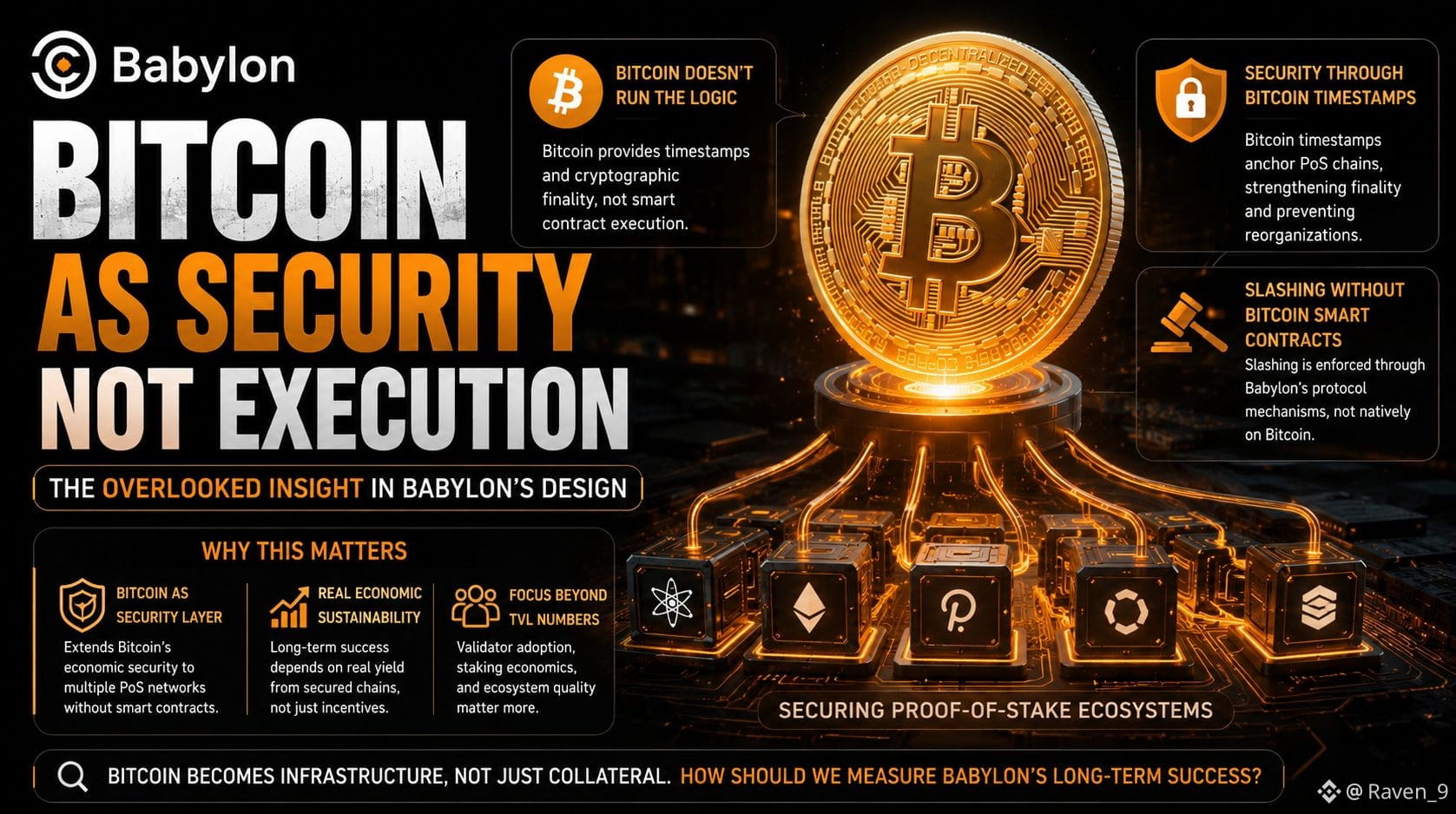
I kept seeing Babylon described as a way to unlock Bitcoin’s idle capital, but the more I read its documentation, the less I thought BTC liquidity was the most interesting part. What stood out to me was that Babylon’s security model depends on making Bitcoin a source of cryptographic accountability rather than execution. Bitcoin does not run Babylon’s staking logic or smart contracts. Instead, Bitcoin timestamps are used to strengthen security guarantees, while slashing is coordinated through Babylon’s protocol design. That distinction matters because it limits what Bitcoin is asked to do while still extending its security properties to connected PoS networks. I also noticed that long-term sustainability depends less on headline BTC locked and more on whether connected chains generate enough real economic value to reward stakers without relying on excessive incentives. For me, validator participation, staking economics, and the quality of secured ecosystems are stronger signals than TVL alone. If Bitcoin becomes security infrastructure instead of just collateral, how should we measure Babylon’s long-term success?
@babylonlabs_io #baby $BABY
{future}(BABYUSDT)
I kept seeing Babylon described as a way to unlock Bitcoin’s idle capital, but the more I read its documentation, the less I thought BTC liquidity was the most interesting part. What stood out to me was that Babylon’s security model depends on making Bitcoin a source of cryptographic accountability rather than execution. Bitcoin does not run Babylon’s staking logic or smart contracts. Instead, Bitcoin timestamps are used to strengthen security guarantees, while slashing is coordinated through Babylon’s protocol design. That distinction matters because it limits what Bitcoin is asked to do while still extending its security properties to connected PoS networks. I also noticed that long-term sustainability depends less on headline BTC locked and more on whether connected chains generate enough real economic value to reward stakers without relying on excessive incentives. For me, validator participation, staking economics, and the quality of secured ecosystems are stronger signals than TVL alone. If Bitcoin becomes security infrastructure instead of just collateral, how should we measure Babylon’s long-term success?
@BabylonLabs_io #baby $BABY
@BabylonLabs_io #baby $BABY
5
4
388
·
--
ສັນຍານໝີ
ເບິ່ງການແປ
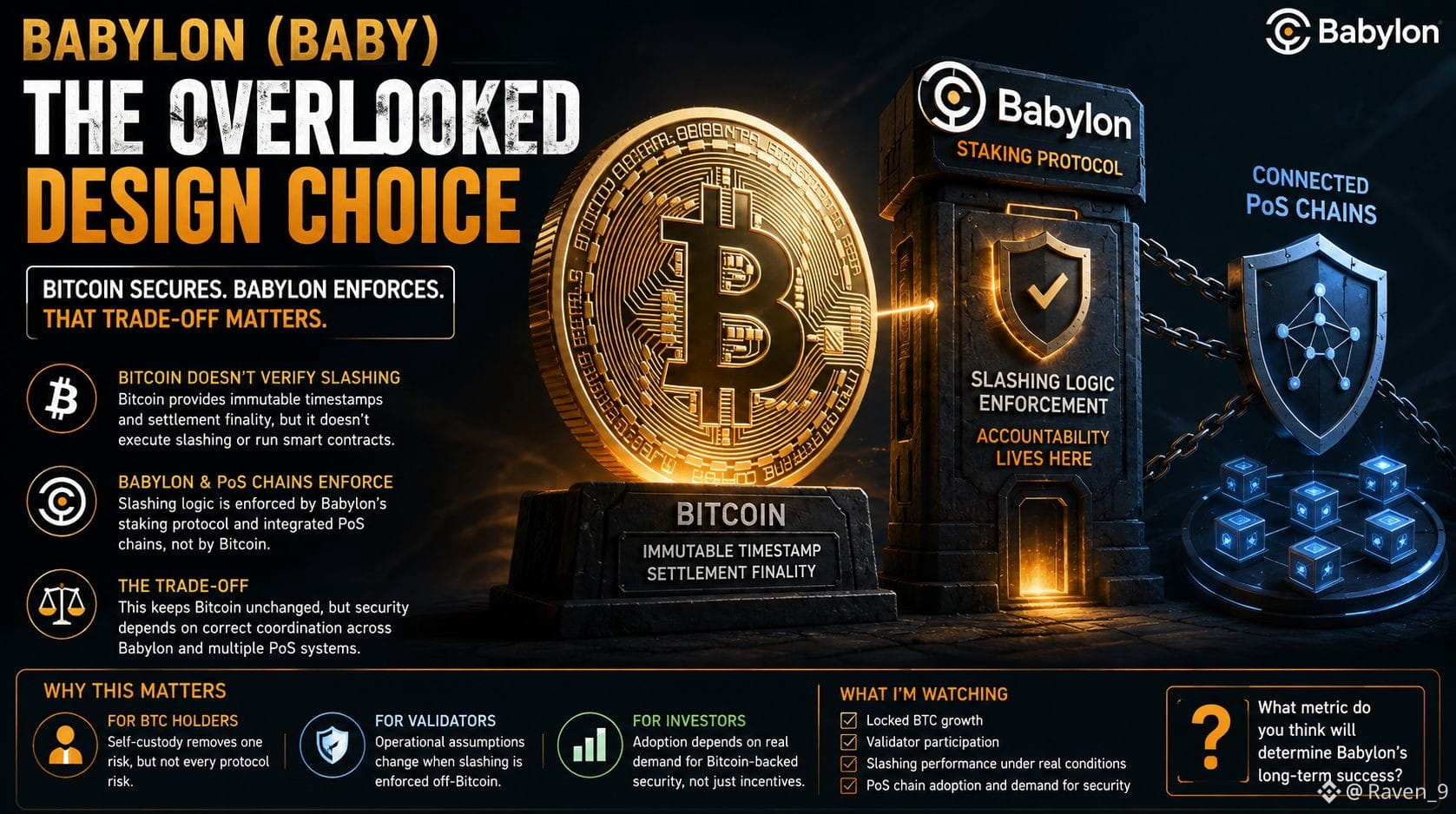
I assumed Babylon's biggest innovation was letting Bitcoin secure PoS networks without giving up custody. After reading the protocol documentation more closely, I think the more interesting design choice is that Bitcoin itself never verifies slashing. Instead, Bitcoin acts as the immutable timestamp and settlement anchor, while slashing logic is enforced through Babylon's staking protocol and the connected PoS chains. That separation keeps Bitcoin unchanged, but it also means security depends on correct coordination across multiple systems rather than Bitcoin alone. I think that trade-off deserves more attention than the staking yield discussion. It shifts the conversation from "Can Bitcoin be staked?" to "Where is accountability actually enforced?" For validators, this changes operational assumptions. For BTC holders, it highlights that self-custody removes one risk but not every protocol risk. For investors, adoption depends on whether PoS chains value Bitcoin-backed security enough to sustain demand beyond incentives. I'm watching validator participation, locked BTC growth, and slashing performance. What metric do you think will ultimately determine Babylon's long-term success?
@babylonlabs_io #baby $BABY
{future}(BABYUSDT)
I assumed Babylon's biggest innovation was letting Bitcoin secure PoS networks without giving up custody. After reading the protocol documentation more closely, I think the more interesting design choice is that Bitcoin itself never verifies slashing. Instead, Bitcoin acts as the immutable timestamp and settlement anchor, while slashing logic is enforced through Babylon's staking protocol and the connected PoS chains. That separation keeps Bitcoin unchanged, but it also means security depends on correct coordination across multiple systems rather than Bitcoin alone. I think that trade-off deserves more attention than the staking yield discussion. It shifts the conversation from "Can Bitcoin be staked?" to "Where is accountability actually enforced?" For validators, this changes operational assumptions. For BTC holders, it highlights that self-custody removes one risk but not every protocol risk. For investors, adoption depends on whether PoS chains value Bitcoin-backed security enough to sustain demand beyond incentives. I'm watching validator participation, locked BTC growth, and slashing performance. What metric do you think will ultimately determine Babylon's long-term success?
@BabylonLabs_io #baby $BABY
@BabylonLabs_io #baby $BABY
5
2
110
·
--
ສັນຍານກະທິງ
ເບິ່ງການແປ
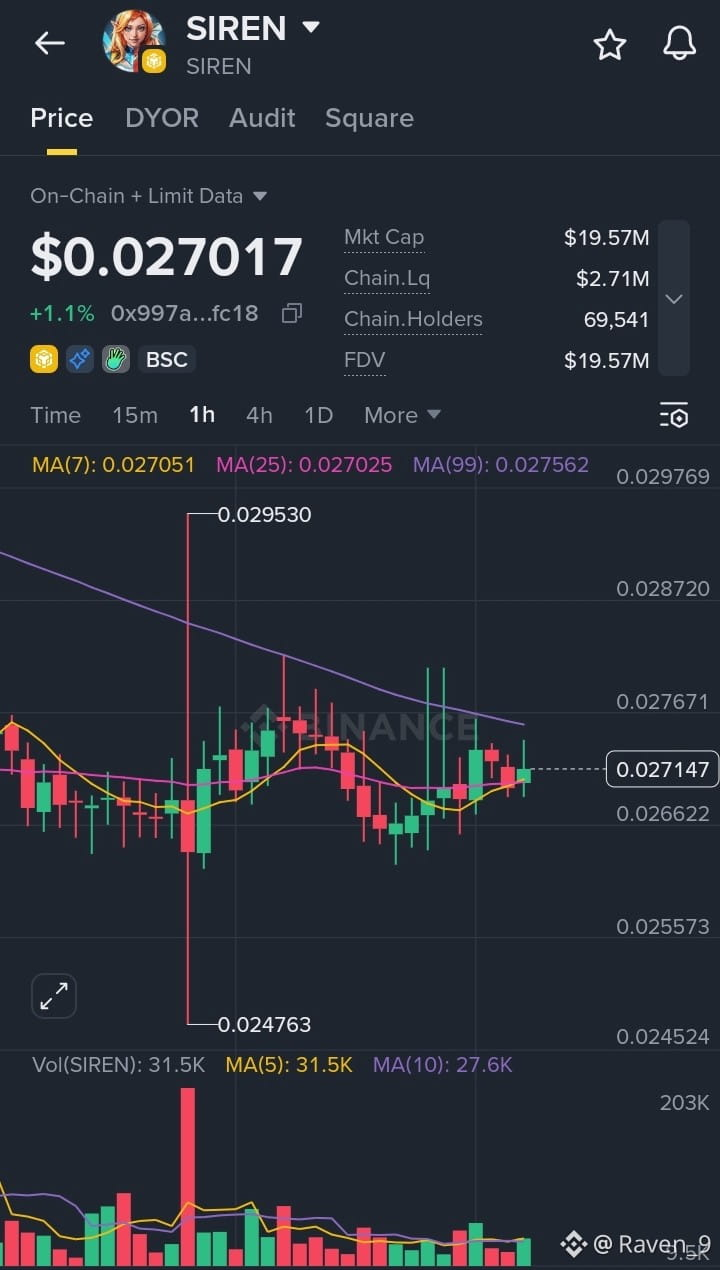
Based on the 1H chart only (not financial advice), price is consolidating around $0.0271 with nearby resistance around $0.0277–0.0280.
$SIREN Trade Idea
Entry: $0.0269–0.0272
TP1: $0.0278
TP2: $0.0288
TP3: $0.0295
SL: $0.0262
Thrilling Short Post:
SIREN is quietly loading. Bulls are defending the zone, and a breakout could ignite the next leg higher. Eyes on $0.0280—if it breaks with volume, momentum may accelerate. Manage risk and stay disciplined.
{alpha}(560x997a58129890bbda032231a52ed1ddc845fc18e1)
Based on the 1H chart only (not financial advice), price is consolidating around $0.0271 with nearby resistance around $0.0277–0.0280.
$SIREN Trade Idea
Entry: $0.0269–0.0272
TP1: $0.0278
TP2: $0.0288
TP3: $0.0295
SL: $0.0262
Thrilling Short Post:
SIREN is quietly loading. Bulls are defending the zone, and a breakout could ignite the next leg higher. Eyes on $0.0280—if it breaks with volume, momentum may accelerate. Manage risk and stay disciplined.
$SIREN Trade Idea
Entry: $0.0269–0.0272
TP1: $0.0278
TP2: $0.0288
TP3: $0.0295
SL: $0.0262
Thrilling Short Post:
SIREN is quietly loading. Bulls are defending the zone, and a breakout could ignite the next leg higher. Eyes on $0.0280—if it breaks with volume, momentum may accelerate. Manage risk and stay disciplined.
1
1
449
·
--
ສັນຍານກະທິງ
ເບິ່ງການແປ
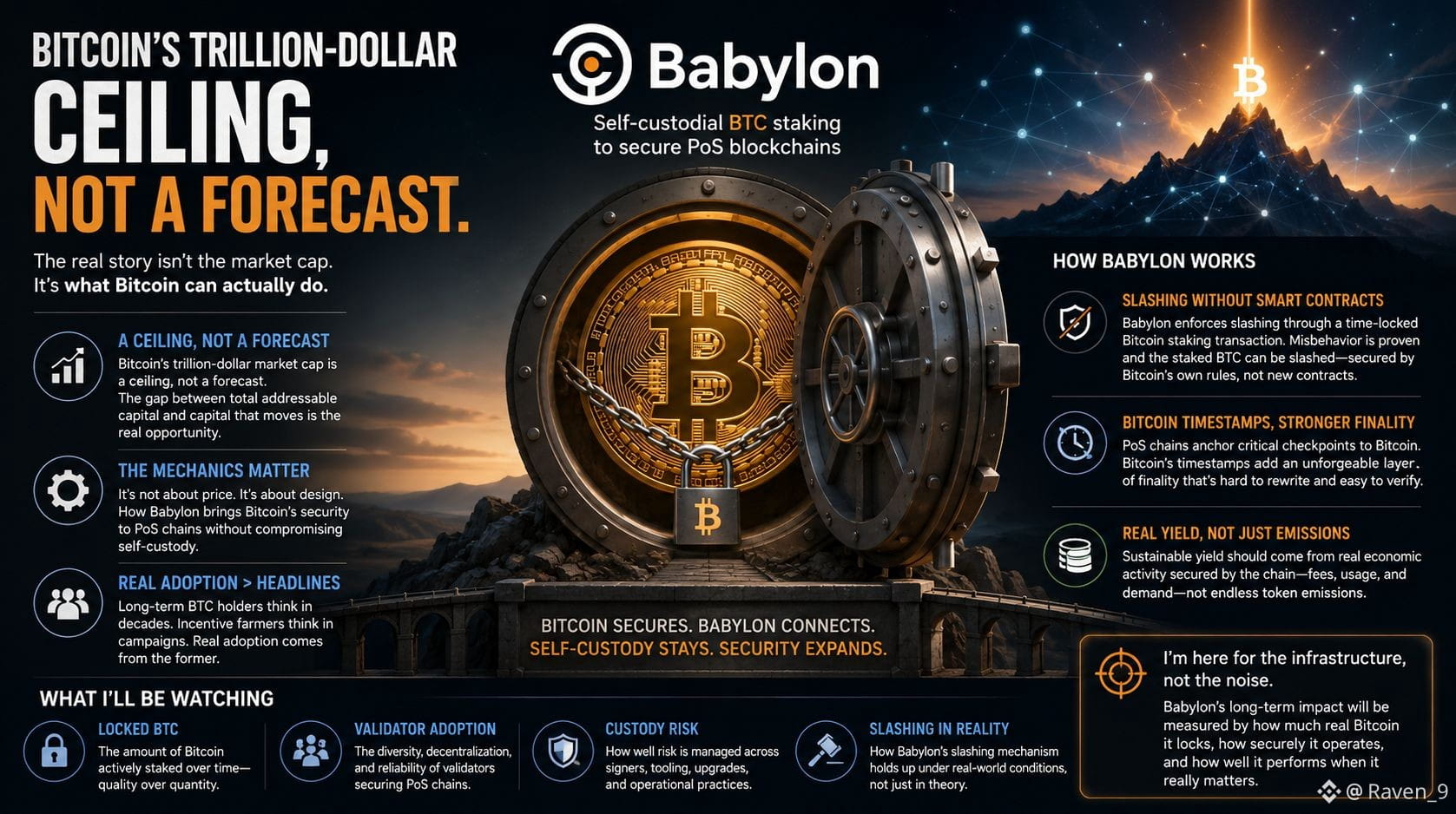
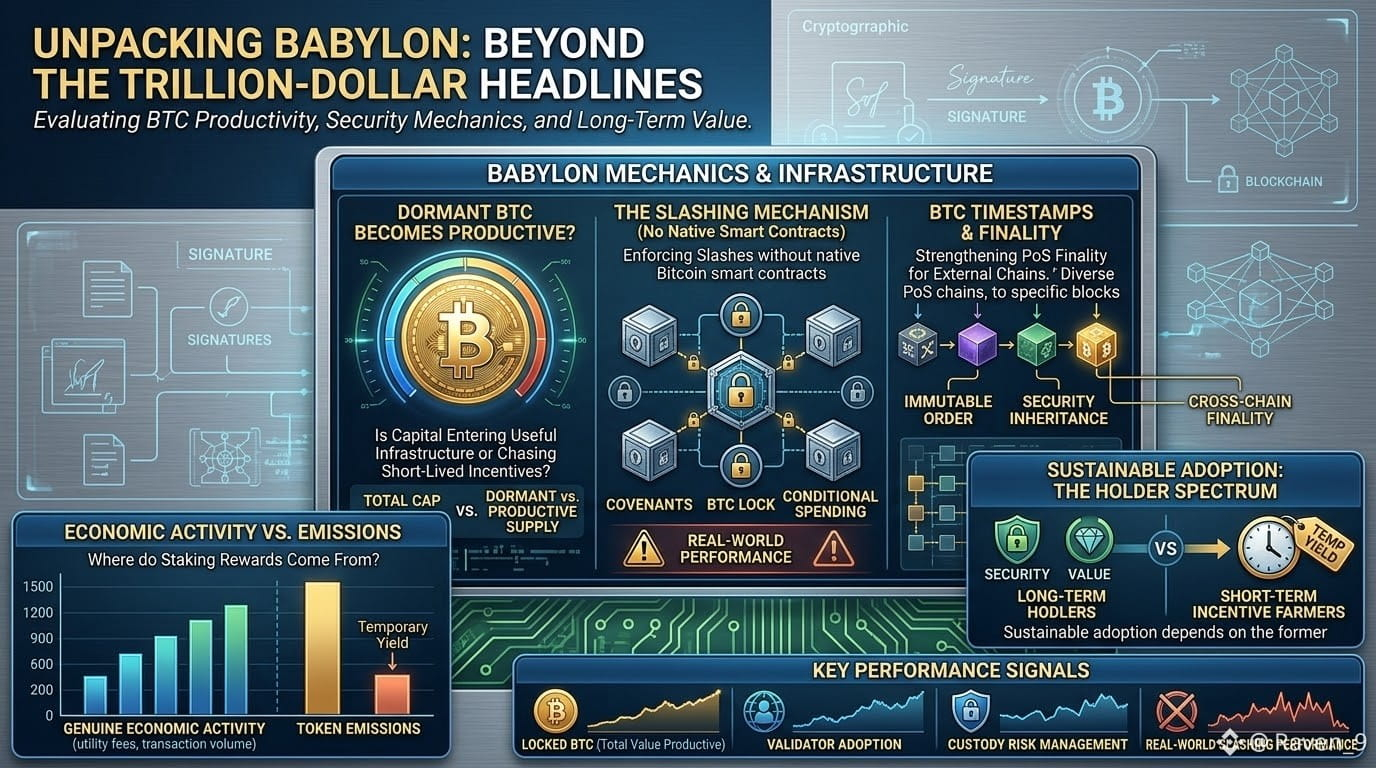
I keep coming back to Babylon because it highlights the difference between Bitcoin's total addressable capital and the capital that actually moves. A trillion-dollar market cap is a ceiling, not a forecast. The more interesting question is whether Bitcoin can participate in securing other networks without giving up self-custody.
What I find worth studying is the mechanics. Babylon enforces slashing without relying on native Bitcoin smart contracts, while Bitcoin timestamps strengthen the finality of PoS chains. Those ideas matter far more to me than impressive headline figures. I also want to understand whether staking yield is supported by genuine economic activity instead of temporary token emissions.
Long-term Bitcoin holders and short-term incentive farmers behave very differently, and that distinction will shape adoption more than promotional metrics ever could. I'll be watching locked BTC, validator adoption, custody risk, and, most importantly, how Babylon's slashing mechanism performs when it faces real-world conditions rather than controlled assumptions.
@babylonlabs_io #baby $BABY
{future}(BABYUSDT)
I keep coming back to Babylon because it highlights the difference between Bitcoin's total addressable capital and the capital that actually moves. A trillion-dollar market cap is a ceiling, not a forecast. The more interesting question is whether Bitcoin can participate in securing other networks without giving up self-custody.
What I find worth studying is the mechanics. Babylon enforces slashing without relying on native Bitcoin smart contracts, while Bitcoin timestamps strengthen the finality of PoS chains. Those ideas matter far more to me than impressive headline figures. I also want to understand whether staking yield is supported by genuine economic activity instead of temporary token emissions.
Long-term Bitcoin holders and short-term incentive farmers behave very differently, and that distinction will shape adoption more than promotional metrics ever could. I'll be watching locked BTC, validator adoption, custody risk, and, most importantly, how Babylon's slashing mechanism performs when it faces real-world conditions rather than controlled assumptions.
@BabylonLabs_io #baby $BABY
What I find worth studying is the mechanics. Babylon enforces slashing without relying on native Bitcoin smart contracts, while Bitcoin timestamps strengthen the finality of PoS chains. Those ideas matter far more to me than impressive headline figures. I also want to understand whether staking yield is supported by genuine economic activity instead of temporary token emissions.
Long-term Bitcoin holders and short-term incentive farmers behave very differently, and that distinction will shape adoption more than promotional metrics ever could. I'll be watching locked BTC, validator adoption, custody risk, and, most importantly, how Babylon's slashing mechanism performs when it faces real-world conditions rather than controlled assumptions.
@BabylonLabs_io #baby $BABY
1
1
106
·
--
ສັນຍານກະທິງ
ເບິ່ງການແປ
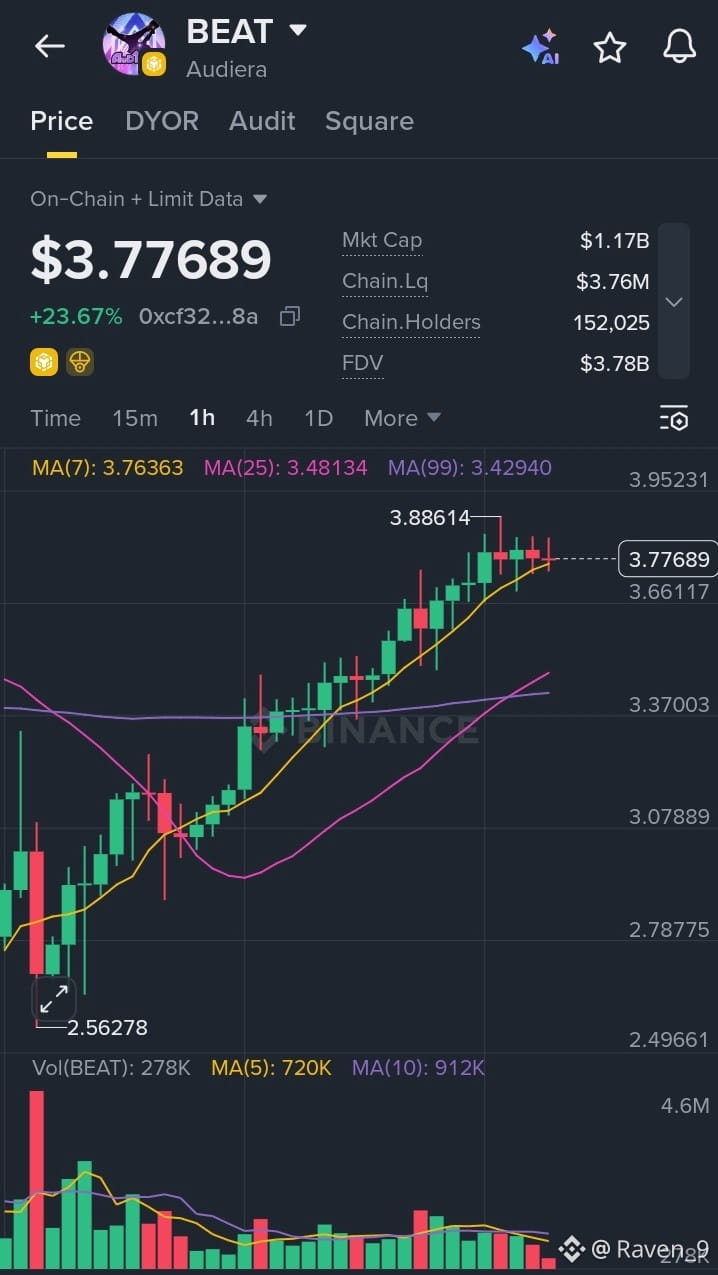
$BEAT /USDT – Long Setup
Entry Point (EP): $3.74–$3.78
Entry Confirmation: Buy after a 1H candle closes above $3.80, or on a bounce from $3.74–$3.76.
Take Profit (TP):
TP1: $3.89
TP2: $4.05
TP3: $4.20
Stop Loss (SL): $3.58
Thrilling Short Post:
BEAT is holding strong above key moving averages and building momentum on the 1H chart. A clean breakout above $3.80 could open the path toward $4.00+. Stay disciplined, manage risk, and let the trend do the work.
{alpha}(560xcf3232b85b43bca90e51d38cc06cc8bb8c8a3e36)
$BEAT /USDT – Long Setup
Entry Point (EP): $3.74–$3.78
Entry Confirmation: Buy after a 1H candle closes above $3.80, or on a bounce from $3.74–$3.76.
Take Profit (TP):
TP1: $3.89
TP2: $4.05
TP3: $4.20
Stop Loss (SL): $3.58
Thrilling Short Post:
BEAT is holding strong above key moving averages and building momentum on the 1H chart. A clean breakout above $3.80 could open the path toward $4.00+. Stay disciplined, manage risk, and let the trend do the work.
Entry Point (EP): $3.74–$3.78
Entry Confirmation: Buy after a 1H candle closes above $3.80, or on a bounce from $3.74–$3.76.
Take Profit (TP):
TP1: $3.89
TP2: $4.05
TP3: $4.20
Stop Loss (SL): $3.58
Thrilling Short Post:
BEAT is holding strong above key moving averages and building momentum on the 1H chart. A clean breakout above $3.80 could open the path toward $4.00+. Stay disciplined, manage risk, and let the trend do the work.
1
307
·
--
ສັນຍານໝີ
ເບິ່ງການແປ
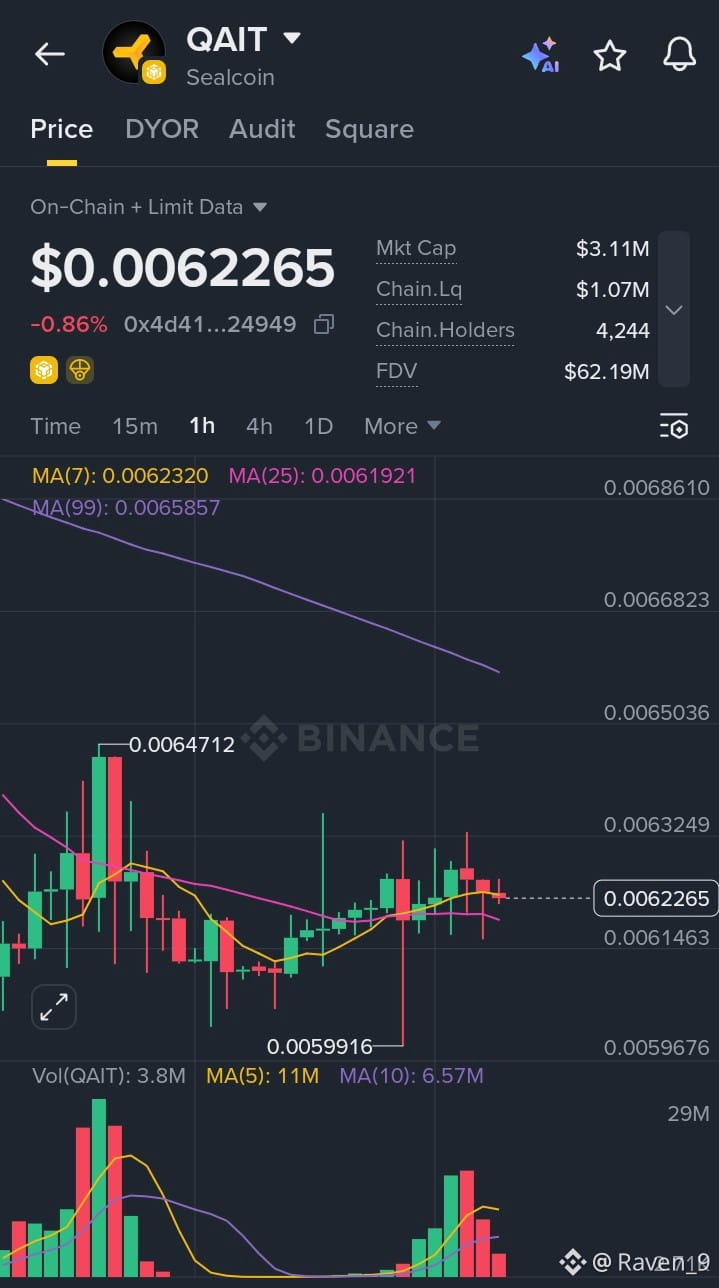
$QAIT looks ready to test the next resistance. Bulls are defending support—if momentum returns, a sharp move could follow. Trade smart, manage risk, and don't chase green candles.
Entry Point (EP): 0.00620–0.00624
TP1: 0.00635
TP2: 0.00647
TP3: 0.00660
Stop Loss (SL): 0.00608
Always wait for confirmation before entering, since crypto prices can reverse quickly.
{alpha}(560x4d41a5d412f4ef44a35b9f53b06db65ede249493)
$QAIT looks ready to test the next resistance. Bulls are defending support—if momentum returns, a sharp move could follow. Trade smart, manage risk, and don't chase green candles.
Entry Point (EP): 0.00620–0.00624
TP1: 0.00635
TP2: 0.00647
TP3: 0.00660
Stop Loss (SL): 0.00608
Always wait for confirmation before entering, since crypto prices can reverse quickly.
Entry Point (EP): 0.00620–0.00624
TP1: 0.00635
TP2: 0.00647
TP3: 0.00660
Stop Loss (SL): 0.00608
Always wait for confirmation before entering, since crypto prices can reverse quickly.
1
279
·
--
ສັນຍານໝີ
ຂ້ອຍໄດ້ຄິດກ່ຽວກັບ Babylon ຈາກມຸມທີ່ຕ່າງອອກ. ມູນຄ່າຕະຫຼາດຂອງ Bitcoin ລ້ານລ້ານຕື້ໂດລາ ສະແດງເຖິງທຶນສູງສຸດທີ່ສາມາດເຂົ້າຮ່ວມໄດ້ ບໍແມ່ນຈໍານວນທີ່ຈະເຂົ້າຮ່ວມໄດ້ແທ້ສະເໝີ. ຄວາມແຕກຕ່າງນີ້ມີຄວາມສໍາຄັນ ເພາະເລື່ອງທີ່ແທ້ຈິງແມ່ນວ່າ BTC ທີ່ບໍໄດ້ໃຊ້ ສາມາດກາຍເປັນທີ່ເກີດຜົນໄດ້ຜ່ານໂຄງສ້າງທີ່ເປັນປະໂຫຍດ ຫຼືບໍ ດີກວ່າຄືຄວາມຈູງໃຈຊົ່ວຄາວ.
ສິ່ງທີ່ສົນໃຈຂອງຂ້ອຍແມ່ນການອອກແບບຂອງ Babylon. ຂ້ອຍຢາກເບິ່ງວ່າການ slashing ຖືກບັງຄັບແນວໃດ ໂດຍບໍ່ມີ native Bitcoin smart contracts, ວ່າ Bitcoin timestamps ເສີມຄວາມແນ່ນອນ (finality) ສໍາລັບ PoS chains ແນວໃດ, ແລະວ່າລາງວັນການສະເຕກ ມາຈາກກິດຈະກໍາເສດຖະກິດຈິງ ຫຼືບໍຈາກການອອກໂທເຄນ (token emissions) ຢ່າງດຽວ. ກົນໄກເຫຼົ່ານີ້ຈະສະແດງໃຫ້ຂ້ອຍໄດ້ຫຼາຍກວ່າຕົວເລກຫົວຂ່າວທີ່ເບິ່ງດີ.
ຂ້ອຍຍັງເຫັນວ່າມີຄວາມແຕກຕ່າງຢ່າງມີນັຍສໍາຄັນ ລະຫວ່າງຜູ້ຖື Bitcoin ໄລຍະຍາວ ແລະ ຜູ້ລ່າຜົນປະໂຫຍດໄລຍະສັ້ນ. ການນໍາໃຊ້ຢ່າງຍືນຍົງ ຂຶ້ນກັບຜູ້ຮ່ວມທີ່ໃຫ້ຄຸນຄ່າຄວາມປອດໄພ ແລະ ຄວາມເປັນປະໂຫຍດ (utility) ບໍ່ແມ່ນເພິ່ງໂອກາດຜົນຕອບແທນຊົ່ວຄາວ.
ຂ້ອຍຈະຕິດຕາມ BTC ທີ່ຖືກລັອກ, ການຮັບຮອງຂອງ validator, ຄວາມສ່ຽງດ້ານ custody, ແລະທີ່ສໍາຄັນທີ່ສຸດ ການທໍາງານຂອງກົນໄກ slashing ຂອງ Babylon ພາຍໃຕ້ເງື່ອນໄຂຄວາມເປັນຈິງ. ສັນຍານເຫຼົ່ານັ້ນຈະບອກຂ້ອຍໄດ້ຫຼາຍກວ່າຄວາມຕື່ນເຕັ້ນໃນຕະຫຼາດຢ່າງເດັດຂາດ.
@babylonlabs_io #baby $BABY
{future}(BABYUSDT)
ຂ້ອຍໄດ້ຄິດກ່ຽວກັບ Babylon ຈາກມຸມທີ່ຕ່າງອອກ. ມູນຄ່າຕະຫຼາດຂອງ Bitcoin ລ້ານລ້ານຕື້ໂດລາ ສະແດງເຖິງທຶນສູງສຸດທີ່ສາມາດເຂົ້າຮ່ວມໄດ້ ບໍແມ່ນຈໍານວນທີ່ຈະເຂົ້າຮ່ວມໄດ້ແທ້ສະເໝີ. ຄວາມແຕກຕ່າງນີ້ມີຄວາມສໍາຄັນ ເພາະເລື່ອງທີ່ແທ້ຈິງແມ່ນວ່າ BTC ທີ່ບໍໄດ້ໃຊ້ ສາມາດກາຍເປັນທີ່ເກີດຜົນໄດ້ຜ່ານໂຄງສ້າງທີ່ເປັນປະໂຫຍດ ຫຼືບໍ ດີກວ່າຄືຄວາມຈູງໃຈຊົ່ວຄາວ.
ສິ່ງທີ່ສົນໃຈຂອງຂ້ອຍແມ່ນການອອກແບບຂອງ Babylon. ຂ້ອຍຢາກເບິ່ງວ່າການ slashing ຖືກບັງຄັບແນວໃດ ໂດຍບໍ່ມີ native Bitcoin smart contracts, ວ່າ Bitcoin timestamps ເສີມຄວາມແນ່ນອນ (finality) ສໍາລັບ PoS chains ແນວໃດ, ແລະວ່າລາງວັນການສະເຕກ ມາຈາກກິດຈະກໍາເສດຖະກິດຈິງ ຫຼືບໍຈາກການອອກໂທເຄນ (token emissions) ຢ່າງດຽວ. ກົນໄກເຫຼົ່ານີ້ຈະສະແດງໃຫ້ຂ້ອຍໄດ້ຫຼາຍກວ່າຕົວເລກຫົວຂ່າວທີ່ເບິ່ງດີ.
ຂ້ອຍຍັງເຫັນວ່າມີຄວາມແຕກຕ່າງຢ່າງມີນັຍສໍາຄັນ ລະຫວ່າງຜູ້ຖື Bitcoin ໄລຍະຍາວ ແລະ ຜູ້ລ່າຜົນປະໂຫຍດໄລຍະສັ້ນ. ການນໍາໃຊ້ຢ່າງຍືນຍົງ ຂຶ້ນກັບຜູ້ຮ່ວມທີ່ໃຫ້ຄຸນຄ່າຄວາມປອດໄພ ແລະ ຄວາມເປັນປະໂຫຍດ (utility) ບໍ່ແມ່ນເພິ່ງໂອກາດຜົນຕອບແທນຊົ່ວຄາວ.
ຂ້ອຍຈະຕິດຕາມ BTC ທີ່ຖືກລັອກ, ການຮັບຮອງຂອງ validator, ຄວາມສ່ຽງດ້ານ custody, ແລະທີ່ສໍາຄັນທີ່ສຸດ ການທໍາງານຂອງກົນໄກ slashing ຂອງ Babylon ພາຍໃຕ້ເງື່ອນໄຂຄວາມເປັນຈິງ. ສັນຍານເຫຼົ່ານັ້ນຈະບອກຂ້ອຍໄດ້ຫຼາຍກວ່າຄວາມຕື່ນເຕັ້ນໃນຕະຫຼາດຢ່າງເດັດຂາດ.
@BabylonLabs_io #baby $BABY
ສິ່ງທີ່ສົນໃຈຂອງຂ້ອຍແມ່ນການອອກແບບຂອງ Babylon. ຂ້ອຍຢາກເບິ່ງວ່າການ slashing ຖືກບັງຄັບແນວໃດ ໂດຍບໍ່ມີ native Bitcoin smart contracts, ວ່າ Bitcoin timestamps ເສີມຄວາມແນ່ນອນ (finality) ສໍາລັບ PoS chains ແນວໃດ, ແລະວ່າລາງວັນການສະເຕກ ມາຈາກກິດຈະກໍາເສດຖະກິດຈິງ ຫຼືບໍຈາກການອອກໂທເຄນ (token emissions) ຢ່າງດຽວ. ກົນໄກເຫຼົ່ານີ້ຈະສະແດງໃຫ້ຂ້ອຍໄດ້ຫຼາຍກວ່າຕົວເລກຫົວຂ່າວທີ່ເບິ່ງດີ.
ຂ້ອຍຍັງເຫັນວ່າມີຄວາມແຕກຕ່າງຢ່າງມີນັຍສໍາຄັນ ລະຫວ່າງຜູ້ຖື Bitcoin ໄລຍະຍາວ ແລະ ຜູ້ລ່າຜົນປະໂຫຍດໄລຍະສັ້ນ. ການນໍາໃຊ້ຢ່າງຍືນຍົງ ຂຶ້ນກັບຜູ້ຮ່ວມທີ່ໃຫ້ຄຸນຄ່າຄວາມປອດໄພ ແລະ ຄວາມເປັນປະໂຫຍດ (utility) ບໍ່ແມ່ນເພິ່ງໂອກາດຜົນຕອບແທນຊົ່ວຄາວ.
ຂ້ອຍຈະຕິດຕາມ BTC ທີ່ຖືກລັອກ, ການຮັບຮອງຂອງ validator, ຄວາມສ່ຽງດ້ານ custody, ແລະທີ່ສໍາຄັນທີ່ສຸດ ການທໍາງານຂອງກົນໄກ slashing ຂອງ Babylon ພາຍໃຕ້ເງື່ອນໄຂຄວາມເປັນຈິງ. ສັນຍານເຫຼົ່ານັ້ນຈະບອກຂ້ອຍໄດ້ຫຼາຍກວ່າຄວາມຕື່ນເຕັ້ນໃນຕະຫຼາດຢ່າງເດັດຂາດ.
@BabylonLabs_io #baby $BABY
8
3
178
·
--
ສັນຍານໝີ
ເບິ່ງການແປ
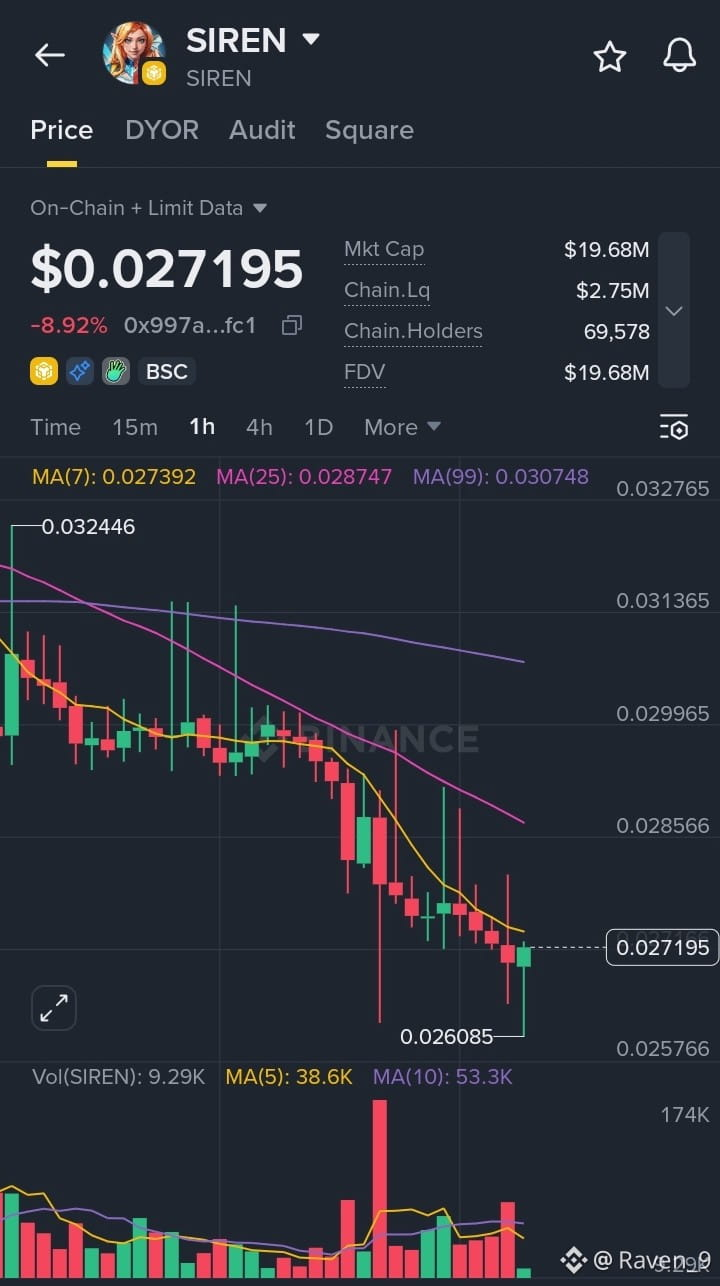
🚨 $SIREN Looks Ready for a Reversal?
SIREN is testing a key support zone after a sharp pullback. If buyers defend this level, a relief bounce could follow. Watch volume closely before entering—patience beats chasing.
Entry: $0.0268–0.0272
TP1: $0.0285
TP2: $0.0298
TP3: $0.0310
SL: $0.0258
Wait for confirmation before entering, as the price remains below the major moving averages and the overall trend is still weak.
{alpha}(560x997a58129890bbda032231a52ed1ddc845fc18e1)
🚨 $SIREN Looks Ready for a Reversal?
SIREN is testing a key support zone after a sharp pullback. If buyers defend this level, a relief bounce could follow. Watch volume closely before entering—patience beats chasing.
Entry: $0.0268–0.0272
TP1: $0.0285
TP2: $0.0298
TP3: $0.0310
SL: $0.0258
Wait for confirmation before entering, as the price remains below the major moving averages and the overall trend is still weak.
SIREN is testing a key support zone after a sharp pullback. If buyers defend this level, a relief bounce could follow. Watch volume closely before entering—patience beats chasing.
Entry: $0.0268–0.0272
TP1: $0.0285
TP2: $0.0298
TP3: $0.0310
SL: $0.0258
Wait for confirmation before entering, as the price remains below the major moving averages and the overall trend is still weak.
1
469
·
--
ສັນຍານໝີ
ເບິ່ງການແປ
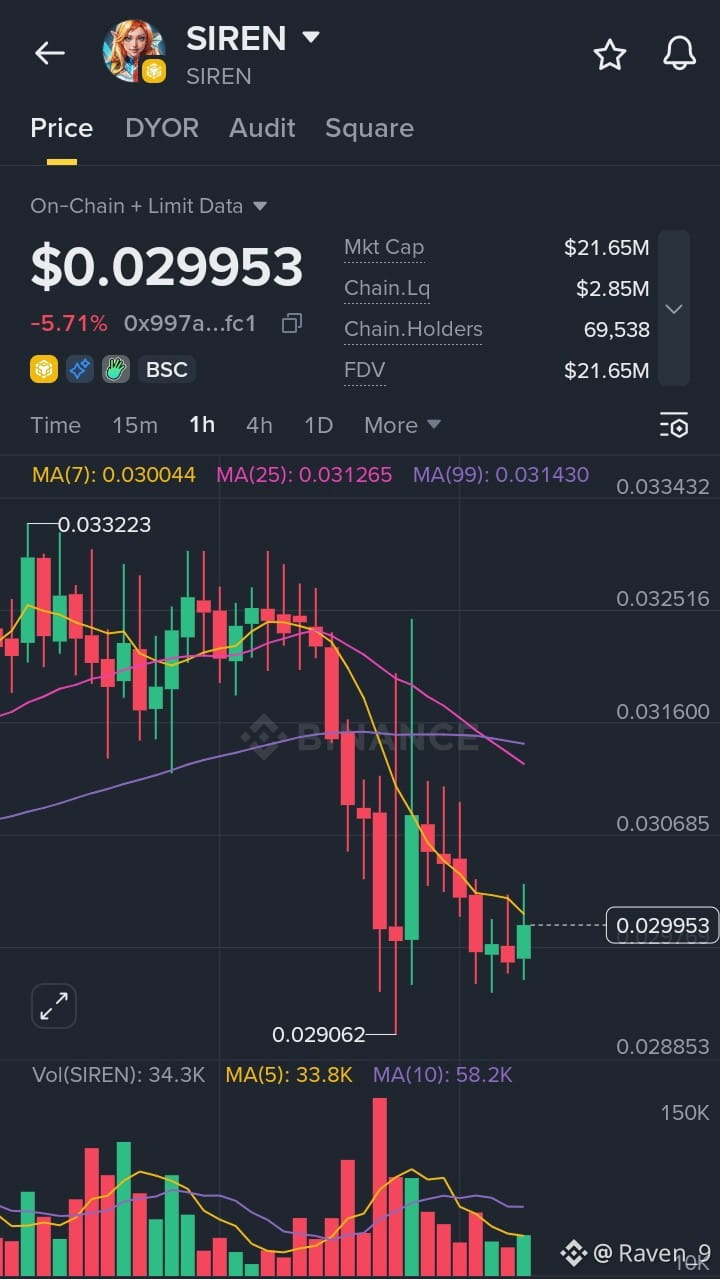
🚨 $SIREN Trade Setup
📍 Entry: $0.0295 – $0.0300
🎯 TP1: $0.0307
🎯 TP2: $0.0316
🚀 TP3: $0.0325
🛑 SL: $0.0288
⚡ Plan: Price is trying to build a base around $0.0290 support. A reclaim above $0.0300 can trigger a bounce toward resistance zones. Volume confirmation is key.
Not financial advice — manage risk. DYOR.
{alpha}(560x997a58129890bbda032231a52ed1ddc845fc18e1)
🚨 $SIREN Trade Setup
📍 Entry: $0.0295 – $0.0300
🎯 TP1: $0.0307
🎯 TP2: $0.0316
🚀 TP3: $0.0325
🛑 SL: $0.0288
⚡ Plan: Price is trying to build a base around $0.0290 support. A reclaim above $0.0300 can trigger a bounce toward resistance zones. Volume confirmation is key.
Not financial advice — manage risk. DYOR.
📍 Entry: $0.0295 – $0.0300
🎯 TP1: $0.0307
🎯 TP2: $0.0316
🚀 TP3: $0.0325
🛑 SL: $0.0288
⚡ Plan: Price is trying to build a base around $0.0290 support. A reclaim above $0.0300 can trigger a bounce toward resistance zones. Volume confirmation is key.
Not financial advice — manage risk. DYOR.
352
·
--
ສັນຍານກະທິງ
ເບິ່ງການແປ
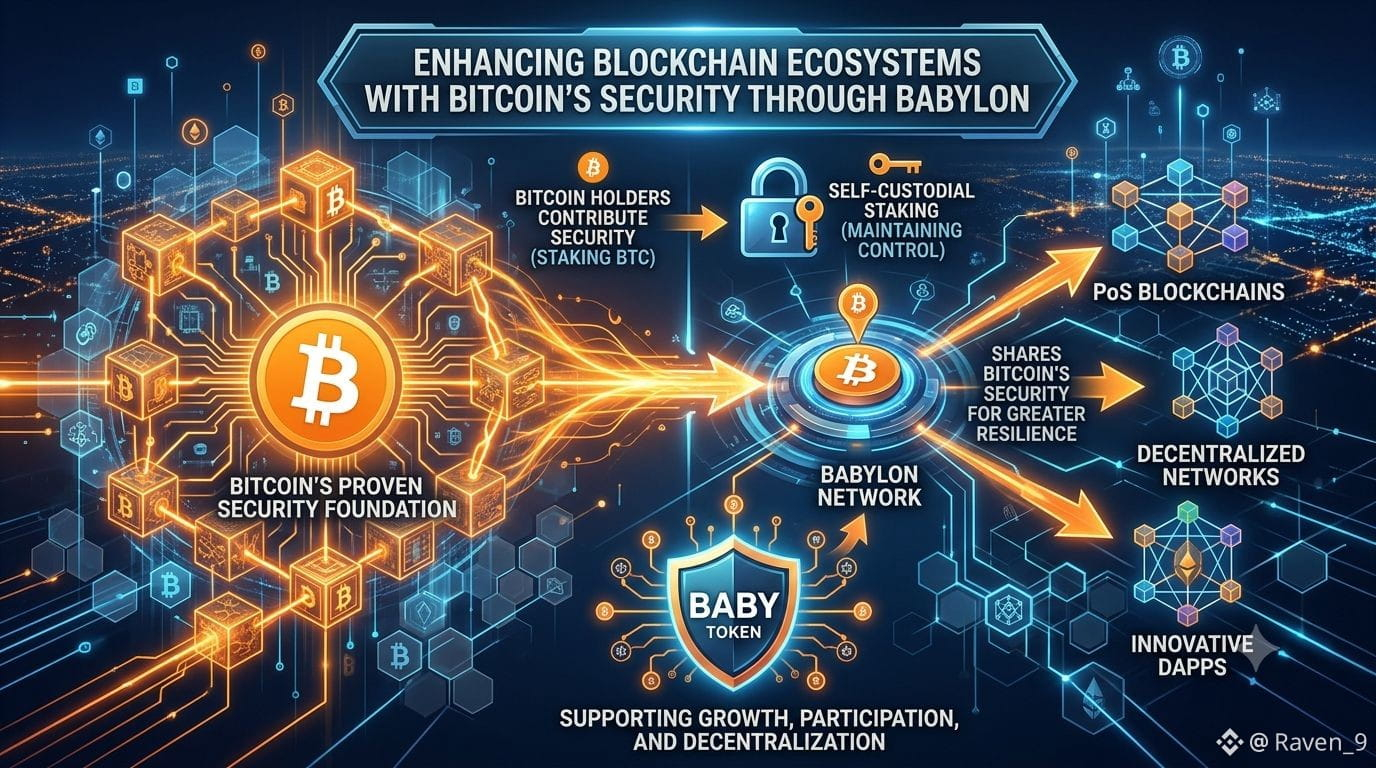
I’ve been looking closely at how Bitcoin’s security can become more useful beyond its original purpose, and Babylon stands out as an interesting approach. By enabling self-custodial BTC staking directly through the Bitcoin network, Babylon connects Bitcoin’s proven security with the needs of Proof of Stake blockchains without asking users to give up custody of their assets. I see this as a shift toward making existing crypto infrastructure work harder for the ecosystem. The idea is simple: let Bitcoin holders contribute security while maintaining control of their BTC. I’m interested in how Babylon approaches security, decentralization, and long-term utility rather than short-term narratives. With its BABY token supporting the network’s growth and participation, Babylon represents a bridge between Bitcoin’s foundation and the evolving world of decentralized networks. I believe projects like this could play an important role in creating more resilient blockchain systems where security is shared and innovation is built on trust, transparency, and real user ownership for everyone.
@babylonlabs_io #baby $BABY
{future}(BABYUSDT)
I’ve been looking closely at how Bitcoin’s security can become more useful beyond its original purpose, and Babylon stands out as an interesting approach. By enabling self-custodial BTC staking directly through the Bitcoin network, Babylon connects Bitcoin’s proven security with the needs of Proof of Stake blockchains without asking users to give up custody of their assets. I see this as a shift toward making existing crypto infrastructure work harder for the ecosystem. The idea is simple: let Bitcoin holders contribute security while maintaining control of their BTC. I’m interested in how Babylon approaches security, decentralization, and long-term utility rather than short-term narratives. With its BABY token supporting the network’s growth and participation, Babylon represents a bridge between Bitcoin’s foundation and the evolving world of decentralized networks. I believe projects like this could play an important role in creating more resilient blockchain systems where security is shared and innovation is built on trust, transparency, and real user ownership for everyone.
@BabylonLabs_io #baby $BABY
@BabylonLabs_io #baby $BABY
5
3
156
·
--
ສັນຍານກະທິງ
ເບິ່ງການແປ
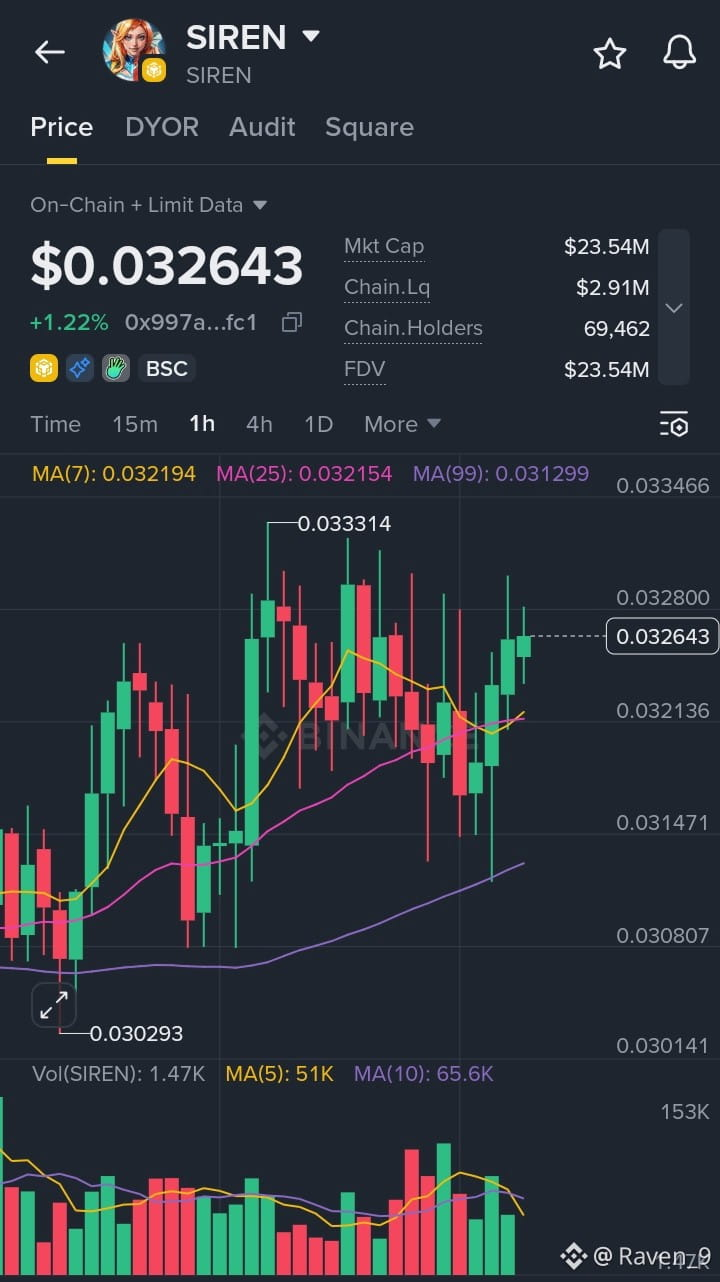
🚀 $SIREN (SIREN) 1H Setup
📍 Entry Point: $0.0325 – $0.0327
🎯 TP1: $0.0333
🎯 TP2: $0.0345
🛑 SL: $0.0314
🔥 Trade Idea:
SIREN is holding above key MAs with bullish momentum building. A clean breakout above $0.0333 could ignite the next move higher. Watch volume — bulls need confirmation.
⚡️ Long Setup | Risk Managed | DYOR
{alpha}(560x997a58129890bbda032231a52ed1ddc845fc18e1)
🚀 $SIREN (SIREN) 1H Setup
📍 Entry Point: $0.0325 – $0.0327
🎯 TP1: $0.0333
🎯 TP2: $0.0345
🛑 SL: $0.0314
🔥 Trade Idea:
SIREN is holding above key MAs with bullish momentum building. A clean breakout above $0.0333 could ignite the next move higher. Watch volume — bulls need confirmation.
⚡️ Long Setup | Risk Managed | DYOR
📍 Entry Point: $0.0325 – $0.0327
🎯 TP1: $0.0333
🎯 TP2: $0.0345
🛑 SL: $0.0314
🔥 Trade Idea:
SIREN is holding above key MAs with bullish momentum building. A clean breakout above $0.0333 could ignite the next move higher. Watch volume — bulls need confirmation.
⚡️ Long Setup | Risk Managed | DYOR
456
·
--
ສັນຍານກະທິງ
ເບິ່ງການແປ
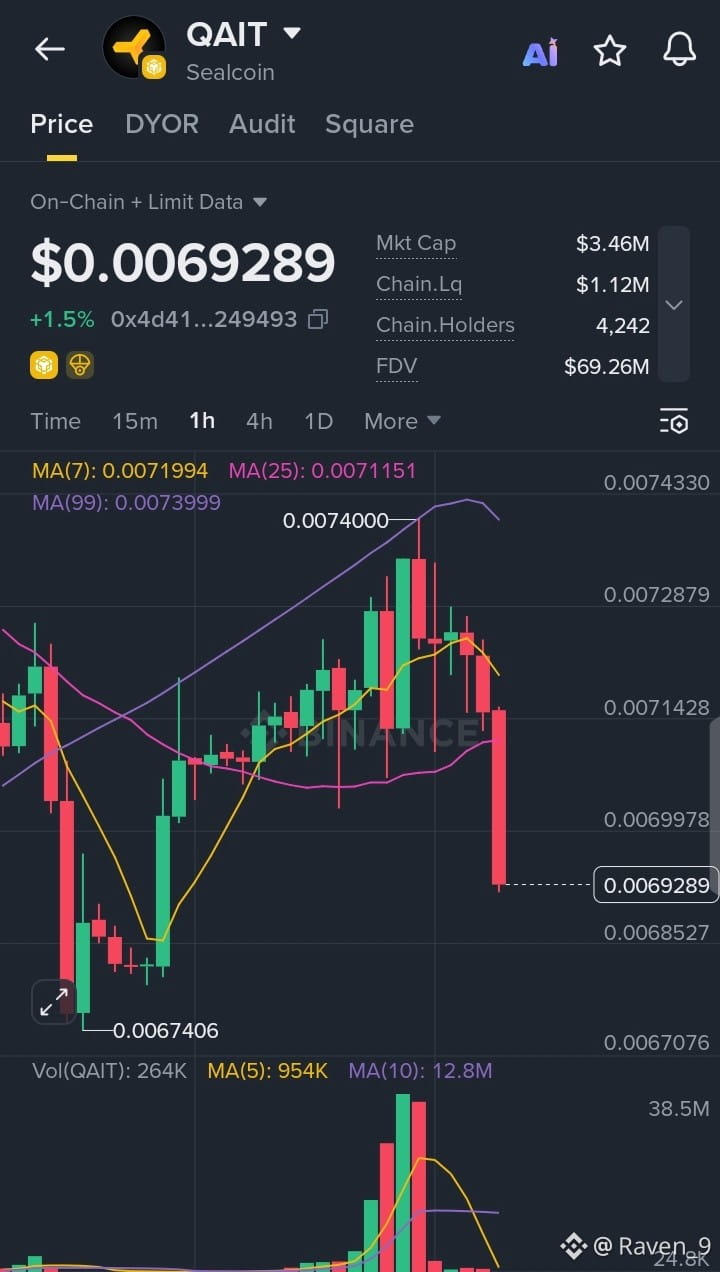
🚀 $QAIT Long Setup
📍 Entry: $0.00690 – $0.00695
🎯 TP1: $0.00715
🎯 TP2: $0.00740
🔥 TP3: $0.00780
🛡️ SL: $0.00670
Post:
⚡ QAIT is testing a key support zone after a strong rejection from $0.0074.
If buyers defend $0.0069, a bounce toward $0.0074+ could be next.
Watch volume — the next move will decide the trend. 🚀
#QAIT #Crypto #Trading
{alpha}(560x4d41a5d412f4ef44a35b9f53b06db65ede249493)
🚀 $QAIT Long Setup
📍 Entry: $0.00690 – $0.00695
🎯 TP1: $0.00715
🎯 TP2: $0.00740
🔥 TP3: $0.00780
🛡️ SL: $0.00670
Post:
⚡ QAIT is testing a key support zone after a strong rejection from $0.0074.
If buyers defend $0.0069, a bounce toward $0.0074+ could be next.
Watch volume — the next move will decide the trend. 🚀
#QAIT #Crypto #Trading
📍 Entry: $0.00690 – $0.00695
🎯 TP1: $0.00715
🎯 TP2: $0.00740
🔥 TP3: $0.00780
🛡️ SL: $0.00670
Post:
⚡ QAIT is testing a key support zone after a strong rejection from $0.0074.
If buyers defend $0.0069, a bounce toward $0.0074+ could be next.
Watch volume — the next move will decide the trend. 🚀
#QAIT #Crypto #Trading
441
·
--
ສັນຍານກະທິງ
ເບິ່ງການແປ
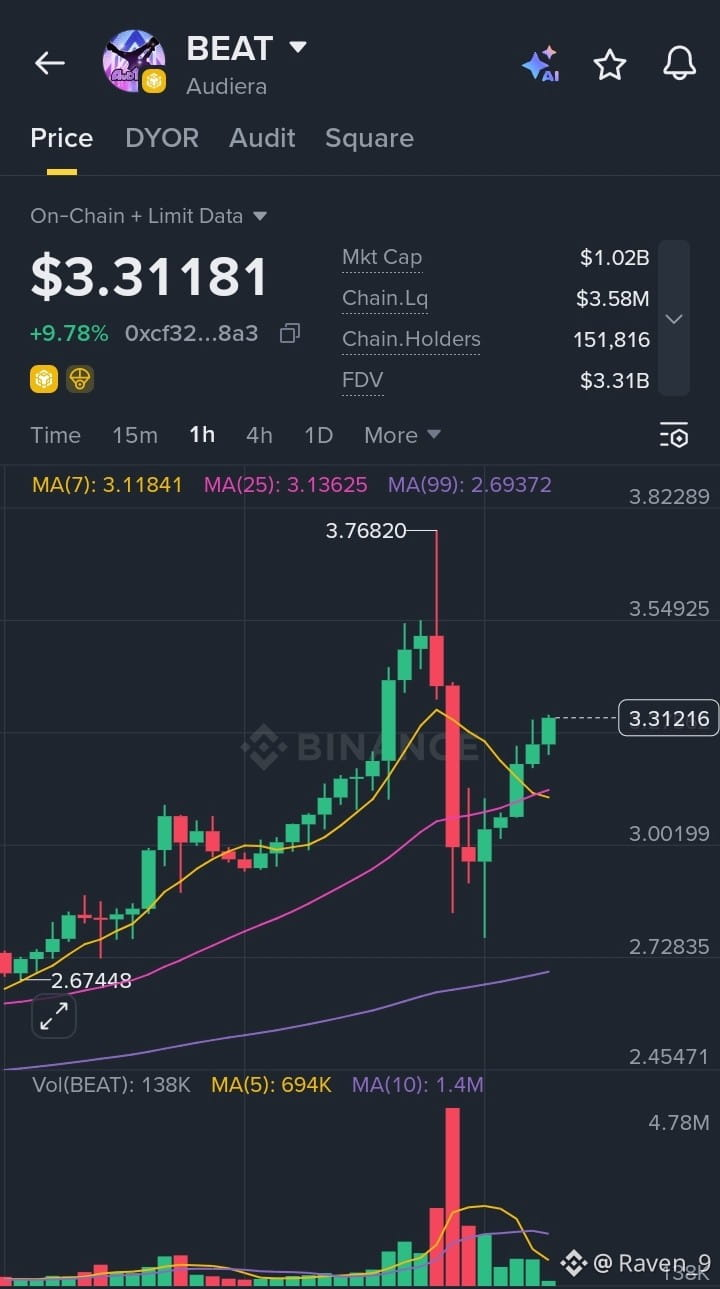
$BEAT (Audiera) 🚀 Trade Setup
🔥 Entry: $3.30 – $3.32
🎯 TP1: $3.55
🎯 TP2: $3.75
🚀 TP3: $4.00+
🛑 SL: $3.05
BEAT bounced strongly after the dip, reclaiming the MA zone. Bulls are back in control — watch the $3.55 breakout, it could ignite the next move. ⚡
(Not financial advice — manage risk.)
{alpha}(560xcf3232b85b43bca90e51d38cc06cc8bb8c8a3e36)
$BEAT (Audiera) 🚀 Trade Setup
🔥 Entry: $3.30 – $3.32
🎯 TP1: $3.55
🎯 TP2: $3.75
🚀 TP3: $4.00+
🛑 SL: $3.05
BEAT bounced strongly after the dip, reclaiming the MA zone. Bulls are back in control — watch the $3.55 breakout, it could ignite the next move. ⚡
(Not financial advice — manage risk.)
🔥 Entry: $3.30 – $3.32
🎯 TP1: $3.55
🎯 TP2: $3.75
🚀 TP3: $4.00+
🛑 SL: $3.05
BEAT bounced strongly after the dip, reclaiming the MA zone. Bulls are back in control — watch the $3.55 breakout, it could ignite the next move. ⚡
(Not financial advice — manage risk.)
174
·
--
ສັນຍານກະທິງ
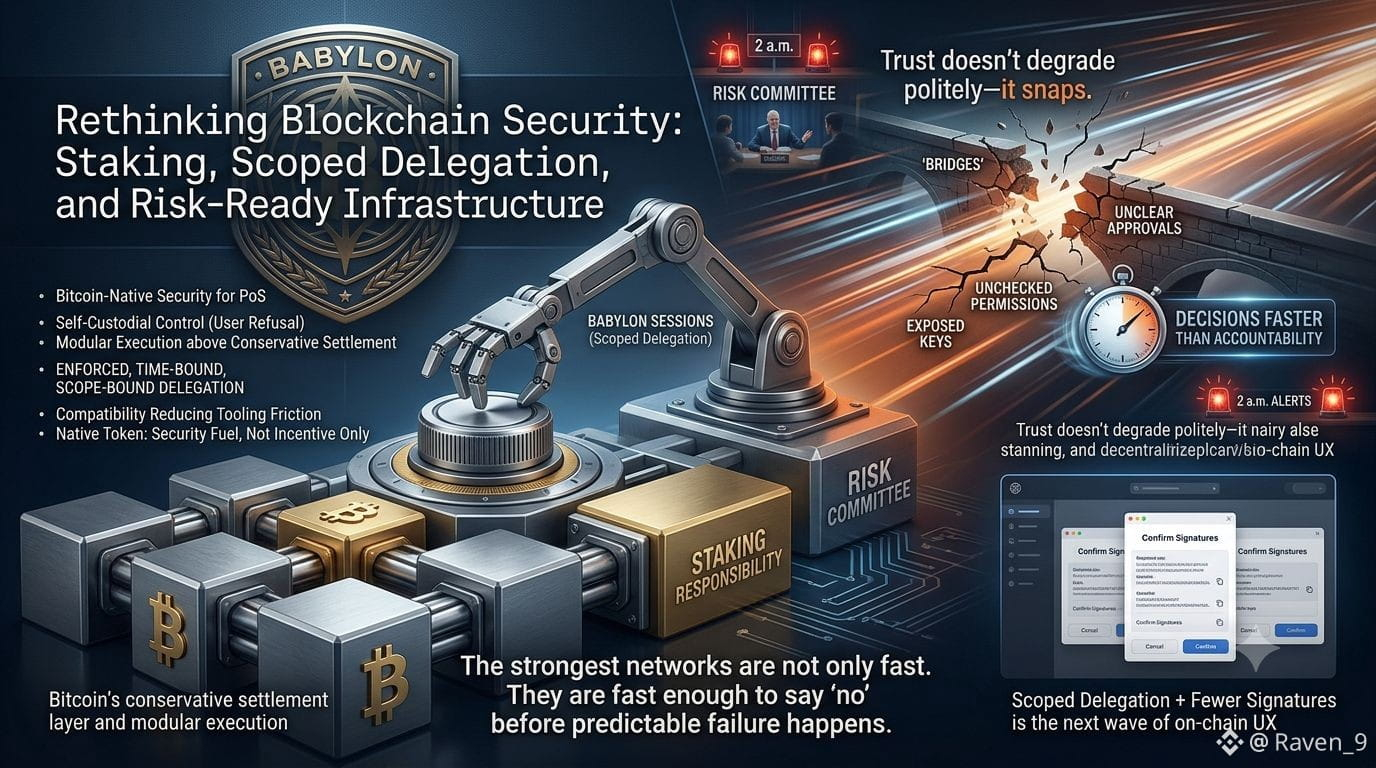
ຂ້ອຍໃຊ້ເວລາພໍກັບການກວດກາດ້ານໂครงສ້າງ ເພື່ອເຂົ້າໃຈວ່າຄວາມລົ້ມເຫຼວທີ່ໃຫຍ່ທີ່ສຸດບໍ່ຄ່ອຍມາຈາກບລັອກທີ່ຊ້າ. ມັນມາຈາກການອະນຸຍາດທີ່ບໍ່ໄດ້ຖືກຄວບຄຸມ, ກະແຈທີ່ຖືກເປີດເຜີຍ, ການອະນຸມັດທີ່ບໍ່ຊັດເຈນ, ແລະການຕັດສິນໃຈທີ່ໄວກວ່າຄວາມຮັບຜິດຊອບຈະຕາມທັນ.
ເວລາຂ້ອຍເບິ່ງ Babylon ຂ້ອຍເຫັນບົດສົນທະນາດ້ານຄວາມປອດໄພທີ່ຕ່າງອອກ. ການສະເຕກ BTC ແບບ self-custodial ບໍ່ແມ່ນພຽງແຕ່ການເພີ່ມຜົນຕອບແທນ; ມັນແມ່ນການນໍາໃຊ້ພື້ນຖານດ້ານຄວາມປອດໄພຂອງ Bitcoin ເພື່ອເສີມຄວາມແຂງໃຫ້ກັບ ecosystem ຂອງ proof-of-stake ໂດຍຍັງຄົງການຄວບຄຸມຂອງຜູ້ໃຊ້ໄວ້. ບົດຮຽນຈາກ risk committees, ການ audit, ການໂຕ້ຖຽງເລື່ອງການອະນຸມັດ wallet, ແລະການເຕືອນໄພໃນຕອນ 2 ໂມງເຊົ້າແມ່ນຂໍ້ສັ້ນໆງ່າຍໆ: ຄວາມໄວໂດຍບໍ່ມີ guardrails ສ້າງບັນຫາໃໝ່.
ວິທີການຂອງ Babylon ເຕືອນໃຈຂ້ອຍວ່າ ການປະຕິບັດແບບ modular ເໜືອຊັ້ນ settlement ທີ່ອົບອຸ່ນກວ່າຈະຊ່ວຍສ້າງດຸນພາບ. ປະສິດທິພາບມີຄວາມສໍາຄັນ, ແຕ່ການຮູ້ວ່າລະບົບຄວນປະຕິເສດຄວາມສ່ຽງເມື່ອໃດກໍມີຄວາມສໍາຄັນເໝືອນກັນ. ຊັ້ນຄວາມເຂົ້າກັນເໝາະກັບຄື EVM ຄວນຫຼຸດຄວາມກະແທກດ້ານເຄື່ອງມື, ບໍ່ໃຫ້ມັນກາຍເປັນຕົວຕົນຂອງເຄືອຂ່າຍຢ່າງດຽວ.
ອະນາຄົດຂອງ blockchain UX ກໍາລັງຂື້ນໄປສູ່ຄວາມຮັບຜິດຊອບທີ່ຖືກຄວບຄຸມ. Babylon Sessions ສະທ້ອນແນວຄິດນີ້ຜ່ານການມອບໝອຍແບບບັງຄັບ, ມີເວລາຈໍາກັດ, ແລະກອບເຂດຈໍາກັດ. “ການມອບໝອຍພາຍໃນຂອບເຂດ + ລາຍເຊັນທີ່ໜ້ອຍລົງ ແມ່ນຄື້ນລຸ້ນໃໝ່ຂອງ on-chain UX.”
token ແບບພື້ນເມືອງສາມາດກາຍເປັນ “ເຊື້ອໄຟ” ດ້ານຄວາມປອດໄພ, ແຕ່ການ staking ຍັງເປັນຄວາມຮັບຜິດຊອບ, ບໍ່ແມ່ນພຽງແຕ່ເປັນລາງວັນ. ຂົວໂຍງ, ການອະນຸຍາດ, ແລະສົມມຸດຖານຂອງຄວາມເຊື່ອມັ່ນ ຍັງຕ້ອງມີຄວາມລະມັດລະວັງ. ຄວາມເຊື່ອບໍ່ຄ່ອຍເສື່ອມລົງຢ່າງເປັນມິດ—it snaps.
ເຄືອຂ່າຍທີ່ແຂງແຮງທີ່ສຸດບໍ່ແມ່ນພຽງແຕ່ໄວ. ມັນໄວພໍທີ່ຈະກ່າວ “ບໍ່” ກ່ອນທີ່ການລົ້ມເຫຼວທີ່ຄາດໄດ້ຈະເກີດຂຶ້ນ.
@babylonlabs_io #baby $BABY
{future}(BABYUSDT)
ຂ້ອຍໃຊ້ເວລາພໍກັບການກວດກາດ້ານໂครงສ້າງ ເພື່ອເຂົ້າໃຈວ່າຄວາມລົ້ມເຫຼວທີ່ໃຫຍ່ທີ່ສຸດບໍ່ຄ່ອຍມາຈາກບລັອກທີ່ຊ້າ. ມັນມາຈາກການອະນຸຍາດທີ່ບໍ່ໄດ້ຖືກຄວບຄຸມ, ກະແຈທີ່ຖືກເປີດເຜີຍ, ການອະນຸມັດທີ່ບໍ່ຊັດເຈນ, ແລະການຕັດສິນໃຈທີ່ໄວກວ່າຄວາມຮັບຜິດຊອບຈະຕາມທັນ.
ເວລາຂ້ອຍເບິ່ງ Babylon ຂ້ອຍເຫັນບົດສົນທະນາດ້ານຄວາມປອດໄພທີ່ຕ່າງອອກ. ການສະເຕກ BTC ແບບ self-custodial ບໍ່ແມ່ນພຽງແຕ່ການເພີ່ມຜົນຕອບແທນ; ມັນແມ່ນການນໍາໃຊ້ພື້ນຖານດ້ານຄວາມປອດໄພຂອງ Bitcoin ເພື່ອເສີມຄວາມແຂງໃຫ້ກັບ ecosystem ຂອງ proof-of-stake ໂດຍຍັງຄົງການຄວບຄຸມຂອງຜູ້ໃຊ້ໄວ້. ບົດຮຽນຈາກ risk committees, ການ audit, ການໂຕ້ຖຽງເລື່ອງການອະນຸມັດ wallet, ແລະການເຕືອນໄພໃນຕອນ 2 ໂມງເຊົ້າແມ່ນຂໍ້ສັ້ນໆງ່າຍໆ: ຄວາມໄວໂດຍບໍ່ມີ guardrails ສ້າງບັນຫາໃໝ່.
ວິທີການຂອງ Babylon ເຕືອນໃຈຂ້ອຍວ່າ ການປະຕິບັດແບບ modular ເໜືອຊັ້ນ settlement ທີ່ອົບອຸ່ນກວ່າຈະຊ່ວຍສ້າງດຸນພາບ. ປະສິດທິພາບມີຄວາມສໍາຄັນ, ແຕ່ການຮູ້ວ່າລະບົບຄວນປະຕິເສດຄວາມສ່ຽງເມື່ອໃດກໍມີຄວາມສໍາຄັນເໝືອນກັນ. ຊັ້ນຄວາມເຂົ້າກັນເໝາະກັບຄື EVM ຄວນຫຼຸດຄວາມກະແທກດ້ານເຄື່ອງມື, ບໍ່ໃຫ້ມັນກາຍເປັນຕົວຕົນຂອງເຄືອຂ່າຍຢ່າງດຽວ.
ອະນາຄົດຂອງ blockchain UX ກໍາລັງຂື້ນໄປສູ່ຄວາມຮັບຜິດຊອບທີ່ຖືກຄວບຄຸມ. Babylon Sessions ສະທ້ອນແນວຄິດນີ້ຜ່ານການມອບໝອຍແບບບັງຄັບ, ມີເວລາຈໍາກັດ, ແລະກອບເຂດຈໍາກັດ. “ການມອບໝອຍພາຍໃນຂອບເຂດ + ລາຍເຊັນທີ່ໜ້ອຍລົງ ແມ່ນຄື້ນລຸ້ນໃໝ່ຂອງ on-chain UX.”
token ແບບພື້ນເມືອງສາມາດກາຍເປັນ “ເຊື້ອໄຟ” ດ້ານຄວາມປອດໄພ, ແຕ່ການ staking ຍັງເປັນຄວາມຮັບຜິດຊອບ, ບໍ່ແມ່ນພຽງແຕ່ເປັນລາງວັນ. ຂົວໂຍງ, ການອະນຸຍາດ, ແລະສົມມຸດຖານຂອງຄວາມເຊື່ອມັ່ນ ຍັງຕ້ອງມີຄວາມລະມັດລະວັງ. ຄວາມເຊື່ອບໍ່ຄ່ອຍເສື່ອມລົງຢ່າງເປັນມິດ—it snaps.
ເຄືອຂ່າຍທີ່ແຂງແຮງທີ່ສຸດບໍ່ແມ່ນພຽງແຕ່ໄວ. ມັນໄວພໍທີ່ຈະກ່າວ “ບໍ່” ກ່ອນທີ່ການລົ້ມເຫຼວທີ່ຄາດໄດ້ຈະເກີດຂຶ້ນ.
@BabylonLabs_io #baby $BABY
ເວລາຂ້ອຍເບິ່ງ Babylon ຂ້ອຍເຫັນບົດສົນທະນາດ້ານຄວາມປອດໄພທີ່ຕ່າງອອກ. ການສະເຕກ BTC ແບບ self-custodial ບໍ່ແມ່ນພຽງແຕ່ການເພີ່ມຜົນຕອບແທນ; ມັນແມ່ນການນໍາໃຊ້ພື້ນຖານດ້ານຄວາມປອດໄພຂອງ Bitcoin ເພື່ອເສີມຄວາມແຂງໃຫ້ກັບ ecosystem ຂອງ proof-of-stake ໂດຍຍັງຄົງການຄວບຄຸມຂອງຜູ້ໃຊ້ໄວ້. ບົດຮຽນຈາກ risk committees, ການ audit, ການໂຕ້ຖຽງເລື່ອງການອະນຸມັດ wallet, ແລະການເຕືອນໄພໃນຕອນ 2 ໂມງເຊົ້າແມ່ນຂໍ້ສັ້ນໆງ່າຍໆ: ຄວາມໄວໂດຍບໍ່ມີ guardrails ສ້າງບັນຫາໃໝ່.
ວິທີການຂອງ Babylon ເຕືອນໃຈຂ້ອຍວ່າ ການປະຕິບັດແບບ modular ເໜືອຊັ້ນ settlement ທີ່ອົບອຸ່ນກວ່າຈະຊ່ວຍສ້າງດຸນພາບ. ປະສິດທິພາບມີຄວາມສໍາຄັນ, ແຕ່ການຮູ້ວ່າລະບົບຄວນປະຕິເສດຄວາມສ່ຽງເມື່ອໃດກໍມີຄວາມສໍາຄັນເໝືອນກັນ. ຊັ້ນຄວາມເຂົ້າກັນເໝາະກັບຄື EVM ຄວນຫຼຸດຄວາມກະແທກດ້ານເຄື່ອງມື, ບໍ່ໃຫ້ມັນກາຍເປັນຕົວຕົນຂອງເຄືອຂ່າຍຢ່າງດຽວ.
ອະນາຄົດຂອງ blockchain UX ກໍາລັງຂື້ນໄປສູ່ຄວາມຮັບຜິດຊອບທີ່ຖືກຄວບຄຸມ. Babylon Sessions ສະທ້ອນແນວຄິດນີ້ຜ່ານການມອບໝອຍແບບບັງຄັບ, ມີເວລາຈໍາກັດ, ແລະກອບເຂດຈໍາກັດ. “ການມອບໝອຍພາຍໃນຂອບເຂດ + ລາຍເຊັນທີ່ໜ້ອຍລົງ ແມ່ນຄື້ນລຸ້ນໃໝ່ຂອງ on-chain UX.”
token ແບບພື້ນເມືອງສາມາດກາຍເປັນ “ເຊື້ອໄຟ” ດ້ານຄວາມປອດໄພ, ແຕ່ການ staking ຍັງເປັນຄວາມຮັບຜິດຊອບ, ບໍ່ແມ່ນພຽງແຕ່ເປັນລາງວັນ. ຂົວໂຍງ, ການອະນຸຍາດ, ແລະສົມມຸດຖານຂອງຄວາມເຊື່ອມັ່ນ ຍັງຕ້ອງມີຄວາມລະມັດລະວັງ. ຄວາມເຊື່ອບໍ່ຄ່ອຍເສື່ອມລົງຢ່າງເປັນມິດ—it snaps.
ເຄືອຂ່າຍທີ່ແຂງແຮງທີ່ສຸດບໍ່ແມ່ນພຽງແຕ່ໄວ. ມັນໄວພໍທີ່ຈະກ່າວ “ບໍ່” ກ່ອນທີ່ການລົ້ມເຫຼວທີ່ຄາດໄດ້ຈະເກີດຂຶ້ນ.
@BabylonLabs_io #baby $BABY
4
2
186
ເຂົ້າສູ່ລະບົບເພື່ອສຳຫຼວດເນື້ອຫາເພີ່ມເຕີມ
ເຂົ້າຮ່ວມກຸ່ມຜູ້ໃຊ້ຄຣິບໂຕທົ່ວໂລກໃນ Binance Square.
⚡️ ໄດ້ຮັບຂໍ້ມູນຫຼ້າສຸດ ແລະ ທີ່ມີປະໂຫຍດກ່ຽວກັບຄຣິບໂຕ.
💬 ໄດ້ຮັບຄວາມໄວ້ວາງໃຈຈາກຕະຫຼາດແລກປ່ຽນຄຣິບໂຕທີ່ໃຫຍ່ທີ່ສຸດໃນໂລກ.
👍 ຄົ້ນຫາຂໍ້ມູນເຊີງເລິກທີ່ແທ້ຈາກນັກສ້າງທີ່ໄດ້ຮັບການຢືນຢັນ.
ອີເມວ / ເບີໂທລະສັບ
ຫົວຂໍ້ທີ່ກໍາລັງນິຍົມ
BitcoinReboundsTo$79K
3,034 views
60 ກຳລັງສົນທະນາ
🚨 $BTC is pushing higher.
Bitcoin is trading around $78,804, up roughly 1.9%, after reclaiming the $78K area. The next level to watch is the intraday high near $78,905.
A clean break above that level could open the way toward $79K–$80K. If BTC gets rejected, support sits around $78,300, then $77,975.
Bulls have momentum, but BTC needs to hold above $78K.
#Bitcoin #BTC #CryptoTrading #CryptoMarket #CryptoAnalysis
PulseON
·5 ຖືກໃຈ
·3.7k views
FedHikeOddsRiseTo89%
56,672 views
902 ກຳລັງສົນທະນາ
RLUSDSupplyHitsRecord$2.442B
2,930 views
52 ກຳລັງສົນທະນາ