
REACHER _Crypto
8.6k ໂພສ

REACHER _Crypto
ລາຍງານ
ບລັອກຜູ້ໃຊ້
Web3 boy I Crypto never sleeps neither do profits Turning volatility into opportunity I Think. Trade. Earn. Repeat. #BinanceLife
488 ກໍາລັງຕິດຕາມ
19.8K+ ຜູ້ຕິດຕາມ
11.3K+ Liked
ໂພສ
ທັງໝົດ
ວົງຢືມ
ວີດີໂອ
ຖ່າຍທອດສົດ
JUST IN: BlackRock កូនអតិថិជនទិញ $108.44 លានដុល្លារនៃ $BTC .
#BTCBreaks80K #BitcoinMarketCapTopsTesla #SOLJumpsAbout10% #SECReceivesAmendedInjectiveETFFiling
JUST IN: BlackRock កូនអតិថិជនទិញ $108.44 លានដុល្លារនៃ $BTC .
#BTCBreaks80K #BitcoinMarketCapTopsTesla #SOLJumpsAbout10% #SECReceivesAmendedInjectiveETFFiling
#BTCBreaks80K #BitcoinMarketCapTopsTesla #SOLJumpsAbout10% #SECReceivesAmendedInjectiveETFFiling
87
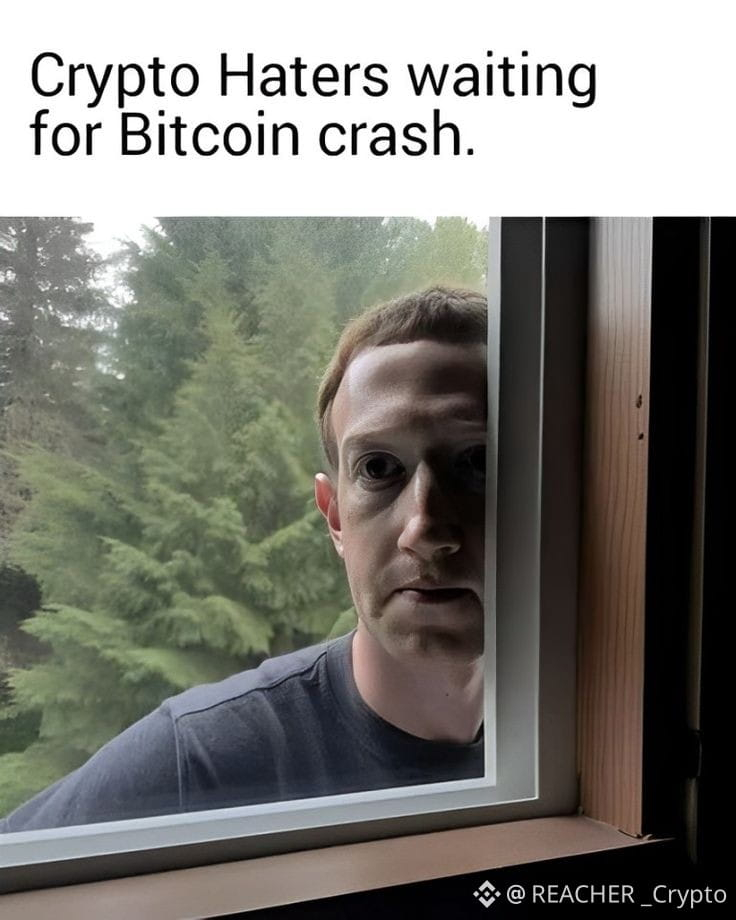
Ubusalindile leyo ngozi yeBitcoin… 👀😂
$BTC
#AnthropicCEOCallsForAISlowdown #US10YearTreasuryYieldNears5% #TokenizedStockHoldersUp619.1% #RevolutConfirmsFakeGovEmailDataBreach
Ubusalindile leyo ngozi yeBitcoin… 👀😂
$BTC
#AnthropicCEOCallsForAISlowdown #US10YearTreasuryYieldNears5% #TokenizedStockHoldersUp619.1% #RevolutConfirmsFakeGovEmailDataBreach
$BTC
#AnthropicCEOCallsForAISlowdown #US10YearTreasuryYieldNears5% #TokenizedStockHoldersUp619.1% #RevolutConfirmsFakeGovEmailDataBreach
111
ମୁଁ ଭାବୁଛି ଲୋକେ ବିଟକଏନର ସେଶ ଥିବା ETF ସଂଖ୍ୟାର ଭୁଲ୍ ଅଂଶକୁ ଧ୍ୟାନ ଦେଉଛନ୍ତି।
କେବଳ ଏତିକି ନୁହେଁ ଯେ, ତିନିଟି ଟ୍ରେଡିଂ ଦିନ ମଧ୍ୟରେ ଯୁ.ଏସ୍. ସ୍ପଟ୍ ବିଟକଏନ ETF ମାନଙ୍କ ଭିତରକୁ $1.01B ପ୍ରବାହିତ ହୋଇଛି।
ପ୍ରଶ୍ନଟା ହେଉଛି—ଓପାରେ କିଏ BTC ବେଚିବାକୁ ପଡ଼ିଲା।
କେବଳ ସେପ୍ଟେମ୍ବର 3 ରେହି ETF inflows $730.8M ପହଞ୍ଚିଥିଲା।
BTC ପ୍ରତି $78K–$79K ଆସପାସ ଧରିଲେ, ତାହା ପ୍ରାୟ 13,000 BTC ର ଡିମାଣ୍ଡ ସମାନ।
ଏବେ ଏଠାରେ ଦ୍ରୁଷ୍ଟିଆକର୍ଷକ ଅଂଶ ଆସୁଛି।
ବିଟକଏନର ଦୀର୍ଘମ୍ୟାଦୀ ହୋଲ୍ଡର ସପ୍ଲାଇ ପ୍ରାୟ 16.5M BTC କୁ ବଢ଼ିଛି।
ଏହା ବିଟକଏନର ଶେଷ 21M ସପ୍ଲାଇର ପ୍ରାୟ 79%।
କିନ୍ତୁ ମୋ ମତରେ ନିଷ୍କର୍ଷ ଏହା ହେବା ଉଚିତ୍ ନୁହେଁ:
“BTC ର 79% ଲକ୍ ହୋଇଛି, ସେହିପରି ସପ୍ଲାଇ ସମାପ୍ତ ହେଉଛି।”
ଏହା ଅତ୍ୟଧିକ ସରଳ।
ଦୀର୍ଘମ୍ୟାଦୀ ହୋଲ୍ଡରମାନେ ବେଚି ପାରନ୍ତି।
ମୁଁ ଯେ ନମ୍ବରଟି ଦେଖୁଛି, ସେଟା ହେଉଛି—ନୂଆ ଡିମାଣ୍ଡ ଆସିଲେ ସେମାନେ କେତେ ଶୀଘ୍ର ଭାଗ/ଡିସ୍ଟ୍ରିବ୍ୟୁଟ୍ କରନ୍ତି।
କାରଣ, ଯଦି ETF ଗୁଡିକ ବିଲିଅନ୍ ବିଲିଅନ୍ ଡିମାଣ୍ଡ ଶୋଷି ଚାଲିଥାଏ ଏବଂ ଦୀର୍ଘମ୍ୟାଦୀ ହୋଲ୍ଡରମାନେ ନିଜ କଏନ୍ଗୁଡିକ ଉପରେ ବସି ରହୁଥାଆନ୍ତି, ତେବେ ଉପରକୁ ଯିବାକୁ ବଡ଼ ମାତ୍ରାର “ସପ୍ଲାଇ ଶର୍ଟେଜ୍” ଦରକାର ହୋଇପାରେ ନାହିଁ।
କେବଳ ଏତିକି ଦରକାର—ନୂଆ ଡିମାଣ୍ଡ ଚାହୁଁଥିବା ବେଚୁଥିବା ଲୋକଙ୍କ ତୁଳନାରେ ଶୀଘ୍ର ବଢ଼ିବା।
ଏହି ସେଟଅପ୍ର ଲୁଚା ଅଂଶ ଏହା।
ଆଉ ଏକ ପାଟ ମଧ୍ୟ ଅଛି।
ଯଦି BTC ଆଗକୁ ଚାପ ଦେଇ ଉଚ୍ଚକୁ ଯାଉଛି, ତେବେ ସେହି ଦୀର୍ଘମ୍ୟାଦୀ ହୋଲ୍ଡରମାନଙ୍କ ପାଖରେ ପ୍ରଫିଟ୍ ନେବାକୁ ଅଚମକେ ଅଧିକ ବଡ଼ ପ୍ରେରଣା ହେବ।
ସେହିପାଇଁ ମୁଁ ଏବେ ତିନିଟି କଥା ଦେଖୁଛି:
• ETF flows — $1B ର ସେଇ ବଡ଼ ପ୍ରବାହ ଟିକି ରହୁଛି କି?
• LTH distribution — ପୁରୁଣା ହୋଲ୍ଡରମାନେ ପ୍ରକୃତରେ ଏହି ଡିମାଣ୍ଡ ଭିତରେ ବିକ୍ରି କରୁଛନ୍ତି କି?
• ମୂଲ୍ୟ ପ୍ରତିକ୍ରିୟା — ପ୍ରମୁଖ “sell-side pressure” ବଢ଼ାନି ଥାଇ BTC $82.8K ଏରିଆକୁ ଭେଙ୍ଗି ପାରିବ କି?
ଯଦି ETF ଡିମାଣ୍ଡ ଶକ୍ତିଶାଳୀ ରହେ ଏବଂ LTH ବିକ୍ରି ନିୟନ୍ତ୍ରିତ ରହେ, ତେବେ ବିଟକଏନ୍ ରେଲେଟିଭ୍ ଭାବେ ଛୋଟ ଡିମାଣ୍ଡ ପରିବର୍ତ୍ତନ ପ୍ରତି ଆସିଦିଘଣ୍ଟା ଅଧିକ ସେନ୍ସିଟିଭ୍ ହୋଇପାରେ।
କିନ୍ତୁ ଯଦି ପୁରୁଣା ହୋଲ୍ଡରମାନେ ଆକ୍ରାମକ ଭାବେ ଡିସ୍ଟ୍ରିବ୍ୟୁଟ୍ କରିବା ଆରମ୍ଭ କରନ୍ତି, ତେବେ ସେହି “ସପ୍ଲାଇ ସ୍କ୍ୱିଜ୍” ବର୍ଣ୍ଣନା ଅତି ଶୀଘ୍ର ଭାବେ ହଟିଯାଇପାରେ।
ସେହିକାରଣରୁ ମୁଁ କେବଳ କ୍ରେତାକୁ ନୁହେଁ, ବେଚୁଥିବା ପକ୍ଷକୁ ମଧ୍ୟ ଦେଖୁଛି।
$BTC
{future}(BTCUSDT)
ମୁଁ ଭାବୁଛି ଲୋକେ ବିଟକଏନର ସେଶ ଥିବା ETF ସଂଖ୍ୟାର ଭୁଲ୍ ଅଂଶକୁ ଧ୍ୟାନ ଦେଉଛନ୍ତି।
କେବଳ ଏତିକି ନୁହେଁ ଯେ, ତିନିଟି ଟ୍ରେଡିଂ ଦିନ ମଧ୍ୟରେ ଯୁ.ଏସ୍. ସ୍ପଟ୍ ବିଟକଏନ ETF ମାନଙ୍କ ଭିତରକୁ $1.01B ପ୍ରବାହିତ ହୋଇଛି।
ପ୍ରଶ୍ନଟା ହେଉଛି—ଓପାରେ କିଏ BTC ବେଚିବାକୁ ପଡ଼ିଲା।
କେବଳ ସେପ୍ଟେମ୍ବର 3 ରେହି ETF inflows $730.8M ପହଞ୍ଚିଥିଲା।
BTC ପ୍ରତି $78K–$79K ଆସପାସ ଧରିଲେ, ତାହା ପ୍ରାୟ 13,000 BTC ର ଡିମାଣ୍ଡ ସମାନ।
ଏବେ ଏଠାରେ ଦ୍ରୁଷ୍ଟିଆକର୍ଷକ ଅଂଶ ଆସୁଛି।
ବିଟକଏନର ଦୀର୍ଘମ୍ୟାଦୀ ହୋଲ୍ଡର ସପ୍ଲାଇ ପ୍ରାୟ 16.5M BTC କୁ ବଢ଼ିଛି।
ଏହା ବିଟକଏନର ଶେଷ 21M ସପ୍ଲାଇର ପ୍ରାୟ 79%।
କିନ୍ତୁ ମୋ ମତରେ ନିଷ୍କର୍ଷ ଏହା ହେବା ଉଚିତ୍ ନୁହେଁ:
“BTC ର 79% ଲକ୍ ହୋଇଛି, ସେହିପରି ସପ୍ଲାଇ ସମାପ୍ତ ହେଉଛି।”
ଏହା ଅତ୍ୟଧିକ ସରଳ।
ଦୀର୍ଘମ୍ୟାଦୀ ହୋଲ୍ଡରମାନେ ବେଚି ପାରନ୍ତି।
ମୁଁ ଯେ ନମ୍ବରଟି ଦେଖୁଛି, ସେଟା ହେଉଛି—ନୂଆ ଡିମାଣ୍ଡ ଆସିଲେ ସେମାନେ କେତେ ଶୀଘ୍ର ଭାଗ/ଡିସ୍ଟ୍ରିବ୍ୟୁଟ୍ କରନ୍ତି।
କାରଣ, ଯଦି ETF ଗୁଡିକ ବିଲିଅନ୍ ବିଲିଅନ୍ ଡିମାଣ୍ଡ ଶୋଷି ଚାଲିଥାଏ ଏବଂ ଦୀର୍ଘମ୍ୟାଦୀ ହୋଲ୍ଡରମାନେ ନିଜ କଏନ୍ଗୁଡିକ ଉପରେ ବସି ରହୁଥାଆନ୍ତି, ତେବେ ଉପରକୁ ଯିବାକୁ ବଡ଼ ମାତ୍ରାର “ସପ୍ଲାଇ ଶର୍ଟେଜ୍” ଦରକାର ହୋଇପାରେ ନାହିଁ।
କେବଳ ଏତିକି ଦରକାର—ନୂଆ ଡିମାଣ୍ଡ ଚାହୁଁଥିବା ବେଚୁଥିବା ଲୋକଙ୍କ ତୁଳନାରେ ଶୀଘ୍ର ବଢ଼ିବା।
ଏହି ସେଟଅପ୍ର ଲୁଚା ଅଂଶ ଏହା।
ଆଉ ଏକ ପାଟ ମଧ୍ୟ ଅଛି।
ଯଦି BTC ଆଗକୁ ଚାପ ଦେଇ ଉଚ୍ଚକୁ ଯାଉଛି, ତେବେ ସେହି ଦୀର୍ଘମ୍ୟାଦୀ ହୋଲ୍ଡରମାନଙ୍କ ପାଖରେ ପ୍ରଫିଟ୍ ନେବାକୁ ଅଚମକେ ଅଧିକ ବଡ଼ ପ୍ରେରଣା ହେବ।
ସେହିପାଇଁ ମୁଁ ଏବେ ତିନିଟି କଥା ଦେଖୁଛି:
• ETF flows — $1B ର ସେଇ ବଡ଼ ପ୍ରବାହ ଟିକି ରହୁଛି କି?
• LTH distribution — ପୁରୁଣା ହୋଲ୍ଡରମାନେ ପ୍ରକୃତରେ ଏହି ଡିମାଣ୍ଡ ଭିତରେ ବିକ୍ରି କରୁଛନ୍ତି କି?
• ମୂଲ୍ୟ ପ୍ରତିକ୍ରିୟା — ପ୍ରମୁଖ “sell-side pressure” ବଢ଼ାନି ଥାଇ BTC $82.8K ଏରିଆକୁ ଭେଙ୍ଗି ପାରିବ କି?
ଯଦି ETF ଡିମାଣ୍ଡ ଶକ୍ତିଶାଳୀ ରହେ ଏବଂ LTH ବିକ୍ରି ନିୟନ୍ତ୍ରିତ ରହେ, ତେବେ ବିଟକଏନ୍ ରେଲେଟିଭ୍ ଭାବେ ଛୋଟ ଡିମାଣ୍ଡ ପରିବର୍ତ୍ତନ ପ୍ରତି ଆସିଦିଘଣ୍ଟା ଅଧିକ ସେନ୍ସିଟିଭ୍ ହୋଇପାରେ।
କିନ୍ତୁ ଯଦି ପୁରୁଣା ହୋଲ୍ଡରମାନେ ଆକ୍ରାମକ ଭାବେ ଡିସ୍ଟ୍ରିବ୍ୟୁଟ୍ କରିବା ଆରମ୍ଭ କରନ୍ତି, ତେବେ ସେହି “ସପ୍ଲାଇ ସ୍କ୍ୱିଜ୍” ବର୍ଣ୍ଣନା ଅତି ଶୀଘ୍ର ଭାବେ ହଟିଯାଇପାରେ।
ସେହିକାରଣରୁ ମୁଁ କେବଳ କ୍ରେତାକୁ ନୁହେଁ, ବେଚୁଥିବା ପକ୍ଷକୁ ମଧ୍ୟ ଦେଖୁଛି।
$BTC
କେବଳ ଏତିକି ନୁହେଁ ଯେ, ତିନିଟି ଟ୍ରେଡିଂ ଦିନ ମଧ୍ୟରେ ଯୁ.ଏସ୍. ସ୍ପଟ୍ ବିଟକଏନ ETF ମାନଙ୍କ ଭିତରକୁ $1.01B ପ୍ରବାହିତ ହୋଇଛି।
ପ୍ରଶ୍ନଟା ହେଉଛି—ଓପାରେ କିଏ BTC ବେଚିବାକୁ ପଡ଼ିଲା।
କେବଳ ସେପ୍ଟେମ୍ବର 3 ରେହି ETF inflows $730.8M ପହଞ୍ଚିଥିଲା।
BTC ପ୍ରତି $78K–$79K ଆସପାସ ଧରିଲେ, ତାହା ପ୍ରାୟ 13,000 BTC ର ଡିମାଣ୍ଡ ସମାନ।
ଏବେ ଏଠାରେ ଦ୍ରୁଷ୍ଟିଆକର୍ଷକ ଅଂଶ ଆସୁଛି।
ବିଟକଏନର ଦୀର୍ଘମ୍ୟାଦୀ ହୋଲ୍ଡର ସପ୍ଲାଇ ପ୍ରାୟ 16.5M BTC କୁ ବଢ଼ିଛି।
ଏହା ବିଟକଏନର ଶେଷ 21M ସପ୍ଲାଇର ପ୍ରାୟ 79%।
କିନ୍ତୁ ମୋ ମତରେ ନିଷ୍କର୍ଷ ଏହା ହେବା ଉଚିତ୍ ନୁହେଁ:
“BTC ର 79% ଲକ୍ ହୋଇଛି, ସେହିପରି ସପ୍ଲାଇ ସମାପ୍ତ ହେଉଛି।”
ଏହା ଅତ୍ୟଧିକ ସରଳ।
ଦୀର୍ଘମ୍ୟାଦୀ ହୋଲ୍ଡରମାନେ ବେଚି ପାରନ୍ତି।
ମୁଁ ଯେ ନମ୍ବରଟି ଦେଖୁଛି, ସେଟା ହେଉଛି—ନୂଆ ଡିମାଣ୍ଡ ଆସିଲେ ସେମାନେ କେତେ ଶୀଘ୍ର ଭାଗ/ଡିସ୍ଟ୍ରିବ୍ୟୁଟ୍ କରନ୍ତି।
କାରଣ, ଯଦି ETF ଗୁଡିକ ବିଲିଅନ୍ ବିଲିଅନ୍ ଡିମାଣ୍ଡ ଶୋଷି ଚାଲିଥାଏ ଏବଂ ଦୀର୍ଘମ୍ୟାଦୀ ହୋଲ୍ଡରମାନେ ନିଜ କଏନ୍ଗୁଡିକ ଉପରେ ବସି ରହୁଥାଆନ୍ତି, ତେବେ ଉପରକୁ ଯିବାକୁ ବଡ଼ ମାତ୍ରାର “ସପ୍ଲାଇ ଶର୍ଟେଜ୍” ଦରକାର ହୋଇପାରେ ନାହିଁ।
କେବଳ ଏତିକି ଦରକାର—ନୂଆ ଡିମାଣ୍ଡ ଚାହୁଁଥିବା ବେଚୁଥିବା ଲୋକଙ୍କ ତୁଳନାରେ ଶୀଘ୍ର ବଢ଼ିବା।
ଏହି ସେଟଅପ୍ର ଲୁଚା ଅଂଶ ଏହା।
ଆଉ ଏକ ପାଟ ମଧ୍ୟ ଅଛି।
ଯଦି BTC ଆଗକୁ ଚାପ ଦେଇ ଉଚ୍ଚକୁ ଯାଉଛି, ତେବେ ସେହି ଦୀର୍ଘମ୍ୟାଦୀ ହୋଲ୍ଡରମାନଙ୍କ ପାଖରେ ପ୍ରଫିଟ୍ ନେବାକୁ ଅଚମକେ ଅଧିକ ବଡ଼ ପ୍ରେରଣା ହେବ।
ସେହିପାଇଁ ମୁଁ ଏବେ ତିନିଟି କଥା ଦେଖୁଛି:
• ETF flows — $1B ର ସେଇ ବଡ଼ ପ୍ରବାହ ଟିକି ରହୁଛି କି?
• LTH distribution — ପୁରୁଣା ହୋଲ୍ଡରମାନେ ପ୍ରକୃତରେ ଏହି ଡିମାଣ୍ଡ ଭିତରେ ବିକ୍ରି କରୁଛନ୍ତି କି?
• ମୂଲ୍ୟ ପ୍ରତିକ୍ରିୟା — ପ୍ରମୁଖ “sell-side pressure” ବଢ଼ାନି ଥାଇ BTC $82.8K ଏରିଆକୁ ଭେଙ୍ଗି ପାରିବ କି?
ଯଦି ETF ଡିମାଣ୍ଡ ଶକ୍ତିଶାଳୀ ରହେ ଏବଂ LTH ବିକ୍ରି ନିୟନ୍ତ୍ରିତ ରହେ, ତେବେ ବିଟକଏନ୍ ରେଲେଟିଭ୍ ଭାବେ ଛୋଟ ଡିମାଣ୍ଡ ପରିବର୍ତ୍ତନ ପ୍ରତି ଆସିଦିଘଣ୍ଟା ଅଧିକ ସେନ୍ସିଟିଭ୍ ହୋଇପାରେ।
କିନ୍ତୁ ଯଦି ପୁରୁଣା ହୋଲ୍ଡରମାନେ ଆକ୍ରାମକ ଭାବେ ଡିସ୍ଟ୍ରିବ୍ୟୁଟ୍ କରିବା ଆରମ୍ଭ କରନ୍ତି, ତେବେ ସେହି “ସପ୍ଲାଇ ସ୍କ୍ୱିଜ୍” ବର୍ଣ୍ଣନା ଅତି ଶୀଘ୍ର ଭାବେ ହଟିଯାଇପାରେ।
ସେହିକାରଣରୁ ମୁଁ କେବଳ କ୍ରେତାକୁ ନୁହେଁ, ବେଚୁଥିବା ପକ୍ଷକୁ ମଧ୍ୟ ଦେଖୁଛି।
$BTC
96
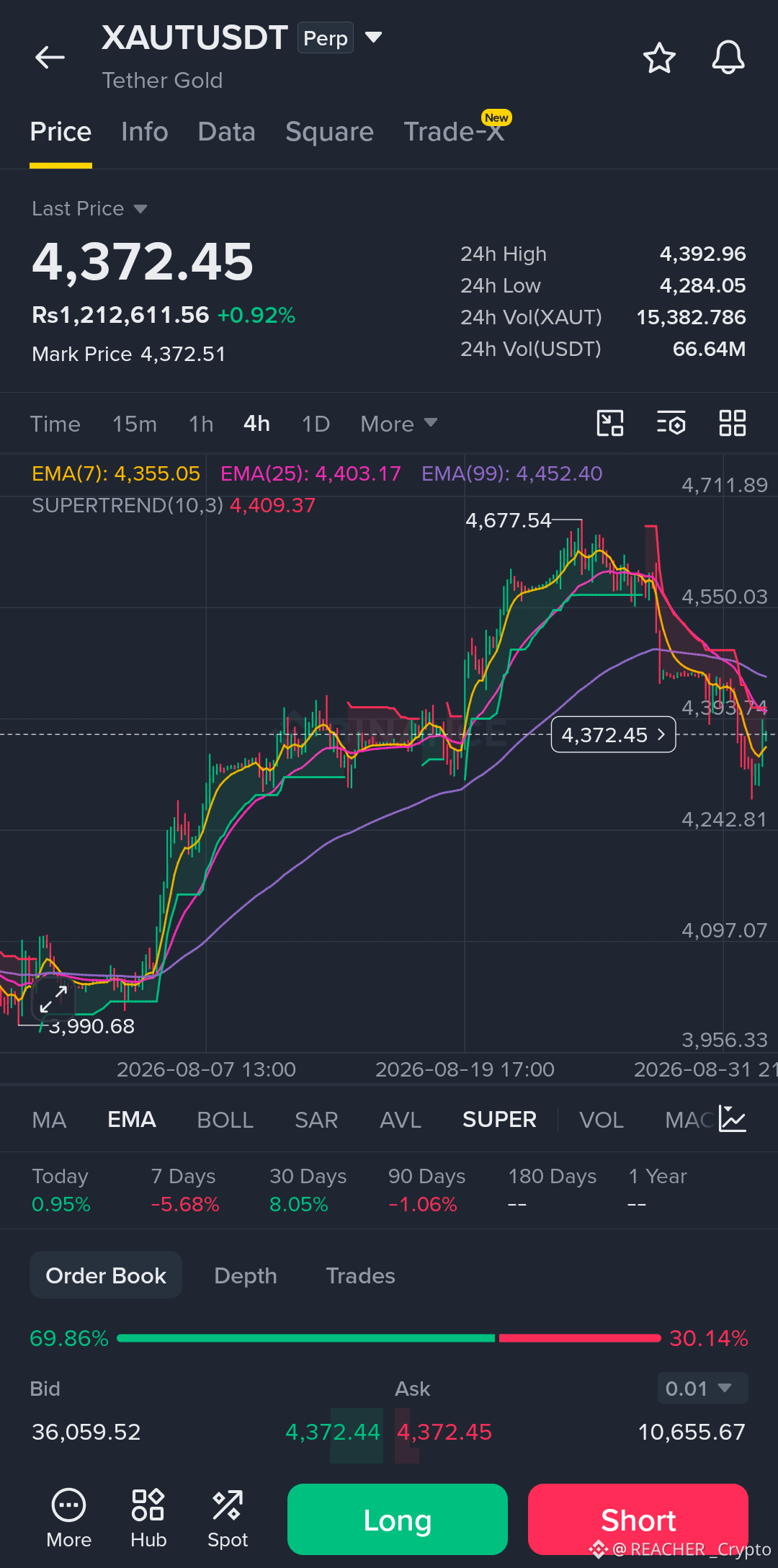
ຂ້ອຍໄດ້ຈ້ອງເບິ່ງ XAUTUSDT ມາດົນນານແລ້ວ, ແລະບາງຢ່າງກ່ຽວກັບພຶດຕິກຳລາຄາໃນປັດຈຸບັນຮູ້ສຶກຄືຈຸດກຳນົດທີ່ສຳຄັນ. ພວກເຮົາກຳລັງຢູ່ຈຸດທີ່ສຳຄັນປະມານລະດັບ $4,372 ເຊິ່ງຕອນນີ້ກຳລັງເຮັດທັງເປັນການຮອງຮັບ (support) ແລະ ຕ້ານທານ (resistance).
ເຂດການຮອງຮັບທີ່ຕ້ອງຈັບຕາແມ່ນລະດັບຕ່ຳຫຼ້າສຸດປະມານ $4,284. ຖ້າລາຄາຫຼຸດຕໍ່ລົງທະລຸກ່ອນເຂດນີ້ ອາດຈະກະຕຸ້ນໃຫ້ລາຄາຫຼຸດໄປຫາການຮອງຮັບທີ່ສຳຄັນລຳດັບຕໍ່ໄປທີ່ $4,200 ຊຶ່ງສອດຄ່ອງກັບ 90-day low ແລະ lower Bollinger Band. ກົງກັນຂ້າມ ຖ້າຈະເດີນຂຶ້ນແບບ bullish ລາຄາຈຳເປັນຕ້ອງທະລຸ ແລະ ຢູ່ເໜືອ EMA(25) ທີ່ $4,403 ແລະ SuperTrend resistance ທີ່ $4,409. ການປິດລາຄາແບບຊັດເຈນເໜືອລະດັບເຫຼົ່ານີ້ ສາມາດຢືນຢັນການປ່ຽນທິດແບບ bullish ແລະເປີດໂອກາດໃຫ້ລອງທົດລອງ EMA(99) ທີ່ $4,452 ແລະ ລະດັບສູງຫຼ້າສຸດປະມານ $4,677.
ສິ່ງສຳຄັນອີກຢ່າງຄື 24-hour volume ຊຶ່ງສະແດງວ່າມີການເຂົ້າຮ່ວມຢ່າງມີນັຍສຳຄັນ ເຊິ່ງເຮັດໃຫ້ລະດັບສຳຄັນເຫຼົ່ານີ້ມີຄວາມສຳຄັນຫຼາຍຂຶ້ນ. ບົດຮຽນທີ່ຂ້ອຍໄດ້ຮຽນມາຫຼັງຈາກເຂົ້າໄວເກີນໄປຫຼາຍຄັ້ງ ກໍຄືວ່າການລໍຖ້າຄຳຢືນຢັນມັກຈະຊ່ວຍເງິນໄດ້ຫຼາຍກວ່າການໄລ່ຕາມກະດິກ. ດັ່ງນັ້ນ ຂ້ອຍບໍ່ໄດ້ຮີບເຂົ້າໄປຫາຕຳແໜ່ງຕອນນີ້.
ຂ້ອຍກຳລັງມອງຫາການທະລຸອອກແບບຊັດເຈນເໜືອ $4,410 ພ້ອມປະລິມານການຊື້ຂາຍທີ່ແຂງແກ່ງ ສຳລັບເຂົ້າສະຖານະ long ໂດຍເປົ້າໝາຍ $4,450 ແລະ $4,677. ຄວາມສ່ຽງຂອງຂ້ອຍຈະຖືກກຳນົດໂດຍ stop-loss ທີ່ຢູ່ຕ່ຳກວ່າລະດັບຕ່ຳ $4,284. ຫຼືອີກທາງເລືອກໜຶ່ງ ການຫຼຸດທະລຸລົງຕ່ຳກວ່າ $4,284 ອາດຈະເປັນໂອກາດໃນການພິຈາລະນາ short, ແຕ່ຂ້ອຍຢາກເຫັນການປິດລາຄາແບບຊັດເຈນຕ່ຳກວ່າເຂດນັ້ນ ເພື່ອຢືນຢັນການເຄື່ອນໄຫວ. ຈົ່ງຈື່ໄວ້ສະເໝີໃຫ້ເຄົາລົບ stop loss ຂອງທ່ານ; ບໍ່ມີການຕັ້ງຄ່າໃດທີ່ຮັບປະກັນຜົນໃນຕະຫຼາດນີ້.
ໃນຄວາມເຫັນຂອງທ່ານ ລະດັບທີ່ສຳຄັນທີ່ສຸດໃນຊາດນີ້ ທີ່ອາດຈະກຳນົດການເຄື່ອນໄຫວຄັ້ງໃຫຍ່ຕໍ່ໄປແມ່ນລະດັບໃດ?
$XAUT
{future}(XAUTUSDT)
#SolanaFallsOver3% #DellSurges8%OnEarningsBeat #USAugADPJobsSmallestGainSinceJan #OpenAISaysAstraFindsFlawsAutonomously
ຂ້ອຍໄດ້ຈ້ອງເບິ່ງ XAUTUSDT ມາດົນນານແລ້ວ, ແລະບາງຢ່າງກ່ຽວກັບພຶດຕິກຳລາຄາໃນປັດຈຸບັນຮູ້ສຶກຄືຈຸດກຳນົດທີ່ສຳຄັນ. ພວກເຮົາກຳລັງຢູ່ຈຸດທີ່ສຳຄັນປະມານລະດັບ $4,372 ເຊິ່ງຕອນນີ້ກຳລັງເຮັດທັງເປັນການຮອງຮັບ (support) ແລະ ຕ້ານທານ (resistance).
ເຂດການຮອງຮັບທີ່ຕ້ອງຈັບຕາແມ່ນລະດັບຕ່ຳຫຼ້າສຸດປະມານ $4,284. ຖ້າລາຄາຫຼຸດຕໍ່ລົງທະລຸກ່ອນເຂດນີ້ ອາດຈະກະຕຸ້ນໃຫ້ລາຄາຫຼຸດໄປຫາການຮອງຮັບທີ່ສຳຄັນລຳດັບຕໍ່ໄປທີ່ $4,200 ຊຶ່ງສອດຄ່ອງກັບ 90-day low ແລະ lower Bollinger Band. ກົງກັນຂ້າມ ຖ້າຈະເດີນຂຶ້ນແບບ bullish ລາຄາຈຳເປັນຕ້ອງທະລຸ ແລະ ຢູ່ເໜືອ EMA(25) ທີ່ $4,403 ແລະ SuperTrend resistance ທີ່ $4,409. ການປິດລາຄາແບບຊັດເຈນເໜືອລະດັບເຫຼົ່ານີ້ ສາມາດຢືນຢັນການປ່ຽນທິດແບບ bullish ແລະເປີດໂອກາດໃຫ້ລອງທົດລອງ EMA(99) ທີ່ $4,452 ແລະ ລະດັບສູງຫຼ້າສຸດປະມານ $4,677.
ສິ່ງສຳຄັນອີກຢ່າງຄື 24-hour volume ຊຶ່ງສະແດງວ່າມີການເຂົ້າຮ່ວມຢ່າງມີນັຍສຳຄັນ ເຊິ່ງເຮັດໃຫ້ລະດັບສຳຄັນເຫຼົ່ານີ້ມີຄວາມສຳຄັນຫຼາຍຂຶ້ນ. ບົດຮຽນທີ່ຂ້ອຍໄດ້ຮຽນມາຫຼັງຈາກເຂົ້າໄວເກີນໄປຫຼາຍຄັ້ງ ກໍຄືວ່າການລໍຖ້າຄຳຢືນຢັນມັກຈະຊ່ວຍເງິນໄດ້ຫຼາຍກວ່າການໄລ່ຕາມກະດິກ. ດັ່ງນັ້ນ ຂ້ອຍບໍ່ໄດ້ຮີບເຂົ້າໄປຫາຕຳແໜ່ງຕອນນີ້.
ຂ້ອຍກຳລັງມອງຫາການທະລຸອອກແບບຊັດເຈນເໜືອ $4,410 ພ້ອມປະລິມານການຊື້ຂາຍທີ່ແຂງແກ່ງ ສຳລັບເຂົ້າສະຖານະ long ໂດຍເປົ້າໝາຍ $4,450 ແລະ $4,677. ຄວາມສ່ຽງຂອງຂ້ອຍຈະຖືກກຳນົດໂດຍ stop-loss ທີ່ຢູ່ຕ່ຳກວ່າລະດັບຕ່ຳ $4,284. ຫຼືອີກທາງເລືອກໜຶ່ງ ການຫຼຸດທະລຸລົງຕ່ຳກວ່າ $4,284 ອາດຈະເປັນໂອກາດໃນການພິຈາລະນາ short, ແຕ່ຂ້ອຍຢາກເຫັນການປິດລາຄາແບບຊັດເຈນຕ່ຳກວ່າເຂດນັ້ນ ເພື່ອຢືນຢັນການເຄື່ອນໄຫວ. ຈົ່ງຈື່ໄວ້ສະເໝີໃຫ້ເຄົາລົບ stop loss ຂອງທ່ານ; ບໍ່ມີການຕັ້ງຄ່າໃດທີ່ຮັບປະກັນຜົນໃນຕະຫຼາດນີ້.
ໃນຄວາມເຫັນຂອງທ່ານ ລະດັບທີ່ສຳຄັນທີ່ສຸດໃນຊາດນີ້ ທີ່ອາດຈະກຳນົດການເຄື່ອນໄຫວຄັ້ງໃຫຍ່ຕໍ່ໄປແມ່ນລະດັບໃດ?
$XAUT
#SolanaFallsOver3% #DellSurges8%OnEarningsBeat #USAugADPJobsSmallestGainSinceJan #OpenAISaysAstraFindsFlawsAutonomously
ເຂດການຮອງຮັບທີ່ຕ້ອງຈັບຕາແມ່ນລະດັບຕ່ຳຫຼ້າສຸດປະມານ $4,284. ຖ້າລາຄາຫຼຸດຕໍ່ລົງທະລຸກ່ອນເຂດນີ້ ອາດຈະກະຕຸ້ນໃຫ້ລາຄາຫຼຸດໄປຫາການຮອງຮັບທີ່ສຳຄັນລຳດັບຕໍ່ໄປທີ່ $4,200 ຊຶ່ງສອດຄ່ອງກັບ 90-day low ແລະ lower Bollinger Band. ກົງກັນຂ້າມ ຖ້າຈະເດີນຂຶ້ນແບບ bullish ລາຄາຈຳເປັນຕ້ອງທະລຸ ແລະ ຢູ່ເໜືອ EMA(25) ທີ່ $4,403 ແລະ SuperTrend resistance ທີ່ $4,409. ການປິດລາຄາແບບຊັດເຈນເໜືອລະດັບເຫຼົ່ານີ້ ສາມາດຢືນຢັນການປ່ຽນທິດແບບ bullish ແລະເປີດໂອກາດໃຫ້ລອງທົດລອງ EMA(99) ທີ່ $4,452 ແລະ ລະດັບສູງຫຼ້າສຸດປະມານ $4,677.
ສິ່ງສຳຄັນອີກຢ່າງຄື 24-hour volume ຊຶ່ງສະແດງວ່າມີການເຂົ້າຮ່ວມຢ່າງມີນັຍສຳຄັນ ເຊິ່ງເຮັດໃຫ້ລະດັບສຳຄັນເຫຼົ່ານີ້ມີຄວາມສຳຄັນຫຼາຍຂຶ້ນ. ບົດຮຽນທີ່ຂ້ອຍໄດ້ຮຽນມາຫຼັງຈາກເຂົ້າໄວເກີນໄປຫຼາຍຄັ້ງ ກໍຄືວ່າການລໍຖ້າຄຳຢືນຢັນມັກຈະຊ່ວຍເງິນໄດ້ຫຼາຍກວ່າການໄລ່ຕາມກະດິກ. ດັ່ງນັ້ນ ຂ້ອຍບໍ່ໄດ້ຮີບເຂົ້າໄປຫາຕຳແໜ່ງຕອນນີ້.
ຂ້ອຍກຳລັງມອງຫາການທະລຸອອກແບບຊັດເຈນເໜືອ $4,410 ພ້ອມປະລິມານການຊື້ຂາຍທີ່ແຂງແກ່ງ ສຳລັບເຂົ້າສະຖານະ long ໂດຍເປົ້າໝາຍ $4,450 ແລະ $4,677. ຄວາມສ່ຽງຂອງຂ້ອຍຈະຖືກກຳນົດໂດຍ stop-loss ທີ່ຢູ່ຕ່ຳກວ່າລະດັບຕ່ຳ $4,284. ຫຼືອີກທາງເລືອກໜຶ່ງ ການຫຼຸດທະລຸລົງຕ່ຳກວ່າ $4,284 ອາດຈະເປັນໂອກາດໃນການພິຈາລະນາ short, ແຕ່ຂ້ອຍຢາກເຫັນການປິດລາຄາແບບຊັດເຈນຕ່ຳກວ່າເຂດນັ້ນ ເພື່ອຢືນຢັນການເຄື່ອນໄຫວ. ຈົ່ງຈື່ໄວ້ສະເໝີໃຫ້ເຄົາລົບ stop loss ຂອງທ່ານ; ບໍ່ມີການຕັ້ງຄ່າໃດທີ່ຮັບປະກັນຜົນໃນຕະຫຼາດນີ້.
ໃນຄວາມເຫັນຂອງທ່ານ ລະດັບທີ່ສຳຄັນທີ່ສຸດໃນຊາດນີ້ ທີ່ອາດຈະກຳນົດການເຄື່ອນໄຫວຄັ້ງໃຫຍ່ຕໍ່ໄປແມ່ນລະດັບໃດ?
$XAUT
#SolanaFallsOver3% #DellSurges8%OnEarningsBeat #USAugADPJobsSmallestGainSinceJan #OpenAISaysAstraFindsFlawsAutonomously
158
#dusk $DUSK @Dusk_Foundation ខ្ញុំបានចាប់ផ្តើមសម្លឹងមើល Dusk ដោយសាររឿងអំពីភាពឯកជនរបស់វា។
ប៉ុន្តែបន្ទាប់ពីអានឯកសារស ហើយ ខ្ញុំគិតថា វាពិតជាមានទំហំតូចពេកក្នុងការមើលវាទៅតាមវិធីនោះ។
អ្វីដែលបានទាក់ទាញចំណាប់អារម្មណ៍ខ្ញុំ គឺបញ្ហាធំជាងដែល Dusk កំពុងព្យាយាមដោះស្រាយ៖
តើទិន្នន័យហិរញ្ញវត្ថុអាចនៅតែជាឯកជនបាន ដោយមិនធ្វើឲ្យប្រព័ន្ធមិនអាចពិនិត្យអះអាង ឬកំណត់បទប្បញ្ញត្តិបានទេ?
នេះជាបញ្ហាដែលពិបាកជាងច្រើន។
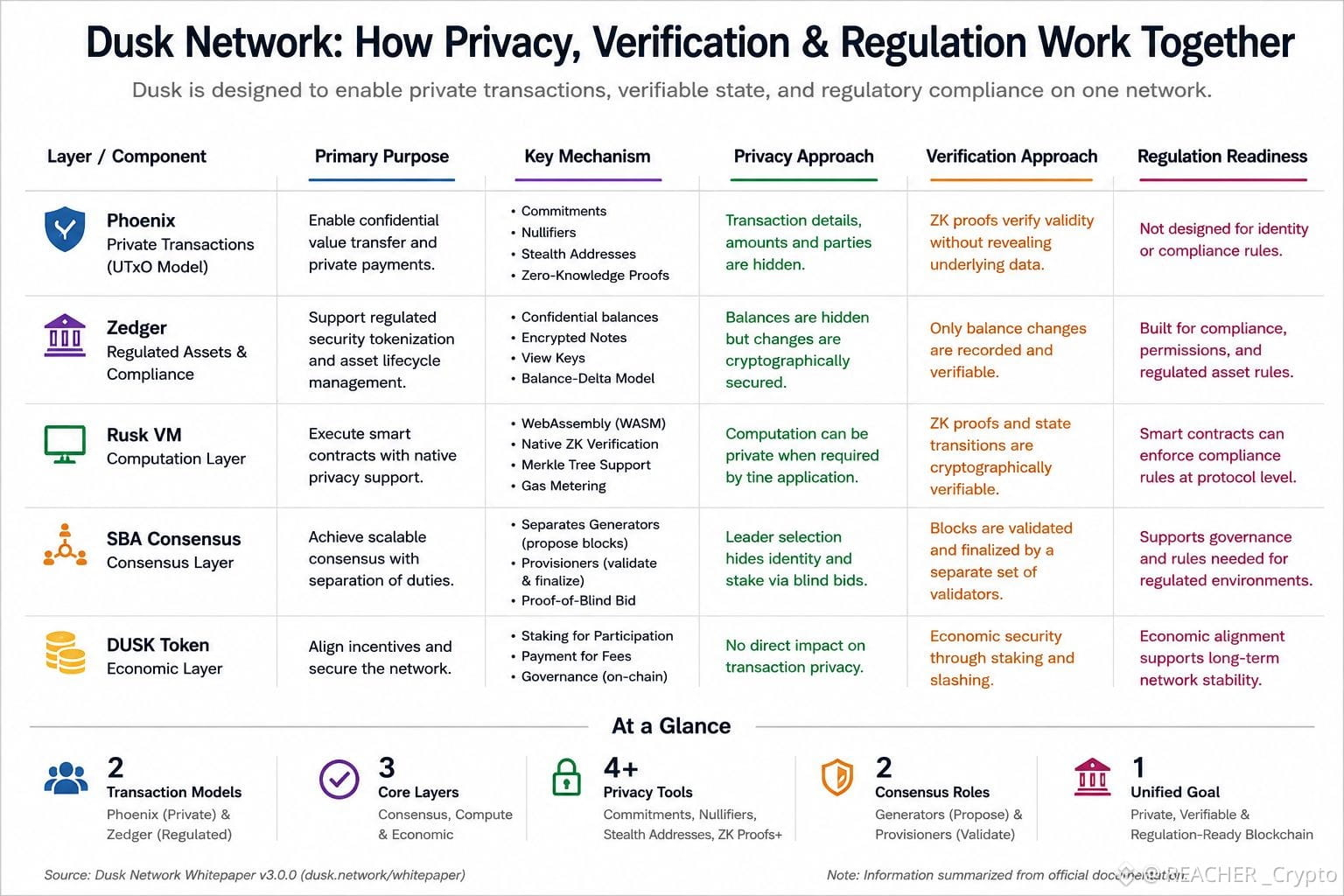
Dusk ស្រាយវាដោយផ្នែកផ្សេងៗធ្វើការងារខុសៗគ្នា។ Phoenix គ្រប់គ្រងការចំណាយជាក់លាក់តាមរយៈម៉ូដែល UTxO ខណៈដែល Zedger ត្រូវបានរចនាឡើងសម្រាប់ការបម្លែងសញ្ញាសុវត្ថិភាពដែលត្រូវបានគ្រប់គ្រង និងការគ្រប់គ្រងវដ្តជីវិត។ បន្ទាប់មក Rusk VM នាំមកនូវអ្វីៗដូចជា ការផ្ទៀងផ្ទាត់ភស្តុតាងសូន្យចំណេះដឹងដោយដើម និងការគាំទ្រដើម Merkle tree ទៅក្នុងស្រទាប់គណនា។
សូម្បីតែការរចនាការឯកភាពក៏ធ្វើតាមគំនិតដូចគ្នា។
SBA បំបែកការផលិតប្លុក ចេញពីការផ្ទៀងផ្ទាត់ និងការបញ្ចប់។ Generators ត្រូវបានជ្រើសរើសតាមរយៈ Proof-of-Blind Bid ខណៈ Provisioners ផ្ទៀងផ្ទាត់ និងបញ្ចប់ប្លុក។
ដូច្នេះ គំនិតគួរឲ្យចាប់អារម្មណ៍នេះ មិនមែនគ្រាន់តែថា “Dusk ធ្វើឲ្យ blockchain មានភាពឯកជន” នោះទេ។
វាកាន់តែជិតទៅ៖
អ្នកមិនចាំបាច់បង្ហាញអ្វីៗទាំងអស់ ដើម្បីបញ្ជាក់ថាអ្វីៗទាំងអស់ត្រឹមត្រូវនោះទេ។
ភាពខុសគ្នានោះ អាចមានសារៈសំខាន់ខ្លាំង សម្រាប់ទីផ្សារហិរញ្ញវត្ថុដែលត្រូវបានគ្រប់គ្រង។
ប៉ុន្តែក៏នៅទីនេះដែរ ដែលខ្ញុំមិនទាន់រួចរាល់ក្នុងការសន្និដ្ឋានភ្លាមៗ។
ប្រូតូខុលដែលរចនាបានល្អនៅលើក្រដាស មិនបានមានន័យថា ការរចនានោះនឹងដំណើរការល្អដូចគ្នាជាមួយនឹងអ្នកគ្រប់គ្រងពិតប្រាកដ ស្ថាប័នពិតប្រាកដ សាច់ប្រាក់ងាយពិតប្រាកដ និងអ្នកប្រើប្រាស់ពិតប្រាកដ។
នោះហើយជាផ្នែកដែលខ្ញុំនឹងតាមដាន។
ព្រោះការធ្វើតេស្តពិតប្រាកដសម្រាប់ Dusk មិនមែនថា វាអាចធ្វើឲ្យប្រតិបត្តិការមានភាពឯកជនបានឬទេ។
វាគឺថា តើភាពឯកជន ការផ្ទៀងផ្ទាត់ និងតម្រូវការគ្រប់គ្រង អាចរស់នៅជាមួយគ្នាបានពិតប្រាកដ នៅពេលដែលបណ្តាញត្រូវដំណើរការនៅកម្រិតហិរញ្ញវត្ថុពិតប្រាកដធំមែនទេ។
#dusk $DUSK @Dusk ខ្ញុំបានចាប់ផ្តើមសម្លឹងមើល Dusk ដោយសាររឿងអំពីភាពឯកជនរបស់វា។
ប៉ុន្តែបន្ទាប់ពីអានឯកសារស ហើយ ខ្ញុំគិតថា វាពិតជាមានទំហំតូចពេកក្នុងការមើលវាទៅតាមវិធីនោះ។
អ្វីដែលបានទាក់ទាញចំណាប់អារម្មណ៍ខ្ញុំ គឺបញ្ហាធំជាងដែល Dusk កំពុងព្យាយាមដោះស្រាយ៖
តើទិន្នន័យហិរញ្ញវត្ថុអាចនៅតែជាឯកជនបាន ដោយមិនធ្វើឲ្យប្រព័ន្ធមិនអាចពិនិត្យអះអាង ឬកំណត់បទប្បញ្ញត្តិបានទេ?
នេះជាបញ្ហាដែលពិបាកជាងច្រើន។
Dusk ស្រាយវាដោយផ្នែកផ្សេងៗធ្វើការងារខុសៗគ្នា។ Phoenix គ្រប់គ្រងការចំណាយជាក់លាក់តាមរយៈម៉ូដែល UTxO ខណៈដែល Zedger ត្រូវបានរចនាឡើងសម្រាប់ការបម្លែងសញ្ញាសុវត្ថិភាពដែលត្រូវបានគ្រប់គ្រង និងការគ្រប់គ្រងវដ្តជីវិត។ បន្ទាប់មក Rusk VM នាំមកនូវអ្វីៗដូចជា ការផ្ទៀងផ្ទាត់ភស្តុតាងសូន្យចំណេះដឹងដោយដើម និងការគាំទ្រដើម Merkle tree ទៅក្នុងស្រទាប់គណនា។
សូម្បីតែការរចនាការឯកភាពក៏ធ្វើតាមគំនិតដូចគ្នា។
SBA បំបែកការផលិតប្លុក ចេញពីការផ្ទៀងផ្ទាត់ និងការបញ្ចប់។ Generators ត្រូវបានជ្រើសរើសតាមរយៈ Proof-of-Blind Bid ខណៈ Provisioners ផ្ទៀងផ្ទាត់ និងបញ្ចប់ប្លុក។
ដូច្នេះ គំនិតគួរឲ្យចាប់អារម្មណ៍នេះ មិនមែនគ្រាន់តែថា “Dusk ធ្វើឲ្យ blockchain មានភាពឯកជន” នោះទេ។
វាកាន់តែជិតទៅ៖
អ្នកមិនចាំបាច់បង្ហាញអ្វីៗទាំងអស់ ដើម្បីបញ្ជាក់ថាអ្វីៗទាំងអស់ត្រឹមត្រូវនោះទេ។
ភាពខុសគ្នានោះ អាចមានសារៈសំខាន់ខ្លាំង សម្រាប់ទីផ្សារហិរញ្ញវត្ថុដែលត្រូវបានគ្រប់គ្រង។
ប៉ុន្តែក៏នៅទីនេះដែរ ដែលខ្ញុំមិនទាន់រួចរាល់ក្នុងការសន្និដ្ឋានភ្លាមៗ។
ប្រូតូខុលដែលរចនាបានល្អនៅលើក្រដាស មិនបានមានន័យថា ការរចនានោះនឹងដំណើរការល្អដូចគ្នាជាមួយនឹងអ្នកគ្រប់គ្រងពិតប្រាកដ ស្ថាប័នពិតប្រាកដ សាច់ប្រាក់ងាយពិតប្រាកដ និងអ្នកប្រើប្រាស់ពិតប្រាកដ។
នោះហើយជាផ្នែកដែលខ្ញុំនឹងតាមដាន។
ព្រោះការធ្វើតេស្តពិតប្រាកដសម្រាប់ Dusk មិនមែនថា វាអាចធ្វើឲ្យប្រតិបត្តិការមានភាពឯកជនបានឬទេ។
វាគឺថា តើភាពឯកជន ការផ្ទៀងផ្ទាត់ និងតម្រូវការគ្រប់គ្រង អាចរស់នៅជាមួយគ្នាបានពិតប្រាកដ នៅពេលដែលបណ្តាញត្រូវដំណើរការនៅកម្រិតហិរញ្ញវត្ថុពិតប្រាកដធំមែនទេ។
ប៉ុន្តែបន្ទាប់ពីអានឯកសារស ហើយ ខ្ញុំគិតថា វាពិតជាមានទំហំតូចពេកក្នុងការមើលវាទៅតាមវិធីនោះ។
អ្វីដែលបានទាក់ទាញចំណាប់អារម្មណ៍ខ្ញុំ គឺបញ្ហាធំជាងដែល Dusk កំពុងព្យាយាមដោះស្រាយ៖
តើទិន្នន័យហិរញ្ញវត្ថុអាចនៅតែជាឯកជនបាន ដោយមិនធ្វើឲ្យប្រព័ន្ធមិនអាចពិនិត្យអះអាង ឬកំណត់បទប្បញ្ញត្តិបានទេ?
នេះជាបញ្ហាដែលពិបាកជាងច្រើន។
Dusk ស្រាយវាដោយផ្នែកផ្សេងៗធ្វើការងារខុសៗគ្នា។ Phoenix គ្រប់គ្រងការចំណាយជាក់លាក់តាមរយៈម៉ូដែល UTxO ខណៈដែល Zedger ត្រូវបានរចនាឡើងសម្រាប់ការបម្លែងសញ្ញាសុវត្ថិភាពដែលត្រូវបានគ្រប់គ្រង និងការគ្រប់គ្រងវដ្តជីវិត។ បន្ទាប់មក Rusk VM នាំមកនូវអ្វីៗដូចជា ការផ្ទៀងផ្ទាត់ភស្តុតាងសូន្យចំណេះដឹងដោយដើម និងការគាំទ្រដើម Merkle tree ទៅក្នុងស្រទាប់គណនា។
សូម្បីតែការរចនាការឯកភាពក៏ធ្វើតាមគំនិតដូចគ្នា។
SBA បំបែកការផលិតប្លុក ចេញពីការផ្ទៀងផ្ទាត់ និងការបញ្ចប់។ Generators ត្រូវបានជ្រើសរើសតាមរយៈ Proof-of-Blind Bid ខណៈ Provisioners ផ្ទៀងផ្ទាត់ និងបញ្ចប់ប្លុក។
ដូច្នេះ គំនិតគួរឲ្យចាប់អារម្មណ៍នេះ មិនមែនគ្រាន់តែថា “Dusk ធ្វើឲ្យ blockchain មានភាពឯកជន” នោះទេ។
វាកាន់តែជិតទៅ៖
អ្នកមិនចាំបាច់បង្ហាញអ្វីៗទាំងអស់ ដើម្បីបញ្ជាក់ថាអ្វីៗទាំងអស់ត្រឹមត្រូវនោះទេ។
ភាពខុសគ្នានោះ អាចមានសារៈសំខាន់ខ្លាំង សម្រាប់ទីផ្សារហិរញ្ញវត្ថុដែលត្រូវបានគ្រប់គ្រង។
ប៉ុន្តែក៏នៅទីនេះដែរ ដែលខ្ញុំមិនទាន់រួចរាល់ក្នុងការសន្និដ្ឋានភ្លាមៗ។
ប្រូតូខុលដែលរចនាបានល្អនៅលើក្រដាស មិនបានមានន័យថា ការរចនានោះនឹងដំណើរការល្អដូចគ្នាជាមួយនឹងអ្នកគ្រប់គ្រងពិតប្រាកដ ស្ថាប័នពិតប្រាកដ សាច់ប្រាក់ងាយពិតប្រាកដ និងអ្នកប្រើប្រាស់ពិតប្រាកដ។
នោះហើយជាផ្នែកដែលខ្ញុំនឹងតាមដាន។
ព្រោះការធ្វើតេស្តពិតប្រាកដសម្រាប់ Dusk មិនមែនថា វាអាចធ្វើឲ្យប្រតិបត្តិការមានភាពឯកជនបានឬទេ។
វាគឺថា តើភាពឯកជន ការផ្ទៀងផ្ទាត់ និងតម្រូវការគ្រប់គ្រង អាចរស់នៅជាមួយគ្នាបានពិតប្រាកដ នៅពេលដែលបណ្តាញត្រូវដំណើរការនៅកម្រិតហិរញ្ញវត្ថុពិតប្រាកដធំមែនទេ។
1
242
#dusk $DUSK @Dusk_Foundation I initially thought DUSK’s utility was basically two things: staking and gas.
Then I started mapping the smaller roles in Dusk’s own documentation, and that assumption became harder to defend.
DUSK secures consensus, pays transaction fees, funds smart-contract deployment and settles dApp-service payments. Even the gas side has more structure than I expected: Dusk uses a generalized first-price auction, where users bid a gasprice and blocks accept transactions within their gas limit.
But the part I keep coming back to sits outside those obvious functions.
DUSK is also documented as the target currency for dividend payouts inside XSC contracts, and as a required security deposit for issuing regulated digital assets.
That feels different from ordinary L1 utility.
Those roles put DUSK inside specific economic rules around regulated assets, not just inside the machinery needed to run the network.
I still wouldn’t turn that into a demand thesis. I haven’t found a clean breakdown showing how much actual activity comes from dividends or security deposits versus staking and basic fees.
And maybe thats the more interesting gap.
The documentation tells me where DUSK can matter.
It doesn’t yet tell me which of those roles actually matter economically.
That’s the distinction I’d want to measure next.
#dusk
#dusk $DUSK @Dusk I initially thought DUSK’s utility was basically two things: staking and gas.
Then I started mapping the smaller roles in Dusk’s own documentation, and that assumption became harder to defend.
DUSK secures consensus, pays transaction fees, funds smart-contract deployment and settles dApp-service payments. Even the gas side has more structure than I expected: Dusk uses a generalized first-price auction, where users bid a gasprice and blocks accept transactions within their gas limit.
But the part I keep coming back to sits outside those obvious functions.
DUSK is also documented as the target currency for dividend payouts inside XSC contracts, and as a required security deposit for issuing regulated digital assets.
That feels different from ordinary L1 utility.
Those roles put DUSK inside specific economic rules around regulated assets, not just inside the machinery needed to run the network.
I still wouldn’t turn that into a demand thesis. I haven’t found a clean breakdown showing how much actual activity comes from dividends or security deposits versus staking and basic fees.
And maybe thats the more interesting gap.
The documentation tells me where DUSK can matter.
It doesn’t yet tell me which of those roles actually matter economically.
That’s the distinction I’d want to measure next.
#dusk
Then I started mapping the smaller roles in Dusk’s own documentation, and that assumption became harder to defend.
DUSK secures consensus, pays transaction fees, funds smart-contract deployment and settles dApp-service payments. Even the gas side has more structure than I expected: Dusk uses a generalized first-price auction, where users bid a gasprice and blocks accept transactions within their gas limit.
But the part I keep coming back to sits outside those obvious functions.
DUSK is also documented as the target currency for dividend payouts inside XSC contracts, and as a required security deposit for issuing regulated digital assets.
That feels different from ordinary L1 utility.
Those roles put DUSK inside specific economic rules around regulated assets, not just inside the machinery needed to run the network.
I still wouldn’t turn that into a demand thesis. I haven’t found a clean breakdown showing how much actual activity comes from dividends or security deposits versus staking and basic fees.
And maybe thats the more interesting gap.
The documentation tells me where DUSK can matter.
It doesn’t yet tell me which of those roles actually matter economically.
That’s the distinction I’d want to measure next.
#dusk
4
2
216
#dusk $DUSK @Dusk_Foundation I Kept coming back to one thing in Dusk’s recent development, and it’s not the cryptography itself.
It's the effort to make the same cryptography work harder.
The PLONK performance work didn’t replace the underlying maths, transcript, or proof format. Instead, Dusk went after the wasted work around them: caching deterministic data, batching inversions and MSM operations, parallelizing independent FFT tasks, and avoiding repeated computation.
The result caught my attention: proving time down 58%, roughly 2.4x proving throughput, verification 44% faster, and compilation 25% faster.
But honestly, the numbers are almost secondary.
What interests me is what they reveal about the next problem.
Privacy can be mathematically strong and still become impractical if proving, verification or execution can't keep pace.
I see a similar question in the DuskEVM × DuskDS testing. Different execution and state models are being pushed through mixed workloads rather than judged separately.
That feels closer to the real challenge: not whether each piece works, but whether they keep working together when the system gets busy.
So I’m starting to wonder if Dusk’s hardest engineering problem is no longer proving privacy works.
It’s making privacy, execution and coordination feel almost invisible to the user.
That’s probably the more interesting test.
#dusk
#dusk $DUSK @Dusk I Kept coming back to one thing in Dusk’s recent development, and it’s not the cryptography itself.
It's the effort to make the same cryptography work harder.
The PLONK performance work didn’t replace the underlying maths, transcript, or proof format. Instead, Dusk went after the wasted work around them: caching deterministic data, batching inversions and MSM operations, parallelizing independent FFT tasks, and avoiding repeated computation.
The result caught my attention: proving time down 58%, roughly 2.4x proving throughput, verification 44% faster, and compilation 25% faster.
But honestly, the numbers are almost secondary.
What interests me is what they reveal about the next problem.
Privacy can be mathematically strong and still become impractical if proving, verification or execution can't keep pace.
I see a similar question in the DuskEVM × DuskDS testing. Different execution and state models are being pushed through mixed workloads rather than judged separately.
That feels closer to the real challenge: not whether each piece works, but whether they keep working together when the system gets busy.
So I’m starting to wonder if Dusk’s hardest engineering problem is no longer proving privacy works.
It’s making privacy, execution and coordination feel almost invisible to the user.
That’s probably the more interesting test.
#dusk
It's the effort to make the same cryptography work harder.
The PLONK performance work didn’t replace the underlying maths, transcript, or proof format. Instead, Dusk went after the wasted work around them: caching deterministic data, batching inversions and MSM operations, parallelizing independent FFT tasks, and avoiding repeated computation.
The result caught my attention: proving time down 58%, roughly 2.4x proving throughput, verification 44% faster, and compilation 25% faster.
But honestly, the numbers are almost secondary.
What interests me is what they reveal about the next problem.
Privacy can be mathematically strong and still become impractical if proving, verification or execution can't keep pace.
I see a similar question in the DuskEVM × DuskDS testing. Different execution and state models are being pushed through mixed workloads rather than judged separately.
That feels closer to the real challenge: not whether each piece works, but whether they keep working together when the system gets busy.
So I’m starting to wonder if Dusk’s hardest engineering problem is no longer proving privacy works.
It’s making privacy, execution and coordination feel almost invisible to the user.
That’s probably the more interesting test.
#dusk
218
#dusk $DUSK @Dusk_Foundation I Nā mua koʻu manaʻo i ka ʻāpana hoihoi o Dusk’s Zedger, ʻo ia wale nō ka hoʻokomo ʻana i nā waiwai i hoʻoponopono ʻia ma ke kaulahao.
Ma hope o ka ʻeli ʻana, ʻaʻole au i ʻoi aku ka manaʻo ua ʻo ia ka mea paʻakikī.
Loaʻa nā lula i nā palapala hōʻoia (securities) ʻaʻole like me nā token maʻamau. Hiki ke hana a hoʻopau ʻia nā kūlana, pono nā uku (dividends) a me nā hana ʻoihana (corporate actions) e holo pololei, hiki ke kaupalena ʻia nā hoʻoili ʻana, a hiki nō hoʻi ke lilo ka force transfer i ʻāpana o ke ola o ka waiwai.
No laila ʻaʻole hiki i ka compliance ke noho wale ma ke ʻano he papa hōʻike ma waho aʻe o ka ledger.
Pono ia e lilo i ʻāpana o ke ʻano e hana ai ka waiwai.
Akā, hana mai kēlā i kahi pilikia hoihoi hou aʻe iaʻu:
Inā pono e hōʻoia ʻia (auditable) kahi kūlana i hoʻoponopono ʻia, pehea ka nui o ka ʻike ʻia ʻana o ka wallet?
Pono paha kahi loiloi kānāwai i hōʻoia he kūlana hoʻokahi e noho ana, ua neʻe ʻia, a i ʻole ua hoʻopaʻa ʻia (frozen).
ʻAʻole kēlā e hōʻoia koke i ka hōʻike ʻana i nā shielded notes pili ʻole a i ʻole ka moʻolelo transaction e pili ana iā ia.
ʻO kēia ke hoʻomaka ai ka manaʻo ʻana o ka hoʻolālā (architecture) a Dusk he ʻoi aku ka nuanced.
ʻAʻole paha ka pilikia maoli ka hana ʻana i nā RWAs e kūlike (compliant).
ʻO ka pilikia paha, ʻo ka hana ʻana i ka compliance i pololei loa.
Hōʻoia i ka ʻōlelo i hoʻoponopono ʻia. Mālama i nā mea a pau ma waho o kēlā ʻōlelo i hūnā ʻia.
No ka mea, i ka wā e lilo ai ka hōʻike ākea i koho maʻalahi, hiki i ka privacy ke nalo me ka ʻole o ka protocol e koho pono e wehe aku.
Ke hoʻi mau nei au i kēlā palena.
Hiki iā Dusk ke hoʻolilo i nā waiwai i hoʻoponopono ʻia i auditable me ka ʻole e hōʻike pono ʻole i ka poʻe e paʻa ana iā lākou?
#dusk
#dusk $DUSK @Dusk I Nā mua koʻu manaʻo i ka ʻāpana hoihoi o Dusk’s Zedger, ʻo ia wale nō ka hoʻokomo ʻana i nā waiwai i hoʻoponopono ʻia ma ke kaulahao.
Ma hope o ka ʻeli ʻana, ʻaʻole au i ʻoi aku ka manaʻo ua ʻo ia ka mea paʻakikī.
Loaʻa nā lula i nā palapala hōʻoia (securities) ʻaʻole like me nā token maʻamau. Hiki ke hana a hoʻopau ʻia nā kūlana, pono nā uku (dividends) a me nā hana ʻoihana (corporate actions) e holo pololei, hiki ke kaupalena ʻia nā hoʻoili ʻana, a hiki nō hoʻi ke lilo ka force transfer i ʻāpana o ke ola o ka waiwai.
No laila ʻaʻole hiki i ka compliance ke noho wale ma ke ʻano he papa hōʻike ma waho aʻe o ka ledger.
Pono ia e lilo i ʻāpana o ke ʻano e hana ai ka waiwai.
Akā, hana mai kēlā i kahi pilikia hoihoi hou aʻe iaʻu:
Inā pono e hōʻoia ʻia (auditable) kahi kūlana i hoʻoponopono ʻia, pehea ka nui o ka ʻike ʻia ʻana o ka wallet?
Pono paha kahi loiloi kānāwai i hōʻoia he kūlana hoʻokahi e noho ana, ua neʻe ʻia, a i ʻole ua hoʻopaʻa ʻia (frozen).
ʻAʻole kēlā e hōʻoia koke i ka hōʻike ʻana i nā shielded notes pili ʻole a i ʻole ka moʻolelo transaction e pili ana iā ia.
ʻO kēia ke hoʻomaka ai ka manaʻo ʻana o ka hoʻolālā (architecture) a Dusk he ʻoi aku ka nuanced.
ʻAʻole paha ka pilikia maoli ka hana ʻana i nā RWAs e kūlike (compliant).
ʻO ka pilikia paha, ʻo ka hana ʻana i ka compliance i pololei loa.
Hōʻoia i ka ʻōlelo i hoʻoponopono ʻia. Mālama i nā mea a pau ma waho o kēlā ʻōlelo i hūnā ʻia.
No ka mea, i ka wā e lilo ai ka hōʻike ākea i koho maʻalahi, hiki i ka privacy ke nalo me ka ʻole o ka protocol e koho pono e wehe aku.
Ke hoʻi mau nei au i kēlā palena.
Hiki iā Dusk ke hoʻolilo i nā waiwai i hoʻoponopono ʻia i auditable me ka ʻole e hōʻike pono ʻole i ka poʻe e paʻa ana iā lākou?
#dusk
Ma hope o ka ʻeli ʻana, ʻaʻole au i ʻoi aku ka manaʻo ua ʻo ia ka mea paʻakikī.
Loaʻa nā lula i nā palapala hōʻoia (securities) ʻaʻole like me nā token maʻamau. Hiki ke hana a hoʻopau ʻia nā kūlana, pono nā uku (dividends) a me nā hana ʻoihana (corporate actions) e holo pololei, hiki ke kaupalena ʻia nā hoʻoili ʻana, a hiki nō hoʻi ke lilo ka force transfer i ʻāpana o ke ola o ka waiwai.
No laila ʻaʻole hiki i ka compliance ke noho wale ma ke ʻano he papa hōʻike ma waho aʻe o ka ledger.
Pono ia e lilo i ʻāpana o ke ʻano e hana ai ka waiwai.
Akā, hana mai kēlā i kahi pilikia hoihoi hou aʻe iaʻu:
Inā pono e hōʻoia ʻia (auditable) kahi kūlana i hoʻoponopono ʻia, pehea ka nui o ka ʻike ʻia ʻana o ka wallet?
Pono paha kahi loiloi kānāwai i hōʻoia he kūlana hoʻokahi e noho ana, ua neʻe ʻia, a i ʻole ua hoʻopaʻa ʻia (frozen).
ʻAʻole kēlā e hōʻoia koke i ka hōʻike ʻana i nā shielded notes pili ʻole a i ʻole ka moʻolelo transaction e pili ana iā ia.
ʻO kēia ke hoʻomaka ai ka manaʻo ʻana o ka hoʻolālā (architecture) a Dusk he ʻoi aku ka nuanced.
ʻAʻole paha ka pilikia maoli ka hana ʻana i nā RWAs e kūlike (compliant).
ʻO ka pilikia paha, ʻo ka hana ʻana i ka compliance i pololei loa.
Hōʻoia i ka ʻōlelo i hoʻoponopono ʻia. Mālama i nā mea a pau ma waho o kēlā ʻōlelo i hūnā ʻia.
No ka mea, i ka wā e lilo ai ka hōʻike ākea i koho maʻalahi, hiki i ka privacy ke nalo me ka ʻole o ka protocol e koho pono e wehe aku.
Ke hoʻi mau nei au i kēlā palena.
Hiki iā Dusk ke hoʻolilo i nā waiwai i hoʻoponopono ʻia i auditable me ka ʻole e hōʻike pono ʻole i ka poʻe e paʻa ana iā lākou?
#dusk
1
269
#dusk $DUSK @Dusk_Foundation 1I ဆက်မပြတ် ပြန်လာနေမိတဲ့ @Dusk မှာ တစ်ချက်စပြီးတော့ မမြင်ခဲ့တဲ့ အကန့်အသတ်တစ်ခုကို ကြုံတွေ့မိတယ်—
ကိုယ်ရေးကိုယ်တာ လိုက်နာမှု ပိုလာလေ၊ အဲဒီ လိုက်နာမှုရဲ့ နောက်ခံယုံကြည်မှုက ပိုအရေးကြီးလာလေပဲ ဖြစ်တယ်။
$DUSK က ဒေါ်လာ 0.087 ဝန်းကျင် ဖြစ်ပြီး 24H အတွင်း 21% ခန့် တက်လာကာ၊ စုစုပေါင်း အရောင်းအဝယ်ပမာဏကတော့ $10.8M ဝန်းကျင်ရှိတယ်။ ဒီရွေ့လျားမှုက သတိထားမိစရာပဲ၊ ဒါပေမဲ့ စျေးနှုန်းပိုင်းကတော့ ပိုလွယ်တဲ့ ဇာတ်လမ်းပိုင်းပဲ ရှင်းပြလို့ရတယ်။
အနည်းငယ် မလျစ်လျူရှုနိုင်တာကတော့ Citadel ပဲ။
အတွေးကတော့ အသုံးပြုသူတစ်ယောက်က လိုအပ်တဲ့ credential ကိုကိုင်ထားကြောင်း သို့မဟုတ် လိုအပ်ချက်တစ်ခုကို ပြည့်မီကြောင်း ကိုယ်တိုင် သက်သေပြနိုင်ပြီး၊ onchain ပေါ်မှာ မူရင်း ကိုယ်ရေးကိုယ်တာ အချက်အလက်ကို မဖော်ထုတ်ဘဲနဲ့ပဲ ဖြစ်နိုင်တယ်ဆိုတာပါ။
အရင်ကတော့ ဒါကို အဓိကအားဖြင့် ကိုယ်ရေးလုံခြုံမှု တိုးတက်လာတာလို မြင်ခဲ့တယ်။
ဒါပေမဲ့ နက်နက်ရှိုင်းရှိုင်းက ပြဿနာကတော့ မတူဘူးလို့ ထင်တယ်။
zero-knowledge proof တစ်ခုက condition တစ်ခု ပြည့်မီခဲ့တာကို သက်သေပြနိုင်တယ်။ ဒါပေမဲ့ credential issuer က ယုံကြည်စိတ်ချရလားဆိုတာ၊ underlying data က တိကျလားဆိုတာ၊ ဒါမှမဟုတ် ချမှတ်ထားတဲ့ policy က တကယ်တော့ သင့်တော်လားဆိုတာကိုတော့ မပြောပြနိုင်ဘူး။
ဒီတော့ ကိုယ်ရေးလုံခြုံမှုက တစ်ဖက်က ပြဿနာတစ်ခုကို ဖယ်ပေးတယ်—မလိုအပ်တဲ့ အချက်အလက်ထုတ်ဖော်မှု—ဒါပေမဲ့ တစ်ဖက်မှာတော့ မေးခွန်းတစ်ခုကို ပိုပြီး ထင်ရှားလာစေတယ်–
ဘယ်သူက “လိုက်နာမှုဟာ မှန်ကန်တယ်” လို့ ယူဆဖို့ အတွက် ဆုံးဖြတ်မလဲ?
အဲဒီအပိုင်းမှာ NPEX က ကျွန်တော့်အတွက် စိတ်ဝင်စားစရာဖြစ်လာတယ်။ Dusk ကို regulated market တွေနဲ့ တကယ့် ဆက်စပ်မှုတစ်ခု ပေးတယ်၊ ဒါပေမဲ့ တစ်နေရာတည်းကတော့ data point တစ်ခုသာ ဖြစ်နေတုန်းပဲ။ အခြား regulated venue တွေပါ လိုက်နာမလား၊ ထိန်းချုပ်ထားတဲ့ deployment တွေထက် ကျော်ပြီး အသုံးပြုမှုက ပိုကျယ်လာမလား၊ ပြီးတော့ တကယ်ပဲ တစ်ခုခု မှားယွင်းသွားတဲ့ အခါမှာ ဒီ proof တွေက ဘယ်လို ခိုင်မာနေမလဲဆိုတာကို ကြည့်ချင်တယ်။
ဘာလို့လဲဆိုတော့ အဲဒါက တကယ့် စမ်းသပ်မှု ဖြစ်နိုင်လို့ပဲ။
Dusk က အဖွဲ့အစည်းတွေက ထုတ်ဖော်ပေးရမယ့်အရာတွေကို လျှော့နိုင်မလား၊ regulators က စစ်ဆေးနိုင်တာကို မလျှော့ဘဲနဲ့လား?
လုပ်နိုင်တယ်ဆိုရင် ကိုယ်ရေးလုံခြုံမှုက “feature” လိုမျိုး မဟုတ်တော့ဘဲ—
ငွေရေးကြေးရေး မှတ်တမ်းကိုယ်တိုင်ရဲ့ အစိတ်အပိုင်းတစ်ခုလို စတင်မြင်လာရလိမ့်မယ်။
@Dusk_Foundation
#dusk $DUSK @Dusk 1I ဆက်မပြတ် ပြန်လာနေမိတဲ့ @Dusk မှာ တစ်ချက်စပြီးတော့ မမြင်ခဲ့တဲ့ အကန့်အသတ်တစ်ခုကို ကြုံတွေ့မိတယ်—
ကိုယ်ရေးကိုယ်တာ လိုက်နာမှု ပိုလာလေ၊ အဲဒီ လိုက်နာမှုရဲ့ နောက်ခံယုံကြည်မှုက ပိုအရေးကြီးလာလေပဲ ဖြစ်တယ်။
$DUSK က ဒေါ်လာ 0.087 ဝန်းကျင် ဖြစ်ပြီး 24H အတွင်း 21% ခန့် တက်လာကာ၊ စုစုပေါင်း အရောင်းအဝယ်ပမာဏကတော့ $10.8M ဝန်းကျင်ရှိတယ်။ ဒီရွေ့လျားမှုက သတိထားမိစရာပဲ၊ ဒါပေမဲ့ စျေးနှုန်းပိုင်းကတော့ ပိုလွယ်တဲ့ ဇာတ်လမ်းပိုင်းပဲ ရှင်းပြလို့ရတယ်။
အနည်းငယ် မလျစ်လျူရှုနိုင်တာကတော့ Citadel ပဲ။
အတွေးကတော့ အသုံးပြုသူတစ်ယောက်က လိုအပ်တဲ့ credential ကိုကိုင်ထားကြောင်း သို့မဟုတ် လိုအပ်ချက်တစ်ခုကို ပြည့်မီကြောင်း ကိုယ်တိုင် သက်သေပြနိုင်ပြီး၊ onchain ပေါ်မှာ မူရင်း ကိုယ်ရေးကိုယ်တာ အချက်အလက်ကို မဖော်ထုတ်ဘဲနဲ့ပဲ ဖြစ်နိုင်တယ်ဆိုတာပါ။
အရင်ကတော့ ဒါကို အဓိကအားဖြင့် ကိုယ်ရေးလုံခြုံမှု တိုးတက်လာတာလို မြင်ခဲ့တယ်။
ဒါပေမဲ့ နက်နက်ရှိုင်းရှိုင်းက ပြဿနာကတော့ မတူဘူးလို့ ထင်တယ်။
zero-knowledge proof တစ်ခုက condition တစ်ခု ပြည့်မီခဲ့တာကို သက်သေပြနိုင်တယ်။ ဒါပေမဲ့ credential issuer က ယုံကြည်စိတ်ချရလားဆိုတာ၊ underlying data က တိကျလားဆိုတာ၊ ဒါမှမဟုတ် ချမှတ်ထားတဲ့ policy က တကယ်တော့ သင့်တော်လားဆိုတာကိုတော့ မပြောပြနိုင်ဘူး။
ဒီတော့ ကိုယ်ရေးလုံခြုံမှုက တစ်ဖက်က ပြဿနာတစ်ခုကို ဖယ်ပေးတယ်—မလိုအပ်တဲ့ အချက်အလက်ထုတ်ဖော်မှု—ဒါပေမဲ့ တစ်ဖက်မှာတော့ မေးခွန်းတစ်ခုကို ပိုပြီး ထင်ရှားလာစေတယ်–
ဘယ်သူက “လိုက်နာမှုဟာ မှန်ကန်တယ်” လို့ ယူဆဖို့ အတွက် ဆုံးဖြတ်မလဲ?
အဲဒီအပိုင်းမှာ NPEX က ကျွန်တော့်အတွက် စိတ်ဝင်စားစရာဖြစ်လာတယ်။ Dusk ကို regulated market တွေနဲ့ တကယ့် ဆက်စပ်မှုတစ်ခု ပေးတယ်၊ ဒါပေမဲ့ တစ်နေရာတည်းကတော့ data point တစ်ခုသာ ဖြစ်နေတုန်းပဲ။ အခြား regulated venue တွေပါ လိုက်နာမလား၊ ထိန်းချုပ်ထားတဲ့ deployment တွေထက် ကျော်ပြီး အသုံးပြုမှုက ပိုကျယ်လာမလား၊ ပြီးတော့ တကယ်ပဲ တစ်ခုခု မှားယွင်းသွားတဲ့ အခါမှာ ဒီ proof တွေက ဘယ်လို ခိုင်မာနေမလဲဆိုတာကို ကြည့်ချင်တယ်။
ဘာလို့လဲဆိုတော့ အဲဒါက တကယ့် စမ်းသပ်မှု ဖြစ်နိုင်လို့ပဲ။
Dusk က အဖွဲ့အစည်းတွေက ထုတ်ဖော်ပေးရမယ့်အရာတွေကို လျှော့နိုင်မလား၊ regulators က စစ်ဆေးနိုင်တာကို မလျှော့ဘဲနဲ့လား?
လုပ်နိုင်တယ်ဆိုရင် ကိုယ်ရေးလုံခြုံမှုက “feature” လိုမျိုး မဟုတ်တော့ဘဲ—
ငွေရေးကြေးရေး မှတ်တမ်းကိုယ်တိုင်ရဲ့ အစိတ်အပိုင်းတစ်ခုလို စတင်မြင်လာရလိမ့်မယ်။
@Dusk
ကိုယ်ရေးကိုယ်တာ လိုက်နာမှု ပိုလာလေ၊ အဲဒီ လိုက်နာမှုရဲ့ နောက်ခံယုံကြည်မှုက ပိုအရေးကြီးလာလေပဲ ဖြစ်တယ်။
$DUSK က ဒေါ်လာ 0.087 ဝန်းကျင် ဖြစ်ပြီး 24H အတွင်း 21% ခန့် တက်လာကာ၊ စုစုပေါင်း အရောင်းအဝယ်ပမာဏကတော့ $10.8M ဝန်းကျင်ရှိတယ်။ ဒီရွေ့လျားမှုက သတိထားမိစရာပဲ၊ ဒါပေမဲ့ စျေးနှုန်းပိုင်းကတော့ ပိုလွယ်တဲ့ ဇာတ်လမ်းပိုင်းပဲ ရှင်းပြလို့ရတယ်။
အနည်းငယ် မလျစ်လျူရှုနိုင်တာကတော့ Citadel ပဲ။
အတွေးကတော့ အသုံးပြုသူတစ်ယောက်က လိုအပ်တဲ့ credential ကိုကိုင်ထားကြောင်း သို့မဟုတ် လိုအပ်ချက်တစ်ခုကို ပြည့်မီကြောင်း ကိုယ်တိုင် သက်သေပြနိုင်ပြီး၊ onchain ပေါ်မှာ မူရင်း ကိုယ်ရေးကိုယ်တာ အချက်အလက်ကို မဖော်ထုတ်ဘဲနဲ့ပဲ ဖြစ်နိုင်တယ်ဆိုတာပါ။
အရင်ကတော့ ဒါကို အဓိကအားဖြင့် ကိုယ်ရေးလုံခြုံမှု တိုးတက်လာတာလို မြင်ခဲ့တယ်။
ဒါပေမဲ့ နက်နက်ရှိုင်းရှိုင်းက ပြဿနာကတော့ မတူဘူးလို့ ထင်တယ်။
zero-knowledge proof တစ်ခုက condition တစ်ခု ပြည့်မီခဲ့တာကို သက်သေပြနိုင်တယ်။ ဒါပေမဲ့ credential issuer က ယုံကြည်စိတ်ချရလားဆိုတာ၊ underlying data က တိကျလားဆိုတာ၊ ဒါမှမဟုတ် ချမှတ်ထားတဲ့ policy က တကယ်တော့ သင့်တော်လားဆိုတာကိုတော့ မပြောပြနိုင်ဘူး။
ဒီတော့ ကိုယ်ရေးလုံခြုံမှုက တစ်ဖက်က ပြဿနာတစ်ခုကို ဖယ်ပေးတယ်—မလိုအပ်တဲ့ အချက်အလက်ထုတ်ဖော်မှု—ဒါပေမဲ့ တစ်ဖက်မှာတော့ မေးခွန်းတစ်ခုကို ပိုပြီး ထင်ရှားလာစေတယ်–
ဘယ်သူက “လိုက်နာမှုဟာ မှန်ကန်တယ်” လို့ ယူဆဖို့ အတွက် ဆုံးဖြတ်မလဲ?
အဲဒီအပိုင်းမှာ NPEX က ကျွန်တော့်အတွက် စိတ်ဝင်စားစရာဖြစ်လာတယ်။ Dusk ကို regulated market တွေနဲ့ တကယ့် ဆက်စပ်မှုတစ်ခု ပေးတယ်၊ ဒါပေမဲ့ တစ်နေရာတည်းကတော့ data point တစ်ခုသာ ဖြစ်နေတုန်းပဲ။ အခြား regulated venue တွေပါ လိုက်နာမလား၊ ထိန်းချုပ်ထားတဲ့ deployment တွေထက် ကျော်ပြီး အသုံးပြုမှုက ပိုကျယ်လာမလား၊ ပြီးတော့ တကယ်ပဲ တစ်ခုခု မှားယွင်းသွားတဲ့ အခါမှာ ဒီ proof တွေက ဘယ်လို ခိုင်မာနေမလဲဆိုတာကို ကြည့်ချင်တယ်။
ဘာလို့လဲဆိုတော့ အဲဒါက တကယ့် စမ်းသပ်မှု ဖြစ်နိုင်လို့ပဲ။
Dusk က အဖွဲ့အစည်းတွေက ထုတ်ဖော်ပေးရမယ့်အရာတွေကို လျှော့နိုင်မလား၊ regulators က စစ်ဆေးနိုင်တာကို မလျှော့ဘဲနဲ့လား?
လုပ်နိုင်တယ်ဆိုရင် ကိုယ်ရေးလုံခြုံမှုက “feature” လိုမျိုး မဟုတ်တော့ဘဲ—
ငွေရေးကြေးရေး မှတ်တမ်းကိုယ်တိုင်ရဲ့ အစိတ်အပိုင်းတစ်ခုလို စတင်မြင်လာရလိမ့်မယ်။
@Dusk
2
3
242
#dusk $DUSK @Dusk_Foundation i ទាលើកនឹកថា ខ្ញុំចង់បានភាពច្បាស់លាស់បន្ថែម ដែលជាប្រយោជន៍ធ្វើឲ្យមានទុកចិត្តច្រើន។ ប៉ុន្តែខ្ញុំបានទៅមើល @Dusk_Foundation ហើយបានឃើញភាពផ្ទុយគ្នាមួយដែលខ្ញុំមិនសូវបានគិតពីមុន។
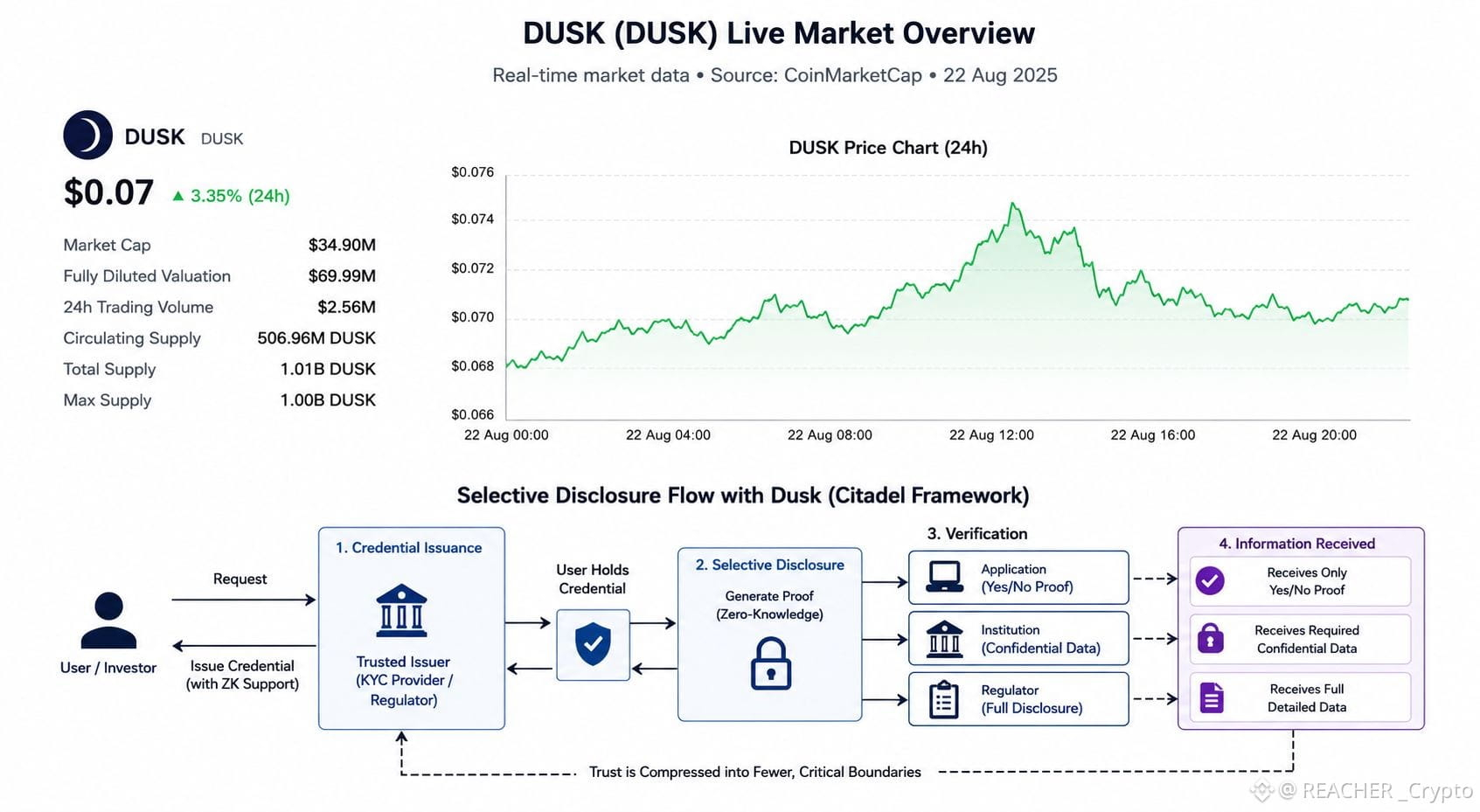
DUSK កំពុងជួញដូរជុំវិញ $0.07 ជាមួយនឹងបរិមាណជួញដូរប្រចាំថ្ងៃប្រមាណ $2–3M ថ្មីៗនេះ។ នៅកម្រិតនោះ ខ្ញុំមិនសូវចាប់អារម្មណ៍ថាតើស្ថាបត្យកម្មឯកជនភាព “ស្តាប់ទៅល្អ” លើក្រដាសទេ ហើយខ្ញុំចង់ដឹងច្រើនជាងអំពីថាតើទីផ្សារកំពុងត្រូវបានស្នើឲ្យទទួលយកទម្រង់រចនាសម្ព័ន្ធទុកចិត្តបែបណាជាក់ស្តែង។
នោះហើយដែលធ្វើឲ្យចាប់អារម្មណ៍ខ្ញុំចំពោះ citadel។
វាមិនដូចជាមិនមើលឃើញឯកជនភាពថាជាការធ្វើឲ្យគ្រប់យ៉ាងមើលមិនឃើញទាំងអស់។ គំនិតនោះជិតនឹងការកាត់បន្ថយថាតើអ្នកចូលរួមម្នាក់ៗត្រូវការទទួលព័ត៌មានប៉ុន្មានពិតប្រាកដ។
ខ្ញុំអាចបង្ហាញថាខ្ញុំឆ្លង KYC ឬបំពេញលក្ខខណ្ឌមានសិទ្ធិ ដោយមិនចាំបាច់ប្រគល់ទិន្នន័យអត្តសញ្ញាណមូលដ្ឋានរបស់ខ្ញុំទាំងអស់ឲ្យរាល់កម្មវិធីនោះទេ។
អ្នកត្រួតពិនិត្យ ប្រហែលជាត្រូវការការបង្ហាញព័ត៌មានលម្អិត។
ស្ថាប័នប្រហែលជាត្រូវការភាពសម្ងាត់។
កម្មវិធី ប្រហែលជាត្រូវការតែភស្តុតាងប្រភេទ yes/no។
សកម្មភាពហិរញ្ញវត្ថុដូចគ្នា។ ភាពមើលឃើញខុសគ្នា។
ប៉ុន្តែនេះជាផ្នែកដែលខ្ញុំបន្តគិត៖
កាន់តែតិចព័ត៌មានដែលកម្មវិធីមួយទទួលបាន កាន់តែសំខាន់ឡើងនូវព័ត៌មានដែលវាជ្រើសរើសទុកចិត្ត។
ភស្តុតាង zero knowledge អាចបញ្ជាក់ថាលិខិតបញ្ជាក់មានសុពលភាព។ វាមិនអាចបញ្ជាក់បានថា អ្នកចេញលិខិតបញ្ជាក់ជាមនុស្សដែលគួរទុកចិត្ត ឬថាលិខិតបញ្ជាក់ត្រូវបានចេញឲ្យត្រឹមត្រូវ ឬថាគោលនយោបាយសម្រាប់ការផ្ទៀងផ្ទាត់ខ្លួនឯងមានសមហេតុផលទេ។
ដូច្នេះ Dusk ប្រហែលជាមិនមែនកំពុងលុបបញ្ហាទុកចិត្តនោះទេ។
វាអាចជាការបង្រួមទុកចិត្តឲ្យទៅក្នុងព្រំដែនតិចជាងមុន តែមានសារៈសំខាន់ជាង។
ហើយវាធ្វើឲ្យរបៀបដែលខ្ញុំមើលទ្រឹស្តីឯកជនភាពផ្លាស់ប្តូរ។
សំណួរពិត មិនមែនថាតើ Dusk អាចលាក់ព័ត៌មានហិរញ្ញវត្ថុបានឬទេ។
វាគឺថាតើ selective disclosure អាចកាត់បន្ថយបរិមាណទុកចិត្តដែលត្រូវបង្ហាញឆ្លងកាត់ប្រព័ន្ធ ដោយមិនធ្វើឲ្យចំណុចទុកចិត្តដែលនៅសល់ ក្លាយជារឿងគ្រោះថ្នាក់ពេកនោះទេ។
ការផ្លាស់ប្តូរនោះ ធ្វើឲ្យខ្ញុំគិតថាវាគួរឲ្យចាប់អារម្មណ៍ជាងការហៅ Dusk តែជាបណ្ដាញឯកជនភាពមួយសាមញ្ញ។
#dusk
#dusk $DUSK @Dusk i ទាលើកនឹកថា ខ្ញុំចង់បានភាពច្បាស់លាស់បន្ថែម ដែលជាប្រយោជន៍ធ្វើឲ្យមានទុកចិត្តច្រើន។ ប៉ុន្តែខ្ញុំបានទៅមើល @Dusk ហើយបានឃើញភាពផ្ទុយគ្នាមួយដែលខ្ញុំមិនសូវបានគិតពីមុន។
DUSK កំពុងជួញដូរជុំវិញ $0.07 ជាមួយនឹងបរិមាណជួញដូរប្រចាំថ្ងៃប្រមាណ $2–3M ថ្មីៗនេះ។ នៅកម្រិតនោះ ខ្ញុំមិនសូវចាប់អារម្មណ៍ថាតើស្ថាបត្យកម្មឯកជនភាព “ស្តាប់ទៅល្អ” លើក្រដាសទេ ហើយខ្ញុំចង់ដឹងច្រើនជាងអំពីថាតើទីផ្សារកំពុងត្រូវបានស្នើឲ្យទទួលយកទម្រង់រចនាសម្ព័ន្ធទុកចិត្តបែបណាជាក់ស្តែង។
នោះហើយដែលធ្វើឲ្យចាប់អារម្មណ៍ខ្ញុំចំពោះ citadel។
វាមិនដូចជាមិនមើលឃើញឯកជនភាពថាជាការធ្វើឲ្យគ្រប់យ៉ាងមើលមិនឃើញទាំងអស់។ គំនិតនោះជិតនឹងការកាត់បន្ថយថាតើអ្នកចូលរួមម្នាក់ៗត្រូវការទទួលព័ត៌មានប៉ុន្មានពិតប្រាកដ។
ខ្ញុំអាចបង្ហាញថាខ្ញុំឆ្លង KYC ឬបំពេញលក្ខខណ្ឌមានសិទ្ធិ ដោយមិនចាំបាច់ប្រគល់ទិន្នន័យអត្តសញ្ញាណមូលដ្ឋានរបស់ខ្ញុំទាំងអស់ឲ្យរាល់កម្មវិធីនោះទេ។
អ្នកត្រួតពិនិត្យ ប្រហែលជាត្រូវការការបង្ហាញព័ត៌មានលម្អិត។
ស្ថាប័នប្រហែលជាត្រូវការភាពសម្ងាត់។
កម្មវិធី ប្រហែលជាត្រូវការតែភស្តុតាងប្រភេទ yes/no។
សកម្មភាពហិរញ្ញវត្ថុដូចគ្នា។ ភាពមើលឃើញខុសគ្នា។
ប៉ុន្តែនេះជាផ្នែកដែលខ្ញុំបន្តគិត៖
កាន់តែតិចព័ត៌មានដែលកម្មវិធីមួយទទួលបាន កាន់តែសំខាន់ឡើងនូវព័ត៌មានដែលវាជ្រើសរើសទុកចិត្ត។
ភស្តុតាង zero knowledge អាចបញ្ជាក់ថាលិខិតបញ្ជាក់មានសុពលភាព។ វាមិនអាចបញ្ជាក់បានថា អ្នកចេញលិខិតបញ្ជាក់ជាមនុស្សដែលគួរទុកចិត្ត ឬថាលិខិតបញ្ជាក់ត្រូវបានចេញឲ្យត្រឹមត្រូវ ឬថាគោលនយោបាយសម្រាប់ការផ្ទៀងផ្ទាត់ខ្លួនឯងមានសមហេតុផលទេ។
ដូច្នេះ Dusk ប្រហែលជាមិនមែនកំពុងលុបបញ្ហាទុកចិត្តនោះទេ។
វាអាចជាការបង្រួមទុកចិត្តឲ្យទៅក្នុងព្រំដែនតិចជាងមុន តែមានសារៈសំខាន់ជាង។
ហើយវាធ្វើឲ្យរបៀបដែលខ្ញុំមើលទ្រឹស្តីឯកជនភាពផ្លាស់ប្តូរ។
សំណួរពិត មិនមែនថាតើ Dusk អាចលាក់ព័ត៌មានហិរញ្ញវត្ថុបានឬទេ។
វាគឺថាតើ selective disclosure អាចកាត់បន្ថយបរិមាណទុកចិត្តដែលត្រូវបង្ហាញឆ្លងកាត់ប្រព័ន្ធ ដោយមិនធ្វើឲ្យចំណុចទុកចិត្តដែលនៅសល់ ក្លាយជារឿងគ្រោះថ្នាក់ពេកនោះទេ។
ការផ្លាស់ប្តូរនោះ ធ្វើឲ្យខ្ញុំគិតថាវាគួរឲ្យចាប់អារម្មណ៍ជាងការហៅ Dusk តែជាបណ្ដាញឯកជនភាពមួយសាមញ្ញ។
#dusk
DUSK កំពុងជួញដូរជុំវិញ $0.07 ជាមួយនឹងបរិមាណជួញដូរប្រចាំថ្ងៃប្រមាណ $2–3M ថ្មីៗនេះ។ នៅកម្រិតនោះ ខ្ញុំមិនសូវចាប់អារម្មណ៍ថាតើស្ថាបត្យកម្មឯកជនភាព “ស្តាប់ទៅល្អ” លើក្រដាសទេ ហើយខ្ញុំចង់ដឹងច្រើនជាងអំពីថាតើទីផ្សារកំពុងត្រូវបានស្នើឲ្យទទួលយកទម្រង់រចនាសម្ព័ន្ធទុកចិត្តបែបណាជាក់ស្តែង។
នោះហើយដែលធ្វើឲ្យចាប់អារម្មណ៍ខ្ញុំចំពោះ citadel។
វាមិនដូចជាមិនមើលឃើញឯកជនភាពថាជាការធ្វើឲ្យគ្រប់យ៉ាងមើលមិនឃើញទាំងអស់។ គំនិតនោះជិតនឹងការកាត់បន្ថយថាតើអ្នកចូលរួមម្នាក់ៗត្រូវការទទួលព័ត៌មានប៉ុន្មានពិតប្រាកដ។
ខ្ញុំអាចបង្ហាញថាខ្ញុំឆ្លង KYC ឬបំពេញលក្ខខណ្ឌមានសិទ្ធិ ដោយមិនចាំបាច់ប្រគល់ទិន្នន័យអត្តសញ្ញាណមូលដ្ឋានរបស់ខ្ញុំទាំងអស់ឲ្យរាល់កម្មវិធីនោះទេ។
អ្នកត្រួតពិនិត្យ ប្រហែលជាត្រូវការការបង្ហាញព័ត៌មានលម្អិត។
ស្ថាប័នប្រហែលជាត្រូវការភាពសម្ងាត់។
កម្មវិធី ប្រហែលជាត្រូវការតែភស្តុតាងប្រភេទ yes/no។
សកម្មភាពហិរញ្ញវត្ថុដូចគ្នា។ ភាពមើលឃើញខុសគ្នា។
ប៉ុន្តែនេះជាផ្នែកដែលខ្ញុំបន្តគិត៖
កាន់តែតិចព័ត៌មានដែលកម្មវិធីមួយទទួលបាន កាន់តែសំខាន់ឡើងនូវព័ត៌មានដែលវាជ្រើសរើសទុកចិត្ត។
ភស្តុតាង zero knowledge អាចបញ្ជាក់ថាលិខិតបញ្ជាក់មានសុពលភាព។ វាមិនអាចបញ្ជាក់បានថា អ្នកចេញលិខិតបញ្ជាក់ជាមនុស្សដែលគួរទុកចិត្ត ឬថាលិខិតបញ្ជាក់ត្រូវបានចេញឲ្យត្រឹមត្រូវ ឬថាគោលនយោបាយសម្រាប់ការផ្ទៀងផ្ទាត់ខ្លួនឯងមានសមហេតុផលទេ។
ដូច្នេះ Dusk ប្រហែលជាមិនមែនកំពុងលុបបញ្ហាទុកចិត្តនោះទេ។
វាអាចជាការបង្រួមទុកចិត្តឲ្យទៅក្នុងព្រំដែនតិចជាងមុន តែមានសារៈសំខាន់ជាង។
ហើយវាធ្វើឲ្យរបៀបដែលខ្ញុំមើលទ្រឹស្តីឯកជនភាពផ្លាស់ប្តូរ។
សំណួរពិត មិនមែនថាតើ Dusk អាចលាក់ព័ត៌មានហិរញ្ញវត្ថុបានឬទេ។
វាគឺថាតើ selective disclosure អាចកាត់បន្ថយបរិមាណទុកចិត្តដែលត្រូវបង្ហាញឆ្លងកាត់ប្រព័ន្ធ ដោយមិនធ្វើឲ្យចំណុចទុកចិត្តដែលនៅសល់ ក្លាយជារឿងគ្រោះថ្នាក់ពេកនោះទេ។
ការផ្លាស់ប្តូរនោះ ធ្វើឲ្យខ្ញុំគិតថាវាគួរឲ្យចាប់អារម្មណ៍ជាងការហៅ Dusk តែជាបណ្ដាញឯកជនភាពមួយសាមញ្ញ។
#dusk
3
5
207
#termmax @termmax
ohlela ngamasu e-TermMax amathwasa angihlalisa.
inguqulo (protocol) ingabeka amabhaza emali anesilinganiso esiqinile (fixed rate lending markets) cishe noma yikuphi, kodwa imali ibonakala ingakhathaleli ukufana ngokwendawo (geographic symmetry).
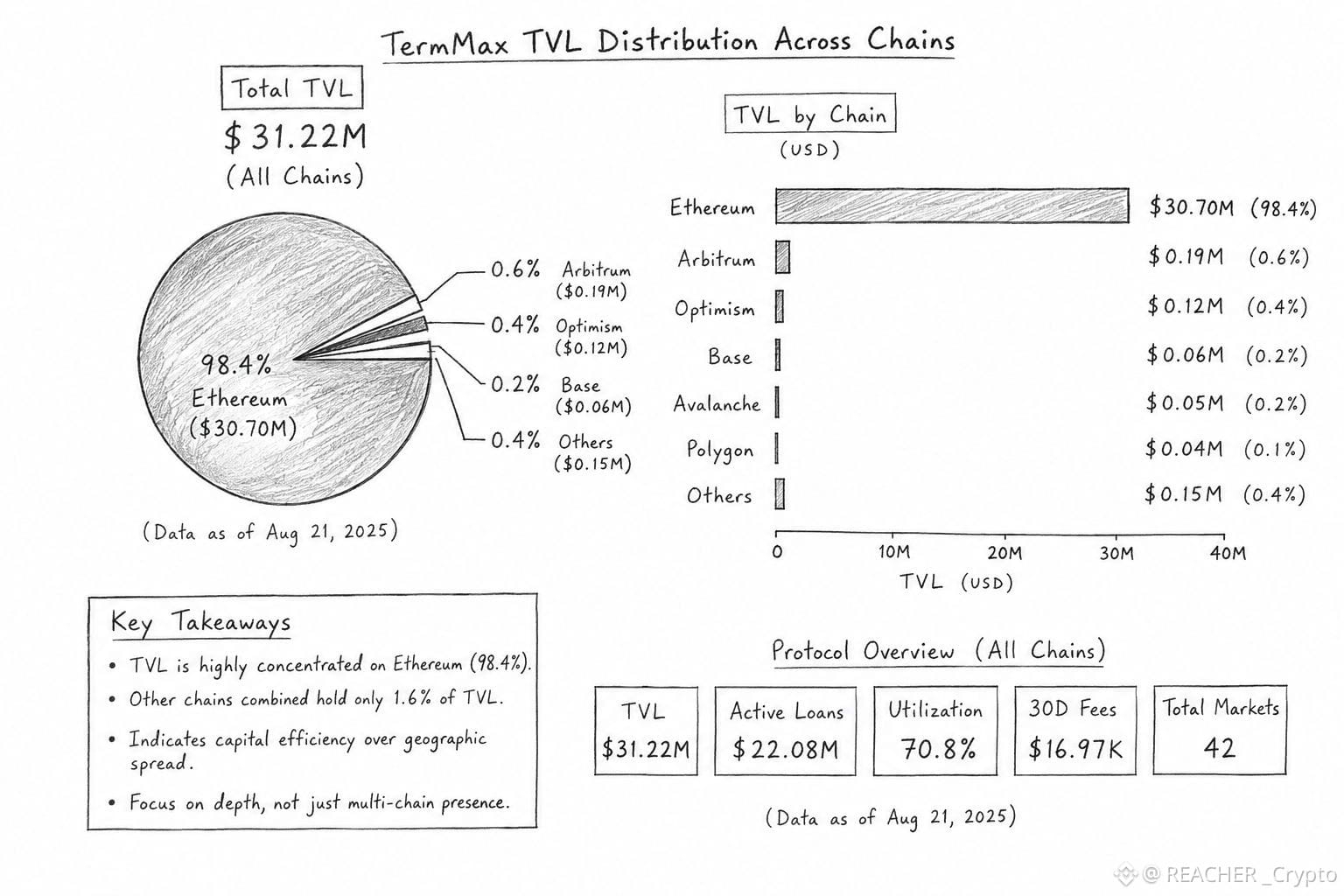
izibalo zakamuva engizibhekile zikhombisa cishe u-$31.22M ku-TVL, kuthi cishe u-98.4% kugxile ku-Ethereum. ekuqaleni, lokho kubukeka njengegebe (gap) lokwamukelwa kwe-multichain.
ngicabanga ukuthi kukhona incazelo ewusizo kakhulu.
mhlawumbe i-TermMax ihlukanisa ukutholakala kwemakethe (market availability) ekusebenzeni kahle kwemali (capital efficiency).
ukwengeza enye i-chain kunika abasebenzisi enye indawo yokuboleka, ukubolekisa (lend), noma ukuthumela (deploy) i-collateral. kodwa uma uketshezi lubuthaka lapho, ukusabalalisa imali nje ngoba imakethe ikhona kungakwazi ukwenza uhlelo lube sibi nakakhulu. amabhaza anesilinganiso esiqinile (fixed rate markets) ikakhulukazi adinga ukujula okukhulu (enough depth) ukuze ukulinganisa (pricing) nokuhambisana (matching) kusebenze kahle.
ngakho ukugxila ku-Ethereum kungase kungabi uphawu lokuthi ukunwetshwa kwehlulekile, kodwa kungaba uphawu lokuthi imali iyakhetha.
lokho kwakha ukuhweba okuncane (subtle trade off).
i-TermMax inganweba imakethe yayo engakwazi ukuyifinyelela (addressable market) ngaphandle kokwandisa ngokushesha uketshezi lwayo olusetshenziswayo. inethiwekhi iyanda (becomes wider), kodwa isikhungo sezomnotho (economic center) sihlala sibhincile ngendlela emangalisayo.
yingakho ngingagxili kangako esazisweni se-chain elandelayo.
ngifuna ukubona ukuthi ihabhu enkulu yesibili yoketshezi (liquidity hub) iqala yini ukuba nencazelo (meaningful).
futhi ngingakubheka lokho hhayi nge-TVl kuphela: ama-loans asebenzayo (active loans), utilization, imali engenayo yamafizi (fee generation) nokuthi ingabe imali iyahlala ngempela ngemuva kokuphehla izikhuthazo (incentives) noma lapho ukuqalisa imakethe entsha kuphelelwa umdlandla.
ngoba ukuhlolwa kwangempela kwephrothokholi yokubolekisana nge-multichain akukona ukuthi ingafinyelela kanjani kangaki.
kungukuthi noma nini lapho uketshezi (liquidity) ekugcineni kunquma ukuthi kufanelekile yini ukuphuma ekhaya.
ngabe ukugxila ku-Ethereum kuyindlela yokuba i-TermMax ikulungise, noma umphumela wemvelo wokuthi imali ikhetha imakethe esebenza kahle kakhulu?
#TermMax
#termmax @TermMax
ohlela ngamasu e-TermMax amathwasa angihlalisa.
inguqulo (protocol) ingabeka amabhaza emali anesilinganiso esiqinile (fixed rate lending markets) cishe noma yikuphi, kodwa imali ibonakala ingakhathaleli ukufana ngokwendawo (geographic symmetry).
izibalo zakamuva engizibhekile zikhombisa cishe u-$31.22M ku-TVL, kuthi cishe u-98.4% kugxile ku-Ethereum. ekuqaleni, lokho kubukeka njengegebe (gap) lokwamukelwa kwe-multichain.
ngicabanga ukuthi kukhona incazelo ewusizo kakhulu.
mhlawumbe i-TermMax ihlukanisa ukutholakala kwemakethe (market availability) ekusebenzeni kahle kwemali (capital efficiency).
ukwengeza enye i-chain kunika abasebenzisi enye indawo yokuboleka, ukubolekisa (lend), noma ukuthumela (deploy) i-collateral. kodwa uma uketshezi lubuthaka lapho, ukusabalalisa imali nje ngoba imakethe ikhona kungakwazi ukwenza uhlelo lube sibi nakakhulu. amabhaza anesilinganiso esiqinile (fixed rate markets) ikakhulukazi adinga ukujula okukhulu (enough depth) ukuze ukulinganisa (pricing) nokuhambisana (matching) kusebenze kahle.
ngakho ukugxila ku-Ethereum kungase kungabi uphawu lokuthi ukunwetshwa kwehlulekile, kodwa kungaba uphawu lokuthi imali iyakhetha.
lokho kwakha ukuhweba okuncane (subtle trade off).
i-TermMax inganweba imakethe yayo engakwazi ukuyifinyelela (addressable market) ngaphandle kokwandisa ngokushesha uketshezi lwayo olusetshenziswayo. inethiwekhi iyanda (becomes wider), kodwa isikhungo sezomnotho (economic center) sihlala sibhincile ngendlela emangalisayo.
yingakho ngingagxili kangako esazisweni se-chain elandelayo.
ngifuna ukubona ukuthi ihabhu enkulu yesibili yoketshezi (liquidity hub) iqala yini ukuba nencazelo (meaningful).
futhi ngingakubheka lokho hhayi nge-TVl kuphela: ama-loans asebenzayo (active loans), utilization, imali engenayo yamafizi (fee generation) nokuthi ingabe imali iyahlala ngempela ngemuva kokuphehla izikhuthazo (incentives) noma lapho ukuqalisa imakethe entsha kuphelelwa umdlandla.
ngoba ukuhlolwa kwangempela kwephrothokholi yokubolekisana nge-multichain akukona ukuthi ingafinyelela kanjani kangaki.
kungukuthi noma nini lapho uketshezi (liquidity) ekugcineni kunquma ukuthi kufanelekile yini ukuphuma ekhaya.
ngabe ukugxila ku-Ethereum kuyindlela yokuba i-TermMax ikulungise, noma umphumela wemvelo wokuthi imali ikhetha imakethe esebenza kahle kakhulu?
#TermMax
ohlela ngamasu e-TermMax amathwasa angihlalisa.
inguqulo (protocol) ingabeka amabhaza emali anesilinganiso esiqinile (fixed rate lending markets) cishe noma yikuphi, kodwa imali ibonakala ingakhathaleli ukufana ngokwendawo (geographic symmetry).
izibalo zakamuva engizibhekile zikhombisa cishe u-$31.22M ku-TVL, kuthi cishe u-98.4% kugxile ku-Ethereum. ekuqaleni, lokho kubukeka njengegebe (gap) lokwamukelwa kwe-multichain.
ngicabanga ukuthi kukhona incazelo ewusizo kakhulu.
mhlawumbe i-TermMax ihlukanisa ukutholakala kwemakethe (market availability) ekusebenzeni kahle kwemali (capital efficiency).
ukwengeza enye i-chain kunika abasebenzisi enye indawo yokuboleka, ukubolekisa (lend), noma ukuthumela (deploy) i-collateral. kodwa uma uketshezi lubuthaka lapho, ukusabalalisa imali nje ngoba imakethe ikhona kungakwazi ukwenza uhlelo lube sibi nakakhulu. amabhaza anesilinganiso esiqinile (fixed rate markets) ikakhulukazi adinga ukujula okukhulu (enough depth) ukuze ukulinganisa (pricing) nokuhambisana (matching) kusebenze kahle.
ngakho ukugxila ku-Ethereum kungase kungabi uphawu lokuthi ukunwetshwa kwehlulekile, kodwa kungaba uphawu lokuthi imali iyakhetha.
lokho kwakha ukuhweba okuncane (subtle trade off).
i-TermMax inganweba imakethe yayo engakwazi ukuyifinyelela (addressable market) ngaphandle kokwandisa ngokushesha uketshezi lwayo olusetshenziswayo. inethiwekhi iyanda (becomes wider), kodwa isikhungo sezomnotho (economic center) sihlala sibhincile ngendlela emangalisayo.
yingakho ngingagxili kangako esazisweni se-chain elandelayo.
ngifuna ukubona ukuthi ihabhu enkulu yesibili yoketshezi (liquidity hub) iqala yini ukuba nencazelo (meaningful).
futhi ngingakubheka lokho hhayi nge-TVl kuphela: ama-loans asebenzayo (active loans), utilization, imali engenayo yamafizi (fee generation) nokuthi ingabe imali iyahlala ngempela ngemuva kokuphehla izikhuthazo (incentives) noma lapho ukuqalisa imakethe entsha kuphelelwa umdlandla.
ngoba ukuhlolwa kwangempela kwephrothokholi yokubolekisana nge-multichain akukona ukuthi ingafinyelela kanjani kangaki.
kungukuthi noma nini lapho uketshezi (liquidity) ekugcineni kunquma ukuthi kufanelekile yini ukuphuma ekhaya.
ngabe ukugxila ku-Ethereum kuyindlela yokuba i-TermMax ikulungise, noma umphumela wemvelo wokuthi imali ikhetha imakethe esebenza kahle kakhulu?
#TermMax
2
2
140
#dusk $DUSK @Dusk_Foundation
ຕອນທຳອິດຂ້ອຍຄິດວ່າ tokenIzing ຊັບສິນທີ່ຖືກຄວບຄຸມ ສ່ວນໃຫຍ່ກໍຄືການວາງ ownershIp ໄວ້ໃນ onchain ແລະເພີ່ມການກວດສອບຄວາມກົດລະບຽບທີ່ຖືກຕ້ອງ.
ແຕ່ຍິ່ງຂ້ອຍເຈາະເລິກໃສ່ Dusk ຫຼາຍເທົ່າໃດ ຂ້ອຍຍິ່ງເຂົ້າໃຈວ່າ ຄວາມຄິດນັ້ນຍັງຂາດອົງປະກອບສຳຄັນບາງຢ່າງ.
ສິ່ງທີ່ດຶງດູດຄວາມສົນໃຈຂ້ອຍແມ່ນ Zedger. ມັນບໍ່ໄດ້ປະຕິບັດຕໍ່ ຄວາມປອດໄພ (securIty) ແບບພຽງແຕ່ເປັນ token ທີ່ເຄື່ອນຈາກ wallet ໜຶ່ງໄປອີກ wallet. ການ desIgn ລວມມີຜູ້ໃຊ້ທີ່ຖືກ whitelIsted, ການຍອມຮັບການໂອນ, ການຕັ້ງ settlement, ການຮຽກຮ້ອງ (claims), ການໂຫວດ, ແລະ ເງິນປັນຜົນ (dividends).
ນັ້ນເຮັດໃຫ້ຂ້ອຍຕ້ອງຄິດຄືນວ່າ “RWA infrastructure” ແທ້ໆແມ່ນຫຍັງ.
ພັນທະບັດ (bond) ຫຼືກອງທຶນ (fund) ບໍ່ໄດ້ກາຍເປັນ ຊັບສິນການເງິນທີ່ໃຊ້ງານໄດ້ ພຽງແຕ່ການບັນທຶກການເປັນເຈົ້າຂອງຂອງມັນໄວ້ໃນ blockchain. ເຄືອຂ່າຍຍັງຕ້ອງເຂົ້າໃຈວ່າໃຜຖືກອະນຸຍາດໃຫ້ຖືມັນ, ໃຜສາມາດໄດ້ຮັບມັນ, ການໂອນຖືກຍອມຮັບເມື່ອໃດ, ການຕັ້ງ settlement ຂອງ ownershIp ເມື່ອໃດ, ແລະ ສິດທີ່ຜູ້ຖືຫຼັງຈາກນັ້ນຈະໄດ້ຮັບຫຍັງ.
ແລະນັ້ນແຫຼະ ເປັນເຫດທີ່ຖ້ອຍຄຳຂອງ Dusk ກ່ຽວກັບ security tokenization ແລະ ການຈັດການ lifecycle ໄດ້ດຶງຄວາມສົນໃຈຂ້ອຍ. whitepaper ກ່າວວ່ານີ້ແມ່ນ core use case ຂອງ protocol, ບໍແມ່ນສິ່ງທີ່ເພີ່ມເຂົ້າມາທີ່ຫຼັງ.
ແຕ່ນີ້ແມ່ນຈຸດທີ່ຂ້ອຍຍັງລະວັງຢູ່.
ການຍ້າຍວົງຈອນການເງິນ (financial lifecycle) ເຂົ້າໄປໃນ onchain ຫຼາຍຂຶ້ນ ສາມາດຫຼຸດຄວາມແຕກຂອງຂະບວນການ (fragmented processes) ໄດ້. ແຕ່ມັນກໍອາດຈະເຮັດໃຫ້ blockchain ຕ້ອງຮັບຜິດຊອບກົດລະບຽບແລະ edge cases ຈຳນວນທີ່ຫຼາຍກວ່າເກົ່າ.
ດັ່ງນັ້ນ ບາງທີ ການທົດສອບຕົວຈິງສຳລັບ Dusk ບໍ່ແມ່ນ:
Can you tokenize a financial asset?
ມັນແມ່ນ:
Can you make all the rules around that asset work together without turning the blockchaIn itself into another layer of financial complexity?
ນັ້ນແມ່ນຄຳຖາມທີ່ຂ້ອຍຈັບຕາຫຼວດຢູ່. 🤔
#dusk
#dusk $DUSK @Dusk
ຕອນທຳອິດຂ້ອຍຄິດວ່າ tokenIzing ຊັບສິນທີ່ຖືກຄວບຄຸມ ສ່ວນໃຫຍ່ກໍຄືການວາງ ownershIp ໄວ້ໃນ onchain ແລະເພີ່ມການກວດສອບຄວາມກົດລະບຽບທີ່ຖືກຕ້ອງ.
ແຕ່ຍິ່ງຂ້ອຍເຈາະເລິກໃສ່ Dusk ຫຼາຍເທົ່າໃດ ຂ້ອຍຍິ່ງເຂົ້າໃຈວ່າ ຄວາມຄິດນັ້ນຍັງຂາດອົງປະກອບສຳຄັນບາງຢ່າງ.
ສິ່ງທີ່ດຶງດູດຄວາມສົນໃຈຂ້ອຍແມ່ນ Zedger. ມັນບໍ່ໄດ້ປະຕິບັດຕໍ່ ຄວາມປອດໄພ (securIty) ແບບພຽງແຕ່ເປັນ token ທີ່ເຄື່ອນຈາກ wallet ໜຶ່ງໄປອີກ wallet. ການ desIgn ລວມມີຜູ້ໃຊ້ທີ່ຖືກ whitelIsted, ການຍອມຮັບການໂອນ, ການຕັ້ງ settlement, ການຮຽກຮ້ອງ (claims), ການໂຫວດ, ແລະ ເງິນປັນຜົນ (dividends).
ນັ້ນເຮັດໃຫ້ຂ້ອຍຕ້ອງຄິດຄືນວ່າ “RWA infrastructure” ແທ້ໆແມ່ນຫຍັງ.
ພັນທະບັດ (bond) ຫຼືກອງທຶນ (fund) ບໍ່ໄດ້ກາຍເປັນ ຊັບສິນການເງິນທີ່ໃຊ້ງານໄດ້ ພຽງແຕ່ການບັນທຶກການເປັນເຈົ້າຂອງຂອງມັນໄວ້ໃນ blockchain. ເຄືອຂ່າຍຍັງຕ້ອງເຂົ້າໃຈວ່າໃຜຖືກອະນຸຍາດໃຫ້ຖືມັນ, ໃຜສາມາດໄດ້ຮັບມັນ, ການໂອນຖືກຍອມຮັບເມື່ອໃດ, ການຕັ້ງ settlement ຂອງ ownershIp ເມື່ອໃດ, ແລະ ສິດທີ່ຜູ້ຖືຫຼັງຈາກນັ້ນຈະໄດ້ຮັບຫຍັງ.
ແລະນັ້ນແຫຼະ ເປັນເຫດທີ່ຖ້ອຍຄຳຂອງ Dusk ກ່ຽວກັບ security tokenization ແລະ ການຈັດການ lifecycle ໄດ້ດຶງຄວາມສົນໃຈຂ້ອຍ. whitepaper ກ່າວວ່ານີ້ແມ່ນ core use case ຂອງ protocol, ບໍແມ່ນສິ່ງທີ່ເພີ່ມເຂົ້າມາທີ່ຫຼັງ.
ແຕ່ນີ້ແມ່ນຈຸດທີ່ຂ້ອຍຍັງລະວັງຢູ່.
ການຍ້າຍວົງຈອນການເງິນ (financial lifecycle) ເຂົ້າໄປໃນ onchain ຫຼາຍຂຶ້ນ ສາມາດຫຼຸດຄວາມແຕກຂອງຂະບວນການ (fragmented processes) ໄດ້. ແຕ່ມັນກໍອາດຈະເຮັດໃຫ້ blockchain ຕ້ອງຮັບຜິດຊອບກົດລະບຽບແລະ edge cases ຈຳນວນທີ່ຫຼາຍກວ່າເກົ່າ.
ດັ່ງນັ້ນ ບາງທີ ການທົດສອບຕົວຈິງສຳລັບ Dusk ບໍ່ແມ່ນ:
Can you tokenize a financial asset?
ມັນແມ່ນ:
Can you make all the rules around that asset work together without turning the blockchaIn itself into another layer of financial complexity?
ນັ້ນແມ່ນຄຳຖາມທີ່ຂ້ອຍຈັບຕາຫຼວດຢູ່. 🤔
#dusk
ຕອນທຳອິດຂ້ອຍຄິດວ່າ tokenIzing ຊັບສິນທີ່ຖືກຄວບຄຸມ ສ່ວນໃຫຍ່ກໍຄືການວາງ ownershIp ໄວ້ໃນ onchain ແລະເພີ່ມການກວດສອບຄວາມກົດລະບຽບທີ່ຖືກຕ້ອງ.
ແຕ່ຍິ່ງຂ້ອຍເຈາະເລິກໃສ່ Dusk ຫຼາຍເທົ່າໃດ ຂ້ອຍຍິ່ງເຂົ້າໃຈວ່າ ຄວາມຄິດນັ້ນຍັງຂາດອົງປະກອບສຳຄັນບາງຢ່າງ.
ສິ່ງທີ່ດຶງດູດຄວາມສົນໃຈຂ້ອຍແມ່ນ Zedger. ມັນບໍ່ໄດ້ປະຕິບັດຕໍ່ ຄວາມປອດໄພ (securIty) ແບບພຽງແຕ່ເປັນ token ທີ່ເຄື່ອນຈາກ wallet ໜຶ່ງໄປອີກ wallet. ການ desIgn ລວມມີຜູ້ໃຊ້ທີ່ຖືກ whitelIsted, ການຍອມຮັບການໂອນ, ການຕັ້ງ settlement, ການຮຽກຮ້ອງ (claims), ການໂຫວດ, ແລະ ເງິນປັນຜົນ (dividends).
ນັ້ນເຮັດໃຫ້ຂ້ອຍຕ້ອງຄິດຄືນວ່າ “RWA infrastructure” ແທ້ໆແມ່ນຫຍັງ.
ພັນທະບັດ (bond) ຫຼືກອງທຶນ (fund) ບໍ່ໄດ້ກາຍເປັນ ຊັບສິນການເງິນທີ່ໃຊ້ງານໄດ້ ພຽງແຕ່ການບັນທຶກການເປັນເຈົ້າຂອງຂອງມັນໄວ້ໃນ blockchain. ເຄືອຂ່າຍຍັງຕ້ອງເຂົ້າໃຈວ່າໃຜຖືກອະນຸຍາດໃຫ້ຖືມັນ, ໃຜສາມາດໄດ້ຮັບມັນ, ການໂອນຖືກຍອມຮັບເມື່ອໃດ, ການຕັ້ງ settlement ຂອງ ownershIp ເມື່ອໃດ, ແລະ ສິດທີ່ຜູ້ຖືຫຼັງຈາກນັ້ນຈະໄດ້ຮັບຫຍັງ.
ແລະນັ້ນແຫຼະ ເປັນເຫດທີ່ຖ້ອຍຄຳຂອງ Dusk ກ່ຽວກັບ security tokenization ແລະ ການຈັດການ lifecycle ໄດ້ດຶງຄວາມສົນໃຈຂ້ອຍ. whitepaper ກ່າວວ່ານີ້ແມ່ນ core use case ຂອງ protocol, ບໍແມ່ນສິ່ງທີ່ເພີ່ມເຂົ້າມາທີ່ຫຼັງ.
ແຕ່ນີ້ແມ່ນຈຸດທີ່ຂ້ອຍຍັງລະວັງຢູ່.
ການຍ້າຍວົງຈອນການເງິນ (financial lifecycle) ເຂົ້າໄປໃນ onchain ຫຼາຍຂຶ້ນ ສາມາດຫຼຸດຄວາມແຕກຂອງຂະບວນການ (fragmented processes) ໄດ້. ແຕ່ມັນກໍອາດຈະເຮັດໃຫ້ blockchain ຕ້ອງຮັບຜິດຊອບກົດລະບຽບແລະ edge cases ຈຳນວນທີ່ຫຼາຍກວ່າເກົ່າ.
ດັ່ງນັ້ນ ບາງທີ ການທົດສອບຕົວຈິງສຳລັບ Dusk ບໍ່ແມ່ນ:
Can you tokenize a financial asset?
ມັນແມ່ນ:
Can you make all the rules around that asset work together without turning the blockchaIn itself into another layer of financial complexity?
ນັ້ນແມ່ນຄຳຖາມທີ່ຂ້ອຍຈັບຕາຫຼວດຢູ່. 🤔
#dusk
4
4
207
#termmax @termmax
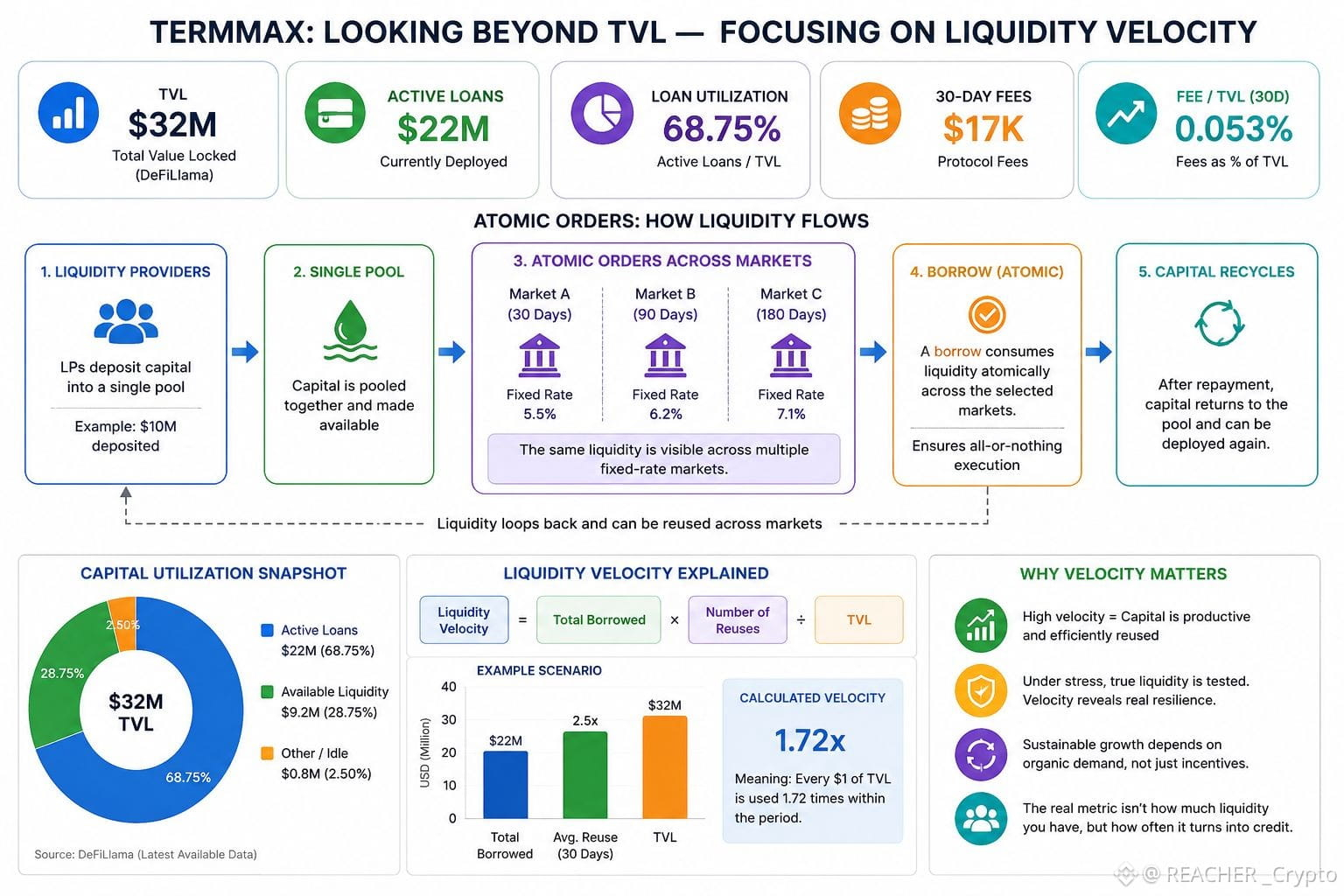
ກະທັ້ງຂ້ອຍຍັງກັບມາທີ່ TermMax ອີກເລື້ອຍເພາະວ່າຈຳນວນທີ່ໜ້າສົນໃຈອາດບໍ່ແມ່ນ TVL ເລີຍ.
ປັດຈຸບັນ DeFiLlama ສະແດງວ່າມີ TVL ປະມານ $32M, ມີ $22M ໃນເງິນກູ້ທີ່ກຳລັງໃຊ້ (active loans) ແລະພຽງແຕ່ປະມານ $17K ໃນຄ່າທຳນຽມ 30 ວັນ. ນັ້ນສ້າງພາບທີ່ປະຫຼາດ: ເງິນທຶນສ່ວນໃຫຍ່ກຳລັງເຮັດວຽກຢູ່ແລ້ວ ແຕ່ກະແສຄ່າທຳນຽມຍັງເບິ່ງວ່າຄ່ອນຂ້າງນ້ອຍ.
ແລ້ວຂ້ອຍກໍເລີຍໄປເບິ່ງໃກ້ຂຶ້ນທີ່ Atomic Orders.
ການອອກແບບງ່າຍໆແຕ່ຜົນກະທົບບໍ່ງ່າຍ: ໜຶ່ງສະລອຍ (pool) ສາມາດເປີດເຜີຍໃຫ້ເຫັນທຶນຊະນິດດຽວກັນຂ້າມຕະຫຼາດ fixed-rate ຫຼາຍລາຍໄດ້, ໃນຂະນະທີ່ການກູ້ (borrow) ກິນຄວາມແຫຼ່ງຄວາມຄ່ອຍນັ້ນແບບ atomic ພ້ອມກັນຂ້າມທີ່ອື່ນໆ. TermMax ບອກວ່ານີ້ເພື່ອຫຼຸດການແຕກສ່ວນ (fragmentation) ແລະໃຫ້ທຶນຊຸດດຽວວຽນຮອບໄດ້ຢ່າງມີປະສິດທິພາບກວ່າ.
ນັ້ນເອງກໍສ້າງຄວາມຂັດແຍ້ງຢ່າງໜຶ່ງ ທີ່ຂ້ອຍຍັງບໍ່ໄດ້ນຶກເຖິງ.
ຄວາມເຫັນຊັດຂອງຄວາມສະໜອງສະພາບຄ່ອງ (liquidity) ບໍ່ຈຳເປັນຈະໝາຍຄວາມວ່າມີຄວາມສະໜອງຫຼາຍຂຶ້ນ. ອາດຈະໝາຍວ່າຄວາມສະໜອງຊຸດດຽວກຳລັງຖືກນັບເພີ່ມຂຶ້ນຂ້າມໂອກາດທີ່ຫຼາຍຂຶ້ນ.
ດັ່ງນັ້ນ ຂ້ອຍບໍ່ຄ່ອຍສົນໃຈວ່າ TVL ຈະເຕີບໂຕຈາກທີ່ນີ້ຫຼືບໍ່. ຂ້ອຍຢາກຮູ້ວ່າແຕ່ລະໂດລາສ້າງເປັນໜີ້ສິນເປັນຄວາມຈິງໄວປານໃດ, ຖືກນຳກັບໃຊ້ຄືນບໍ່ຈັກເທົ່າ, ແລະຈະເກີດຫຍັງເມື່ອຫຼາຍຕະຫຼາດຕ້ອງການມັນພ້ອມກັນ.
ເພາະວ່າ $22M ຂອງ active loans ທຽບກັບ ~$32M TVL ກໍເລີຍກໍຊີ້ວ່າມີການນຳໃຊ້ (utilization) ທີ່ມີນັຍສຳຄັນຢູ່ແລ້ວ.
ຄຳຖາມທີ່ຍາກກວ່າແມ່ນວ່າ ປະສິດທິພາບນັ້ນຈະກາຍເປັນກິດຈະກຳເສດຖະກິດທີ່ຍືນຍົງໄດ້ ຫຼືບໍ່ ຫຼັງຈາກທີ່ incentives ບໍ່ຮູ້ຈັກແລ້ວມີບາງສ່ວນເລີກເຮັດວຽກ.
ບາງທີ TermMax ອາດຈະວັດແທກສິ່ງທີ່ຈິງໆບໍ່ແມ່ນຄວາມເລິກຂອງຄວາມສະໜອງ (liquidity depth).
ແມ່ນ “liquidity velocity” ເມື່ອຢູ່ໃນສະພາບກົດດັນ.
#TermMax
#termmax @TermMax
ກະທັ້ງຂ້ອຍຍັງກັບມາທີ່ TermMax ອີກເລື້ອຍເພາະວ່າຈຳນວນທີ່ໜ້າສົນໃຈອາດບໍ່ແມ່ນ TVL ເລີຍ.
ປັດຈຸບັນ DeFiLlama ສະແດງວ່າມີ TVL ປະມານ $32M, ມີ $22M ໃນເງິນກູ້ທີ່ກຳລັງໃຊ້ (active loans) ແລະພຽງແຕ່ປະມານ $17K ໃນຄ່າທຳນຽມ 30 ວັນ. ນັ້ນສ້າງພາບທີ່ປະຫຼາດ: ເງິນທຶນສ່ວນໃຫຍ່ກຳລັງເຮັດວຽກຢູ່ແລ້ວ ແຕ່ກະແສຄ່າທຳນຽມຍັງເບິ່ງວ່າຄ່ອນຂ້າງນ້ອຍ.
ແລ້ວຂ້ອຍກໍເລີຍໄປເບິ່ງໃກ້ຂຶ້ນທີ່ Atomic Orders.
ການອອກແບບງ່າຍໆແຕ່ຜົນກະທົບບໍ່ງ່າຍ: ໜຶ່ງສະລອຍ (pool) ສາມາດເປີດເຜີຍໃຫ້ເຫັນທຶນຊະນິດດຽວກັນຂ້າມຕະຫຼາດ fixed-rate ຫຼາຍລາຍໄດ້, ໃນຂະນະທີ່ການກູ້ (borrow) ກິນຄວາມແຫຼ່ງຄວາມຄ່ອຍນັ້ນແບບ atomic ພ້ອມກັນຂ້າມທີ່ອື່ນໆ. TermMax ບອກວ່ານີ້ເພື່ອຫຼຸດການແຕກສ່ວນ (fragmentation) ແລະໃຫ້ທຶນຊຸດດຽວວຽນຮອບໄດ້ຢ່າງມີປະສິດທິພາບກວ່າ.
ນັ້ນເອງກໍສ້າງຄວາມຂັດແຍ້ງຢ່າງໜຶ່ງ ທີ່ຂ້ອຍຍັງບໍ່ໄດ້ນຶກເຖິງ.
ຄວາມເຫັນຊັດຂອງຄວາມສະໜອງສະພາບຄ່ອງ (liquidity) ບໍ່ຈຳເປັນຈະໝາຍຄວາມວ່າມີຄວາມສະໜອງຫຼາຍຂຶ້ນ. ອາດຈະໝາຍວ່າຄວາມສະໜອງຊຸດດຽວກຳລັງຖືກນັບເພີ່ມຂຶ້ນຂ້າມໂອກາດທີ່ຫຼາຍຂຶ້ນ.
ດັ່ງນັ້ນ ຂ້ອຍບໍ່ຄ່ອຍສົນໃຈວ່າ TVL ຈະເຕີບໂຕຈາກທີ່ນີ້ຫຼືບໍ່. ຂ້ອຍຢາກຮູ້ວ່າແຕ່ລະໂດລາສ້າງເປັນໜີ້ສິນເປັນຄວາມຈິງໄວປານໃດ, ຖືກນຳກັບໃຊ້ຄືນບໍ່ຈັກເທົ່າ, ແລະຈະເກີດຫຍັງເມື່ອຫຼາຍຕະຫຼາດຕ້ອງການມັນພ້ອມກັນ.
ເພາະວ່າ $22M ຂອງ active loans ທຽບກັບ ~$32M TVL ກໍເລີຍກໍຊີ້ວ່າມີການນຳໃຊ້ (utilization) ທີ່ມີນັຍສຳຄັນຢູ່ແລ້ວ.
ຄຳຖາມທີ່ຍາກກວ່າແມ່ນວ່າ ປະສິດທິພາບນັ້ນຈະກາຍເປັນກິດຈະກຳເສດຖະກິດທີ່ຍືນຍົງໄດ້ ຫຼືບໍ່ ຫຼັງຈາກທີ່ incentives ບໍ່ຮູ້ຈັກແລ້ວມີບາງສ່ວນເລີກເຮັດວຽກ.
ບາງທີ TermMax ອາດຈະວັດແທກສິ່ງທີ່ຈິງໆບໍ່ແມ່ນຄວາມເລິກຂອງຄວາມສະໜອງ (liquidity depth).
ແມ່ນ “liquidity velocity” ເມື່ອຢູ່ໃນສະພາບກົດດັນ.
#TermMax
ກະທັ້ງຂ້ອຍຍັງກັບມາທີ່ TermMax ອີກເລື້ອຍເພາະວ່າຈຳນວນທີ່ໜ້າສົນໃຈອາດບໍ່ແມ່ນ TVL ເລີຍ.
ປັດຈຸບັນ DeFiLlama ສະແດງວ່າມີ TVL ປະມານ $32M, ມີ $22M ໃນເງິນກູ້ທີ່ກຳລັງໃຊ້ (active loans) ແລະພຽງແຕ່ປະມານ $17K ໃນຄ່າທຳນຽມ 30 ວັນ. ນັ້ນສ້າງພາບທີ່ປະຫຼາດ: ເງິນທຶນສ່ວນໃຫຍ່ກຳລັງເຮັດວຽກຢູ່ແລ້ວ ແຕ່ກະແສຄ່າທຳນຽມຍັງເບິ່ງວ່າຄ່ອນຂ້າງນ້ອຍ.
ແລ້ວຂ້ອຍກໍເລີຍໄປເບິ່ງໃກ້ຂຶ້ນທີ່ Atomic Orders.
ການອອກແບບງ່າຍໆແຕ່ຜົນກະທົບບໍ່ງ່າຍ: ໜຶ່ງສະລອຍ (pool) ສາມາດເປີດເຜີຍໃຫ້ເຫັນທຶນຊະນິດດຽວກັນຂ້າມຕະຫຼາດ fixed-rate ຫຼາຍລາຍໄດ້, ໃນຂະນະທີ່ການກູ້ (borrow) ກິນຄວາມແຫຼ່ງຄວາມຄ່ອຍນັ້ນແບບ atomic ພ້ອມກັນຂ້າມທີ່ອື່ນໆ. TermMax ບອກວ່ານີ້ເພື່ອຫຼຸດການແຕກສ່ວນ (fragmentation) ແລະໃຫ້ທຶນຊຸດດຽວວຽນຮອບໄດ້ຢ່າງມີປະສິດທິພາບກວ່າ.
ນັ້ນເອງກໍສ້າງຄວາມຂັດແຍ້ງຢ່າງໜຶ່ງ ທີ່ຂ້ອຍຍັງບໍ່ໄດ້ນຶກເຖິງ.
ຄວາມເຫັນຊັດຂອງຄວາມສະໜອງສະພາບຄ່ອງ (liquidity) ບໍ່ຈຳເປັນຈະໝາຍຄວາມວ່າມີຄວາມສະໜອງຫຼາຍຂຶ້ນ. ອາດຈະໝາຍວ່າຄວາມສະໜອງຊຸດດຽວກຳລັງຖືກນັບເພີ່ມຂຶ້ນຂ້າມໂອກາດທີ່ຫຼາຍຂຶ້ນ.
ດັ່ງນັ້ນ ຂ້ອຍບໍ່ຄ່ອຍສົນໃຈວ່າ TVL ຈະເຕີບໂຕຈາກທີ່ນີ້ຫຼືບໍ່. ຂ້ອຍຢາກຮູ້ວ່າແຕ່ລະໂດລາສ້າງເປັນໜີ້ສິນເປັນຄວາມຈິງໄວປານໃດ, ຖືກນຳກັບໃຊ້ຄືນບໍ່ຈັກເທົ່າ, ແລະຈະເກີດຫຍັງເມື່ອຫຼາຍຕະຫຼາດຕ້ອງການມັນພ້ອມກັນ.
ເພາະວ່າ $22M ຂອງ active loans ທຽບກັບ ~$32M TVL ກໍເລີຍກໍຊີ້ວ່າມີການນຳໃຊ້ (utilization) ທີ່ມີນັຍສຳຄັນຢູ່ແລ້ວ.
ຄຳຖາມທີ່ຍາກກວ່າແມ່ນວ່າ ປະສິດທິພາບນັ້ນຈະກາຍເປັນກິດຈະກຳເສດຖະກິດທີ່ຍືນຍົງໄດ້ ຫຼືບໍ່ ຫຼັງຈາກທີ່ incentives ບໍ່ຮູ້ຈັກແລ້ວມີບາງສ່ວນເລີກເຮັດວຽກ.
ບາງທີ TermMax ອາດຈະວັດແທກສິ່ງທີ່ຈິງໆບໍ່ແມ່ນຄວາມເລິກຂອງຄວາມສະໜອງ (liquidity depth).
ແມ່ນ “liquidity velocity” ເມື່ອຢູ່ໃນສະພາບກົດດັນ.
#TermMax
3
4
200
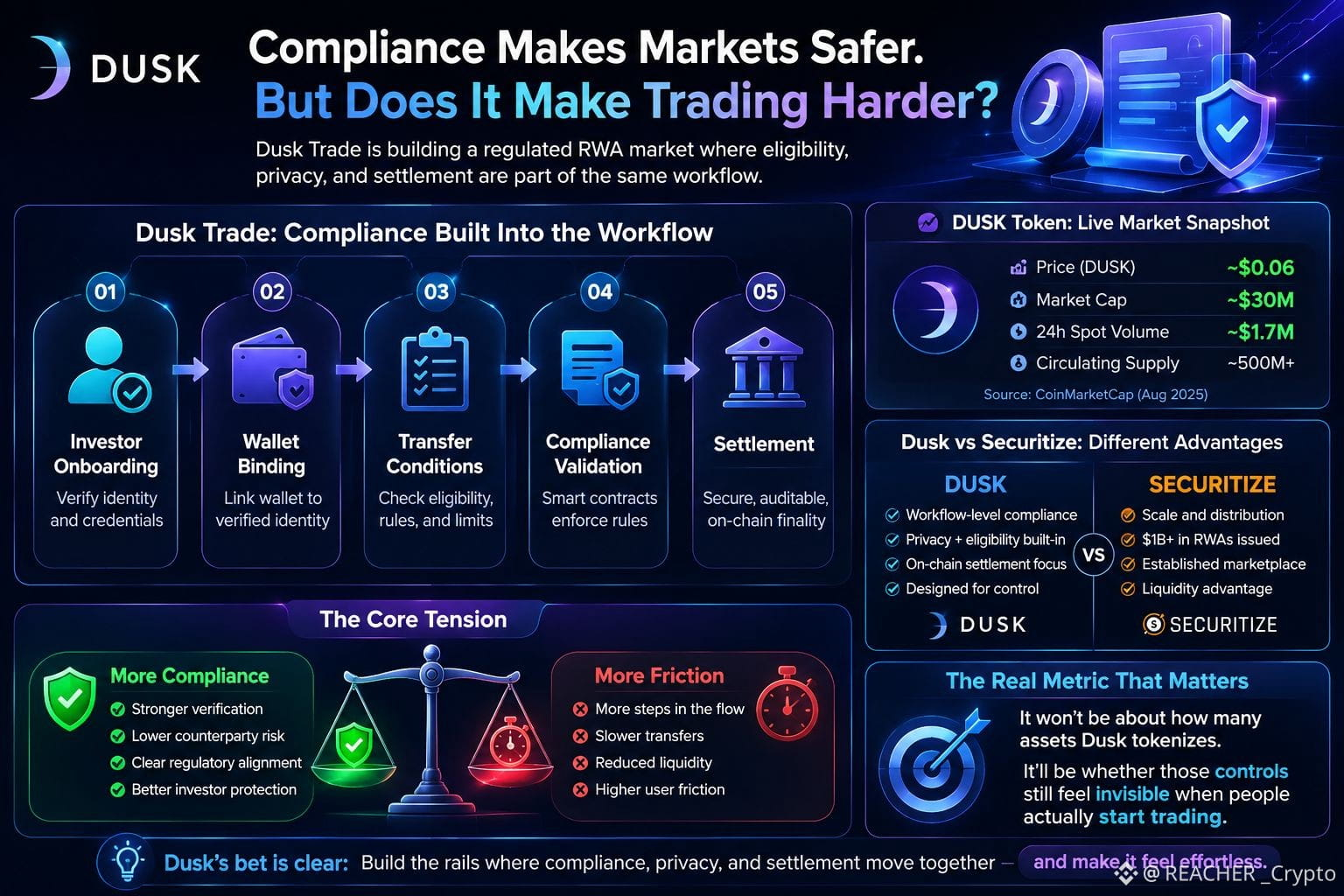
#dusk $DUSK @Dusk_Foundation នៅតែបន្តមើល Dusk trade ថ្ងៃនេះ ហើយភាពផ្ទុយគ្នាដែលខ្ញុំមិនទាន់អាចដកចេញពីចិត្តបាន គឺថា ការអនុលោមតាមច្បាប់ឲ្យបានល្អជាងនេះ អាចធ្វើឲ្យទីផ្សារ RWA កាន់តែពិបាកក្នុងការជួញដូរ។
ការរចនារបស់ Dusk ដាក់លក្ខណៈសម្បត្តិចូលទៅក្នុង workflow ខ្លួនឯង៖ onboard វិនិយោគិន ភ្ជាប់ wallet ពិនិត្យលក្ខខណ្ឌនៃការផ្ទេរ ហើយបន្ទាប់មក settle។ ឯកសារនិយាយបានច្បាស់ណាស់ថា wallet មិនមែនគ្រាន់តែជាកន្លែងដែលទ្រព្យសកម្មស្ថិតនៅទេ វាអាចក្លាយជាផ្នែកមួយនៃអ្នកដែលត្រូវបានអនុញ្ញាតឲ្យកាន់ ឬផ្លាស់ទីវា។
វាសមហេតុផលសម្រាប់ទីផ្សារដែលបានគ្រប់គ្រង។
ប៉ុន្តែតួលេខបច្ចុប្បន្នធ្វើឲ្យខ្ញុំស្ទាក់ស្ទើរ។
DUSK ប្រហែល $0.06 ជាមួយនឹង market cap ប្រមាណ $30M ខណៈដែល 24h spot volume ប្រហែល $1.7M។
ដូច្នេះ មានការសាកល្បងសាច់ប្រាក់ងាយស្រួលតិចតែពិតប្រាកដជុំវិញសាច់ប្រាក់ងាយស្រួលនៃ token ខ្លួនឯងហើយ ខណៈពេលដែល Dusk កំពុងព្យាយាមកសាងបរិយាកាសដែលបានគ្រប់គ្រងកាន់តែច្រើនសម្រាប់ទ្រព្យសម្បត្តិដែលស្ថិតក្រោមការគ្រប់គ្រង។
នោះបង្កើតភាពតានតឹងគួរឲ្យចាប់អារម្មណ៍។
ការត្រួតពិនិត្យបន្ថែមអាចធ្វើឲ្យការកាន់កាប់មានសុវត្ថិភាព និងងាយស្រួលផ្ទៀងផ្ទាត់។ ប៉ុន្តែជំហានបន្ថែមរាល់ជំហានក៏អាចធ្វើឲ្យចលនាដែលទីផ្សារបន្ទាប់ត្រូវការយឺតយ៉ាវផងដែរ។
securitize មានអត្ថប្រយោជន៍ពីទំហំ (scale) នៅហើយ ដោយមាន RWA ច្រើនជាង $1B ដែលត្រូវបានចេញតាមវេទិការ។
Dusk កំពុងភ្នាល់លើផ្នែកផ្សេងនៃបញ្ហា៖ ការសម្របសម្រួលលក្ខណៈសម្បត្តិ ភាពឯកជន និងការតាំងទូទាត់ នៅក្នុង workflow តែមួយ។
ខ្ញុំចាប់ផ្តើមគិតថា មាត្រដ្ឋានពិតប្រាកដមិនមែនជាចំនួនទ្រព្យសម្បត្តិដែល Dusk tokenizes ទេ។
វានឹងជាថាតើ ការគ្រប់គ្រងទាំងនោះនៅតែមានអារម្មណ៍ថា “មើលមិនឃើញ” ពេលដែលមនុស្សពិតជាចាប់ផ្តើមជួញដូរ។
#dusk
#dusk $DUSK @Dusk នៅតែបន្តមើល Dusk trade ថ្ងៃនេះ ហើយភាពផ្ទុយគ្នាដែលខ្ញុំមិនទាន់អាចដកចេញពីចិត្តបាន គឺថា ការអនុលោមតាមច្បាប់ឲ្យបានល្អជាងនេះ អាចធ្វើឲ្យទីផ្សារ RWA កាន់តែពិបាកក្នុងការជួញដូរ។
ការរចនារបស់ Dusk ដាក់លក្ខណៈសម្បត្តិចូលទៅក្នុង workflow ខ្លួនឯង៖ onboard វិនិយោគិន ភ្ជាប់ wallet ពិនិត្យលក្ខខណ្ឌនៃការផ្ទេរ ហើយបន្ទាប់មក settle។ ឯកសារនិយាយបានច្បាស់ណាស់ថា wallet មិនមែនគ្រាន់តែជាកន្លែងដែលទ្រព្យសកម្មស្ថិតនៅទេ វាអាចក្លាយជាផ្នែកមួយនៃអ្នកដែលត្រូវបានអនុញ្ញាតឲ្យកាន់ ឬផ្លាស់ទីវា។
វាសមហេតុផលសម្រាប់ទីផ្សារដែលបានគ្រប់គ្រង។
ប៉ុន្តែតួលេខបច្ចុប្បន្នធ្វើឲ្យខ្ញុំស្ទាក់ស្ទើរ។
DUSK ប្រហែល $0.06 ជាមួយនឹង market cap ប្រមាណ $30M ខណៈដែល 24h spot volume ប្រហែល $1.7M។
ដូច្នេះ មានការសាកល្បងសាច់ប្រាក់ងាយស្រួលតិចតែពិតប្រាកដជុំវិញសាច់ប្រាក់ងាយស្រួលនៃ token ខ្លួនឯងហើយ ខណៈពេលដែល Dusk កំពុងព្យាយាមកសាងបរិយាកាសដែលបានគ្រប់គ្រងកាន់តែច្រើនសម្រាប់ទ្រព្យសម្បត្តិដែលស្ថិតក្រោមការគ្រប់គ្រង។
នោះបង្កើតភាពតានតឹងគួរឲ្យចាប់អារម្មណ៍។
ការត្រួតពិនិត្យបន្ថែមអាចធ្វើឲ្យការកាន់កាប់មានសុវត្ថិភាព និងងាយស្រួលផ្ទៀងផ្ទាត់។ ប៉ុន្តែជំហានបន្ថែមរាល់ជំហានក៏អាចធ្វើឲ្យចលនាដែលទីផ្សារបន្ទាប់ត្រូវការយឺតយ៉ាវផងដែរ។
securitize មានអត្ថប្រយោជន៍ពីទំហំ (scale) នៅហើយ ដោយមាន RWA ច្រើនជាង $1B ដែលត្រូវបានចេញតាមវេទិការ។
Dusk កំពុងភ្នាល់លើផ្នែកផ្សេងនៃបញ្ហា៖ ការសម្របសម្រួលលក្ខណៈសម្បត្តិ ភាពឯកជន និងការតាំងទូទាត់ នៅក្នុង workflow តែមួយ។
ខ្ញុំចាប់ផ្តើមគិតថា មាត្រដ្ឋានពិតប្រាកដមិនមែនជាចំនួនទ្រព្យសម្បត្តិដែល Dusk tokenizes ទេ។
វានឹងជាថាតើ ការគ្រប់គ្រងទាំងនោះនៅតែមានអារម្មណ៍ថា “មើលមិនឃើញ” ពេលដែលមនុស្សពិតជាចាប់ផ្តើមជួញដូរ។
#dusk
ការរចនារបស់ Dusk ដាក់លក្ខណៈសម្បត្តិចូលទៅក្នុង workflow ខ្លួនឯង៖ onboard វិនិយោគិន ភ្ជាប់ wallet ពិនិត្យលក្ខខណ្ឌនៃការផ្ទេរ ហើយបន្ទាប់មក settle។ ឯកសារនិយាយបានច្បាស់ណាស់ថា wallet មិនមែនគ្រាន់តែជាកន្លែងដែលទ្រព្យសកម្មស្ថិតនៅទេ វាអាចក្លាយជាផ្នែកមួយនៃអ្នកដែលត្រូវបានអនុញ្ញាតឲ្យកាន់ ឬផ្លាស់ទីវា។
វាសមហេតុផលសម្រាប់ទីផ្សារដែលបានគ្រប់គ្រង។
ប៉ុន្តែតួលេខបច្ចុប្បន្នធ្វើឲ្យខ្ញុំស្ទាក់ស្ទើរ។
DUSK ប្រហែល $0.06 ជាមួយនឹង market cap ប្រមាណ $30M ខណៈដែល 24h spot volume ប្រហែល $1.7M។
ដូច្នេះ មានការសាកល្បងសាច់ប្រាក់ងាយស្រួលតិចតែពិតប្រាកដជុំវិញសាច់ប្រាក់ងាយស្រួលនៃ token ខ្លួនឯងហើយ ខណៈពេលដែល Dusk កំពុងព្យាយាមកសាងបរិយាកាសដែលបានគ្រប់គ្រងកាន់តែច្រើនសម្រាប់ទ្រព្យសម្បត្តិដែលស្ថិតក្រោមការគ្រប់គ្រង។
នោះបង្កើតភាពតានតឹងគួរឲ្យចាប់អារម្មណ៍។
ការត្រួតពិនិត្យបន្ថែមអាចធ្វើឲ្យការកាន់កាប់មានសុវត្ថិភាព និងងាយស្រួលផ្ទៀងផ្ទាត់។ ប៉ុន្តែជំហានបន្ថែមរាល់ជំហានក៏អាចធ្វើឲ្យចលនាដែលទីផ្សារបន្ទាប់ត្រូវការយឺតយ៉ាវផងដែរ។
securitize មានអត្ថប្រយោជន៍ពីទំហំ (scale) នៅហើយ ដោយមាន RWA ច្រើនជាង $1B ដែលត្រូវបានចេញតាមវេទិការ។
Dusk កំពុងភ្នាល់លើផ្នែកផ្សេងនៃបញ្ហា៖ ការសម្របសម្រួលលក្ខណៈសម្បត្តិ ភាពឯកជន និងការតាំងទូទាត់ នៅក្នុង workflow តែមួយ។
ខ្ញុំចាប់ផ្តើមគិតថា មាត្រដ្ឋានពិតប្រាកដមិនមែនជាចំនួនទ្រព្យសម្បត្តិដែល Dusk tokenizes ទេ។
វានឹងជាថាតើ ការគ្រប់គ្រងទាំងនោះនៅតែមានអារម្មណ៍ថា “មើលមិនឃើញ” ពេលដែលមនុស្សពិតជាចាប់ផ្តើមជួញដូរ។
#dusk
4
3
238
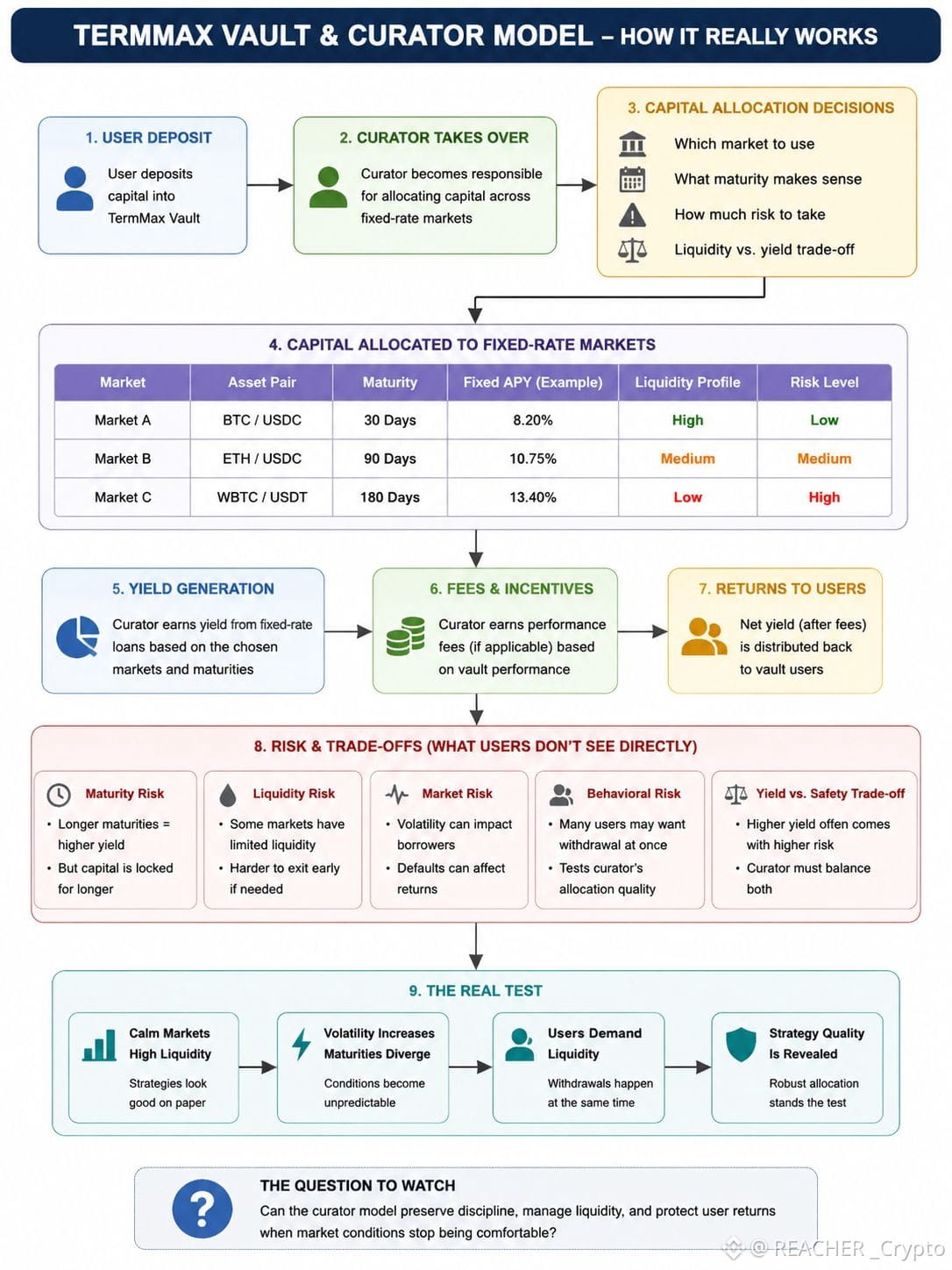
#termmax @termmax ຂ້ອຍເຄີຍຄິດວ່າ DeFi vaults ກໍ່ງ່າຍຢູ່ພໍດີ.
ເຈົ້າຝາກກອງທຶນ, ແຜນການຊອກຫາຜົນຕອບແທນ (yield), ແລ້ວເຈົ້າເກັບຄືນຜົນ. ງ່າຍພຽງນັ້ນ.
ແຕ່ພໍທີ່ຂ້ອຍໄດ້ສຳຫຼວດ TermMaxs Vault ແລະ Curator model ຫຼາຍຂຶ້ນ, ຂ້ອຍກໍ່ເລີຍເຫັນວ່າຂ້ອຍພາດສ່ວນສຳຄັນໄປ.
curator ບໍ່ແມ່ນພຽງແຕ່ຊອກຫາ APY ສູງສຸດ.
ພວກເຂົາເປັນຄົນຕັດສິນວ່າທຶນຈະໄປຢູ່ໃສ, ຈະໃຊ້ຕະຫຼາດໃດ, ຄວາມຫມົດອາຍຸ (maturity) ໃດຈຶ່ງມີເຫດຜົນ, ແລະ ຈະຍອມຮັບຄວາມສ່ຽງເທົ່າໃດ. ໃນຕະຫຼາດອັດຕາຄົງ (fixed-rate), ສ່ວນສຸດທ້າຍນັ້ນຈະໜ້າສົນໃຈກວ່າເກົ່າ ເພາະເວລາກາຍເປັນສ່ວນໜຶ່ງຂອງການຈັດສັນ (allocation).
yield ທີ່ສູງກວ່າ ອາດເບິ່ງດຶງດູຢູ່ໜ້າຈໍ, ແຕ່ມັນບໍ່ບອກຂ້ອຍວ່າ maturity ນັ້ນເໝາະສົມບໍ, ຫຼື ການເລືອກຄວາມຍຸດຢັນດ້ານສະພາບຄວາມສະຫຼ້ຽງ (liquidity trade off) ມີເຫດຜົນບໍ.
ສິ່ງນັ້ນເປັນຈຸດປ່ຽນວິທີຄິດຂອງຂ້ອຍກ່ຽວກັບ “passive” yield.
ຜູ້ໃຊ້ອາດຈະ passive, ແຕ່ຄວາມສ່ຽງບໍ່ໄດ້ຫາຍໄປ. ຍັງມີຄົນບາງຄົນຕ້ອງເຮັດການຕັດສິນການຈັດສັນ (capital allocatIon) ນັ້ນ. ຄວາມແຕກຕ່າງແມ່ນວ່າ ຜູ້ໃຊ້ໄວ້ໃຈ curator ໃຫ້ເຮັດໃຫ້.
ແລະຂ້ອຍຄິດວ່າ ນັ້ນແມ່ນຈຸດທີ່ການທົດສອບຕົວຈິງເລີ່ມຕົ້ນ.
ຍຸດທະສາດ (strategy) ອາດເບິ່ງສົມເຫດຜົນເປັນຢ່າງດີ ເມື່ອສະຫຼ້ຽງ (liquidity) ແຂງແຮງ ແລະ ຕະຫຼາດສະຫງົບ. ແຕ່ຂ້ອຍສົນໃຈຫຼາຍກວ່າກັບສິ່ງທີ່ເກີດຂຶ້ນເມື່ອ ຄວາມບໍ່ໝັ້ນຄົງ (volatility) ເລີ່ມຂຶ້ນ, maturitIes ເລີ່ມແຕກຕ່າງ, ແລະ ຜູ້ໃຊ້ຕ້ອງການສະຫຼ້ຽງ (liquidity) ພ້ອມກັນໃນເວລາດຽວ.
ນັ້ນແຫຼະ ທີ່ເຈົ້າຈະຮູ້ວ່າ ຂະບວນການຈັດສັນ (allocatIon process) ແທ້ໆມີຄວາມແຂງແກ່ນ (robust) ຫຼືພຽງແຕ່ເບິ່ງດີໃນສະພາບງ່າຍໆເທົ່ານັ້ນ.
ສະນັ້ນ ຂ້ອຍບໍ່ສົນໃຈທີ່ຈະຕັດສິນ TermMax vault ພຽງແຕ່ຕາມ APY.
ຂ້ອຍຢາກເຂົ້າໃຈວ່າ ຜົນຕອບແທນນັ້ນມາຈາກໃສ, curator ຍອມເສຍຫຍັງເພື່ອບັນລຸມັນ, ແລະ ແຜນການຈະເຮັດວິທີໃດເມື່ອສະພາບກາຍເປັນບໍ່ສະດວກ.
ເພາະວ່າ passive yield ບໍ່ໄດ້ໝາຍຄວາມວ່າ passive risk.
ມັນໝາຍວ່າ ມີຄົນອື່ນກຳລັງເປັນຄົນຕັດສິນໃຫ້ເຈົ້າ.
#TermMax
#termmax @TermMax ຂ້ອຍເຄີຍຄິດວ່າ DeFi vaults ກໍ່ງ່າຍຢູ່ພໍດີ.
ເຈົ້າຝາກກອງທຶນ, ແຜນການຊອກຫາຜົນຕອບແທນ (yield), ແລ້ວເຈົ້າເກັບຄືນຜົນ. ງ່າຍພຽງນັ້ນ.
ແຕ່ພໍທີ່ຂ້ອຍໄດ້ສຳຫຼວດ TermMaxs Vault ແລະ Curator model ຫຼາຍຂຶ້ນ, ຂ້ອຍກໍ່ເລີຍເຫັນວ່າຂ້ອຍພາດສ່ວນສຳຄັນໄປ.
curator ບໍ່ແມ່ນພຽງແຕ່ຊອກຫາ APY ສູງສຸດ.
ພວກເຂົາເປັນຄົນຕັດສິນວ່າທຶນຈະໄປຢູ່ໃສ, ຈະໃຊ້ຕະຫຼາດໃດ, ຄວາມຫມົດອາຍຸ (maturity) ໃດຈຶ່ງມີເຫດຜົນ, ແລະ ຈະຍອມຮັບຄວາມສ່ຽງເທົ່າໃດ. ໃນຕະຫຼາດອັດຕາຄົງ (fixed-rate), ສ່ວນສຸດທ້າຍນັ້ນຈະໜ້າສົນໃຈກວ່າເກົ່າ ເພາະເວລາກາຍເປັນສ່ວນໜຶ່ງຂອງການຈັດສັນ (allocation).
yield ທີ່ສູງກວ່າ ອາດເບິ່ງດຶງດູຢູ່ໜ້າຈໍ, ແຕ່ມັນບໍ່ບອກຂ້ອຍວ່າ maturity ນັ້ນເໝາະສົມບໍ, ຫຼື ການເລືອກຄວາມຍຸດຢັນດ້ານສະພາບຄວາມສະຫຼ້ຽງ (liquidity trade off) ມີເຫດຜົນບໍ.
ສິ່ງນັ້ນເປັນຈຸດປ່ຽນວິທີຄິດຂອງຂ້ອຍກ່ຽວກັບ “passive” yield.
ຜູ້ໃຊ້ອາດຈະ passive, ແຕ່ຄວາມສ່ຽງບໍ່ໄດ້ຫາຍໄປ. ຍັງມີຄົນບາງຄົນຕ້ອງເຮັດການຕັດສິນການຈັດສັນ (capital allocatIon) ນັ້ນ. ຄວາມແຕກຕ່າງແມ່ນວ່າ ຜູ້ໃຊ້ໄວ້ໃຈ curator ໃຫ້ເຮັດໃຫ້.
ແລະຂ້ອຍຄິດວ່າ ນັ້ນແມ່ນຈຸດທີ່ການທົດສອບຕົວຈິງເລີ່ມຕົ້ນ.
ຍຸດທະສາດ (strategy) ອາດເບິ່ງສົມເຫດຜົນເປັນຢ່າງດີ ເມື່ອສະຫຼ້ຽງ (liquidity) ແຂງແຮງ ແລະ ຕະຫຼາດສະຫງົບ. ແຕ່ຂ້ອຍສົນໃຈຫຼາຍກວ່າກັບສິ່ງທີ່ເກີດຂຶ້ນເມື່ອ ຄວາມບໍ່ໝັ້ນຄົງ (volatility) ເລີ່ມຂຶ້ນ, maturitIes ເລີ່ມແຕກຕ່າງ, ແລະ ຜູ້ໃຊ້ຕ້ອງການສະຫຼ້ຽງ (liquidity) ພ້ອມກັນໃນເວລາດຽວ.
ນັ້ນແຫຼະ ທີ່ເຈົ້າຈະຮູ້ວ່າ ຂະບວນການຈັດສັນ (allocatIon process) ແທ້ໆມີຄວາມແຂງແກ່ນ (robust) ຫຼືພຽງແຕ່ເບິ່ງດີໃນສະພາບງ່າຍໆເທົ່ານັ້ນ.
ສະນັ້ນ ຂ້ອຍບໍ່ສົນໃຈທີ່ຈະຕັດສິນ TermMax vault ພຽງແຕ່ຕາມ APY.
ຂ້ອຍຢາກເຂົ້າໃຈວ່າ ຜົນຕອບແທນນັ້ນມາຈາກໃສ, curator ຍອມເສຍຫຍັງເພື່ອບັນລຸມັນ, ແລະ ແຜນການຈະເຮັດວິທີໃດເມື່ອສະພາບກາຍເປັນບໍ່ສະດວກ.
ເພາະວ່າ passive yield ບໍ່ໄດ້ໝາຍຄວາມວ່າ passive risk.
ມັນໝາຍວ່າ ມີຄົນອື່ນກຳລັງເປັນຄົນຕັດສິນໃຫ້ເຈົ້າ.
#TermMax
ເຈົ້າຝາກກອງທຶນ, ແຜນການຊອກຫາຜົນຕອບແທນ (yield), ແລ້ວເຈົ້າເກັບຄືນຜົນ. ງ່າຍພຽງນັ້ນ.
ແຕ່ພໍທີ່ຂ້ອຍໄດ້ສຳຫຼວດ TermMaxs Vault ແລະ Curator model ຫຼາຍຂຶ້ນ, ຂ້ອຍກໍ່ເລີຍເຫັນວ່າຂ້ອຍພາດສ່ວນສຳຄັນໄປ.
curator ບໍ່ແມ່ນພຽງແຕ່ຊອກຫາ APY ສູງສຸດ.
ພວກເຂົາເປັນຄົນຕັດສິນວ່າທຶນຈະໄປຢູ່ໃສ, ຈະໃຊ້ຕະຫຼາດໃດ, ຄວາມຫມົດອາຍຸ (maturity) ໃດຈຶ່ງມີເຫດຜົນ, ແລະ ຈະຍອມຮັບຄວາມສ່ຽງເທົ່າໃດ. ໃນຕະຫຼາດອັດຕາຄົງ (fixed-rate), ສ່ວນສຸດທ້າຍນັ້ນຈະໜ້າສົນໃຈກວ່າເກົ່າ ເພາະເວລາກາຍເປັນສ່ວນໜຶ່ງຂອງການຈັດສັນ (allocation).
yield ທີ່ສູງກວ່າ ອາດເບິ່ງດຶງດູຢູ່ໜ້າຈໍ, ແຕ່ມັນບໍ່ບອກຂ້ອຍວ່າ maturity ນັ້ນເໝາະສົມບໍ, ຫຼື ການເລືອກຄວາມຍຸດຢັນດ້ານສະພາບຄວາມສະຫຼ້ຽງ (liquidity trade off) ມີເຫດຜົນບໍ.
ສິ່ງນັ້ນເປັນຈຸດປ່ຽນວິທີຄິດຂອງຂ້ອຍກ່ຽວກັບ “passive” yield.
ຜູ້ໃຊ້ອາດຈະ passive, ແຕ່ຄວາມສ່ຽງບໍ່ໄດ້ຫາຍໄປ. ຍັງມີຄົນບາງຄົນຕ້ອງເຮັດການຕັດສິນການຈັດສັນ (capital allocatIon) ນັ້ນ. ຄວາມແຕກຕ່າງແມ່ນວ່າ ຜູ້ໃຊ້ໄວ້ໃຈ curator ໃຫ້ເຮັດໃຫ້.
ແລະຂ້ອຍຄິດວ່າ ນັ້ນແມ່ນຈຸດທີ່ການທົດສອບຕົວຈິງເລີ່ມຕົ້ນ.
ຍຸດທະສາດ (strategy) ອາດເບິ່ງສົມເຫດຜົນເປັນຢ່າງດີ ເມື່ອສະຫຼ້ຽງ (liquidity) ແຂງແຮງ ແລະ ຕະຫຼາດສະຫງົບ. ແຕ່ຂ້ອຍສົນໃຈຫຼາຍກວ່າກັບສິ່ງທີ່ເກີດຂຶ້ນເມື່ອ ຄວາມບໍ່ໝັ້ນຄົງ (volatility) ເລີ່ມຂຶ້ນ, maturitIes ເລີ່ມແຕກຕ່າງ, ແລະ ຜູ້ໃຊ້ຕ້ອງການສະຫຼ້ຽງ (liquidity) ພ້ອມກັນໃນເວລາດຽວ.
ນັ້ນແຫຼະ ທີ່ເຈົ້າຈະຮູ້ວ່າ ຂະບວນການຈັດສັນ (allocatIon process) ແທ້ໆມີຄວາມແຂງແກ່ນ (robust) ຫຼືພຽງແຕ່ເບິ່ງດີໃນສະພາບງ່າຍໆເທົ່ານັ້ນ.
ສະນັ້ນ ຂ້ອຍບໍ່ສົນໃຈທີ່ຈະຕັດສິນ TermMax vault ພຽງແຕ່ຕາມ APY.
ຂ້ອຍຢາກເຂົ້າໃຈວ່າ ຜົນຕອບແທນນັ້ນມາຈາກໃສ, curator ຍອມເສຍຫຍັງເພື່ອບັນລຸມັນ, ແລະ ແຜນການຈະເຮັດວິທີໃດເມື່ອສະພາບກາຍເປັນບໍ່ສະດວກ.
ເພາະວ່າ passive yield ບໍ່ໄດ້ໝາຍຄວາມວ່າ passive risk.
ມັນໝາຍວ່າ ມີຄົນອື່ນກຳລັງເປັນຄົນຕັດສິນໃຫ້ເຈົ້າ.
#TermMax
1
2
153
#dusk $DUSK @Dusk_Foundation
ໃນដំបូង ខ្ញុំគិតថា រឿងរ៉ាវឯកជនភាពរបស់ Dusk គឺសំខាន់ៗអំពីការលាក់ការទូទាត់ (transactions)
បន្ទាប់មក ខ្ញុំបានមើលទៅកាន់ស្ថាបត្យកម្ម (architecture) ឲ្យលึกជាងនេះ ហើយបានឃើញអ្វីដែលគួរឲ្យចាប់អារម្មណ៍ជាងនេះ៖ ឯកជនភាពមិនត្រូវបានគេចាត់ទុកថាជារឿងដែល “បន្ថែម” នៅចុងបញ្ចប់ទេ។ វាអាចចាប់ផ្តើមមុនពេលប្រតិបត្តិការ (transaction) ត្រូវបានដំណើរការ
អ្វីដែលទាក់ទាញចិត្តខ្ញុំគឺ Proof of blind bid ដែលប្រើក្នុងការរចនា consensus របស់ Dusk គឺ Segregated Byzantine Agreement (SBA)
ចំណុចដែលគួរឱ្យចាប់អារម្មណ៍គឺ ការជ្រើសរើសមេ (leader selection) អាចកើតឡើង ដោយមិនចាំបាច់បង្ហាញព័ត៌មានទាំងអស់អំពីអ្នកណាកំពុងប្រកួតប្រជែង ដើម្បីបង្កើតប្លុកបន្ទាប់
នោះបានធ្វើឲ្យខ្ញុំមើល Dusk ខុសពីមុន
បន្ទាប់មកមាន Phoenix ដែលខិតទៅរកការចំណាយប្រកបដោយភាពសម្ងាត់ (confidential spending) តាមរយៈការរចនាដោយផ្អែកលើ UTxO ខណៈដែល Zedger ដើរផ្លូវខុសគ្នា ទៅរកឯកជនភាពសម្រាប់សកម្មភាព security token ដែលត្រូវបានគ្រប់គ្រង (regulated)
ដូច្នេះសម្រាប់ខ្ញុំ សំណួរធំជាងនេះមិនមែនជា៖
Dusk មានឯកជនភាពទេ?
ទេ វាគឺ៖
ព័ត៌មានកម្រិតណាខ្លះក្នុងប្រូតូកូល (protocol) អាចនៅតែសម្ងាត់ ខណៈបណ្តាញនៅតែឈានដល់ការឯកភាព (agreement) និងបញ្ជាក់ថាអ្វីៗទាំងអស់ត្រឹមត្រូវ?
នោះជាបញ្ហាដ៏លំបាកជាងច្រើន
ខ្ញុំនៅតែមើលថា សមាសភាគទាំងនេះដំណើរការយ៉ាងដូចម្តេចក្នុងការប្រើប្រាស់នៅក្នុងពិភពពិត ជាពិសេសពេលដែលភាពអាចបន្តកើនទំហំ (scalability) និងការទទួលយក (adoption) ក្លាយជាការសាកល្បងពិត
ប៉ុន្តែស្ថាបត្យកម្មខ្លួនវា ពិតជាគួរឲ្យយកចិត្តទុកដាក់
តើអ្នកគិតថា ឯកជនភាពគួរតែចាប់ផ្តើមនៅកម្រិត transaction ឬគួរតែឲ្យ consensus ខ្លួនឯង ត្រូវបានរចនាឡើងជុំវិញឯកជនភាពផងដែរ?
#dusk
ឯកជនភាពគួរចាប់ផ្តើមនៅត្រង់ណា?
#dusk $DUSK @Dusk
ໃນដំបូង ខ្ញុំគិតថា រឿងរ៉ាវឯកជនភាពរបស់ Dusk គឺសំខាន់ៗអំពីការលាក់ការទូទាត់ (transactions)
បន្ទាប់មក ខ្ញុំបានមើលទៅកាន់ស្ថាបត្យកម្ម (architecture) ឲ្យលึกជាងនេះ ហើយបានឃើញអ្វីដែលគួរឲ្យចាប់អារម្មណ៍ជាងនេះ៖ ឯកជនភាពមិនត្រូវបានគេចាត់ទុកថាជារឿងដែល “បន្ថែម” នៅចុងបញ្ចប់ទេ។ វាអាចចាប់ផ្តើមមុនពេលប្រតិបត្តិការ (transaction) ត្រូវបានដំណើរការ
អ្វីដែលទាក់ទាញចិត្តខ្ញុំគឺ Proof of blind bid ដែលប្រើក្នុងការរចនា consensus របស់ Dusk គឺ Segregated Byzantine Agreement (SBA)
ចំណុចដែលគួរឱ្យចាប់អារម្មណ៍គឺ ការជ្រើសរើសមេ (leader selection) អាចកើតឡើង ដោយមិនចាំបាច់បង្ហាញព័ត៌មានទាំងអស់អំពីអ្នកណាកំពុងប្រកួតប្រជែង ដើម្បីបង្កើតប្លុកបន្ទាប់
នោះបានធ្វើឲ្យខ្ញុំមើល Dusk ខុសពីមុន
បន្ទាប់មកមាន Phoenix ដែលខិតទៅរកការចំណាយប្រកបដោយភាពសម្ងាត់ (confidential spending) តាមរយៈការរចនាដោយផ្អែកលើ UTxO ខណៈដែល Zedger ដើរផ្លូវខុសគ្នា ទៅរកឯកជនភាពសម្រាប់សកម្មភាព security token ដែលត្រូវបានគ្រប់គ្រង (regulated)
ដូច្នេះសម្រាប់ខ្ញុំ សំណួរធំជាងនេះមិនមែនជា៖
Dusk មានឯកជនភាពទេ?
ទេ វាគឺ៖
ព័ត៌មានកម្រិតណាខ្លះក្នុងប្រូតូកូល (protocol) អាចនៅតែសម្ងាត់ ខណៈបណ្តាញនៅតែឈានដល់ការឯកភាព (agreement) និងបញ្ជាក់ថាអ្វីៗទាំងអស់ត្រឹមត្រូវ?
នោះជាបញ្ហាដ៏លំបាកជាងច្រើន
ខ្ញុំនៅតែមើលថា សមាសភាគទាំងនេះដំណើរការយ៉ាងដូចម្តេចក្នុងការប្រើប្រាស់នៅក្នុងពិភពពិត ជាពិសេសពេលដែលភាពអាចបន្តកើនទំហំ (scalability) និងការទទួលយក (adoption) ក្លាយជាការសាកល្បងពិត
ប៉ុន្តែស្ថាបត្យកម្មខ្លួនវា ពិតជាគួរឲ្យយកចិត្តទុកដាក់
តើអ្នកគិតថា ឯកជនភាពគួរតែចាប់ផ្តើមនៅកម្រិត transaction ឬគួរតែឲ្យ consensus ខ្លួនឯង ត្រូវបានរចនាឡើងជុំវិញឯកជនភាពផងដែរ?
#dusk
ឯកជនភាពគួរចាប់ផ្តើមនៅត្រង់ណា?
ໃນដំបូង ខ្ញុំគិតថា រឿងរ៉ាវឯកជនភាពរបស់ Dusk គឺសំខាន់ៗអំពីការលាក់ការទូទាត់ (transactions)
បន្ទាប់មក ខ្ញុំបានមើលទៅកាន់ស្ថាបត្យកម្ម (architecture) ឲ្យលึกជាងនេះ ហើយបានឃើញអ្វីដែលគួរឲ្យចាប់អារម្មណ៍ជាងនេះ៖ ឯកជនភាពមិនត្រូវបានគេចាត់ទុកថាជារឿងដែល “បន្ថែម” នៅចុងបញ្ចប់ទេ។ វាអាចចាប់ផ្តើមមុនពេលប្រតិបត្តិការ (transaction) ត្រូវបានដំណើរការ
អ្វីដែលទាក់ទាញចិត្តខ្ញុំគឺ Proof of blind bid ដែលប្រើក្នុងការរចនា consensus របស់ Dusk គឺ Segregated Byzantine Agreement (SBA)
ចំណុចដែលគួរឱ្យចាប់អារម្មណ៍គឺ ការជ្រើសរើសមេ (leader selection) អាចកើតឡើង ដោយមិនចាំបាច់បង្ហាញព័ត៌មានទាំងអស់អំពីអ្នកណាកំពុងប្រកួតប្រជែង ដើម្បីបង្កើតប្លុកបន្ទាប់
នោះបានធ្វើឲ្យខ្ញុំមើល Dusk ខុសពីមុន
បន្ទាប់មកមាន Phoenix ដែលខិតទៅរកការចំណាយប្រកបដោយភាពសម្ងាត់ (confidential spending) តាមរយៈការរចនាដោយផ្អែកលើ UTxO ខណៈដែល Zedger ដើរផ្លូវខុសគ្នា ទៅរកឯកជនភាពសម្រាប់សកម្មភាព security token ដែលត្រូវបានគ្រប់គ្រង (regulated)
ដូច្នេះសម្រាប់ខ្ញុំ សំណួរធំជាងនេះមិនមែនជា៖
Dusk មានឯកជនភាពទេ?
ទេ វាគឺ៖
ព័ត៌មានកម្រិតណាខ្លះក្នុងប្រូតូកូល (protocol) អាចនៅតែសម្ងាត់ ខណៈបណ្តាញនៅតែឈានដល់ការឯកភាព (agreement) និងបញ្ជាក់ថាអ្វីៗទាំងអស់ត្រឹមត្រូវ?
នោះជាបញ្ហាដ៏លំបាកជាងច្រើន
ខ្ញុំនៅតែមើលថា សមាសភាគទាំងនេះដំណើរការយ៉ាងដូចម្តេចក្នុងការប្រើប្រាស់នៅក្នុងពិភពពិត ជាពិសេសពេលដែលភាពអាចបន្តកើនទំហំ (scalability) និងការទទួលយក (adoption) ក្លាយជាការសាកល្បងពិត
ប៉ុន្តែស្ថាបត្យកម្មខ្លួនវា ពិតជាគួរឲ្យយកចិត្តទុកដាក់
តើអ្នកគិតថា ឯកជនភាពគួរតែចាប់ផ្តើមនៅកម្រិត transaction ឬគួរតែឲ្យ consensus ខ្លួនឯង ត្រូវបានរចនាឡើងជុំវិញឯកជនភាពផងដែរ?
#dusk
ឯកជនភាពគួរចាប់ផ្តើមនៅត្រង់ណា?
Transactions
0%
Consensus
0%
0 ຄະແນນສຽງ • ປິດລົງຄະແນນສຽງ
7
3
194
#termmax @termmax
Ni deede wo @termmax FT’s FT/XT be ati ro pé, dáa, eyi kun fun ọna míì láti ṣàtòjọ àwọn oṣuwọn ìgbésẹ̀ gbígbèsè.
lẹ́yìn náà ni mo bẹ̀rẹ̀ sí í rò nípa gbèsè fúnra rẹ̀, ó sì yí ojú ìwòye mi padà.
àjọṣe náà rọrùn gan-an:
1 FT + 1 XT = 1 gbèsè token.
FT fúnni ní ẹtọ iye tí a ti dá sílẹ̀ ní ìparí, nígbà tí XT jẹ́ apa kejì ti ipò kan náà.
Ohun tí ó mú ojú mi fò ni ohun tí ó ṣẹlẹ̀ nígbà tí eyi bá pàdé ìbéèrè ìṣúná gidi.
alábàárà lè di apá iye tí a ti dá sílẹ̀, nígbà tí olùgbésè lè yà apá míì náà sọ́tọ̀ kí ó lè ta á fún ìṣànwò owó (liquidity).
èyí dàbí pé ó tobi ju fífi yí bí a ṣe ń ṣàlàyé anfani (interest) ṣe lọ.
Ìwọ ń ṣe ẹtọ gbèsè náà ní kí ó tú síi sí àwọn apá.
Mo fẹ́ràn ìrònú yẹn. ṣùgbọ́n mo ṣì kò dá mi lójú nípa ohun kan: ṣe é ń sọ ìgbésí ayé ìṣúná rọrùn fún àwọn olùgbò, tàbí ó kan rọ̀kòṣe ìṣòro sí kí wọ́n mọ̀ àwọn ohun-ini méjì ju ọ̀kan lọ?
ó ṣeé ṣe kí ìbéèrè tí ó wúlò jù niyẹn.
#TermMax
Ṣe FT/XT mú ìrọrùn síi fún ìrọ̀rù gbèsè?
#termmax @TermMax
Ni deede wo @TermMax FT’s FT/XT be ati ro pé, dáa, eyi kun fun ọna míì láti ṣàtòjọ àwọn oṣuwọn ìgbésẹ̀ gbígbèsè.
lẹ́yìn náà ni mo bẹ̀rẹ̀ sí í rò nípa gbèsè fúnra rẹ̀, ó sì yí ojú ìwòye mi padà.
àjọṣe náà rọrùn gan-an:
1 FT + 1 XT = 1 gbèsè token.
FT fúnni ní ẹtọ iye tí a ti dá sílẹ̀ ní ìparí, nígbà tí XT jẹ́ apa kejì ti ipò kan náà.
Ohun tí ó mú ojú mi fò ni ohun tí ó ṣẹlẹ̀ nígbà tí eyi bá pàdé ìbéèrè ìṣúná gidi.
alábàárà lè di apá iye tí a ti dá sílẹ̀, nígbà tí olùgbésè lè yà apá míì náà sọ́tọ̀ kí ó lè ta á fún ìṣànwò owó (liquidity).
èyí dàbí pé ó tobi ju fífi yí bí a ṣe ń ṣàlàyé anfani (interest) ṣe lọ.
Ìwọ ń ṣe ẹtọ gbèsè náà ní kí ó tú síi sí àwọn apá.
Mo fẹ́ràn ìrònú yẹn. ṣùgbọ́n mo ṣì kò dá mi lójú nípa ohun kan: ṣe é ń sọ ìgbésí ayé ìṣúná rọrùn fún àwọn olùgbò, tàbí ó kan rọ̀kòṣe ìṣòro sí kí wọ́n mọ̀ àwọn ohun-ini méjì ju ọ̀kan lọ?
ó ṣeé ṣe kí ìbéèrè tí ó wúlò jù niyẹn.
#TermMax
Ṣe FT/XT mú ìrọrùn síi fún ìrọ̀rù gbèsè?
Ni deede wo @TermMax FT’s FT/XT be ati ro pé, dáa, eyi kun fun ọna míì láti ṣàtòjọ àwọn oṣuwọn ìgbésẹ̀ gbígbèsè.
lẹ́yìn náà ni mo bẹ̀rẹ̀ sí í rò nípa gbèsè fúnra rẹ̀, ó sì yí ojú ìwòye mi padà.
àjọṣe náà rọrùn gan-an:
1 FT + 1 XT = 1 gbèsè token.
FT fúnni ní ẹtọ iye tí a ti dá sílẹ̀ ní ìparí, nígbà tí XT jẹ́ apa kejì ti ipò kan náà.
Ohun tí ó mú ojú mi fò ni ohun tí ó ṣẹlẹ̀ nígbà tí eyi bá pàdé ìbéèrè ìṣúná gidi.
alábàárà lè di apá iye tí a ti dá sílẹ̀, nígbà tí olùgbésè lè yà apá míì náà sọ́tọ̀ kí ó lè ta á fún ìṣànwò owó (liquidity).
èyí dàbí pé ó tobi ju fífi yí bí a ṣe ń ṣàlàyé anfani (interest) ṣe lọ.
Ìwọ ń ṣe ẹtọ gbèsè náà ní kí ó tú síi sí àwọn apá.
Mo fẹ́ràn ìrònú yẹn. ṣùgbọ́n mo ṣì kò dá mi lójú nípa ohun kan: ṣe é ń sọ ìgbésí ayé ìṣúná rọrùn fún àwọn olùgbò, tàbí ó kan rọ̀kòṣe ìṣòro sí kí wọ́n mọ̀ àwọn ohun-ini méjì ju ọ̀kan lọ?
ó ṣeé ṣe kí ìbéèrè tí ó wúlò jù niyẹn.
#TermMax
Ṣe FT/XT mú ìrọrùn síi fún ìrọ̀rù gbèsè?
🚀 More flexibility
100%
🤔 More complexity
0%
3 ຄະແນນສຽງ • ປິດລົງຄະແນນສຽງ
6
10
272
ខ្ញុំធ្លាប់គិត… គម្រោង crypto ភាគច្រើនគ្រាន់តែព្យាយាមកែច្នៃឡើងវិញនូវអ្វីដែលធ្វើការរួចហើយ ដោយបន្ថែម token នៅកណ្តាលអ្វីមួយ។
បន្ទាប់មក ខ្ញុំចាប់ផ្តើមស្វែងយល់ពី @termmax ហើយទស្សនៈនោះក៏ចាប់ផ្តើមផ្លាស់ប្តូរ។
អ្វីដែលទាក់ទាញចិត្តខ្ញុំ គឺមិនមែនជាការសន្យាដ៏ធំមួយអំពីការផ្លាស់ប្តូរហិរញ្ញវត្ថុទេ។ វាជាការភ្ជាប់រវាងហេដ្ឋារចនាសម្ព័ន្ធ blockchain និងអ្វីមួយដែលហិរញ្ញវត្ថុប្រពៃណីបានយល់អស់រយៈពេលជាច្រើនឆ្នាំហើយ៖ ការខ្ចីរយៈពេលកំណត់ ការត្រឡប់ថេរ និងមុខតំណែងហិរញ្ញវត្ថុដែលបានរៀបរចនាសម្ព័ន្ធ។
ព័ត៌មានលម្អិតដែលធ្វើឱ្យវាមើលទៅខុសពីគេ សម្រាប់ខ្ញុំ គឺវិធីដែលបំណុលអត្រាថេរ (fixed-rate debt) អាចត្រូវបានតំណាង និងជួញដូរនៅលើ chain។ វាធ្វើឱ្យខ្ញុំគិតថា blockchain មិនចាំបាច់ត្រូវជំនួសហិរញ្ញវត្ថុប្រពៃណីជានិច្ចទេ។ ប្រហែលជា វាក៏អាចកសាងផ្នែកខ្លះរបស់វាឡើងវិញ ក្នុងវិធីបើកចំហ និងអាចផ្សំ (composable) បានដែរ។
ប៉ុន្តែ ខ្ញុំនៅតែមានសំណួរនៅឡើយ។ តើទីផ្សារអត្រាថេរ (fixed rate markets) ទាំងនេះអាចរក្សាបាននូវសាច់ប្រាក់ងាយ (liquidity) និងតម្រូវការពិតប៉ុណ្ណា ក្នុងរយៈពេលវែង? ហើយប្រព័ន្ធអាចដោះស្រាយបានល្អប៉ុណ្ណា នូវហានិភ័យស្មាតកុងត្រាក់ទ (smart contract) ហានិភ័យទីផ្សារ និងហានិភ័យ liquidation នៅពេលការប្រើប្រាស់កើនឡើង?
ដូច្នេះ ខ្ញុំមិនបានដើរចេញដោយគិតថា ខ្ញុំបានរកឃើញអ្នកឈ្នះដែលធានារួចហើយ។
ខ្ញុំដើរចេញដោយសំណួរដែលប្រសើរជាងនេះ៖ តើអ្វីផ្សេងទៀត ដែលខ្ញុំបានមើលរំលងទៅ ព្រោះខ្ញុំកំពុងមើល crypto តាមការសន្មត់ដដែលៗ?
សម្រាប់ខ្ញុំ ការរៀនសូត្រ កំពុងក្លាយទៅជារឿងមួយដែលមិនមែនគ្រាន់តែស្វែងរកចម្លើយទេ ប៉ុន្តែជាការរៀនពីរបៀបសួរសំណួរអំពីគំនិតផ្ទាល់ខ្ញុំ។
@termmax #TermMax
អ្វីដែលសំខាន់បំផុតសម្រាប់ធ្វើឱ្យគម្រោង crypto មើលទៅពិតប្រាកដ?
ខ្ញុំធ្លាប់គិត… គម្រោង crypto ភាគច្រើនគ្រាន់តែព្យាយាមកែច្នៃឡើងវិញនូវអ្វីដែលធ្វើការរួចហើយ ដោយបន្ថែម token នៅកណ្តាលអ្វីមួយ។
បន្ទាប់មក ខ្ញុំចាប់ផ្តើមស្វែងយល់ពី @TermMax ហើយទស្សនៈនោះក៏ចាប់ផ្តើមផ្លាស់ប្តូរ។
អ្វីដែលទាក់ទាញចិត្តខ្ញុំ គឺមិនមែនជាការសន្យាដ៏ធំមួយអំពីការផ្លាស់ប្តូរហិរញ្ញវត្ថុទេ។ វាជាការភ្ជាប់រវាងហេដ្ឋារចនាសម្ព័ន្ធ blockchain និងអ្វីមួយដែលហិរញ្ញវត្ថុប្រពៃណីបានយល់អស់រយៈពេលជាច្រើនឆ្នាំហើយ៖ ការខ្ចីរយៈពេលកំណត់ ការត្រឡប់ថេរ និងមុខតំណែងហិរញ្ញវត្ថុដែលបានរៀបរចនាសម្ព័ន្ធ។
ព័ត៌មានលម្អិតដែលធ្វើឱ្យវាមើលទៅខុសពីគេ សម្រាប់ខ្ញុំ គឺវិធីដែលបំណុលអត្រាថេរ (fixed-rate debt) អាចត្រូវបានតំណាង និងជួញដូរនៅលើ chain។ វាធ្វើឱ្យខ្ញុំគិតថា blockchain មិនចាំបាច់ត្រូវជំនួសហិរញ្ញវត្ថុប្រពៃណីជានិច្ចទេ។ ប្រហែលជា វាក៏អាចកសាងផ្នែកខ្លះរបស់វាឡើងវិញ ក្នុងវិធីបើកចំហ និងអាចផ្សំ (composable) បានដែរ។
ប៉ុន្តែ ខ្ញុំនៅតែមានសំណួរនៅឡើយ។ តើទីផ្សារអត្រាថេរ (fixed rate markets) ទាំងនេះអាចរក្សាបាននូវសាច់ប្រាក់ងាយ (liquidity) និងតម្រូវការពិតប៉ុណ្ណា ក្នុងរយៈពេលវែង? ហើយប្រព័ន្ធអាចដោះស្រាយបានល្អប៉ុណ្ណា នូវហានិភ័យស្មាតកុងត្រាក់ទ (smart contract) ហានិភ័យទីផ្សារ និងហានិភ័យ liquidation នៅពេលការប្រើប្រាស់កើនឡើង?
ដូច្នេះ ខ្ញុំមិនបានដើរចេញដោយគិតថា ខ្ញុំបានរកឃើញអ្នកឈ្នះដែលធានារួចហើយ។
ខ្ញុំដើរចេញដោយសំណួរដែលប្រសើរជាងនេះ៖ តើអ្វីផ្សេងទៀត ដែលខ្ញុំបានមើលរំលងទៅ ព្រោះខ្ញុំកំពុងមើល crypto តាមការសន្មត់ដដែលៗ?
សម្រាប់ខ្ញុំ ការរៀនសូត្រ កំពុងក្លាយទៅជារឿងមួយដែលមិនមែនគ្រាន់តែស្វែងរកចម្លើយទេ ប៉ុន្តែជាការរៀនពីរបៀបសួរសំណួរអំពីគំនិតផ្ទាល់ខ្ញុំ។
@TermMax #TermMax
អ្វីដែលសំខាន់បំផុតសម្រាប់ធ្វើឱ្យគម្រោង crypto មើលទៅពិតប្រាកដ?
បន្ទាប់មក ខ្ញុំចាប់ផ្តើមស្វែងយល់ពី @TermMax ហើយទស្សនៈនោះក៏ចាប់ផ្តើមផ្លាស់ប្តូរ។
អ្វីដែលទាក់ទាញចិត្តខ្ញុំ គឺមិនមែនជាការសន្យាដ៏ធំមួយអំពីការផ្លាស់ប្តូរហិរញ្ញវត្ថុទេ។ វាជាការភ្ជាប់រវាងហេដ្ឋារចនាសម្ព័ន្ធ blockchain និងអ្វីមួយដែលហិរញ្ញវត្ថុប្រពៃណីបានយល់អស់រយៈពេលជាច្រើនឆ្នាំហើយ៖ ការខ្ចីរយៈពេលកំណត់ ការត្រឡប់ថេរ និងមុខតំណែងហិរញ្ញវត្ថុដែលបានរៀបរចនាសម្ព័ន្ធ។
ព័ត៌មានលម្អិតដែលធ្វើឱ្យវាមើលទៅខុសពីគេ សម្រាប់ខ្ញុំ គឺវិធីដែលបំណុលអត្រាថេរ (fixed-rate debt) អាចត្រូវបានតំណាង និងជួញដូរនៅលើ chain។ វាធ្វើឱ្យខ្ញុំគិតថា blockchain មិនចាំបាច់ត្រូវជំនួសហិរញ្ញវត្ថុប្រពៃណីជានិច្ចទេ។ ប្រហែលជា វាក៏អាចកសាងផ្នែកខ្លះរបស់វាឡើងវិញ ក្នុងវិធីបើកចំហ និងអាចផ្សំ (composable) បានដែរ។
ប៉ុន្តែ ខ្ញុំនៅតែមានសំណួរនៅឡើយ។ តើទីផ្សារអត្រាថេរ (fixed rate markets) ទាំងនេះអាចរក្សាបាននូវសាច់ប្រាក់ងាយ (liquidity) និងតម្រូវការពិតប៉ុណ្ណា ក្នុងរយៈពេលវែង? ហើយប្រព័ន្ធអាចដោះស្រាយបានល្អប៉ុណ្ណា នូវហានិភ័យស្មាតកុងត្រាក់ទ (smart contract) ហានិភ័យទីផ្សារ និងហានិភ័យ liquidation នៅពេលការប្រើប្រាស់កើនឡើង?
ដូច្នេះ ខ្ញុំមិនបានដើរចេញដោយគិតថា ខ្ញុំបានរកឃើញអ្នកឈ្នះដែលធានារួចហើយ។
ខ្ញុំដើរចេញដោយសំណួរដែលប្រសើរជាងនេះ៖ តើអ្វីផ្សេងទៀត ដែលខ្ញុំបានមើលរំលងទៅ ព្រោះខ្ញុំកំពុងមើល crypto តាមការសន្មត់ដដែលៗ?
សម្រាប់ខ្ញុំ ការរៀនសូត្រ កំពុងក្លាយទៅជារឿងមួយដែលមិនមែនគ្រាន់តែស្វែងរកចម្លើយទេ ប៉ុន្តែជាការរៀនពីរបៀបសួរសំណួរអំពីគំនិតផ្ទាល់ខ្ញុំ។
@TermMax #TermMax
អ្វីដែលសំខាន់បំផុតសម្រាប់ធ្វើឱ្យគម្រោង crypto មើលទៅពិតប្រាកដ?
Real-world utility
0%
Strong infrastructure
0%
Adoption & liquidity
0%
Regulatory clarity
0%
0 ຄະແນນສຽງ • ປິດລົງຄະແນນສຽງ
2
2
190
Ti ṣe ro pe apakan lile ti fífi ìwé-ìṣọ̀kan (securities) sí lórí ẹ̀wọ̀n (chain) ni dídá aami ìtọ́ka (token) nìkan.
Lẹ́yìn tí mo wo jinlẹ̀ sí @Dusk_Foundation , mo ń bẹ̀rẹ̀ sí í rò pé ìṣòro tó le jù ni yíyàn ohun tí ó yẹ kí a rí kedere àti ohun tí ó yẹ kí ó dúró ní ìkọ̀kọ̀.
Ààbò ìpamọ́ (regulated security) nílò àwọn ìlànà.
Tàbani ẹnì kọ̀ ni ó lè gbà á?
Ta ni ó lè yí i padà (transfer) sí?
Ṣe a fọwọ́ sí olùfowó níwò yẹn?
Ṣe a lè fìdí ìní (ownership) mulẹ̀ nípa òfin tàbí dápadà gba?
Ṣùgbọ́n èyí kò túmọ̀ sí pé gbogbo ènìyàn gbọ́dọ̀ rí àwọn àlàyé owó ìnàwó olùfowó yẹn.
Ìyẹn ni ibi tí ìṣàkóso Dusk di ẹni tí ó mú mi nífẹ̀ẹ́ sí i.
Pẹ̀lú XSC àti smart contracts tí ó fi ìkọ̀kọ̀ pamọ́, ìlépa kì í ṣe ìparí gbogbo nìkan láti pa ohun gbogbo mọ́. Ó sún mọ́ ìfihan yiyan (selective disclosure).
Àwọn nẹ́tíwọ́ọ̀kì lè fọwọ́si pé àwọn ìlànà kan ni a ṣẹ́ nígbà tí ìwádìí tó ní ìfura bá a ṣe wà ní ìkọ̀kọ̀.
Nínú àwọn ọja ìnáwó, ìyàtọ̀ yẹn ṣe pàtàkì.
Bánkì lè fẹ́ kí àwọn agbára agbẹjọ́rò (regulators) jẹ́risi ìbámu rẹ̀ láì ṣe àfihàn gbogbo iṣẹ́ ìtajà rẹ̀ sí gbogbo ènìyàn ní gbangba.
Ṣùgbọ́n ó wà ní ìdákẹ́jẹ kan.
Àwọn ìpẹ̀yà-ìmọ̀ (zero knowledge proofs) àti ìṣẹ́-ìṣe tí a fi ìkọ̀kọ̀ pamọ́ ń fi ìṣòro cryptographic kun àti iṣẹ́ ìṣirò (computational work). Ìpamọ́ sí i túmọ̀ sí amáyédẹrù amáwà (infrastructure) tó le si fún àwọn alára ẹrọ (developers) láti kọ́ àti tọ́jú.
Nítorí náà, mi ò wo Dusk ní rò pé, “ìpamọ́ ni a ń yanjú owó ìṣètò tó dá lórí ìlànà.”
Mo ń béèrè nkan tó ṣe pàtàkì jù:
Ṣe Dusk lè wá ìwọ̀ntúnwọ̀nsì tó tọ́ láàárín ìpamọ́, ìbámu (compliance), lílo rọrùn (usability) àti ìbáṣiṣẹ́ aláìlera (decentralization)?
Nítorí tí ó bá lè ṣe bẹ́ẹ̀, ọja tó ní ìdánilẹ́kọ̀ọ́ (interesting product) lè má ṣe jẹ́ blockchain aládàákọ ìkọ̀kọ̀.
Ó lè jẹ́ blockchain kan tí alaye tó tọ́ fi hàn sí àwọn ènìyàn tó tọ́ ní àkókò tó tọ́.
Àyẹn ni apá Dusk tí mo ń tọ́jú ojú mi tó dájú jù.
@Dusk_Foundation #dusk $DUSK
Kí ni ìpẹ̀yà tó tóbi jù ti Dusk?
Ti ṣe ro pe apakan lile ti fífi ìwé-ìṣọ̀kan (securities) sí lórí ẹ̀wọ̀n (chain) ni dídá aami ìtọ́ka (token) nìkan.
Lẹ́yìn tí mo wo jinlẹ̀ sí @Dusk , mo ń bẹ̀rẹ̀ sí í rò pé ìṣòro tó le jù ni yíyàn ohun tí ó yẹ kí a rí kedere àti ohun tí ó yẹ kí ó dúró ní ìkọ̀kọ̀.
Ààbò ìpamọ́ (regulated security) nílò àwọn ìlànà.
Tàbani ẹnì kọ̀ ni ó lè gbà á?
Ta ni ó lè yí i padà (transfer) sí?
Ṣe a fọwọ́ sí olùfowó níwò yẹn?
Ṣe a lè fìdí ìní (ownership) mulẹ̀ nípa òfin tàbí dápadà gba?
Ṣùgbọ́n èyí kò túmọ̀ sí pé gbogbo ènìyàn gbọ́dọ̀ rí àwọn àlàyé owó ìnàwó olùfowó yẹn.
Ìyẹn ni ibi tí ìṣàkóso Dusk di ẹni tí ó mú mi nífẹ̀ẹ́ sí i.
Pẹ̀lú XSC àti smart contracts tí ó fi ìkọ̀kọ̀ pamọ́, ìlépa kì í ṣe ìparí gbogbo nìkan láti pa ohun gbogbo mọ́. Ó sún mọ́ ìfihan yiyan (selective disclosure).
Àwọn nẹ́tíwọ́ọ̀kì lè fọwọ́si pé àwọn ìlànà kan ni a ṣẹ́ nígbà tí ìwádìí tó ní ìfura bá a ṣe wà ní ìkọ̀kọ̀.
Nínú àwọn ọja ìnáwó, ìyàtọ̀ yẹn ṣe pàtàkì.
Bánkì lè fẹ́ kí àwọn agbára agbẹjọ́rò (regulators) jẹ́risi ìbámu rẹ̀ láì ṣe àfihàn gbogbo iṣẹ́ ìtajà rẹ̀ sí gbogbo ènìyàn ní gbangba.
Ṣùgbọ́n ó wà ní ìdákẹ́jẹ kan.
Àwọn ìpẹ̀yà-ìmọ̀ (zero knowledge proofs) àti ìṣẹ́-ìṣe tí a fi ìkọ̀kọ̀ pamọ́ ń fi ìṣòro cryptographic kun àti iṣẹ́ ìṣirò (computational work). Ìpamọ́ sí i túmọ̀ sí amáyédẹrù amáwà (infrastructure) tó le si fún àwọn alára ẹrọ (developers) láti kọ́ àti tọ́jú.
Nítorí náà, mi ò wo Dusk ní rò pé, “ìpamọ́ ni a ń yanjú owó ìṣètò tó dá lórí ìlànà.”
Mo ń béèrè nkan tó ṣe pàtàkì jù:
Ṣe Dusk lè wá ìwọ̀ntúnwọ̀nsì tó tọ́ láàárín ìpamọ́, ìbámu (compliance), lílo rọrùn (usability) àti ìbáṣiṣẹ́ aláìlera (decentralization)?
Nítorí tí ó bá lè ṣe bẹ́ẹ̀, ọja tó ní ìdánilẹ́kọ̀ọ́ (interesting product) lè má ṣe jẹ́ blockchain aládàákọ ìkọ̀kọ̀.
Ó lè jẹ́ blockchain kan tí alaye tó tọ́ fi hàn sí àwọn ènìyàn tó tọ́ ní àkókò tó tọ́.
Àyẹn ni apá Dusk tí mo ń tọ́jú ojú mi tó dájú jù.
@Dusk #dusk $DUSK
Kí ni ìpẹ̀yà tó tóbi jù ti Dusk?
Lẹ́yìn tí mo wo jinlẹ̀ sí @Dusk , mo ń bẹ̀rẹ̀ sí í rò pé ìṣòro tó le jù ni yíyàn ohun tí ó yẹ kí a rí kedere àti ohun tí ó yẹ kí ó dúró ní ìkọ̀kọ̀.
Ààbò ìpamọ́ (regulated security) nílò àwọn ìlànà.
Tàbani ẹnì kọ̀ ni ó lè gbà á?
Ta ni ó lè yí i padà (transfer) sí?
Ṣe a fọwọ́ sí olùfowó níwò yẹn?
Ṣe a lè fìdí ìní (ownership) mulẹ̀ nípa òfin tàbí dápadà gba?
Ṣùgbọ́n èyí kò túmọ̀ sí pé gbogbo ènìyàn gbọ́dọ̀ rí àwọn àlàyé owó ìnàwó olùfowó yẹn.
Ìyẹn ni ibi tí ìṣàkóso Dusk di ẹni tí ó mú mi nífẹ̀ẹ́ sí i.
Pẹ̀lú XSC àti smart contracts tí ó fi ìkọ̀kọ̀ pamọ́, ìlépa kì í ṣe ìparí gbogbo nìkan láti pa ohun gbogbo mọ́. Ó sún mọ́ ìfihan yiyan (selective disclosure).
Àwọn nẹ́tíwọ́ọ̀kì lè fọwọ́si pé àwọn ìlànà kan ni a ṣẹ́ nígbà tí ìwádìí tó ní ìfura bá a ṣe wà ní ìkọ̀kọ̀.
Nínú àwọn ọja ìnáwó, ìyàtọ̀ yẹn ṣe pàtàkì.
Bánkì lè fẹ́ kí àwọn agbára agbẹjọ́rò (regulators) jẹ́risi ìbámu rẹ̀ láì ṣe àfihàn gbogbo iṣẹ́ ìtajà rẹ̀ sí gbogbo ènìyàn ní gbangba.
Ṣùgbọ́n ó wà ní ìdákẹ́jẹ kan.
Àwọn ìpẹ̀yà-ìmọ̀ (zero knowledge proofs) àti ìṣẹ́-ìṣe tí a fi ìkọ̀kọ̀ pamọ́ ń fi ìṣòro cryptographic kun àti iṣẹ́ ìṣirò (computational work). Ìpamọ́ sí i túmọ̀ sí amáyédẹrù amáwà (infrastructure) tó le si fún àwọn alára ẹrọ (developers) láti kọ́ àti tọ́jú.
Nítorí náà, mi ò wo Dusk ní rò pé, “ìpamọ́ ni a ń yanjú owó ìṣètò tó dá lórí ìlànà.”
Mo ń béèrè nkan tó ṣe pàtàkì jù:
Ṣe Dusk lè wá ìwọ̀ntúnwọ̀nsì tó tọ́ láàárín ìpamọ́, ìbámu (compliance), lílo rọrùn (usability) àti ìbáṣiṣẹ́ aláìlera (decentralization)?
Nítorí tí ó bá lè ṣe bẹ́ẹ̀, ọja tó ní ìdánilẹ́kọ̀ọ́ (interesting product) lè má ṣe jẹ́ blockchain aládàákọ ìkọ̀kọ̀.
Ó lè jẹ́ blockchain kan tí alaye tó tọ́ fi hàn sí àwọn ènìyàn tó tọ́ ní àkókò tó tọ́.
Àyẹn ni apá Dusk tí mo ń tọ́jú ojú mi tó dájú jù.
@Dusk #dusk $DUSK
Kí ni ìpẹ̀yà tó tóbi jù ti Dusk?
🔘 Privacy vs compliance
100%
🔘 Scalability
0%
🔘 Decentralization
0%
🔘 Developer adoption
0%
1 ຄະແນນສຽງ • ປິດລົງຄະແນນສຽງ
10
8
184
Mo ti lo lati wo $DUSK , mo si ro pe ibeere ńlá ni: nígbà wo ni àwọn ilé iṣẹ́ nikẹyìn máa lo ó?
Lẹ́yìn tí mo lo àkókò lórí olùṣàwárí náà, tí mo sì tún da díẹ̀ nínú rẹ̀ sílẹ̀ fúnra mi, mo ń béèrè ohun tó yàtọ̀ sí i ní báyìí.
bí àwọn ilé iṣẹ́ bá dé, èwo ni ìbéèrè gidi tó máa dá sílẹ̀ fún DUSK?
Mo fẹ́ràn ìmọ̀ràn tó wà lẹ́yìn nẹ́tíwọ́ọkì náà. Ìpamọ́, ìfihàn yíyàn (selective disclosure), Ẹ̀jẹ̀mí (Confidential) Security Contracts, àti ìtọsọ́nà EVM—gbogbo rẹ̀ dáa fún ìṣúná tí a ṣàkóso.
ṣùgbọ́n lẹ́yìn náà mo wo ohun tó ń ṣẹlẹ̀ lórí òn-chen.
Àwọn bulọọki ń tẹ̀síwájú láti yí, ṣùgbọ́n iṣẹ́-ṣiṣe náà ṣì ń dà bíi pé ó ti di púpọ̀ sílẹ̀ pẹ̀lú staking. DeFi liquidity kéré, àti ànfààní NPEX náà kò tíì yí padà sí ìṣẹ́gun ìpinnu (settlement) tó rọrùn àti tí mo fẹ́ rí.
staking náà tún yà mí lẹ́nu. 90% nìkan ló di active lẹ́sẹ̀kẹsẹ̀, nígbà tí ó kù máa ń dúró níbi tí a kò fi sílẹ̀. Lẹ́yìn náà, ó tún ní ìgbà ìbàṣepọ̀ (maturity) fún block 4,320 ṣáájú tí stake tuntun lè kópa nínú ìṣàkóso consensus.
Nígbà yẹn ni ó fi hàn sí mi:
DUSK lè ní amáyè (infrastructure) kí o tó ní ìlò gidi.
Títí iṣẹ́-ṣiṣe gidi yóò fi ń bẹ̀rẹ̀ láti hàn, mo rò pé ààlà yẹn ṣe pàtàkì ju ìtàn (narrative) lọ.
@Dusk_Foundation #dusk $DUSK
Kí ni ó ṣe pàtàkì jù fún ìgbésẹ̀ ìdàgbàsókè tó kàn tẹ̀síwájú DUSK?
Mo ti lo lati wo $DUSK , mo si ro pe ibeere ńlá ni: nígbà wo ni àwọn ilé iṣẹ́ nikẹyìn máa lo ó?
Lẹ́yìn tí mo lo àkókò lórí olùṣàwárí náà, tí mo sì tún da díẹ̀ nínú rẹ̀ sílẹ̀ fúnra mi, mo ń béèrè ohun tó yàtọ̀ sí i ní báyìí.
bí àwọn ilé iṣẹ́ bá dé, èwo ni ìbéèrè gidi tó máa dá sílẹ̀ fún DUSK?
Mo fẹ́ràn ìmọ̀ràn tó wà lẹ́yìn nẹ́tíwọ́ọkì náà. Ìpamọ́, ìfihàn yíyàn (selective disclosure), Ẹ̀jẹ̀mí (Confidential) Security Contracts, àti ìtọsọ́nà EVM—gbogbo rẹ̀ dáa fún ìṣúná tí a ṣàkóso.
ṣùgbọ́n lẹ́yìn náà mo wo ohun tó ń ṣẹlẹ̀ lórí òn-chen.
Àwọn bulọọki ń tẹ̀síwájú láti yí, ṣùgbọ́n iṣẹ́-ṣiṣe náà ṣì ń dà bíi pé ó ti di púpọ̀ sílẹ̀ pẹ̀lú staking. DeFi liquidity kéré, àti ànfààní NPEX náà kò tíì yí padà sí ìṣẹ́gun ìpinnu (settlement) tó rọrùn àti tí mo fẹ́ rí.
staking náà tún yà mí lẹ́nu. 90% nìkan ló di active lẹ́sẹ̀kẹsẹ̀, nígbà tí ó kù máa ń dúró níbi tí a kò fi sílẹ̀. Lẹ́yìn náà, ó tún ní ìgbà ìbàṣepọ̀ (maturity) fún block 4,320 ṣáájú tí stake tuntun lè kópa nínú ìṣàkóso consensus.
Nígbà yẹn ni ó fi hàn sí mi:
DUSK lè ní amáyè (infrastructure) kí o tó ní ìlò gidi.
Títí iṣẹ́-ṣiṣe gidi yóò fi ń bẹ̀rẹ̀ láti hàn, mo rò pé ààlà yẹn ṣe pàtàkì ju ìtàn (narrative) lọ.
@Dusk #dusk $DUSK
Kí ni ó ṣe pàtàkì jù fún ìgbésẹ̀ ìdàgbàsókè tó kàn tẹ̀síwájú DUSK?
Lẹ́yìn tí mo lo àkókò lórí olùṣàwárí náà, tí mo sì tún da díẹ̀ nínú rẹ̀ sílẹ̀ fúnra mi, mo ń béèrè ohun tó yàtọ̀ sí i ní báyìí.
bí àwọn ilé iṣẹ́ bá dé, èwo ni ìbéèrè gidi tó máa dá sílẹ̀ fún DUSK?
Mo fẹ́ràn ìmọ̀ràn tó wà lẹ́yìn nẹ́tíwọ́ọkì náà. Ìpamọ́, ìfihàn yíyàn (selective disclosure), Ẹ̀jẹ̀mí (Confidential) Security Contracts, àti ìtọsọ́nà EVM—gbogbo rẹ̀ dáa fún ìṣúná tí a ṣàkóso.
ṣùgbọ́n lẹ́yìn náà mo wo ohun tó ń ṣẹlẹ̀ lórí òn-chen.
Àwọn bulọọki ń tẹ̀síwájú láti yí, ṣùgbọ́n iṣẹ́-ṣiṣe náà ṣì ń dà bíi pé ó ti di púpọ̀ sílẹ̀ pẹ̀lú staking. DeFi liquidity kéré, àti ànfààní NPEX náà kò tíì yí padà sí ìṣẹ́gun ìpinnu (settlement) tó rọrùn àti tí mo fẹ́ rí.
staking náà tún yà mí lẹ́nu. 90% nìkan ló di active lẹ́sẹ̀kẹsẹ̀, nígbà tí ó kù máa ń dúró níbi tí a kò fi sílẹ̀. Lẹ́yìn náà, ó tún ní ìgbà ìbàṣepọ̀ (maturity) fún block 4,320 ṣáájú tí stake tuntun lè kópa nínú ìṣàkóso consensus.
Nígbà yẹn ni ó fi hàn sí mi:
DUSK lè ní amáyè (infrastructure) kí o tó ní ìlò gidi.
Títí iṣẹ́-ṣiṣe gidi yóò fi ń bẹ̀rẹ̀ láti hàn, mo rò pé ààlà yẹn ṣe pàtàkì ju ìtàn (narrative) lọ.
@Dusk #dusk $DUSK
Kí ni ó ṣe pàtàkì jù fún ìgbésẹ̀ ìdàgbàsókè tó kàn tẹ̀síwájú DUSK?
Real on-chain usage
0%
Institutional adoption
0%
Stronger token demand
0%
Better staking UX
0%
0 ຄະແນນສຽງ • ປິດລົງຄະແນນສຽງ
7
6
179
ເຂົ້າສູ່ລະບົບເພື່ອສຳຫຼວດເນື້ອຫາເພີ່ມເຕີມ
ເຂົ້າຮ່ວມກຸ່ມຜູ້ໃຊ້ຄຣິບໂຕທົ່ວໂລກໃນ Binance Square.
⚡️ ໄດ້ຮັບຂໍ້ມູນຫຼ້າສຸດ ແລະ ທີ່ມີປະໂຫຍດກ່ຽວກັບຄຣິບໂຕ.
💬 ໄດ້ຮັບຄວາມໄວ້ວາງໃຈຈາກຕະຫຼາດແລກປ່ຽນຄຣິບໂຕທີ່ໃຫຍ່ທີ່ສຸດໃນໂລກ.
👍 ຄົ້ນຫາຂໍ້ມູນເຊີງເລິກທີ່ແທ້ຈາກນັກສ້າງທີ່ໄດ້ຮັບການຢືນຢັນ.
ອີເມວ / ເບີໂທລະສັບ
ຫົວຂໍ້ທີ່ກໍາລັງນິຍົມ
AIStocksWhatNext
736,286 views
5,629 ກຳລັງສົນທະນາ
Пាចែក ແລະ ຮັບຮາງວັນຈາກການແຂ່ງຂັນ Trending Hashtag ຂອງພວກເຮົາ
✨ຫົວຂໍ້: ມີໂອກາດການລົງທຶນອື່ນໃດອີກ ຍັງເຫຼືອບໍ ໃນເວລາທີ່ຫຸ້ນ AI ຍັງຂຶ້ນຢ່າງຕໍ່ເນື່ອງ?
👉ວິທີເຂົ້າຮ່ວມ:
ໂພດຂໍ້ຄວາມສັ້ນຫຼືບົດຄວາມພ້ອມ hashtag #AIStocksWhatNext
ແບ່ງປັນວ່າທ່ານເບີກບວກ (bullish) ຫຼືຂາດບວກ (bearish) ແລະ ໂພດການຖືຫຸ້ນ AI ຫຼືການຊື້ຂາຍຂອງທ່ານ — ການໃຊ້ trade widget ອາດຊ່ວຍໃຫ້ມີສິດກໍານົດໄດ້ດີຂຶ້ນ.
ທ່ານຍັງສາມາດເສີມໃຫ້ໂພດຂອງທ່ານໂດຍການແບ່ງປັນຂໍ້ມູນ ຫຼື ກຣາຟ, ແລະຫຼີກລ້ຽງຮູບພາບທີ່ສ້າງຈາກ AI.
✍️ສ້າງເນື້ອຫາຕາມມຸມມອງດ້ານລຸ່ມນີ້:
- Nvidia ກ່າວວ່າຍອດຂາຍຊິບຈະເພີ່ມເປັນສອງເທົ່າໃນປີໜ້າ, ແລະ ບໍລິສັດ AI ຊັ້ນນໍາຍັງຕີຍອດລາຍຮັບສູງສຸດຕໍ່ເນື່ອງ—ການໃຊ້ຈ່າຍດ້ານ compute ທີ່ຢູ່ຫຼັງມັນກໍ່ຊັດເຈນຫຼາຍ. ຄວາມຕ້ອງການຂອງ AI ຈິງໆກໍາລັງຂຶ້ນບໍ? ແລະ ມັນຈະຢູ່ໄດ້ດົນປານໃດ? ຫຸ້ນ AI ຂຶ້ນທົ່ວກະດານ. ນີ້ແມ່ນການປະຕິບັດສະລຸດຈິງ (real breakout) ຫຼືແພ້ແຄ່ການເດັ້ງກັ້ນໄລຍະສັ້ນ?
- ຜູ້ນໍາໃນອຸດສາຫະກໍາເອີ້ນໃຫ້ຊະລໍການພັດທະນາ AI, ໃນຂະນະທີ່ Trump ວາງແຜນຈະສ້າງ “AI Force” ໂດຍອ້າງວ່າ AI ອາດຈະກວມ 25% ຂອງ GDP ຂອງສະຫະລັດ ໃນອະນາຄົດ. ທ່ານຢູ່ຝ່າຍໃດ? ການໜູນຊ່ວຍຈາກລະດັບລັດ (state-level backing) ຈະເປັນໄຊຊະນະໄລຍະຍາວສໍາລັບຫຸ້ນ AI ບໍ?
- ທ່ານກໍ່າລັງຊື້ຫຸ້ນ AI ບໍ? ແບ່ງປັນການຊື້ຂາຍ/ການຖືຄອງທີ່ກ່ຽວຂ້ອງກັບ AI ຂອງທ່ານຜ່ານ trade sharing widget ຂອງພວກເຮົາ.
⏰ໄລຍະການແຄມເປນ:
- 2026-09-22 7:00 - 2026-09-24 4:00 UTC
🎁ລາງວັນ:
- ໂພດທີ່ມີຄຸນສົມບັດຕາມກົດລະບຽບຂ້າງເທິງ ແລະ ມີຫຼາຍກວ່າ 100 ຄໍາຈະຖືກທວດສອບ ແລະ ອາດຈະໄດ້ຮັບການເພີ່ມເຂົ້າເບິ່ງແບບສຸ່ມ 500 ຫາ 3,000 ຄັ້ງ. ທ່ານຈະໄດ້ຮັບແຈ້ງເຕືອນຈາກເຈົ້າໜ້າທີ່ຂອງ feed ຂອງພວກເຮົາ ຖ້າໂພດຂອງທ່ານຖືກເລືອກ.
- ມີໂອກາດໃຫ້ບົດຄວາມຂອງທ່ານຖືກນໍາໄປສະແດງໃນ Binance Square Official
ຕ້ອງການໄອເດຍສໍາລັບໂພດຂອງທ່ານບໍ? ເຂົ້າໄປທີ່ໜ້າຫົວຂໍ້ #AIStocksWhatNext ຫຼື Square Guide on How to Post for Better Reach.
Binance Square Official
·539 ຖືກໃຈ
·1.5M views
BCHJumps28%OnCMEFuturesListing
28 views
87 ກຳລັງສົນທະນາ
WallStreetEarningsRevisionsTurnBearish
23 views
42 ກຳລັງສົນທະນາ