
Signal Scout
1.1k ໂພສ

Signal Scout
ລາຍງານ
ບລັອກຜູ້ໃຊ້
Exploring crypto markets | 🧠 Learning | 📊 Analyzing | 📈 Growing — every single day
251 ກໍາລັງຕິດຕາມ
466 ຜູ້ຕິດຕາມ
598 Liked
ໂພສ
ທັງໝົດ
ວົງຢືມ
ວີດີໂອ
·
--
ເບິ່ງການແປ
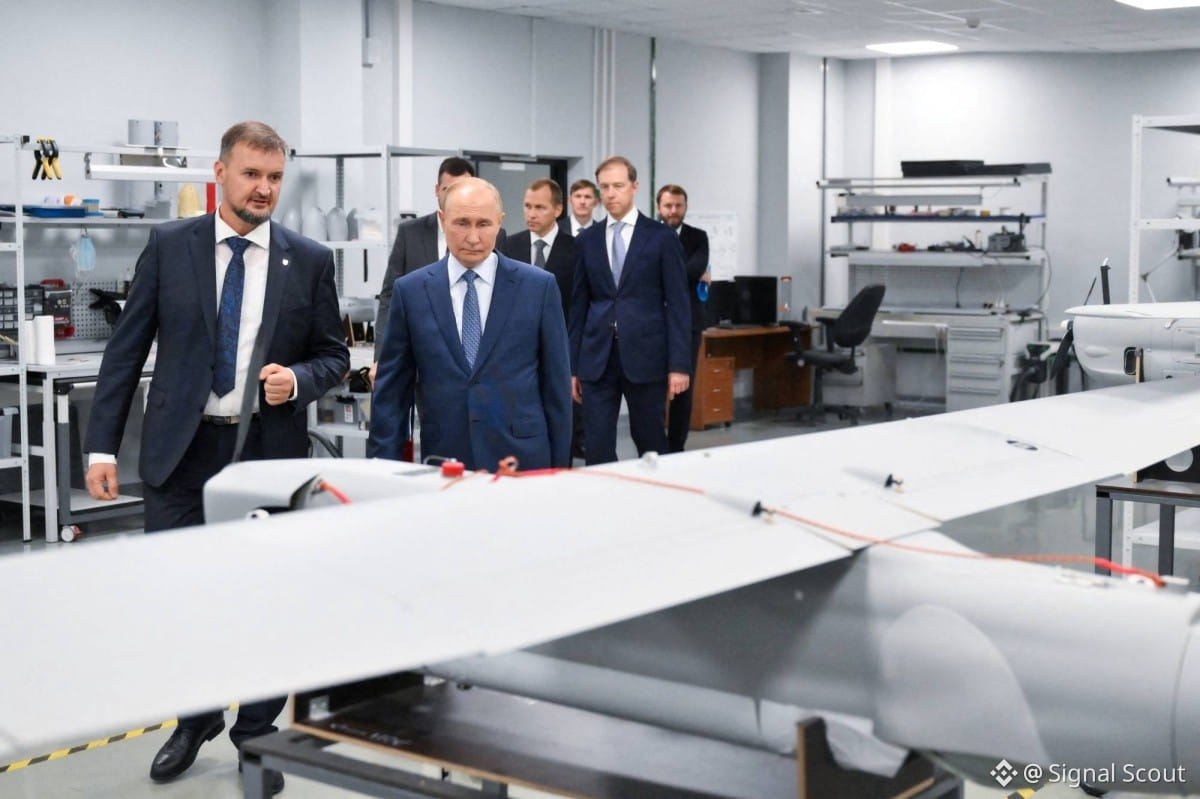
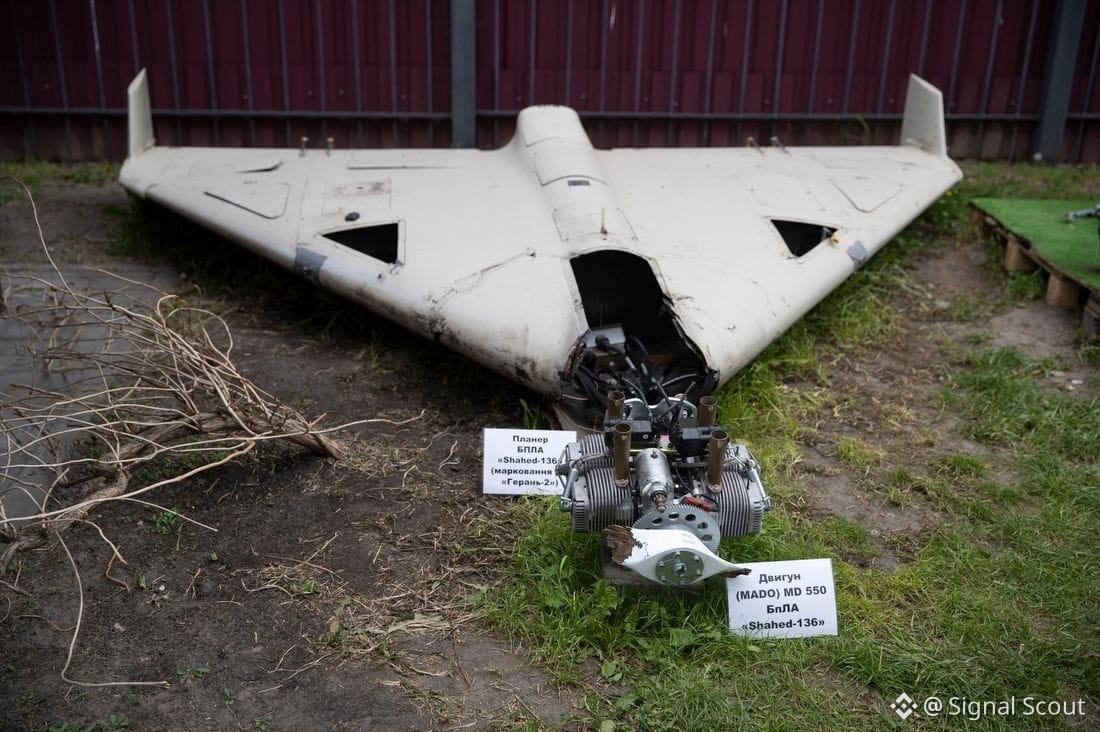
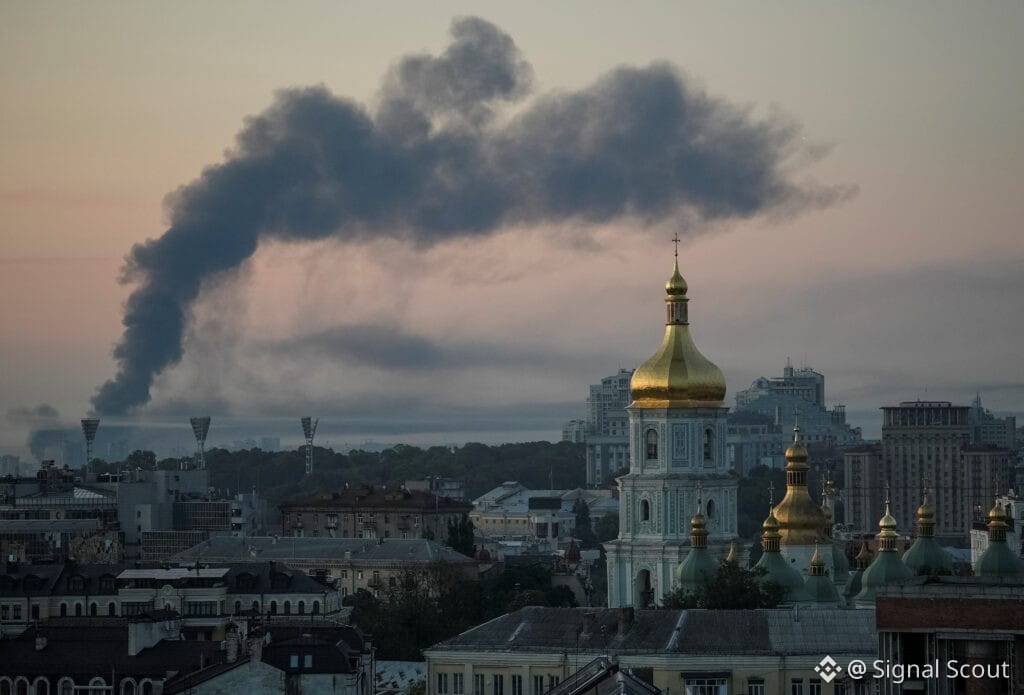
🇷🇺🇺🇦 Russia figured out how to build a poor man's cruise missile, and it costs about as much as a used car.
Ukraine spent years and a fortune learning to shoot down slow Shahed-style drones.
Right as that started working, Moscow rolled out the Geran-5, jet-powered, missile-shaped, and fast enough to make the old counter-drone playbook useless.
And that creates another problem: the math.
It runs about $100,000, same as the new Banderol cruise missile. A U.S. Tomahawk is over $2 million, and NATO is spending Patriot interceptors and fighter jets to stop the cheap stuff.
But what should worry the West more is the speed.
Russia takes an old design, tweaks it, tests it in a real war, and has it rolling off a production line within 2 years. NATO can take a decade to get a good idea into a factory.
And a lot of that is being built with Chinese jet engines and navigation gear, commercial dual-use parts that Ukraine says keep flowing in despite sanctions.
Here's the kicker: Kyiv had intel on Russia's jet drone program for years and still had nothing ready when they arrived by the hundreds.
Source: WSJ / Writer: Daniyal
$TRUMP
{spot}(TRUMPUSDT)
$TRUST
{future}(TRUSTUSDT)
$T
{spot}(TUSDT)
🇷🇺🇺🇦 Russia figured out how to build a poor man's cruise missile, and it costs about as much as a used car.
Ukraine spent years and a fortune learning to shoot down slow Shahed-style drones.
Right as that started working, Moscow rolled out the Geran-5, jet-powered, missile-shaped, and fast enough to make the old counter-drone playbook useless.
And that creates another problem: the math.
It runs about $100,000, same as the new Banderol cruise missile. A U.S. Tomahawk is over $2 million, and NATO is spending Patriot interceptors and fighter jets to stop the cheap stuff.
But what should worry the West more is the speed.
Russia takes an old design, tweaks it, tests it in a real war, and has it rolling off a production line within 2 years. NATO can take a decade to get a good idea into a factory.
And a lot of that is being built with Chinese jet engines and navigation gear, commercial dual-use parts that Ukraine says keep flowing in despite sanctions.
Here's the kicker: Kyiv had intel on Russia's jet drone program for years and still had nothing ready when they arrived by the hundreds.
Source: WSJ / Writer: Daniyal
$TRUMP
$TRUST
$T
Ukraine spent years and a fortune learning to shoot down slow Shahed-style drones.
Right as that started working, Moscow rolled out the Geran-5, jet-powered, missile-shaped, and fast enough to make the old counter-drone playbook useless.
And that creates another problem: the math.
It runs about $100,000, same as the new Banderol cruise missile. A U.S. Tomahawk is over $2 million, and NATO is spending Patriot interceptors and fighter jets to stop the cheap stuff.
But what should worry the West more is the speed.
Russia takes an old design, tweaks it, tests it in a real war, and has it rolling off a production line within 2 years. NATO can take a decade to get a good idea into a factory.
And a lot of that is being built with Chinese jet engines and navigation gear, commercial dual-use parts that Ukraine says keep flowing in despite sanctions.
Here's the kicker: Kyiv had intel on Russia's jet drone program for years and still had nothing ready when they arrived by the hundreds.
Source: WSJ / Writer: Daniyal
$TRUMP
$TRUST
$T
264
·
--
ເບິ່ງການແປ
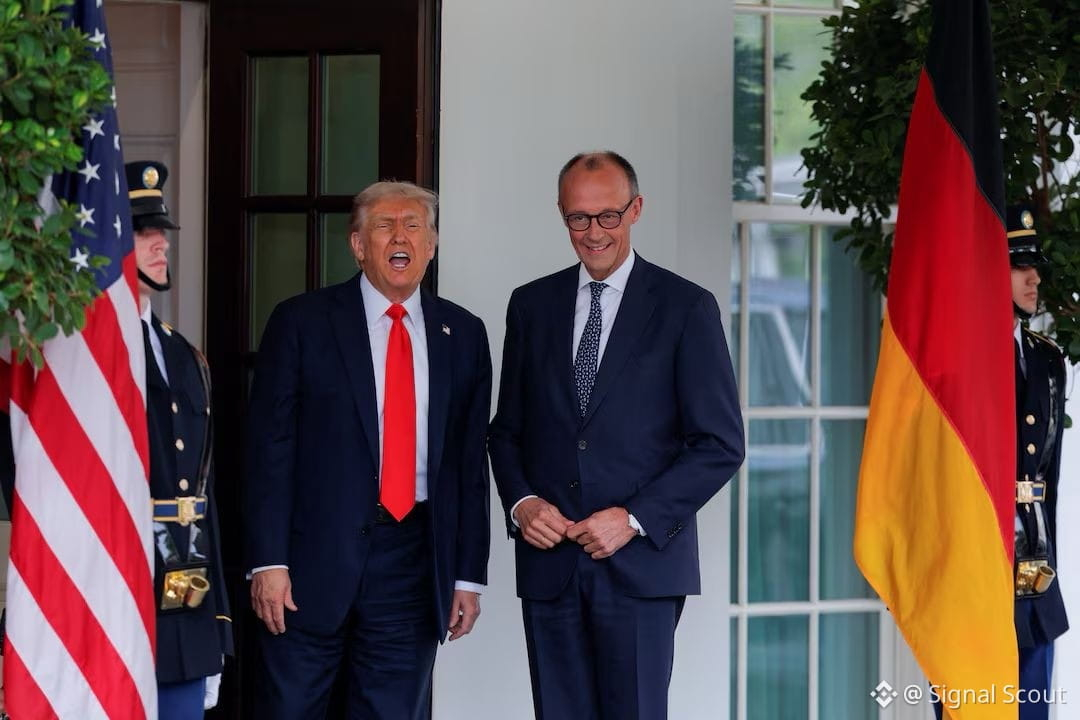
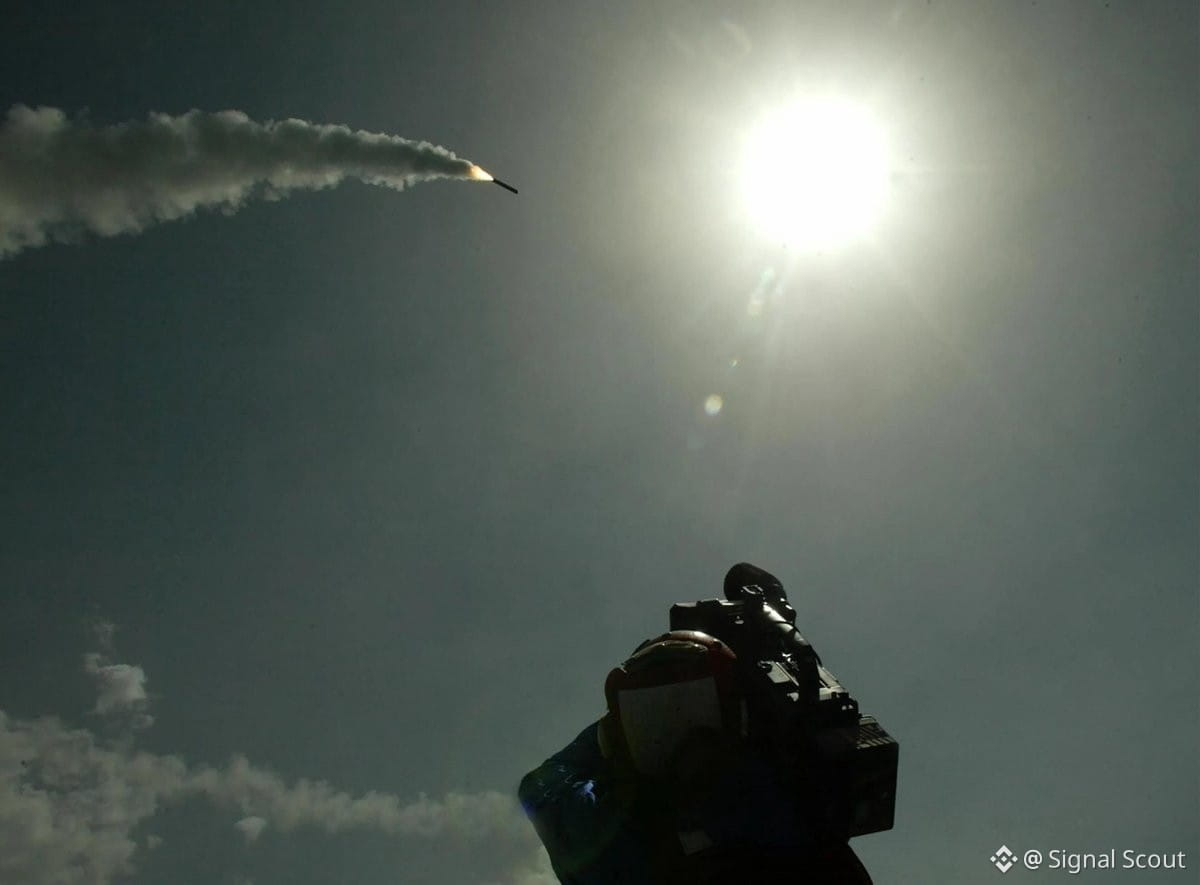
🇩🇪🇺🇸 Trump pulled U.S. Tomahawks out of Germany’s plans, so Berlin decided to buy its own.
Germany is now setting aside nearly €3.4 billion for Tomahawk cruise missiles and the mobile Typhon launchers that fire them.
And this would be a pretty big jump.
Germany currently has no ground-launched weapon capable of striking deep inside Russia. Tomahawks would give it roughly 2,500 kilometers of range.
The interesting part is how Germany got here.
Biden originally agreed to station U.S.-controlled Tomahawks in Germany from 2026. Trump scrapped that plan, leaving Berlin without the capability it was expecting.
So Germany went back to Washington with a different idea: sell us the missiles instead.
Trump and Chancellor Friedrich Merz agreed in principle in July, and Berlin now wants the Bundeswehr operating its own Tomahawks by the end of the decade.
But Germany wants more than the missiles.
It is also pushing to get German companies into the Tomahawk supply chain, potentially helping build them while the U.S. keeps control of the sensitive technology.
Basically, Trump killed Germany’s plan to rely on U.S. Tomahawks and may have pushed Berlin toward owning them itself.
Source: POLITICO / Writer: Daniyal
$LSK
{spot}(LSKUSDT)
$ILV
{spot}(ILVUSDT)
$LAB
{future}(LABUSDT)
🇩🇪🇺🇸 Trump pulled U.S. Tomahawks out of Germany’s plans, so Berlin decided to buy its own.
Germany is now setting aside nearly €3.4 billion for Tomahawk cruise missiles and the mobile Typhon launchers that fire them.
And this would be a pretty big jump.
Germany currently has no ground-launched weapon capable of striking deep inside Russia. Tomahawks would give it roughly 2,500 kilometers of range.
The interesting part is how Germany got here.
Biden originally agreed to station U.S.-controlled Tomahawks in Germany from 2026. Trump scrapped that plan, leaving Berlin without the capability it was expecting.
So Germany went back to Washington with a different idea: sell us the missiles instead.
Trump and Chancellor Friedrich Merz agreed in principle in July, and Berlin now wants the Bundeswehr operating its own Tomahawks by the end of the decade.
But Germany wants more than the missiles.
It is also pushing to get German companies into the Tomahawk supply chain, potentially helping build them while the U.S. keeps control of the sensitive technology.
Basically, Trump killed Germany’s plan to rely on U.S. Tomahawks and may have pushed Berlin toward owning them itself.
Source: POLITICO / Writer: Daniyal
$LSK
$ILV
$LAB
Germany is now setting aside nearly €3.4 billion for Tomahawk cruise missiles and the mobile Typhon launchers that fire them.
And this would be a pretty big jump.
Germany currently has no ground-launched weapon capable of striking deep inside Russia. Tomahawks would give it roughly 2,500 kilometers of range.
The interesting part is how Germany got here.
Biden originally agreed to station U.S.-controlled Tomahawks in Germany from 2026. Trump scrapped that plan, leaving Berlin without the capability it was expecting.
So Germany went back to Washington with a different idea: sell us the missiles instead.
Trump and Chancellor Friedrich Merz agreed in principle in July, and Berlin now wants the Bundeswehr operating its own Tomahawks by the end of the decade.
But Germany wants more than the missiles.
It is also pushing to get German companies into the Tomahawk supply chain, potentially helping build them while the U.S. keeps control of the sensitive technology.
Basically, Trump killed Germany’s plan to rely on U.S. Tomahawks and may have pushed Berlin toward owning them itself.
Source: POLITICO / Writer: Daniyal
$LSK
$ILV
$LAB
10
·
--
ເບິ່ງການແປ
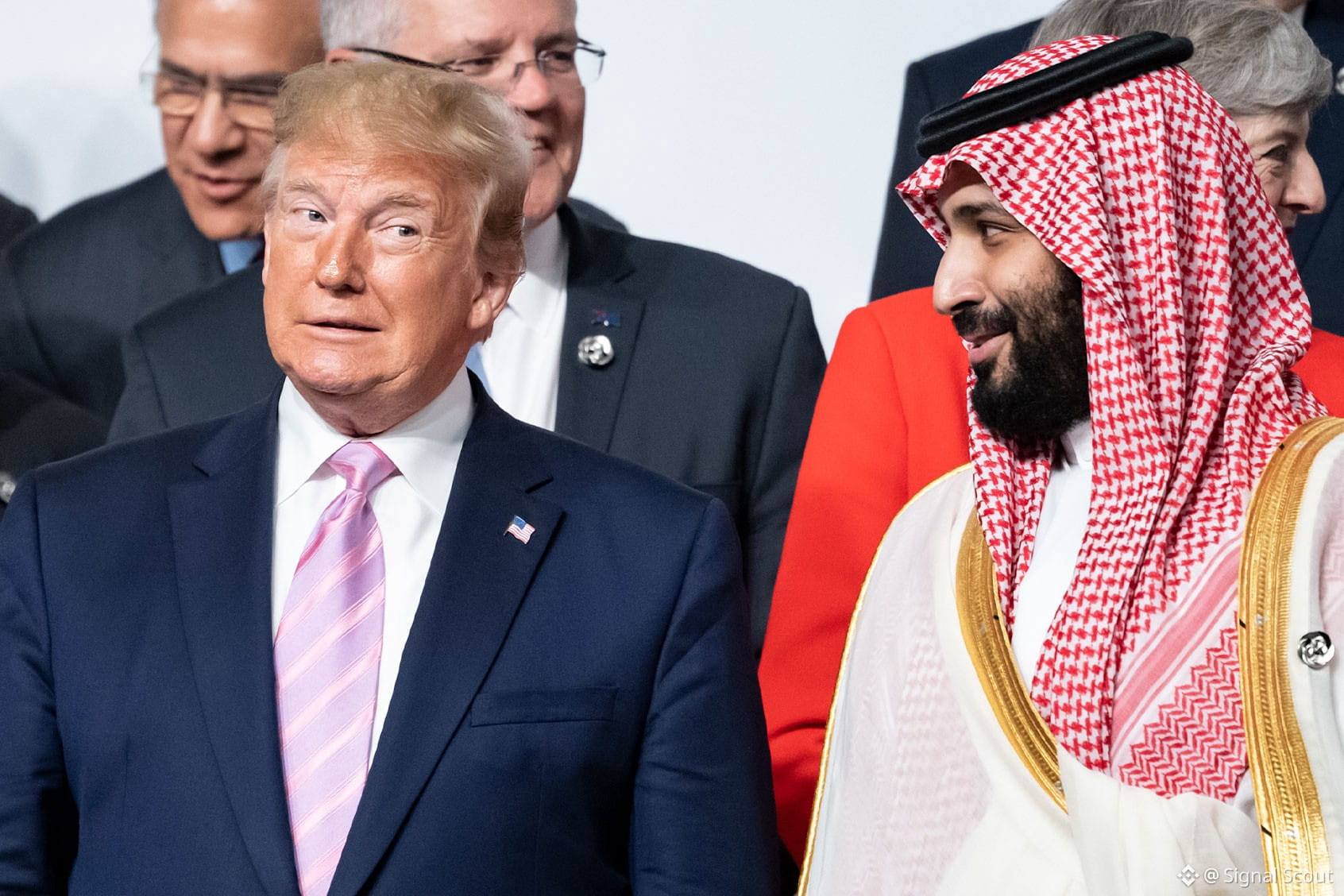
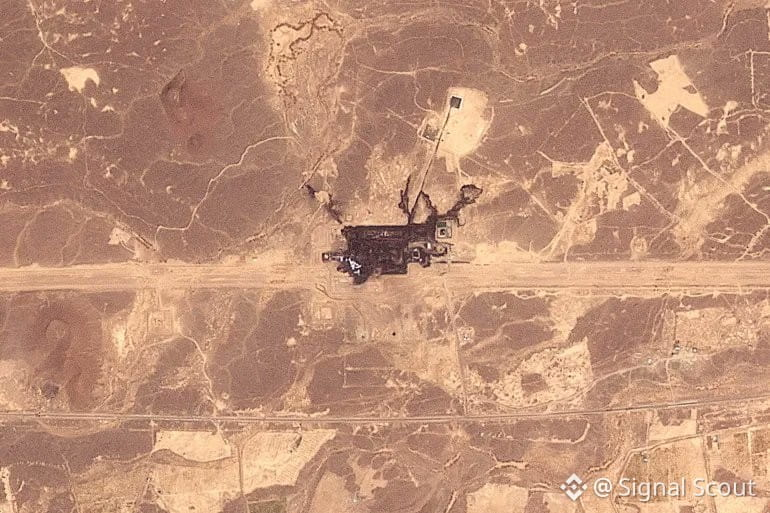
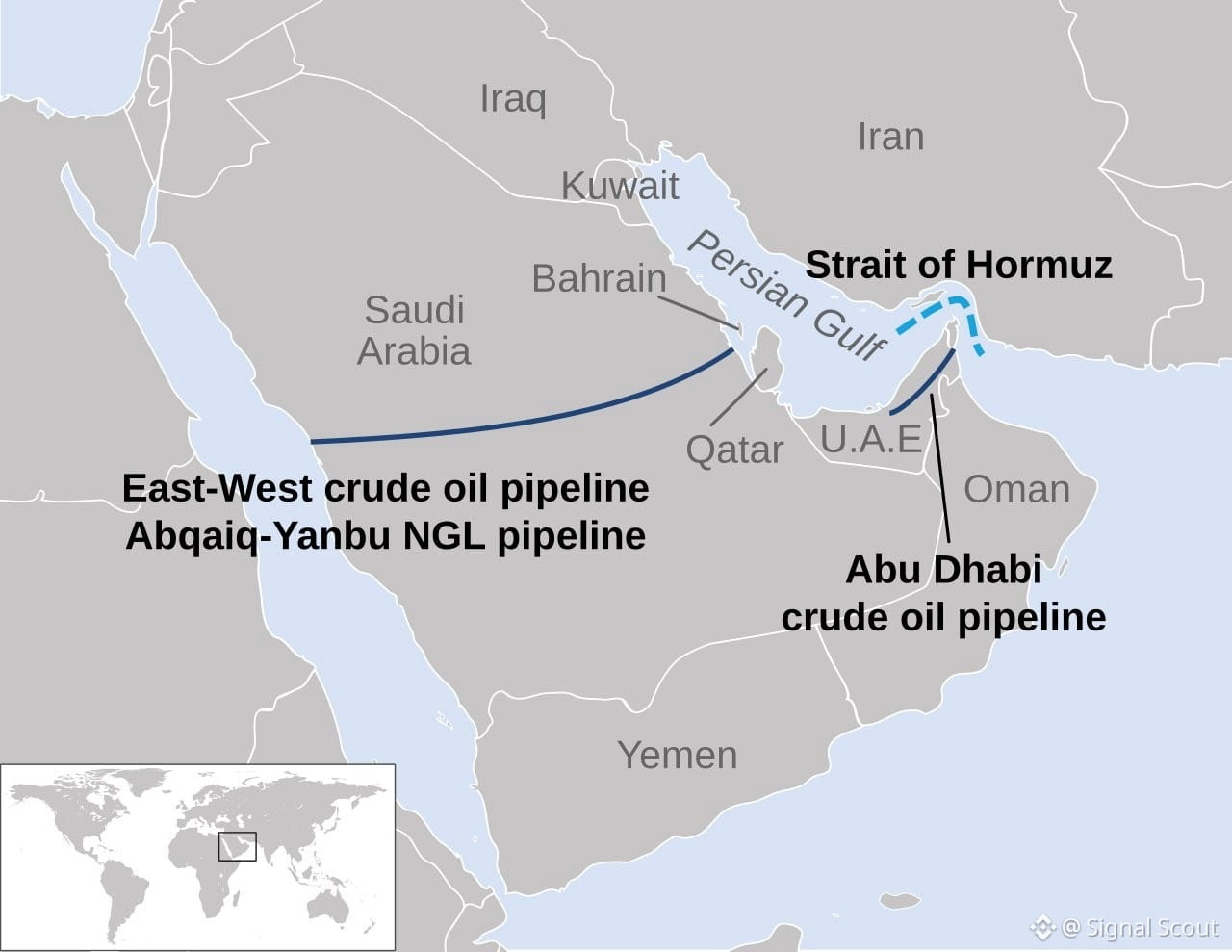
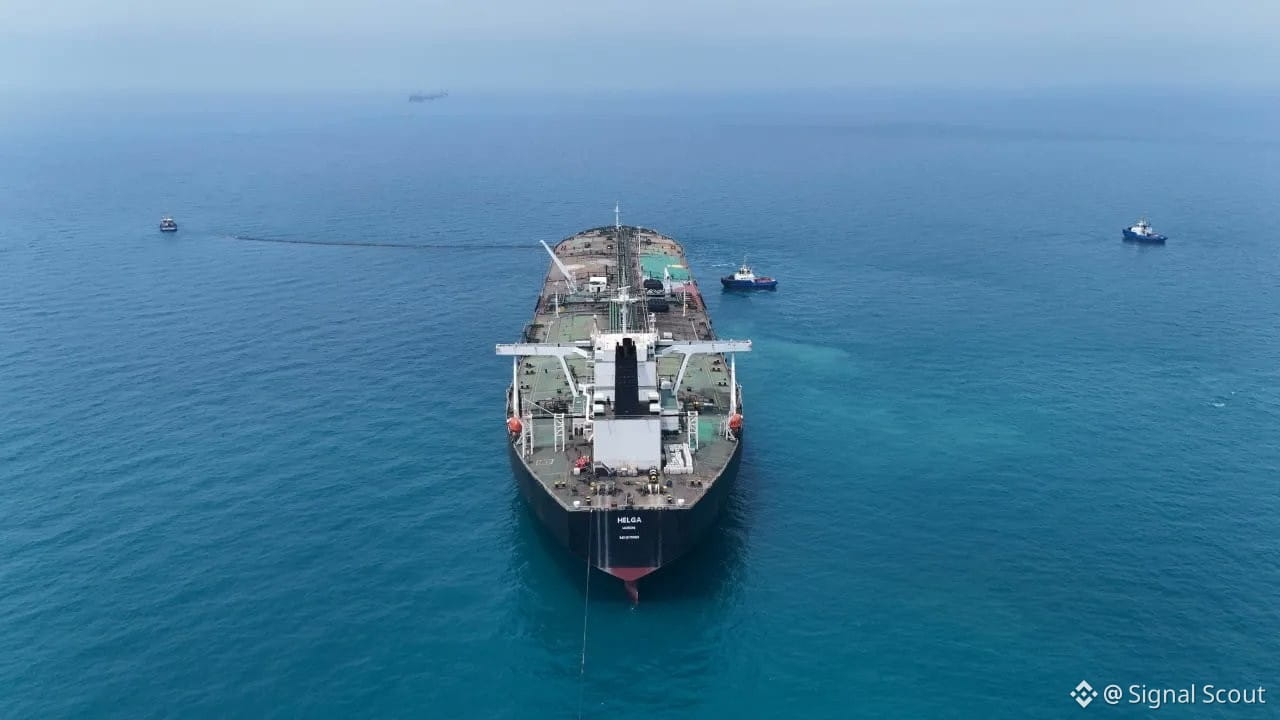
🚨🇸🇦🇮🇷 If Saudi Arabia does not restart its East-West Pipeline within DAYS, it will run out of oil for export...
Which means 4% of global supply is LOST.
Drone attacks launched from Iraqi territory forced Saudi to shut its critical pipeline on Friday.
Sources say the damage could take 5-6 weeks to repair, though others believe it could be fixed quicker and resume pumping (partially) as repairs are ongoing.
It turns out Hormuz was just the beginning of our problems...
If not for Trump's win in Venezuela (ouster of Maduro and subsequent oil deal), it could have been MUCH worse for Americans about to vote in Midterms...
Source: Reuters / Writer: Michael
$GAS
{spot}(GASUSDT)
$TRUMP
{spot}(TRUMPUSDT)
🚨🇸🇦🇮🇷 If Saudi Arabia does not restart its East-West Pipeline within DAYS, it will run out of oil for export...
Which means 4% of global supply is LOST.
Drone attacks launched from Iraqi territory forced Saudi to shut its critical pipeline on Friday.
Sources say the damage could take 5-6 weeks to repair, though others believe it could be fixed quicker and resume pumping (partially) as repairs are ongoing.
It turns out Hormuz was just the beginning of our problems...
If not for Trump's win in Venezuela (ouster of Maduro and subsequent oil deal), it could have been MUCH worse for Americans about to vote in Midterms...
Source: Reuters / Writer: Michael
$GAS
$TRUMP
Which means 4% of global supply is LOST.
Drone attacks launched from Iraqi territory forced Saudi to shut its critical pipeline on Friday.
Sources say the damage could take 5-6 weeks to repair, though others believe it could be fixed quicker and resume pumping (partially) as repairs are ongoing.
It turns out Hormuz was just the beginning of our problems...
If not for Trump's win in Venezuela (ouster of Maduro and subsequent oil deal), it could have been MUCH worse for Americans about to vote in Midterms...
Source: Reuters / Writer: Michael
$GAS
$TRUMP
220
·
--
ເບິ່ງການແປ
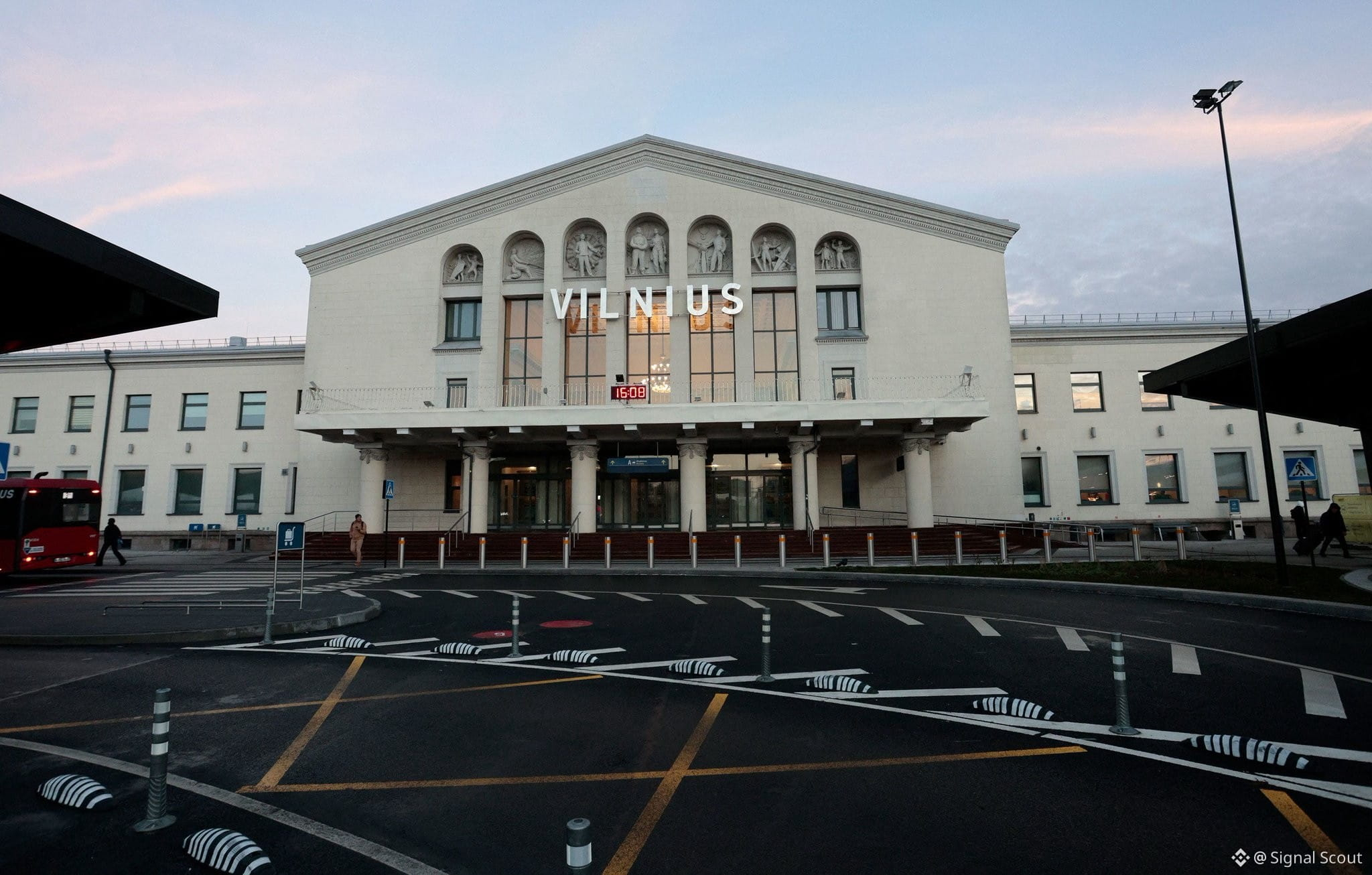
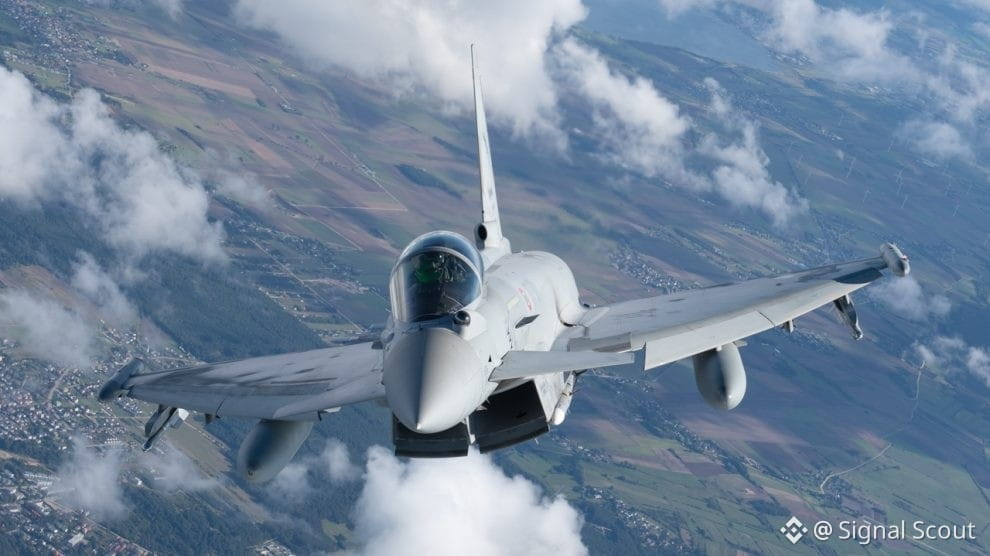
🚨🇱🇹 Lithuania CLOSED Vilnius Airport earlier today, in response to a possible drone... it turned out to be birds.
NATO even summoned jets to the location, before authorities realized the alleged "drones" had feathers.
The Baltic states are seeing ghosts... 😂
Source: Reuters / Writer: Michael
$STX
{spot}(STXUSDT)
$JST
{spot}(JSTUSDT)
$H
{future}(HUSDT)
🚨🇱🇹 Lithuania CLOSED Vilnius Airport earlier today, in response to a possible drone... it turned out to be birds.
NATO even summoned jets to the location, before authorities realized the alleged "drones" had feathers.
The Baltic states are seeing ghosts... 😂
Source: Reuters / Writer: Michael
$STX
$JST
$H
NATO even summoned jets to the location, before authorities realized the alleged "drones" had feathers.
The Baltic states are seeing ghosts... 😂
Source: Reuters / Writer: Michael
$STX
$JST
$H

2
·
--
ເບິ່ງການແປ
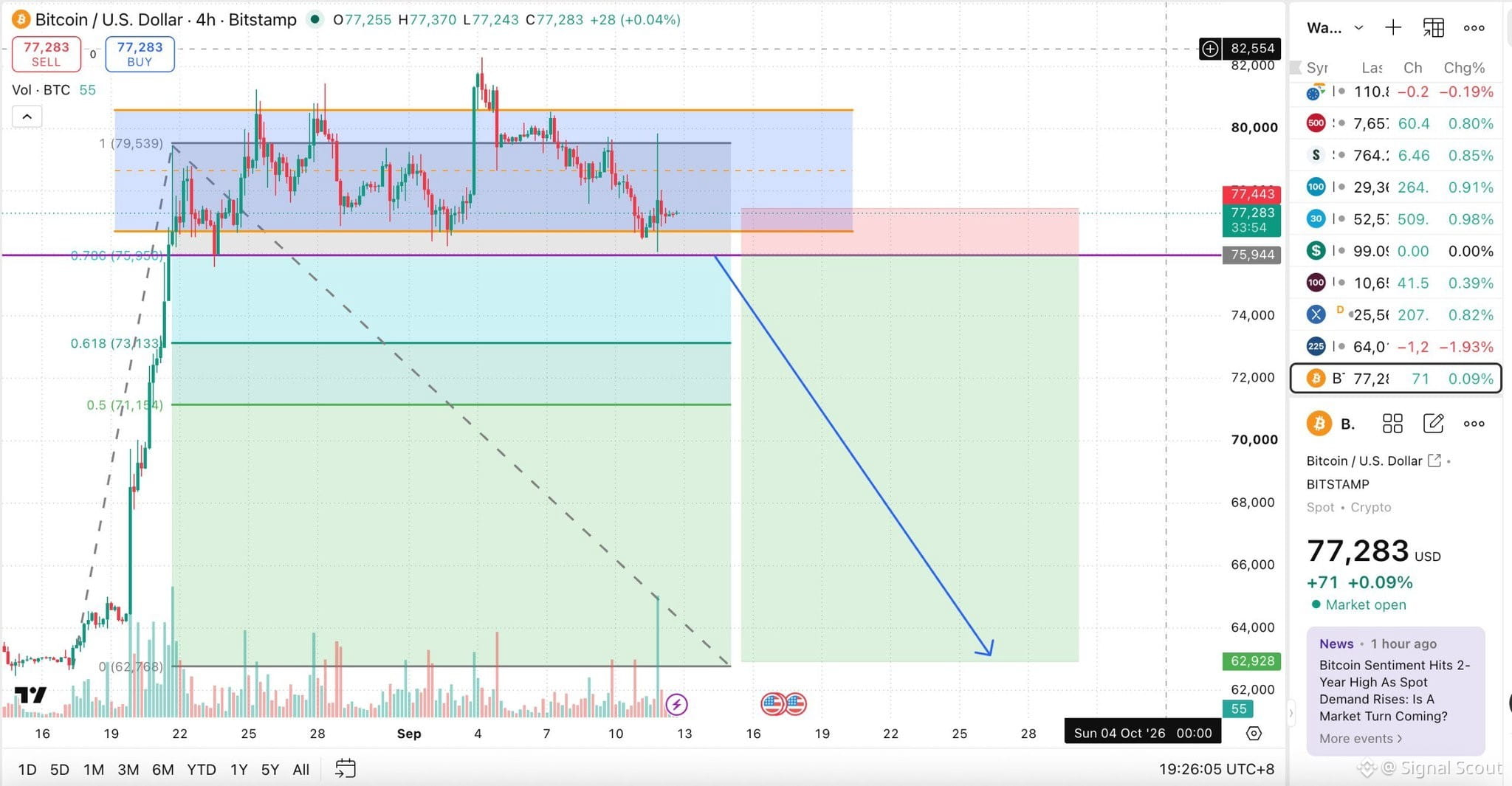
🚨 $BTC is still trading inside a channel, and $76,000 is the key level to watch.
If $76,000 breaks and BTC stays below it, the downside targets are:
• $73,000 first
• $71,200 next
• $67,000 after that
• $62,000 as the deeper target
The $62K target would be a massive 1:18 setup based on the original risk.
On the flip side, $73K and $71.2K could offer scalp-long opportunities for a potential $1K move.
{spot}(BTCUSDT)
🚨 $BTC is still trading inside a channel, and $76,000 is the key level to watch.
If $76,000 breaks and BTC stays below it, the downside targets are:
• $73,000 first
• $71,200 next
• $67,000 after that
• $62,000 as the deeper target
The $62K target would be a massive 1:18 setup based on the original risk.
On the flip side, $73K and $71.2K could offer scalp-long opportunities for a potential $1K move.
If $76,000 breaks and BTC stays below it, the downside targets are:
• $73,000 first
• $71,200 next
• $67,000 after that
• $62,000 as the deeper target
The $62K target would be a massive 1:18 setup based on the original risk.
On the flip side, $73K and $71.2K could offer scalp-long opportunities for a potential $1K move.
59
·
--
ເບິ່ງການແປ
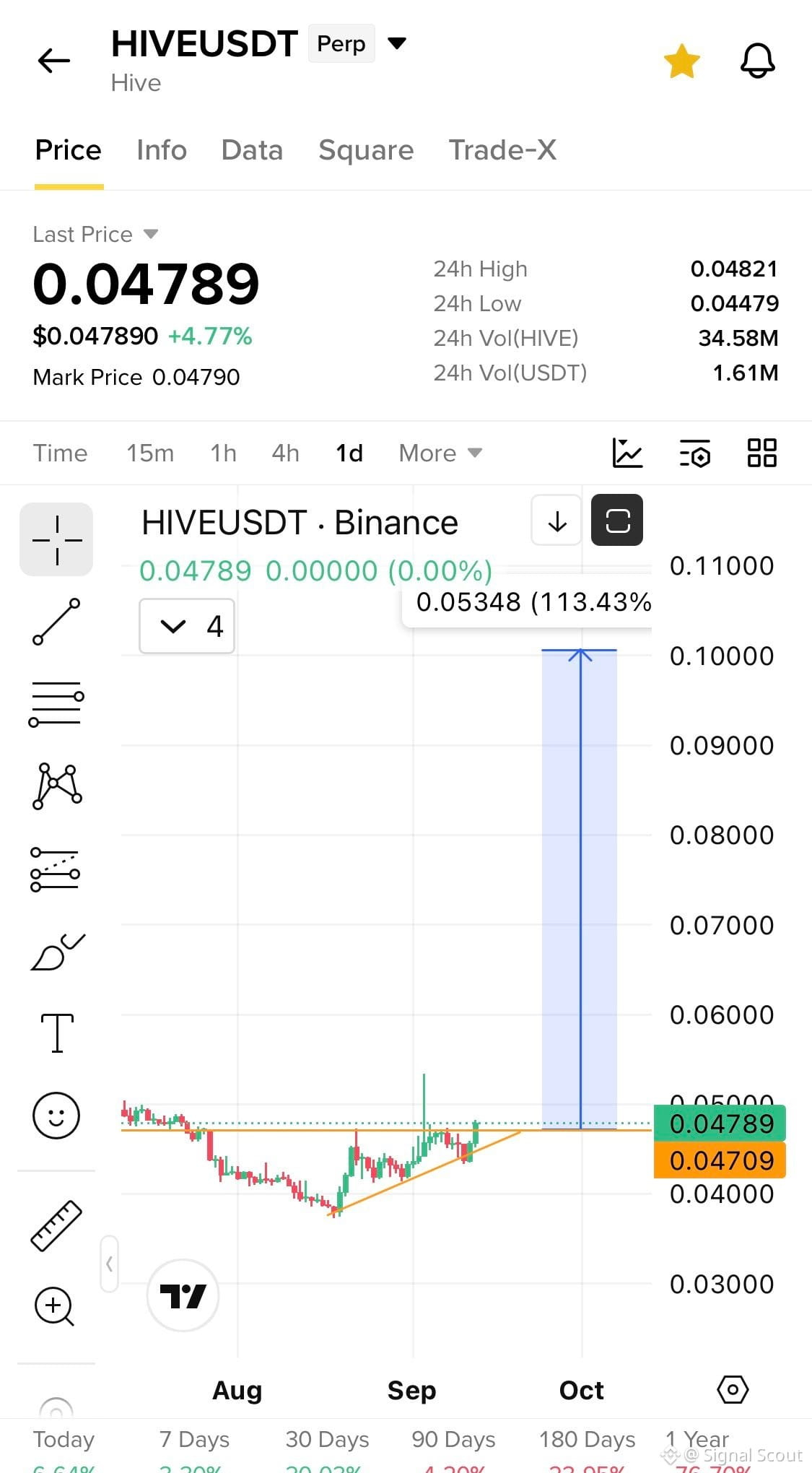
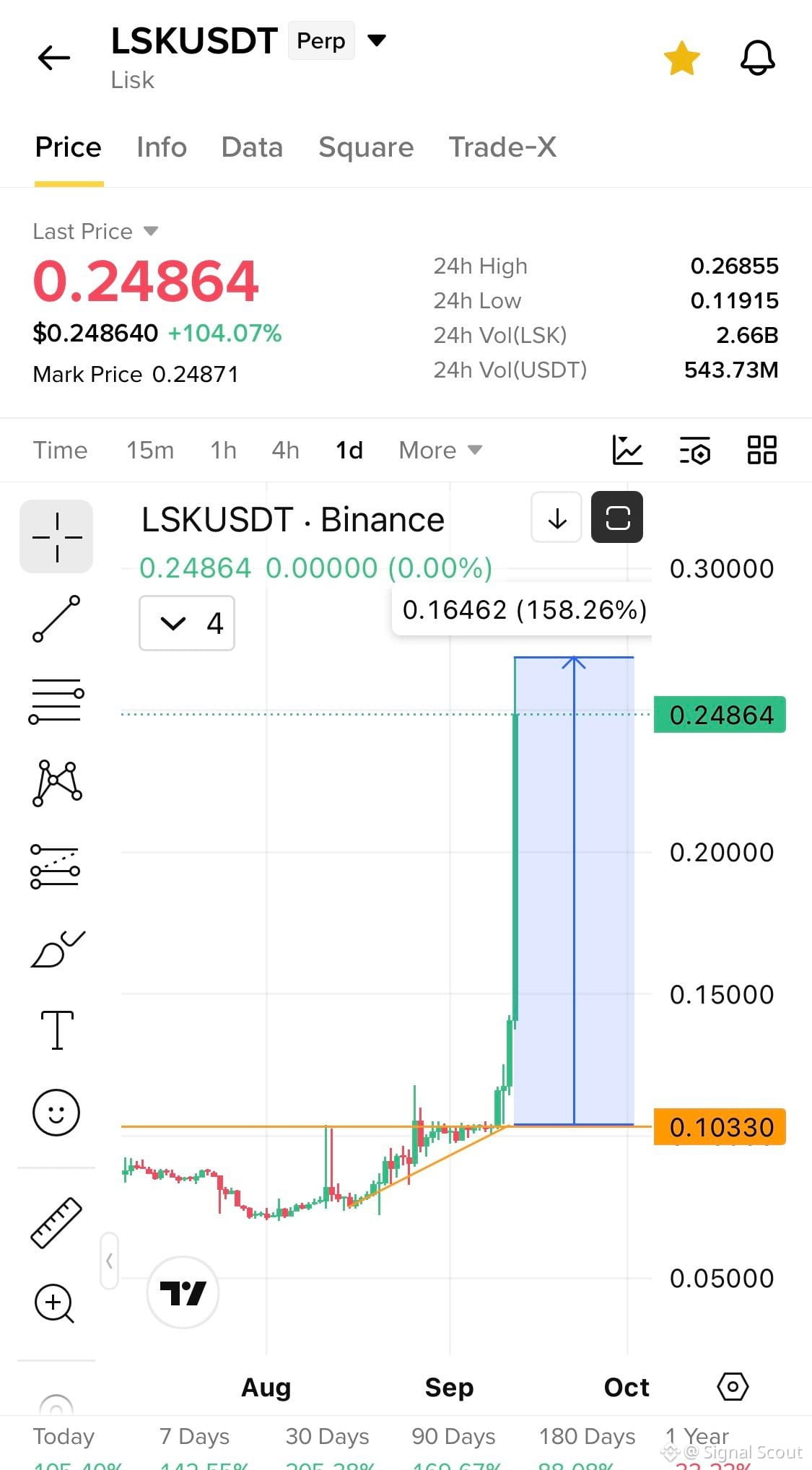
$HIVE same $LSK
Copy in narrative and chart
Krean layer1/2 narrative
And chart same breaking out
{spot}(HIVEUSDT)
{spot}(LSKUSDT)
$HIVE same $LSK
Copy in narrative and chart
Krean layer1/2 narrative
And chart same breaking out
Copy in narrative and chart
Krean layer1/2 narrative
And chart same breaking out
144
·
--
ເບິ່ງການແປ
CPI DATA JUST SHOOK THE CRYPTO MARKET.
Look at the liquidation numbers:
💀 $749M liquidated
👥 104K+ traders wiped
🔴 $424.8M shorts
🟢 $324.6M longs
Last 4H alone:
$350.9M SHORTS LIQUIDATED.
CPI didn't just move price.
It triggered a leverage battlefield.
$BTC
{spot}(BTCUSDT)
#bitcoin #cpi #CoinbaseEffect #Liquidations
CPI DATA JUST SHOOK THE CRYPTO MARKET.
Look at the liquidation numbers:
💀 $749M liquidated
👥 104K+ traders wiped
🔴 $424.8M shorts
🟢 $324.6M longs
Last 4H alone:
$350.9M SHORTS LIQUIDATED.
CPI didn't just move price.
It triggered a leverage battlefield.
$BTC
#bitcoin #cpi #CoinbaseEffect #Liquidations
Look at the liquidation numbers:
💀 $749M liquidated
👥 104K+ traders wiped
🔴 $424.8M shorts
🟢 $324.6M longs
Last 4H alone:
$350.9M SHORTS LIQUIDATED.
CPI didn't just move price.
It triggered a leverage battlefield.
$BTC
#bitcoin #cpi #CoinbaseEffect #Liquidations

42
·
--
ເບິ່ງການແປ
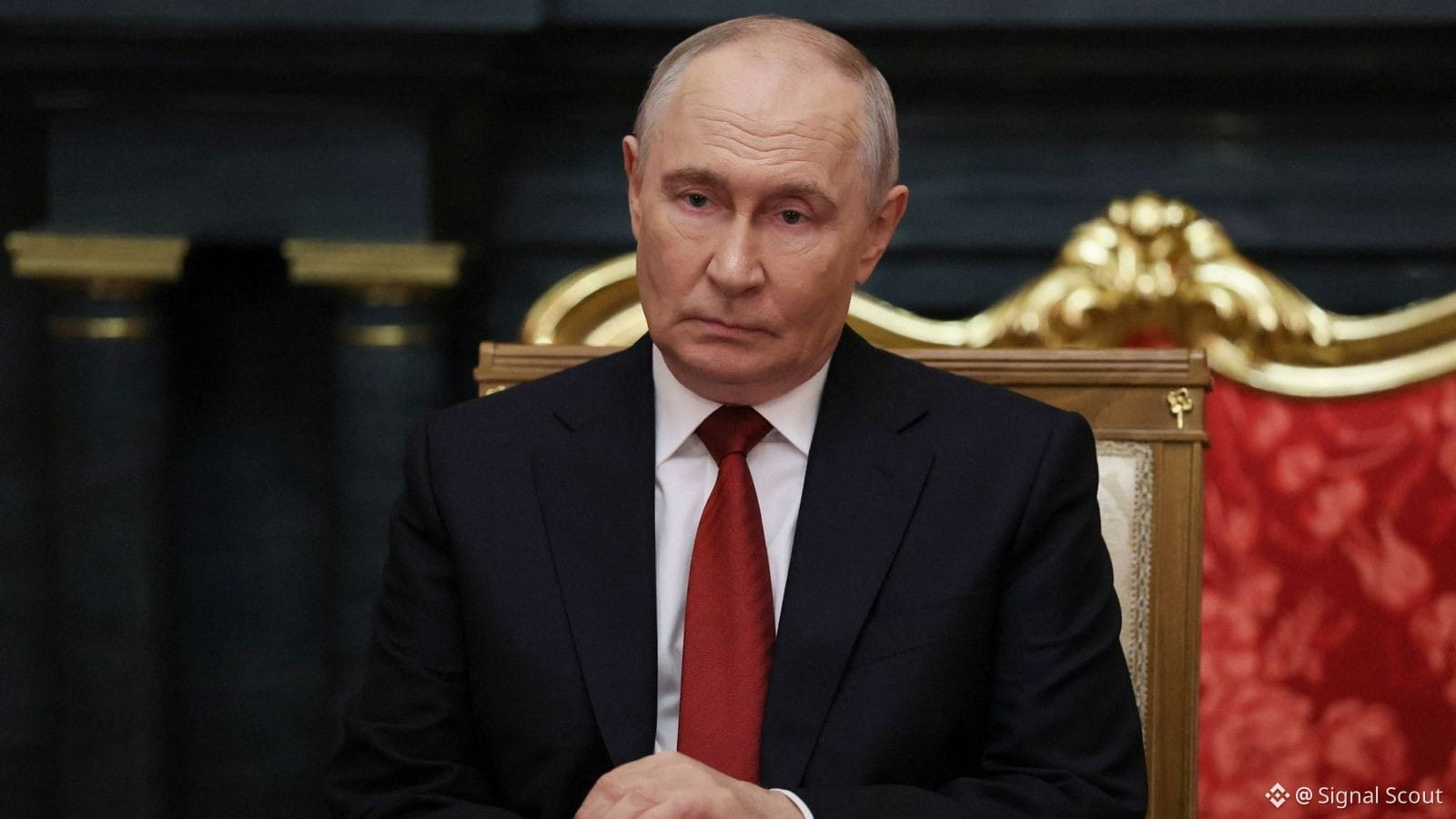
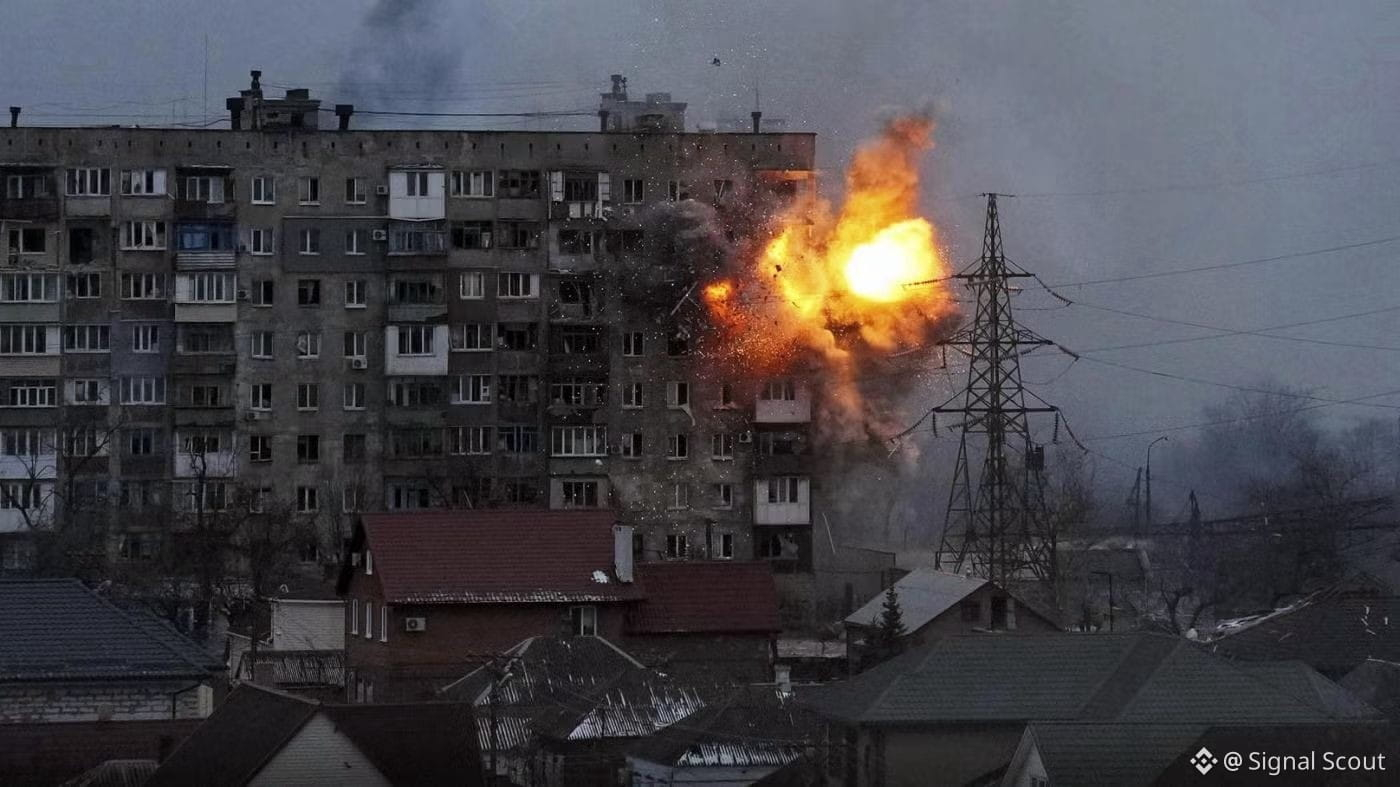
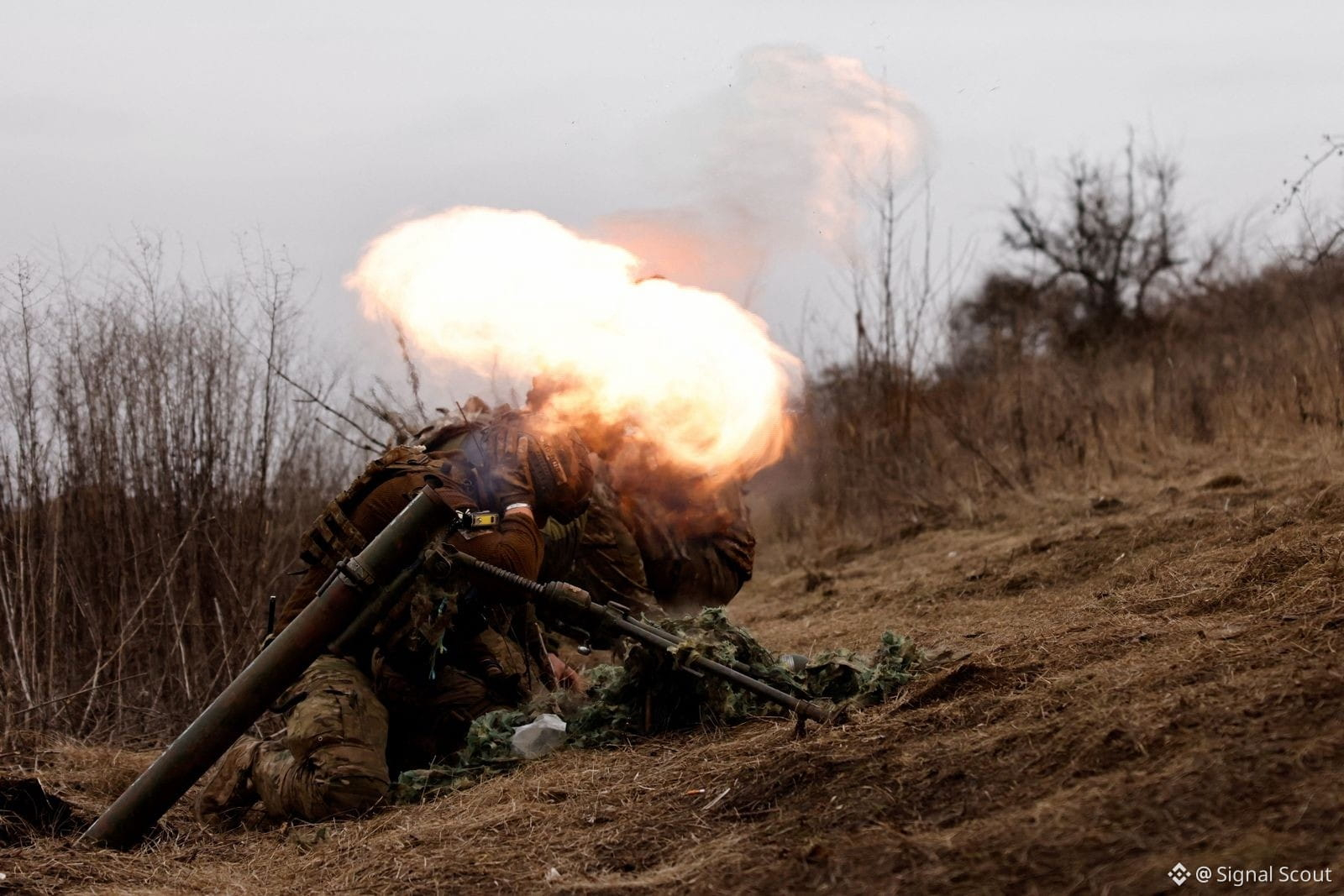
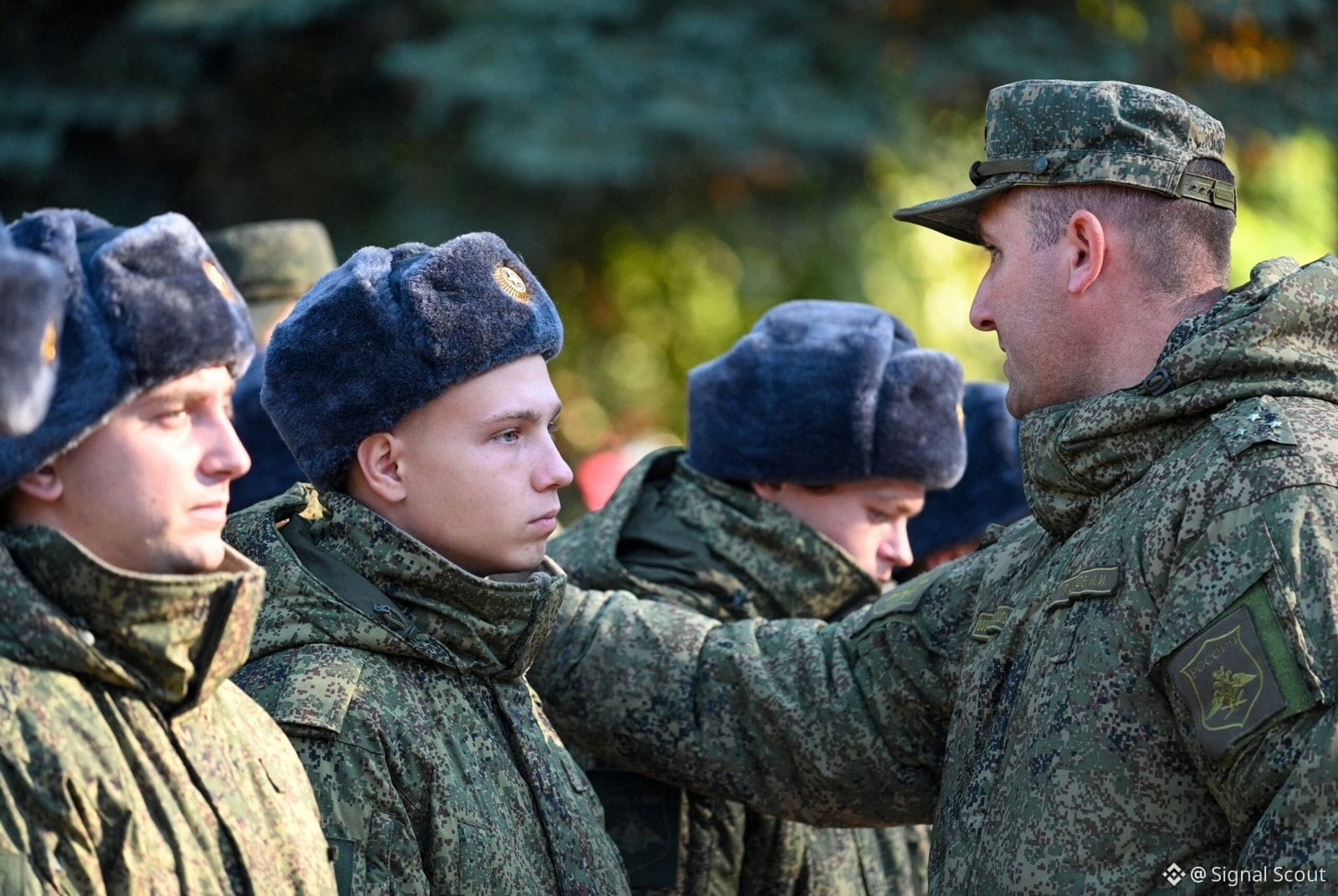
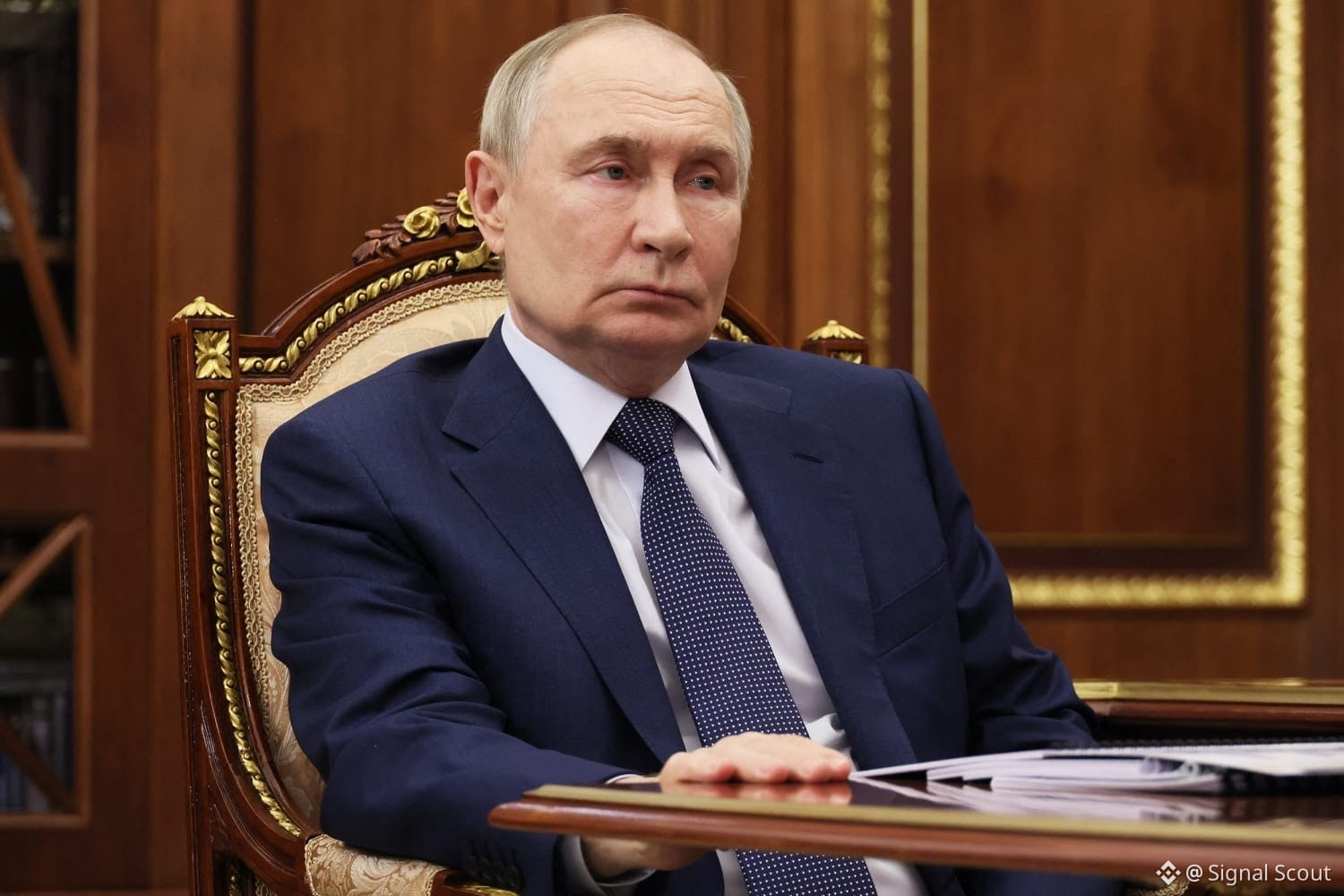
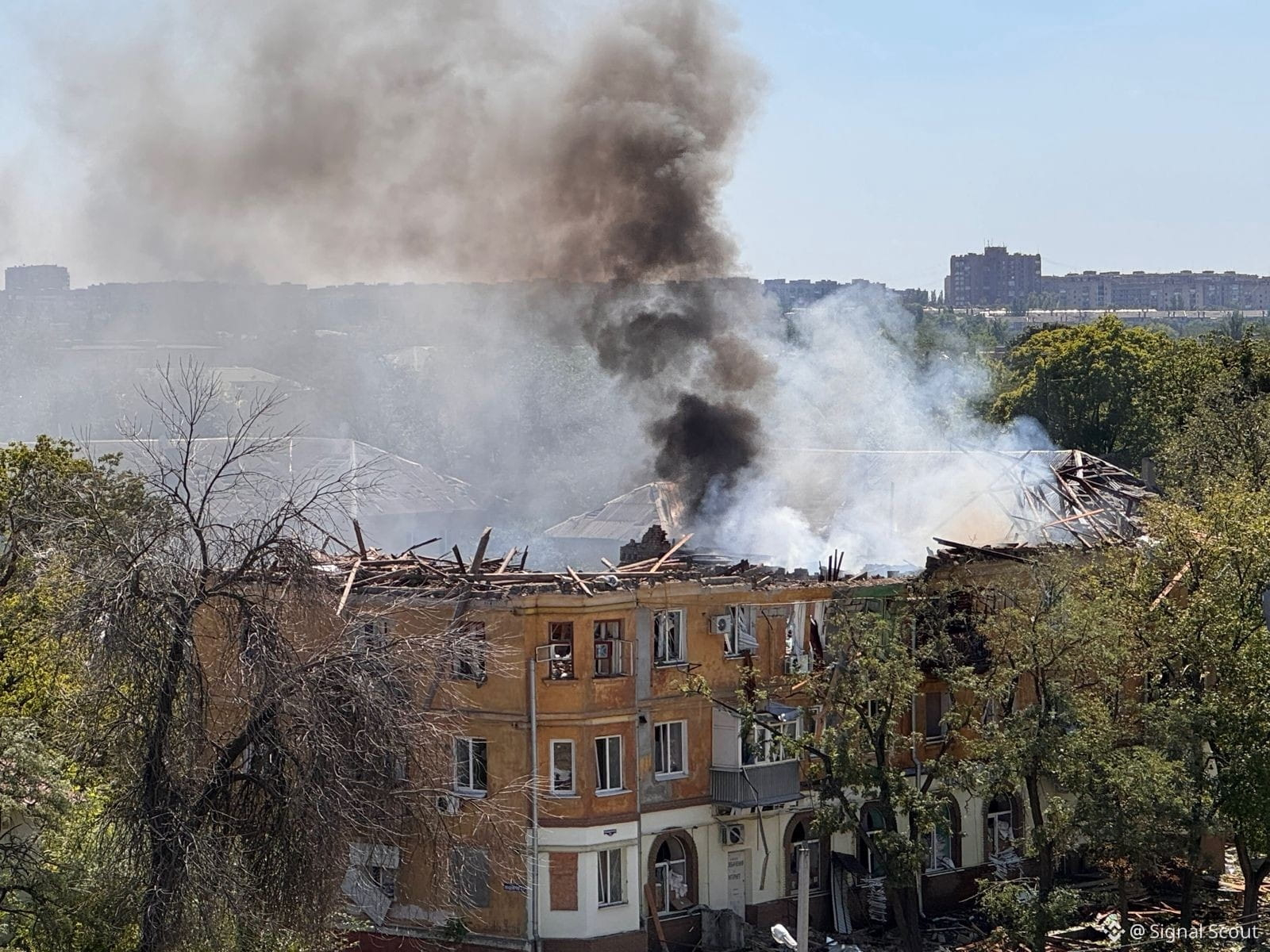
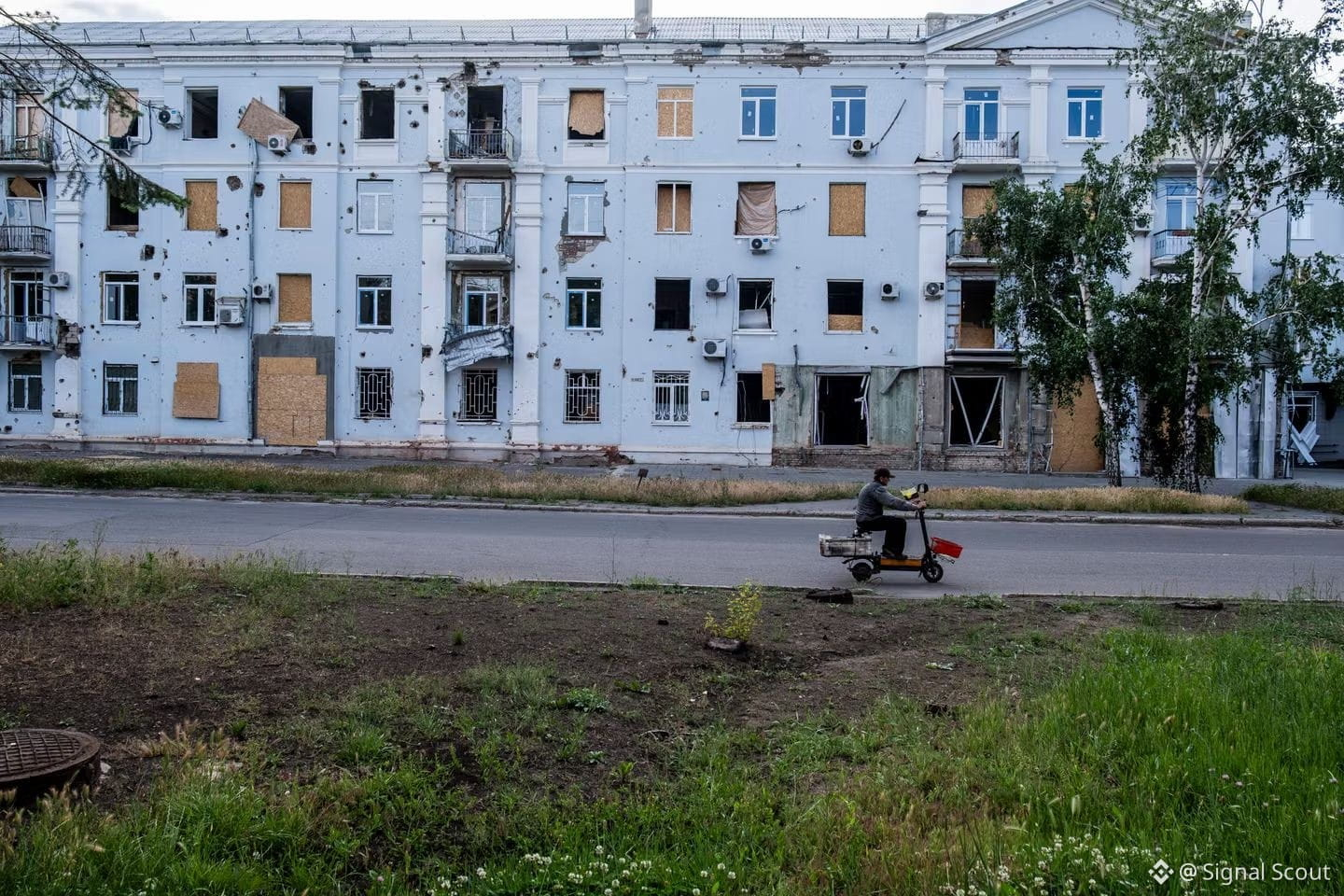
🇷🇺🇺🇦 Putin’s war has now lasted longer than Russia fought in either World War...
It has been 1,660 days since Russia launched its full-scale invasion of Ukraine.
And the human cost is massive.
British military intelligence now estimates 500,000 Russian soldiers have been killed, with total casualties including the wounded at around 1.5 million.
Most of those losses came after January 2023.
And according to Britain’s military chief, Russia gained just another 2% of Ukrainian territory during that time.
The economic pressure is piling up too, with slower growth, weaker consumer demand and stubbornly high inflation.
But despite all of that, Western officials still see no sign Putin has changed his main goal of pulling Ukraine back under Moscow’s control.
That’s a staggering amount of lives and money spent for very little movement on the map.
Source: Sky News / Writer: Daniyal
$ETC
{spot}(ETCUSDT)
{spot}(POLUSDT)
$POL
$JTO
{spot}(JTOUSDT)
🇷🇺🇺🇦 Putin’s war has now lasted longer than Russia fought in either World War...
It has been 1,660 days since Russia launched its full-scale invasion of Ukraine.
And the human cost is massive.
British military intelligence now estimates 500,000 Russian soldiers have been killed, with total casualties including the wounded at around 1.5 million.
Most of those losses came after January 2023.
And according to Britain’s military chief, Russia gained just another 2% of Ukrainian territory during that time.
The economic pressure is piling up too, with slower growth, weaker consumer demand and stubbornly high inflation.
But despite all of that, Western officials still see no sign Putin has changed his main goal of pulling Ukraine back under Moscow’s control.
That’s a staggering amount of lives and money spent for very little movement on the map.
Source: Sky News / Writer: Daniyal
$ETC
$POL
$JTO
It has been 1,660 days since Russia launched its full-scale invasion of Ukraine.
And the human cost is massive.
British military intelligence now estimates 500,000 Russian soldiers have been killed, with total casualties including the wounded at around 1.5 million.
Most of those losses came after January 2023.
And according to Britain’s military chief, Russia gained just another 2% of Ukrainian territory during that time.
The economic pressure is piling up too, with slower growth, weaker consumer demand and stubbornly high inflation.
But despite all of that, Western officials still see no sign Putin has changed his main goal of pulling Ukraine back under Moscow’s control.
That’s a staggering amount of lives and money spent for very little movement on the map.
Source: Sky News / Writer: Daniyal
$ETC
$POL
$JTO
239
·
--
ເບິ່ງການແປ
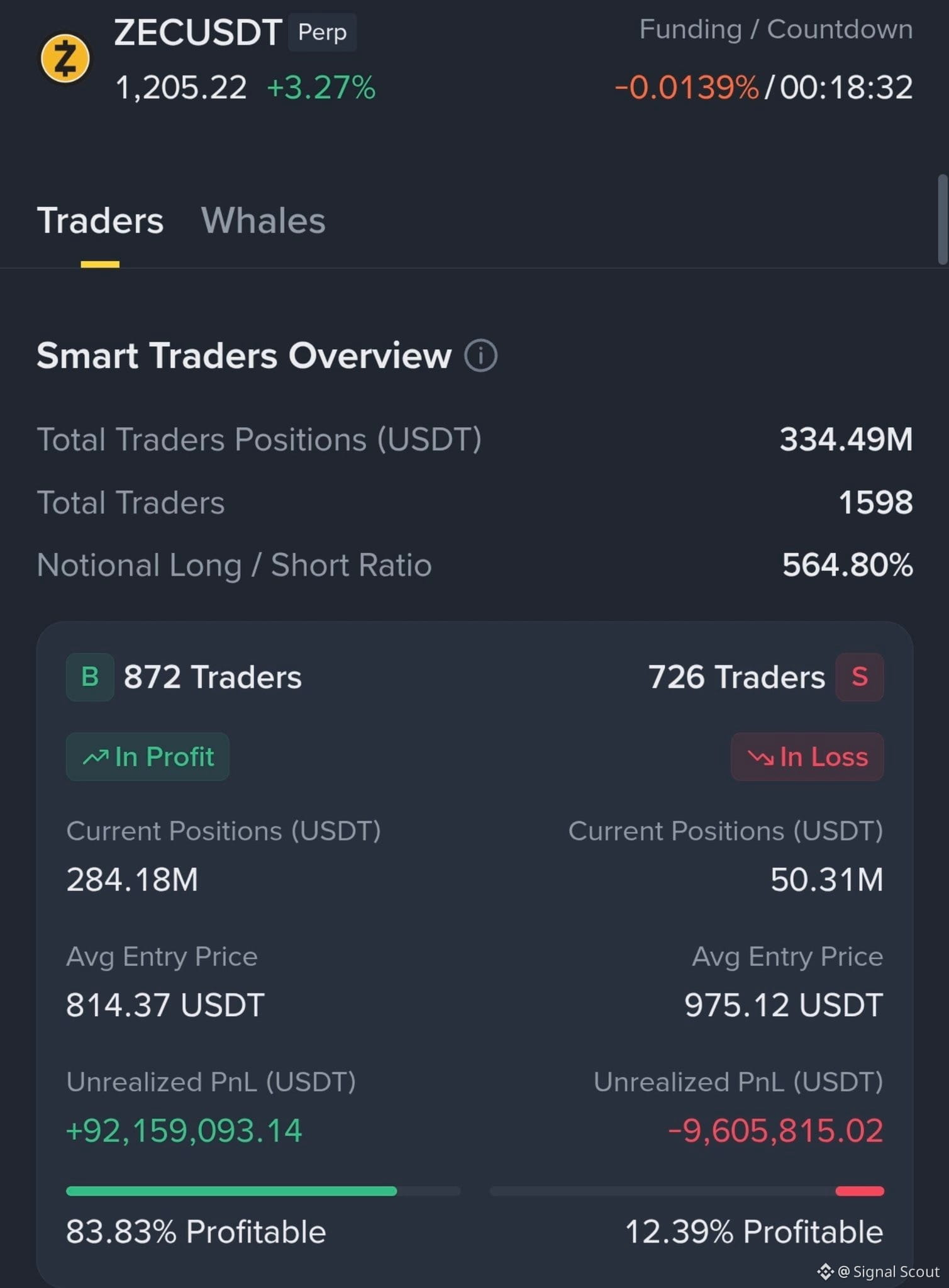
$ZEC — IS $1,400 NEXT? 👀
ZEC is pumping again.
But look at the positioning:
$284M LONGS
$50M SHORTS
564% L/S ratio
+$92.1M unrealized long profit
And funding is negative.
If $1,300 breaks cleanly…
I think $1,400 could be coming.
The question is:
who's still willing to short this?
{spot}(ZECUSDT)
$ZEC — IS $1,400 NEXT? 👀
ZEC is pumping again.
But look at the positioning:
$284M LONGS
$50M SHORTS
564% L/S ratio
+$92.1M unrealized long profit
And funding is negative.
If $1,300 breaks cleanly…
I think $1,400 could be coming.
The question is:
who's still willing to short this?
ZEC is pumping again.
But look at the positioning:
$284M LONGS
$50M SHORTS
564% L/S ratio
+$92.1M unrealized long profit
And funding is negative.
If $1,300 breaks cleanly…
I think $1,400 could be coming.
The question is:
who's still willing to short this?
67
·
--
ເບິ່ງການແປ
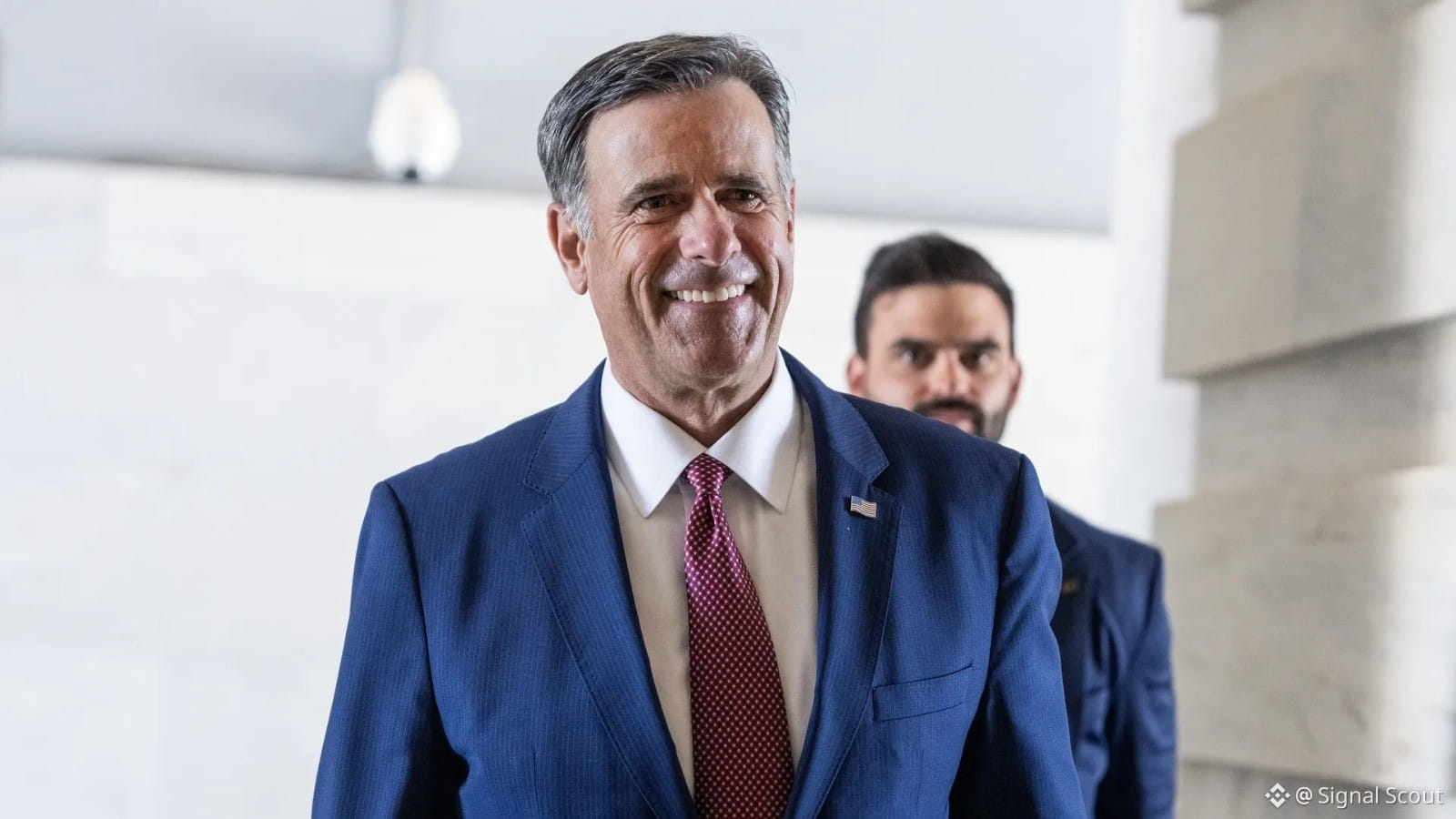
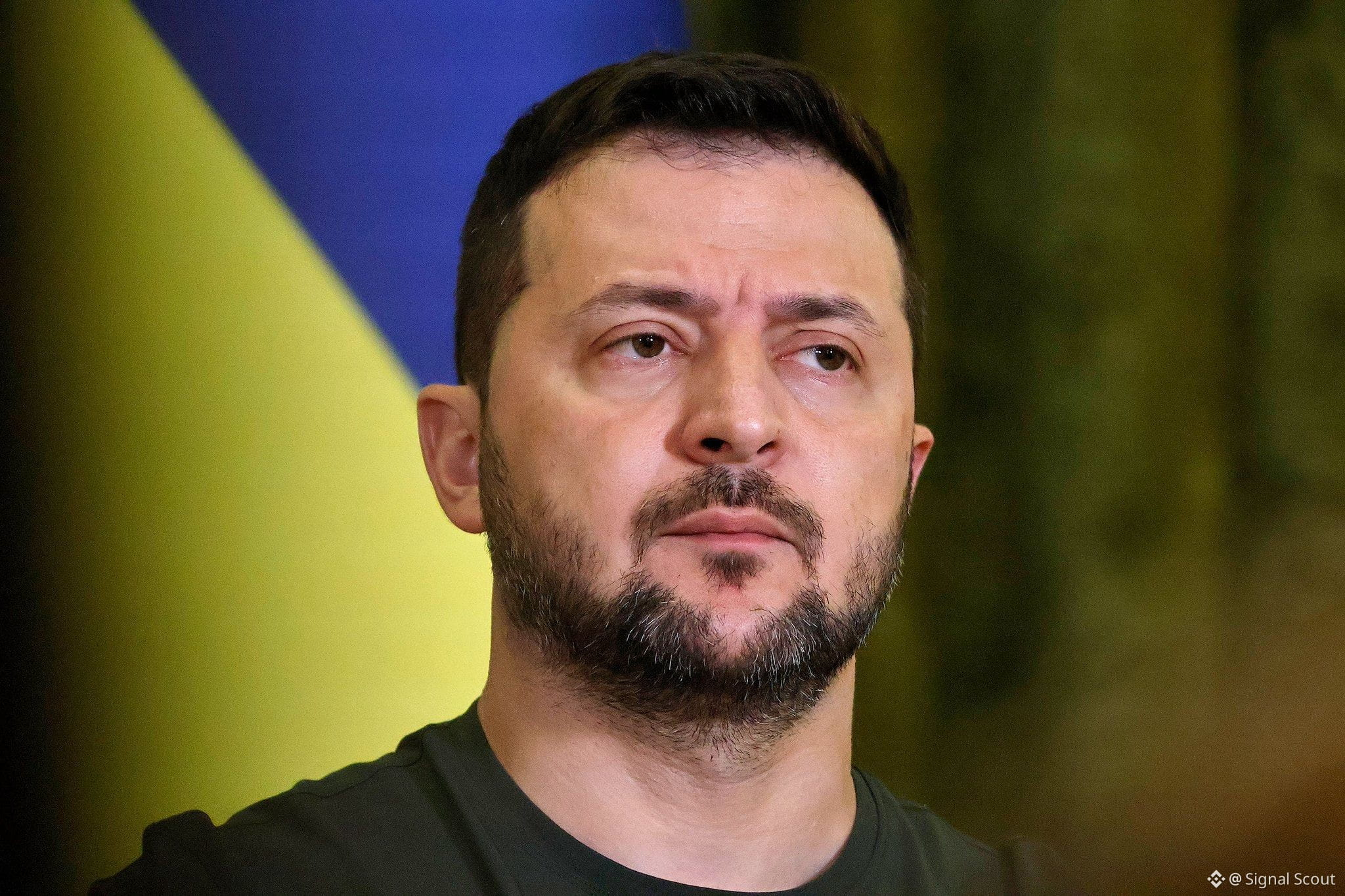
🚨🇺🇸🇺🇦🇷🇺 Washington is plugging the CIA director into the Russia-Ukraine talks...
U.S. officials have informed Europe that Ratcliffe is being lined up for a bigger role, to revive a dead peace track after 4.5 years of war.
The White House is also looking at cutting back Witkoff and Kushner, reportedly...
Source: Financial Times / Writer: Samuel
$AKE
{future}(AKEUSDT)
$BE
{future}(BEUSDT)
$IQ
{spot}(IQUSDT)
🚨🇺🇸🇺🇦🇷🇺 Washington is plugging the CIA director into the Russia-Ukraine talks...
U.S. officials have informed Europe that Ratcliffe is being lined up for a bigger role, to revive a dead peace track after 4.5 years of war.
The White House is also looking at cutting back Witkoff and Kushner, reportedly...
Source: Financial Times / Writer: Samuel
$AKE
$BE
$IQ
U.S. officials have informed Europe that Ratcliffe is being lined up for a bigger role, to revive a dead peace track after 4.5 years of war.
The White House is also looking at cutting back Witkoff and Kushner, reportedly...
Source: Financial Times / Writer: Samuel
$AKE
$BE
$IQ
21
·
--
ເບິ່ງການແປ
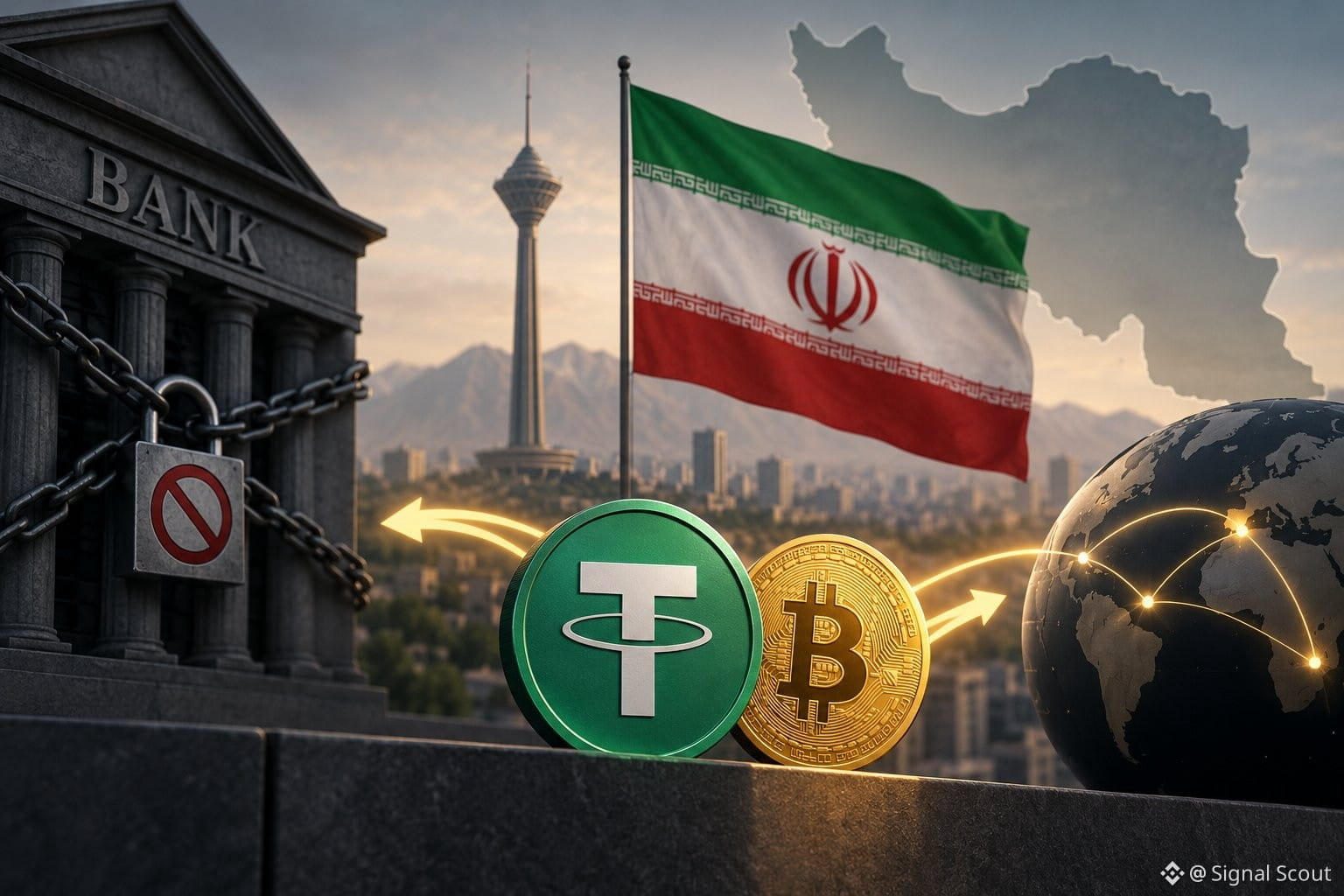
🇮🇷 IRAN IS QUIETLY TURNING TO CRYPTO AS ITS BANKING SYSTEM GETS CUT OFF.
This is no longer just about people holding Bitcoin.
Iran is reportedly becoming increasingly comfortable using $USDT and $BTC for actual cross-border business.
Fresh Financial Times reporting says Iran’s central bank has eased some foreign-exchange restrictions, with businesses increasingly using crypto to move money across borders and bring overseas funds back into the country.
And the scale is hard to ignore.
Around $10 BILLION in crypto activity flowed through Iran in 2025, according to TRM Labs.
That includes incoming and outgoing flows, showing how deeply crypto has entered the country’s financial system.
Iran’s largest crypto exchange alone reportedly handled more than 50% of the country’s digital-asset inflows in 2025, according to the U.S. Treasury.
And USDT is particularly important here.
Why?
Because it gives businesses access to a dollar-linked asset without relying entirely on traditional banking rails.
That becomes extremely valuable when access to global banks is restricted.
But there’s a catch.
USDT isn't fully censorship-resistant.
Once a wallet is identified and sanctioned, the issuer can freeze the funds.
Hundreds of millions of dollars in Iran-linked USDT have already been frozen or identified by authorities.
So a very different financial system is emerging:
Banks get restricted.
Crypto becomes the alternative rail.
Stablecoins provide dollar exposure.
Blockchains move the money.
And regulators try to follow it.
That’s the bigger story.
Crypto isn't just being used as an investment asset in countries with restricted banking access.
It's increasingly becoming part of the financial infrastructure itself.👀
{spot}(BTCUSDT)
$USDT
🇮🇷 IRAN IS QUIETLY TURNING TO CRYPTO AS ITS BANKING SYSTEM GETS CUT OFF.
This is no longer just about people holding Bitcoin.
Iran is reportedly becoming increasingly comfortable using $USDT and $BTC for actual cross-border business.
Fresh Financial Times reporting says Iran’s central bank has eased some foreign-exchange restrictions, with businesses increasingly using crypto to move money across borders and bring overseas funds back into the country.
And the scale is hard to ignore.
Around $10 BILLION in crypto activity flowed through Iran in 2025, according to TRM Labs.
That includes incoming and outgoing flows, showing how deeply crypto has entered the country’s financial system.
Iran’s largest crypto exchange alone reportedly handled more than 50% of the country’s digital-asset inflows in 2025, according to the U.S. Treasury.
And USDT is particularly important here.
Why?
Because it gives businesses access to a dollar-linked asset without relying entirely on traditional banking rails.
That becomes extremely valuable when access to global banks is restricted.
But there’s a catch.
USDT isn't fully censorship-resistant.
Once a wallet is identified and sanctioned, the issuer can freeze the funds.
Hundreds of millions of dollars in Iran-linked USDT have already been frozen or identified by authorities.
So a very different financial system is emerging:
Banks get restricted.
Crypto becomes the alternative rail.
Stablecoins provide dollar exposure.
Blockchains move the money.
And regulators try to follow it.
That’s the bigger story.
Crypto isn't just being used as an investment asset in countries with restricted banking access.
It's increasingly becoming part of the financial infrastructure itself.👀
$USDT
This is no longer just about people holding Bitcoin.
Iran is reportedly becoming increasingly comfortable using $USDT and $BTC for actual cross-border business.
Fresh Financial Times reporting says Iran’s central bank has eased some foreign-exchange restrictions, with businesses increasingly using crypto to move money across borders and bring overseas funds back into the country.
And the scale is hard to ignore.
Around $10 BILLION in crypto activity flowed through Iran in 2025, according to TRM Labs.
That includes incoming and outgoing flows, showing how deeply crypto has entered the country’s financial system.
Iran’s largest crypto exchange alone reportedly handled more than 50% of the country’s digital-asset inflows in 2025, according to the U.S. Treasury.
And USDT is particularly important here.
Why?
Because it gives businesses access to a dollar-linked asset without relying entirely on traditional banking rails.
That becomes extremely valuable when access to global banks is restricted.
But there’s a catch.
USDT isn't fully censorship-resistant.
Once a wallet is identified and sanctioned, the issuer can freeze the funds.
Hundreds of millions of dollars in Iran-linked USDT have already been frozen or identified by authorities.
So a very different financial system is emerging:
Banks get restricted.
Crypto becomes the alternative rail.
Stablecoins provide dollar exposure.
Blockchains move the money.
And regulators try to follow it.
That’s the bigger story.
Crypto isn't just being used as an investment asset in countries with restricted banking access.
It's increasingly becoming part of the financial infrastructure itself.👀
$USDT
46
·
--
ເບິ່ງການແປ
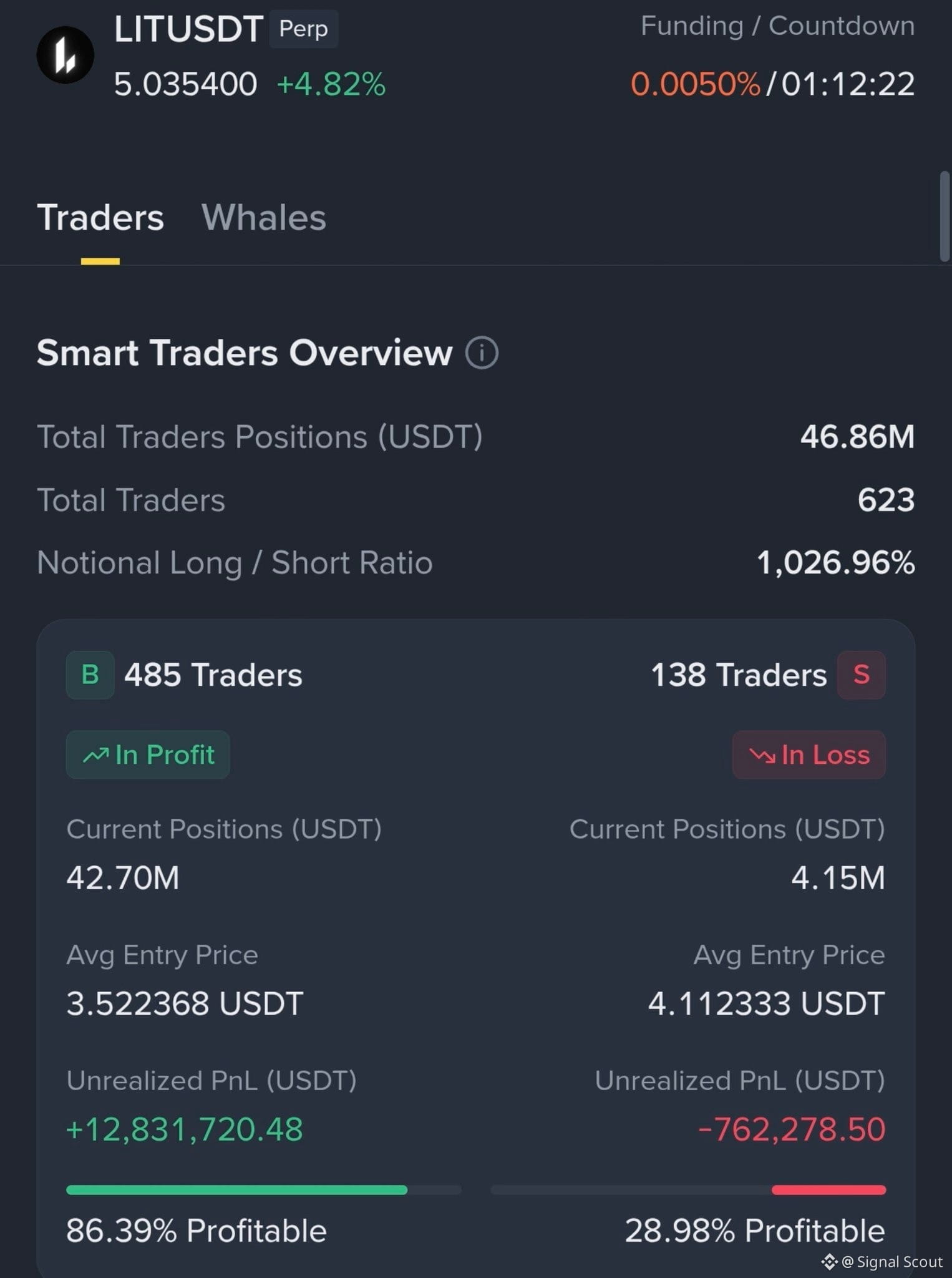
1,026% LONG/SHORT RATIO ON $LIT
Read that again.
$42.7M LONG
vs
$4.15M SHORT
And the long crowd is sitting on:
🔥 +$12.83M unrealized profit
🔥 86.39% profitable
This isn't “bullish positioning” anymore.
This is a CROWD.
And crowded trades are where the biggest moves begin.
{future}(LITUSDT)
1,026% LONG/SHORT RATIO ON $LIT
Read that again.
$42.7M LONG
vs
$4.15M SHORT
And the long crowd is sitting on:
🔥 +$12.83M unrealized profit
🔥 86.39% profitable
This isn't “bullish positioning” anymore.
This is a CROWD.
And crowded trades are where the biggest moves begin.
Read that again.
$42.7M LONG
vs
$4.15M SHORT
And the long crowd is sitting on:
🔥 +$12.83M unrealized profit
🔥 86.39% profitable
This isn't “bullish positioning” anymore.
This is a CROWD.
And crowded trades are where the biggest moves begin.
118
·
--
ເບິ່ງການແປ
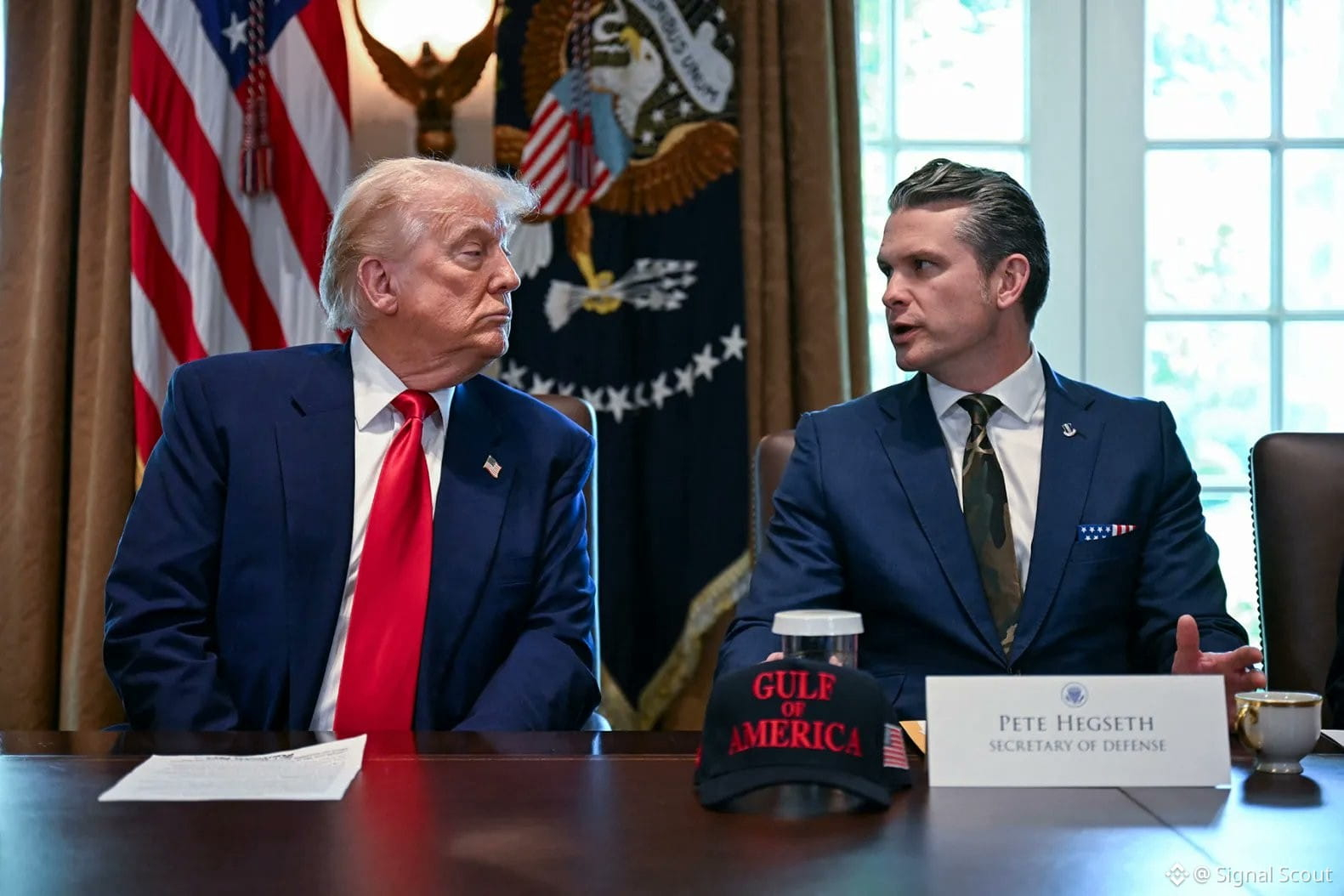
🇺🇸🇮🇷 Washington is already talking about shrinking its footprint in the Middle East when the Iran war ends...
Military and intelligence officials say the conversation is quiet and unofficial: fewer people, fewer bases, maybe some jobs done from home, fly-ins for missions.
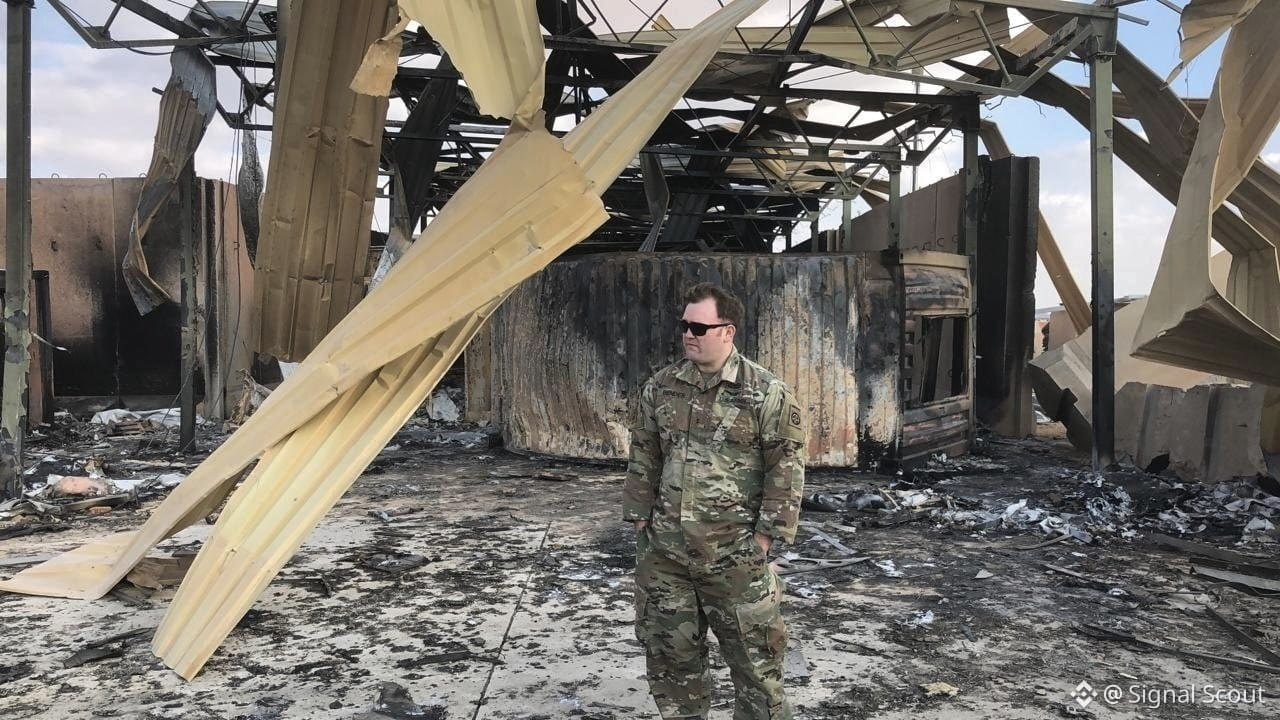
18 U.S. troops are dead. Iran has hit American sites all across the Gulf, and some of those facilities may simply never be rebuilt.
There are still about 50,000 troops in the region, plus carriers and destroyers.
Trump doesn't have the patience for endless deployments, and America has promised to leave this region for 25 years...
Is it finally time?
Source: CNN / Writer: Samuel
$LAB
{future}(LABUSDT)
$AKE
{future}(AKEUSDT)
$GAS
{spot}(GASUSDT)
🇺🇸🇮🇷 Washington is already talking about shrinking its footprint in the Middle East when the Iran war ends...
Military and intelligence officials say the conversation is quiet and unofficial: fewer people, fewer bases, maybe some jobs done from home, fly-ins for missions.
18 U.S. troops are dead. Iran has hit American sites all across the Gulf, and some of those facilities may simply never be rebuilt.
There are still about 50,000 troops in the region, plus carriers and destroyers.
Trump doesn't have the patience for endless deployments, and America has promised to leave this region for 25 years...
Is it finally time?
Source: CNN / Writer: Samuel
$LAB
$AKE
$GAS
Military and intelligence officials say the conversation is quiet and unofficial: fewer people, fewer bases, maybe some jobs done from home, fly-ins for missions.
18 U.S. troops are dead. Iran has hit American sites all across the Gulf, and some of those facilities may simply never be rebuilt.
There are still about 50,000 troops in the region, plus carriers and destroyers.
Trump doesn't have the patience for endless deployments, and America has promised to leave this region for 25 years...
Is it finally time?
Source: CNN / Writer: Samuel
$LAB
$AKE
$GAS

49
·
--
ເບິ່ງການແປ
🇮🇷🇺🇸 Oil is already above $100 if you buy the actual barrels instead of the headline...
-Brent trades near $97, but Dubai cash hit $105.10 Monday and Oman futures $104.54, the grades Asian refiners actually pay for
-Spot premiums for November cargoes run $19 to $20 above quotes, back at April's crisis levels
-Middle East crude shipments are at about 11 million barrels a day against 18 million before the war, per Argus
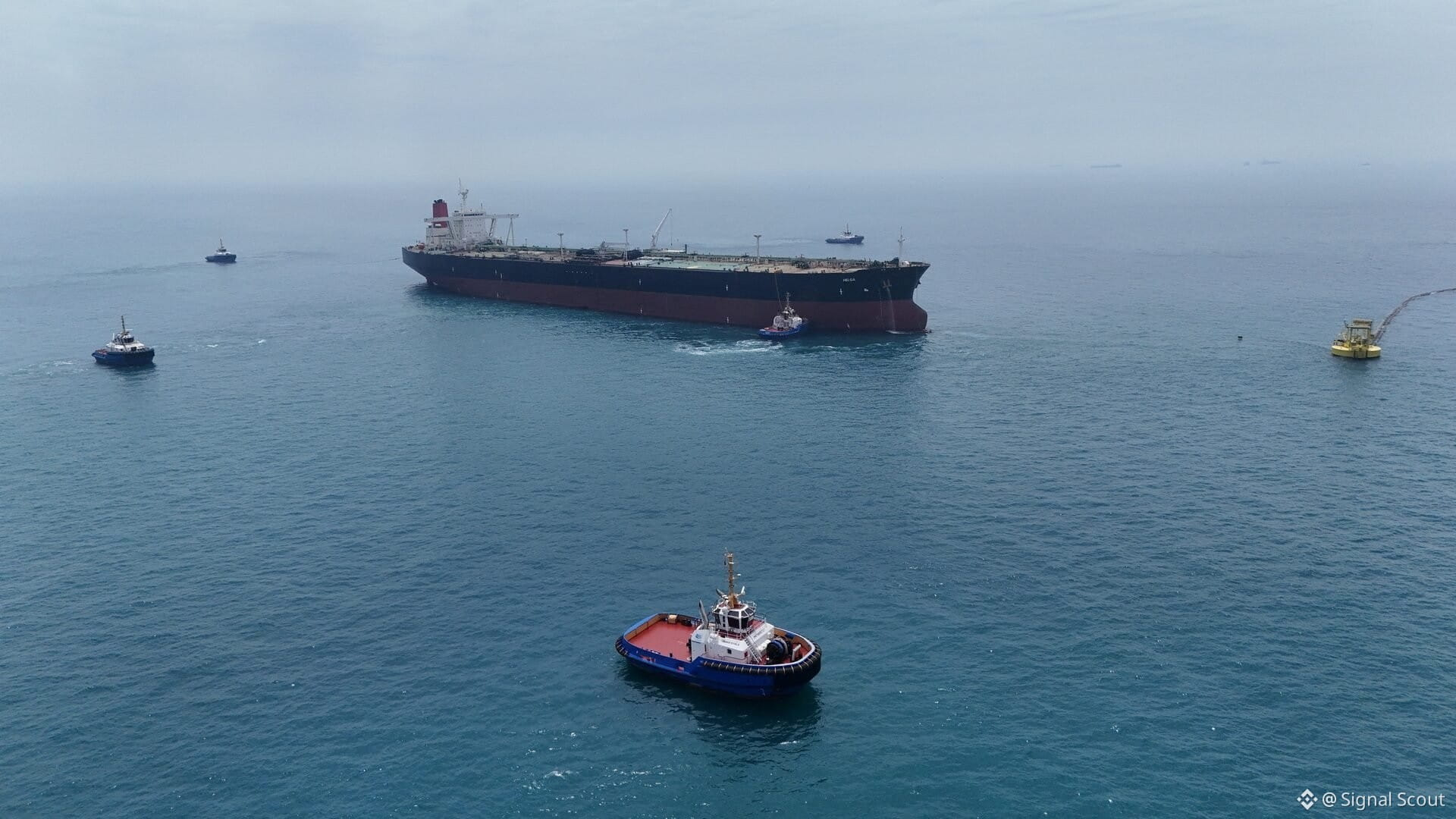
-No supertanker has visibly left Hormuz since September 2, per Kpler, with flows below 2 million barrels a day since fighting resumed
-Saudi exports from Yanbu on the Red Sea fell to a six-month low of 1.4 million barrels a day in August under the Houthi blockade, down from 3.9 million
-Egypt's Sidi Kerir terminal more than doubled its volumes as Gulf oil rerouted around both chokepoints
-China cut seaborne crude imports from over 11 million barrels a day in February to 7 million and holds an estimated 1.17 billion barrels in reserve
-Global demand destruction stands at 3.5 million barrels a day, with China more than half of it
-Morgan Stanley now forecasts Brent averaging $100 in the fourth quarter
The benchmark is calm because China stopped buying and the world is burning through stockpiles, which is a cushion made of empty warehouses and idle factories.
Argus economist David Fyfe says the diesel market is screaming shortage, and American diesel already set a record.
Source: Reuters, Argus, Kpler / Writer: Daniel
$GAS
{spot}(GASUSDT)
$G
{spot}(GUSDT)
$NEO
{spot}(NEOUSDT)
🇮🇷🇺🇸 Oil is already above $100 if you buy the actual barrels instead of the headline...
-Brent trades near $97, but Dubai cash hit $105.10 Monday and Oman futures $104.54, the grades Asian refiners actually pay for
-Spot premiums for November cargoes run $19 to $20 above quotes, back at April's crisis levels
-Middle East crude shipments are at about 11 million barrels a day against 18 million before the war, per Argus
-No supertanker has visibly left Hormuz since September 2, per Kpler, with flows below 2 million barrels a day since fighting resumed
-Saudi exports from Yanbu on the Red Sea fell to a six-month low of 1.4 million barrels a day in August under the Houthi blockade, down from 3.9 million
-Egypt's Sidi Kerir terminal more than doubled its volumes as Gulf oil rerouted around both chokepoints
-China cut seaborne crude imports from over 11 million barrels a day in February to 7 million and holds an estimated 1.17 billion barrels in reserve
-Global demand destruction stands at 3.5 million barrels a day, with China more than half of it
-Morgan Stanley now forecasts Brent averaging $100 in the fourth quarter
The benchmark is calm because China stopped buying and the world is burning through stockpiles, which is a cushion made of empty warehouses and idle factories.
Argus economist David Fyfe says the diesel market is screaming shortage, and American diesel already set a record.
Source: Reuters, Argus, Kpler / Writer: Daniel
$GAS
$G
$NEO
-Brent trades near $97, but Dubai cash hit $105.10 Monday and Oman futures $104.54, the grades Asian refiners actually pay for
-Spot premiums for November cargoes run $19 to $20 above quotes, back at April's crisis levels
-Middle East crude shipments are at about 11 million barrels a day against 18 million before the war, per Argus
-No supertanker has visibly left Hormuz since September 2, per Kpler, with flows below 2 million barrels a day since fighting resumed
-Saudi exports from Yanbu on the Red Sea fell to a six-month low of 1.4 million barrels a day in August under the Houthi blockade, down from 3.9 million
-Egypt's Sidi Kerir terminal more than doubled its volumes as Gulf oil rerouted around both chokepoints
-China cut seaborne crude imports from over 11 million barrels a day in February to 7 million and holds an estimated 1.17 billion barrels in reserve
-Global demand destruction stands at 3.5 million barrels a day, with China more than half of it
-Morgan Stanley now forecasts Brent averaging $100 in the fourth quarter
The benchmark is calm because China stopped buying and the world is burning through stockpiles, which is a cushion made of empty warehouses and idle factories.
Argus economist David Fyfe says the diesel market is screaming shortage, and American diesel already set a record.
Source: Reuters, Argus, Kpler / Writer: Daniel
$GAS
$G
$NEO
54
·
--
😳 $ZEC ພຽງແຕ່ FLIPPED ໄປໃນຝູງຊົນອັນໃຫຍ່ຫຼາຍ.
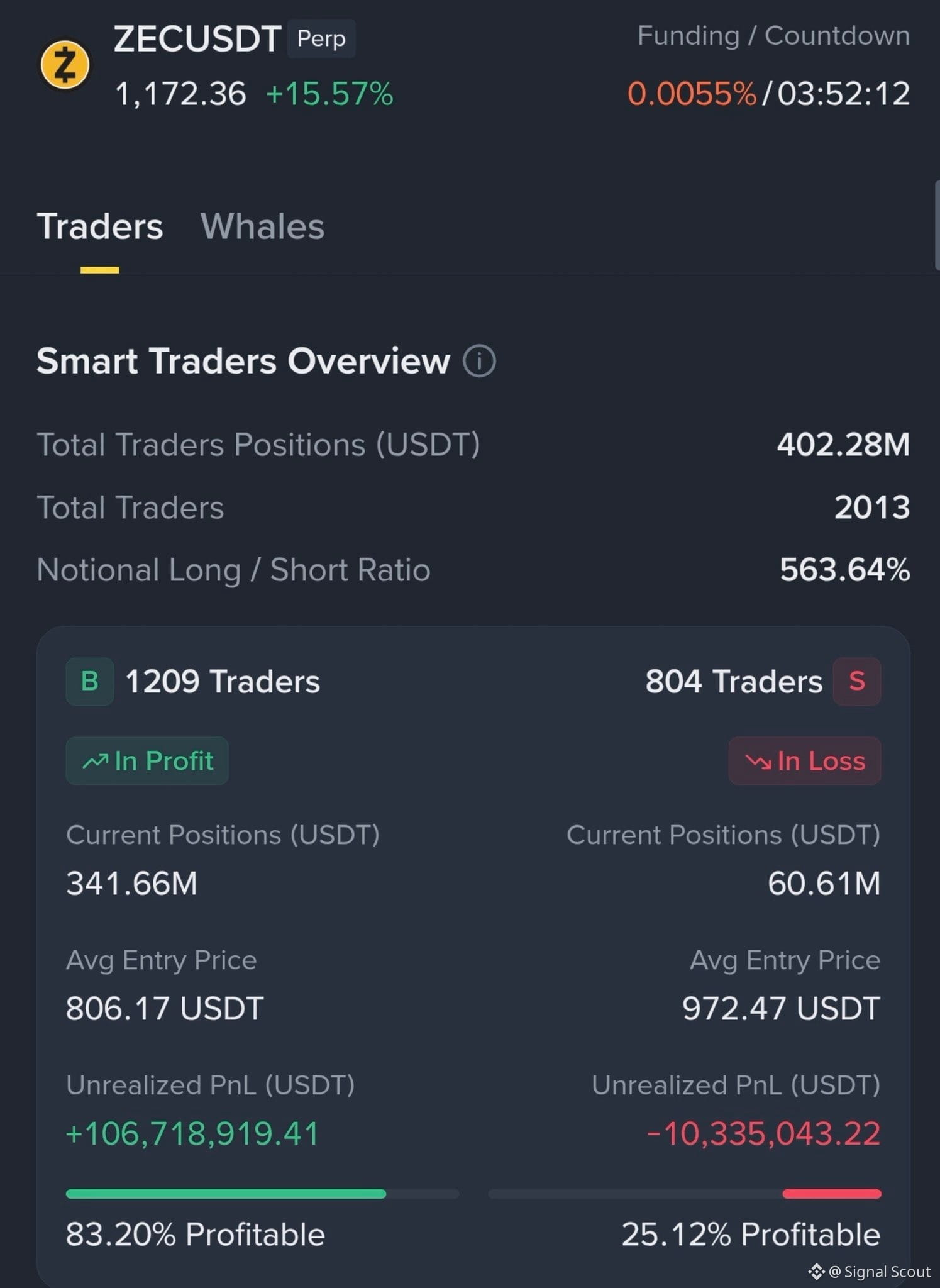
$341.66M ຍາວ
vs
$60.61M ສັ້ນ
ອັດຕາ L/S: 563.64%
83.20% ຂອງຝ່າຍຍາວມີກຳໄລ.
ຝ່າຍສັ້ນຫຼຸດລົງແລ້ວ $10.33M.
ການ squeeze ສັ້ນໄດ້ຜົນ.
ແຕ່ຕອນນີ້ຄຳຖາມປ່ຽນໄປ:
ໃຜຈະຖືກຕິດກັບຕອນທີ່ຕະຫຼາດຫັນທີ່ສຸດ?
{spot}(ZECUSDT)
😳 $ZEC ພຽງແຕ່ FLIPPED ໄປໃນຝູງຊົນອັນໃຫຍ່ຫຼາຍ.
$341.66M ຍາວ
vs
$60.61M ສັ້ນ
ອັດຕາ L/S: 563.64%
83.20% ຂອງຝ່າຍຍາວມີກຳໄລ.
ຝ່າຍສັ້ນຫຼຸດລົງແລ້ວ $10.33M.
ການ squeeze ສັ້ນໄດ້ຜົນ.
ແຕ່ຕອນນີ້ຄຳຖາມປ່ຽນໄປ:
ໃຜຈະຖືກຕິດກັບຕອນທີ່ຕະຫຼາດຫັນທີ່ສຸດ?
$341.66M ຍາວ
vs
$60.61M ສັ້ນ
ອັດຕາ L/S: 563.64%
83.20% ຂອງຝ່າຍຍາວມີກຳໄລ.
ຝ່າຍສັ້ນຫຼຸດລົງແລ້ວ $10.33M.
ການ squeeze ສັ້ນໄດ້ຜົນ.
ແຕ່ຕອນນີ້ຄຳຖາມປ່ຽນໄປ:
ໃຜຈະຖືກຕິດກັບຕອນທີ່ຕະຫຼາດຫັນທີ່ສຸດ?
88
·
--
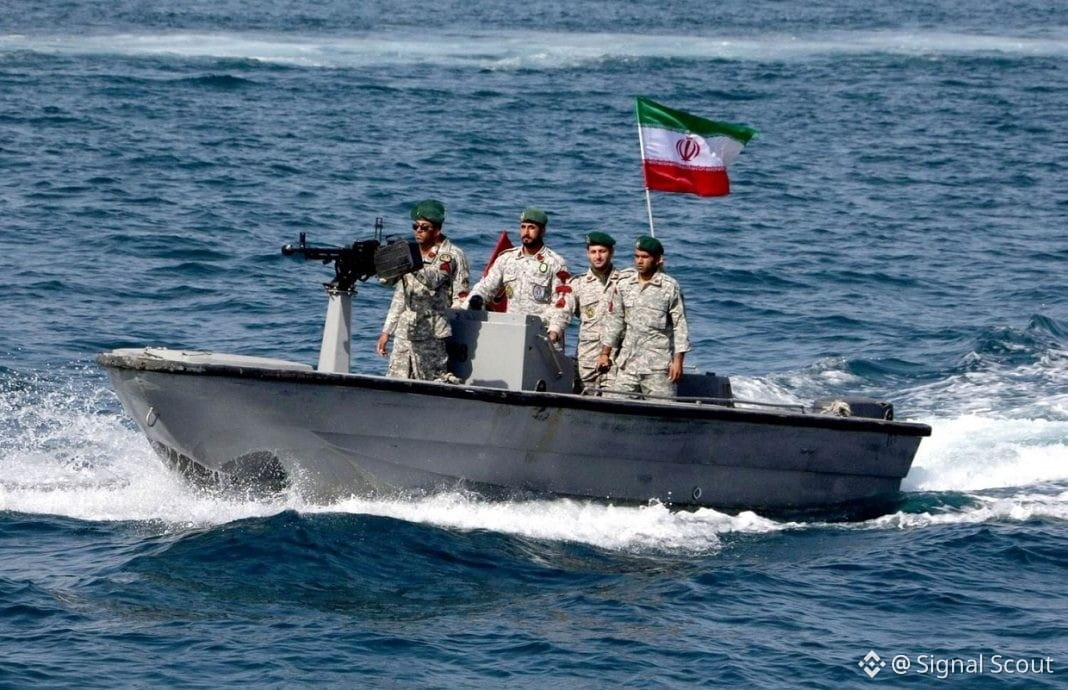
🇺🇸🇮🇷 ອີຣ່ານ ໄດ້ຂະຫຍາຍບັນຊີດຳການຂົນສົ່ງທ່າມກາງ Strait of Hormuz ເຖິງ 56 ລຳເຮືອ ຫຼັງຈາກການໂຈມຕີທີ່ລ່າສຸດຂອງສະຫະລັດ.
ຜູ້ອຳນວຍການລະດັບສູງຂອງອີຣ່ານ ກ່າວວ່າ ຈະຕອບໂຕ້ “ຢ່າງບໍ່ສົມດຸນ ແລະ ຫຼາຍຊັ້ນ.”
ເຮືອຂົນສົ່ງນ້ຳມັນໃນອ່າວ (Gulf tankers) ເໝືອນຈະກຳລັງປະເຊີນກັບການຈຳກັດທີ່ເຂັ້ມງວດຂຶ້ນ ໃນຂະນະທີ່ ສື່ອສານການຄ້າຂອງອີຣັກ ເປັນຂ່າວວ່າ ກຳລັງຜ່ານໄປດ້ວຍຄວາມຍາກລຳບາກໜ້ອຍກວ່າຫຼາຍ.
ສະຫະລັດ ແລະ ອີຣ່ານ ຍັງຄົງຫຼິ້ນເກມອັນອັນຕະລາຍຂອງການ “ໄກ່” (chicken)...
ແຫຼ່ງຂໍ້ມູນ: Al Jazeera / ຜູ້ຂຽນ: Mhedi
$GAS
{spot}(GASUSDT)
$TRUMP
{spot}(TRUMPUSDT)
$ZEC
{spot}(ZECUSDT)
🇺🇸🇮🇷 ອີຣ່ານ ໄດ້ຂະຫຍາຍບັນຊີດຳການຂົນສົ່ງທ່າມກາງ Strait of Hormuz ເຖິງ 56 ລຳເຮືອ ຫຼັງຈາກການໂຈມຕີທີ່ລ່າສຸດຂອງສະຫະລັດ.
ຜູ້ອຳນວຍການລະດັບສູງຂອງອີຣ່ານ ກ່າວວ່າ ຈະຕອບໂຕ້ “ຢ່າງບໍ່ສົມດຸນ ແລະ ຫຼາຍຊັ້ນ.”
ເຮືອຂົນສົ່ງນ້ຳມັນໃນອ່າວ (Gulf tankers) ເໝືອນຈະກຳລັງປະເຊີນກັບການຈຳກັດທີ່ເຂັ້ມງວດຂຶ້ນ ໃນຂະນະທີ່ ສື່ອສານການຄ້າຂອງອີຣັກ ເປັນຂ່າວວ່າ ກຳລັງຜ່ານໄປດ້ວຍຄວາມຍາກລຳບາກໜ້ອຍກວ່າຫຼາຍ.
ສະຫະລັດ ແລະ ອີຣ່ານ ຍັງຄົງຫຼິ້ນເກມອັນອັນຕະລາຍຂອງການ “ໄກ່” (chicken)...
ແຫຼ່ງຂໍ້ມູນ: Al Jazeera / ຜູ້ຂຽນ: Mhedi
$GAS
$TRUMP
$ZEC
ຜູ້ອຳນວຍການລະດັບສູງຂອງອີຣ່ານ ກ່າວວ່າ ຈະຕອບໂຕ້ “ຢ່າງບໍ່ສົມດຸນ ແລະ ຫຼາຍຊັ້ນ.”
ເຮືອຂົນສົ່ງນ້ຳມັນໃນອ່າວ (Gulf tankers) ເໝືອນຈະກຳລັງປະເຊີນກັບການຈຳກັດທີ່ເຂັ້ມງວດຂຶ້ນ ໃນຂະນະທີ່ ສື່ອສານການຄ້າຂອງອີຣັກ ເປັນຂ່າວວ່າ ກຳລັງຜ່ານໄປດ້ວຍຄວາມຍາກລຳບາກໜ້ອຍກວ່າຫຼາຍ.
ສະຫະລັດ ແລະ ອີຣ່ານ ຍັງຄົງຫຼິ້ນເກມອັນອັນຕະລາຍຂອງການ “ໄກ່” (chicken)...
ແຫຼ່ງຂໍ້ມູນ: Al Jazeera / ຜູ້ຂຽນ: Mhedi
$GAS
$TRUMP
$ZEC
355
·
--
ສັນຍານກະທິງ
ՀՈՒԼԻՇ․ Crypto-ի բաժնետոմսերը ԳՆՈՒՄ ԵՆ ԲԱՐՁՐ՝ քանի որ Bitcoin-ը բարձրանում է $81,000-ից՝ ջնջելով վերջին հինգ օրերի ընթացքում կուտակված $BTC կորուստները։
Բարձրանալու շարժը մասամբ պայմանավորված էր ԱՄՆ-ի Գանձապետարանի ծրագրով՝ ընդլայնել երկարաժամկետ պարտատոմսերի հետգնման գործարքները՝ շուկաներ ներարկելով թարմ իրացվելիություն, թուլացնելով դոլարը և բարձրացնելով ռիսկային ակտիվները։
🟢 BMNR +13.18%
🟢 MARA +11.94%
🟢 COIN +10.96%
🟢 MSTR +10.31%
🟢 SBET +5.80%
{spot}(BTCUSDT)
ՀՈՒԼԻՇ․ Crypto-ի բաժնետոմսերը ԳՆՈՒՄ ԵՆ ԲԱՐՁՐ՝ քանի որ Bitcoin-ը բարձրանում է $81,000-ից՝ ջնջելով վերջին հինգ օրերի ընթացքում կուտակված $BTC կորուստները։
Բարձրանալու շարժը մասամբ պայմանավորված էր ԱՄՆ-ի Գանձապետարանի ծրագրով՝ ընդլայնել երկարաժամկետ պարտատոմսերի հետգնման գործարքները՝ շուկաներ ներարկելով թարմ իրացվելիություն, թուլացնելով դոլարը և բարձրացնելով ռիսկային ակտիվները։
🟢 BMNR +13.18%
🟢 MARA +11.94%
🟢 COIN +10.96%
🟢 MSTR +10.31%
🟢 SBET +5.80%
Բարձրանալու շարժը մասամբ պայմանավորված էր ԱՄՆ-ի Գանձապետարանի ծրագրով՝ ընդլայնել երկարաժամկետ պարտատոմսերի հետգնման գործարքները՝ շուկաներ ներարկելով թարմ իրացվելիություն, թուլացնելով դոլարը և բարձրացնելով ռիսկային ակտիվները։
🟢 BMNR +13.18%
🟢 MARA +11.94%
🟢 COIN +10.96%
🟢 MSTR +10.31%
🟢 SBET +5.80%


118
·
--
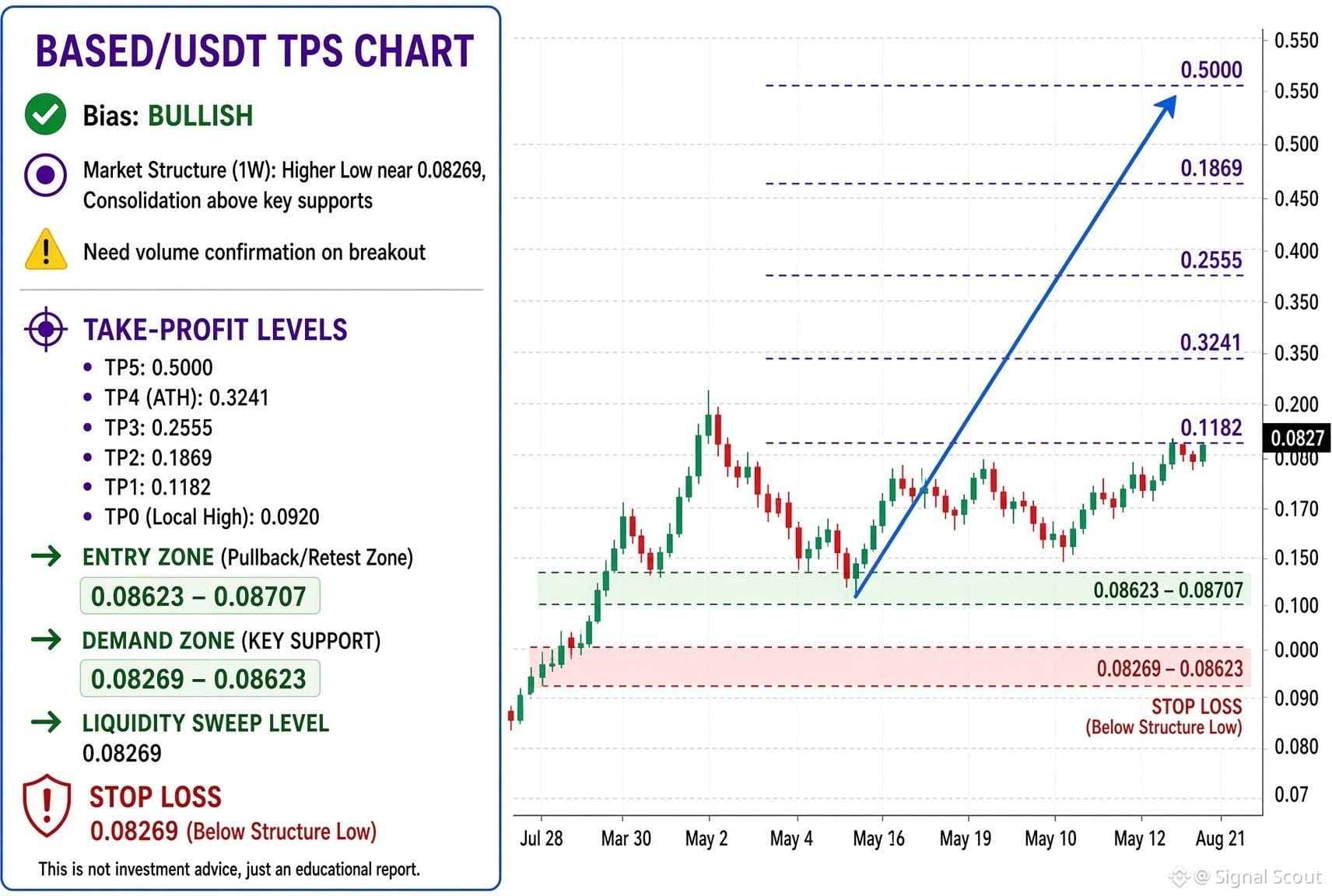
$BASED isilindelwe iphampu...
I-BASED isizini iyasondela maduze. Icoin ngayinye inethuba layo: sekusondele isikhathi sokuthi i-BASED ikhuphuke iphampe 💪
Uma kuthatha isikhathi eside ukuyiphampu: iyoba namandla kakhulu futhi iphampe iphakame kakhulu. Ukubekezela kuwumusa, kudingeka manje ukuze ujabulele iphampu enkulu ezayo ye-BASED 💪
Iphampu ye-BASED izofika ngokushesha ngokwanele 🚀✈️
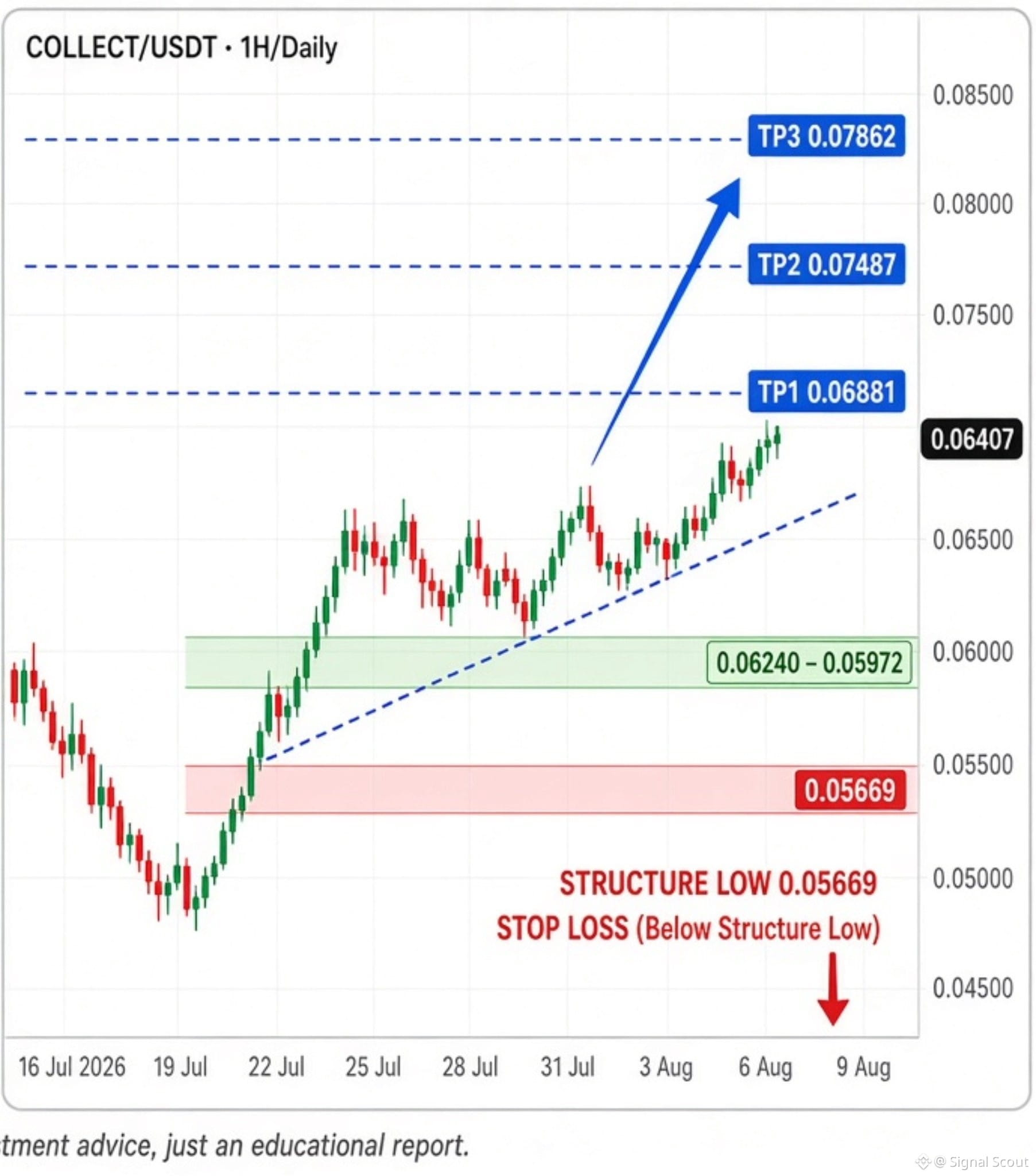
$COLLECT kulindelwe iphampu.. silindele iphampu enhle kulesi sikhathi 🚀✈️
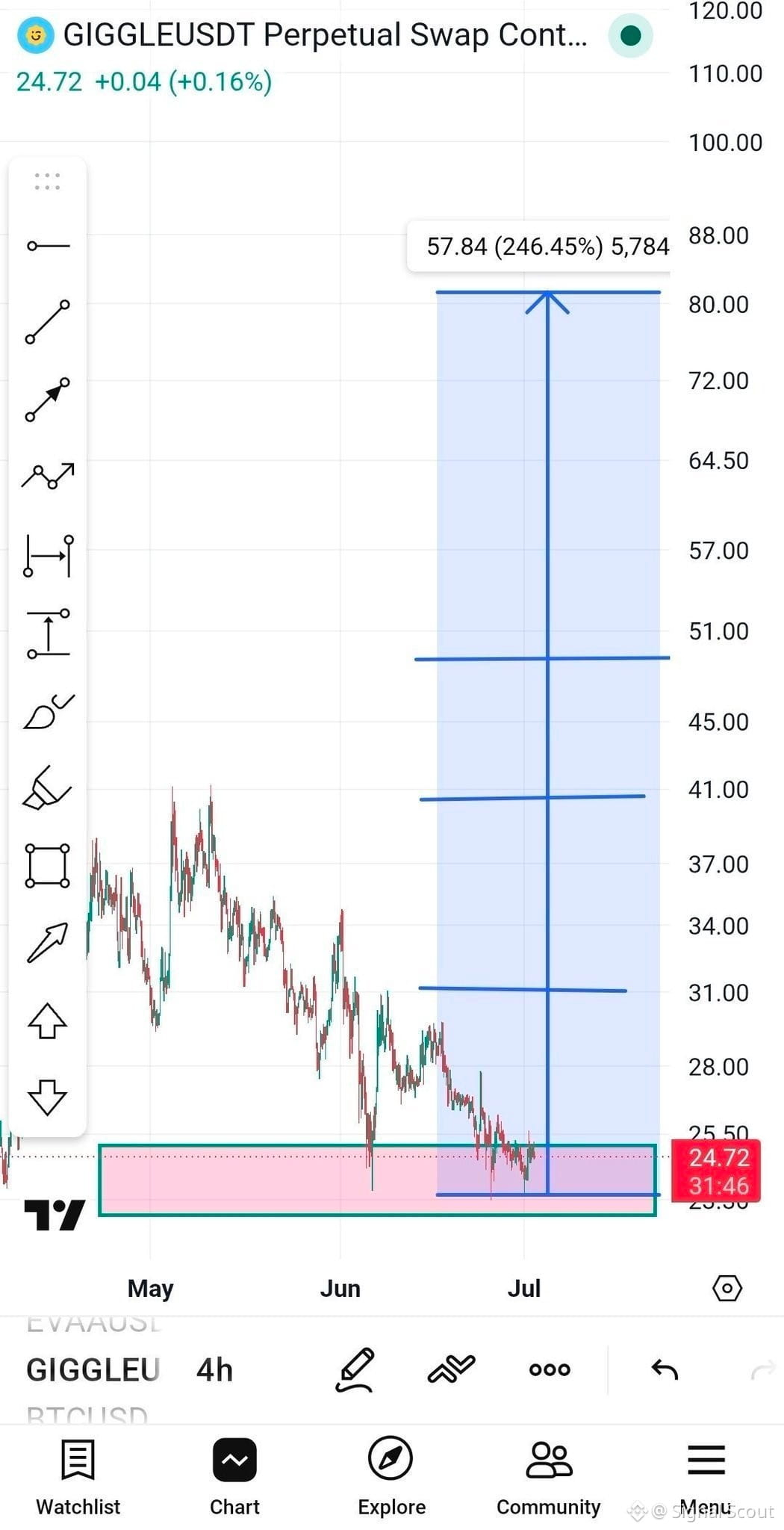
$GIGGLE kulindelwe iphampu ✈️🚀
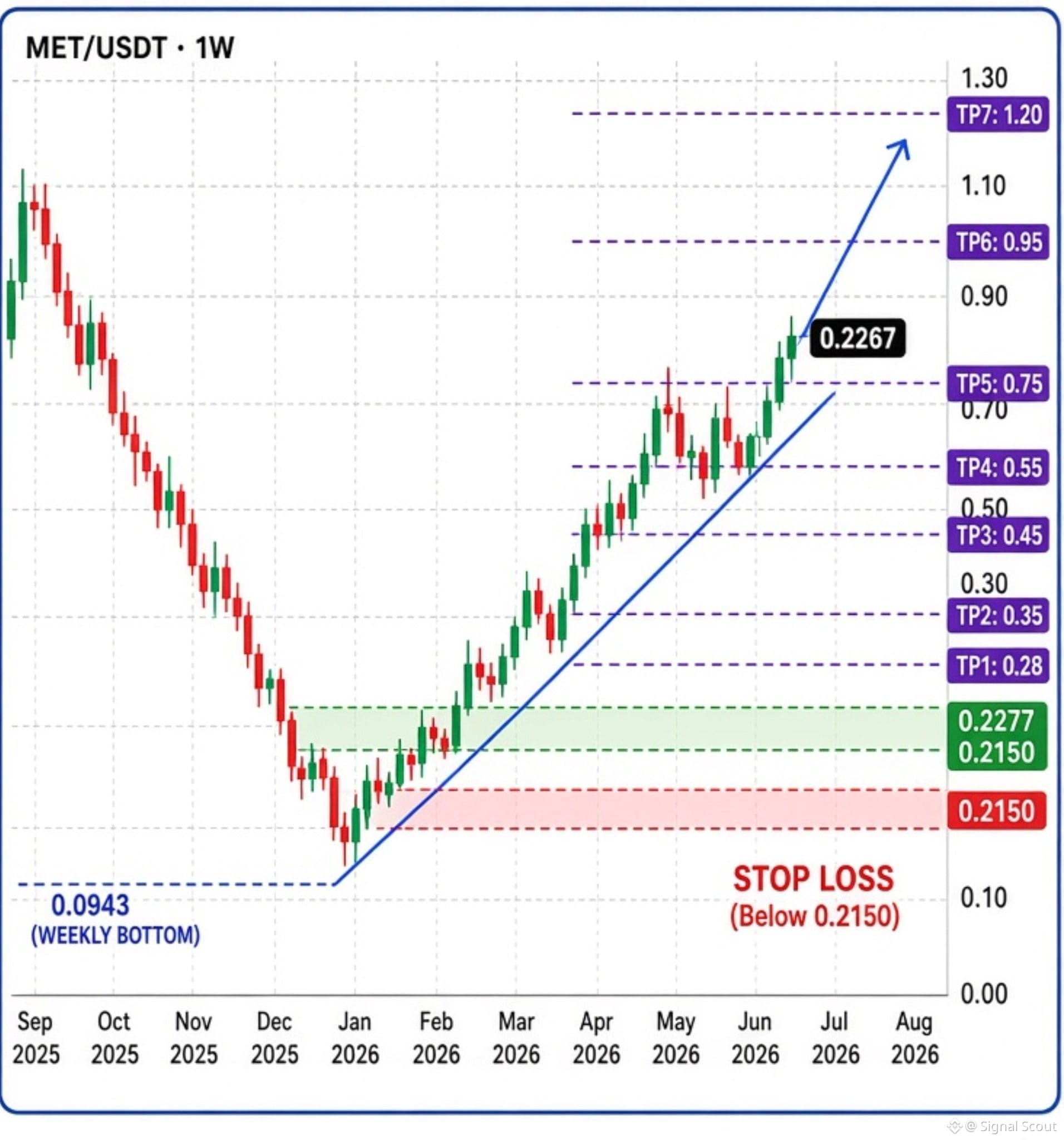
$MET kulindelwe iphampu 🚀✈️
$BICO kulindelwe iphampu 🚀✈️
$HOLO kulindelwe iphampu 🚀✈️
$PROM kulindelwe iphampu 🚀✈️
{future}(BASEDUSDT)
{spot}(GIGGLEUSDT)
{future}(COLLECTUSDT)
$BASED isilindelwe iphampu...
I-BASED isizini iyasondela maduze. Icoin ngayinye inethuba layo: sekusondele isikhathi sokuthi i-BASED ikhuphuke iphampe 💪
Uma kuthatha isikhathi eside ukuyiphampu: iyoba namandla kakhulu futhi iphampe iphakame kakhulu. Ukubekezela kuwumusa, kudingeka manje ukuze ujabulele iphampu enkulu ezayo ye-BASED 💪
Iphampu ye-BASED izofika ngokushesha ngokwanele 🚀✈️
$COLLECT kulindelwe iphampu.. silindele iphampu enhle kulesi sikhathi 🚀✈️
$GIGGLE kulindelwe iphampu ✈️🚀
$MET kulindelwe iphampu 🚀✈️
$BICO kulindelwe iphampu 🚀✈️
$HOLO kulindelwe iphampu 🚀✈️
$PROM kulindelwe iphampu 🚀✈️
I-BASED isizini iyasondela maduze. Icoin ngayinye inethuba layo: sekusondele isikhathi sokuthi i-BASED ikhuphuke iphampe 💪
Uma kuthatha isikhathi eside ukuyiphampu: iyoba namandla kakhulu futhi iphampe iphakame kakhulu. Ukubekezela kuwumusa, kudingeka manje ukuze ujabulele iphampu enkulu ezayo ye-BASED 💪
Iphampu ye-BASED izofika ngokushesha ngokwanele 🚀✈️
$COLLECT kulindelwe iphampu.. silindele iphampu enhle kulesi sikhathi 🚀✈️
$GIGGLE kulindelwe iphampu ✈️🚀
$MET kulindelwe iphampu 🚀✈️
$BICO kulindelwe iphampu 🚀✈️
$HOLO kulindelwe iphampu 🚀✈️
$PROM kulindelwe iphampu 🚀✈️
787
·
--
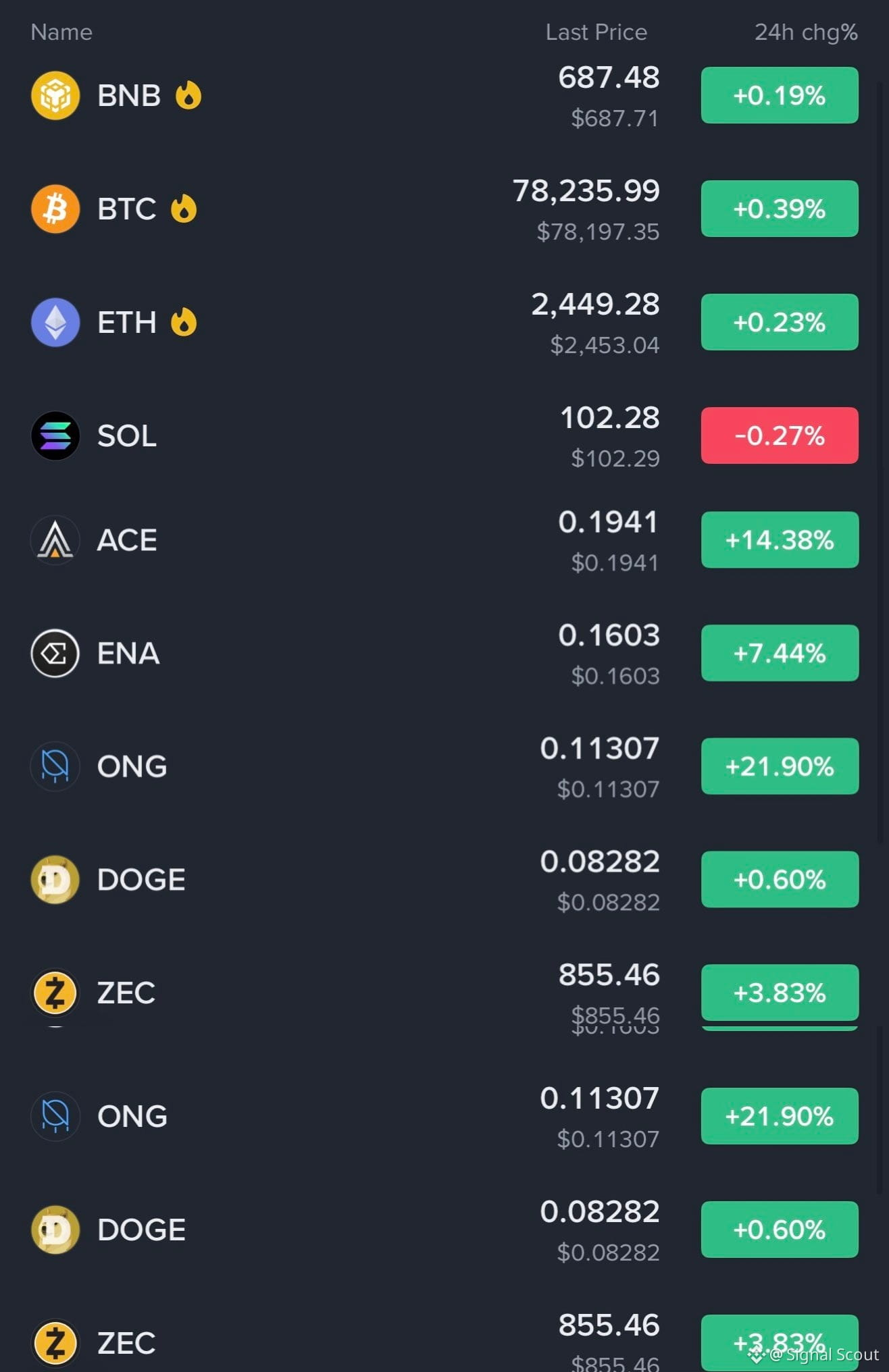
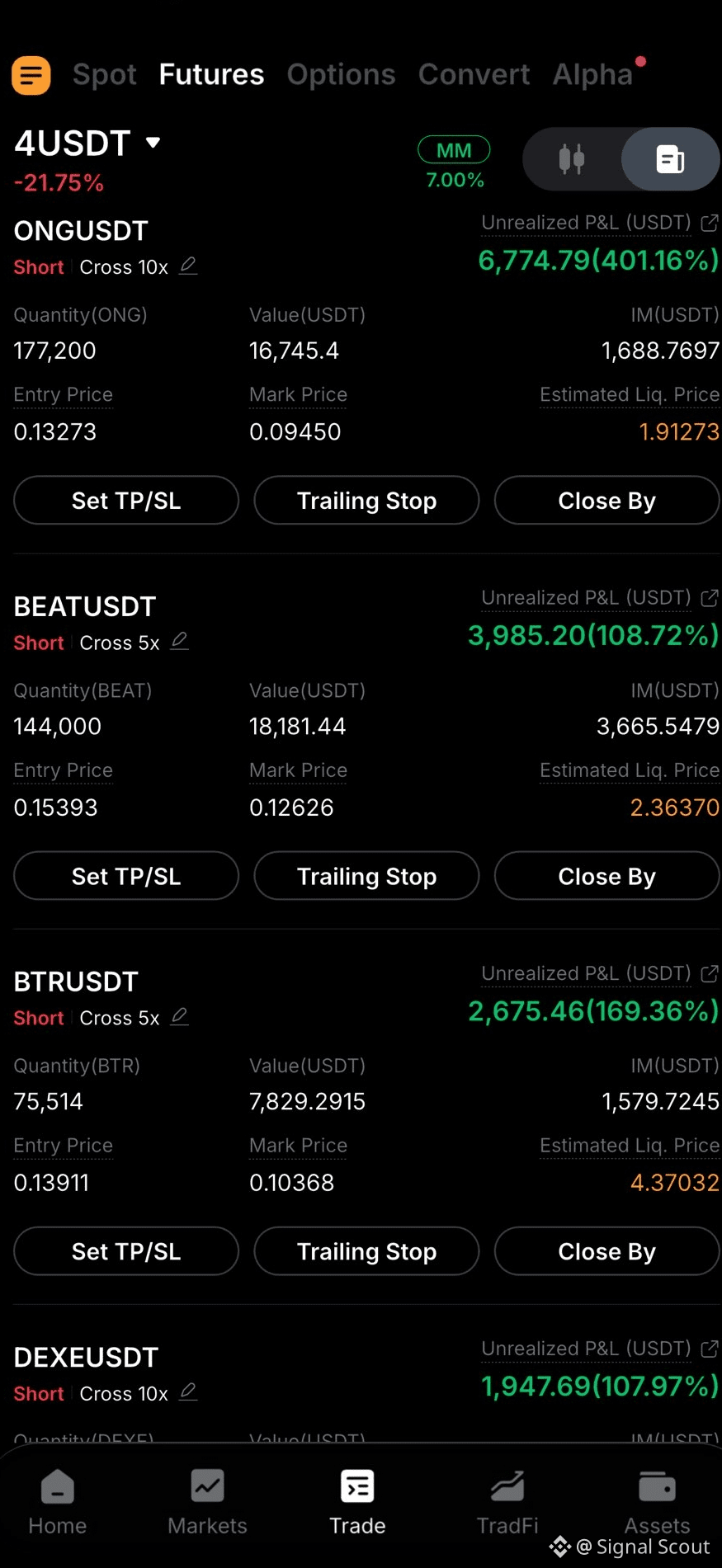
ໃນການຊື້ຂາຍ (trading) ທາງທີ່ຖືກແມ່ນງ່າຍ: ເມື່ອລາຄາກຳລັງເຄື່ອນໄປໃນທາງທີ່ເຮົາເປັນປະໂຫຍດ, ໃຫ້ກຳໄລແລ່ນຕໍ່. ເມື່ອການຊື້ຂາຍຊັດເຈນວ່າກຳລັງໄປໃນທາງຜິດ, ຕັດຂາດຄວາມເສຍຫາຍ ແລະ ປົກປ້ອງທຶນຂອງເຈົ້າ.
ແຕ່ຄົນສ່ວນຫຼາຍກັບເຮັດກົງກັນຂ້າມ. ພວກເຂົາຂາຍທັນທີເມື່ອເຫັນກຳໄລພຽງໜ້ອຍ, ແຕ່ເມື່ອການຊື້ຂາຍເລີ່ມປັ່ນລົງ (dumping), ກໍເລີ່ມຖືຖື ແລະ ຫວັງວ່າມັນຈະກັບມາ.
ນີ້ເພາະອາລົມ (emotions). ເຮົາຢ້ານການເສຍກຳໄລ, ແຕ່ໃນຂະນະດຽວກັນ ກໍບໍ່ຢາກຍອມຮັບການເສຍຂາດ.
ເພື່ອເປັນຄົນເຮັດ trading ໃຫ້ດີຂຶ້ນ, ເຈົ້າຕ້ອງຕໍ່ສູ້ນິດໄສນີ້. ຕັດການເສຍຫາຍຂອງເຈົ້າ, ຄວບຄຸມຄວາມສ່ຽງ, ແລະ ໃຫ້ການຊື້ຂາຍທີ່ເຮັດໄດ້ຜົນດີມີເວລາຫຼາຍຂຶ້ນເພື່ອໃຫ້ມັນເຕີບໂຕ.
$BEAT
{future}(BEATUSDT)
$BTR
{future}(BTRUSDT)
$DEXE
{spot}(DEXEUSDT)
ໃນການຊື້ຂາຍ (trading) ທາງທີ່ຖືກແມ່ນງ່າຍ: ເມື່ອລາຄາກຳລັງເຄື່ອນໄປໃນທາງທີ່ເຮົາເປັນປະໂຫຍດ, ໃຫ້ກຳໄລແລ່ນຕໍ່. ເມື່ອການຊື້ຂາຍຊັດເຈນວ່າກຳລັງໄປໃນທາງຜິດ, ຕັດຂາດຄວາມເສຍຫາຍ ແລະ ປົກປ້ອງທຶນຂອງເຈົ້າ.
ແຕ່ຄົນສ່ວນຫຼາຍກັບເຮັດກົງກັນຂ້າມ. ພວກເຂົາຂາຍທັນທີເມື່ອເຫັນກຳໄລພຽງໜ້ອຍ, ແຕ່ເມື່ອການຊື້ຂາຍເລີ່ມປັ່ນລົງ (dumping), ກໍເລີ່ມຖືຖື ແລະ ຫວັງວ່າມັນຈະກັບມາ.
ນີ້ເພາະອາລົມ (emotions). ເຮົາຢ້ານການເສຍກຳໄລ, ແຕ່ໃນຂະນະດຽວກັນ ກໍບໍ່ຢາກຍອມຮັບການເສຍຂາດ.
ເພື່ອເປັນຄົນເຮັດ trading ໃຫ້ດີຂຶ້ນ, ເຈົ້າຕ້ອງຕໍ່ສູ້ນິດໄສນີ້. ຕັດການເສຍຫາຍຂອງເຈົ້າ, ຄວບຄຸມຄວາມສ່ຽງ, ແລະ ໃຫ້ການຊື້ຂາຍທີ່ເຮັດໄດ້ຜົນດີມີເວລາຫຼາຍຂຶ້ນເພື່ອໃຫ້ມັນເຕີບໂຕ.
$BEAT
$BTR
$DEXE
ແຕ່ຄົນສ່ວນຫຼາຍກັບເຮັດກົງກັນຂ້າມ. ພວກເຂົາຂາຍທັນທີເມື່ອເຫັນກຳໄລພຽງໜ້ອຍ, ແຕ່ເມື່ອການຊື້ຂາຍເລີ່ມປັ່ນລົງ (dumping), ກໍເລີ່ມຖືຖື ແລະ ຫວັງວ່າມັນຈະກັບມາ.
ນີ້ເພາະອາລົມ (emotions). ເຮົາຢ້ານການເສຍກຳໄລ, ແຕ່ໃນຂະນະດຽວກັນ ກໍບໍ່ຢາກຍອມຮັບການເສຍຂາດ.
ເພື່ອເປັນຄົນເຮັດ trading ໃຫ້ດີຂຶ້ນ, ເຈົ້າຕ້ອງຕໍ່ສູ້ນິດໄສນີ້. ຕັດການເສຍຫາຍຂອງເຈົ້າ, ຄວບຄຸມຄວາມສ່ຽງ, ແລະ ໃຫ້ການຊື້ຂາຍທີ່ເຮັດໄດ້ຜົນດີມີເວລາຫຼາຍຂຶ້ນເພື່ອໃຫ້ມັນເຕີບໂຕ.
$BEAT
$BTR
$DEXE
75
·
--
🇺🇦🇷🇺 I-Ukraine ilungisa kabusha abaphathi bayo njengoba iRussia isondela kakhulu eSloviansk...
Amasosha aseRussia manje asese kude ngamakhilomitha angu-7–10 ukusuka edolobheni kwenye indawo, kuseduze ngokwanele ukuba izikhali zishaye sezivele zikwazi ukufinyelela kulo.
Abantu bayakhuthazwa ukuba bahambe, phakathi kokuhlaselwa kwansuku zonke.
I-Ukraine ibeka abanye babaphathi bayo abaziwa kakhulu ukuze baqondise izingxenye ezibalulekile zohlangothi lwaseDonetsk, okuhlanganisa u-Andrii Biletskyi kanye nomphathi we-Azov uDenys Prokopenko.
Inhloso icace kakhulu: ukumisa intuthuko yeRussia, ukuhlanza nokulungisa indlela lapho uhlangothi luphathwa khona, nokuthola amasosha nezinsiza lapho kudingeka khona kakhulu.
Futhi kunomfutho owengeziwe ozayo...
Ubufakazi bezobunhloli base-Ukraine buthi iRussia ingase iqoqe amanye amasosha angu-300,000 ngo-2026, futhi mhlawumbe amanye angu-300,000 ngonyaka olandelayo, nakuba uPutin engakakwenzi lokho kuqokwa okwamanje.
Omunye umphathi-jikelele wase-Ukraine uthi lokhu kungaba “impi enkulu yalo nyaka nalandelayo.”
Umthombo: hromadske / Umbhali: Daniyal
$CATI
{spot}(CATIUSDT)
$SC
{spot}(SCUSDT)
$CAP
{future}(CAPUSDT)
🇺🇦🇷🇺 I-Ukraine ilungisa kabusha abaphathi bayo njengoba iRussia isondela kakhulu eSloviansk...
Amasosha aseRussia manje asese kude ngamakhilomitha angu-7–10 ukusuka edolobheni kwenye indawo, kuseduze ngokwanele ukuba izikhali zishaye sezivele zikwazi ukufinyelela kulo.
Abantu bayakhuthazwa ukuba bahambe, phakathi kokuhlaselwa kwansuku zonke.
I-Ukraine ibeka abanye babaphathi bayo abaziwa kakhulu ukuze baqondise izingxenye ezibalulekile zohlangothi lwaseDonetsk, okuhlanganisa u-Andrii Biletskyi kanye nomphathi we-Azov uDenys Prokopenko.
Inhloso icace kakhulu: ukumisa intuthuko yeRussia, ukuhlanza nokulungisa indlela lapho uhlangothi luphathwa khona, nokuthola amasosha nezinsiza lapho kudingeka khona kakhulu.
Futhi kunomfutho owengeziwe ozayo...
Ubufakazi bezobunhloli base-Ukraine buthi iRussia ingase iqoqe amanye amasosha angu-300,000 ngo-2026, futhi mhlawumbe amanye angu-300,000 ngonyaka olandelayo, nakuba uPutin engakakwenzi lokho kuqokwa okwamanje.
Omunye umphathi-jikelele wase-Ukraine uthi lokhu kungaba “impi enkulu yalo nyaka nalandelayo.”
Umthombo: hromadske / Umbhali: Daniyal
$CATI
$SC
$CAP
Amasosha aseRussia manje asese kude ngamakhilomitha angu-7–10 ukusuka edolobheni kwenye indawo, kuseduze ngokwanele ukuba izikhali zishaye sezivele zikwazi ukufinyelela kulo.
Abantu bayakhuthazwa ukuba bahambe, phakathi kokuhlaselwa kwansuku zonke.
I-Ukraine ibeka abanye babaphathi bayo abaziwa kakhulu ukuze baqondise izingxenye ezibalulekile zohlangothi lwaseDonetsk, okuhlanganisa u-Andrii Biletskyi kanye nomphathi we-Azov uDenys Prokopenko.
Inhloso icace kakhulu: ukumisa intuthuko yeRussia, ukuhlanza nokulungisa indlela lapho uhlangothi luphathwa khona, nokuthola amasosha nezinsiza lapho kudingeka khona kakhulu.
Futhi kunomfutho owengeziwe ozayo...
Ubufakazi bezobunhloli base-Ukraine buthi iRussia ingase iqoqe amanye amasosha angu-300,000 ngo-2026, futhi mhlawumbe amanye angu-300,000 ngonyaka olandelayo, nakuba uPutin engakakwenzi lokho kuqokwa okwamanje.
Omunye umphathi-jikelele wase-Ukraine uthi lokhu kungaba “impi enkulu yalo nyaka nalandelayo.”
Umthombo: hromadske / Umbhali: Daniyal
$CATI
$SC
$CAP


366
ເຂົ້າສູ່ລະບົບເພື່ອສຳຫຼວດເນື້ອຫາເພີ່ມເຕີມ
ເຂົ້າຮ່ວມກຸ່ມຜູ້ໃຊ້ຄຣິບໂຕທົ່ວໂລກໃນ Binance Square.
⚡️ ໄດ້ຮັບຂໍ້ມູນຫຼ້າສຸດ ແລະ ທີ່ມີປະໂຫຍດກ່ຽວກັບຄຣິບໂຕ.
💬 ໄດ້ຮັບຄວາມໄວ້ວາງໃຈຈາກຕະຫຼາດແລກປ່ຽນຄຣິບໂຕທີ່ໃຫຍ່ທີ່ສຸດໃນໂລກ.
👍 ຄົ້ນຫາຂໍ້ມູນເຊີງເລິກທີ່ແທ້ຈາກນັກສ້າງທີ່ໄດ້ຮັບການຢືນຢັນ.
ອີເມວ / ເບີໂທລະສັບ
ຫົວຂໍ້ທີ່ກໍາລັງນິຍົມ
BitcoinSurpasses$77000
4,341 views
85 ກຳລັງສົນທະນາ
$BTC ezali kotangisa makasi koleka nyonso yango nyonso. 🚀
Lobi oyo ezalaki litambe ya liboso ya motuya/interest (rate hike) na boumeli ya koleka mibu 3, nzoka nde Ngalande ya CLARITY Act emonanaki lisusu ete ekangami (stalled) lisusu lobi.
Bongisa plan ya position longue lisusu monene - kende koyamba ngai na nsuka
Entrée : $75500 - $76500
Stoploss : $74900
Take profit : $77000 - $78000
Mibongisa mpo na cycle ya croissance ya mpela makasi. 🔥
TF_bnb
·15 ຖືກໃຈ
·6.3k views
ParadigmDisclosesZECHolding
6,920 views
284 ກຳລັງສົນທະນາ
BitcoinETFsShed$450M
15,774 views
148 ກຳລັງສົນທະນາ